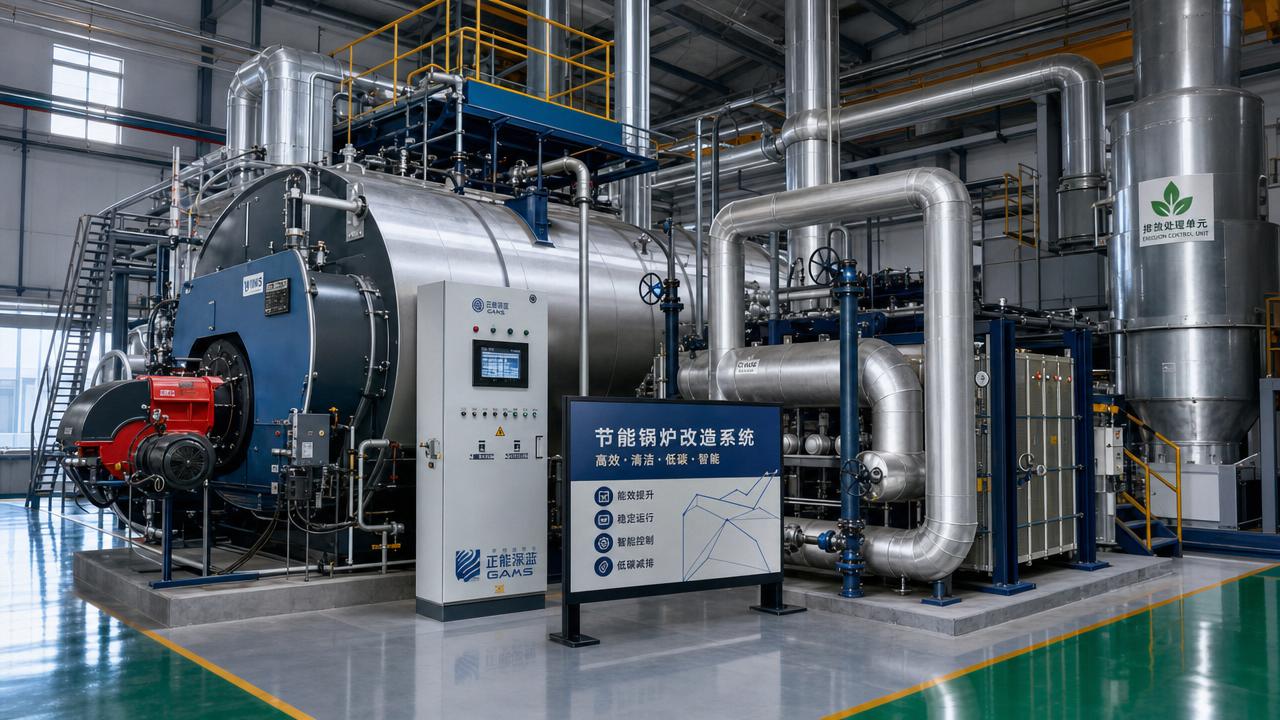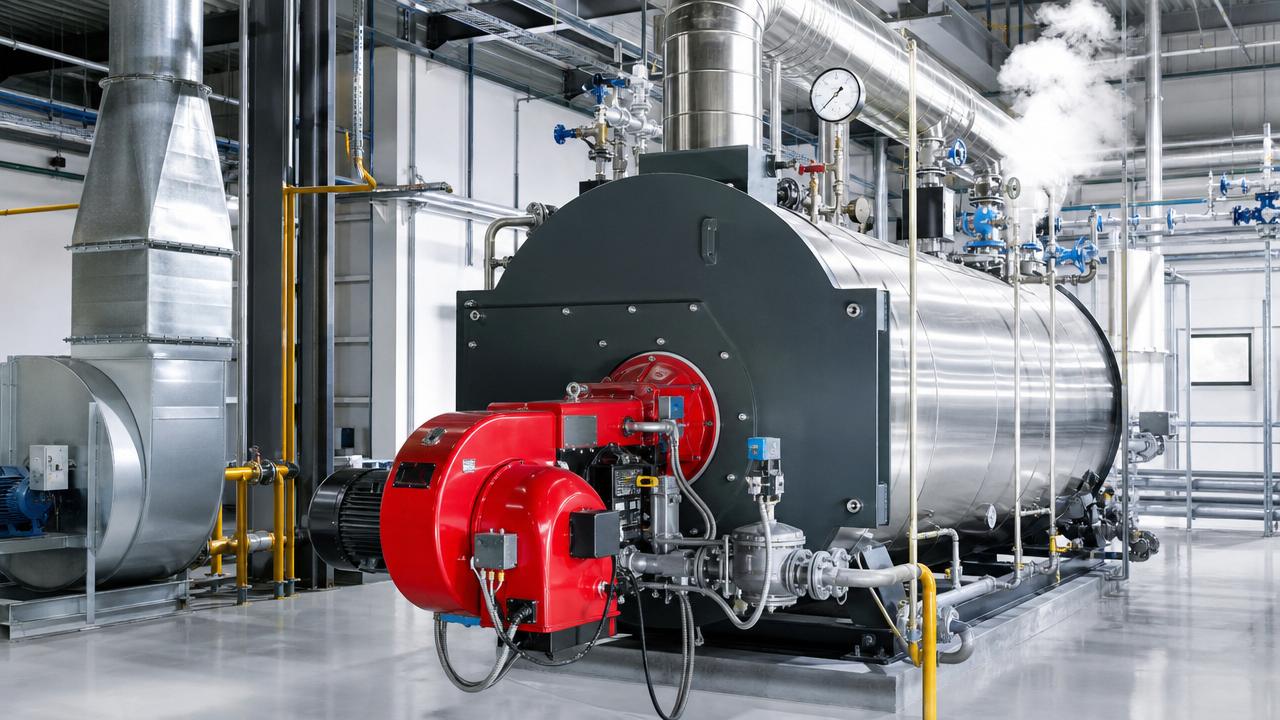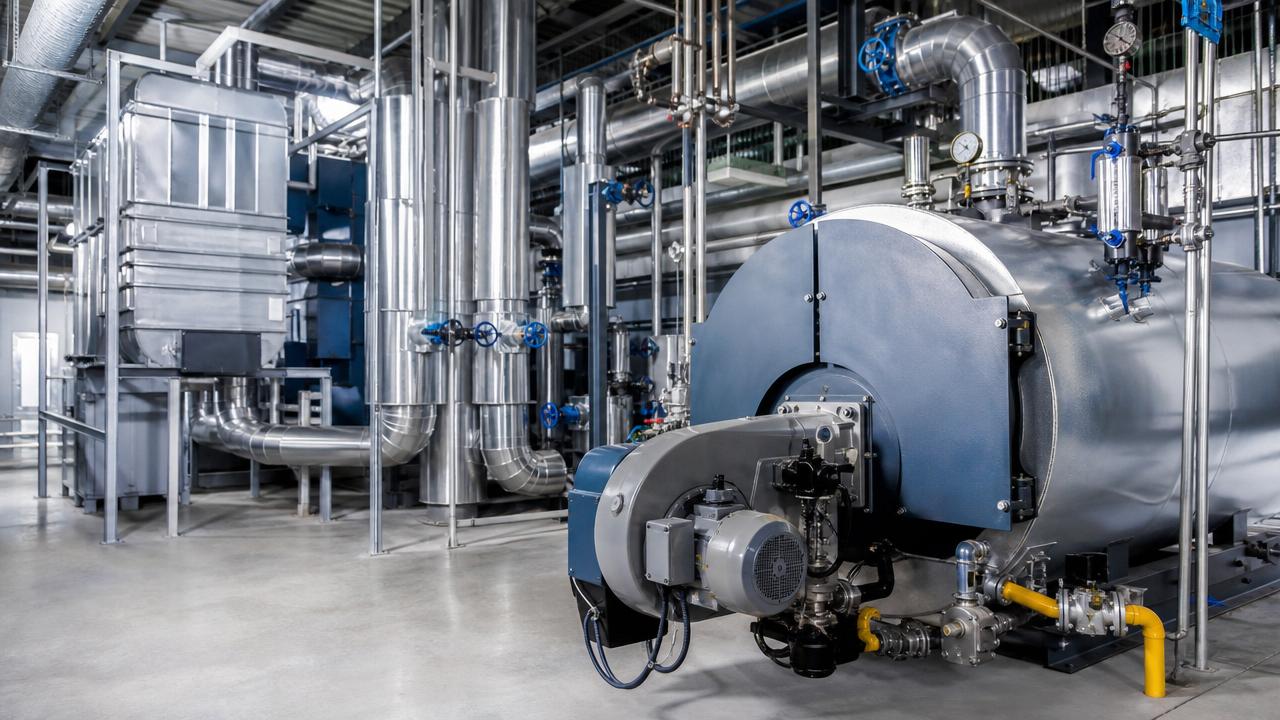




Thermal Power Systems: Key Upgrade Signals to Watch




For project managers and engineering leads, thermal power systems rarely fail without warning—they signal rising energy loss, control instability, and mounting maintenance pressure long before major disruption occurs.
Identifying these upgrade indicators early is essential for improving efficiency, reducing lifecycle costs, and aligning industrial operations with stricter sustainability targets.
This article highlights the key signals worth tracking and how to turn them into smarter upgrade decisions.
What Are Decision-Makers Really Looking For in Thermal Power Systems?
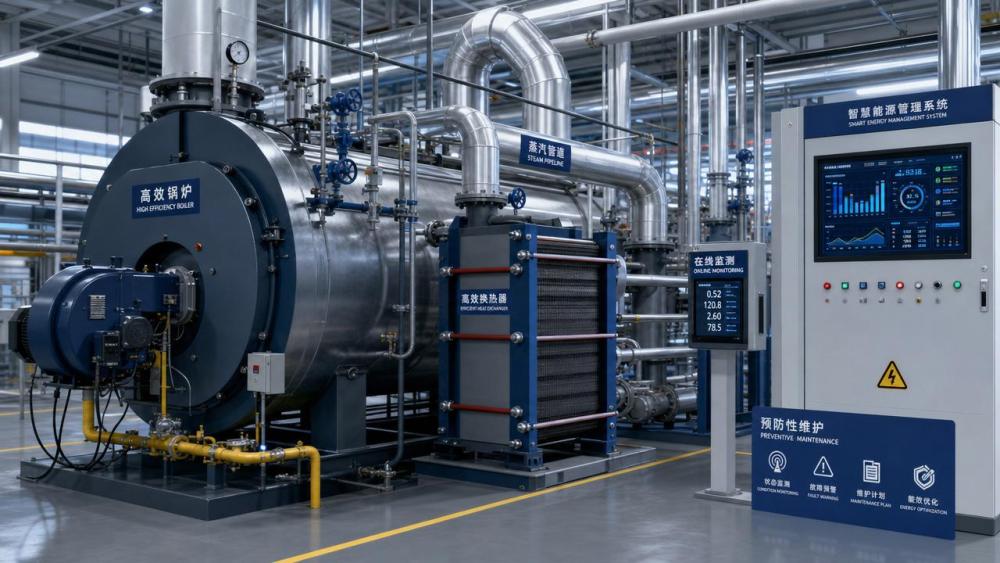
The core search intent behind thermal power systems upgrade signals is practical, not theoretical. Most readers want to know when an existing system is no longer cost-effective, reliable, or compliant.
Project leaders are usually not asking whether upgrades are possible. They are asking whether the timing is right, what evidence justifies capital spending, and which warning signs should trigger action.
For this audience, the most useful article is one that connects technical symptoms to business consequences. That means linking efficiency decline, maintenance burden, and process risk to upgrade urgency.
In many industrial environments, thermal power systems operate in the background until performance deterioration becomes impossible to ignore. By then, the cost of delay is often far higher than the cost of planning.
A smart upgrade strategy starts with recognizing that underperformance is rarely a single-event problem. It usually appears as a pattern across energy use, controls, reliability, safety, and compliance.
Why Upgrade Signals Matter Before Equipment Actually Fails
Waiting for visible failure is one of the most expensive ways to manage thermal infrastructure. Emergency shutdowns, rushed procurement, and production disruption usually erase any savings gained from delaying investment.
Thermal power systems often degrade gradually. Heat transfer efficiency drops, response times slow, fuel or electricity consumption rises, and operators begin compensating manually for unstable system behavior.
These are not minor annoyances. They are early indicators that the system is consuming more resources to deliver less useful output.
From a project management perspective, the main value of tracking upgrade signals is control. Early identification gives teams time to compare retrofit paths, phase budgets, evaluate vendors, and schedule installation around operations.
It also improves stakeholder communication. When upgrade proposals are backed by trend data rather than anecdotal complaints, internal approval becomes easier and investment decisions become more defensible.
The Most Important Upgrade Signal: Rising Energy Intensity
If one metric deserves top priority, it is energy consumed per unit of useful thermal output. When this ratio worsens over time, the system is usually losing efficiency even if it still appears operational.
In boilers, heaters, chillers, and heat exchange networks, rising energy intensity can result from fouling, poor combustion, degraded insulation, control drift, or oversized equipment operating far from design conditions.
Project managers should watch for gradual increases in fuel use, power draw, steam consumption, or cooling load that cannot be explained by production volume or seasonal variation.
Another key clue is widening performance deviation from original design specifications. If the system requires more input to maintain the same temperature, pressure, or throughput, upgrade analysis should begin.
Energy price volatility makes this issue more serious. A system that seemed acceptable under old utility costs may now create a much larger operating expense burden.
For thermal power systems in energy-intensive sectors, small efficiency losses compound quickly across shifts, seasons, and plant-wide interconnected processes. What looks like a 3 to 5 percent drop may carry major annual cost impact.
Frequent Control Instability Is a Sign of Deeper System Limits
Unstable thermal control is often treated as an instrumentation issue, but repeated instability can indicate that the overall system architecture no longer matches process demands.
Common symptoms include temperature overshoot, long recovery cycles, pressure fluctuations, poor load matching, and frequent operator intervention to maintain acceptable performance.
These issues matter because thermal power systems are increasingly expected to support precise production conditions. In pharmaceuticals, food processing, electronics, and advanced manufacturing, narrow thermal tolerances are critical.
When a system can no longer respond smoothly to varying loads, quality risk rises. Scrap, rework, downtime, and customer complaints may follow long before a technical breakdown occurs.
Control instability also creates hidden labor costs. Operators spend more time adjusting setpoints, maintenance teams chase recurring alarms, and engineers lose confidence in system predictability.
If controls have been tuned repeatedly without lasting improvement, the problem may no longer be software logic or sensor calibration. It may be a hardware limitation that calls for upgrade or redesign.
Maintenance Pressure Often Reveals the Real Lifecycle Cost
One of the clearest upgrade signals is not a single failure but a growing maintenance burden. When service intervals shrink and spare part consumption rises, the system is telling you that aging has become operationally expensive.
Warning patterns include more unplanned repairs, repeated failures of the same components, difficulty sourcing parts, longer troubleshooting time, and dependence on a few experienced technicians to keep equipment running.
For project owners, this matters because maintenance cost is only part of the equation. The larger issue is reliability exposure.
A thermal asset that requires constant attention may still be running, but it is absorbing labor, increasing planning uncertainty, and raising the probability of unplanned outage.
Older thermal power systems can also create compatibility problems with modern monitoring, automation, and efficiency optimization tools. That limits visibility and makes predictive maintenance harder to implement.
When maintenance becomes increasingly reactive, an upgrade is often justified not just by repair savings but by restored operational confidence and reduced production risk.
Watch for Process Demand Changes That Existing Systems Were Never Designed to Handle
Not every upgrade signal comes from equipment deterioration. Sometimes the thermal power system is healthy by old standards but wrong for the facility’s current operating profile.
Production expansion, tighter quality requirements, batch variability, electrification strategies, heat recovery goals, and carbon reduction commitments can all change what “fit for purpose” really means.
A system designed for steady loads may struggle in a more dynamic manufacturing environment. Equipment sized for historical demand may cycle inefficiently under partial loads or fail under peak demand events.
This is especially important for project managers overseeing plant modifications. If thermal infrastructure is not reviewed alongside process changes, bottlenecks often appear after commissioning rather than before it.
An upgrade should therefore be considered whenever business strategy changes the thermal duty, responsiveness, resilience, or compliance expectations placed on the system.
Compliance, Emissions, and Safety Signals Should Not Be Treated as Secondary
In many regions, sustainability policy and environmental regulation are accelerating faster than asset replacement cycles. A system can remain mechanically operational while becoming commercially and legally outdated.
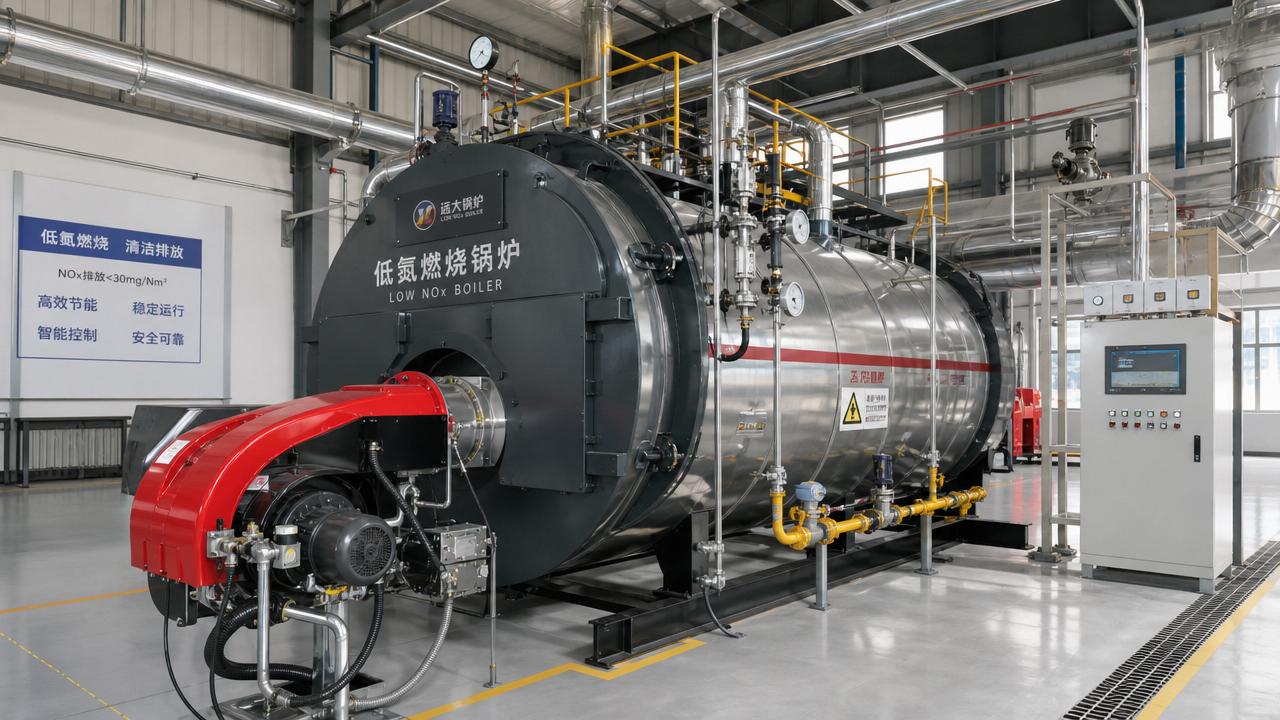
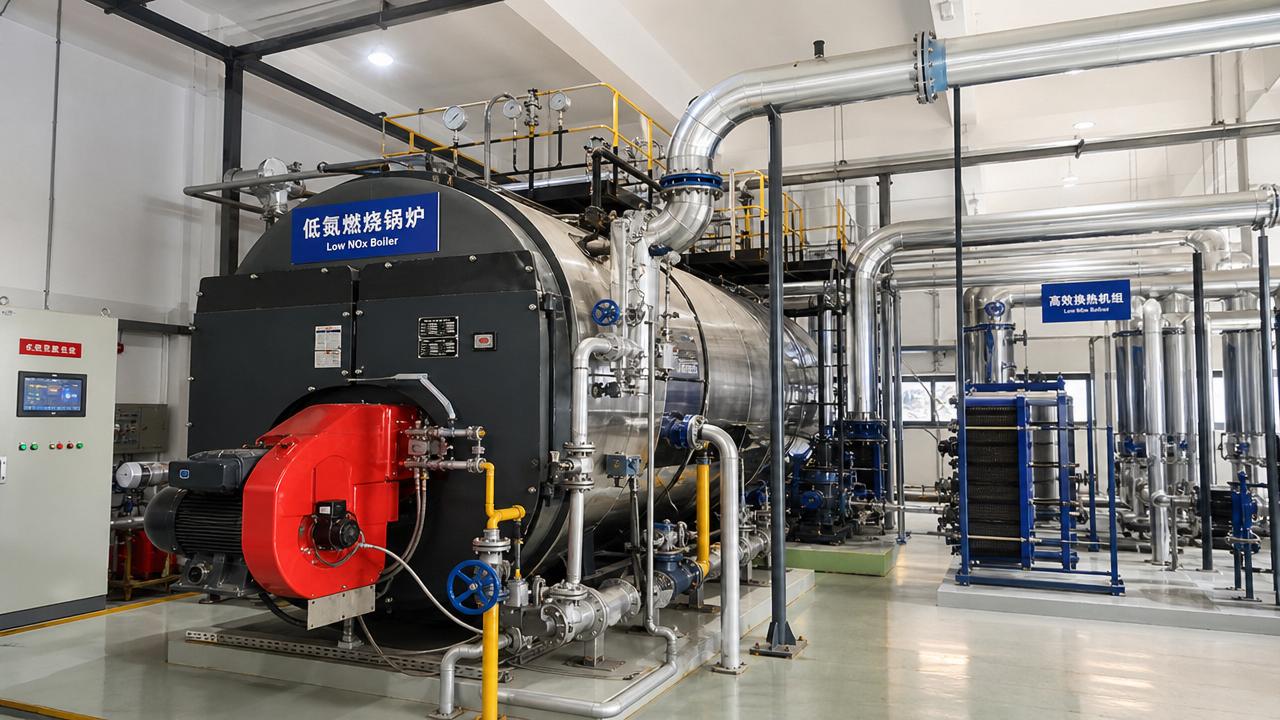
Key warning signs include difficulty meeting emissions thresholds, reliance on phased-down refrigerants, poor NOx performance, weak combustion efficiency, and inability to support internal carbon reporting requirements.
Safety-related indicators are equally important. Repeated high-temperature alarms, pressure excursions, deteriorating insulation, combustion irregularities, and aging protection systems all increase upgrade priority.
For engineering leaders, compliance risk is rarely isolated. It affects insurance exposure, audit performance, customer qualification, and future expansion approvals.
This is why thermal power systems should be assessed not only for output and efficiency, but also for regulatory resilience. Upgrading before rules tighten further often lowers total cost and reduces disruption.
How to Separate a Minor Fix from a Real Upgrade Case
Not every inefficiency justifies capital replacement. The challenge is distinguishing between problems solvable through maintenance and those indicating structural performance limitations.
A useful screening method is to review issues across five categories: energy performance, control stability, maintenance frequency, process fit, and compliance readiness.
If weakness appears in only one category and root cause is clear, corrective maintenance may be enough. If problems appear across three or more categories, the case for upgrade becomes much stronger.
Trend data is critical here. Single-month anomalies can mislead, but twelve to twenty-four months of energy, downtime, alarm, and maintenance records often reveal whether decline is temporary or systemic.
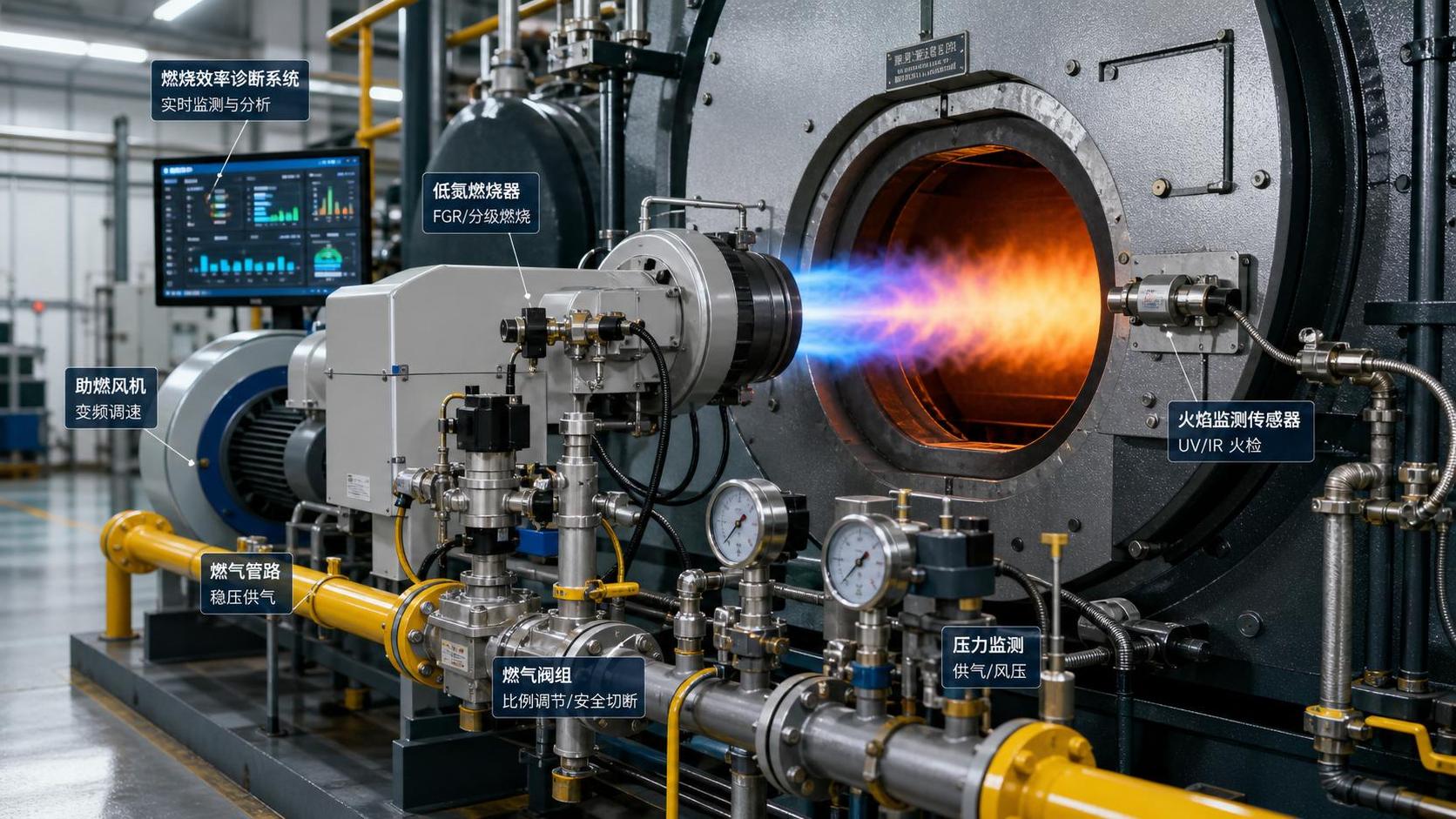
It is also important to compare the current system against realistic alternatives, not idealized assumptions. In some cases, retrofit controls, variable-speed drives, burner optimization, or heat exchanger redesign can deliver most of the value.
In other cases, patching old assets only delays an inevitable replacement while increasing sunk cost. Decision quality improves when teams evaluate total lifecycle economics rather than first-cost alone.
What Project Managers Should Include in an Upgrade Evaluation
For target readers such as project managers and engineering leads, the most valuable approach is a structured evaluation model that turns technical observations into investment logic.
Start with baseline definition. Document current energy use, load profile, maintenance spend, downtime history, emissions status, and process constraints.
Then identify operational pain points in measurable terms. Examples include hours of operator intervention, temperature deviation frequency, lost production events, emergency service cost, or excess utility spending.
Next, estimate upgrade value across multiple dimensions. Do not focus only on energy savings. Include reliability improvement, maintenance reduction, compliance security, automation compatibility, and process quality benefits.
Scenario comparison is especially useful. Teams should compare minimum repair, targeted retrofit, phased modernization, and full replacement options under realistic operating assumptions.
Capital planning should also account for implementation timing, shutdown windows, integration complexity, and internal capability. A technically strong solution may still be wrong if installation risk is poorly managed.
The best upgrade proposals present not just equipment specifications but a decision case: why now, what happens if delayed, what value is unlocked, and what risks are reduced.
Turning Upgrade Signals into a Smarter Thermal Strategy
The most effective organizations do not treat thermal upgrades as isolated maintenance events. They treat them as part of a broader energy, resilience, and decarbonization strategy.
This matters because thermal power systems are deeply connected to compressed air, cooling, heat recovery, process stability, and utility cost structure across industrial operations.
When upgrade signals are interpreted early, companies gain options. They can redesign around efficiency targets, coordinate with automation upgrades, capture waste heat opportunities, and align investments with sustainability roadmaps.
That is also where better intelligence matters. Upgrade decisions improve when project teams combine field data with market awareness, technology trends, refrigerant policy shifts, and sector-specific operating benchmarks.
For organizations navigating high energy costs and stricter environmental expectations, thermal system modernization is no longer just an engineering improvement. It is a competitiveness decision.
Conclusion: The Right Time to Upgrade Is Usually Earlier Than Failure
Thermal power systems rarely become problematic overnight. They usually reveal their limits through rising energy intensity, unstable control, recurring maintenance, process mismatch, and growing compliance pressure.
For project managers and engineering leads, the key is to interpret these signals before they become emergency conditions. Early action creates more choices, stronger business cases, and better project outcomes.
If your system needs more energy to deliver the same result, requires constant intervention, or struggles to meet current production and sustainability expectations, the upgrade conversation should already be underway.
The most reliable path is evidence-based evaluation. Track the signals, quantify the impact, compare options carefully, and move before underperformance becomes disruption.
Related News
- How to Compare Boiler Systems in Latin America by Fuel Cost and ComplianceAuthor :Thermal Energy Strategist

- How to Size Low-Pressure Industrial Steam Systems for Stable Heat DemandAuthor :Thermal Energy Strategist

- Low Emissions Boilers: What to Compare Before You ChooseAuthor :Thermal Energy Strategist

- Low-NOx Boilers Cost Breakdown: Upfront Price, Fuel Savings, and PaybackAuthor :Thermal Energy Strategist

- Boiler Combustion Systems: Common Causes of Unstable Fuel PerformanceAuthor :Thermal Energy Strategist

- Hot Water Industrial Boilers: When Efficiency Gains Justify ReplacementAuthor :Thermal Energy Strategist

- What Boiler Efficiency Really Means in Daily Operation and Energy BillsAuthor :Thermal Energy Strategist

- Boiler Efficiency Testing Methods That Expose Heat Loss and Fuel WasteAuthor :Thermal Energy Strategist

- Industrial Burner Systems: Key Factors for Safe Heat OutputAuthor :Thermal Energy Strategist

- Gas-Fired Boiler Combustion Technology: Key Efficiency and Emissions Trade-OffsAuthor :Thermal Energy Strategist

- Unfired Heat Recovery Steam Generators: When Do They Pay Off?Author :Thermal Energy Strategist

- How to Evaluate Steam Generation Systems Electric for Process Heat ProjectsAuthor :Thermal Energy Strategist

- Thermal Power Systems for Industrial Heating: Common Sizing Mistakes to AvoidAuthor :Thermal Energy Strategist

- Low-NOx Condensing Boilers: How to Compare Efficiency and EmissionsAuthor :Thermal Energy Strategist
![]()
- Low Emissions Boilers for Food Processing: Key Compliance and Fuel Cost FactorsAuthor :Thermal Energy Strategist

- Steam System Efficiency Calculation: Key Inputs That Change the ResultAuthor :Thermal Energy Strategist

- How to Evaluate a Steam Boiler Components Exporter Before OrderingAuthor :Thermal Energy Strategist

- Burner Systems Troubleshooting: Common Efficiency Loss CausesAuthor :Thermal Energy Strategist

- EU PED Q2 Rules Require Digital Compliance TagsAuthor :Thermal Energy Strategist

- Thermal Power Systems: Key Efficiency Risks in Daily OperationAuthor :Thermal Energy Strategist

- Low-NOx Combustion Boilers: Key Efficiency and Compliance ChecksAuthor :Thermal Energy Strategist

- Low-NOx Combustion Boilers: Key Specs That Affect Emissions and Fuel UseAuthor :Thermal Energy Strategist

- Low-NOx Combustion Boilers: Key Compliance RisksAuthor :Thermal Energy Strategist

- Thermodynamics Analysis for Boiler Heat-Loss ReductionAuthor :Thermal Energy Strategist

- Industrial Thermal Systems: Common Operating RisksAuthor :Thermal Energy Strategist

- Low-NOx Combustion Boilers: Key Spec Checks Before PurchaseAuthor :Thermal Energy Strategist

- How Industrial Heat Recovery Cuts Boiler Fuel Costs in 2026Author :Thermal Energy Strategist

- Thermodynamics Analysis: 5 Heat Loss Clues in Steam BoilersAuthor :Thermal Energy Strategist

- Low-NOx Combustion Boilers: What Affects Real Emissions PerformanceAuthor :Thermal Energy Strategist

- Thermodynamics Analysis: Finding Heat Loss in Steam BoilersAuthor :Thermal Energy Strategist

- 2026 Steam Boiler Upgrades for Lower NOx and Fuel CostsAuthor :Thermal Energy Strategist

- EU to Expand CBAM to Steam Boilers; Exporters Must Prepare Carbon DataAuthor :Thermal Energy Strategist

- Industrial Heat Recovery: When Payback Beats New Boiler CapacityAuthor :Thermal Energy Strategist

- Carbon Neutrality Targets and the New Boiler Retrofit PaybackAuthor :Thermal Energy Strategist

- Low-NOx Combustion Boilers: Fuel Savings vs Emission LimitsAuthor :Thermal Energy Strategist

- Industrial Energy Efficiency Benchmarks for Steam Boiler Upgrades in 2026Author :Thermal Energy Strategist