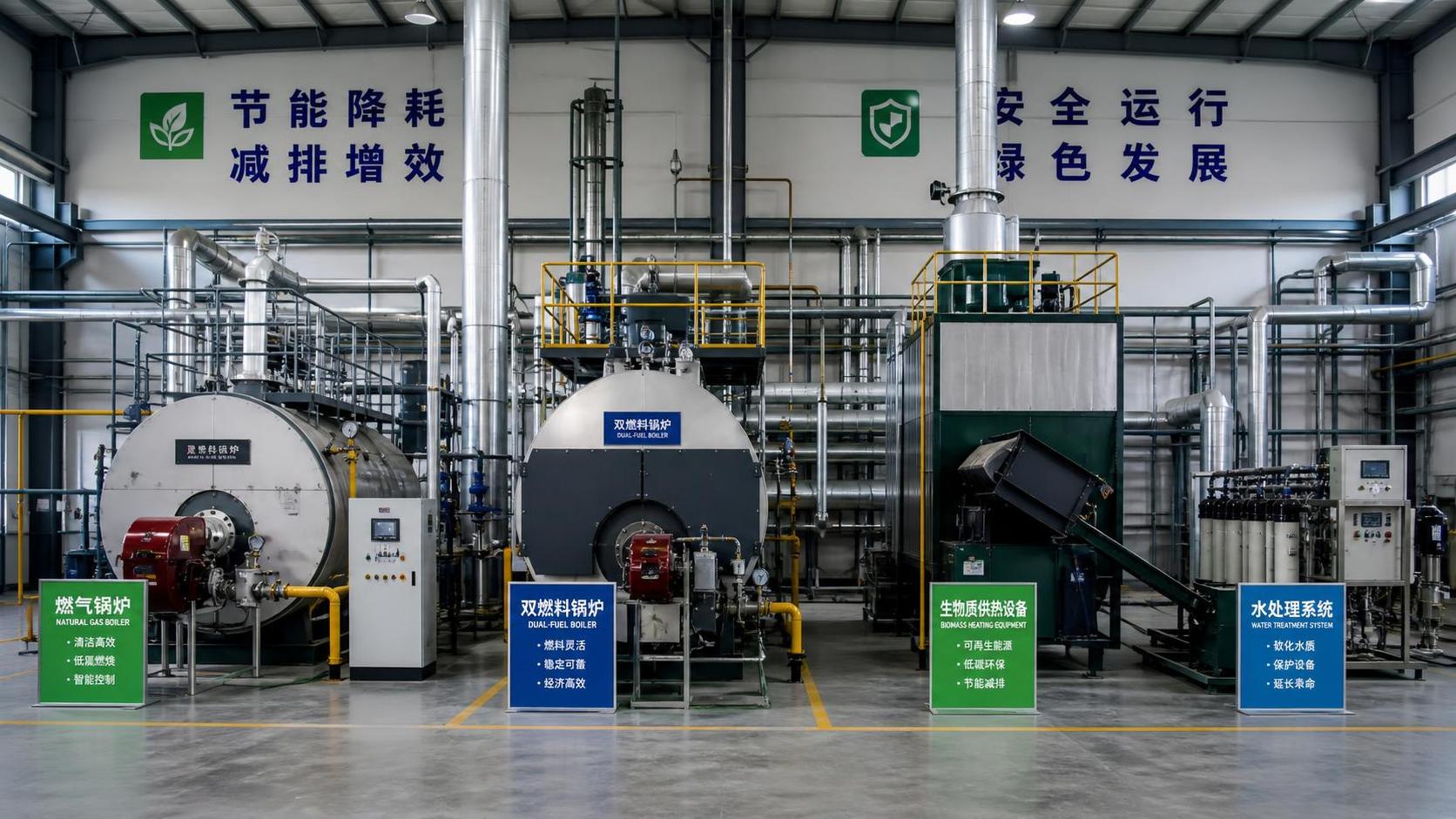




Industrial Decarbonization Options for Existing Steam Boiler Plants




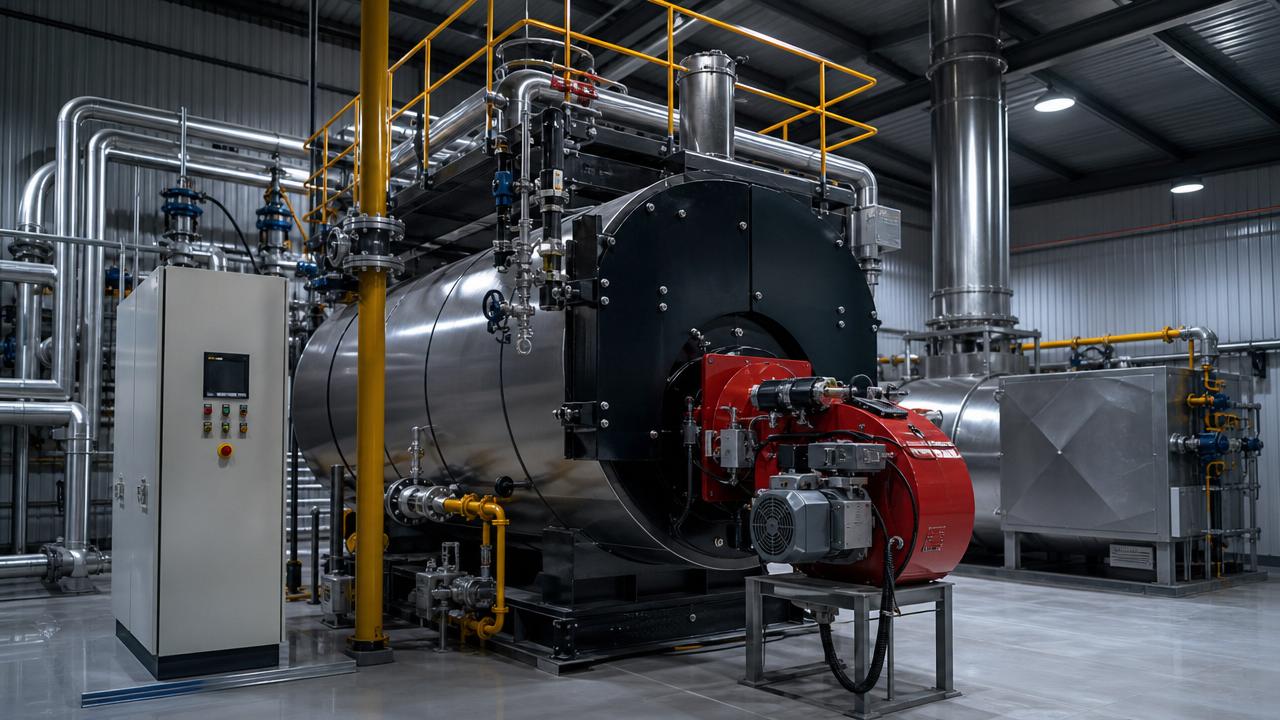
Industrial decarbonization is moving from long-term ambition to near-term operating necessity for existing steam boiler plants.
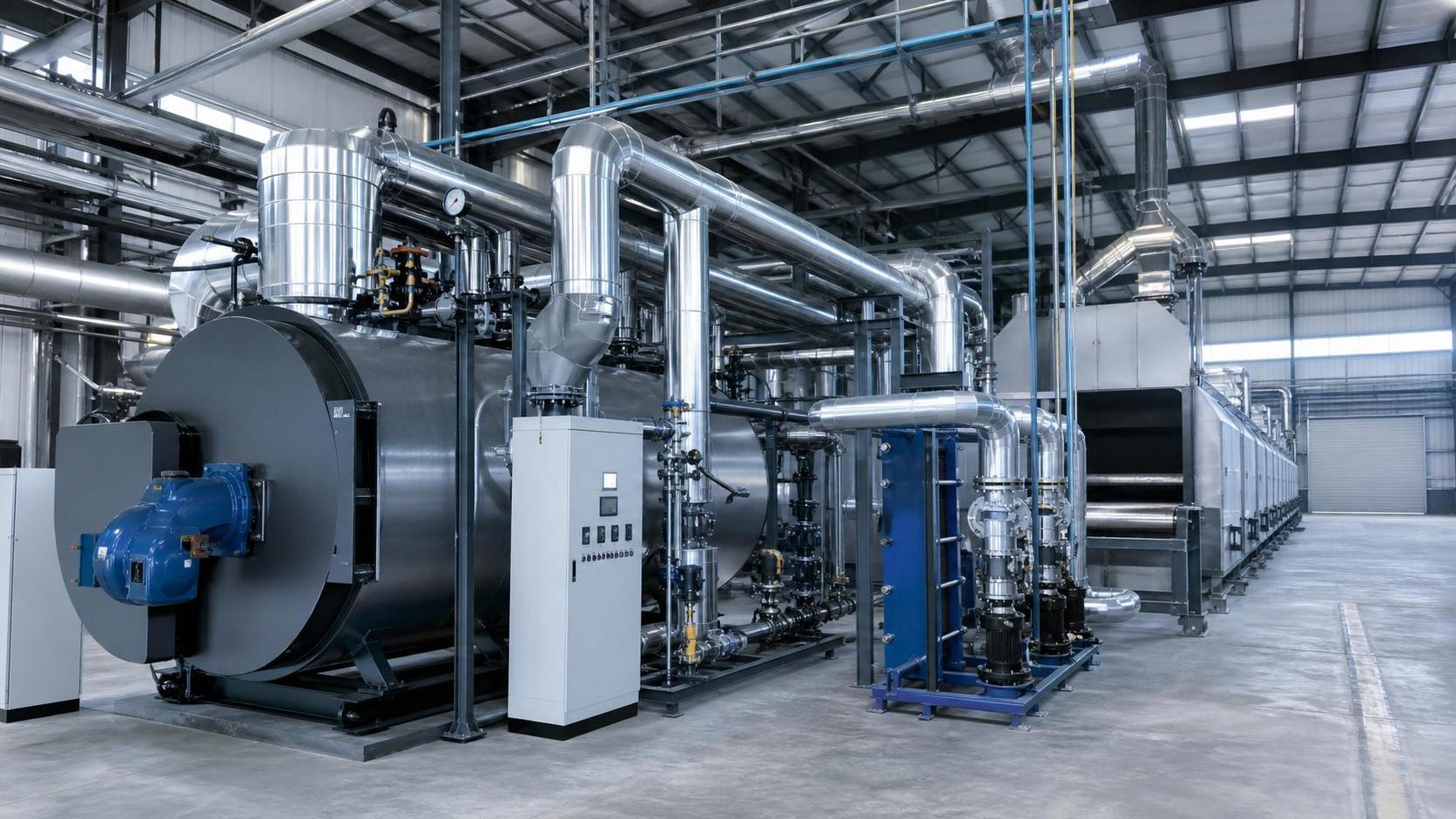
Across process industries, boilers still anchor thermal reliability, yet they also concentrate fuel use, combustion emissions, and avoidable efficiency losses.
That makes industrial decarbonization a practical engineering agenda, not only a reporting exercise.
For legacy plants, the best path rarely starts with full replacement.
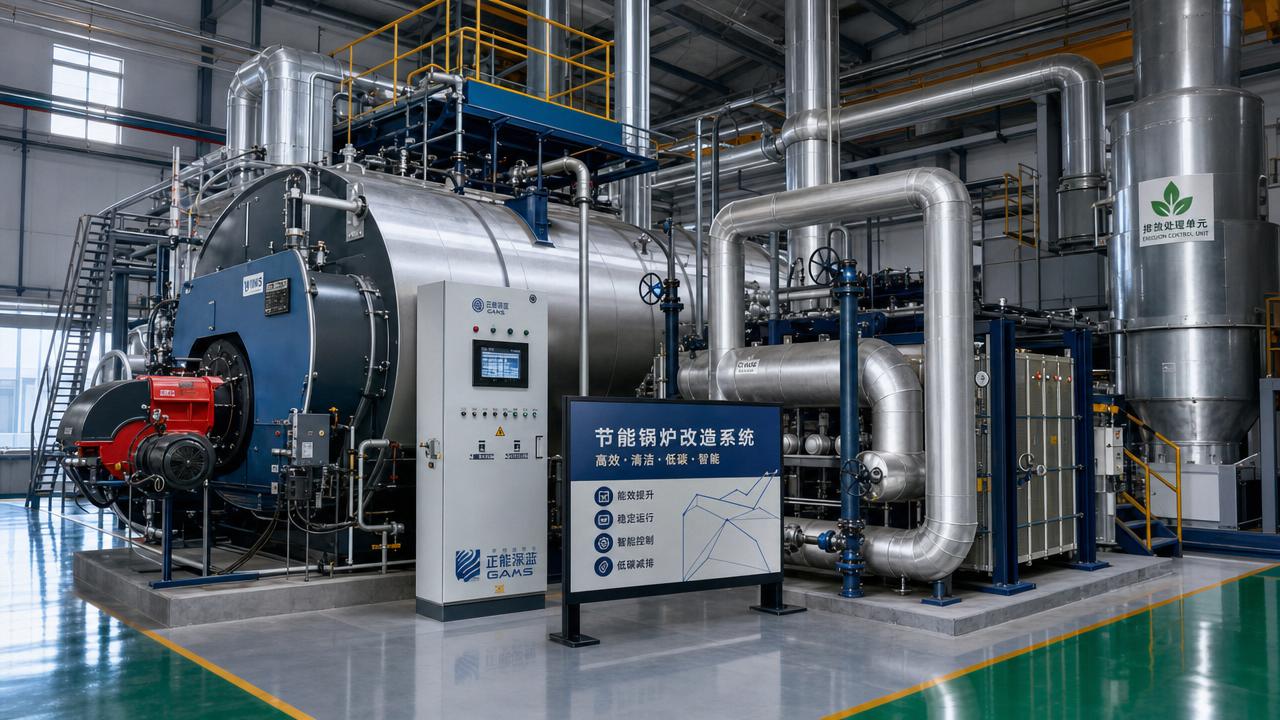
It usually begins with staged retrofits, smarter controls, heat recovery, and selective fuel transition based on site economics and uptime risk.
What industrial decarbonization means for existing steam boiler plants
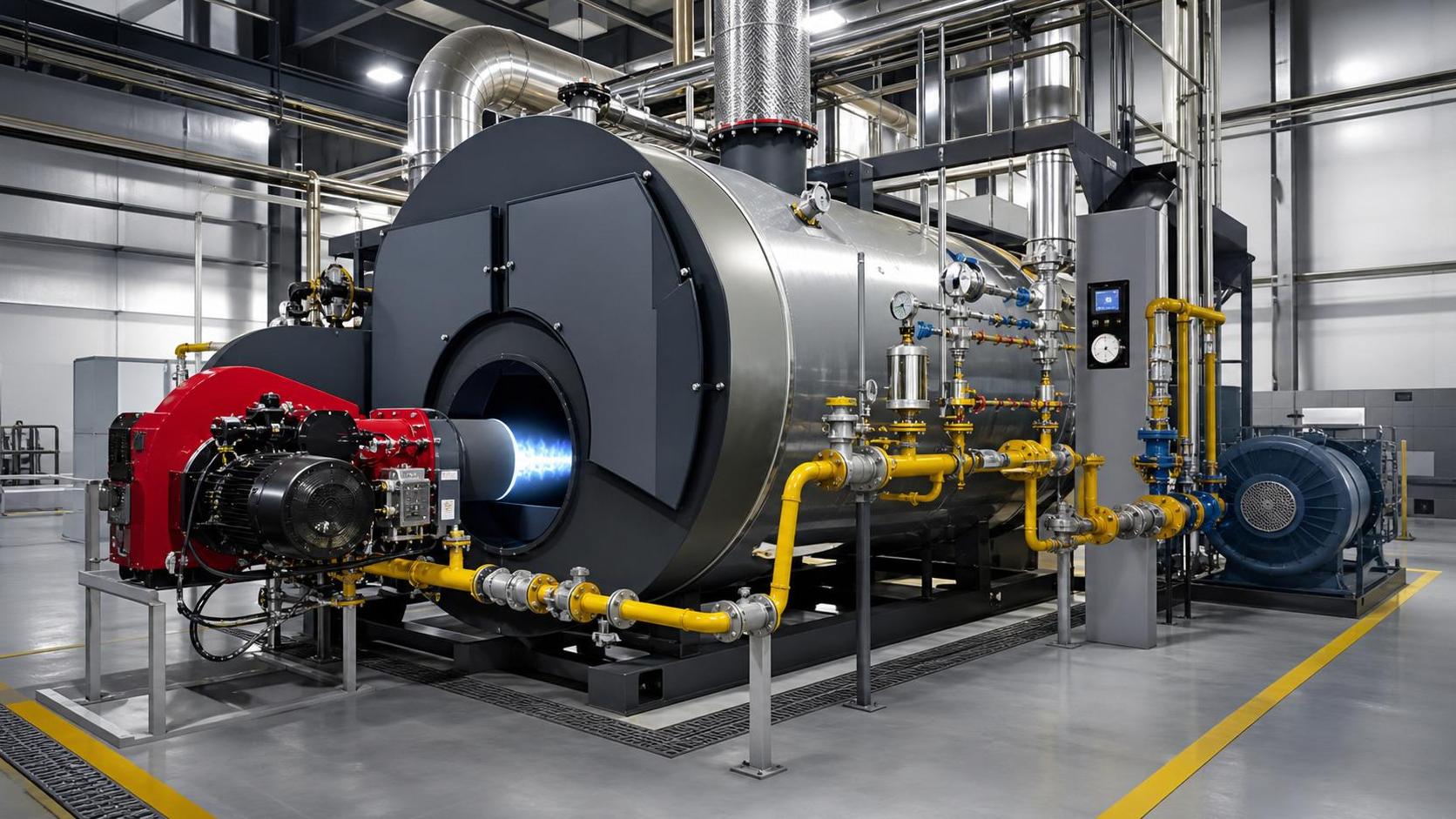
In boiler systems, industrial decarbonization means reducing greenhouse gas emissions per unit of steam without compromising safety, pressure stability, or production continuity.
This includes direct carbon reduction from combustion and indirect reduction from lower electricity use in auxiliary equipment.
A realistic decarbonization strategy addresses four layers at once.
- Combustion efficiency and excess air control
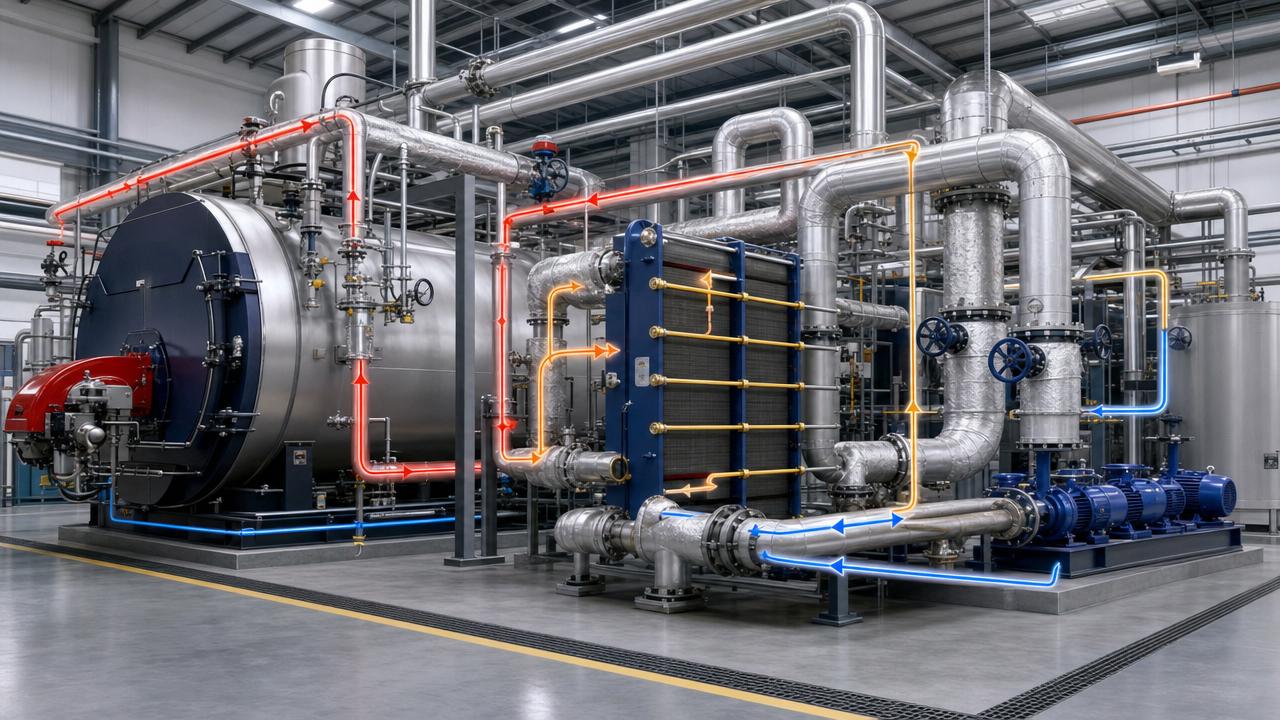
- Heat recovery from flue gas, blowdown, and condensate
- Fuel switching and lower-carbon energy integration
- Digital monitoring, sequencing, and predictive maintenance
This framing is important because many plants chase one technology while ignoring system interaction.
True industrial decarbonization comes from cumulative gains across burners, deaerators, feedwater loops, traps, piping, and operating routines.
Current industry signals shaping retrofit decisions
Several market and policy signals are accelerating action in the broader industrial sector.
These signals explain why industrial decarbonization for boilers is now treated as an asset optimization issue.
In many facilities, steam remains the thermal backbone for sterilization, drying, cleaning, cooking, and process heating.
Core decarbonization options with the strongest near-term impact
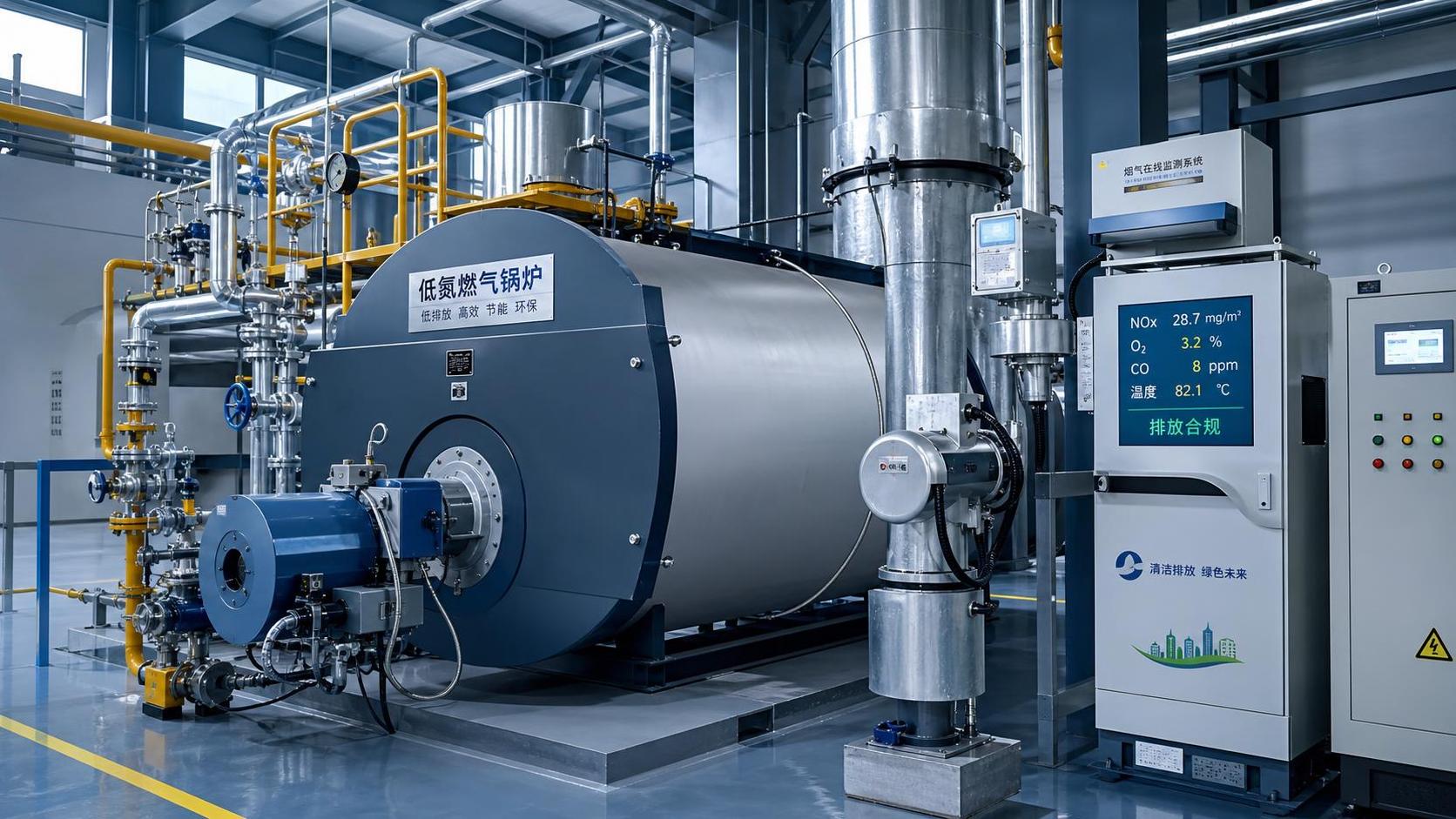
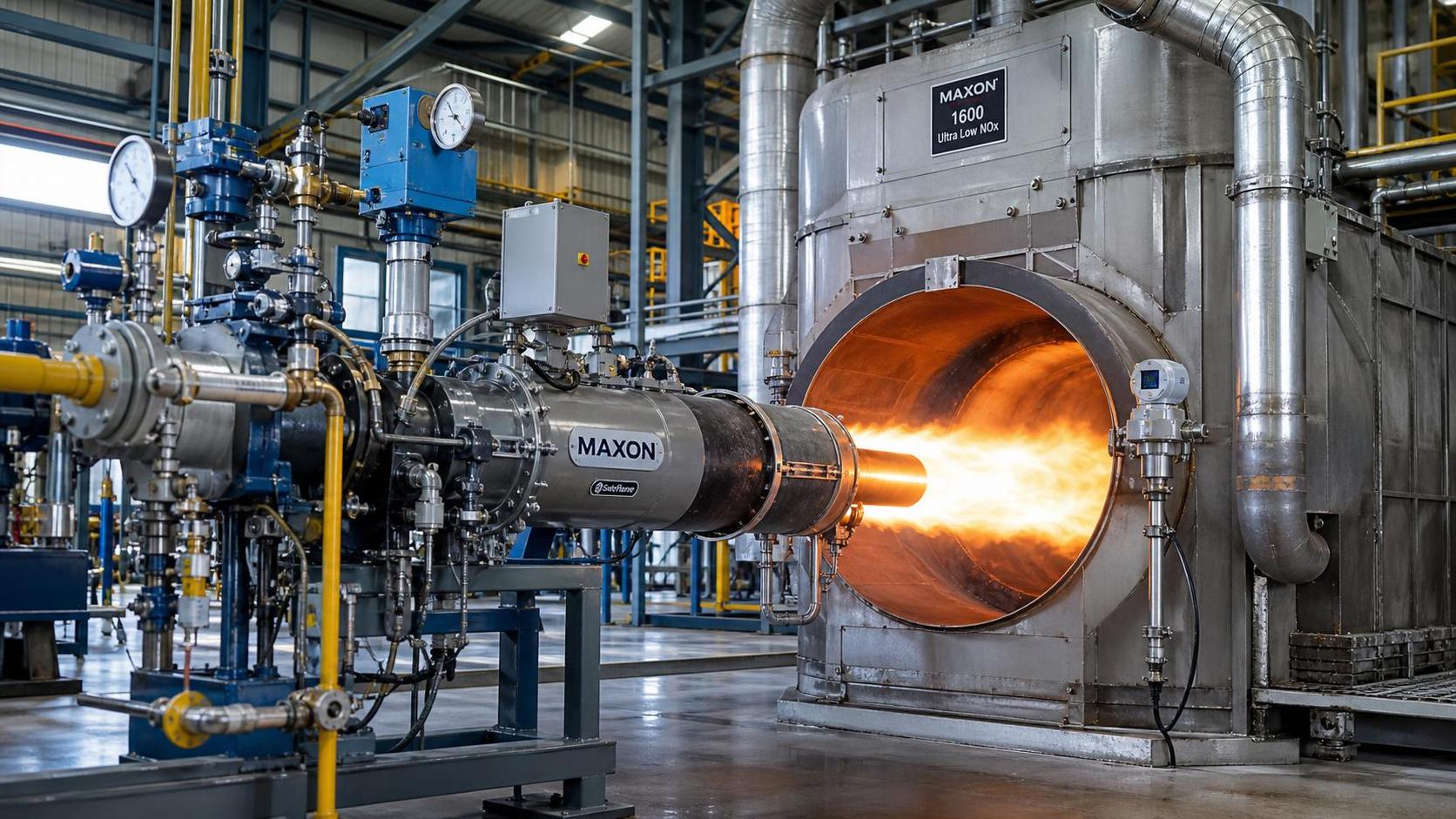
Low-NOx combustion upgrades
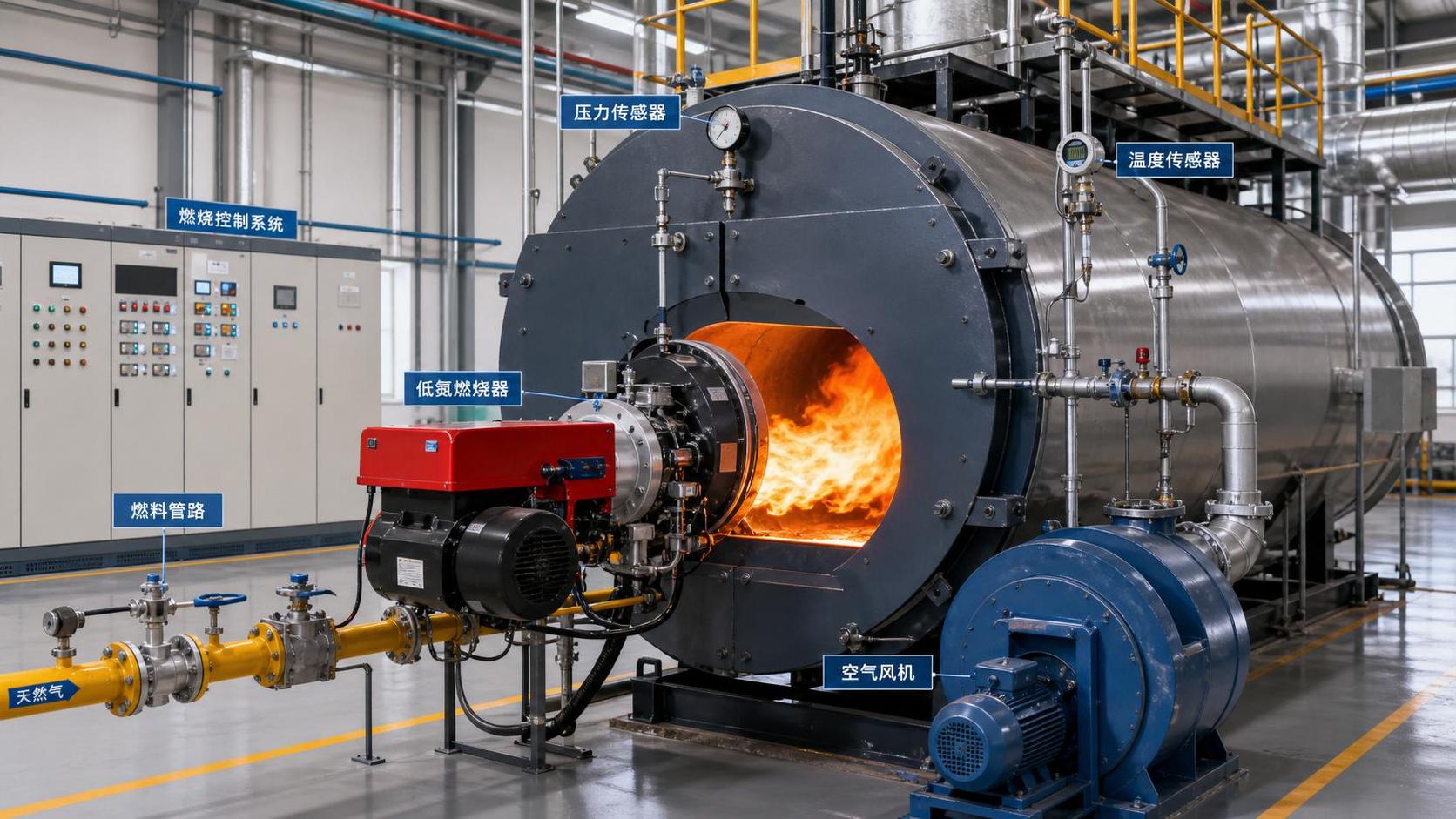
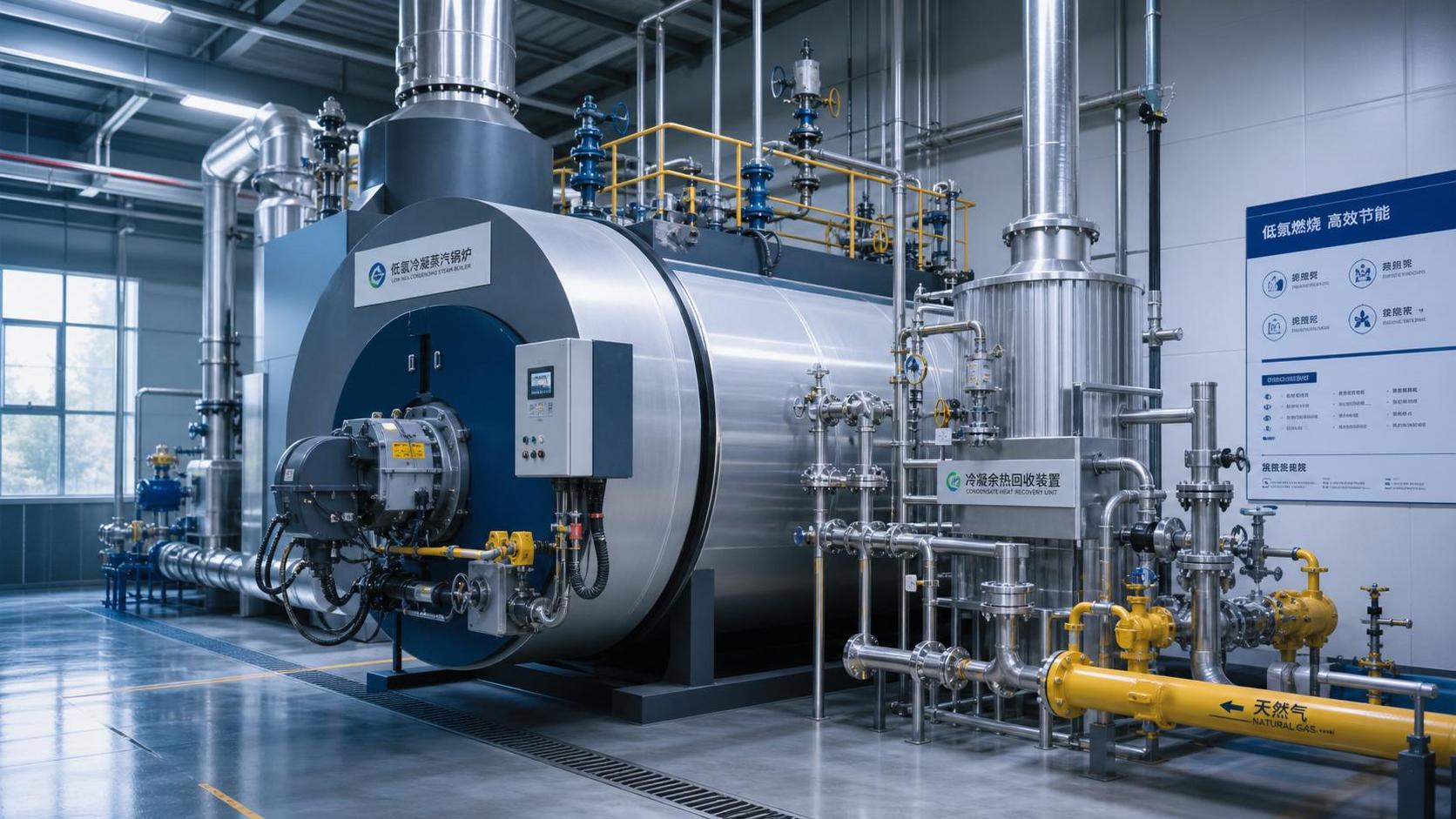
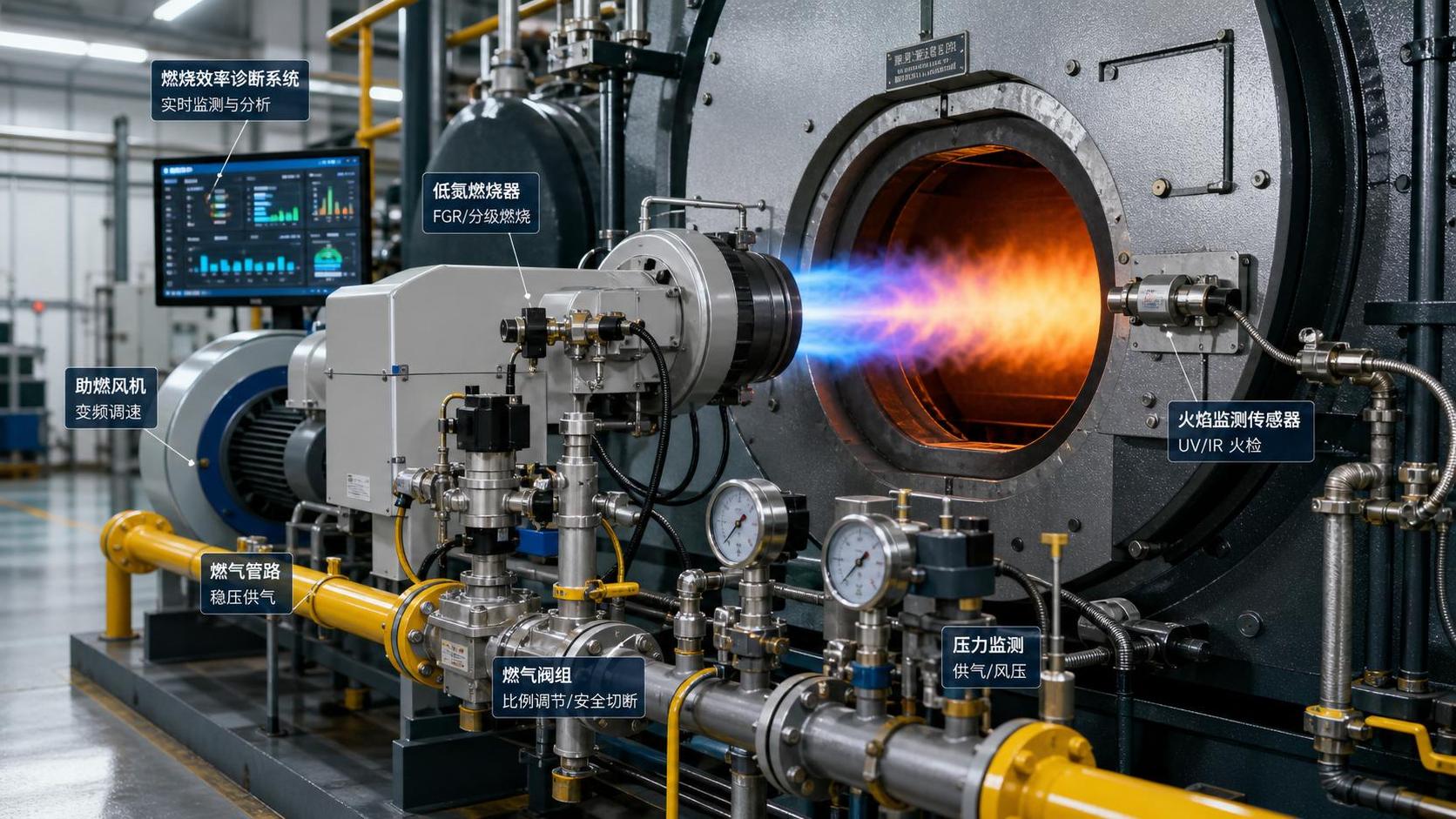
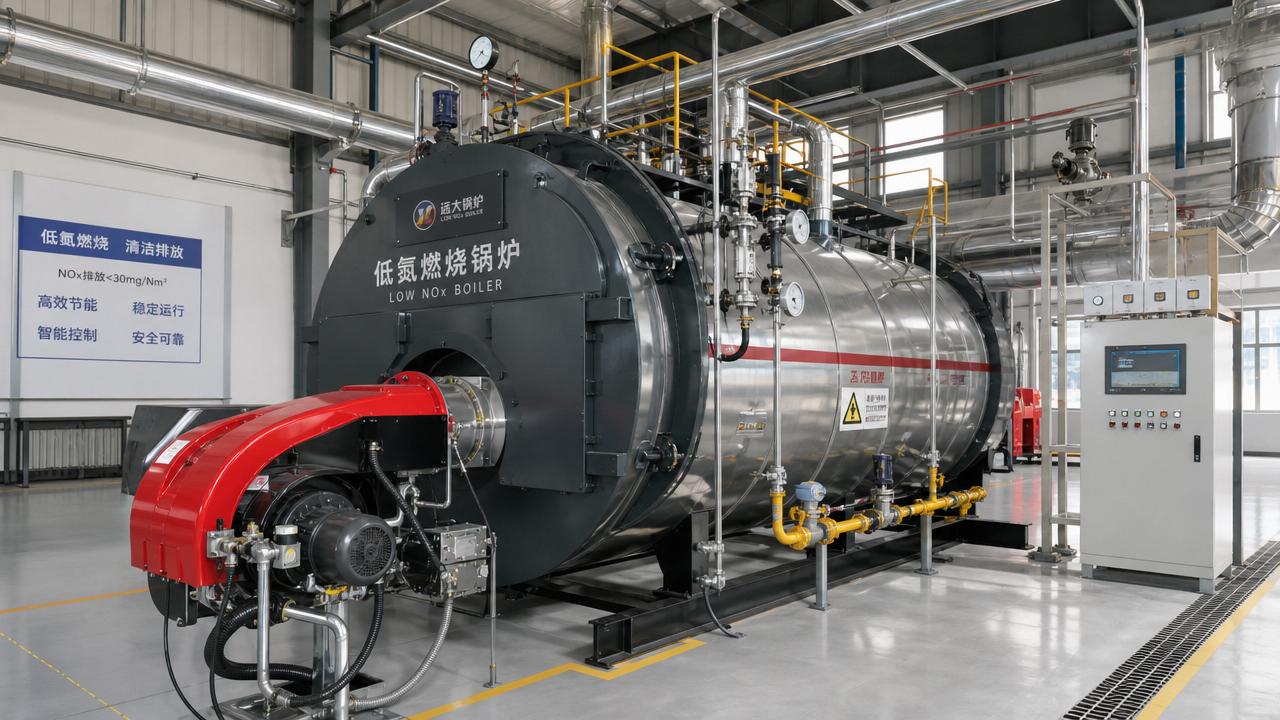
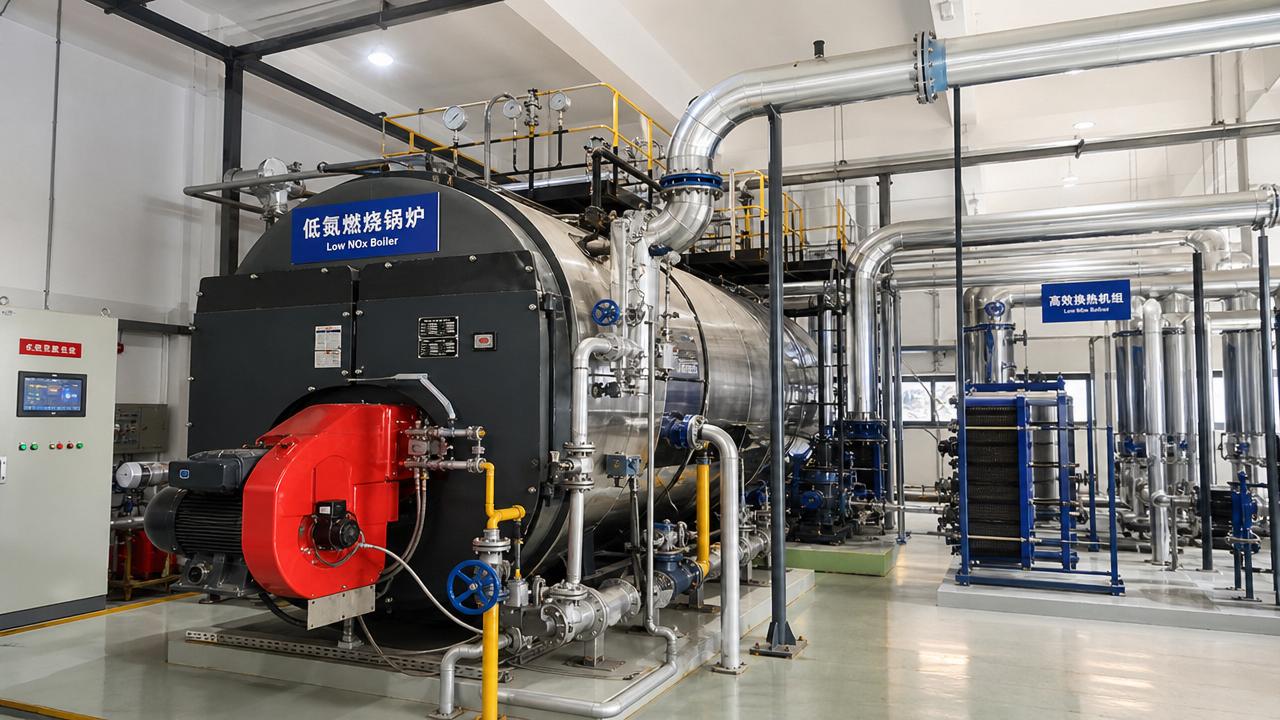
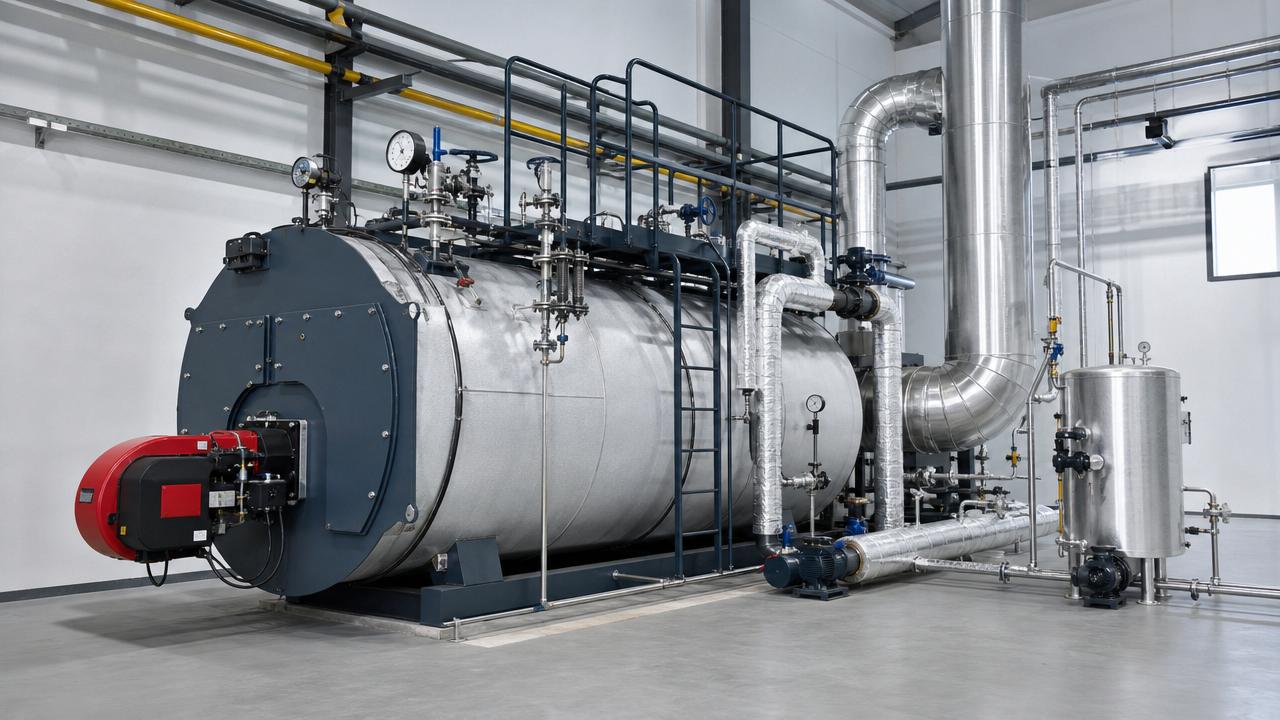
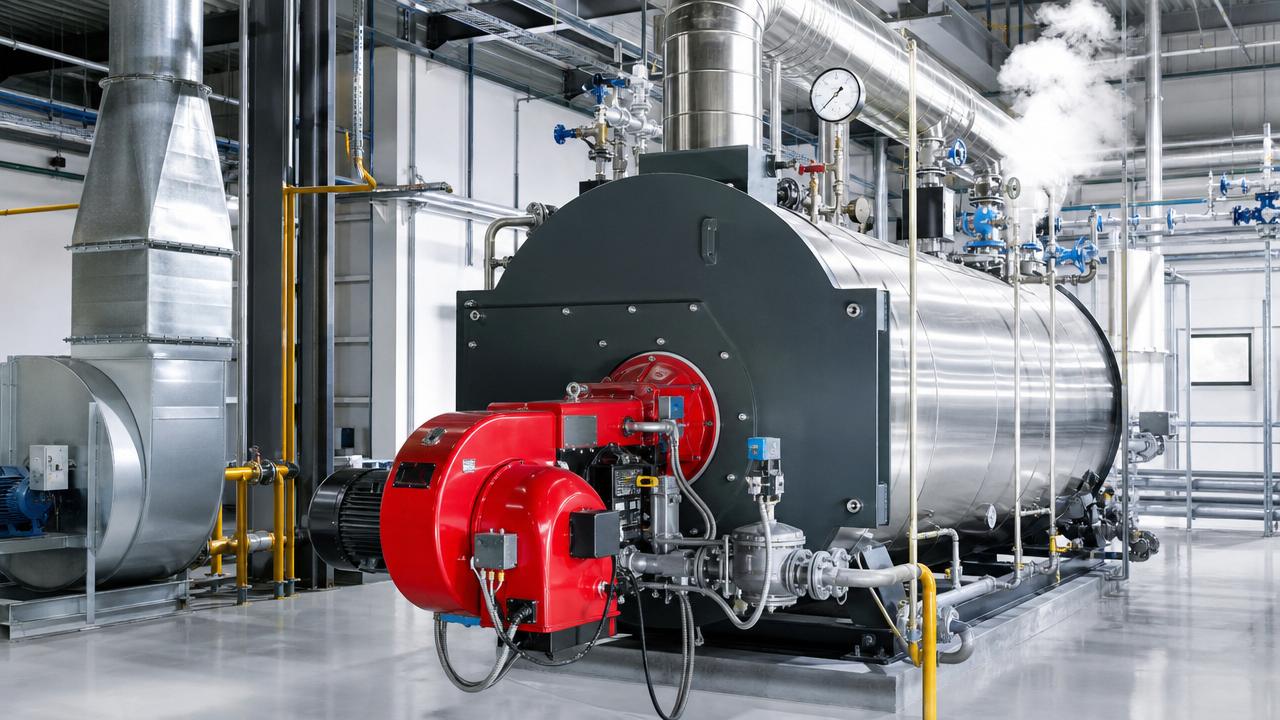
Burner retrofits improve flame stability, lower excess oxygen, and reduce regulated emissions with limited disruption.
While low-NOx equipment does not guarantee major carbon cuts alone, it often unlocks safer high-efficiency operation.
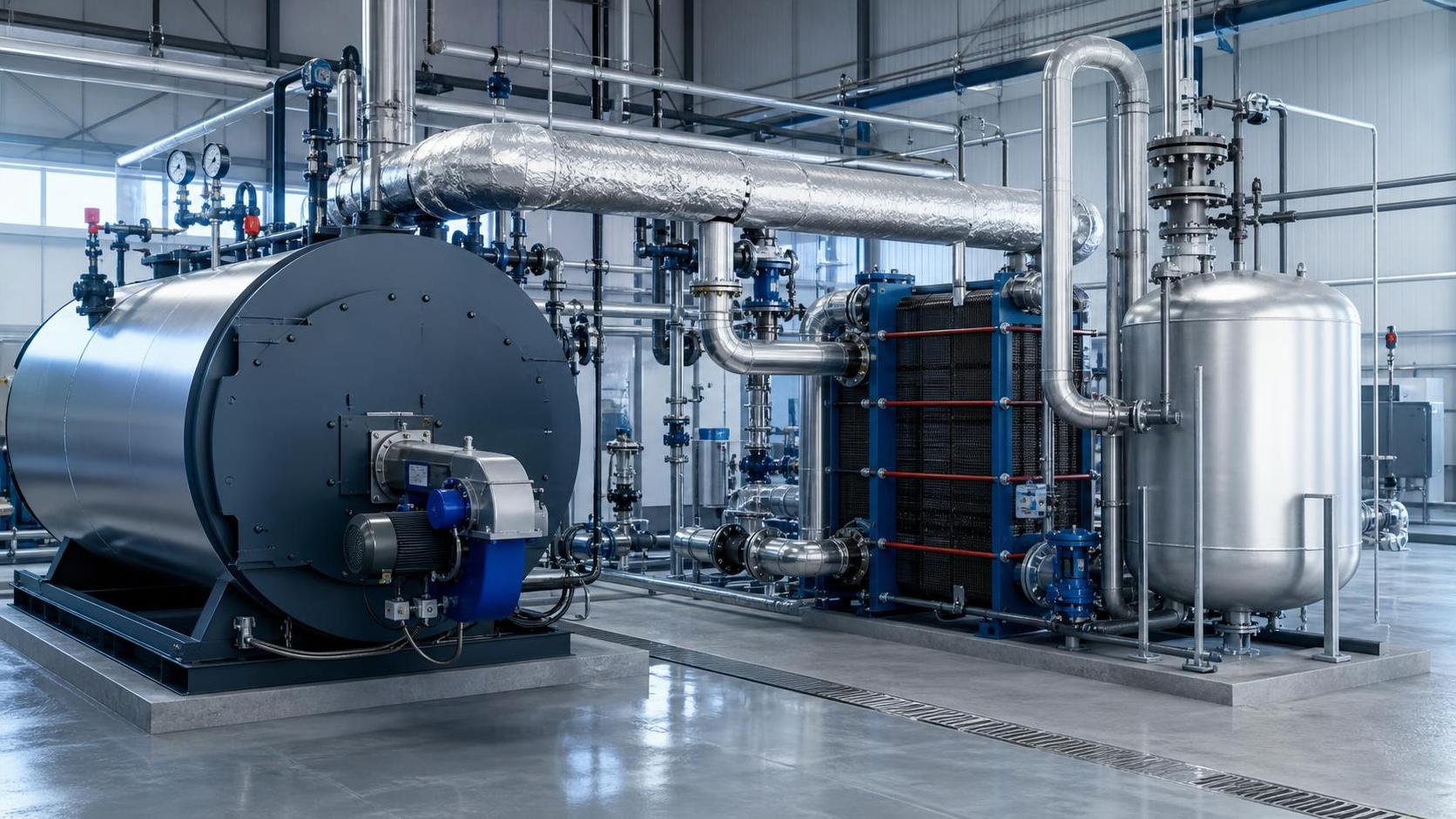
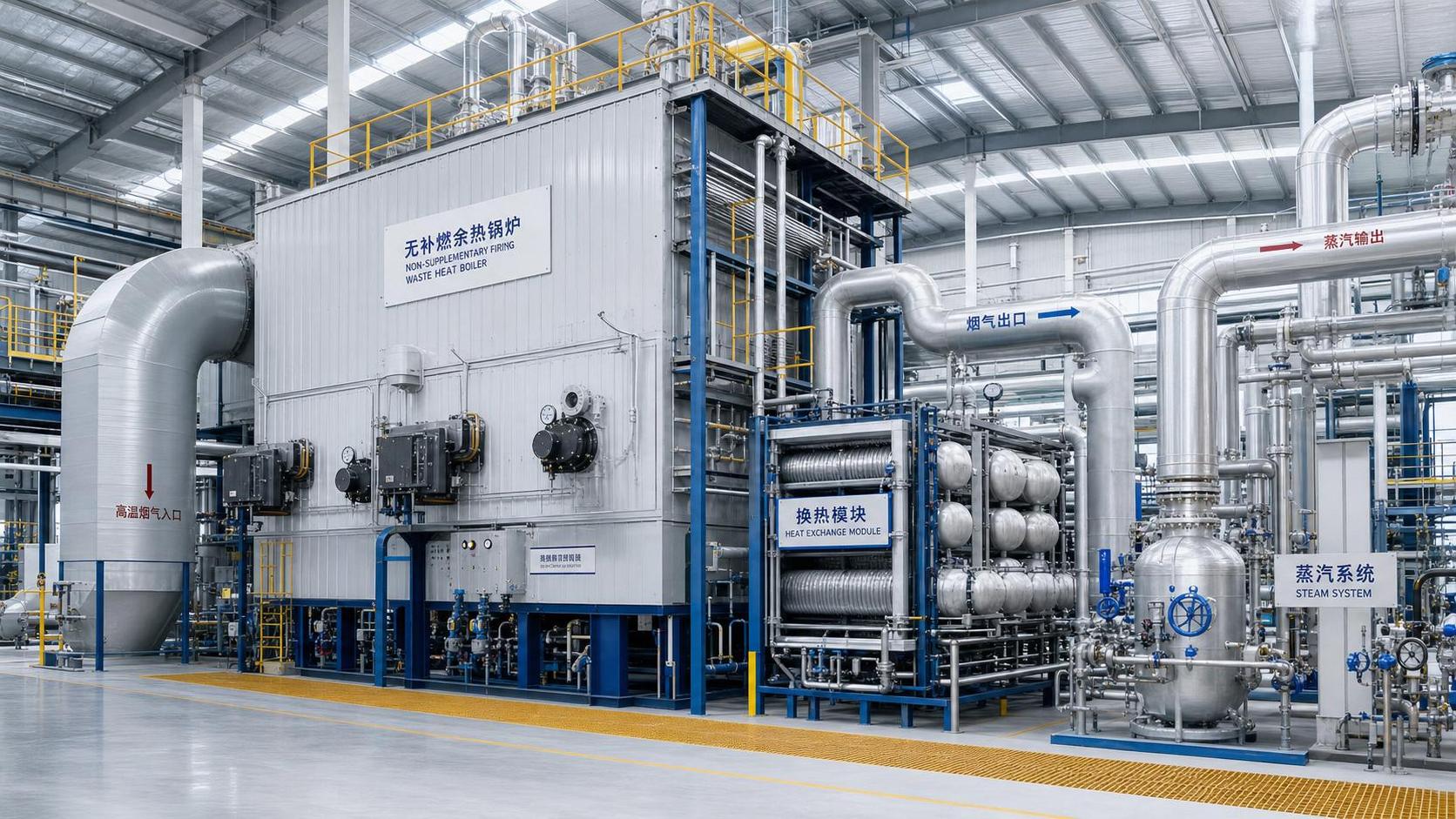
Economizers and flue gas heat recovery
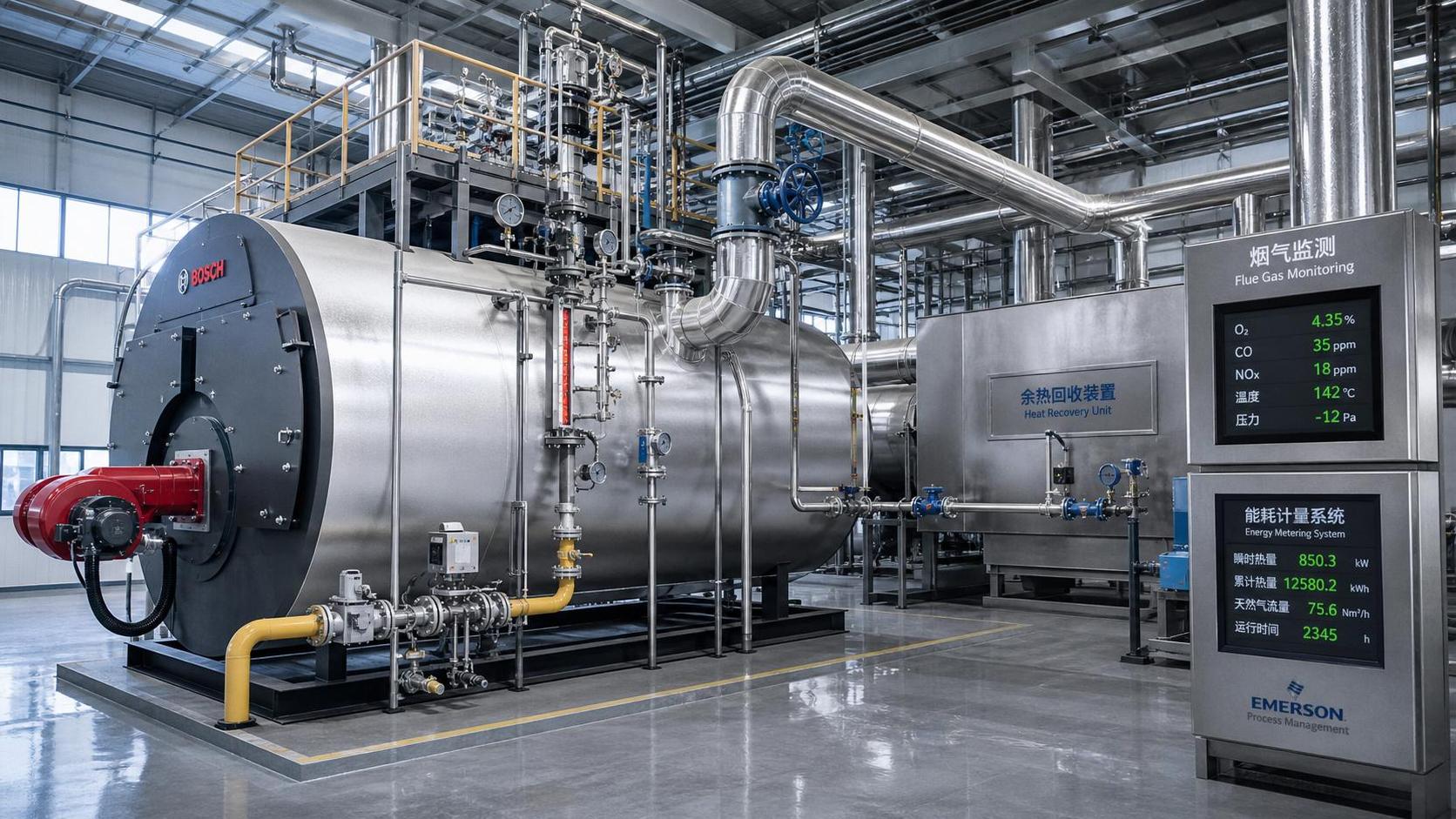
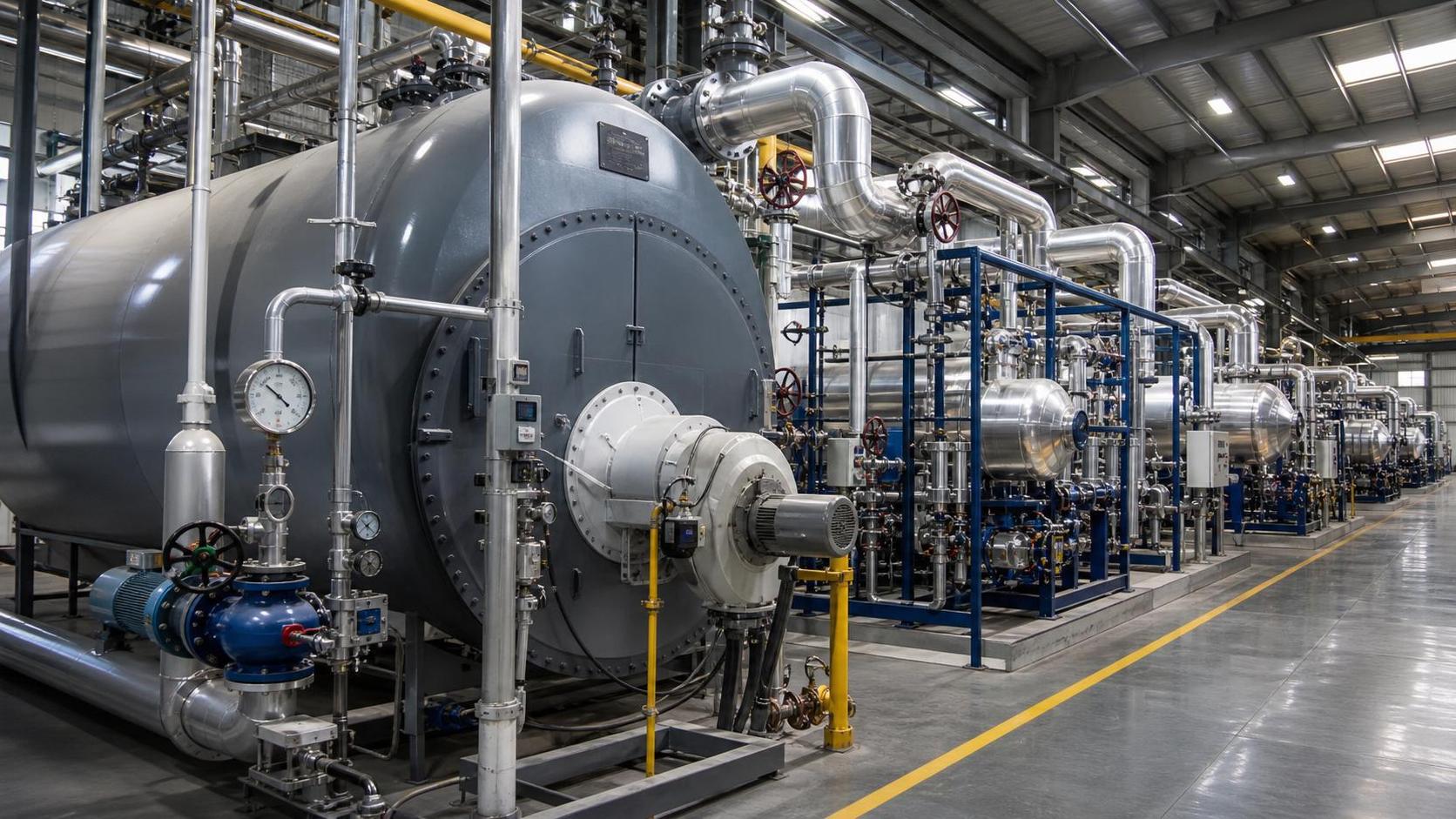
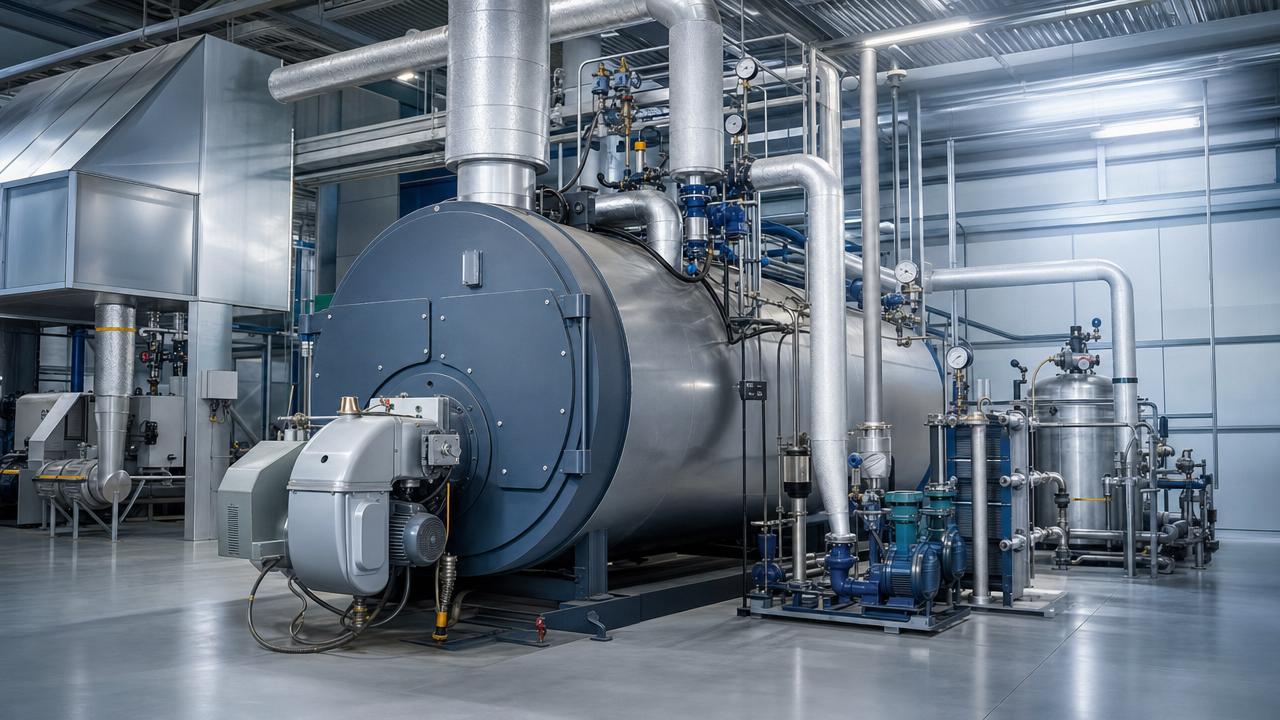
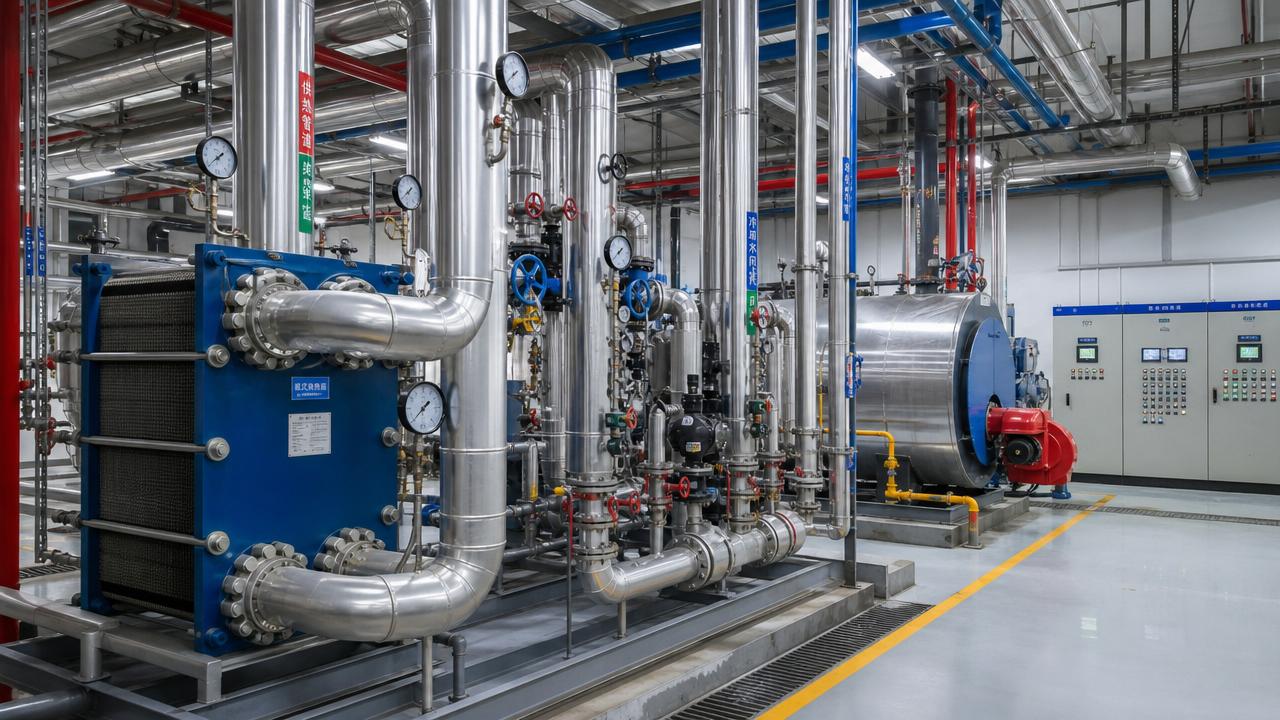
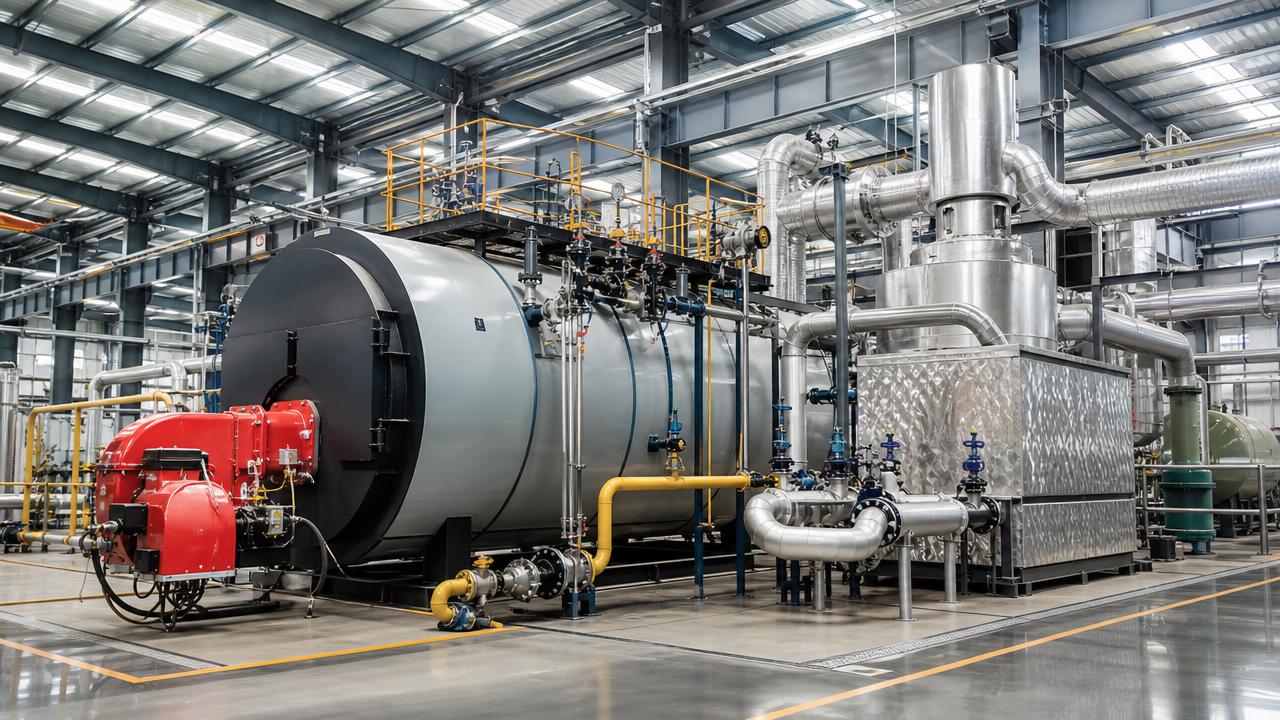
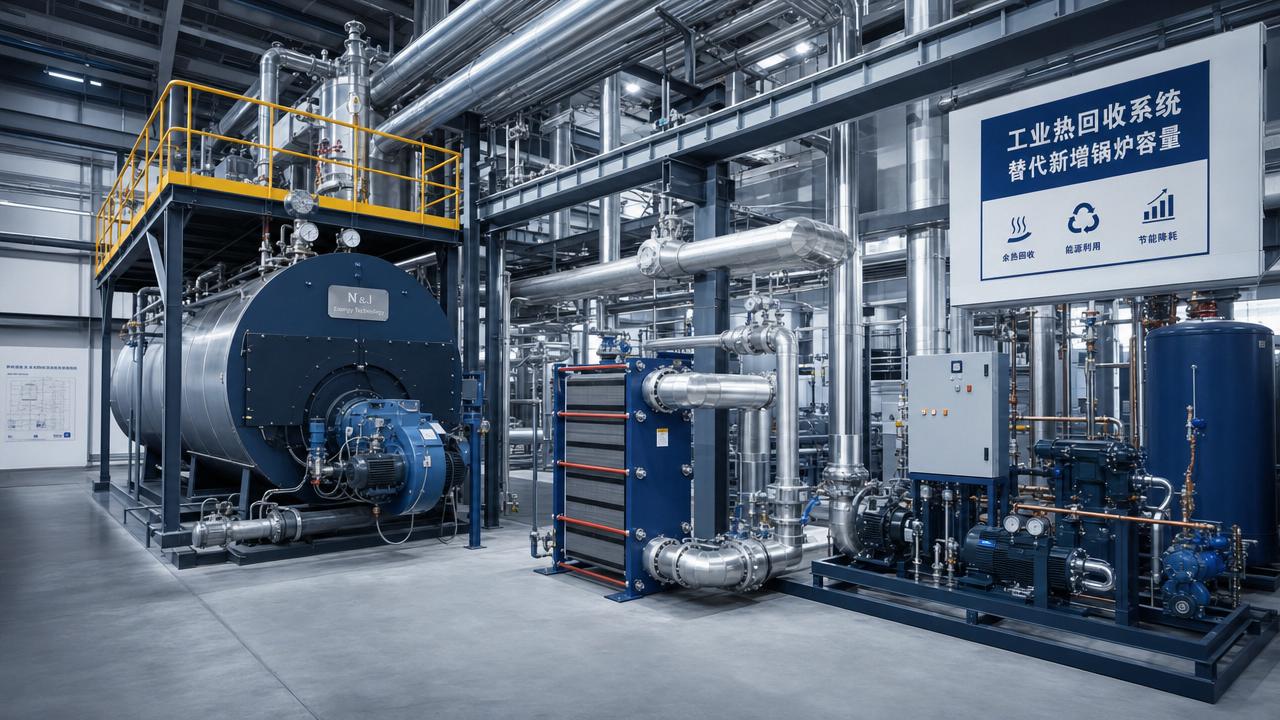
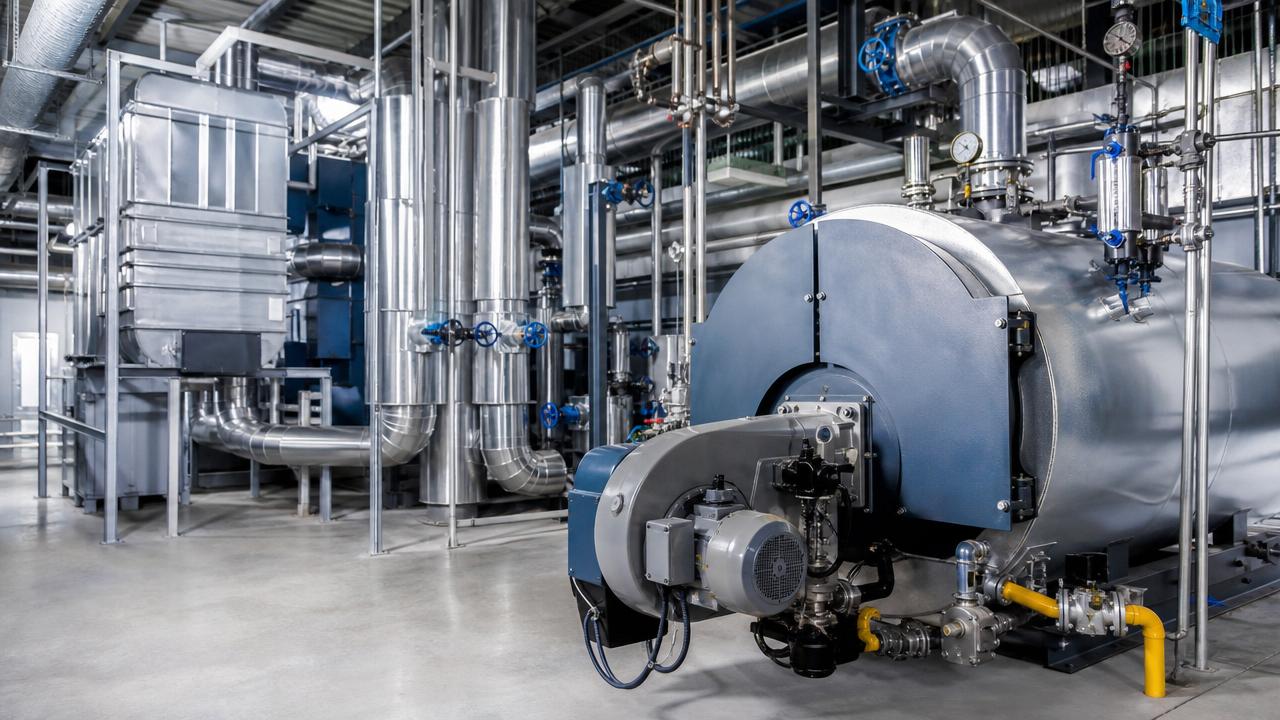
Recovering stack heat to preheat feedwater is one of the most proven industrial decarbonization measures for existing boiler houses.
It lowers fuel demand immediately and can often be installed during planned maintenance windows.
Condensate return and blowdown recovery
Poor condensate recovery wastes both treated water and latent heat.
Improving return rates reduces make-up water demand, chemical use, and boiler firing requirements.
Advanced controls and sequencing
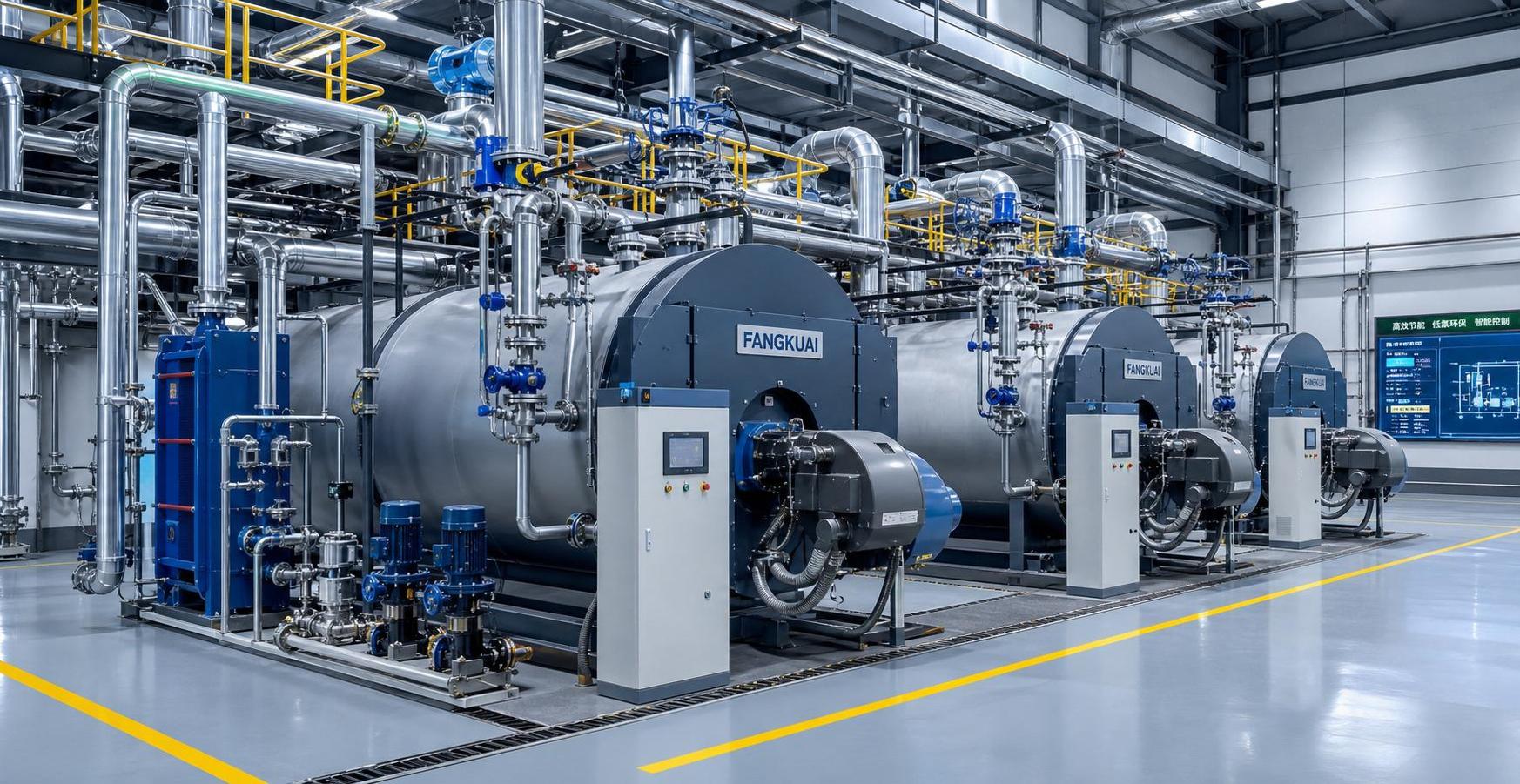
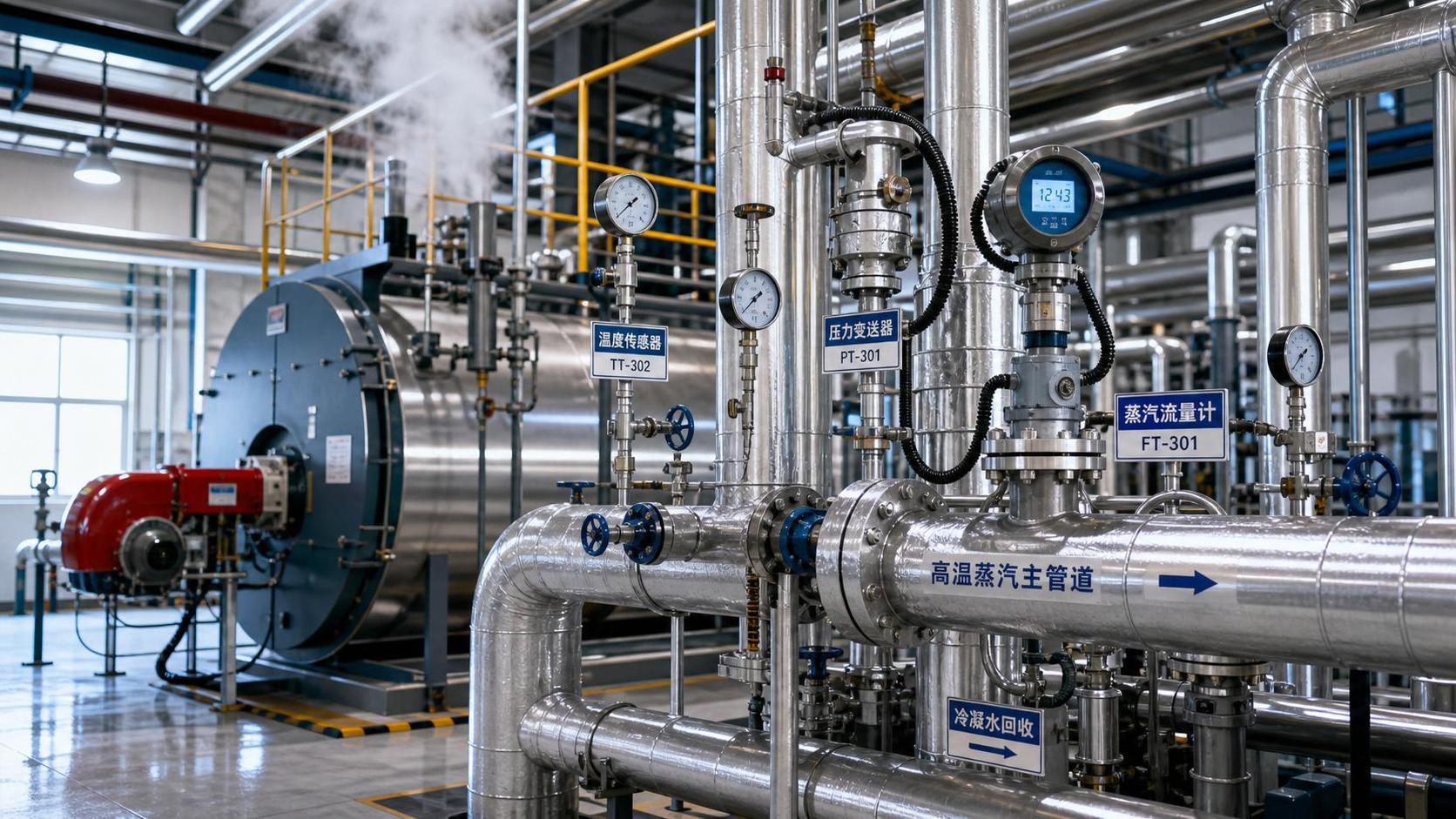
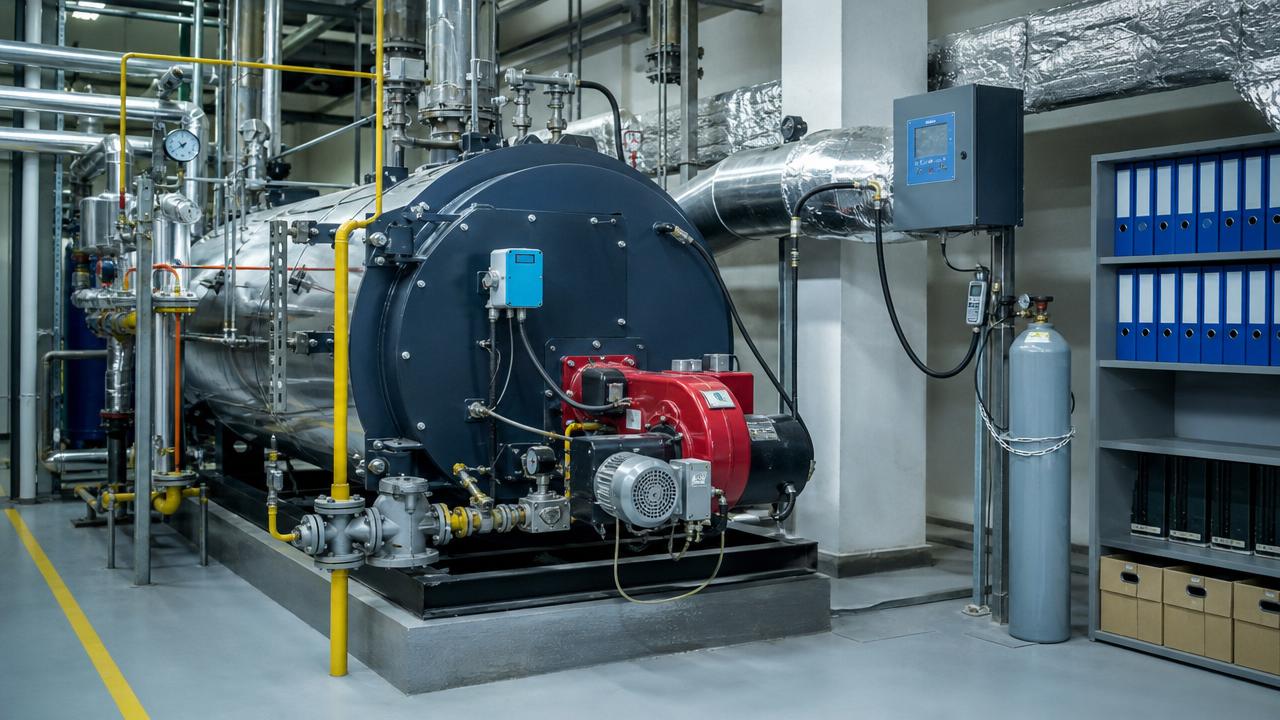
Digital combustion control, oxygen trim, and lead-lag sequencing reduce cycling losses and improve turndown behavior.
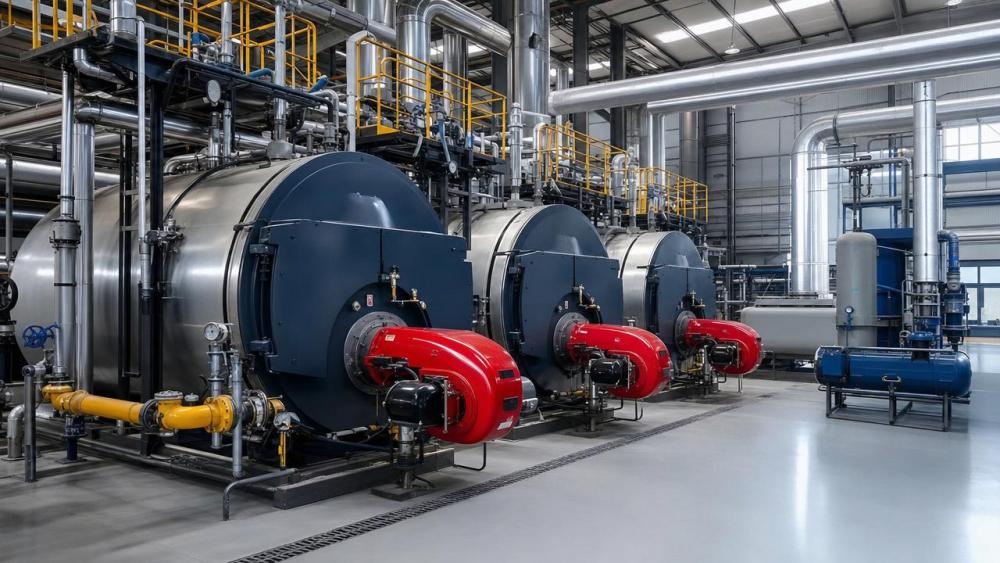
For multi-boiler plants, these upgrades can deliver significant industrial decarbonization gains with relatively modest capital intensity.
Fuel switching and hybridization
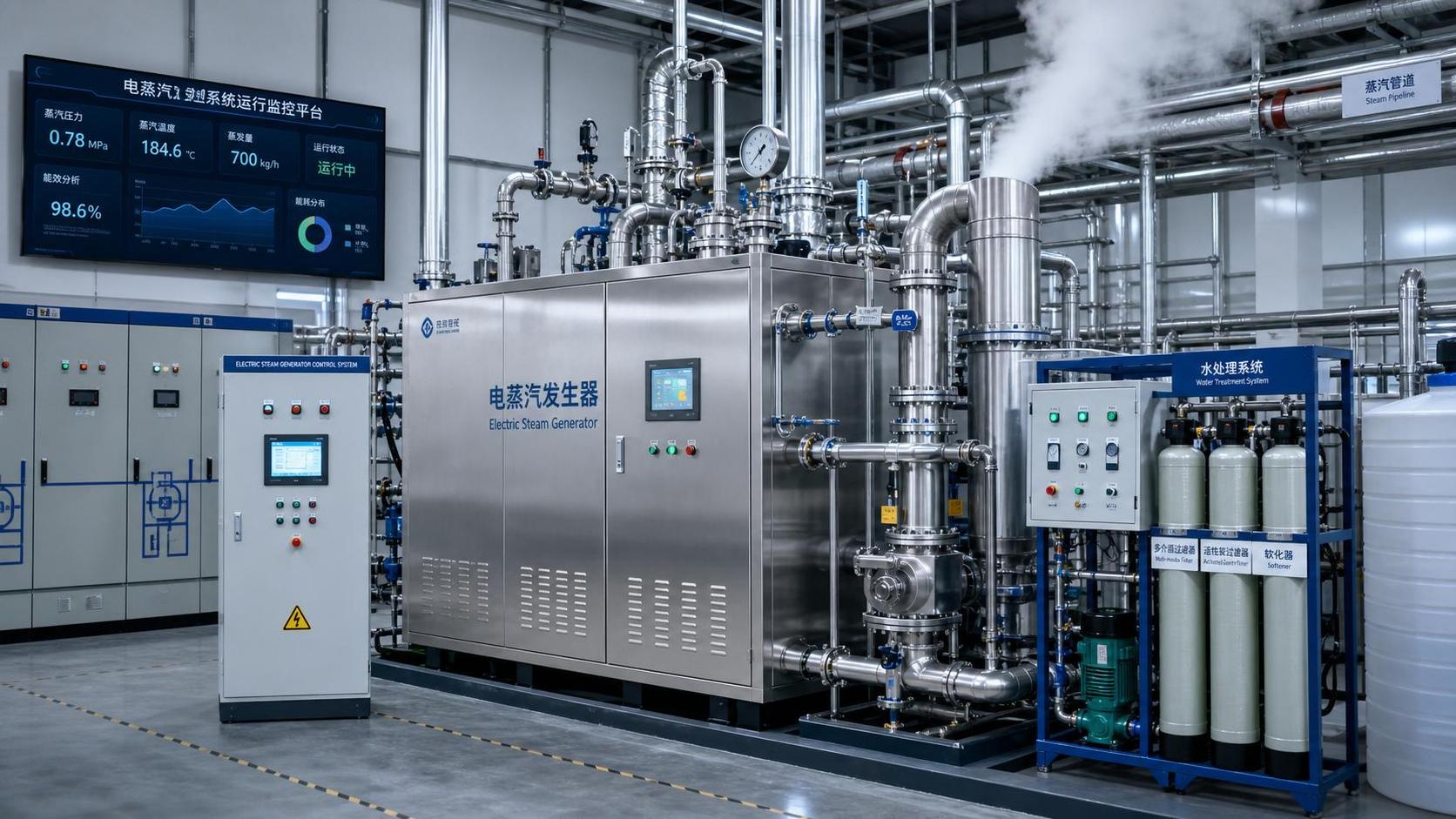
Options include biogas, biomethane, LPG transition, electric boilers for peak trimming, and hydrogen-ready burner pathways.
The right choice depends on steam load profile, local infrastructure, carbon pricing, and flame characteristics.
Business value beyond emissions reduction
Industrial decarbonization creates value when it improves energy productivity, resilience, and asset confidence together.
- Lower fuel spend through efficiency gains and reduced standby losses
- Reduced unplanned downtime through condition monitoring and trap management
- Better environmental compliance and reduced permit risk
- Improved water stewardship through condensate and blowdown optimization
- Stronger lifecycle economics for aging thermal infrastructure
In sectors with strict thermal quality requirements, stable steam can be as valuable as low carbon intensity.
That is why effective industrial decarbonization avoids measures that weaken process reliability or maintenance accessibility.
Typical retrofit paths by plant condition
This staged approach helps industrial decarbonization remain technically grounded and financially defensible.
Implementation considerations that often determine success
Many projects underperform because baseline data is weak.
Before selecting equipment, quantify fuel use, steam output, stack temperature, excess oxygen, condensate return rate, and boiler loading pattern.
Then assess constraints that shape industrial decarbonization outcomes.
- Available shutdown windows and tie-in complexity
- Water treatment quality and corrosion history
- Control system compatibility and instrumentation gaps
- Local rules for NOx, CO2, and fuel permits
- Operator training needs and maintenance capability
It is also useful to rank opportunities by payback, carbon reduction, reliability impact, and installation risk.
That prevents high-visibility projects from displacing easier, higher-return actions.
A practical roadmap for the next step
A workable industrial decarbonization plan for steam boiler plants should start with an integrated thermal assessment.
Map energy flows, identify stack and condensate losses, and compare retrofit scenarios using actual operating data.
Prioritize no-regret measures first, including combustion tuning, heat recovery, leak elimination, and digital visibility.
Next, evaluate medium-term options such as advanced burners, hybrid steam generation, and low-carbon fuel readiness.
For organizations tracking thermal technology, GTC-Matrix provides a useful intelligence lens on boilers, heat exchange, and industrial energy efficiency trends.
In practice, the most durable industrial decarbonization results come from disciplined sequencing, measurable performance, and system-wide thinking.
Existing boiler plants still have substantial room to cut emissions while protecting output, cost control, and long-term competitiveness.
Related News
- How to Compare Boiler Systems in Latin America by Fuel Cost and ComplianceAuthor :Thermal Energy Strategist

- How to Size Low-Pressure Industrial Steam Systems for Stable Heat DemandAuthor :Thermal Energy Strategist

- Low Emissions Boilers: What to Compare Before You ChooseAuthor :Thermal Energy Strategist

- Low-NOx Boilers Cost Breakdown: Upfront Price, Fuel Savings, and PaybackAuthor :Thermal Energy Strategist

- Boiler Combustion Systems: Common Causes of Unstable Fuel PerformanceAuthor :Thermal Energy Strategist

- Hot Water Industrial Boilers: When Efficiency Gains Justify ReplacementAuthor :Thermal Energy Strategist

- What Boiler Efficiency Really Means in Daily Operation and Energy BillsAuthor :Thermal Energy Strategist

- Boiler Efficiency Testing Methods That Expose Heat Loss and Fuel WasteAuthor :Thermal Energy Strategist

- Industrial Burner Systems: Key Factors for Safe Heat OutputAuthor :Thermal Energy Strategist

- Gas-Fired Boiler Combustion Technology: Key Efficiency and Emissions Trade-OffsAuthor :Thermal Energy Strategist

- Unfired Heat Recovery Steam Generators: When Do They Pay Off?Author :Thermal Energy Strategist

- How to Evaluate Steam Generation Systems Electric for Process Heat ProjectsAuthor :Thermal Energy Strategist

- Thermal Power Systems for Industrial Heating: Common Sizing Mistakes to AvoidAuthor :Thermal Energy Strategist

- Low-NOx Condensing Boilers: How to Compare Efficiency and EmissionsAuthor :Thermal Energy Strategist
![]()
- Low Emissions Boilers for Food Processing: Key Compliance and Fuel Cost FactorsAuthor :Thermal Energy Strategist

- Steam System Efficiency Calculation: Key Inputs That Change the ResultAuthor :Thermal Energy Strategist

- How to Evaluate a Steam Boiler Components Exporter Before OrderingAuthor :Thermal Energy Strategist

- Burner Systems Troubleshooting: Common Efficiency Loss CausesAuthor :Thermal Energy Strategist

- EU PED Q2 Rules Require Digital Compliance TagsAuthor :Thermal Energy Strategist

- Thermal Power Systems: Key Efficiency Risks in Daily OperationAuthor :Thermal Energy Strategist

- Low-NOx Combustion Boilers: Key Efficiency and Compliance ChecksAuthor :Thermal Energy Strategist

- Low-NOx Combustion Boilers: Key Specs That Affect Emissions and Fuel UseAuthor :Thermal Energy Strategist

- Low-NOx Combustion Boilers: Key Compliance RisksAuthor :Thermal Energy Strategist

- Thermodynamics Analysis for Boiler Heat-Loss ReductionAuthor :Thermal Energy Strategist

- Industrial Thermal Systems: Common Operating RisksAuthor :Thermal Energy Strategist

- Low-NOx Combustion Boilers: Key Spec Checks Before PurchaseAuthor :Thermal Energy Strategist

- How Industrial Heat Recovery Cuts Boiler Fuel Costs in 2026Author :Thermal Energy Strategist

- Thermodynamics Analysis: 5 Heat Loss Clues in Steam BoilersAuthor :Thermal Energy Strategist

- Low-NOx Combustion Boilers: What Affects Real Emissions PerformanceAuthor :Thermal Energy Strategist

- Thermodynamics Analysis: Finding Heat Loss in Steam BoilersAuthor :Thermal Energy Strategist

- 2026 Steam Boiler Upgrades for Lower NOx and Fuel CostsAuthor :Thermal Energy Strategist

- EU to Expand CBAM to Steam Boilers; Exporters Must Prepare Carbon DataAuthor :Thermal Energy Strategist

- Industrial Heat Recovery: When Payback Beats New Boiler CapacityAuthor :Thermal Energy Strategist

- Carbon Neutrality Targets and the New Boiler Retrofit PaybackAuthor :Thermal Energy Strategist

- Low-NOx Combustion Boilers: Fuel Savings vs Emission LimitsAuthor :Thermal Energy Strategist

- Industrial Energy Efficiency Benchmarks for Steam Boiler Upgrades in 2026Author :Thermal Energy Strategist