Thermal Power Systems Upgrades That Reduce Operating Losses




For business evaluators, upgrading thermal power systems is no longer just a technical decision—it is a direct path to reducing operating losses, stabilizing energy costs, and strengthening long-term asset value. From heat recovery improvements to smarter combustion and control strategies, the right upgrades can reveal measurable efficiency gains while supporting decarbonization and operational resilience in competitive industrial markets.
Why scenario differences matter in thermal power systems decisions
Not every facility loses energy in the same way. In some operations, the largest losses come from flue gas heat leaving the stack. In others, they come from part-load inefficiency, steam leakage, unstable combustion, or poor controls that force equipment to run beyond actual demand. That is why thermal power systems upgrades should be evaluated by operating scenario rather than by equipment category alone.
For business evaluators, the key question is not simply which upgrade is technically advanced, but which option matches site conditions, fuel profile, process continuity needs, emissions pressure, and payback expectations. A food plant with steady heat demand will judge upgrades differently from a chemical site with variable load or a district energy asset facing seasonal swings. Scenario-based assessment improves capital discipline and reduces the risk of underperforming retrofits.
Typical operating scenarios where upgrades reduce losses fastest
The most common business cases for thermal power systems improvements usually fall into a few practical scenarios. Each has different priorities, loss mechanisms, and upgrade logic.
How upgrade priorities change by business scenario
Continuous heat-demand facilities
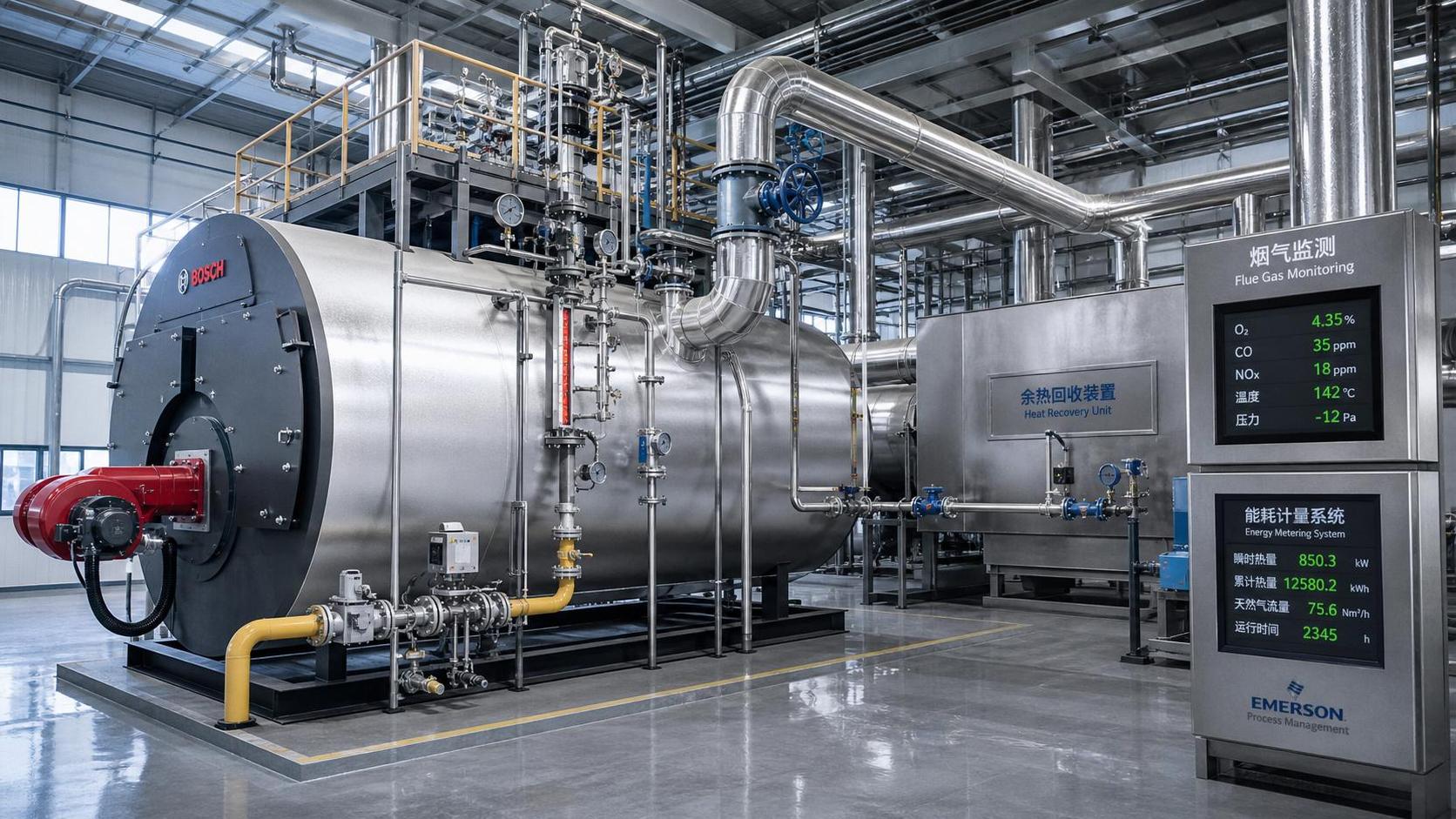
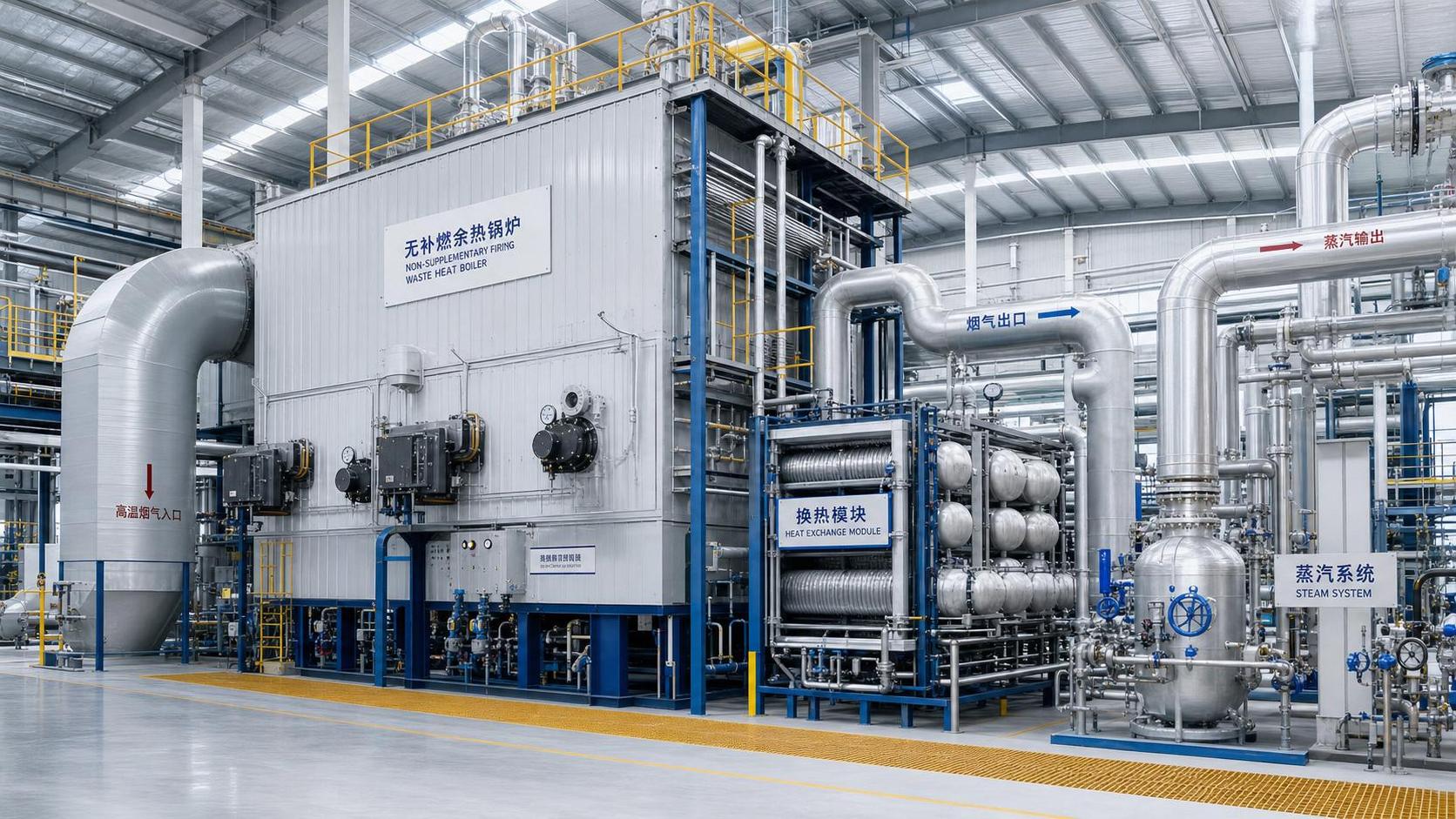
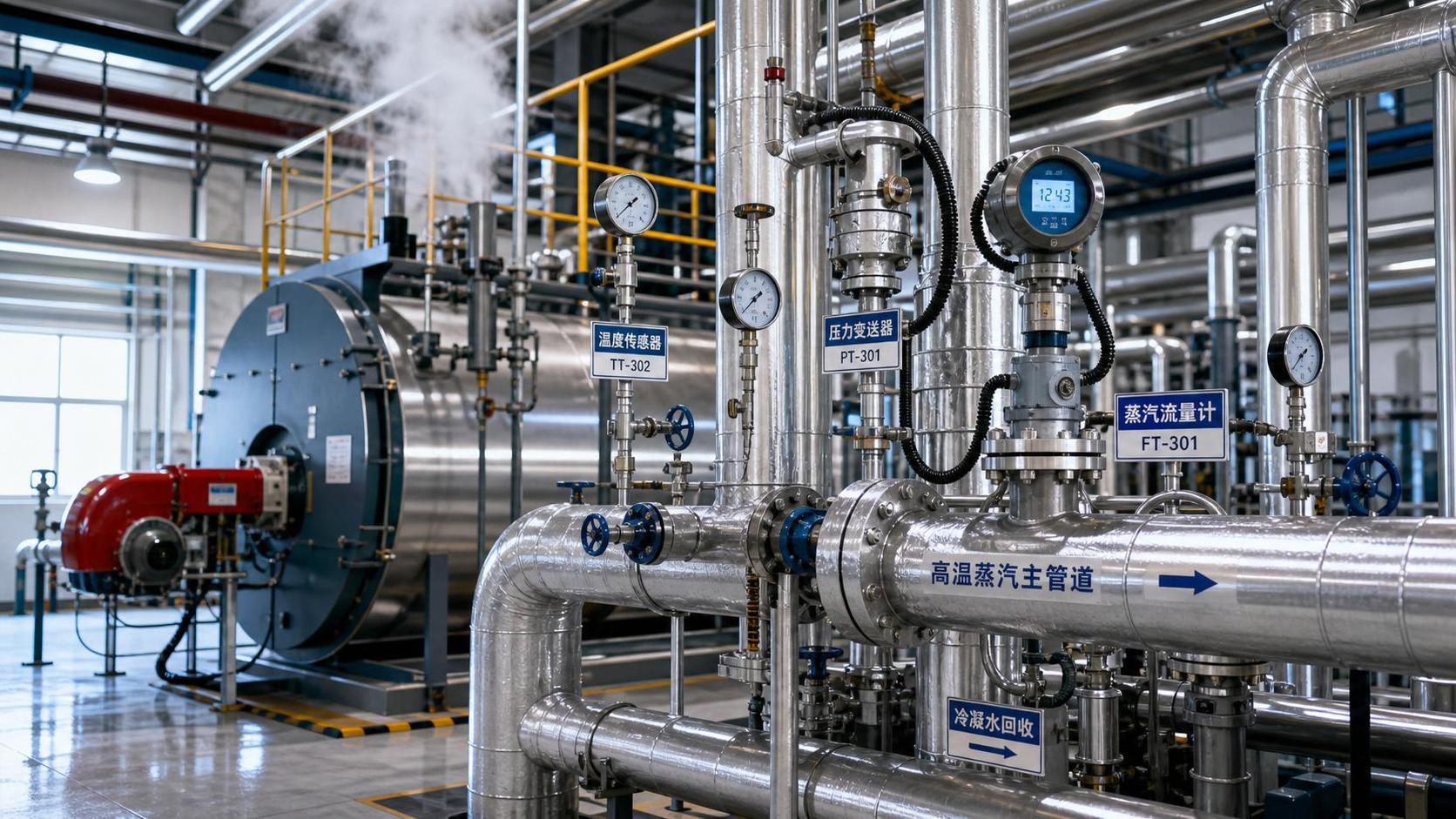
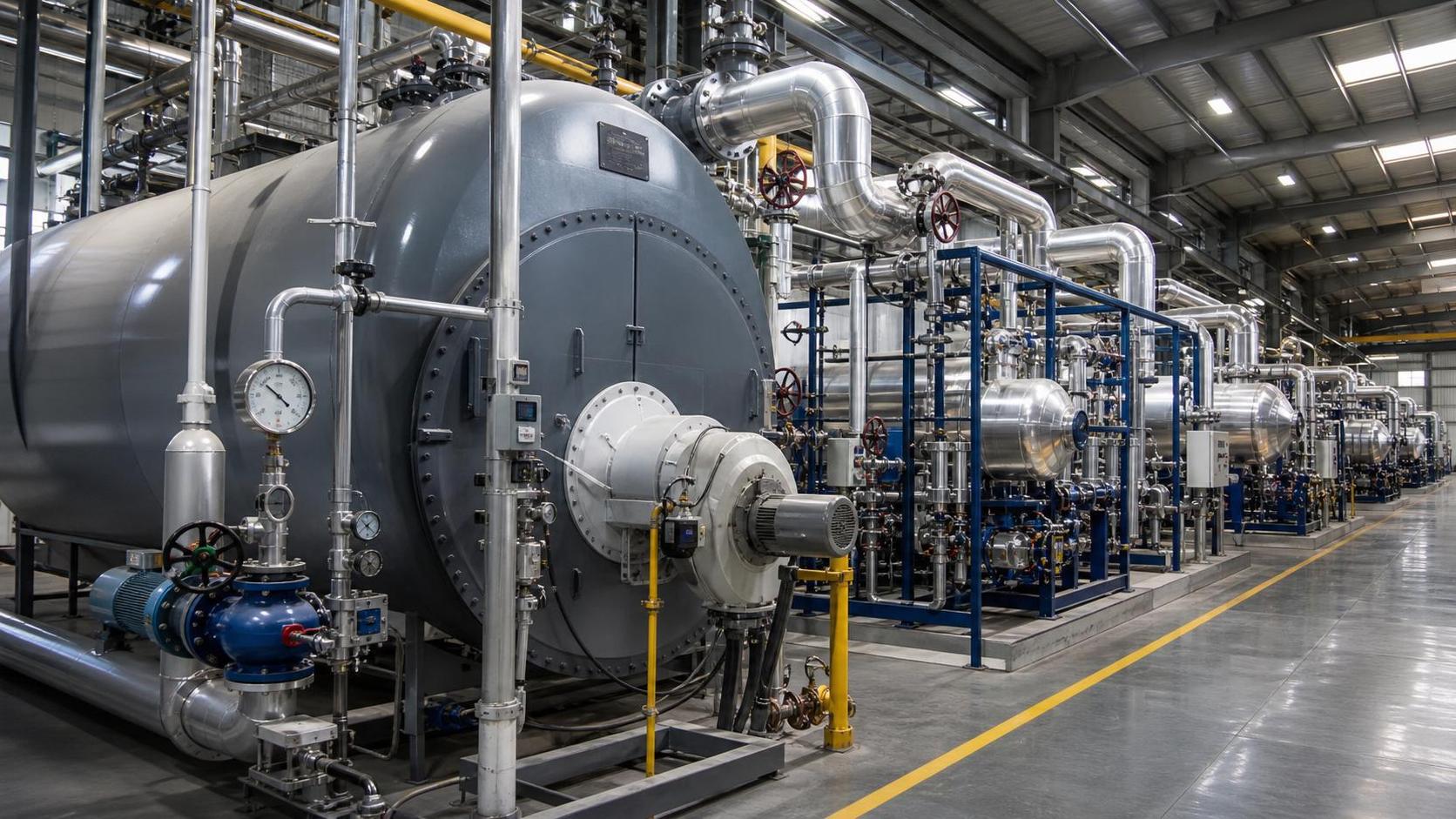
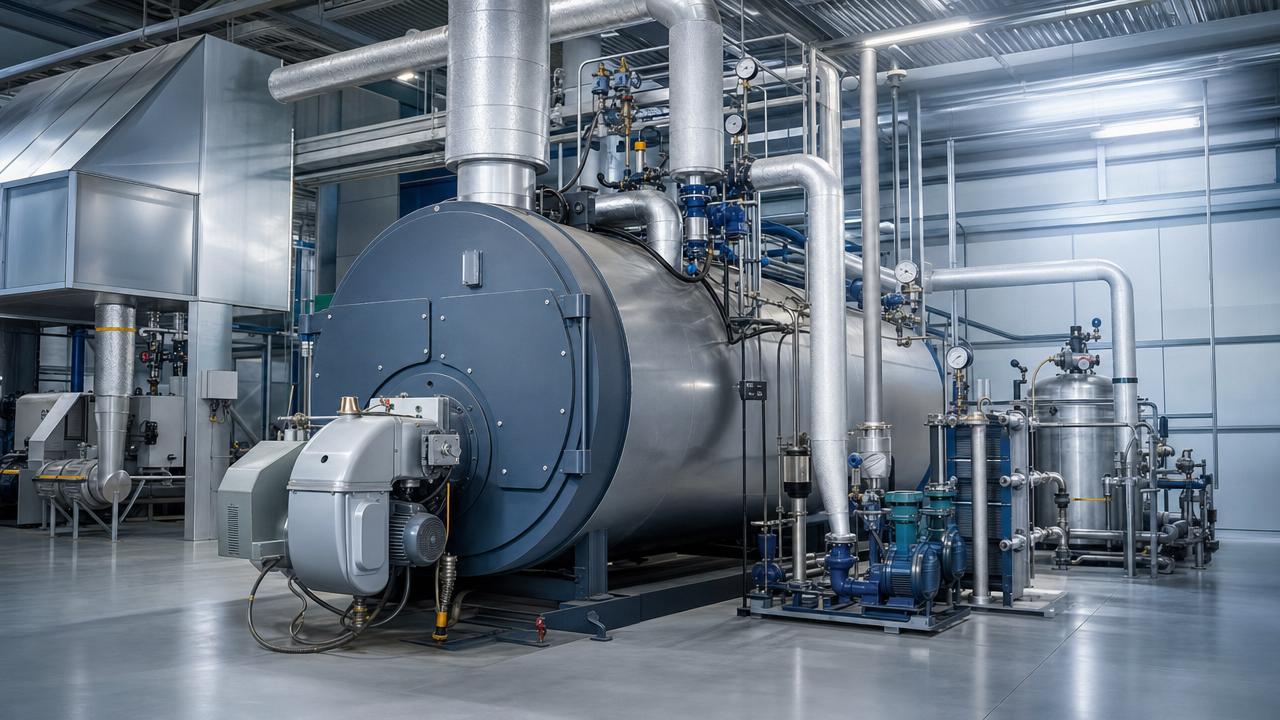
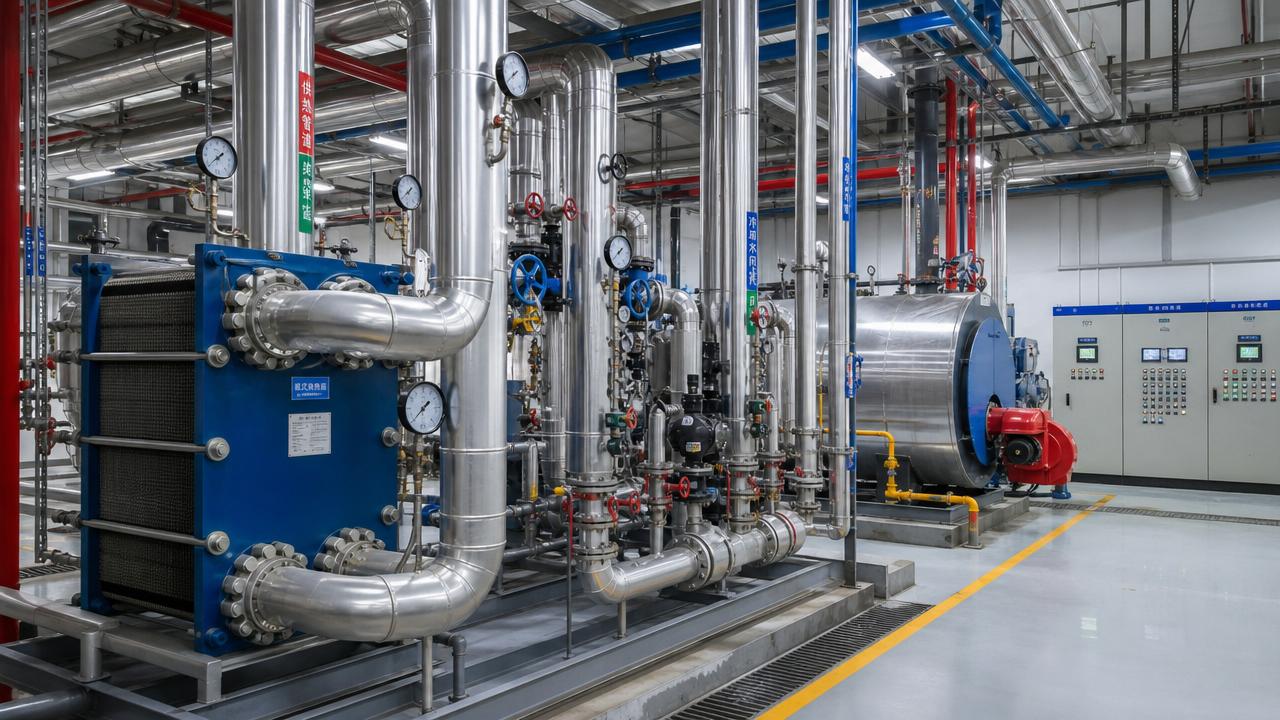
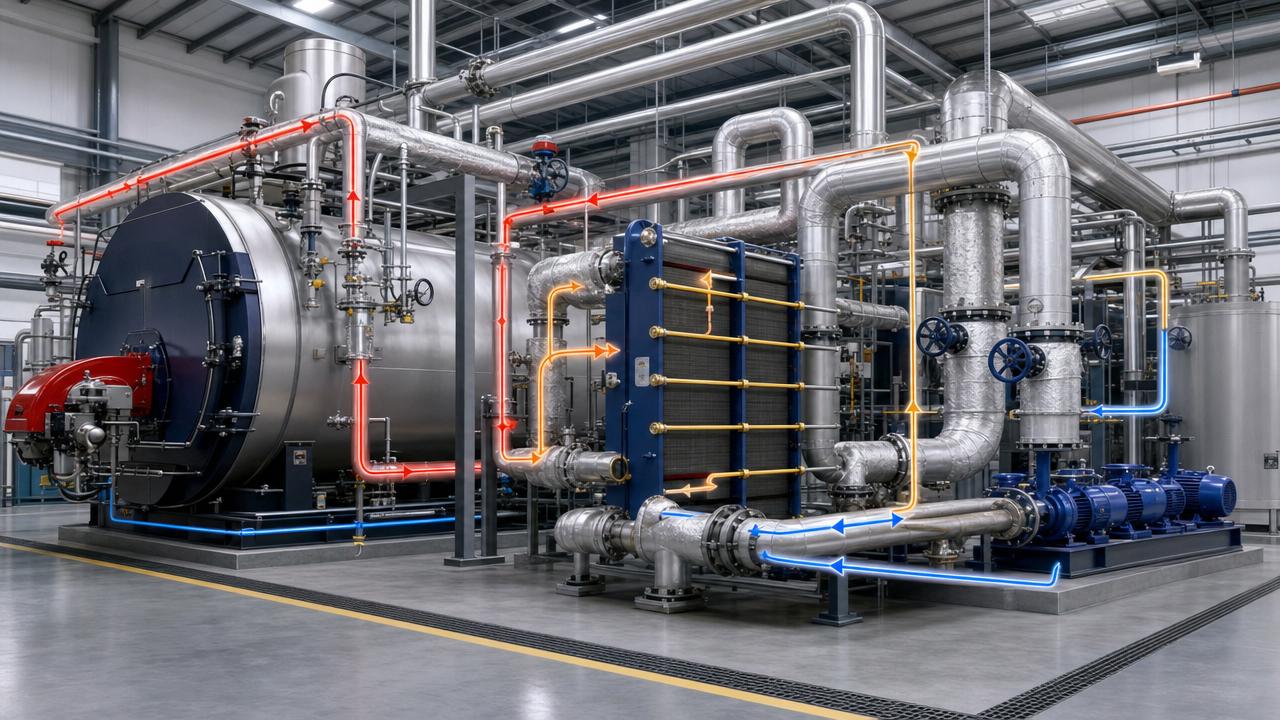
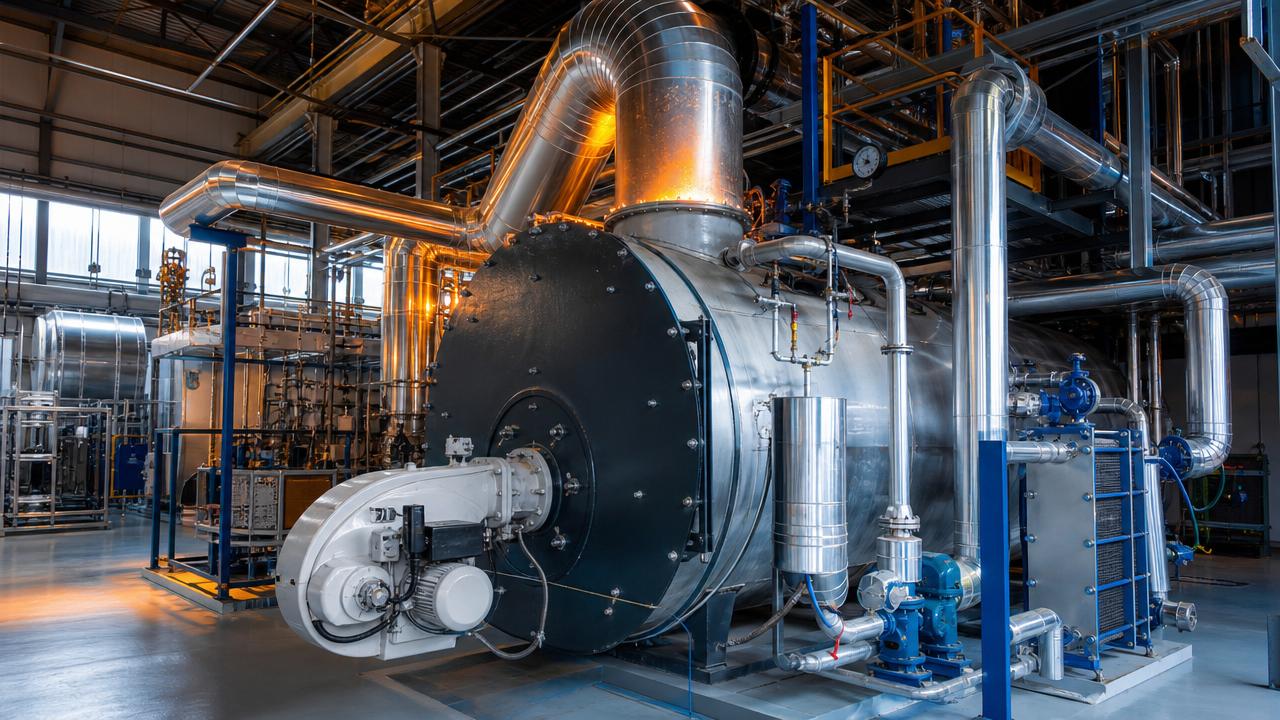
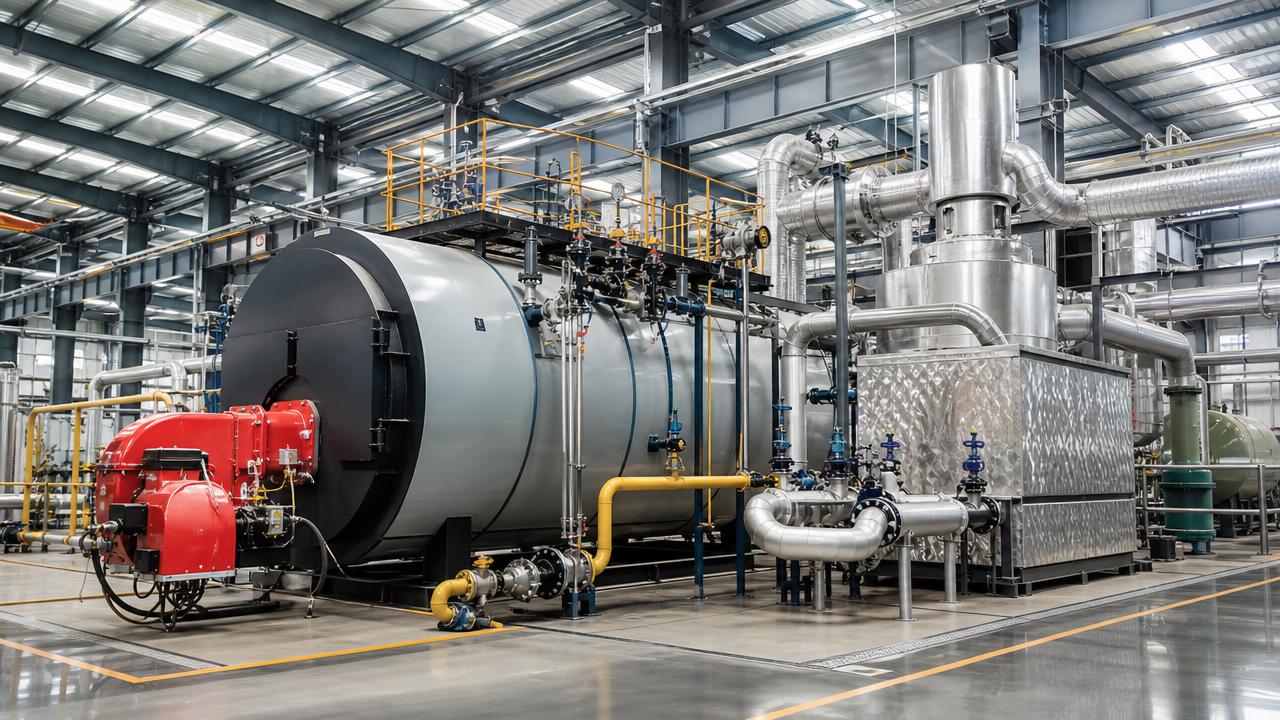
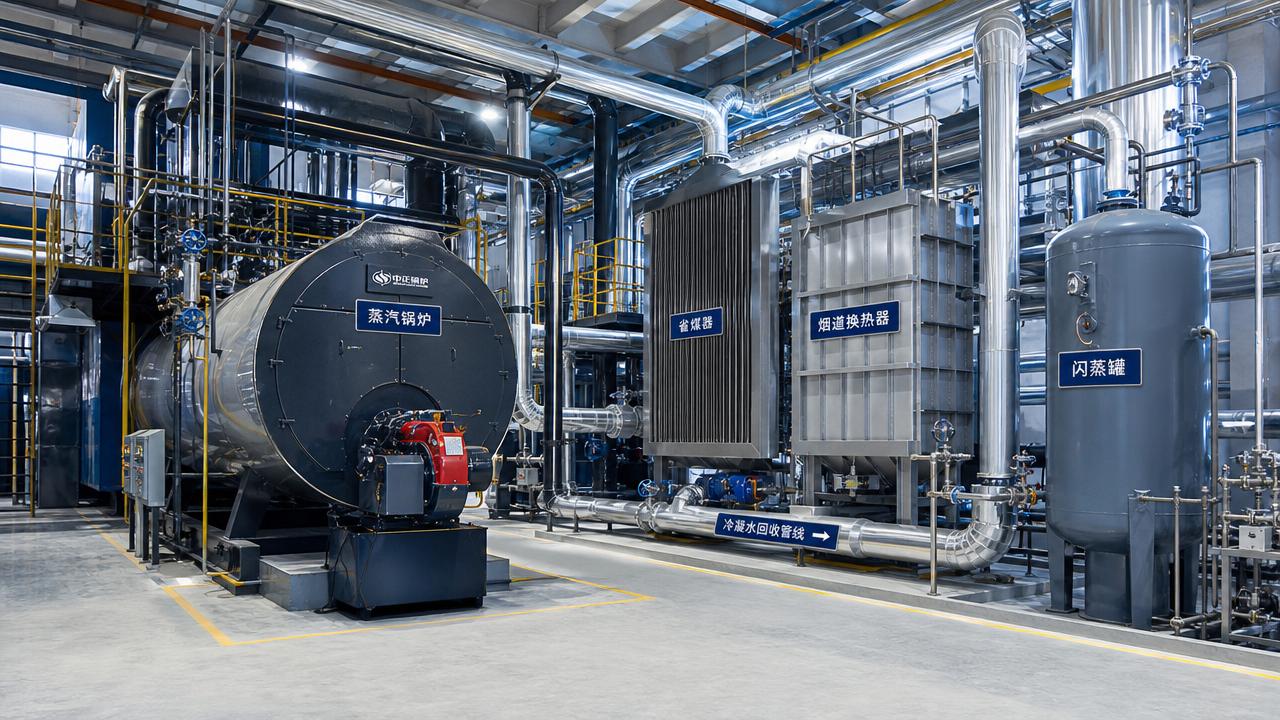
Plants in food processing, paper, refining, and similar sectors often benefit most from heat recovery upgrades. Here, thermal power systems run for long hours, so even small efficiency gains accumulate quickly. Business evaluators should focus on stack temperature, steam balance, condensate return quality, and maintenance history. If baseline operation is stable, retrofits such as economizers, air preheaters, and upgraded heat exchangers often produce reliable payback.
Variable-load and batch operations
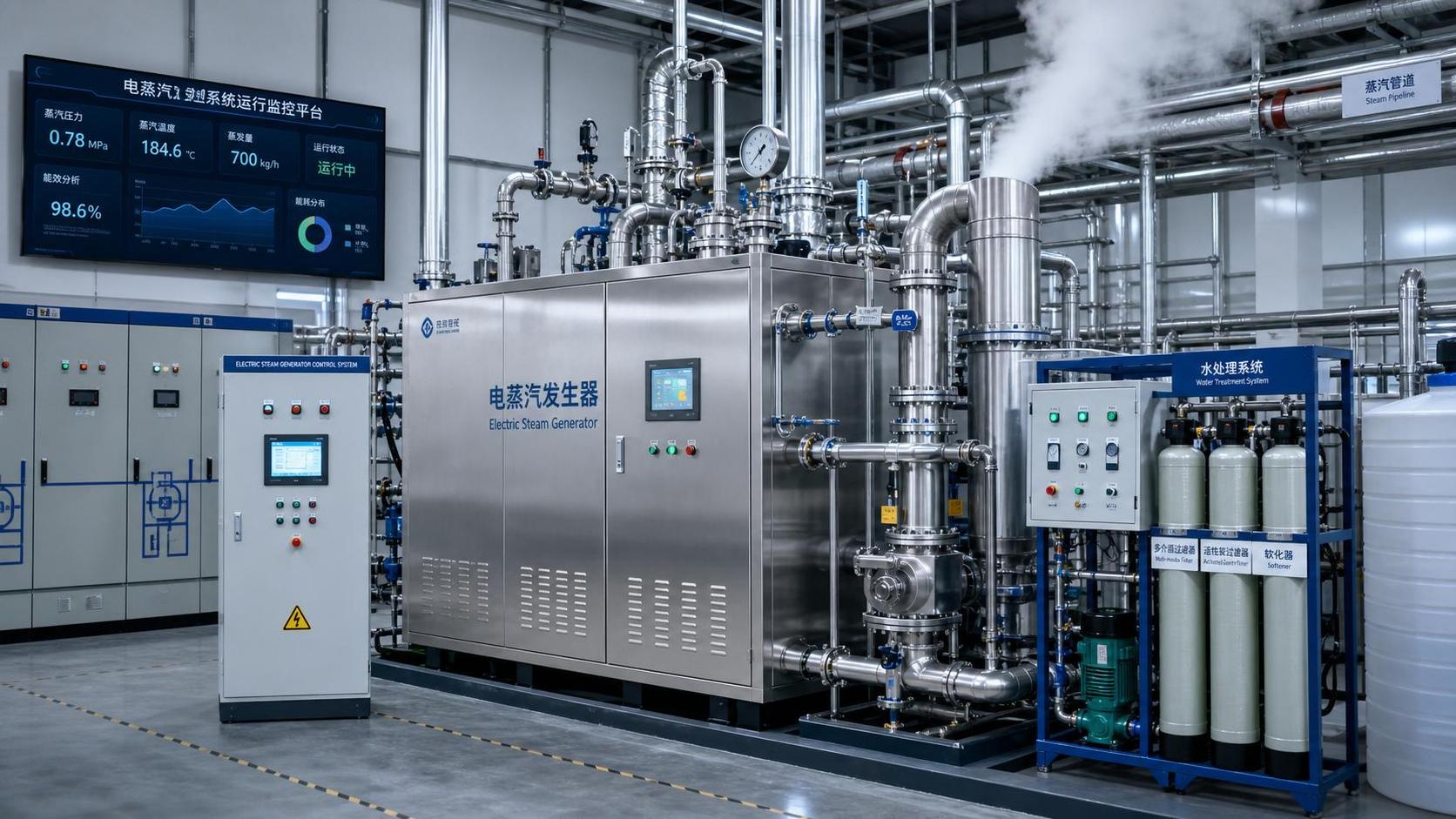
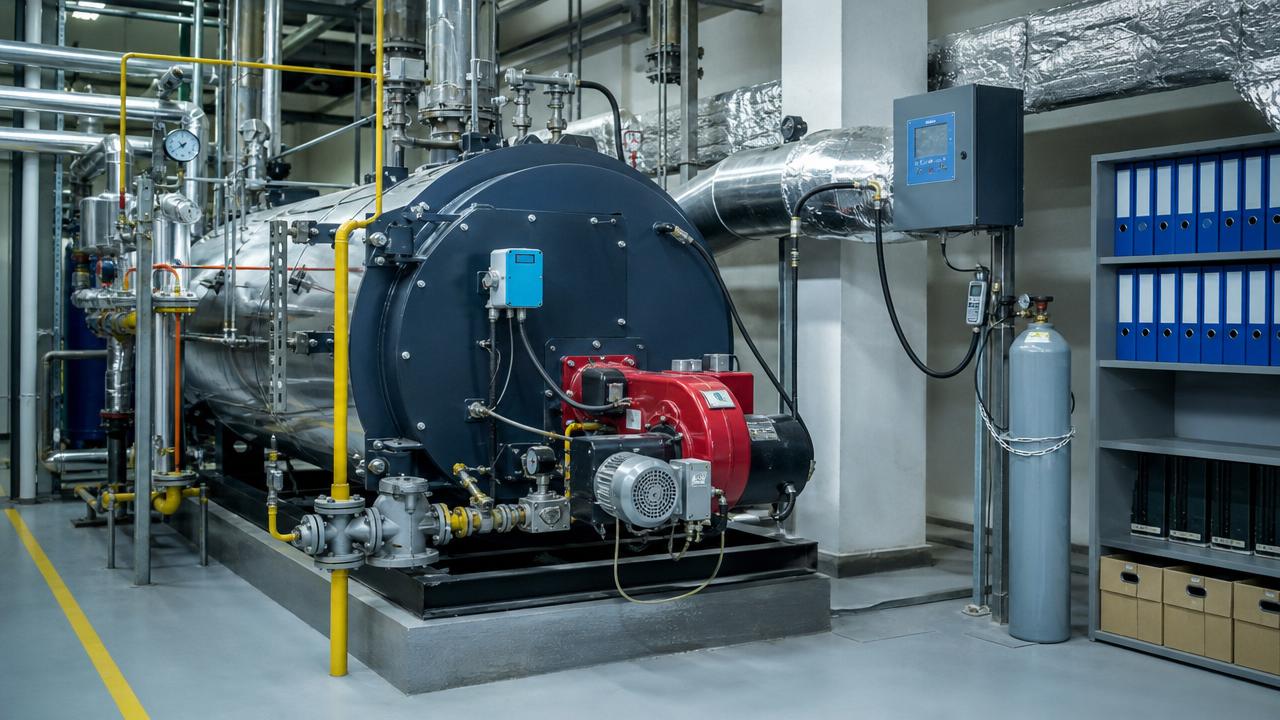
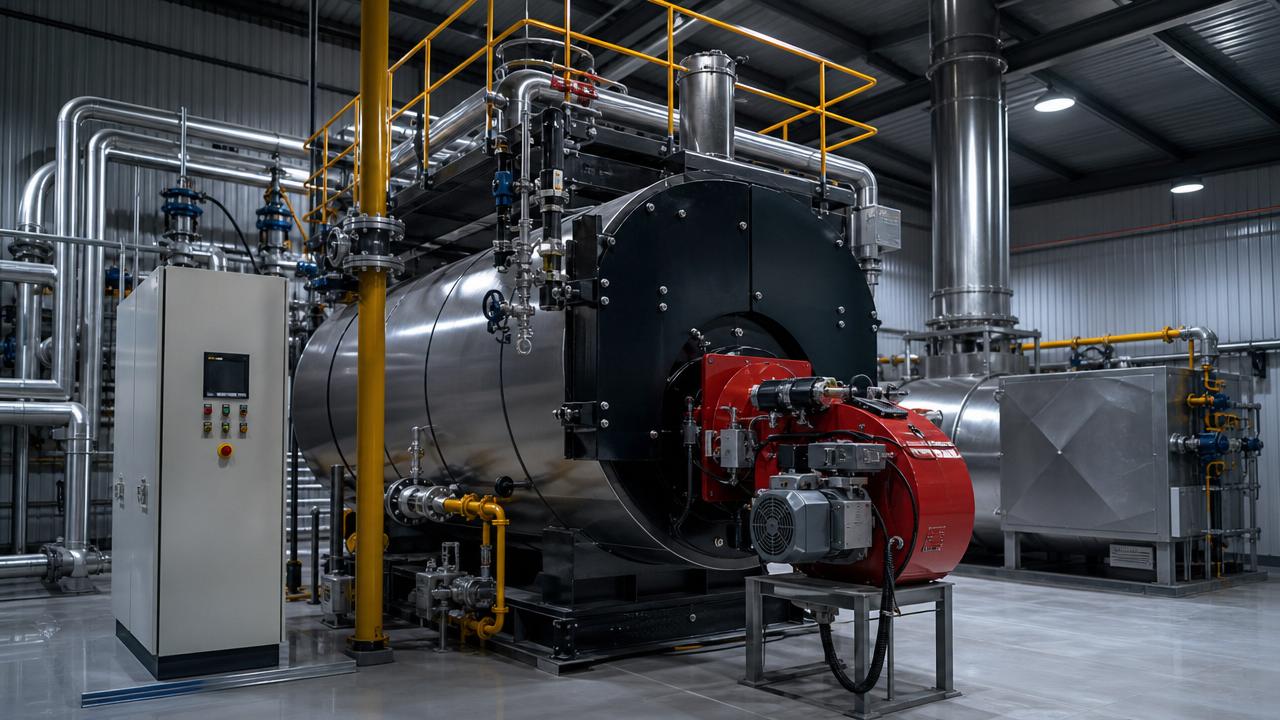
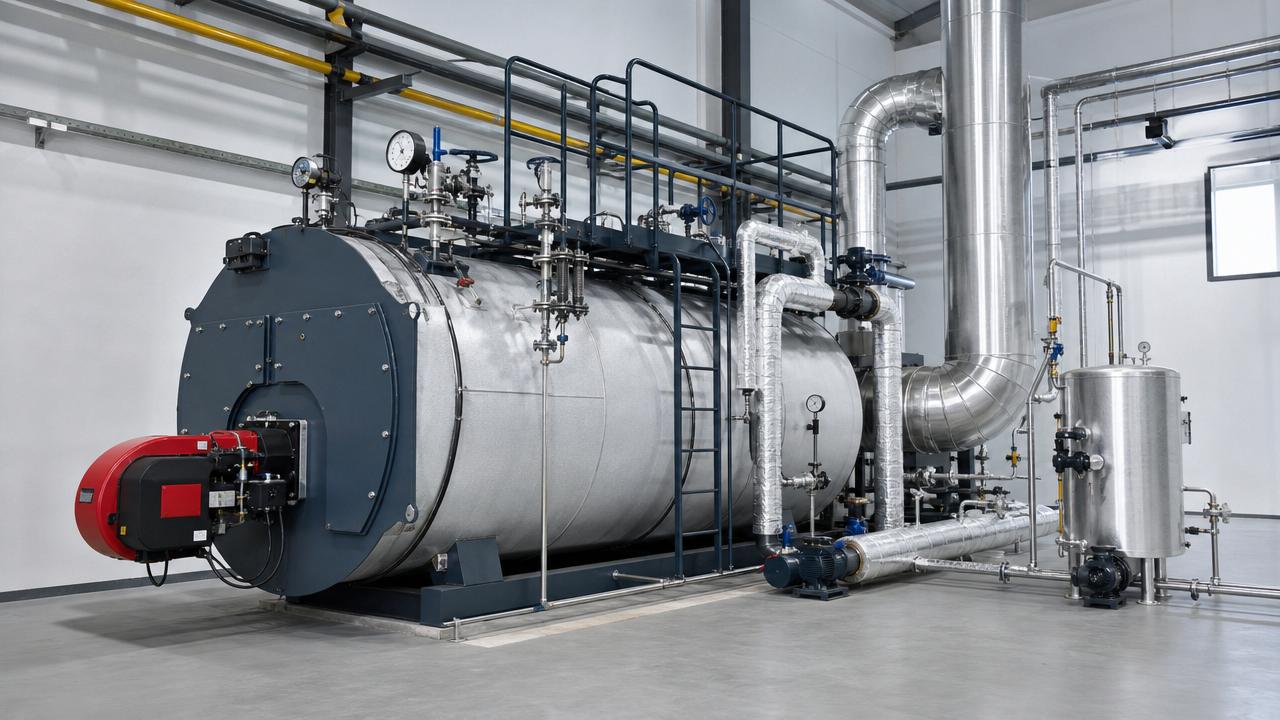
In batch manufacturing, operating losses often come from mismatch between thermal supply and demand. Oversized boilers, slow control loops, and repeated start-stop cycles waste fuel and increase wear. In this scenario, thermal power systems upgrades should prioritize intelligent controls, modular boiler sequencing, and demand-linked combustion management. The commercial value comes not only from fuel savings but from reduced downtime and better production responsiveness.
Assets under carbon and compliance pressure
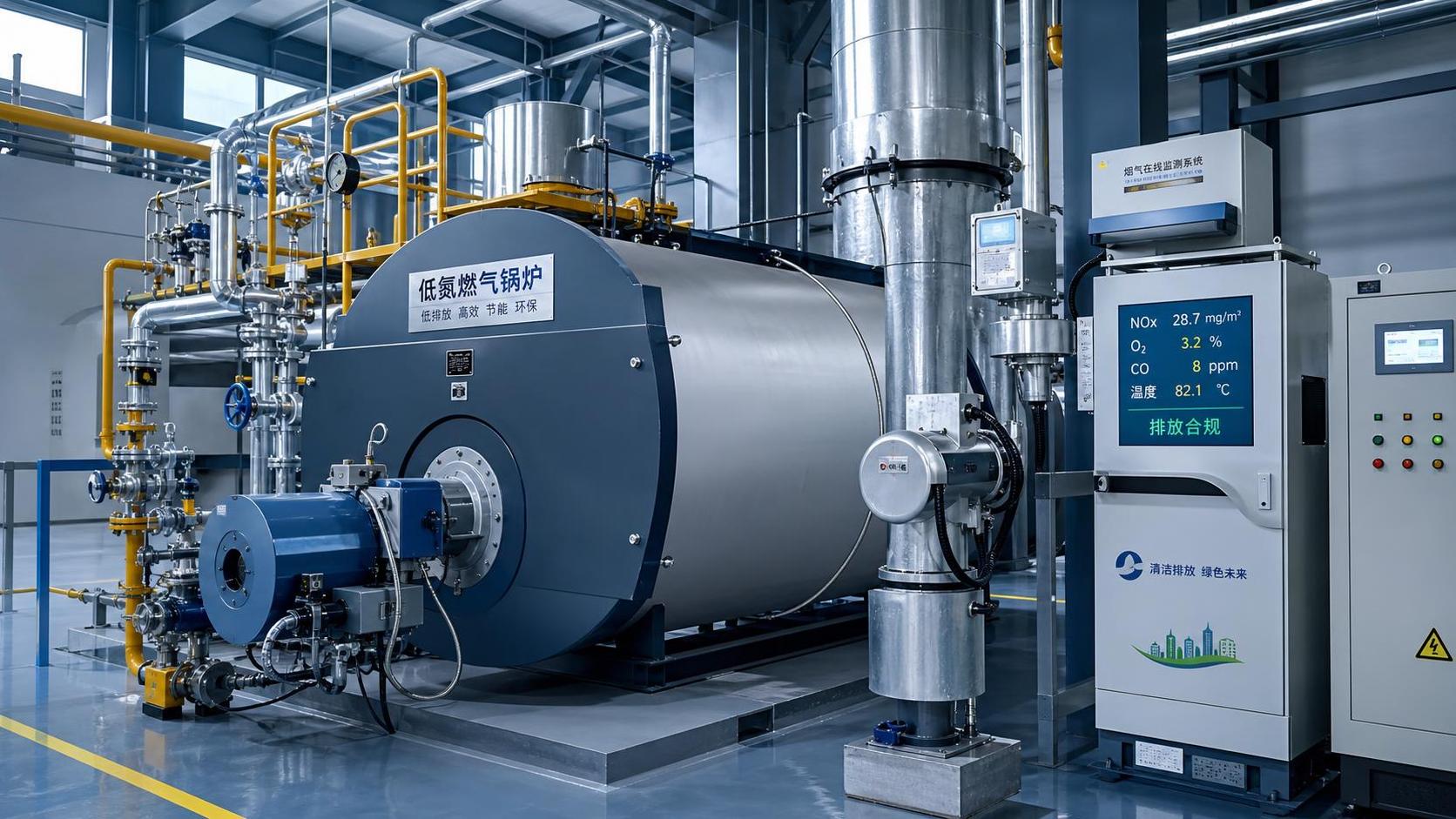
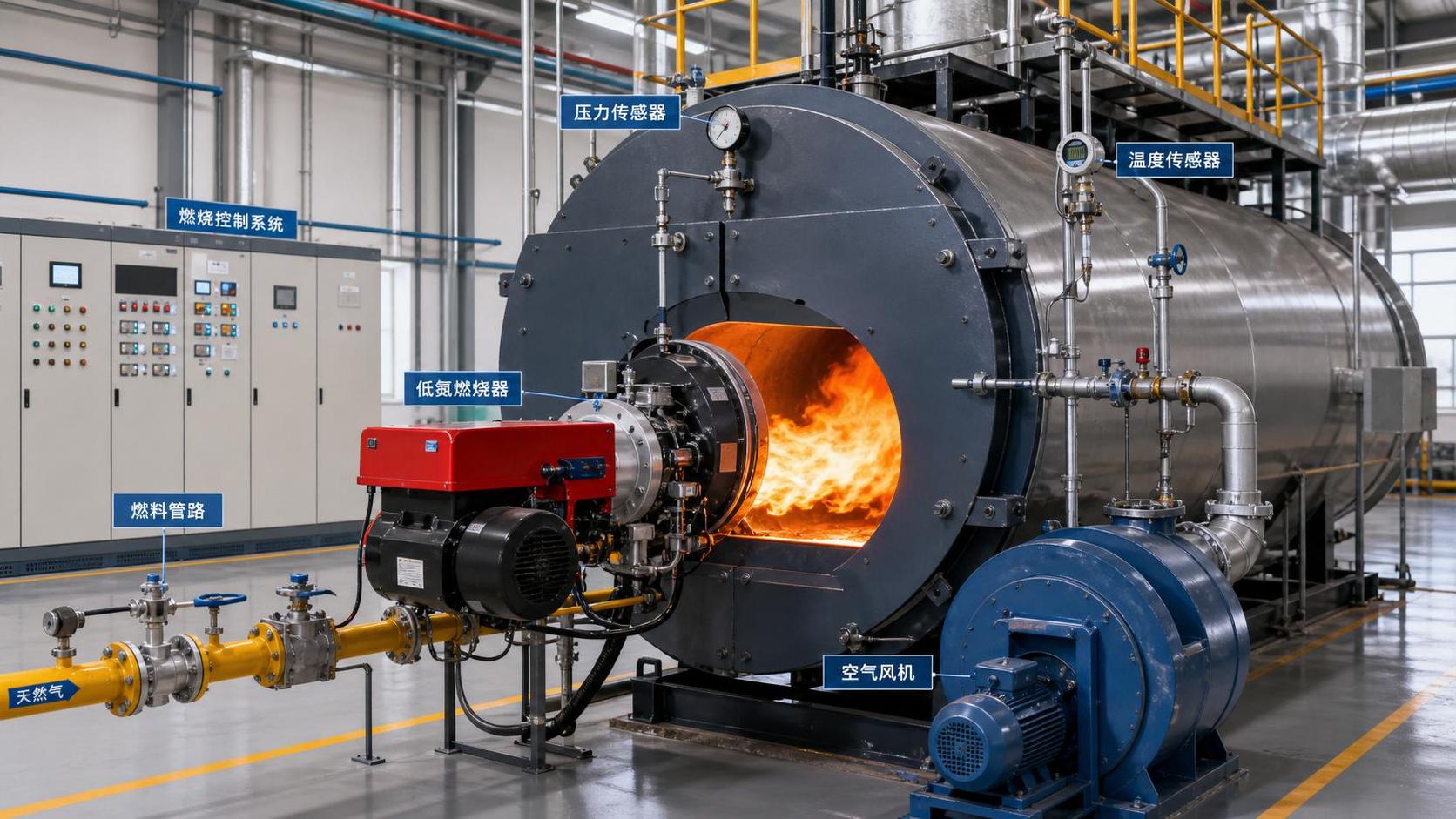
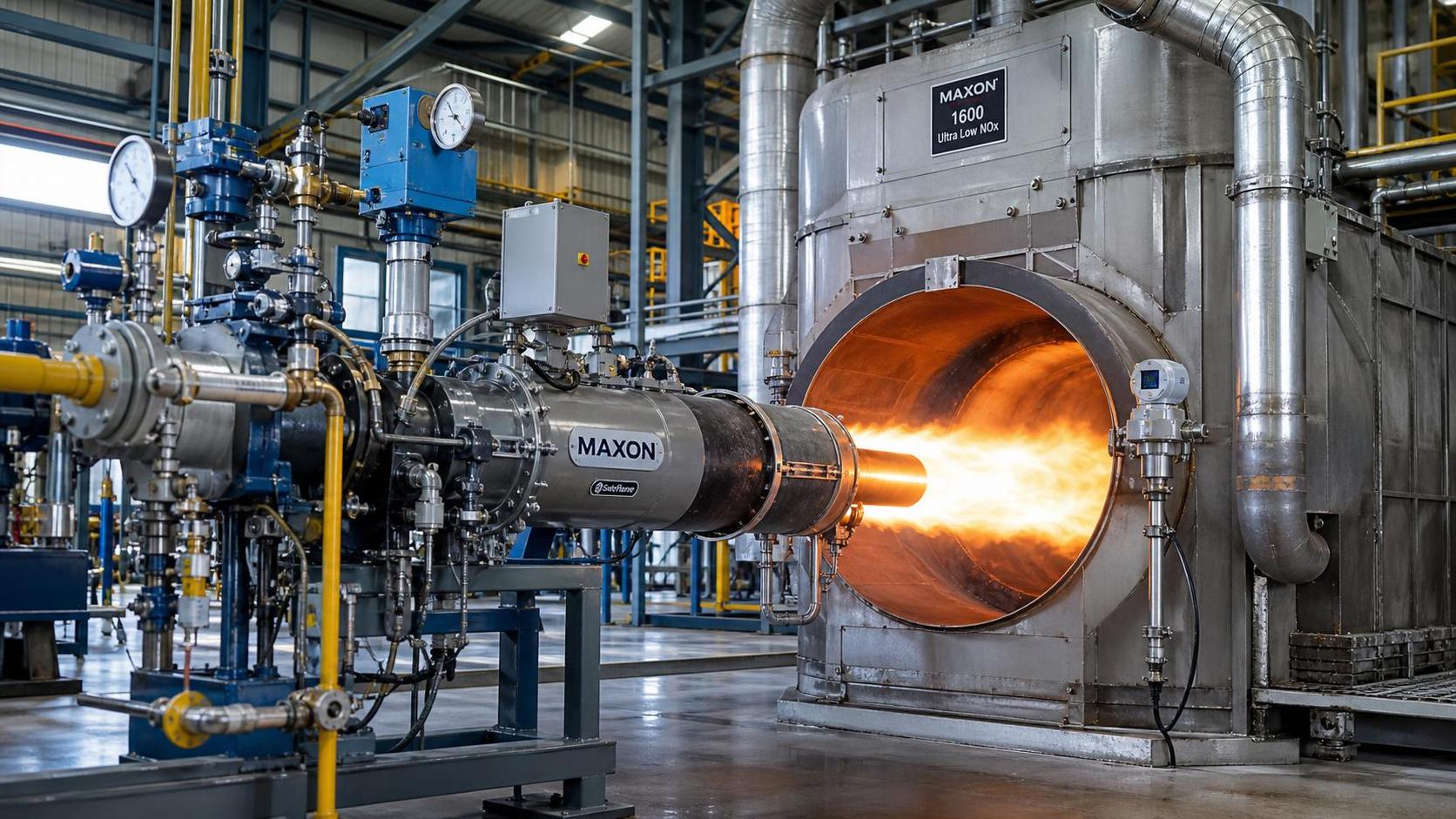
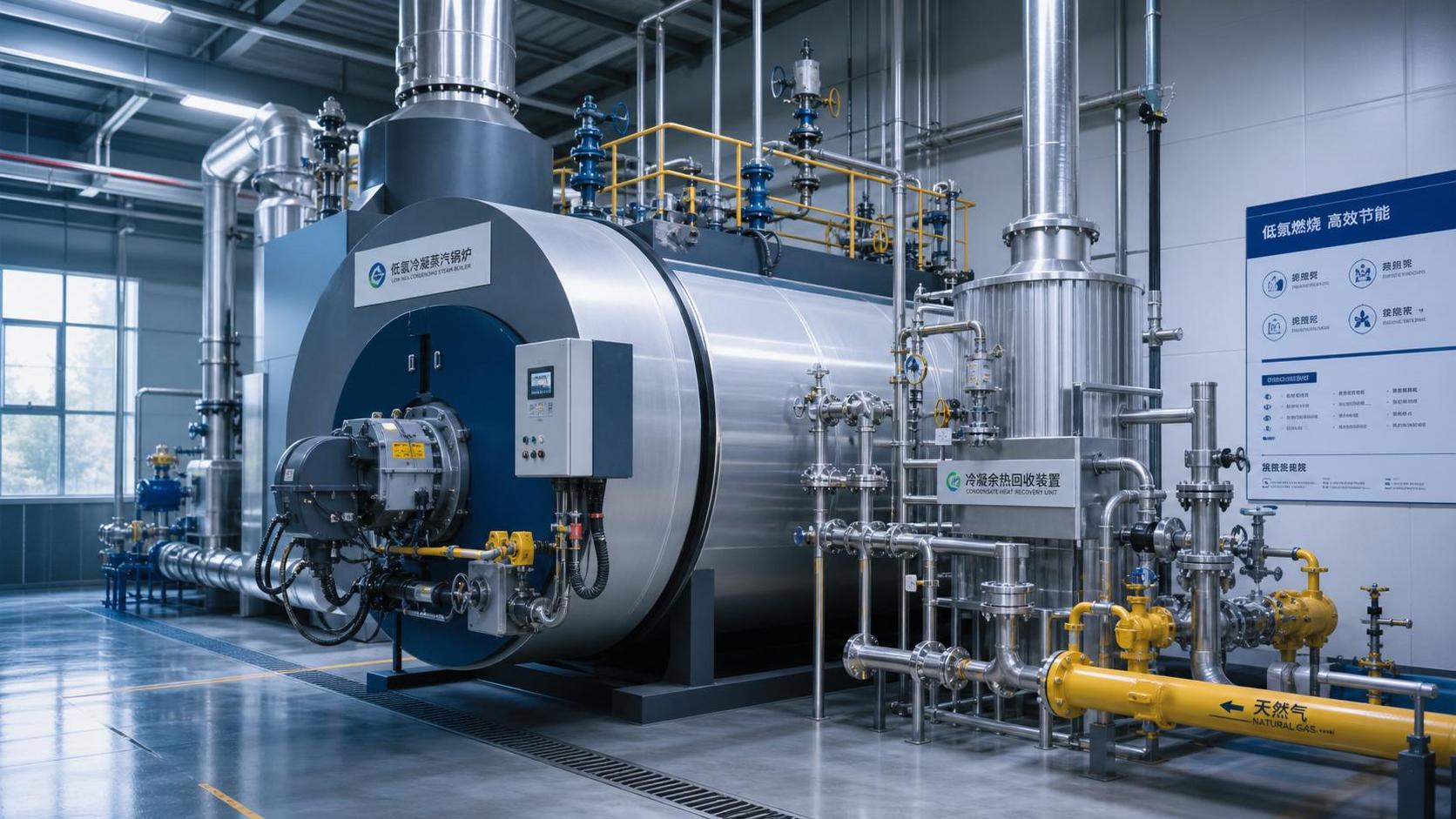
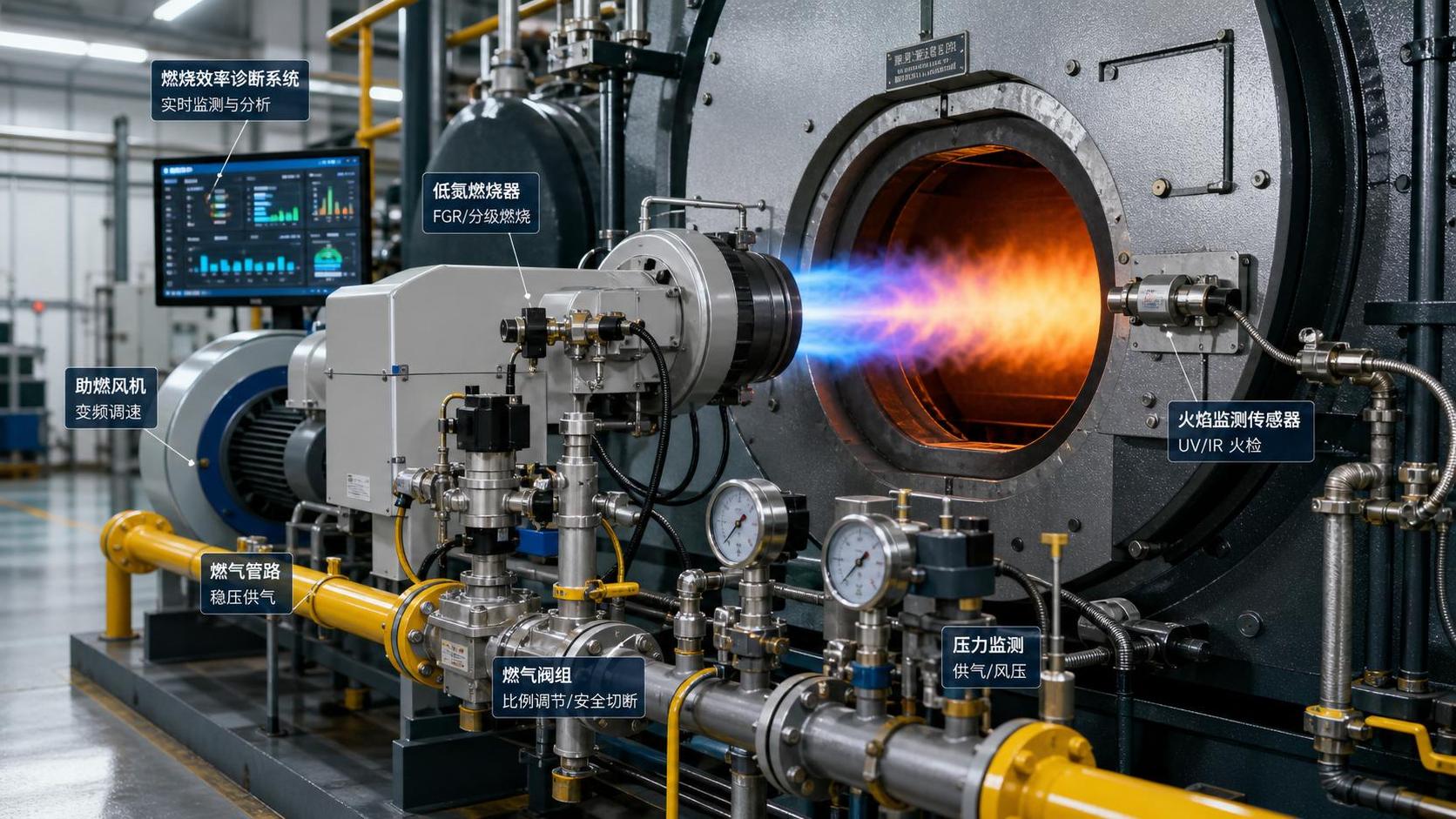
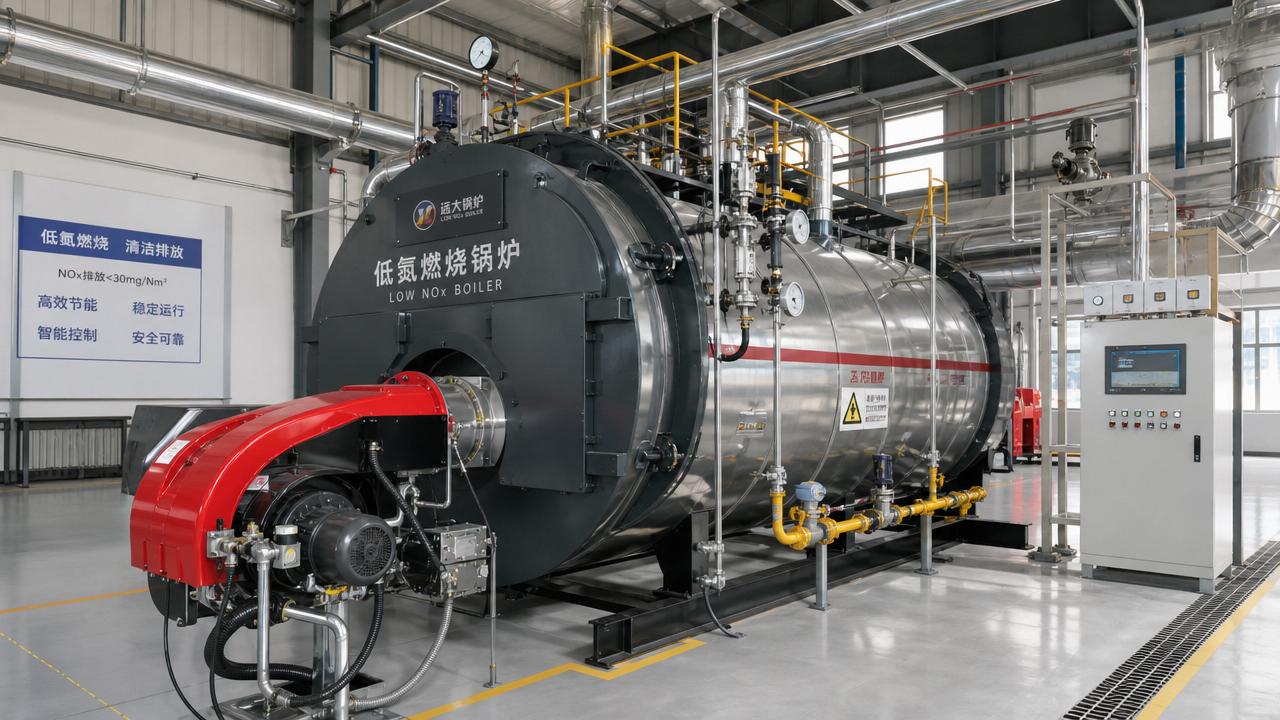
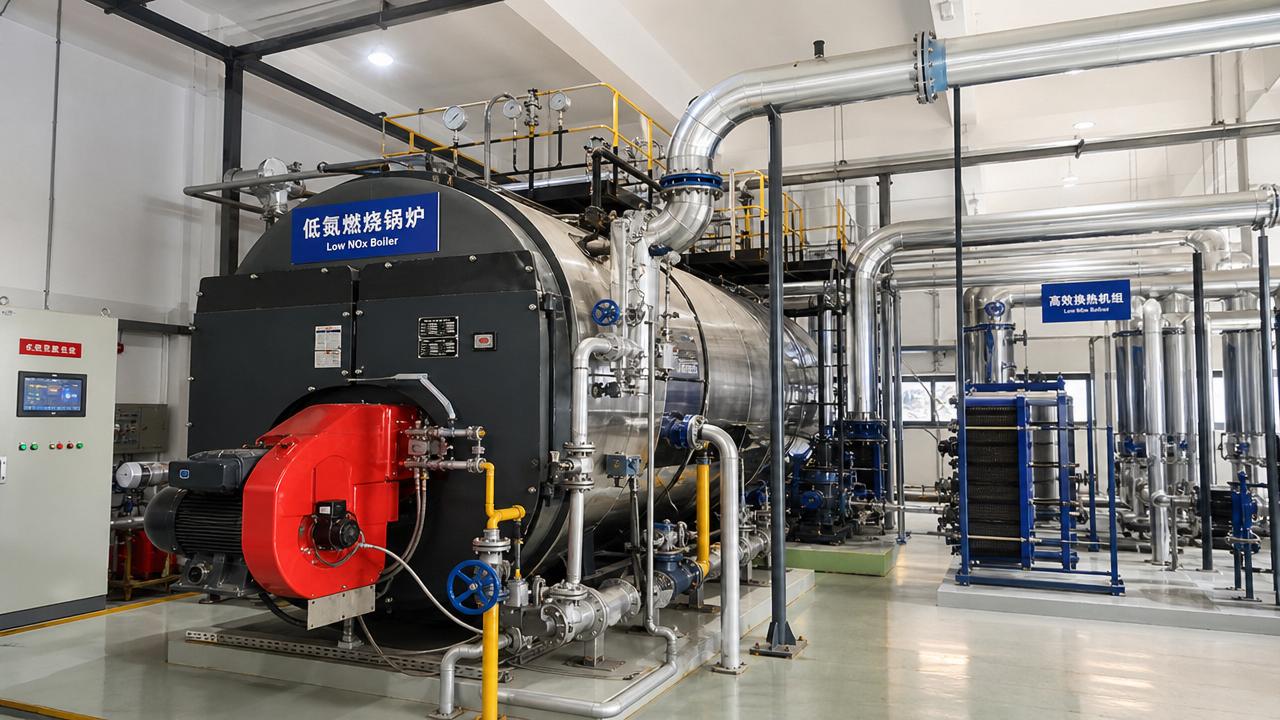
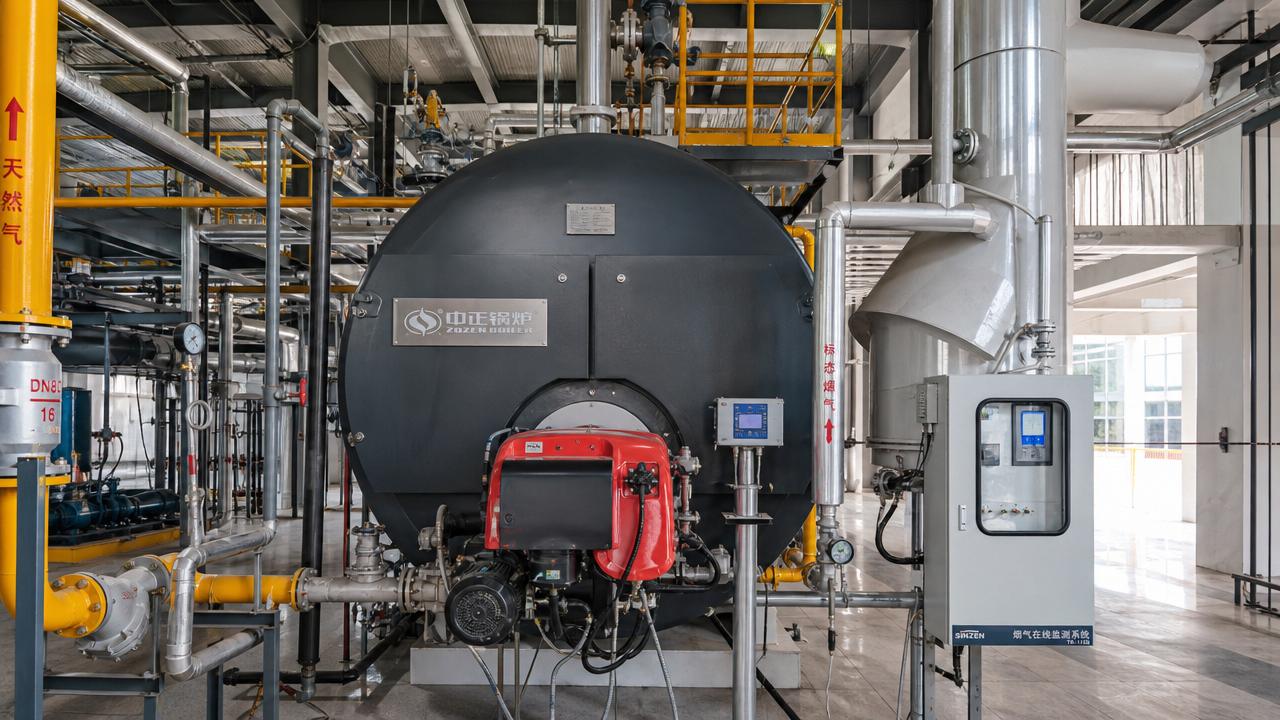
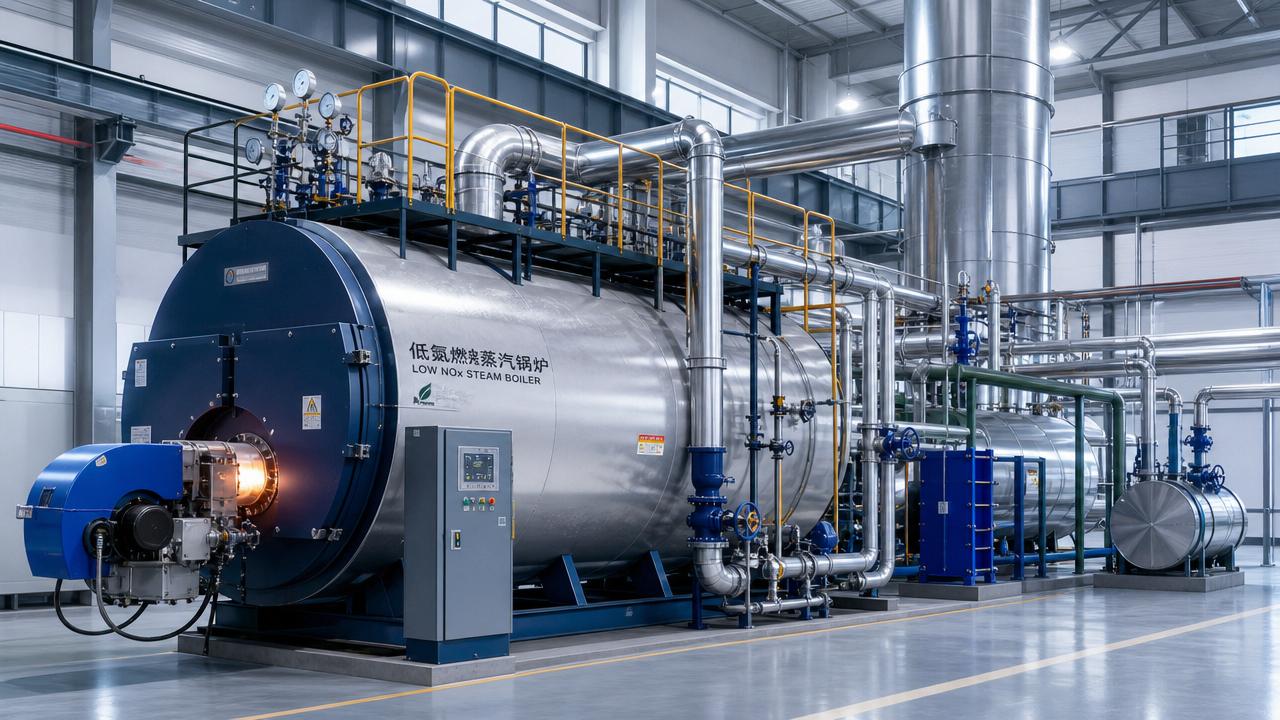
For sites facing emissions targets or stricter environmental policy, operating losses are tied to both energy waste and compliance cost. Low-NOx burners, oxygen trim systems, and combustion analytics can improve efficiency while reducing penalties and reporting risk. These projects are especially relevant where management values long-term asset defensibility and brand positioning in low-carbon manufacturing.
What business evaluators should verify before selecting thermal power systems upgrades
A strong upgrade case depends on verified operating context. Before approving a retrofit path, confirm the following:
- Load profile: Is demand stable, seasonal, or highly variable?
- Fuel economics: Are gas, steam, or electricity costs likely to shift materially?
- System age: Are losses driven by component wear or by outdated design logic?
- Integration risk: Can the site absorb shutdown time for installation?
- Data quality: Is there enough monitoring to prove current losses and future gains?
This verification step helps separate attractive-looking technologies from truly suitable thermal power systems investments. It also improves board-level confidence by linking technical choices to measurable financial outcomes.
Common misjudgments in scenario matching
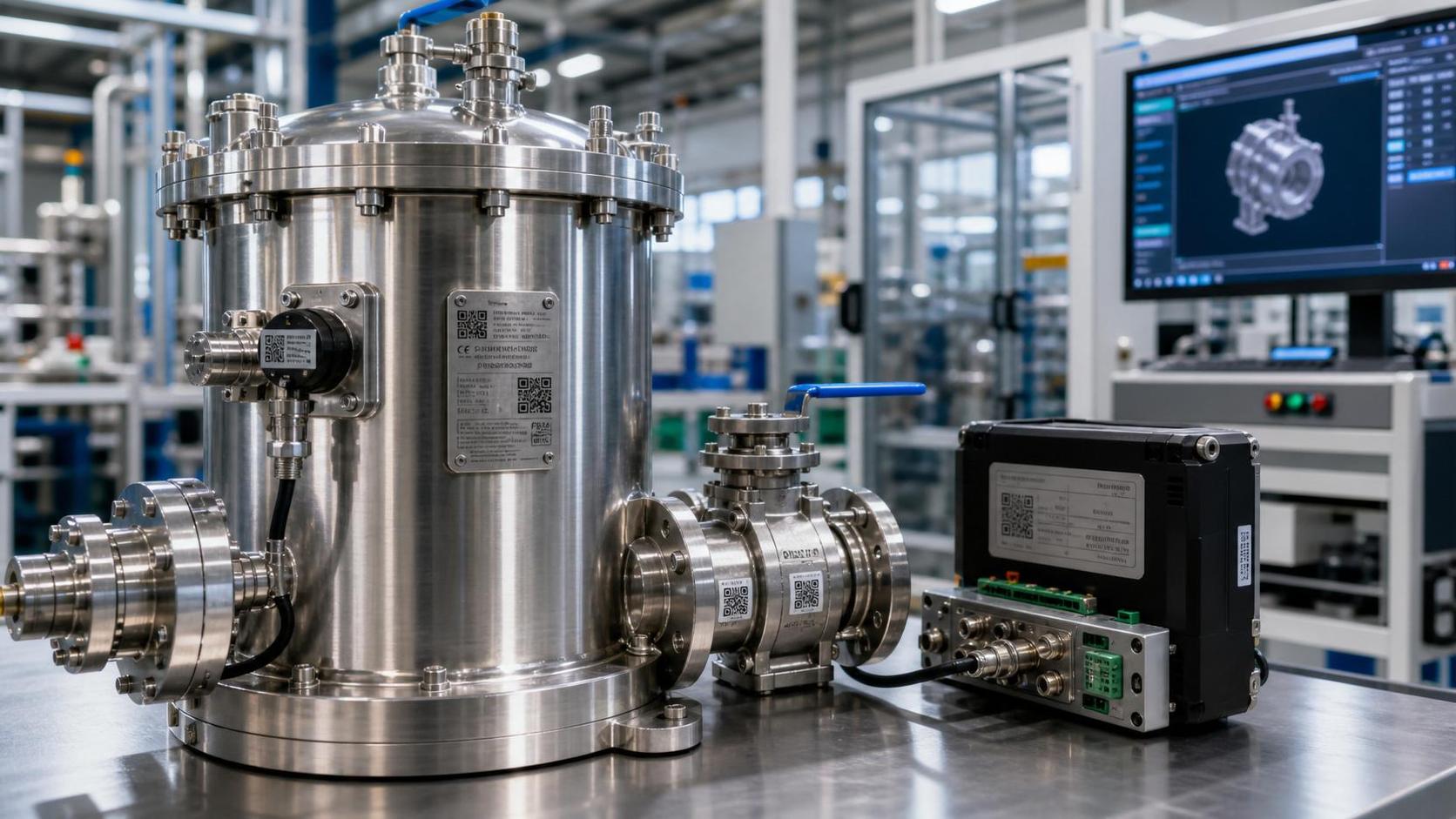
One frequent mistake is applying high-capex recovery equipment to sites with unstable or low annual utilization. Another is focusing only on boiler efficiency while ignoring distribution losses, condensate recovery, or control drift. Some teams also underestimate the value of digital visibility; without reliable monitoring, thermal power systems upgrades may save energy but fail to prove it in financial reporting.
A further risk is evaluating payback only on fuel savings. In many industrial environments, reduced maintenance, improved throughput, lower emissions exposure, and more predictable thermal performance can be equally important. GTC-Matrix often highlights this broader view because resilient energy assets are increasingly judged on operational intelligence as much as on hardware efficiency.
Practical next steps for scenario-fit evaluation
The most effective path is to rank opportunities by scenario fit: first identify where losses occur, then test which thermal power systems upgrades best address those specific patterns. For continuous plants, start with heat recovery and combustion optimization. For variable-load sites, begin with controls and modularity. For compliance-sensitive assets, combine efficiency and emissions upgrades in one investment model.
For business evaluators, the best decision framework is simple: match the upgrade to the operating scenario, quantify savings beyond fuel alone, and validate whether the project strengthens long-term asset competitiveness. When thermal power systems are assessed through this practical lens, upgrade planning becomes a business strategy—not just an engineering task.
Related News
- Low Emissions Boilers: What to Compare Before You ChooseAuthor :Thermal Energy Strategist

- Low-NOx Boilers Cost Breakdown: Upfront Price, Fuel Savings, and PaybackAuthor :Thermal Energy Strategist

- Boiler Combustion Systems: Common Causes of Unstable Fuel PerformanceAuthor :Thermal Energy Strategist

- Hot Water Industrial Boilers: When Efficiency Gains Justify ReplacementAuthor :Thermal Energy Strategist

- What Boiler Efficiency Really Means in Daily Operation and Energy BillsAuthor :Thermal Energy Strategist

- Boiler Efficiency Testing Methods That Expose Heat Loss and Fuel WasteAuthor :Thermal Energy Strategist

- Industrial Burner Systems: Key Factors for Safe Heat OutputAuthor :Thermal Energy Strategist

- Gas-Fired Boiler Combustion Technology: Key Efficiency and Emissions Trade-OffsAuthor :Thermal Energy Strategist

- Unfired Heat Recovery Steam Generators: When Do They Pay Off?Author :Thermal Energy Strategist

- How to Evaluate Steam Generation Systems Electric for Process Heat ProjectsAuthor :Thermal Energy Strategist

- Thermal Power Systems for Industrial Heating: Common Sizing Mistakes to AvoidAuthor :Thermal Energy Strategist

- Low-NOx Condensing Boilers: How to Compare Efficiency and EmissionsAuthor :Thermal Energy Strategist
![]()
- Low Emissions Boilers for Food Processing: Key Compliance and Fuel Cost FactorsAuthor :Thermal Energy Strategist

- Steam System Efficiency Calculation: Key Inputs That Change the ResultAuthor :Thermal Energy Strategist

- How to Evaluate a Steam Boiler Components Exporter Before OrderingAuthor :Thermal Energy Strategist

- Burner Systems Troubleshooting: Common Efficiency Loss CausesAuthor :Thermal Energy Strategist

- EU PED Q2 Rules Require Digital Compliance TagsAuthor :Thermal Energy Strategist

- Thermal Power Systems: Key Efficiency Risks in Daily OperationAuthor :Thermal Energy Strategist

- Low-NOx Combustion Boilers: Key Efficiency and Compliance ChecksAuthor :Thermal Energy Strategist

- Low-NOx Combustion Boilers: Key Specs That Affect Emissions and Fuel UseAuthor :Thermal Energy Strategist

- Low-NOx Combustion Boilers: Key Compliance RisksAuthor :Thermal Energy Strategist

- Thermodynamics Analysis for Boiler Heat-Loss ReductionAuthor :Thermal Energy Strategist

- Industrial Thermal Systems: Common Operating RisksAuthor :Thermal Energy Strategist

- Low-NOx Combustion Boilers: Key Spec Checks Before PurchaseAuthor :Thermal Energy Strategist

- How Industrial Heat Recovery Cuts Boiler Fuel Costs in 2026Author :Thermal Energy Strategist

- Thermodynamics Analysis: 5 Heat Loss Clues in Steam BoilersAuthor :Thermal Energy Strategist

- Low-NOx Combustion Boilers: What Affects Real Emissions PerformanceAuthor :Thermal Energy Strategist

- Thermodynamics Analysis: Finding Heat Loss in Steam BoilersAuthor :Thermal Energy Strategist

- 2026 Steam Boiler Upgrades for Lower NOx and Fuel CostsAuthor :Thermal Energy Strategist

- EU to Expand CBAM to Steam Boilers; Exporters Must Prepare Carbon DataAuthor :Thermal Energy Strategist

- Industrial Heat Recovery: When Payback Beats New Boiler CapacityAuthor :Thermal Energy Strategist

- Carbon Neutrality Targets and the New Boiler Retrofit PaybackAuthor :Thermal Energy Strategist

- Low-NOx Combustion Boilers: Fuel Savings vs Emission LimitsAuthor :Thermal Energy Strategist

- Industrial Energy Efficiency Benchmarks for Steam Boiler Upgrades in 2026Author :Thermal Energy Strategist

- Low-NOx Combustion Boilers: Efficiency vs Emissions in 2026Author :Thermal Energy Strategist

- Industrial Heat Recovery Options for Steam Boiler SavingsAuthor :Thermal Energy Strategist