



Canton Fair Phase II: Biomass Boiler Orders Up 37% in Heat Exchange Segment




At the 2026 Canton Fair Phase II (April 23–27), orders for heat exchange products rose 29% year-on-year, with biomass steam boiler orders surging 37%—primarily from buyers in Vietnam, Thailand, and Indonesia. This shift reflects growing procurement activity tied to regional carbon tariff transition policies. The development signals material implications for manufacturers, exporters, fuel suppliers, and certification service providers engaged in industrial thermal equipment supply chains.
Event Overview
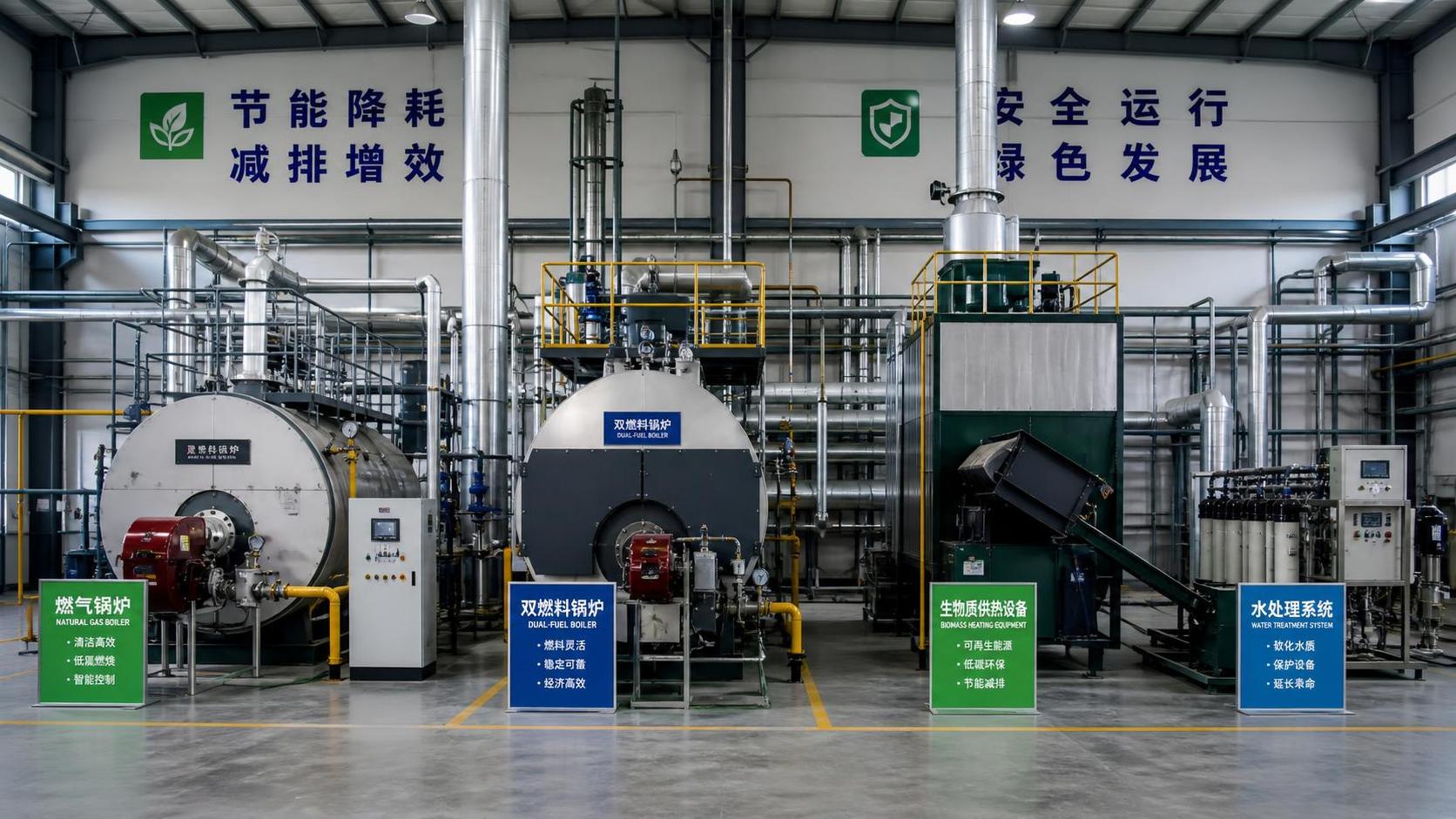
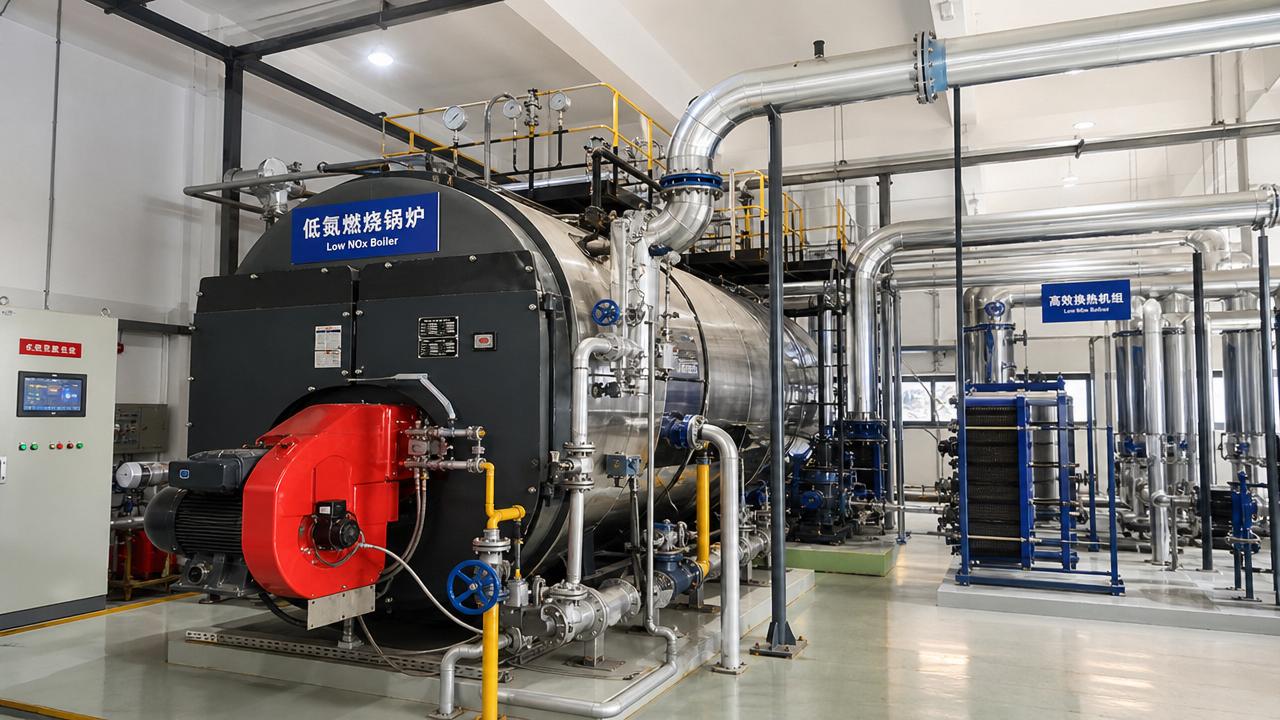
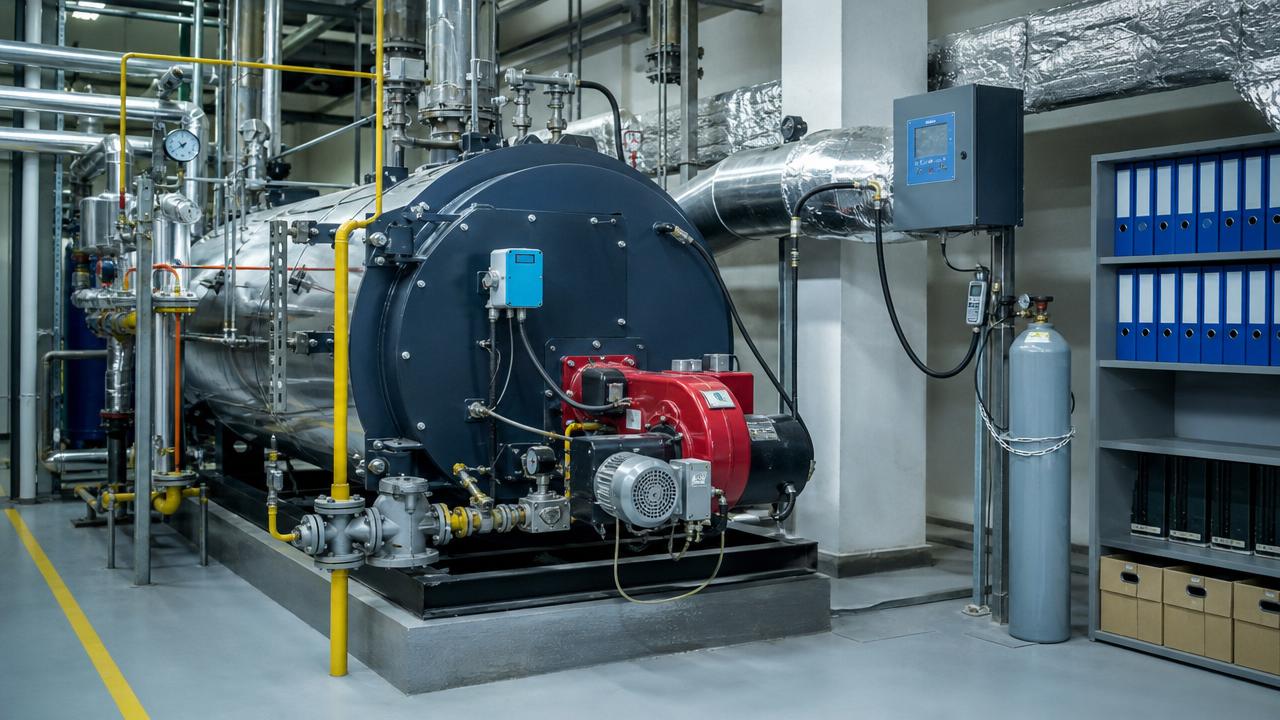
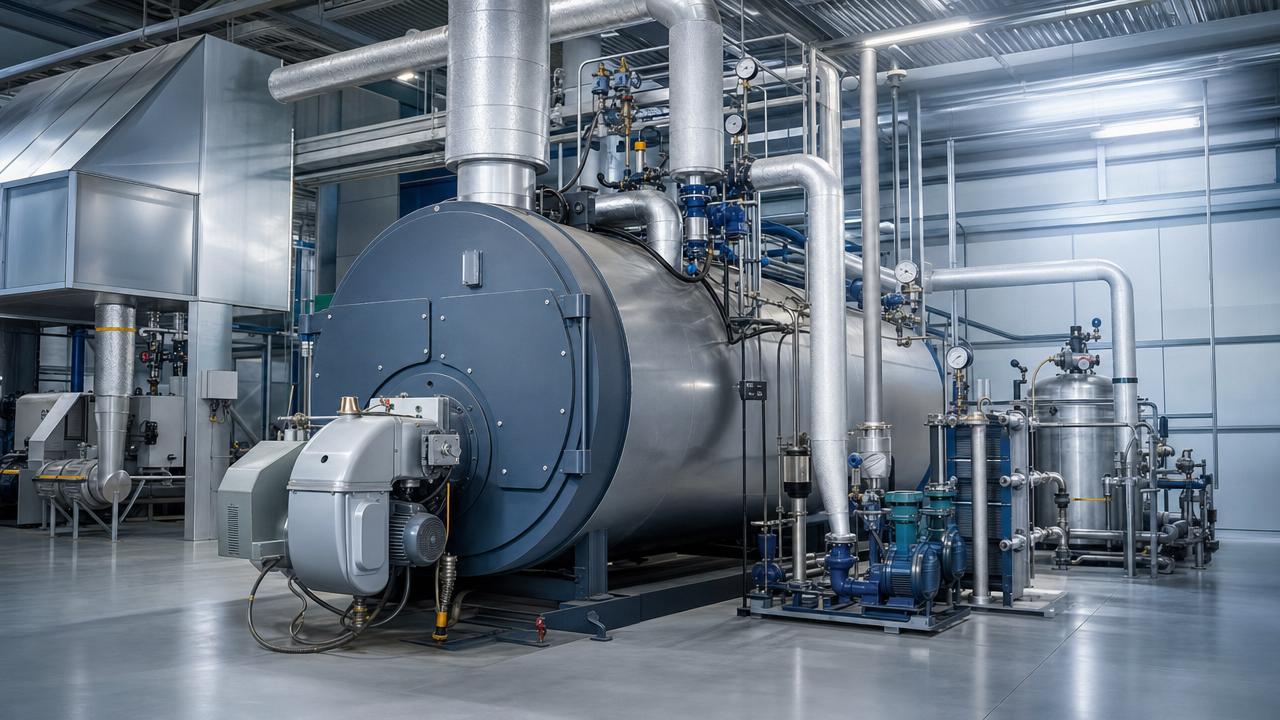
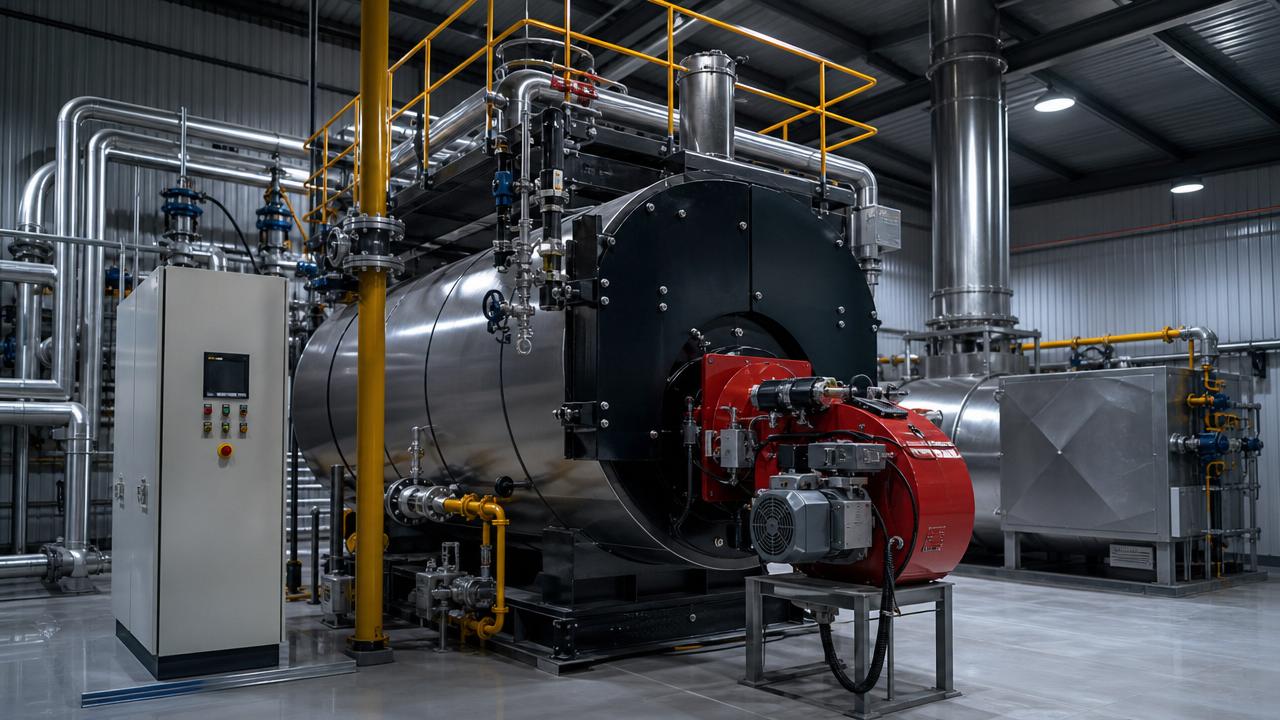
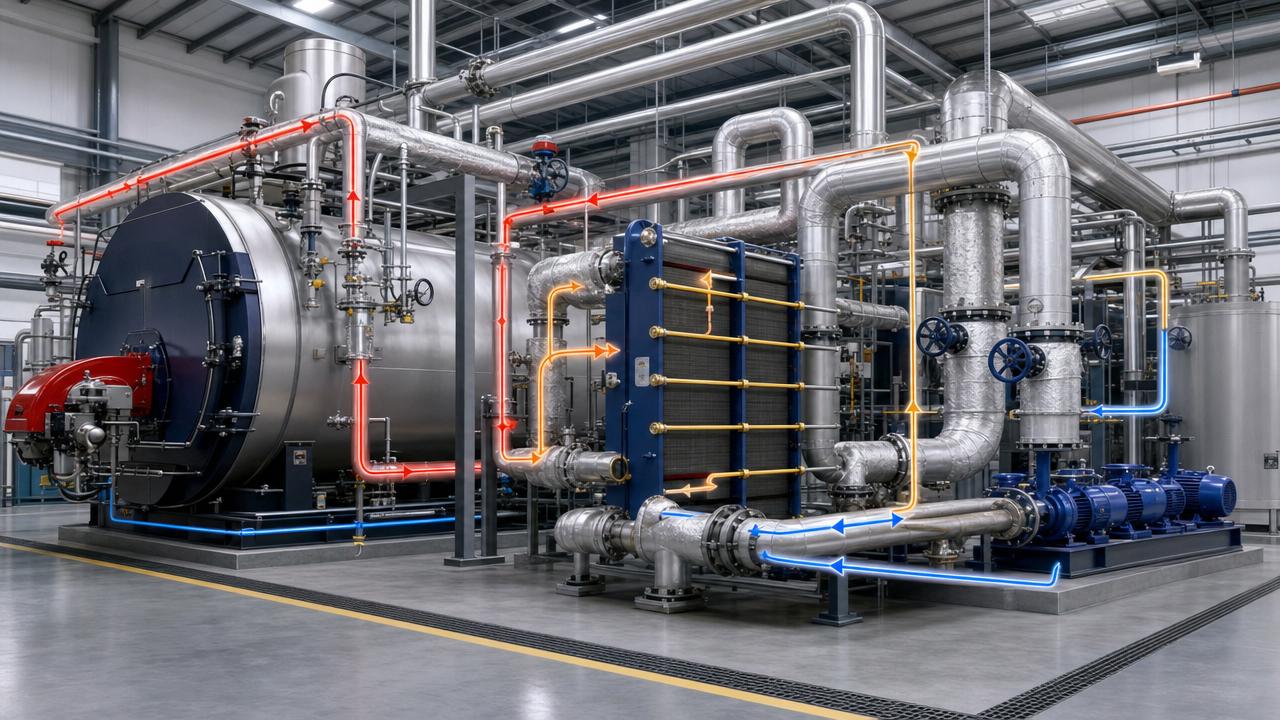
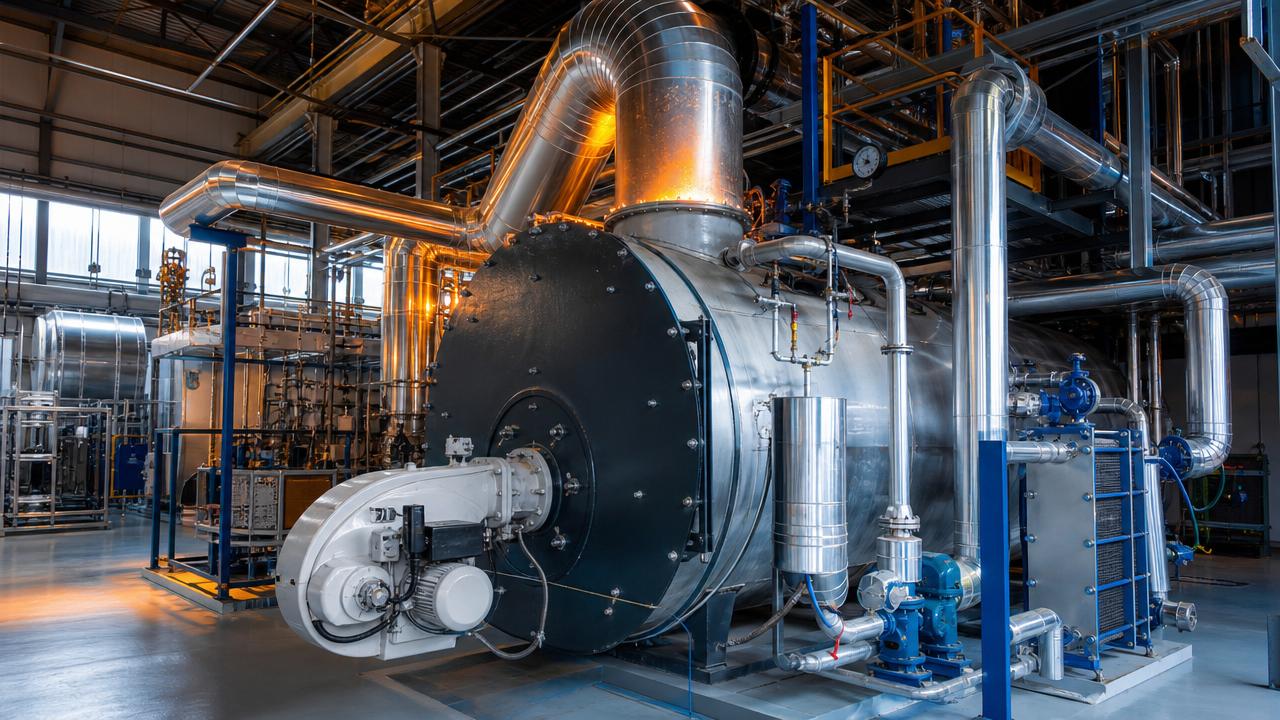
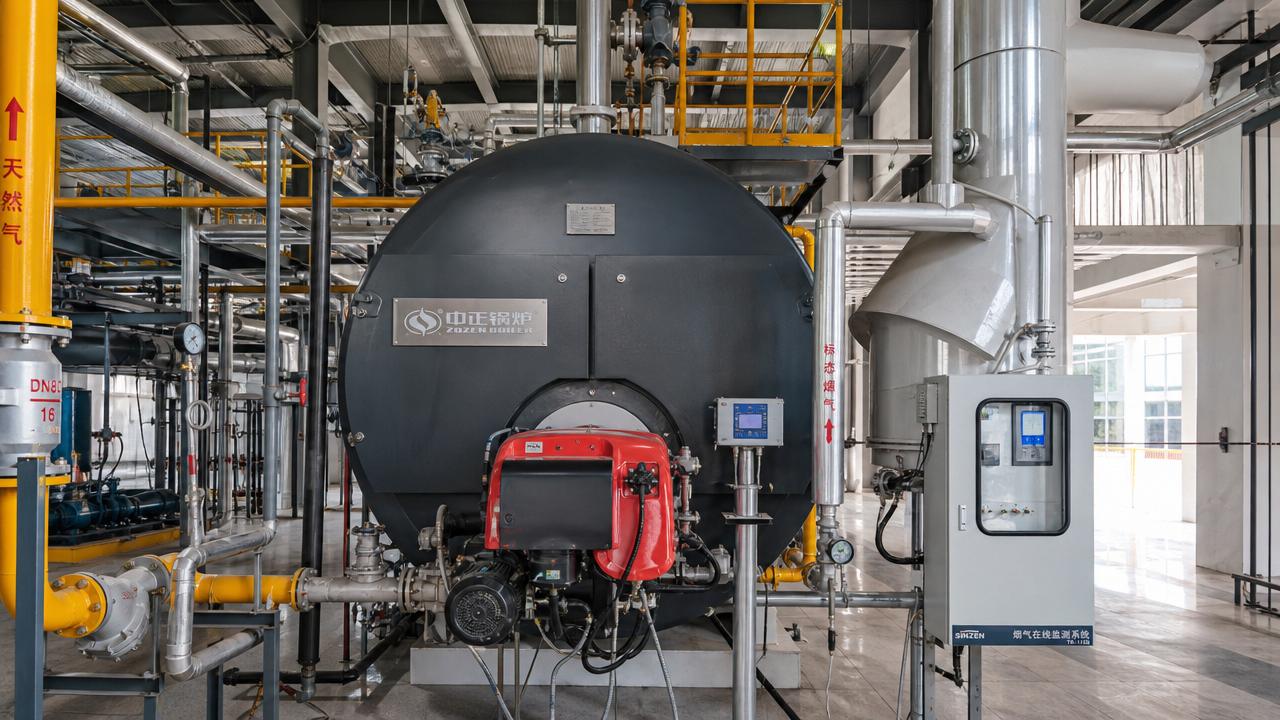
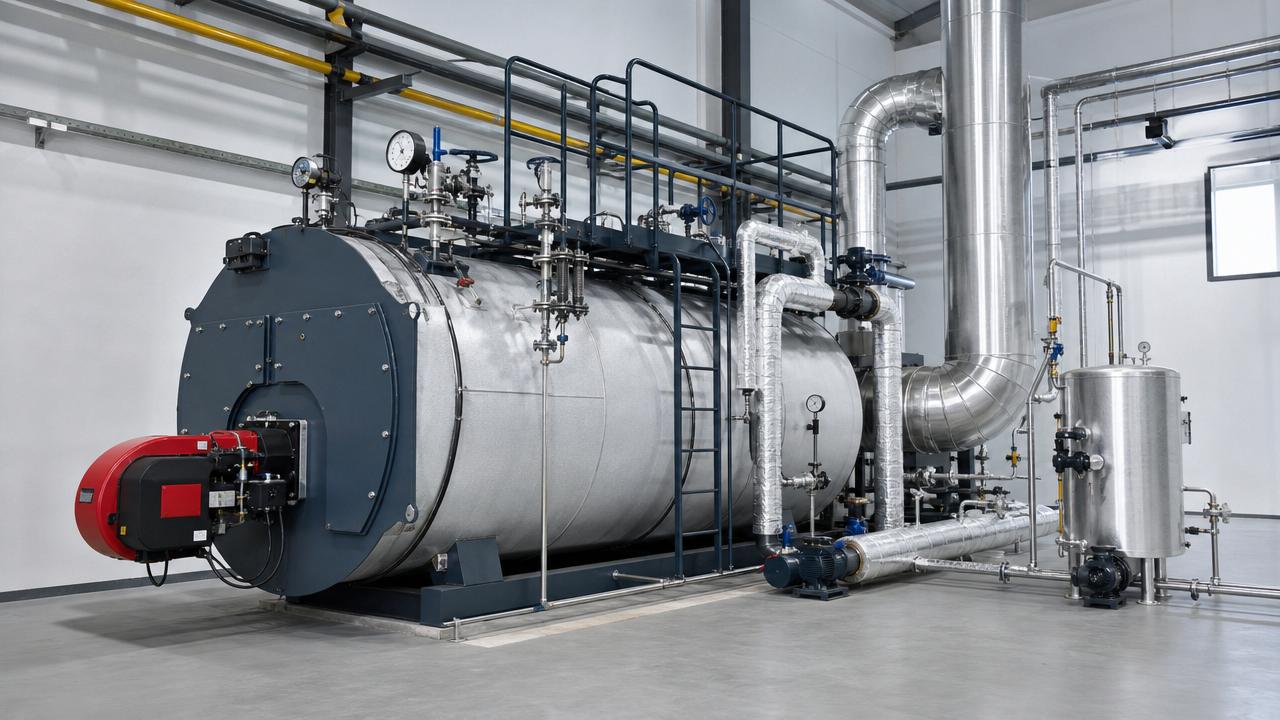
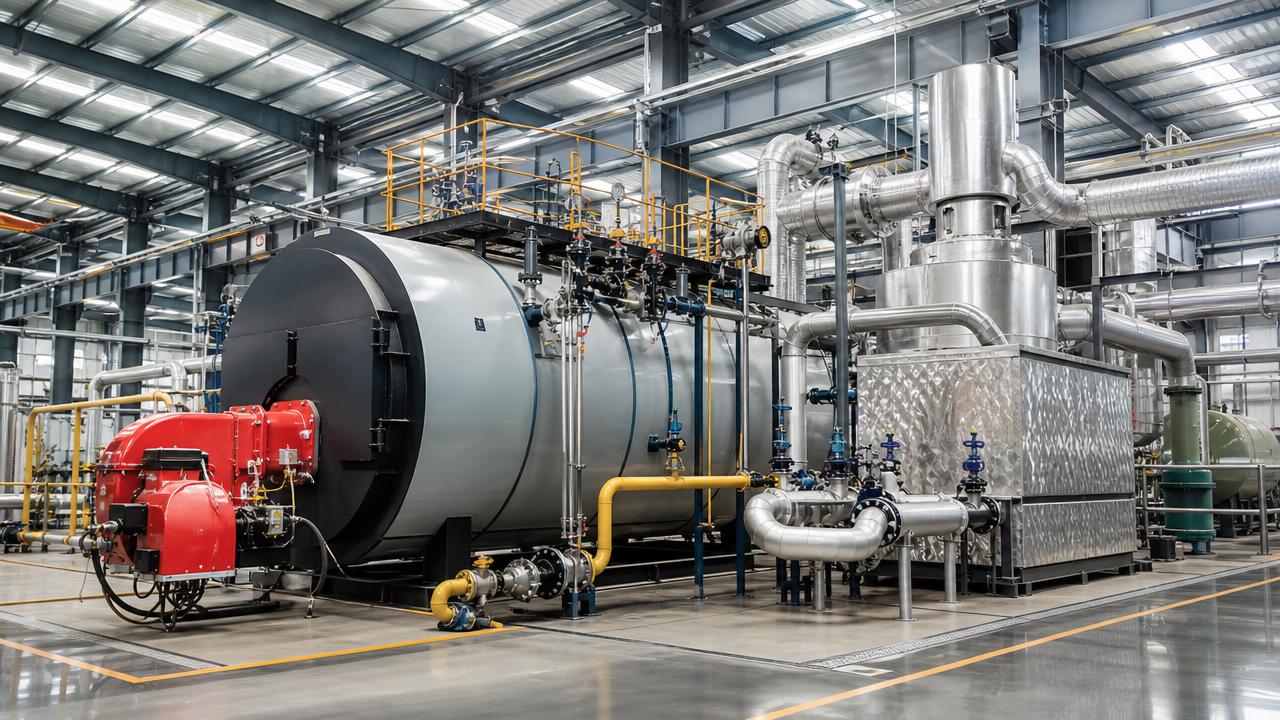
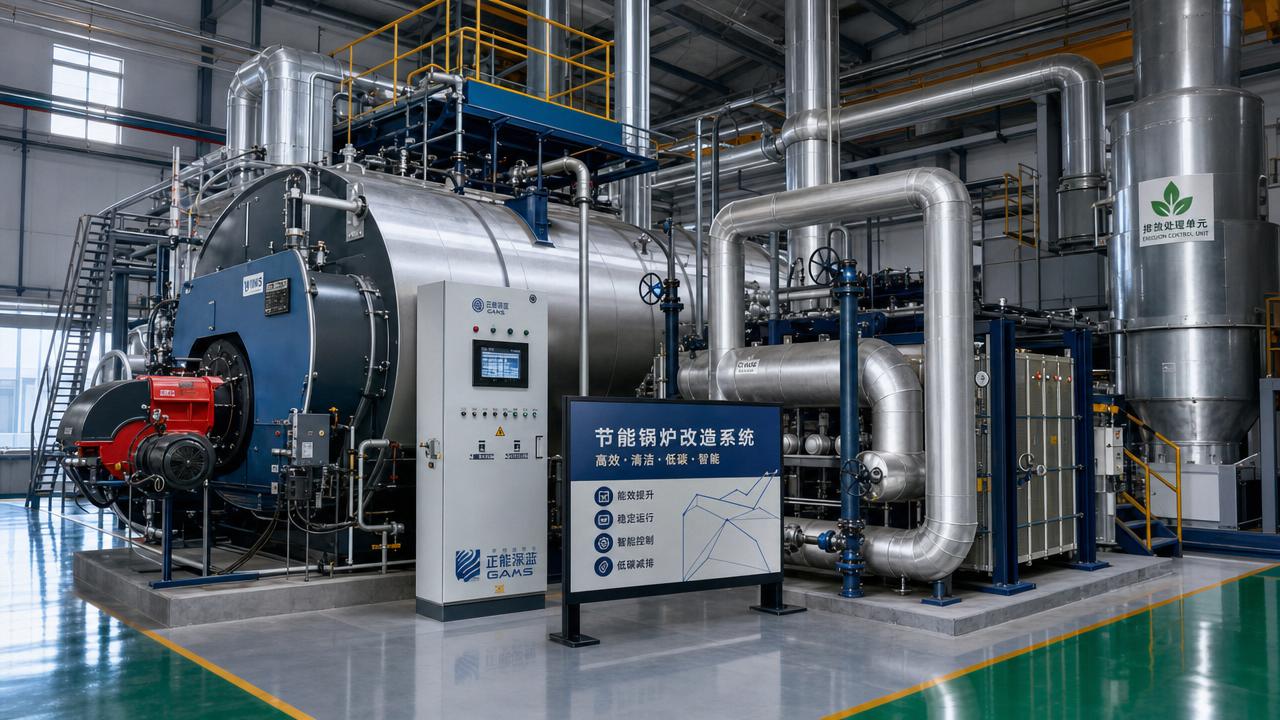
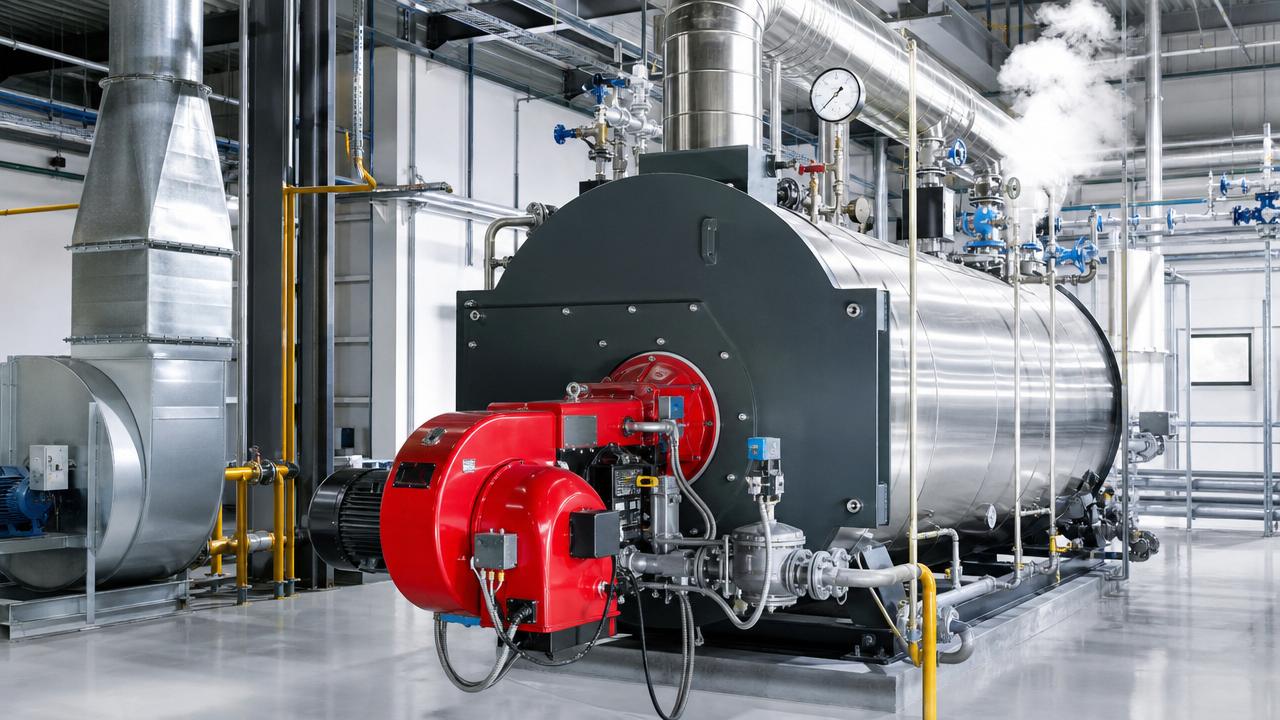
The 2026 Canton Fair Phase II was held from April 23 to 27. Publicly reported data indicates that total order value for heat exchange-related exhibits increased by 29% year-on-year. Within this category, orders for biomass steam boilers rose by 37%, mainly sourced by procurement entities from Vietnam, Thailand, and Indonesia. These buyers are adopting biomass boilers to replace coal-fired units in alignment with domestic carbon tariff transition requirements. Leading Chinese biomass boiler manufacturers have introduced modular, fast-installation designs—reducing delivery time to six weeks—and offer bundled CE and ISO 17225-2:2025 fuel compatibility certification packages.
Industries Affected
Direct Exporters of Industrial Boilers and Thermal Equipment
These firms face heightened demand for certified, modular biomass boilers targeting Southeast Asian markets. The 37% order increase reflects not just volume growth but a structural shift toward compliance-ready, rapidly deployable systems—altering product specification priorities and after-sales support expectations.
Biomass Fuel Producers and Aggregators
ISO 17225-2:2025 certification is explicitly referenced as part of the vendor offering. This implies downstream demand for standardized, traceable, and internationally compliant solid biofuels—particularly wood pellets and agricultural residue briquettes meeting specified moisture, ash, and calorific value thresholds.
Certification and Compliance Service Providers
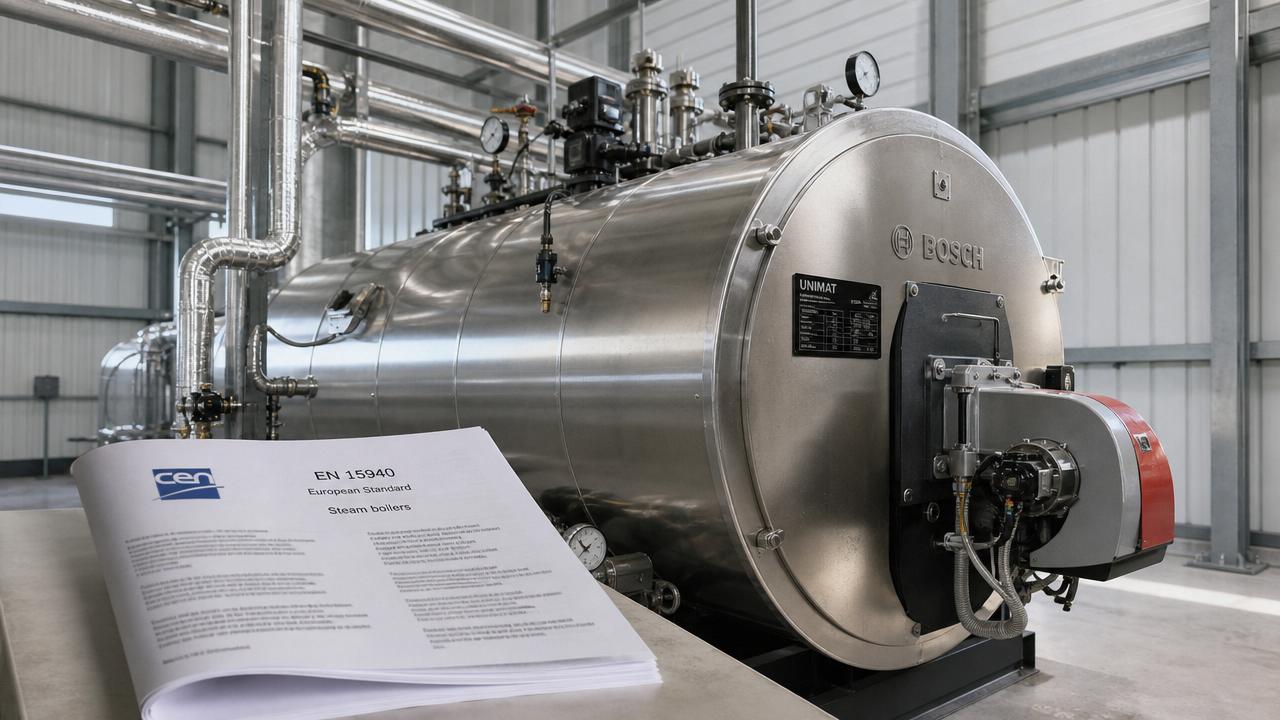
The inclusion of CE + ISO 17225-2:2025 certification packages in commercial offerings signals rising client expectation for integrated regulatory support. Firms providing testing, documentation, and conformity assessment services—especially those accredited for EN 303-5 and ISO 17225-2—may see expanded engagement scope beyond standalone certification.
Logistics and After-Sales Technical Support Providers
Modular fast-installation designs compress delivery timelines to six weeks, tightening coordination windows across shipping, customs clearance, site preparation, and commissioning. Service providers must align scheduling precision and cross-border technical dispatch capacity with accelerated project cycles.
What Relevant Enterprises or Practitioners Should Monitor and Do Now
Track official implementation timelines for carbon tariff transition measures in Vietnam, Thailand, and Indonesia
Current procurement appears policy-motivated, but national-level enforcement dates, exemption thresholds, and verification mechanisms remain subject to regulatory updates. Monitoring official announcements from each country’s Ministry of Industry and Trade or environmental agencies is essential to distinguish near-term pilot adoption from broad-based phase-out mandates.
Assess readiness for ISO 17225-2:2025-compliant fuel sourcing and documentation
Since bundled certification includes ISO 17225-2:2025, suppliers should verify whether their current fuel supply chain meets the standard’s updated specifications—including particle size distribution, mechanical durability, and chlorine content limits—and prepare test reports aligned with accredited laboratories.
Differentiate between policy signaling and actual deployment velocity
While order growth is confirmed, analysis shows that most reported purchases remain at the pilot or small-scale replacement stage—not full plant conversions. Enterprises should avoid overestimating near-term market saturation and instead prioritize flexibility in production planning and inventory management.
Prepare for tighter integration between equipment delivery, fuel supply, and commissioning support
With six-week delivery cycles now commercially viable, coordination across OEMs, fuel vendors, and local installers becomes operationally critical. Cross-functional readiness—e.g., pre-approved customs documentation, bilingual commissioning checklists, and shared digital handover logs—should be formalized ahead of order intake.
Editorial Observation / Industry Perspective
Observably, this trend is less about sudden market expansion and more about early-stage regulatory arbitrage—where buyers proactively secure compliant assets ahead of binding deadlines. The 37% biomass boiler order growth is best understood as a leading indicator of policy-driven procurement behavior, not yet a reflection of mature, self-sustaining demand. From an industry perspective, the bundling of CE + ISO 17225-2:2025 certification suggests a move toward “compliance-as-a-service” as a competitive differentiator. However, the extent to which such packages become standardized—or remain vendor-specific—remains unconfirmed and warrants ongoing observation.
This development underscores how localized climate policy instruments—such as carbon tariff transition frameworks—are beginning to reshape equipment selection criteria across emerging markets. It also highlights the growing interdependence among hardware design, fuel standards, and conformity assessment infrastructure in low-carbon industrial transitions.
Conclusion
The 37% surge in biomass steam boiler orders at the 2026 Canton Fair Phase II is a policy-responsive procurement signal—not yet evidence of systemic market transformation. It reflects targeted, transitional purchasing behavior driven by upcoming carbon tariff compliance requirements in key ASEAN markets. Current conditions are better understood as an inflection point in procurement criteria, where speed-to-deployment, fuel compatibility assurance, and regulatory documentation integration are becoming decisive factors alongside traditional performance metrics.
Source Attribution
Main source: Official data release from the China Foreign Trade Centre (Canton Fair Organising Committee), covering Phase II (April 23–27, 2026).
Points requiring continued observation: National implementation schedules for carbon tariff transition policies in Vietnam, Thailand, and Indonesia; uptake rates of ISO 17225-2:2025 in commercial fuel contracts; and whether modular boiler delivery timelines hold at scale beyond initial pilot batches.
Related News
- How to Compare Boiler Systems in Latin America by Fuel Cost and ComplianceAuthor :Thermal Energy Strategist

- How to Size Low-Pressure Industrial Steam Systems for Stable Heat DemandAuthor :Thermal Energy Strategist

- Low Emissions Boilers: What to Compare Before You ChooseAuthor :Thermal Energy Strategist

- Low-NOx Boilers Cost Breakdown: Upfront Price, Fuel Savings, and PaybackAuthor :Thermal Energy Strategist

- Boiler Combustion Systems: Common Causes of Unstable Fuel PerformanceAuthor :Thermal Energy Strategist

- Hot Water Industrial Boilers: When Efficiency Gains Justify ReplacementAuthor :Thermal Energy Strategist

- What Boiler Efficiency Really Means in Daily Operation and Energy BillsAuthor :Thermal Energy Strategist

- Boiler Efficiency Testing Methods That Expose Heat Loss and Fuel WasteAuthor :Thermal Energy Strategist

- Industrial Burner Systems: Key Factors for Safe Heat OutputAuthor :Thermal Energy Strategist

- Gas-Fired Boiler Combustion Technology: Key Efficiency and Emissions Trade-OffsAuthor :Thermal Energy Strategist

- Unfired Heat Recovery Steam Generators: When Do They Pay Off?Author :Thermal Energy Strategist

- How to Evaluate Steam Generation Systems Electric for Process Heat ProjectsAuthor :Thermal Energy Strategist

- Thermal Power Systems for Industrial Heating: Common Sizing Mistakes to AvoidAuthor :Thermal Energy Strategist

- Low-NOx Condensing Boilers: How to Compare Efficiency and EmissionsAuthor :Thermal Energy Strategist
![]()
- Low Emissions Boilers for Food Processing: Key Compliance and Fuel Cost FactorsAuthor :Thermal Energy Strategist

- Steam System Efficiency Calculation: Key Inputs That Change the ResultAuthor :Thermal Energy Strategist

- How to Evaluate a Steam Boiler Components Exporter Before OrderingAuthor :Thermal Energy Strategist

- Burner Systems Troubleshooting: Common Efficiency Loss CausesAuthor :Thermal Energy Strategist

- EU PED Q2 Rules Require Digital Compliance TagsAuthor :Thermal Energy Strategist

- Thermal Power Systems: Key Efficiency Risks in Daily OperationAuthor :Thermal Energy Strategist

- Low-NOx Combustion Boilers: Key Efficiency and Compliance ChecksAuthor :Thermal Energy Strategist

- Low-NOx Combustion Boilers: Key Specs That Affect Emissions and Fuel UseAuthor :Thermal Energy Strategist

- Low-NOx Combustion Boilers: Key Compliance RisksAuthor :Thermal Energy Strategist

- Thermodynamics Analysis for Boiler Heat-Loss ReductionAuthor :Thermal Energy Strategist

- Industrial Thermal Systems: Common Operating RisksAuthor :Thermal Energy Strategist

- Low-NOx Combustion Boilers: Key Spec Checks Before PurchaseAuthor :Thermal Energy Strategist

- How Industrial Heat Recovery Cuts Boiler Fuel Costs in 2026Author :Thermal Energy Strategist

- Thermodynamics Analysis: 5 Heat Loss Clues in Steam BoilersAuthor :Thermal Energy Strategist

- Low-NOx Combustion Boilers: What Affects Real Emissions PerformanceAuthor :Thermal Energy Strategist

- Thermodynamics Analysis: Finding Heat Loss in Steam BoilersAuthor :Thermal Energy Strategist

- 2026 Steam Boiler Upgrades for Lower NOx and Fuel CostsAuthor :Thermal Energy Strategist

- EU to Expand CBAM to Steam Boilers; Exporters Must Prepare Carbon DataAuthor :Thermal Energy Strategist

- Industrial Heat Recovery: When Payback Beats New Boiler CapacityAuthor :Thermal Energy Strategist

- Carbon Neutrality Targets and the New Boiler Retrofit PaybackAuthor :Thermal Energy Strategist

- Low-NOx Combustion Boilers: Fuel Savings vs Emission LimitsAuthor :Thermal Energy Strategist

- Industrial Energy Efficiency Benchmarks for Steam Boiler Upgrades in 2026Author :Thermal Energy Strategist