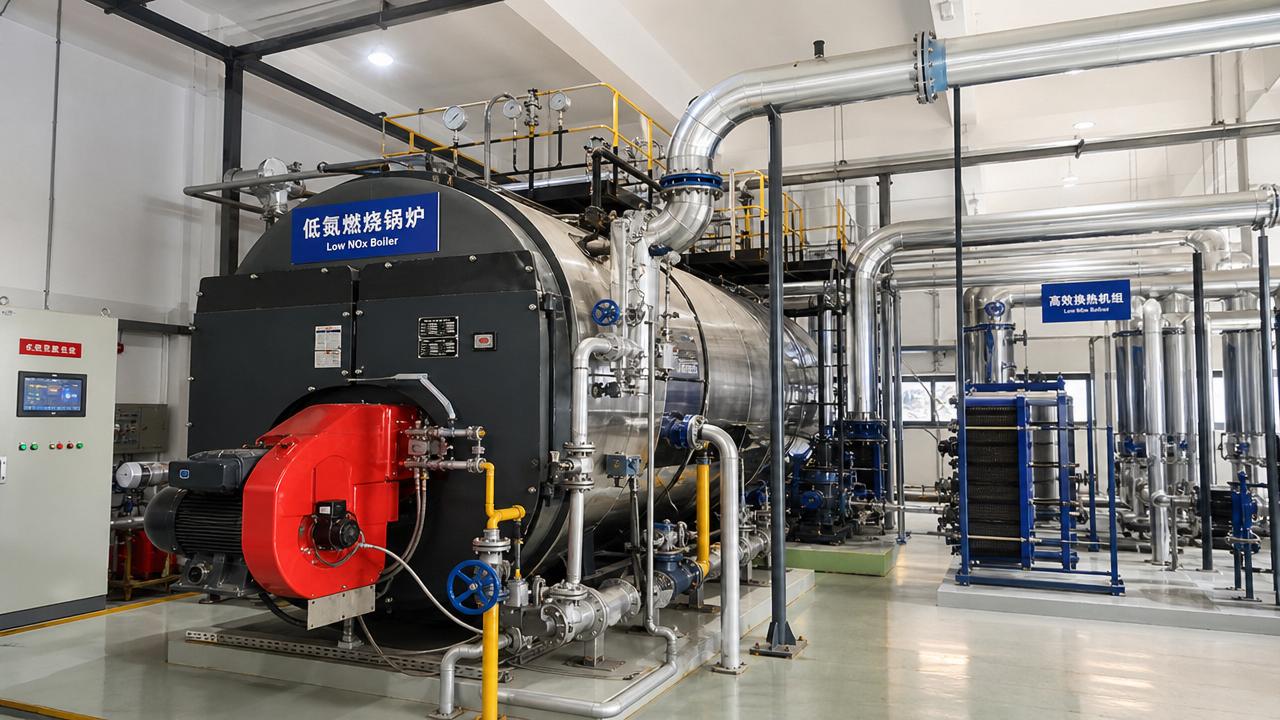
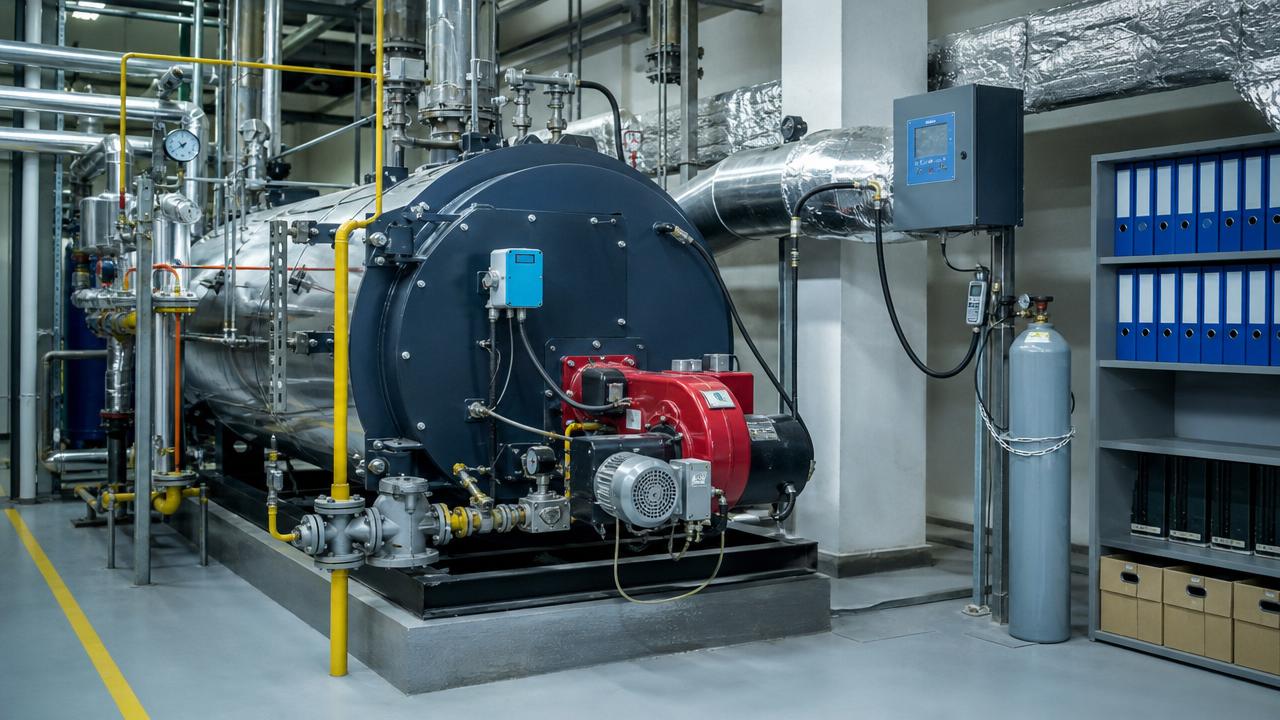
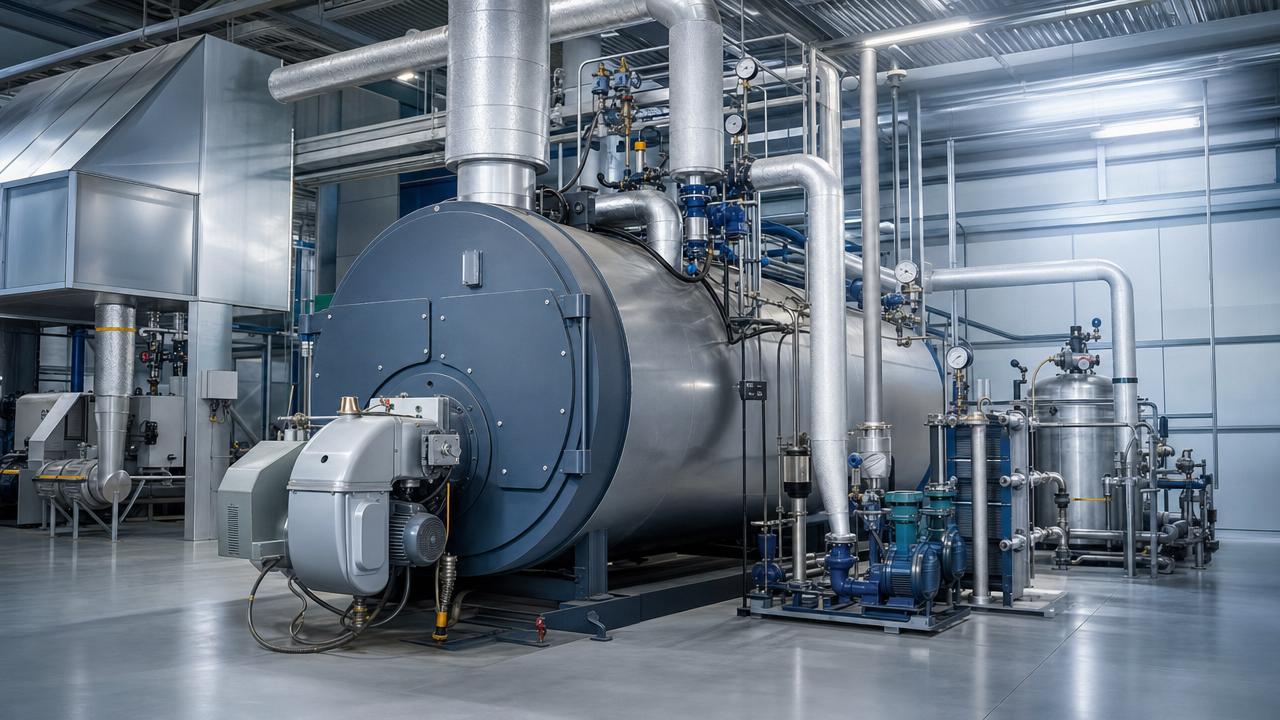
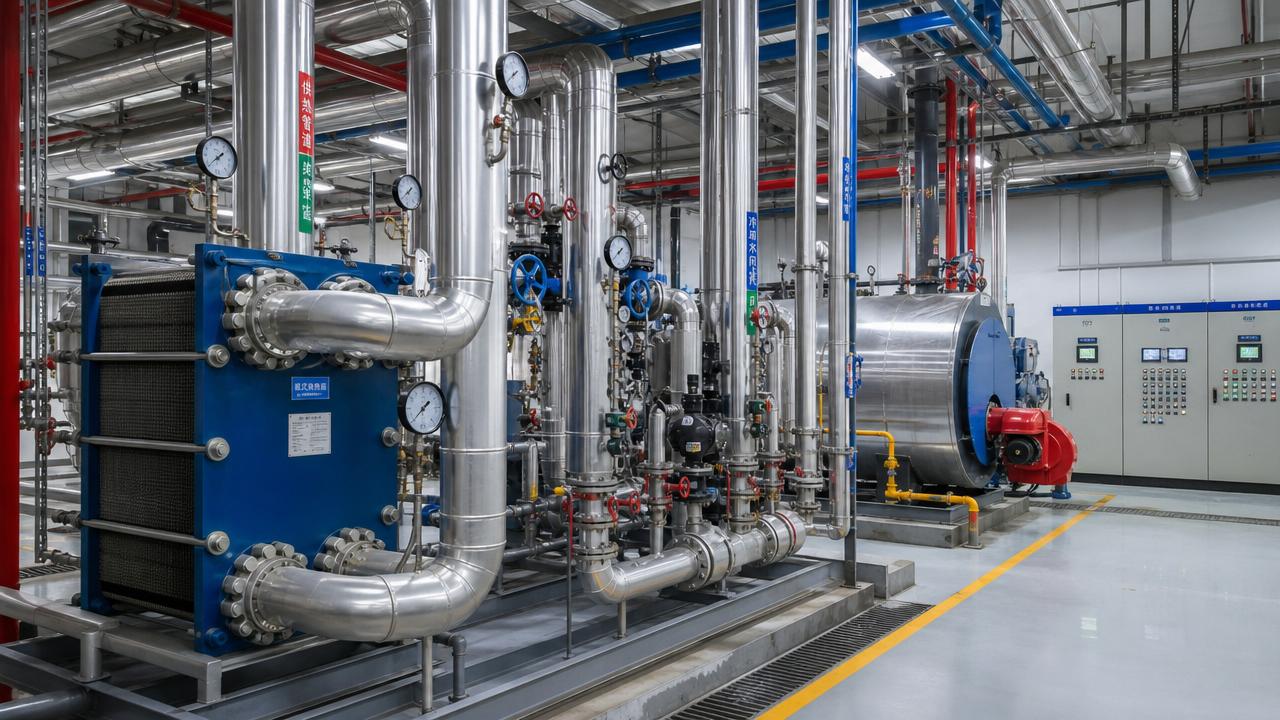
Sustainable Manufacturing Risks Hidden in Outdated Steam Boilers




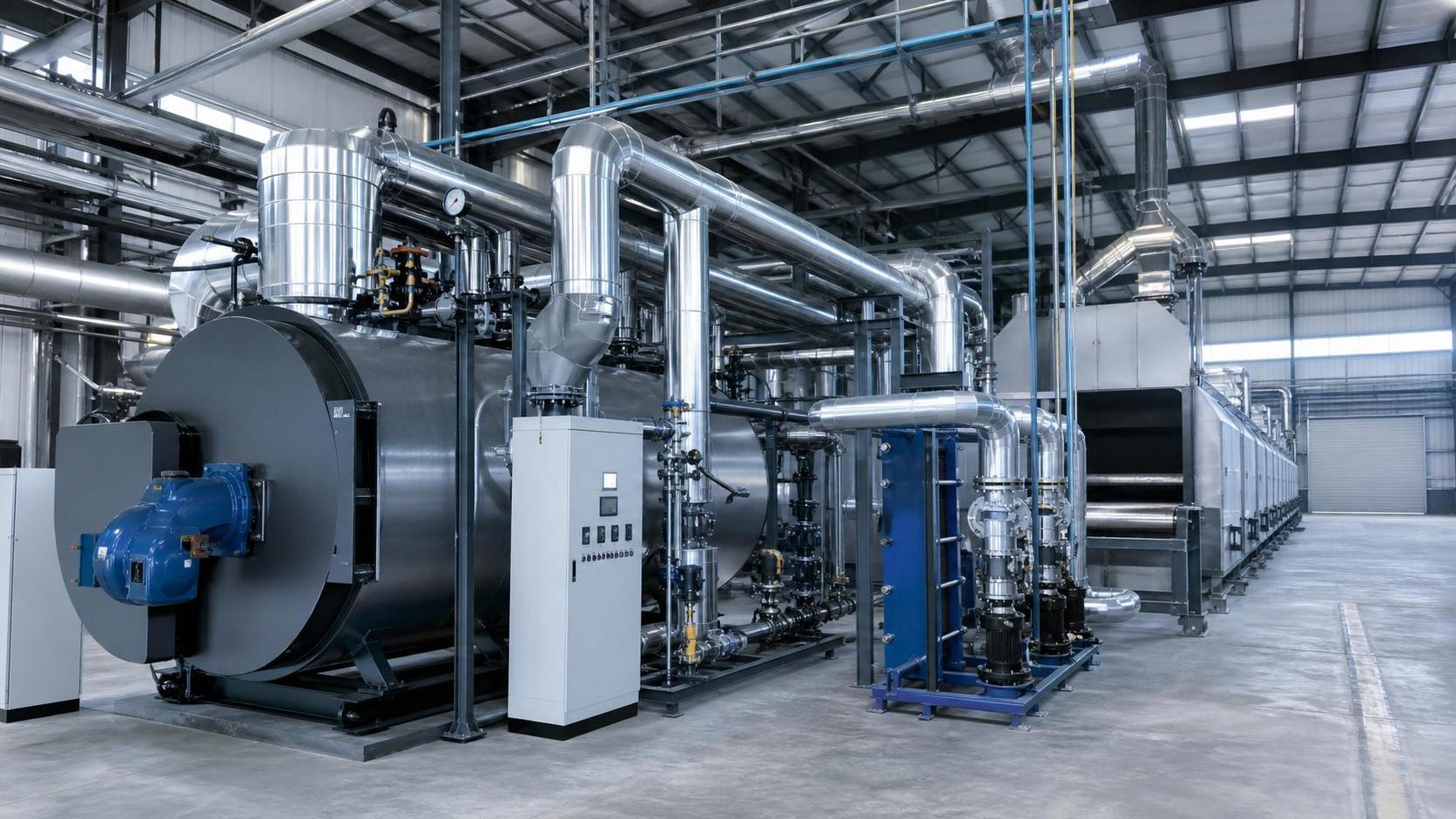
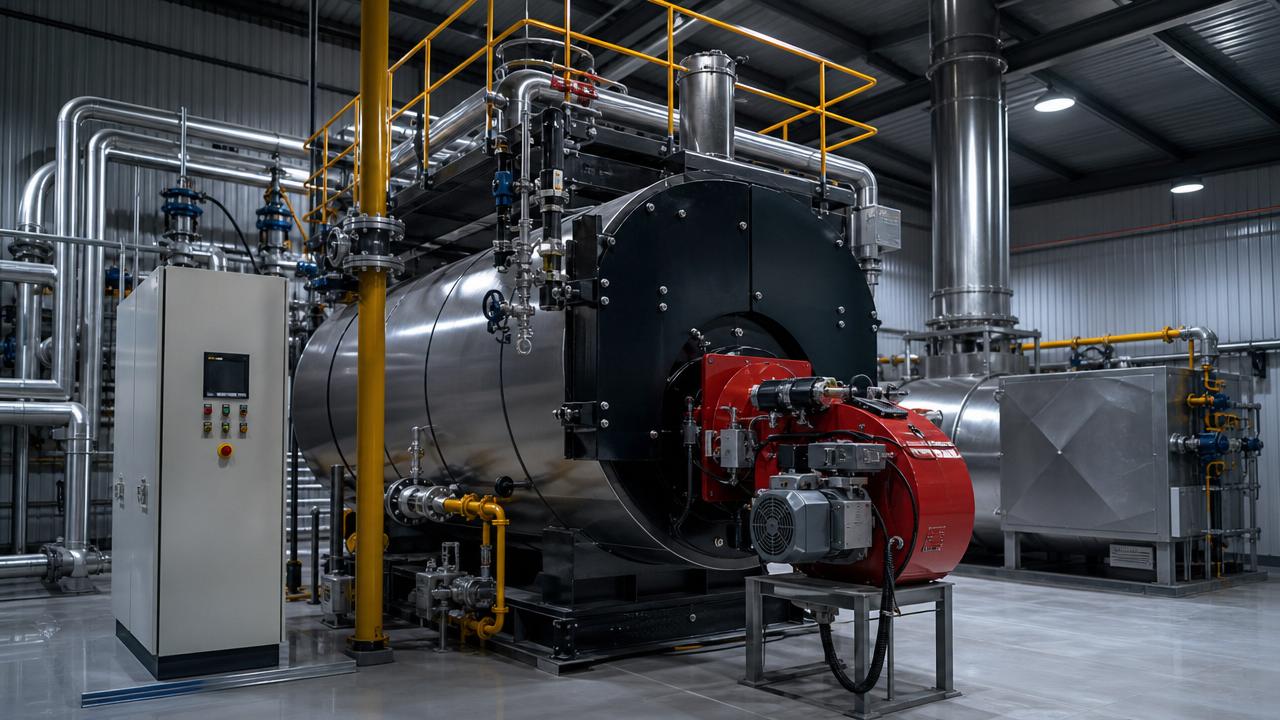
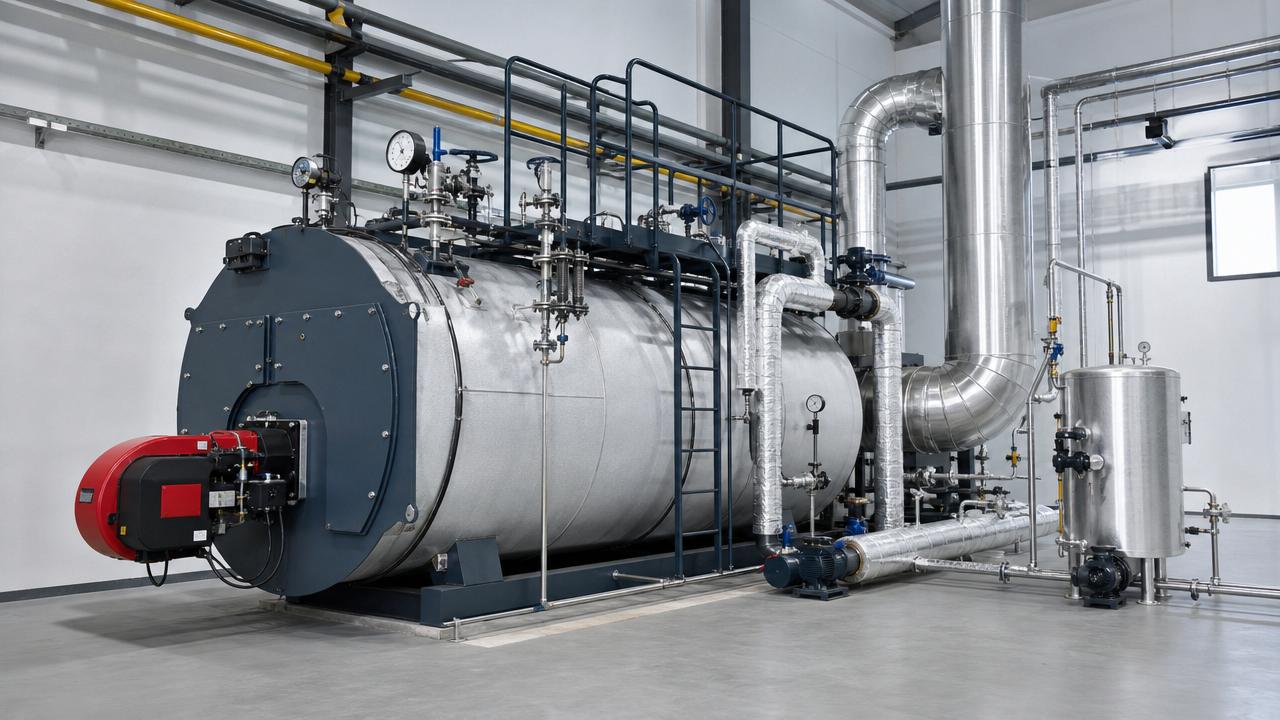
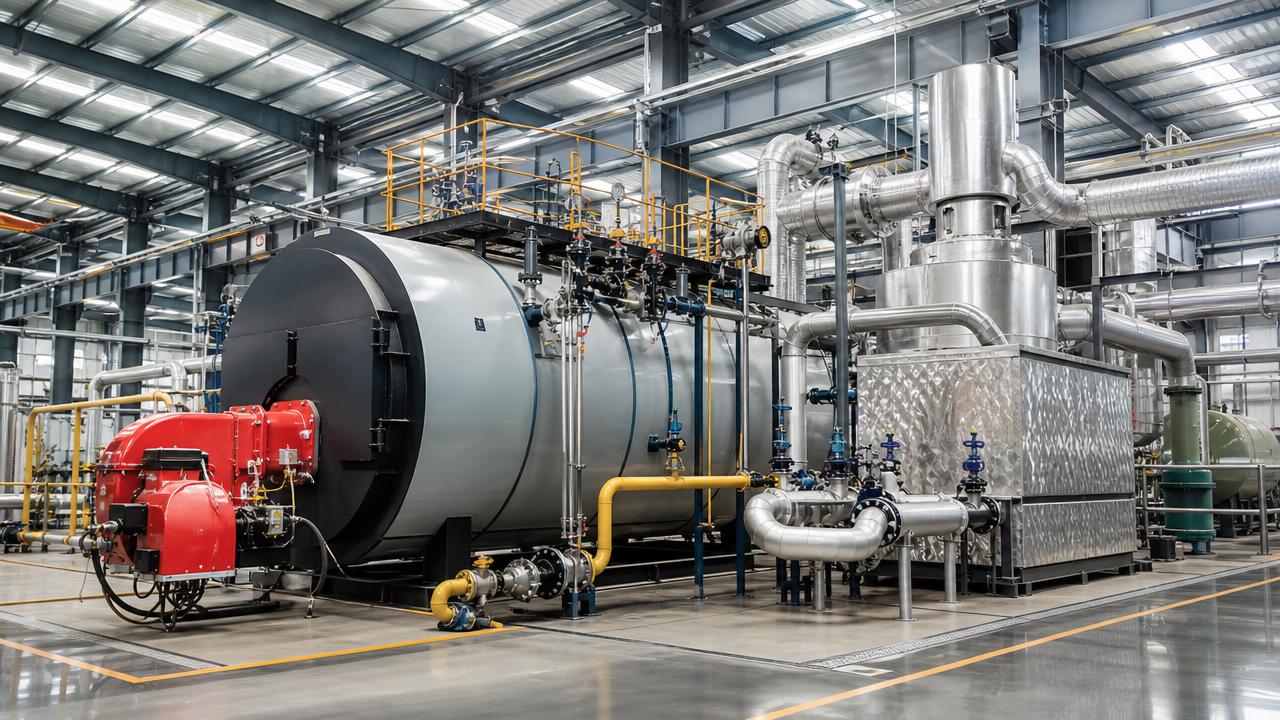
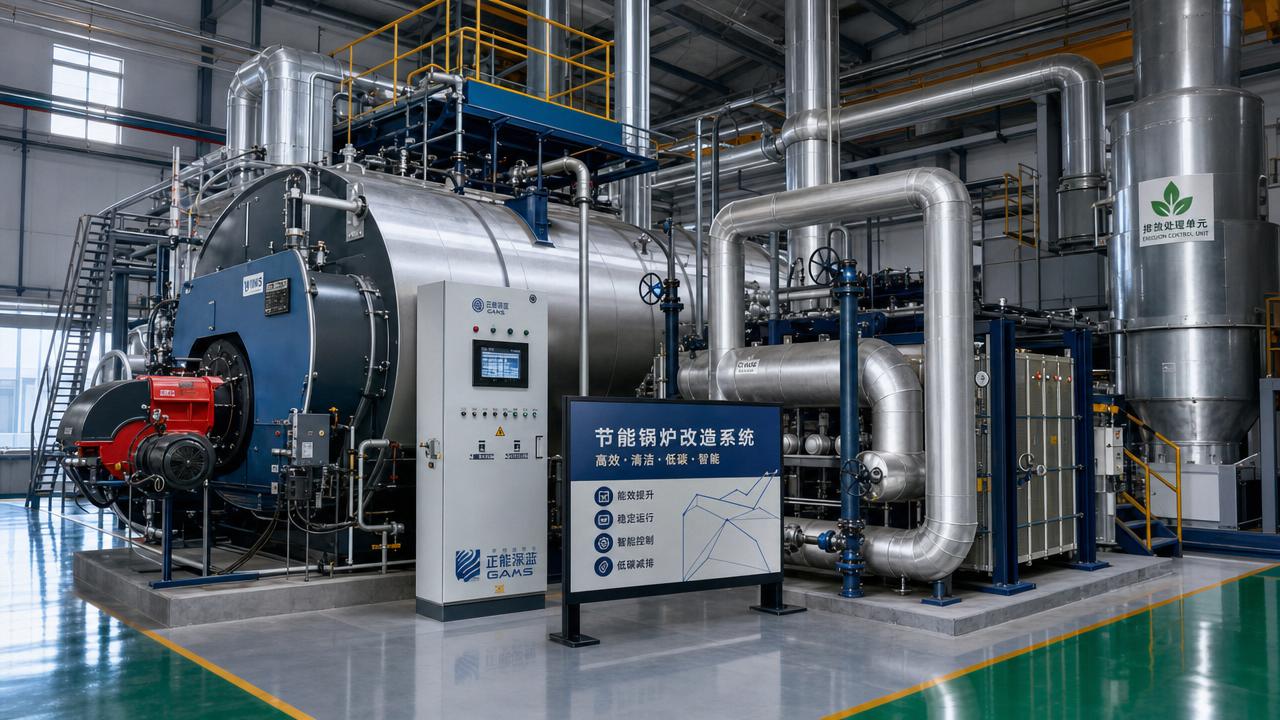
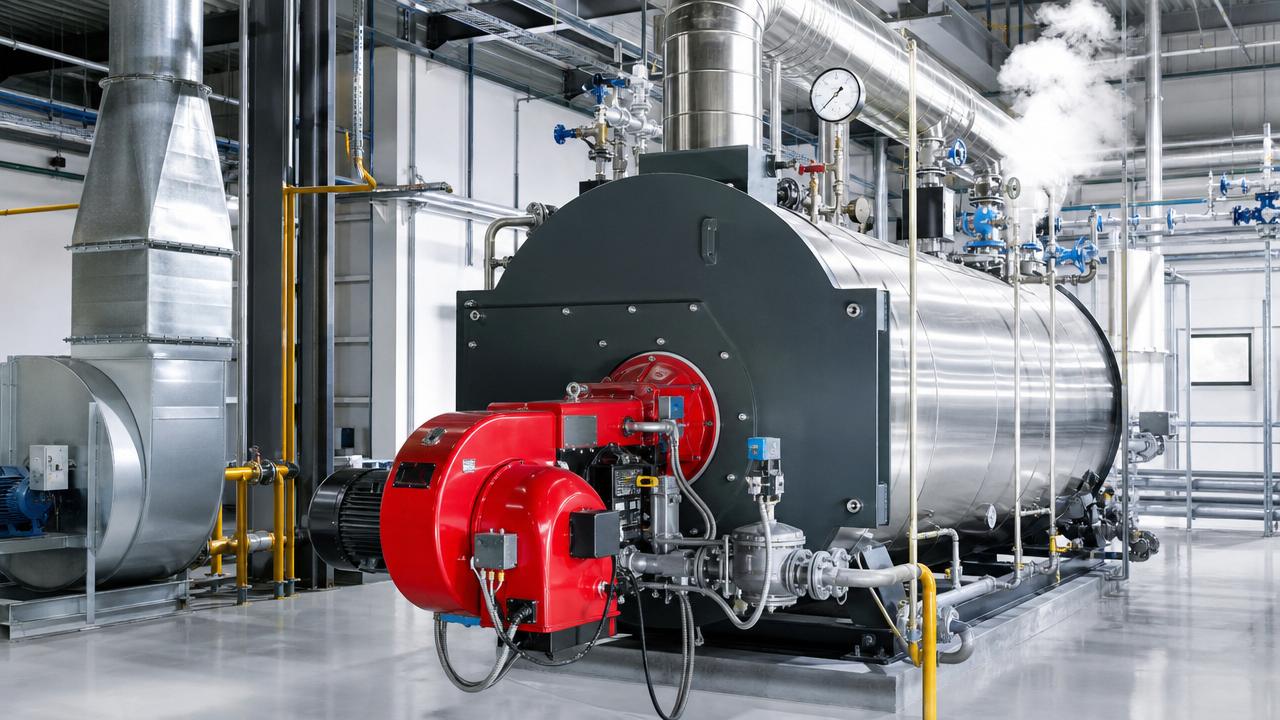
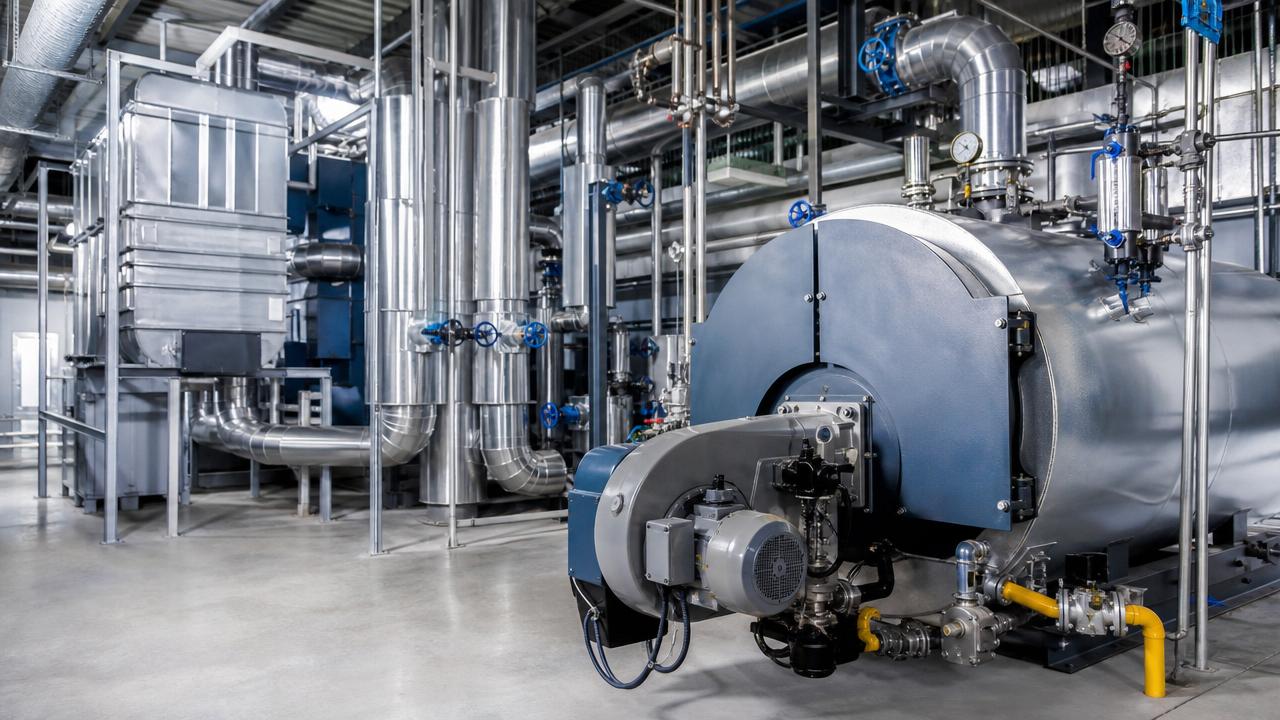
Sustainable manufacturing often starts with hidden infrastructure risks. Aging steam boilers are a common blind spot in industrial plants, utilities, and process facilities.
Old systems may still run, yet they often weaken temperature stability, energy performance, emissions control, and operational safety. These issues quietly raise costs and increase compliance exposure.
For organizations pursuing sustainable manufacturing, boiler condition is not only a maintenance topic. It is a strategic factor affecting product quality, carbon intensity, downtime risk, and future upgrade readiness.
Why a structured review matters for sustainable manufacturing
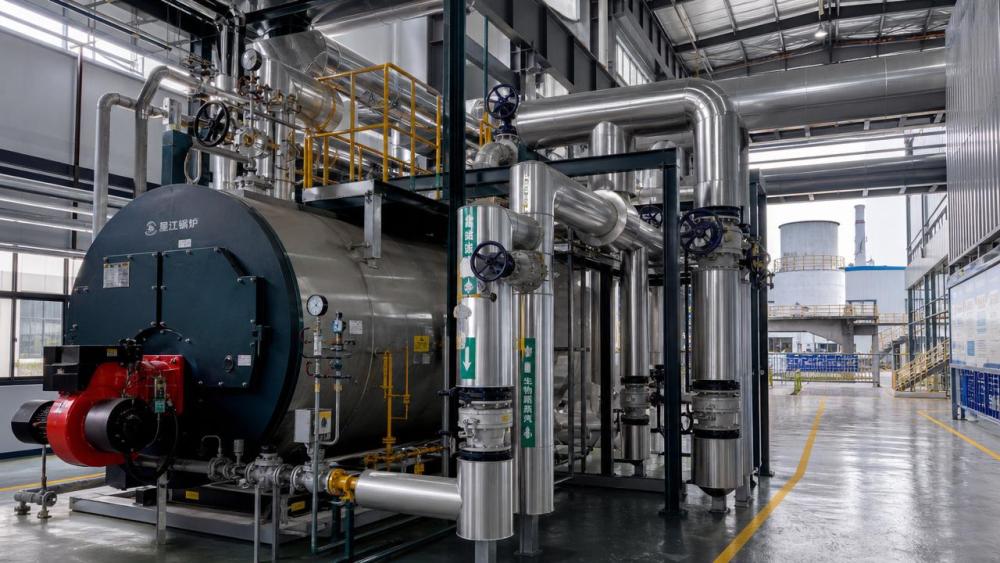
Steam supports heating, sterilization, drying, humidification, cleaning, and power transfer across many sectors. When the boiler behind these processes becomes outdated, risk spreads far beyond the boiler room.
A structured review helps expose failure patterns early. It also connects technical findings with broader sustainable manufacturing targets such as energy efficiency, emission reduction, and process resilience.
This matters in mixed industrial environments where production demands vary. A boiler that was acceptable years ago may now conflict with tighter environmental rules and stricter product consistency requirements.
Core points to check in an outdated steam boiler system
Use the following points to assess whether an existing system supports sustainable manufacturing or creates hidden operational and environmental liabilities.
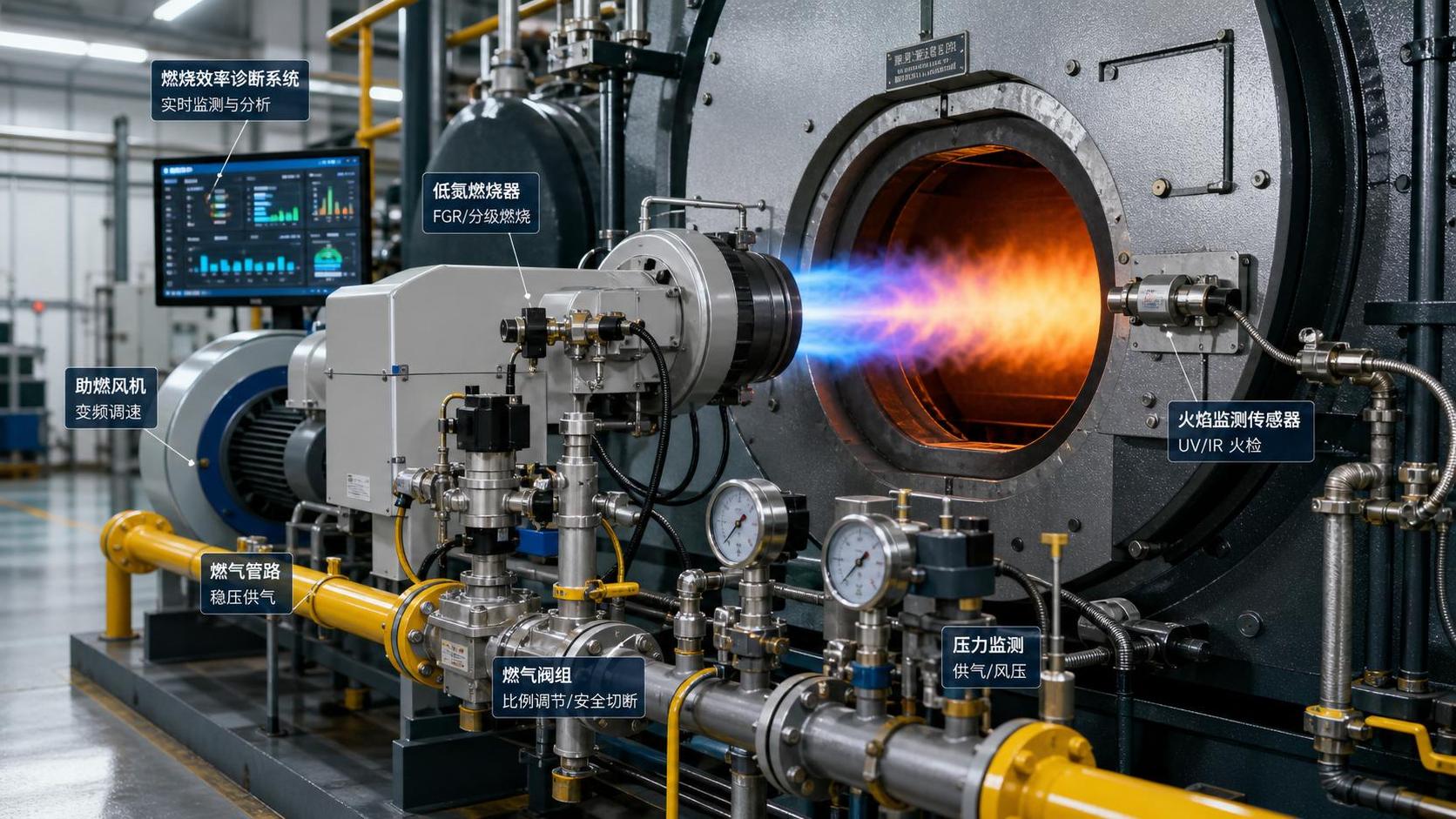
- Review combustion efficiency trends over twelve months, including fuel use per steam output, stack temperature drift, and excess oxygen levels under partial-load operation.
- Check whether pressure and temperature fluctuations are affecting product quality, sterilization cycles, drying uniformity, or heat-sensitive process windows.
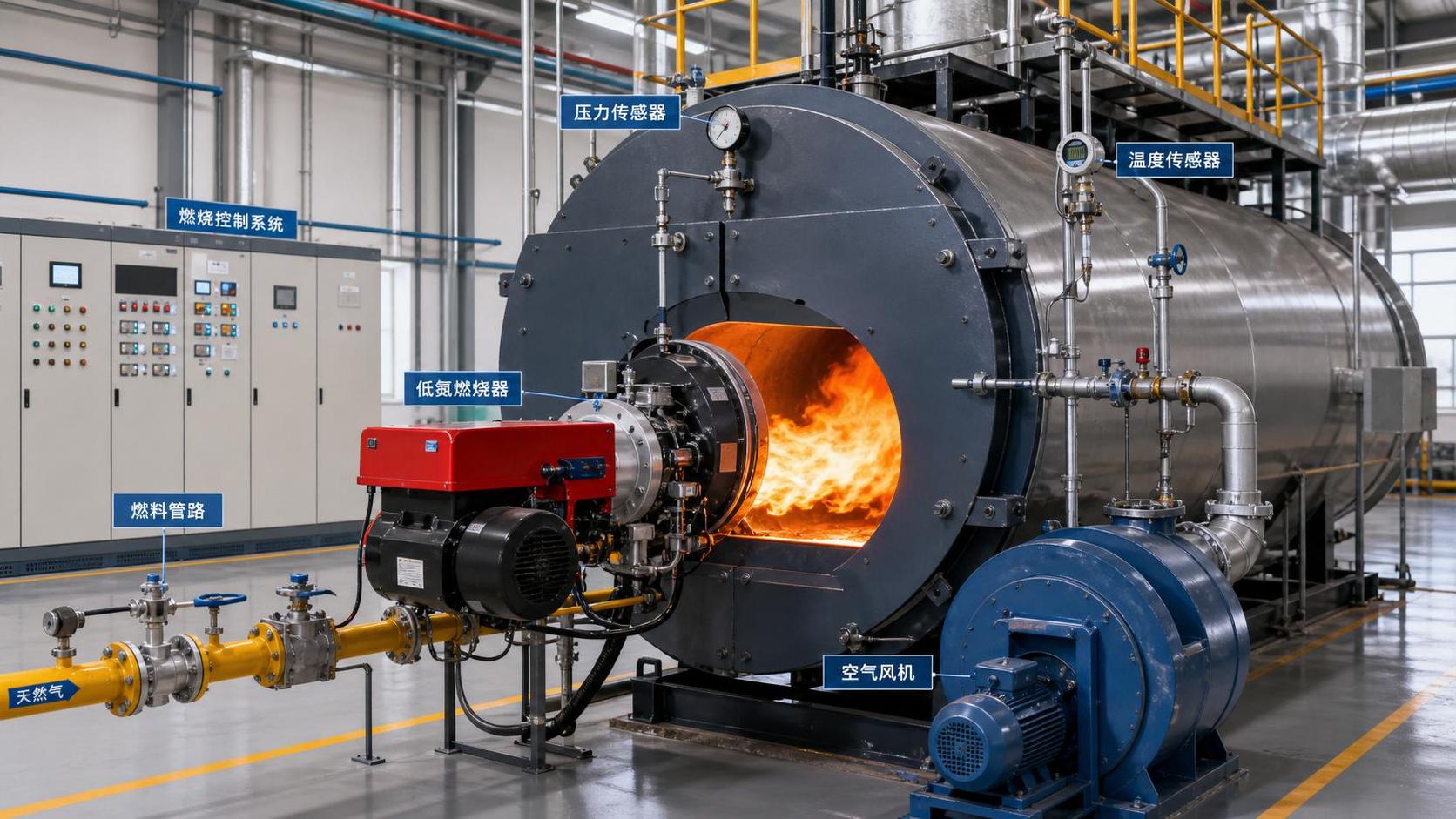
- Inspect burner condition, controls response, and flame stability to identify incomplete combustion, delayed ignition, and rising emissions during start-stop sequences.
- Assess insulation loss on boiler surfaces, steam lines, valves, and condensate return sections that may waste energy continuously without triggering alarms.
- Verify water treatment performance, scaling history, corrosion indicators, and blowdown practices because poor water quality shortens equipment life and cuts heat transfer efficiency.
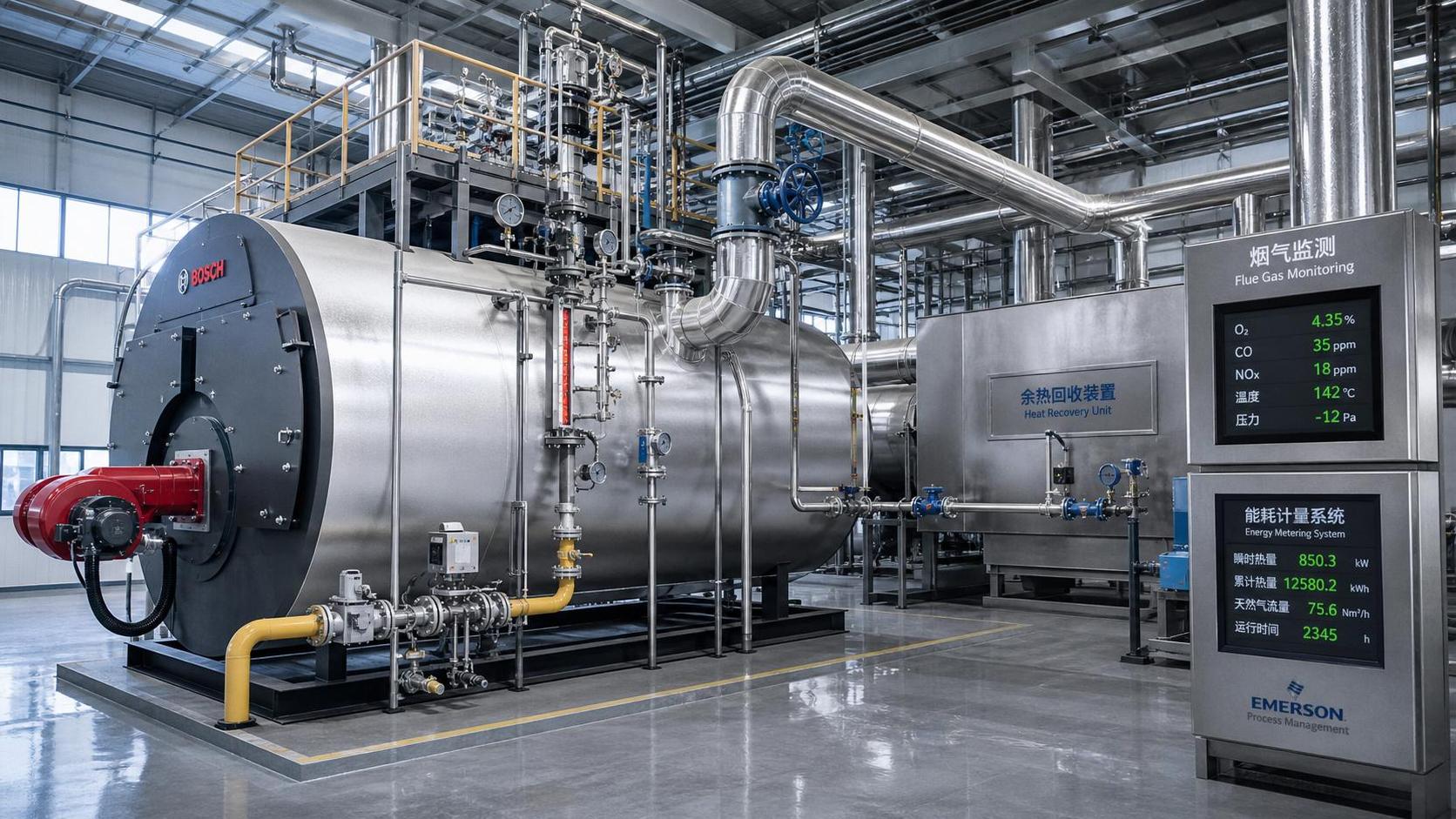
- Compare actual NOx, CO, and particulate emissions with current permit limits, expected policy changes, and local reporting requirements.
- Examine safety devices, low-water cutoffs, pressure relief valves, and interlocks to confirm testing frequency and reliable fail-safe response.
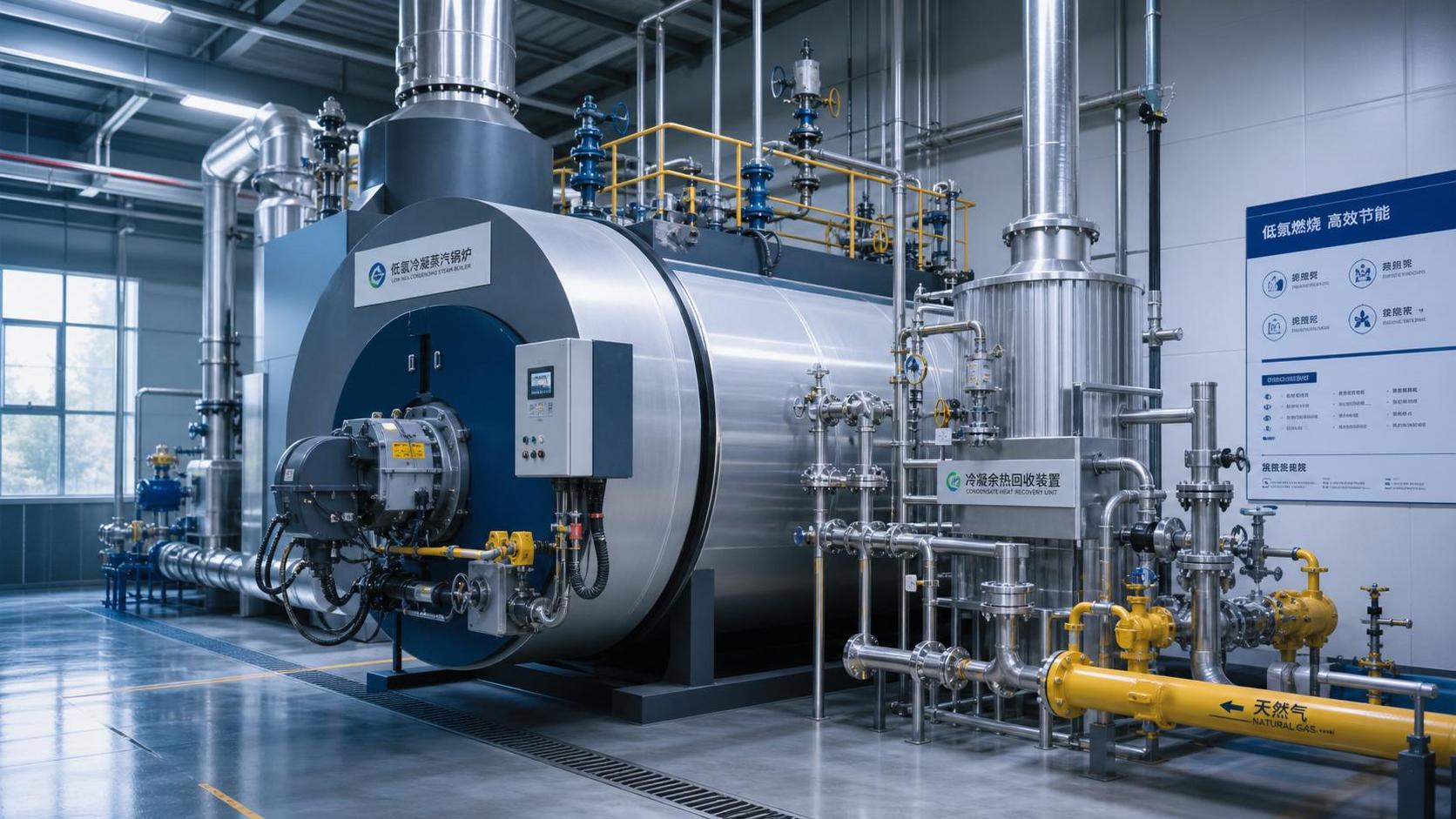
- Measure condensate recovery rates and flash steam losses, since poor recovery increases fuel demand, water consumption, and chemical treatment costs.
- Evaluate spare parts availability and control system obsolescence, especially where legacy components create long restart delays after unplanned shutdowns.
- Determine whether the boiler can integrate with modern monitoring platforms, load management tools, and decarbonization roadmaps supporting sustainable manufacturing.
How hidden boiler risks show up in different operating scenarios
Food and beverage processing
In food applications, steam quality directly affects hygiene and repeatability. An unstable boiler can disrupt cooking, cleaning, pasteurization, and packaging performance.
Key checks include steam dryness, condensate contamination risk, and temperature consistency during peak production periods. These factors strongly influence sustainable manufacturing through waste reduction.
Pharmaceutical and healthcare utilities
Here, thermal control margins are narrow. Boiler instability can affect sterilization validation, clean steam support systems, and batch documentation integrity.
Review pressure stability, alarm history, and maintenance traceability. For sustainable manufacturing, repeatable utility performance reduces discarded batches and prevents avoidable compliance events.
General manufacturing and finishing lines
Many plants use steam for surface treatment, drying, mold heating, or facility heating. Legacy boilers often cycle inefficiently under variable loads.
Important checks include part-load efficiency, line insulation quality, and condensate return reliability. Improving these areas can strengthen sustainable manufacturing outcomes without full system replacement.
District, campus, and multi-building systems
In distributed networks, small boiler inefficiencies multiply quickly. Heat loss, slow controls, and outdated sequencing logic can waste fuel across the entire site.
Check load balancing, return temperatures, and response time during occupancy shifts. These points are essential when aligning infrastructure with sustainable manufacturing and broader decarbonization goals.
Commonly missed warning signs
Rising fuel bills without production growth
This often signals declining combustion efficiency, heat loss, or condensate problems. Cost increase may appear gradual, but it weakens sustainable manufacturing performance every day.
Frequent manual intervention
When operators repeatedly adjust controls or bypass unstable settings, the system may be compensating for deeper design or aging issues.
Short cycling during light loads
Short cycling wastes fuel, increases wear, and causes inconsistent steam delivery. It also limits progress toward sustainable manufacturing by reducing system efficiency.
Incomplete maintenance records
Poor documentation hides recurring faults, delayed testing, and weak compliance practices. Missing records also complicate modernization planning and insurance reviews.
Aging controls with no digital visibility
Without trend data, sites often miss early signs of drift. Modern visibility is increasingly necessary for sustainable manufacturing, especially where energy reporting matters.
Practical steps to reduce risk and support sustainable manufacturing
- Start with a boiler health audit covering combustion, water quality, insulation, controls, emissions, and steam distribution losses.
- Benchmark steam generation efficiency against recent production volumes to separate load-related changes from equipment decline.
- Prioritize low-cost corrections first, including leak repair, insulation restoration, sensor calibration, and condensate recovery improvements.
- Test all critical safety devices under documented procedures and update preventive maintenance intervals based on actual operating conditions.
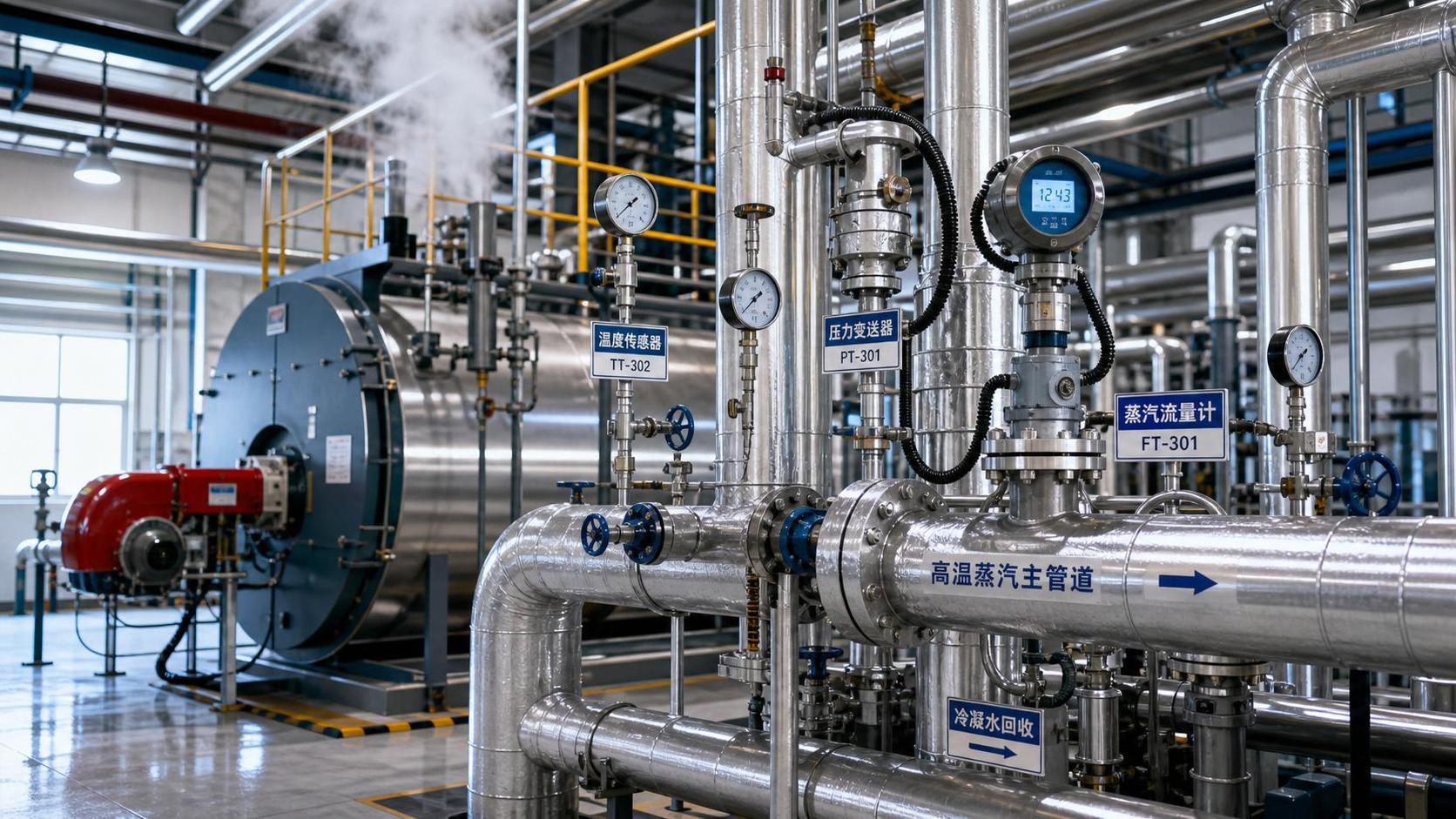
- Install or upgrade monitoring points for fuel, oxygen, stack temperature, blowdown, and steam pressure to enable data-based decisions.
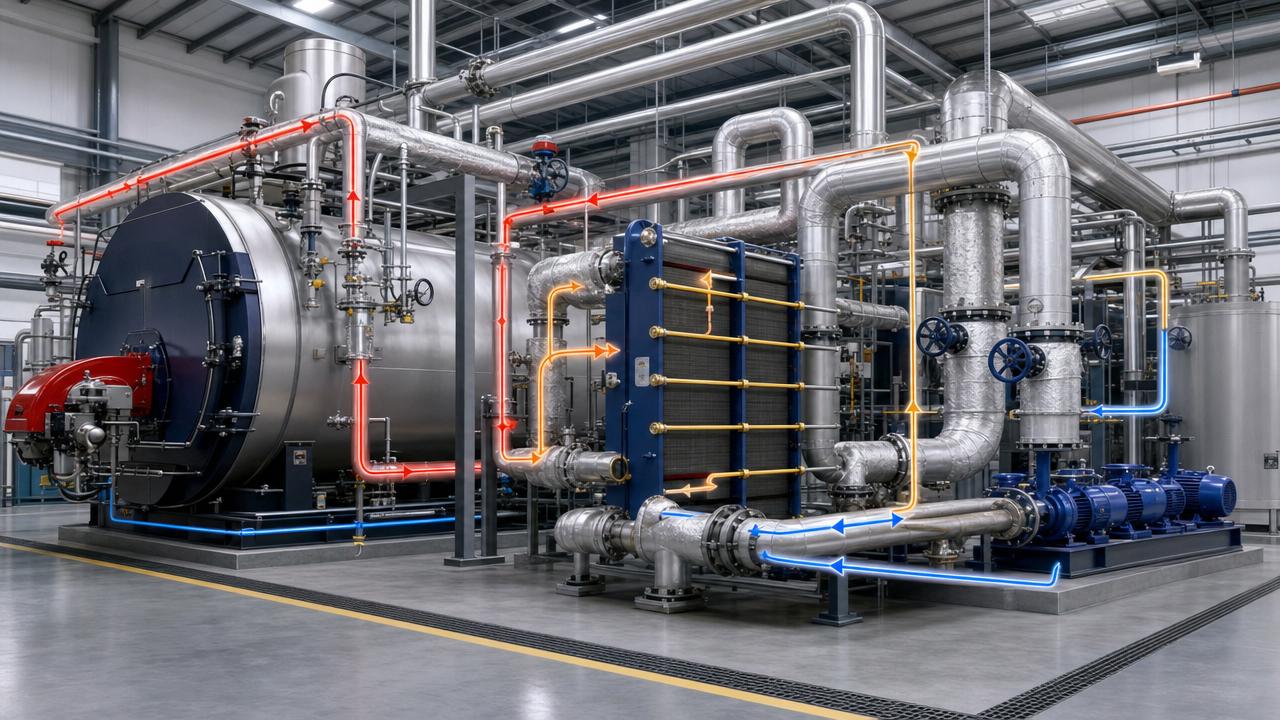
- Map the boiler’s role in wider thermal systems, including chillers, heat exchangers, compressed air drying, and process utility interactions.
- Build an upgrade path that compares retrofit options, burner improvements, economizers, advanced controls, and full replacement economics.
For organizations tracking thermal performance across industries, intelligence-led evaluation is increasingly valuable. GTC-Matrix highlights how boilers, heat exchange, and energy conversion decisions connect within modern industrial systems.
That broader view supports better timing for retrofits and stronger alignment between utility reliability and sustainable manufacturing priorities.
FAQ: sustainable manufacturing and outdated steam boilers
Can an old boiler still fit a sustainable manufacturing strategy?
Yes, if performance is verified and targeted upgrades are feasible. However, some systems are too inefficient or too obsolete to support long-term goals.
What is the first sign that a boiler threatens sustainable manufacturing?
The earliest sign is often unstable efficiency or temperature control. These issues usually appear before major failure or formal compliance problems.
Is replacement always better than retrofitting?
Not always. The right decision depends on load profile, emissions targets, spare parts access, lifecycle cost, and integration with future thermal systems.
Conclusion and next actions
Outdated steam boilers can undermine sustainable manufacturing in ways that remain invisible until costs, quality deviations, or safety incidents become impossible to ignore.
A disciplined review of efficiency, emissions, control stability, water treatment, and safety systems can reveal practical improvement opportunities quickly.
The next step is simple: document current boiler performance, identify hidden losses, and rank corrective actions by risk, savings potential, and compliance urgency.
That approach turns an overlooked utility asset into a measurable lever for sustainable manufacturing, operational resilience, and smarter thermal system planning.
Related News
- How to Compare Boiler Systems in Latin America by Fuel Cost and ComplianceAuthor :Thermal Energy Strategist

- How to Size Low-Pressure Industrial Steam Systems for Stable Heat DemandAuthor :Thermal Energy Strategist

- Low Emissions Boilers: What to Compare Before You ChooseAuthor :Thermal Energy Strategist

- Low-NOx Boilers Cost Breakdown: Upfront Price, Fuel Savings, and PaybackAuthor :Thermal Energy Strategist

- Boiler Combustion Systems: Common Causes of Unstable Fuel PerformanceAuthor :Thermal Energy Strategist

- Hot Water Industrial Boilers: When Efficiency Gains Justify ReplacementAuthor :Thermal Energy Strategist

- What Boiler Efficiency Really Means in Daily Operation and Energy BillsAuthor :Thermal Energy Strategist

- Boiler Efficiency Testing Methods That Expose Heat Loss and Fuel WasteAuthor :Thermal Energy Strategist

- Industrial Burner Systems: Key Factors for Safe Heat OutputAuthor :Thermal Energy Strategist

- Gas-Fired Boiler Combustion Technology: Key Efficiency and Emissions Trade-OffsAuthor :Thermal Energy Strategist

- Unfired Heat Recovery Steam Generators: When Do They Pay Off?Author :Thermal Energy Strategist

- How to Evaluate Steam Generation Systems Electric for Process Heat ProjectsAuthor :Thermal Energy Strategist

- Thermal Power Systems for Industrial Heating: Common Sizing Mistakes to AvoidAuthor :Thermal Energy Strategist

- Low-NOx Condensing Boilers: How to Compare Efficiency and EmissionsAuthor :Thermal Energy Strategist
![]()
- Low Emissions Boilers for Food Processing: Key Compliance and Fuel Cost FactorsAuthor :Thermal Energy Strategist

- Steam System Efficiency Calculation: Key Inputs That Change the ResultAuthor :Thermal Energy Strategist

- How to Evaluate a Steam Boiler Components Exporter Before OrderingAuthor :Thermal Energy Strategist

- Burner Systems Troubleshooting: Common Efficiency Loss CausesAuthor :Thermal Energy Strategist

- EU PED Q2 Rules Require Digital Compliance TagsAuthor :Thermal Energy Strategist

- Thermal Power Systems: Key Efficiency Risks in Daily OperationAuthor :Thermal Energy Strategist

- Low-NOx Combustion Boilers: Key Efficiency and Compliance ChecksAuthor :Thermal Energy Strategist

- Low-NOx Combustion Boilers: Key Specs That Affect Emissions and Fuel UseAuthor :Thermal Energy Strategist

- Low-NOx Combustion Boilers: Key Compliance RisksAuthor :Thermal Energy Strategist

- Thermodynamics Analysis for Boiler Heat-Loss ReductionAuthor :Thermal Energy Strategist

- Industrial Thermal Systems: Common Operating RisksAuthor :Thermal Energy Strategist

- Low-NOx Combustion Boilers: Key Spec Checks Before PurchaseAuthor :Thermal Energy Strategist

- How Industrial Heat Recovery Cuts Boiler Fuel Costs in 2026Author :Thermal Energy Strategist

- Thermodynamics Analysis: 5 Heat Loss Clues in Steam BoilersAuthor :Thermal Energy Strategist

- Low-NOx Combustion Boilers: What Affects Real Emissions PerformanceAuthor :Thermal Energy Strategist

- Thermodynamics Analysis: Finding Heat Loss in Steam BoilersAuthor :Thermal Energy Strategist

- 2026 Steam Boiler Upgrades for Lower NOx and Fuel CostsAuthor :Thermal Energy Strategist

- EU to Expand CBAM to Steam Boilers; Exporters Must Prepare Carbon DataAuthor :Thermal Energy Strategist

- Industrial Heat Recovery: When Payback Beats New Boiler CapacityAuthor :Thermal Energy Strategist

- Carbon Neutrality Targets and the New Boiler Retrofit PaybackAuthor :Thermal Energy Strategist

- Low-NOx Combustion Boilers: Fuel Savings vs Emission LimitsAuthor :Thermal Energy Strategist

- Industrial Energy Efficiency Benchmarks for Steam Boiler Upgrades in 2026Author :Thermal Energy Strategist