Low-NOx Combustion Boilers: Key Differences That Affect Project Planning




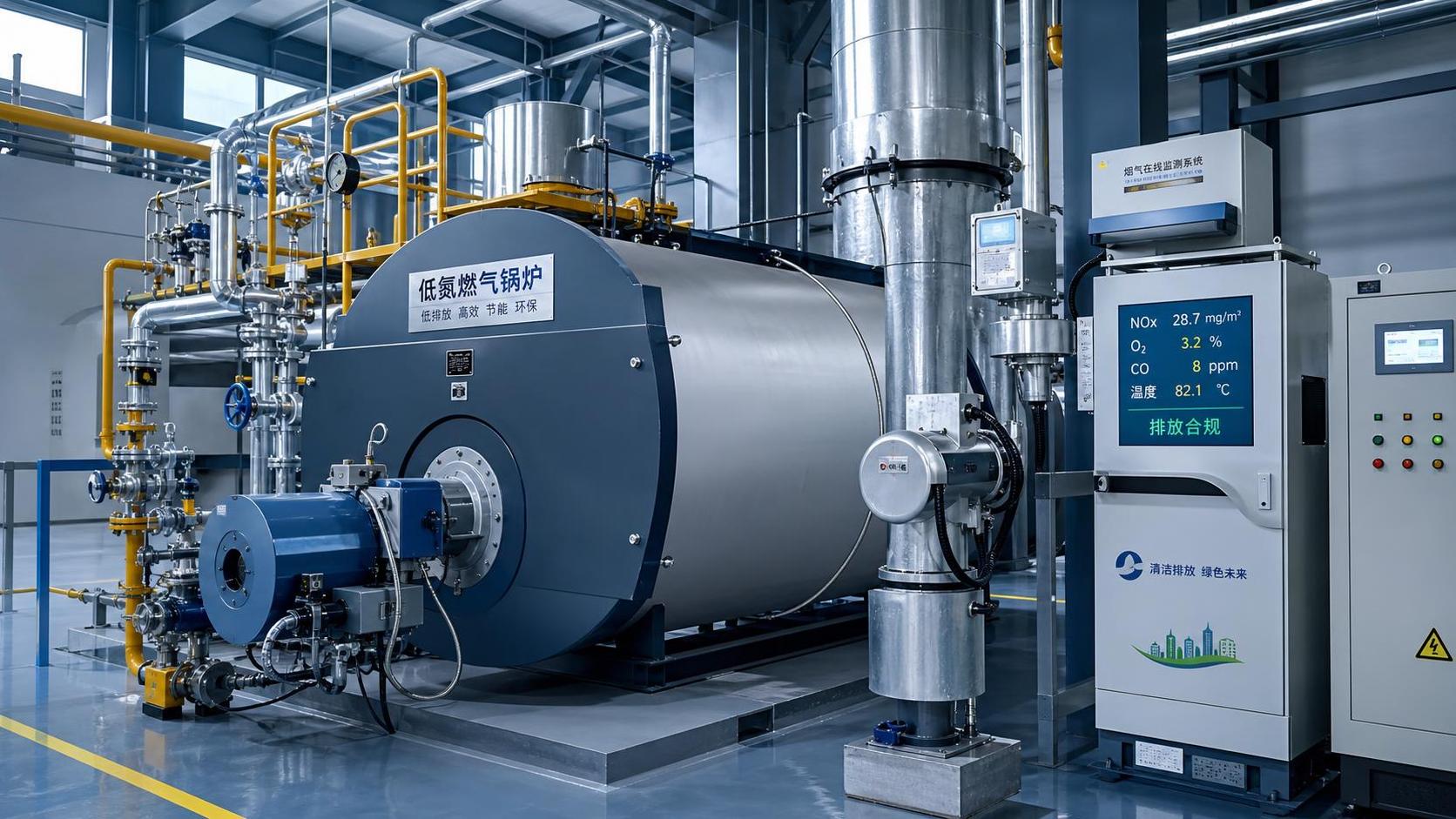
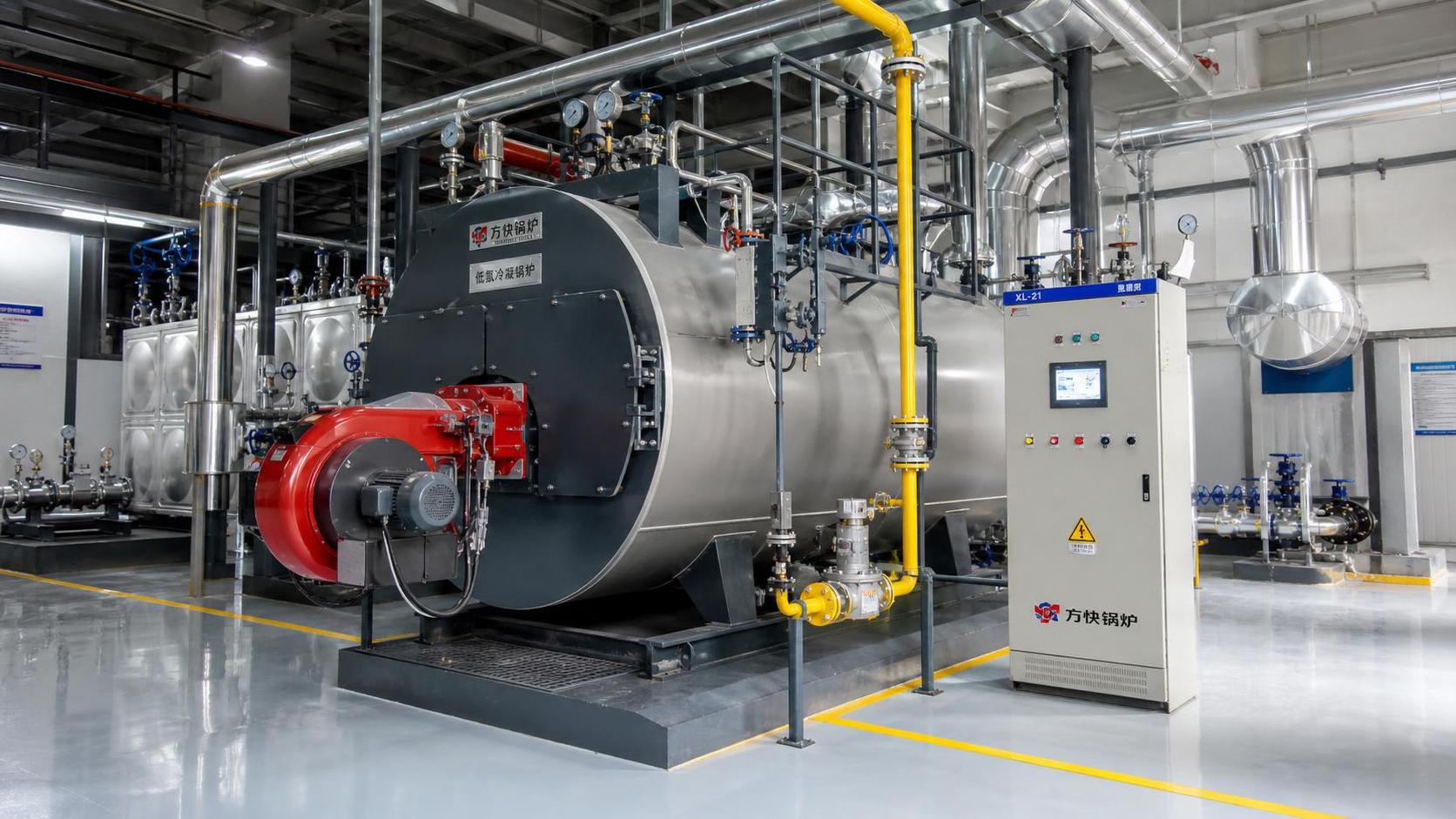
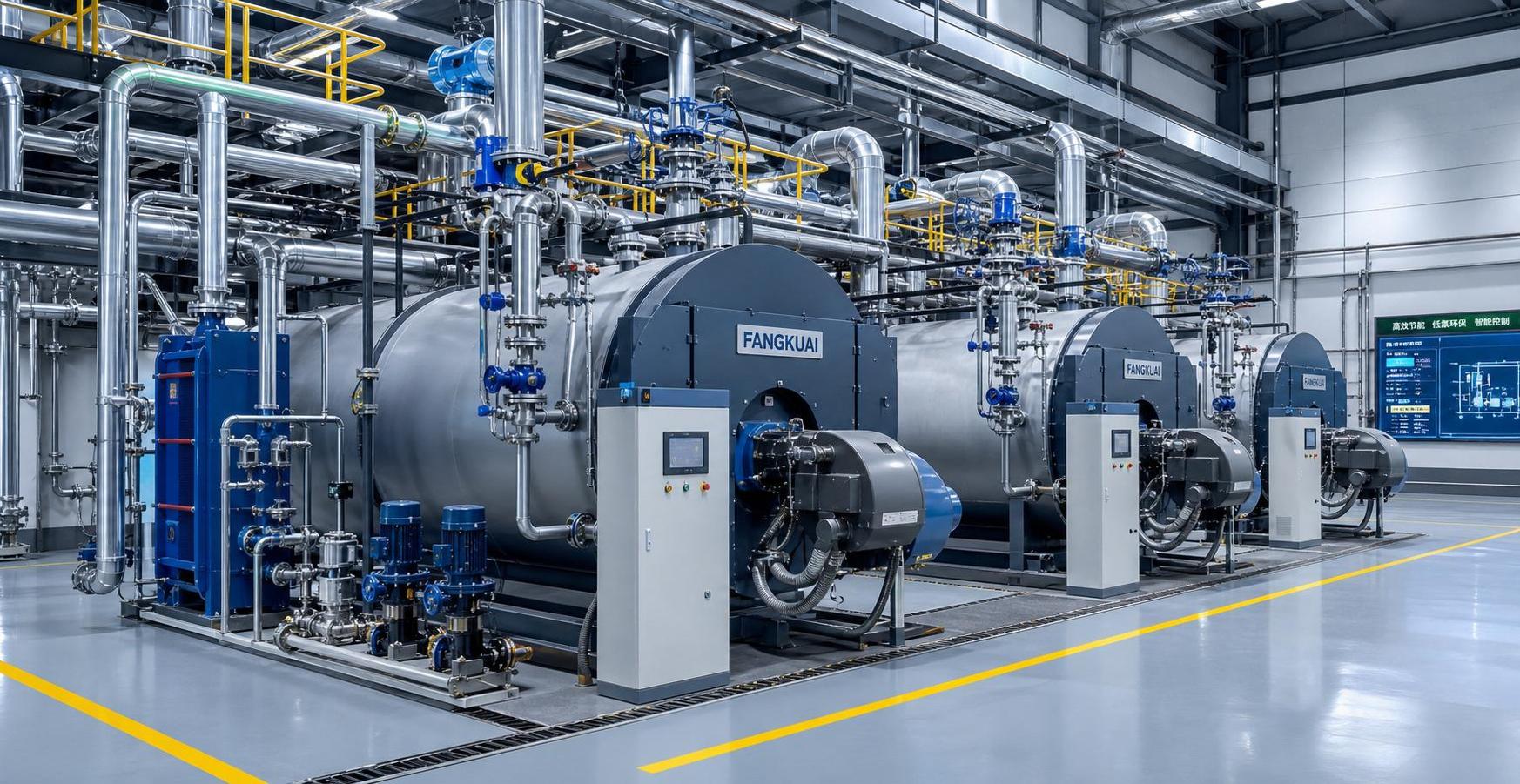
For project managers and engineering leads, choosing low-NOx combustion boilers is not just a compliance decision—it directly shapes budget control, equipment integration, permitting timelines, and long-term operating efficiency. Understanding the key differences among combustion designs, emissions performance, and system requirements can help teams reduce project risks and make smarter planning decisions from the very beginning.
Why project planning around low-NOx combustion boilers is changing faster than before
Across industrial and commercial energy systems, low-NOx combustion boilers are moving from a specialized environmental option to a mainstream planning requirement. What has changed is not only the regulatory pressure on nitrogen oxide emissions, but also the way boiler selection now interacts with broader capital planning goals: energy efficiency, fuel flexibility, carbon reduction, digital monitoring, and lifecycle cost control. For project teams, this means that the early-stage boiler discussion can no longer be limited to thermal capacity and upfront price.
In many regions, air permitting has become more detailed, stakeholder scrutiny has increased, and industrial facilities are under pressure to modernize heat systems without creating delays in commissioning. At the same time, end users in sectors such as pharmaceuticals, food processing, electronics, district energy, and light manufacturing expect cleaner combustion with stable steam or hot water output. As a result, the specification of low-NOx combustion boilers has become a cross-functional decision touching engineering, EHS, finance, operations, and procurement.
This shift matters because not all low-NOx solutions behave the same way in real projects. Two boilers may both meet an emissions target on paper, yet differ significantly in burner complexity, fan power, maintenance sensitivity, turndown ratio, control logic, flue gas recirculation needs, and fuel quality tolerance. These differences are exactly where planning risk starts to accumulate.
The strongest market signals behind the shift
Several signals explain why low-NOx combustion boilers are getting more attention during project definition instead of only at equipment procurement stage. First, emissions compliance is increasingly linked to permit certainty. If a boiler package needs design changes after submission, the project schedule can slip. Second, fuel costs remain volatile, making combustion efficiency and control stability more valuable. Third, many owners are replacing aging systems and want future-ready assets that can support decarbonization pathways instead of becoming stranded equipment.
Another important signal is the growing expectation for integrated performance. Buyers are not simply asking whether a unit is “low-NOx.” They are asking under what firing conditions it achieves target emissions, whether that performance is maintained at part load, what excess air levels are required, and how sensitive the design is to site conditions. This is pushing the market toward more disciplined technical comparison and away from checkbox-style product evaluation.
For intelligence-led industrial platforms such as GTC-Matrix, this trend reflects a broader reality: thermal systems are no longer isolated utility assets. They are strategic infrastructure tied to environmental performance, operating resilience, and competitive manufacturing capability.
Where the key differences in low-NOx combustion boilers affect planning most
When project teams compare low-NOx combustion boilers, the most important differences often appear in six planning areas.
1. Combustion method and burner architecture
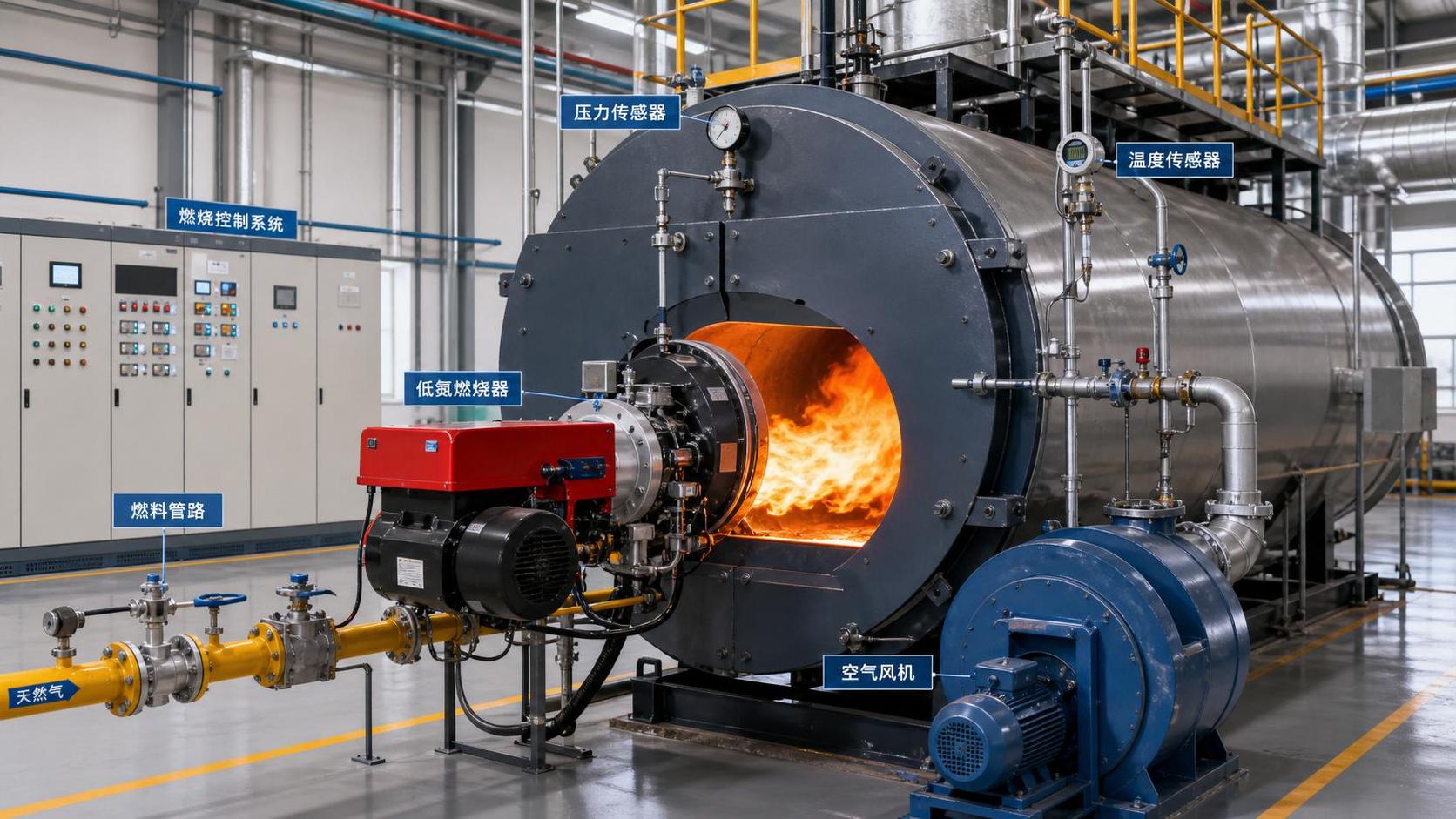
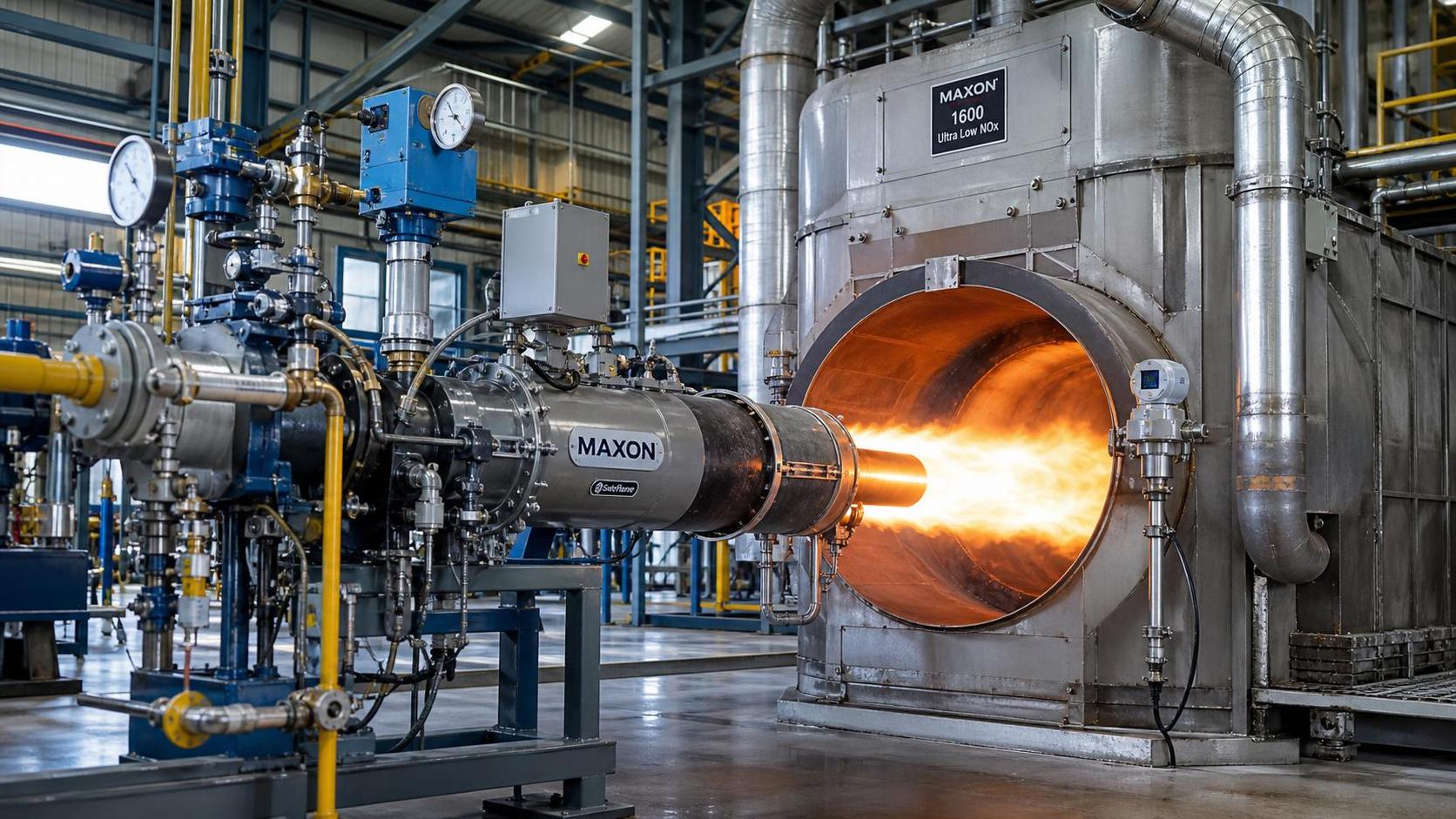
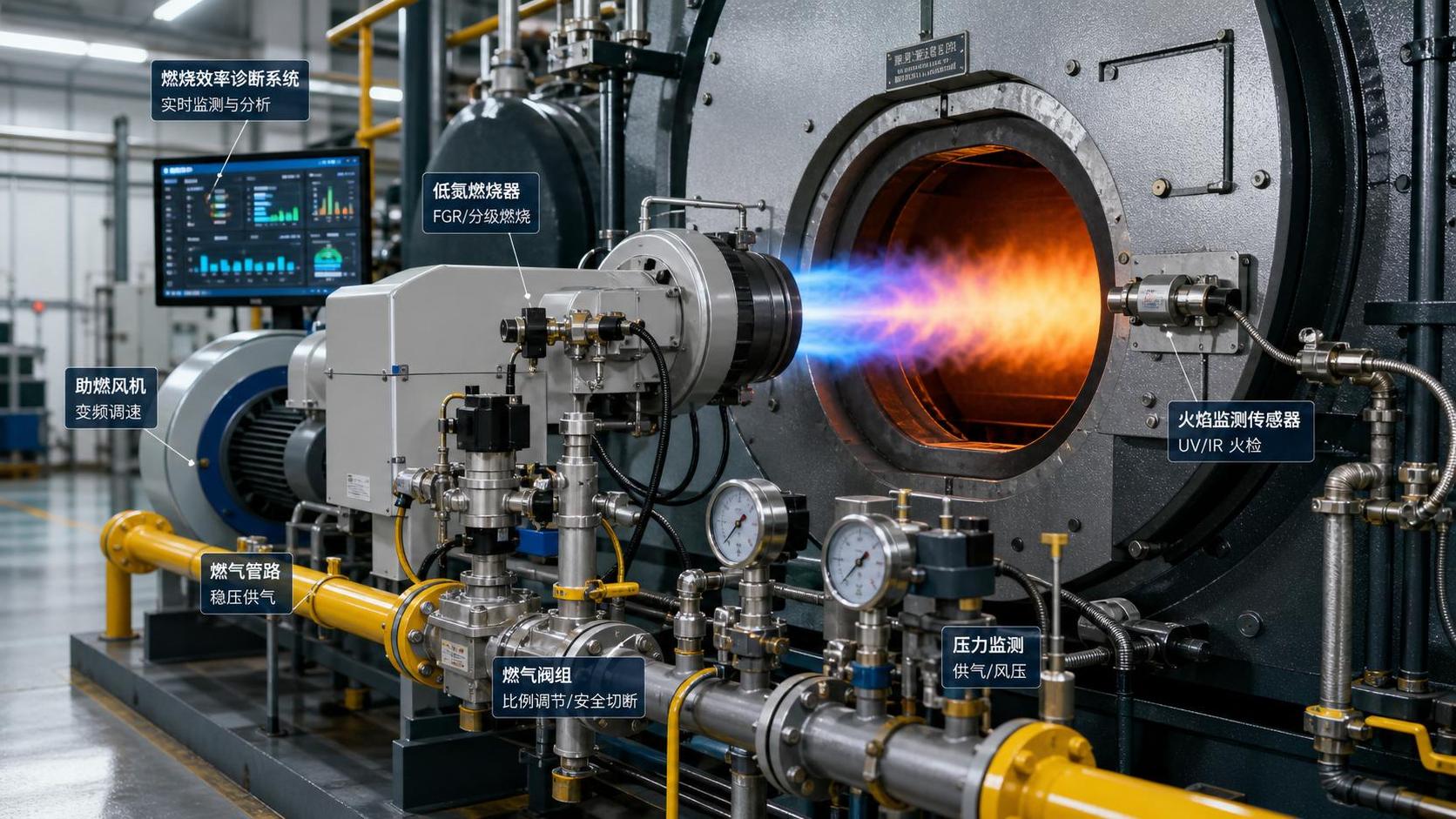
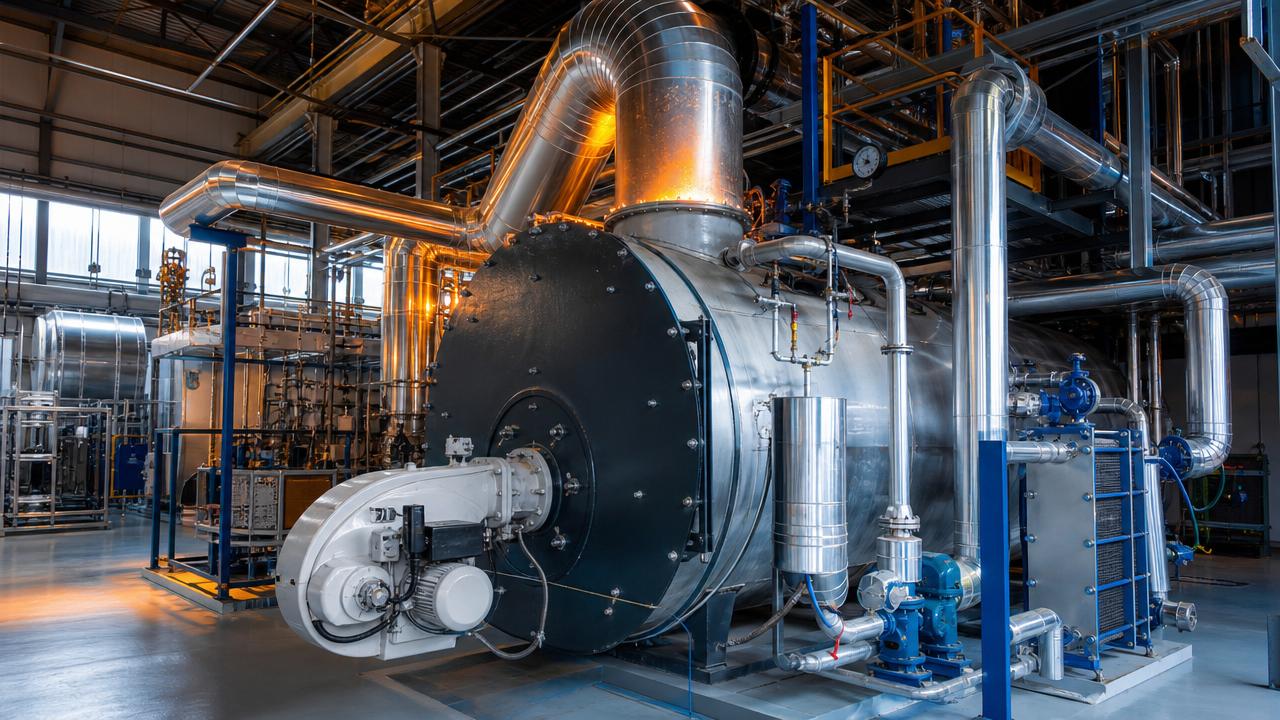
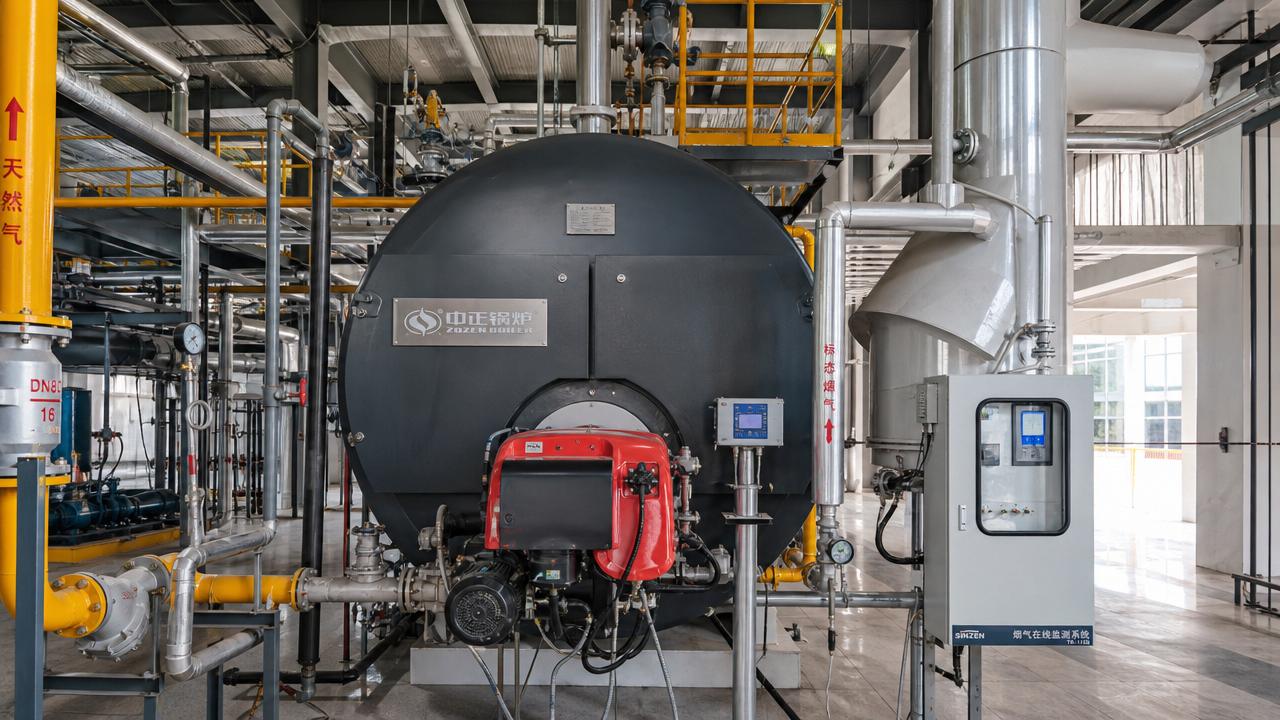
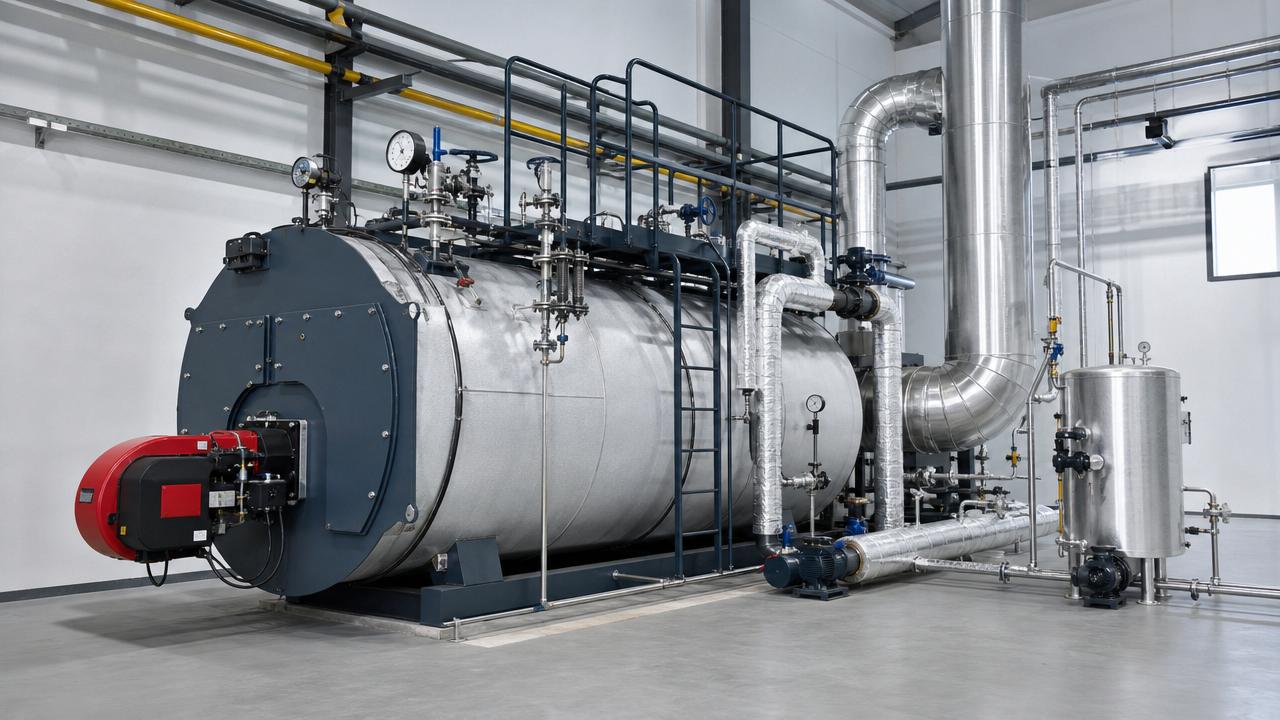
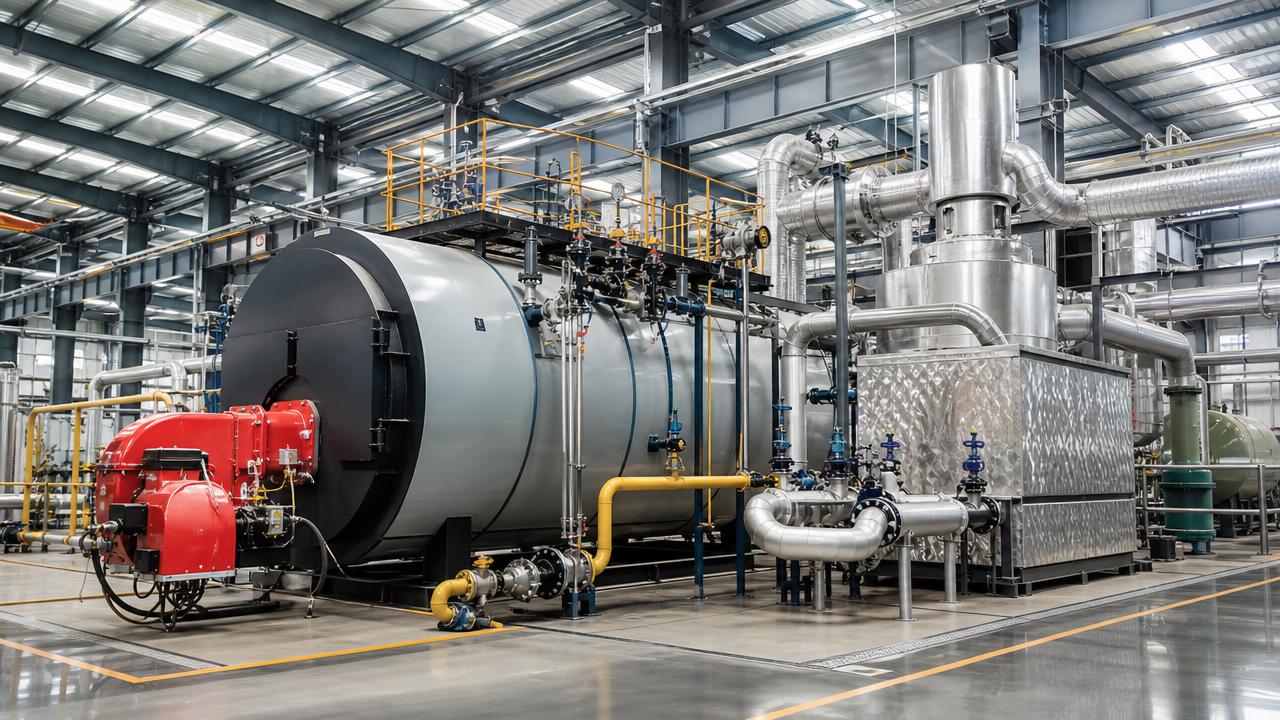
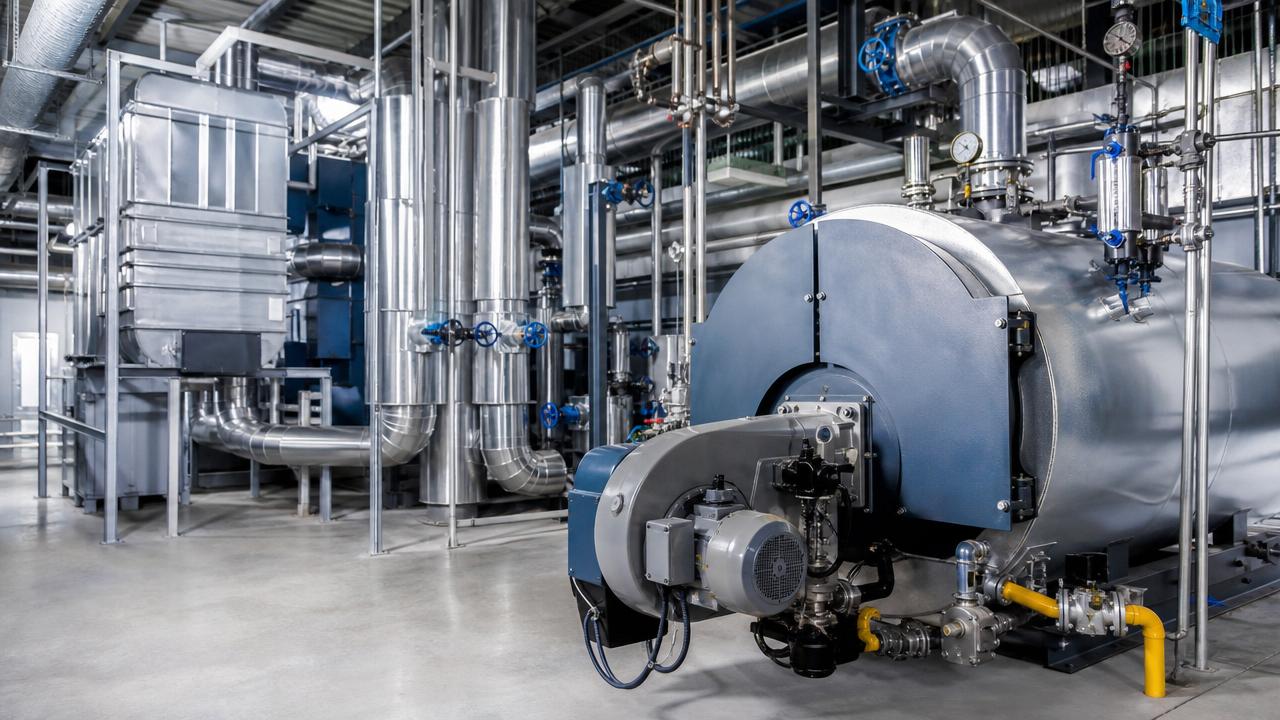
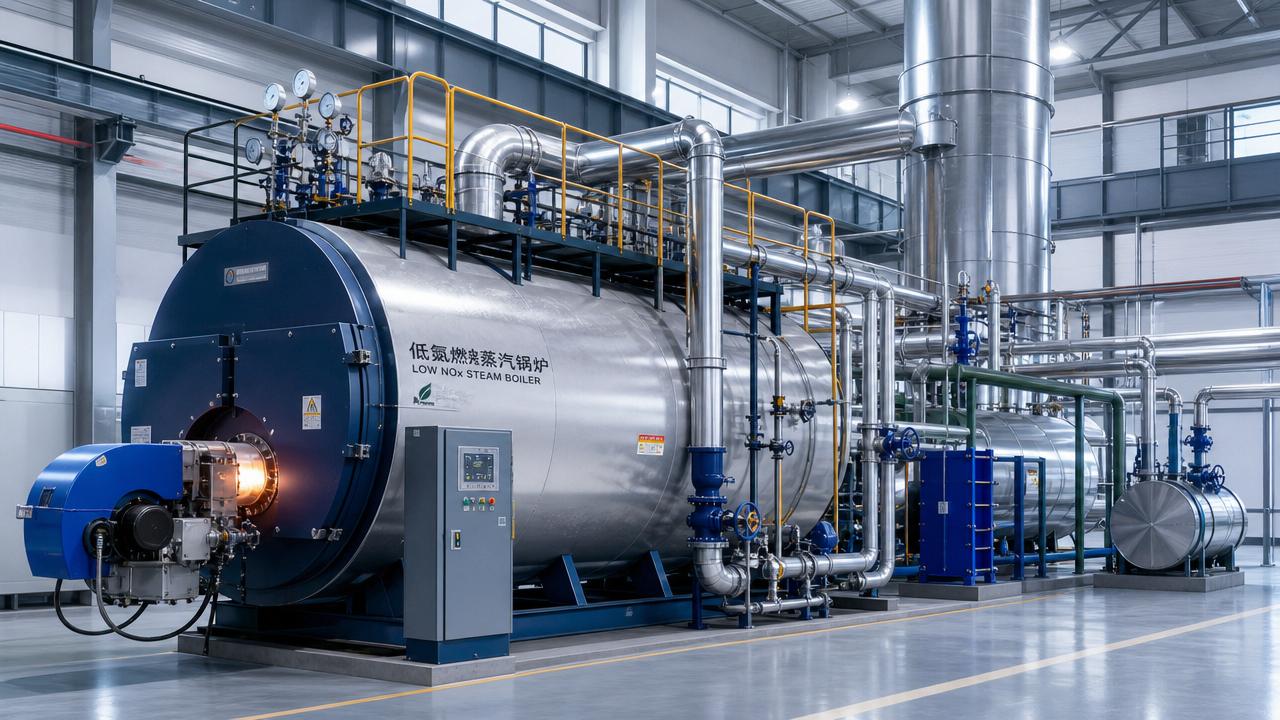
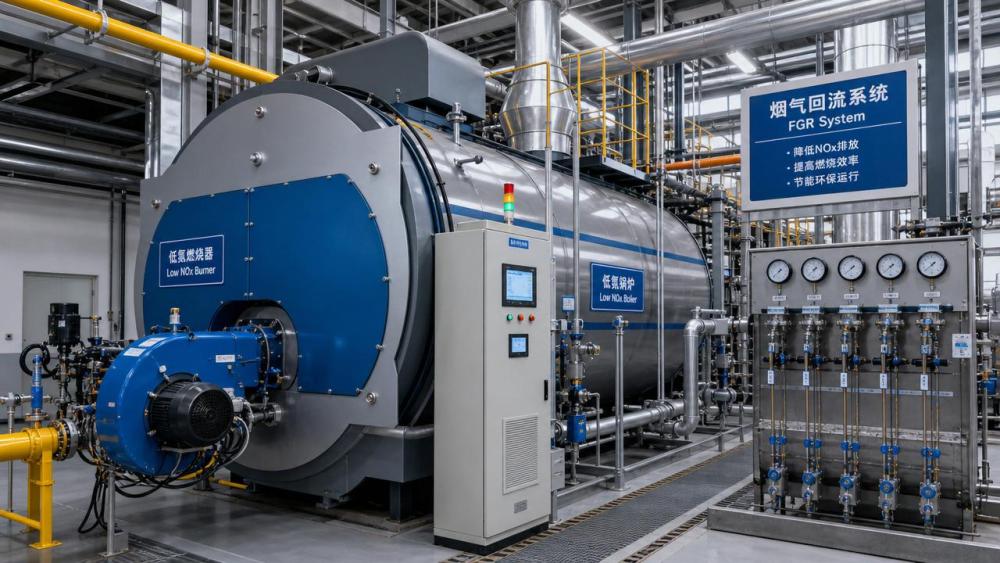
Some low-NOx combustion boilers rely on premix burner designs, while others use staged combustion, internal flue gas recirculation, external flue gas recirculation, or hybrid approaches. These architectures influence flame stability, control complexity, commissioning requirements, and tolerance to varying gas quality. A design that performs well in a new-build plant with stable utility conditions may be less suitable in a retrofit setting with fluctuating pressure or limited control system modernization.
2. Emissions performance across load ranges
A common planning mistake is to compare emissions values only at nominal load. In real operations, many facilities spend substantial time below full load. If low-NOx combustion boilers maintain target NOx levels only within a narrow operating window, the project may face performance gaps after startup. This makes turndown ratio and part-load emissions stability critical selection criteria, especially in variable process demand environments.
3. Integration with controls and plant automation
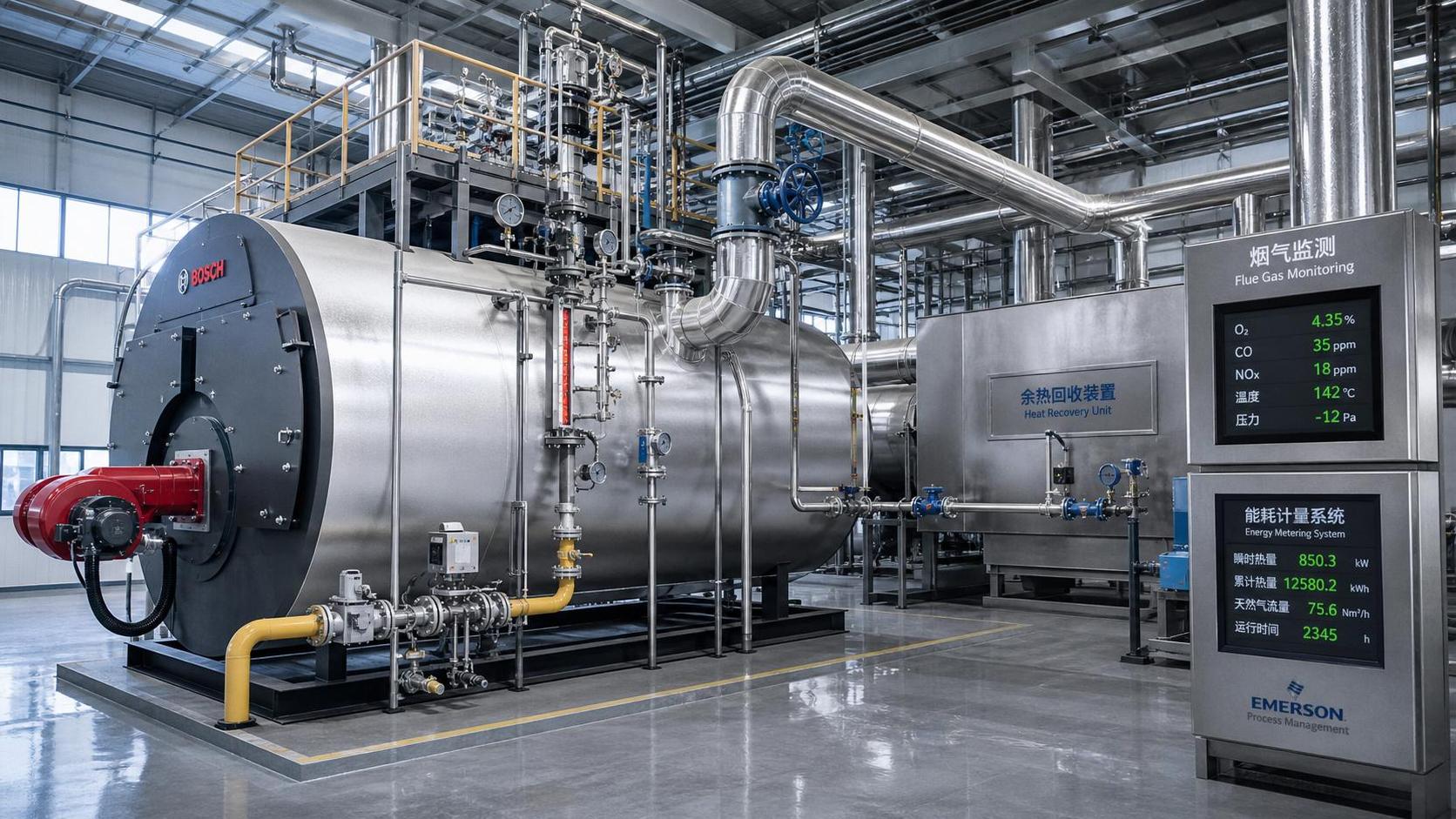
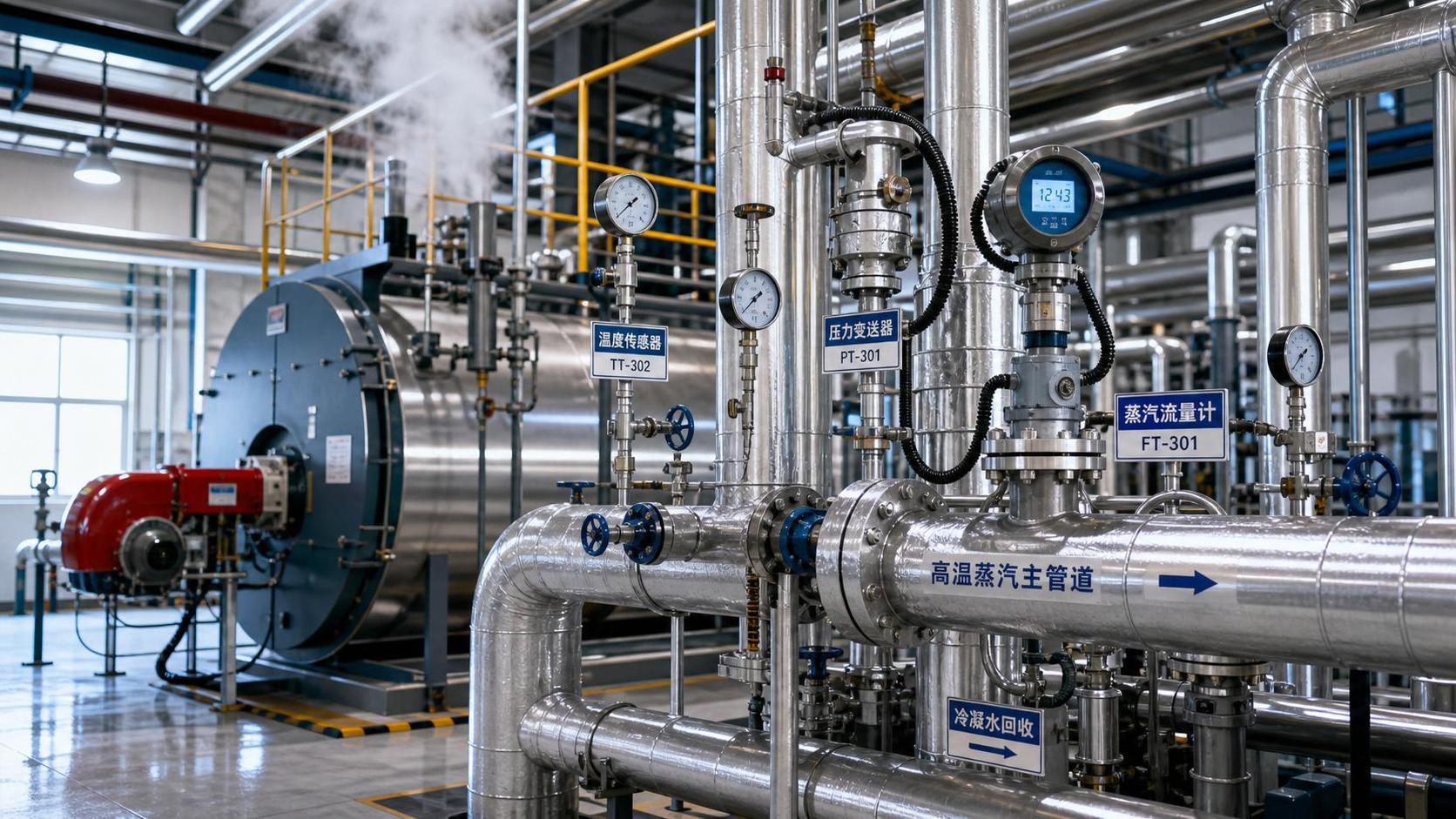
Advanced low-NOx combustion boilers often require more precise combustion control, additional sensors, and tighter tuning logic. For project managers, this affects instrument scope, BMS or DCS integration, commissioning time, cybersecurity review, and operator training. The technical choice therefore carries an indirect schedule and labor impact that is easy to underestimate during bidding.
4. Mechanical and layout requirements
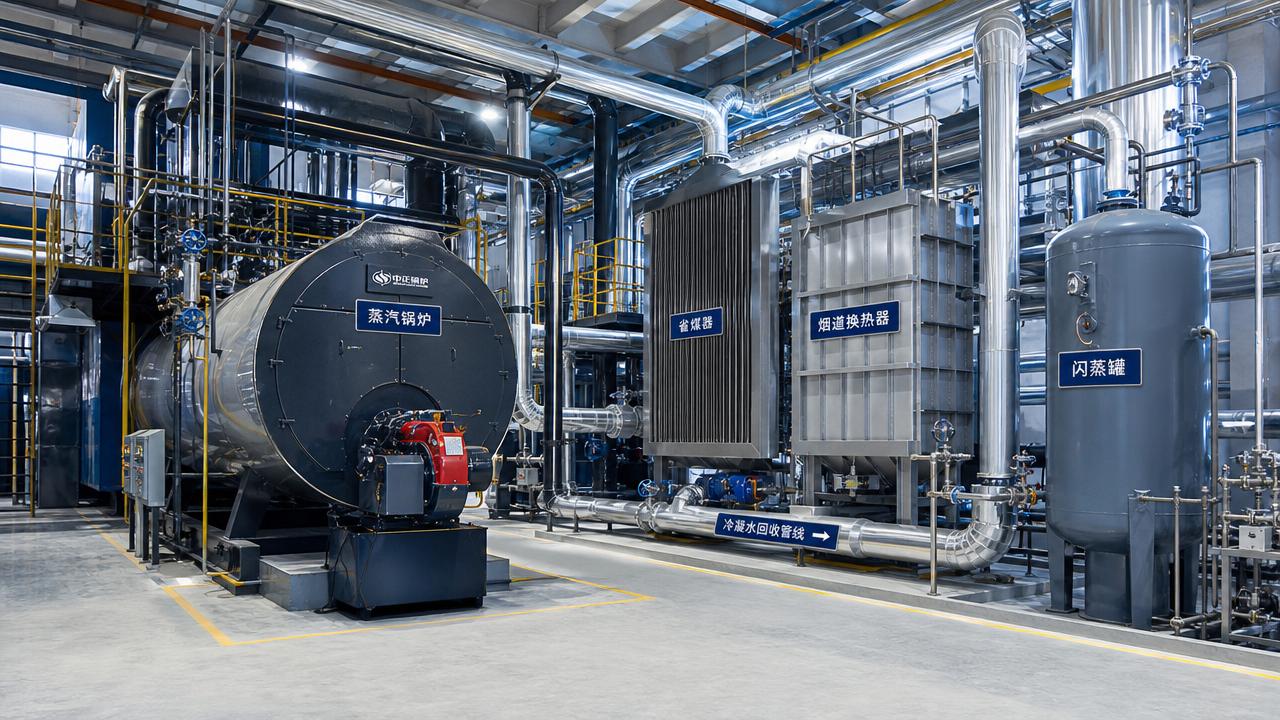
Some low-NOx configurations add ducting, recirculation hardware, larger fans, or different stack conditions. In brownfield projects, this can trigger structural modifications, added pressure-drop considerations, acoustic review, or combustion air handling changes. The boiler may fit the duty, but not the available plant envelope without secondary costs.
5. Maintenance profile and operating discipline
Low emissions performance can depend on sustained burner cleanliness, calibration quality, and disciplined operation. If the site has limited specialist maintenance capability, a technically advanced unit may create ongoing reliability risk. That is why project leaders should evaluate maintainability as seriously as emissions claims.
6. Fuel pathway and future adaptability
Many owners now ask whether low-NOx combustion boilers can support future fuel blends, efficiency upgrades, or digital combustion optimization. Even when immediate use remains conventional natural gas, the strategic direction of the facility may favor equipment that can adapt without major redesign.
What is driving these differences
The differences among low-NOx combustion boilers are not random. They are shaped by three converging forces: policy pressure, engineering innovation, and changing buyer expectations.
Policy pressure is the most visible driver. Even where national rules are stable, local permitting frameworks and customer ESG requirements often set the practical standard. Engineering innovation is the second driver. Burner design, combustion controls, and heat transfer optimization have improved, but these improvements also create more variation in how systems perform under real operating conditions. The third driver is demand-side maturity. Buyers are increasingly experienced and expect suppliers to demonstrate operational results, not just catalog claims.
Who feels the impact most across the project chain
The planning implications of low-NOx combustion boilers are distributed unevenly. Some stakeholders experience them early, while others face consequences during execution or operation.
Project managers are affected first because boiler selection influences scope definition, contractor coordination, and risk ownership. Process and mechanical engineers are affected through sizing, thermal integration, and utility interface design. EHS teams care about permit strategy, testing expectations, and documentation quality. Procurement teams must compare technically non-identical bids without reducing the decision to initial capex alone. Operations teams eventually carry the outcome through reliability, tuning, and maintenance workload.
This is why successful low-NOx combustion boiler projects usually involve earlier cross-functional review than legacy boiler replacements did. If the decision remains isolated within one discipline, hidden downstream costs often appear later.
What project leaders should verify before freezing specifications
A strong planning response is not to overcomplicate procurement, but to ask better front-end questions. Before freezing the specification for low-NOx combustion boilers, teams should confirm:
- What emissions level is required at startup, at full load, and at typical operating load?
- What site conditions could weaken burner performance, such as fuel pressure fluctuation, altitude, or variable return temperatures?
- What additional auxiliaries, instrumentation, or draft requirements come with each low-NOx design?
- How much tuning expertise is needed during commissioning and during normal operation?
- What maintenance intervals and spare parts strategy are realistic for the site?
- Can the selected boiler support future operating or fuel strategy changes?
These checks help convert a broad “low-NOx” requirement into a practical project basis. They also improve bid clarity and reduce the risk of post-award variation claims.
How the next phase of the market is likely to evolve
Looking ahead, low-NOx combustion boilers are likely to be evaluated less as isolated hardware and more as part of intelligent thermal systems. Market direction points toward better combustion analytics, tighter plant-level optimization, and stronger alignment between emissions control and energy efficiency. Suppliers that can explain performance under actual duty cycles, not just standardized test points, will gain an advantage.
For project owners, another likely shift is the rise of phased decision-making. Instead of asking only which boiler meets today’s need, they will ask which low-NOx combustion boilers support tomorrow’s compliance, efficiency, and modernization goals with the least disruption. This favors solutions with transparent operating envelopes, robust controls, and manageable service requirements.
In practical terms, the market will reward planning discipline. Projects that define emissions expectations, integration boundaries, and lifecycle assumptions early will move faster and face fewer surprises during detailed engineering and startup.
Final judgment: the best choice is the one that fits the project system, not just the specification sheet
The main lesson for project managers and engineering leads is clear: low-NOx combustion boilers should be judged as project system components, not as interchangeable boiler packages. The key differences that matter most are the ones that affect permitting confidence, plant integration, operating stability, maintenance realism, and future adaptability. In a market shaped by environmental scrutiny and performance accountability, those factors determine whether a “compliant” purchase becomes a successful asset.
If your organization wants to understand how current trends in low-NOx combustion boilers may affect a planned installation or retrofit, the most useful next step is to confirm a few project-specific questions: What load profile will the boiler actually serve? What local emissions evidence will regulators expect? How much integration complexity can the site absorb? And which lifecycle trade-offs matter more—lowest capex, lowest fuel use, easiest maintenance, or strongest future flexibility? Those answers will lead to a far better planning decision than emissions numbers alone.
Related News
- Low Emissions Boilers: What to Compare Before You ChooseAuthor :Thermal Energy Strategist

- Low-NOx Boilers Cost Breakdown: Upfront Price, Fuel Savings, and PaybackAuthor :Thermal Energy Strategist

- Boiler Combustion Systems: Common Causes of Unstable Fuel PerformanceAuthor :Thermal Energy Strategist

- Hot Water Industrial Boilers: When Efficiency Gains Justify ReplacementAuthor :Thermal Energy Strategist

- What Boiler Efficiency Really Means in Daily Operation and Energy BillsAuthor :Thermal Energy Strategist

- Boiler Efficiency Testing Methods That Expose Heat Loss and Fuel WasteAuthor :Thermal Energy Strategist

- Industrial Burner Systems: Key Factors for Safe Heat OutputAuthor :Thermal Energy Strategist

- Gas-Fired Boiler Combustion Technology: Key Efficiency and Emissions Trade-OffsAuthor :Thermal Energy Strategist

- Unfired Heat Recovery Steam Generators: When Do They Pay Off?Author :Thermal Energy Strategist

- How to Evaluate Steam Generation Systems Electric for Process Heat ProjectsAuthor :Thermal Energy Strategist

- Thermal Power Systems for Industrial Heating: Common Sizing Mistakes to AvoidAuthor :Thermal Energy Strategist

- Low-NOx Condensing Boilers: How to Compare Efficiency and EmissionsAuthor :Thermal Energy Strategist
![]()
- Low Emissions Boilers for Food Processing: Key Compliance and Fuel Cost FactorsAuthor :Thermal Energy Strategist

- Steam System Efficiency Calculation: Key Inputs That Change the ResultAuthor :Thermal Energy Strategist

- How to Evaluate a Steam Boiler Components Exporter Before OrderingAuthor :Thermal Energy Strategist

- Burner Systems Troubleshooting: Common Efficiency Loss CausesAuthor :Thermal Energy Strategist

- EU PED Q2 Rules Require Digital Compliance TagsAuthor :Thermal Energy Strategist

- Thermal Power Systems: Key Efficiency Risks in Daily OperationAuthor :Thermal Energy Strategist

- Low-NOx Combustion Boilers: Key Efficiency and Compliance ChecksAuthor :Thermal Energy Strategist

- Low-NOx Combustion Boilers: Key Specs That Affect Emissions and Fuel UseAuthor :Thermal Energy Strategist

- Low-NOx Combustion Boilers: Key Compliance RisksAuthor :Thermal Energy Strategist

- Thermodynamics Analysis for Boiler Heat-Loss ReductionAuthor :Thermal Energy Strategist

- Industrial Thermal Systems: Common Operating RisksAuthor :Thermal Energy Strategist

- Low-NOx Combustion Boilers: Key Spec Checks Before PurchaseAuthor :Thermal Energy Strategist

- How Industrial Heat Recovery Cuts Boiler Fuel Costs in 2026Author :Thermal Energy Strategist

- Thermodynamics Analysis: 5 Heat Loss Clues in Steam BoilersAuthor :Thermal Energy Strategist

- Low-NOx Combustion Boilers: What Affects Real Emissions PerformanceAuthor :Thermal Energy Strategist

- Thermodynamics Analysis: Finding Heat Loss in Steam BoilersAuthor :Thermal Energy Strategist

- 2026 Steam Boiler Upgrades for Lower NOx and Fuel CostsAuthor :Thermal Energy Strategist

- EU to Expand CBAM to Steam Boilers; Exporters Must Prepare Carbon DataAuthor :Thermal Energy Strategist

- Industrial Heat Recovery: When Payback Beats New Boiler CapacityAuthor :Thermal Energy Strategist

- Carbon Neutrality Targets and the New Boiler Retrofit PaybackAuthor :Thermal Energy Strategist

- Low-NOx Combustion Boilers: Fuel Savings vs Emission LimitsAuthor :Thermal Energy Strategist

- Industrial Energy Efficiency Benchmarks for Steam Boiler Upgrades in 2026Author :Thermal Energy Strategist

- Low-NOx Combustion Boilers: Efficiency vs Emissions in 2026Author :Thermal Energy Strategist

- Industrial Heat Recovery Options for Steam Boiler SavingsAuthor :Thermal Energy Strategist