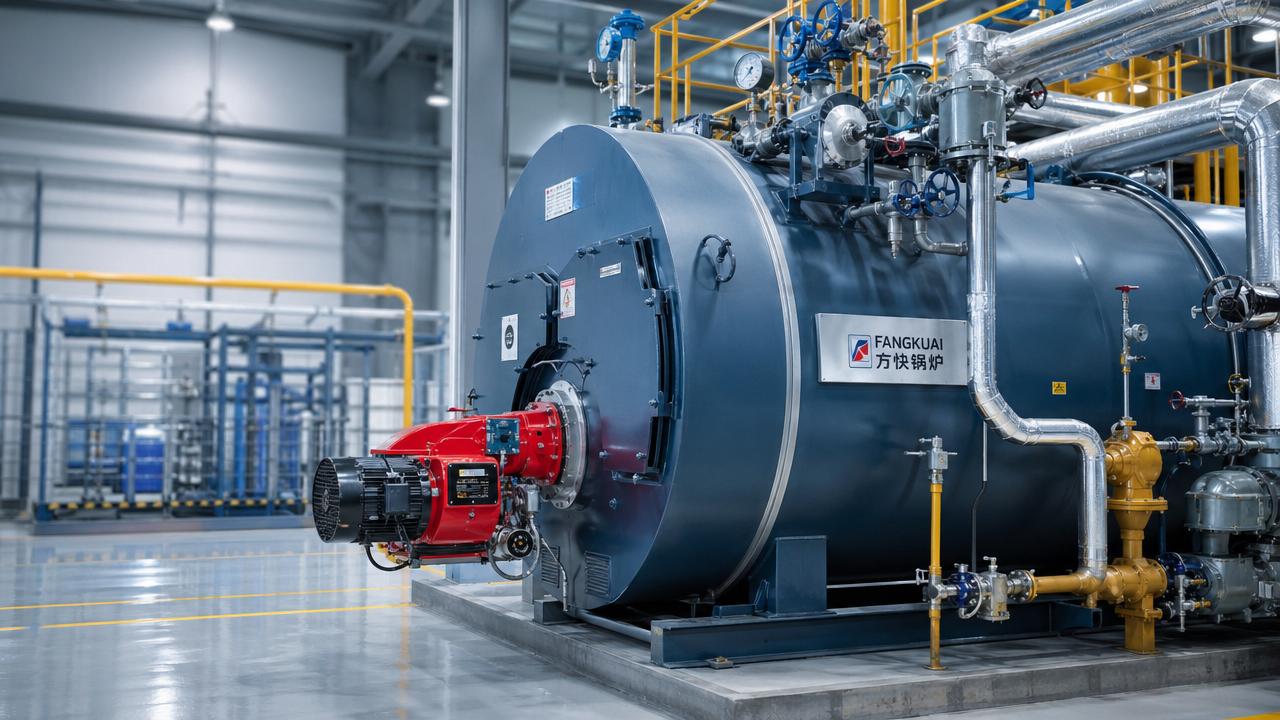
What to Check Before Expanding Thermal Power Systems Capacity




Before expanding thermal power systems capacity, project managers need more than a simple demand forecast. They must verify load profiles, fuel flexibility, heat balance, emissions compliance, grid interaction, and lifecycle efficiency to avoid costly underperformance. This article outlines the critical technical and strategic checks that help industrial teams make scalable, compliant, and energy-smart expansion decisions.
Understanding capacity expansion in thermal power systems
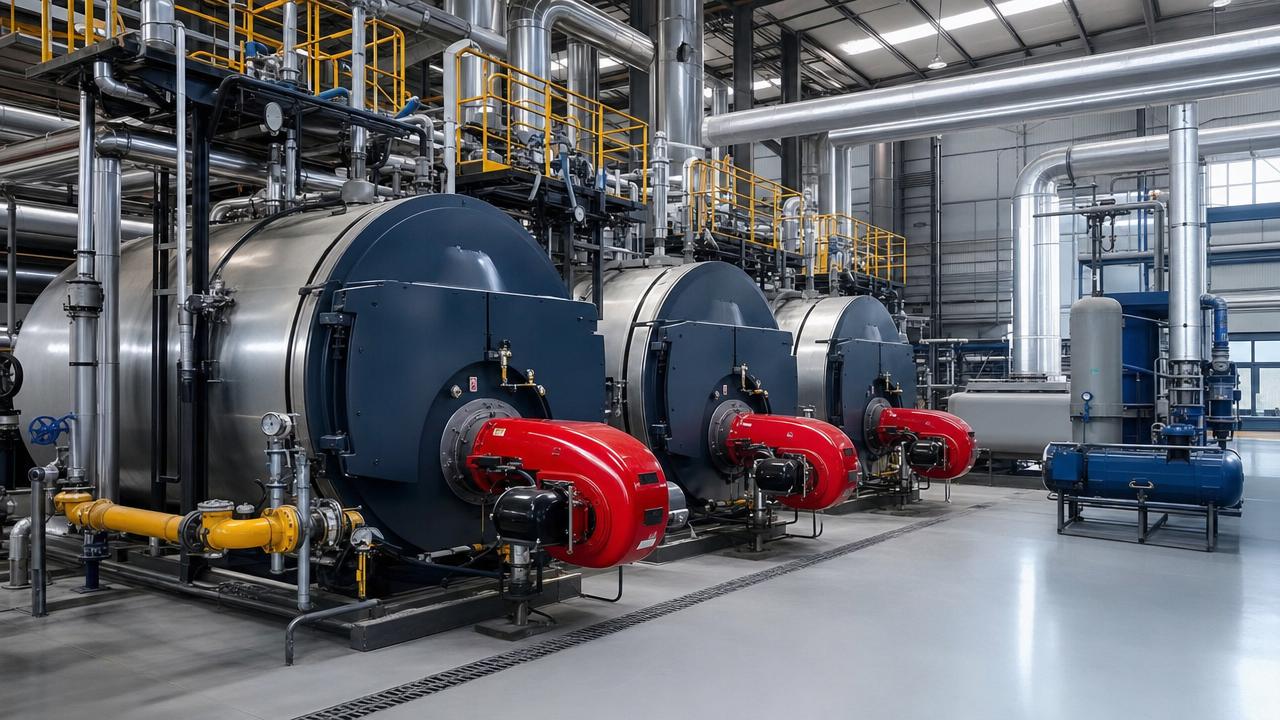
For industrial project leaders, expanding thermal power systems is not only about adding output. It is a decision that affects process stability, utility costs, maintenance strategy, environmental compliance, and future operational flexibility. In sectors such as food processing, pharmaceuticals, electronics, chemicals, and heavy manufacturing, thermal assets often sit at the center of production continuity. A poorly scoped expansion can lock a plant into higher fuel use, unstable heat recovery, and avoidable retrofit costs.
This is why the topic draws attention across the broader industrial intelligence space. Platforms such as GTC-Matrix track how cooling, compression, vacuum, and heat exchange technologies interact with thermal generation decisions. In practice, a capacity upgrade should be evaluated as part of the wider energy conversion chain, not as an isolated boiler or turbine project.
Why industry attention is increasing
Several trends are making thermal power systems expansion more complex. Energy price volatility changes the economics of fuel selection. Decarbonization policies raise the cost of inefficient combustion and uncontrolled emissions. At the same time, manufacturers are demanding tighter temperature control, cleaner utility support, and higher uptime. As facilities electrify some processes while retaining thermal generation for reliability, the interaction between on-site assets and the grid becomes more important.
For project managers, the implication is clear: capacity planning must connect demand growth, process heat quality, compression loads, heat recovery opportunities, and regulatory exposure. Expansion is successful only when new capacity improves system efficiency as well as output.
Core checks before expanding thermal power systems
The first check is the real load profile. Average demand is rarely enough. Teams need hourly, seasonal, and batch-based data to identify peak loads, ramp rates, standby requirements, and hidden inefficiencies. If the existing plant is oversized during normal operation but constrained only during short spikes, thermal storage, control upgrades, or heat recovery may solve the problem more effectively than new generation capacity.
The second check is fuel flexibility and supply security. Thermal power systems depend on predictable fuel economics. Project teams should test exposure to natural gas price swings, fuel quality variation, backup fuel availability, and future low-carbon fuel pathways. A technically sound expansion can become commercially weak if fuel assumptions fail within two years.
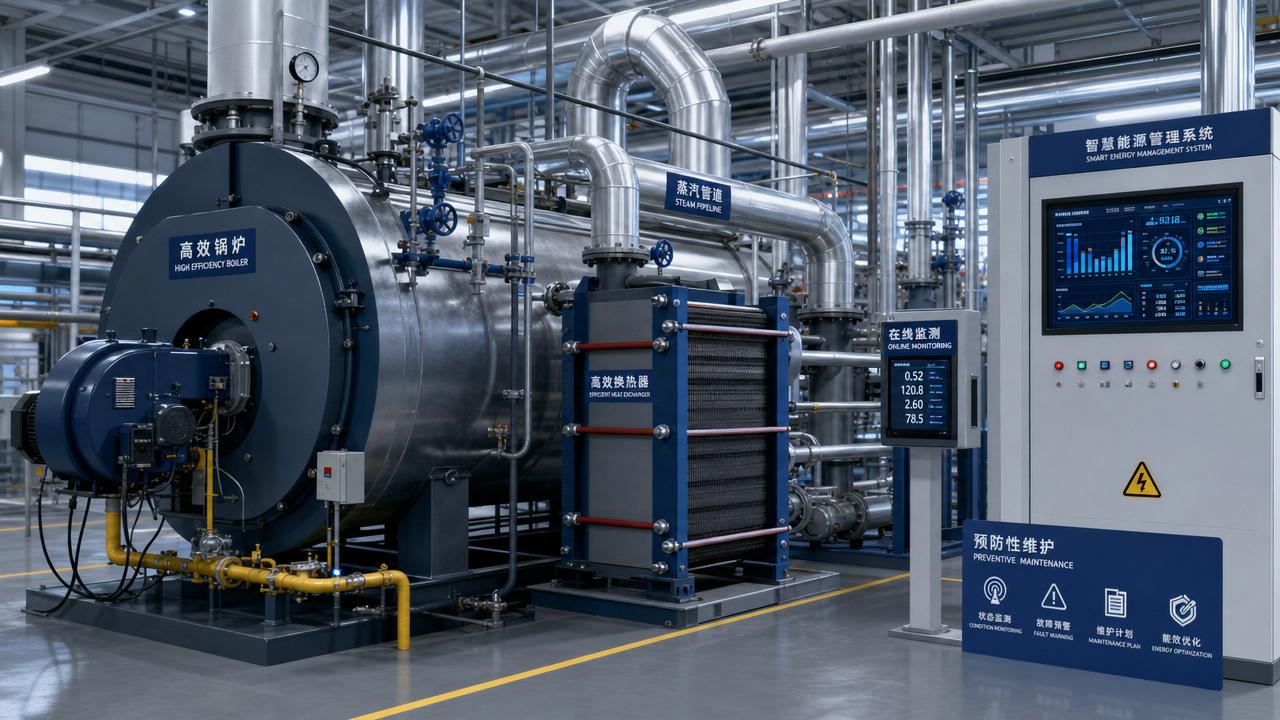
The third check is heat balance across the full site. Expansion decisions should assess steam demand, hot water circuits, waste heat recovery, condensate return, cooling loads, and interactions with compressed air or vacuum systems. Many plants underuse recoverable heat while planning new thermal capacity. A full balance often reveals lower-cost efficiency gains.
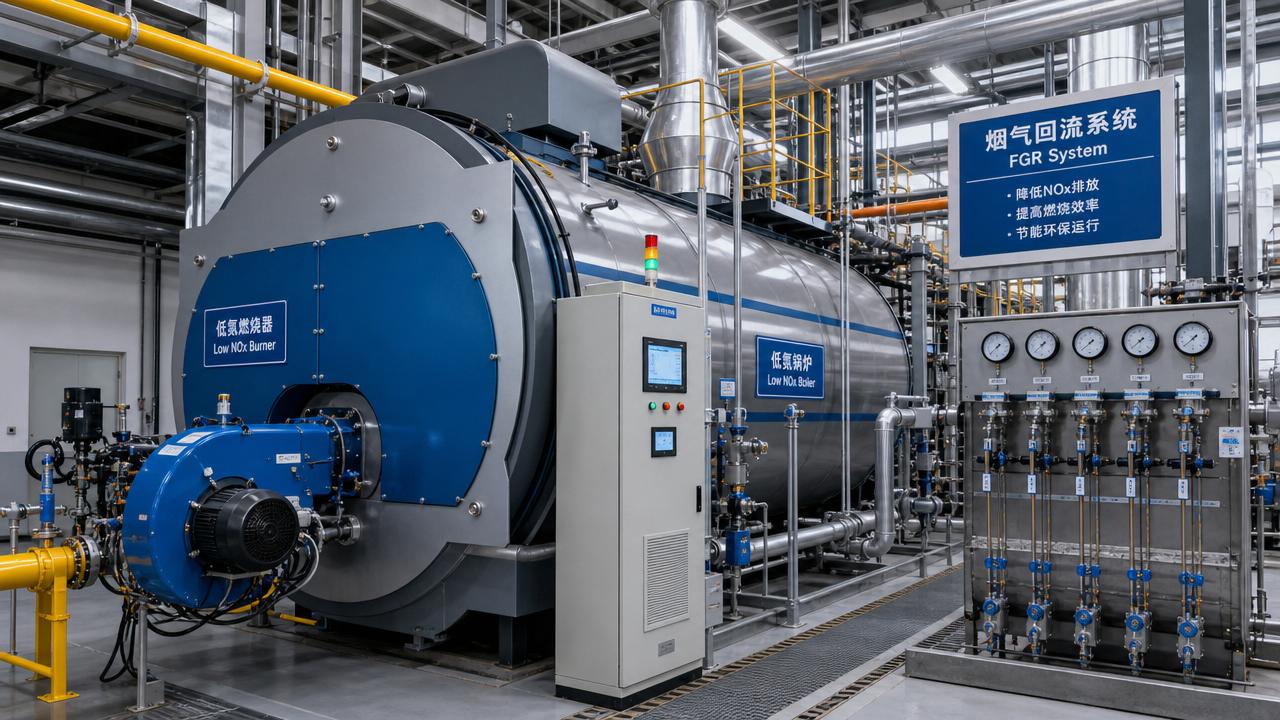
The fourth check is emissions and permitting. NOx, CO2, particulate matter, and water-use constraints can shape technology selection more than nameplate output. Teams should confirm present limits, likely future regulations, refrigerant-related utility impacts where relevant, and the permitting timeline. Delays in compliance approval can disrupt the entire capital schedule.
Operational and business value by decision area
Typical industrial scenarios
Not all thermal power systems expansions serve the same goal. In continuous-process plants, the main concern is stable baseload efficiency and redundancy. In batch manufacturing, flexible response and control accuracy matter more. In export-oriented facilities, compliance with international sustainability standards can influence design choices. In utilities supporting cleanroom or high-purity operations, thermal performance must also align with compressed air quality, HVAC stability, and heat exchange precision.
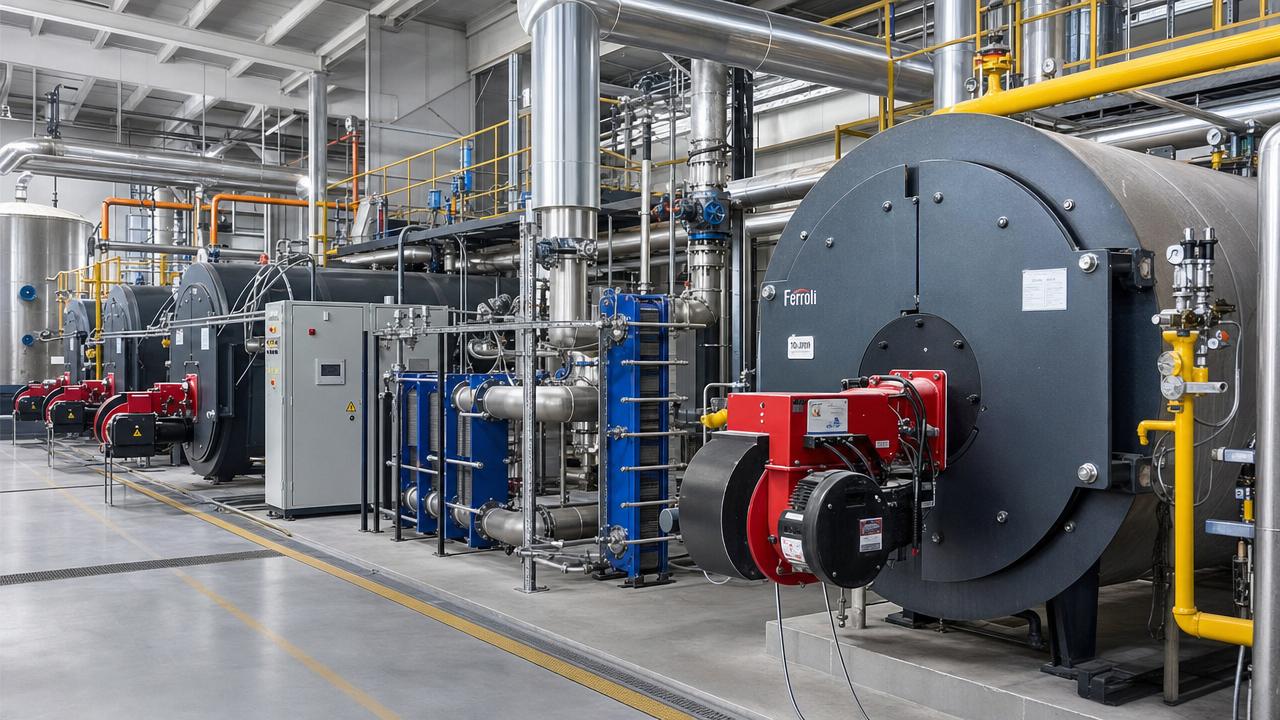
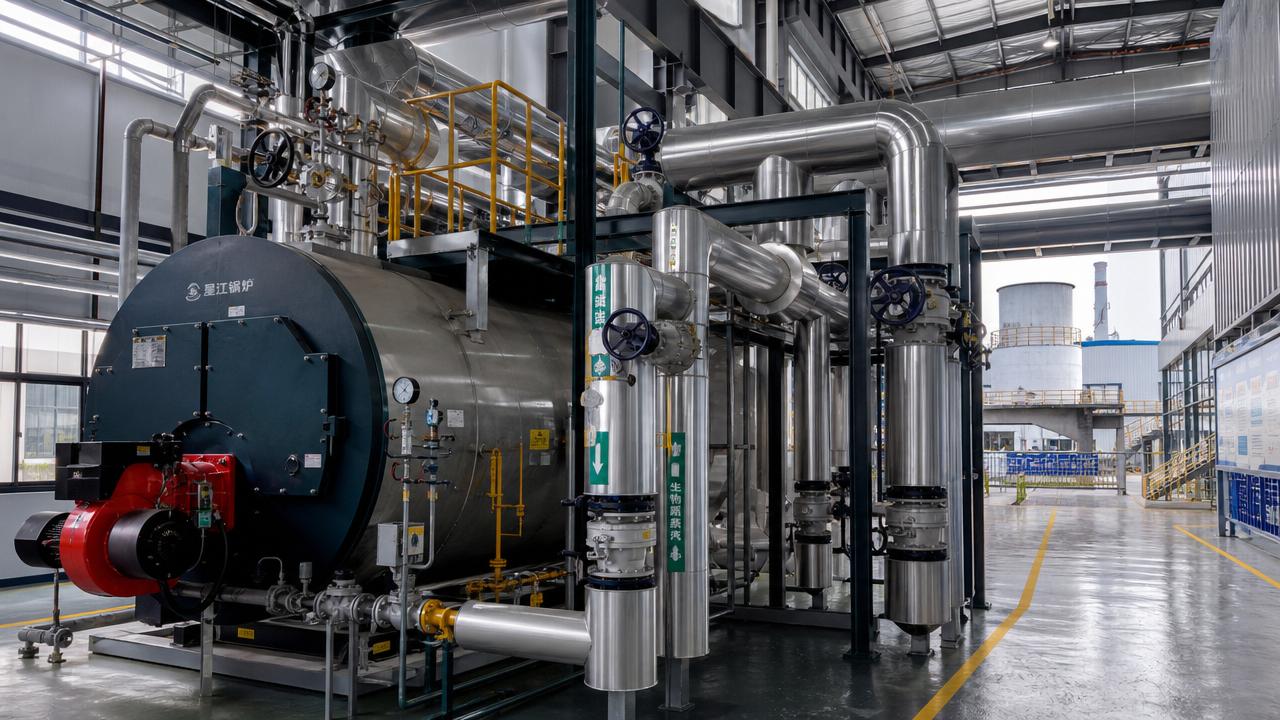
These differences mean project managers should classify expansion needs before selecting technology. A steam boiler upgrade, cogeneration addition, burner retrofit, or hybrid heat recovery package may each fit a different risk profile and production model.
Practical guidance for project managers
A strong evaluation process starts with cross-functional data. Operations, maintenance, EHS, finance, and utility engineers should all contribute. Build scenarios for normal production, future expansion, fuel disruption, and stricter emissions rules. Request lifecycle metrics, not only capital cost. Pay attention to part-load efficiency, control integration, maintenance windows, and compatibility with existing cooling, compression, and heat exchange systems.
It is also wise to benchmark the project against external intelligence. Sector reporting on low-NOx boilers, oil-free compression, advanced heat exchangers, and thermal optimization can reveal better pathways than simple capacity addition. For many industrial sites, the best result comes from combining modest new capacity with stronger heat recovery, digital monitoring, and process-side efficiency upgrades.
A smarter path to expansion
Expanding thermal power systems should be treated as a strategic energy decision, not only an equipment upgrade. When project teams validate load behavior, heat balance, fuel resilience, compliance demands, and lifecycle efficiency, they reduce both technical and financial risk. For organizations aiming to improve output while supporting decarbonization and high-efficiency manufacturing, a system-level view delivers the strongest return. That is the standard industrial teams should apply before approving the next megawatt of thermal capacity.
Related News
- Industrial Decarbonization Options for Existing Steam Boiler PlantsAuthor :Thermal Energy Strategist

- Thermal Power Systems: Key Upgrade Signals to WatchAuthor :Thermal Energy Strategist

- Thermal Power Systems: When Efficiency Gains Justify UpgradesAuthor :Thermal Energy Strategist

- Sustainable Manufacturing Risks Hidden in Outdated Steam BoilersAuthor :Thermal Energy Strategist

- Canton Fair Phase II: Biomass Boiler Orders Up 37% in Heat Exchange SegmentAuthor :Thermal Energy Strategist

- Low-NOx Combustion Boilers: Key Differences That Affect Project PlanningAuthor :Thermal Energy Strategist

- Thermal Power Systems Upgrades That Reduce Operating LossesAuthor :Thermal Energy Strategist

- What to Check Before Expanding Thermal Power Systems CapacityAuthor :Thermal Energy Strategist

- Thermal Optimization Methods for More Stable Boiler PerformanceAuthor :Thermal Energy Strategist