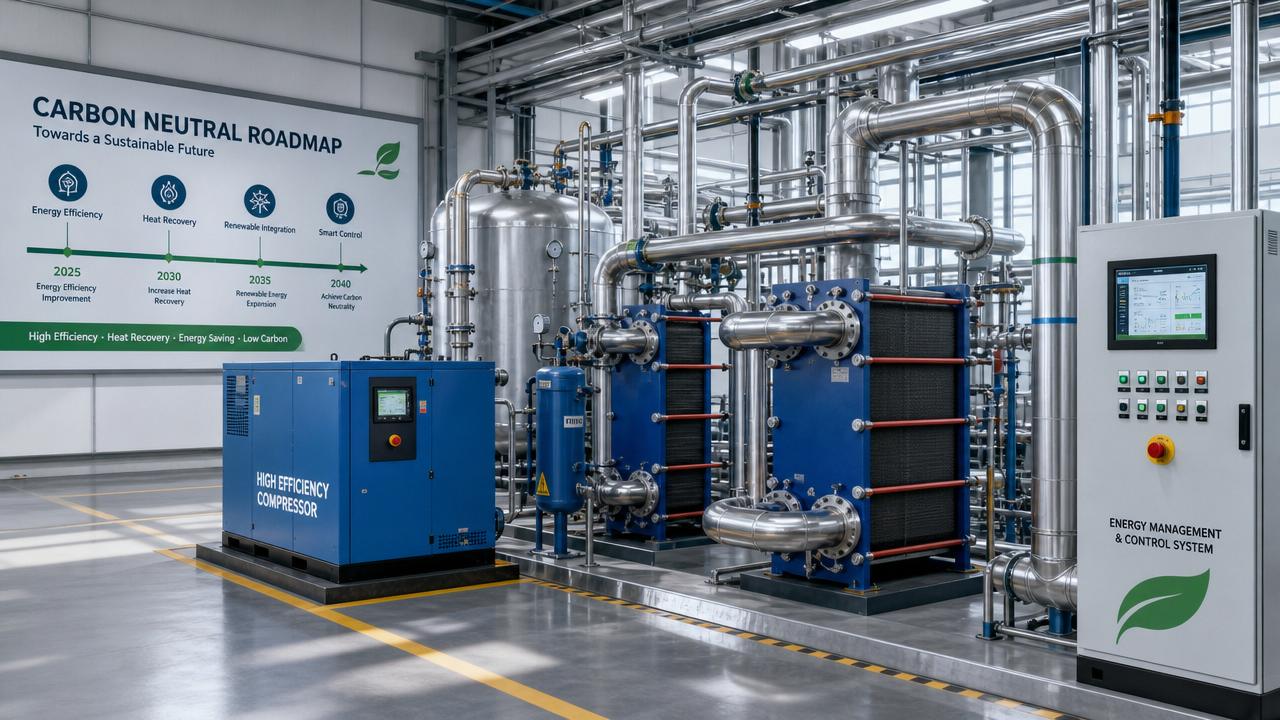
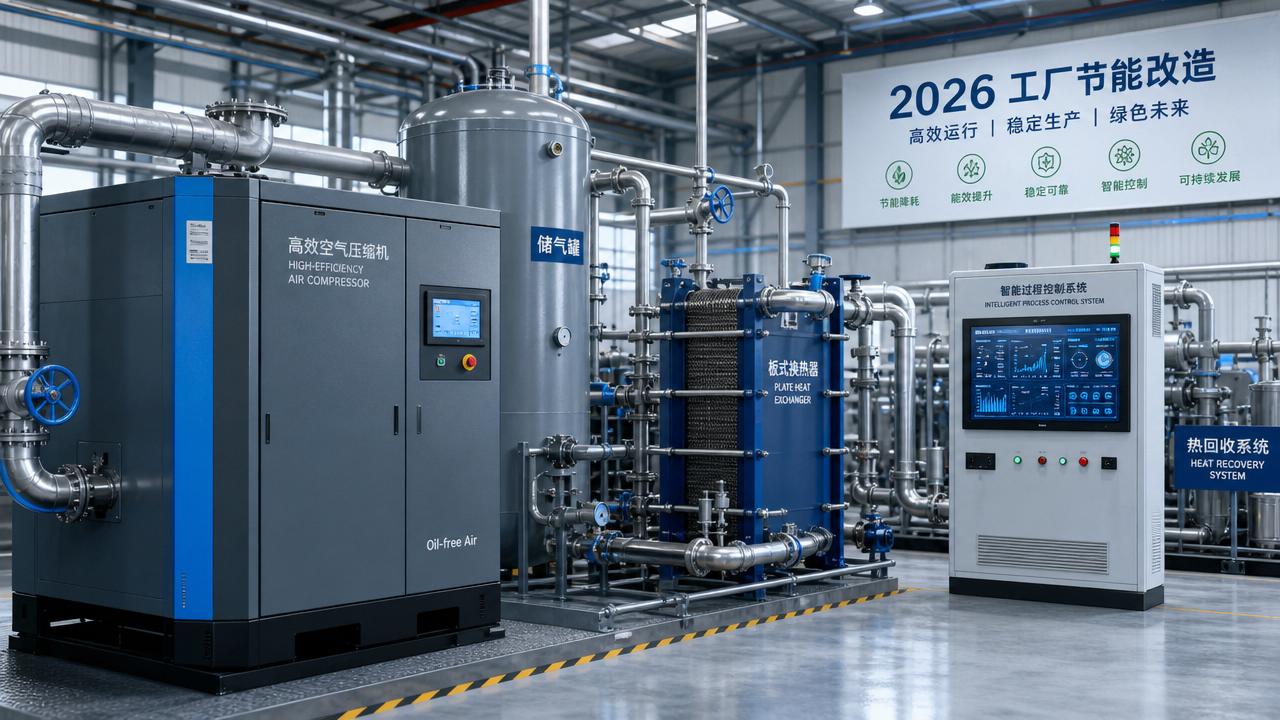
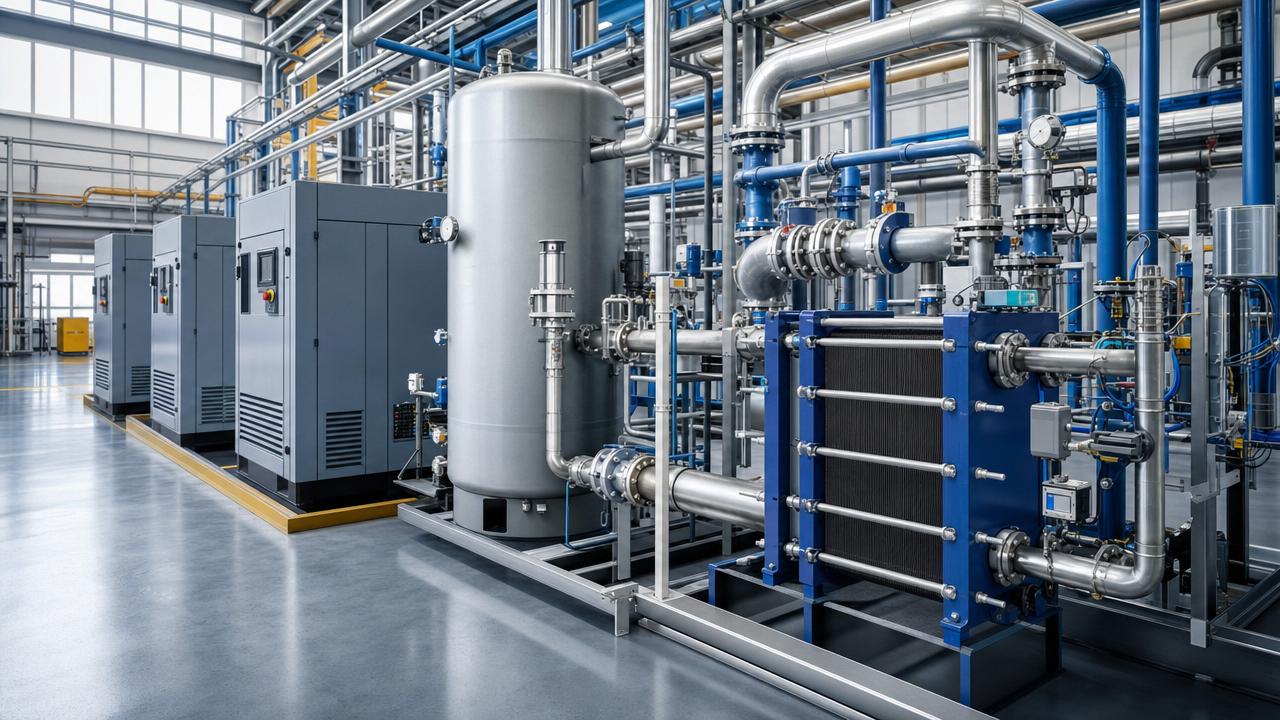
Thermal Power Systems Trends Reshaping 2026 Planning




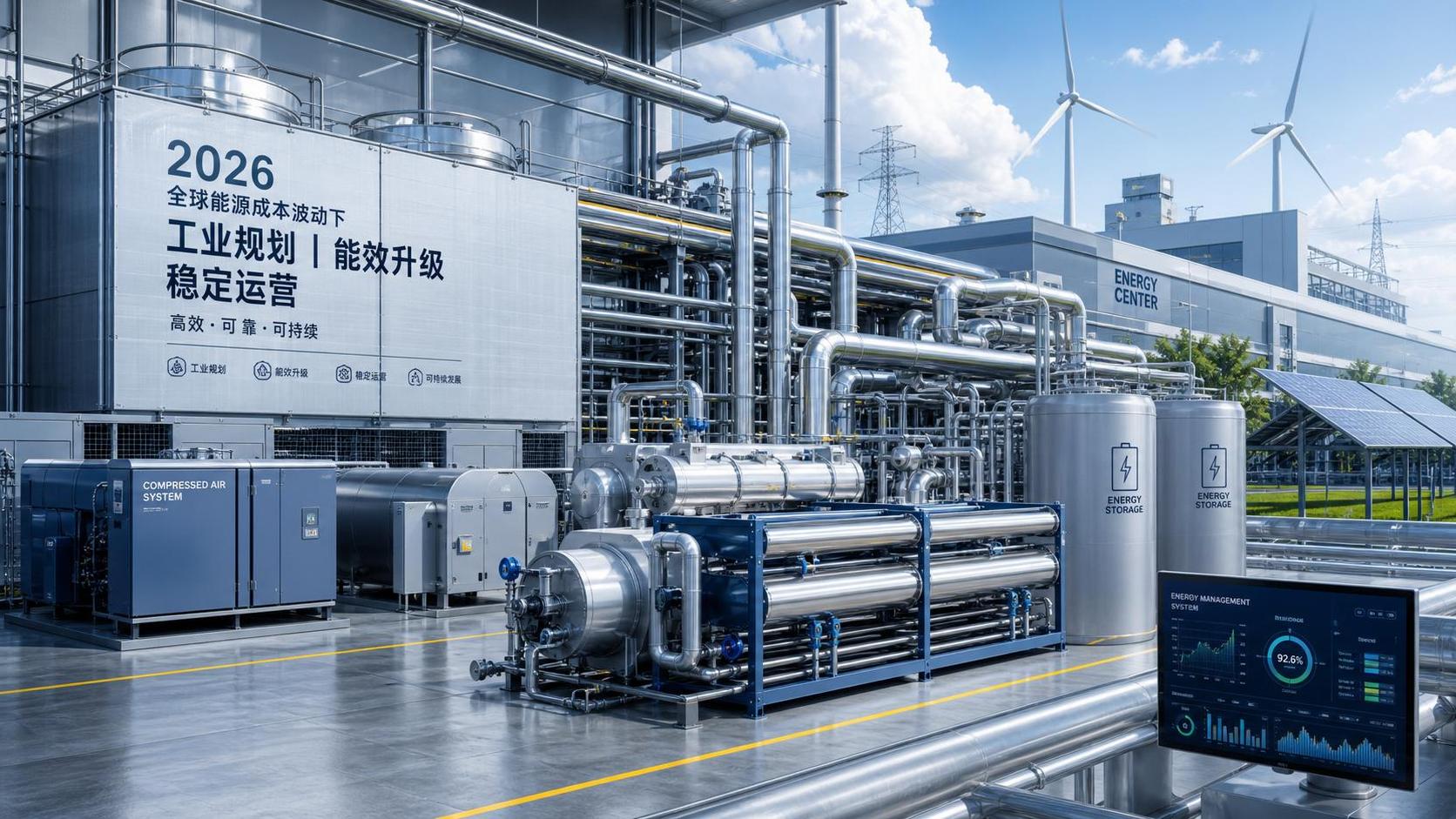
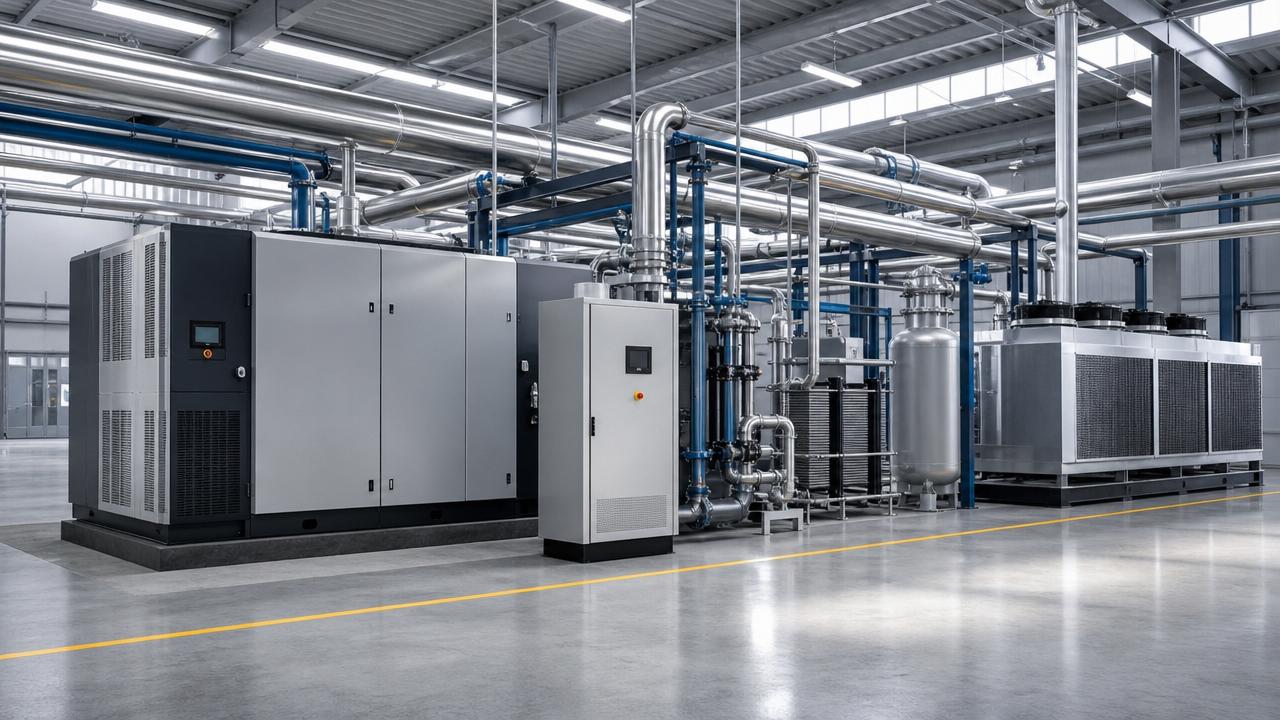
As 2026 planning accelerates, thermal power systems are no longer treated as background utilities. They now shape uptime, cost control, emissions strategy, and expansion timing across multiple industrial scenarios.
For global decision planning, thermal power systems matter because fuel volatility, carbon rules, heat recovery economics, and digital controls now move together. Better planning starts with understanding where these forces create risk or advantage.
Drawing on the intelligence perspective of GTC-Matrix, this article examines how thermal power systems trends affect different operating scenarios. The goal is practical judgment, not abstract forecasting.
Why scenario-based planning is now essential for thermal power systems
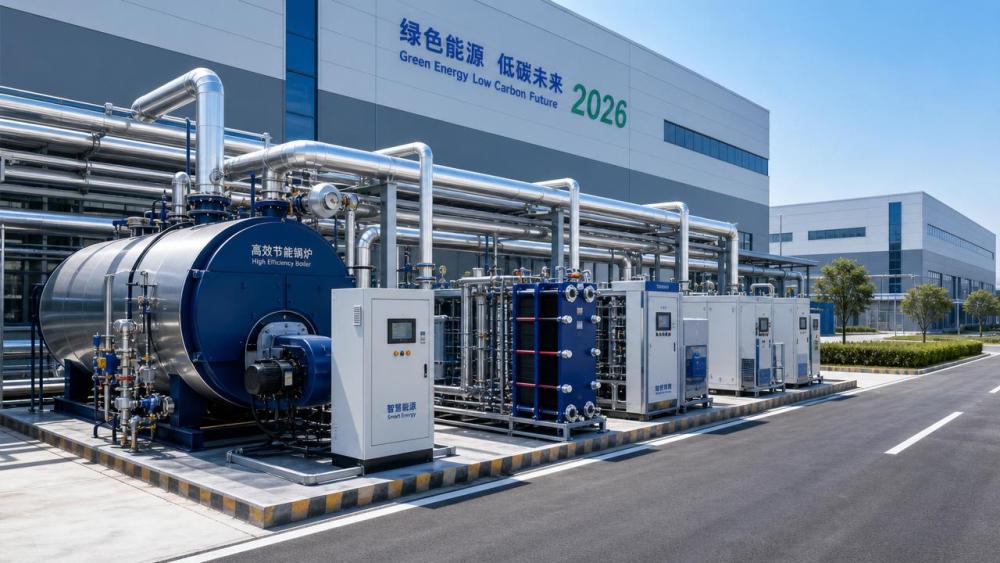
The biggest planning mistake for 2026 is treating all thermal power systems the same. A continuous chemical site, a food plant, and a data-driven electronics facility face very different thermal priorities.
In some scenarios, thermal power systems are judged by fuel flexibility. In others, the deciding factor is heat quality, steam stability, low-NOx compliance, or waste heat recovery potential.
This is why scenario thinking matters. It turns broad market trends into specific investment filters, helping organizations avoid underbuilt capacity, stranded assets, or overengineered upgrades.
Scenario 1: Energy-intensive production lines need efficiency with resilience
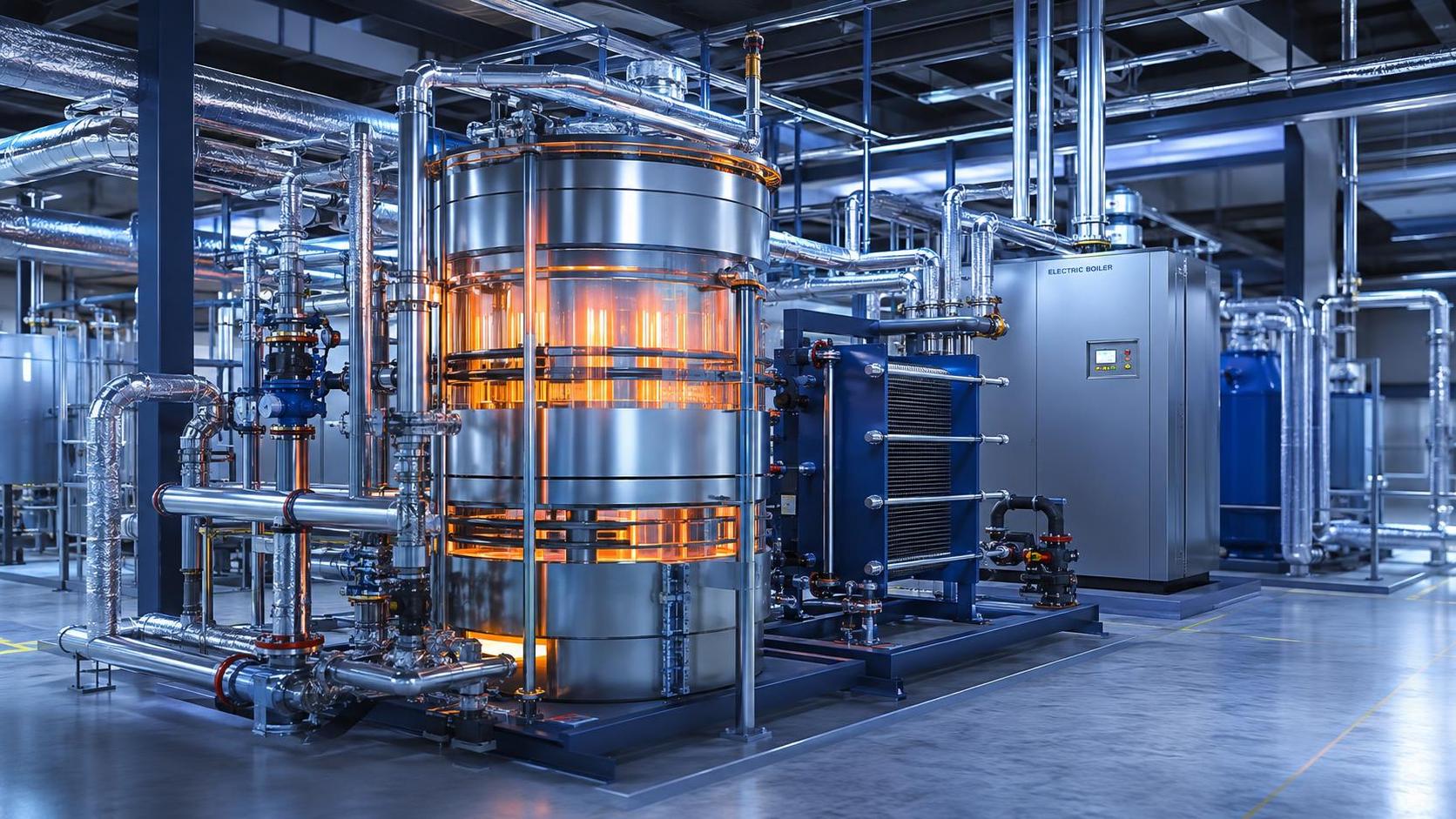
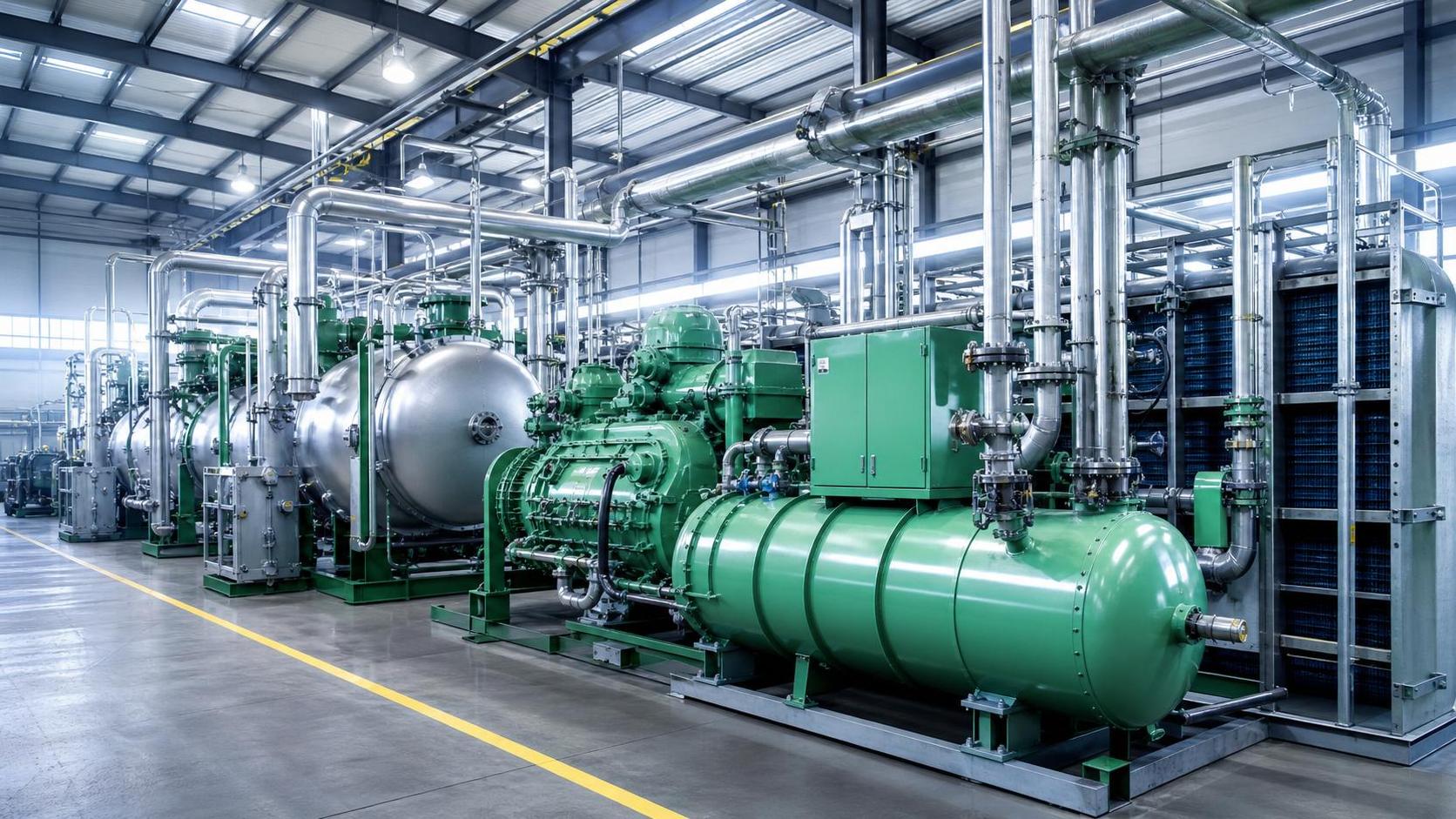
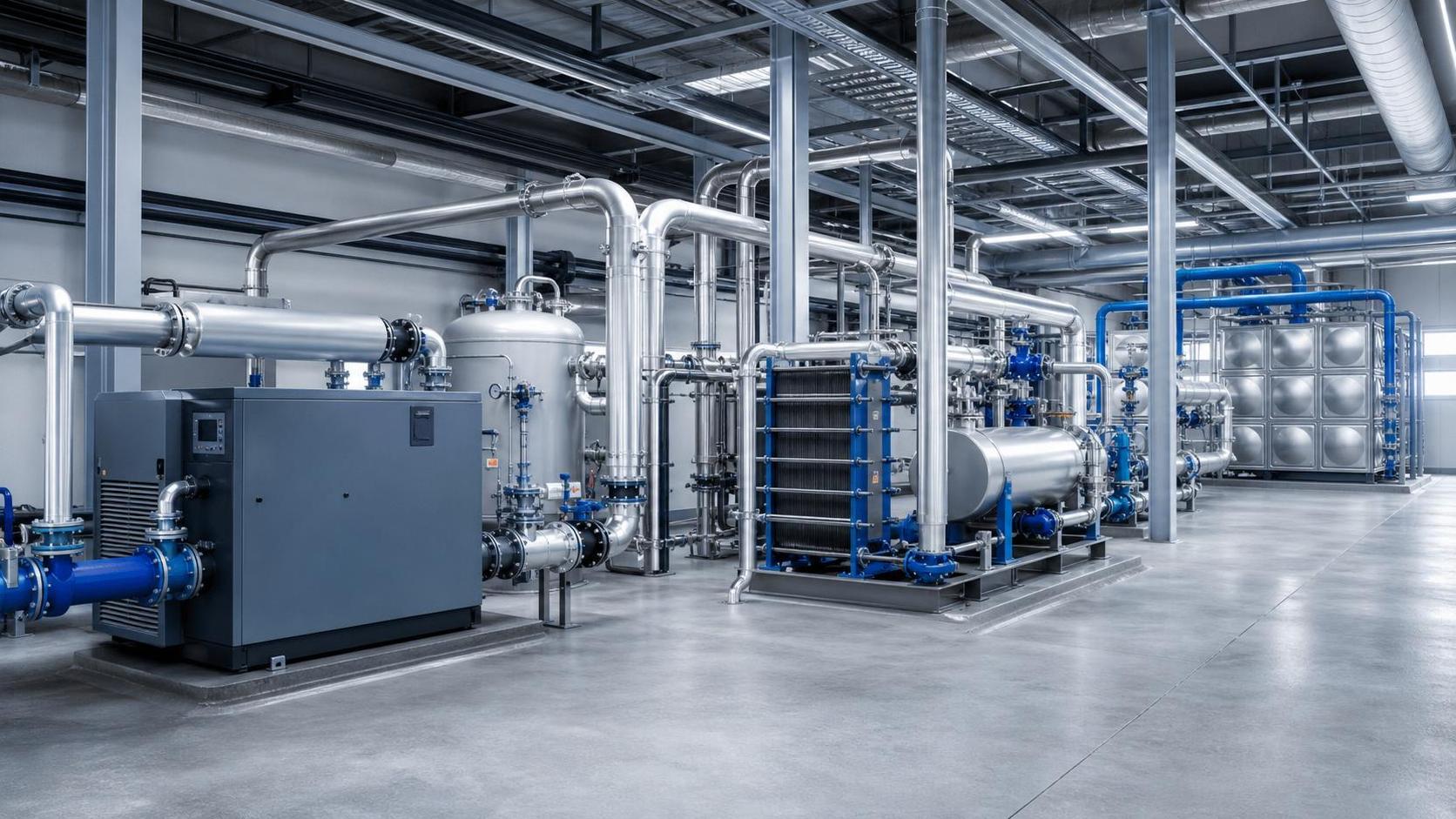
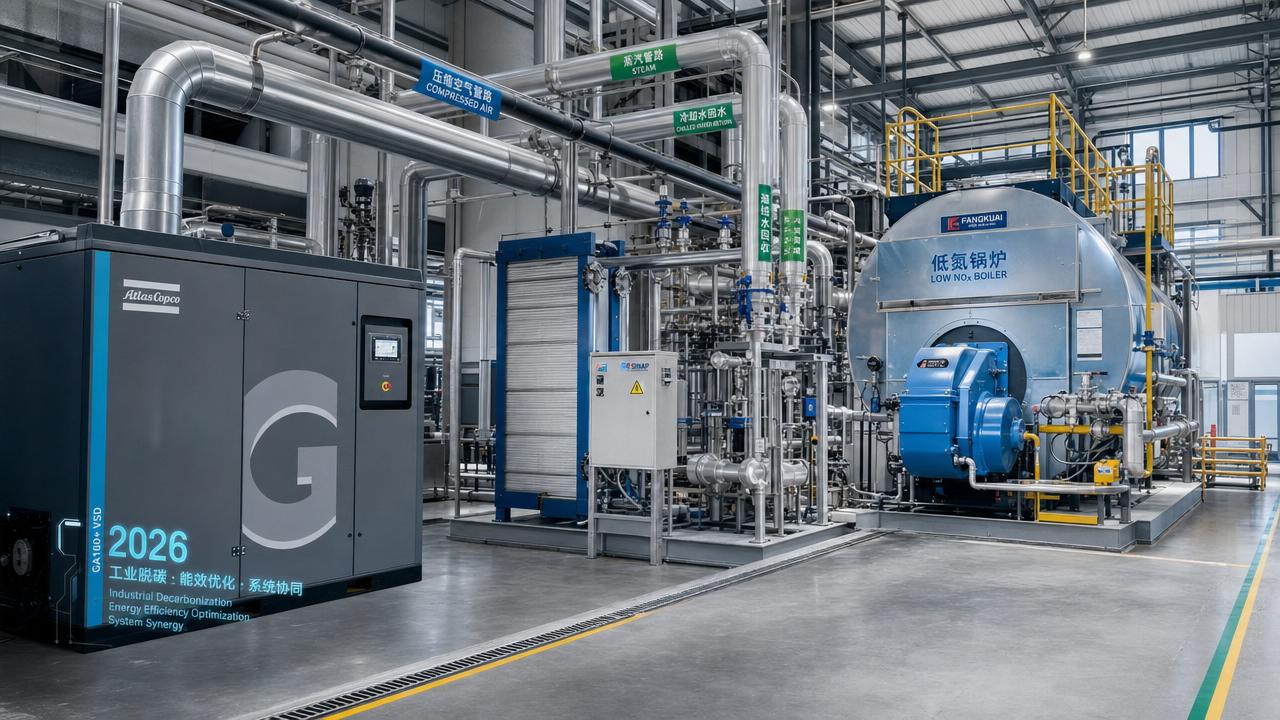
Heavy industrial operations remain a major field for thermal power systems planning. Steel, chemicals, paper, minerals, and large process manufacturing often depend on uninterrupted steam, hot water, or process heat.
In this scenario, thermal power systems are being reshaped by three linked pressures. Energy prices remain uncertain, emissions reporting is tightening, and downtime costs are rising faster than fuel costs.
Core judgment points
- Can existing boilers or CHP units handle mixed fuel strategies?
- Is waste heat being reused across compression, drying, or preheating stages?
- Does the control architecture support demand swings without efficiency collapse?
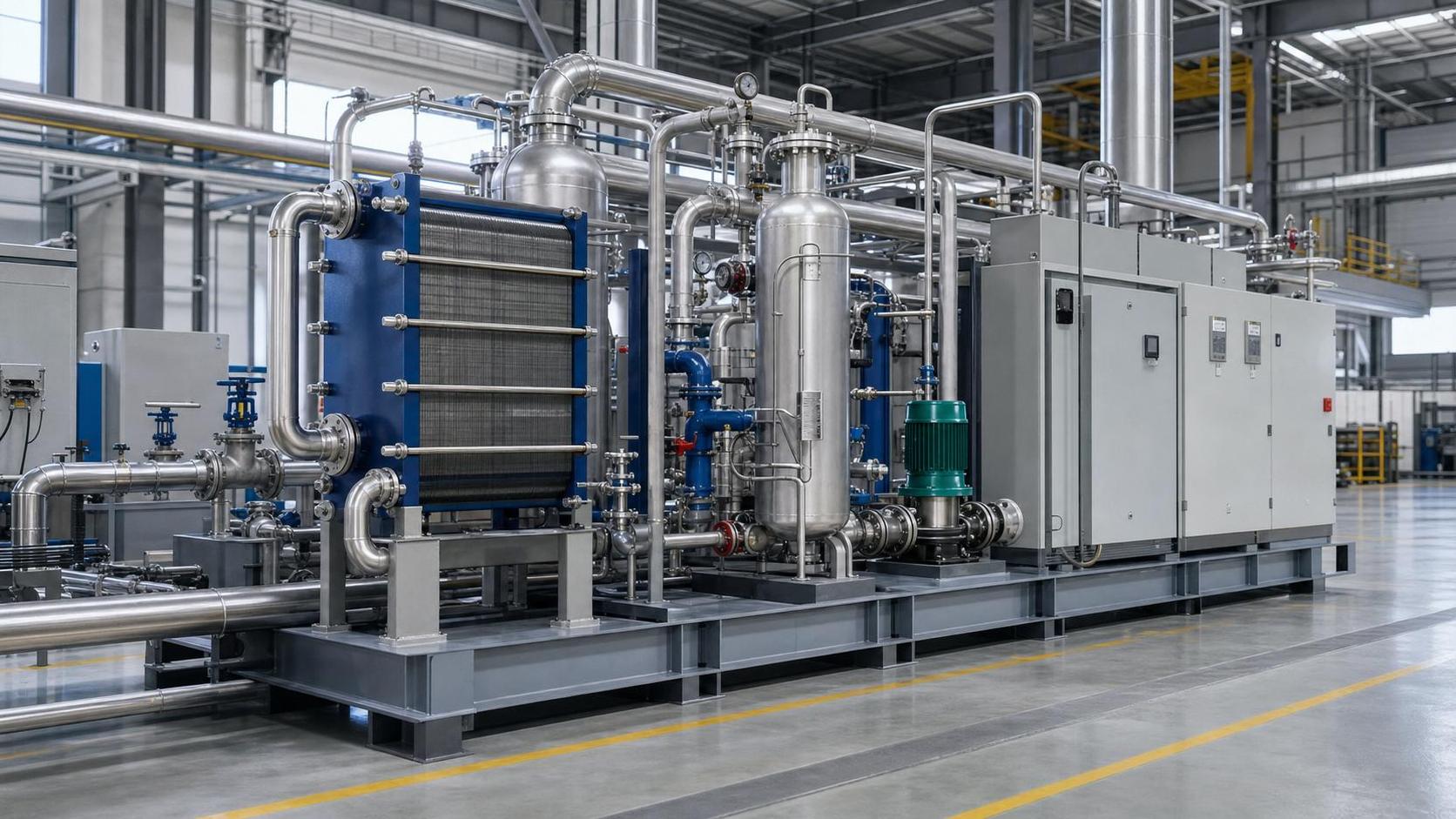
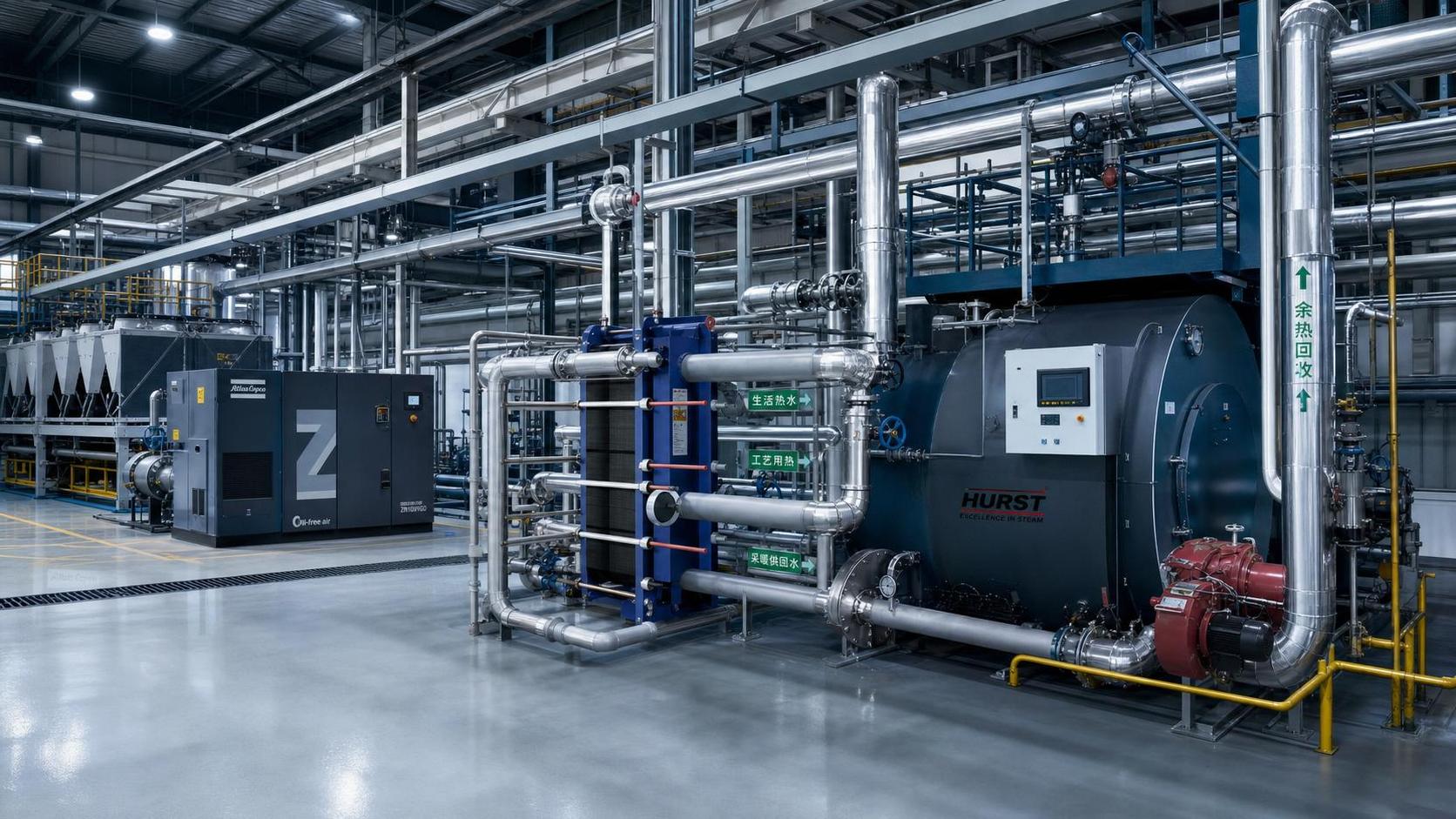
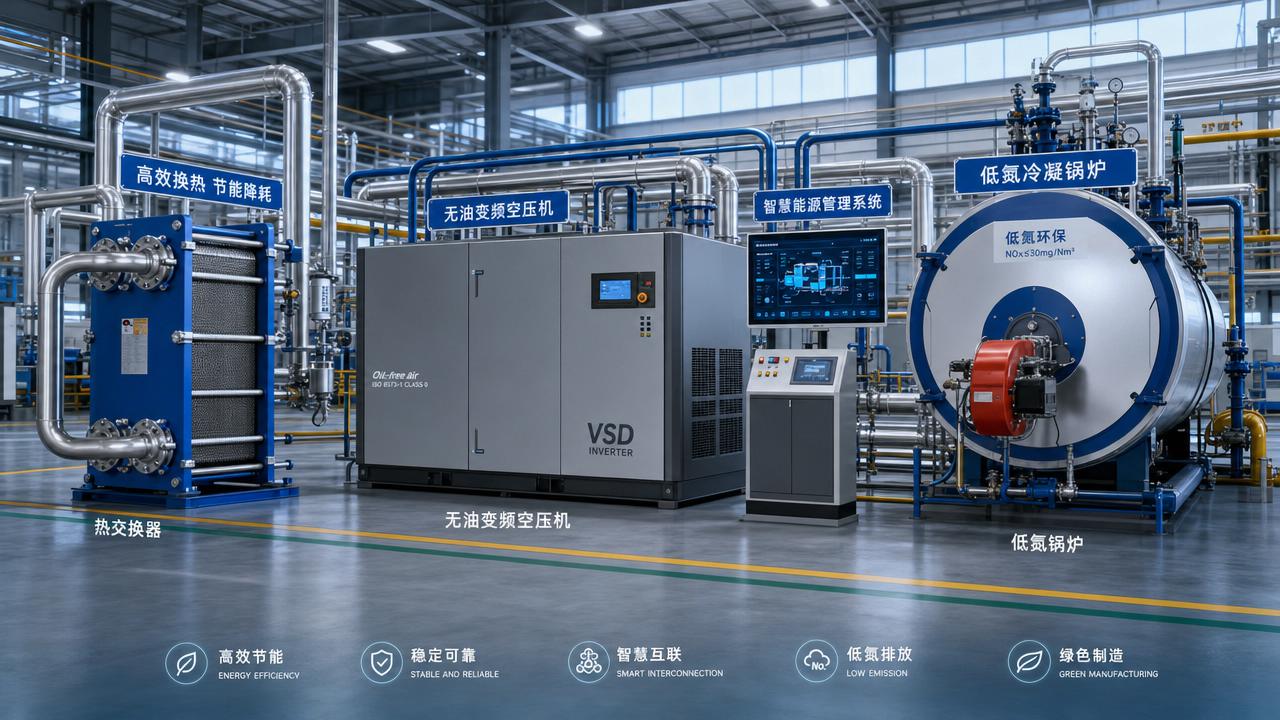
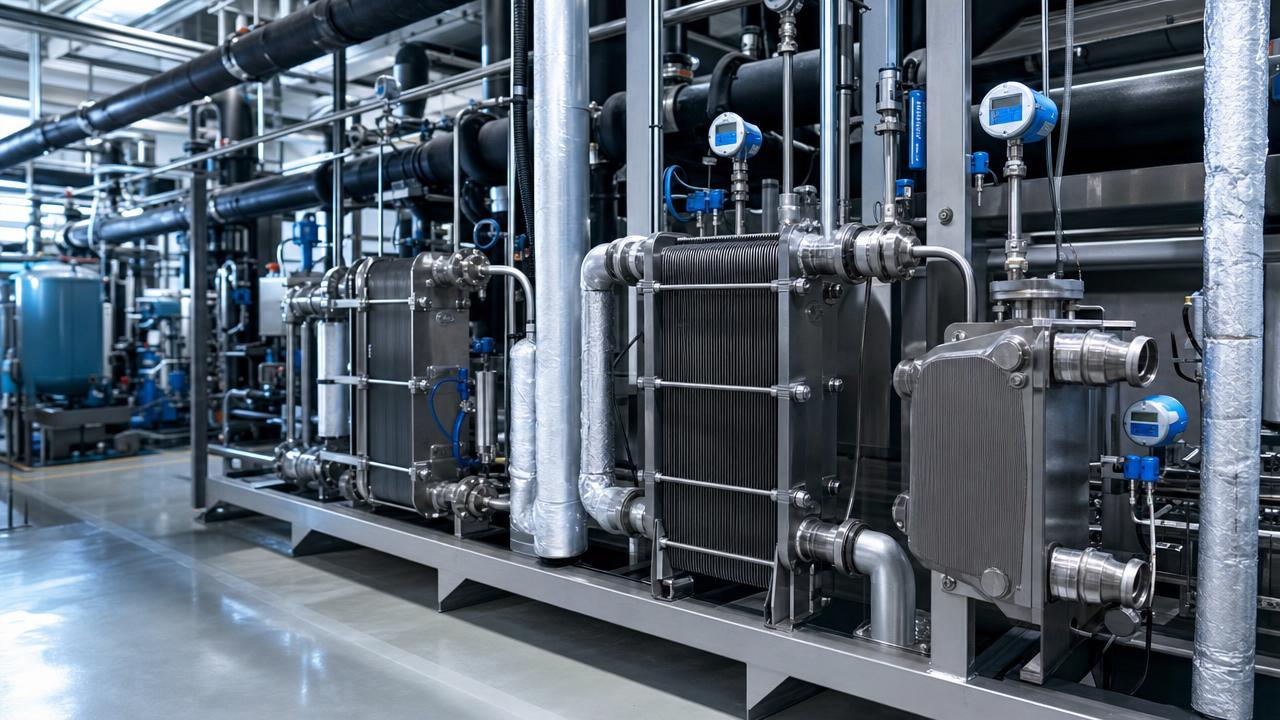
For this scenario, thermal power systems upgrades often create value through burner retrofits, heat exchanger optimization, condensate recovery, and integrated monitoring of steam and compressed air loads.
Scenario 2: Clean manufacturing needs thermal precision, not just thermal output
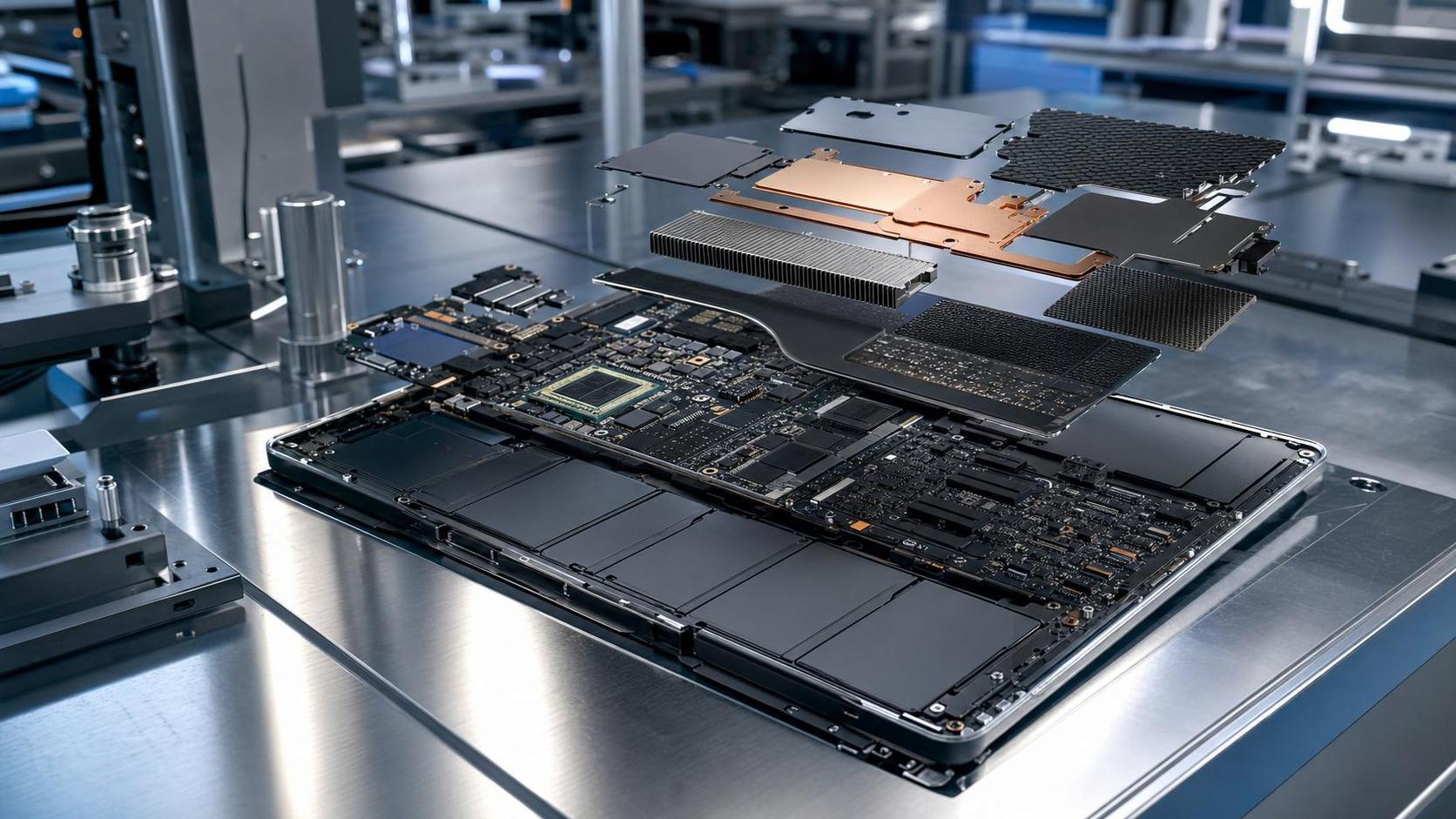
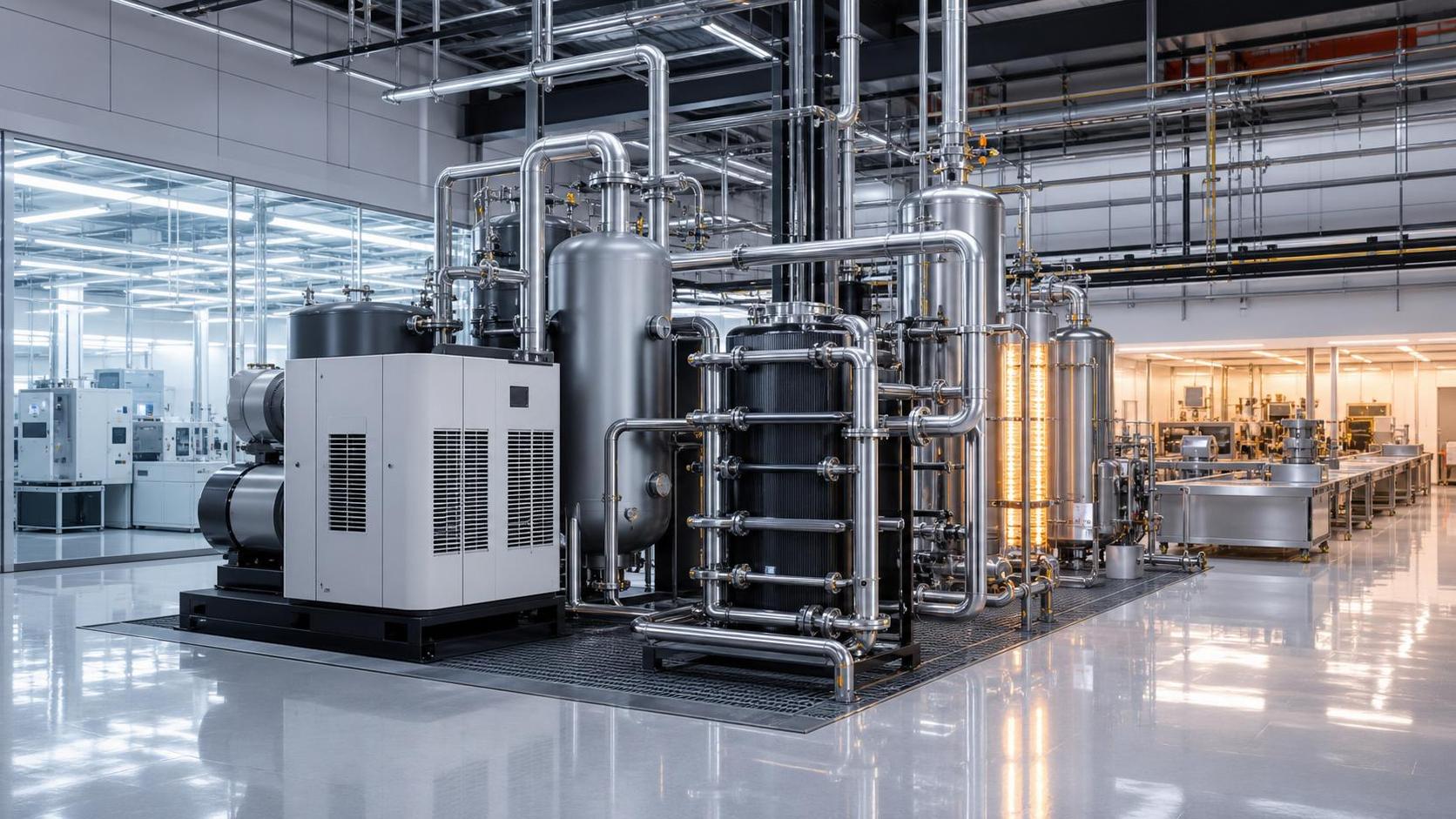
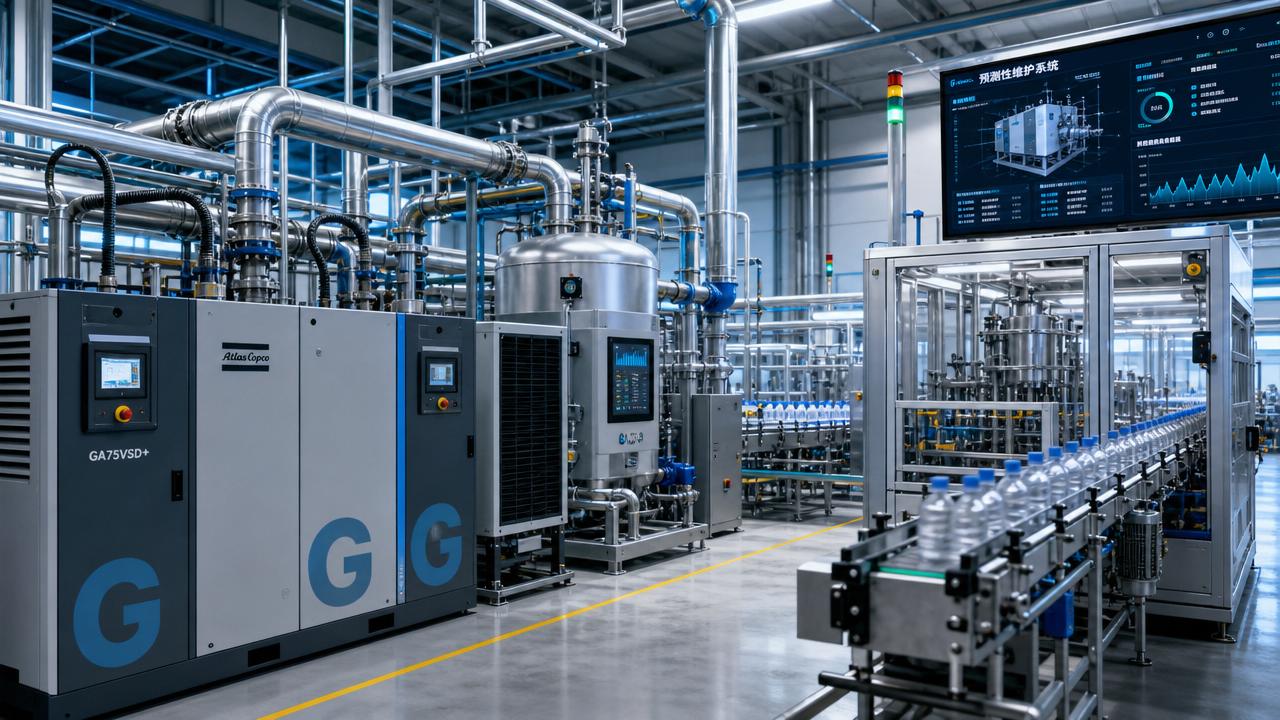
Pharmaceutical, semiconductor, biotech, and advanced food processing environments face a different thermal challenge. Here, thermal power systems must deliver consistent temperature control, cleanliness, and stable utility performance.
A simple capacity increase is rarely enough. If thermal power systems cause contamination risk, humidity instability, or fluctuating heat transfer, production quality can decline even when energy supply appears adequate.
Core judgment points
- Do thermal interfaces support precise and repeatable process temperatures?
- Are oil-free compression and clean heat exchange requirements aligned?
- Can maintenance occur without disrupting validated environments?
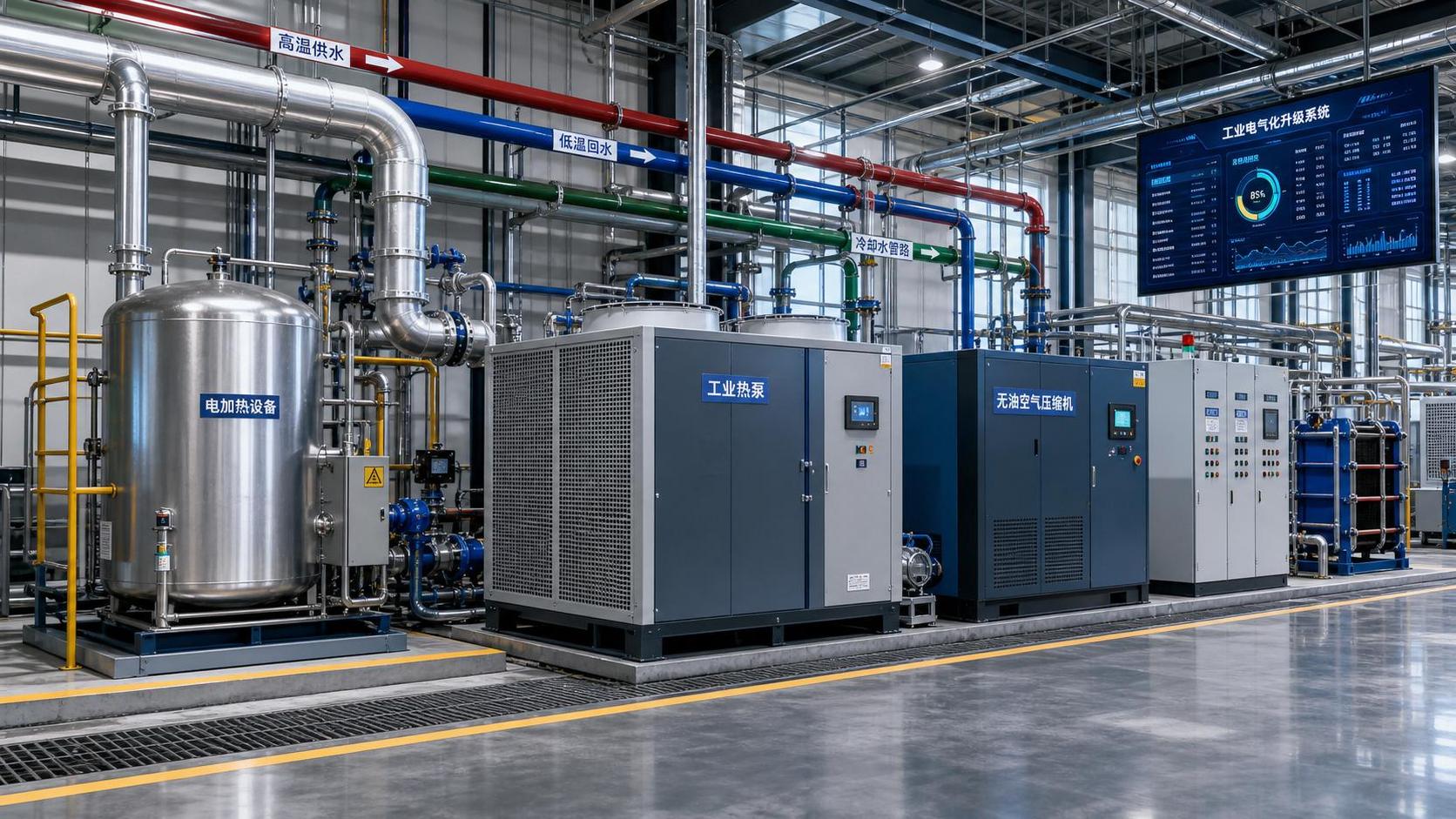
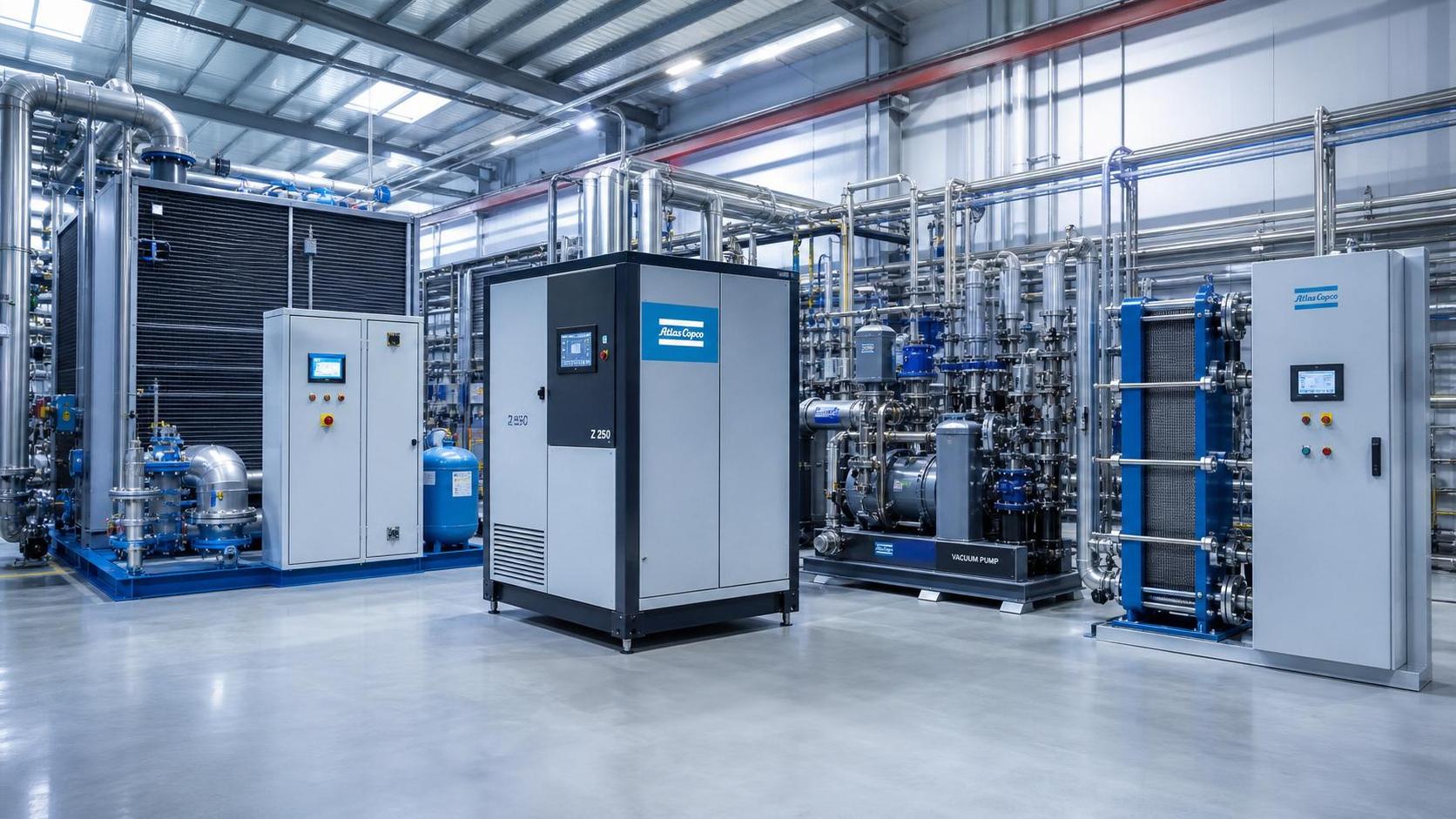
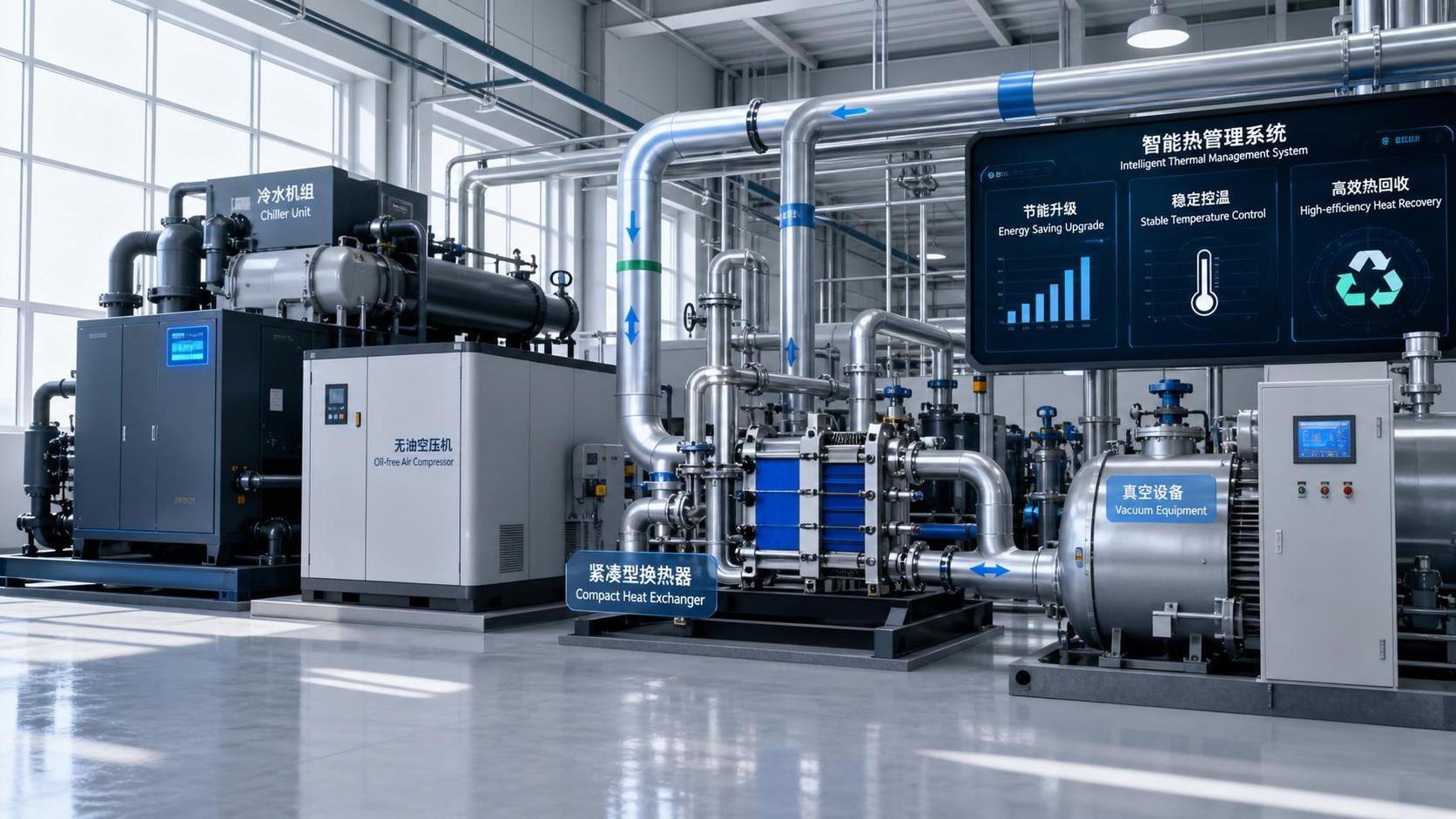
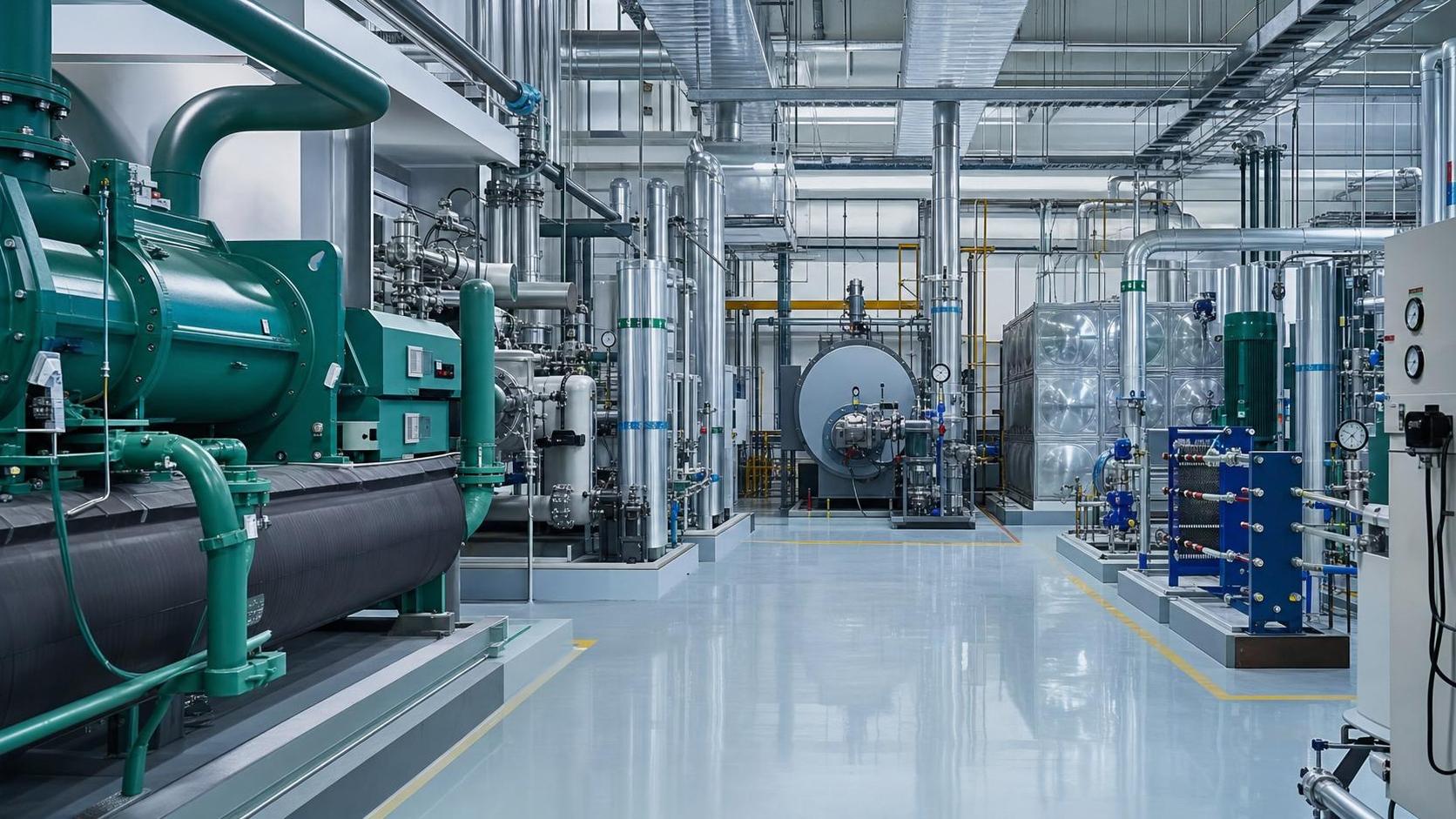
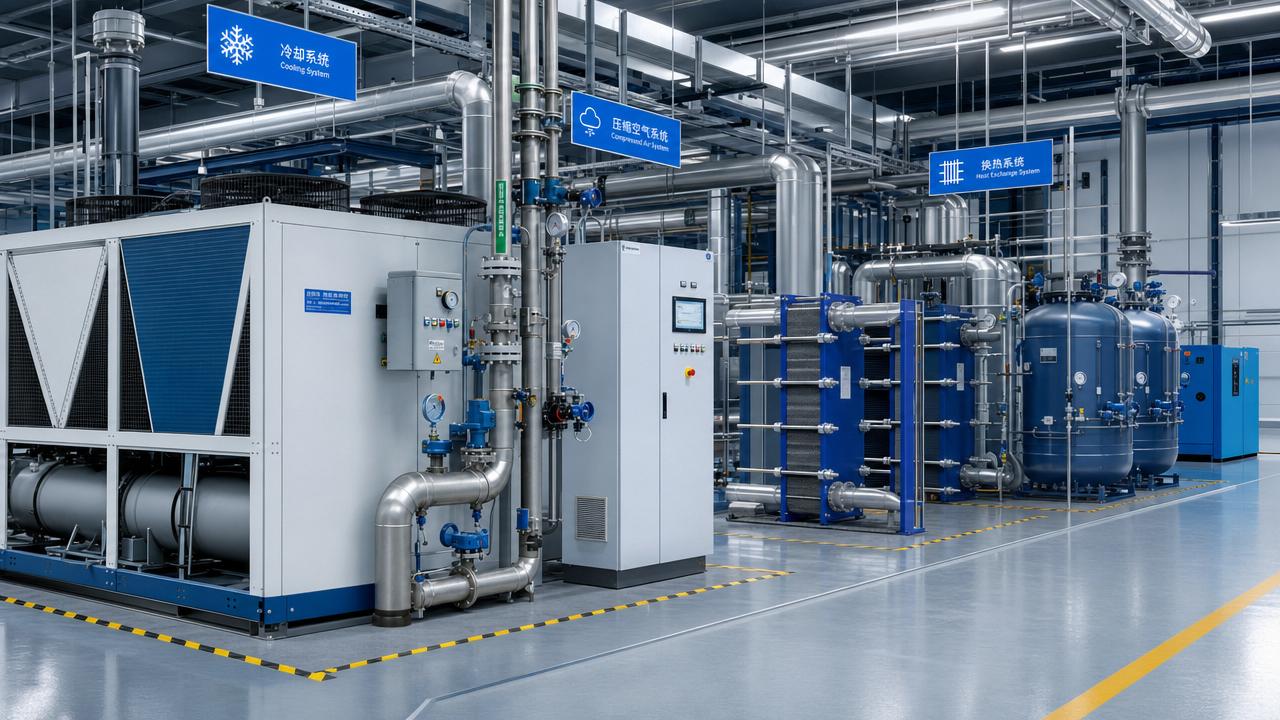
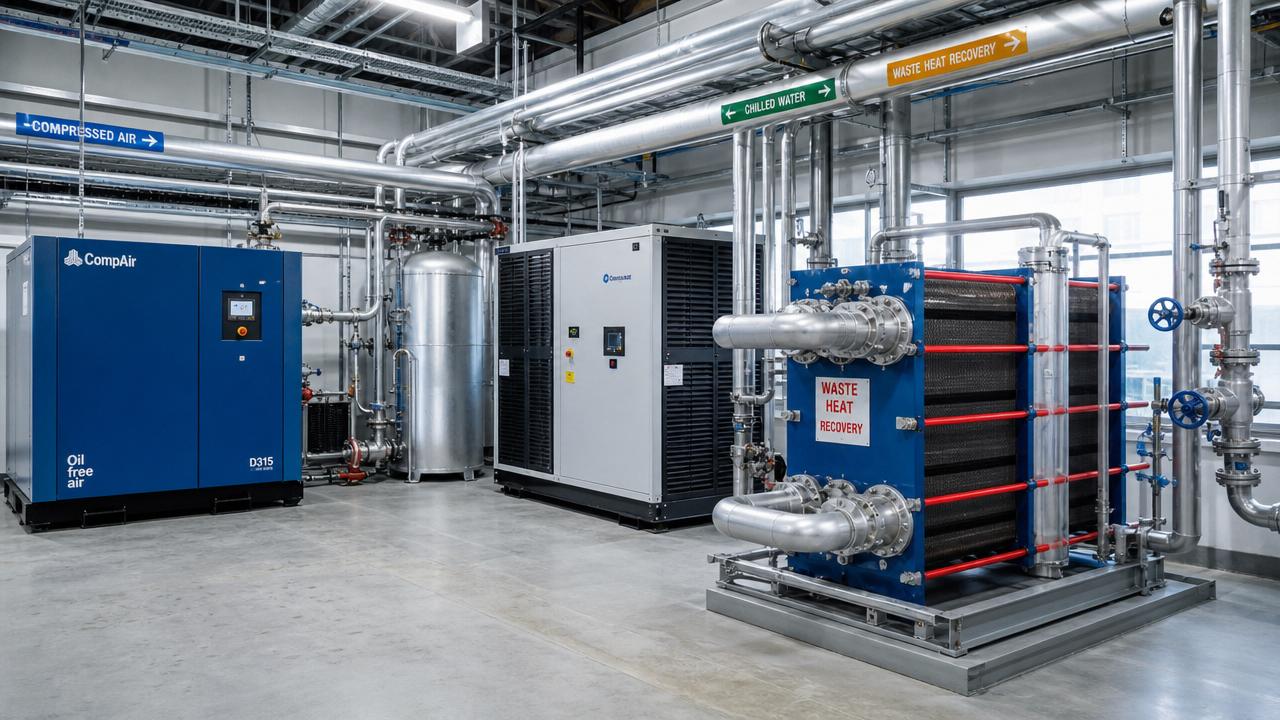
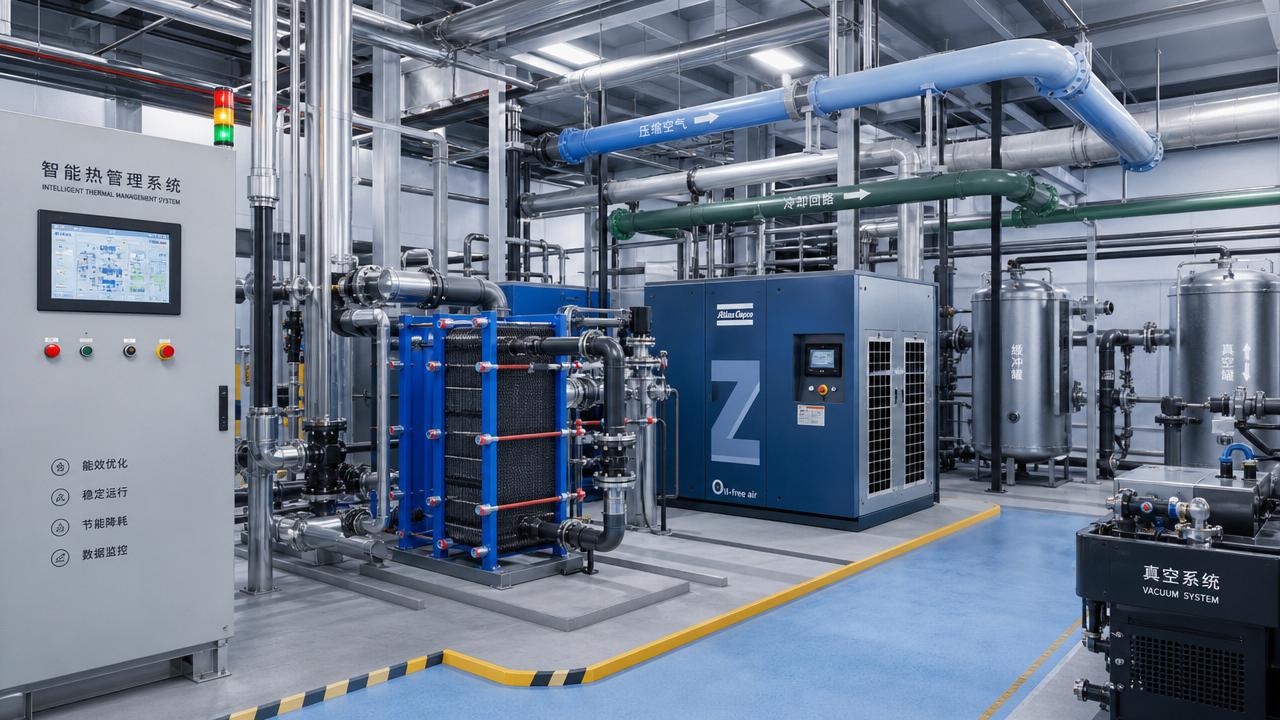
In this scenario, thermal power systems planning increasingly links boilers, chillers, heat exchangers, and vacuum processes into one quality-critical utility network rather than separate mechanical assets.
Scenario 3: Carbon-constrained sites need thermal power systems that are future-flexible
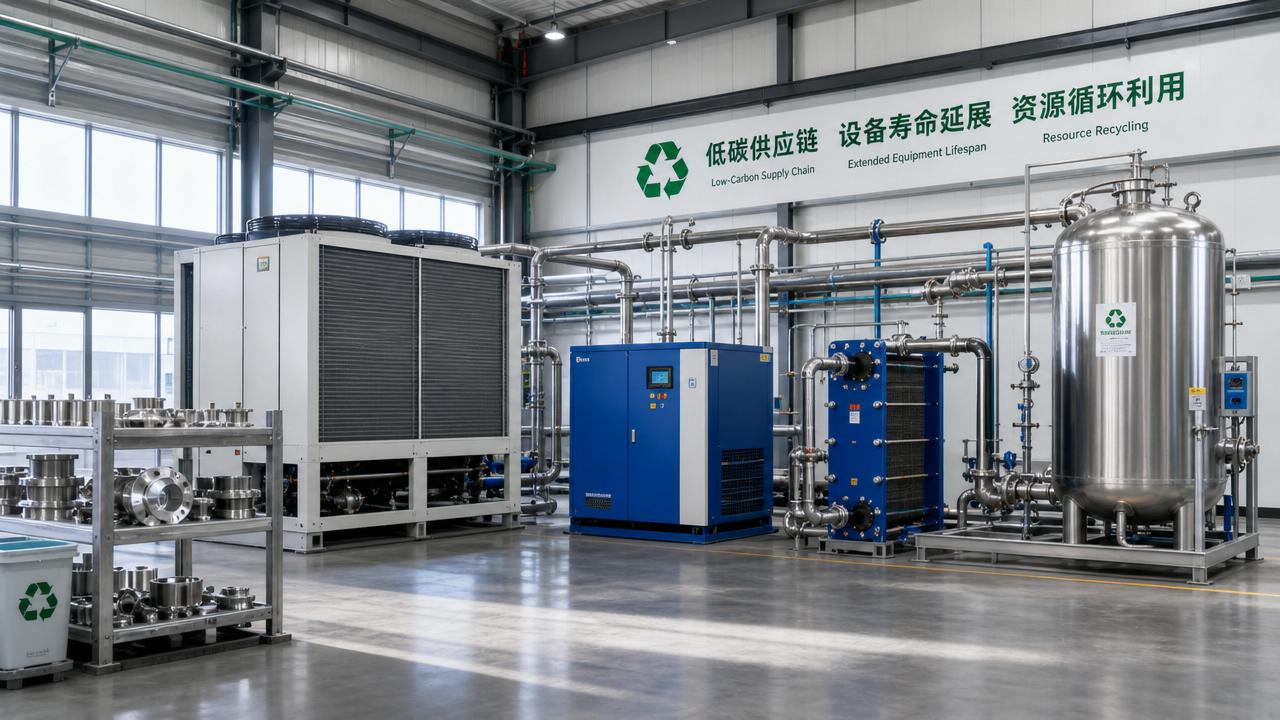
Facilities operating under stricter emissions frameworks face a planning environment defined by uncertainty. Thermal power systems must perform today while staying adaptable for refrigerant rules, carbon pricing, and combustion standards.
This scenario is especially relevant where gas supply economics are changing, electrification incentives are growing, or low-NOx requirements are altering equipment selection and retrofit timing.
Core judgment points
- How exposed are thermal power systems to future fuel or emissions compliance costs?
- Can assets be upgraded in stages instead of replaced all at once?
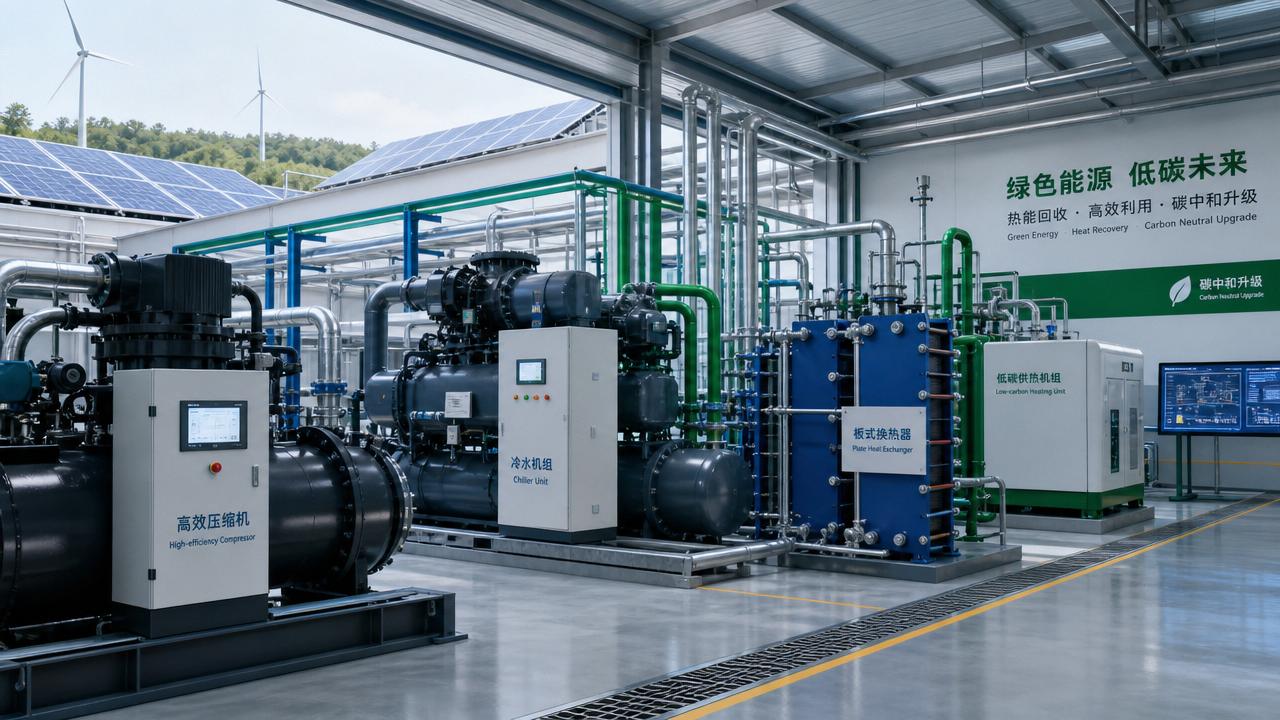
- Is there a realistic path for heat recovery, hybridization, or decarbonized fuels?
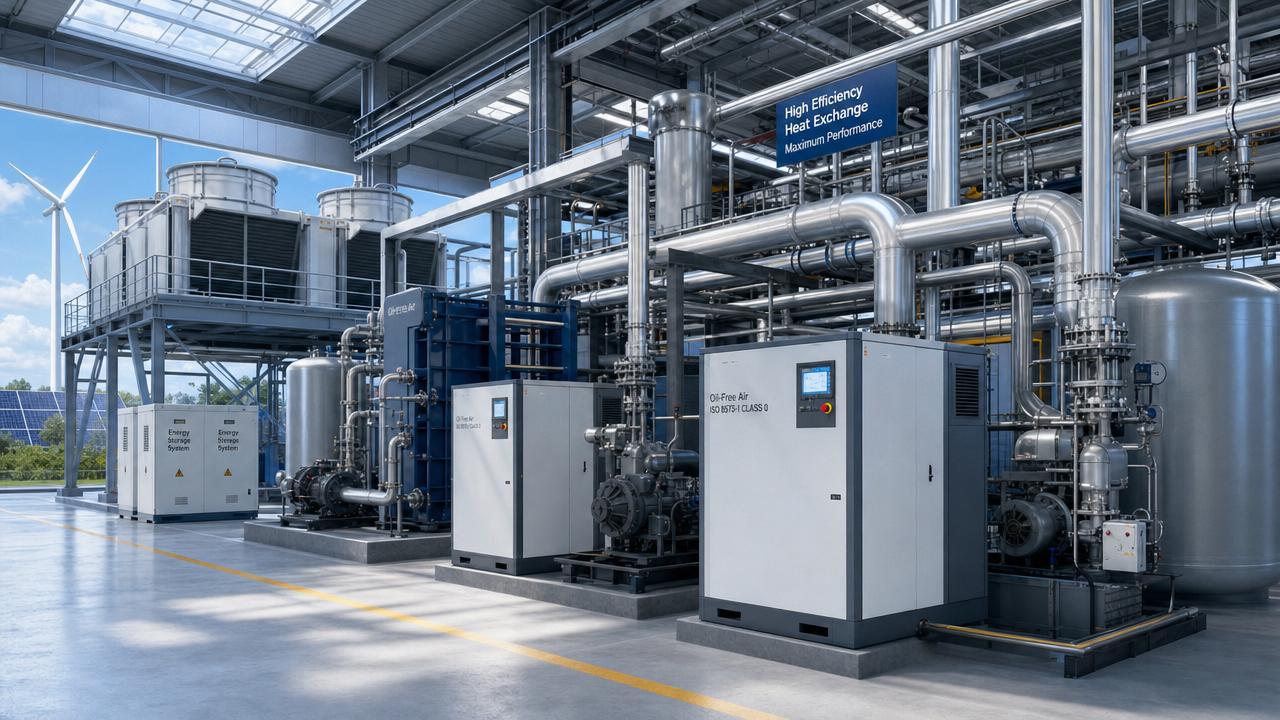
For 2026 planning, future-flexible thermal power systems often outperform lowest-cost installations. Optionality now has financial value because compliance and energy risk can shift quickly across regions.
Scenario 4: Distributed operations need thermal power systems that scale intelligently
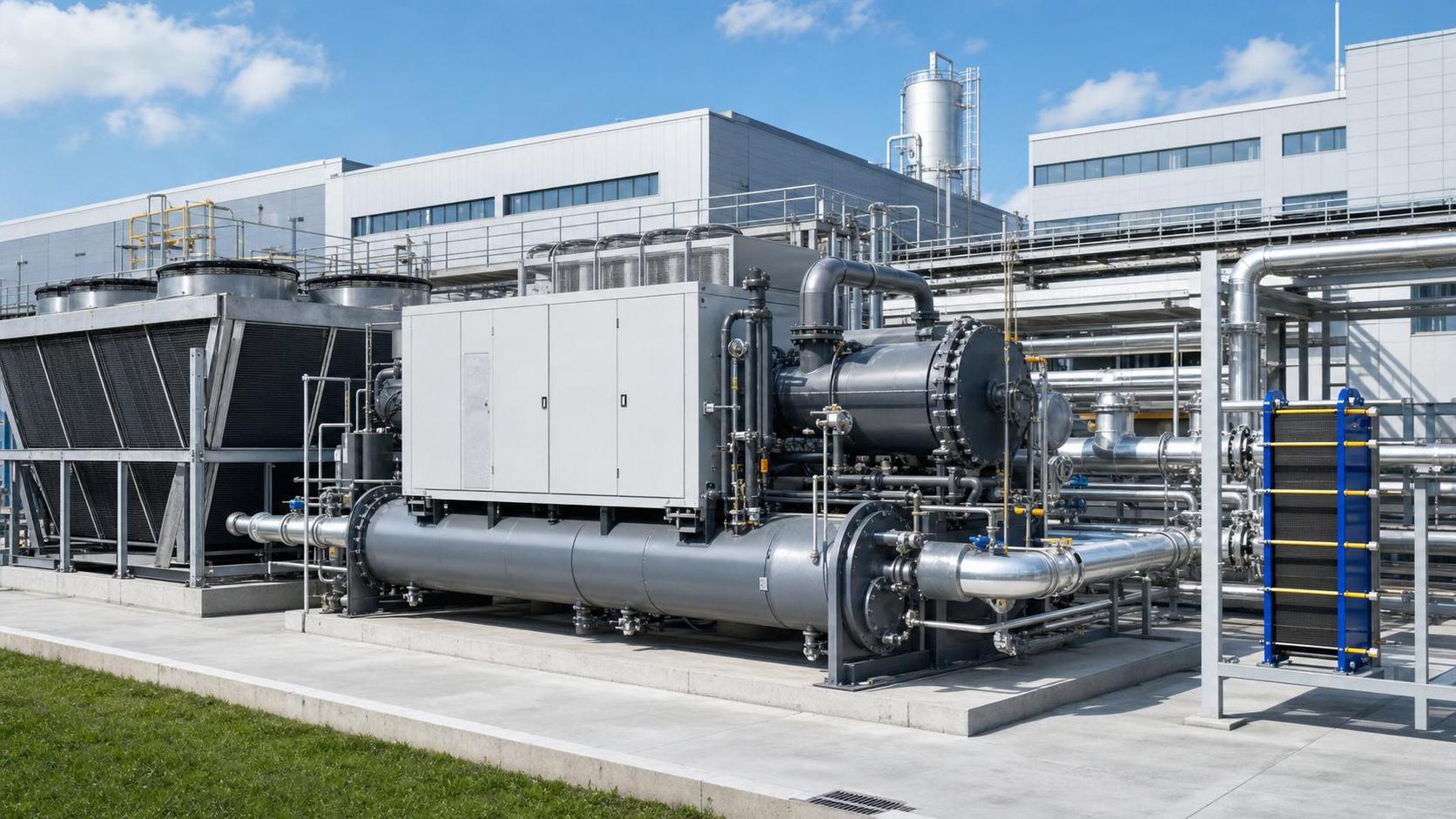
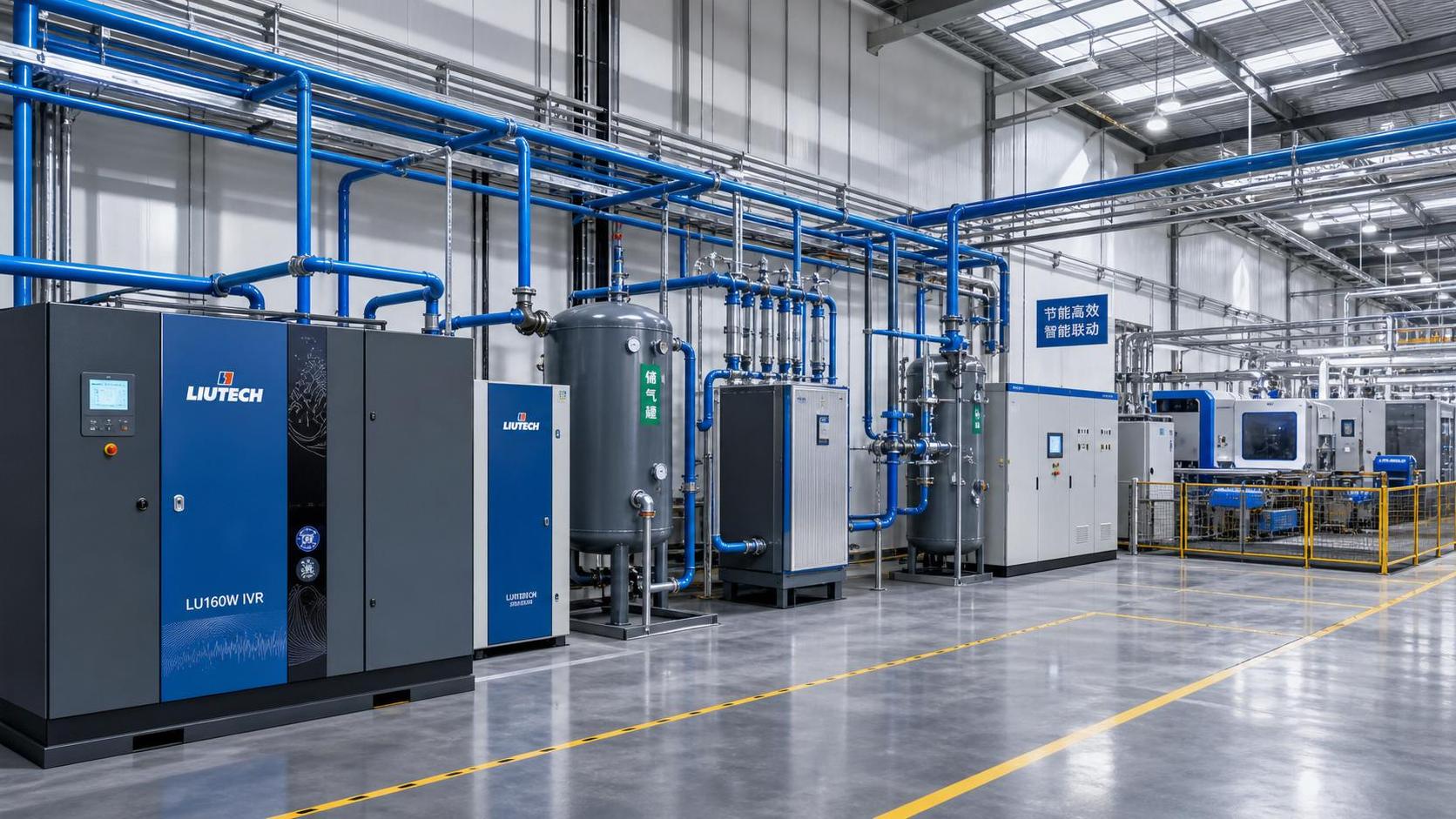
Warehousing, district energy nodes, modular production sites, and multi-site industrial networks face another planning pattern. Their thermal power systems must scale across locations with different climates, loads, and maintenance conditions.
In these environments, standardization matters as much as efficiency. Thermal power systems that are difficult to replicate or remotely monitor can create uneven performance and service complexity.
Core judgment points
- Are controls, spare parts, and service logic consistent across sites?
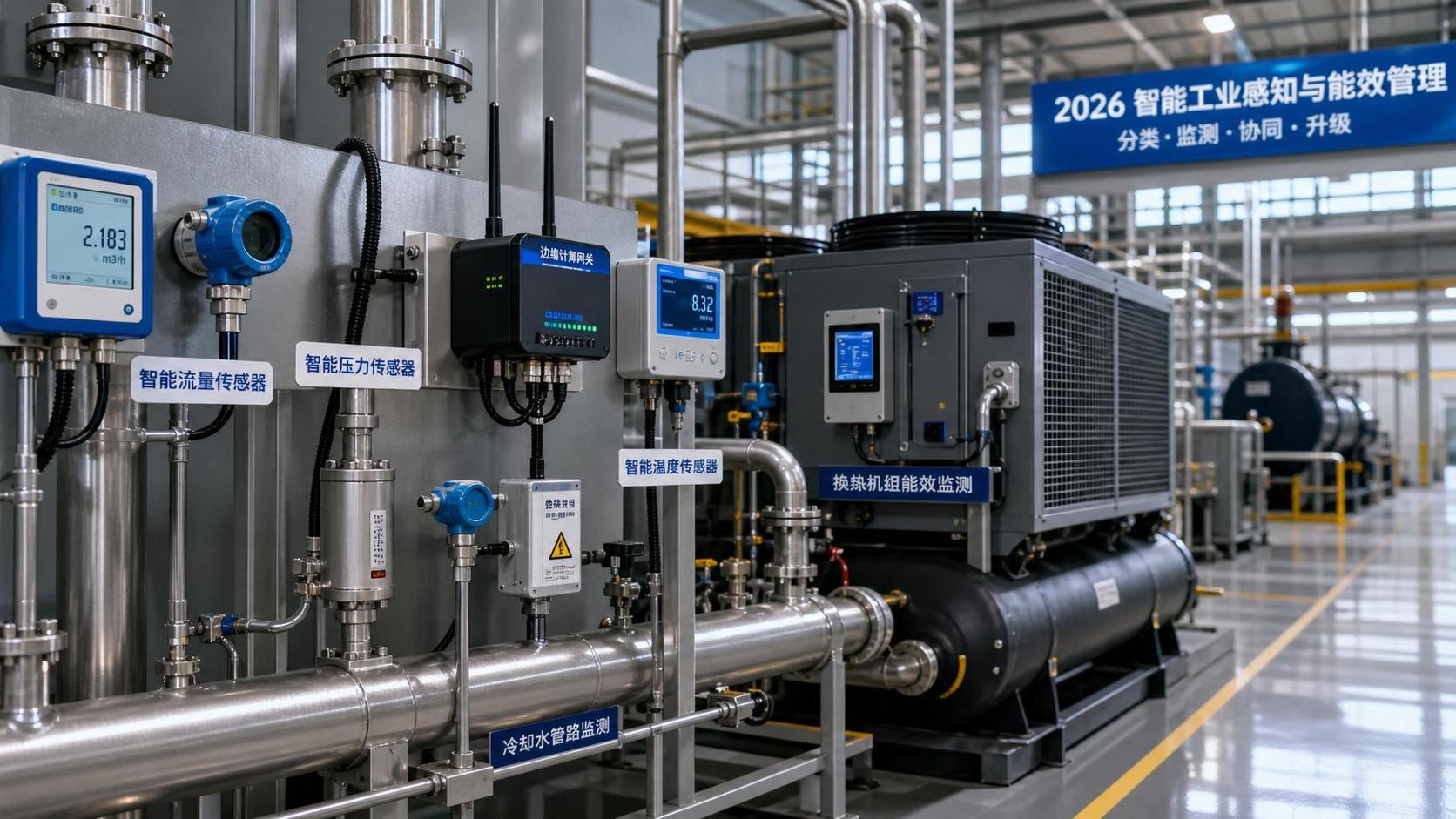
- Can thermal power systems be monitored centrally with actionable analytics?
- Does the design support phased expansion without oversized idle capacity?
This is where digital visibility, modular heat exchange design, and integrated compression-thermal intelligence become strategic. GTC-Matrix closely tracks these intersections because they shape scalable energy performance.
How scenario needs differ across thermal power systems applications
Practical adaptation moves for 2026 thermal power systems planning
Strong 2026 plans usually combine technical review with scenario ranking. Instead of starting with equipment replacement, start with value concentration and system interaction.
- Map thermal loads by process criticality, not only by total demand.
- Identify where thermal power systems interact with compression, cooling, and vacuum utilities.
- Test heat recovery economics under multiple fuel and operating assumptions.
- Prioritize retrofit-ready assets where compliance rules may tighten.
- Use monitoring data to separate real bottlenecks from perceived capacity shortages.
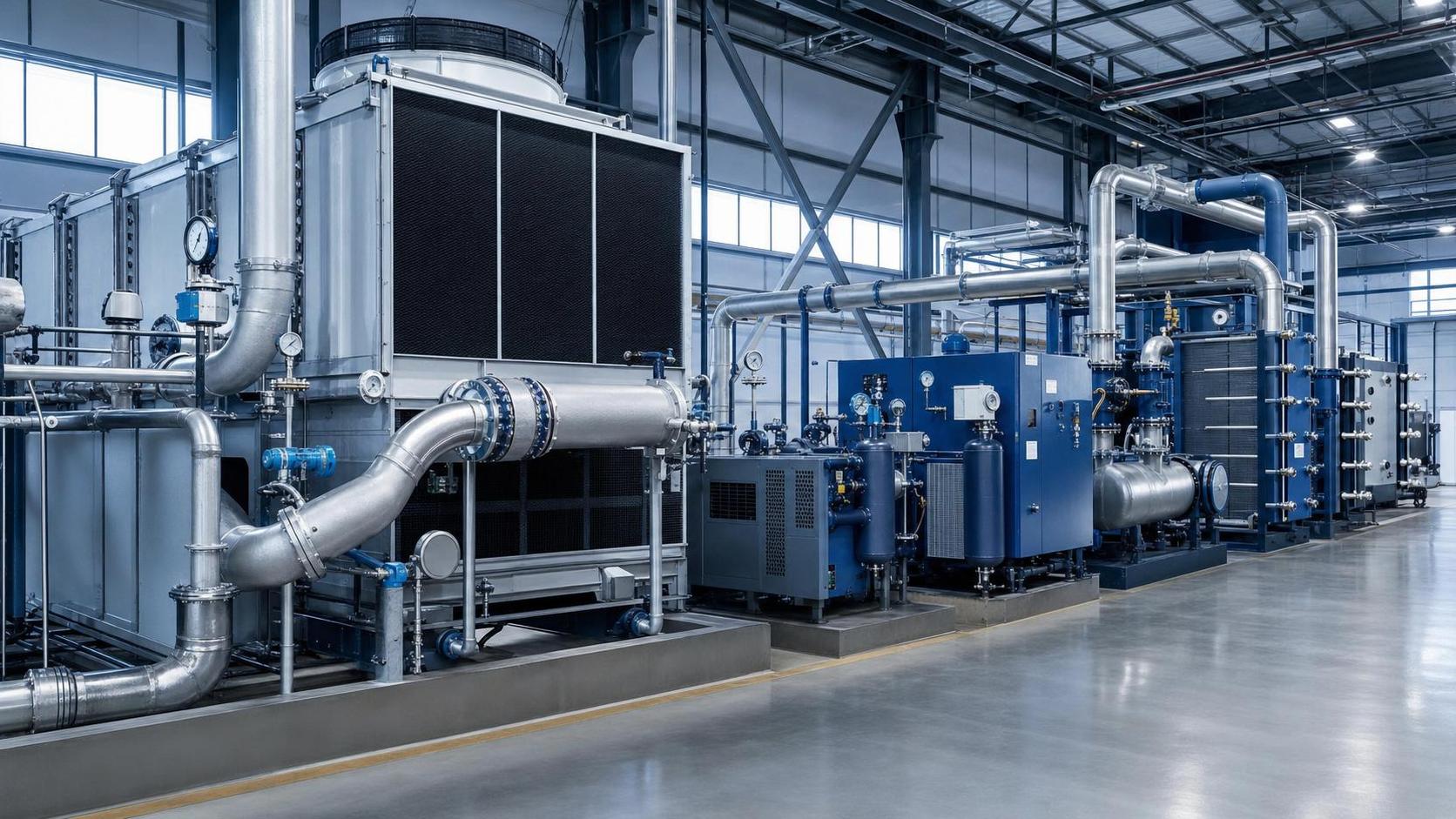
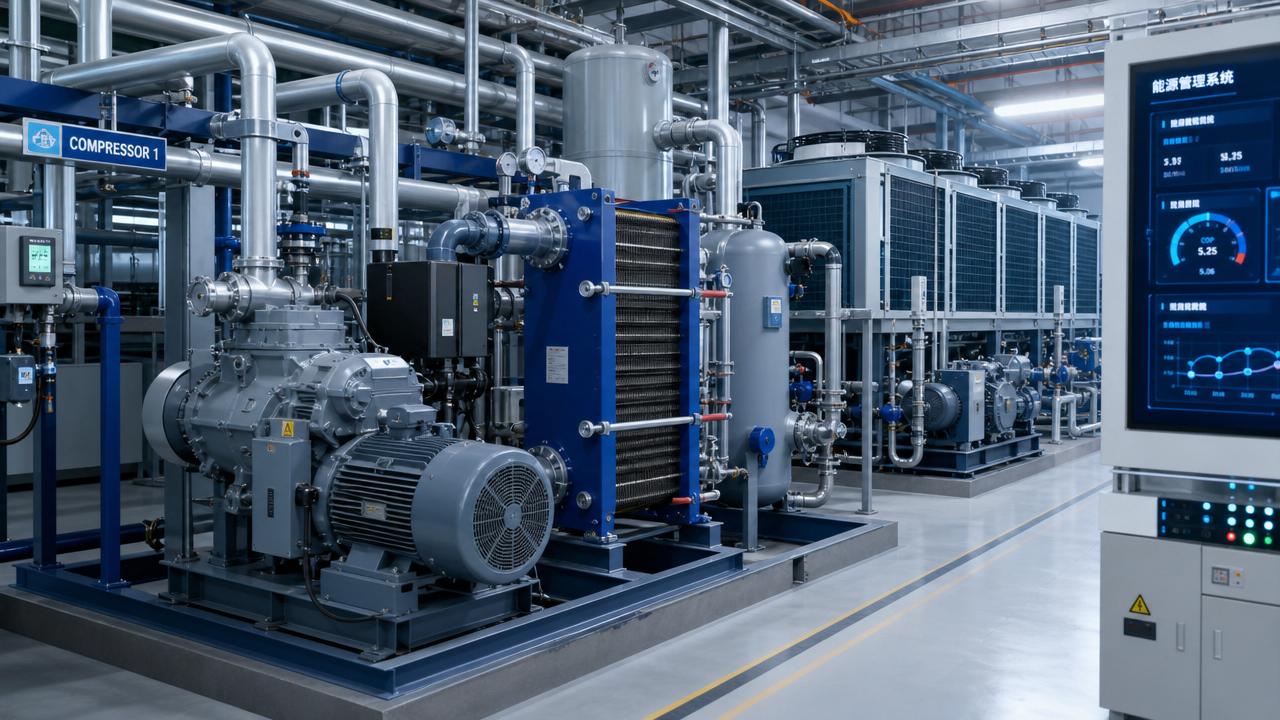
This approach is especially useful for thermal power systems because efficiency gains often come from system coupling. Boilers, compressors, exchangers, and controls should be reviewed as one decision ecosystem.
Common misjudgments that weaken thermal power systems decisions
Several planning errors are repeating across the market. They often look reasonable in budget reviews, yet create hidden cost and performance problems later.
- Assuming nameplate efficiency equals site efficiency under variable loads.
- Ignoring the effect of thermal power systems on product quality or process stability.
- Treating emissions compliance as a future issue rather than a current design filter.
- Evaluating heat recovery without considering maintenance and control complexity.
- Overlooking how refrigerant policy, combustion rules, and power pricing interact.
The best thermal power systems strategies avoid single-metric thinking. Lowest fuel use, lowest capex, and lowest emissions rarely align without careful scenario testing.
What the next step should look like
For 2026, thermal power systems planning should begin with a structured scenario review. Compare operational criticality, fuel exposure, compliance pathways, and heat integration opportunities across sites or process areas.
Then build a phased roadmap. Separate quick efficiency wins, medium-term retrofit options, and long-term flexibility investments. This reduces risk while preserving room for policy and market change.
GTC-Matrix supports this kind of judgment by connecting thermal technology evolution, compressed power intelligence, market signals, and commercial demand shifts. In a volatile industrial landscape, better thermal power systems insight becomes a planning advantage.
Thermal power systems are reshaping competitive planning because they now sit at the intersection of energy efficiency, decarbonization, resilience, and process value. The organizations that evaluate by scenario will make stronger 2026 decisions.
Ready when you are. Send us a message to get started.
Related News
- Why high-density thermal energy storage is gaining industry attentionAuthor :

- Smart Device Thermal Management Trends Shaping 2026 Product DesignAuthor :

- Industrial Cooling Technologies in Europe: 2026 Trends in Compliance and Energy UseAuthor :

- Industrial Electrification Trends in 2026: Where Projects Are Moving FirstAuthor :

- Industrial Solution Comparison Global: 2026 Trends Reshaping Equipment DecisionsAuthor :

- When Heat Recovery Systems Skid Mounted Designs Improve Project PaybackAuthor :

- How to Compare Industrial Decarbonization Solutions Providers in 2026Author :

- Industry Category Guides for Smart Devices: What to Track as 2026 Markets ShiftAuthor :

- Green Manufacturing Trends Reshaping Industrial InvestmentAuthor :

- 2026 Global Energy Costs: What Will Reshape Industrial PlanningAuthor :

- Industrial Decarbonization Solutions That Cut Fuel Costs in 2026Author :

- Smart Thermal Systems Trends Shaping Industrial Upgrades in 2026Author :

- Resource Circularity in Manufacturing: 5 Practical Gains Beyond ComplianceAuthor :

- Carbon Neutrality Roadmap: What Industrial Firms Need to Prioritize FirstAuthor :

- Energy Conversion Efficiency Trends Shaping Industrial UpgradesAuthor :

- Compression Technology Trends Shaping Efficient Plant UpgradesAuthor :

- Industrial Intelligence in Manufacturing: Where It Delivers Value FirstAuthor :

- How Intellectualization Improves Industrial Thermal ManagementAuthor :

- What Intellectualization Means for Smarter Plant Operations in 2026Author :

- Carbon Neutrality Goals: What Industrial Firms Should Prioritize in 2026Author :

- How Intellectualization Reduces Downtime in Modern Production LinesAuthor :

- Decarbonization Roadmap for Energy-Intensive Plants in 2026Author :

- Thermal Systems Trends in 2026: Efficiency, Control, and RiskAuthor :

- Industrial Decarbonization Priorities for Energy-Intensive FacilitiesAuthor :

- Thermal Systems in 2026: Efficiency Upgrades Shaping Industrial OperationsAuthor :

- Pure Power Sources: 5 Practical Paths to Carbon NeutralityAuthor :

- What Intellectualization Means for Industrial Equipment UpgradesAuthor :

- Thermal Optimization in 2026: Where Energy Savings Deliver the Fastest PaybackAuthor :

- Energy Efficiency Trends Reshaping Compressor Upgrades in 2026Author :

- 2026 Industrial Decarbonization Trends Reshaping Plant UpgradesAuthor :
![]()
- Heat Exchanger Technology Trends for 2026 Efficiency TargetsAuthor :

- Resource Circularity Risks in 2026 Supply ChainsAuthor :

- Smart Thermal Systems: When Upgrades Deliver Measurable SavingsAuthor :

- Carbon Neutrality: Practical Steps for Factory RoadmapsAuthor :

- 2026 Industrial Energy Efficiency Priorities for Plant UpgradesAuthor :

- Industrial Intellectualization Trends Reshaping Equipment UpgradesAuthor :