



Smart Thermal Systems Are Changing Heat Control in Modern Plants




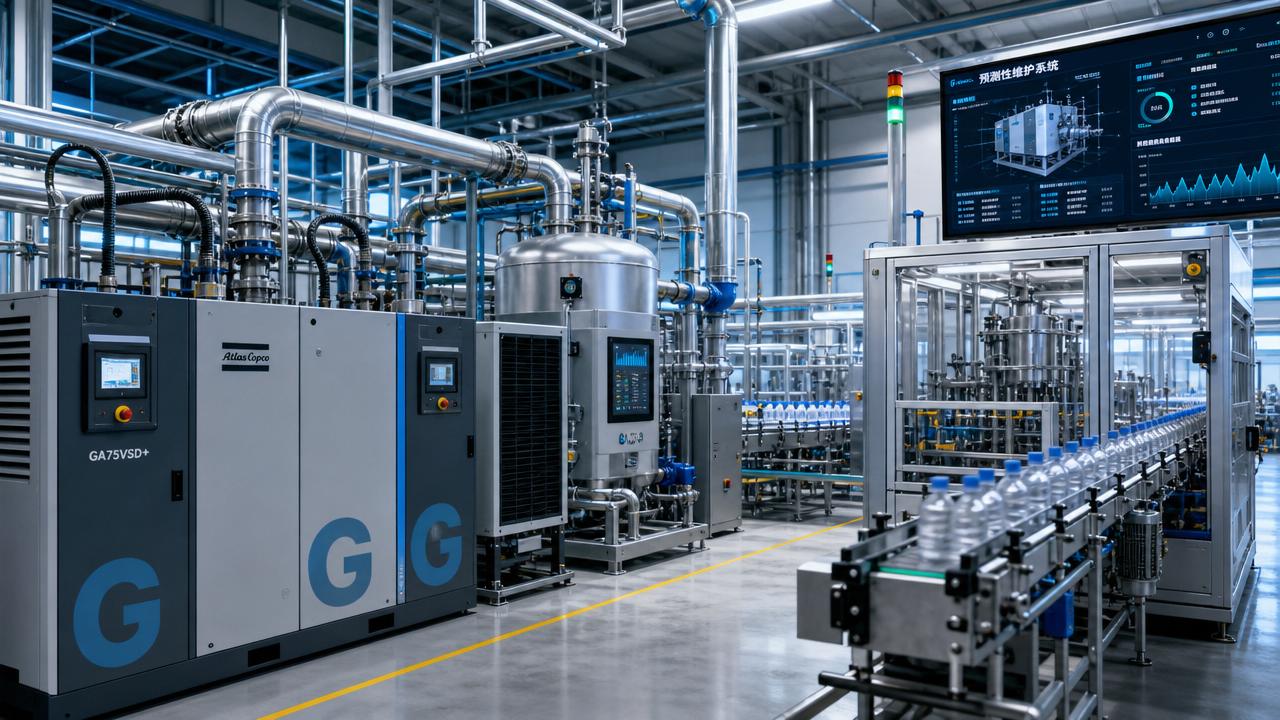
As energy costs rise and sustainability targets tighten, smart thermal systems are becoming essential for modern plants seeking sharper heat control, lower emissions, and stronger operational resilience. For business decision-makers, these intelligent solutions are no longer just technical upgrades—they are strategic assets that improve efficiency, support compliance, and strengthen competitiveness in increasingly demanding industrial markets.
Why decision-makers should use a checklist before investing
For many industrial plants, heat is everywhere but rarely managed as a unified business variable. It affects product quality, energy bills, maintenance cycles, emissions, safety, and uptime. That is why evaluating smart thermal systems through a checklist works better than relying on a single performance promise or a vendor brochure. A structured review helps leaders identify where control failures create losses, which assets are worth upgrading first, and how digital heat management supports broader manufacturing strategy.
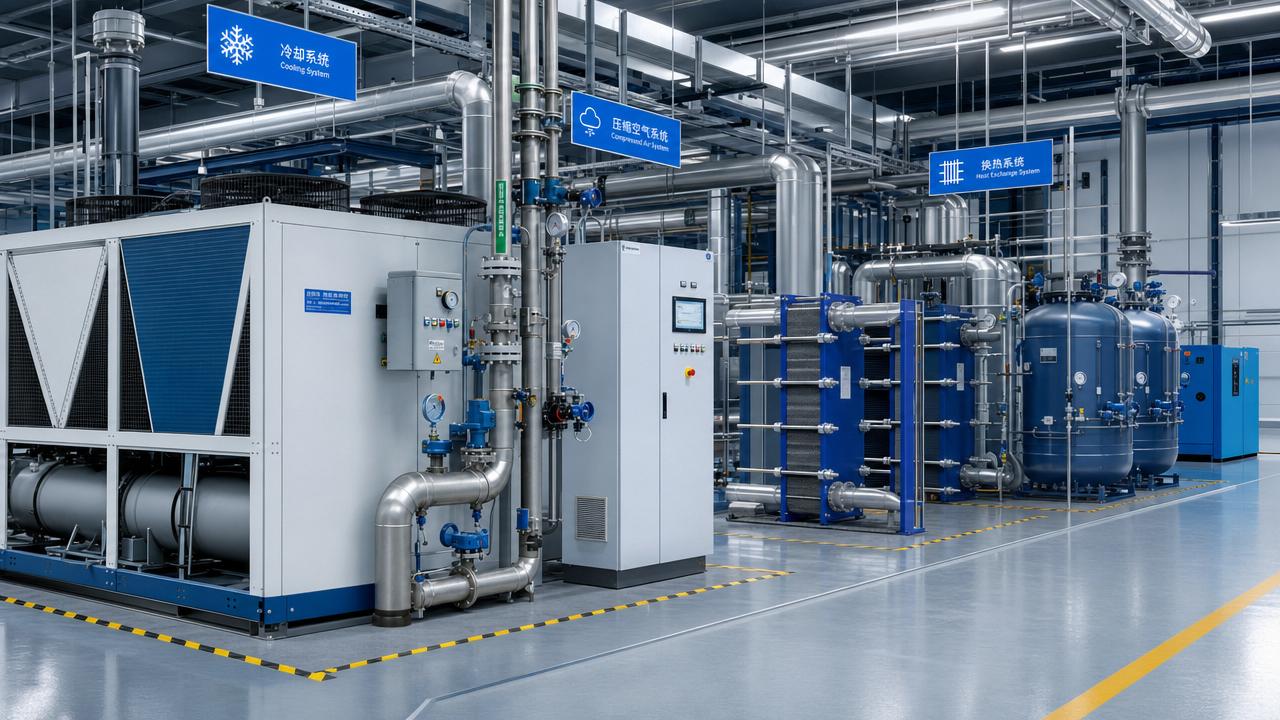
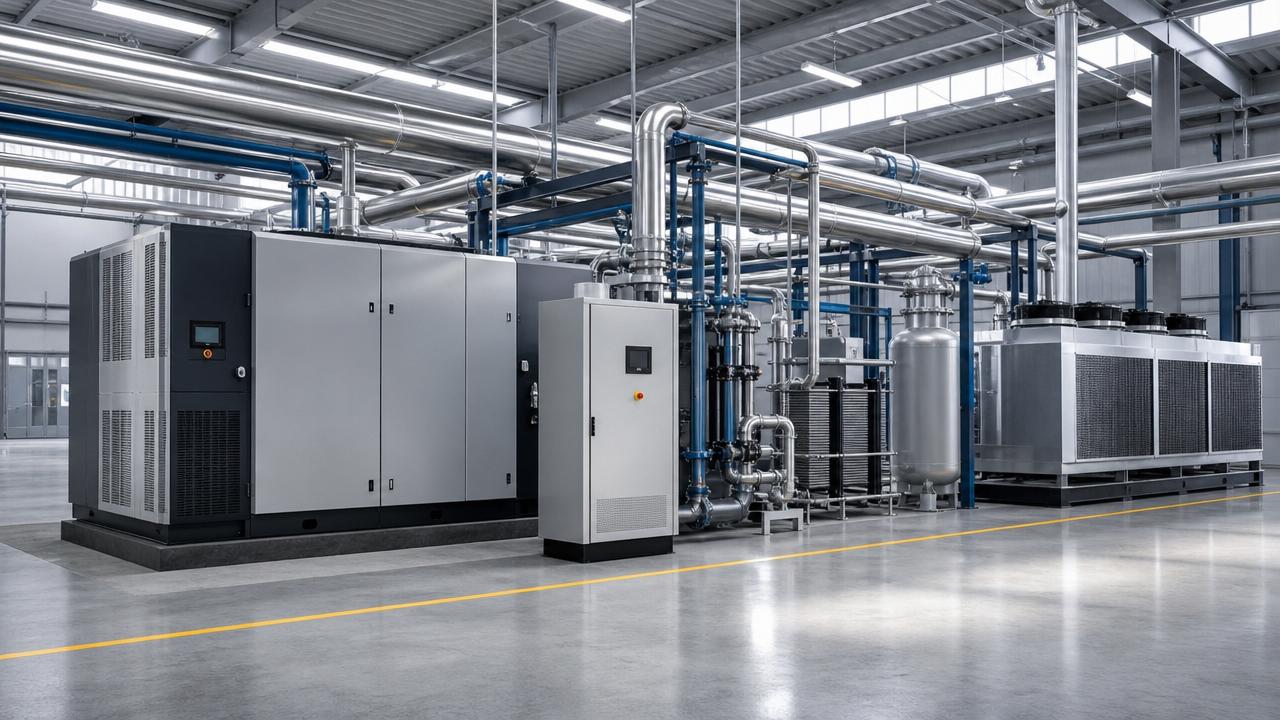
This matters across the comprehensive industrial landscape covered by GTC-Matrix, where cooling, compressed air, vacuum processes, and heat exchange increasingly interact as one efficiency network. In modern plants, thermal performance is no longer just about keeping temperatures within a range. It is about making energy conversion more visible, more adaptive, and more profitable.
First-screen checklist: what to confirm before anything else
Before comparing platforms, controls, or equipment packages, executives should confirm the following priority items. These are the fastest filters for determining whether smart thermal systems will deliver measurable value in a specific plant.
- Thermal pain points are documented: Identify where overheating, unstable cooling, heat loss, temperature drift, or delayed response are currently affecting throughput, scrap rates, or compliance.
- Energy costs are visible by process area: If plant leaders cannot separate heat-related energy consumption by line, utility loop, or production stage, investment prioritization will remain weak.
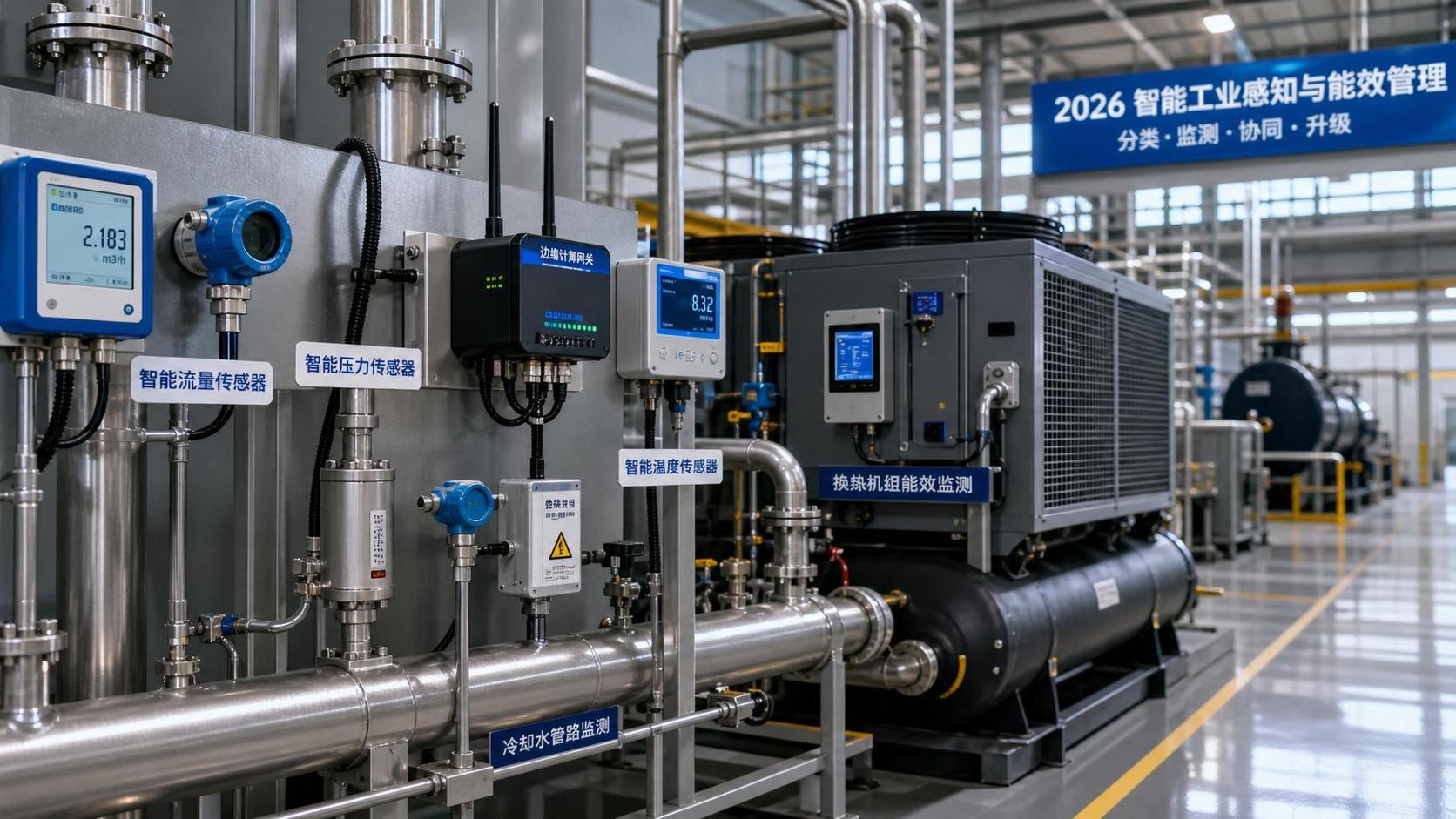
- Control systems can access usable data: Smart thermal systems depend on temperature, pressure, flow, runtime, and load data. Poor sensor quality or disconnected legacy systems can limit results.
- Operational goals are clear: Decide whether the main objective is lower fuel use, tighter process consistency, peak load management, reduced refrigerant risk, or predictive maintenance.
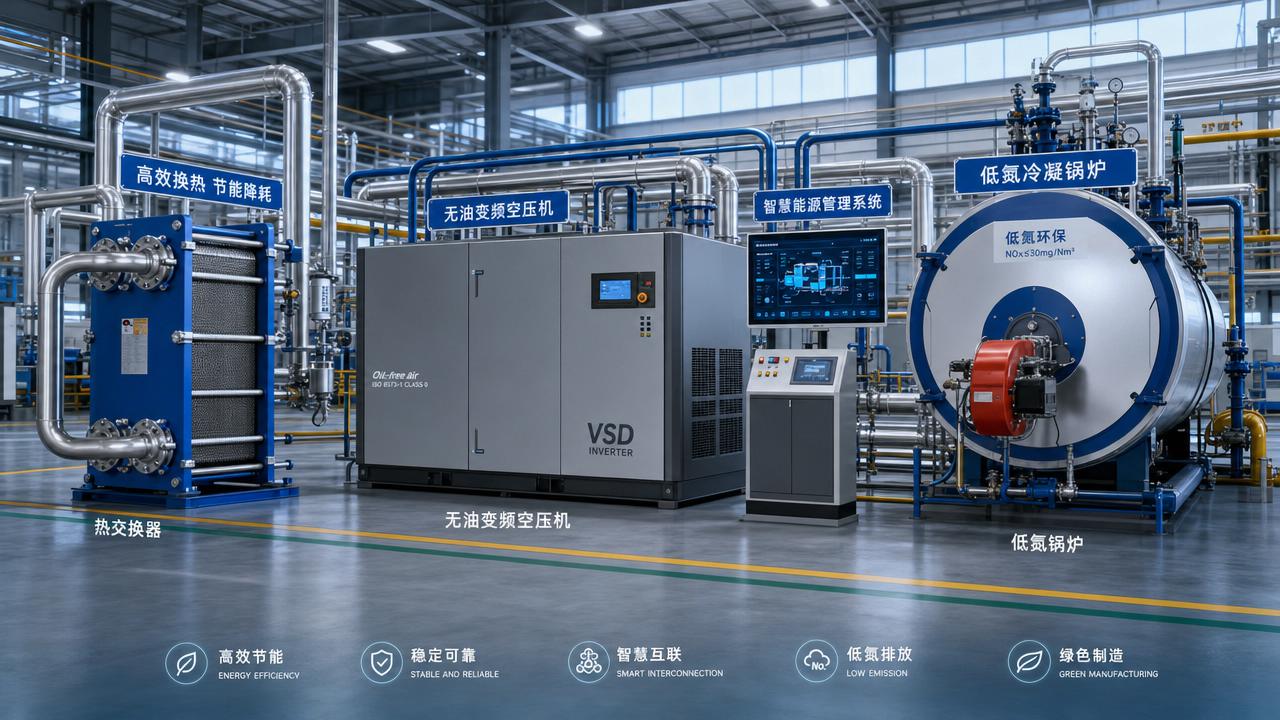
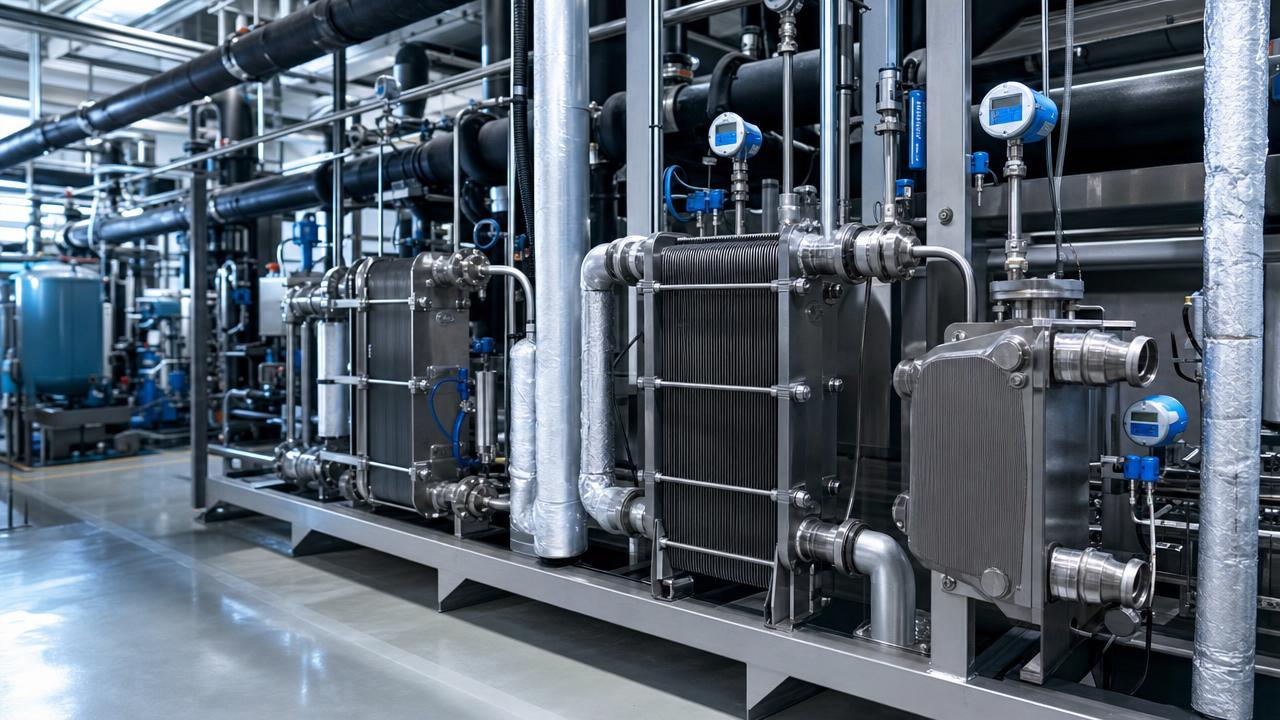
- Thermal assets are mapped: Boilers, chillers, compressors, heat exchangers, drying units, process heaters, and recovery loops should be reviewed as a system rather than isolated equipment.
- Baseline performance exists: Without current benchmarks for energy intensity, downtime, maintenance events, or product deviations, post-upgrade ROI will be hard to prove.
If two or more of these items are missing, the first phase should focus on visibility and data readiness rather than full-scale deployment. That approach reduces project risk and improves board-level confidence.
Core evaluation criteria for smart thermal systems
Once the need is confirmed, the next step is to assess solution quality. The most effective smart thermal systems combine controls, analytics, mechanical performance, and plant-level adaptability. Decision-makers should judge options against business outcomes, not just technical features.
1. Control precision and response speed
Check how quickly the system detects load shifts and adjusts heat exchange, cooling output, burner modulation, or airflow. In high-variability environments, slow response leads to overcooling, wasted fuel, unstable product conditions, and unnecessary wear. Ask for evidence from similar duty cycles, not ideal lab conditions.
2. System integration across utilities
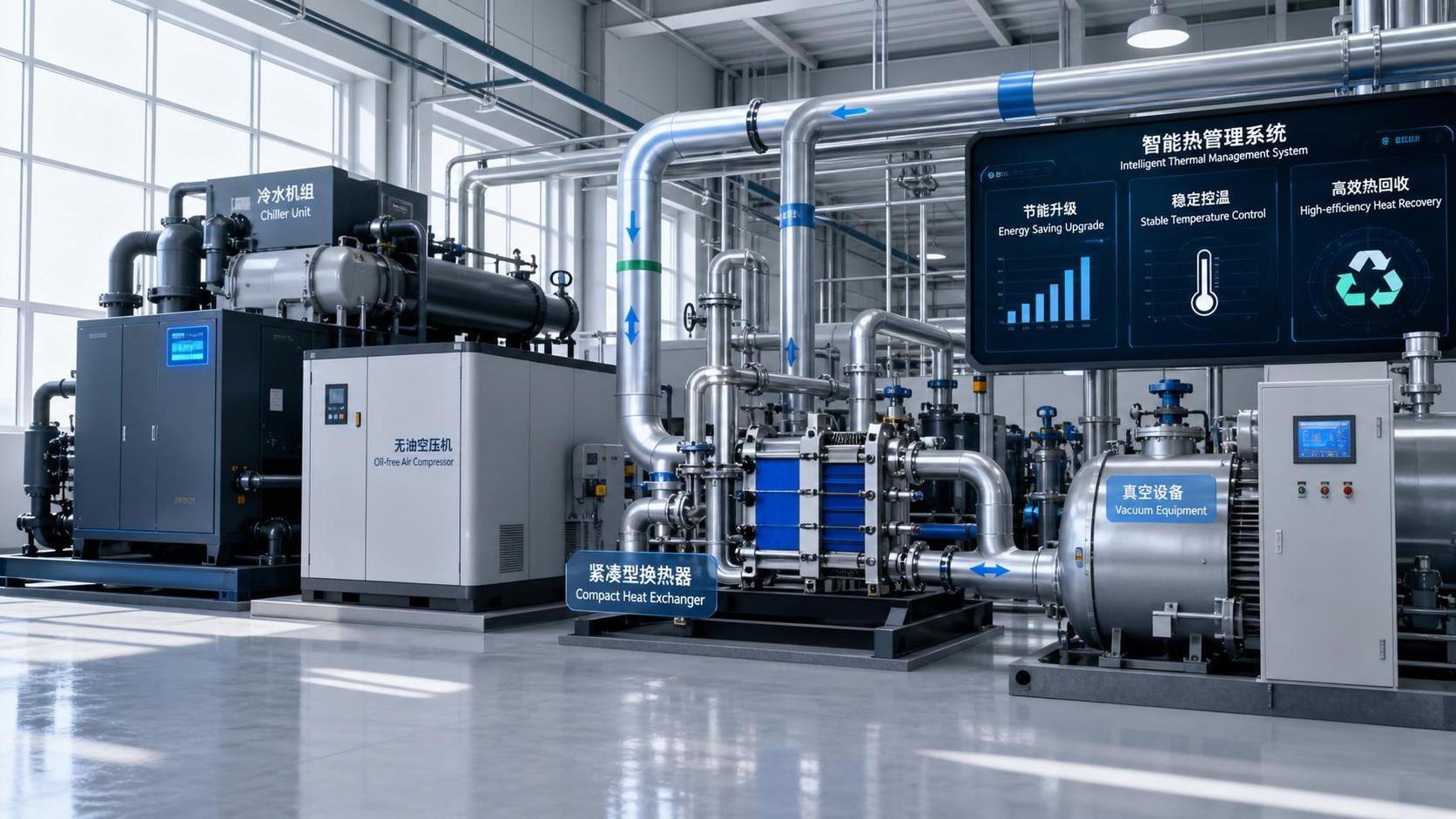
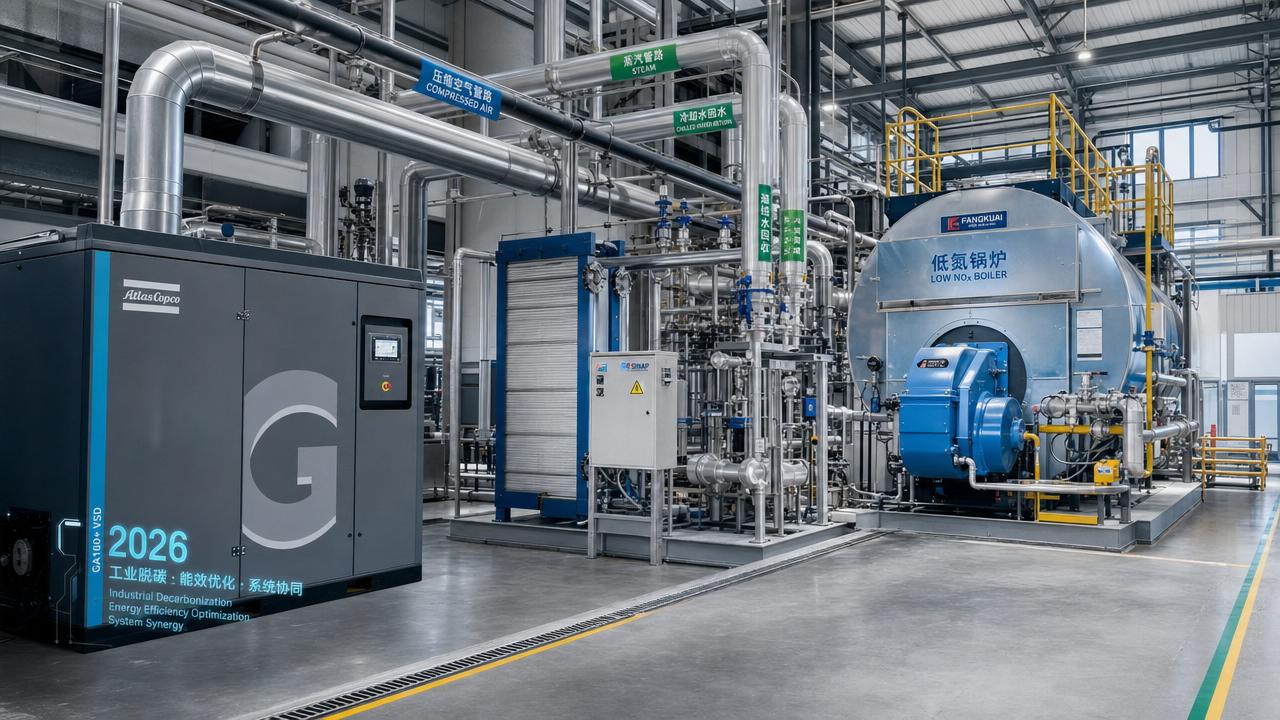
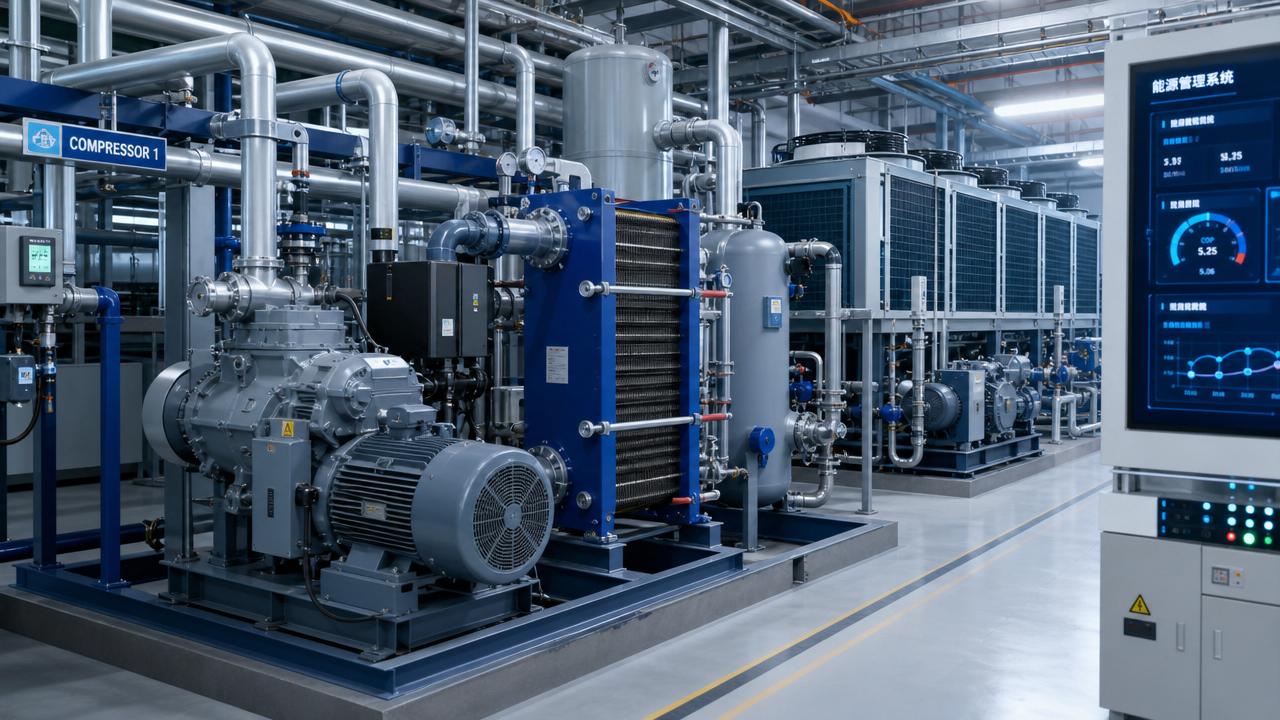
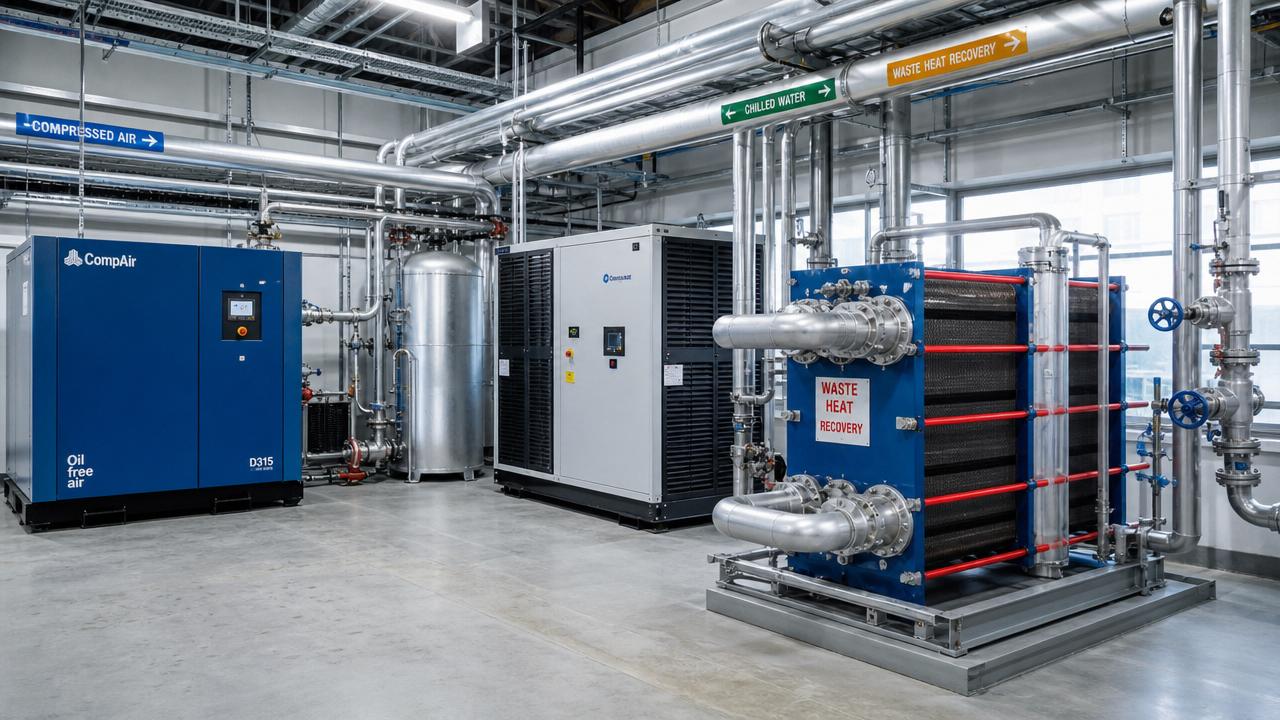
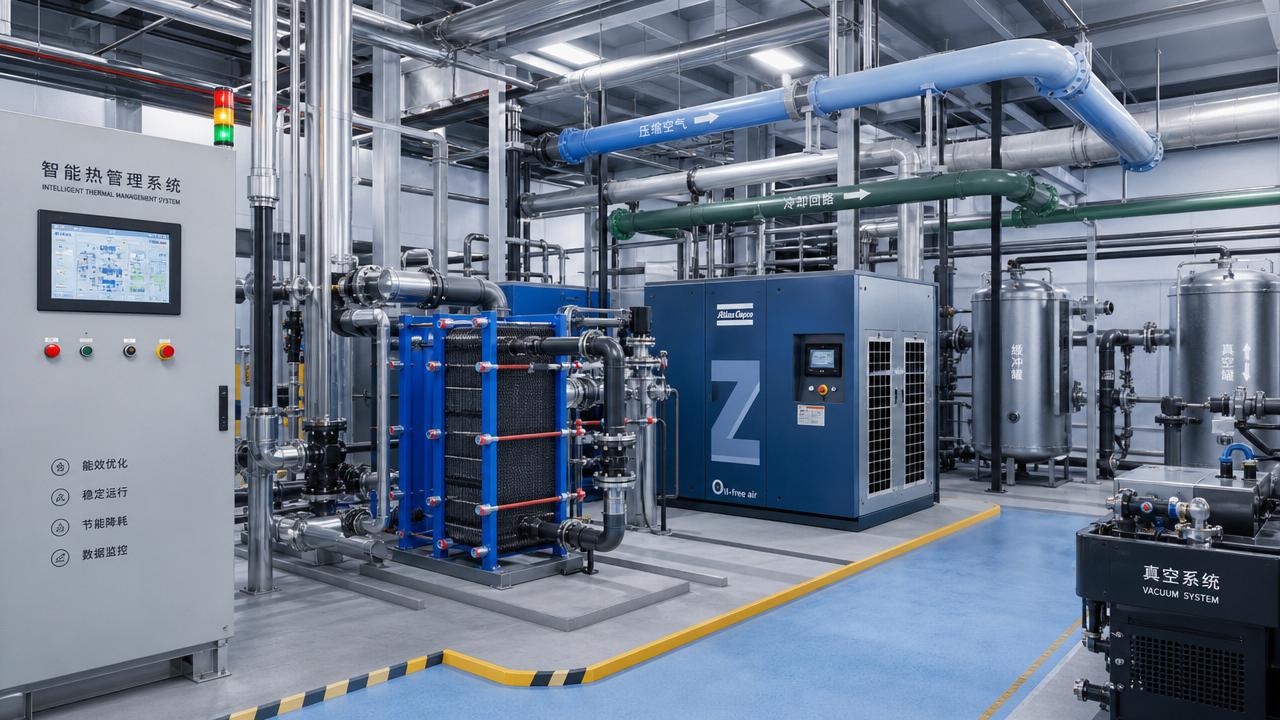
Strong performance often comes from linking thermal control with compressed air, vacuum, process cooling, and building management systems. Plants should verify whether the solution can optimize interactions between chillers, compressors, pumps, and heat recovery loops. This is particularly relevant where waste heat can offset steam or hot water demand.
3. Data quality, analytics, and decision support
A smart platform should do more than display dashboards. It should generate actionable insights, such as anomaly alerts, control recommendations, load forecasting, and maintenance triggers. Leaders should ask whether the analytics help operators make faster decisions or simply add another layer of data without operational clarity.
4. Efficiency under partial load
Many industrial plants rarely operate at full design load for long periods. That makes partial-load efficiency one of the most important evaluation points for smart thermal systems. Review how the system performs during seasonal demand changes, line stoppages, and mixed-production schedules.
5. Compliance and sustainability readiness
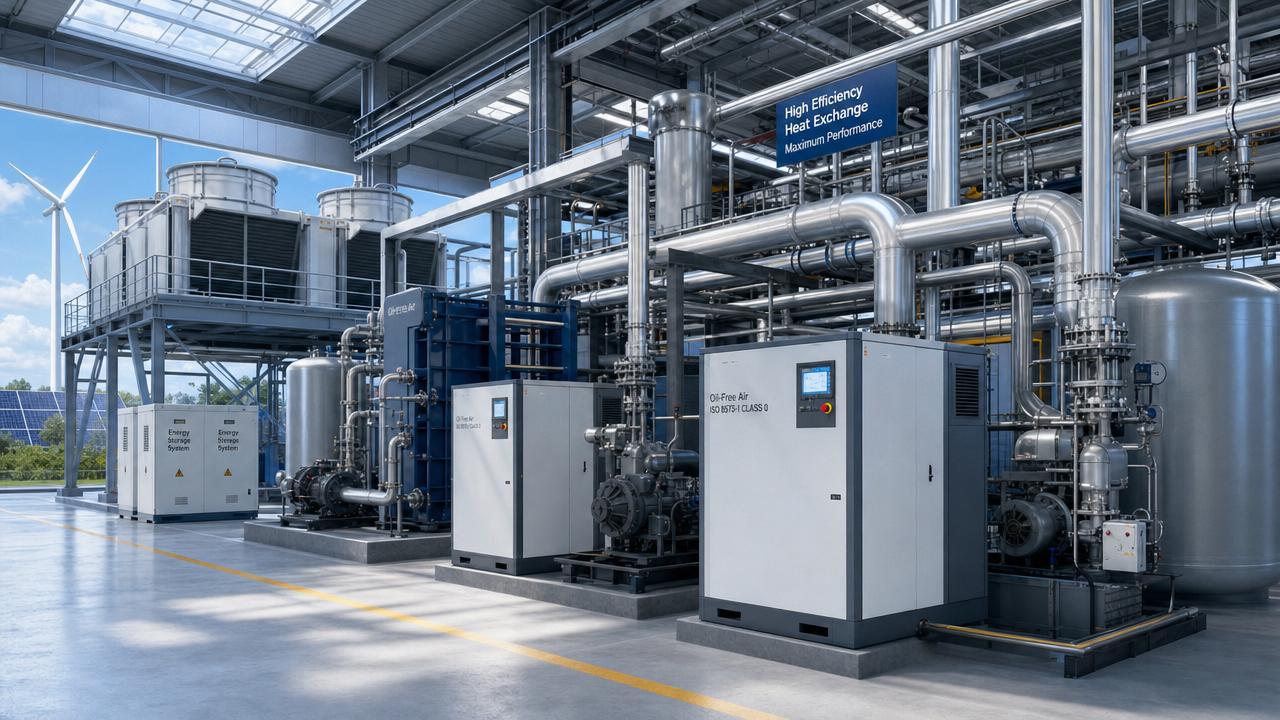
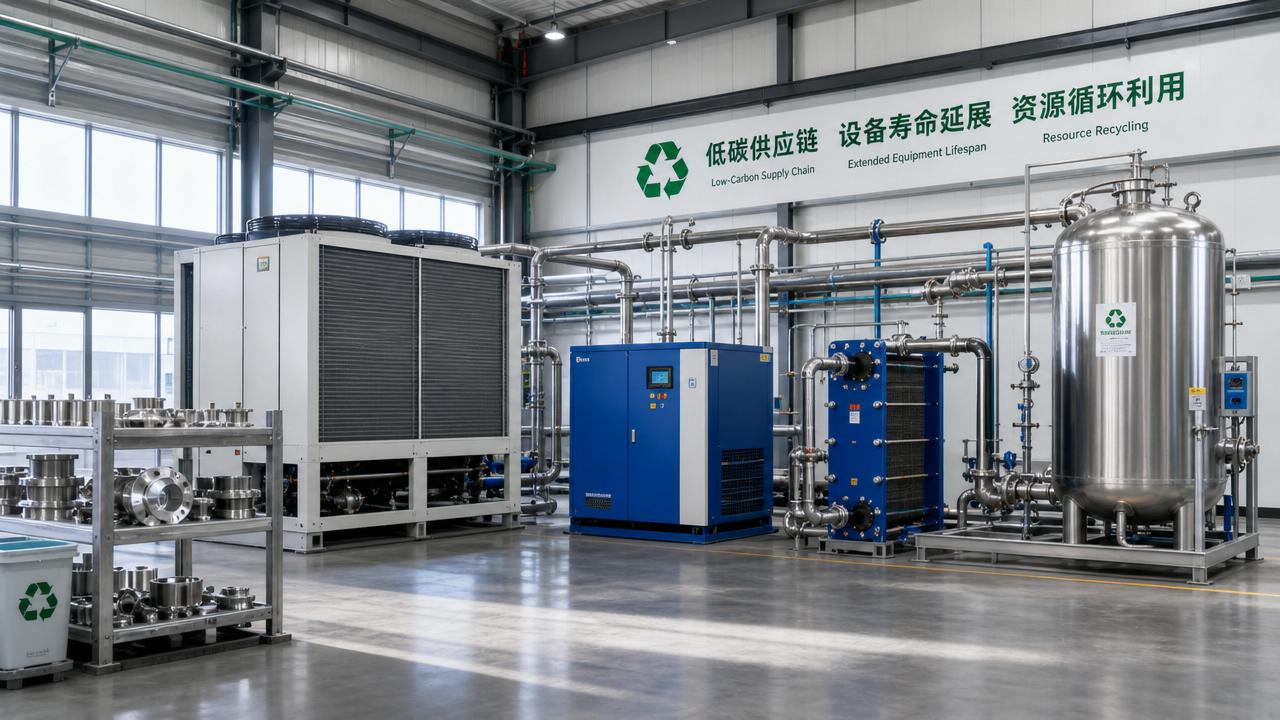
Thermal investments increasingly connect with emissions targets, refrigerant policy shifts, and internal ESG commitments. Solutions should support lower-carbon operation, measurable reporting, and easier adaptation to future standards. For international operators, policy resilience is just as important as immediate savings.
A practical decision table for enterprise buyers
Use the following decision guide to align investment discussions across operations, engineering, finance, and sustainability teams.
What changes by plant type and operating scenario
Not every facility should evaluate smart thermal systems in the same way. The business case depends on process sensitivity, utility structure, and production volatility.
Continuous-process plants
Facilities running around the clock usually gain most from predictive control, heat recovery, and uptime protection. In these plants, even small temperature instability can create major throughput losses. Priority should go to reliability, automation depth, and redundancy planning.
Batch manufacturing sites
Batch environments need flexible thermal profiles, fast ramping, and traceable control history. Decision-makers should check whether the system can manage variable recipes, product transitions, and audit requirements without excessive manual intervention.
Multi-utility plants with compressed air and cooling interaction
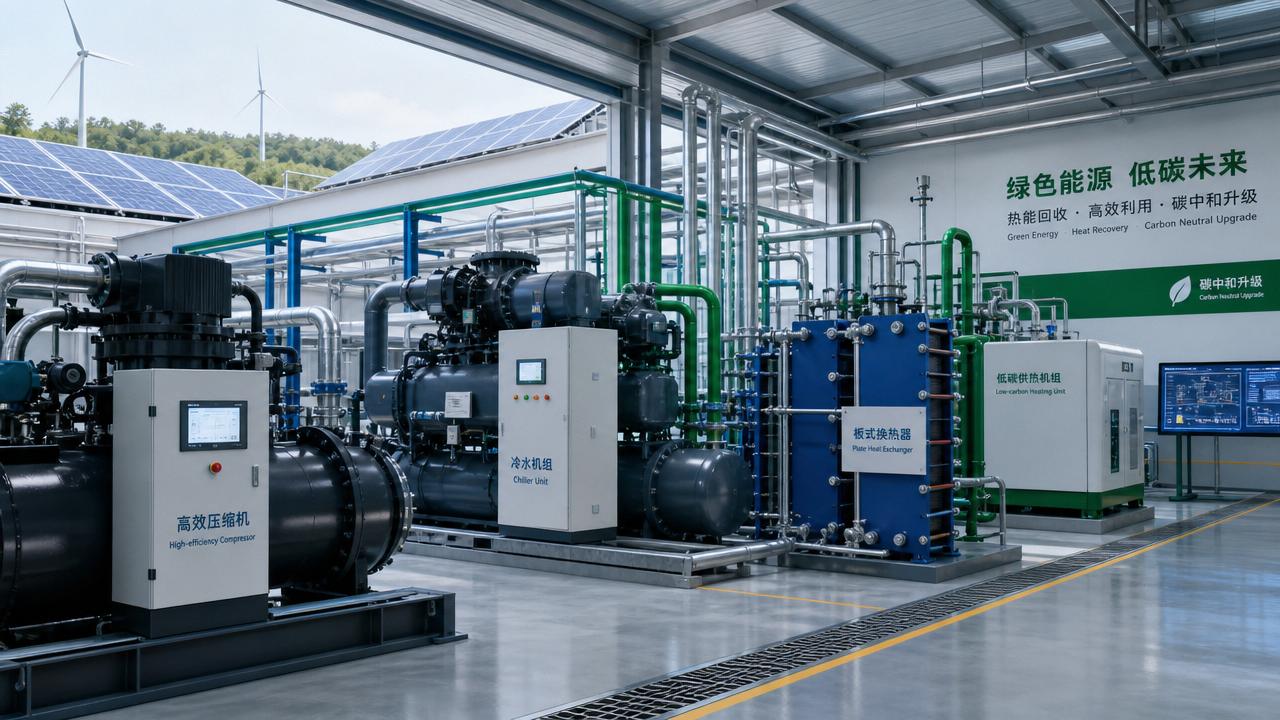
Where compressors, dryers, chillers, and heat exchangers operate together, optimization opportunities expand. GTC-Matrix frequently highlights that efficiency gains often appear at the connection points between systems, not only within a single machine. Waste heat utilization, load balancing, and coordinated controls should be part of the review.
Common oversights that weaken results
Even well-funded projects underperform when teams overlook practical details. The following risk reminders deserve early attention.
- Treating heat control as an equipment purchase only: Real value comes from system orchestration, operating logic, and process alignment.
- Ignoring operator workflows: If frontline teams do not trust or understand the interface, advanced controls may be bypassed.
- Underestimating sensor placement: Poor measurement points create bad control decisions, even with strong software.
- Chasing peak efficiency claims without site validation: Demonstrated plant performance matters more than nameplate potential.
- Neglecting maintenance strategy: Smart thermal systems require calibration discipline, firmware management, and support planning.
- Failing to align finance and engineering metrics: Energy savings, product yield, carbon impact, and downtime reduction should be evaluated together.
Execution plan: how to move from interest to deployment
For business leaders, the best path is usually phased execution. This reduces operational disruption while building internal confidence in the value of smart thermal systems.
- Start with an audit: Gather thermal load profiles, energy cost exposure, control limitations, and equipment interaction data.
- Define one to three priority outcomes: For example, cut cooling energy by 12%, reduce temperature deviation by 30%, or recover more waste heat.
- Select a pilot zone: Choose a line or utility area where performance can be measured clearly and operational risk remains manageable.
- Set governance early: Assign ownership across operations, engineering, IT, procurement, and sustainability teams.
- Measure against a baseline: Compare pre- and post-implementation performance using shared KPIs accepted by both plant and finance leaders.
- Scale only after validation: Expand to additional assets or sites once control stability, savings, and support readiness are proven.
FAQ for executives evaluating smart thermal systems
How quickly can smart thermal systems show ROI?
Timelines vary by plant complexity, energy prices, and baseline inefficiency. Sites with unstable loads, high utility costs, or recoverable waste heat often see faster returns than plants that already run optimized controls.
Do smart thermal systems require full equipment replacement?
Not always. Many projects begin by upgrading sensors, controls, analytics layers, and integration architecture around existing thermal assets. However, old equipment with poor turndown, refrigerant risk, or chronic reliability issues may justify replacement.
What internal data should be prepared before supplier discussions?
Prepare utility bills, operating schedules, maintenance history, process temperature requirements, alarm logs, downtime records, and asset lists for boilers, chillers, compressors, pumps, and heat exchangers. Better input data leads to better solution design.
Final decision guide and next-step questions
The strongest case for smart thermal systems is not that they are modern. It is that they help plants manage heat as a strategic lever for efficiency, compliance, resilience, and competitive differentiation. For enterprise decision-makers, the right question is not whether thermal intelligence matters, but where it will create the fastest and most defensible operational gain.
If your organization is moving forward, begin conversations around a short list of essentials: current thermal bottlenecks, required control accuracy, integration with cooling and compressed air systems, available data points, expected payback window, regulatory pressures, implementation timeline, and support model after commissioning. With those answers in hand, companies can evaluate options more rigorously and build a deployment roadmap that fits both plant realities and long-term growth goals.
Related News
- Why high-density thermal energy storage is gaining industry attentionAuthor :

- Smart Device Thermal Management Trends Shaping 2026 Product DesignAuthor :

- Industrial Cooling Technologies in Europe: 2026 Trends in Compliance and Energy UseAuthor :

- Industrial Electrification Trends in 2026: Where Projects Are Moving FirstAuthor :

- Industrial Solution Comparison Global: 2026 Trends Reshaping Equipment DecisionsAuthor :

- When Heat Recovery Systems Skid Mounted Designs Improve Project PaybackAuthor :

- How to Compare Industrial Decarbonization Solutions Providers in 2026Author :

- Industry Category Guides for Smart Devices: What to Track as 2026 Markets ShiftAuthor :

- Green Manufacturing Trends Reshaping Industrial InvestmentAuthor :

- 2026 Global Energy Costs: What Will Reshape Industrial PlanningAuthor :

- Industrial Decarbonization Solutions That Cut Fuel Costs in 2026Author :

- Smart Thermal Systems Trends Shaping Industrial Upgrades in 2026Author :

- Resource Circularity in Manufacturing: 5 Practical Gains Beyond ComplianceAuthor :

- Carbon Neutrality Roadmap: What Industrial Firms Need to Prioritize FirstAuthor :

- Energy Conversion Efficiency Trends Shaping Industrial UpgradesAuthor :

- Compression Technology Trends Shaping Efficient Plant UpgradesAuthor :

- Industrial Intelligence in Manufacturing: Where It Delivers Value FirstAuthor :

- How Intellectualization Improves Industrial Thermal ManagementAuthor :

- What Intellectualization Means for Smarter Plant Operations in 2026Author :

- Carbon Neutrality Goals: What Industrial Firms Should Prioritize in 2026Author :

- How Intellectualization Reduces Downtime in Modern Production LinesAuthor :

- Decarbonization Roadmap for Energy-Intensive Plants in 2026Author :

- Thermal Systems Trends in 2026: Efficiency, Control, and RiskAuthor :

- Industrial Decarbonization Priorities for Energy-Intensive FacilitiesAuthor :

- Thermal Systems in 2026: Efficiency Upgrades Shaping Industrial OperationsAuthor :

- Pure Power Sources: 5 Practical Paths to Carbon NeutralityAuthor :

- What Intellectualization Means for Industrial Equipment UpgradesAuthor :

- Thermal Optimization in 2026: Where Energy Savings Deliver the Fastest PaybackAuthor :

- Energy Efficiency Trends Reshaping Compressor Upgrades in 2026Author :

- 2026 Industrial Decarbonization Trends Reshaping Plant UpgradesAuthor :
![]()
- Heat Exchanger Technology Trends for 2026 Efficiency TargetsAuthor :

- Resource Circularity Risks in 2026 Supply ChainsAuthor :

- Smart Thermal Systems: When Upgrades Deliver Measurable SavingsAuthor :

- Carbon Neutrality: Practical Steps for Factory RoadmapsAuthor :

- 2026 Industrial Energy Efficiency Priorities for Plant UpgradesAuthor :

- Industrial Intellectualization Trends Reshaping Equipment UpgradesAuthor :