Smart Thermal Systems: 2026 Efficiency Gains to Watch




As energy costs, carbon targets, and digital operations reshape industrial investment, smart thermal systems are becoming a decisive lever for efficiency in 2026.
The strongest gains will not come from one device alone.
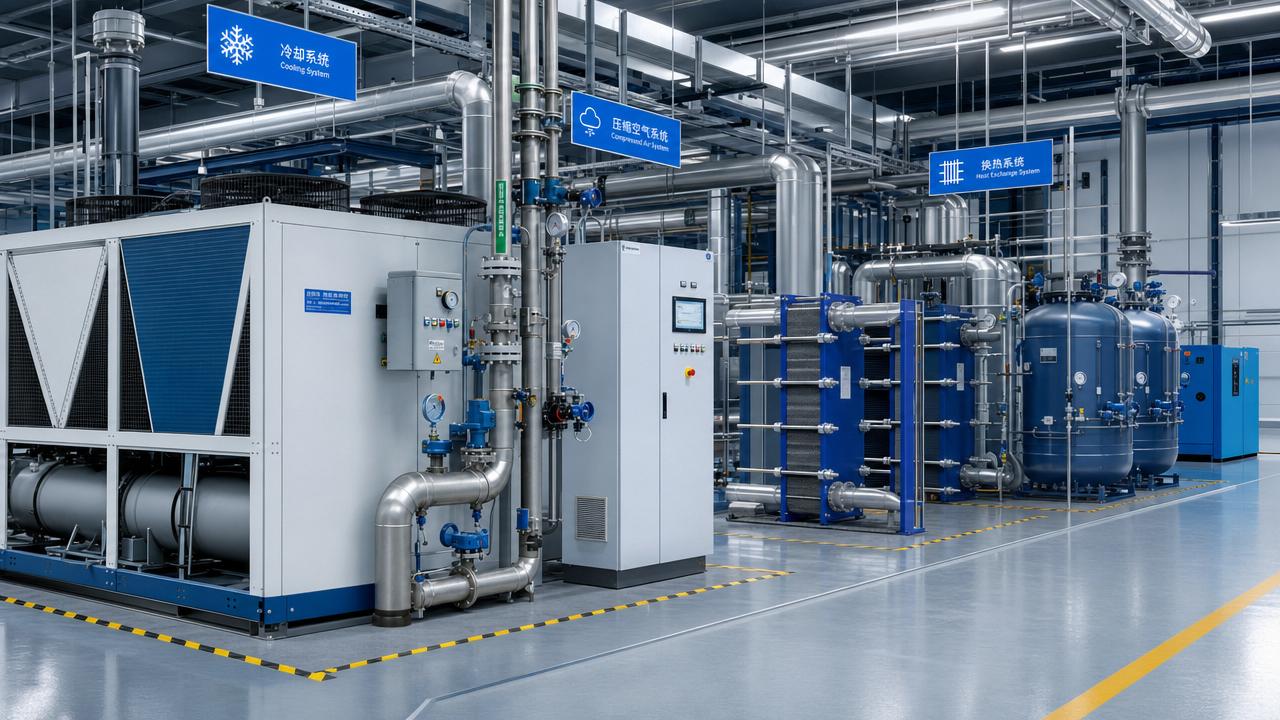
They will come from better coordination across cooling, compressed air, vacuum, and heat exchange assets.
For global industry, this shift is both technical and strategic.
Smart thermal systems now connect thermodynamic performance with uptime, carbon reporting, maintenance planning, and operating margin protection.
This matters across pharmaceuticals, semiconductors, food processing, logistics, utilities, and general manufacturing.
At the center of this transition, GTC-Matrix tracks the signals that shape next-generation thermal efficiency.
Its intelligence focus aligns with a simple industrial truth: thermal losses are often hidden profit losses.
What Smart Thermal Systems Mean in 2026
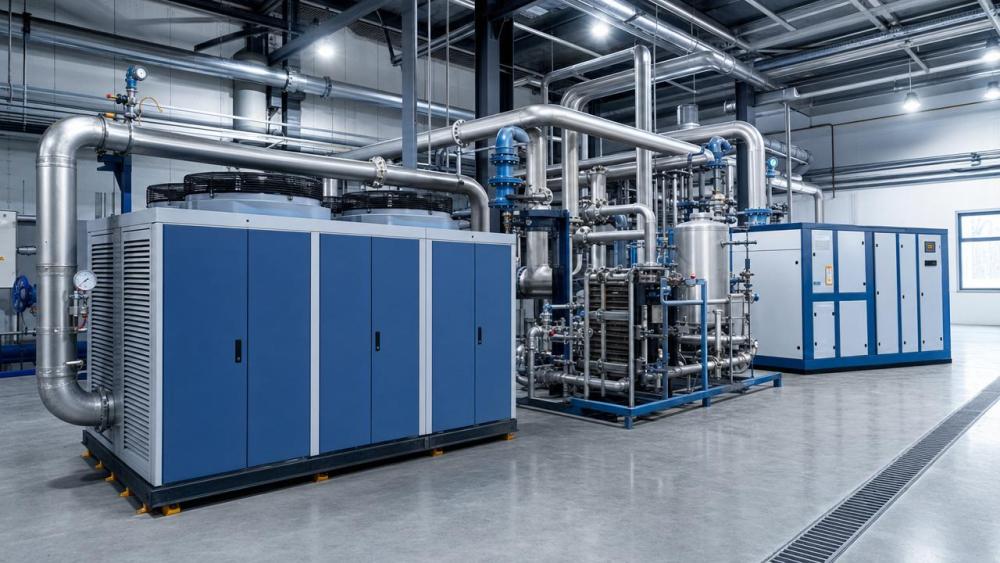
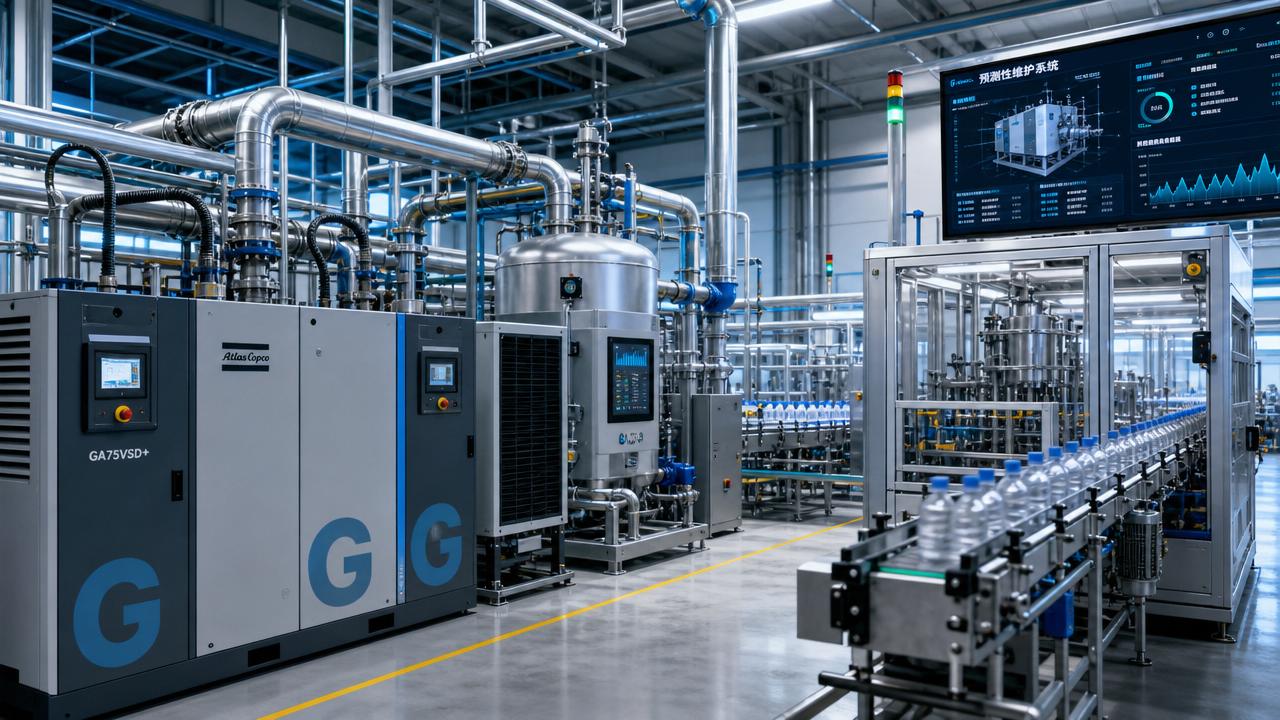
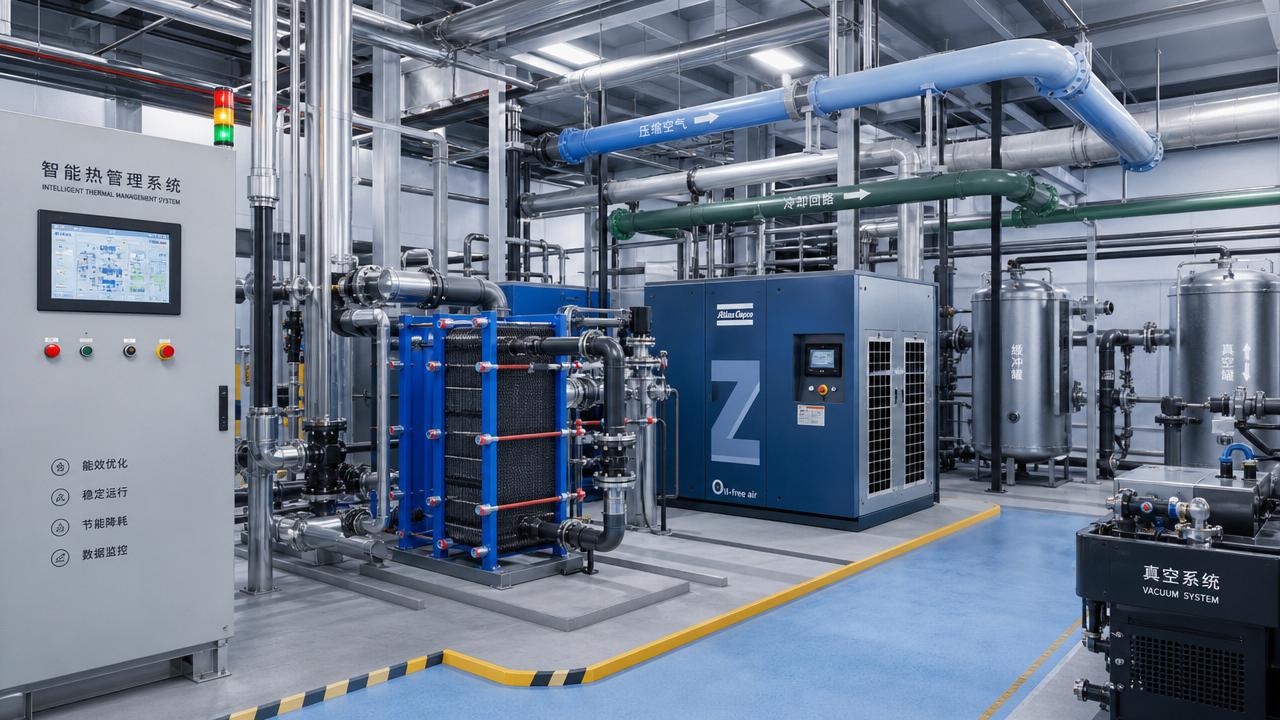
Smart thermal systems combine thermal equipment with controls, sensors, software, and performance analytics.
Their goal is not only temperature stability.
Their goal is continuous optimization of energy conversion, load response, and heat movement across connected assets.
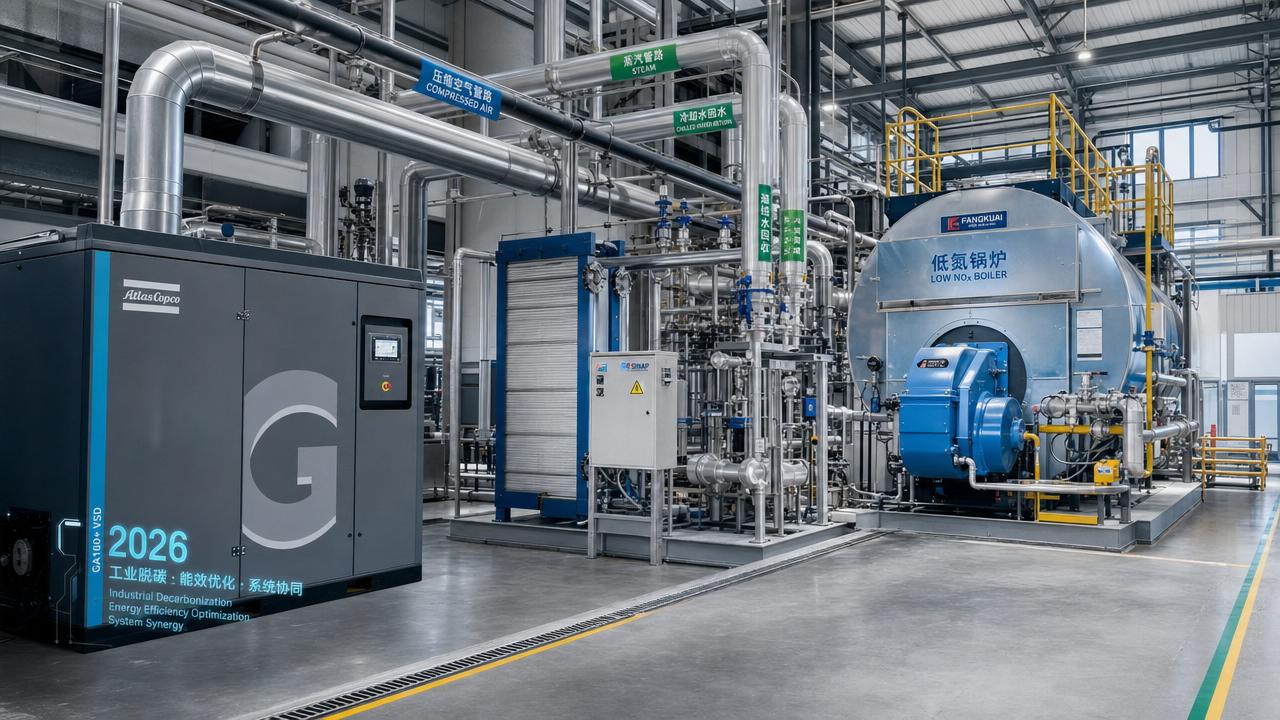
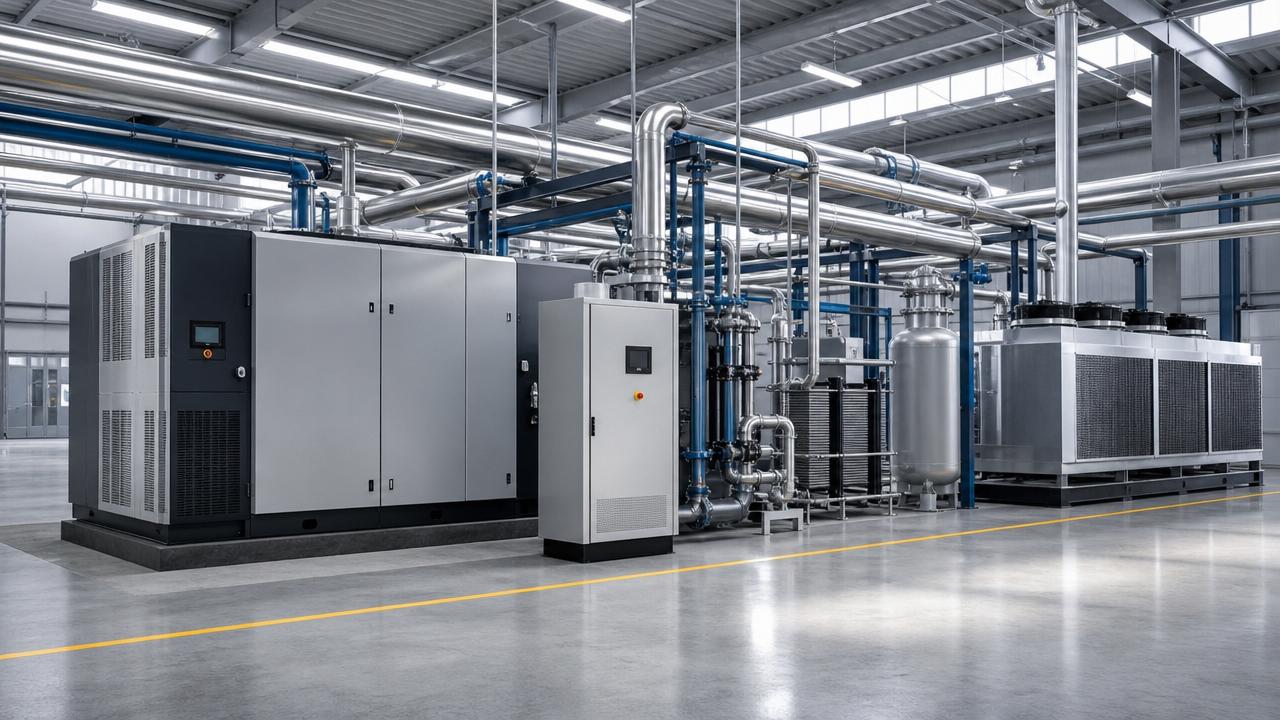
In practice, smart thermal systems often include:
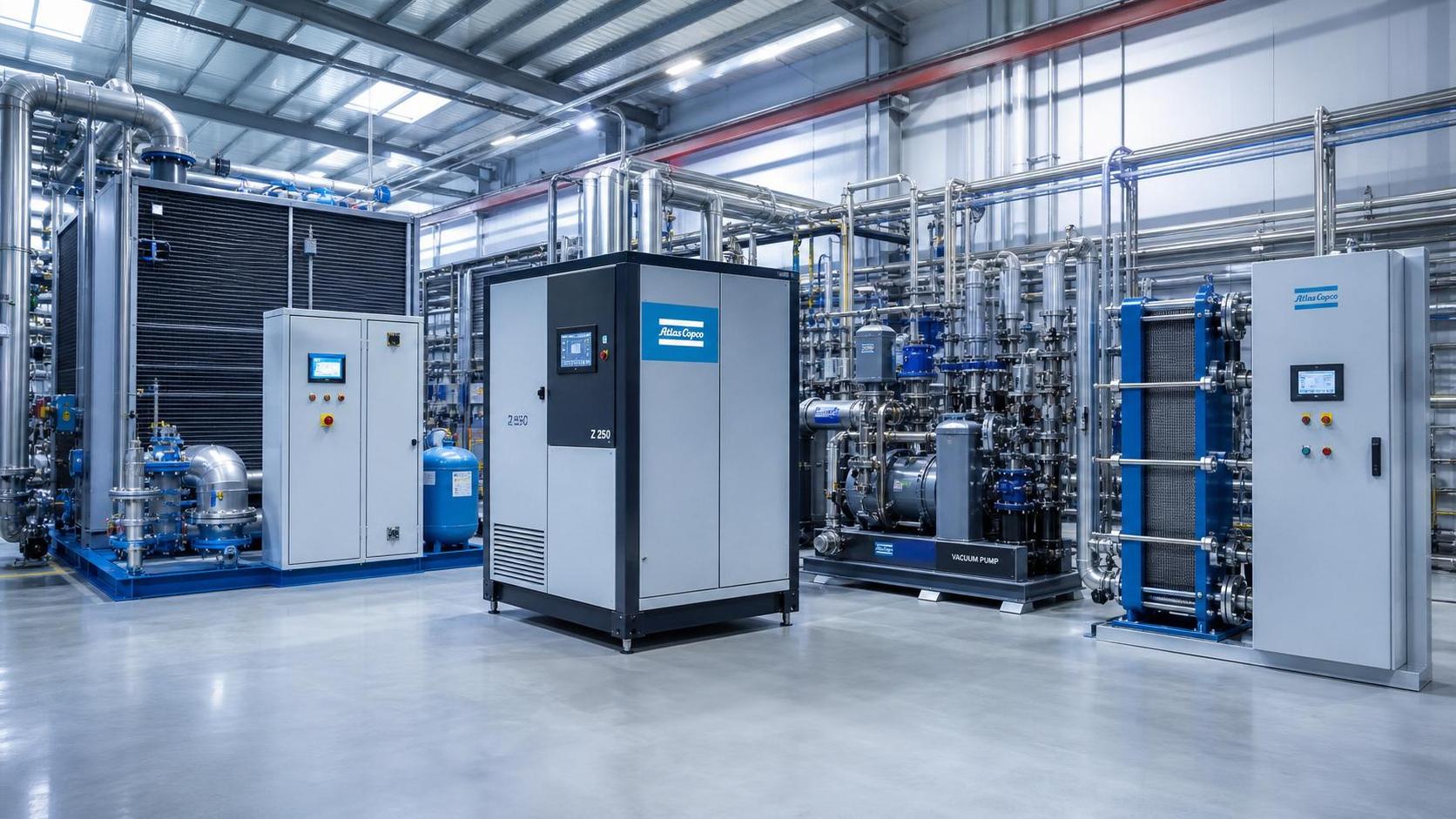
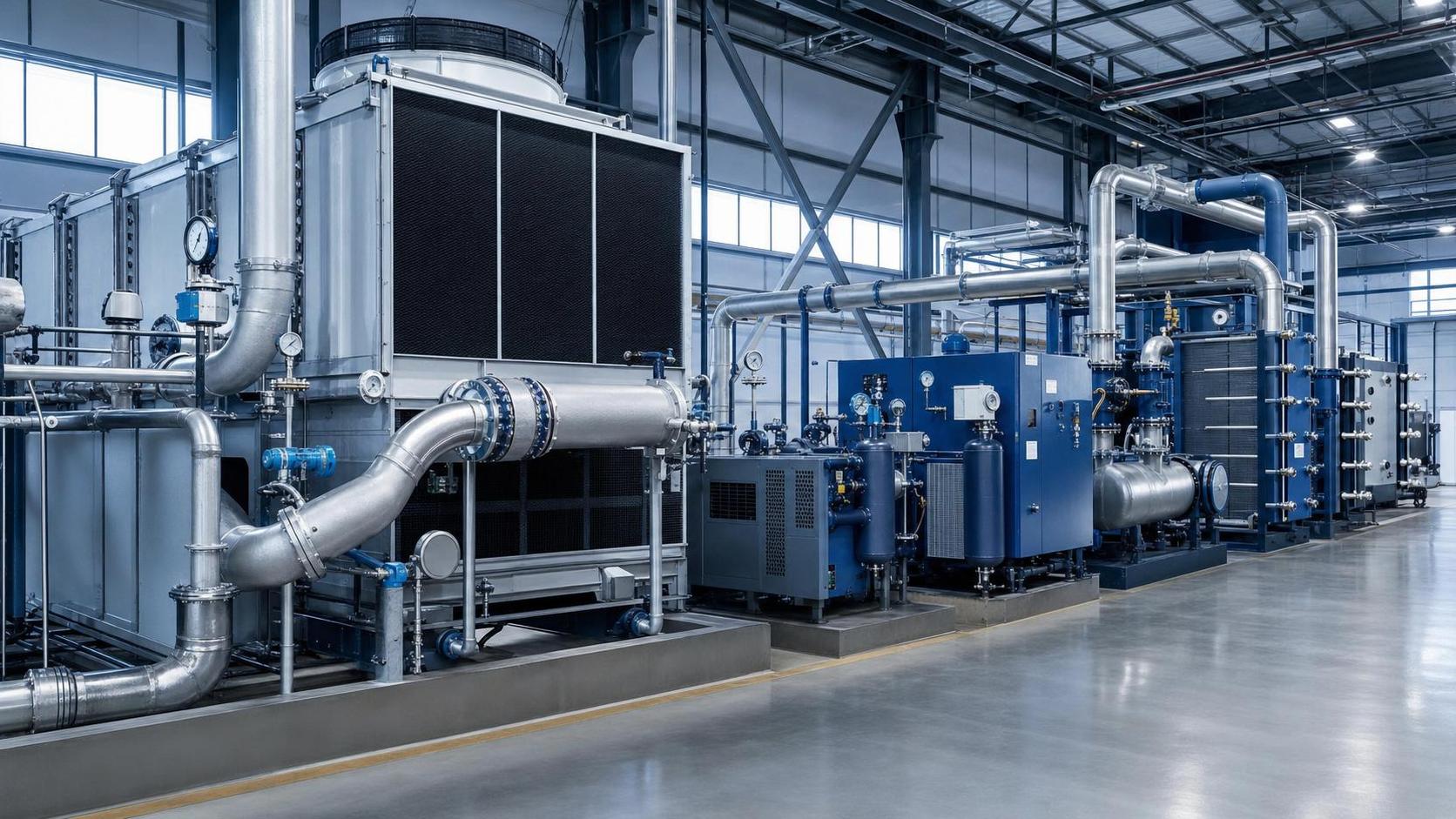
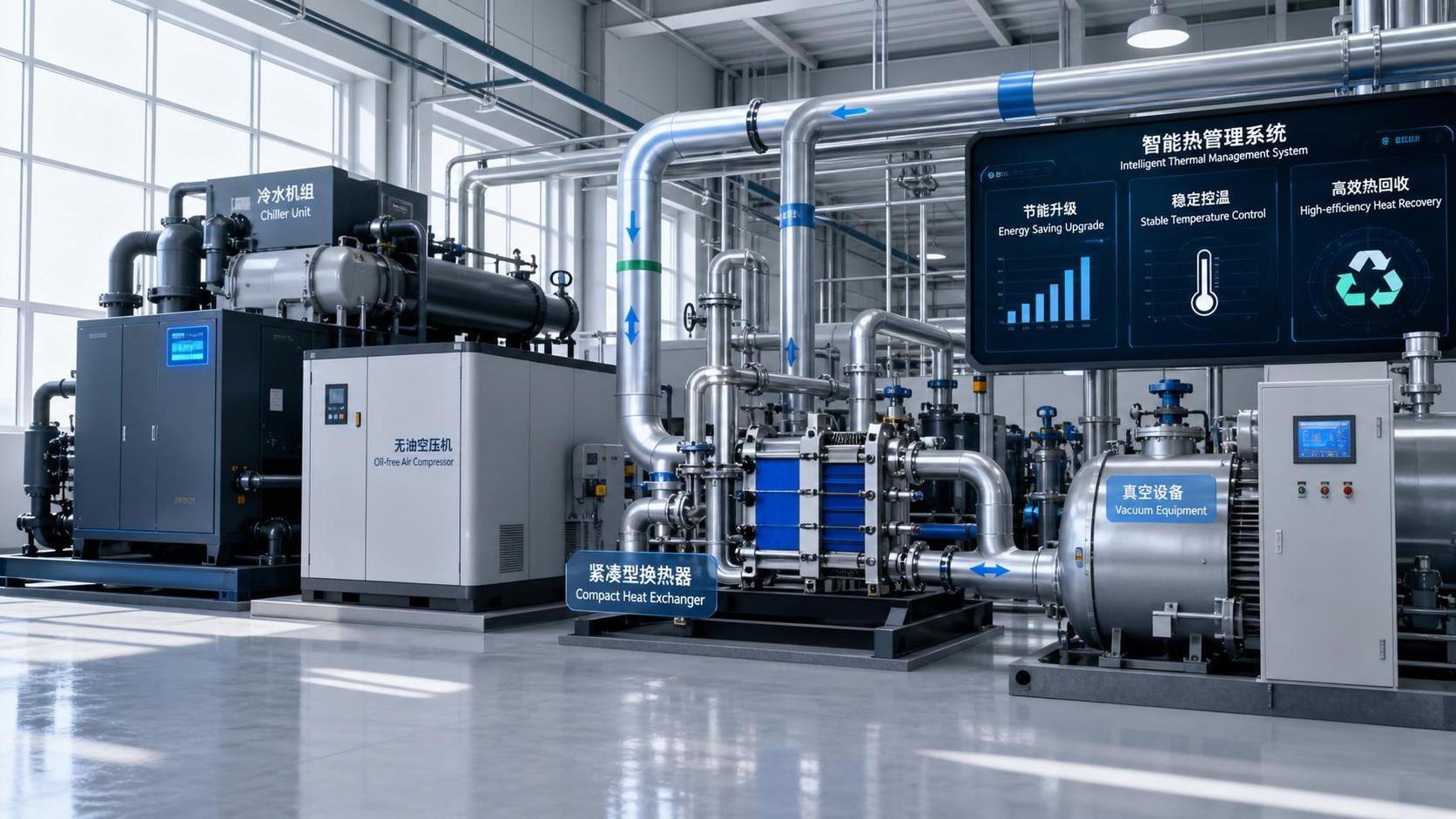
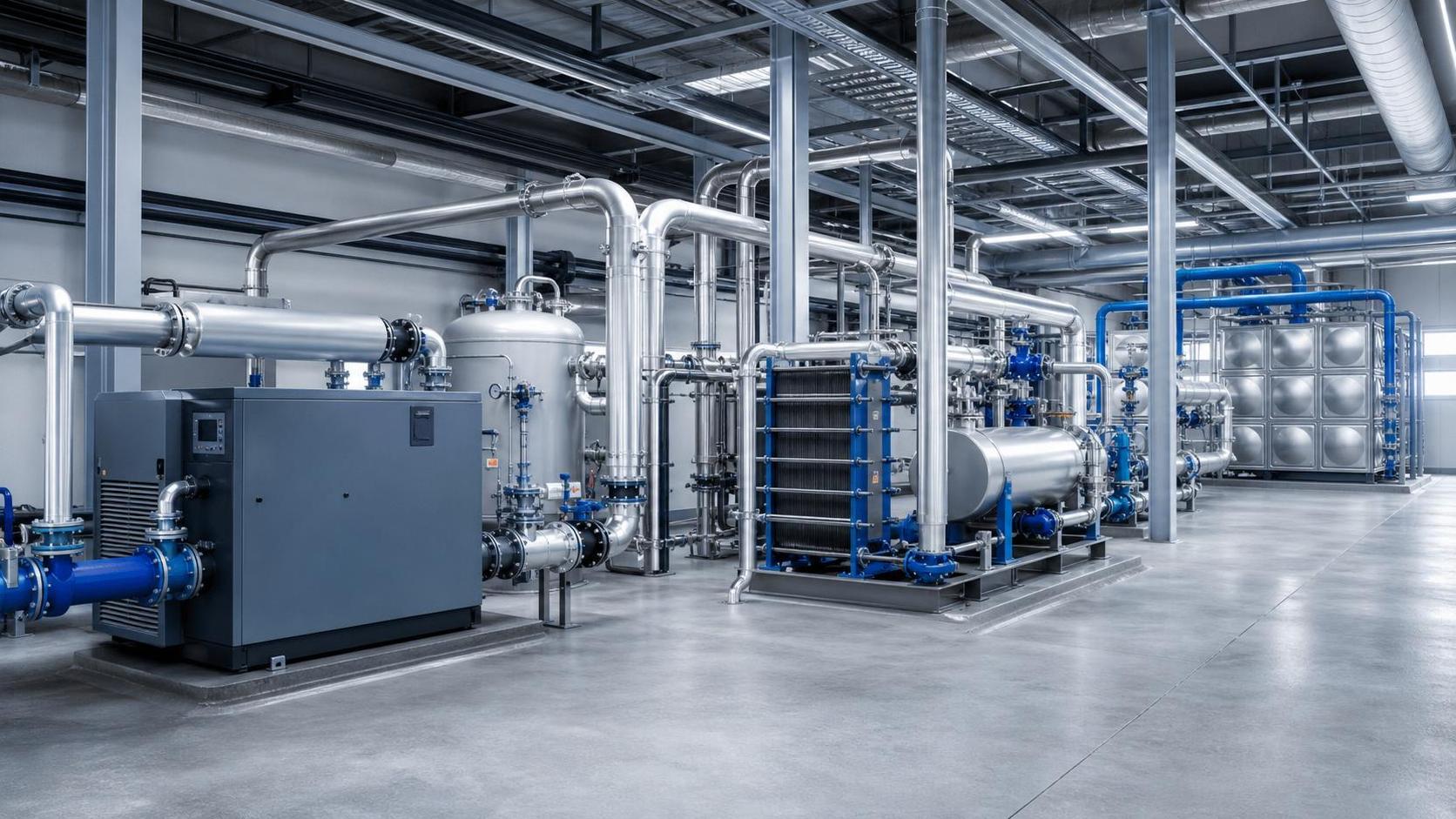
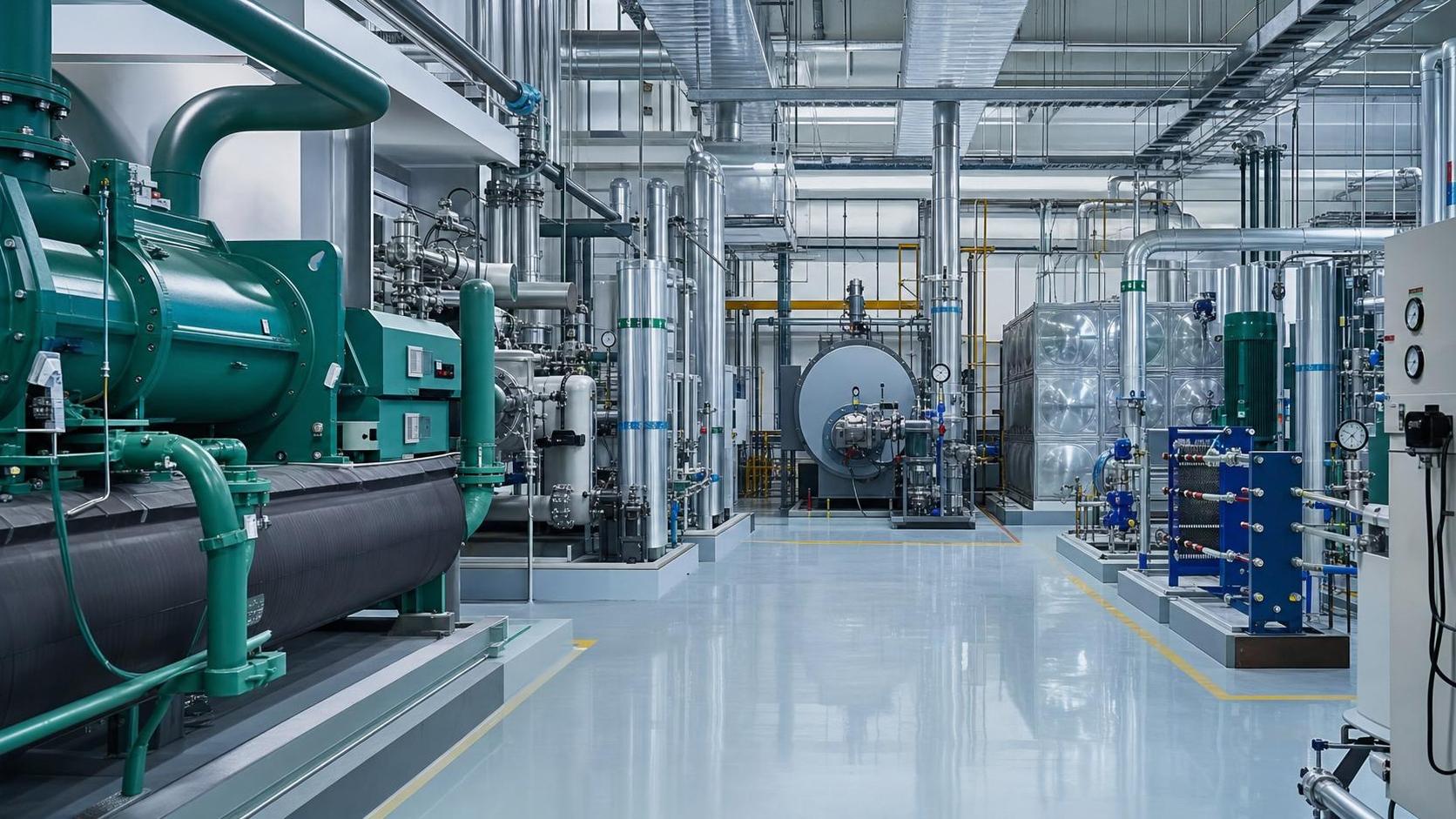
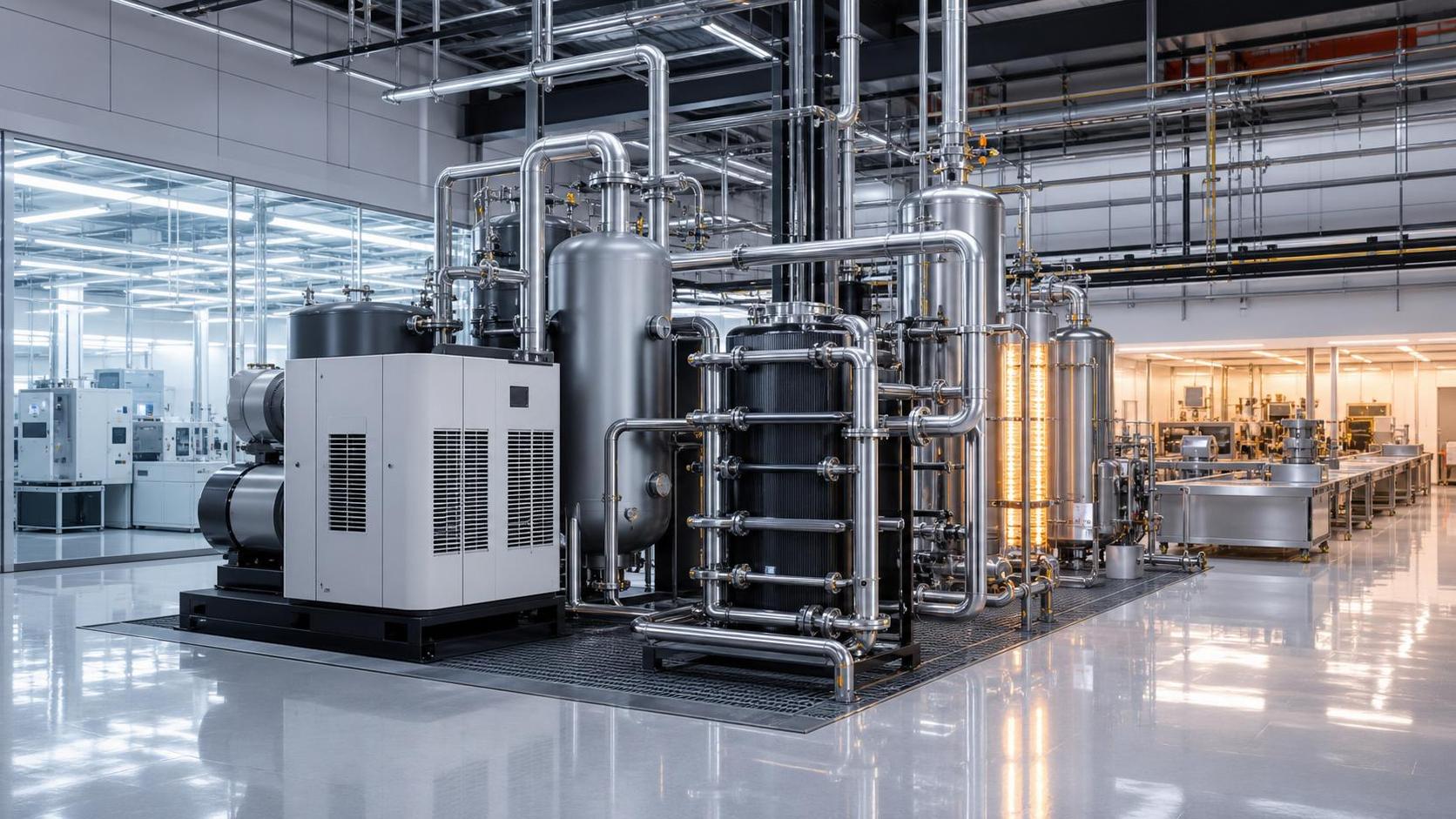
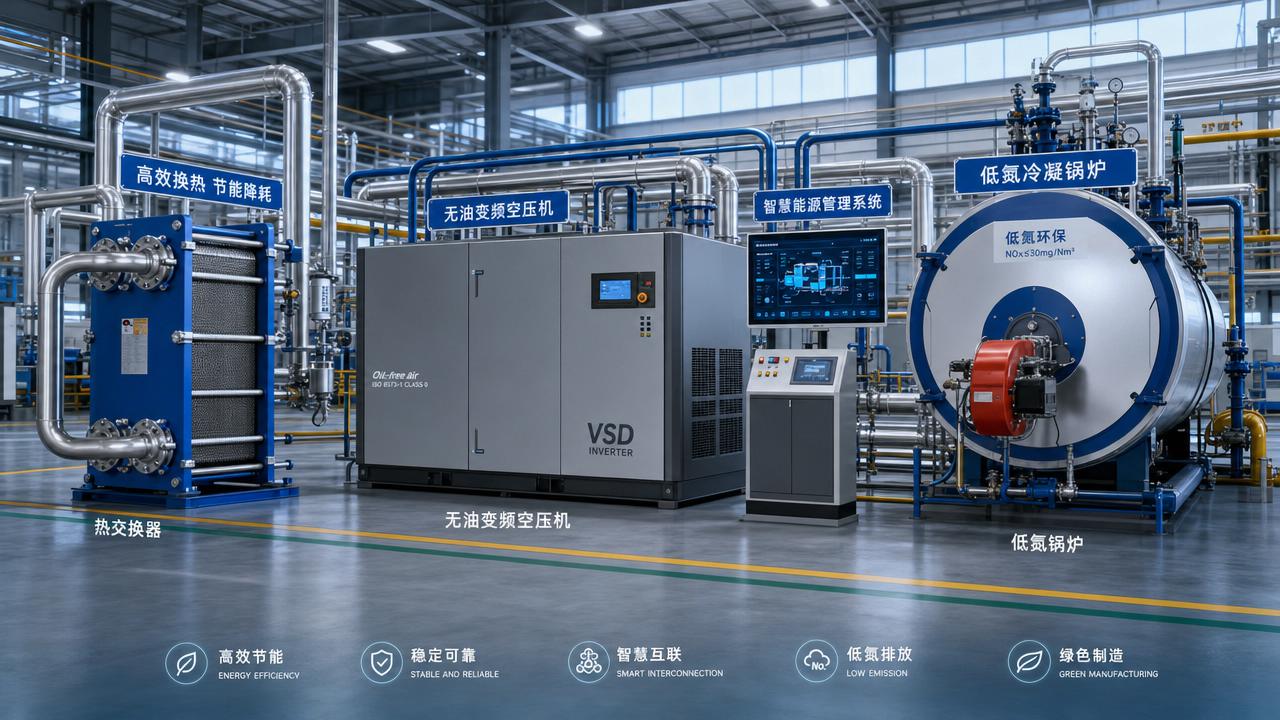
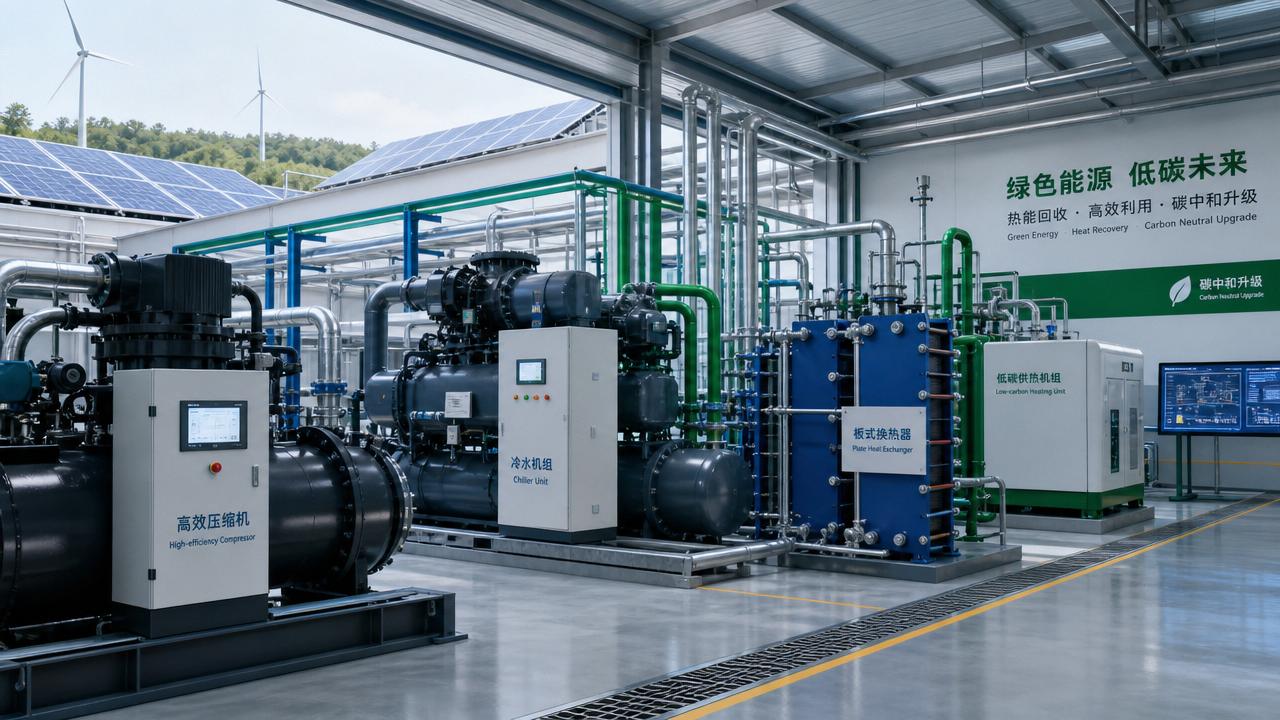
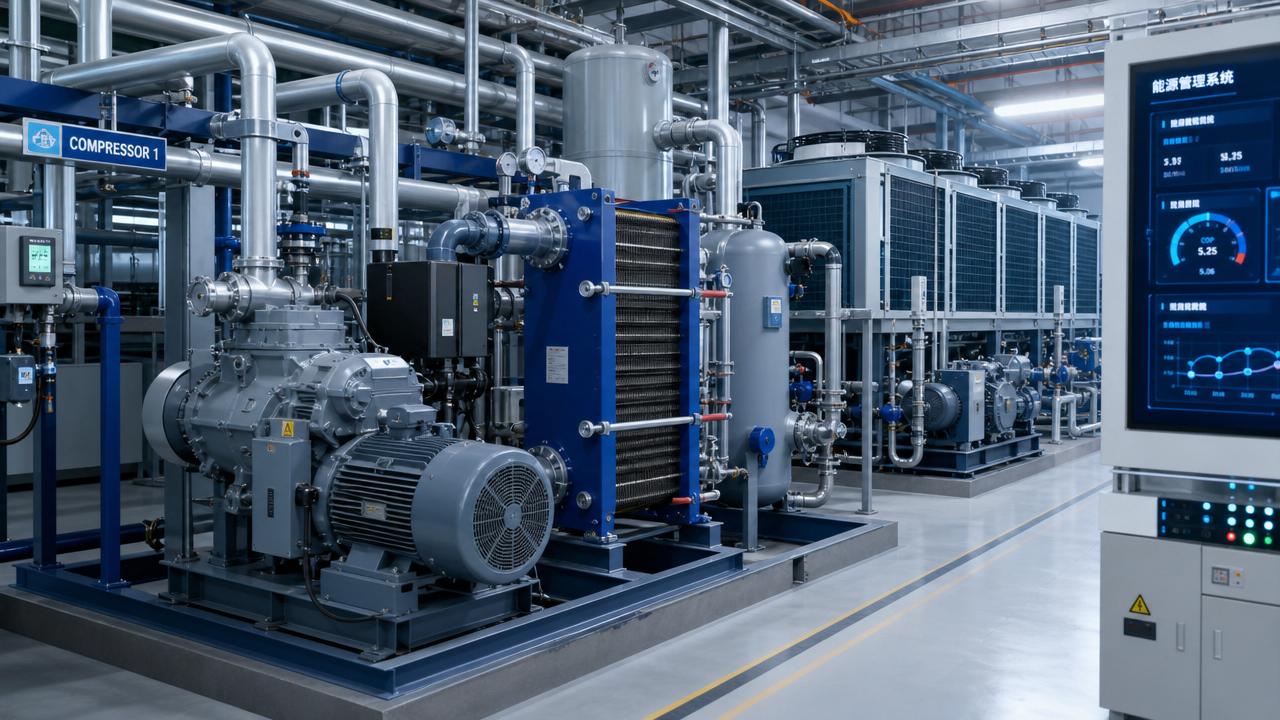
- High-efficiency chillers and industrial cooling loops
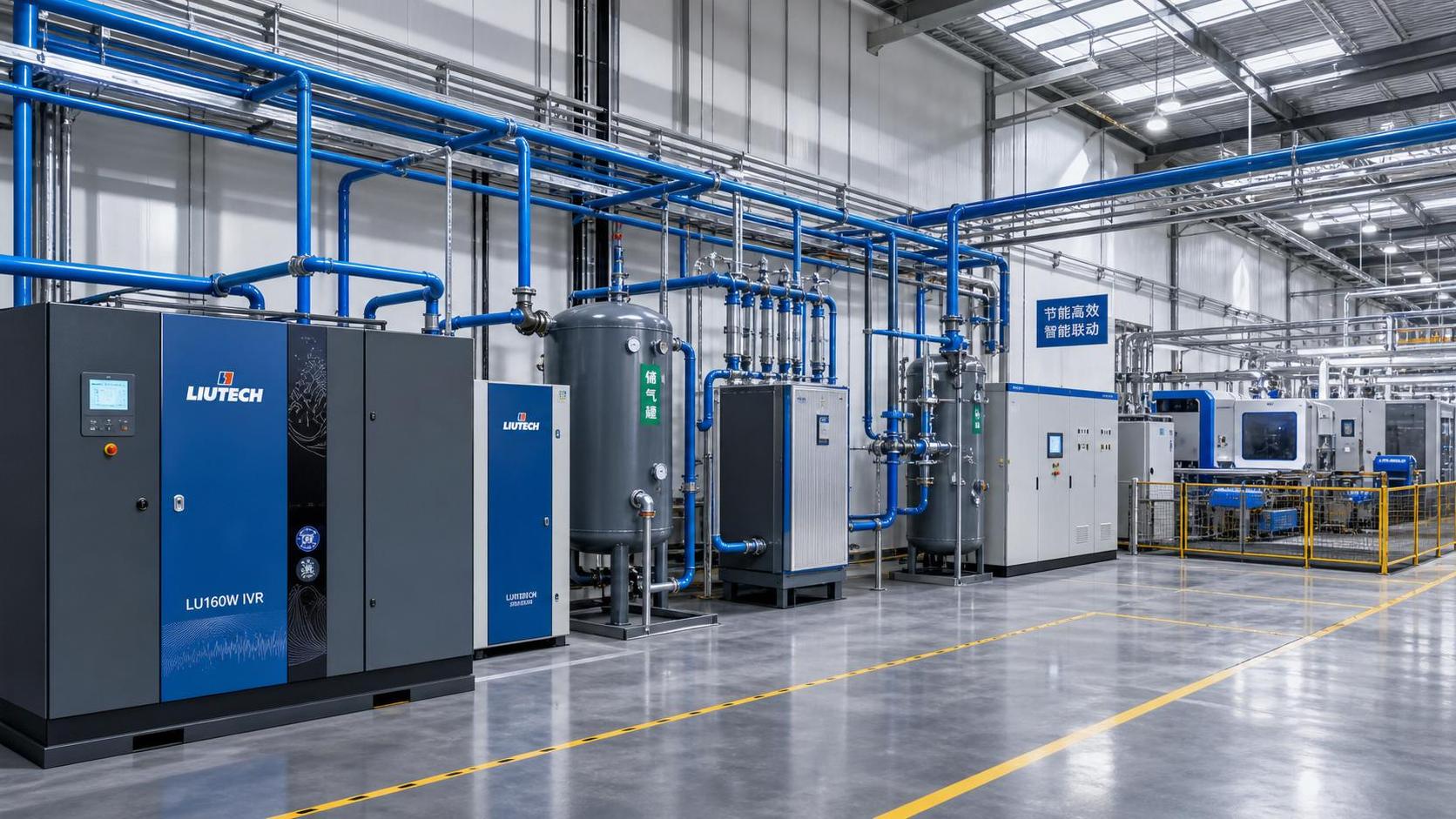
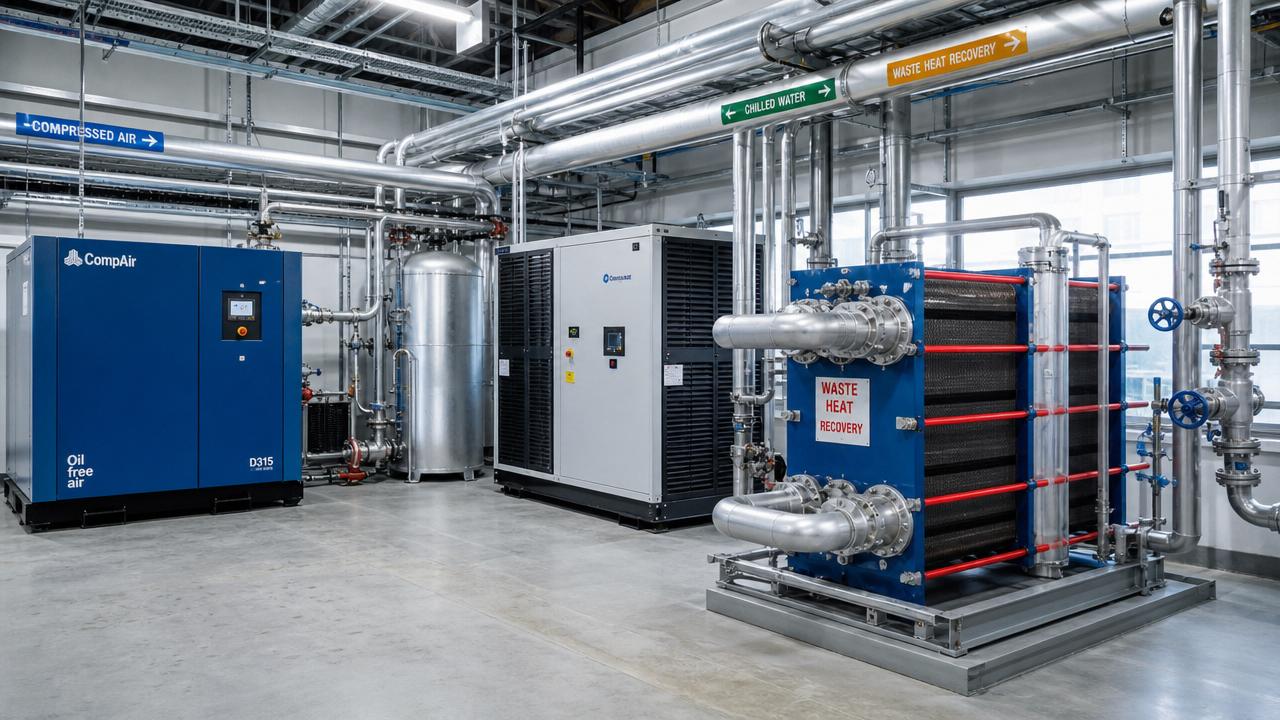
- Oil-free or variable-speed compressed air systems
- Vacuum units linked to process demand profiles
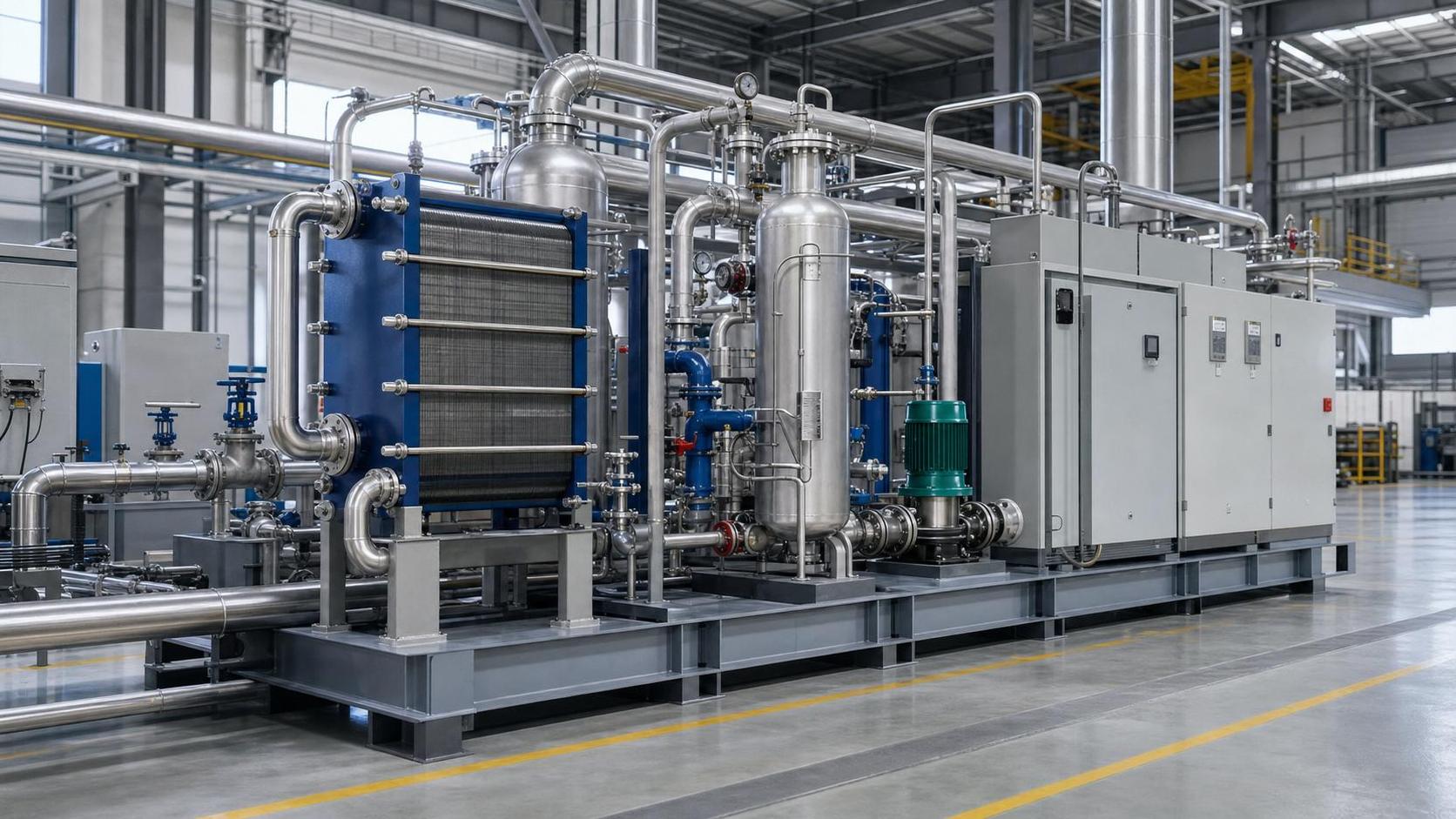
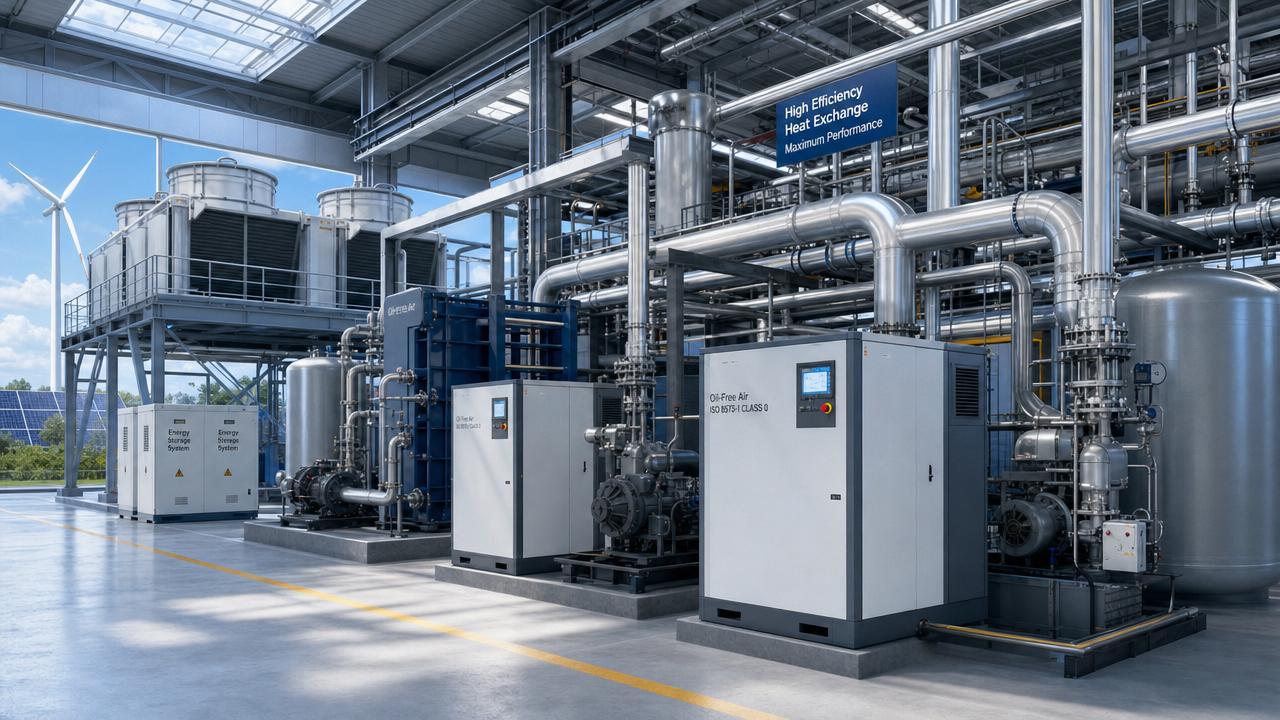
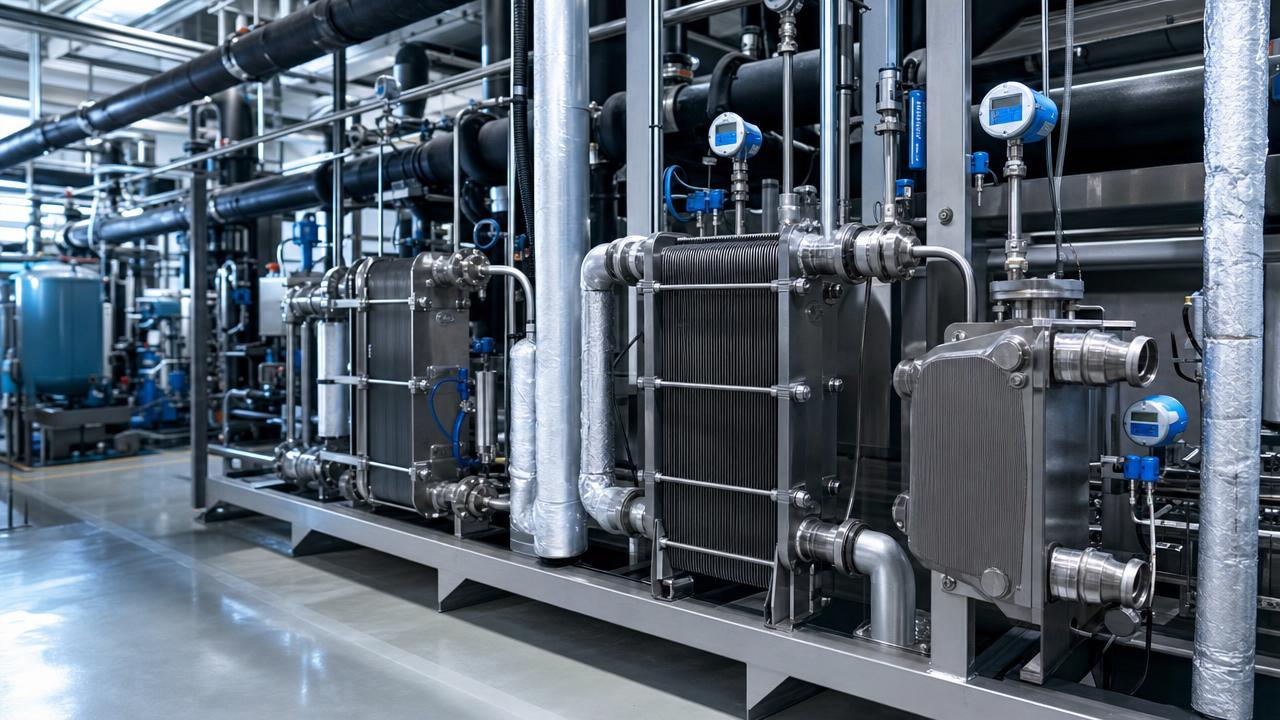
- Microchannel or advanced heat exchanger platforms
- Heat recovery modules and thermal storage layers
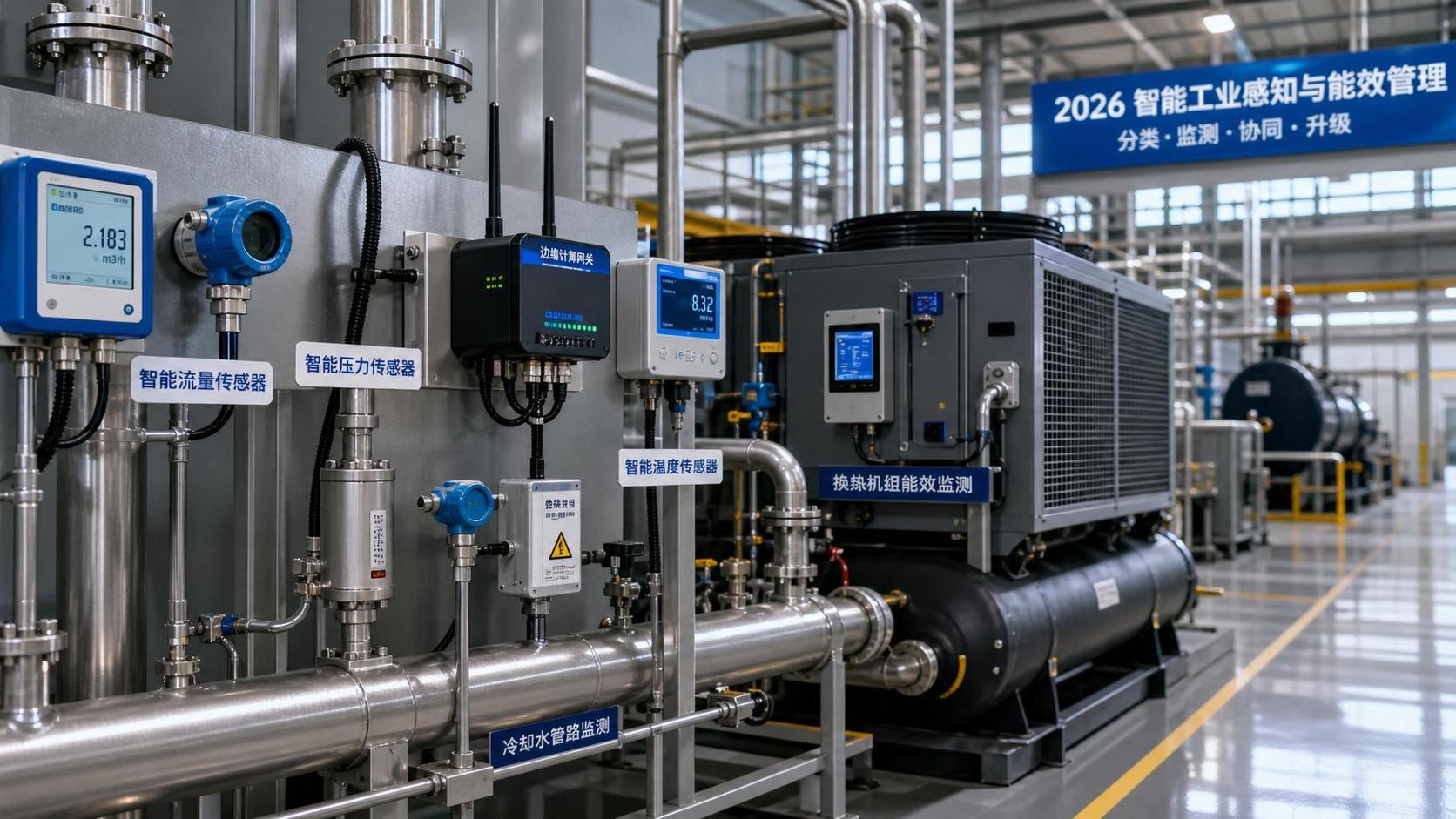
- Digital control systems with predictive optimization
The keyword smart thermal systems now extends beyond building HVAC language.
It increasingly describes industrial architectures where thermal assets behave as an intelligent network.
That network can reduce waste, match real demand, and reveal inefficiencies that legacy systems hide.
Why the Market Is Watching Efficiency Gains More Closely
Several forces are making smart thermal systems more important in 2026.
These forces affect both capital planning and operational strategy.
Industrial leaders no longer see thermal utilities as background infrastructure.
They now influence competitiveness, compliance, and expansion readiness.
That is why smart thermal systems are moving into broader investment discussions.
The Main Efficiency Gains to Watch
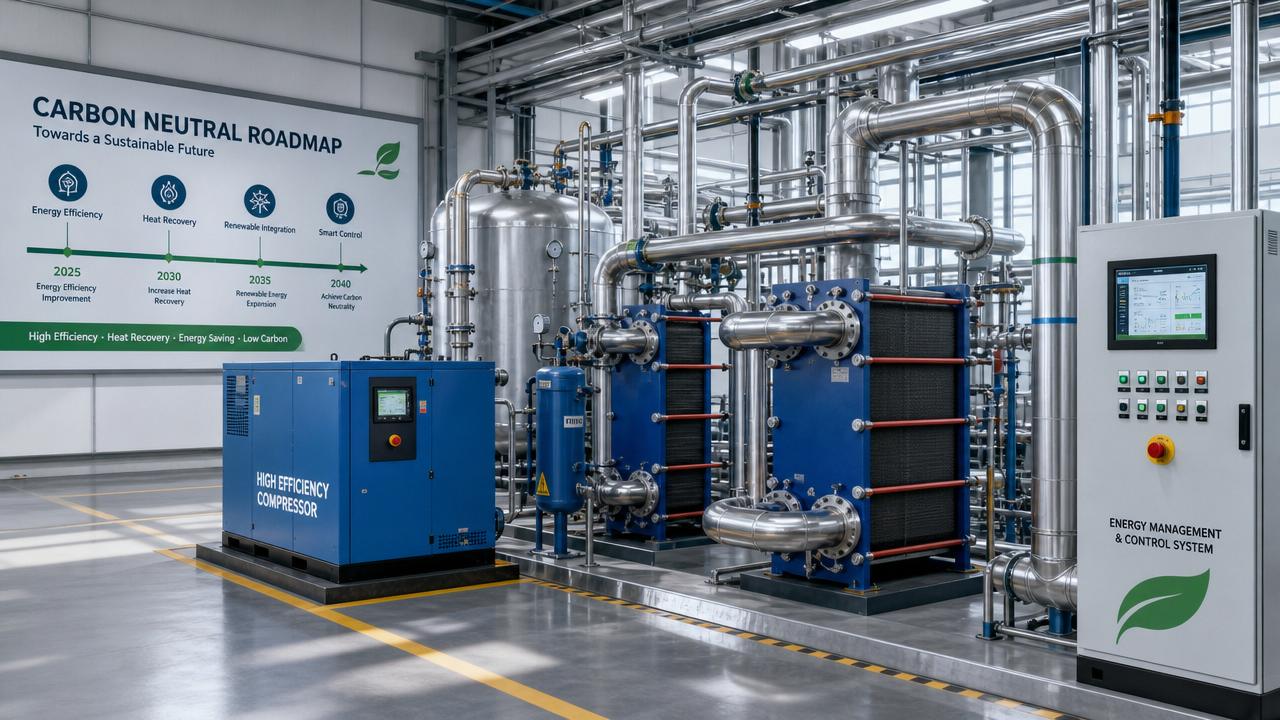
Heat recovery becomes a first-order design priority
Recovered heat from compressors, condensers, and process loops is often underused.
In 2026, smart thermal systems will capture more low-grade and medium-grade heat for reuse.
Applications include water preheating, space conditioning, washdown support, and upstream process assistance.
Intelligent controls outperform static setpoints
Fixed operating logic wastes energy when production loads move.
Smart thermal systems use dynamic controls to match flow, pressure, and temperature to actual demand.
This creates savings without sacrificing thermal stability.
Cleaner compression improves system-wide performance
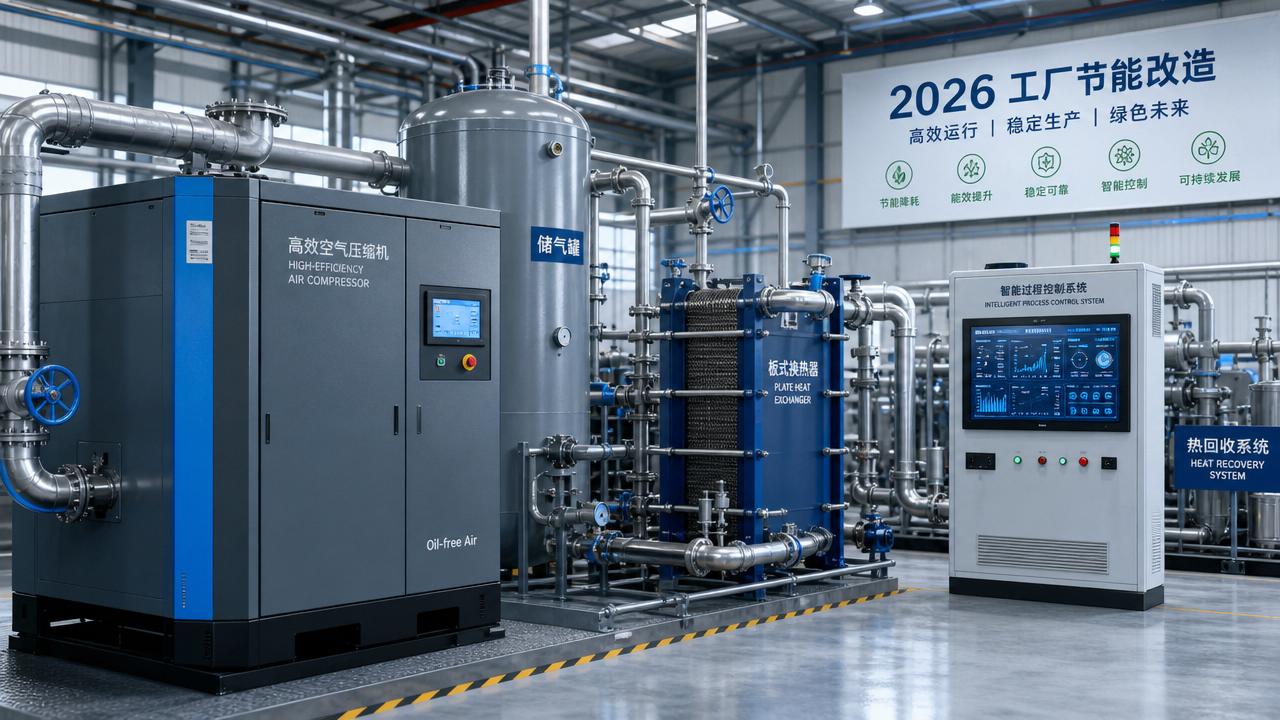
Oil-free compression, variable-speed drives, and leak-aware control strategies are gaining attention.
Compressed air is expensive energy.
When integrated into smart thermal systems, compression becomes more visible and more efficient.
Advanced heat exchangers reduce footprint and losses
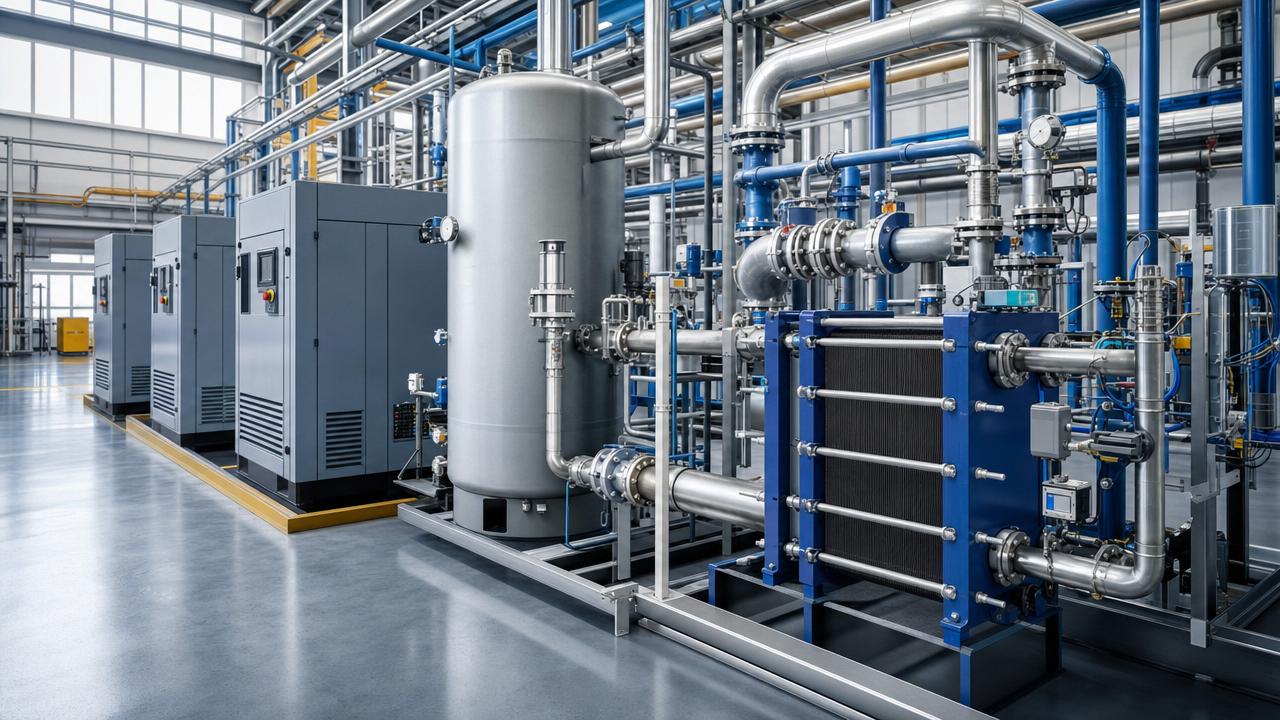
Microchannel heat exchangers and better surface designs improve transfer efficiency.
They also support compact layouts and lower refrigerant charge in many use cases.
Data layers turn thermal assets into decision assets
Sensor networks now help detect fouling, drifting efficiency, poor staging, and hidden standby waste.
This is where smart thermal systems create strategic value beyond utility savings.
Business Value Across Industrial Operations
The business case for smart thermal systems is broader than lower kilowatt-hours.
Well-designed systems improve both technical and financial resilience.
- Lower total energy intensity across utility-intensive production lines
- Better product consistency where temperature precision matters
- Reduced downtime through predictive maintenance signals
- Improved carbon accounting and audit-ready performance records
- More scalable infrastructure for plant upgrades or capacity changes
For sectors with strict purity or process controls, the value can be even higher.
Pharmaceutical and semiconductor environments often need clean, stable, and traceable thermal performance.
Food operations also benefit through hygiene, cold chain integrity, and utility cost control.
Smart thermal systems support these outcomes through integrated visibility.
Typical Application Paths by Scenario
Different operating environments prioritize different thermal gains.
This scenario-based view helps define where smart thermal systems create the fastest payback.
It also reduces the risk of overengineering.
Implementation Priorities and Common Mistakes
Successful deployment starts with system thinking.
Many projects fail because equipment is upgraded without mapping heat flows or load interactions.
Practical priorities
- Audit current thermal loads, compression patterns, and waste heat sources.
- Measure baseline efficiency before selecting new technologies.
- Use controls that can integrate across cooling, air, vacuum, and heat recovery.
- Prioritize sensor quality and data consistency, not only dashboard appearance.
- Plan for maintenance access, operator usability, and future expansion.
Common mistakes
- Evaluating assets in isolation instead of as a thermal network
- Ignoring part-load performance and seasonal variation
- Underestimating leak losses and exchanger fouling
- Adding software without clear response protocols
- Focusing on nameplate efficiency rather than operating efficiency
The strongest smart thermal systems programs combine engineering discipline with operational governance.
Strategic Next Steps for 2026 Planning
The most useful next step is a targeted thermal intelligence review.
That review should connect utility data, process risk, heat recovery potential, and decarbonization priorities.
For organizations following global shifts, GTC-Matrix offers a valuable lens.
Its coverage of industrial cooling, compressed air, vacuum processes, and heat exchange technologies supports better timing and better decisions.
Smart thermal systems will define a larger share of industrial efficiency gains in 2026.
Those gains will come from integrated design, cleaner compression, sharper controls, and actionable thermal data.
The opportunity is clear: identify hidden losses, connect system layers, and turn thermal performance into measurable business value.
Related News
- Why high-density thermal energy storage is gaining industry attentionAuthor :

- Smart Device Thermal Management Trends Shaping 2026 Product DesignAuthor :

- Industrial Cooling Technologies in Europe: 2026 Trends in Compliance and Energy UseAuthor :

- Industrial Electrification Trends in 2026: Where Projects Are Moving FirstAuthor :

- Industrial Solution Comparison Global: 2026 Trends Reshaping Equipment DecisionsAuthor :

- When Heat Recovery Systems Skid Mounted Designs Improve Project PaybackAuthor :

- How to Compare Industrial Decarbonization Solutions Providers in 2026Author :

- Industry Category Guides for Smart Devices: What to Track as 2026 Markets ShiftAuthor :

- Green Manufacturing Trends Reshaping Industrial InvestmentAuthor :

- 2026 Global Energy Costs: What Will Reshape Industrial PlanningAuthor :

- Industrial Decarbonization Solutions That Cut Fuel Costs in 2026Author :

- Smart Thermal Systems Trends Shaping Industrial Upgrades in 2026Author :

- Resource Circularity in Manufacturing: 5 Practical Gains Beyond ComplianceAuthor :

- Carbon Neutrality Roadmap: What Industrial Firms Need to Prioritize FirstAuthor :

- Energy Conversion Efficiency Trends Shaping Industrial UpgradesAuthor :

- Compression Technology Trends Shaping Efficient Plant UpgradesAuthor :

- Industrial Intelligence in Manufacturing: Where It Delivers Value FirstAuthor :

- How Intellectualization Improves Industrial Thermal ManagementAuthor :

- What Intellectualization Means for Smarter Plant Operations in 2026Author :

- Carbon Neutrality Goals: What Industrial Firms Should Prioritize in 2026Author :

- How Intellectualization Reduces Downtime in Modern Production LinesAuthor :

- Decarbonization Roadmap for Energy-Intensive Plants in 2026Author :

- Thermal Systems Trends in 2026: Efficiency, Control, and RiskAuthor :

- Industrial Decarbonization Priorities for Energy-Intensive FacilitiesAuthor :

- Thermal Systems in 2026: Efficiency Upgrades Shaping Industrial OperationsAuthor :

- Pure Power Sources: 5 Practical Paths to Carbon NeutralityAuthor :

- What Intellectualization Means for Industrial Equipment UpgradesAuthor :

- Thermal Optimization in 2026: Where Energy Savings Deliver the Fastest PaybackAuthor :

- Energy Efficiency Trends Reshaping Compressor Upgrades in 2026Author :

- 2026 Industrial Decarbonization Trends Reshaping Plant UpgradesAuthor :
![]()
- Heat Exchanger Technology Trends for 2026 Efficiency TargetsAuthor :

- Resource Circularity Risks in 2026 Supply ChainsAuthor :

- Smart Thermal Systems: When Upgrades Deliver Measurable SavingsAuthor :

- Carbon Neutrality: Practical Steps for Factory RoadmapsAuthor :

- 2026 Industrial Energy Efficiency Priorities for Plant UpgradesAuthor :

- Industrial Intellectualization Trends Reshaping Equipment UpgradesAuthor :