



Thermal Optimization in Existing Plants: What Pays Off First




In existing plants, thermal optimization is one of the fastest ways to cut energy costs, improve system reliability, and strengthen long-term competitiveness. For decision-makers, the key question is not whether to optimize, but which upgrades deliver measurable returns first. This article highlights the most practical priorities to help enterprises turn complex thermal systems into clear business value.
Across manufacturing, food processing, pharmaceuticals, chemicals, logistics, and other industrial environments, thermal losses often remain hidden in plain sight. A plant may have acceptable production output while wasting 10% to 30% of input energy through poor heat transfer, compressed air leakage, oversized cooling duty, or unstable control logic. For leadership teams, the best thermal optimization roadmap starts with improvements that require limited shutdown time, low engineering risk, and a payback window that can often fall within 6 to 24 months.
Where thermal optimization pays off first in existing plants
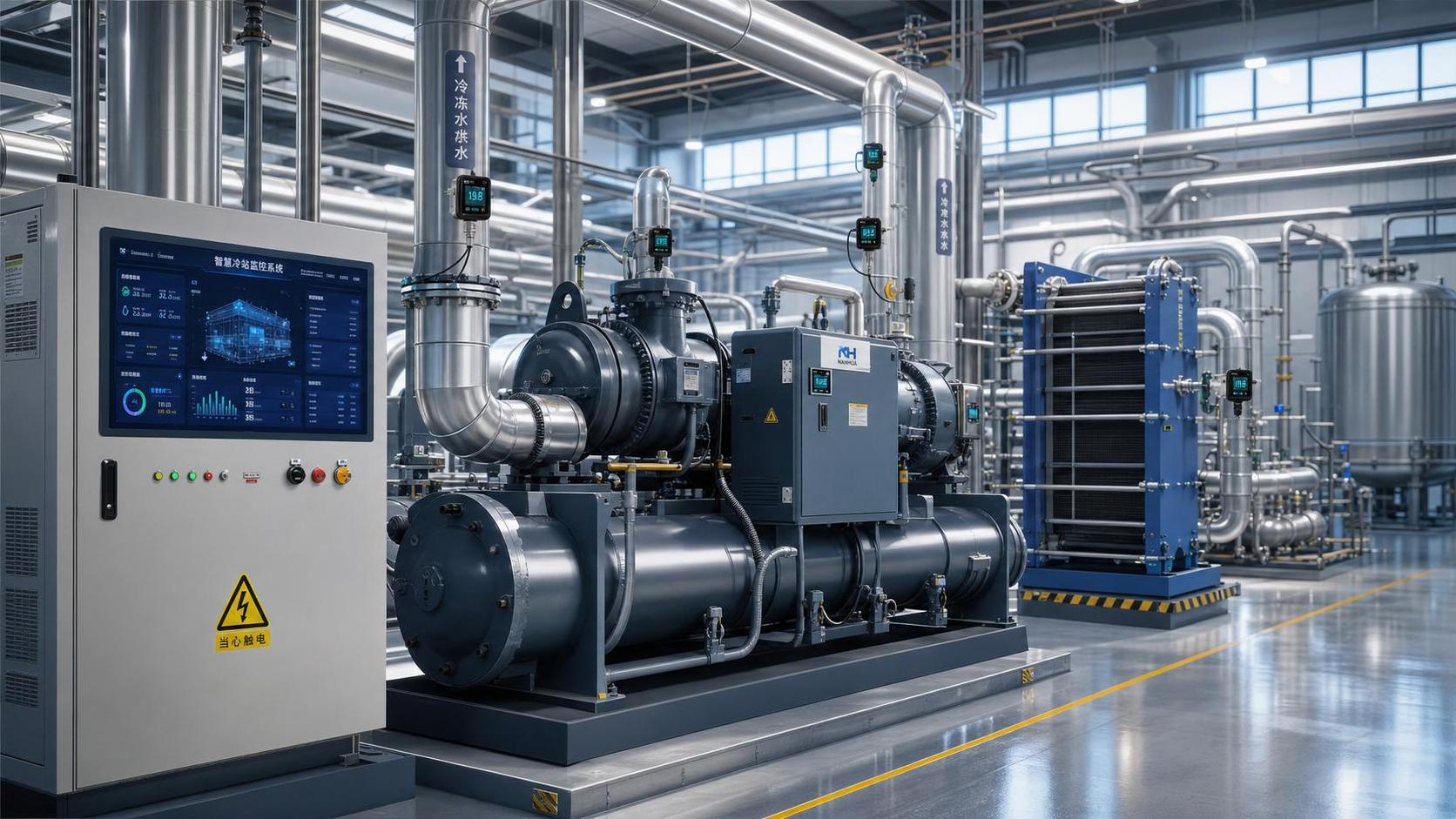
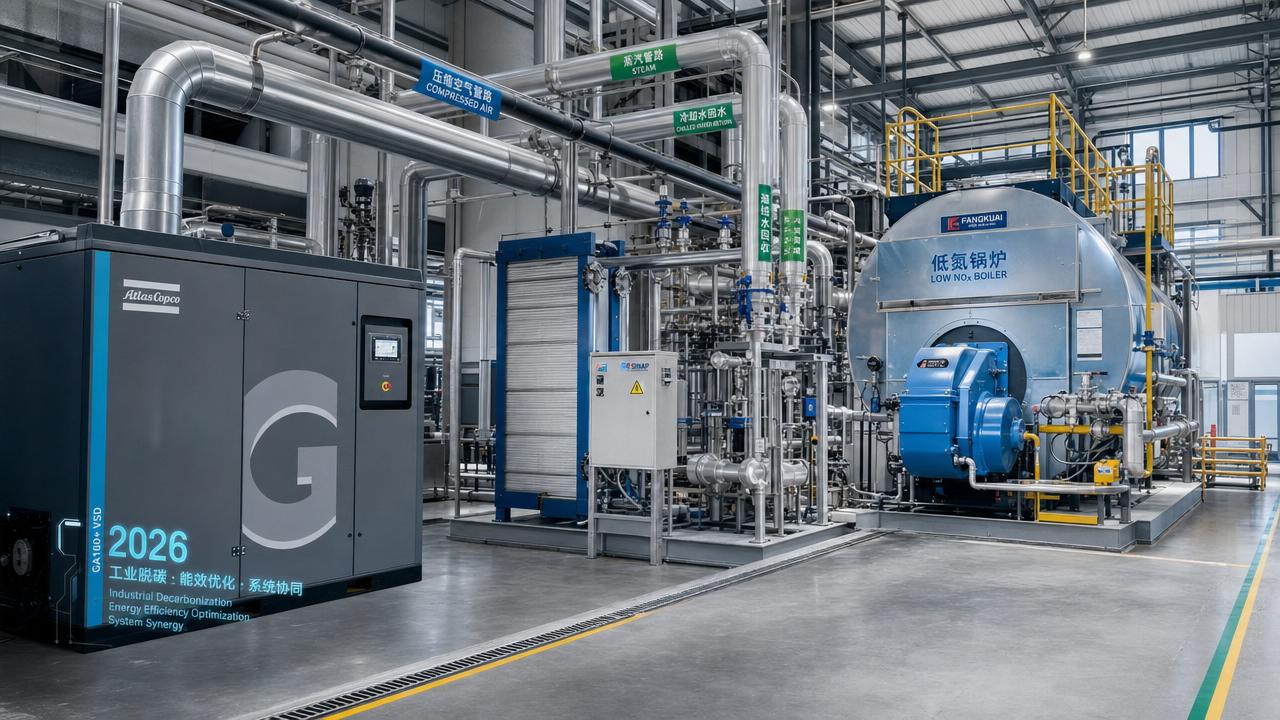
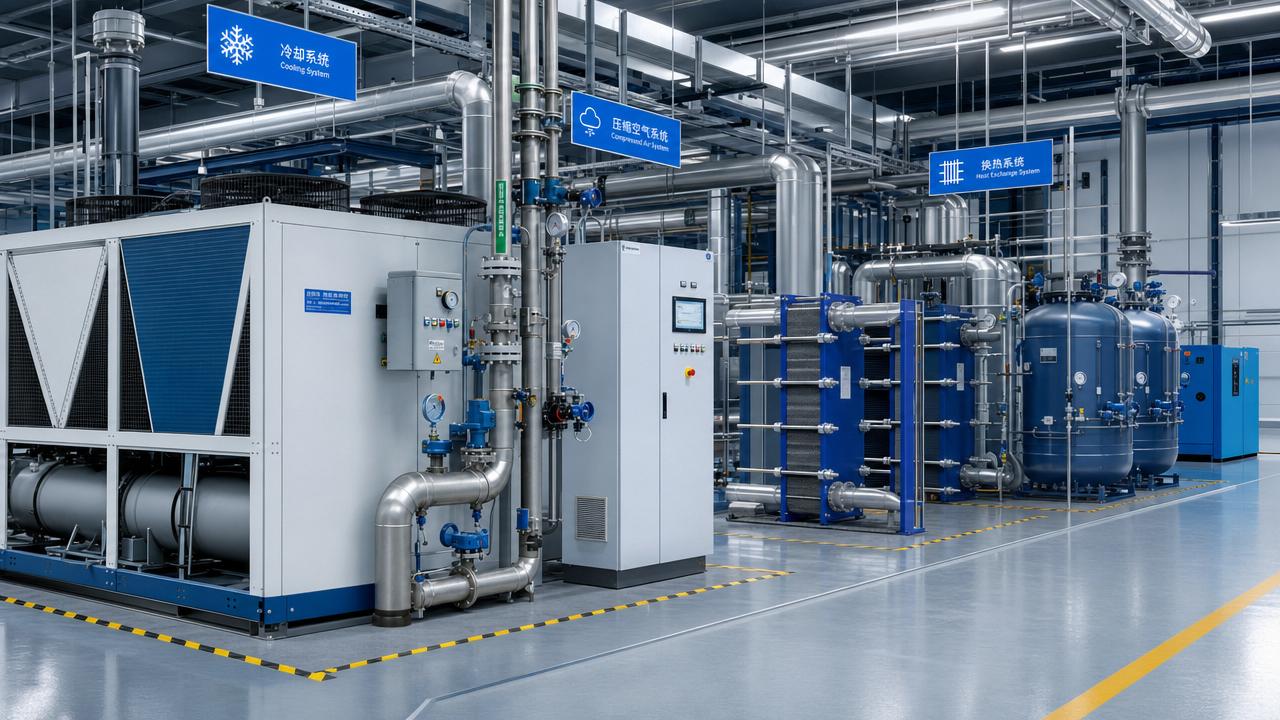
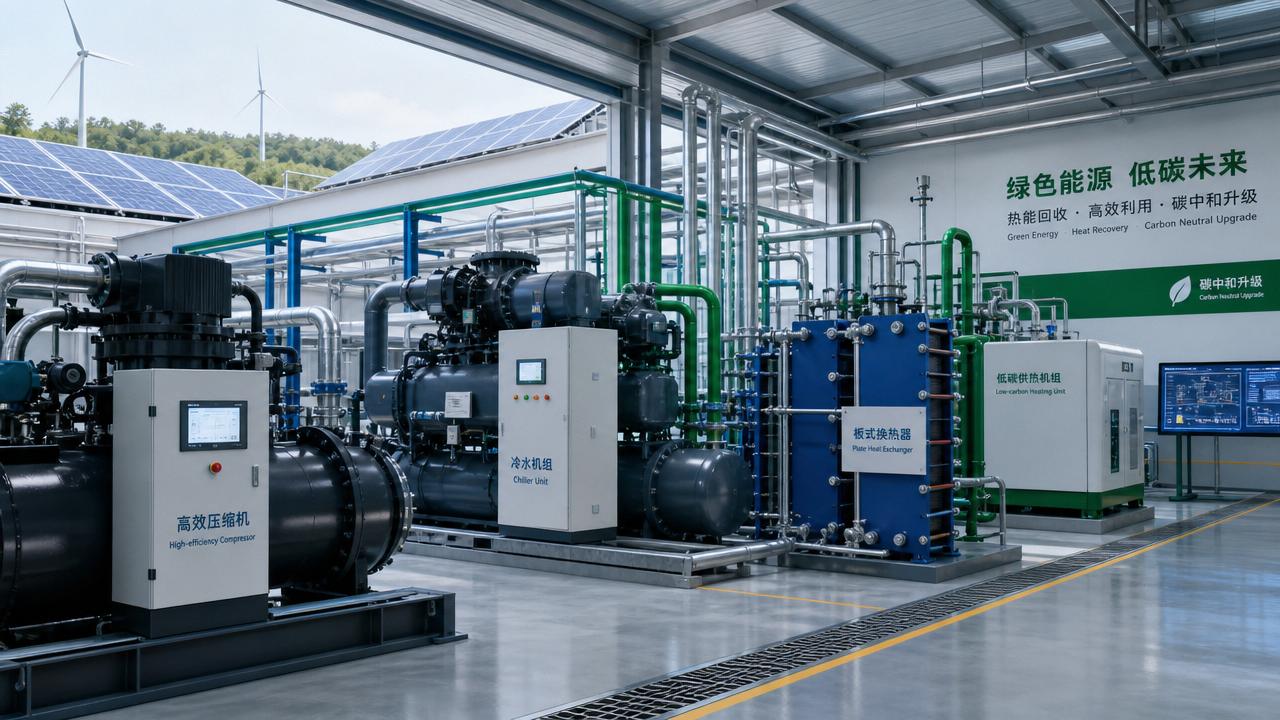
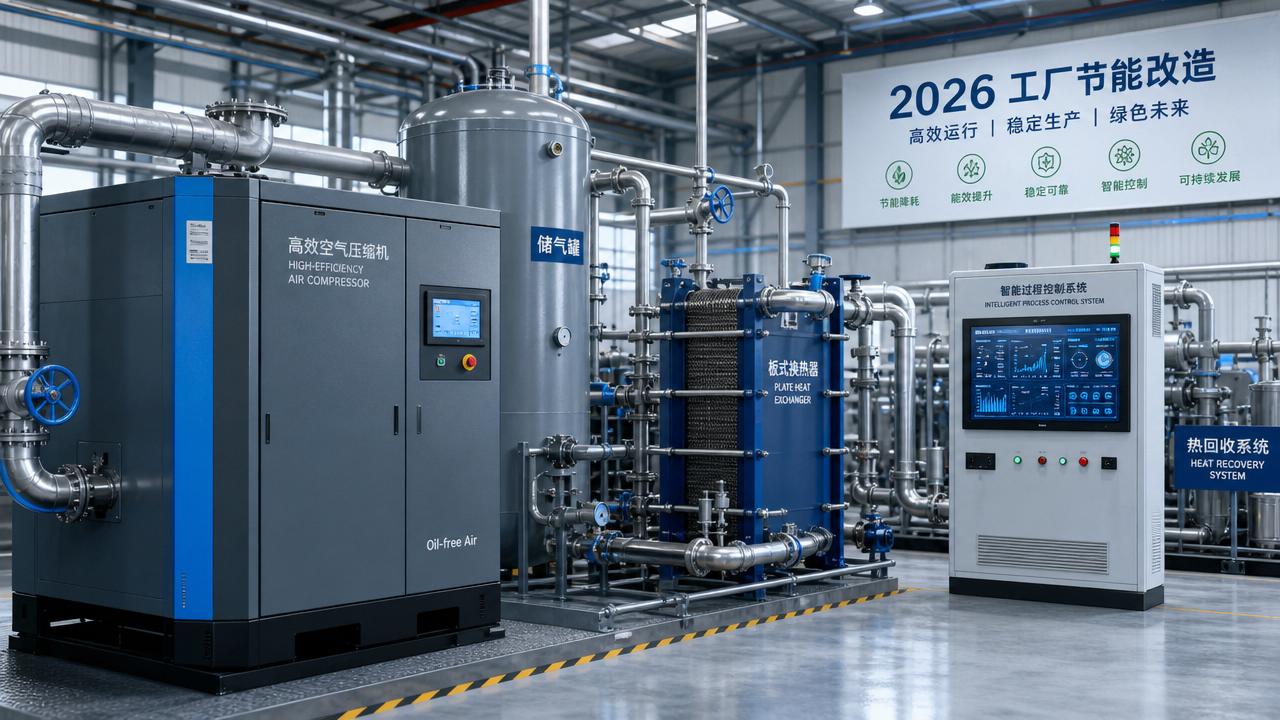
In brownfield facilities, the first gains rarely come from full equipment replacement. They usually come from correcting how heat, air, and cooling capacity are already being used. For most decision-makers, there are 4 high-priority targets: heat exchanger performance, compressed air efficiency, process cooling stability, and control system tuning.
1. Restore heat transfer before replacing assets
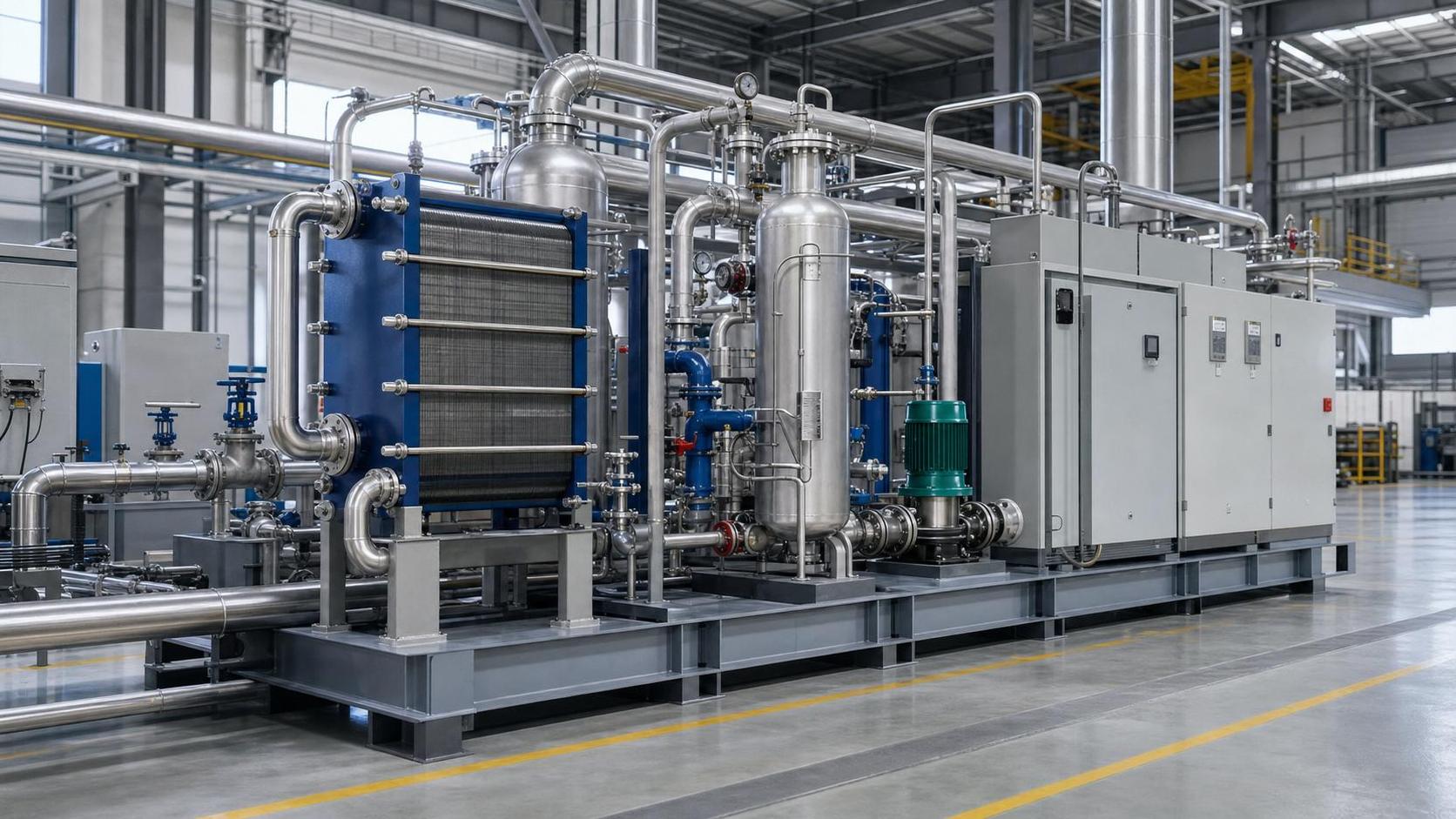
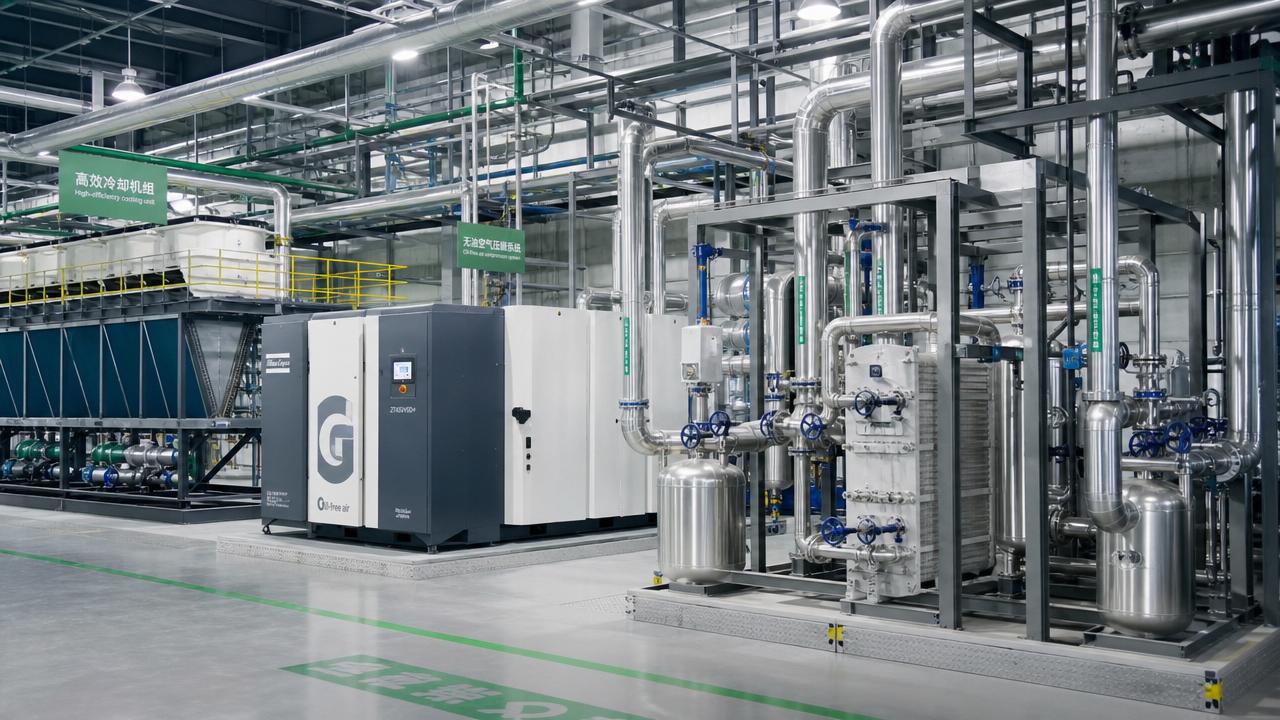
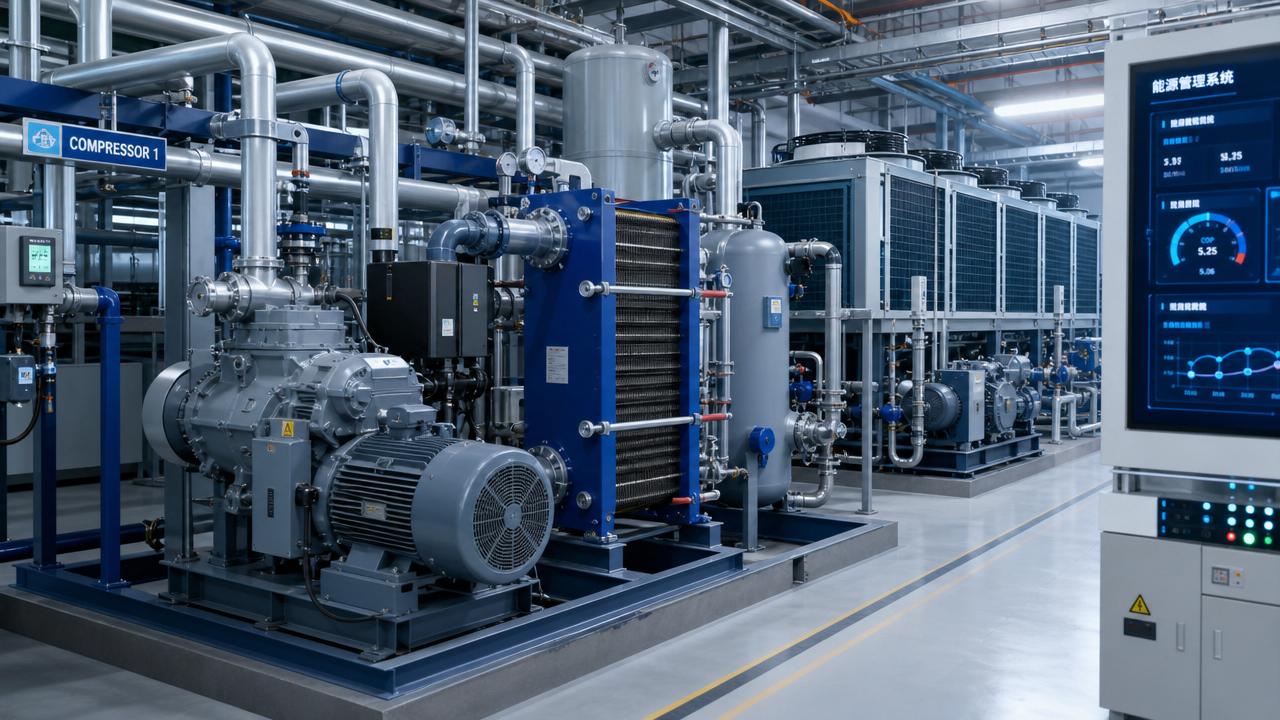
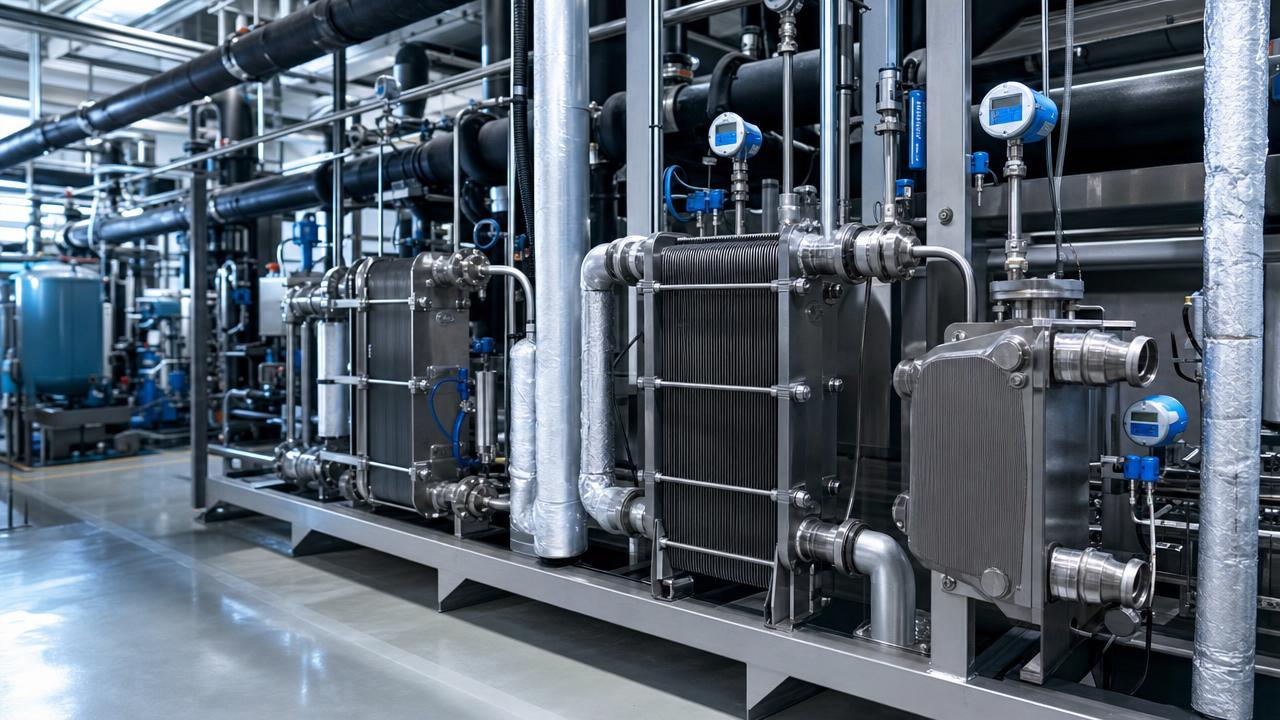
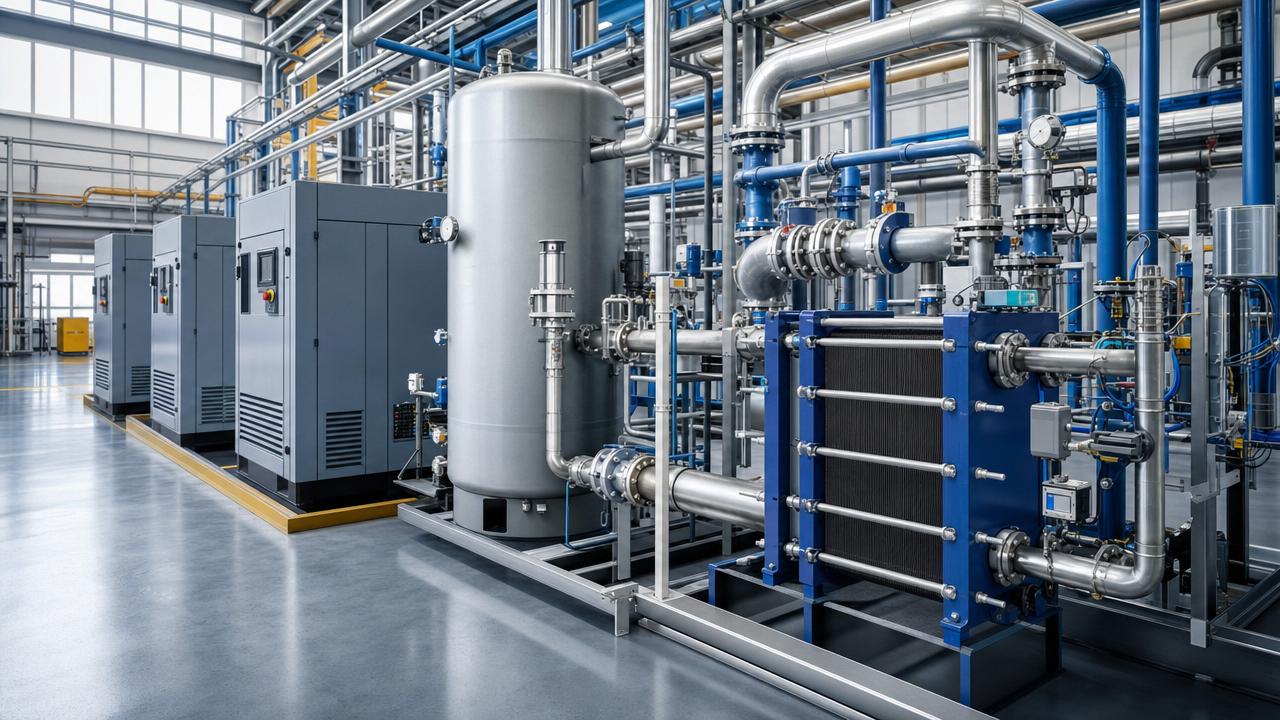
Fouled heat exchangers, scaled condensers, and blocked cooling surfaces can increase energy demand by 5% to 20% without triggering immediate alarms. In many plants, a cleaning interval that should be every 3 to 6 months gets extended to 9 months or more, especially when maintenance teams are overloaded. Thermal optimization begins by recovering existing heat transfer area and reducing pressure drop.
Typical quick wins
- Clean plate, shell-and-tube, or air-cooled exchangers
- Inspect approach temperatures and fouling indicators
- Repair bypass leakage and damaged insulation
- Rebalance flow rates to match real process loads
The table below shows which common measures usually deliver the earliest returns in existing plants, especially where thermal systems have grown organically over 5 to 15 years.
For many sites, these measures outperform major capital projects in the first year because they reduce waste immediately and avoid long procurement cycles. This is why thermal optimization should start with actual operating losses, not just asset age.
2. Fix compressed air waste as a thermal and power issue
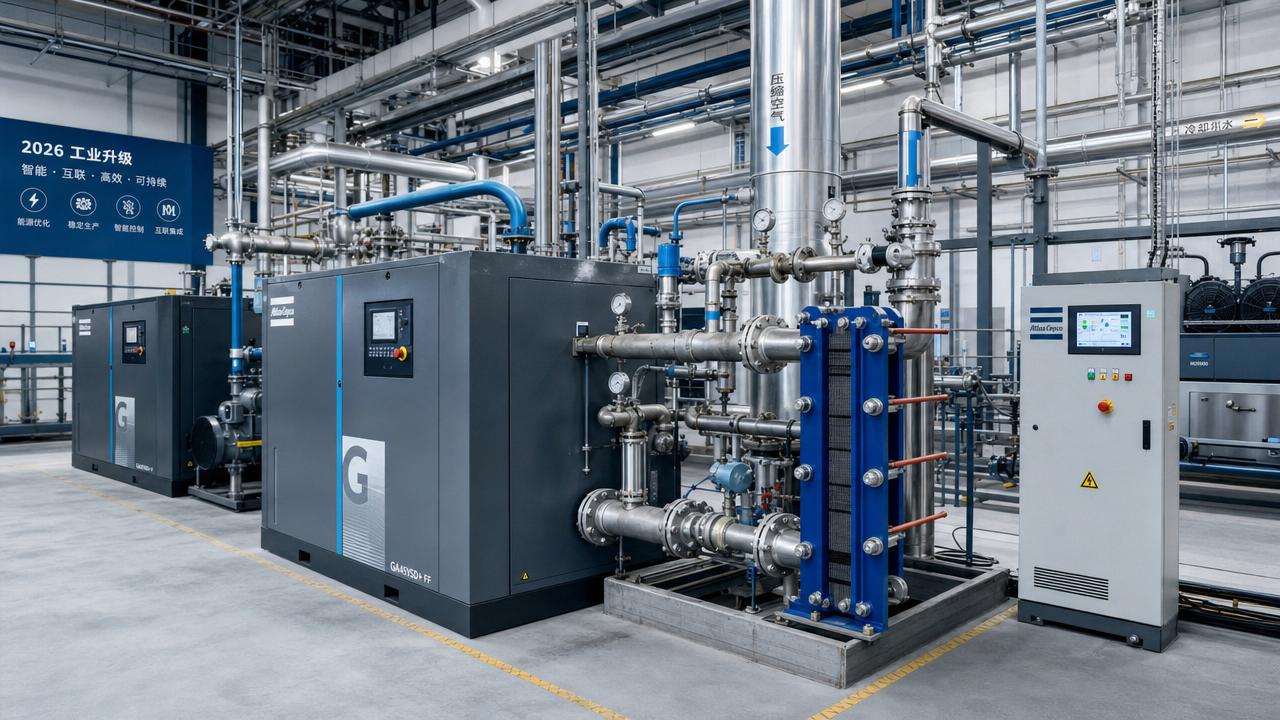
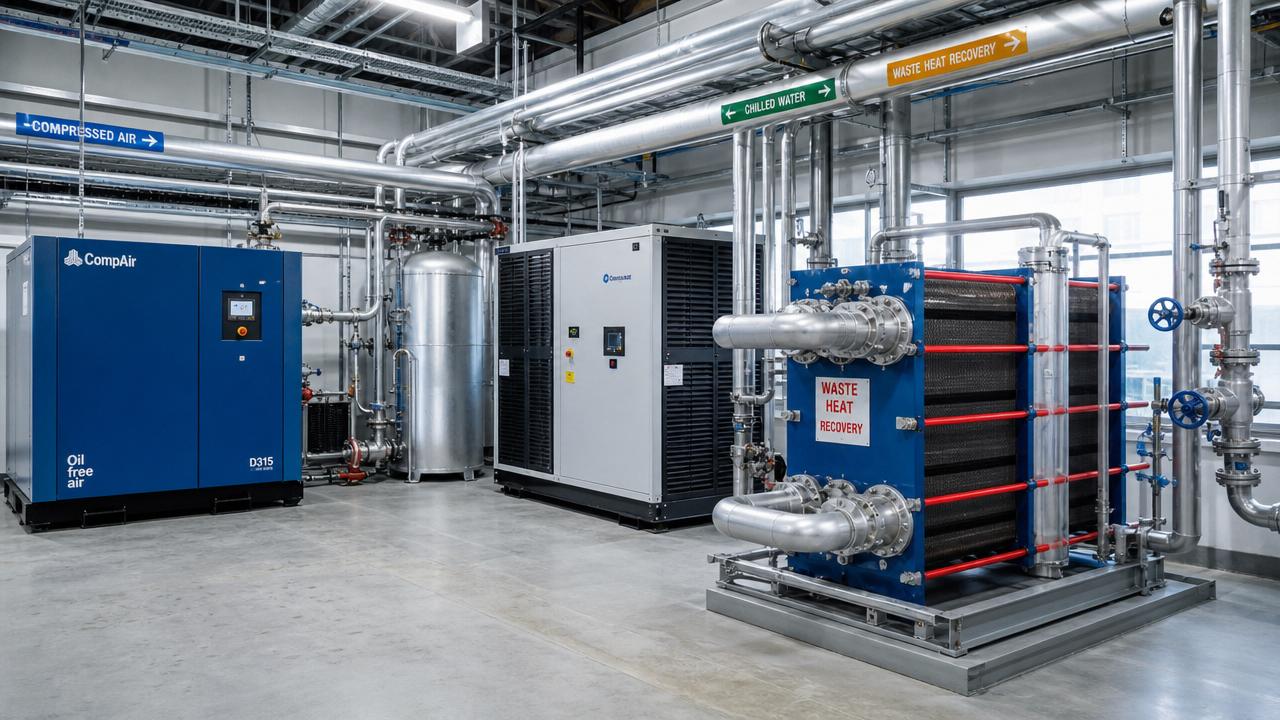
Compressed air is often treated as a utility line item, but it is also a thermal optimization opportunity. Every unnecessary bar of pressure increases power demand, and every uncontrolled compressor cycle adds heat to the plant environment. In many facilities, lowering header pressure by 0.5 to 1.0 bar can cut compressor energy use by roughly 3% to 7%, depending on system design.
Decision-makers should ask 3 practical questions: What is the leak rate during non-production hours? Is installed compressor capacity 15% to 25% higher than real demand? Is waste heat from compression being recovered for hot water, preheating, or space conditioning? These are measurable issues with direct operating impact.
How to prioritize upgrades without disrupting production
The strongest thermal optimization plans are built around business continuity. In an existing plant, a technically perfect project can still fail if it requires a 10-day shutdown, complex piping reroutes, or retraining across multiple shifts. A practical investment sequence should therefore weigh 4 factors equally: savings potential, implementation risk, maintenance burden, and process criticality.
A decision framework for executives
Before approving upgrades, it helps to classify opportunities into three tiers. Tier 1 actions are low-capex corrections that can be implemented in 1 to 6 weeks. Tier 2 projects involve modest retrofits such as variable speed drives, control upgrades, or condenser improvements. Tier 3 projects include major equipment replacement and should usually follow data validation.
The following comparison helps plant owners and operations leaders rank projects using commercial as well as technical logic.
In many cases, Tier 1 and Tier 2 measures can recover enough performance to delay major capital spending by 12 to 36 months. That creates time for better budgeting and more accurate technology selection.
Common mistakes that reduce ROI
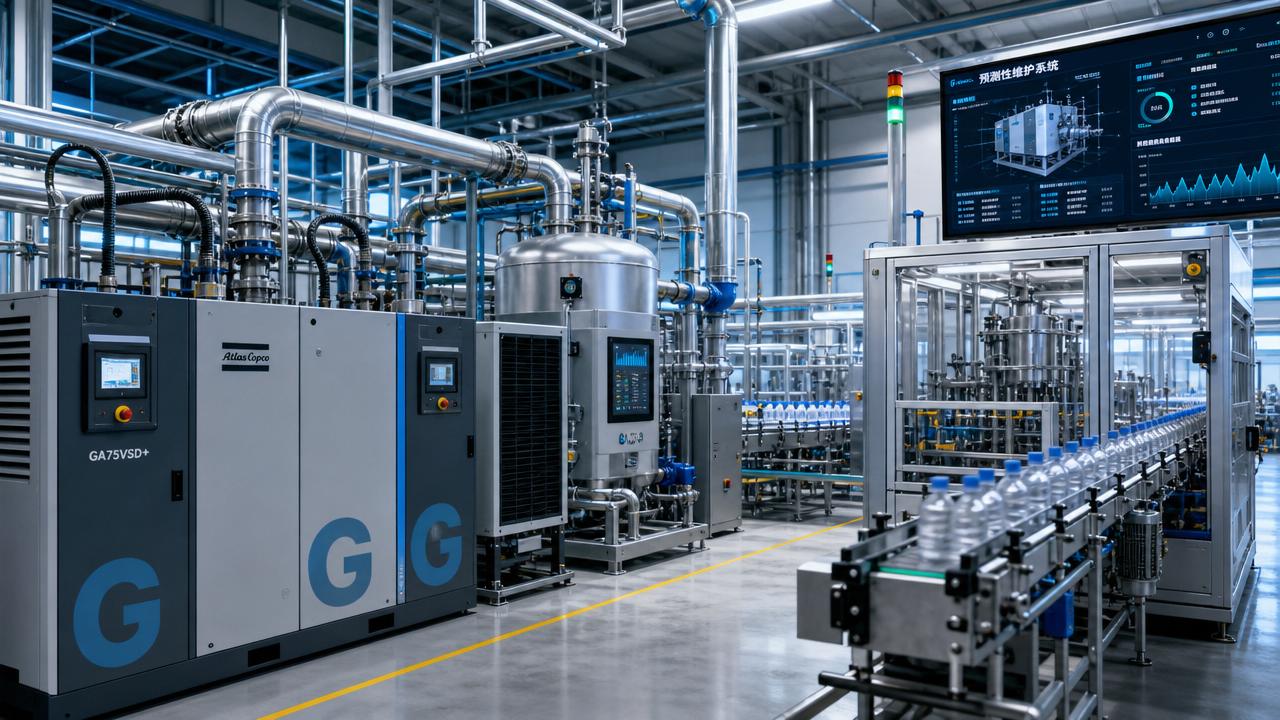
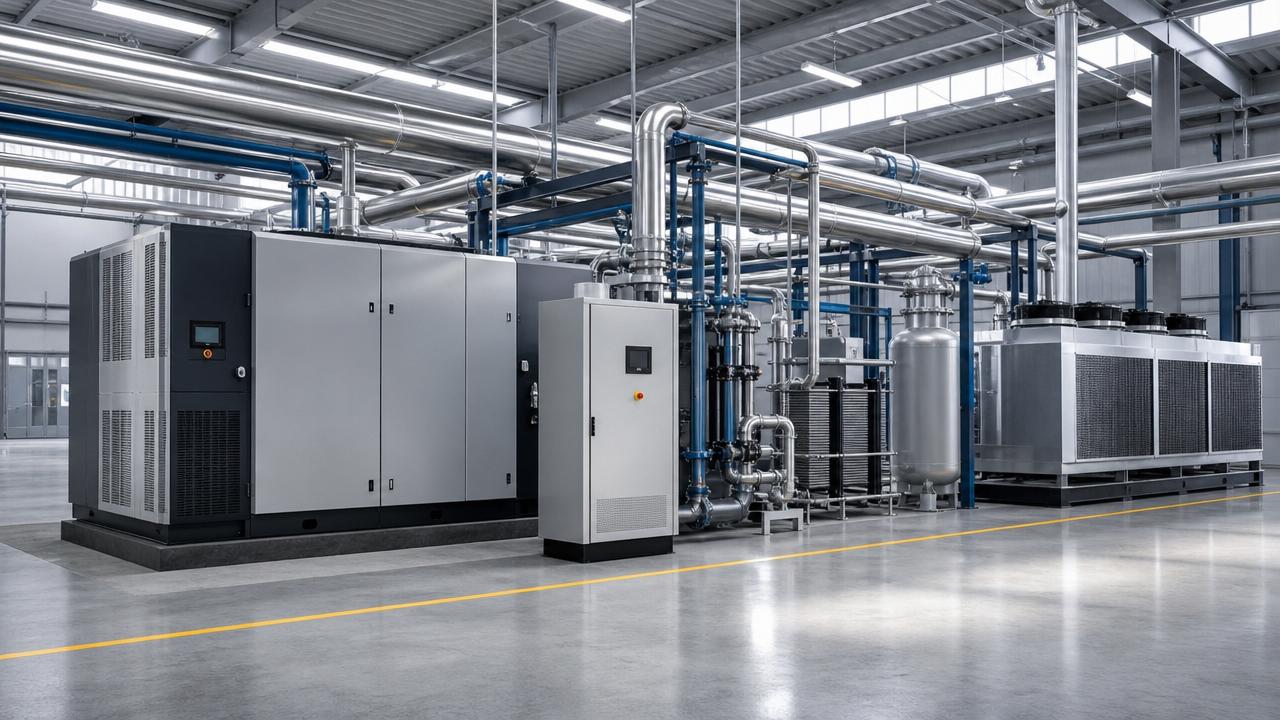
A frequent error is replacing machines before understanding load profile variation across shifts, seasons, or production recipes. Another is focusing only on nameplate efficiency instead of system efficiency. A high-efficiency chiller or compressor can still underperform if controls are unstable, heat exchangers are dirty, or downstream demand is poorly managed.
Risk checkpoints before approval
- Verify baseline data over at least 2 to 4 weeks
- Separate process-critical loads from variable utility loads
- Confirm maintenance capability after retrofit
- Estimate shutdown windows by line, not just by plant
- Require post-implementation measurement at 30, 90, and 180 days
Why market intelligence matters in thermal optimization
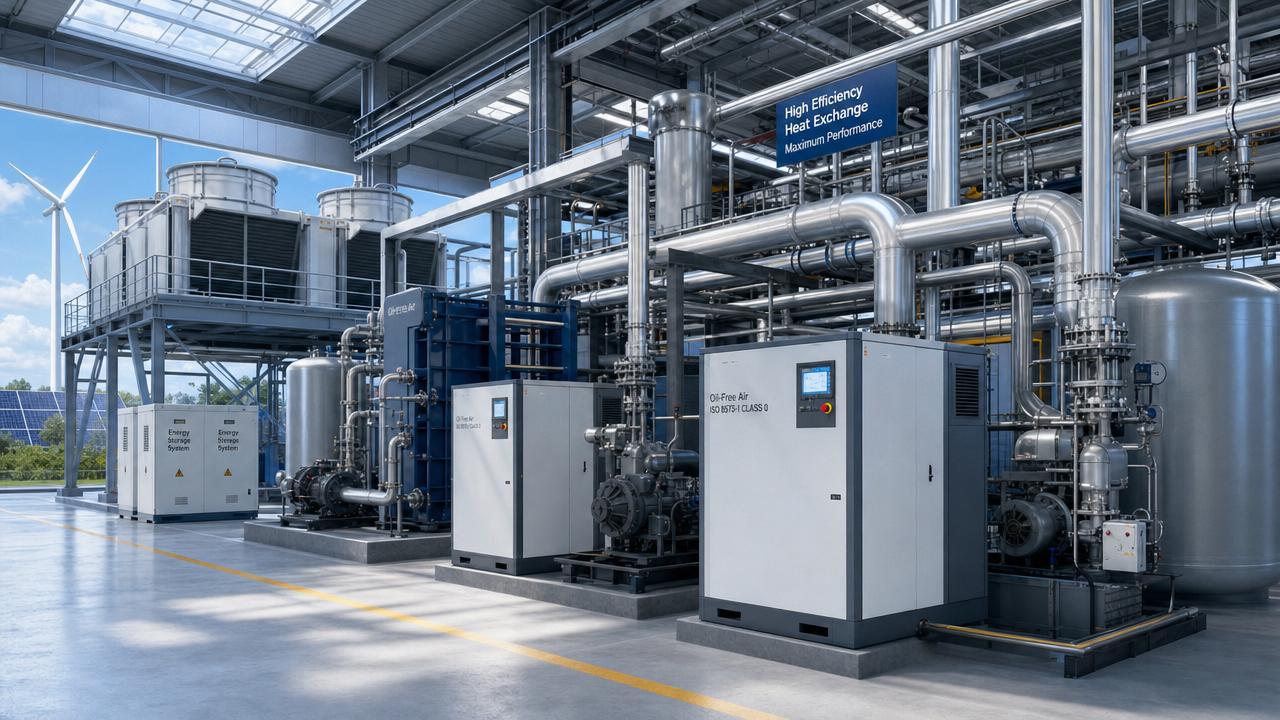
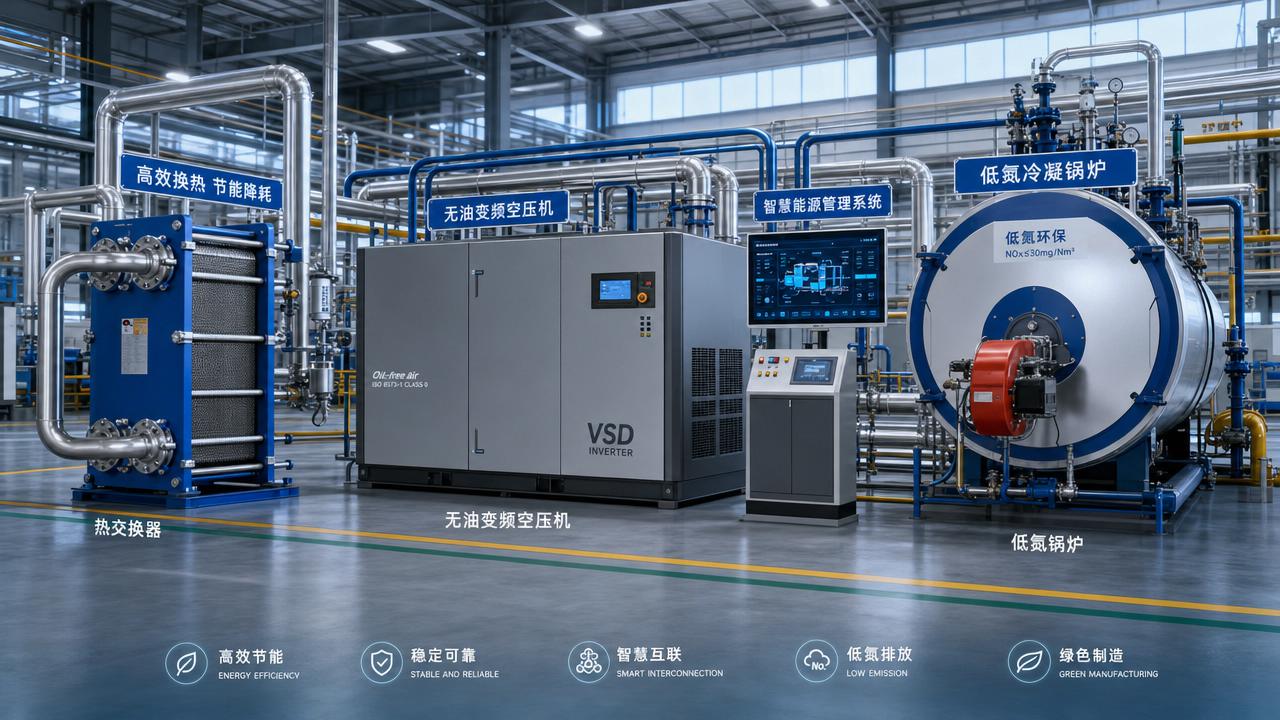
Thermal optimization is not only an engineering exercise. It is also a timing and sourcing decision. Refrigerant policy shifts, energy price volatility, and the growing adoption of oil-free compression, microchannel heat exchangers, and low-NOx heating systems all influence retrofit economics. A project that looked marginal 18 months ago may now have a far stronger business case.
This is where decision intelligence becomes valuable. Platforms such as GTC-Matrix help enterprises compare technical pathways, monitor sector changes, and identify where efficiency upgrades align with broader decarbonization and reliability goals. For procurement leaders and plant directors, better information shortens the path from audit to action.
The best first moves in thermal optimization are usually the simplest to measure: restore heat transfer, reduce compressed air waste, stabilize cooling control, and validate load data before replacing major assets. These actions fit a wide range of industrial plants, limit disruption, and often deliver returns within the first budgeting cycle. If your team is evaluating where to start, now is the right time to review operating losses, compare retrofit options, and build a phased plan with clear technical and commercial milestones. Contact us to explore tailored thermal optimization strategies or learn more solutions through GTC-Matrix.
Related News
- Why high-density thermal energy storage is gaining industry attentionAuthor :

- Smart Device Thermal Management Trends Shaping 2026 Product DesignAuthor :

- Industrial Cooling Technologies in Europe: 2026 Trends in Compliance and Energy UseAuthor :

- Industrial Electrification Trends in 2026: Where Projects Are Moving FirstAuthor :

- Industrial Solution Comparison Global: 2026 Trends Reshaping Equipment DecisionsAuthor :

- When Heat Recovery Systems Skid Mounted Designs Improve Project PaybackAuthor :

- How to Compare Industrial Decarbonization Solutions Providers in 2026Author :

- Industry Category Guides for Smart Devices: What to Track as 2026 Markets ShiftAuthor :

- Green Manufacturing Trends Reshaping Industrial InvestmentAuthor :

- 2026 Global Energy Costs: What Will Reshape Industrial PlanningAuthor :

- Industrial Decarbonization Solutions That Cut Fuel Costs in 2026Author :

- Smart Thermal Systems Trends Shaping Industrial Upgrades in 2026Author :

- Resource Circularity in Manufacturing: 5 Practical Gains Beyond ComplianceAuthor :

- Carbon Neutrality Roadmap: What Industrial Firms Need to Prioritize FirstAuthor :

- Energy Conversion Efficiency Trends Shaping Industrial UpgradesAuthor :

- Compression Technology Trends Shaping Efficient Plant UpgradesAuthor :

- Industrial Intelligence in Manufacturing: Where It Delivers Value FirstAuthor :

- How Intellectualization Improves Industrial Thermal ManagementAuthor :

- What Intellectualization Means for Smarter Plant Operations in 2026Author :

- Carbon Neutrality Goals: What Industrial Firms Should Prioritize in 2026Author :

- How Intellectualization Reduces Downtime in Modern Production LinesAuthor :

- Decarbonization Roadmap for Energy-Intensive Plants in 2026Author :

- Thermal Systems Trends in 2026: Efficiency, Control, and RiskAuthor :

- Industrial Decarbonization Priorities for Energy-Intensive FacilitiesAuthor :

- Thermal Systems in 2026: Efficiency Upgrades Shaping Industrial OperationsAuthor :

- Pure Power Sources: 5 Practical Paths to Carbon NeutralityAuthor :

- What Intellectualization Means for Industrial Equipment UpgradesAuthor :

- Thermal Optimization in 2026: Where Energy Savings Deliver the Fastest PaybackAuthor :

- Energy Efficiency Trends Reshaping Compressor Upgrades in 2026Author :

- 2026 Industrial Decarbonization Trends Reshaping Plant UpgradesAuthor :
![]()
- Heat Exchanger Technology Trends for 2026 Efficiency TargetsAuthor :

- Resource Circularity Risks in 2026 Supply ChainsAuthor :

- Smart Thermal Systems: When Upgrades Deliver Measurable SavingsAuthor :

- Carbon Neutrality: Practical Steps for Factory RoadmapsAuthor :

- 2026 Industrial Energy Efficiency Priorities for Plant UpgradesAuthor :

- Industrial Intellectualization Trends Reshaping Equipment UpgradesAuthor :