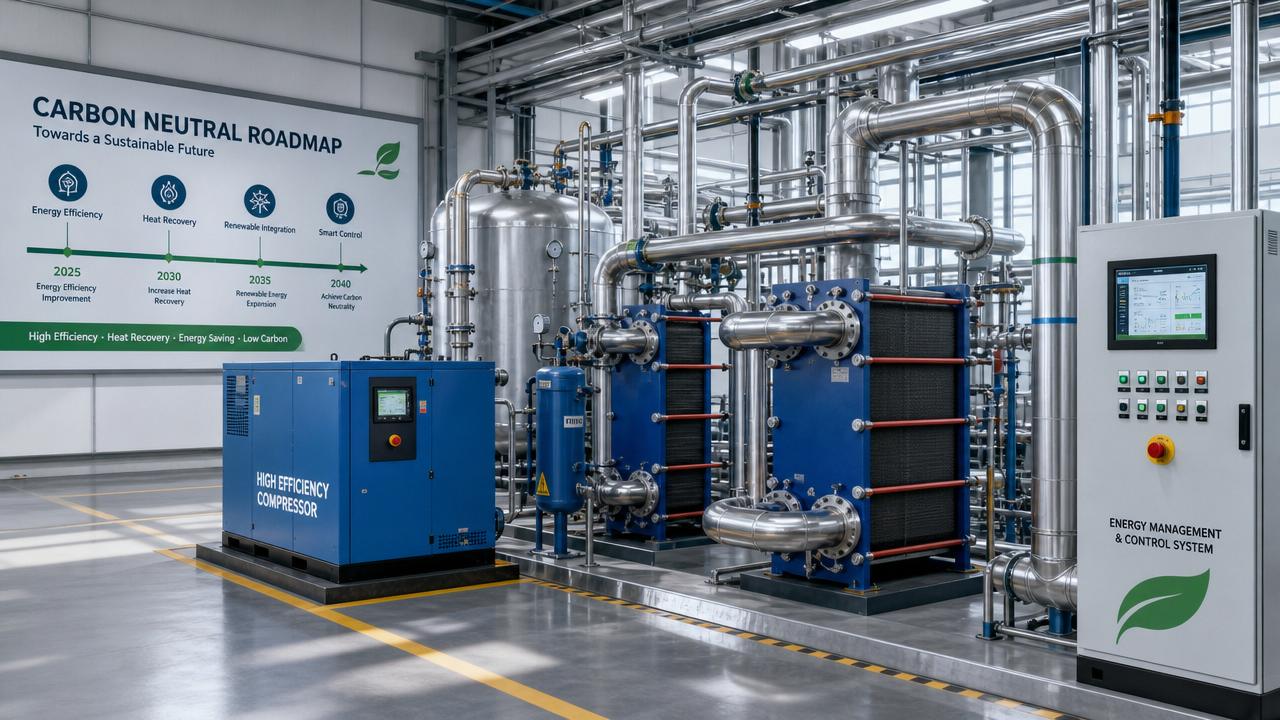
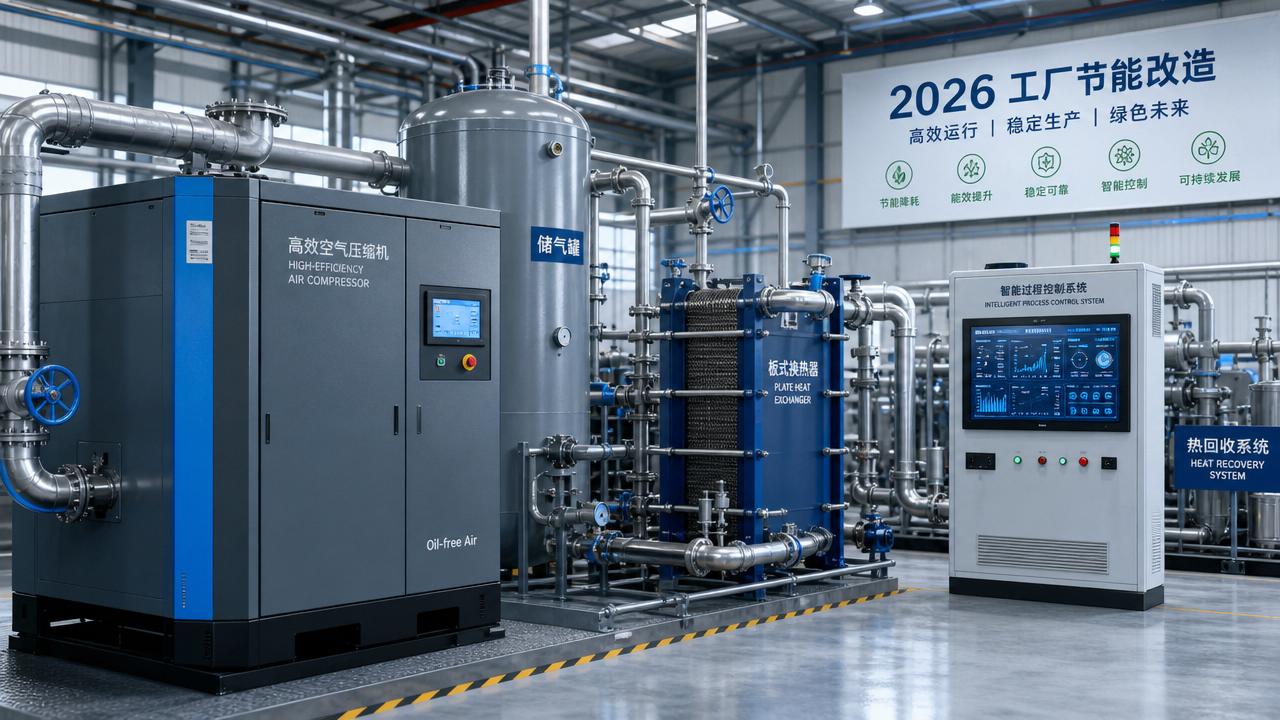
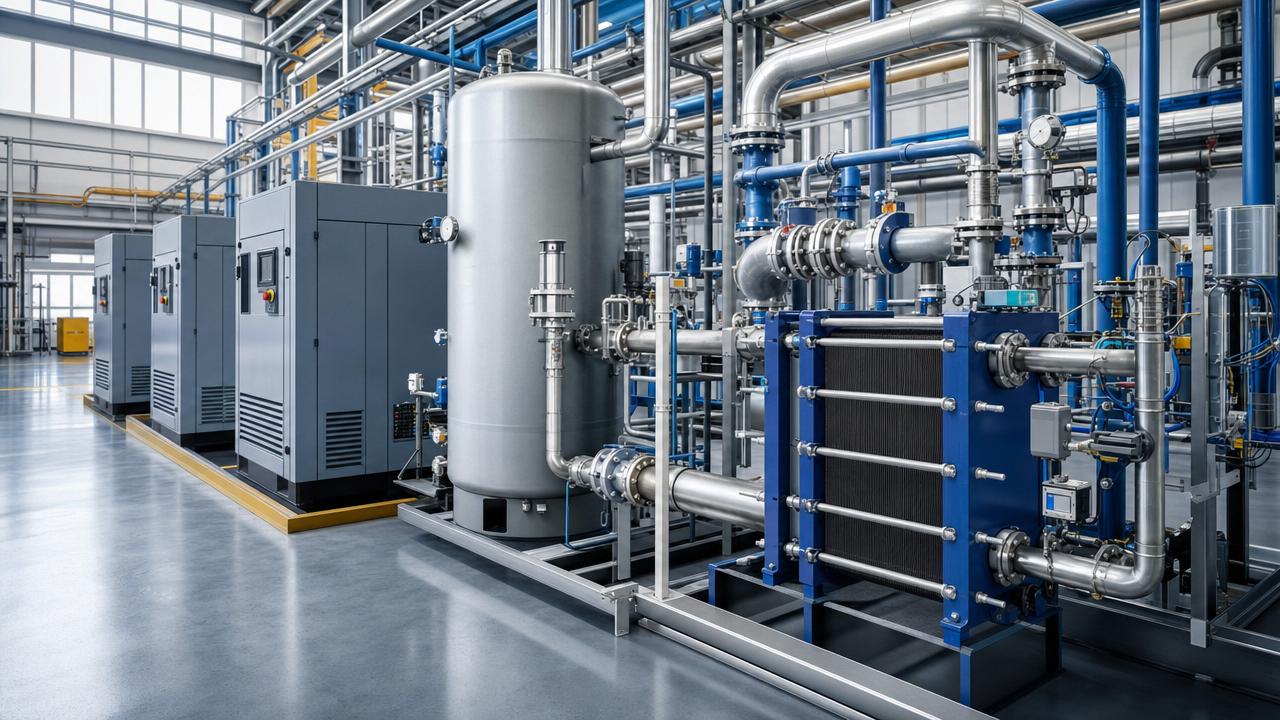
Smart Thermal Systems Trends Shaping 2026 Plant Upgrades




As manufacturers prepare for 2026, smart thermal systems are becoming central to plant upgrades that balance energy efficiency, reliability, and decarbonization goals. For business decision-makers, understanding how intelligent heat exchange, advanced compression, and data-driven thermal control evolve is essential to reducing operating costs and strengthening competitive resilience in a fast-changing industrial landscape.
Why smart thermal systems matter more in 2026 upgrade planning
Plant upgrades once focused on replacing aging assets. In 2026, the smarter decision is matching thermal infrastructure to operating context, energy exposure, and process sensitivity.
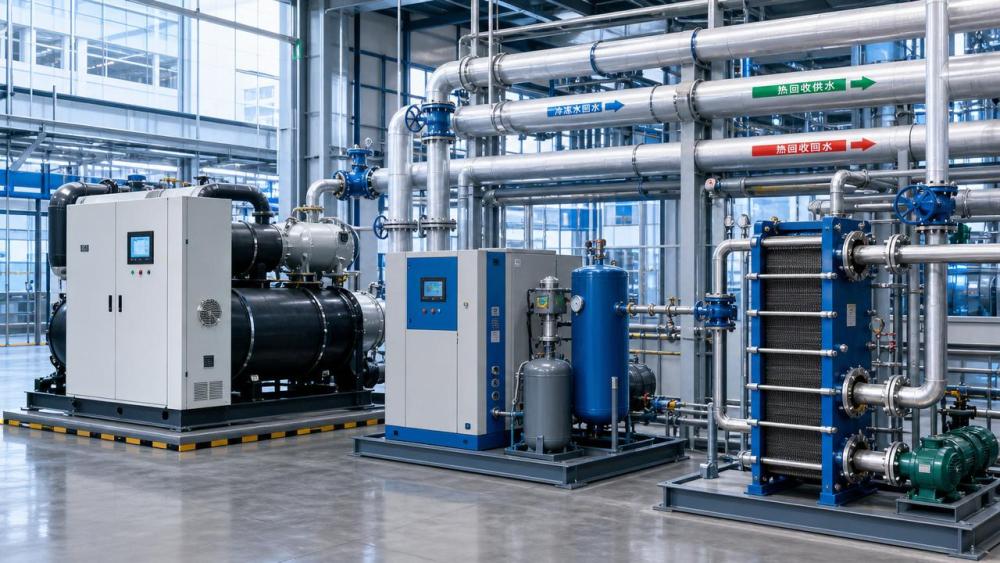
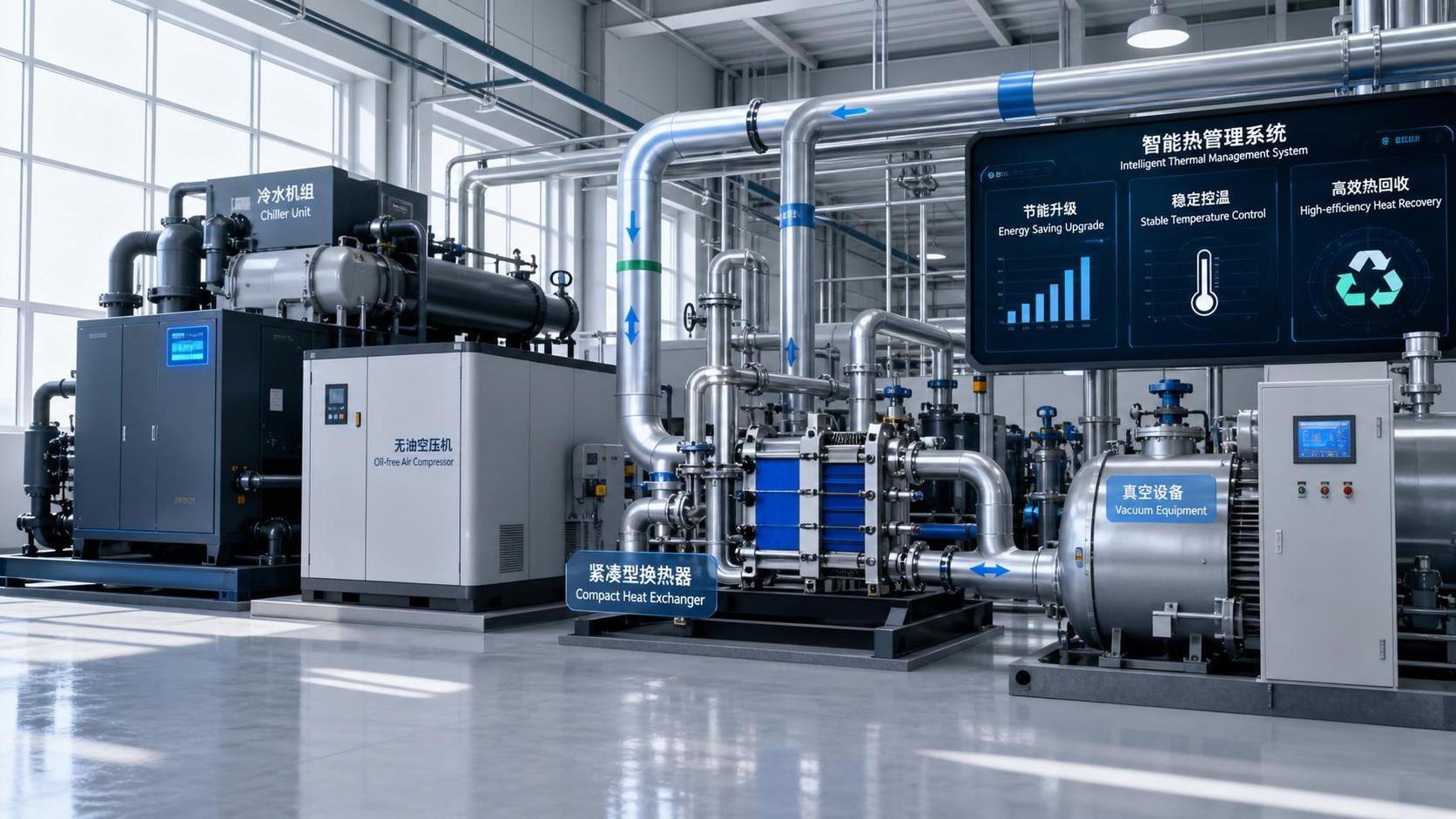
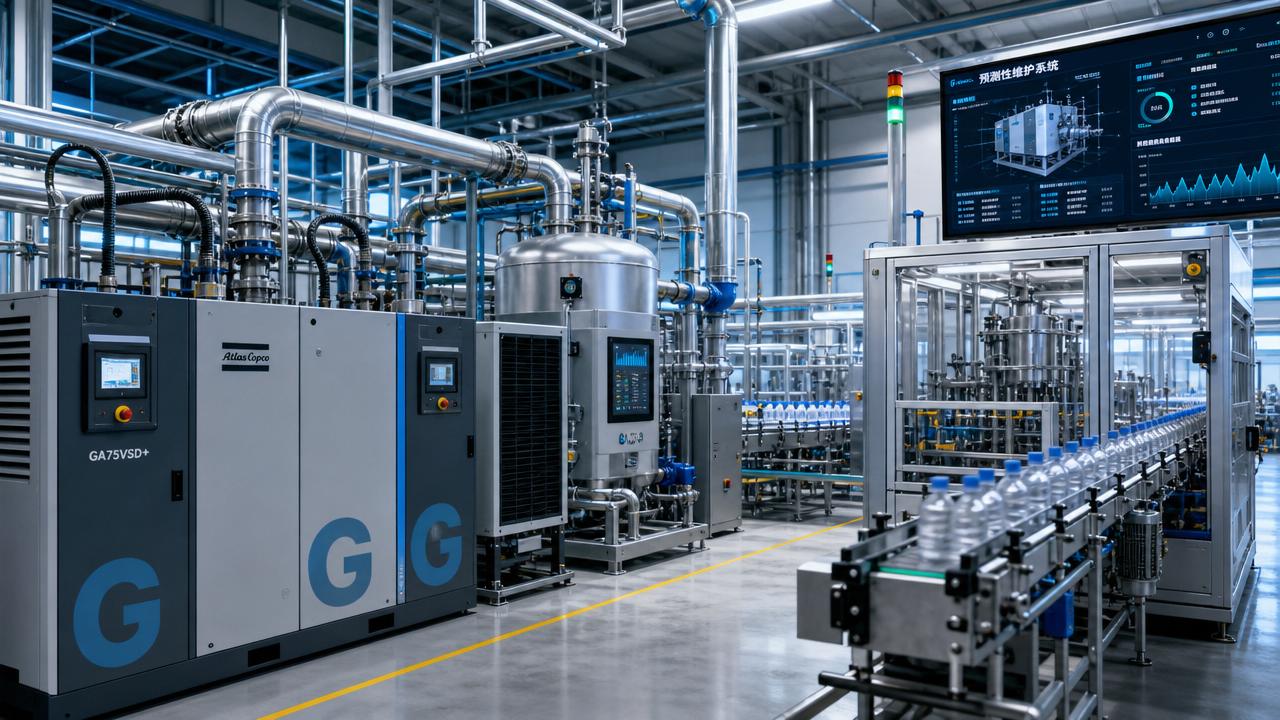
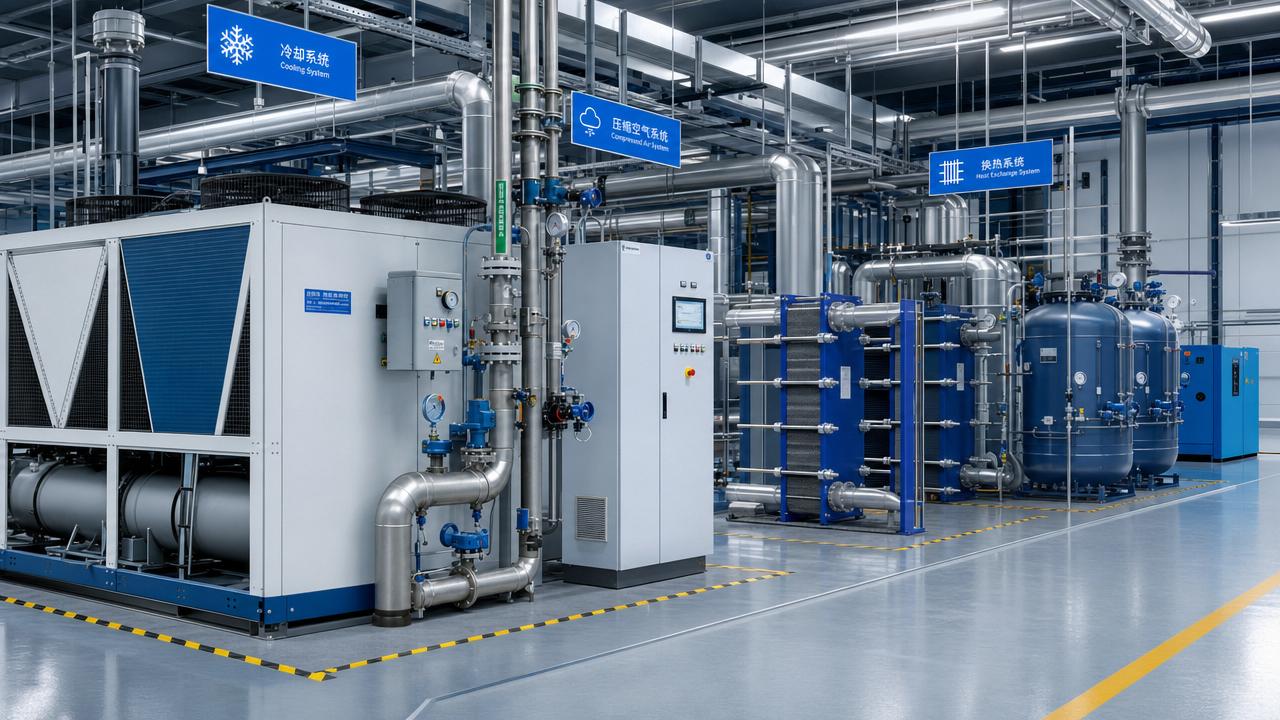
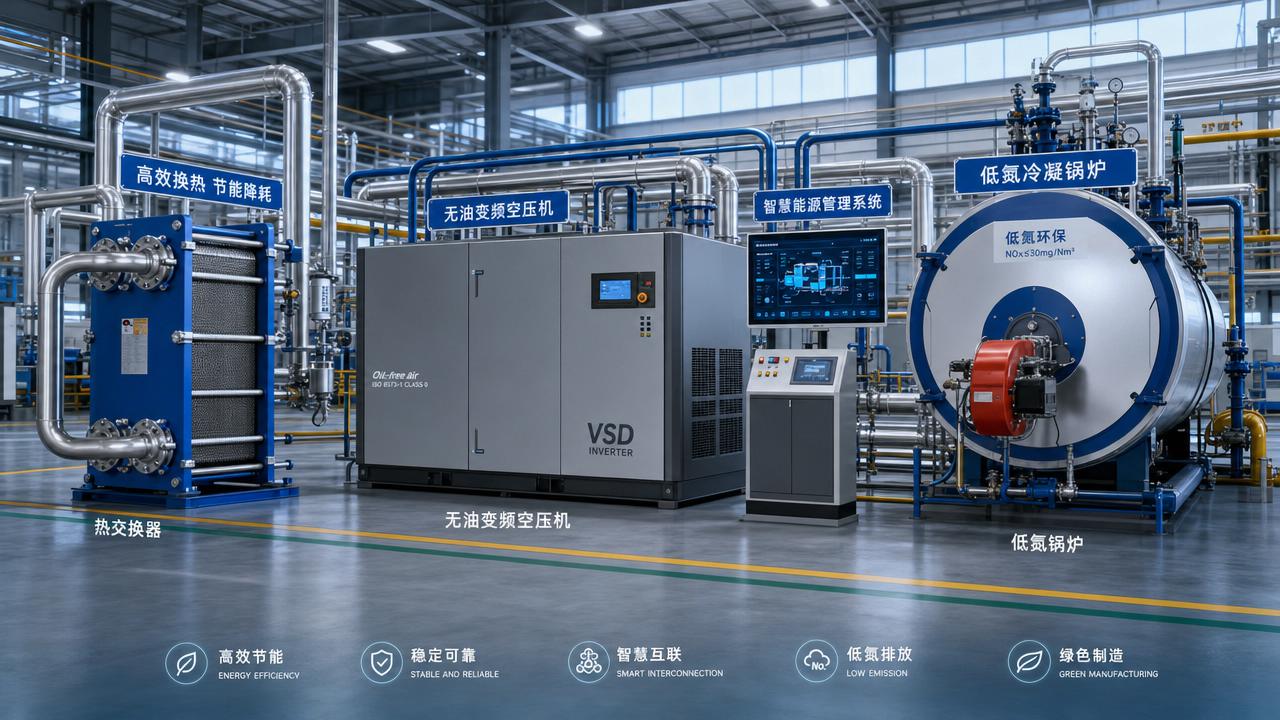
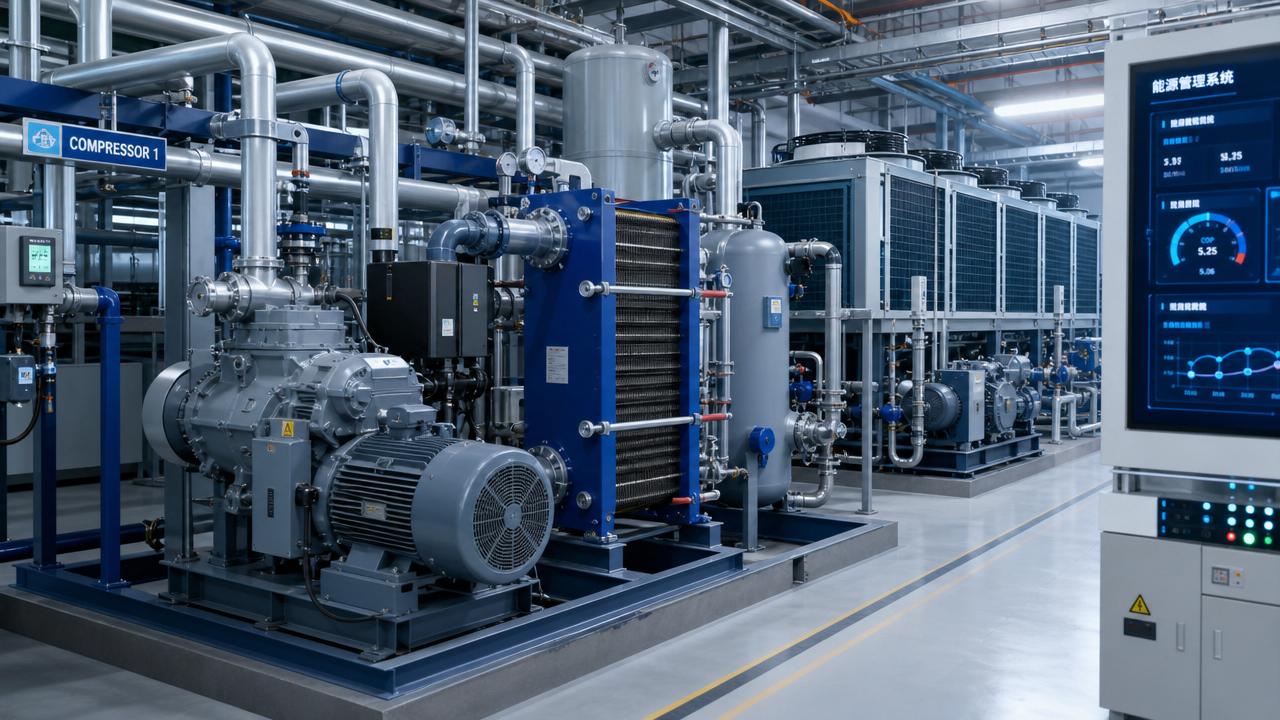
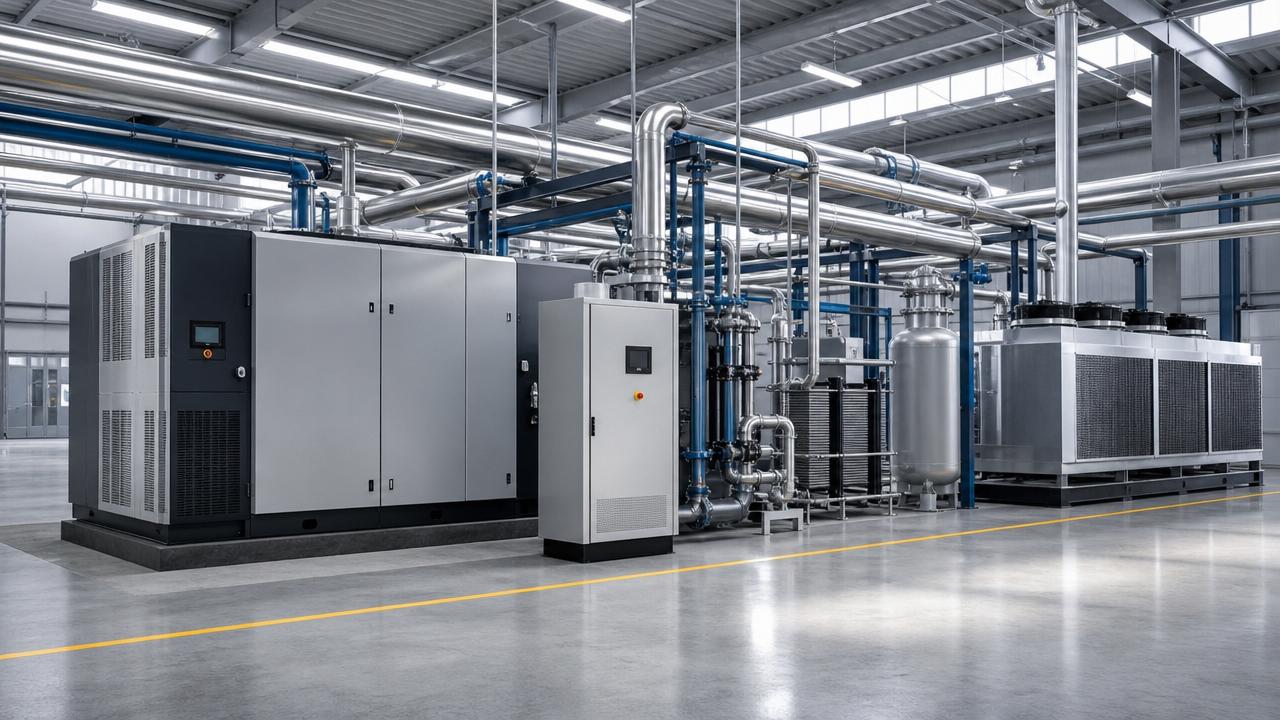
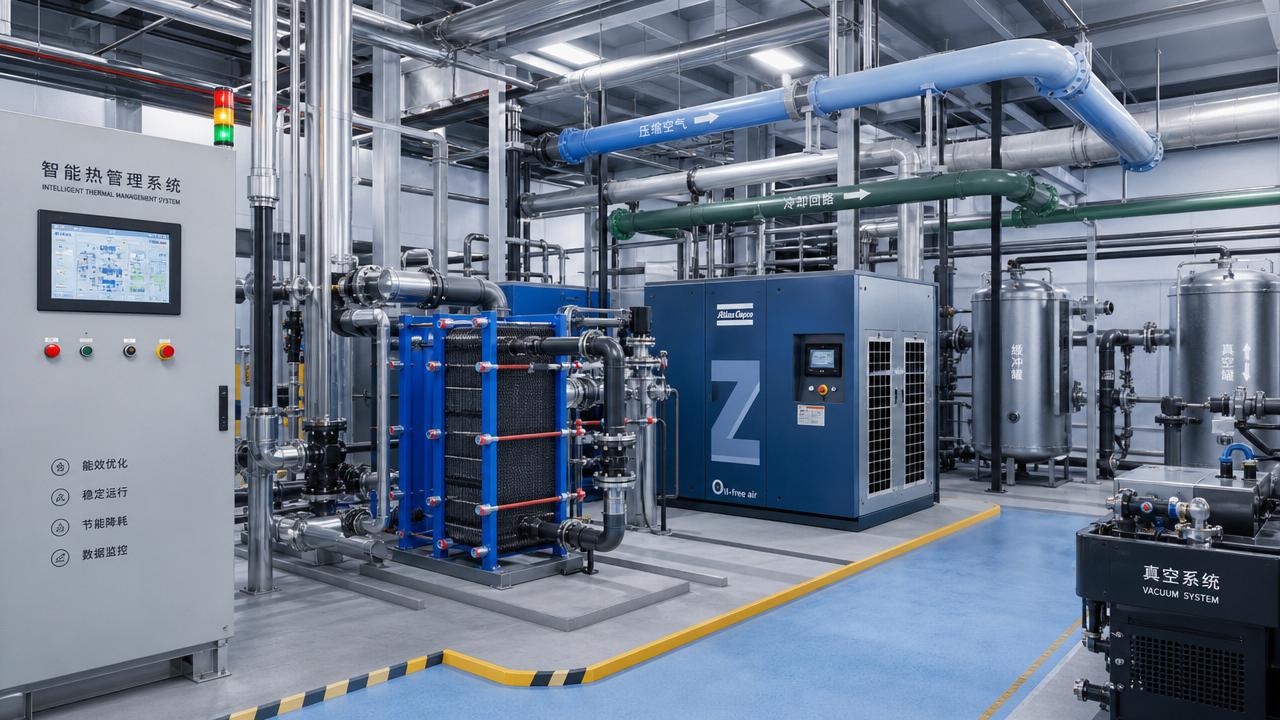
Smart thermal systems now influence uptime, carbon intensity, product quality, and utility risk. They connect cooling, compressed air, vacuum, boilers, and heat recovery into a measurable performance network.
This shift matters across the comprehensive industrial landscape. Food processing, electronics, chemicals, logistics, healthcare, and mixed-use factories all face different thermal loads and different upgrade priorities.
For many sites, the question is no longer whether to invest in smart thermal systems. The real question is which operating scenario justifies which level of intelligence, automation, and retrofit depth.
How to judge upgrade scenarios before selecting smart thermal systems
A successful project starts with scenario judgment. Thermal demand differs by production rhythm, cleanliness standard, ambient condition, and the cost structure behind electricity, gas, water, and maintenance.
Three filters help frame investment choices. First, identify whether process temperature stability directly affects output value. Second, measure load variability across shifts and seasons. Third, evaluate available waste heat recovery potential.
When these filters are ignored, plants often oversize chillers, underutilize controls, or add disconnected equipment. That weakens both the payback of smart thermal systems and long-term operating resilience.
Key indicators that define thermal upgrade urgency
- Frequent temperature drift affecting yield or compliance
- Rising peak power costs from unstable cooling demand
- Compressed air heat wasted without recovery integration
- Legacy controls unable to coordinate thermal assets
- Water stress or refrigerant transition pressure
Scenario 1: Continuous-process plants need coordinated smart thermal systems
Continuous-process operations depend on thermal stability more than simple equipment efficiency. Chemical lines, paper production, steel auxiliaries, and large utilities need coordinated control across many interconnected thermal points.
In this scenario, smart thermal systems create value by smoothing load swings, predicting fouling, and optimizing heat exchange under changing process pressure. The best results come from plantwide visibility, not isolated machine upgrades.
Core judgment points
Look for thermal bottlenecks that trigger chain reactions. A minor chiller inefficiency can raise compressor energy, slow heat removal, and force production derating during high ambient periods.
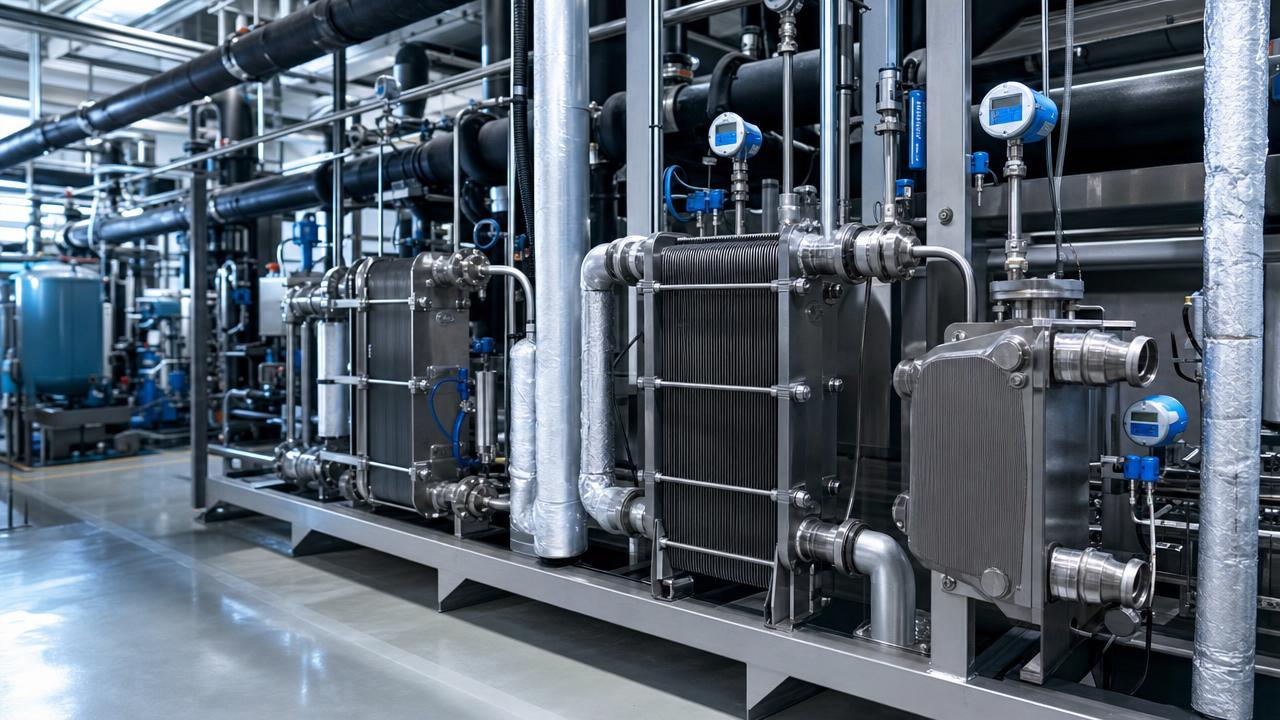
The most suitable smart thermal systems here often include predictive analytics, variable-speed drive coordination, exchanger performance tracking, and integrated waste heat recovery routing.
Scenario 2: Clean and precision environments prioritize thermal accuracy
Semiconductor, pharmaceutical, electronics, and laboratory settings value precision over simple nameplate efficiency. Temperature, humidity, pressure purity, and contamination control must work together.
Here, smart thermal systems should be judged by repeatability, fault detection speed, and integration with quality systems. Even small thermal deviations can reduce batch consistency or disrupt validation requirements.
Core judgment points
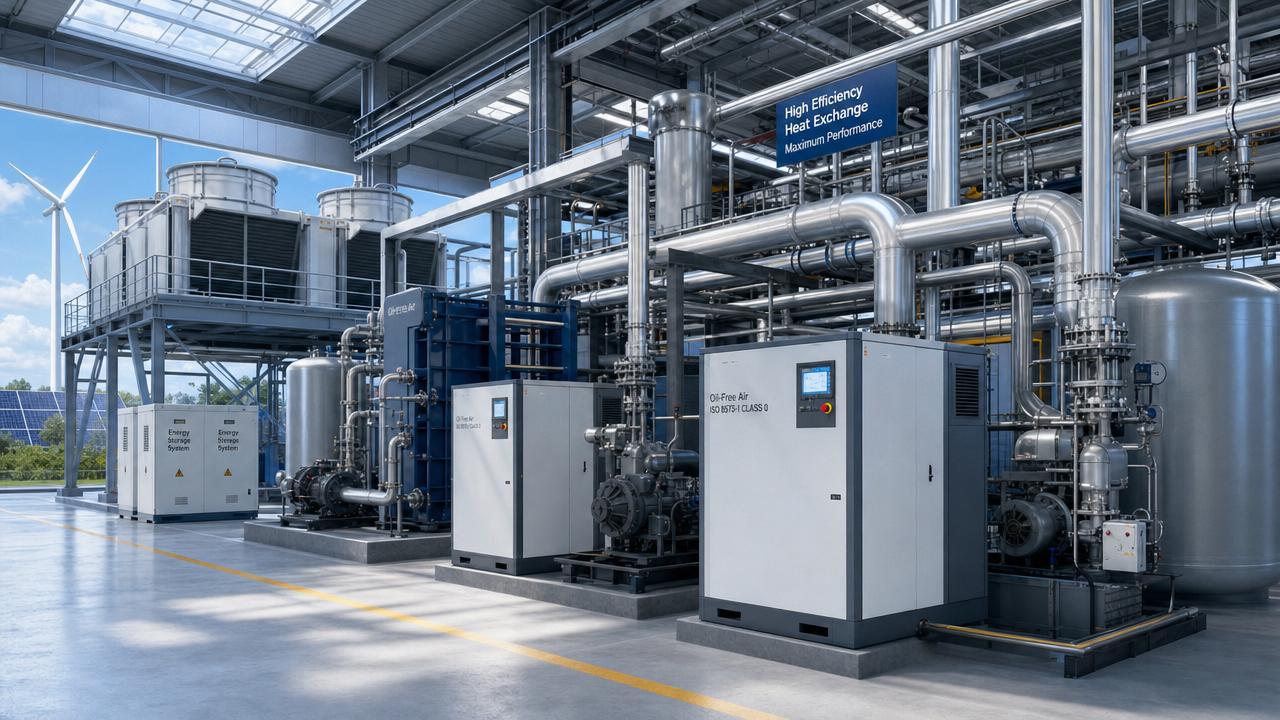
Systems should support fine control logic, redundant sensing, and traceable operating records. Oil-free compression, precise chilled water loops, and advanced heat exchangers often matter more than simple installed capacity.
For these environments, thermal digitalization is not optional decoration. It is part of process assurance, quality protection, and downtime risk reduction.
Scenario 3: Variable-demand facilities benefit from flexible smart thermal systems
Food production, packaging, warehousing, logistics hubs, and multi-tenant industrial sites often experience fluctuating demand. Load changes by shift, product mix, weather, and seasonal throughput.
In these cases, smart thermal systems should deliver flexibility first. Dynamic sequencing, modular capacity, and responsive controls reduce energy waste caused by part-load inefficiency.
Core judgment points
The upgrade target is not maximum capacity. It is efficient adaptation to variable loads while maintaining storage conditions, process continuity, and stable utility spending.
This is where connected compressors, smart condensers, microchannel heat exchangers, and automated thermal balancing can create fast operational wins.
Scenario 4: Decarbonization-driven retrofits focus on heat recovery and refrigerant change
Some upgrades are not triggered by performance alone. They are driven by carbon targets, refrigerant policy shifts, and corporate energy disclosure requirements.
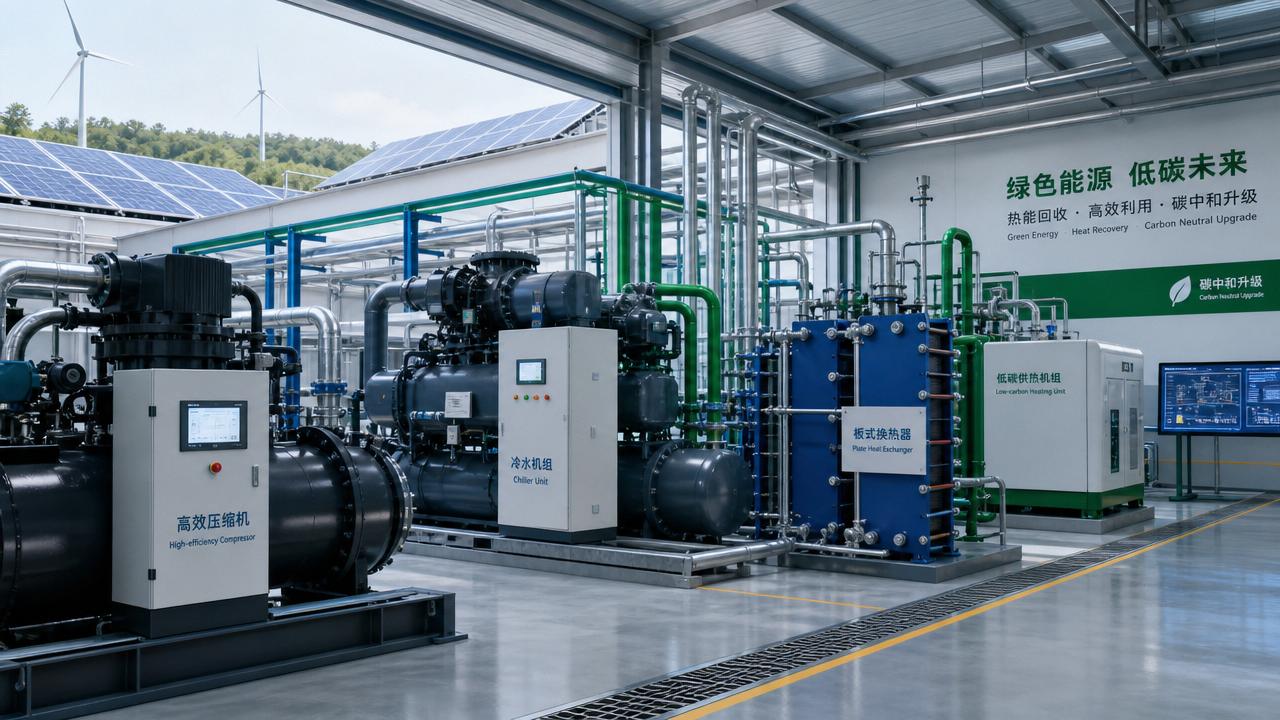
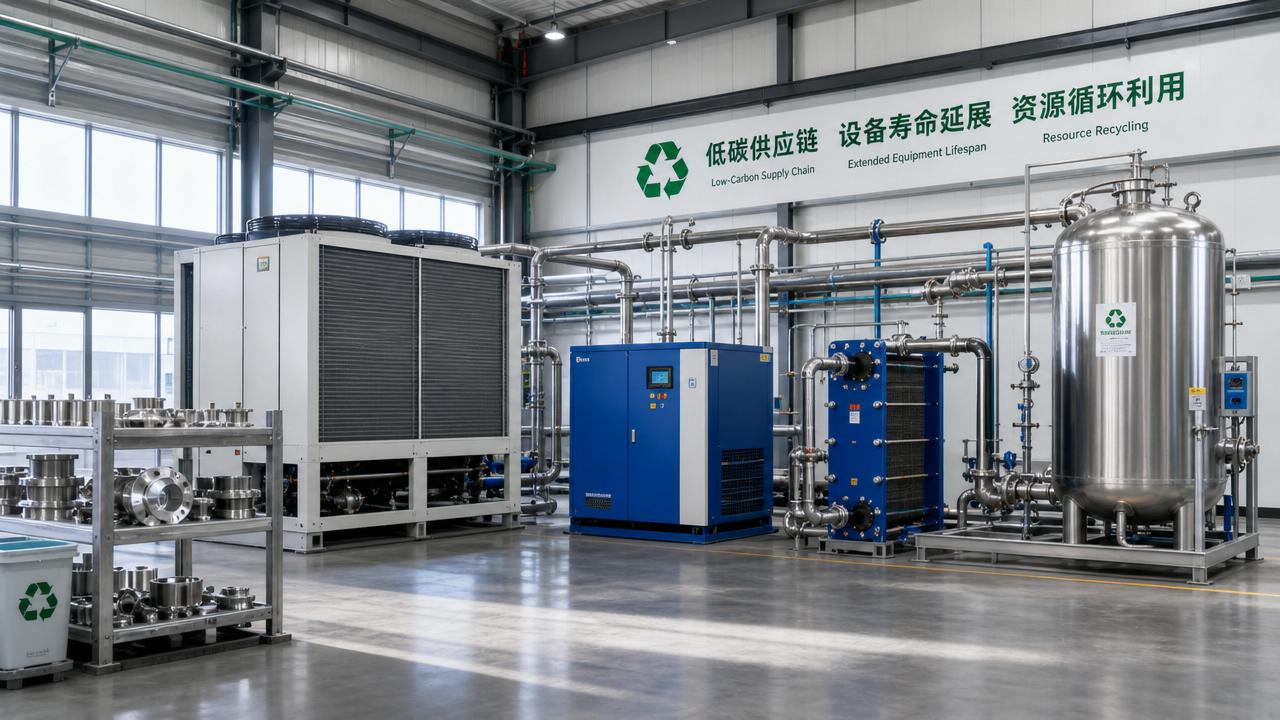
For this scenario, smart thermal systems should be assessed by their ability to recover low-grade heat, reduce direct emissions, and support future refrigerant compliance without major redesign.
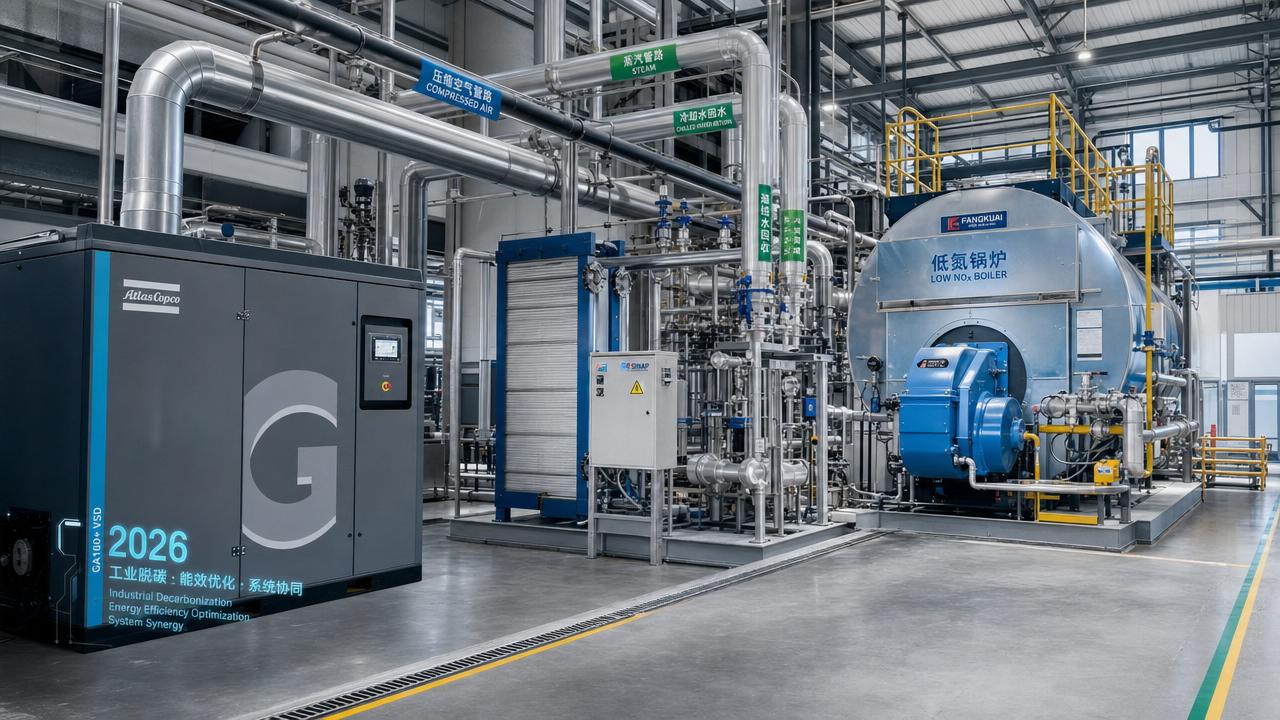
Heat pumps, low-NOx thermal equipment, smart exchanger networks, and integrated control platforms become especially valuable when sites need both decarbonization and operating payback.
How demand differs across smart thermal systems scenarios
Practical fit recommendations for 2026 plant upgrades
The best smart thermal systems strategy usually combines operational data, process criticality, and utility economics. A staged roadmap often performs better than a full replacement driven by equipment age alone.
- Map heat sources, cooling loads, and compressed air interactions before budgeting.
- Separate critical thermal loops from noncritical support functions.
- Prioritize controls and monitoring where thermal variability causes hidden losses.
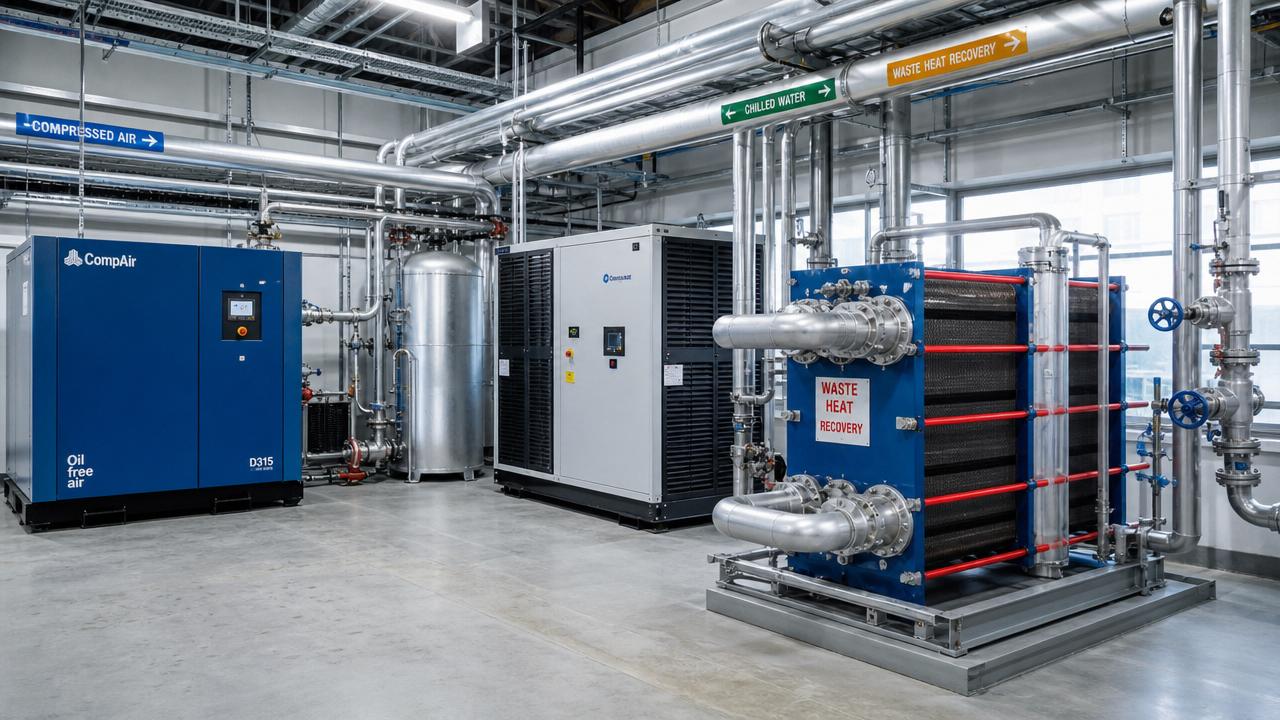
- Evaluate waste heat recovery as part of every compression or cooling project.
- Check refrigerant, water, and emissions exposure over the asset life cycle.
- Use pilot zones to validate smart thermal systems before scaling plantwide.
Where intelligence pays back fastest
Fast payback often appears in leak-linked compressor loads, unstable chilled water loops, exchanger fouling detection, heat recovery from compressed air, and poor sequencing between parallel thermal assets.
Common misjudgments when evaluating smart thermal systems
A common error is buying efficiency without buying visibility. High-efficiency equipment alone cannot optimize plant performance if controls, sensors, and data interpretation remain weak.
Another mistake is treating cooling, air compression, and heat exchange as separate budgets. In reality, smart thermal systems generate value through cross-system coordination.
Some sites also overemphasize peak design conditions. Annual performance under partial load usually matters more than theoretical full-load efficiency for real operating savings.
Finally, projects sometimes ignore maintenance capability. The smartest thermal platform still needs sensor discipline, calibration routines, and clear response rules for alarms and performance drift.
The next step for better thermal upgrade decisions
The 2026 opportunity is not simply adopting new equipment. It is selecting smart thermal systems that match real operating scenarios, future compliance pressure, and energy conversion priorities.
A structured review of thermal loads, compression demand, heat recovery potential, and control maturity can reveal where upgrades will improve both resilience and return.
For deeper market signals, technology evolution tracking, and cross-sector thermal intelligence, GTC-Matrix provides a practical lens on how smart thermal systems are reshaping industrial performance worldwide.
Ready when you are. Send us a message to get started.
Related News
- Why high-density thermal energy storage is gaining industry attentionAuthor :

- Smart Device Thermal Management Trends Shaping 2026 Product DesignAuthor :

- Industrial Cooling Technologies in Europe: 2026 Trends in Compliance and Energy UseAuthor :

- Industrial Electrification Trends in 2026: Where Projects Are Moving FirstAuthor :

- Industrial Solution Comparison Global: 2026 Trends Reshaping Equipment DecisionsAuthor :

- When Heat Recovery Systems Skid Mounted Designs Improve Project PaybackAuthor :

- How to Compare Industrial Decarbonization Solutions Providers in 2026Author :

- Industry Category Guides for Smart Devices: What to Track as 2026 Markets ShiftAuthor :

- Green Manufacturing Trends Reshaping Industrial InvestmentAuthor :

- 2026 Global Energy Costs: What Will Reshape Industrial PlanningAuthor :

- Industrial Decarbonization Solutions That Cut Fuel Costs in 2026Author :

- Smart Thermal Systems Trends Shaping Industrial Upgrades in 2026Author :

- Resource Circularity in Manufacturing: 5 Practical Gains Beyond ComplianceAuthor :

- Carbon Neutrality Roadmap: What Industrial Firms Need to Prioritize FirstAuthor :

- Energy Conversion Efficiency Trends Shaping Industrial UpgradesAuthor :

- Compression Technology Trends Shaping Efficient Plant UpgradesAuthor :

- Industrial Intelligence in Manufacturing: Where It Delivers Value FirstAuthor :

- How Intellectualization Improves Industrial Thermal ManagementAuthor :

- What Intellectualization Means for Smarter Plant Operations in 2026Author :

- Carbon Neutrality Goals: What Industrial Firms Should Prioritize in 2026Author :

- How Intellectualization Reduces Downtime in Modern Production LinesAuthor :

- Decarbonization Roadmap for Energy-Intensive Plants in 2026Author :

- Thermal Systems Trends in 2026: Efficiency, Control, and RiskAuthor :

- Industrial Decarbonization Priorities for Energy-Intensive FacilitiesAuthor :

- Thermal Systems in 2026: Efficiency Upgrades Shaping Industrial OperationsAuthor :

- Pure Power Sources: 5 Practical Paths to Carbon NeutralityAuthor :

- What Intellectualization Means for Industrial Equipment UpgradesAuthor :

- Thermal Optimization in 2026: Where Energy Savings Deliver the Fastest PaybackAuthor :

- Energy Efficiency Trends Reshaping Compressor Upgrades in 2026Author :

- 2026 Industrial Decarbonization Trends Reshaping Plant UpgradesAuthor :
![]()
- Heat Exchanger Technology Trends for 2026 Efficiency TargetsAuthor :

- Resource Circularity Risks in 2026 Supply ChainsAuthor :

- Smart Thermal Systems: When Upgrades Deliver Measurable SavingsAuthor :

- Carbon Neutrality: Practical Steps for Factory RoadmapsAuthor :

- 2026 Industrial Energy Efficiency Priorities for Plant UpgradesAuthor :

- Industrial Intellectualization Trends Reshaping Equipment UpgradesAuthor :