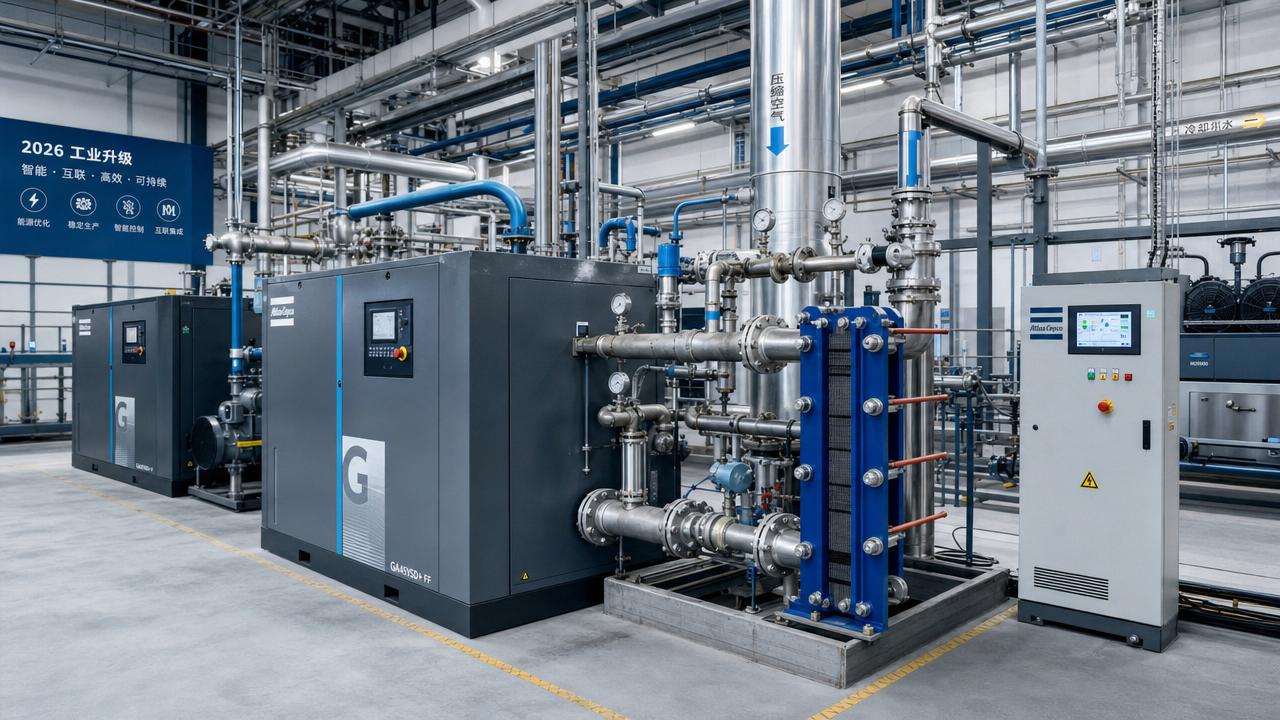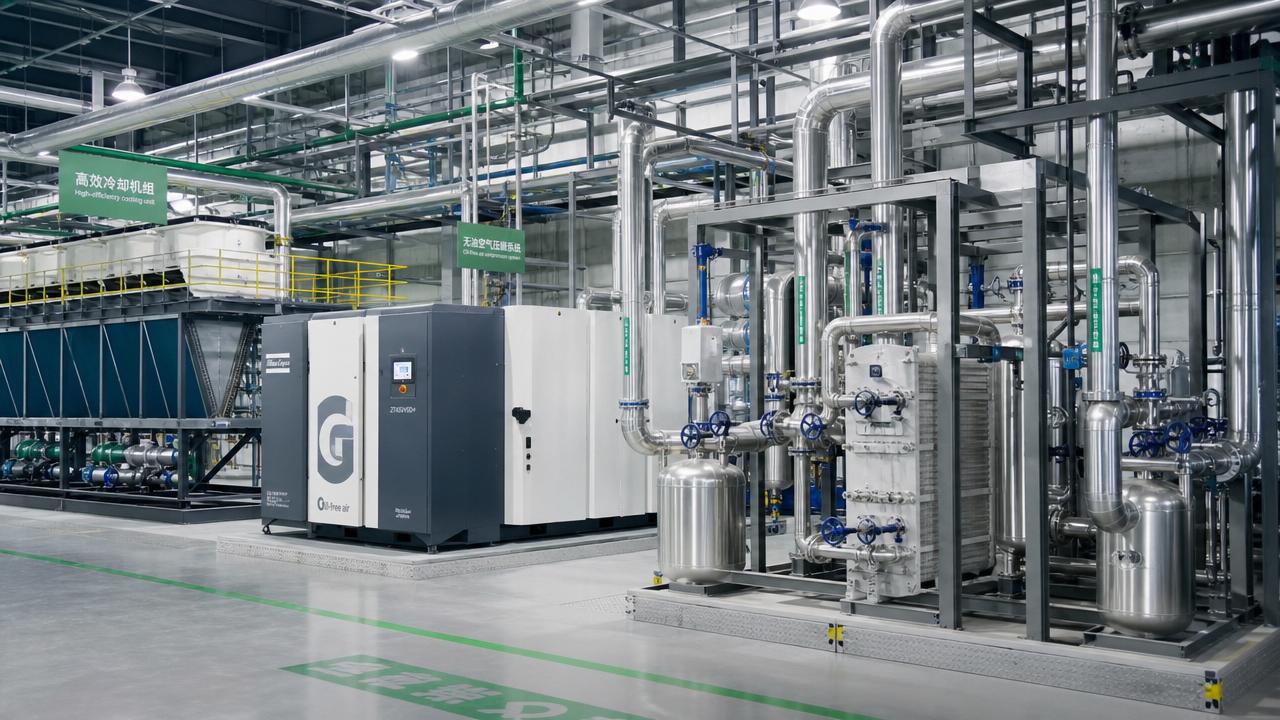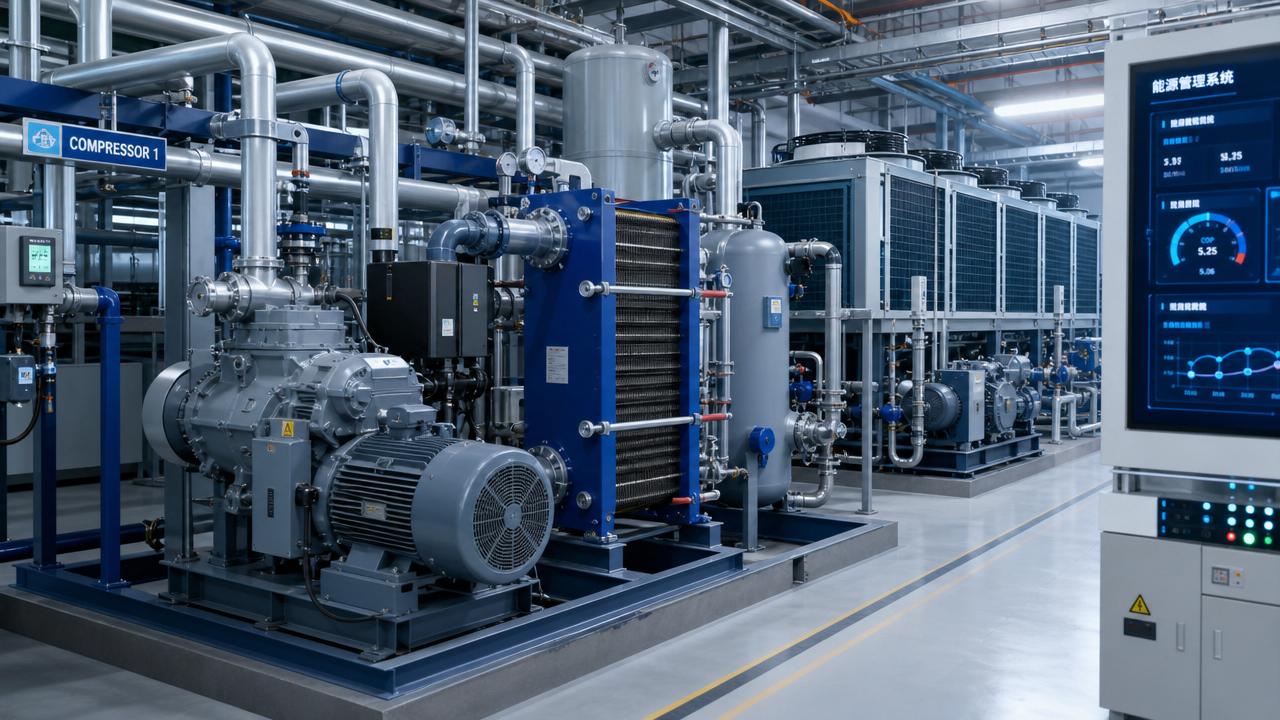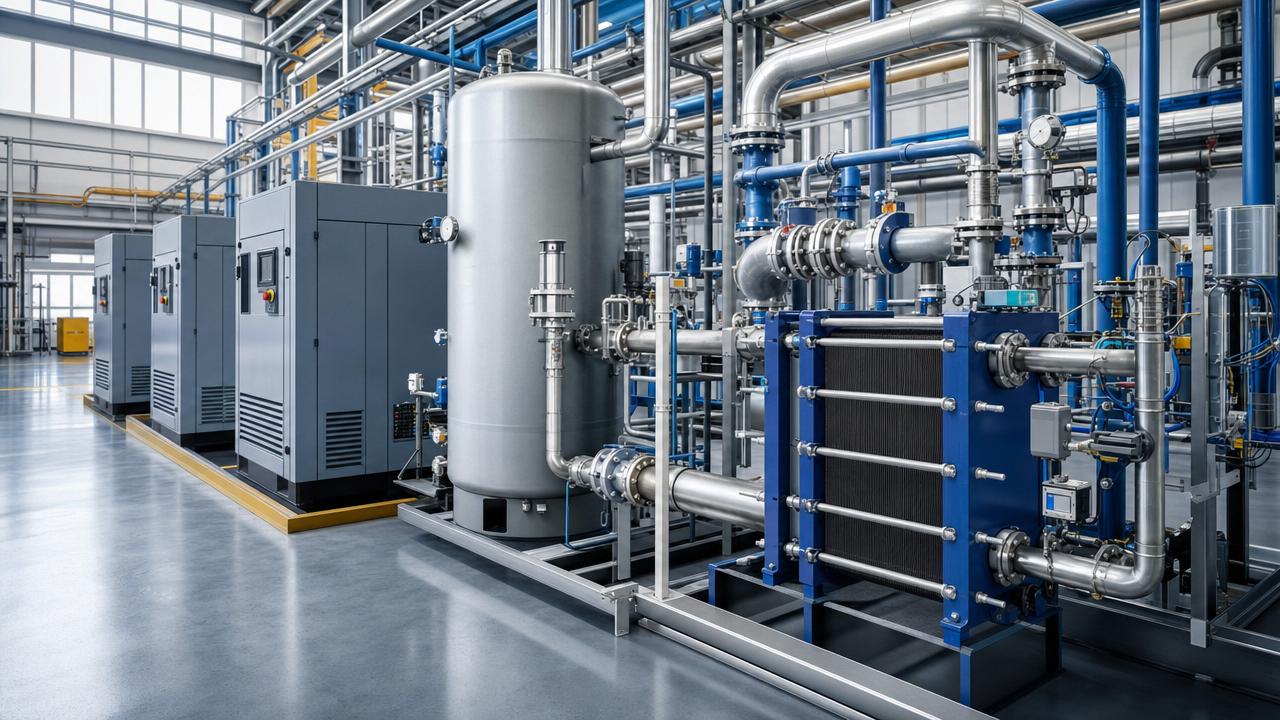




Compression Technology Trends Shaping Equipment Investment in 2026




As procurement teams plan 2026 budgets, compression technology is becoming a decisive factor in equipment investment. Rising energy costs, stricter sustainability targets, and the need for reliable, high-efficiency systems are reshaping how buyers evaluate compressors and related assets. Understanding these trends helps purchasing professionals reduce lifecycle costs, manage operational risk, and make smarter decisions in an increasingly competitive industrial market.
Why compression technology is moving to the center of 2026 procurement decisions
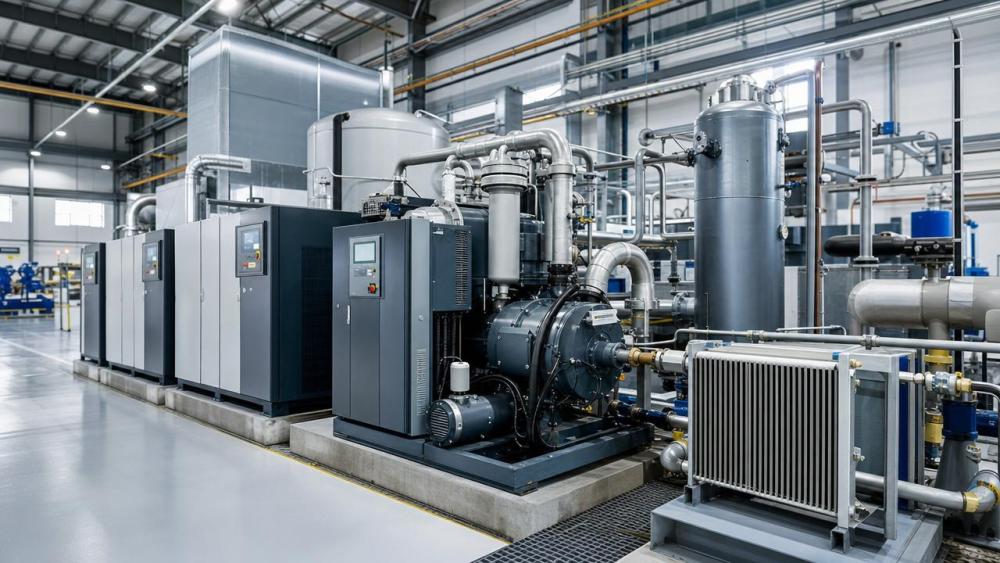
For many industrial buyers, compressed air, process gas compression, vacuum support, and thermal integration were once treated as utility topics. That is changing. In 2026, compression technology will influence energy spending, uptime, maintenance labor, product quality, and carbon reporting at the same time. Procurement teams can no longer compare bids only by upfront equipment price.
In a broad industrial environment, equipment must often serve mixed loads, varying ambient conditions, unstable energy pricing, and tighter environmental expectations. That is why buyers are asking different questions: How efficiently does the system perform at part load? Can the compressor support future automation? Will refrigerant and emissions rules change the economics over the asset life? How fast can service parts be sourced?
This is where GTC-Matrix brings practical value. Its Strategic Intelligence Center links thermodynamic analysis, pneumatic engineering, and industrial economics to help decision-makers interpret not only product specifications, but also market signals such as electricity volatility, refrigerant policy shifts, demand changes in pharmaceuticals and semiconductors, and the adoption of oil-free compression.
- Energy efficiency is no longer a technical preference. It is a procurement lever that affects total operating expense over five to fifteen years.
- Compliance risk is rising. Buyers must account for environmental refrigerant transitions, air purity needs, and safety documentation earlier in the sourcing cycle.
- Production flexibility matters more than nameplate output. Variable demand profiles expose weak system control strategies and oversized machines.
- Serviceability and digital monitoring now influence supplier selection because downtime costs often exceed any purchase price savings.
Which compression technology trends are shaping equipment investment in 2026?
1. Variable-speed and intelligent control are becoming standard
A major compression technology trend is the move from fixed-speed operation to variable-speed drives and smarter system control. Plants rarely run at stable demand all day. When a compressor spends long periods unloaded or lightly loaded, the real cost per usable air unit rises sharply. Buyers are therefore prioritizing systems that match output to demand in real time.
For procurement, this means evaluating the control philosophy, turndown capability, and data integration options, not only motor power. A machine with better load matching can outperform a cheaper alternative with a higher nominal efficiency claim.
2. Oil-free compression is expanding beyond niche applications
Oil-free compression is gaining attention in food processing, pharmaceuticals, electronics, precision manufacturing, and any process where contamination risk has downstream cost. Even in less sensitive sectors, some buyers are reconsidering lubricated systems because of filtration burden, condensate handling, and quality assurance concerns.
The right choice depends on application risk, maintenance capability, and required air purity. Procurement teams should compare not just technology type, but also the hidden costs of downstream treatment and product rejection exposure.
3. Heat recovery and thermal integration are gaining budget priority
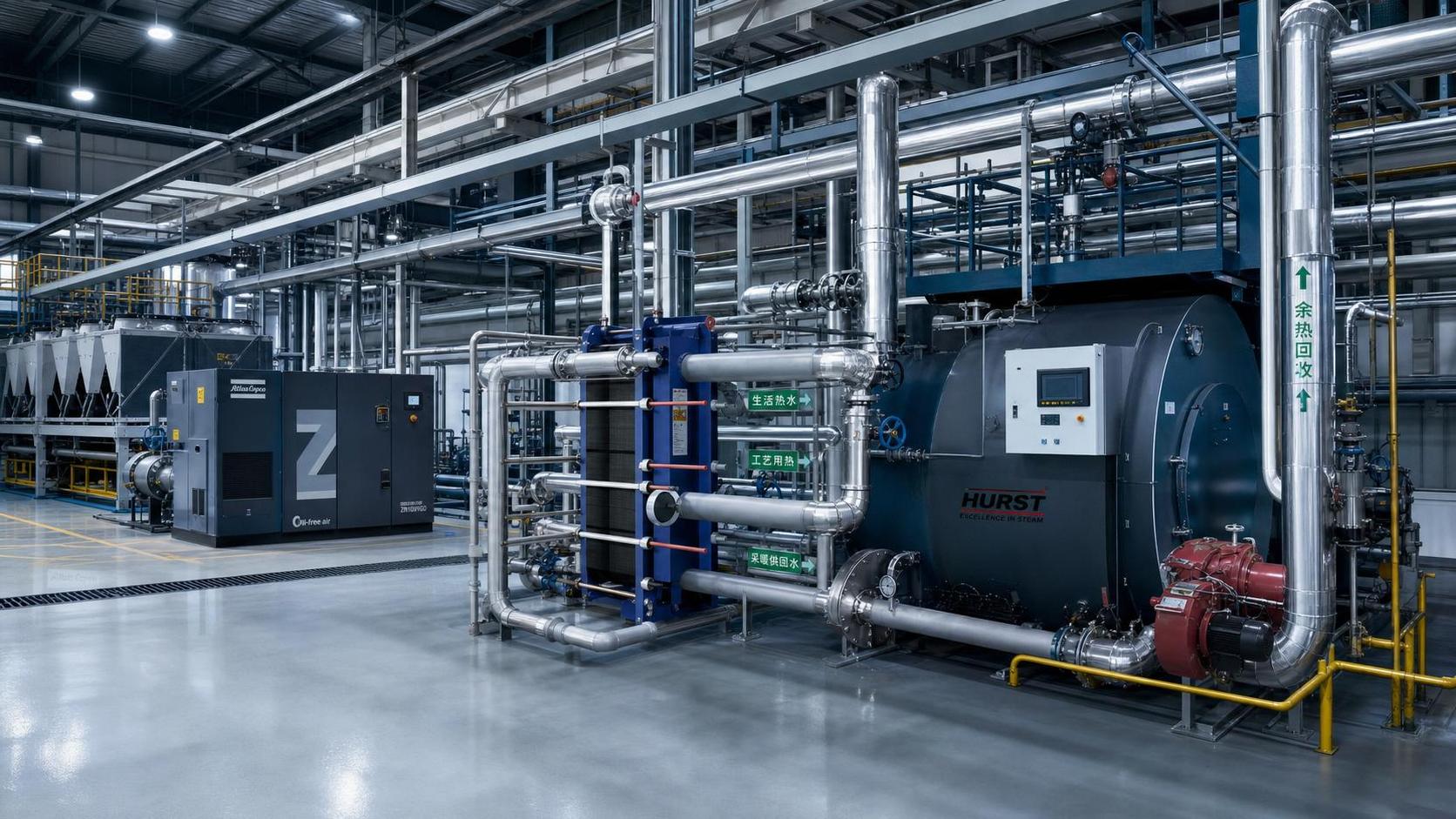
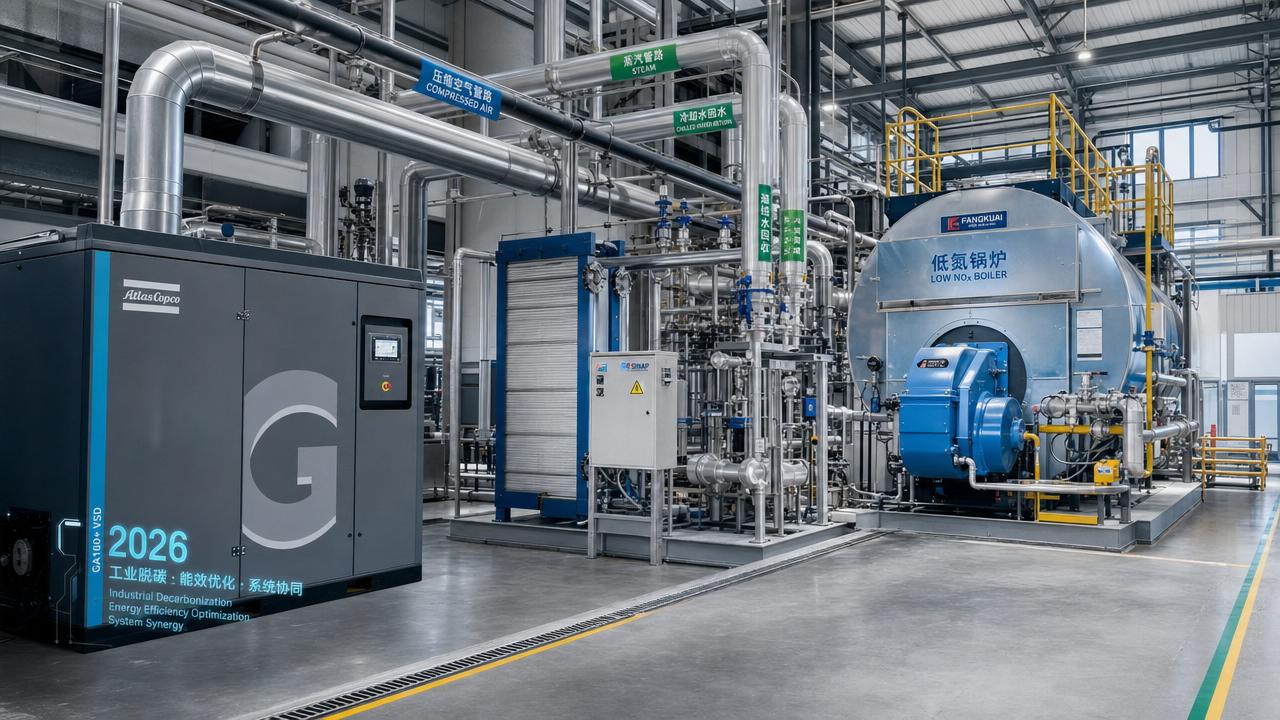
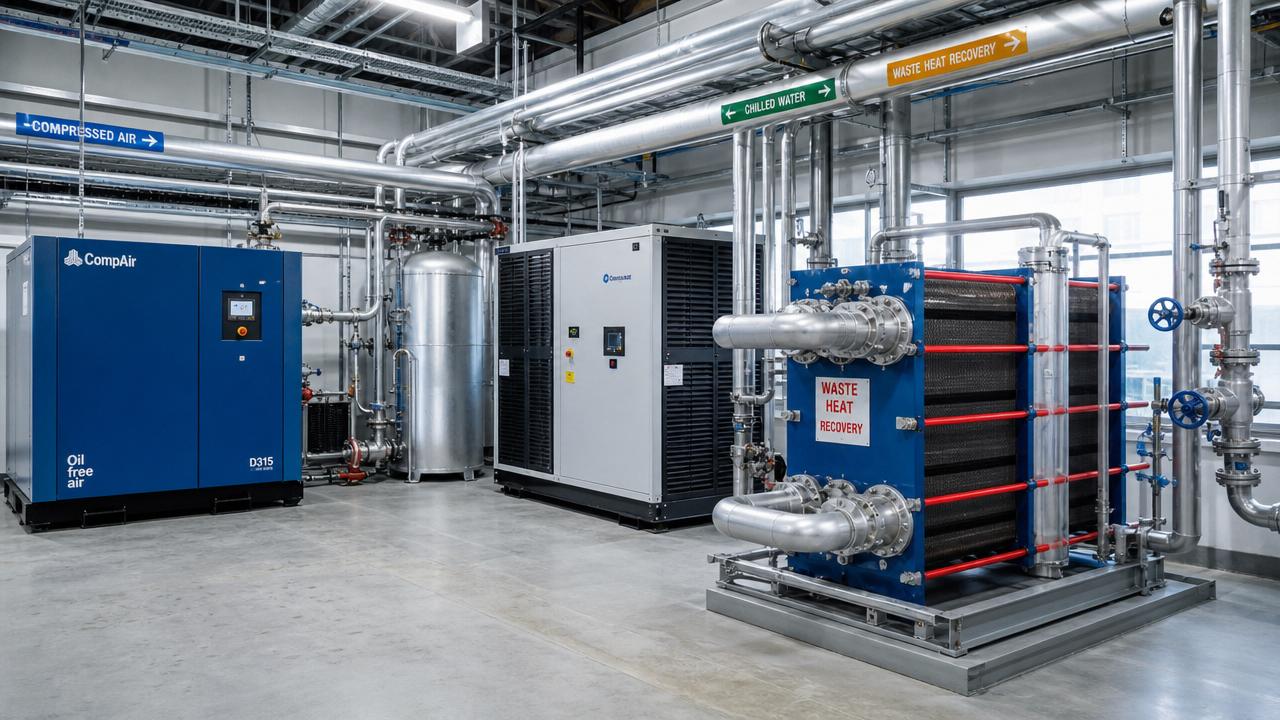
Compression technology does not end at air delivery. More buyers now treat compressors as thermal assets because waste heat can support process water preheating, space heating, or other plant loads. In periods of high utility prices, heat recovery can shorten payback and improve project approval chances.
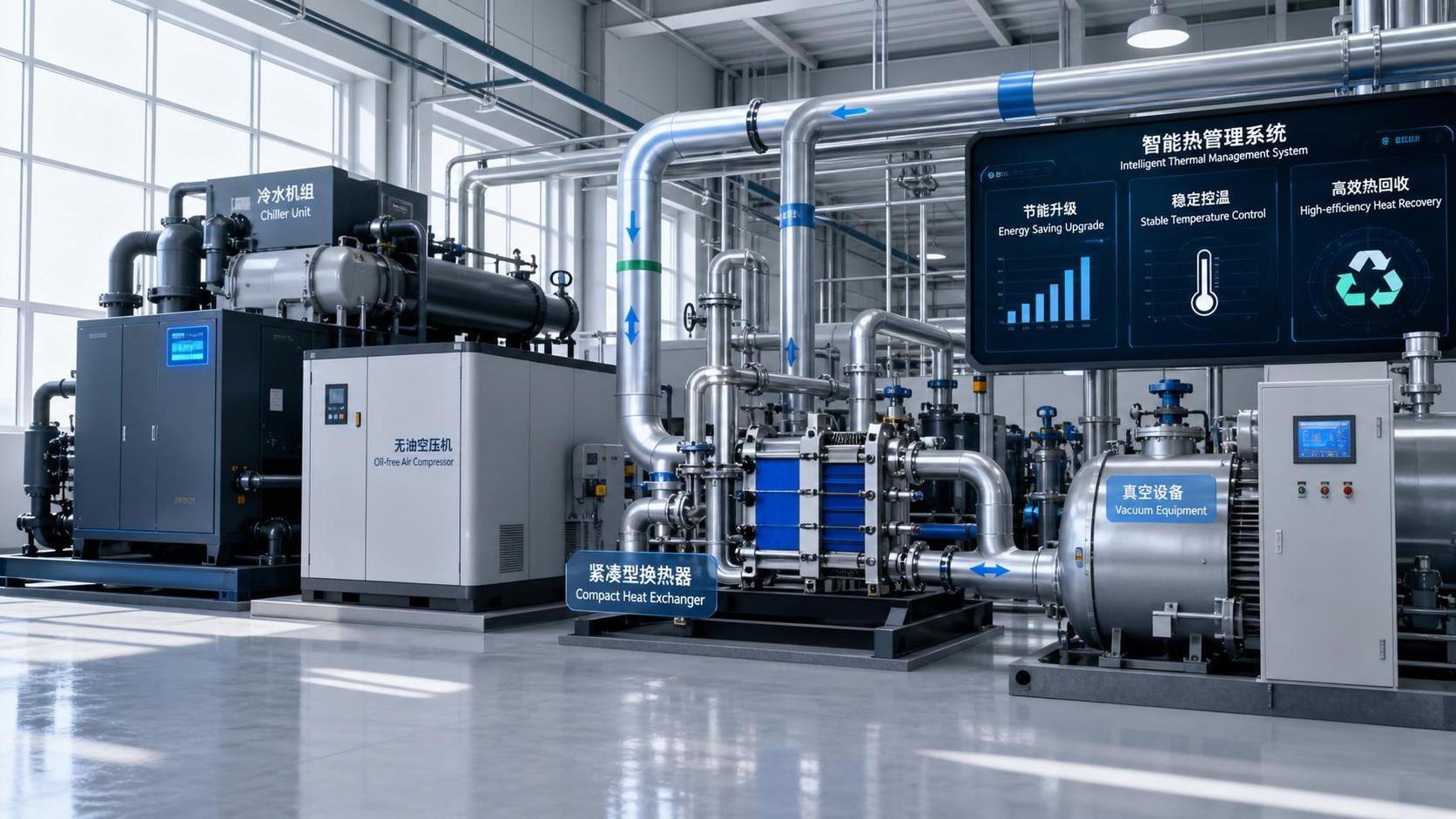
This trend aligns closely with the GTC-Matrix perspective, which connects compression systems with broader heat exchange and industrial cooling strategies. A procurement decision becomes stronger when air, thermal, and energy flows are evaluated together rather than as isolated packages.
4. Predictive maintenance and remote visibility are moving upstream into vendor evaluation
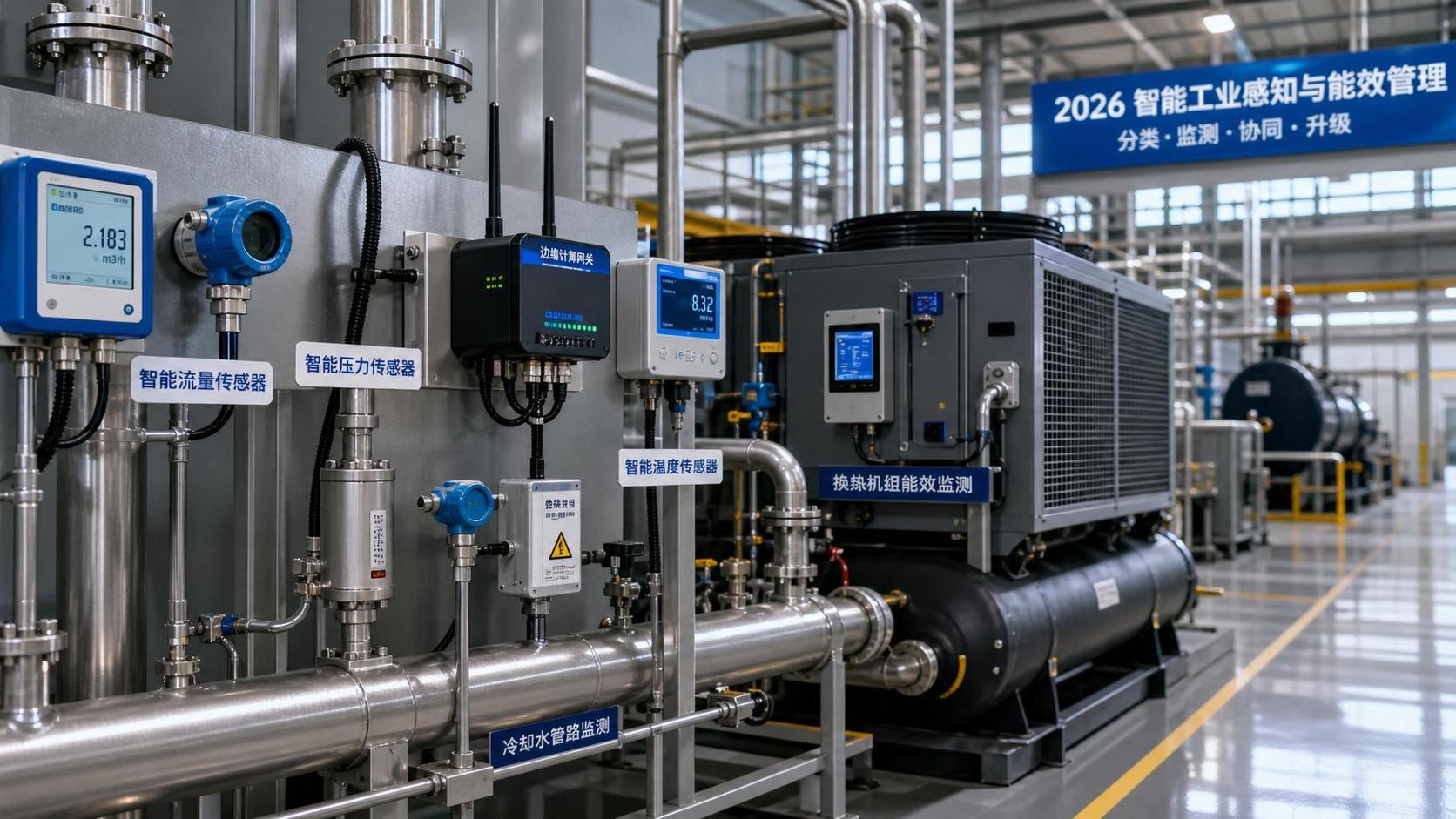
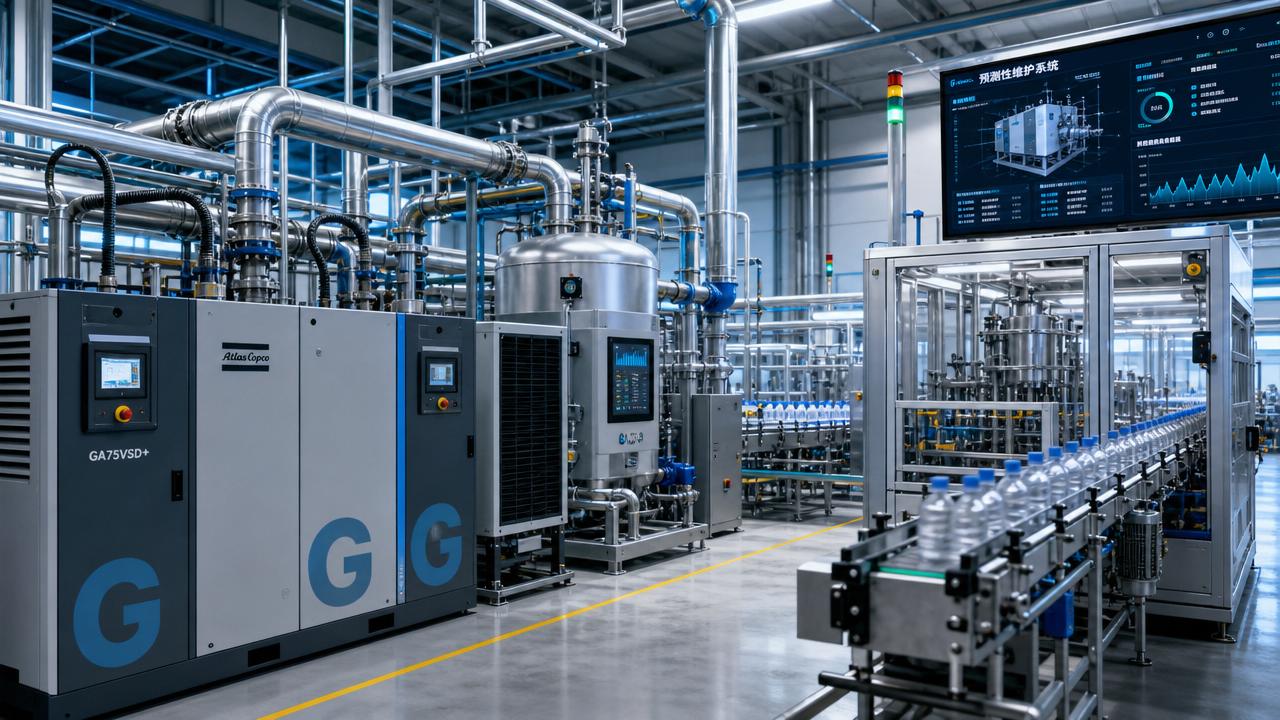
In 2026, buyers increasingly expect compressors to provide condition data, alarm trends, and service indicators that help prevent unplanned shutdowns. Predictive maintenance features are especially valuable where maintenance teams are lean or plants operate across multiple sites.
However, procurement should verify data usefulness rather than accept generic digital claims. Ask which variables are tracked, how alerts are delivered, whether the system can export data to plant platforms, and what support is available after commissioning.
How should buyers compare major compression technology options?
The table below gives procurement teams a practical comparison of common compression technology paths. It is designed for broad industrial use where reliability, efficiency, purity, and service burden all matter.
The right compression technology is not universal. Buyers should align technology selection with actual load behavior, air quality risk, energy cost exposure, and the plant’s maintenance maturity. In many cases, hybrid layouts that combine base-load and trim machines deliver the best balance.
What should procurement teams evaluate beyond equipment price?
Many procurement problems begin when teams compare quotations line by line but ignore what happens after startup. A better approach is to evaluate total cost of ownership, operational resilience, and implementation risk together.
Core evaluation checklist for compression technology purchases
- Map the real demand profile. Measure average load, peaks, idle time, and future expansion plans before issuing final specifications.
- Separate utility air from critical process air. This prevents overbuying high-purity systems where they are not required and under-protecting sensitive operations where they are.
- Quantify energy cost at expected operating hours. In many facilities, electricity dominates lifecycle cost more than maintenance parts or initial capex.
- Review thermal integration opportunities. Ask whether heat recovery can support boilers, washdown water, building heating, or adjacent process loops.
- Check service structure. Spare part lead time, technician availability, and remote diagnostics support directly affect uptime risk.
- Verify compliance and documentation. Noise, safety, air quality, electrical interface, and environmental requirements should be addressed before purchase order release.
GTC-Matrix supports this evaluation process by translating thermodynamic complexity into procurement logic. Instead of looking at isolated brochures, buyers can benchmark emerging technologies, understand market movement, and identify where a premium feature truly creates value.
Which parameters matter most when selecting compression technology in mixed industrial scenarios?
The following parameter guide helps procurement teams compare bids with more discipline. It is especially useful in general industry where compressed air, cooling interaction, and process variability create hidden performance gaps between suppliers.
This parameter view helps buyers avoid a common trap: selecting compression technology based on peak capacity and brochure claims, then discovering weak part-load performance, unstable pressure, or expensive downstream additions after installation.
How do cost, alternatives, and payback change the buying decision?
When budgets are tight, procurement teams often ask whether an upgrade in compression technology is truly worth the premium. The answer depends on operating profile. In low-hour applications, a simpler system may remain acceptable. In high-hour plants with fluctuating demand, better controls and efficiency usually have stronger financial logic.
Typical alternatives buyers should compare
- Replace like-for-like equipment to minimize capex and installation change. This works when the current system architecture is fundamentally sound.
- Upgrade to variable-speed compression technology to improve part-load efficiency and pressure control where demand varies through shifts or seasons.
- Shift from lubricated to oil-free compression where contamination costs, rework, or audit risk justify a different lifecycle model.
- Redesign the compressor room with storage, controls, and heat recovery rather than buying a standalone machine. This is often the best route in aging plants.
A sound payback review should include electricity, maintenance, filtration consumables, condensate handling, expected downtime exposure, and any thermal energy recovered. GTC-Matrix helps buyers frame these variables with market-aware context instead of using simplistic capex comparisons.
What standards and compliance issues should buyers watch in 2026?
Compliance is becoming more interconnected. Compression technology may be affected by air quality expectations, electrical requirements, pressure equipment rules, environmental reporting, refrigerant transitions in related cooling systems, and site-specific safety procedures. Procurement should confirm which standards are relevant before tendering.
- Air purity expectations should be aligned with end use, especially in food, pharma, medical support areas, and electronics manufacturing.
- Noise and ventilation planning matter for indoor compressor rooms and worker safety compliance.
- Electrical integration, harmonics, and control communication should be checked when variable-speed equipment is specified.
- Environmental strategy should consider broader plant systems, including heat exchange and cooling interactions, because policy shifts can alter long-term asset economics.
This broader systems view is one reason buyers use intelligence platforms like GTC-Matrix. Procurement decisions become safer when compressor selection is linked with policy movement, decarbonization targets, and industrial thermal system evolution.
Common procurement mistakes in compression technology projects
Mistake 1: Buying for peak load only
Many plants size equipment around rare peaks and then run inefficiently most of the year. A better strategy is to combine base-load efficiency with flexible trim capacity.
Mistake 2: Ignoring system losses outside the compressor
Leaks, poor piping, inadequate storage, and mismatched dryers can erase the advantage of advanced compression technology. Buyers should ask for system-level evaluation, not machine-only quotations.
Mistake 3: Treating digital features as marketing extras
If a plant lacks specialist maintenance coverage, remote visibility and alarm quality can materially reduce downtime. These are not cosmetic features in high-utilization operations.
Mistake 4: Underestimating delivery and commissioning risk
Tight schedules require early confirmation of accessories, electrical interfaces, space constraints, and startup responsibilities. A low bid with unclear delivery scope can create expensive delays.
FAQ: what procurement teams ask most about compression technology
How do I know whether variable-speed compression technology is worth the extra cost?
Start with the demand profile. If your facility experiences frequent load swings, partial shifts, seasonal changes, or multiple production modes, variable-speed systems often deliver meaningful savings. If demand is flat and near full load most of the time, a fixed-speed option may remain competitive. The decision should be based on operating hours and real load data, not generic payback claims.
Is oil-free compression technology necessary for all quality-sensitive industries?
Not always. The need depends on contamination tolerance, audit expectations, downstream process risk, and the cost of failure. Some plants can achieve acceptable outcomes with lubricated systems plus robust treatment, while others benefit from oil-free architecture because it reduces uncertainty and simplifies quality control.
What should I request in a supplier quotation?
Ask for performance at actual operating conditions, not only nominal ratings. Request part-load energy data, pressure control behavior, included accessories, maintenance intervals, recommended spare parts, commissioning scope, digital monitoring functions, expected lead time, and any assumptions behind the proposal.
How long is the typical delivery and implementation cycle?
It varies by technology, region, customization, and supplier capacity. Standard utility systems may move faster than engineered oil-free or integrated heat recovery packages. Procurement should confirm not just shipment timing, but also documentation readiness, installation dependencies, site preparation needs, and commissioning support availability.
Why choose us for compression technology intelligence and procurement support?
GTC-Matrix is built for decision-makers who need more than product promotion. Our platform connects industrial cooling, compressed air, vacuum processes, and heat exchange intelligence so procurement teams can evaluate compression technology in its real operating context. That means better visibility into energy economics, thermal integration opportunities, policy shifts, and technology evolution.
If you are planning 2026 equipment investment, contact us for practical support on parameter confirmation, technology comparison, air purity considerations, heat recovery opportunities, delivery cycle assessment, and quotation benchmarking. We can also help you frame supplier questions, identify lifecycle cost drivers, and narrow the most suitable compression technology path for your plant, process, and budget.
- Confirm operating parameters and load profile assumptions before tender release.
- Compare compression technology options for reliability, efficiency, and compliance fit.
- Review delivery timing, commissioning scope, and service support risk.
- Discuss customized intelligence for pharmaceuticals, semiconductors, food, or other high-control sectors.
For procurement teams under pressure to justify every capital decision, informed compression technology choices can protect budget, strengthen operations, and improve long-term energy performance. GTC-Matrix helps turn that complexity into a clearer investment decision.
Related News
- Why high-density thermal energy storage is gaining industry attentionAuthor :

- Smart Device Thermal Management Trends Shaping 2026 Product DesignAuthor :

- Industrial Cooling Technologies in Europe: 2026 Trends in Compliance and Energy UseAuthor :

- Industrial Electrification Trends in 2026: Where Projects Are Moving FirstAuthor :

- Industrial Solution Comparison Global: 2026 Trends Reshaping Equipment DecisionsAuthor :

- When Heat Recovery Systems Skid Mounted Designs Improve Project PaybackAuthor :

- How to Compare Industrial Decarbonization Solutions Providers in 2026Author :

- Industry Category Guides for Smart Devices: What to Track as 2026 Markets ShiftAuthor :

- Green Manufacturing Trends Reshaping Industrial InvestmentAuthor :

- 2026 Global Energy Costs: What Will Reshape Industrial PlanningAuthor :

- Industrial Decarbonization Solutions That Cut Fuel Costs in 2026Author :

- Smart Thermal Systems Trends Shaping Industrial Upgrades in 2026Author :

- Resource Circularity in Manufacturing: 5 Practical Gains Beyond ComplianceAuthor :

- Carbon Neutrality Roadmap: What Industrial Firms Need to Prioritize FirstAuthor :

- Energy Conversion Efficiency Trends Shaping Industrial UpgradesAuthor :

- Compression Technology Trends Shaping Efficient Plant UpgradesAuthor :

- Industrial Intelligence in Manufacturing: Where It Delivers Value FirstAuthor :

- How Intellectualization Improves Industrial Thermal ManagementAuthor :

- What Intellectualization Means for Smarter Plant Operations in 2026Author :

- Carbon Neutrality Goals: What Industrial Firms Should Prioritize in 2026Author :

- How Intellectualization Reduces Downtime in Modern Production LinesAuthor :

- Decarbonization Roadmap for Energy-Intensive Plants in 2026Author :

- Thermal Systems Trends in 2026: Efficiency, Control, and RiskAuthor :

- Industrial Decarbonization Priorities for Energy-Intensive FacilitiesAuthor :

- Thermal Systems in 2026: Efficiency Upgrades Shaping Industrial OperationsAuthor :

- Pure Power Sources: 5 Practical Paths to Carbon NeutralityAuthor :

- What Intellectualization Means for Industrial Equipment UpgradesAuthor :

- Thermal Optimization in 2026: Where Energy Savings Deliver the Fastest PaybackAuthor :

- Energy Efficiency Trends Reshaping Compressor Upgrades in 2026Author :

- 2026 Industrial Decarbonization Trends Reshaping Plant UpgradesAuthor :
![]()
- Heat Exchanger Technology Trends for 2026 Efficiency TargetsAuthor :

- Resource Circularity Risks in 2026 Supply ChainsAuthor :

- Smart Thermal Systems: When Upgrades Deliver Measurable SavingsAuthor :

- Carbon Neutrality: Practical Steps for Factory RoadmapsAuthor :

- 2026 Industrial Energy Efficiency Priorities for Plant UpgradesAuthor :

- Industrial Intellectualization Trends Reshaping Equipment UpgradesAuthor :