Resource Circularity Moves Reshaping Industrial Cost Models




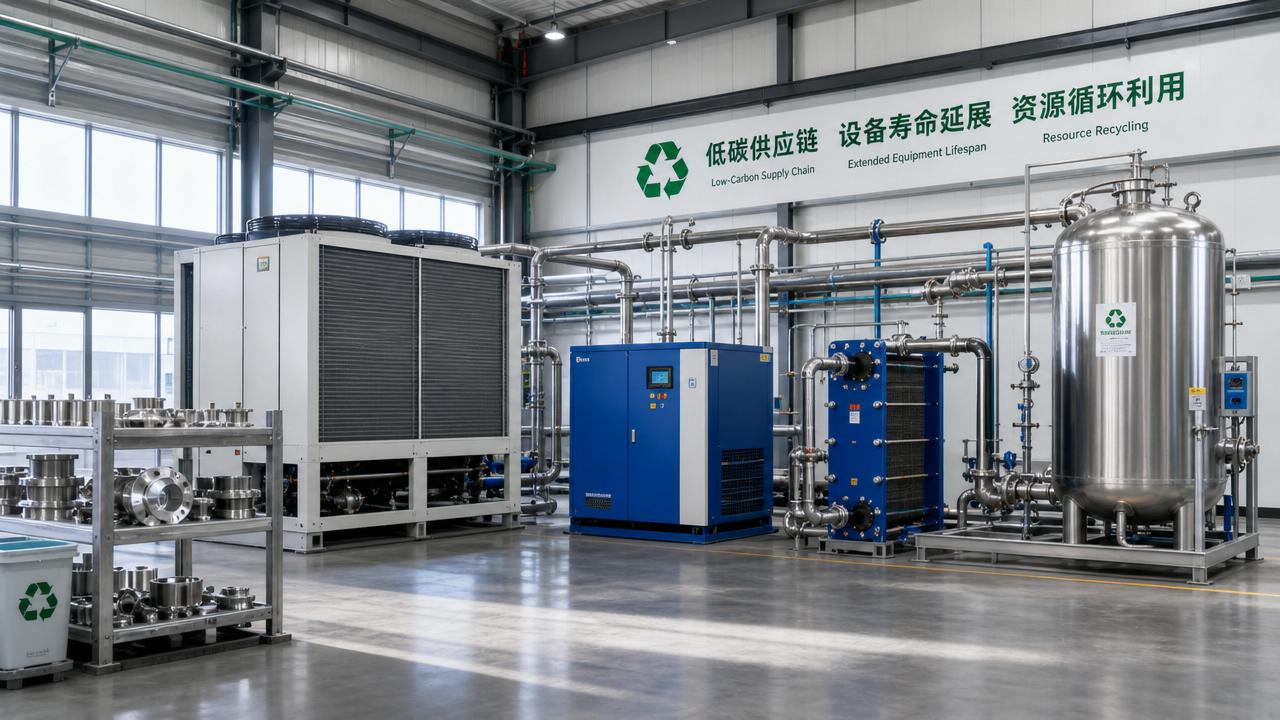
Resource circularity is rapidly changing how industrial firms evaluate cost, risk, and long-term competitiveness. It is no longer framed only as an environmental ambition.
Across the broader industrial economy, resource circularity now influences budget approval, asset utilization, maintenance strategy, and capital allocation. Cost models are becoming more dynamic and more system-based.
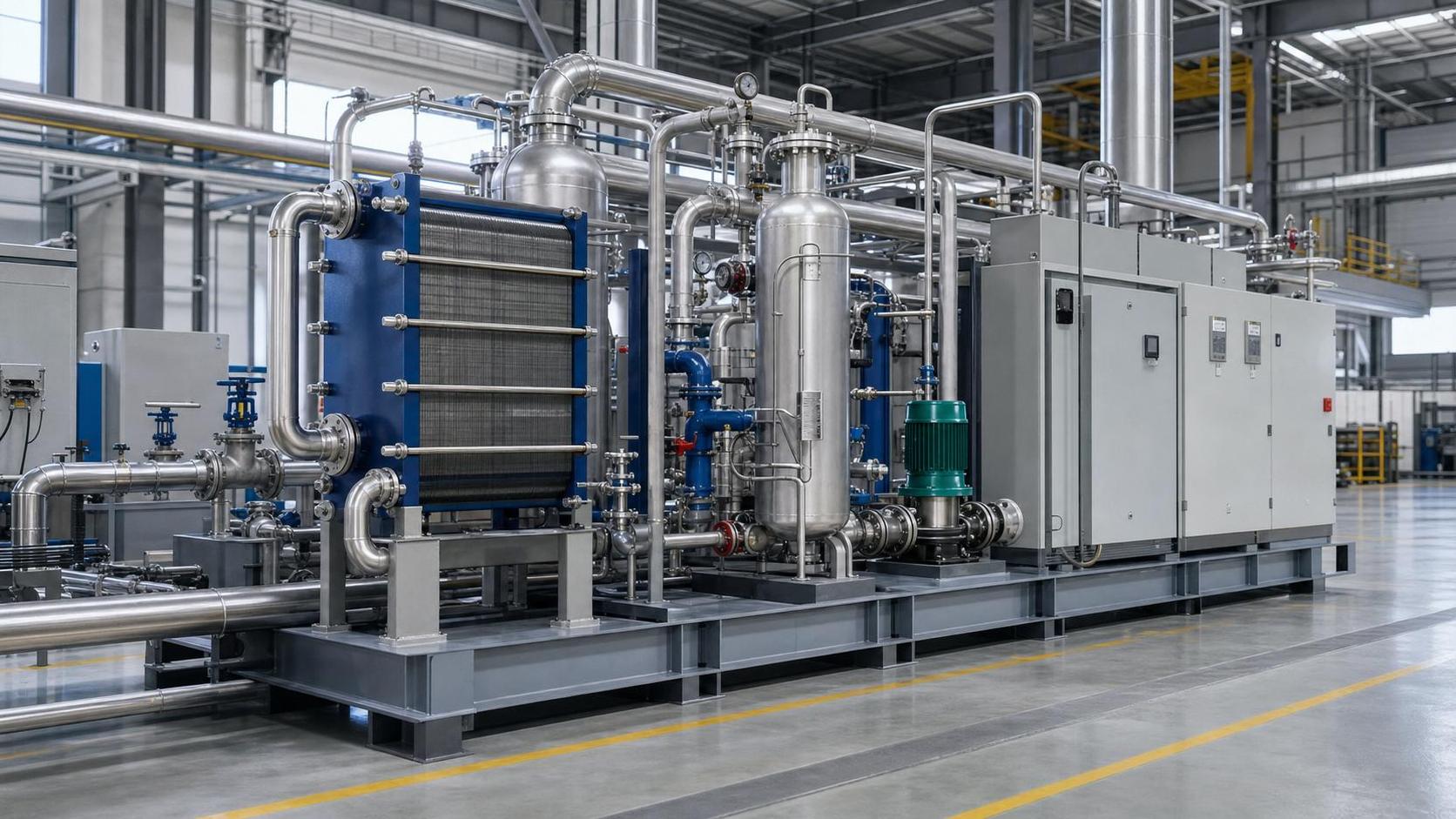
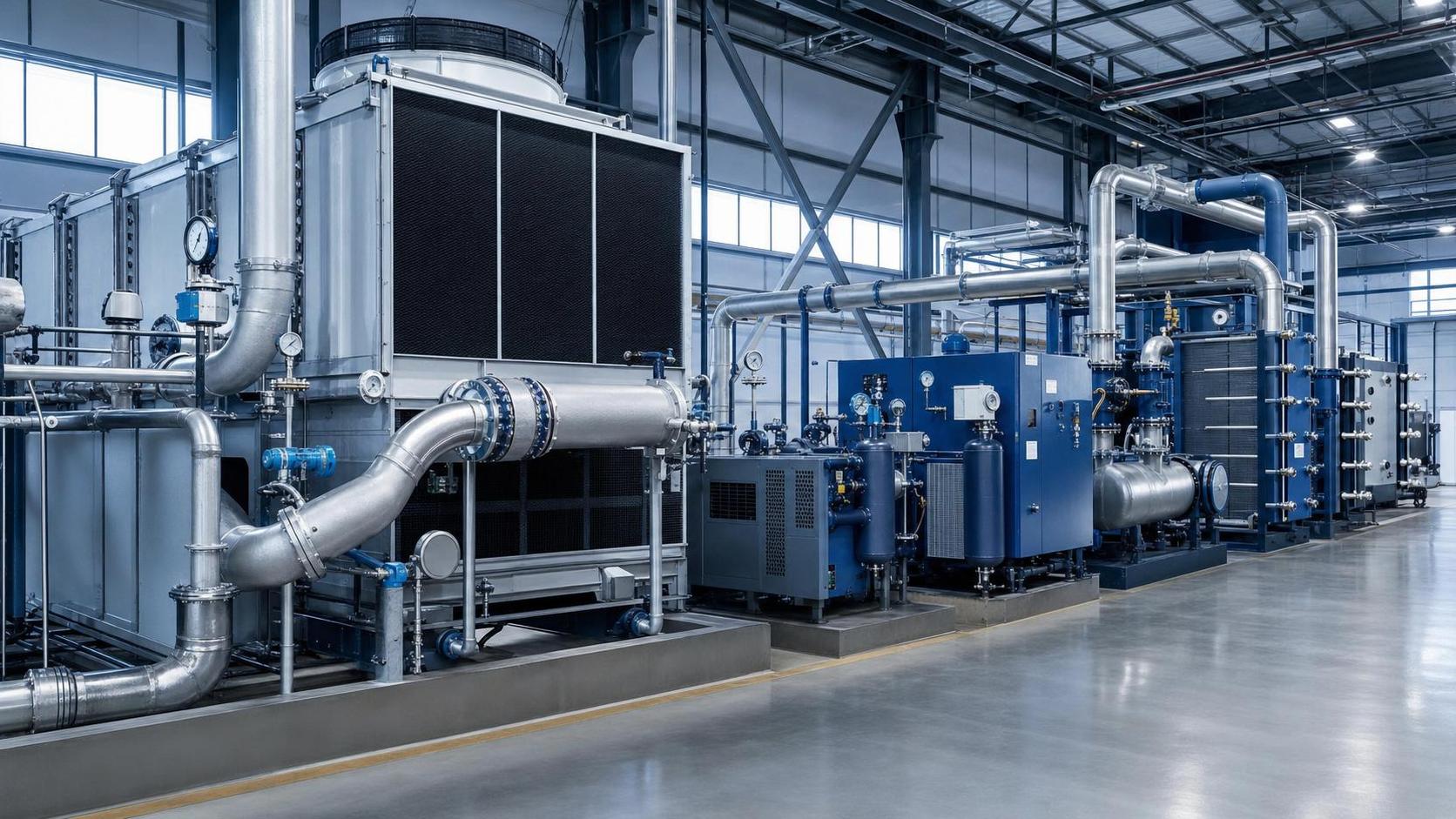
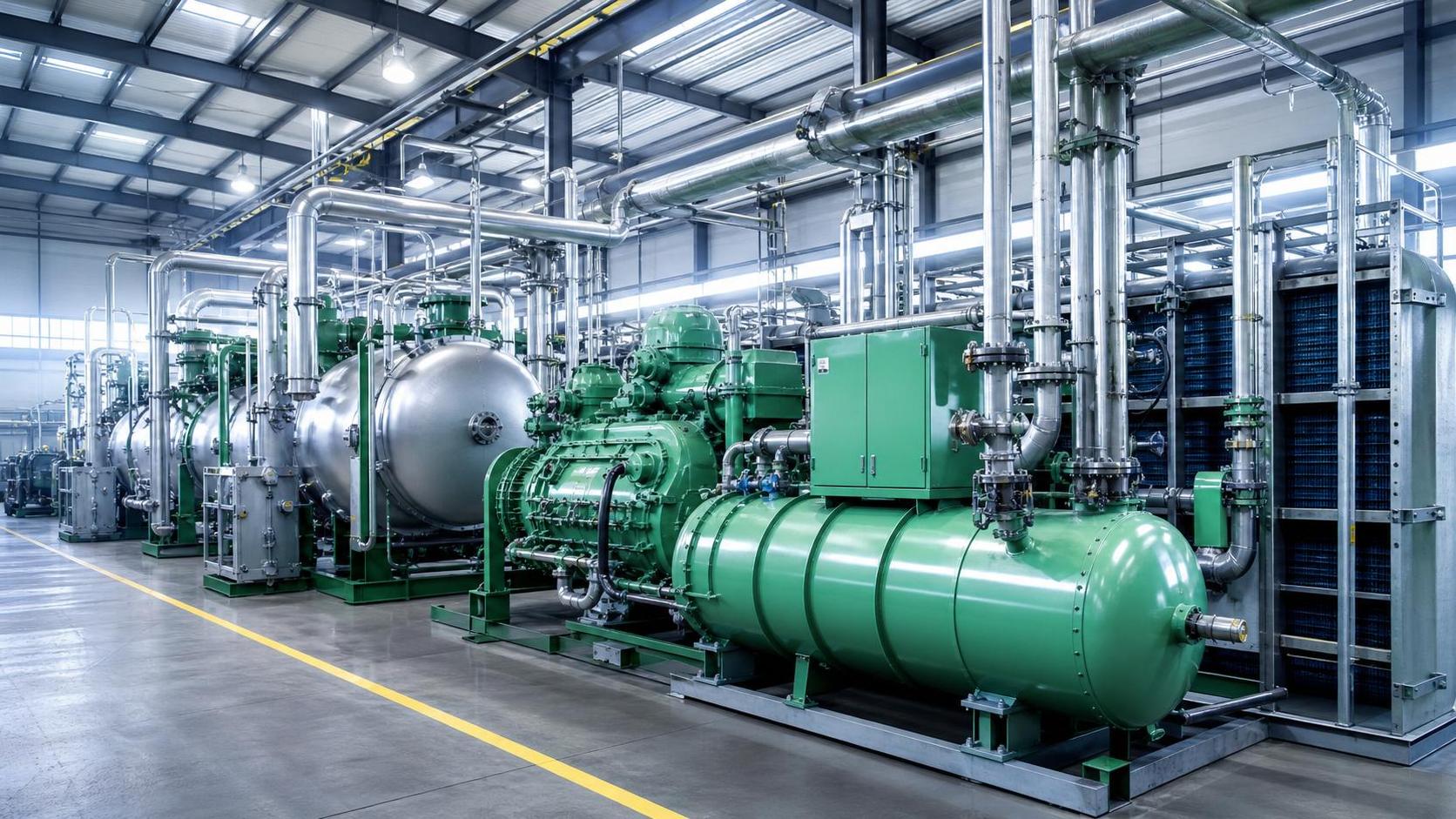
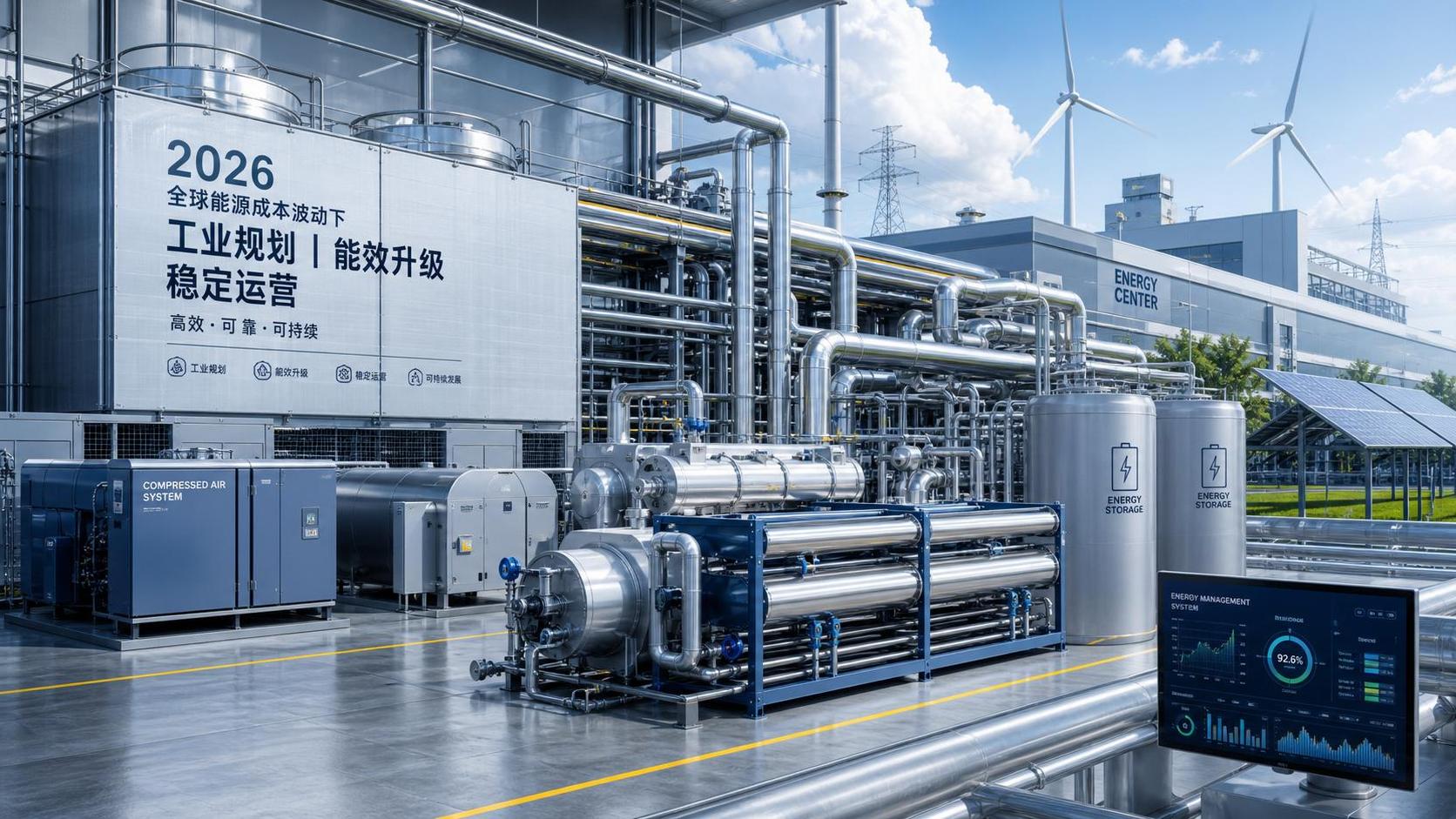
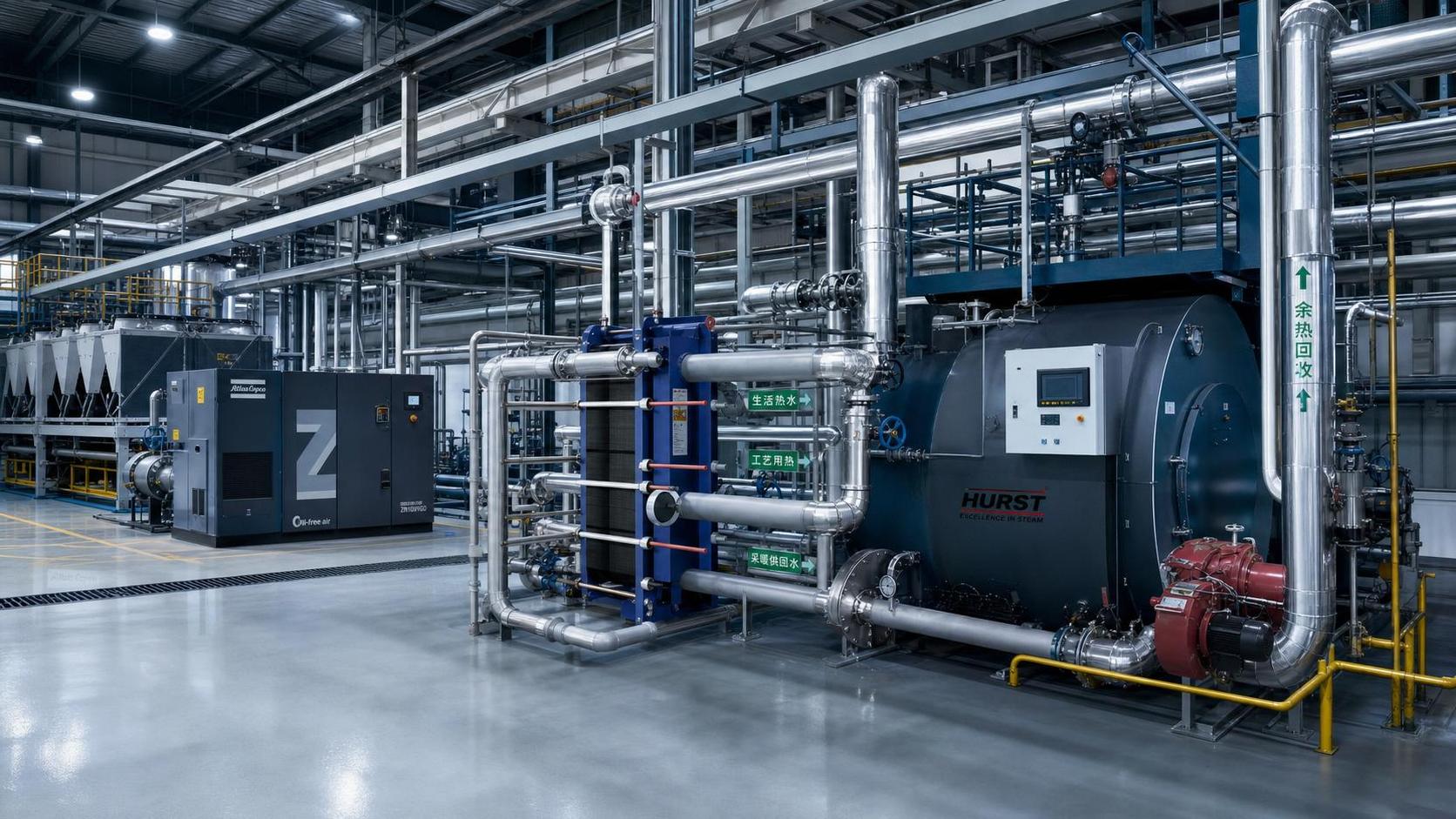
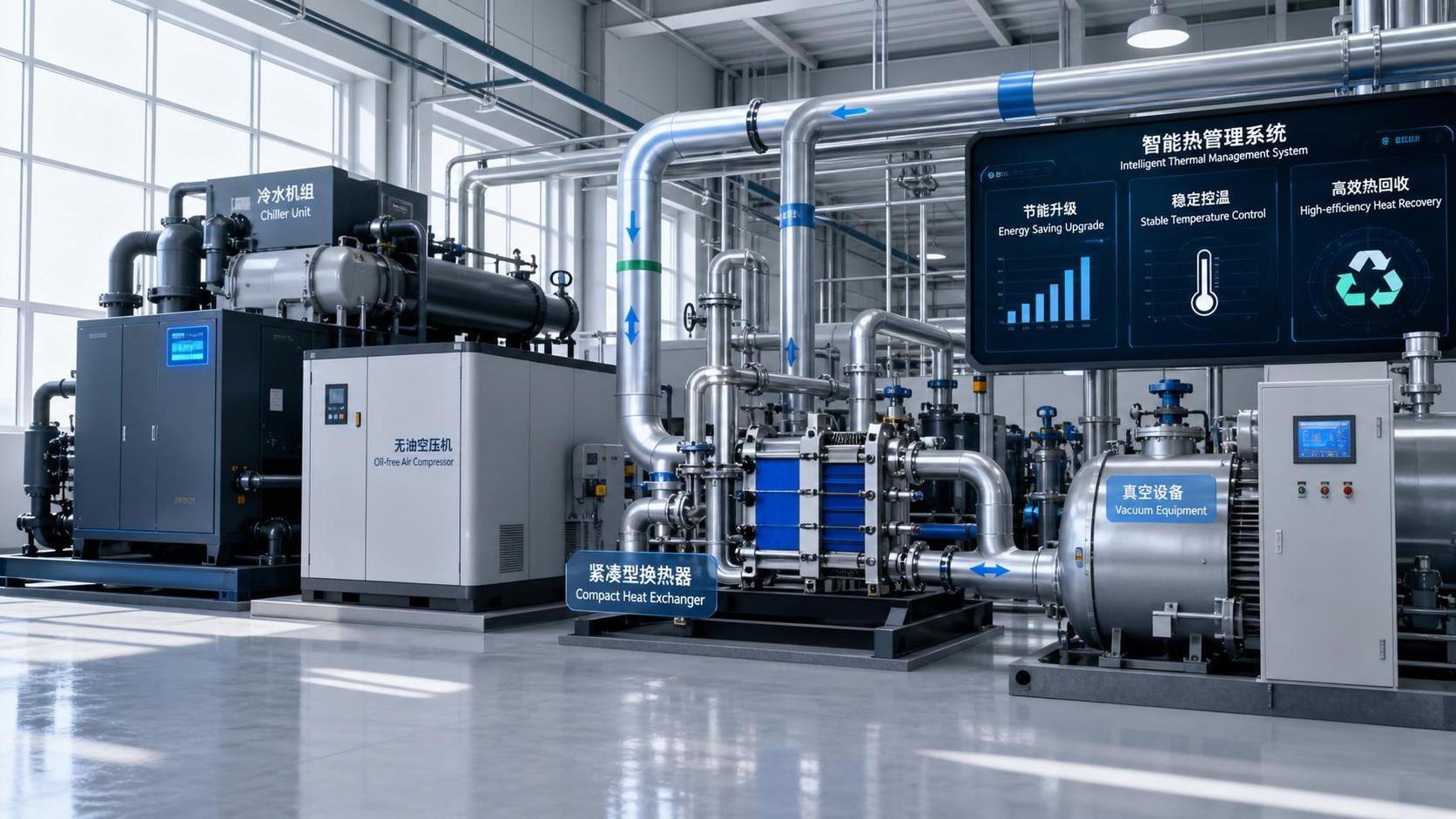
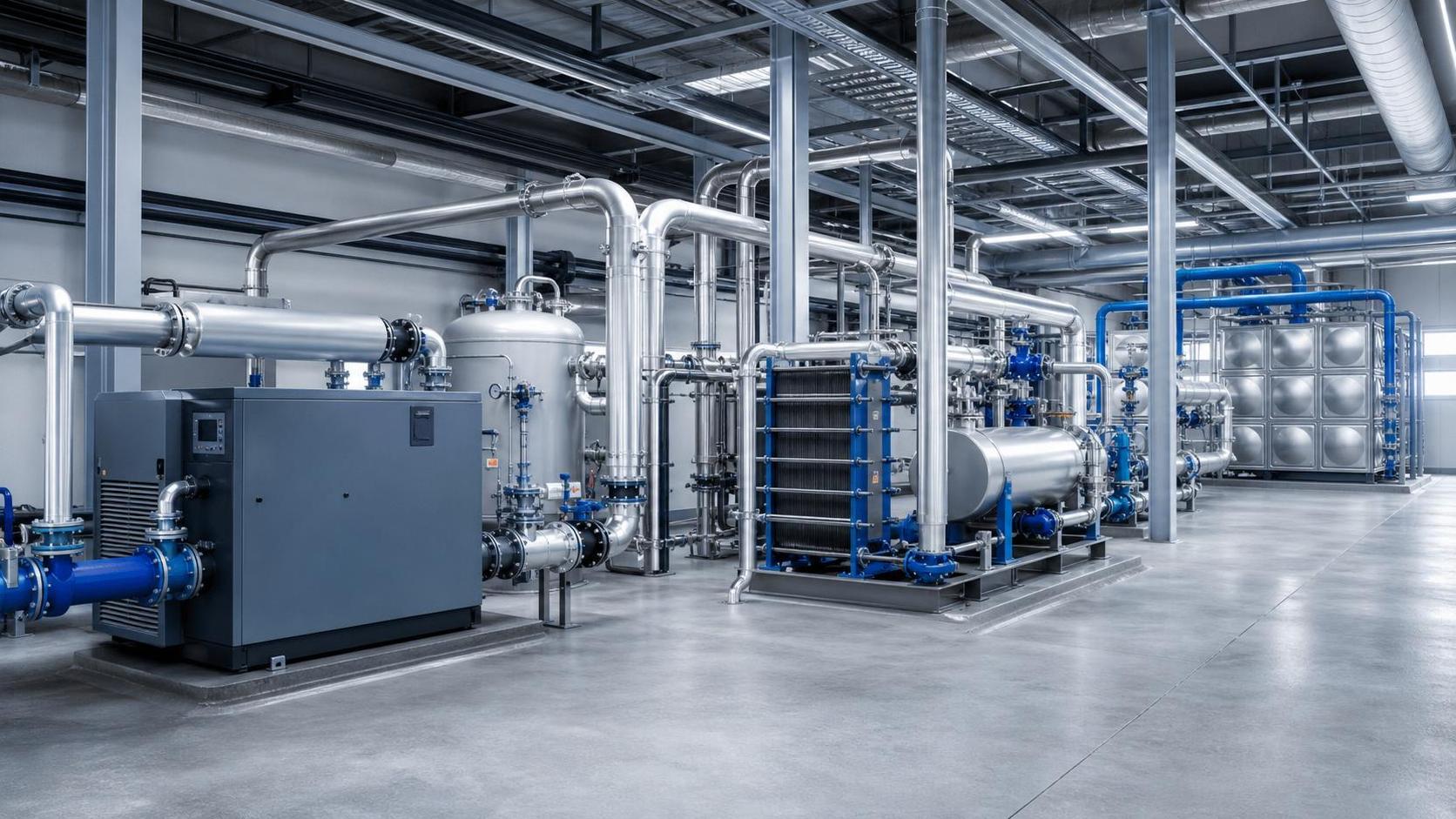
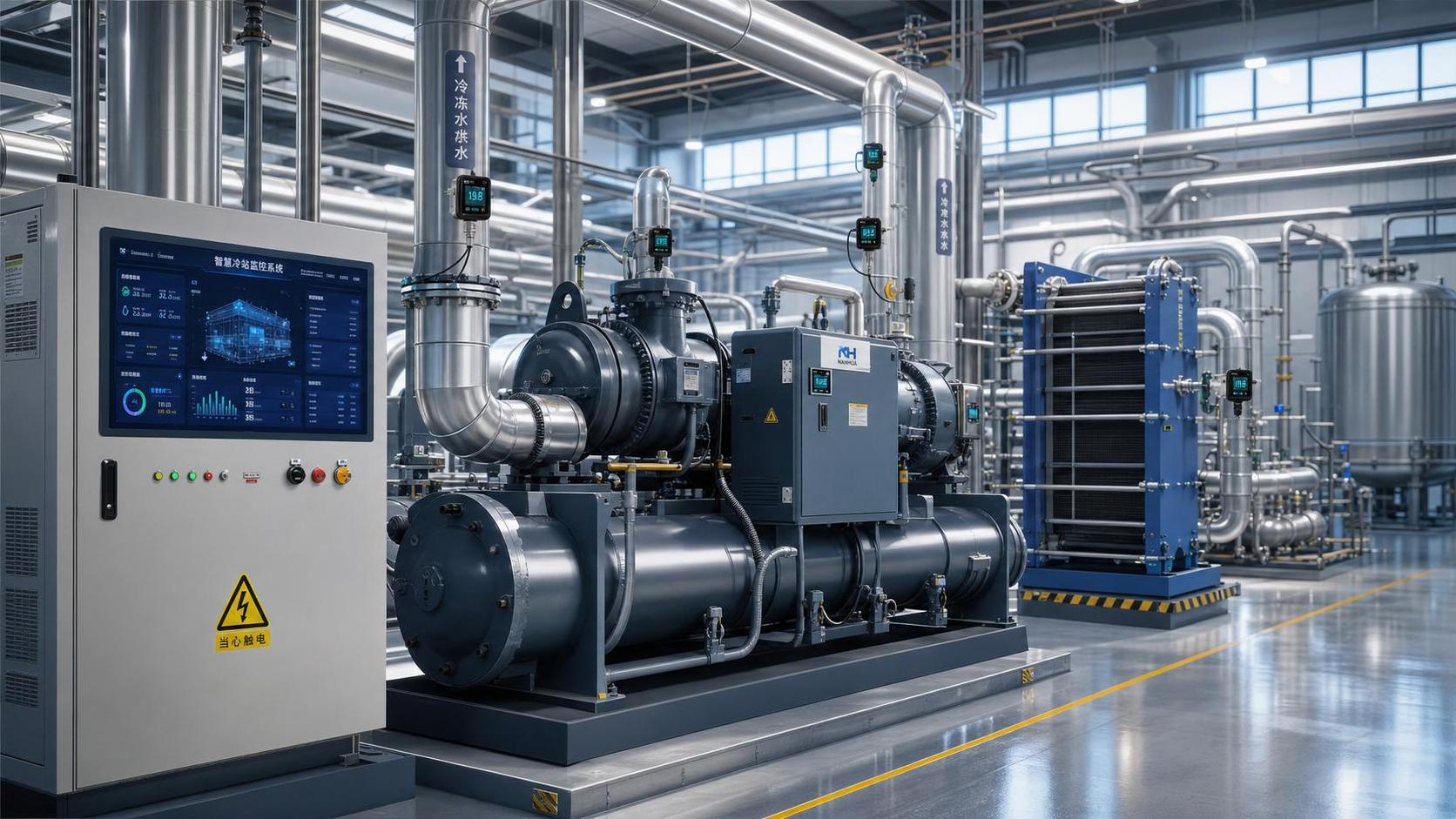
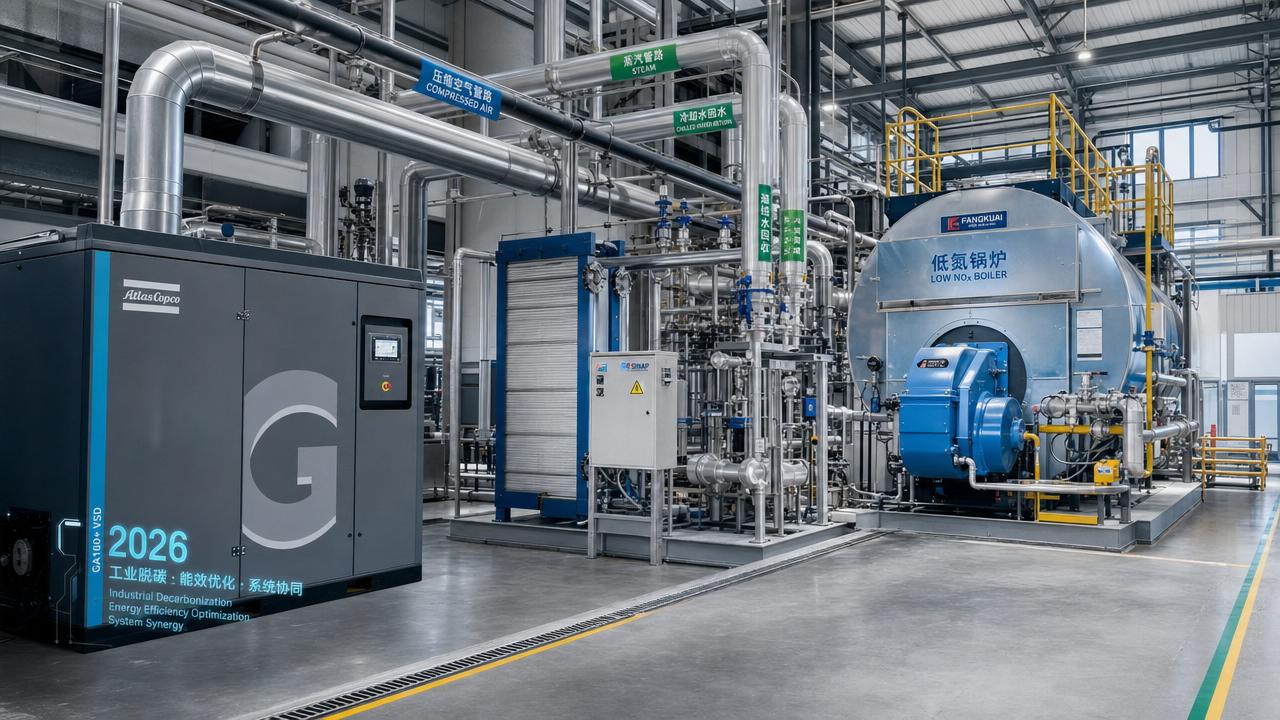
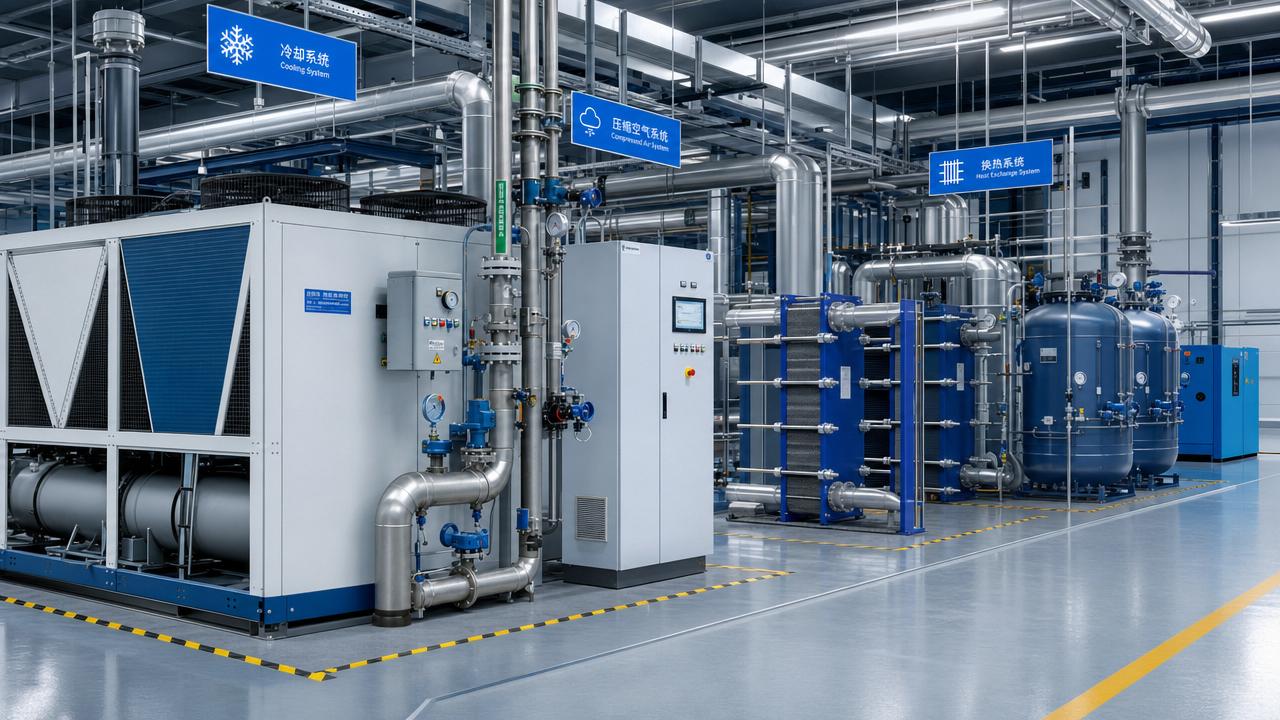
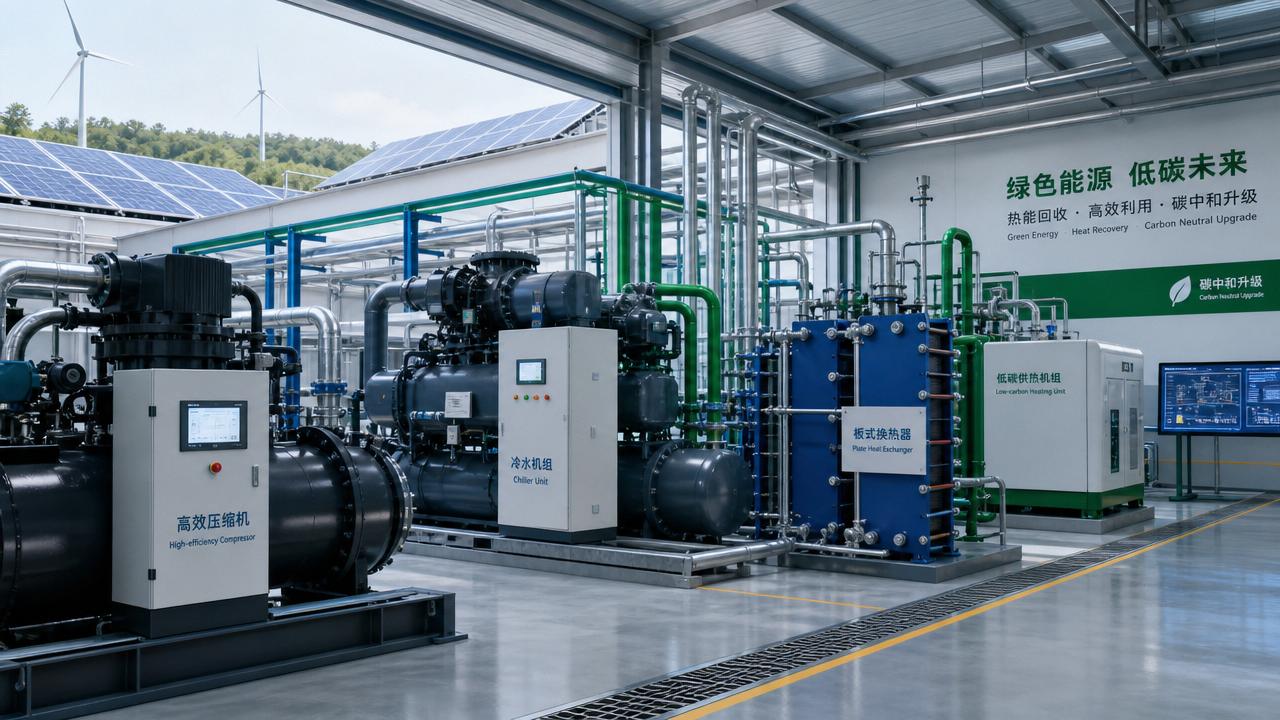
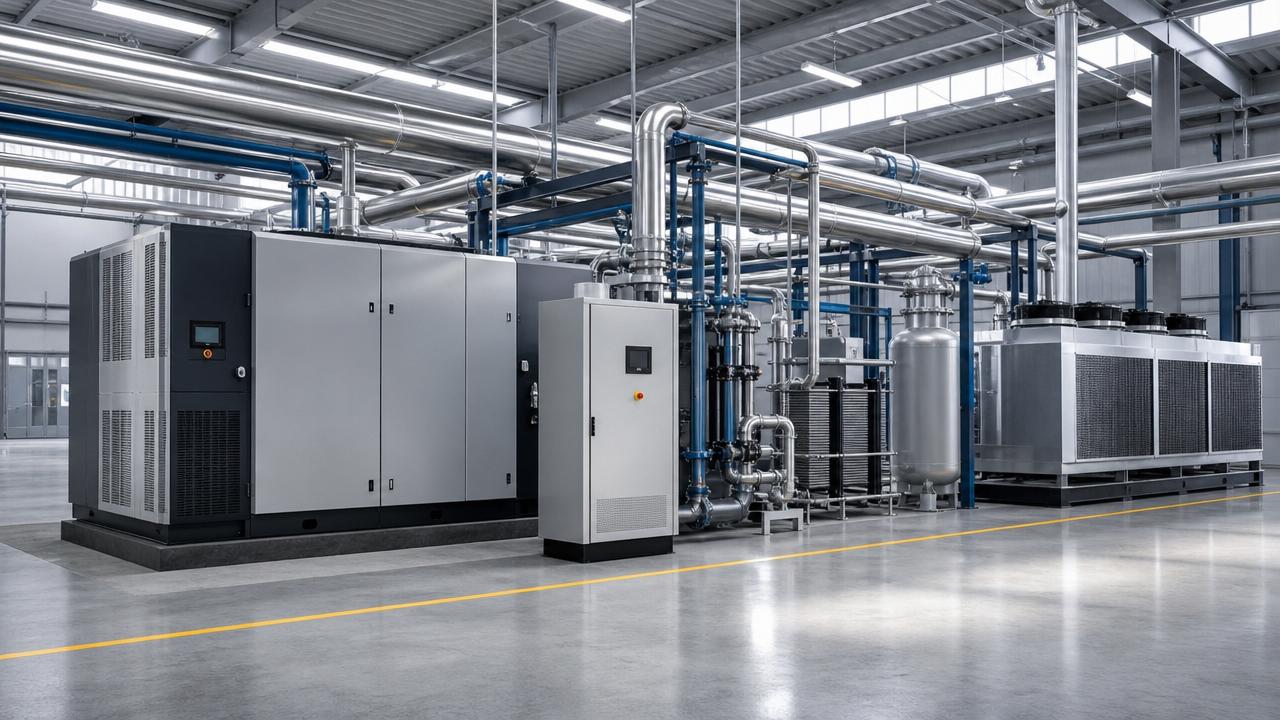
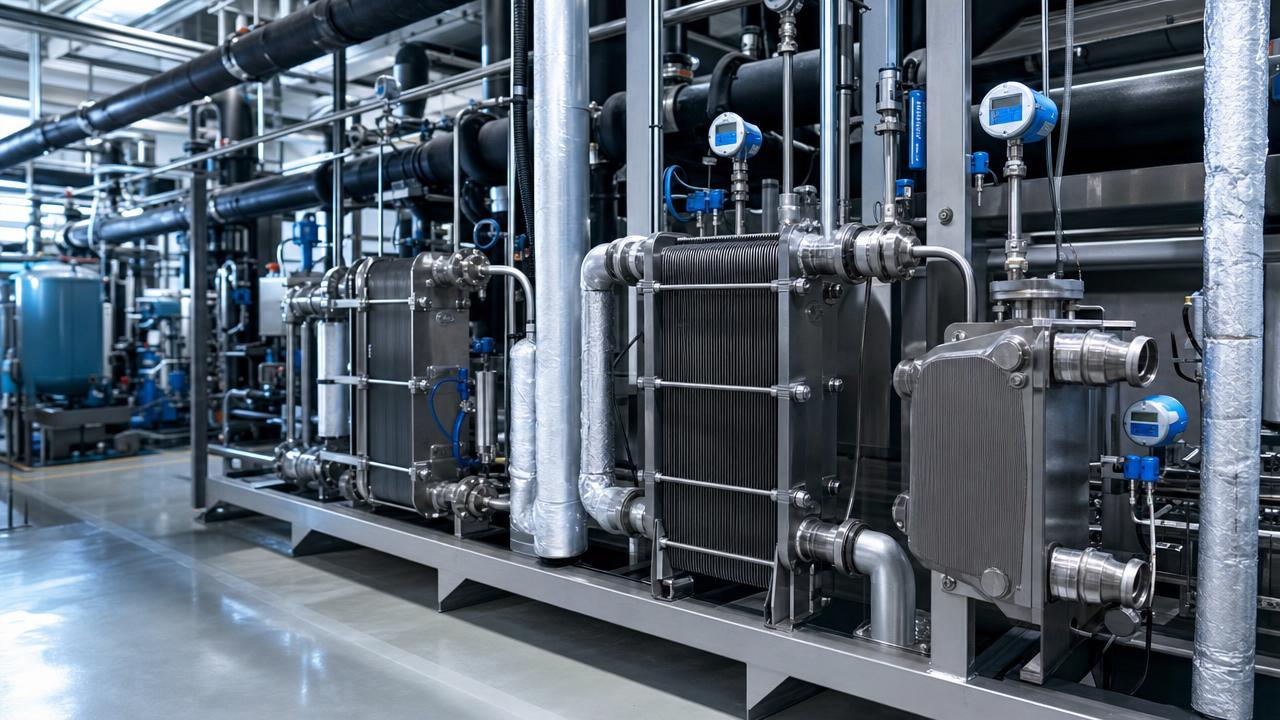
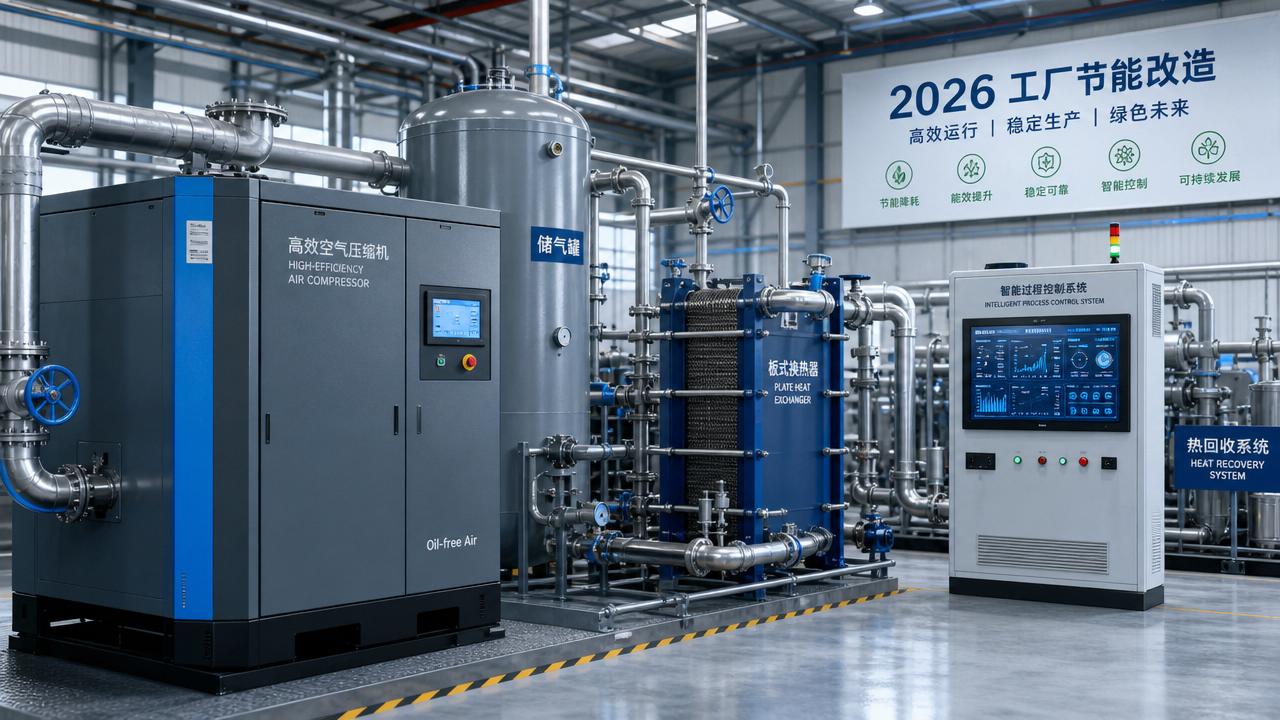
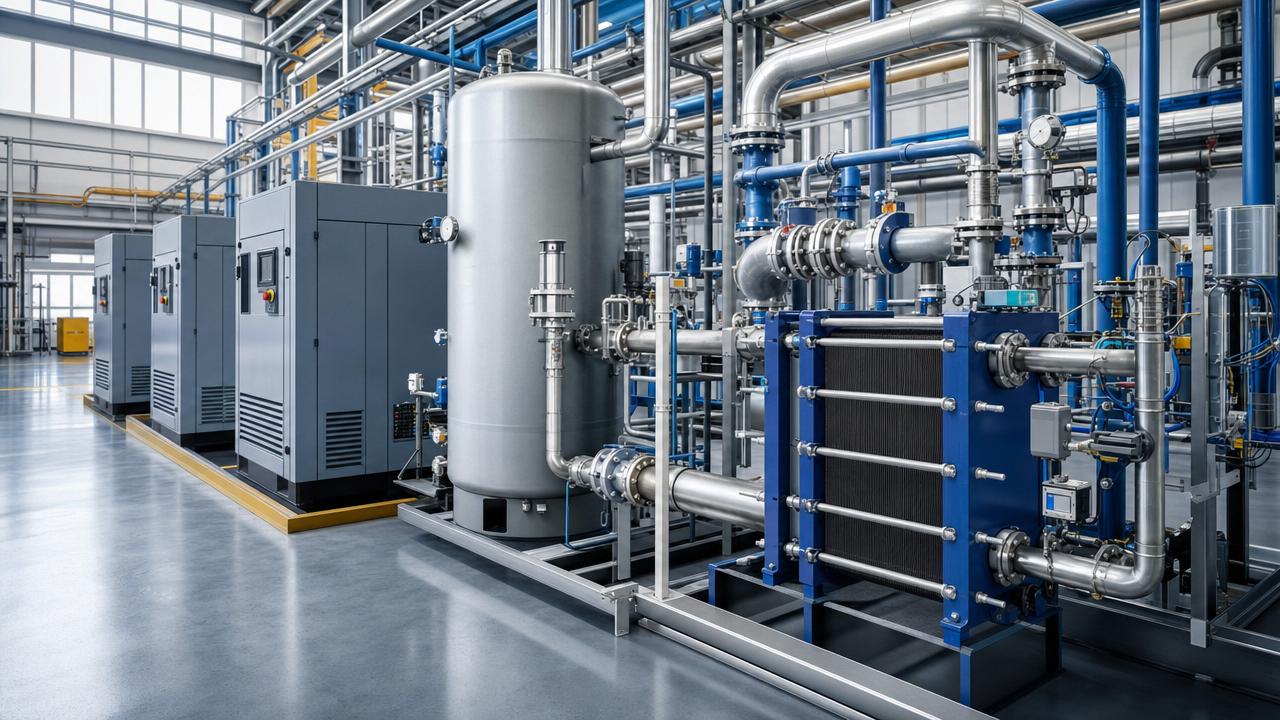
For energy-intensive operations, the connection is especially visible. Cooling, compressed air, vacuum systems, and heat exchange networks increasingly define how much value can be recovered instead of lost.
This shift matters because waste heat, water, materials, and utility loads are no longer treated as fixed overhead. They are becoming measurable variables in industrial profit design.
Resource circularity is moving from sustainability language to cost model logic
The strongest signal is financial. Resource circularity now appears in discussions about payback periods, operating margin resilience, and lifecycle efficiency rather than only compliance reports.
Industrial sites face pressure from volatile electricity pricing, water constraints, refrigerant transitions, carbon accounting, and tighter efficiency rules. Circular thinking responds to all of them at once.
Instead of buying more input every time output rises, firms are redesigning systems to reuse energy, recover process value, and extend component life. That changes the baseline cost equation.
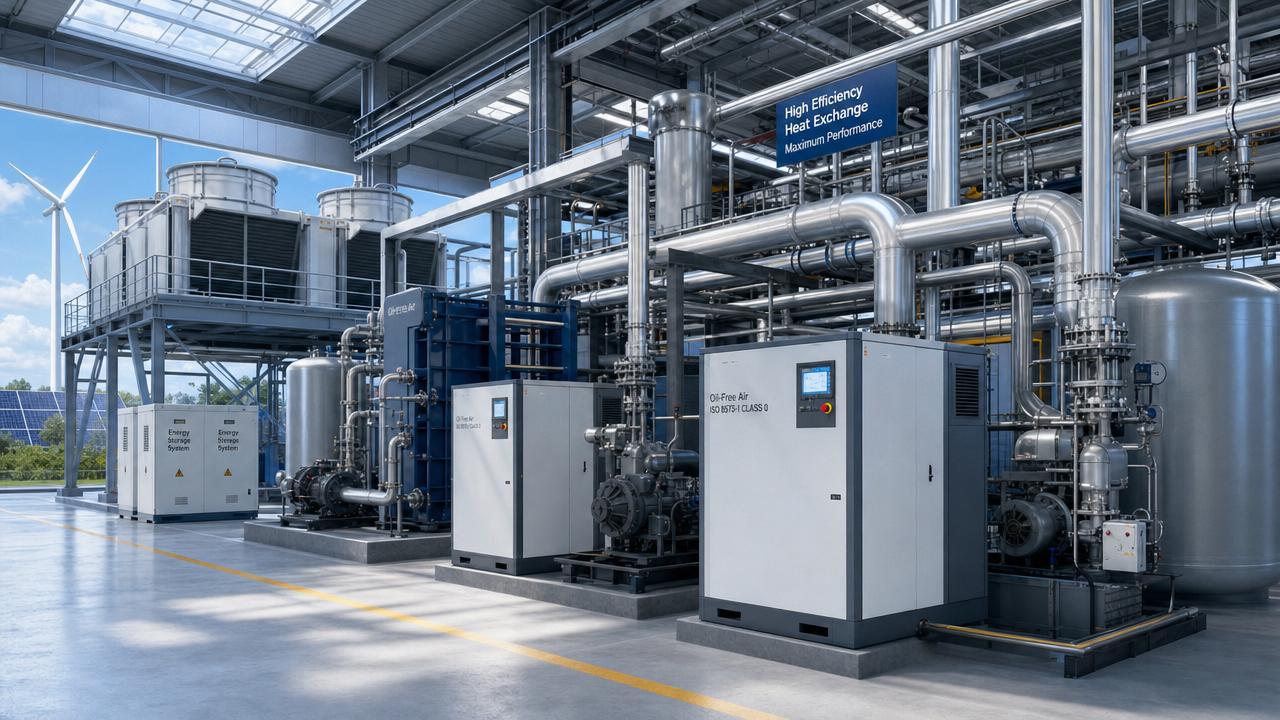
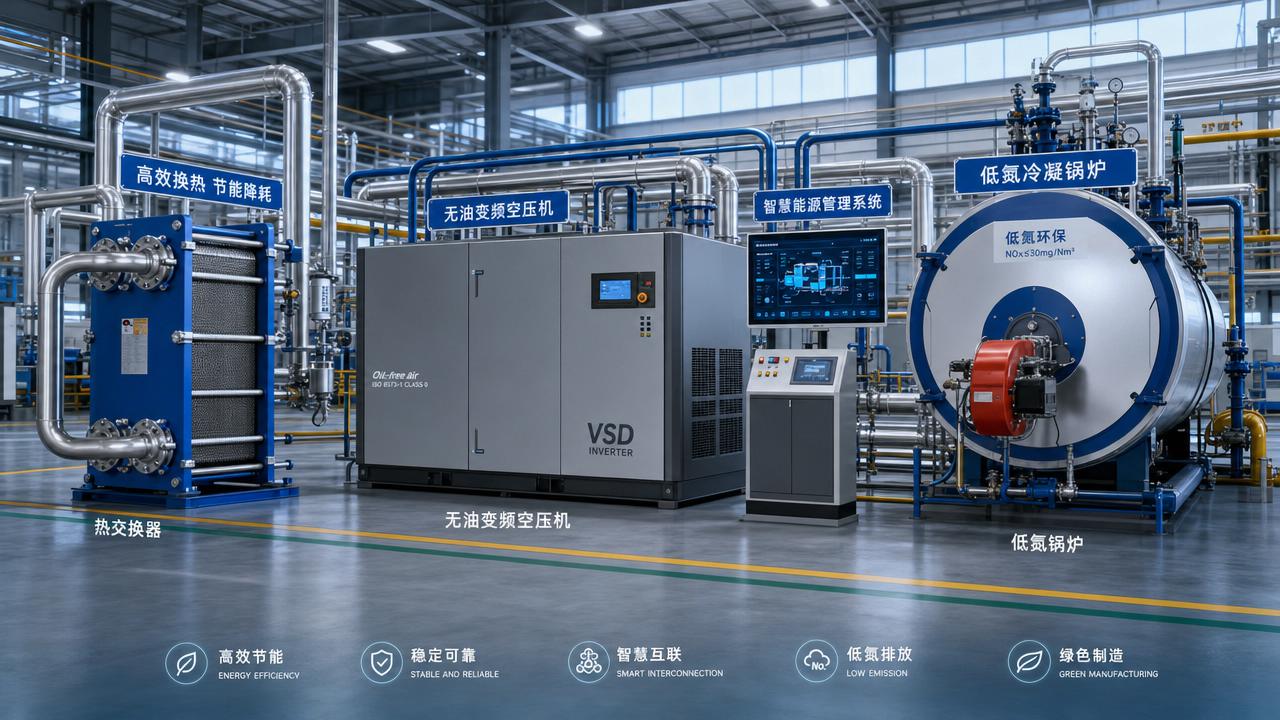
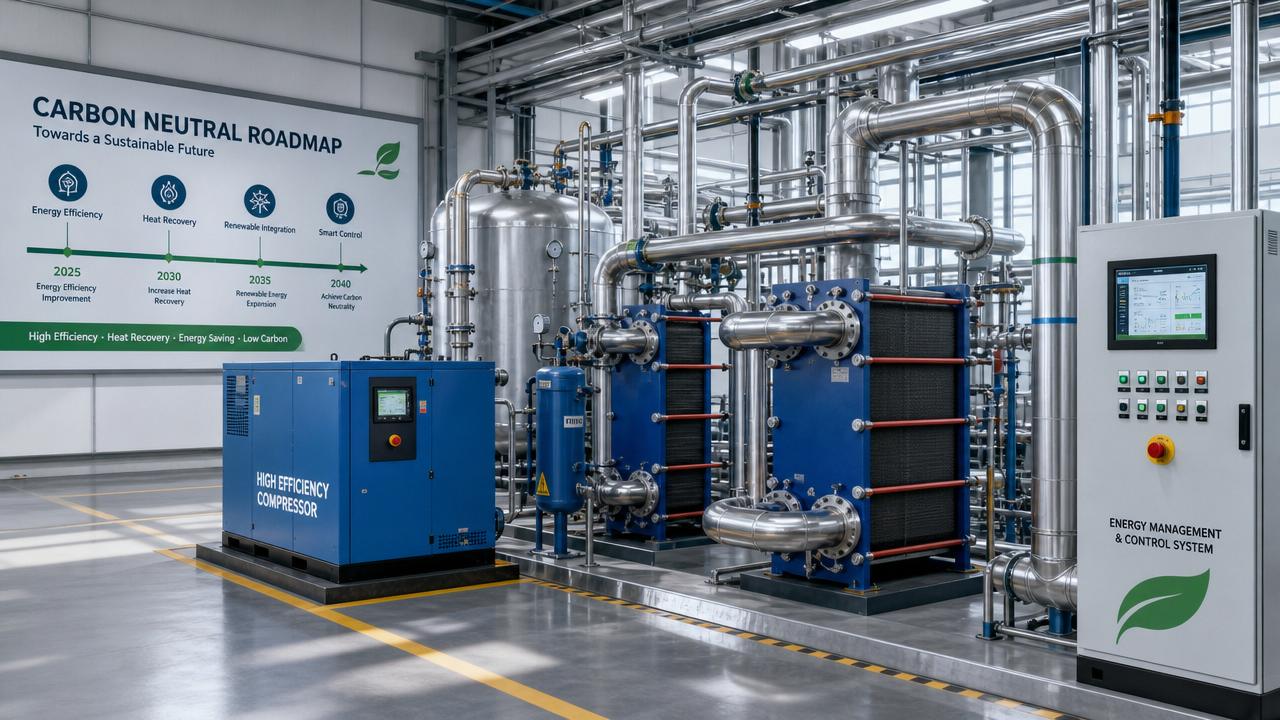
In practical terms, resource circularity links thermodynamic performance with financial performance. A better heat exchanger network or optimized compressed air loop can reduce waste and free working capital.
Why the trend is accelerating across industrial systems
Several forces are pushing resource circularity from pilot projects into mainstream industrial planning. The drivers are technical, financial, and regulatory at the same time.
The result is clear. Resource circularity is becoming easier to justify because industrial operators can now measure recovered value more precisely than before.
Where industrial cost models are being reshaped first
The first changes often appear in utility-heavy processes. These systems concentrate losses, and small efficiency gains can produce meaningful operating savings over long production cycles.
Thermal networks and waste heat recovery
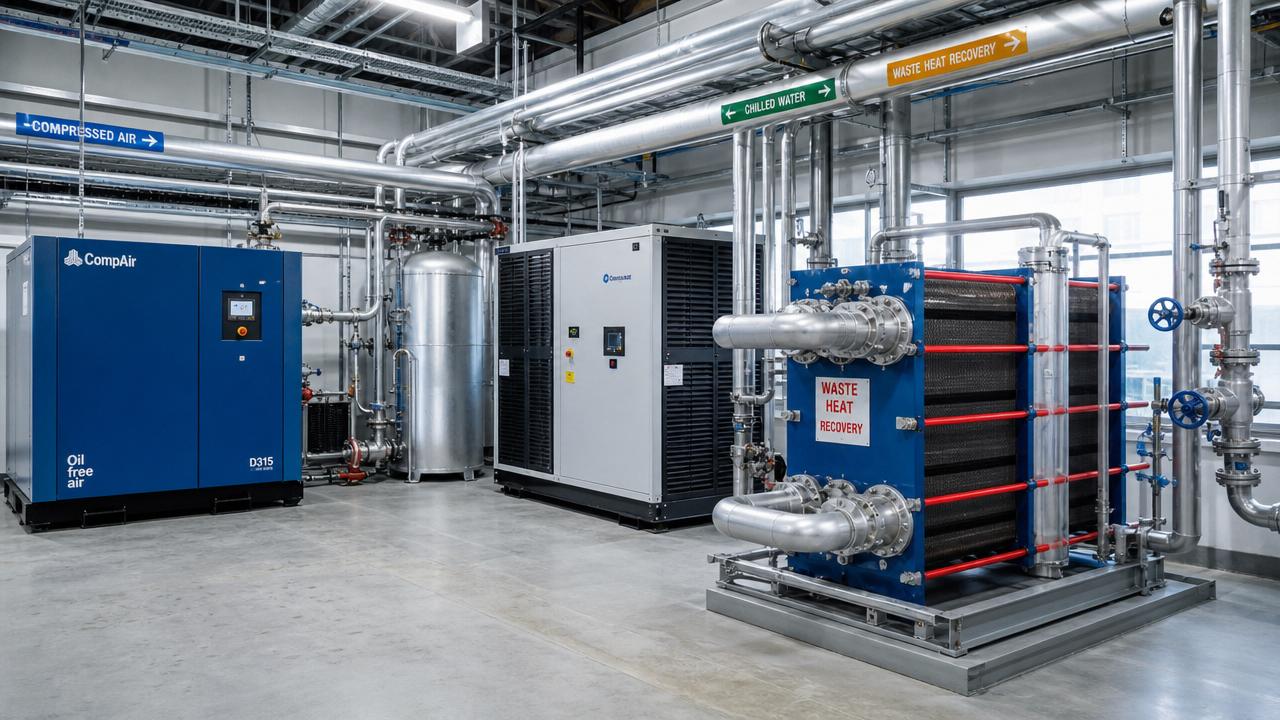
Heat is frequently paid for twice. It is purchased to support production, then paid again to remove through cooling systems. Resource circularity interrupts that expensive pattern.
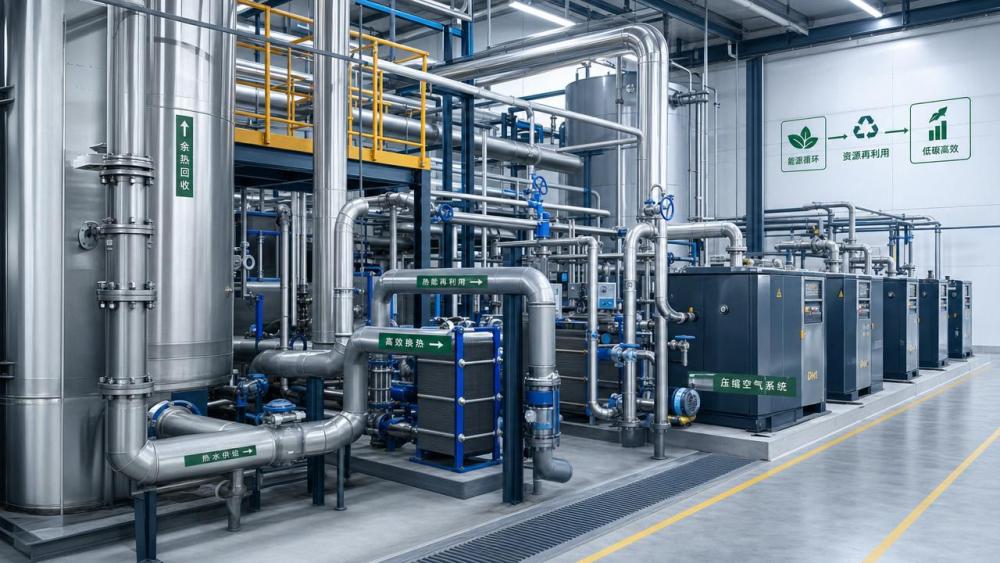
Recovered thermal energy can preheat fluids, stabilize space conditioning, or support adjacent process loads. That reduces fuel use and improves total site energy productivity.
Compressed air and vacuum efficiency
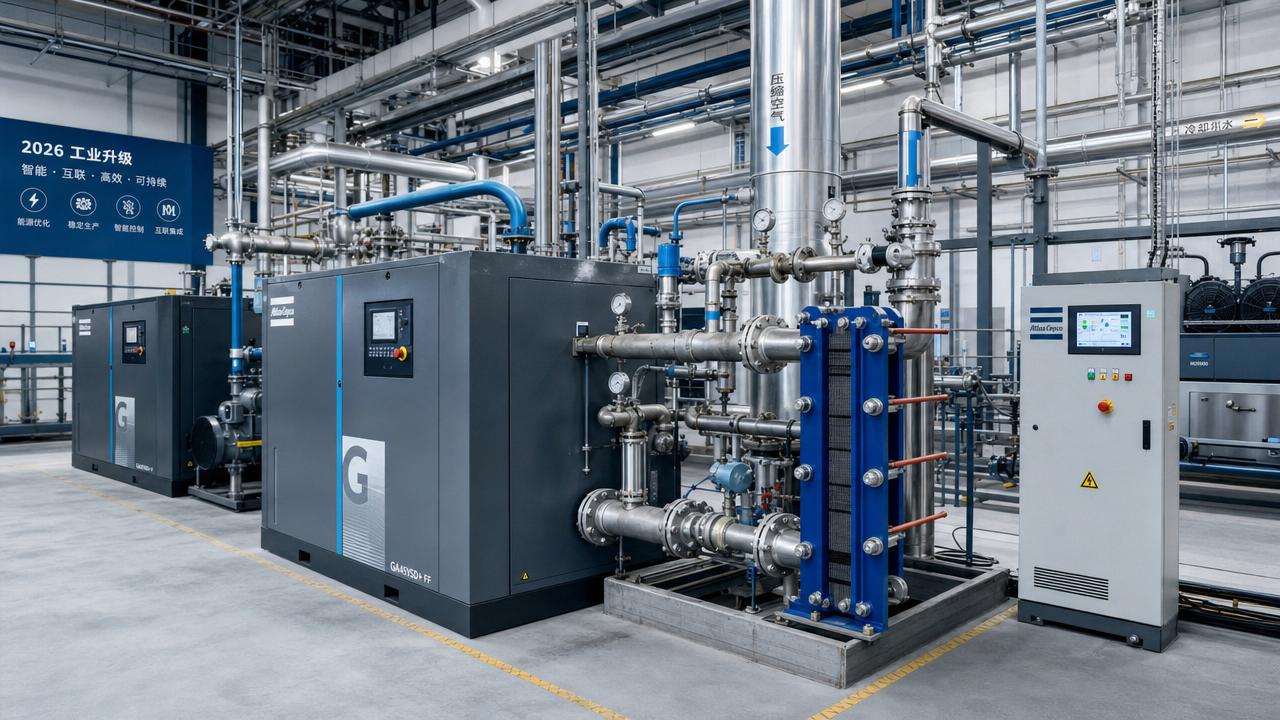
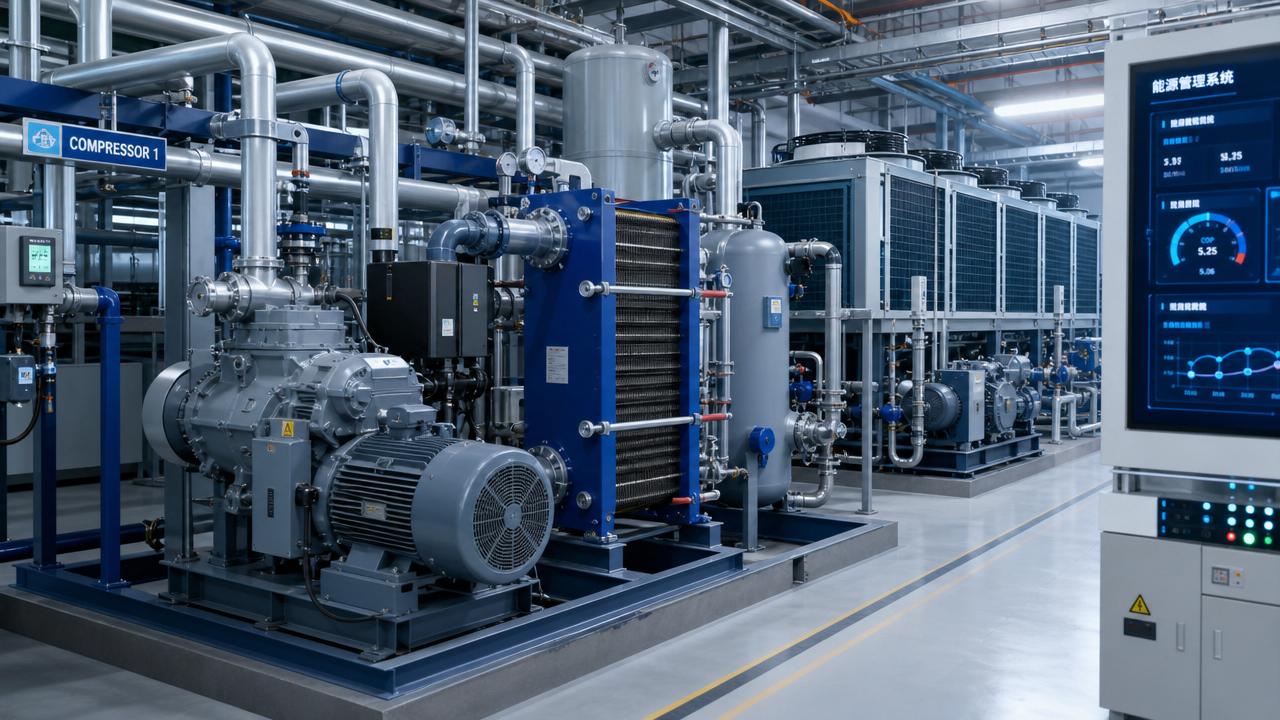
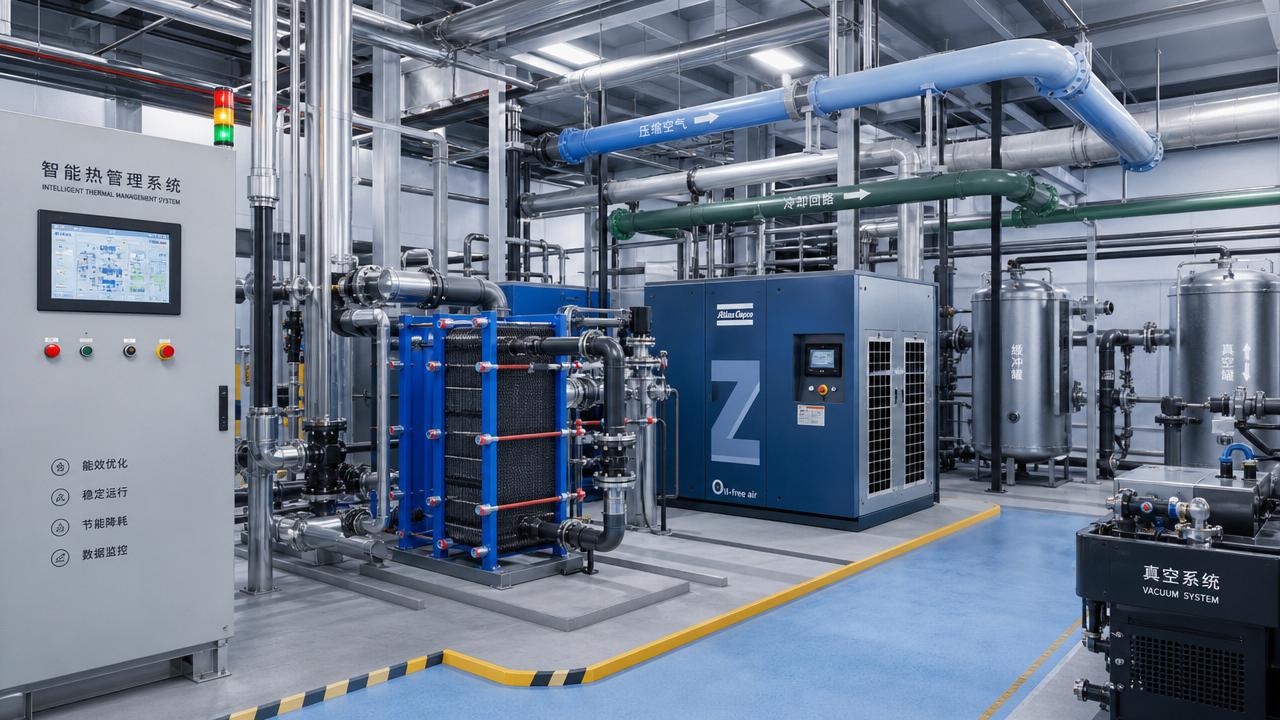
Compressed air remains one of the most costly utilities per usable energy unit. Leaks, oversizing, unstable pressure bands, and poor heat recovery erode margins silently.
Resource circularity in these systems means reducing losses, reclaiming compressor heat, and matching output to demand. That lowers both direct energy spend and maintenance intensity.
Cooling water, refrigerants, and process loops
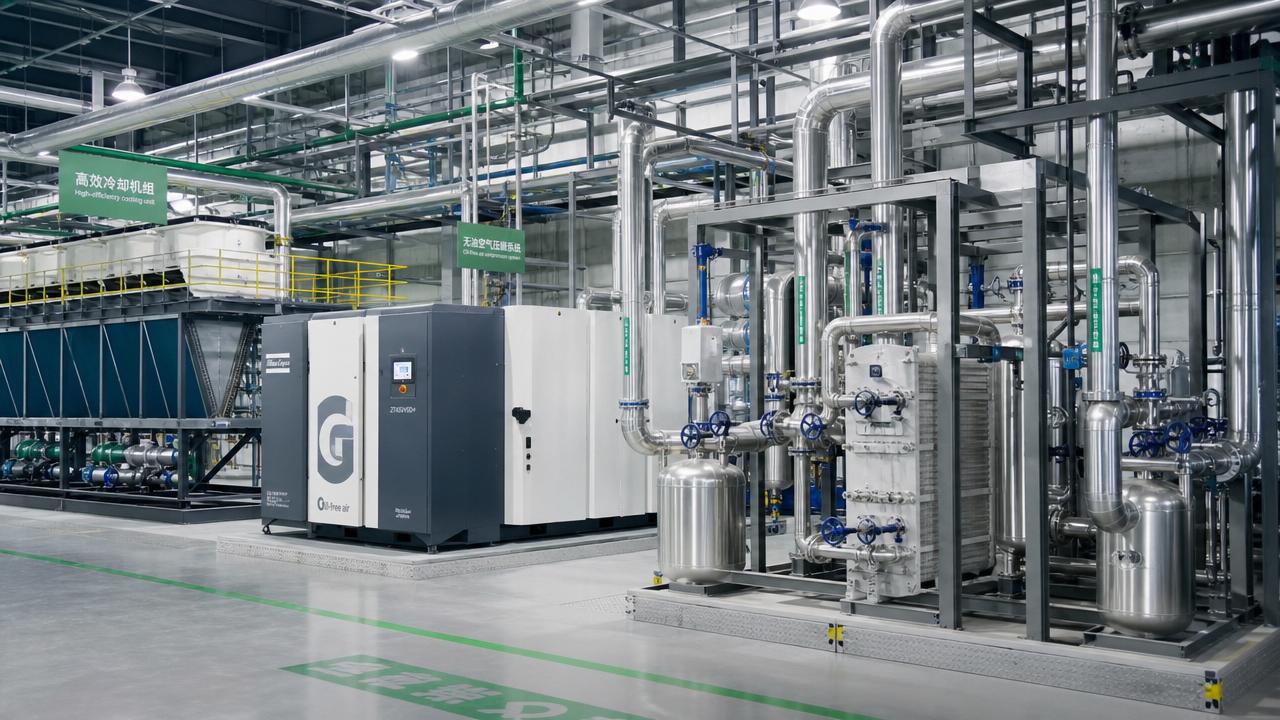
Cooling loops increasingly sit at the center of circular design. Closed-loop optimization, advanced heat exchange, and better refrigerant strategies reduce make-up resources and compliance exposure.
For many facilities, resource circularity starts with thermal balance. Once heat and cooling flows are mapped, hidden cost interactions become easier to redesign.
How resource circularity changes financial evaluation
Traditional industrial cost models often isolate utility spending, maintenance, and capital investment. Resource circularity pushes organizations to evaluate them as an interconnected system.
That shift changes what counts as value. The benefit is not only lower consumption. It also includes lower downtime probability, longer asset life, better capacity use, and reduced policy risk.
- Operating expenditure falls through lower energy, water, and material inputs.
- Capital efficiency improves when retrofits unlock more output from existing assets.
- Risk-adjusted returns strengthen when dependence on volatile utilities declines.
- Lifecycle economics improve through maintenance optimization and longer component durability.
- Residual value increases when equipment aligns with future efficiency and emissions standards.
This is why resource circularity increasingly enters board-level investment language. It supports resilience, not just reduction. That distinction matters during uncertain market cycles.
Effects across operations, engineering, and commercial planning
The impact is not limited to one department. Resource circularity changes how sites operate, how projects are prioritized, and how future capacity decisions are framed.
In sectors with strict process control, such as pharmaceuticals, semiconductors, and food, circular performance also supports product consistency and utility reliability.
What deserves closer attention now
Not every circular initiative produces the same value. The most effective programs start with measurable waste streams and connect technical upgrades to economic outcomes.
- Map energy, heat, water, and compressed air flows before defining investment priorities.
- Track total cost of ownership instead of equipment purchase price alone.
- Evaluate waste heat as an asset, not only as a cooling burden.
- Review leak rates, pressure stability, and load matching in air and vacuum systems.
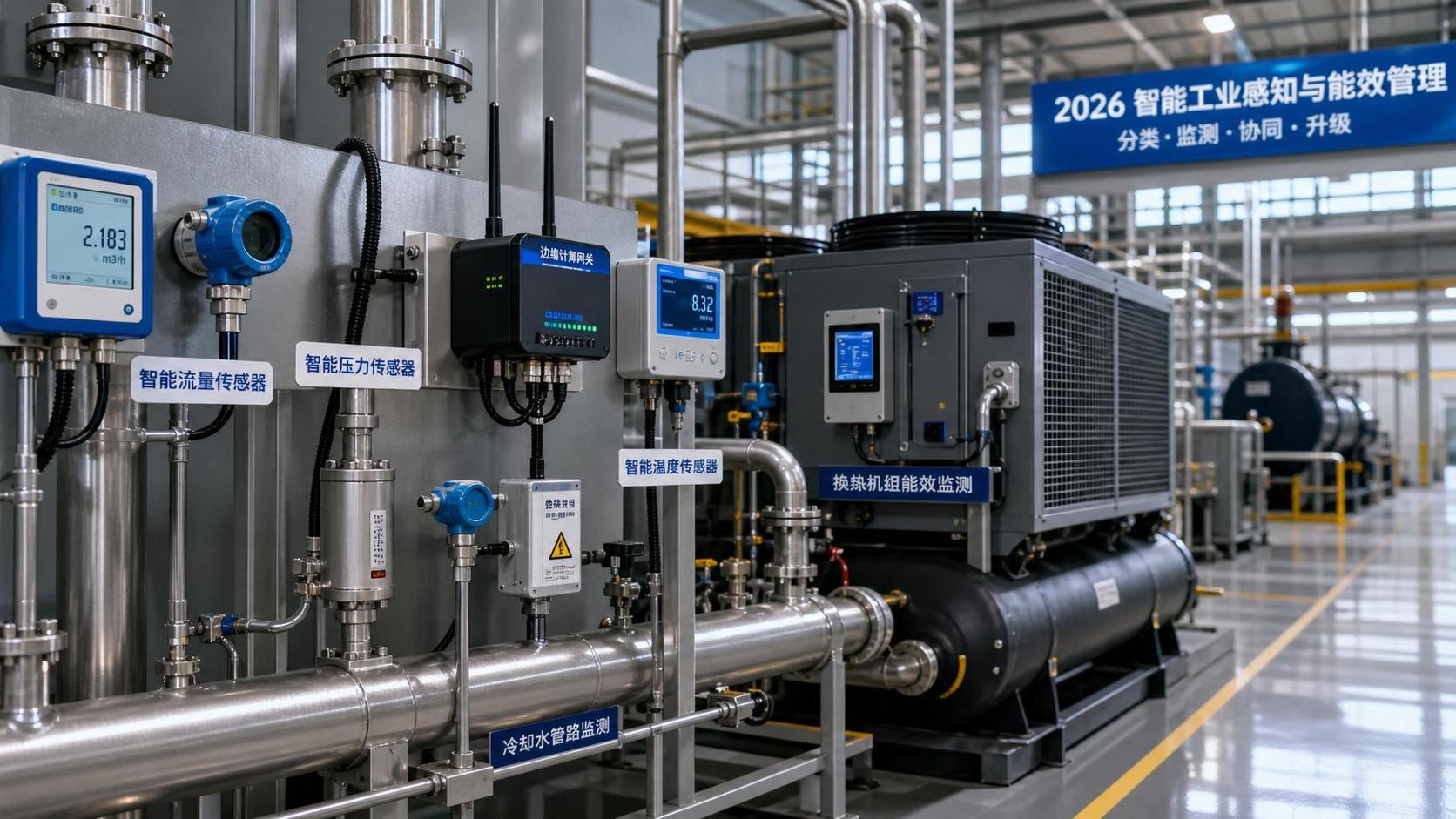
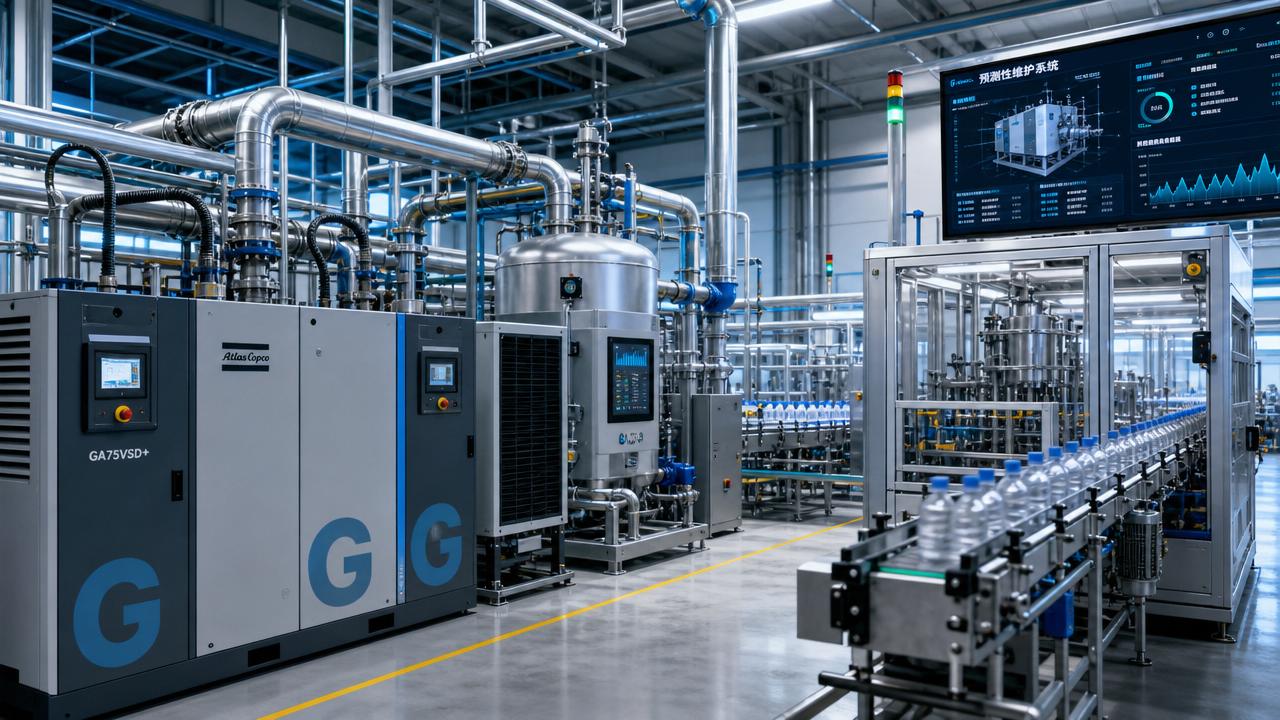
- Use digital monitoring to reveal circular performance gaps continuously.
- Align projects with refrigerant, emissions, and water policy trajectories.
These focus areas help convert resource circularity from a broad concept into a disciplined operating model with visible cost implications.
A practical path for stronger decisions
A useful response starts with staged assessment rather than large, unfocused transformation programs. Resource circularity works best when technical and financial logic advance together.
- Identify high-loss utility systems and rank them by cost exposure.
- Quantify recovery potential in heat, air, water, and process integration points.
- Model payback using energy, maintenance, uptime, and compliance variables.
- Prioritize retrofit actions that strengthen both efficiency and operational flexibility.
- Create monitoring routines that validate circular gains over time.
Industrial intelligence platforms such as GTC-Matrix can support this work by connecting thermodynamic analysis, equipment evolution, and market signals into a clearer decision framework.
As resource circularity reshapes industrial cost models, the winners will likely be those that treat efficiency, recovery, and resilience as integrated value drivers. The next step is to measure where circular gains can start producing financial results now.
Ready when you are. Send us a message to get started.
Related News
- Why high-density thermal energy storage is gaining industry attentionAuthor :

- Smart Device Thermal Management Trends Shaping 2026 Product DesignAuthor :

- Industrial Cooling Technologies in Europe: 2026 Trends in Compliance and Energy UseAuthor :

- Industrial Electrification Trends in 2026: Where Projects Are Moving FirstAuthor :

- Industrial Solution Comparison Global: 2026 Trends Reshaping Equipment DecisionsAuthor :

- When Heat Recovery Systems Skid Mounted Designs Improve Project PaybackAuthor :

- How to Compare Industrial Decarbonization Solutions Providers in 2026Author :

- Industry Category Guides for Smart Devices: What to Track as 2026 Markets ShiftAuthor :

- Green Manufacturing Trends Reshaping Industrial InvestmentAuthor :

- 2026 Global Energy Costs: What Will Reshape Industrial PlanningAuthor :

- Industrial Decarbonization Solutions That Cut Fuel Costs in 2026Author :

- Smart Thermal Systems Trends Shaping Industrial Upgrades in 2026Author :

- Resource Circularity in Manufacturing: 5 Practical Gains Beyond ComplianceAuthor :

- Carbon Neutrality Roadmap: What Industrial Firms Need to Prioritize FirstAuthor :

- Energy Conversion Efficiency Trends Shaping Industrial UpgradesAuthor :

- Compression Technology Trends Shaping Efficient Plant UpgradesAuthor :

- Industrial Intelligence in Manufacturing: Where It Delivers Value FirstAuthor :

- How Intellectualization Improves Industrial Thermal ManagementAuthor :

- What Intellectualization Means for Smarter Plant Operations in 2026Author :

- Carbon Neutrality Goals: What Industrial Firms Should Prioritize in 2026Author :

- How Intellectualization Reduces Downtime in Modern Production LinesAuthor :

- Decarbonization Roadmap for Energy-Intensive Plants in 2026Author :

- Thermal Systems Trends in 2026: Efficiency, Control, and RiskAuthor :

- Industrial Decarbonization Priorities for Energy-Intensive FacilitiesAuthor :

- Thermal Systems in 2026: Efficiency Upgrades Shaping Industrial OperationsAuthor :

- Pure Power Sources: 5 Practical Paths to Carbon NeutralityAuthor :

- What Intellectualization Means for Industrial Equipment UpgradesAuthor :

- Thermal Optimization in 2026: Where Energy Savings Deliver the Fastest PaybackAuthor :

- Energy Efficiency Trends Reshaping Compressor Upgrades in 2026Author :

- 2026 Industrial Decarbonization Trends Reshaping Plant UpgradesAuthor :
![]()
- Heat Exchanger Technology Trends for 2026 Efficiency TargetsAuthor :

- Resource Circularity Risks in 2026 Supply ChainsAuthor :

- Smart Thermal Systems: When Upgrades Deliver Measurable SavingsAuthor :

- Carbon Neutrality: Practical Steps for Factory RoadmapsAuthor :

- 2026 Industrial Energy Efficiency Priorities for Plant UpgradesAuthor :

- Industrial Intellectualization Trends Reshaping Equipment UpgradesAuthor :