Resource Circularity Is Becoming a Real Factor in Green Manufacturing




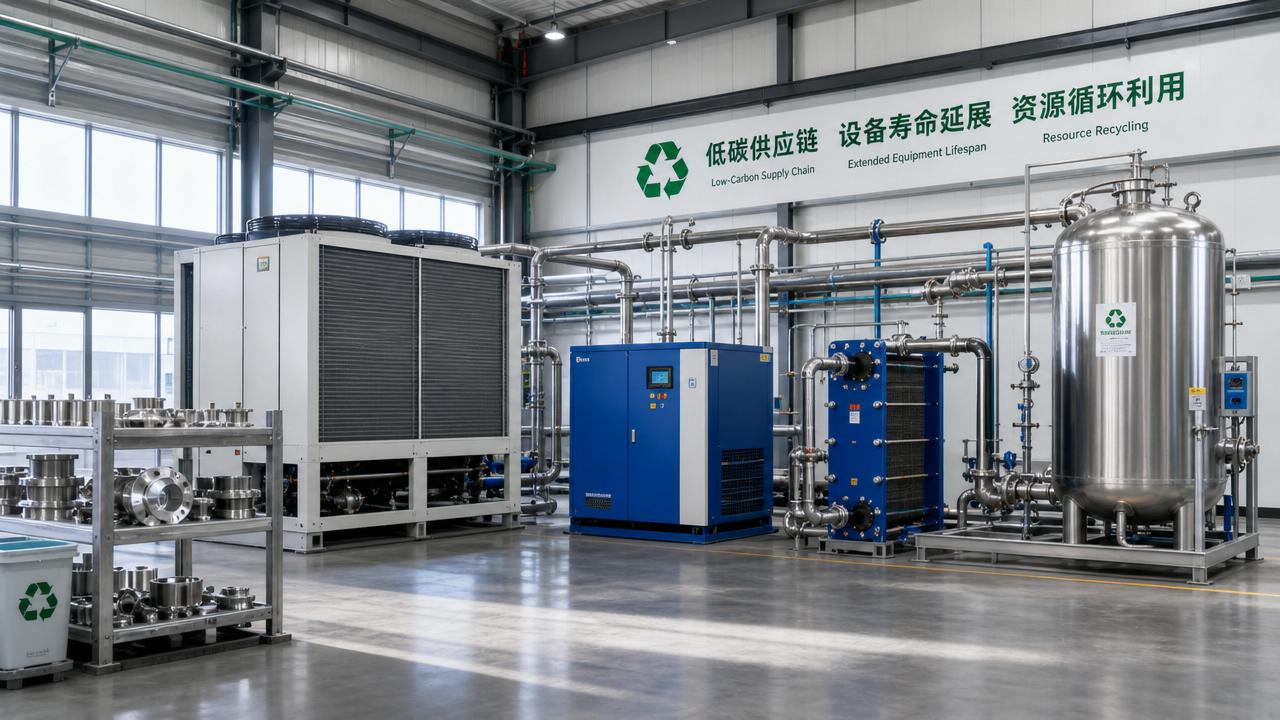
Resource circularity is becoming a strategic benchmark for green manufacturing, reshaping how industrial leaders balance efficiency, compliance, and long-term competitiveness. For decision-makers, it is no longer only about reducing waste, but about redesigning thermal systems, compressed air networks, and energy-intensive processes to unlock measurable value across the supply chain.
In industrial environments where cooling, compressed air, vacuum, and heat exchange systems often account for 20%–60% of site energy use, circular thinking is moving from sustainability language into capital planning, procurement, and operating discipline. The practical question is no longer whether resource circularity matters, but how fast manufacturers can convert it into lower energy intensity, reduced material loss, stronger compliance readiness, and more resilient production economics.
For enterprise leaders, this shift has direct implications for system design, retrofit timing, asset replacement cycles, refrigerant strategy, water use, waste heat recovery, and service partnerships. It also changes how equipment suppliers are evaluated. Platforms such as GTC-Matrix, with its focus on industrial thermal systems and compression intelligence, are increasingly relevant because circularity decisions now depend on integrated technical and market visibility rather than isolated component comparisons.
Why Resource Circularity Has Become a Board-Level Manufacturing Issue
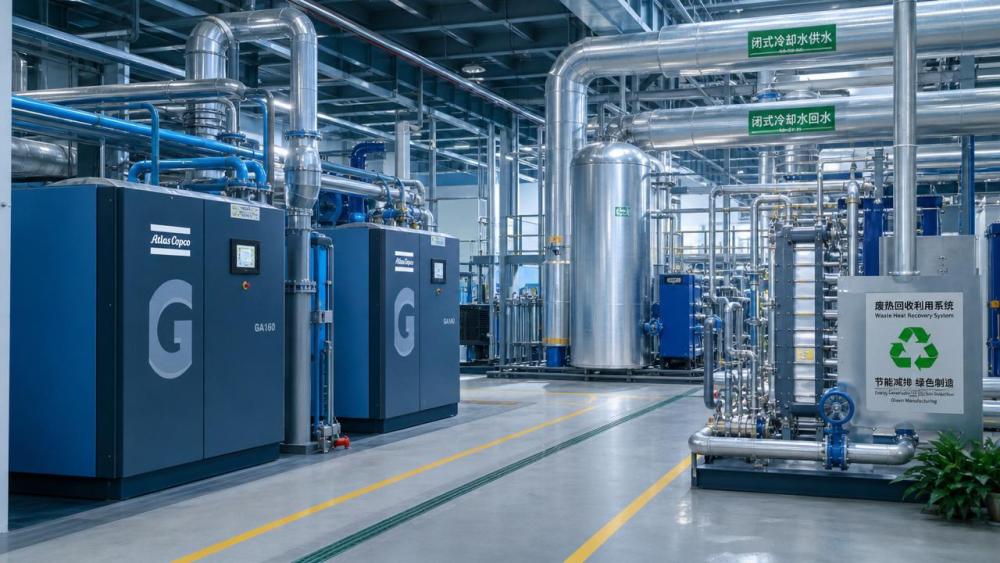
Resource circularity in manufacturing means keeping energy, water, materials, refrigerants, components, and process heat in productive use for as long as possible, then recovering value at the end of each cycle. In practice, this touches multiple system layers: compressor efficiency, condensate treatment, cooling water recirculation, heat exchanger cleanability, refrigerant lifecycle management, and the repair-versus-replace threshold for aging equipment.
The reason it is becoming a real strategic factor is simple: conventional efficiency programs usually target one variable at a time, while circularity connects 4 decision dimensions at once—energy cost, compliance exposure, asset life, and supply continuity. A plant may improve motor efficiency by 8%–12%, but if it still vents recoverable heat, overproduces compressed air, and replaces serviceable components too early, the total economic opportunity remains undercaptured.
The pressure points decision-makers now face
Industrial leaders are operating in a tighter window. Energy tariffs can change within 1 quarter, refrigerant regulations may tighten over 12–24 months, and customers increasingly ask for evidence of lower embedded emissions and responsible material use. In parallel, production managers still need uptime targets above 95%, quality stability within narrow temperature bands such as ±1°C to ±2°C, and maintenance schedules that do not disrupt output.
- Rising scrutiny of water, refrigerant, and energy losses in utility-intensive plants
- Need to extend equipment life from typical 8–12 years toward 12–15 years where technically justified
- Growing demand for traceable maintenance records, spare parts strategy, and lifecycle cost transparency
- Pressure to align decarbonization goals with production reliability, not trade one for the other
Where circularity creates measurable value
The strongest gains are usually found in utility systems that run continuously or semi-continuously. Compressed air leaks of 20%–30% are still common in poorly managed networks. Heat exchangers with fouling layers of just 1–2 mm can materially reduce thermal transfer efficiency. Cooling loops without effective monitoring may consume more make-up water than necessary, while vacuum systems are often oversized for actual process demand by one capacity step or more.
Resource circularity addresses these losses structurally. Instead of asking only how to lower kilowatt-hours, it asks how to reduce total resource throughput per unit of finished product. That is a more strategic metric for sectors such as pharmaceuticals, semiconductors, food processing, electronics, and advanced manufacturing, where purity, repeatability, and environmental compliance increasingly influence market access.
How Circularity Applies to Thermal Systems, Compressed Air, and Heat Exchange
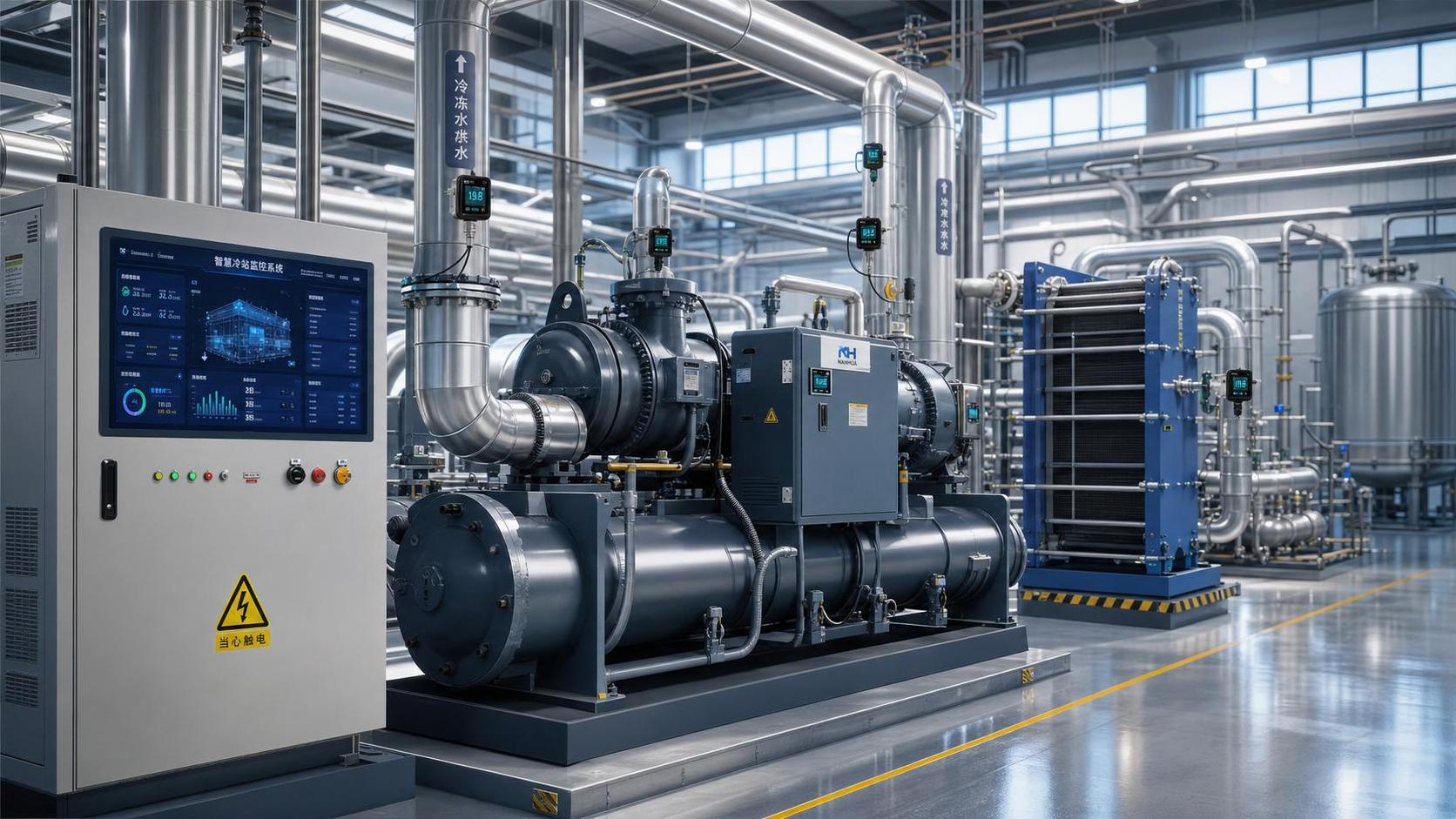
For many manufacturers, the fastest path to resource circularity starts not on the production line itself, but in the thermal and power-support infrastructure around it. These systems are often hidden cost centers, yet they determine how effectively electricity, water, heat, and consumables are converted into stable process conditions. A circular approach turns them into controllable performance assets.
Compressed air: from energy sink to managed utility
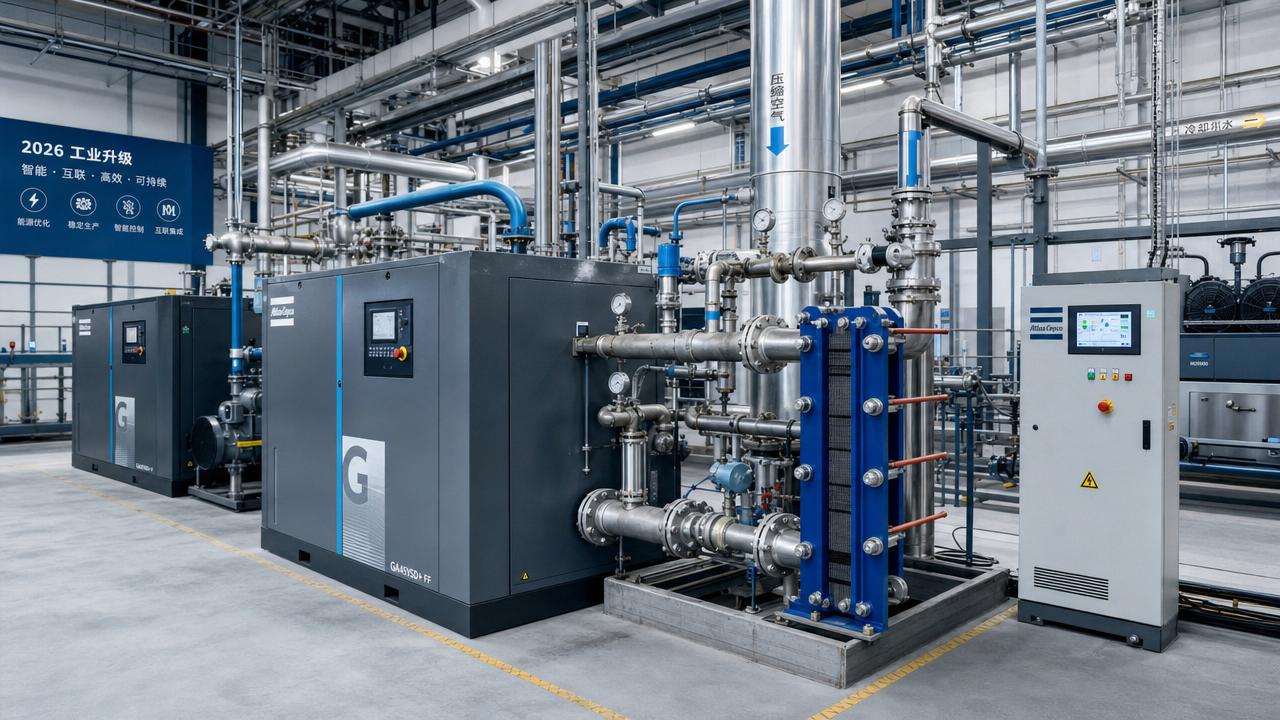
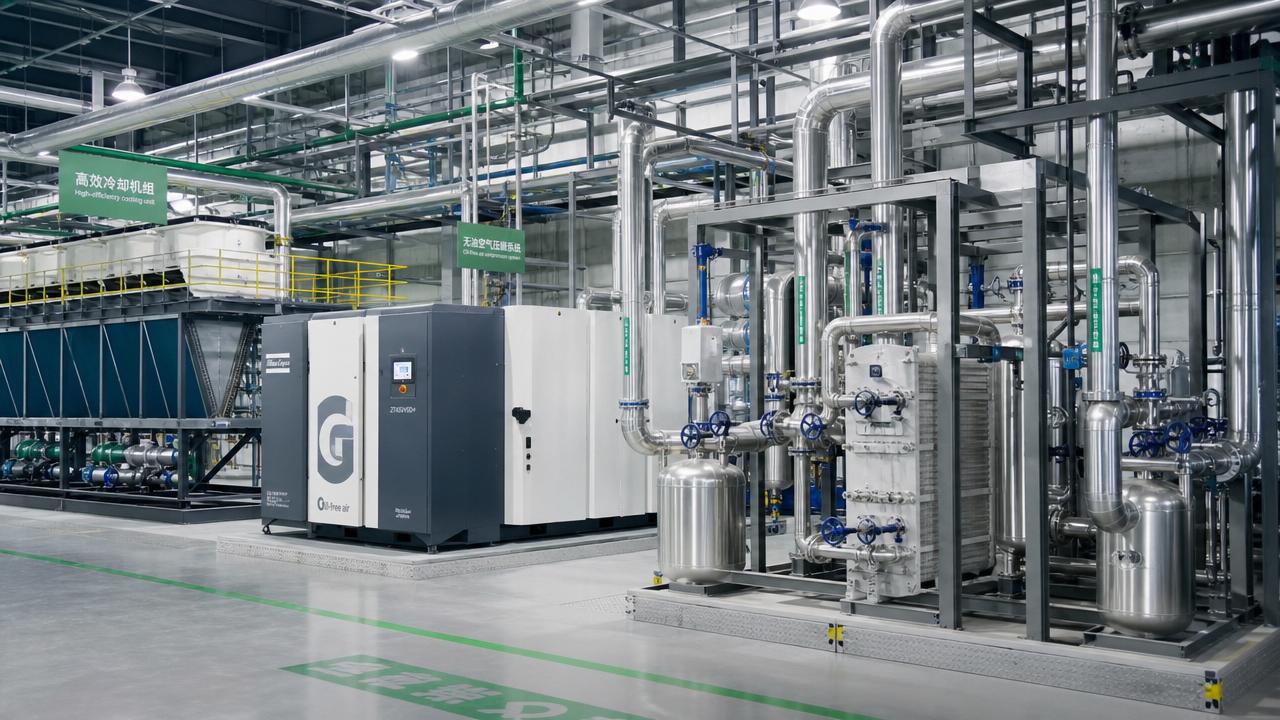
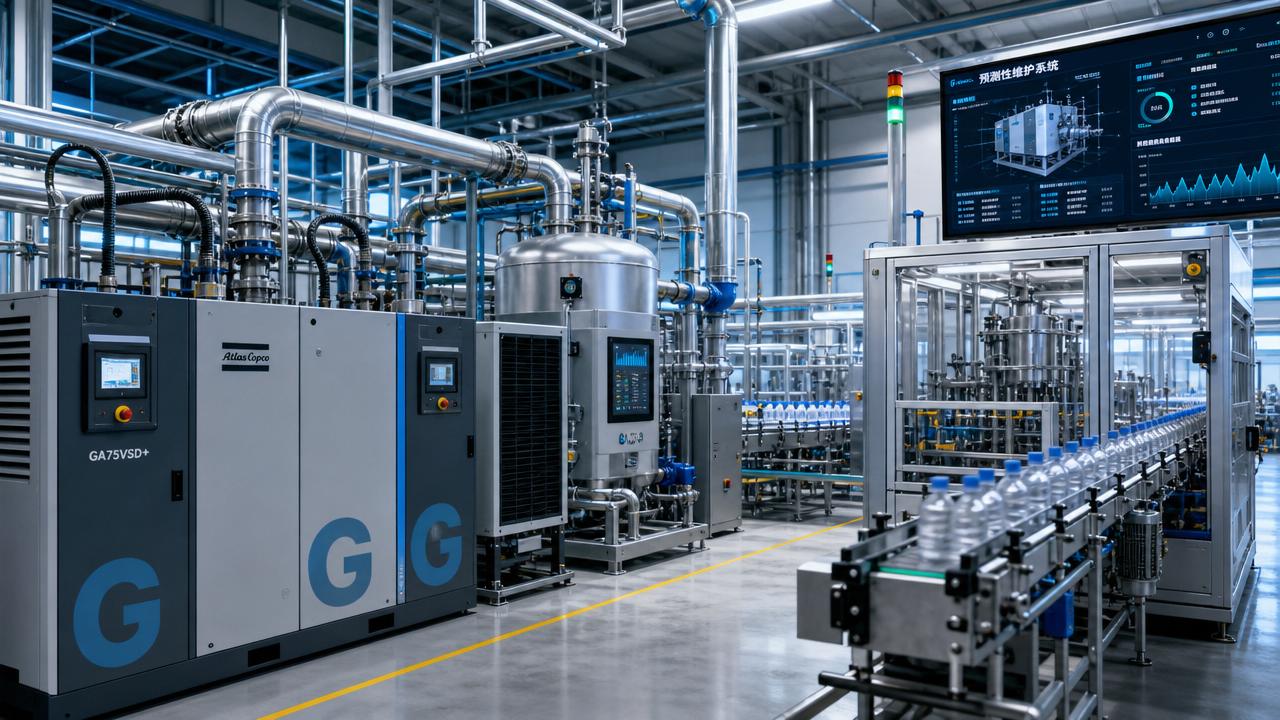
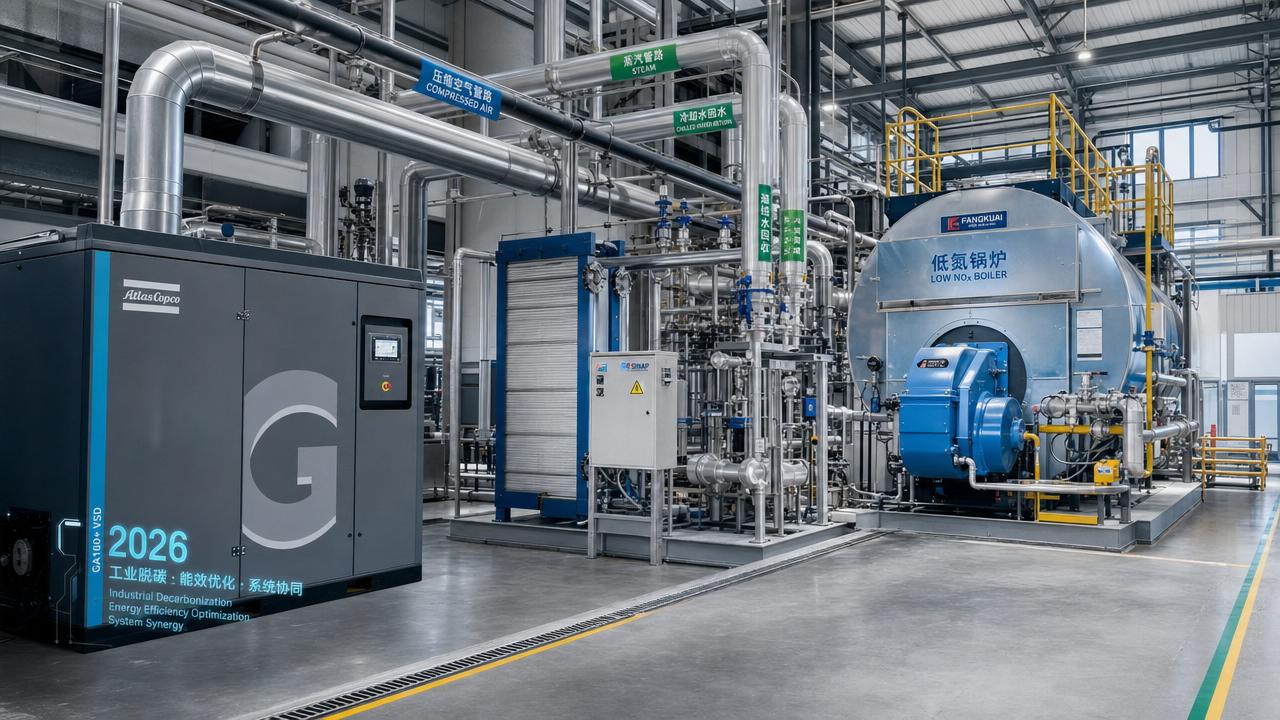
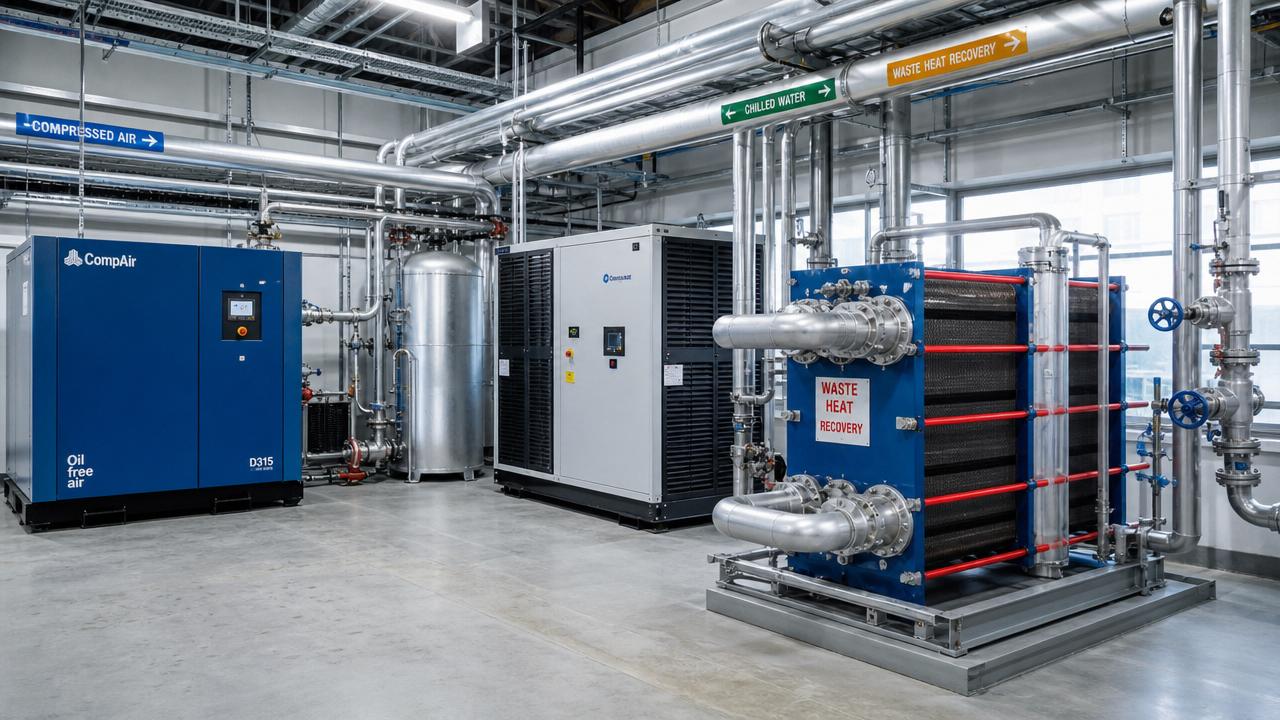
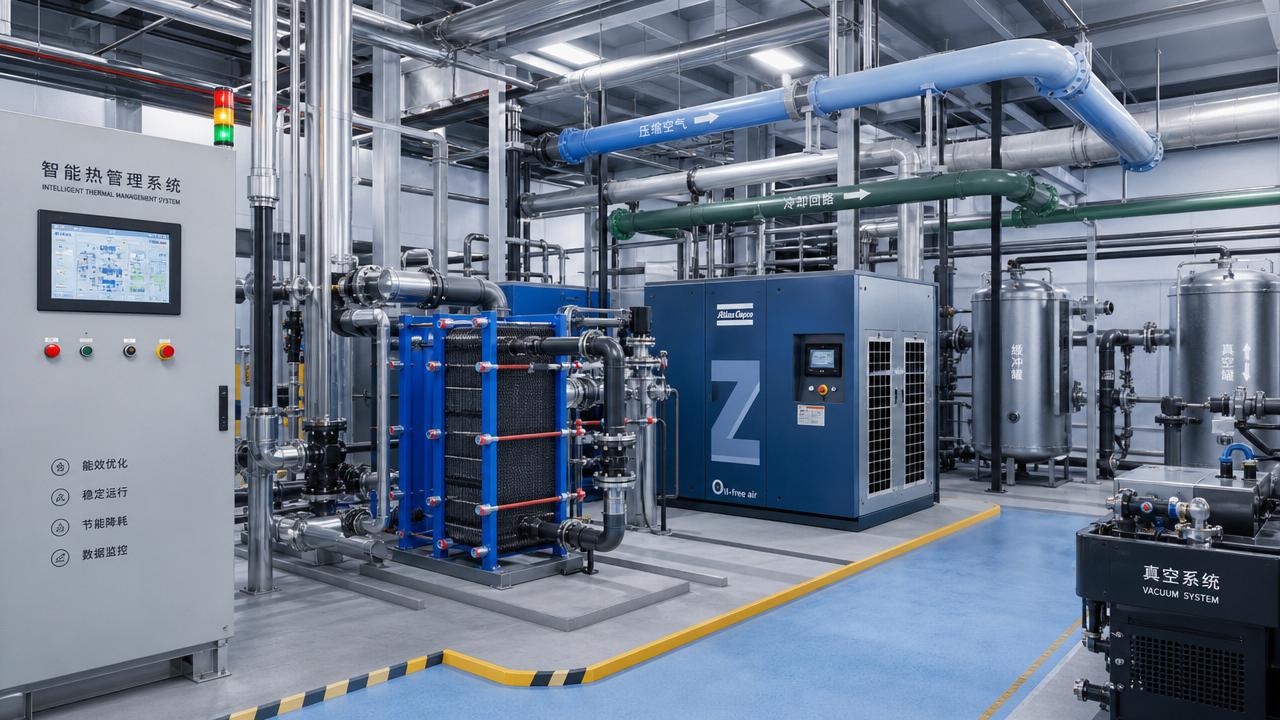
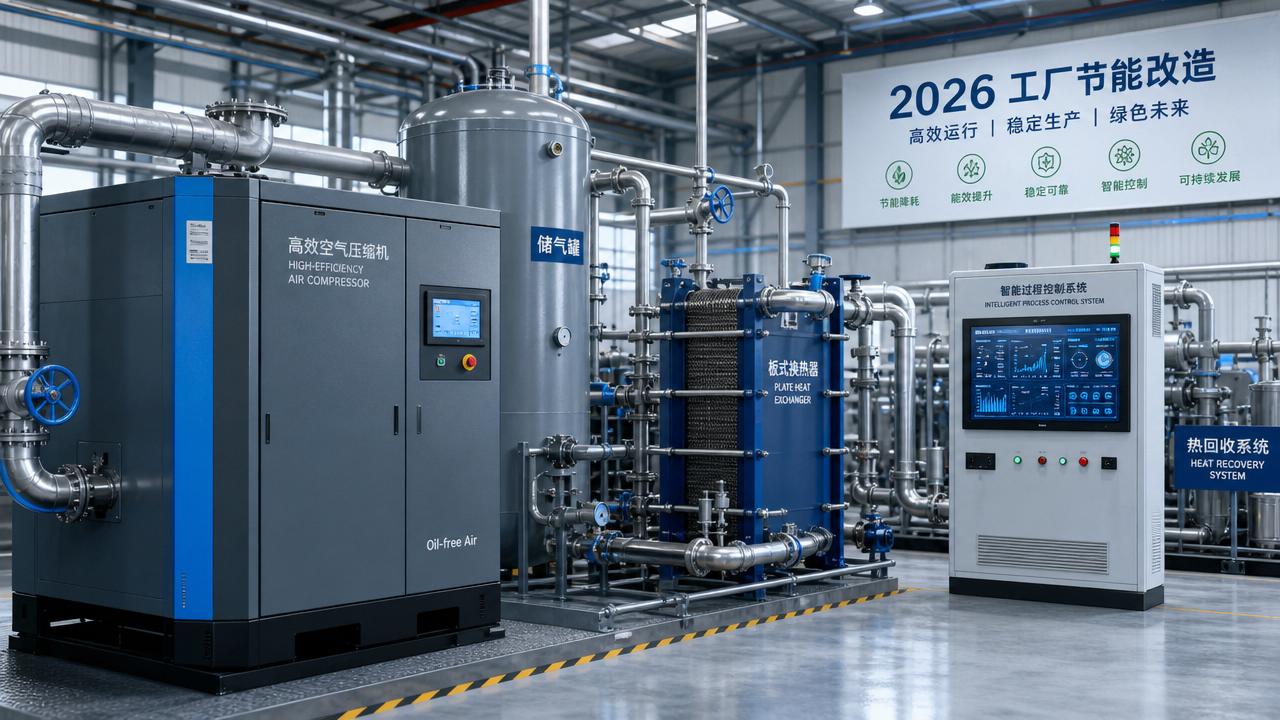
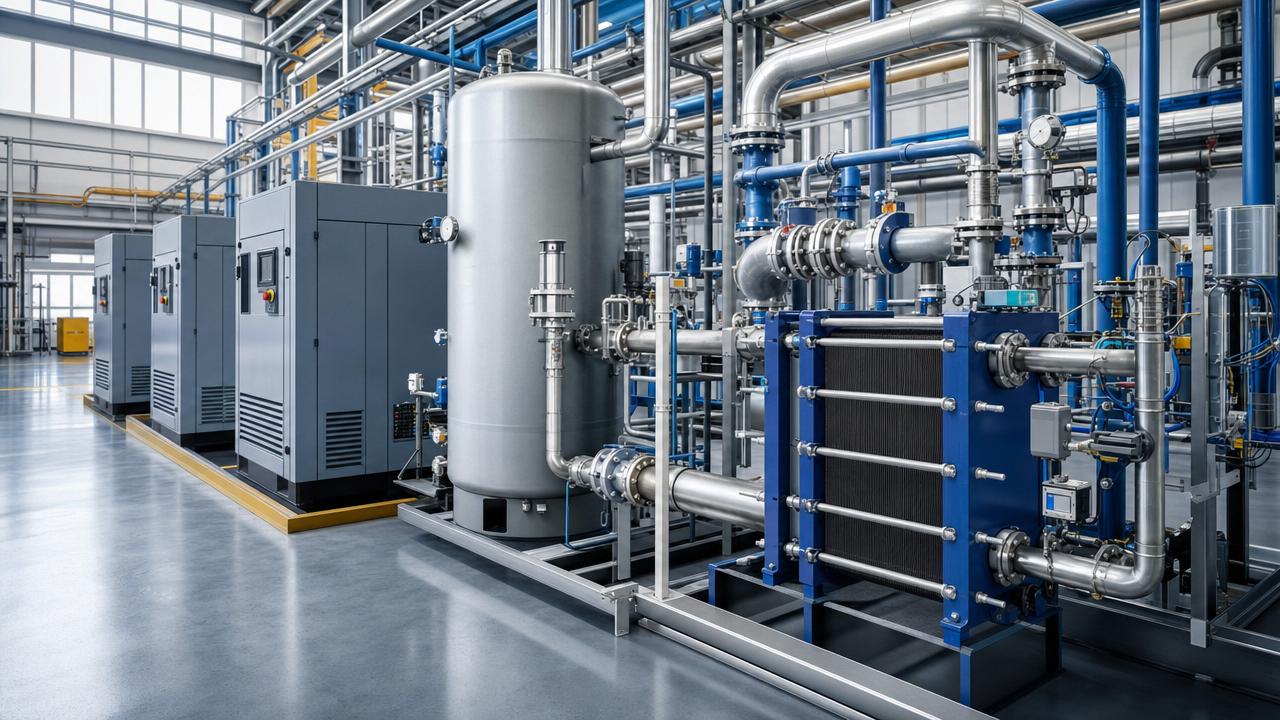
Compressed air is one of the clearest examples. Generating 1 unit of useful pneumatic work can require multiple units of electrical input, so every leak, pressure drop, and mismatch between demand and compressor sequencing multiplies cost. Plants that reduce system pressure by even 1 bar, where operationally acceptable, may see meaningful energy savings. The circularity lens adds further questions: Can condensate be handled more responsibly? Can heat from compression be recovered? Can oil-free systems reduce downstream contamination risk and waste?
Typical circularity actions in compressed air networks
- Conduct leak audits every 6–12 months and prioritize zones with continuous losses.
- Review pressure settings by process cell instead of running all applications at one blanket level.
- Install heat recovery where compressor duty cycles justify it, especially for hot water preheating or space heating support.
- Match dryer, filter, and storage capacity to actual flow ranges rather than peak assumptions only.
- Use lifecycle maintenance planning to extend serviceable component use without compromising reliability.
Heat exchange and cooling: circularity through recovery and recirculation
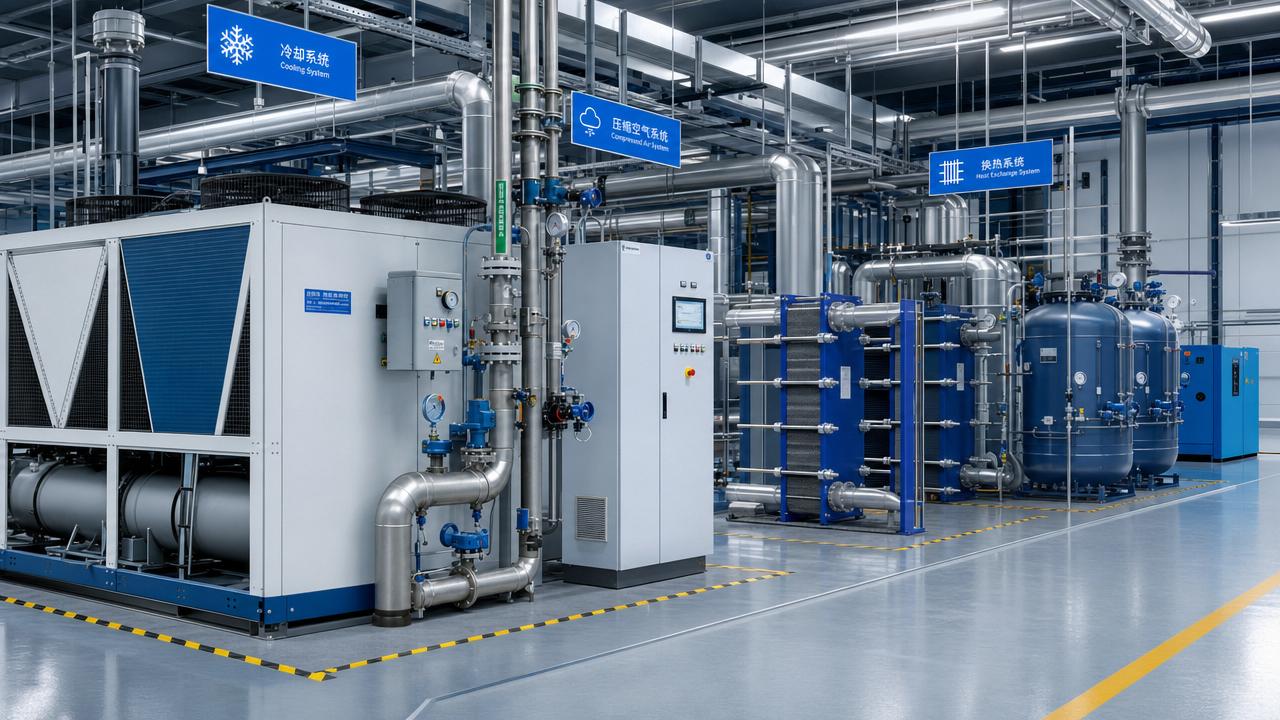
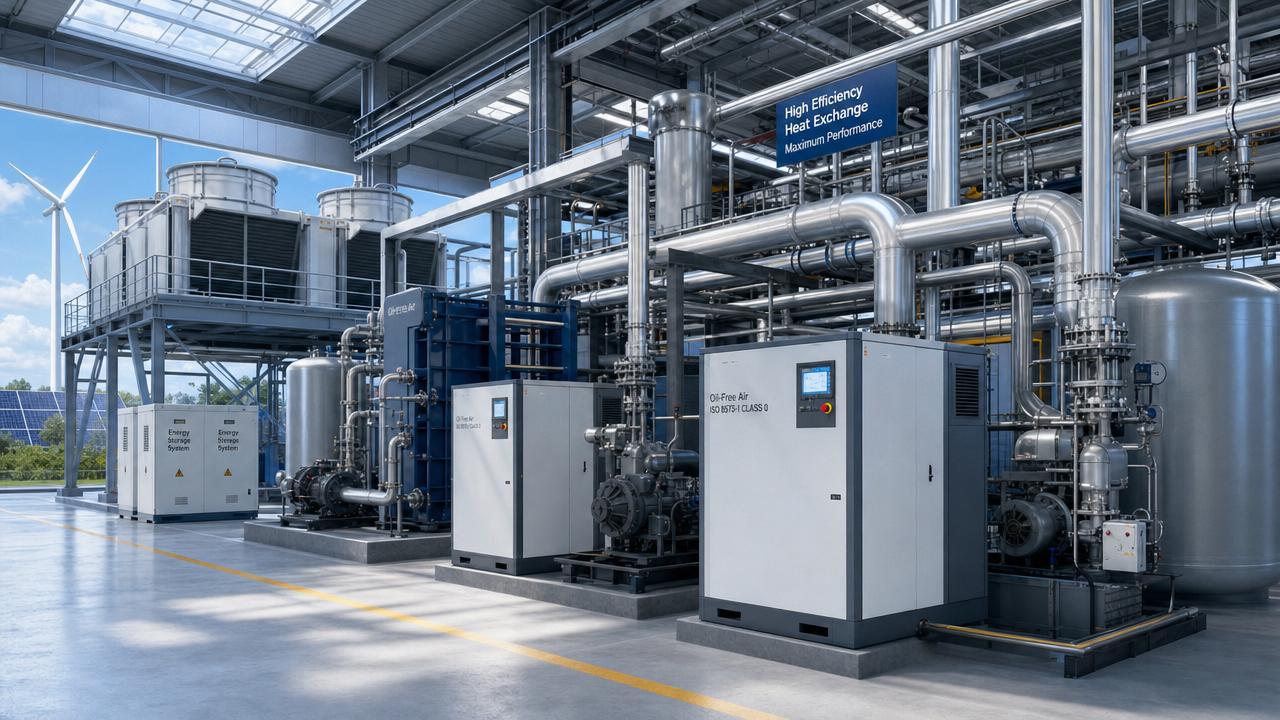
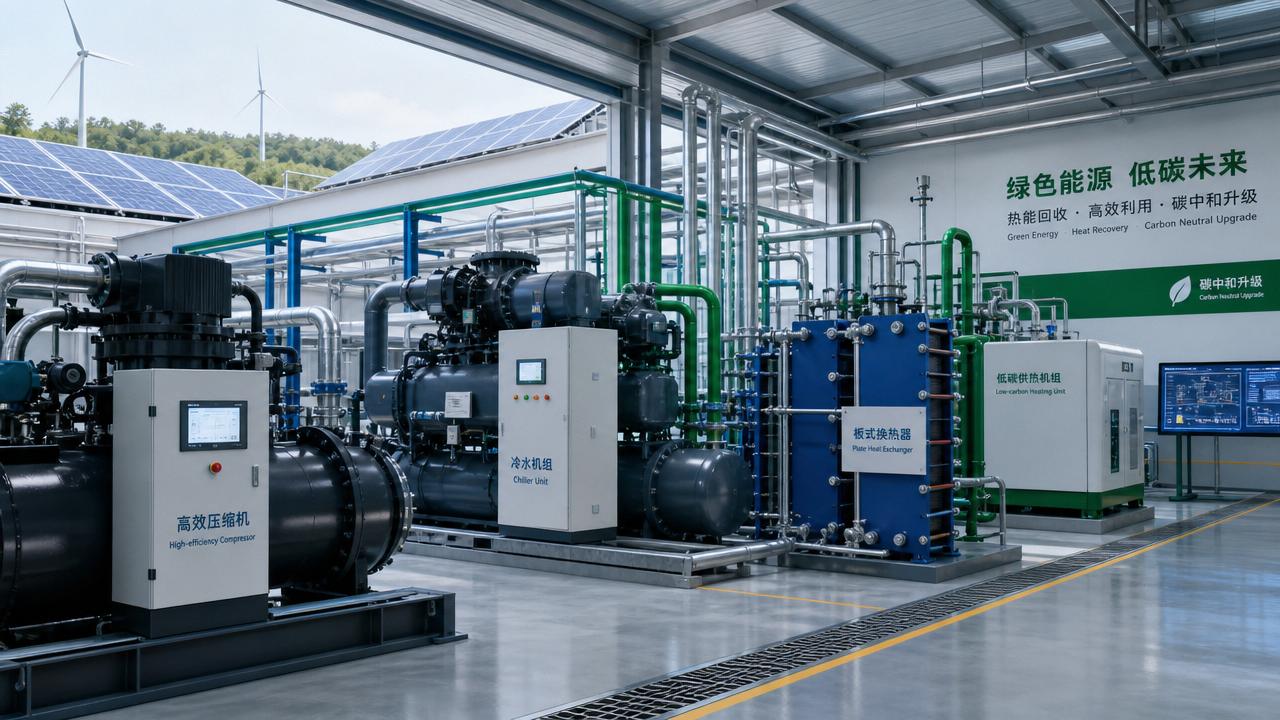
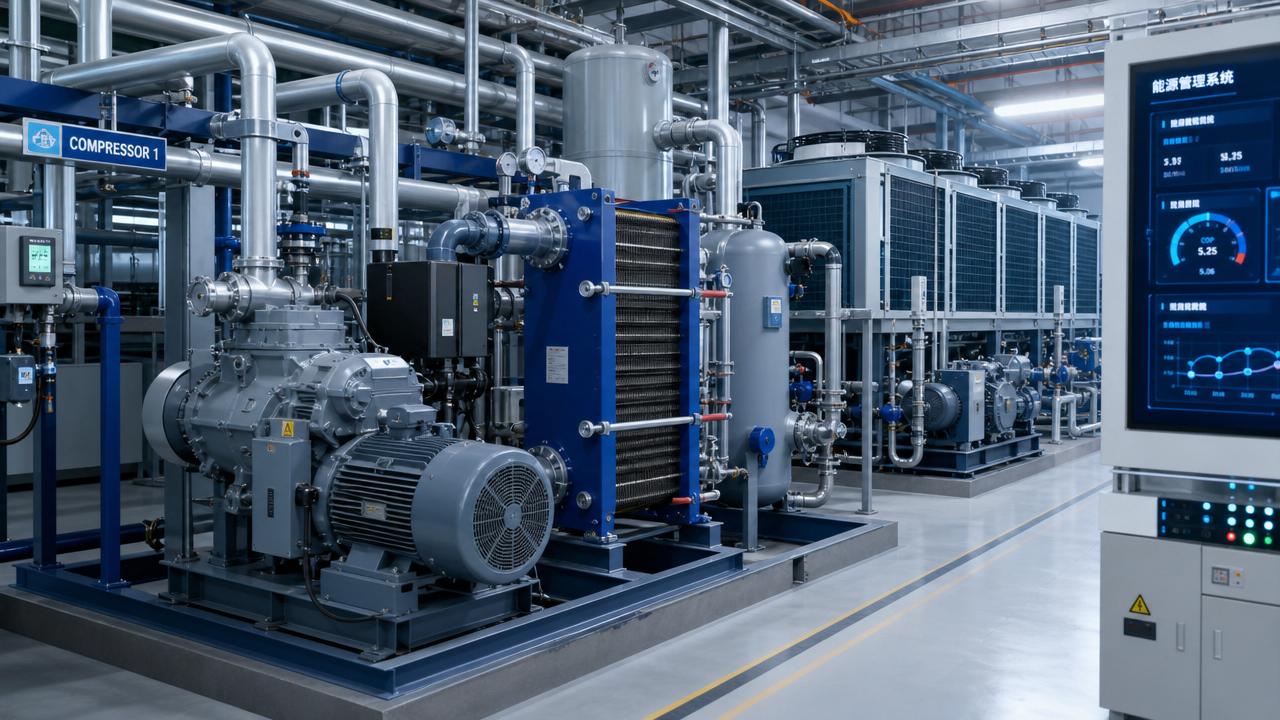
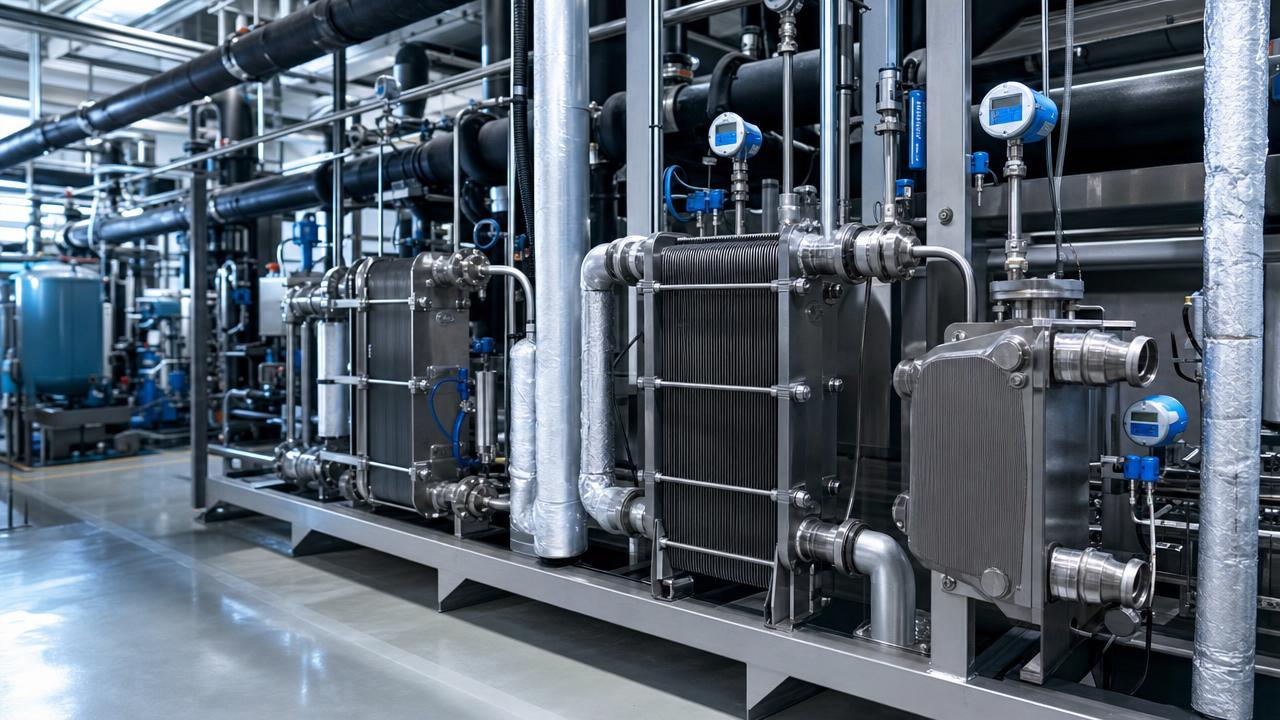
Heat exchange systems offer a second major opportunity. In many facilities, waste heat is treated as a disposal issue rather than a resource stream. Yet low-grade and medium-grade heat can often be redirected to preheating, wash processes, HVAC support, or ancillary hot water demand. Closed-loop cooling designs, microchannel heat exchangers, and improved fouling management can also cut water consumption, reduce chemical use, and stabilize thermal transfer performance over longer intervals.
The table below shows how common industrial systems compare when viewed through a resource circularity lens rather than a narrow first-cost perspective.
The key takeaway is that resource circularity is not one technology. It is a decision framework that connects monitoring, recovery, maintenance, and design choices. This makes it especially relevant in thermal infrastructure, where one upgrade can influence water use, energy intensity, maintenance frequency, and emissions exposure at the same time.
What Decision-Makers Should Evaluate Before Investing
Not every circularity initiative should be approved immediately. The right approach is to evaluate opportunities using a structured business case that balances technical feasibility, resource intensity, site constraints, and operational risk. For enterprise decision-makers, at least 5 filters should be applied before capital is committed.
The five filters that matter most
- Baseline loss visibility: Do you have 3–12 months of credible data on energy, water, pressure, temperature, and downtime?
- Operational criticality: Will the upgrade affect a utility system supporting 1 line, multiple lines, or the whole plant?
- Return window: Is the expected payback under 24 months, between 24–48 months, or longer?
- Compliance relevance: Does the change reduce exposure related to refrigerants, wastewater, emissions, or audit documentation?
- Serviceability: Can internal teams maintain the upgraded system, or is external specialist support required within 48–72 hour response expectations?
A practical comparison framework
The table below can help procurement and operations teams compare circularity projects more consistently across thermal and compression assets.
This framework is especially useful when companies are comparing a leak reduction project, a heat recovery loop, a chiller retrofit, or a replacement decision for an aging compressor package. Resource circularity should be evaluated not only by annual utility savings, but by its effect on production continuity, future compliance costs, and total asset productivity.
How to Implement Resource Circularity Without Disrupting Production
A common concern among plant leaders is that circularity sounds strategic but difficult to operationalize. In reality, the most successful programs follow a phased model. They begin with resource visibility, move into targeted interventions, and then scale into design standards and procurement policy. This can often be done over 3 stages rather than through a single disruptive transformation.
Stage 1: Audit and map the hidden losses
Start with utility mapping across compressors, dryers, cooling systems, pumps, vacuum units, and heat exchangers. Review pressure bands, temperature approach values, make-up water trends, drain losses, maintenance intervals, and spare part usage. In many sites, a 2–6 week diagnostic period is enough to identify the top 3 resource circularity opportunities without affecting production schedules.
Stage 2: Prioritize high-return interventions
Focus first on projects with clear data, manageable downtime, and multi-variable gains. Typical examples include compressed air leak campaigns, heat recovery from oil-free or lubricated compressor packages, closed-loop cooling improvements, or controls optimization for variable demand conditions. These projects are attractive because they often improve efficiency and circularity simultaneously, rather than forcing a trade-off.
Stage 3: Institutionalize circular procurement and maintenance
Long-term gains come when procurement, engineering, and maintenance teams use the same selection logic. Equipment tenders should include lifecycle serviceability, expected cleaning frequency, recoverable heat potential, refrigerant pathway, spare part availability, and monitoring capability. Maintenance teams should also define clear thresholds for refurbishment, replacement, and retrofit so that circularity becomes part of normal asset governance.
Common implementation mistakes
- Measuring only electricity while ignoring water, heat rejection, and consumables
- Installing recovery equipment before confirming stable base load conditions
- Choosing lowest purchase price without evaluating service interval and cleanability
- Treating circularity as a sustainability project instead of an operations and finance issue
Why Intelligence and Market Visibility Matter More Than Ever
As resource circularity becomes more central to green manufacturing, decision quality depends on having better intelligence across technology, policy, and commercial demand. Thermal systems do not operate in a vacuum. Changes in refrigerant quotas, energy pricing, semiconductor-grade cooling requirements, pharmaceutical purity expectations, and food processing hygiene standards all affect the economic logic of equipment choices.
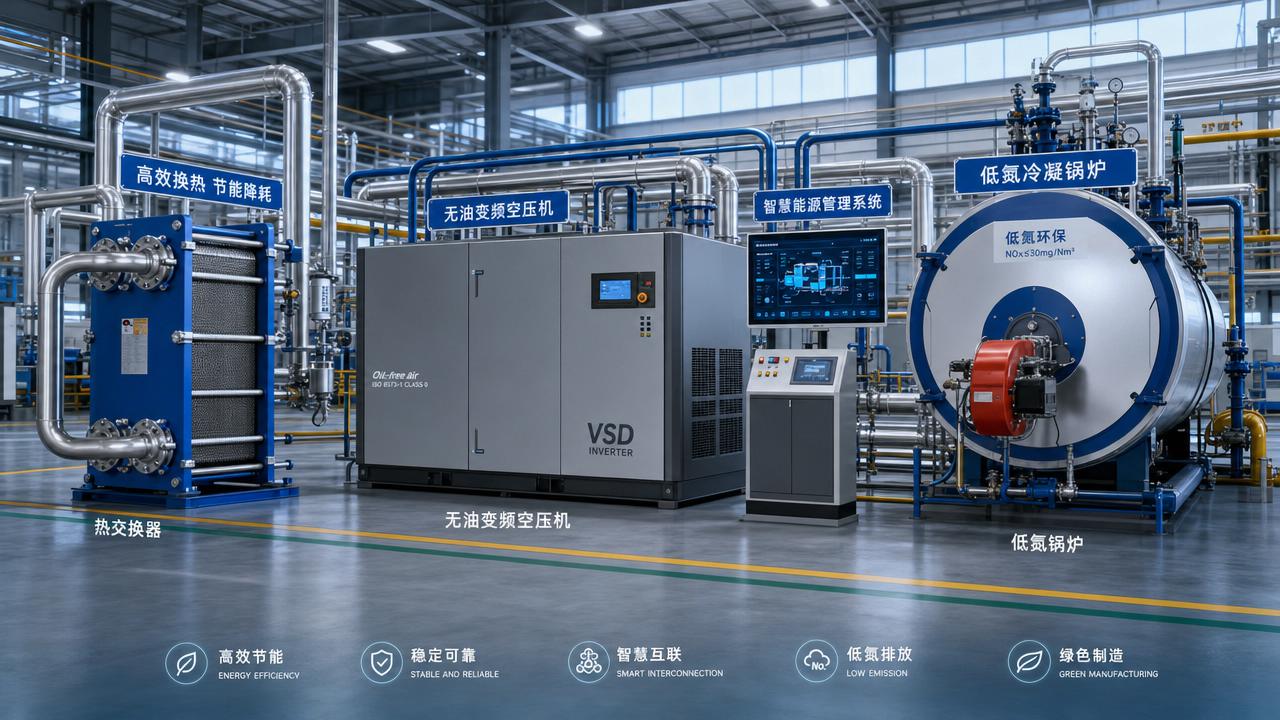
This is where an intelligence-driven platform such as GTC-Matrix provides practical value. By connecting thermodynamic analysis, pneumatic engineering insight, and industrial economics, it helps decision-makers see how oil-free compression, microchannel heat exchangers, low-NOx thermal systems, and precision temperature control are evolving. That visibility supports better timing, better supplier evaluation, and better resource circularity outcomes across the asset lifecycle.
What enterprise leaders should ask now
If your organization is reviewing decarbonization and manufacturing competitiveness at the same time, the next questions should be highly operational. Which systems consume the most energy per production hour? Where are the top 3 avoidable losses? Which assets face regulatory or serviceability risk within the next 12–36 months? Which retrofit projects can be executed during normal shutdown windows? Those answers create a more bankable circularity roadmap than broad sustainability statements.
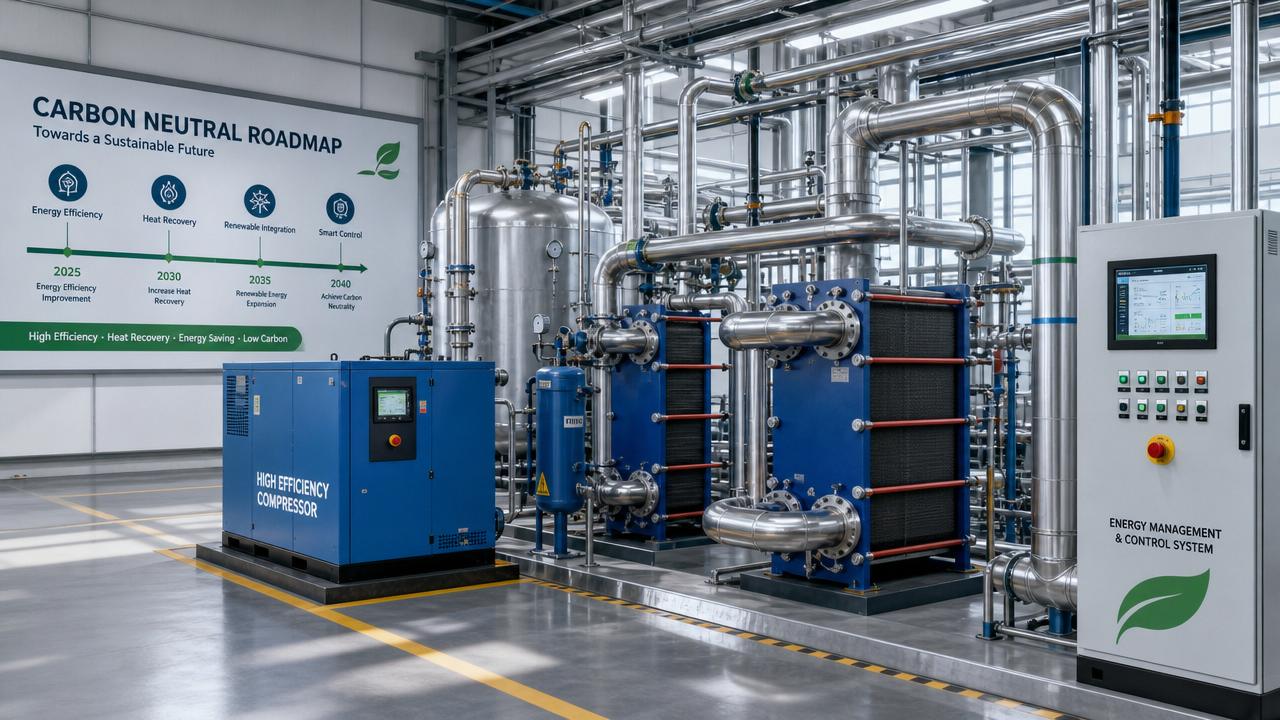
Resource circularity is no longer a peripheral concept. It is becoming a real factor in how green manufacturing performance is measured, purchased, and improved. For companies that depend on industrial cooling, compressed air, vacuum processes, and heat exchange, the opportunity is both technical and commercial: lower resource intensity, stronger compliance readiness, longer asset life, and more credible market positioning. To turn that opportunity into action, connect your planning with informed thermal and compression intelligence, evaluate your utility systems with lifecycle discipline, and get a tailored roadmap for the next 12–24 months. Contact us today to discuss your priorities, request a customized solution, or learn more about practical circularity strategies for industrial thermal systems.
Related News
- Why high-density thermal energy storage is gaining industry attentionAuthor :

- Smart Device Thermal Management Trends Shaping 2026 Product DesignAuthor :

- Industrial Cooling Technologies in Europe: 2026 Trends in Compliance and Energy UseAuthor :

- Industrial Electrification Trends in 2026: Where Projects Are Moving FirstAuthor :

- Industrial Solution Comparison Global: 2026 Trends Reshaping Equipment DecisionsAuthor :

- When Heat Recovery Systems Skid Mounted Designs Improve Project PaybackAuthor :

- How to Compare Industrial Decarbonization Solutions Providers in 2026Author :

- Industry Category Guides for Smart Devices: What to Track as 2026 Markets ShiftAuthor :

- Green Manufacturing Trends Reshaping Industrial InvestmentAuthor :

- 2026 Global Energy Costs: What Will Reshape Industrial PlanningAuthor :

- Industrial Decarbonization Solutions That Cut Fuel Costs in 2026Author :

- Smart Thermal Systems Trends Shaping Industrial Upgrades in 2026Author :

- Resource Circularity in Manufacturing: 5 Practical Gains Beyond ComplianceAuthor :

- Carbon Neutrality Roadmap: What Industrial Firms Need to Prioritize FirstAuthor :

- Energy Conversion Efficiency Trends Shaping Industrial UpgradesAuthor :

- Compression Technology Trends Shaping Efficient Plant UpgradesAuthor :

- Industrial Intelligence in Manufacturing: Where It Delivers Value FirstAuthor :

- How Intellectualization Improves Industrial Thermal ManagementAuthor :

- What Intellectualization Means for Smarter Plant Operations in 2026Author :

- Carbon Neutrality Goals: What Industrial Firms Should Prioritize in 2026Author :

- How Intellectualization Reduces Downtime in Modern Production LinesAuthor :

- Decarbonization Roadmap for Energy-Intensive Plants in 2026Author :

- Thermal Systems Trends in 2026: Efficiency, Control, and RiskAuthor :

- Industrial Decarbonization Priorities for Energy-Intensive FacilitiesAuthor :

- Thermal Systems in 2026: Efficiency Upgrades Shaping Industrial OperationsAuthor :

- Pure Power Sources: 5 Practical Paths to Carbon NeutralityAuthor :

- What Intellectualization Means for Industrial Equipment UpgradesAuthor :

- Thermal Optimization in 2026: Where Energy Savings Deliver the Fastest PaybackAuthor :

- Energy Efficiency Trends Reshaping Compressor Upgrades in 2026Author :

- 2026 Industrial Decarbonization Trends Reshaping Plant UpgradesAuthor :
![]()
- Heat Exchanger Technology Trends for 2026 Efficiency TargetsAuthor :

- Resource Circularity Risks in 2026 Supply ChainsAuthor :

- Smart Thermal Systems: When Upgrades Deliver Measurable SavingsAuthor :

- Carbon Neutrality: Practical Steps for Factory RoadmapsAuthor :

- 2026 Industrial Energy Efficiency Priorities for Plant UpgradesAuthor :

- Industrial Intellectualization Trends Reshaping Equipment UpgradesAuthor :