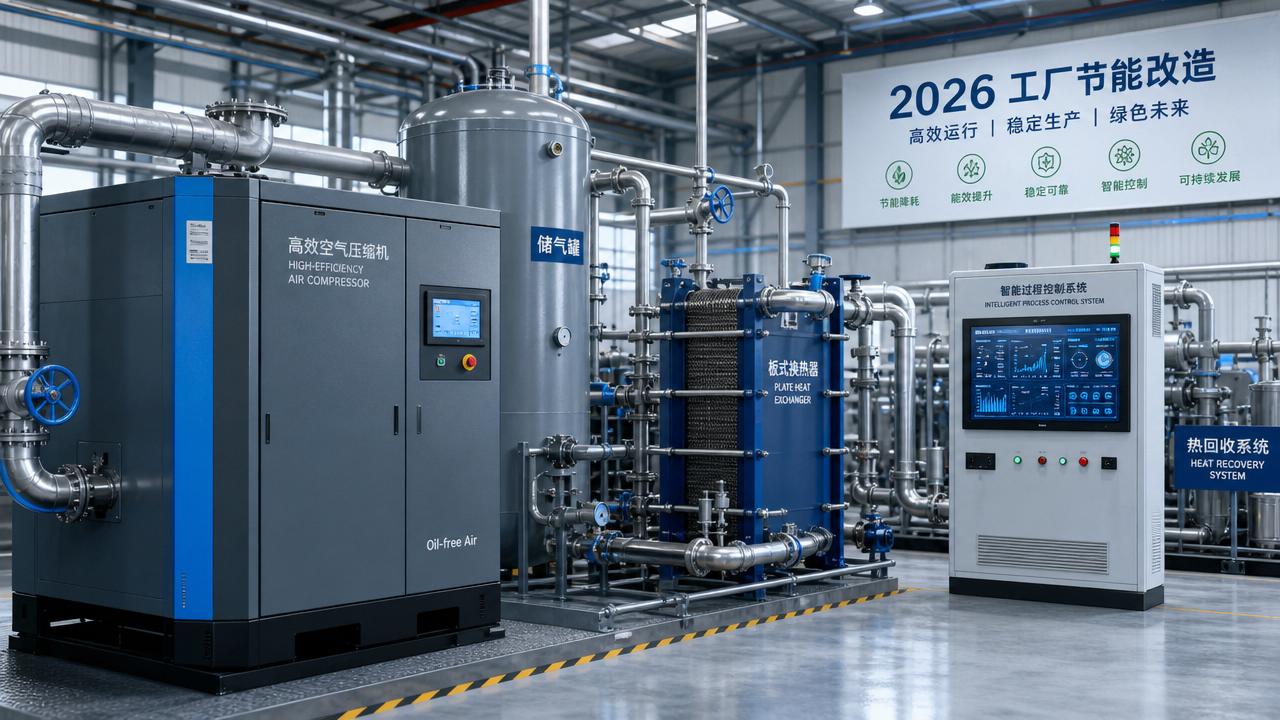
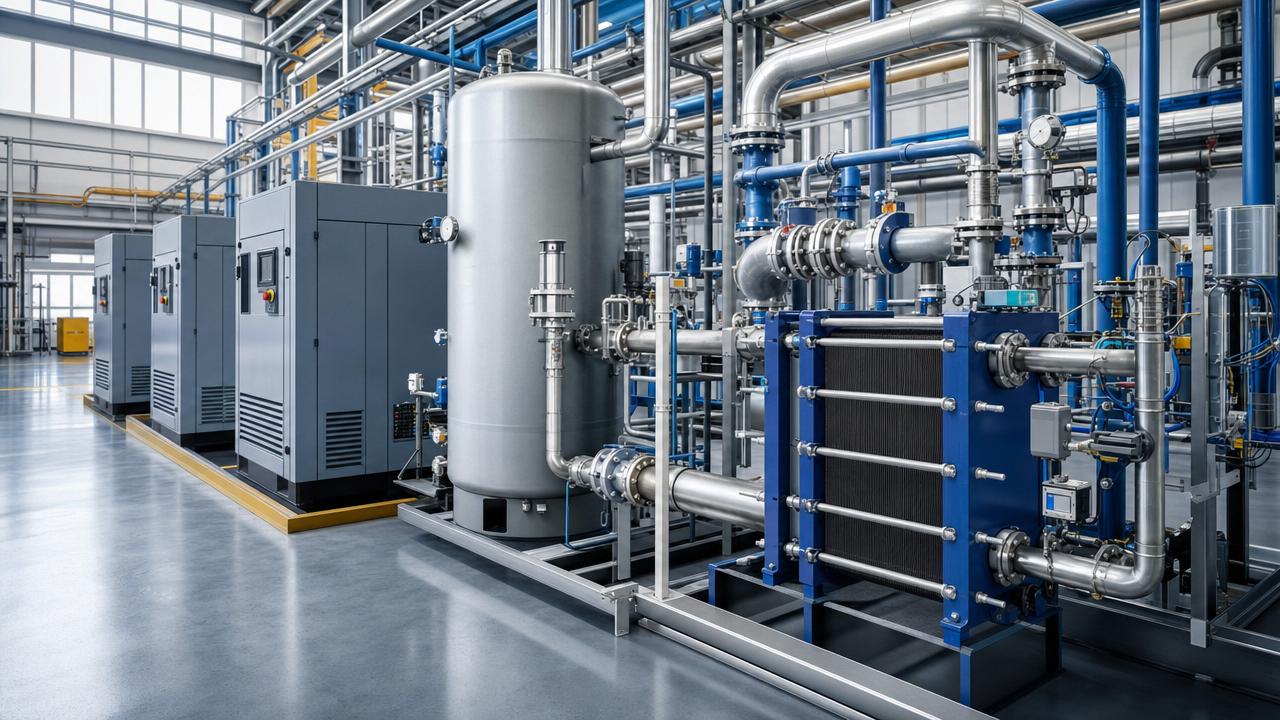
Sustainable Manufacturing Trends Reshaping Plant Investment




As sustainable manufacturing moves from ambition to investment criterion, plant leaders are rethinking how energy efficiency, thermal systems, and compressed power shape long-term competitiveness. For decision-makers, understanding these trends is no longer optional—it is essential to balancing cost control, decarbonization goals, and operational resilience in a rapidly evolving industrial landscape.
Why sustainable manufacturing is changing plant investment decisions
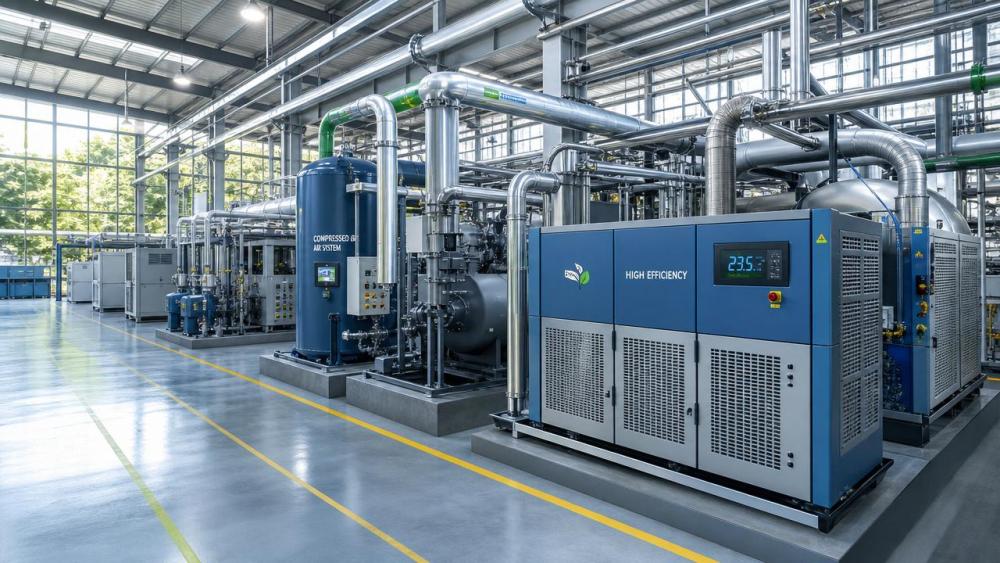
Sustainable manufacturing is no longer limited to corporate reporting or public commitments. It now influences capital approval, equipment replacement timing, supplier evaluation, and plant design strategy across multiple industrial sectors.
For enterprise decision-makers, the issue is practical: energy volatility, carbon constraints, cooling demand, air system losses, and production continuity are directly affecting margins. Investments that once looked optional are becoming strategic safeguards.
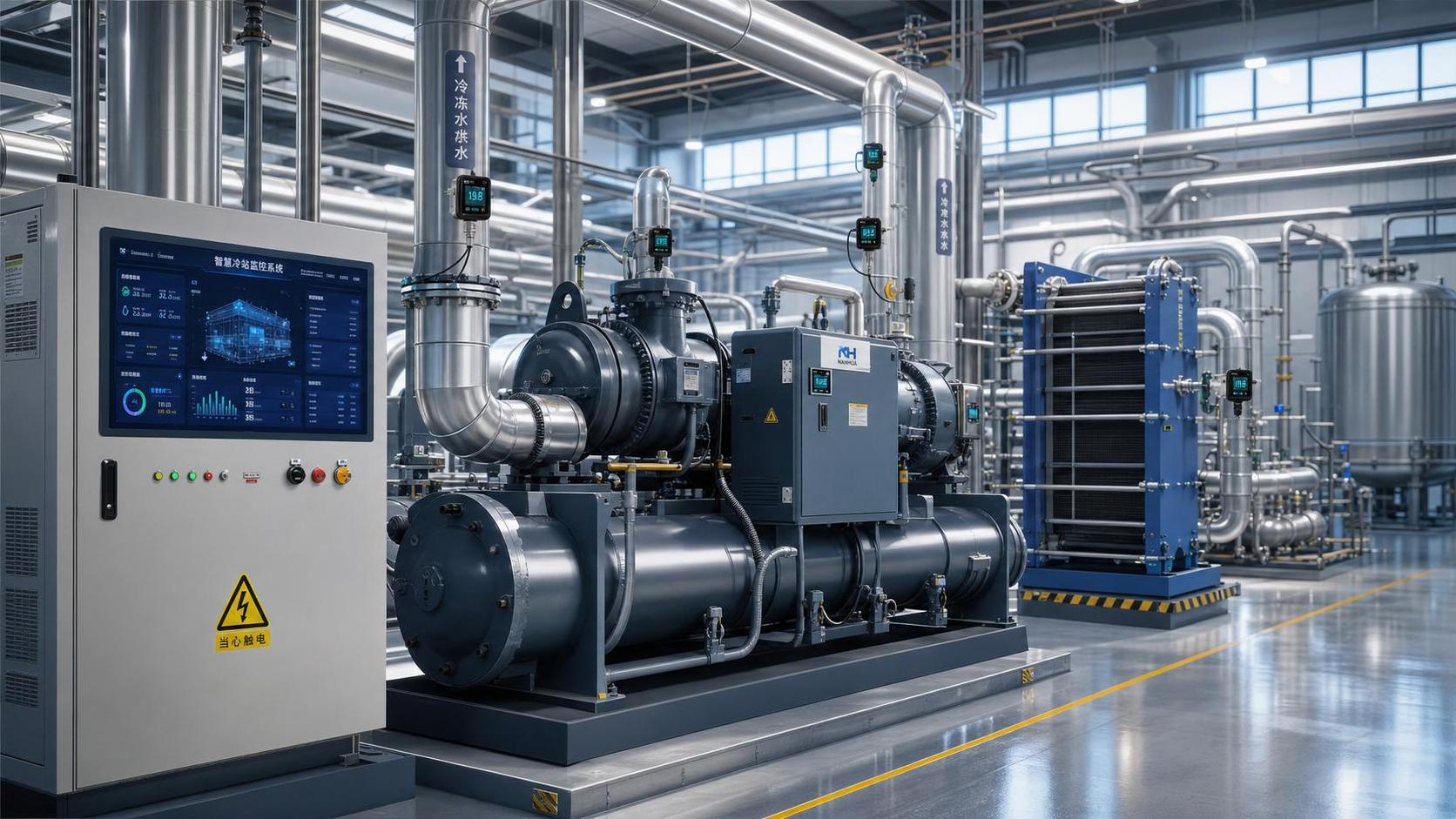
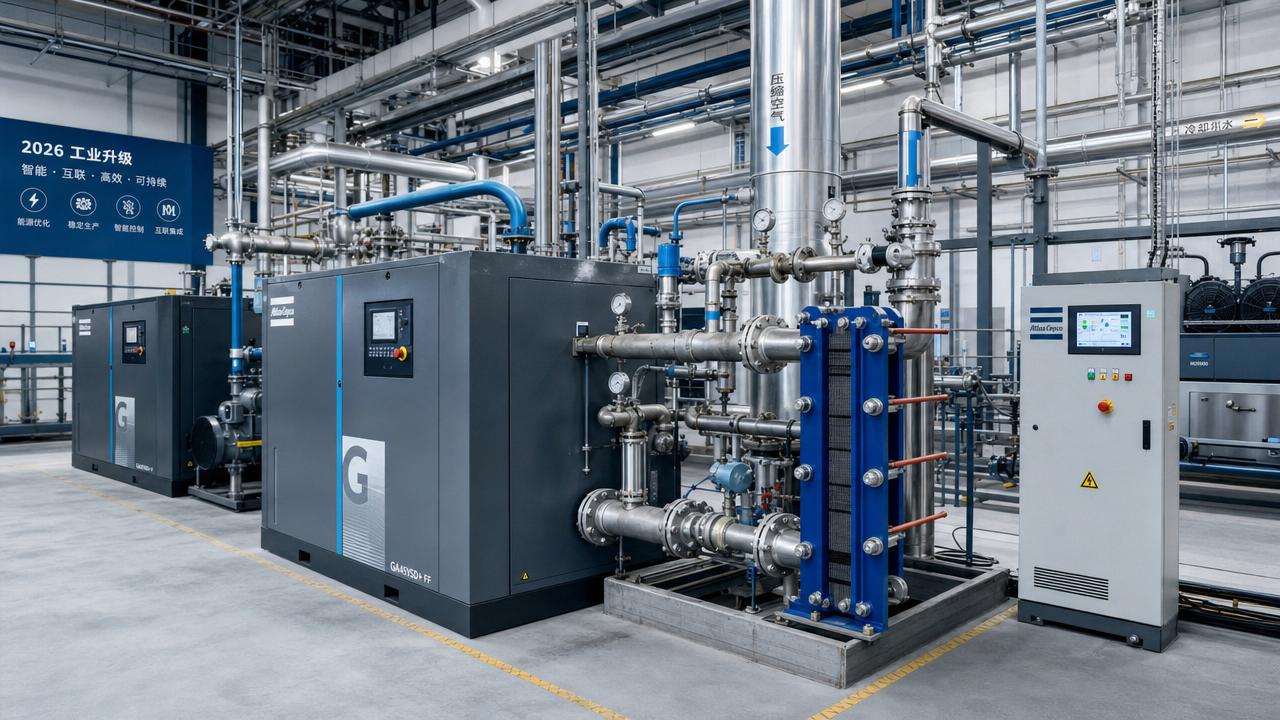
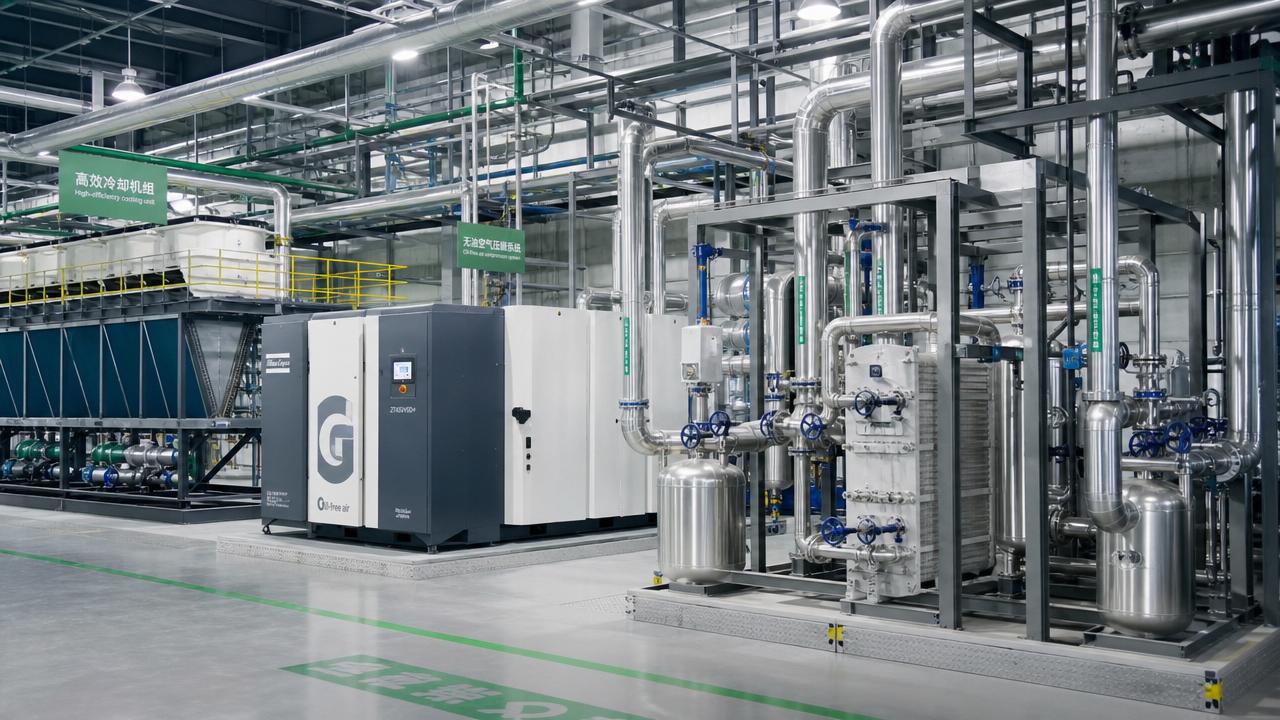
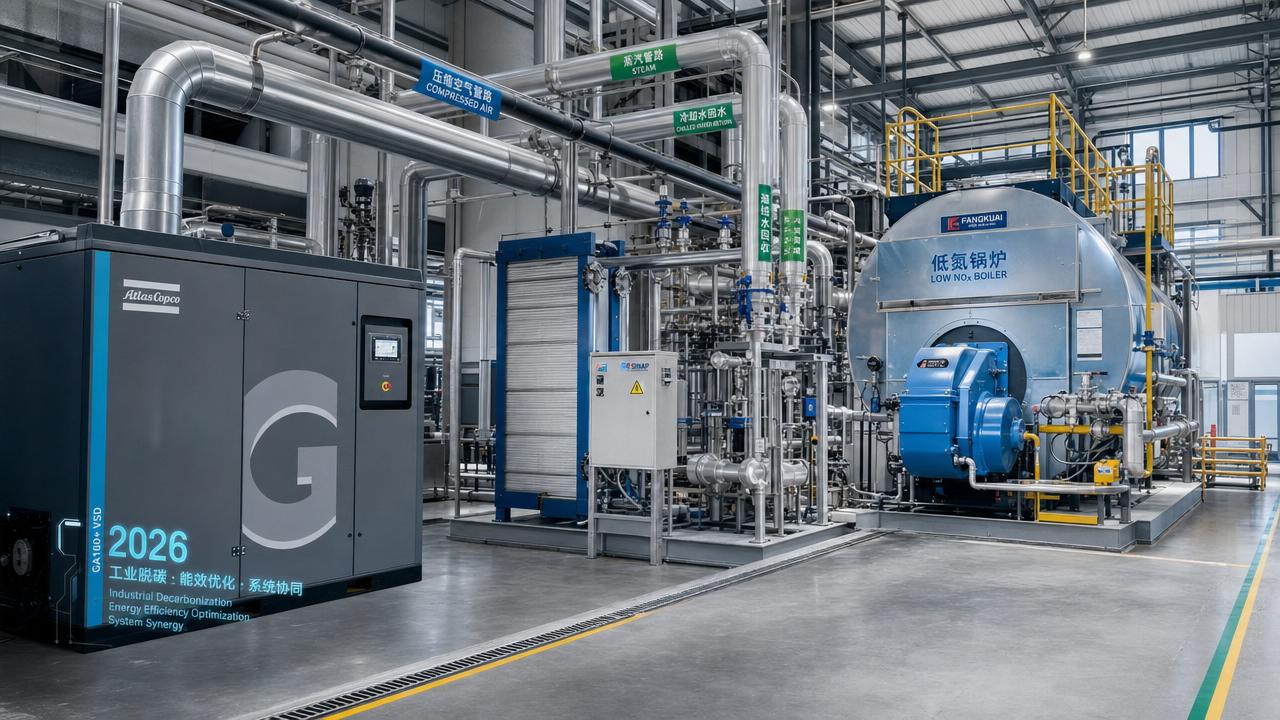
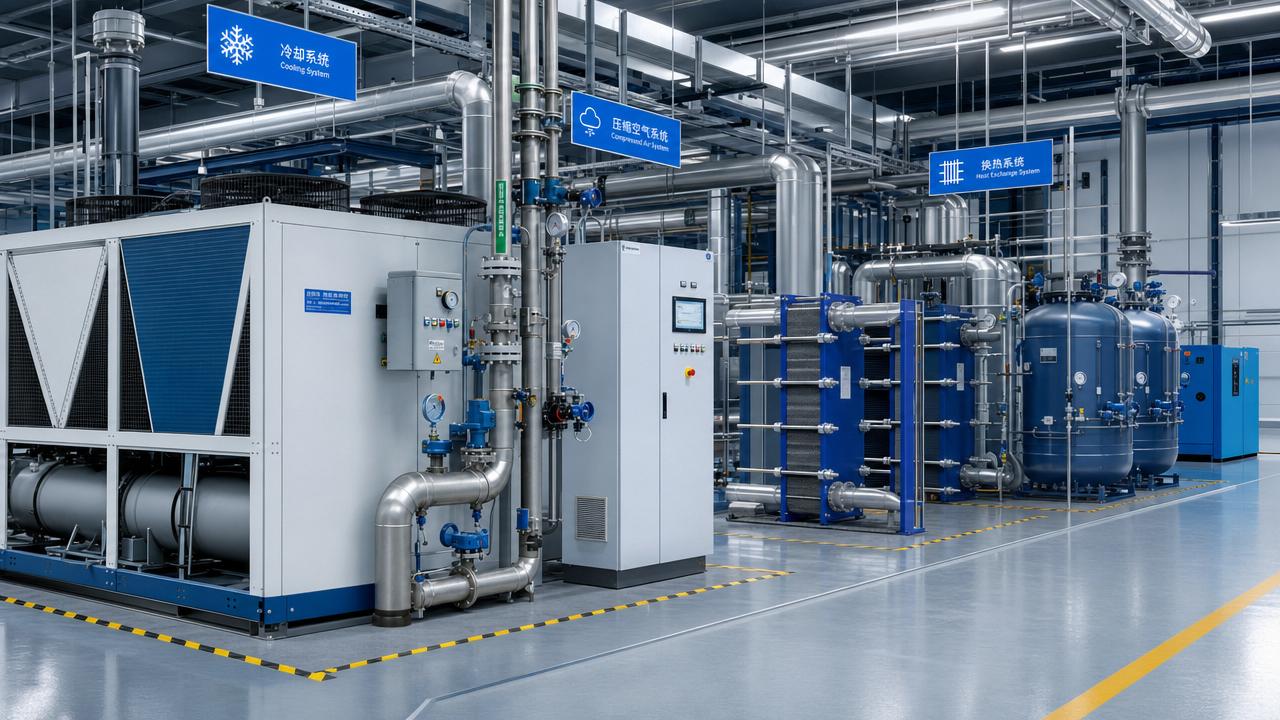
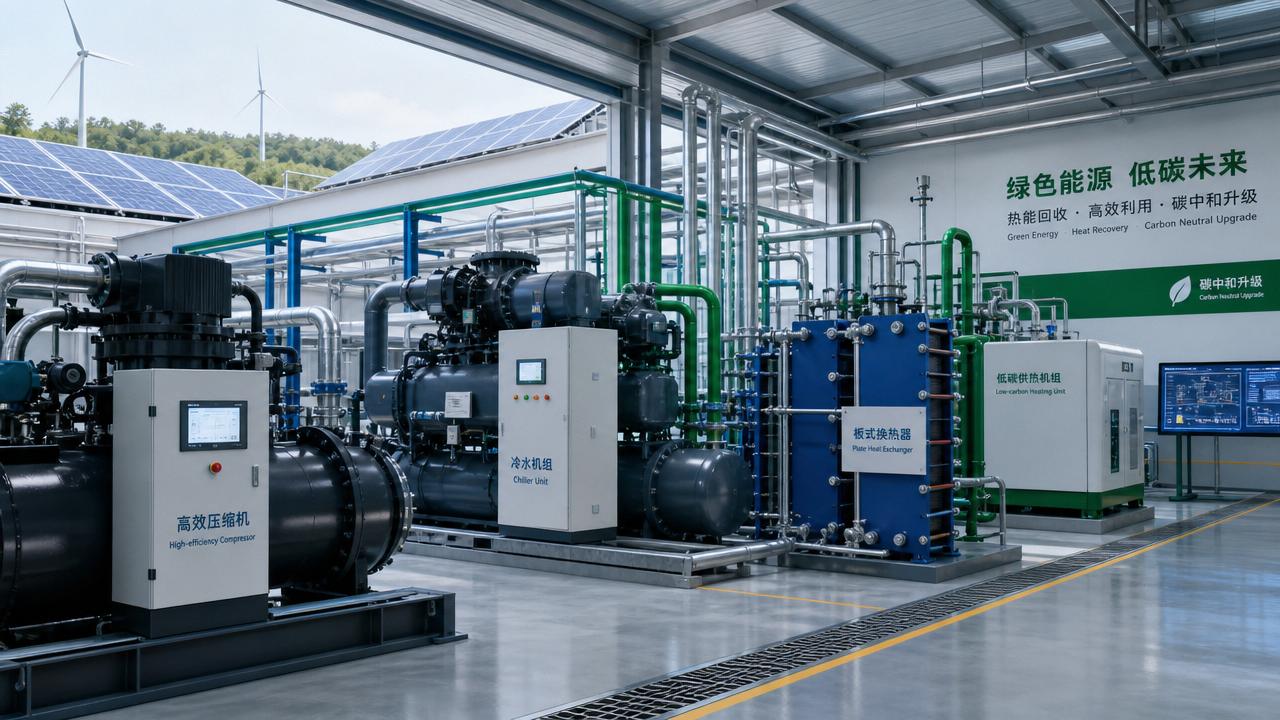
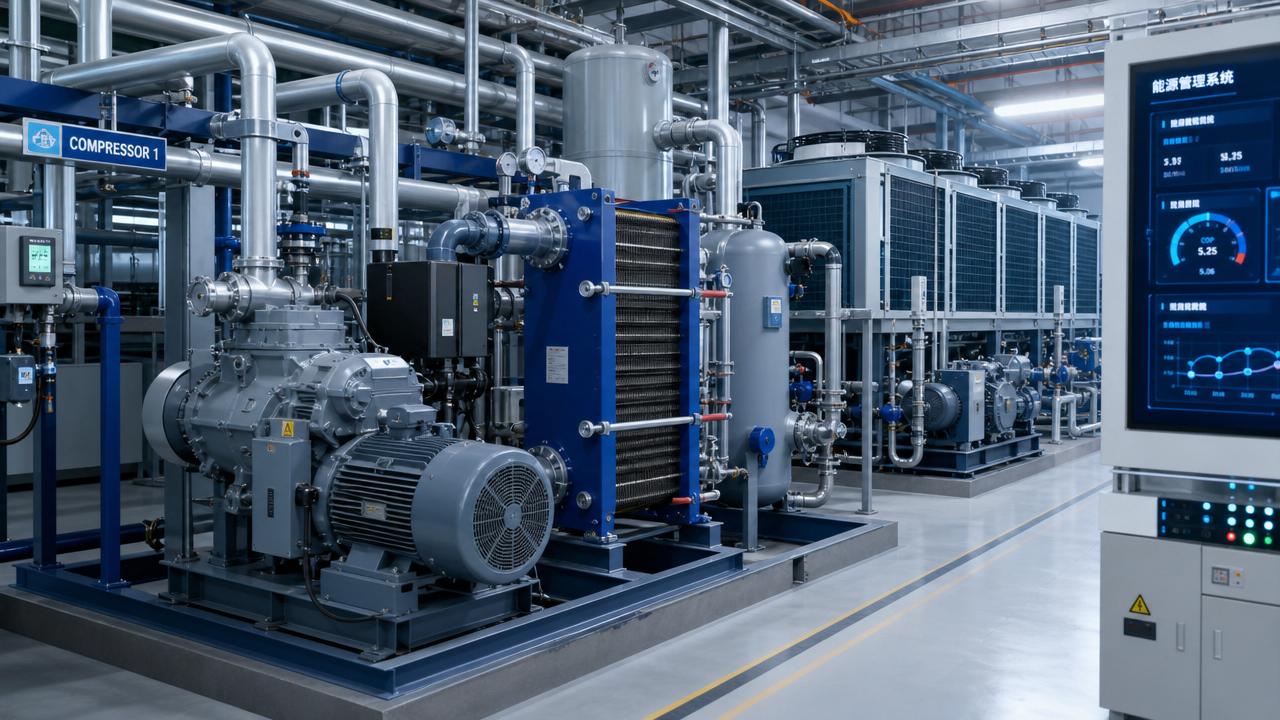
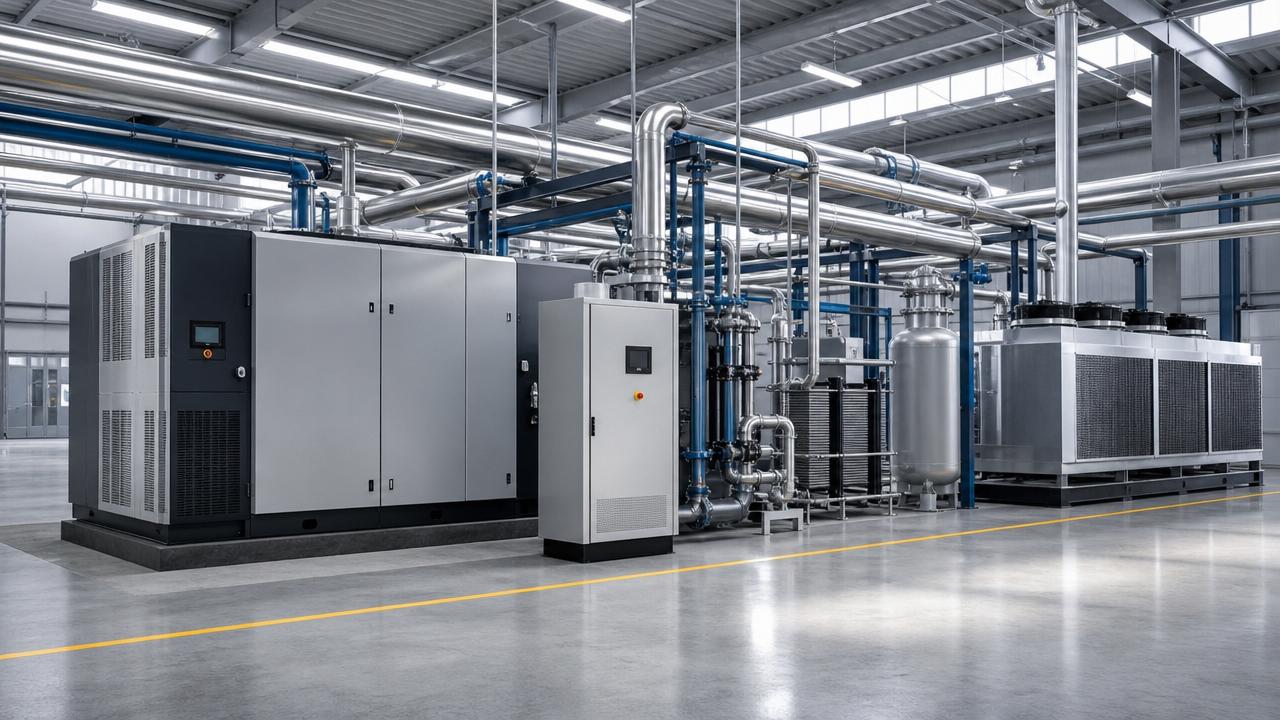
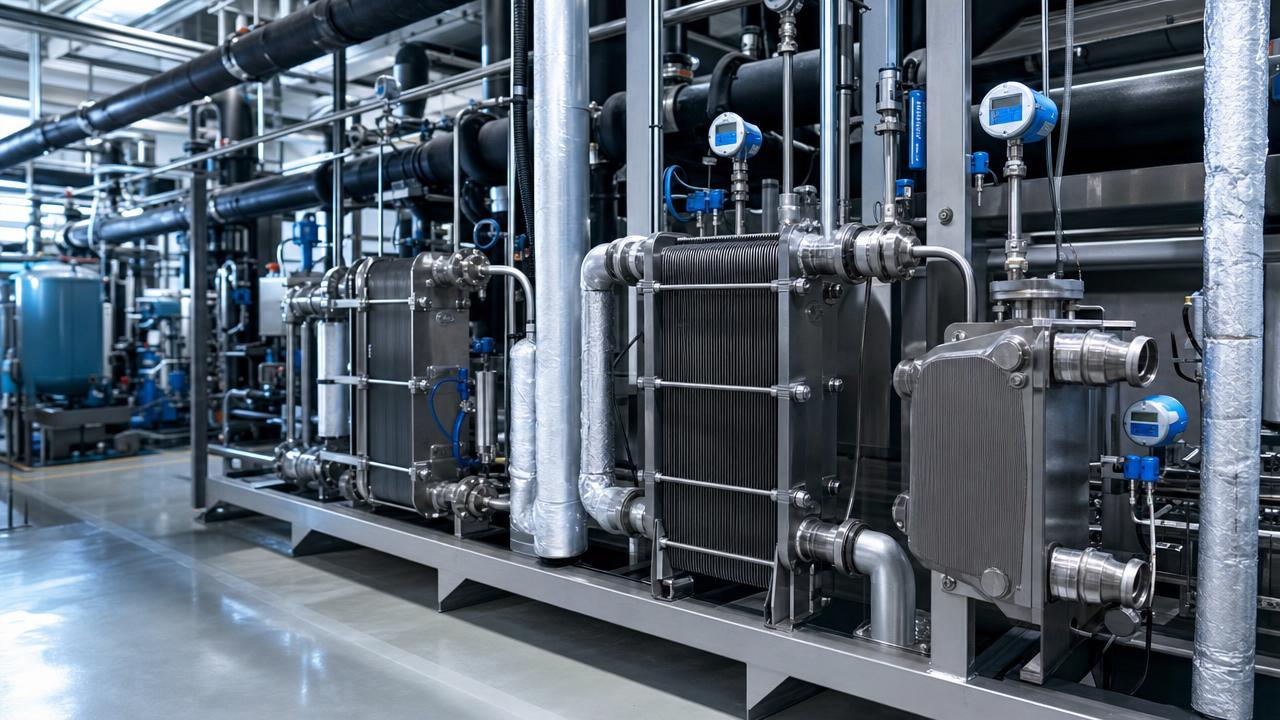
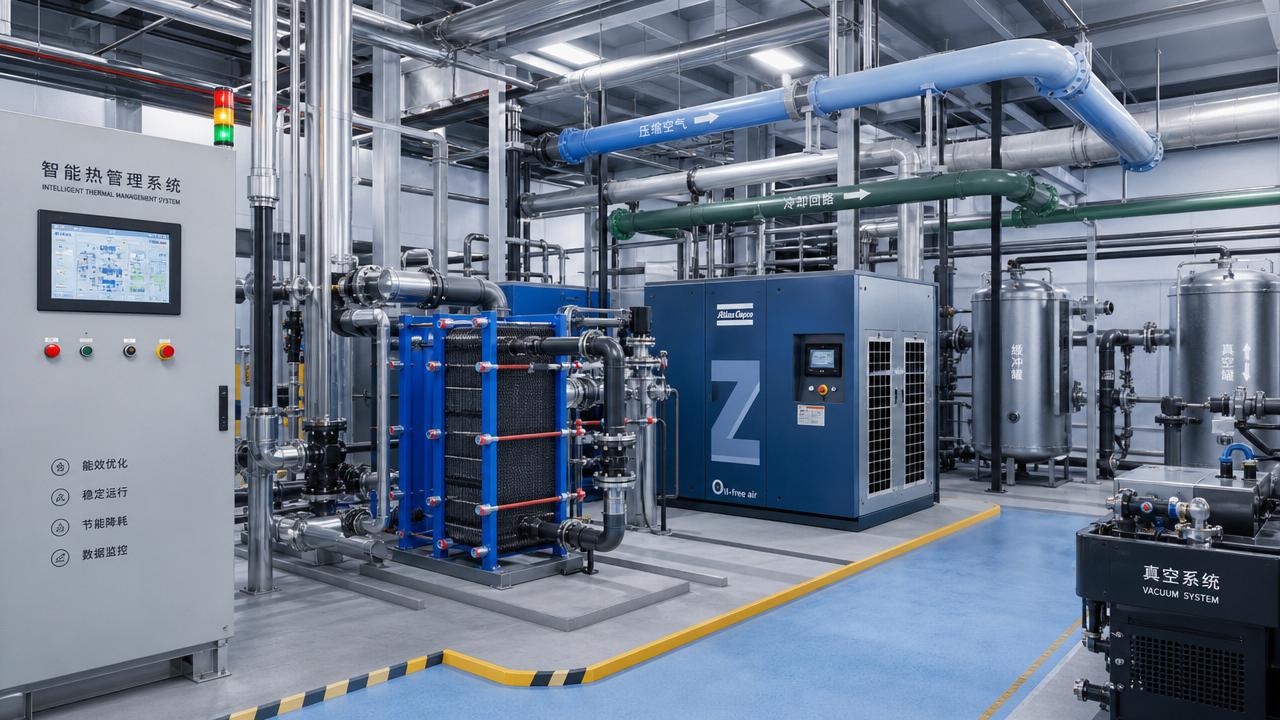
This shift is especially visible in systems that sit at the center of industrial energy use. Compressed air, industrial cooling, vacuum processes, and heat exchange often determine whether a site can reduce consumption without compromising throughput or product quality.
GTC-Matrix focuses precisely on these plant-level decision zones. By connecting thermodynamic analysis, market intelligence, and industrial economics, the platform helps leaders evaluate sustainable manufacturing trends not as abstract policy signals, but as operational investment triggers.
- Rising energy costs are increasing scrutiny on load efficiency, heat recovery, and system leakage.
- Decarbonization commitments are forcing plants to compare lifecycle cost rather than purchase price alone.
- Operational resilience is making redundancy, digital monitoring, and maintainability more important in capex planning.
- Sector-specific quality requirements are driving demand for oil-free compression, tighter temperature control, and cleaner process utilities.
Which sustainable manufacturing trends matter most in real plants?
Not every trend deserves equal investment. Plant leaders need to distinguish between broad sustainability narratives and trends that materially improve energy conversion efficiency, process stability, and compliance readiness.
1. Energy efficiency is moving from utility issue to board-level KPI
In many facilities, compressed air and thermal systems remain among the largest hidden energy consumers. Sustainable manufacturing programs increasingly begin with audits of compressors, chillers, heat exchangers, boilers, and process cooling loops.
2. Waste heat recovery is becoming an investment screen
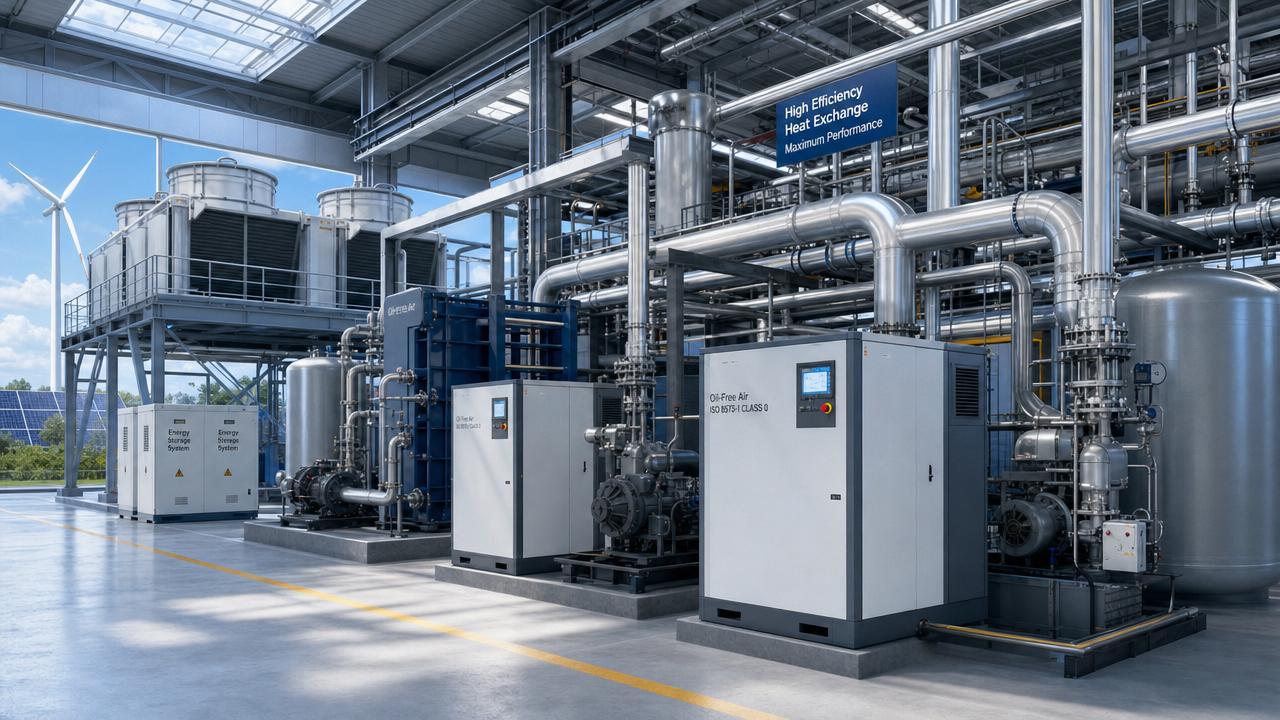
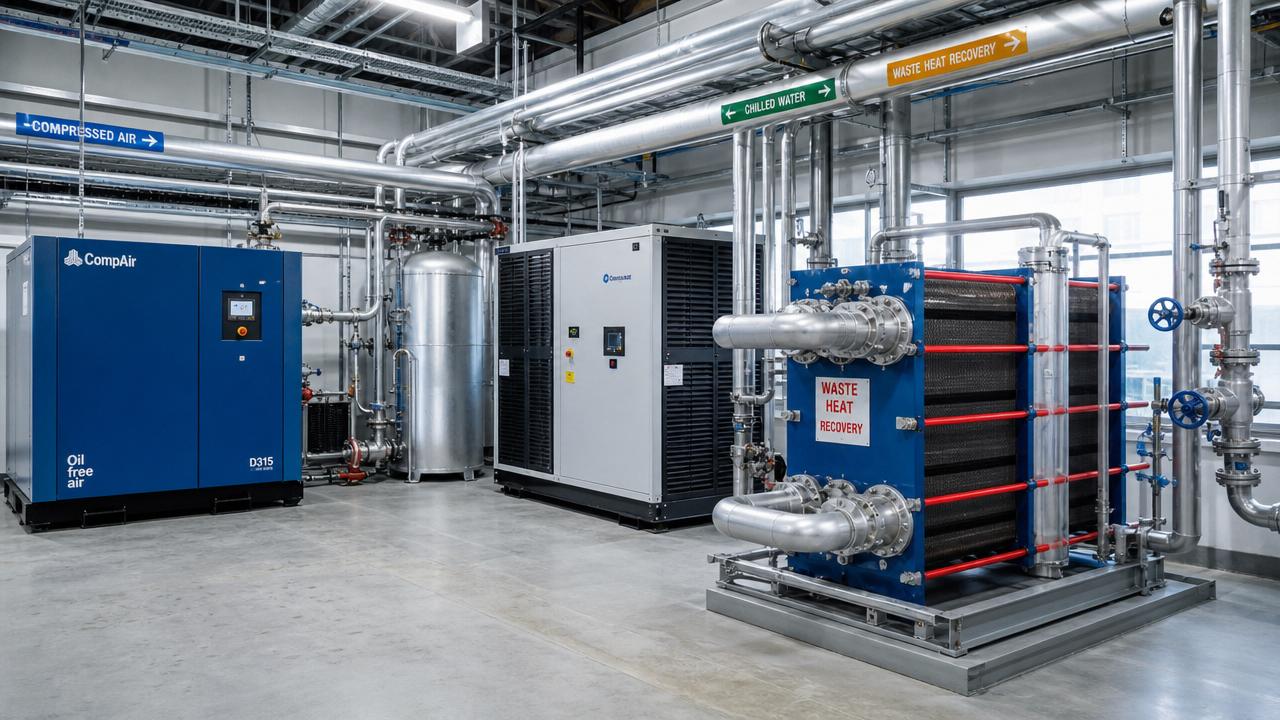
Heat once treated as a by-product is now viewed as recoverable value. Plants are evaluating whether exhaust heat, compressor heat, and process loop energy can support space heating, preheating, or adjacent thermal loads.
3. Oil-free and high-purity utilities are expanding beyond niche sectors
Pharmaceutical, semiconductor, electronics, and food operations have long prioritized purity. Today, broader industries are reviewing contamination risk more closely as rework, downtime, and compliance costs rise.
4. Low-emission thermal technologies are influencing replacement cycles
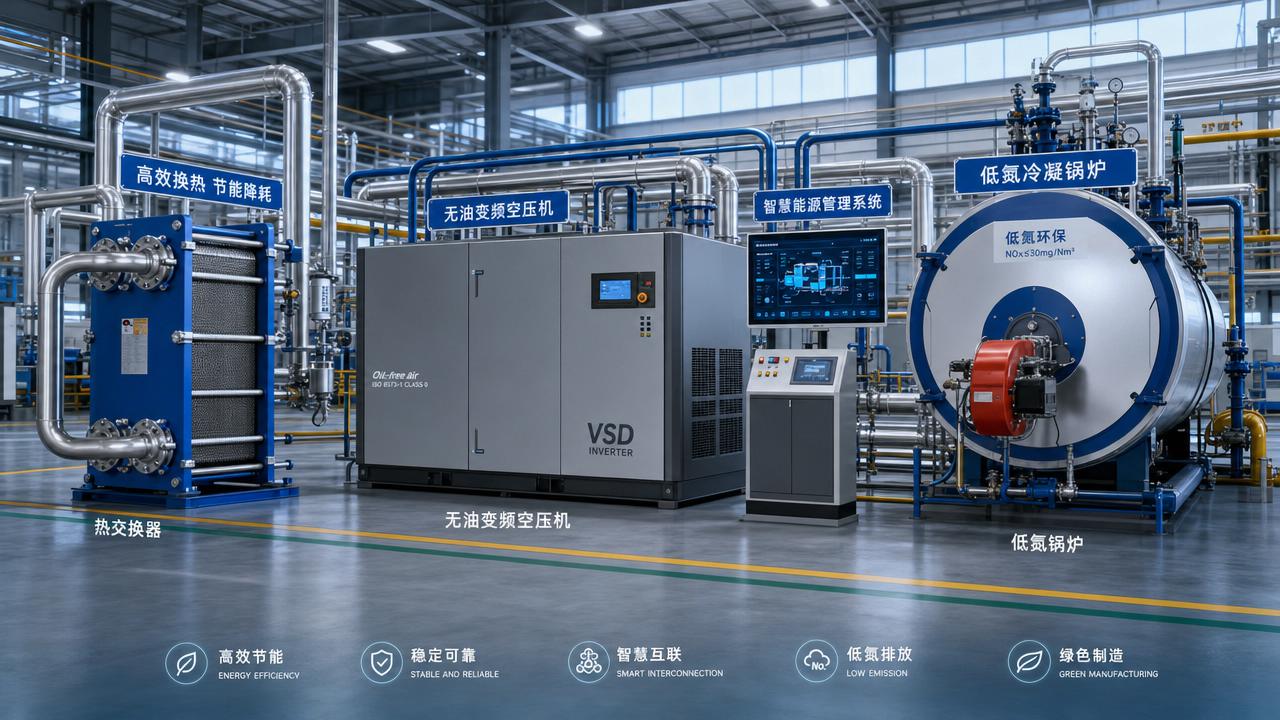
Equipment such as low-NOx boilers, advanced heat exchangers, and improved refrigerant-compatible cooling systems is gaining attention where environmental policy and local permitting affect future production flexibility.
5. Digital visibility is becoming part of sustainable manufacturing infrastructure
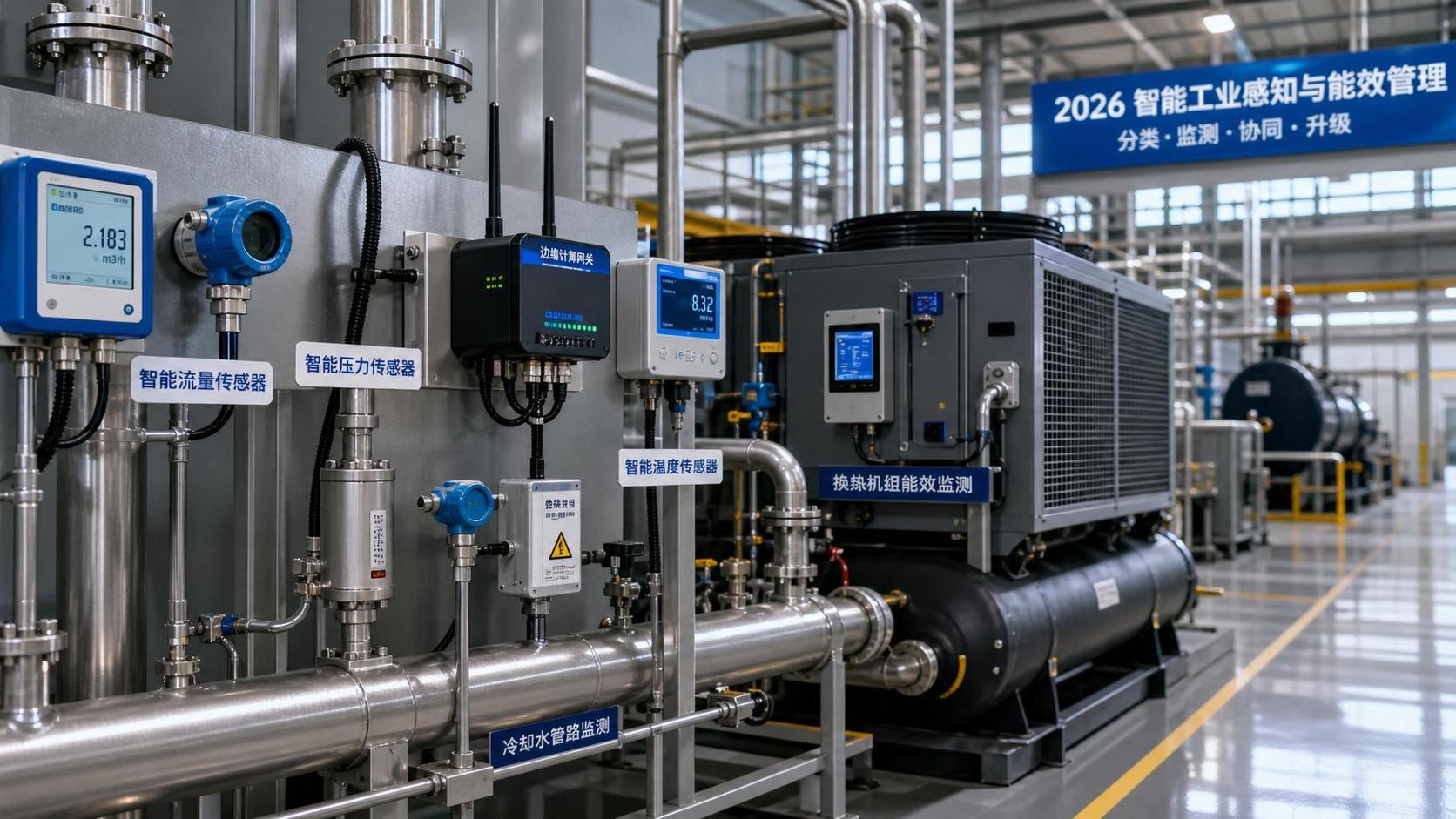
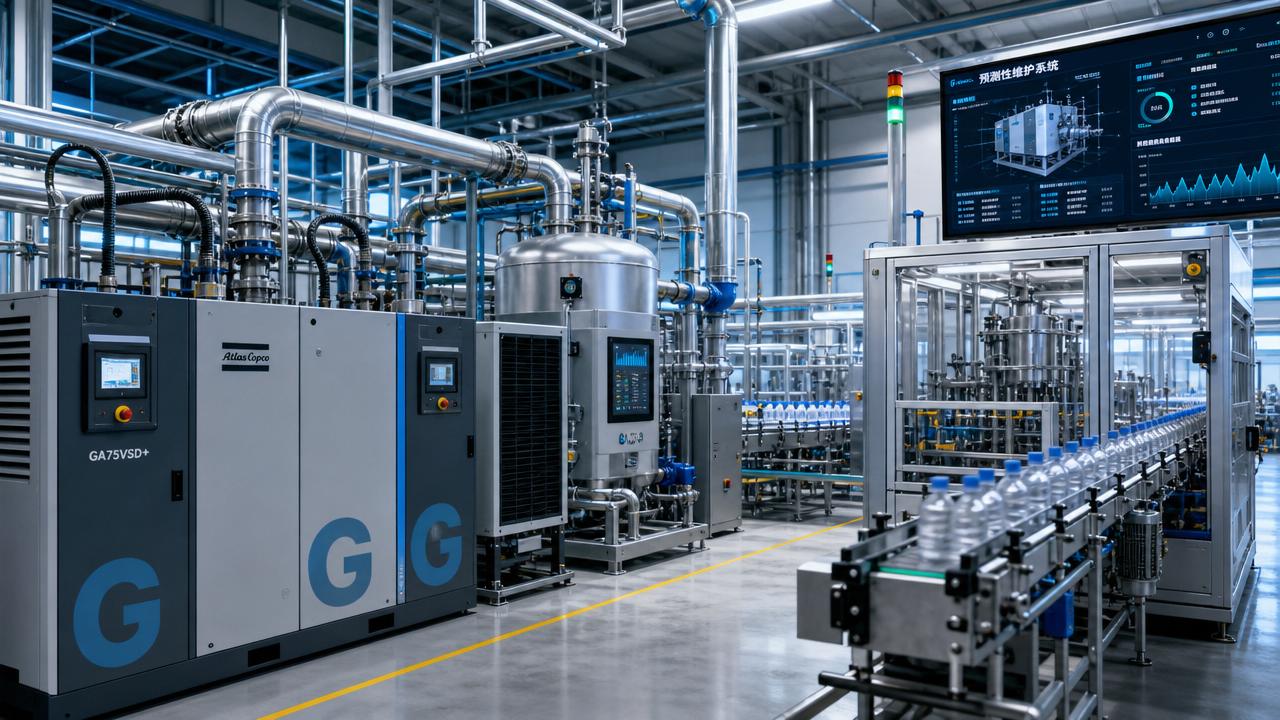
Without measurable baselines, many plants cannot prove savings or prioritize upgrades. Data from load profiles, pressure stability, dew point, temperature drift, and maintenance intervals increasingly supports investment justification.
How different plant systems compare under sustainable manufacturing goals
The table below helps decision-makers compare where sustainable manufacturing investments often produce the strongest operational and financial impact across major plant utility systems.
The key lesson is clear: sustainable manufacturing rarely depends on one flagship asset. It is usually achieved through better orchestration of thermal and compression systems that influence energy intensity every day.
What should decision-makers evaluate before approving plant investment?
Many capital projects fail to deliver expected sustainability gains because selection criteria are too narrow. A lower purchase price may hide expensive operation, difficult maintenance, or future compliance risk.
A practical procurement checklist
- Confirm the real load profile. Average demand is not enough; peak variation, part-load behavior, and standby requirements matter.
- Assess lifecycle cost. Include energy, maintenance, downtime, consumables, and probable retrofit needs.
- Check process sensitivity. Temperature drift, pressure fluctuation, and contamination tolerance can change technology choices.
- Review environmental exposure. Refrigerant policy, local emissions rules, and reporting obligations may affect asset viability.
- Plan integration. New equipment should fit existing controls, utilities, recovery loops, and maintenance capability.
GTC-Matrix supports this evaluation by translating technical evolution into decision-ready intelligence. Its coverage of energy pricing shifts, refrigerant quota policy, oil-free compression, microchannel heat exchangers, and low-NOx combustion helps buyers avoid short-sighted approvals.
Selection factors: cost, risk, compliance, and implementation speed
Sustainable manufacturing decisions often involve trade-offs. A system with stronger efficiency may require higher initial capex. A faster replacement may preserve production schedules but limit design optimization. The table below supports balanced judgment.
This kind of structured comparison is essential when sustainable manufacturing goals must coexist with budget control, delivery pressure, and process reliability. Better procurement starts with better questions.
Where sustainable manufacturing creates value by application scenario
The meaning of sustainable manufacturing changes by sector. A food plant may focus on hygienic compressed air and cooling stability. A semiconductor facility may prioritize ultra-clean utilities and precision temperature management. A heavy industrial site may concentrate on thermal recovery and fuel efficiency.
High-precision manufacturing
Stable cooling and pure compressed power reduce scrap, protect equipment, and support consistency. In these scenarios, sustainability gains are closely linked to yield protection rather than utility savings alone.
Process-intensive plants
Facilities with continuous heat loads often benefit from exchanger redesign, boiler optimization, and waste heat use. Their sustainable manufacturing pathway is usually thermal before electrical.
Multi-site industrial groups
For groups managing several plants, standardized performance metrics and intelligence-led benchmarking can reveal where similar equipment performs differently. That is often where the fastest investment opportunities emerge.
Common mistakes companies make when pursuing sustainable manufacturing
Ambition alone does not create good returns. Many organizations delay results because they misunderstand where efficiency is lost or how plant utilities interact.
- Treating compressed air as a fixed utility cost instead of a controllable energy asset with leakage and control losses.
- Replacing individual machines without reviewing whole-system thermal balance, controls, or downstream demand behavior.
- Assuming the newest technology automatically fits the site, even when maintenance skill or load profile does not support it.
- Ignoring policy signals such as refrigerant transitions or local emission limits until procurement is already constrained.
- Using generic payback models that exclude downtime, quality loss, or process instability.
Because GTC-Matrix tracks both technology evolution and market shifts, it is well positioned to help decision-makers avoid these mistakes. The value lies not only in knowing what is changing, but in understanding why it matters for plant investment timing.
FAQ: what do plant leaders ask most about sustainable manufacturing?
How do we prioritize sustainable manufacturing projects when budget is limited?
Start with systems that combine high energy intensity and measurable performance loss. In many plants, compressed air leakage, unstable cooling, and poor heat transfer offer faster returns than larger but slower transformation projects.
Which metrics matter most during equipment selection?
Look beyond nameplate efficiency. Decision-makers should review part-load performance, controllability, maintenance interval, contamination risk, heat recovery potential, and compatibility with future compliance requirements.
Is sustainable manufacturing only relevant for highly regulated industries?
No. Regulated sectors may feel pressure earlier, but nearly all plants face the same underlying drivers: energy cost exposure, supply resilience concerns, and investor expectations around resource efficiency.
How long does plant implementation usually take?
It depends on scope. Control adjustments and monitoring upgrades can move relatively quickly, while integrated cooling, compression, or thermal redesign typically requires staged engineering, shutdown planning, and supplier coordination.
Why is intelligence support important before contacting equipment suppliers?
Without independent insight, buyers may compare proposals that are inconsistent in assumptions, scope, and future-readiness. Market and technical intelligence helps define the right problem before negotiating the solution.
Why decision-makers turn to GTC-Matrix
GTC-Matrix is built for industrial leaders who need sustainable manufacturing insight anchored in real plant systems. Its Strategic Intelligence Center connects thermodynamics analysts, pneumatic power engineers, and industrial economists to interpret change where it matters most: cooling, compressed air, vacuum, and heat exchange.
That means decision-makers can evaluate sector news, energy cost volatility, refrigerant policy movements, oil-free compression trends, microchannel heat exchanger development, and low-NOx thermal technologies through one coherent lens. The goal is not information volume, but better investment judgment.
- Use GTC-Matrix to confirm which sustainable manufacturing trends are investment-relevant for your plant type.
- Discuss parameter review for cooling load, compressed air purity, vacuum demand, or heat recovery feasibility.
- Compare technology pathways for product selection, replacement timing, and cross-site standardization.
- Clarify delivery expectations, customization logic, certification considerations, and quotation priorities before supplier engagement.
If your team is reviewing plant upgrades, preparing a sustainability-driven capex plan, or assessing thermal and compression system options, contact GTC-Matrix for decision support tailored to your operating conditions. You can consult on parameter confirmation, product selection, implementation sequence, compliance concerns, and budget-sensitive solution paths with a clearer strategic foundation.
Related News
- Why high-density thermal energy storage is gaining industry attentionAuthor :

- Smart Device Thermal Management Trends Shaping 2026 Product DesignAuthor :

- Industrial Cooling Technologies in Europe: 2026 Trends in Compliance and Energy UseAuthor :

- Industrial Electrification Trends in 2026: Where Projects Are Moving FirstAuthor :

- Industrial Solution Comparison Global: 2026 Trends Reshaping Equipment DecisionsAuthor :

- When Heat Recovery Systems Skid Mounted Designs Improve Project PaybackAuthor :

- How to Compare Industrial Decarbonization Solutions Providers in 2026Author :

- Industry Category Guides for Smart Devices: What to Track as 2026 Markets ShiftAuthor :

- Green Manufacturing Trends Reshaping Industrial InvestmentAuthor :

- 2026 Global Energy Costs: What Will Reshape Industrial PlanningAuthor :

- Industrial Decarbonization Solutions That Cut Fuel Costs in 2026Author :

- Smart Thermal Systems Trends Shaping Industrial Upgrades in 2026Author :

- Resource Circularity in Manufacturing: 5 Practical Gains Beyond ComplianceAuthor :

- Carbon Neutrality Roadmap: What Industrial Firms Need to Prioritize FirstAuthor :

- Energy Conversion Efficiency Trends Shaping Industrial UpgradesAuthor :

- Compression Technology Trends Shaping Efficient Plant UpgradesAuthor :

- Industrial Intelligence in Manufacturing: Where It Delivers Value FirstAuthor :

- How Intellectualization Improves Industrial Thermal ManagementAuthor :

- What Intellectualization Means for Smarter Plant Operations in 2026Author :

- Carbon Neutrality Goals: What Industrial Firms Should Prioritize in 2026Author :

- How Intellectualization Reduces Downtime in Modern Production LinesAuthor :

- Decarbonization Roadmap for Energy-Intensive Plants in 2026Author :

- Thermal Systems Trends in 2026: Efficiency, Control, and RiskAuthor :

- Industrial Decarbonization Priorities for Energy-Intensive FacilitiesAuthor :

- Thermal Systems in 2026: Efficiency Upgrades Shaping Industrial OperationsAuthor :

- Pure Power Sources: 5 Practical Paths to Carbon NeutralityAuthor :

- What Intellectualization Means for Industrial Equipment UpgradesAuthor :

- Thermal Optimization in 2026: Where Energy Savings Deliver the Fastest PaybackAuthor :

- Energy Efficiency Trends Reshaping Compressor Upgrades in 2026Author :

- 2026 Industrial Decarbonization Trends Reshaping Plant UpgradesAuthor :
![]()
- Heat Exchanger Technology Trends for 2026 Efficiency TargetsAuthor :

- Resource Circularity Risks in 2026 Supply ChainsAuthor :

- Smart Thermal Systems: When Upgrades Deliver Measurable SavingsAuthor :

- Carbon Neutrality: Practical Steps for Factory RoadmapsAuthor :

- 2026 Industrial Energy Efficiency Priorities for Plant UpgradesAuthor :

- Industrial Intellectualization Trends Reshaping Equipment UpgradesAuthor :