



Clean Energy Technology Trends Reshaping Industrial Utilities




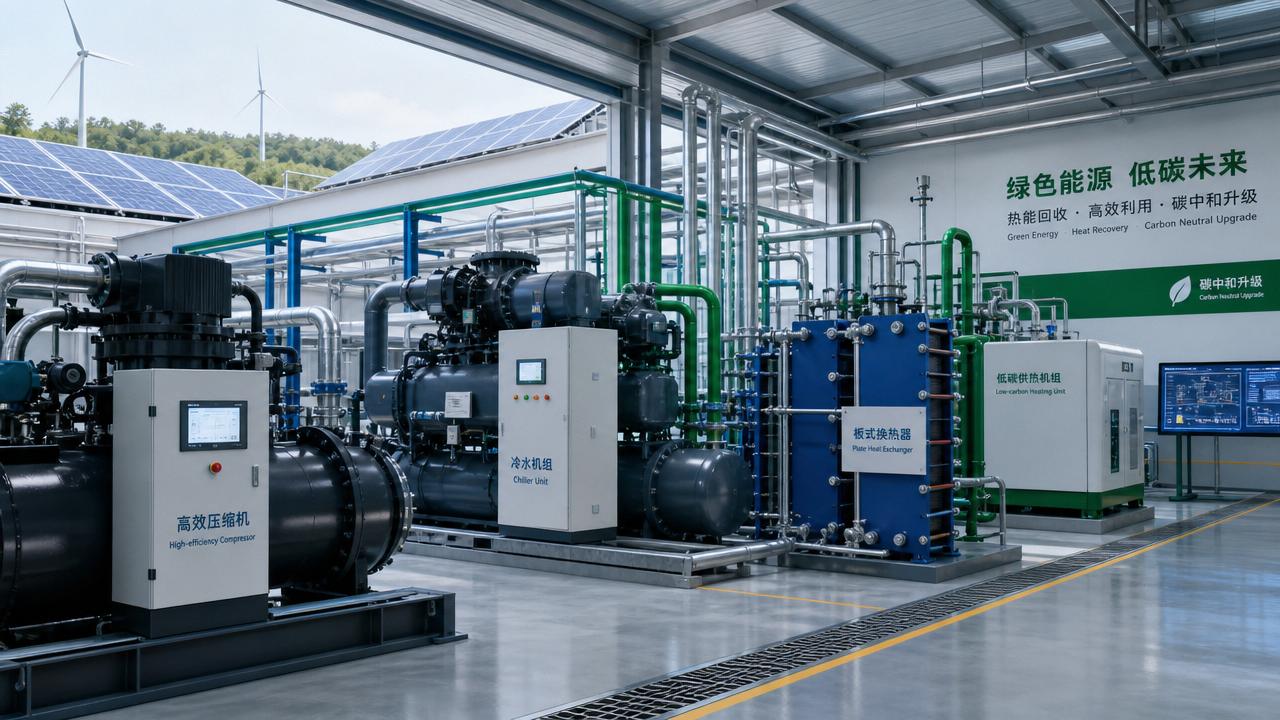
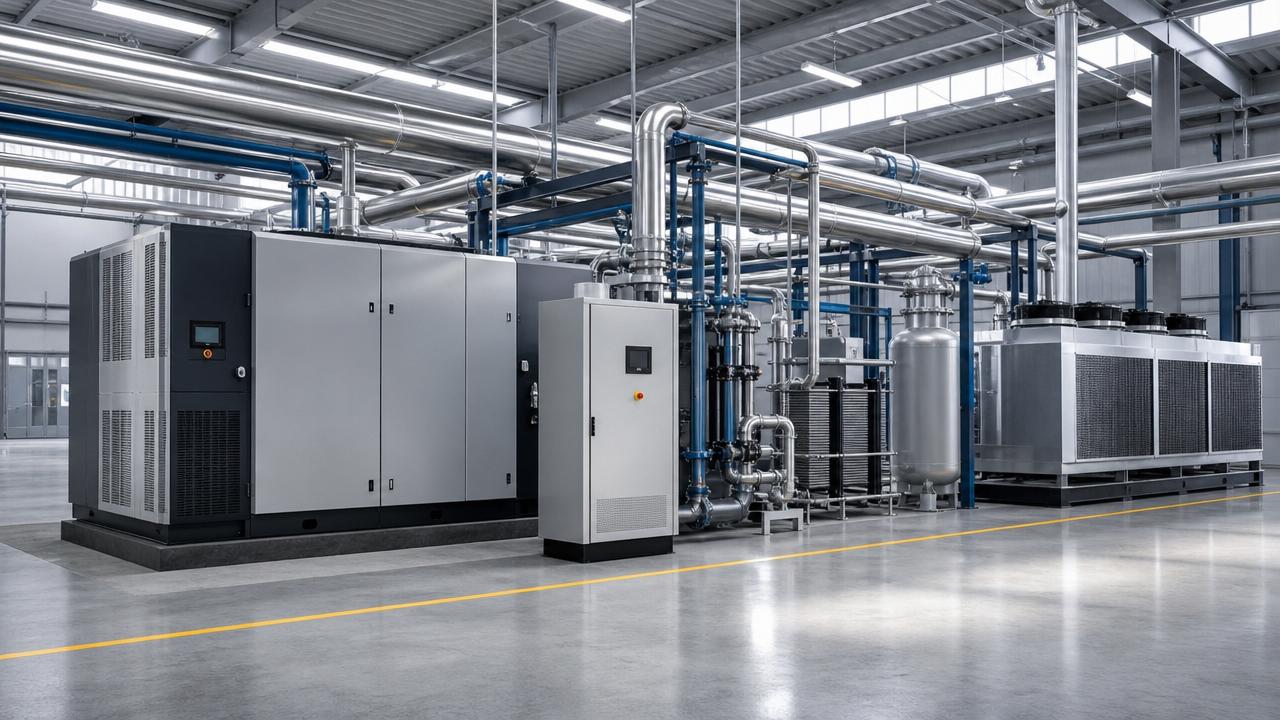
For business evaluators tracking industrial transformation, clean energy technology is no longer a future concept but a practical driver of utility performance, cost control, and compliance. From oil-free compression and advanced heat exchange to low-emission thermal systems, today’s trends are reshaping how industrial utilities create value. Understanding these shifts is essential for assessing investment potential, operational resilience, and long-term competitiveness in a rapidly decarbonizing market.
Across the broader industrial landscape, utility systems are moving from being treated as background infrastructure to becoming strategic assets. Electricity consumption, thermal losses, compressed air leakage, refrigerant choices, and heat recovery rates now influence everything from operating margins to ESG reporting. In this environment, clean energy technology must be evaluated with a structured lens: not just by headline efficiency claims, but by lifecycle economics, system integration, digital visibility, and policy readiness.
Why a structured review matters for industrial utilities
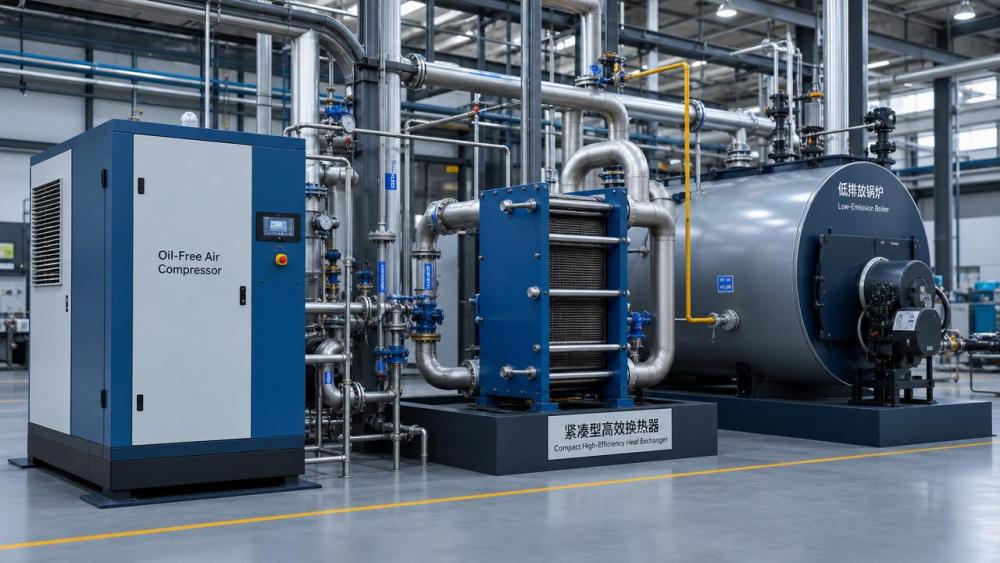
Industrial utilities rarely fail because of one dramatic technology mistake. More often, value is lost through fragmented decisions: an efficient compressor paired with poor controls, a heat exchanger upgrade without fouling management, or a low-emission boiler installed without proper load matching. A structured review helps identify whether a clean energy technology trend will actually improve plant-level performance rather than simply add capital cost.
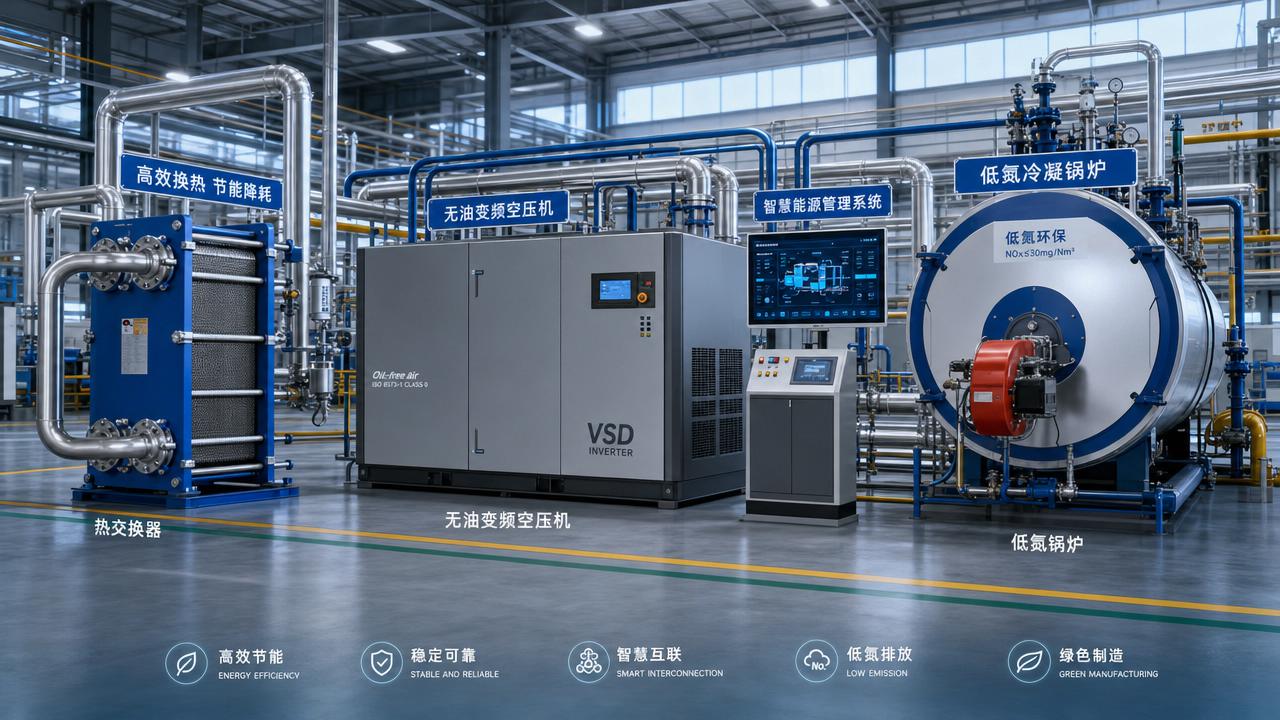
This is especially important as decarbonization standards tighten and energy markets remain volatile. Facilities need tools to compare options such as oil-free compression, microchannel heat exchangers, variable-speed drives, waste heat recovery, smart thermal controls, and low-NOx combustion systems. A checklist-based evaluation supports faster due diligence, more consistent benchmarking, and better alignment between utility upgrades and long-term operational strategy.
Key points to review when assessing clean energy technology trends
- Confirm whether the clean energy technology improves total system efficiency, not only standalone equipment performance under ideal laboratory or peak-load conditions.
- Check load variability and demand profiles to ensure compressors, chillers, boilers, and vacuum systems can operate efficiently at partial loads.
- Evaluate integration potential with existing controls, heat recovery loops, thermal storage, and plant-wide monitoring platforms before approving capital deployment.
- Assess refrigerants, combustion pathways, and process media for compliance exposure linked to emissions rules, safety requirements, and future environmental restrictions.
- Review maintenance complexity, spare parts availability, and technical service capability, especially for high-efficiency or oil-free utility systems.
- Measure energy intensity using plant-specific baselines, including kWh, thermal input, leak rates, temperature stability, and recovered heat utilization.
- Test whether the proposed clean energy technology supports production quality, such as clean air purity, temperature precision, or process stability.
- Compare lifecycle cost instead of simple payback alone, including downtime risk, utility incentives, carbon costs, and expected efficiency degradation.
- Check digital capabilities such as sensors, predictive analytics, remote diagnostics, and performance alarms that improve utility optimization over time.
- Verify that suppliers can provide validated performance data, sector references, and engineering support for system commissioning and continuous tuning.
Technology trends reshaping utility performance
Oil-free compression and air quality assurance
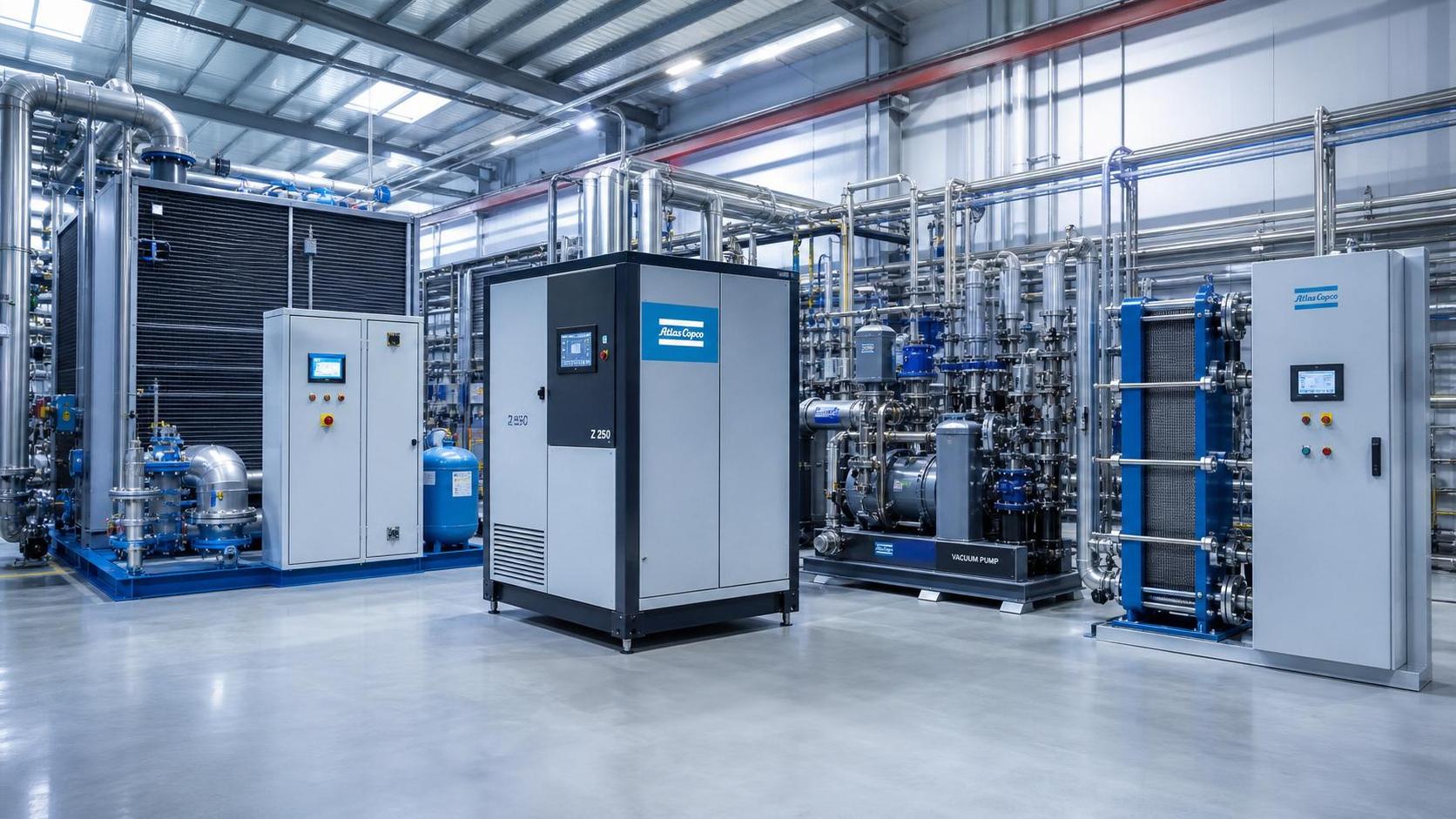
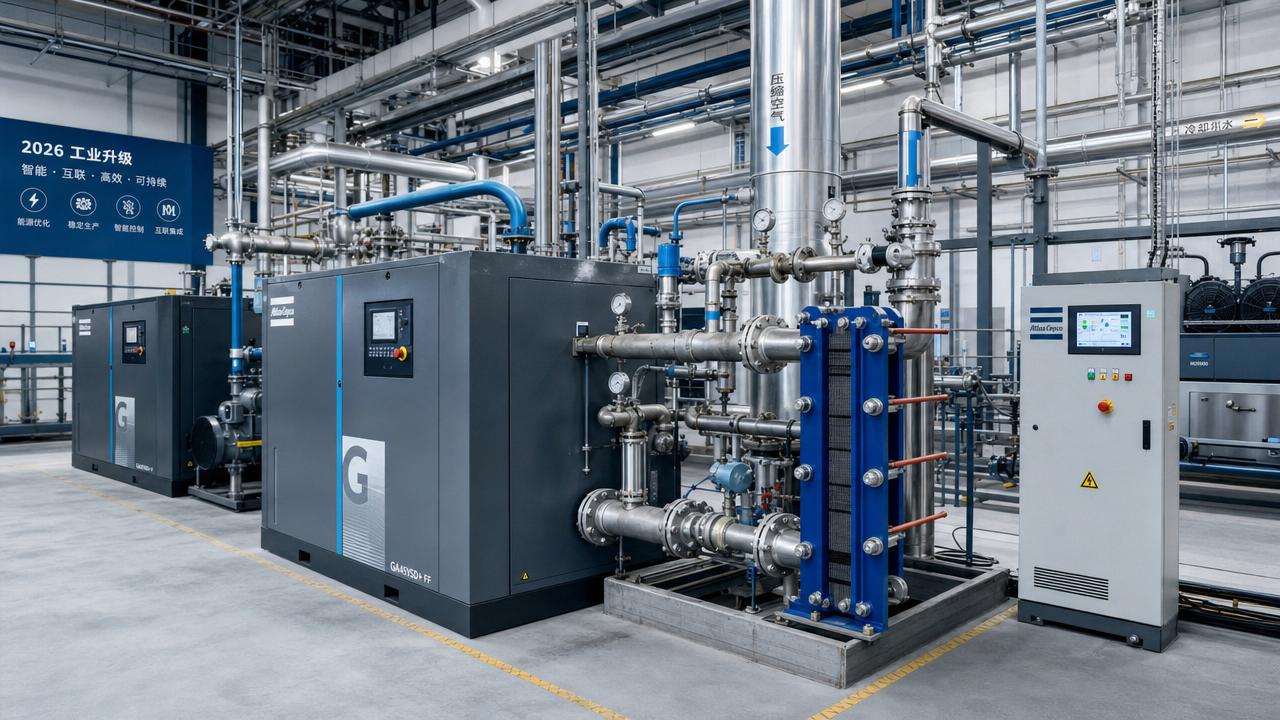
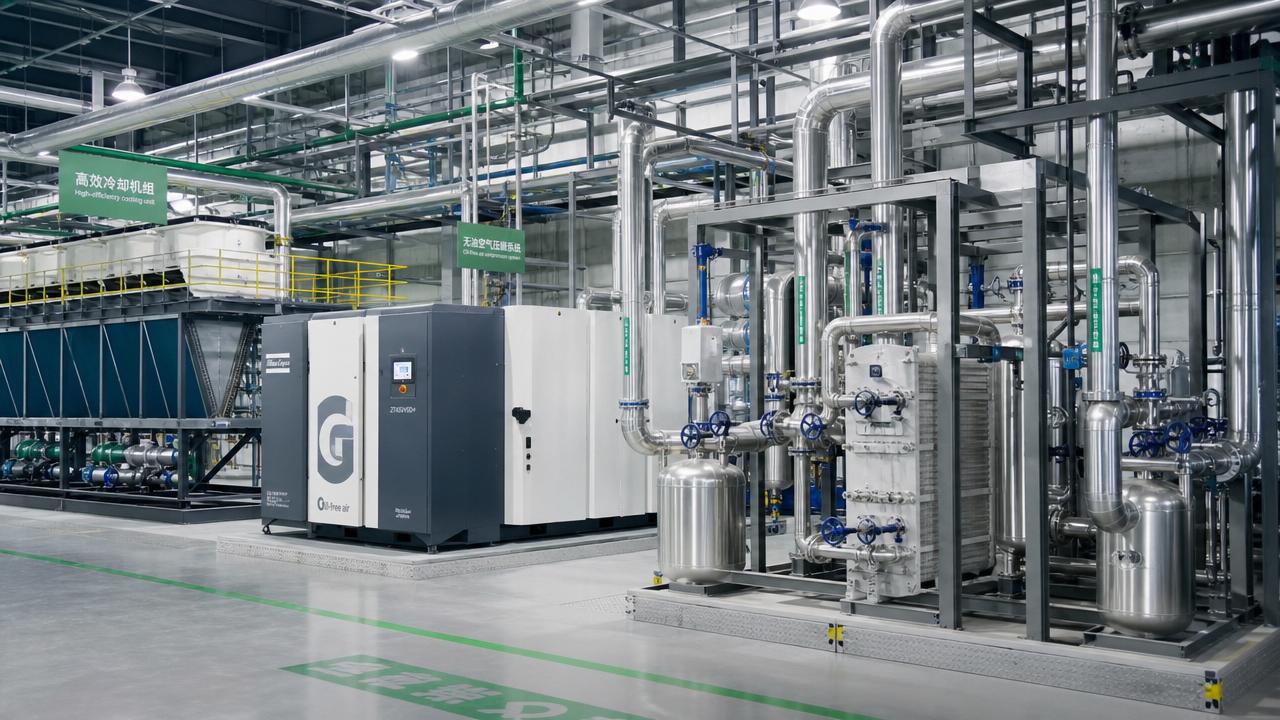
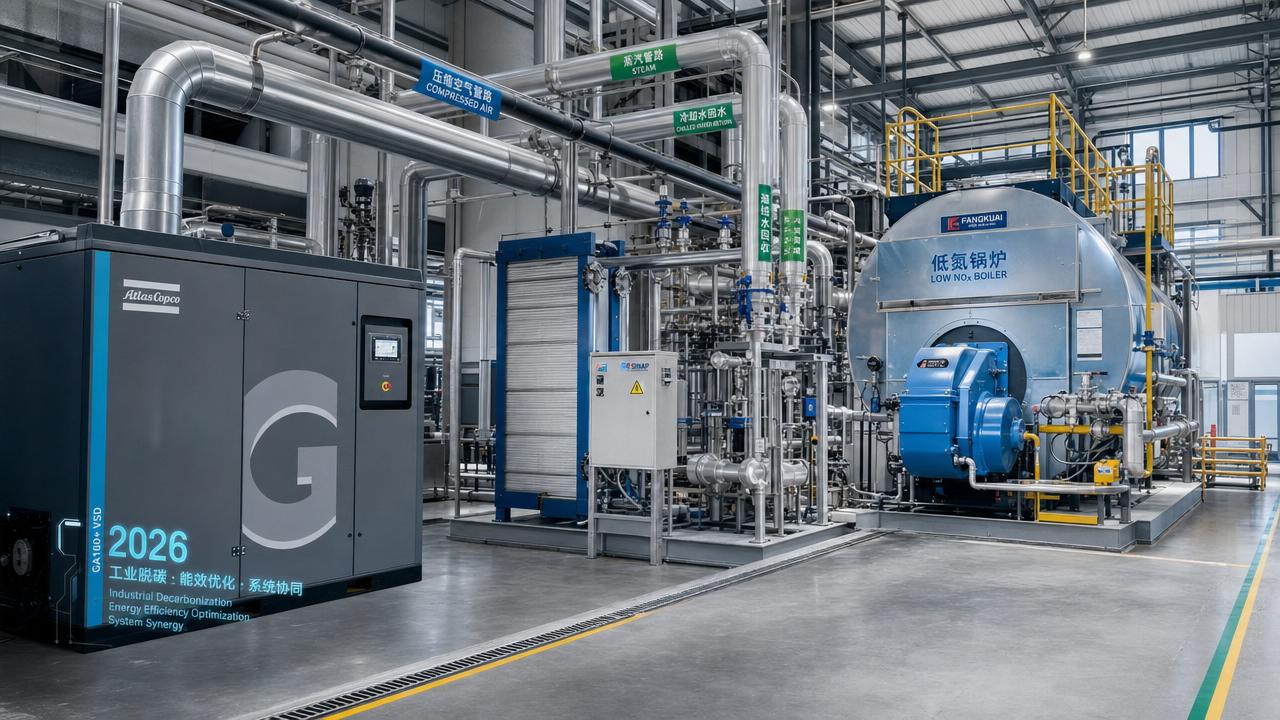
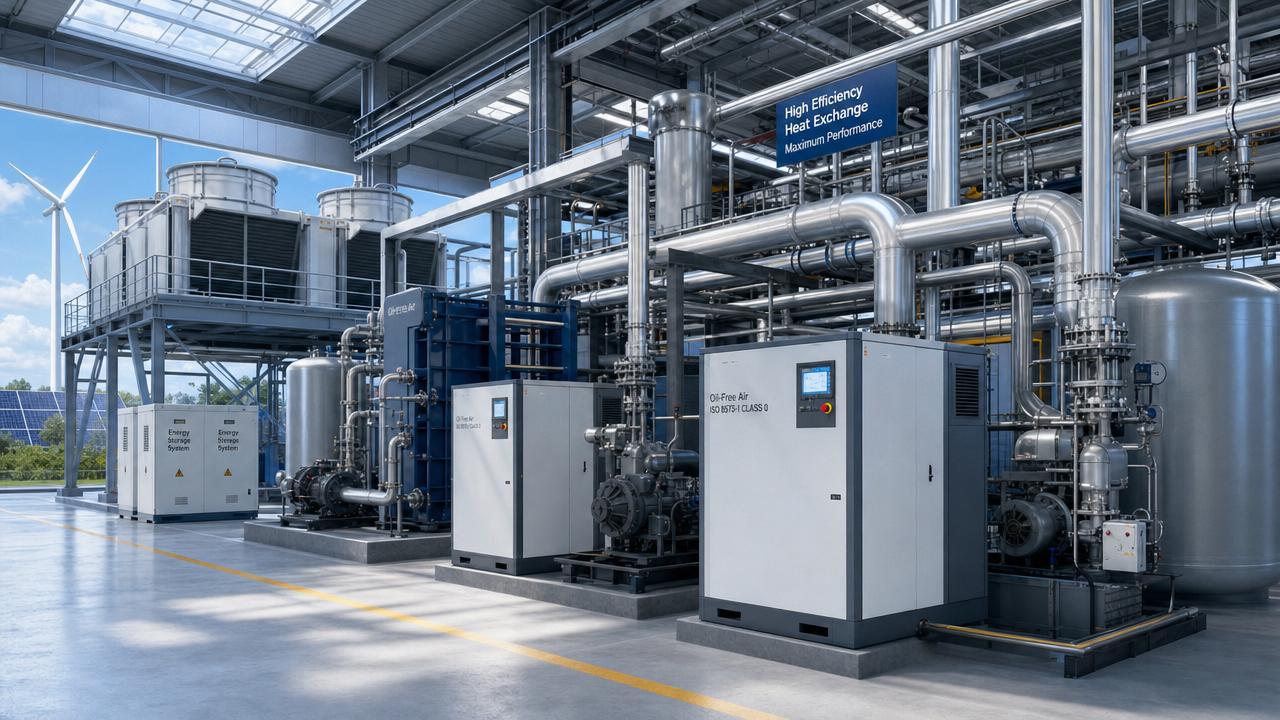
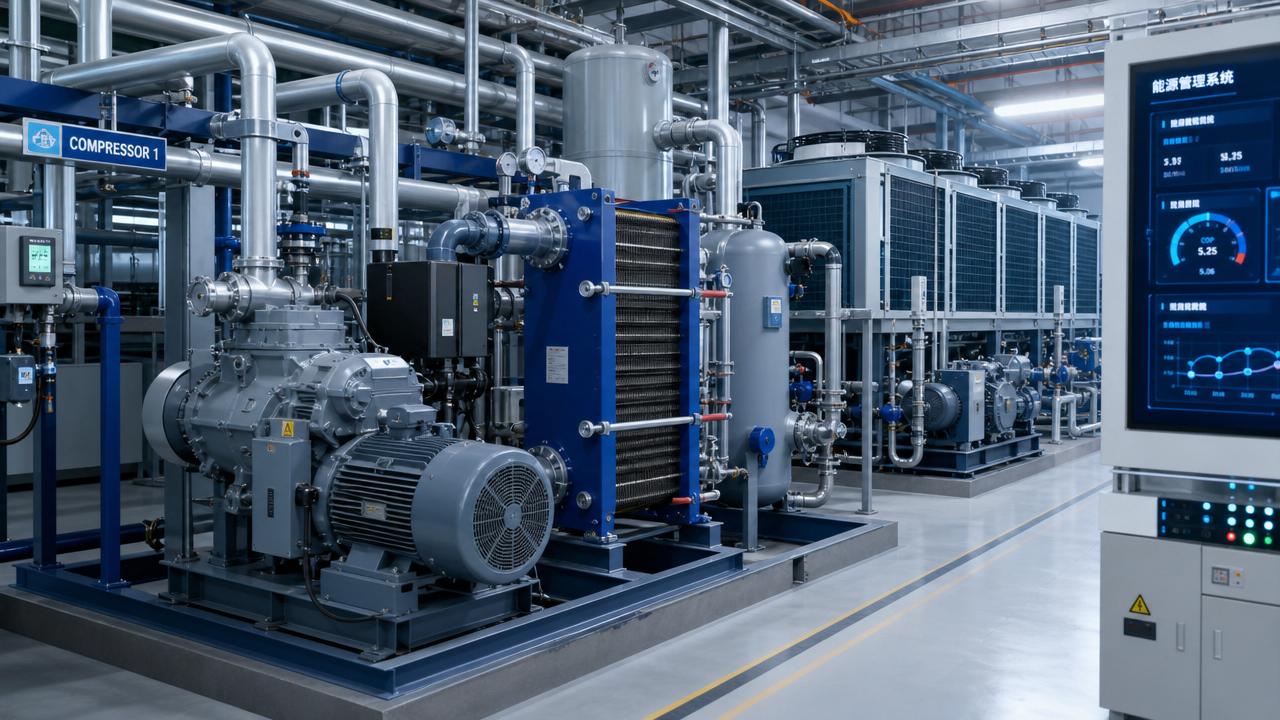
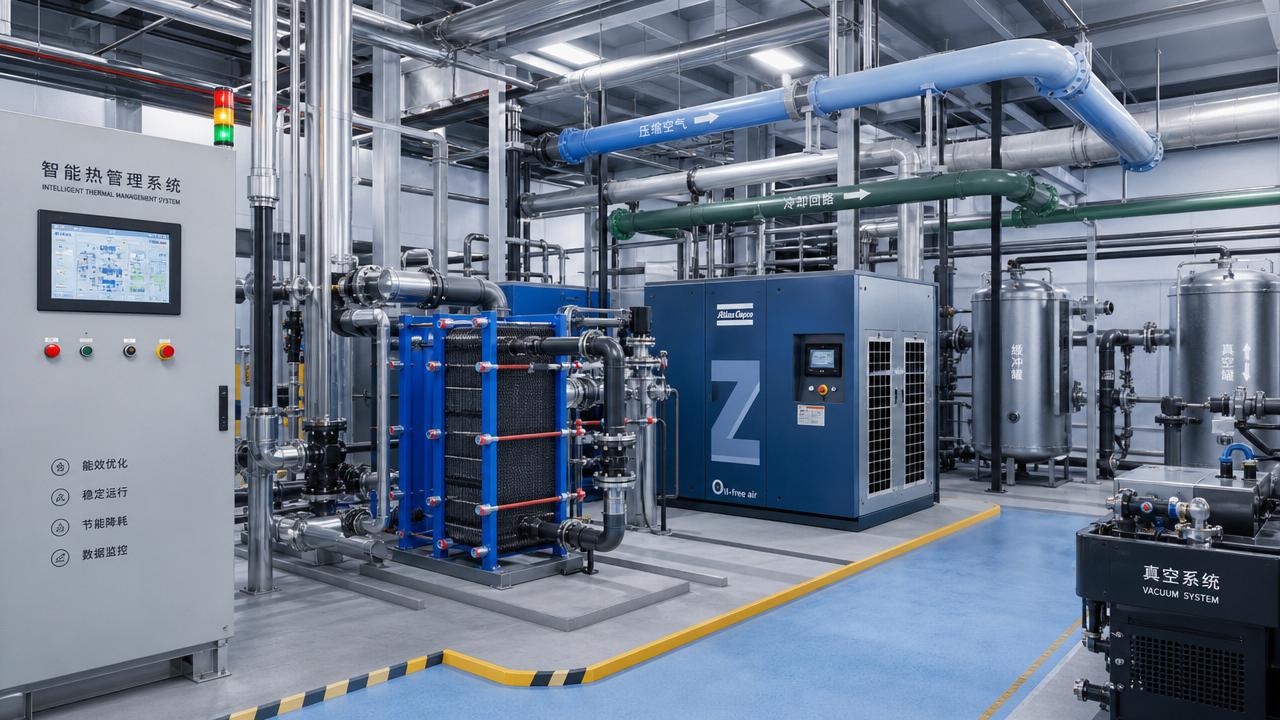
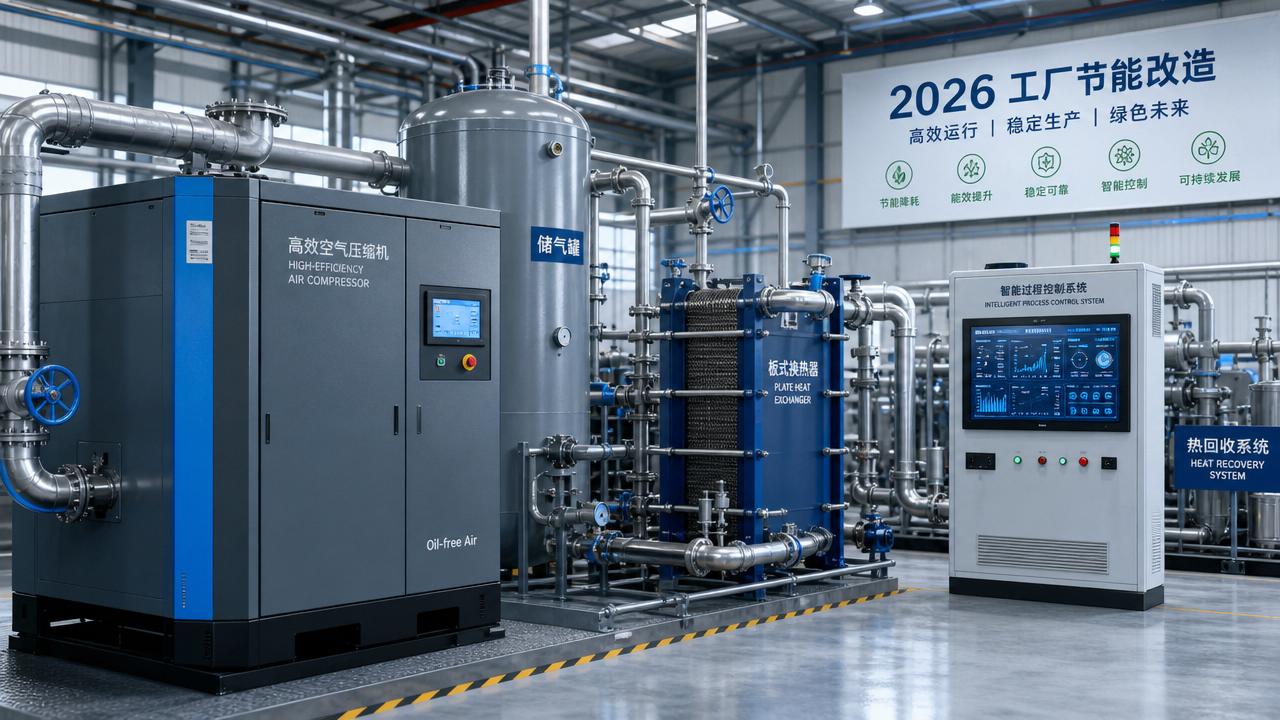
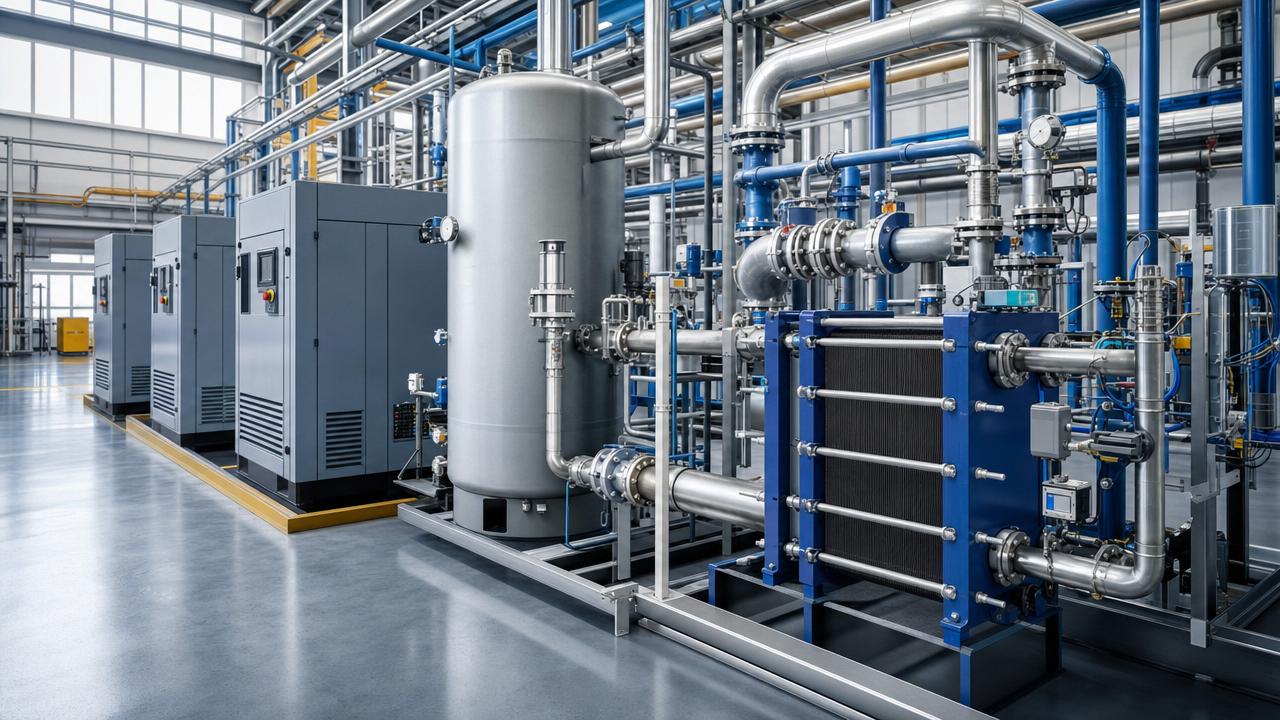
Oil-free compressed air has become a high-priority clean energy technology trend because it supports both efficiency and product integrity. In sectors requiring clean process air, eliminating oil contamination risk reduces downstream filtration burdens, product losses, and audit exposure. When paired with variable-speed drives and leak management, oil-free systems can also improve overall utility economics.
The main review point is not simply whether oil-free is technically superior, but whether the air quality requirement justifies the investment and whether the selected configuration performs well under actual demand swings. Poor sequencing or oversizing can erase much of the projected benefit.
Advanced heat exchange and heat recovery
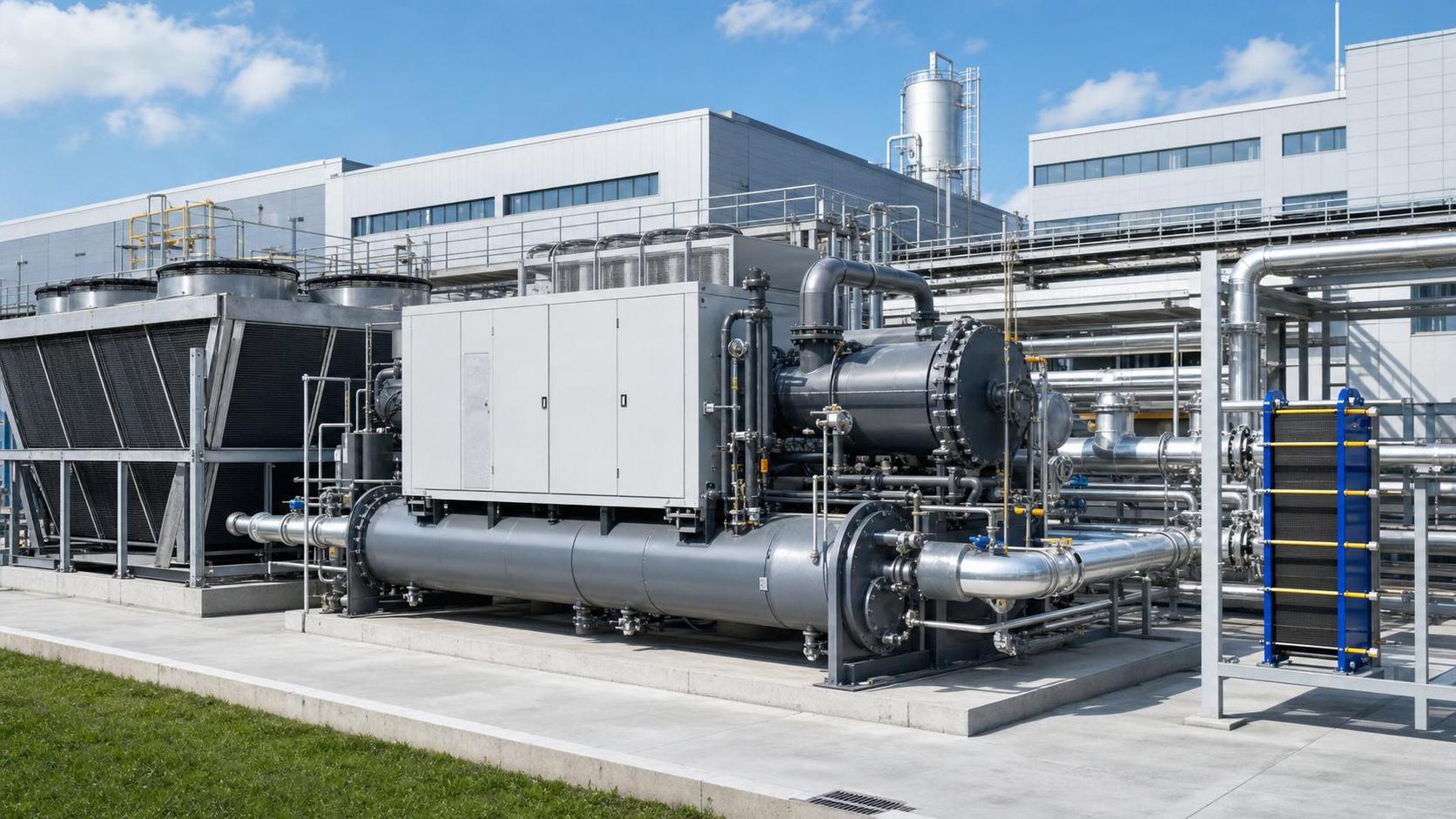
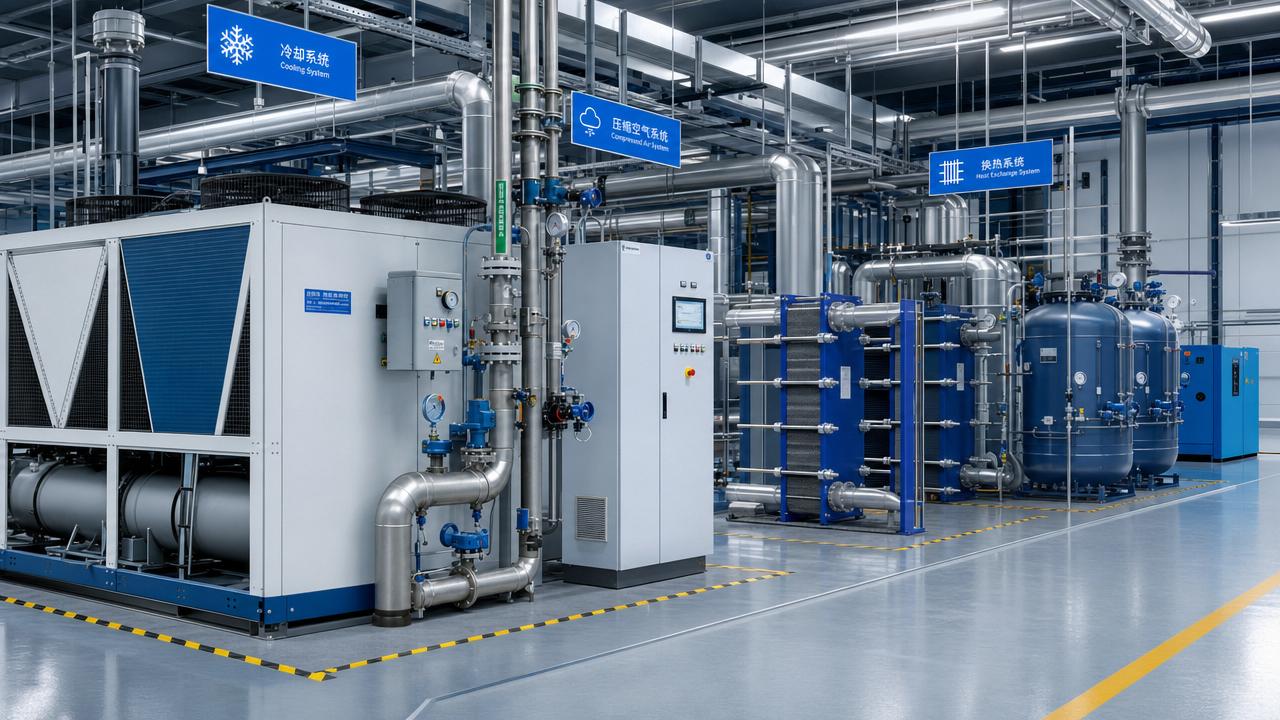
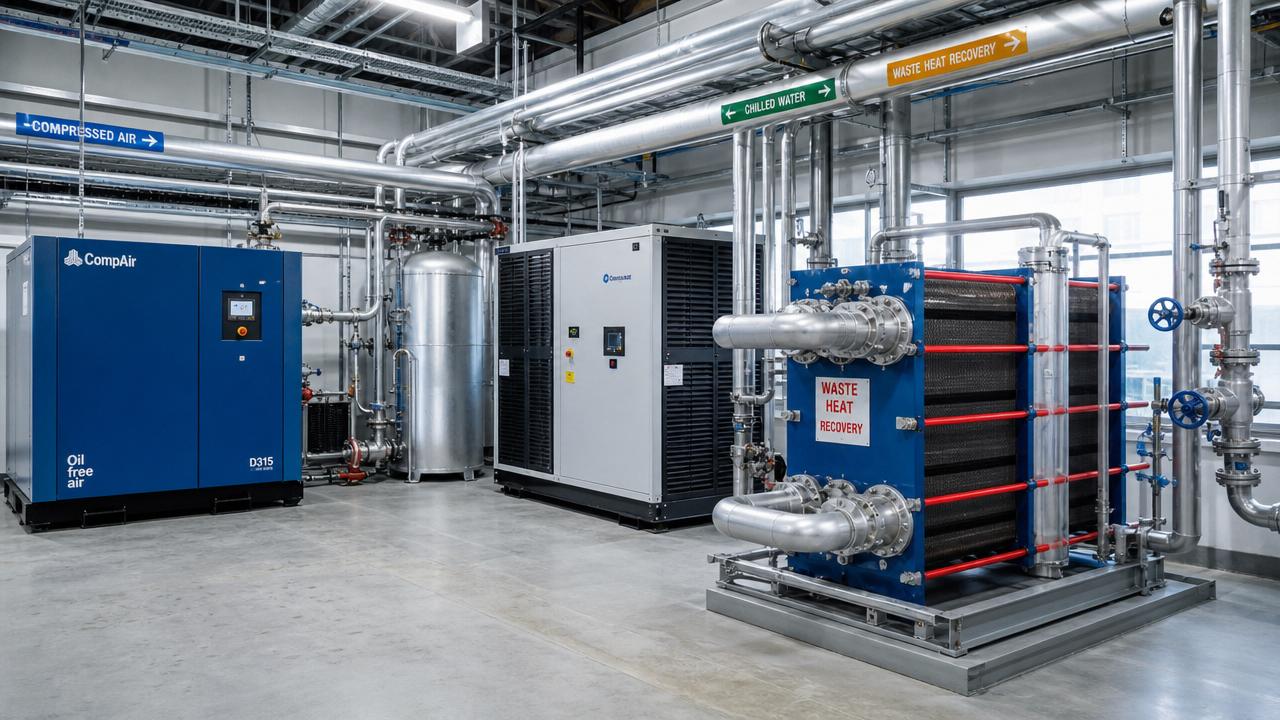
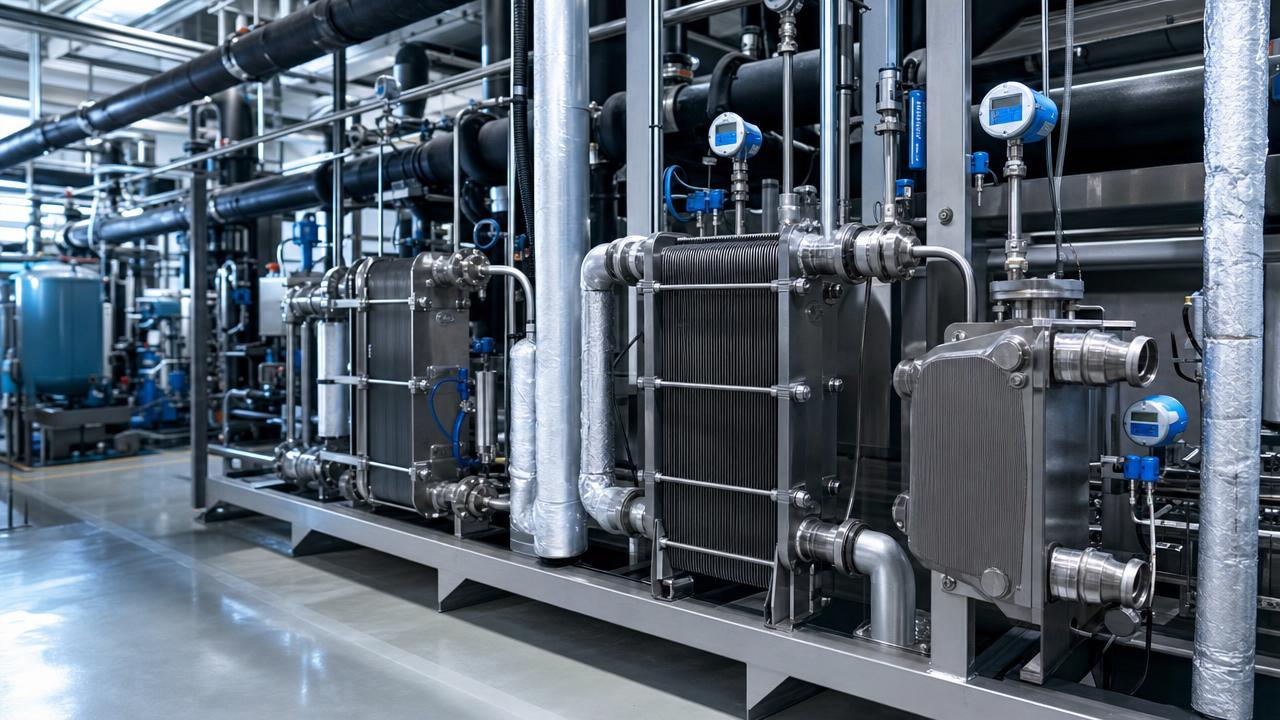
Microchannel and other advanced heat exchanger designs are changing how industrial sites approach compactness, heat transfer efficiency, and refrigerant charge reduction. Combined with waste heat recovery, these systems extend the role of clean energy technology from energy saving into thermal circularity. Recovered heat can support hot water generation, space conditioning, or preheating duties, reducing purchased energy demand.
Key checks include fouling resistance, cleaning access, fluid compatibility, and real heat recovery utilization. A heat recovery project only delivers value if the recovered energy matches a stable downstream demand.
Low-emission thermal systems and smarter combustion
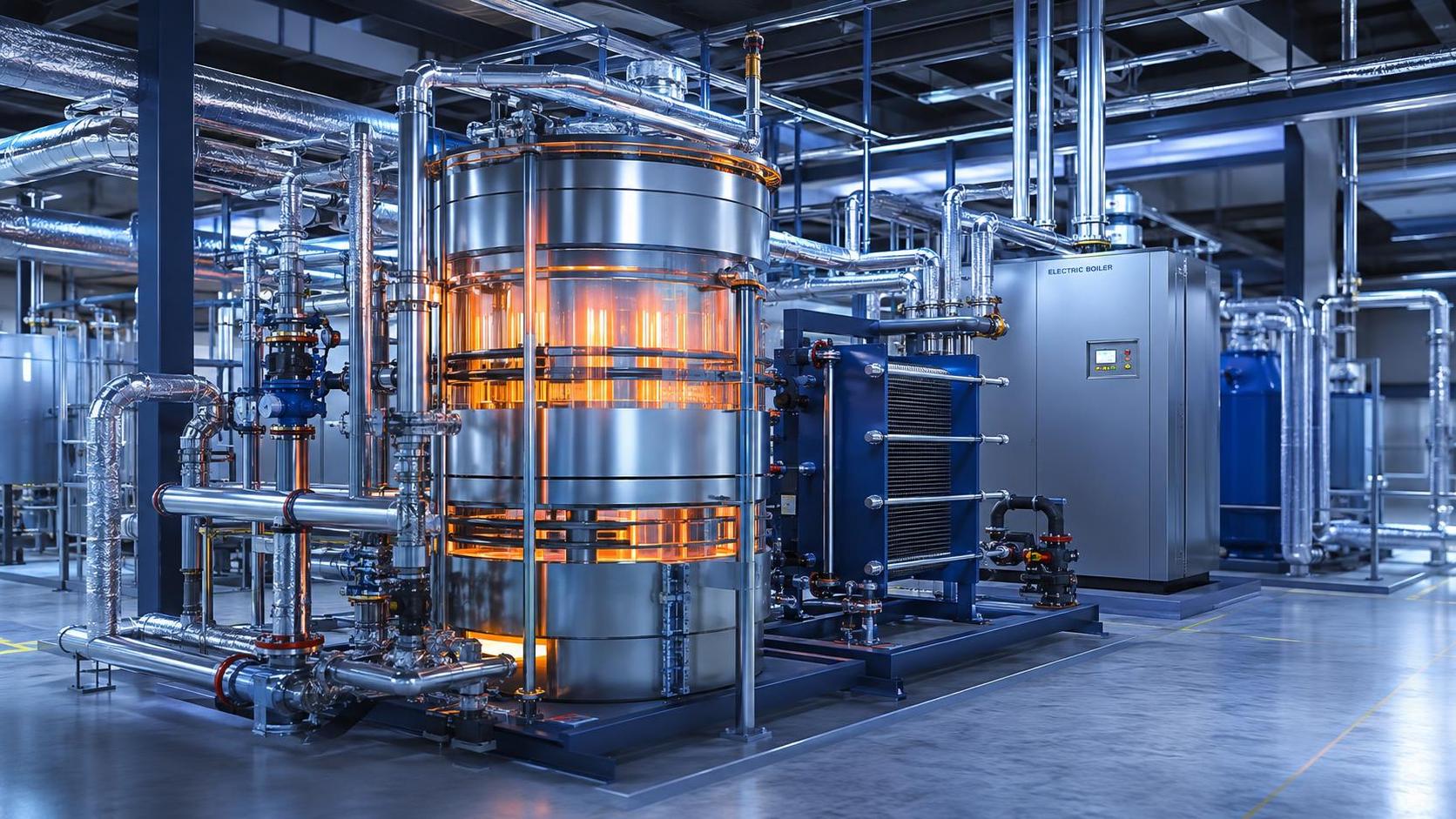
Boilers, burners, and thermal generation assets remain central to many industrial utility networks. New low-NOx combustion designs, better oxygen trim controls, and improved burner modulation are making thermal systems a major focus area for clean energy technology adoption. These improvements can lower emissions while stabilizing fuel use and supporting regulatory compliance.
However, performance depends heavily on combustion tuning, return temperature conditions, and operating discipline. Even advanced low-emission equipment can underperform if the broader steam or hot water system is not optimized.
Digital intelligence for utility optimization
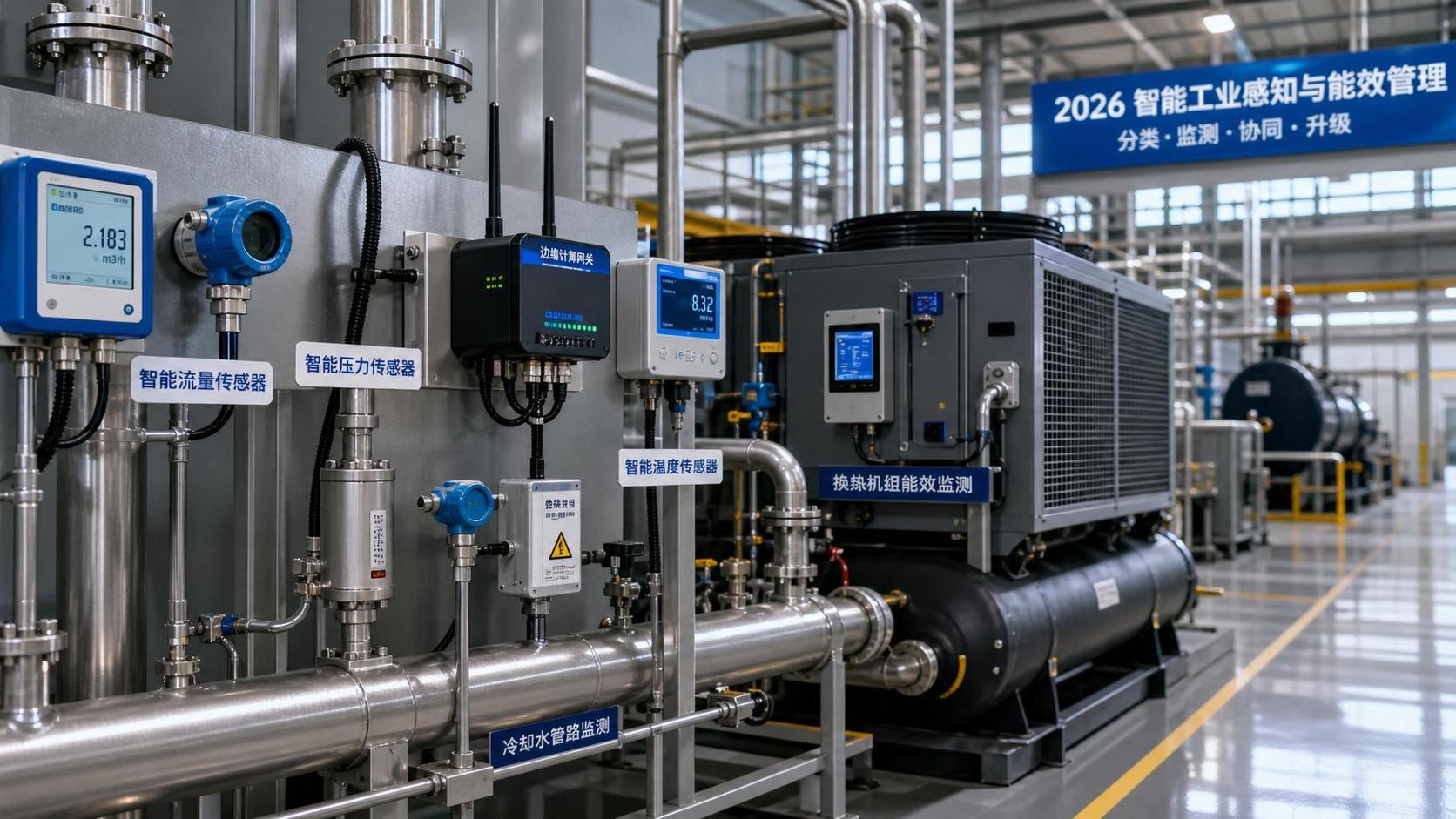
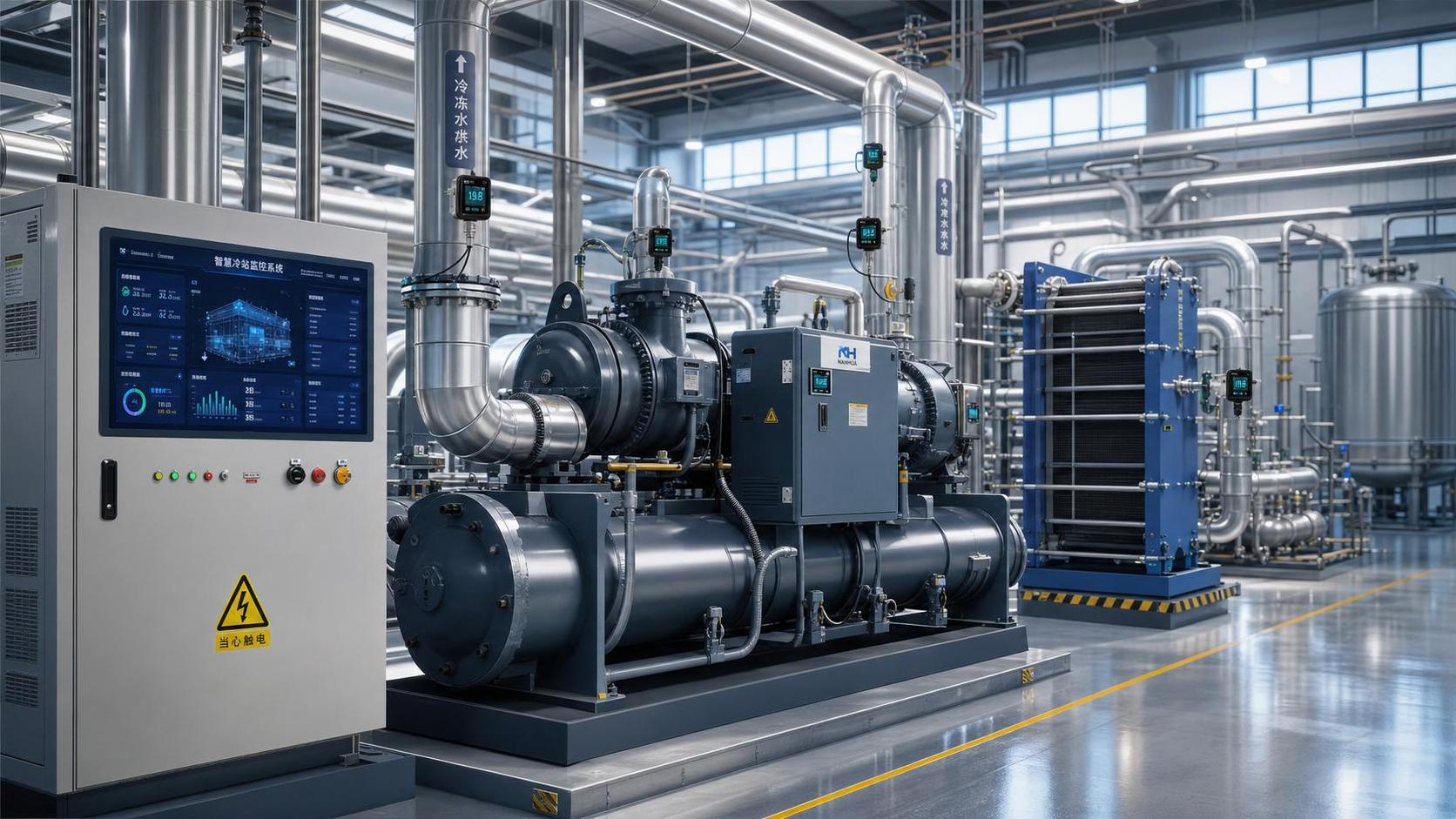
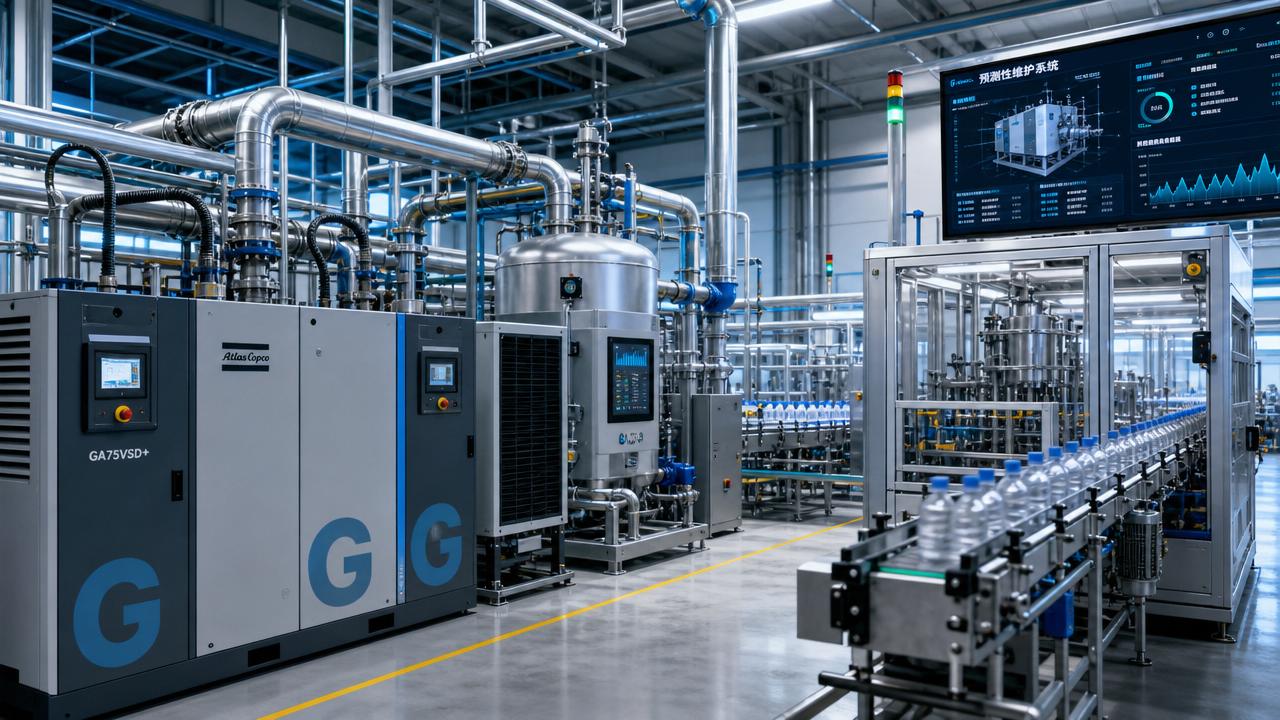
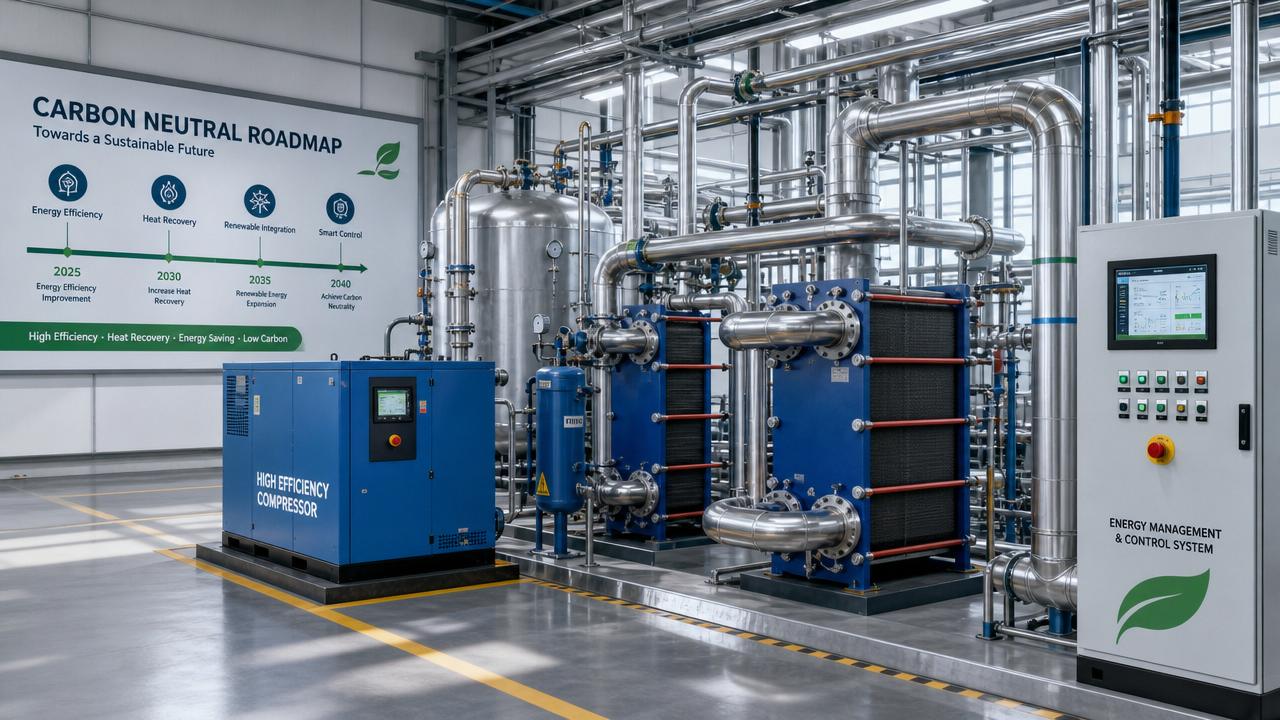
A major shift in clean energy technology is the move from hardware-only upgrades to intelligence-enabled optimization. Sensors, controls, digital twins, and analytics platforms now make it possible to monitor pressure stability, heat exchanger approach temperatures, compressor loading, and boiler cycling in near real time. This turns industrial utilities into measurable performance systems rather than fixed overhead.
For organizations following the kind of market intelligence highlighted by GTC-Matrix, digital visibility is especially valuable because it connects thermodynamic performance with business outcomes such as uptime, carbon reporting, and cost benchmarking.
How these trends apply across different industrial scenarios
High-precision production environments
In operations that depend on strict temperature control, clean compressed air, or stable vacuum conditions, clean energy technology should be assessed first through quality risk. Oil-free compression, precise thermal management, and advanced controls often create value by protecting yield consistency as much as by lowering energy use.
The critical checks here are utility purity standards, response speed, redundancy planning, and alarm visibility. A system that is efficient but unstable may raise hidden costs through rejected output or process interruptions.
Energy-intensive continuous operations
In continuous-process environments, the strongest clean energy technology opportunities often come from heat recovery, load balancing, and thermal optimization rather than isolated equipment replacement. Utility systems run long hours, so modest efficiency gains can produce significant annual savings.
The focus should be on baseload efficiency, maintenance intervals, and opportunities to reuse thermal energy internally. Continuous operations benefit most when upgrades are designed as an integrated utility architecture.
Sites facing regulatory or carbon pressure
Where compliance pressure is increasing, clean energy technology decisions should prioritize emissions traceability, refrigerant transition readiness, and reporting accuracy. Low-NOx systems, efficient heat exchange, and digital metering can reduce exposure to policy changes while improving investment defensibility.
Important checks include documentation quality, emissions measurement methods, and whether the selected solution remains viable under tighter future thresholds rather than current rules alone.
Common blind spots that weaken results
Ignoring system interactions. A frequent mistake is evaluating a compressor, chiller, or boiler as a standalone asset. In reality, clean energy technology delivers the best outcomes when pressure, temperature, controls, piping, and recovery loops are assessed together.
Overlooking degradation over time. Initial efficiency ratings may not reflect long-term fouling, leakage, control drift, or part-load behavior. Any review should include expected performance decay and the resources required to maintain design efficiency.
Using simple payback as the only filter. Some clean energy technology projects create value through resilience, compliance, quality protection, and future flexibility. These benefits may not appear in a narrow payback calculation but can strongly affect total business case quality.
Underestimating data quality. Without reliable baseline data, savings projections often become assumptions. Metering, interval monitoring, and utility mapping should come before major upgrade decisions whenever possible.
Practical steps to execute a stronger evaluation
- Build a utility baseline covering electricity, fuel, cooling demand, compressed air performance, and recoverable waste heat before selecting any upgrade path.
- Rank clean energy technology opportunities by strategic value: efficiency, compliance, production protection, digital visibility, and expansion readiness.
- Request supplier data under real operating conditions, including partial load curves, maintenance intervals, and expected performance across seasonal shifts.
- Pilot high-impact control or monitoring improvements first, since low-capex optimization often reveals hidden inefficiencies before major equipment investment.
- Review incentive programs, carbon reporting needs, and refrigerant or emissions regulations to align project timing with policy and budget advantages.
Conclusion and next actions
The most important shift in industrial utilities is that clean energy technology is no longer limited to headline sustainability claims. It now shapes efficiency, product integrity, operating resilience, compliance readiness, and competitive positioning. That is why a disciplined review process matters. It helps separate technologies that look promising from those that create measurable, durable value in real industrial conditions.
A practical next step is to map current utility performance, identify the largest thermodynamic losses, and compare them against emerging clean energy technology options in compression, heat exchange, thermal generation, and digital optimization. Intelligence-led platforms such as GTC-Matrix add value by connecting market evolution with technical decision logic, making it easier to judge where industrial utilities are truly being reshaped—and where the next advantage is likely to appear.
Related News
- Why high-density thermal energy storage is gaining industry attentionAuthor :

- Smart Device Thermal Management Trends Shaping 2026 Product DesignAuthor :

- Industrial Cooling Technologies in Europe: 2026 Trends in Compliance and Energy UseAuthor :

- Industrial Electrification Trends in 2026: Where Projects Are Moving FirstAuthor :

- Industrial Solution Comparison Global: 2026 Trends Reshaping Equipment DecisionsAuthor :

- When Heat Recovery Systems Skid Mounted Designs Improve Project PaybackAuthor :

- How to Compare Industrial Decarbonization Solutions Providers in 2026Author :

- Industry Category Guides for Smart Devices: What to Track as 2026 Markets ShiftAuthor :

- Green Manufacturing Trends Reshaping Industrial InvestmentAuthor :

- 2026 Global Energy Costs: What Will Reshape Industrial PlanningAuthor :

- Industrial Decarbonization Solutions That Cut Fuel Costs in 2026Author :

- Smart Thermal Systems Trends Shaping Industrial Upgrades in 2026Author :

- Resource Circularity in Manufacturing: 5 Practical Gains Beyond ComplianceAuthor :

- Carbon Neutrality Roadmap: What Industrial Firms Need to Prioritize FirstAuthor :

- Energy Conversion Efficiency Trends Shaping Industrial UpgradesAuthor :

- Compression Technology Trends Shaping Efficient Plant UpgradesAuthor :

- Industrial Intelligence in Manufacturing: Where It Delivers Value FirstAuthor :

- How Intellectualization Improves Industrial Thermal ManagementAuthor :

- What Intellectualization Means for Smarter Plant Operations in 2026Author :

- Carbon Neutrality Goals: What Industrial Firms Should Prioritize in 2026Author :

- How Intellectualization Reduces Downtime in Modern Production LinesAuthor :

- Decarbonization Roadmap for Energy-Intensive Plants in 2026Author :

- Thermal Systems Trends in 2026: Efficiency, Control, and RiskAuthor :

- Industrial Decarbonization Priorities for Energy-Intensive FacilitiesAuthor :

- Thermal Systems in 2026: Efficiency Upgrades Shaping Industrial OperationsAuthor :

- Pure Power Sources: 5 Practical Paths to Carbon NeutralityAuthor :

- What Intellectualization Means for Industrial Equipment UpgradesAuthor :

- Thermal Optimization in 2026: Where Energy Savings Deliver the Fastest PaybackAuthor :

- Energy Efficiency Trends Reshaping Compressor Upgrades in 2026Author :

- 2026 Industrial Decarbonization Trends Reshaping Plant UpgradesAuthor :
![]()
- Heat Exchanger Technology Trends for 2026 Efficiency TargetsAuthor :

- Resource Circularity Risks in 2026 Supply ChainsAuthor :

- Smart Thermal Systems: When Upgrades Deliver Measurable SavingsAuthor :

- Carbon Neutrality: Practical Steps for Factory RoadmapsAuthor :

- 2026 Industrial Energy Efficiency Priorities for Plant UpgradesAuthor :

- Industrial Intellectualization Trends Reshaping Equipment UpgradesAuthor :