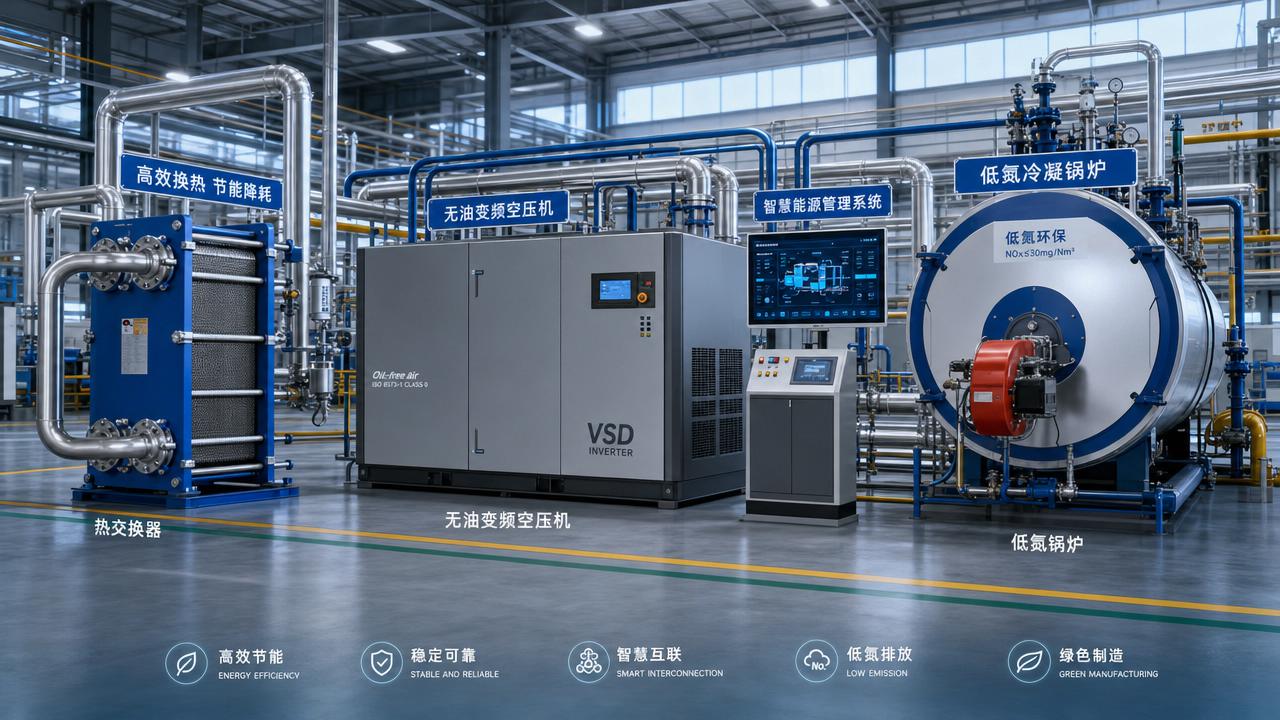
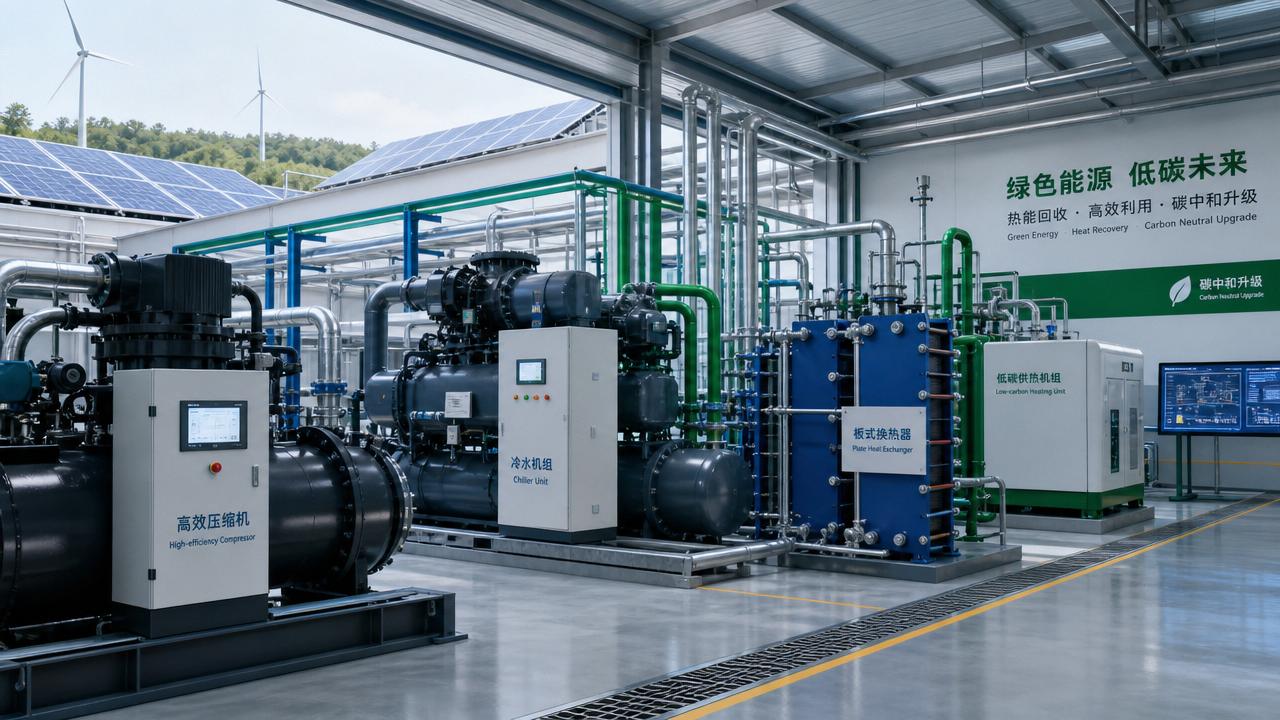
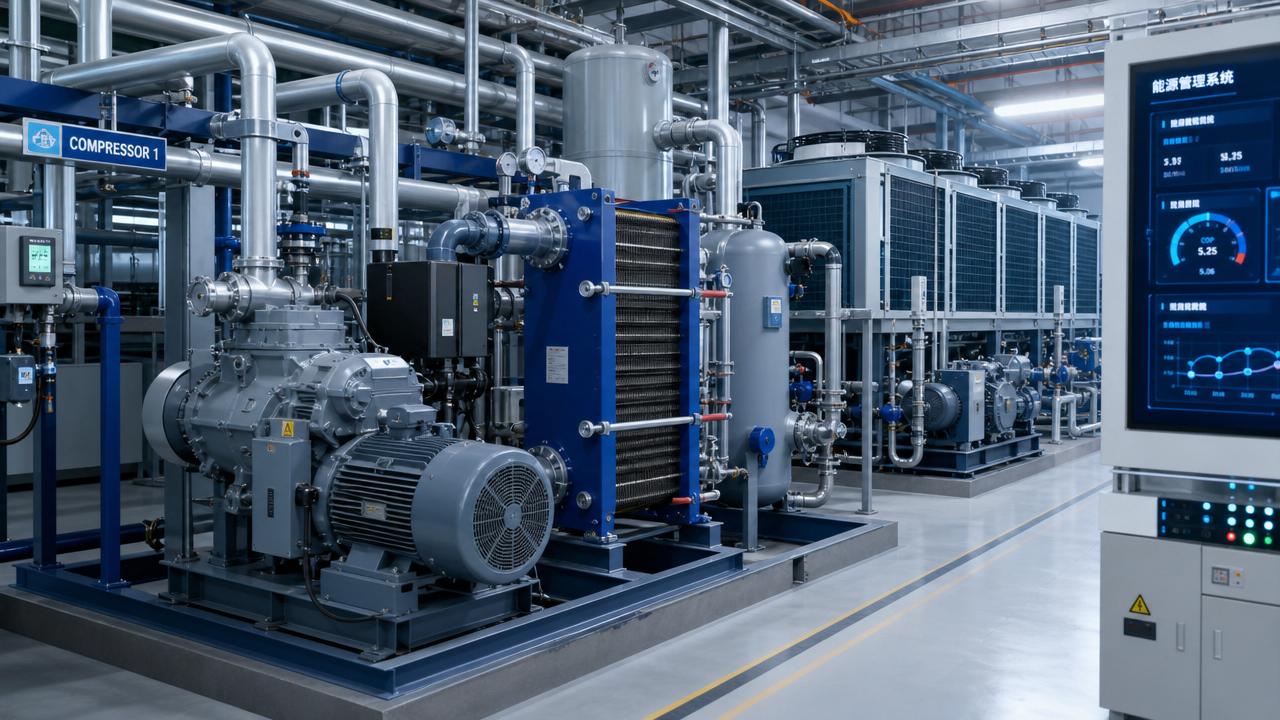
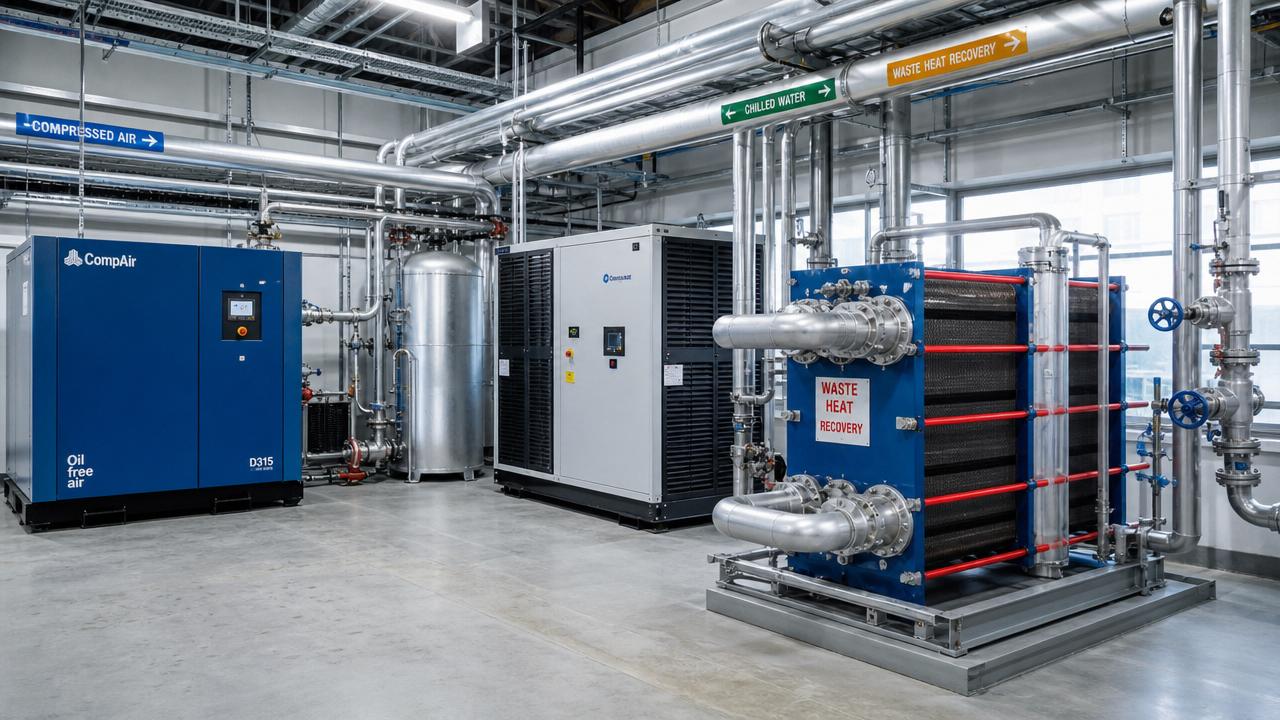
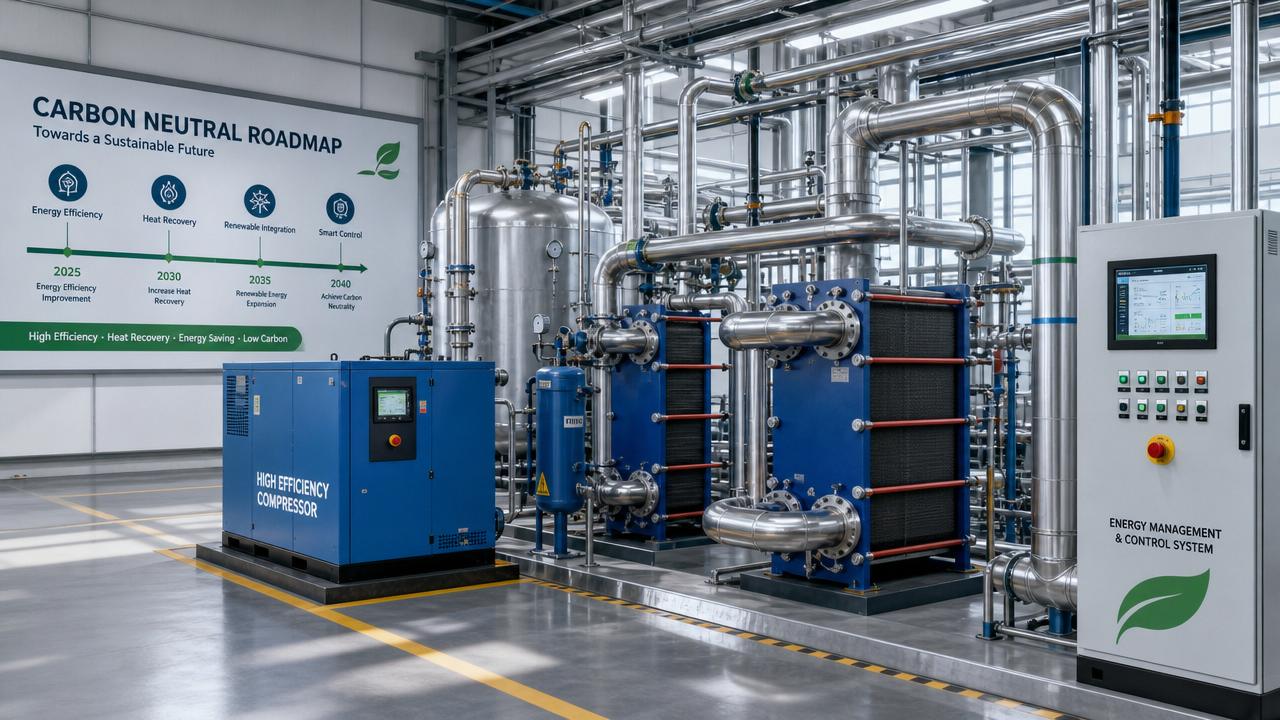
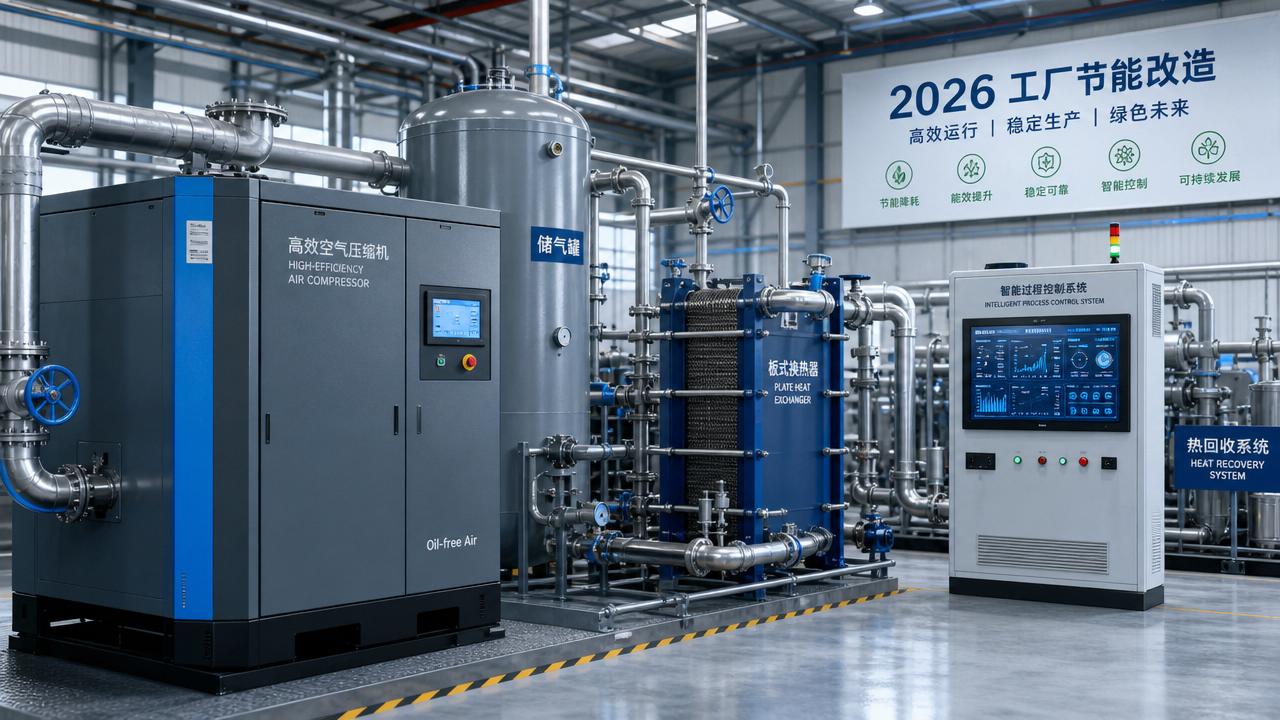
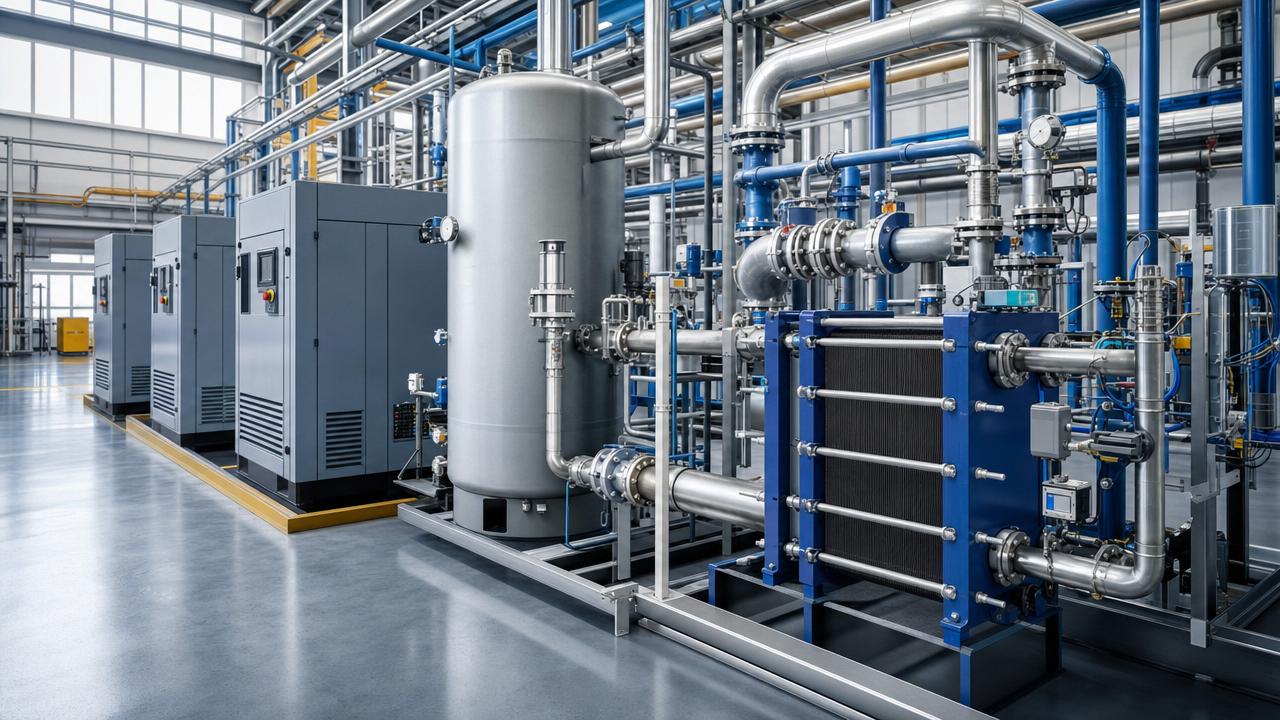
Smart Thermal Systems: Common Integration Risks and Fixes




Integrating smart thermal systems can improve efficiency, safety, and process stability, but rushed deployment often introduces hidden failure points. In industrial settings, these risks affect uptime, compliance, product quality, and energy costs.
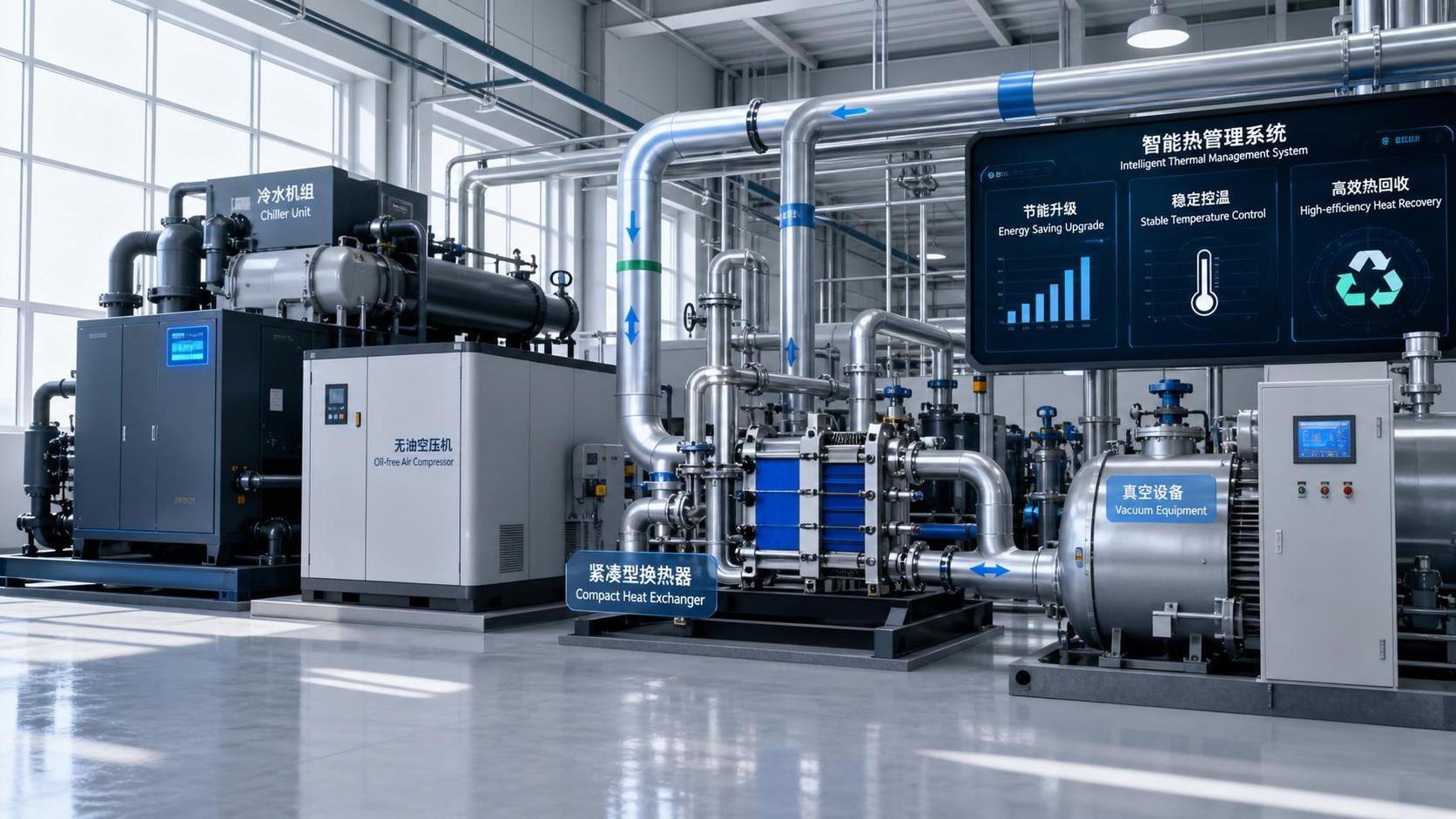
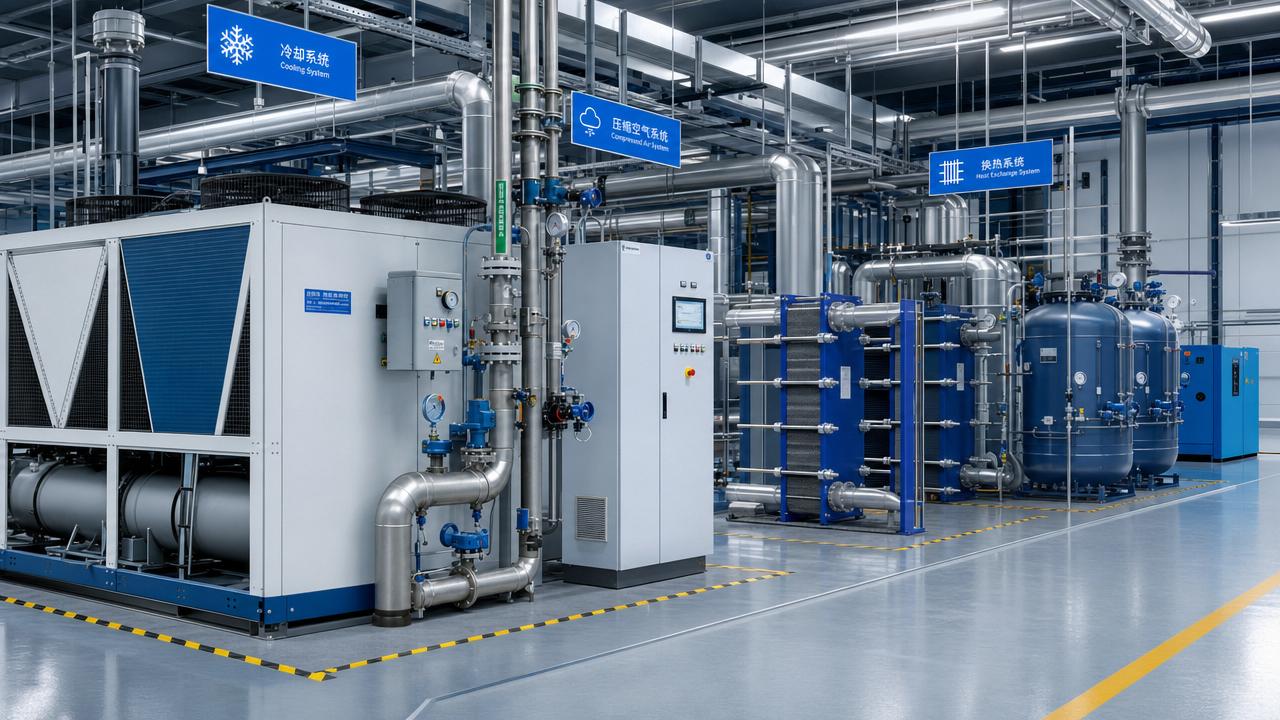
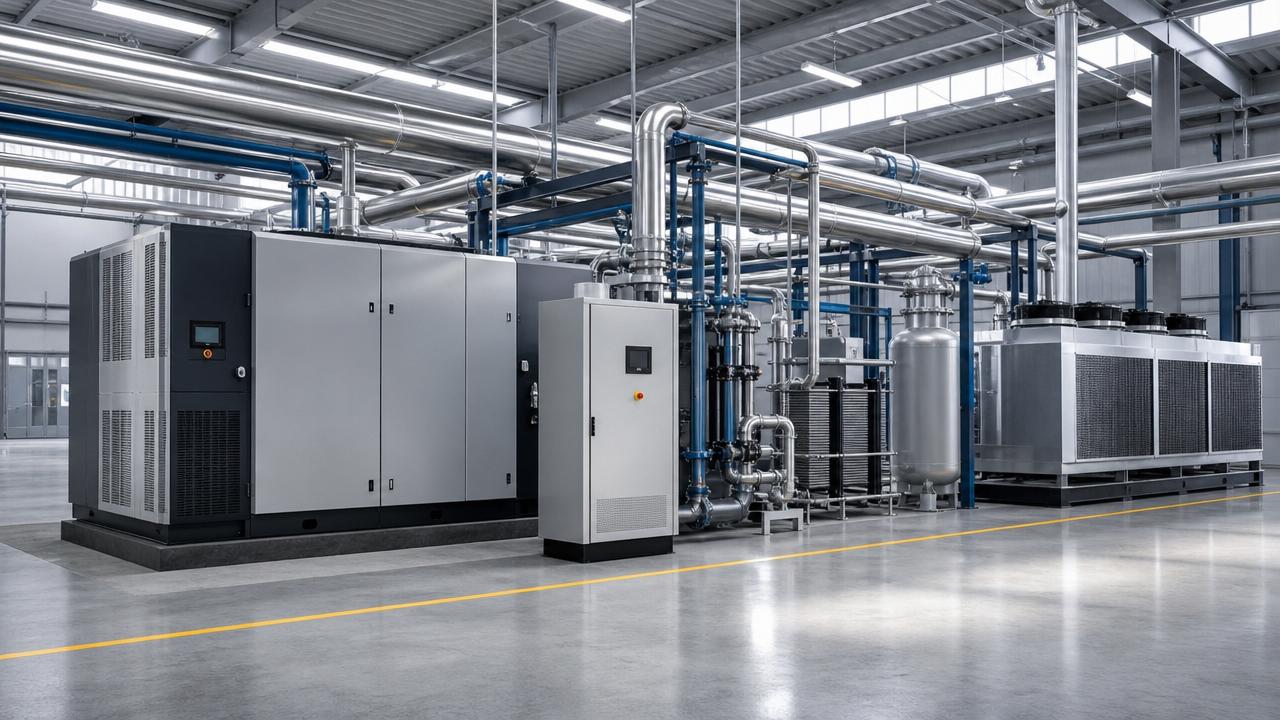
Across cooling, compressed air, vacuum, and heat exchange applications, smarter controls now shape daily operations. Yet many projects underperform because integration planning lags behind hardware ambition and digital expectations.
This is why smart thermal systems deserve closer review. The biggest problems rarely come from one device. They emerge where sensors, controls, utilities, software, and operating routines meet.
Why smart thermal systems are becoming a priority across industry
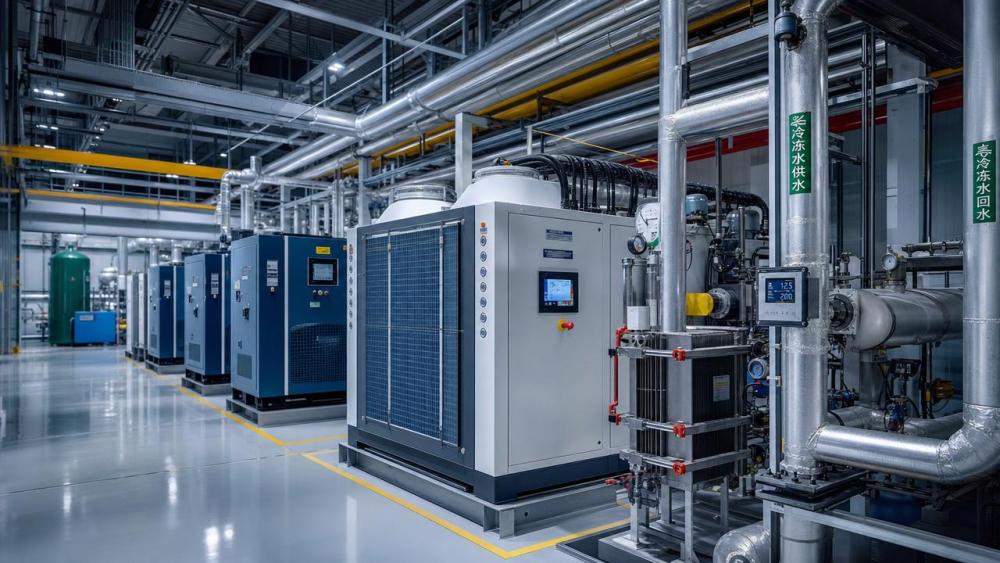
Industrial operations are changing fast. Energy prices remain volatile. Refrigerant rules are tightening. Production lines need cleaner utilities, tighter temperatures, and better traceability for every critical thermal process.
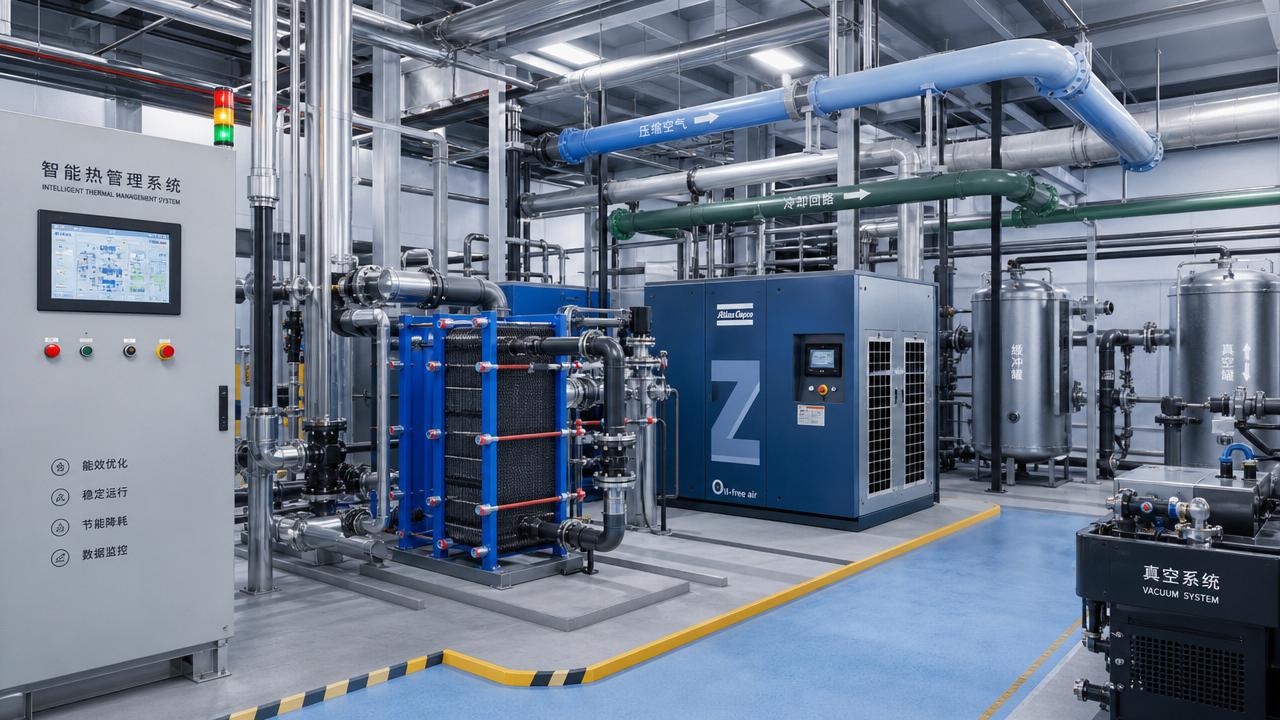
At the same time, digital control platforms are more accessible. Plants can now connect chillers, compressors, boilers, pumps, valves, and heat exchangers into one monitored architecture with real-time optimization.
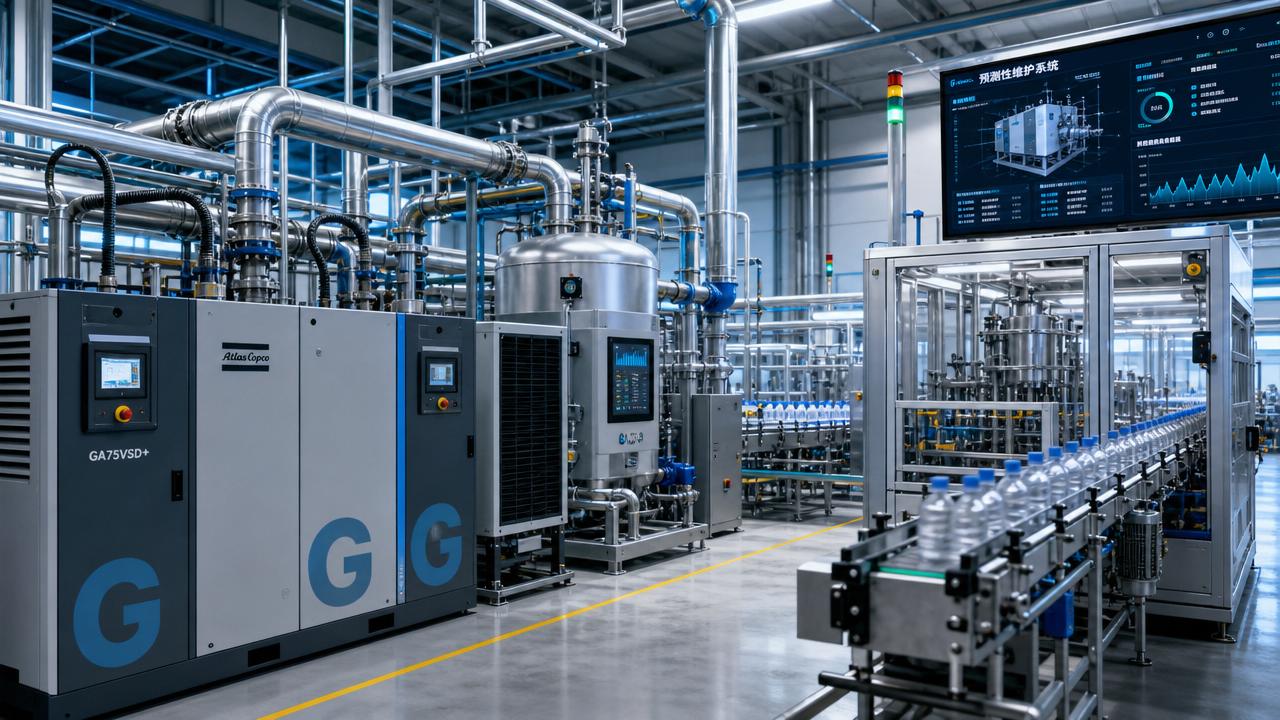
This shift makes smart thermal systems attractive for mixed industrial environments. They promise lower energy use, predictive maintenance, better alarm visibility, and improved process repeatability across complex utility networks.
However, integration risks are also growing. More data points, more interfaces, and more automation layers mean more chances for mismatch, delay, and unsafe operating logic if system design is incomplete.
The strongest signals behind integration risk are no longer technical alone
The rise of smart thermal systems is driven by several forces at once. The most important ones combine technical, commercial, and regulatory pressure rather than simple equipment replacement cycles.
These signals explain why smart thermal systems must be treated as operational infrastructure, not just automation add-ons. Performance now depends on engineering discipline across the full thermal chain.
The most common integration failures in smart thermal systems
1. Sensor architecture looks complete but delivers unreliable decisions
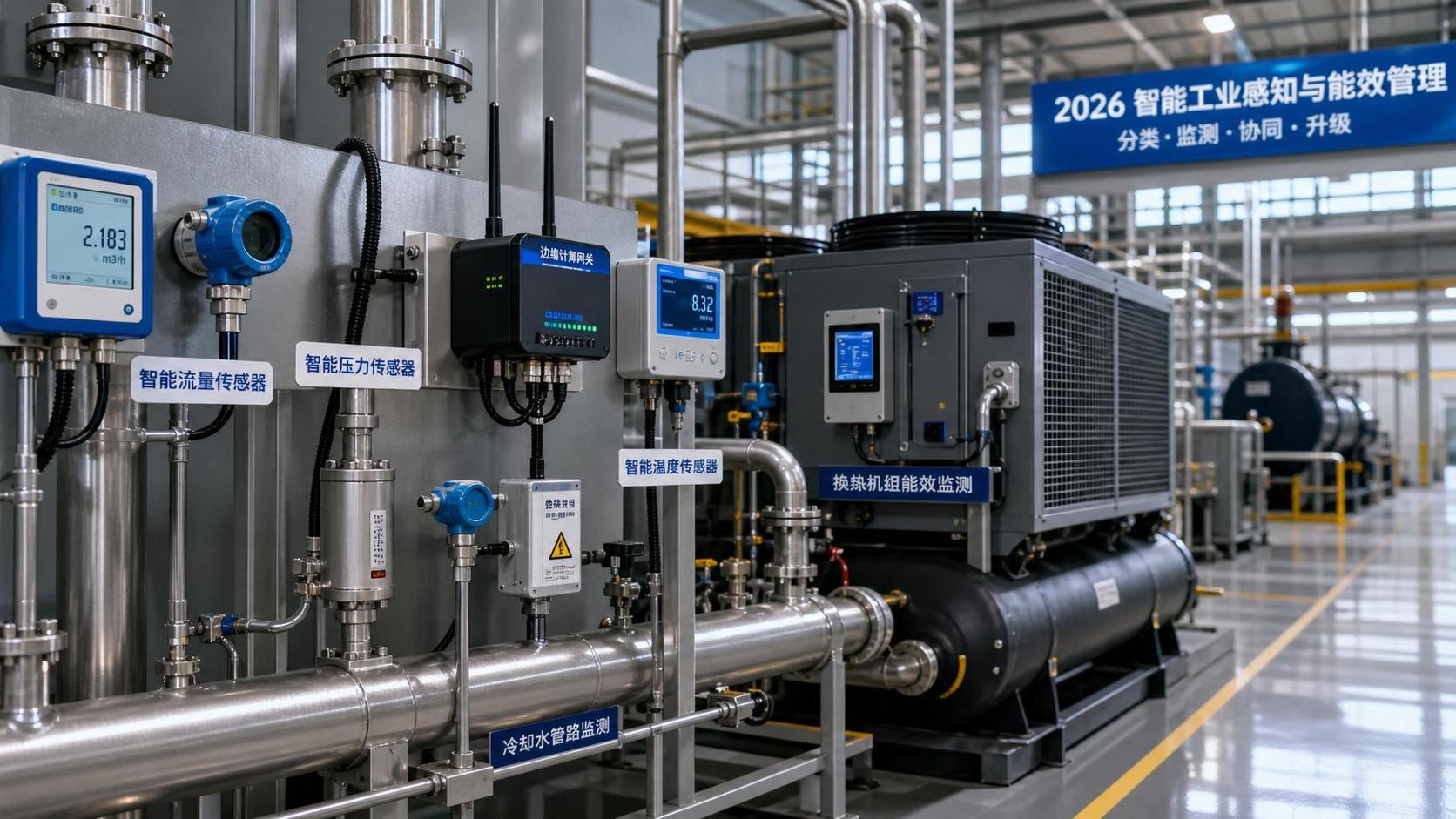
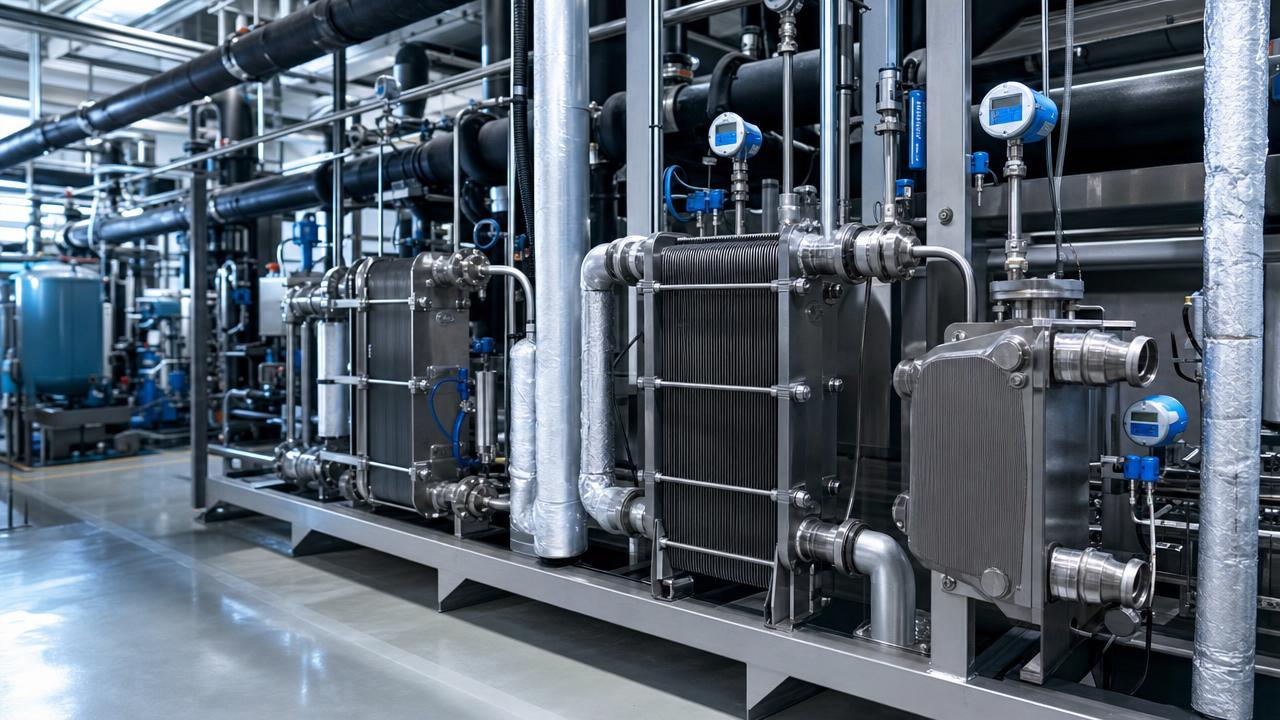
Many smart thermal systems fail because sensor placement follows convenience, not process physics. A perfectly functional sensor can still produce misleading values if installed at the wrong thermal location.
- Temperature probes placed after mixing points
- Pressure transmitters exposed to vibration and pulsation
- Flow meters installed without proper straight-run conditions
- No calibration baseline before software commissioning
Fixes should begin with a measurement map. Tie each sensor to a control decision, an alarm threshold, and a maintenance requirement. If one signal does not support action, remove or redesign it.
2. Control logic is efficient in theory but unstable in operation
Poor sequencing is a frequent weakness in smart thermal systems. Chillers may short-cycle, pumps may hunt, or heat recovery loops may compete with cooling demand instead of balancing it.
The practical fix is staged logic validation. Test startup, normal load, low load, peak load, and fault recovery separately. Dead bands, delays, fallback states, and manual override rules should be documented.
3. Legacy equipment cannot support the promised smart layer
A modern interface does not guarantee a modern system. Older compressors, boilers, or heat exchangers may lack response speed, communication protocols, or controllable components required by advanced optimization routines.
In such cases, hybrid integration works better than forced full automation. Use gateway devices, isolate slow assets, and assign realistic control roles to each unit inside the broader thermal network.
4. Cybersecurity and access control remain afterthoughts
Connected smart thermal systems create visibility, but also exposure. Shared credentials, unmanaged remote access, and open industrial protocols can turn a useful monitoring platform into a compliance and reliability risk.
A better approach includes segmented networks, role-based access, change logs, backup control modes, and regular firmware review. Thermal resilience now depends partly on digital governance.
Where the impact appears first in operations and business performance
When smart thermal systems are poorly integrated, operational problems surface quickly. Temperature drift can affect product consistency. Unstable compressed air cooling can reduce equipment life. Delayed alarms can lengthen downtime.
The business effect is broader than maintenance cost. Missed efficiency targets weaken project payback. Compliance evidence becomes harder to defend. Energy intensity rises just when decarbonization pressure is strongest.
- Utilities consume more power than modeled
- Thermal excursions trigger process deviations
- Safety interlocks respond too late or too often
- Maintenance teams face alarm overload without root cause clarity
- Expansion projects inherit unresolved control conflicts
For intelligence-driven platforms like GTC-Matrix, this trend matters because industrial value now sits between thermal performance, compression efficiency, and operational data quality rather than equipment nameplate ratings alone.
What deserves the closest attention before scaling smart thermal systems
The safest path is to focus on a few high-impact checkpoints before plant-wide rollout. Strong early discipline usually prevents the recurring failures seen in many digital thermal modernization programs.
- Define control intent first: Clarify whether the priority is energy, stability, redundancy, or compliance.
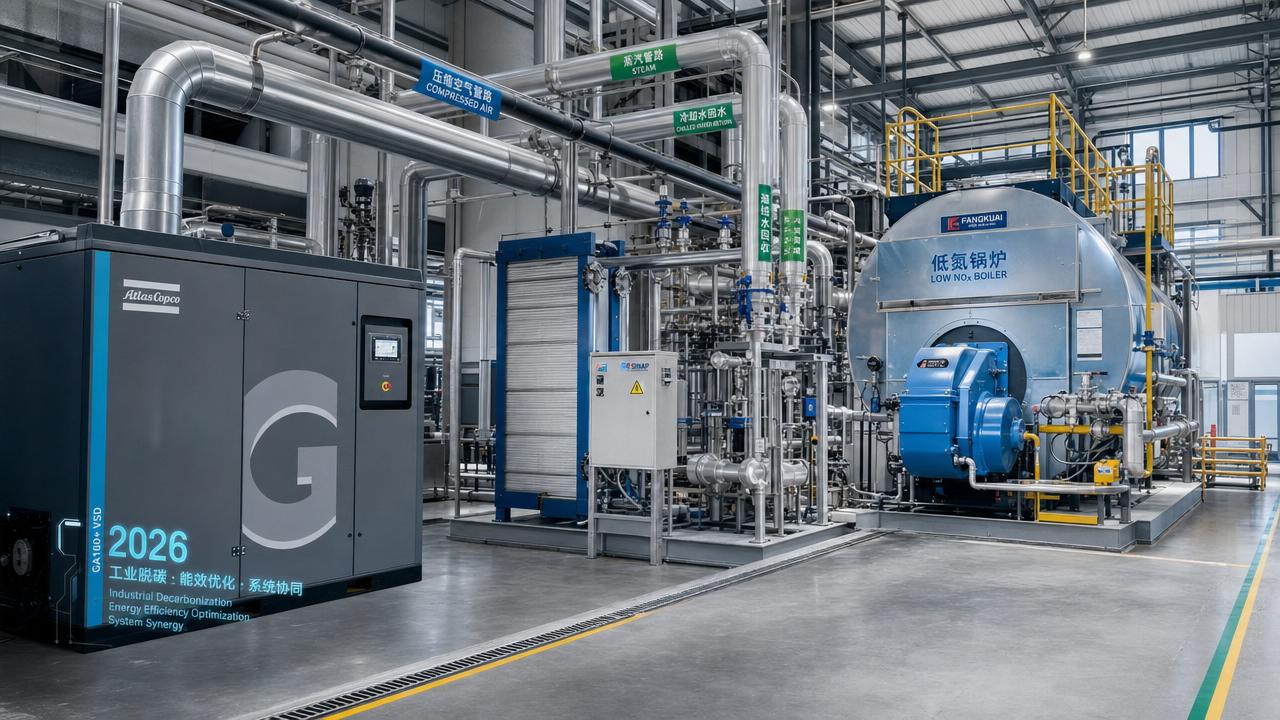
- Audit utility interactions: Map dependencies among cooling water, air, steam, vacuum, and heat recovery loops.
- Validate data quality: Check sensor range, refresh rate, signal integrity, and calibration ownership.
- Model failure modes: Simulate communication loss, valve sticking, pump trip, and false readings.
- Standardize alarms: Separate advisory messages from protective shutdown events.
- Protect manual fallback: Ensure operators can maintain safe service without full digital availability.
These checkpoints improve the long-term value of smart thermal systems. They also support more reliable benchmarking for future investments in oil-free compression, advanced heat exchange, and low-emission thermal assets.
A practical response plan for smarter and more reliable thermal integration
This phased method supports better decisions around smart thermal systems. It turns integration from a one-time installation task into a managed performance discipline aligned with modern industrial efficiency goals.
The next move is to treat thermal intelligence as a system responsibility
The future of smart thermal systems will be shaped by cleaner energy, stricter performance expectations, and deeper digital interconnection. Integration quality will decide whether those trends produce savings or new instability.
A useful next step is to review one critical thermal loop end to end. Check sensors, logic, alarms, operator actions, and fallback modes against real process behavior rather than design assumptions.
With stronger thermal intelligence and disciplined execution, industrial teams can reduce downtime, improve efficiency, and build more resilient utility systems. That is where smarter integration begins to deliver durable operational value.
Related News
- Why high-density thermal energy storage is gaining industry attentionAuthor :

- Smart Device Thermal Management Trends Shaping 2026 Product DesignAuthor :

- Industrial Cooling Technologies in Europe: 2026 Trends in Compliance and Energy UseAuthor :

- Industrial Electrification Trends in 2026: Where Projects Are Moving FirstAuthor :

- Industrial Solution Comparison Global: 2026 Trends Reshaping Equipment DecisionsAuthor :

- When Heat Recovery Systems Skid Mounted Designs Improve Project PaybackAuthor :

- How to Compare Industrial Decarbonization Solutions Providers in 2026Author :

- Industry Category Guides for Smart Devices: What to Track as 2026 Markets ShiftAuthor :

- Green Manufacturing Trends Reshaping Industrial InvestmentAuthor :

- 2026 Global Energy Costs: What Will Reshape Industrial PlanningAuthor :

- Industrial Decarbonization Solutions That Cut Fuel Costs in 2026Author :

- Smart Thermal Systems Trends Shaping Industrial Upgrades in 2026Author :

- Resource Circularity in Manufacturing: 5 Practical Gains Beyond ComplianceAuthor :

- Carbon Neutrality Roadmap: What Industrial Firms Need to Prioritize FirstAuthor :

- Energy Conversion Efficiency Trends Shaping Industrial UpgradesAuthor :

- Compression Technology Trends Shaping Efficient Plant UpgradesAuthor :

- Industrial Intelligence in Manufacturing: Where It Delivers Value FirstAuthor :

- How Intellectualization Improves Industrial Thermal ManagementAuthor :

- What Intellectualization Means for Smarter Plant Operations in 2026Author :

- Carbon Neutrality Goals: What Industrial Firms Should Prioritize in 2026Author :

- How Intellectualization Reduces Downtime in Modern Production LinesAuthor :

- Decarbonization Roadmap for Energy-Intensive Plants in 2026Author :

- Thermal Systems Trends in 2026: Efficiency, Control, and RiskAuthor :

- Industrial Decarbonization Priorities for Energy-Intensive FacilitiesAuthor :

- Thermal Systems in 2026: Efficiency Upgrades Shaping Industrial OperationsAuthor :

- Pure Power Sources: 5 Practical Paths to Carbon NeutralityAuthor :

- What Intellectualization Means for Industrial Equipment UpgradesAuthor :

- Thermal Optimization in 2026: Where Energy Savings Deliver the Fastest PaybackAuthor :

- Energy Efficiency Trends Reshaping Compressor Upgrades in 2026Author :

- 2026 Industrial Decarbonization Trends Reshaping Plant UpgradesAuthor :
![]()
- Heat Exchanger Technology Trends for 2026 Efficiency TargetsAuthor :

- Resource Circularity Risks in 2026 Supply ChainsAuthor :

- Smart Thermal Systems: When Upgrades Deliver Measurable SavingsAuthor :

- Carbon Neutrality: Practical Steps for Factory RoadmapsAuthor :

- 2026 Industrial Energy Efficiency Priorities for Plant UpgradesAuthor :

- Industrial Intellectualization Trends Reshaping Equipment UpgradesAuthor :