Industrial Heat Recovery Projects: Where Energy Loss Still Hides




Industrial heat recovery is often discussed as a mature efficiency measure, yet large amounts of usable energy still disappear every day in industrial plants. For information researchers, the real question is not whether waste heat exists, but where it remains hidden, why it is still missed, and which recovery pathways now offer the strongest technical and economic case.
Across manufacturing, utilities, food processing, chemicals, pharmaceuticals, and metals, heat losses are still embedded in exhaust streams, warm wastewater, cooling systems, compressed air operations, and poorly integrated thermal processes. Many facilities have already captured the obvious opportunities. What remains are more fragmented, lower-visibility losses that require better measurement, stronger process integration, and more targeted technology selection.
This is why industrial heat recovery is increasingly shifting from a simple equipment upgrade topic into a broader energy intelligence issue. The best projects now depend on understanding temperature quality, load stability, utility interactions, and site-level decarbonization goals. In other words, value comes not only from recovering heat, but from matching the right heat source with the right demand.
Where energy loss still hides in industrial heat recovery projects
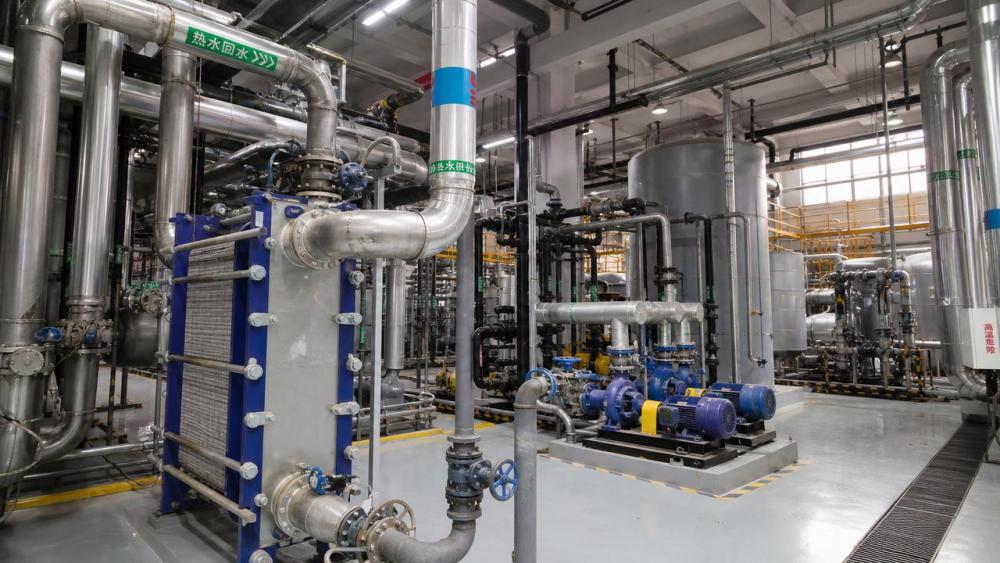
For most researchers, the key insight is that energy loss rarely hides in one dramatic place. It is usually spread across multiple systems that individually seem too small, too variable, or too difficult to reuse. Together, however, they can represent a major efficiency gap.
High-temperature exhaust remains one of the most visible sources. Furnaces, kilns, boilers, thermal oxidizers, dryers, and engines often discharge significant thermal energy to atmosphere. Even when stack economizers are installed, the remaining heat may still be sufficient for combustion air preheating, feedwater heating, or downstream process support.
Medium-temperature losses are often more underestimated. Warm air from compressors, cooling water loops, condensers, oil circuits, and process jackets may not look strategic at first glance. Yet these sources can be highly recoverable when there is a nearby and continuous need for hot water, space heating, washing, or low-temperature process heat.
Low-temperature heat is where many future opportunities are emerging. Historically, plants ignored it because the temperature level seemed too low for direct reuse. With modern heat pumps, advanced controls, and better heat exchanger design, low-grade heat can now be upgraded and reused in ways that were previously impractical.
Another hidden category is intermittent loss. Batch operations, purge cycles, venting events, sterilization stages, and part-load operations can create irregular waste heat profiles. These are harder to capture than steady loads, but digital monitoring and thermal storage are making more of these streams economically relevant.
Why so much recoverable heat is still missed
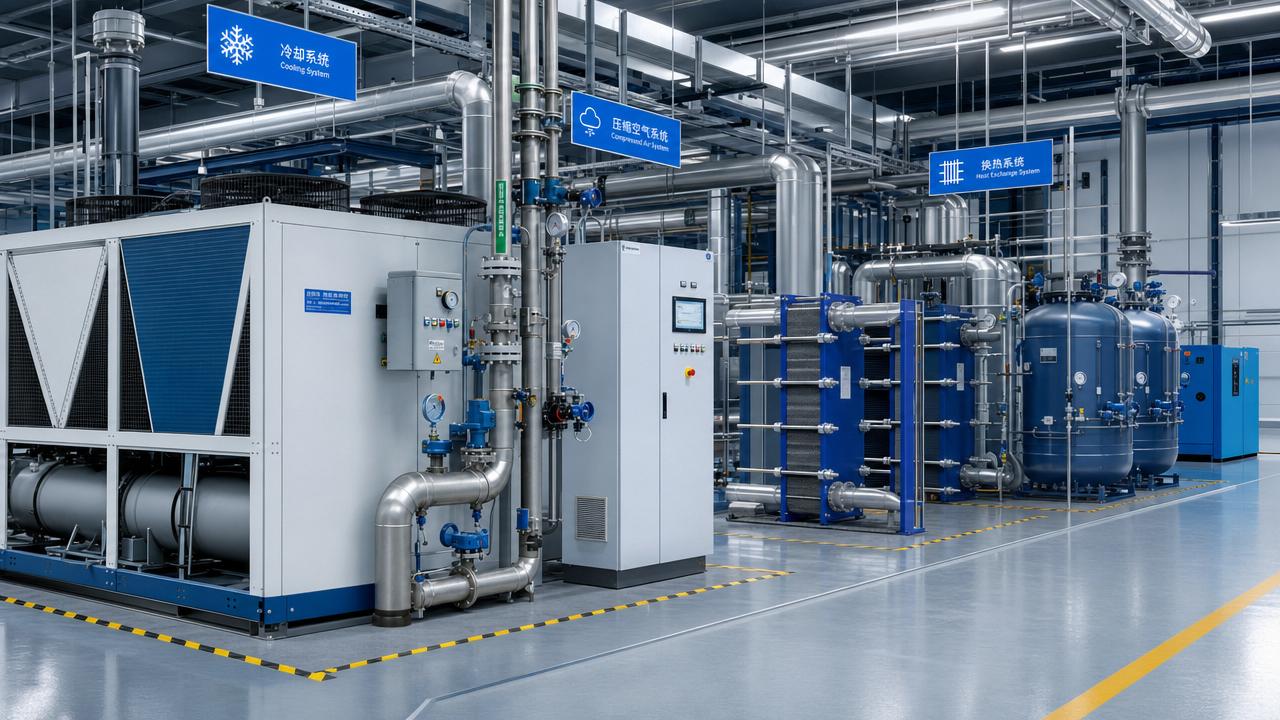
One reason is that plants often manage utilities in silos. Steam, hot water, compressed air, refrigeration, vacuum, and process heating may be optimized separately. When systems are not viewed as a connected thermal network, recoverable heat remains invisible in day-to-day decision-making.
A second reason is temperature mismatch. A site may have waste heat available at 45°C while its process requires 90°C, leading teams to dismiss the opportunity. In practice, that mismatch does not always kill the project. It may simply mean that heat pumps, cascade use, or hybrid configurations are needed.
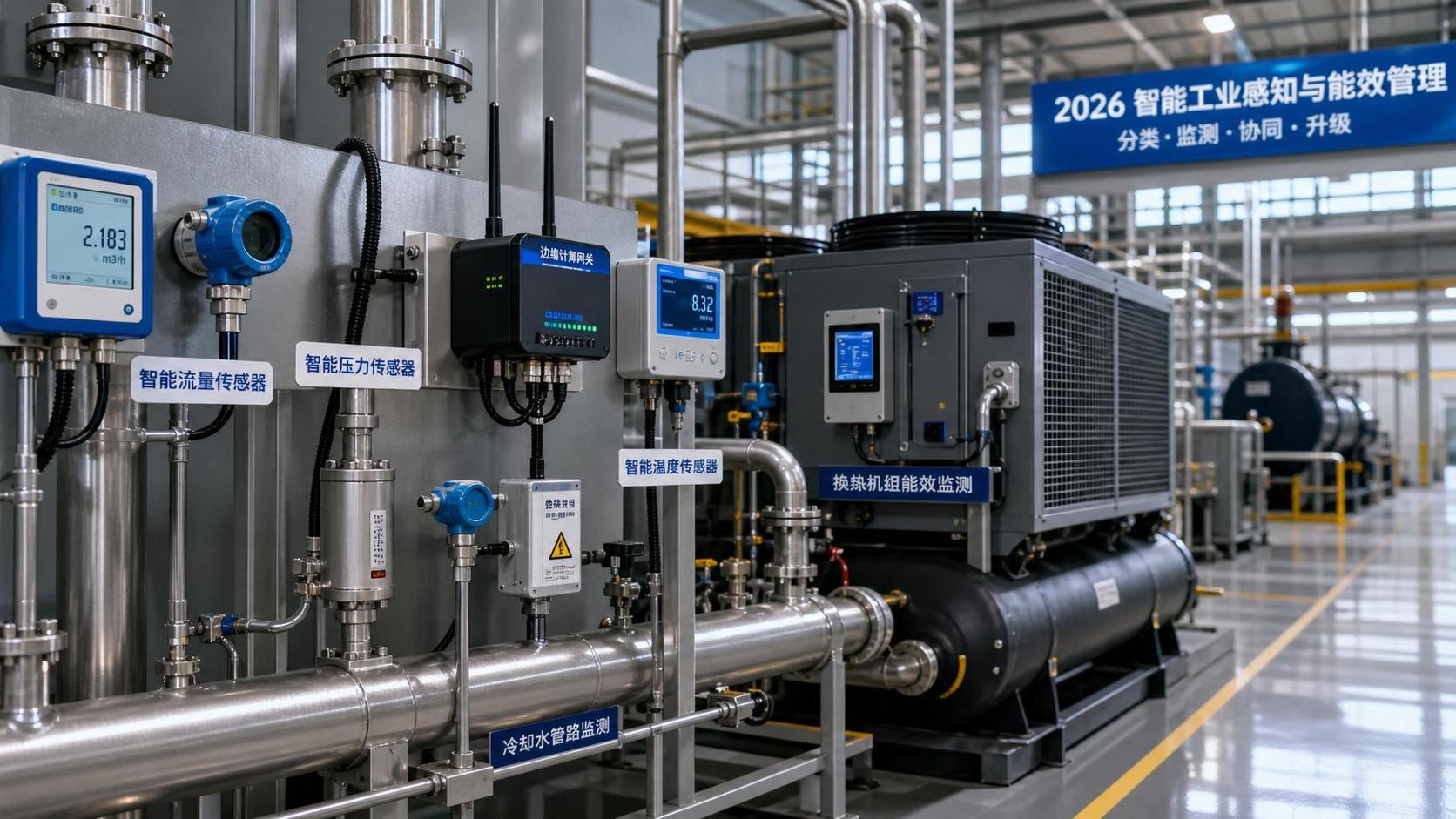
Measurement gaps are another major barrier. Many facilities know their total energy bill, but they do not know where thermal losses occur by line, shift, or operating mode. Without reliable data on flow rates, temperatures, and runtime patterns, industrial heat recovery opportunities are easily underestimated or overstated.
There is also an organizational issue. Projects that reduce energy consumption do not always fit neatly into production budgets, maintenance plans, or sustainability reporting structures. If no one owns the cross-functional business case, the opportunity can remain technically valid but commercially stalled.
Finally, some losses are ignored because payback expectations are too narrow. If an evaluation counts only direct fuel savings, it may miss carbon reduction value, resilience benefits, cooling load reduction, or future compliance advantages. That leads to underinvestment in projects that may be strategically important over a longer horizon.
Which systems deserve the closest attention first
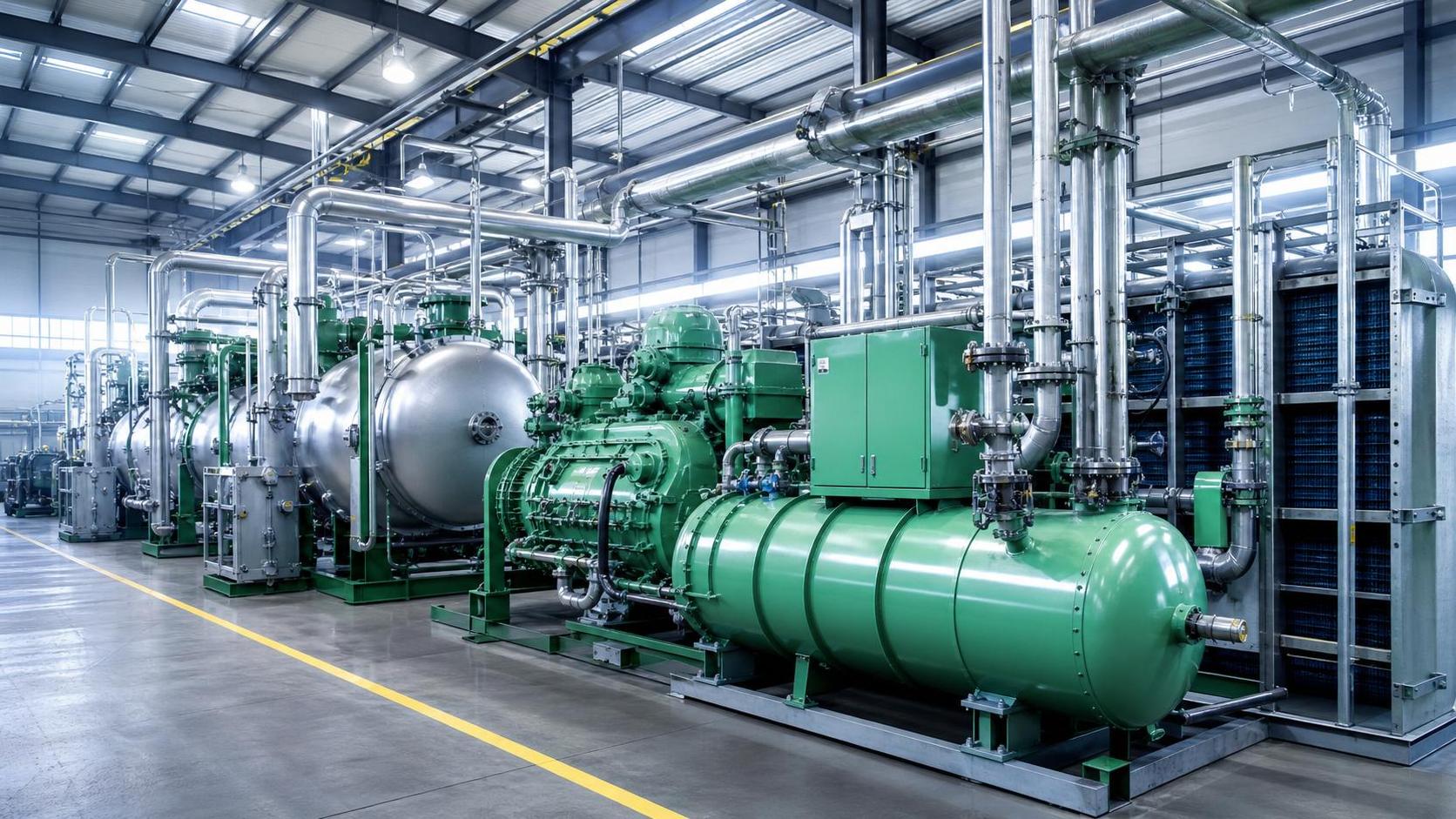
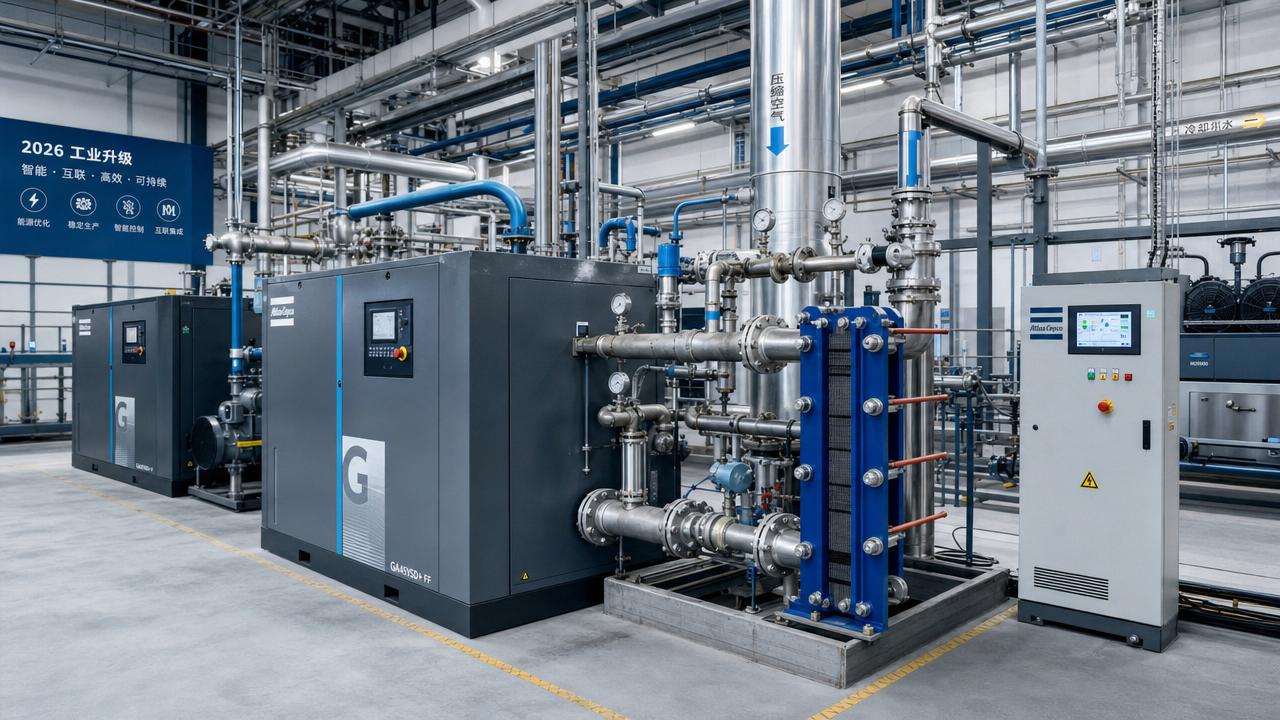
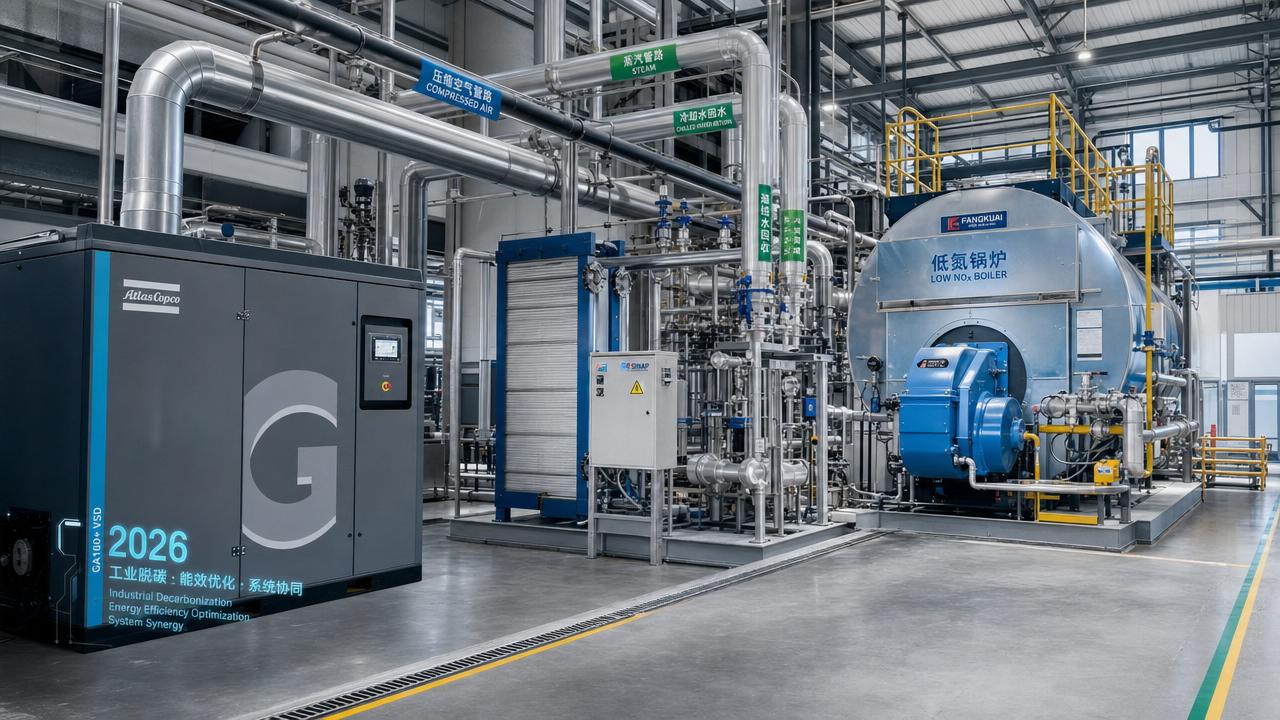
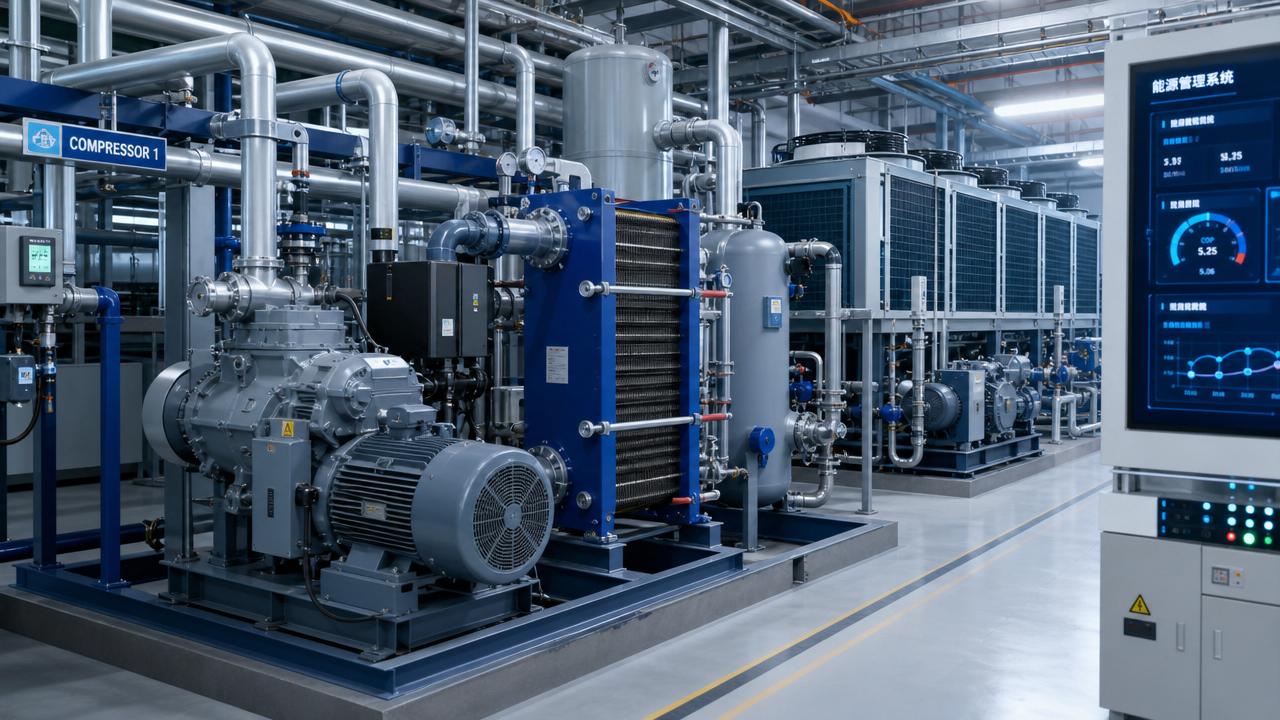
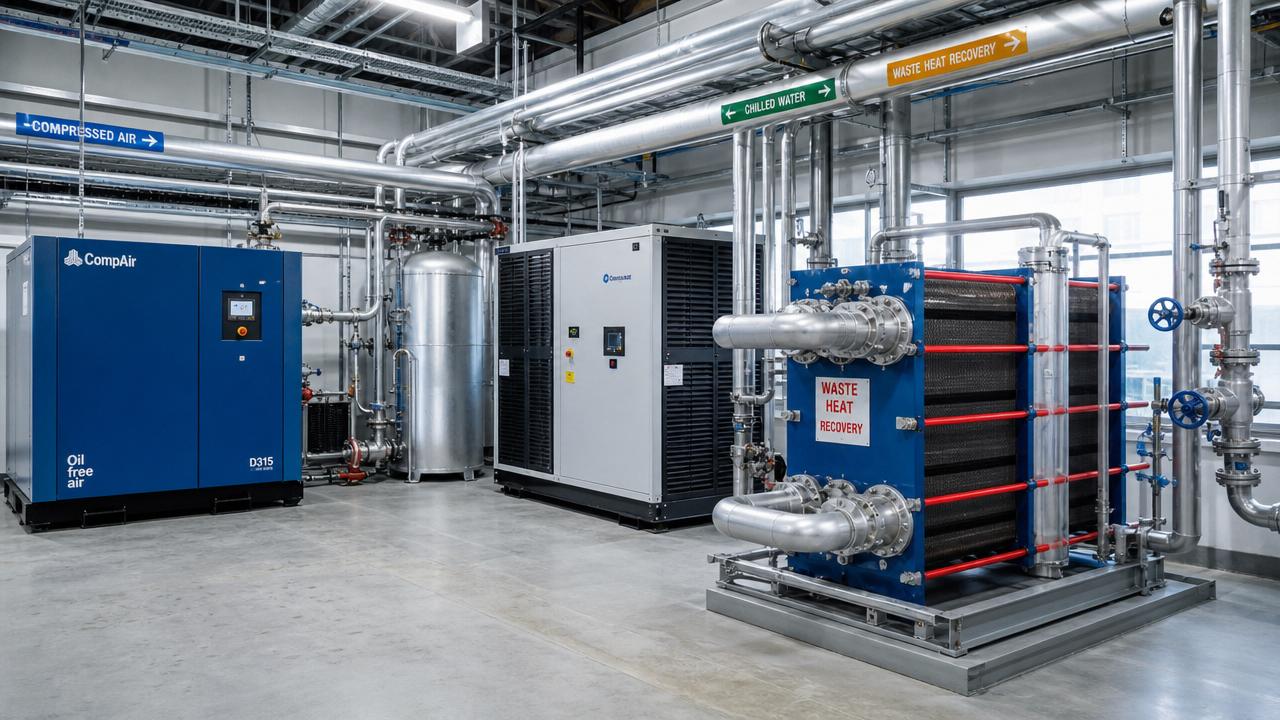
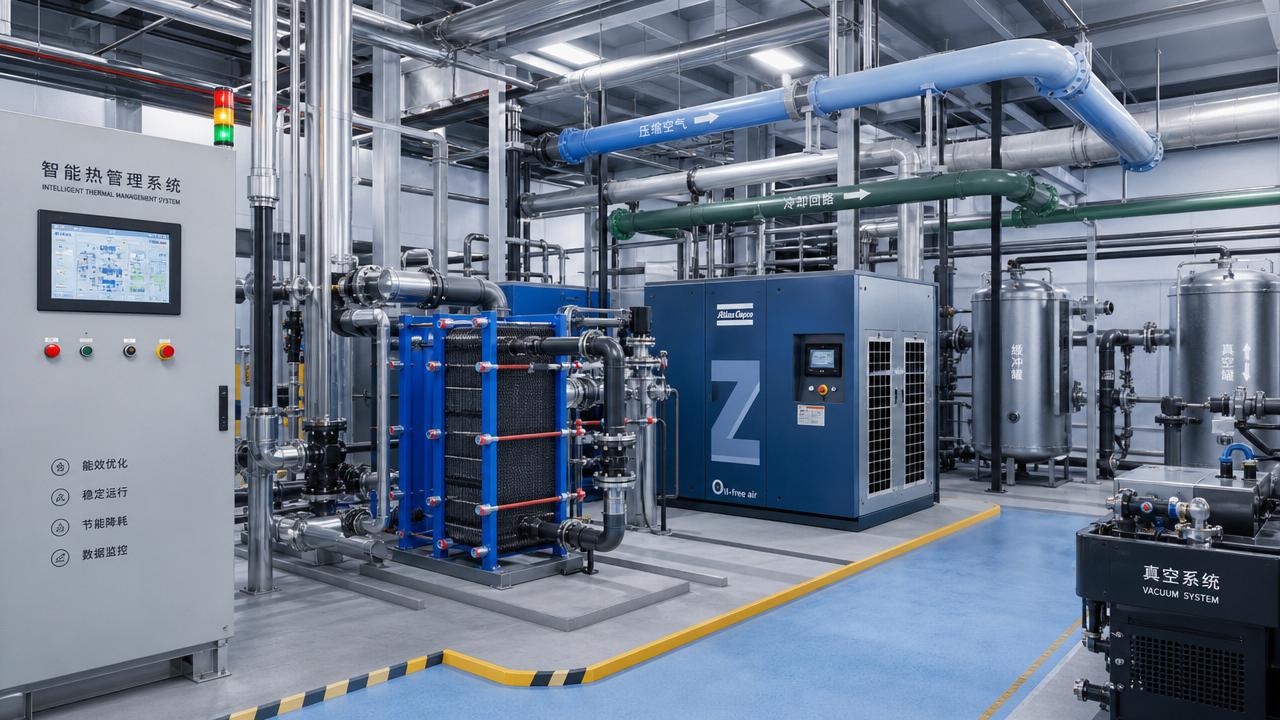
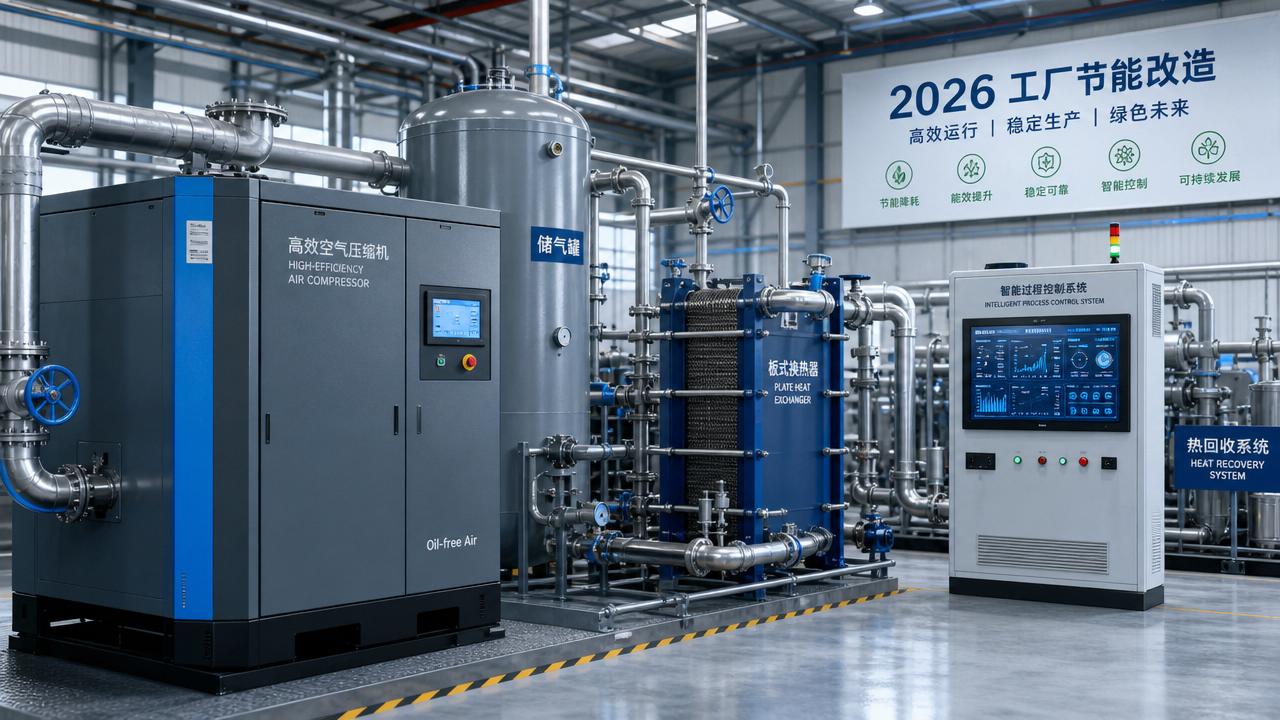
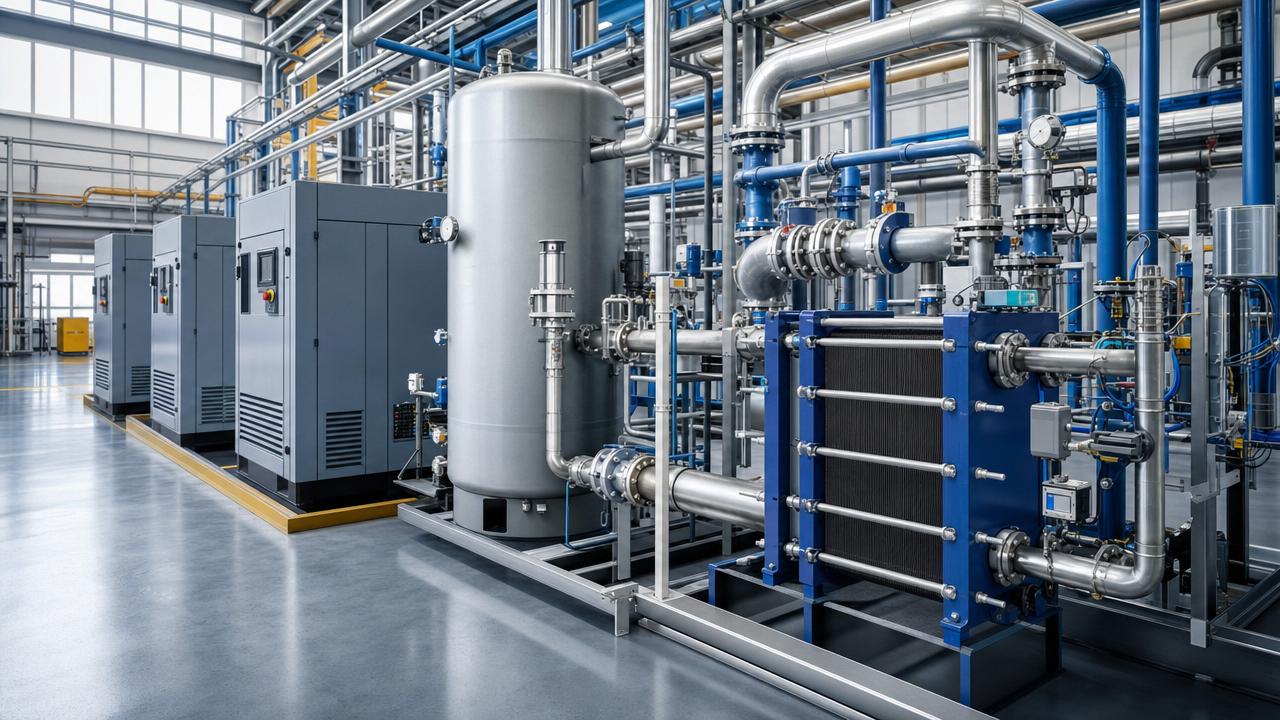
For information researchers comparing industrial heat recovery options, some systems consistently deserve early screening because they combine strong heat availability with relatively practical reuse pathways. Compressed air systems are one of the best examples. A large share of compressor input energy becomes heat, much of which can be recovered.
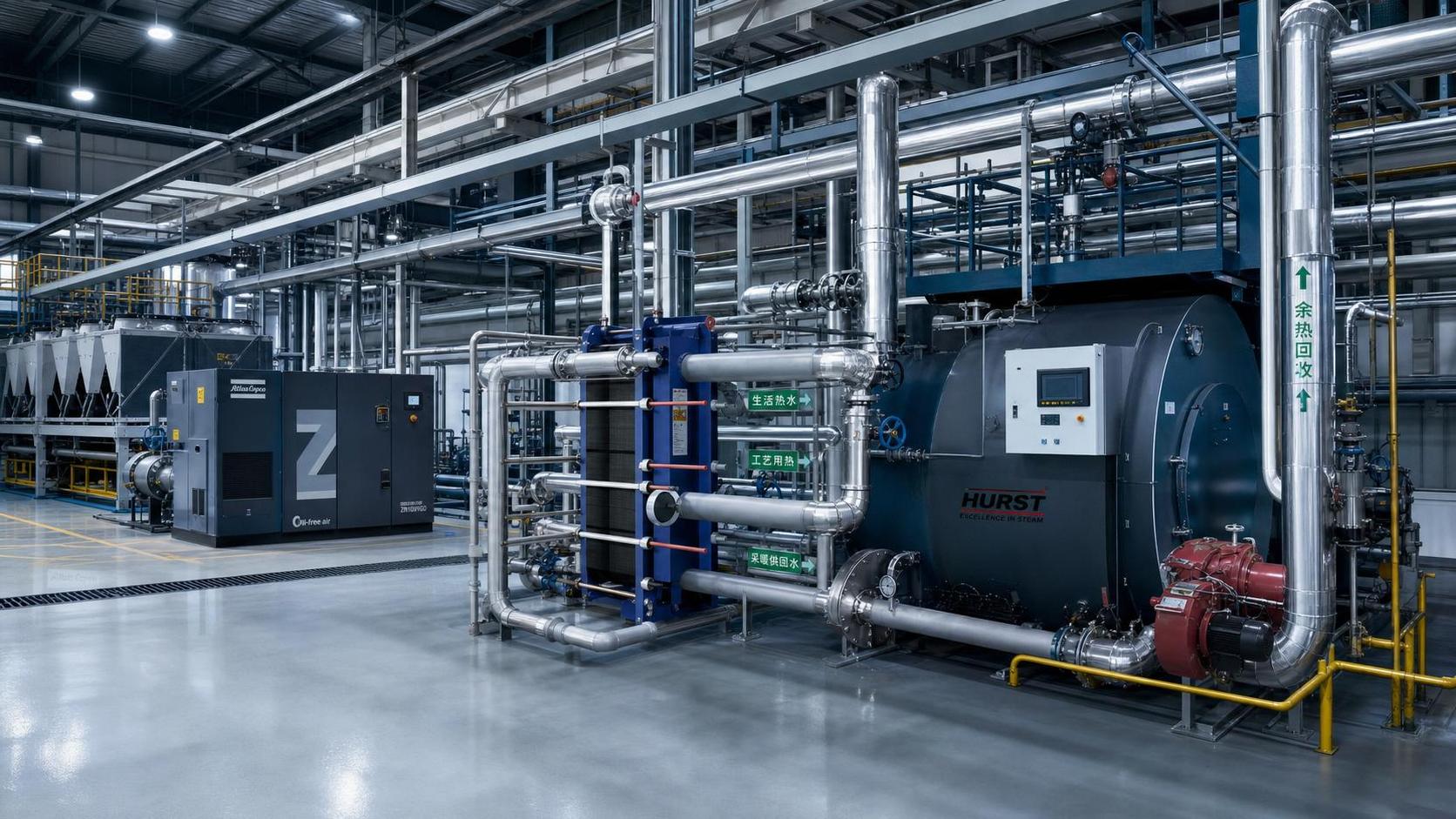
In many facilities, compressor heat can support space heating, domestic hot water, boiler makeup preheating, or process water heating. Because compressed air often runs for long hours with stable loads, recovery from these systems can be easier to justify than more variable thermal streams.
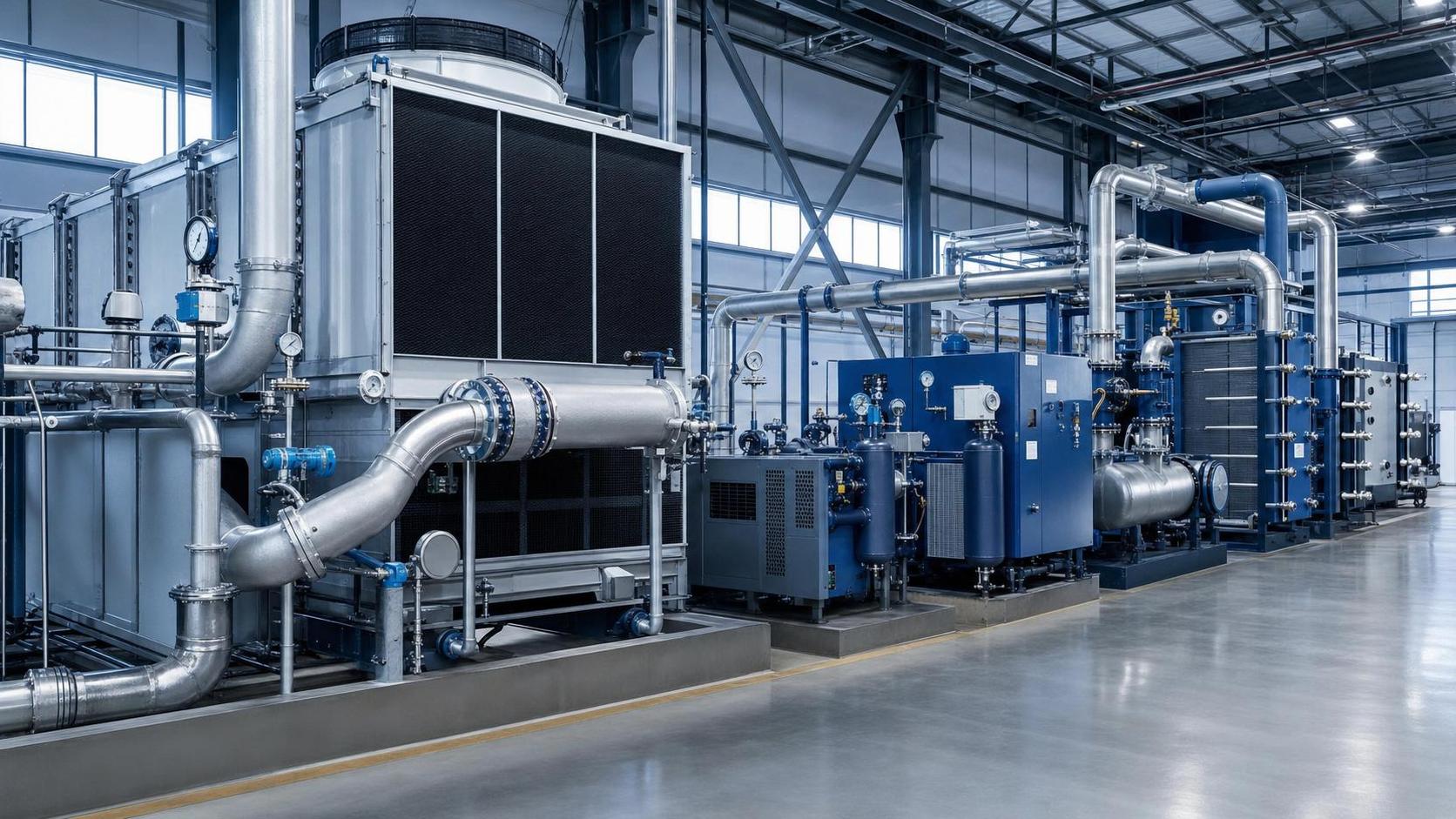
Refrigeration and cooling systems also deserve close review. Condenser heat from chillers, heat pumps, and industrial cooling equipment is frequently rejected to ambient despite nearby heating demand. In food, beverage, cold chain, and pharmaceutical environments, this can create strong opportunities for simultaneous heating and cooling optimization.
Boiler houses and combustion systems remain important, especially where flue gas temperatures are high or where condensate and blowdown energy are underused. Even mature steam sites can still uncover value through feedwater preheating, condensing economizers, or integration with low-temperature district or process heating loops.
Process exhaust and wastewater streams should not be overlooked. Drying, washing, pasteurization, cooking, plating, and chemical operations often release heat through air and liquid streams that are dispersed across production areas. These projects can be more complex, but they often reveal overlooked recovery potential once mapped carefully.
How technology choices are changing the industrial heat recovery landscape
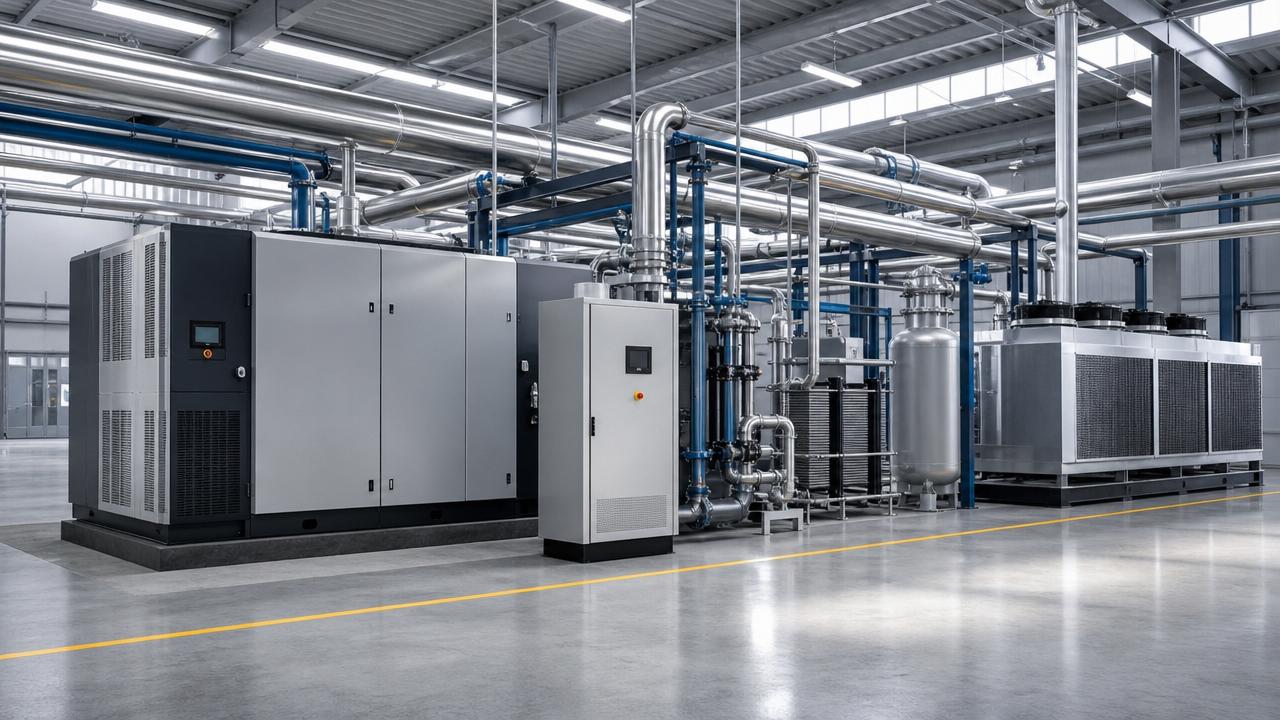
The industrial heat recovery field is no longer limited to basic recuperators and economizers. Those remain essential, but the technology mix has broadened. Facilities now have more options for recovering, upgrading, storing, and redistributing thermal energy across different process boundaries.
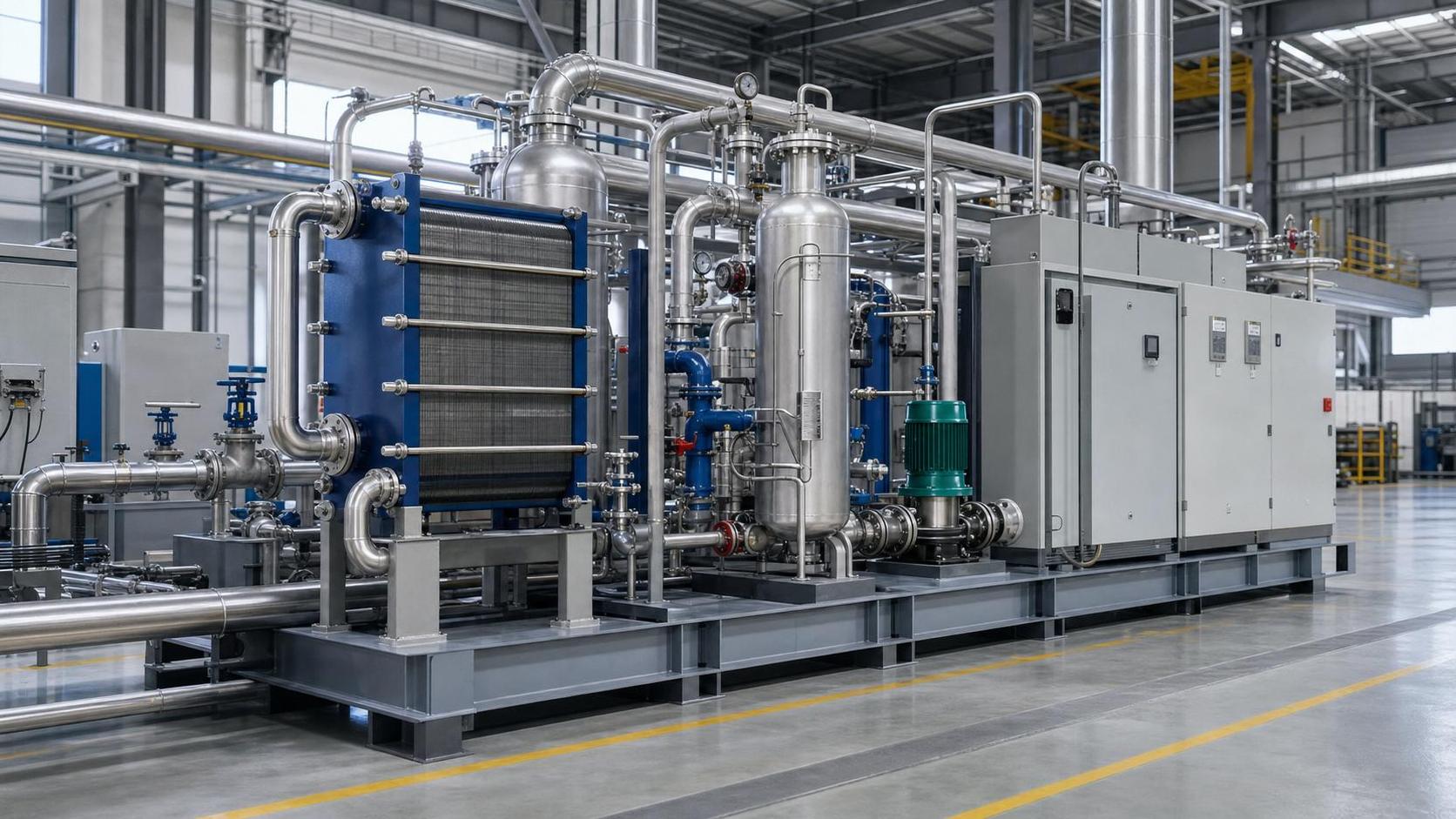
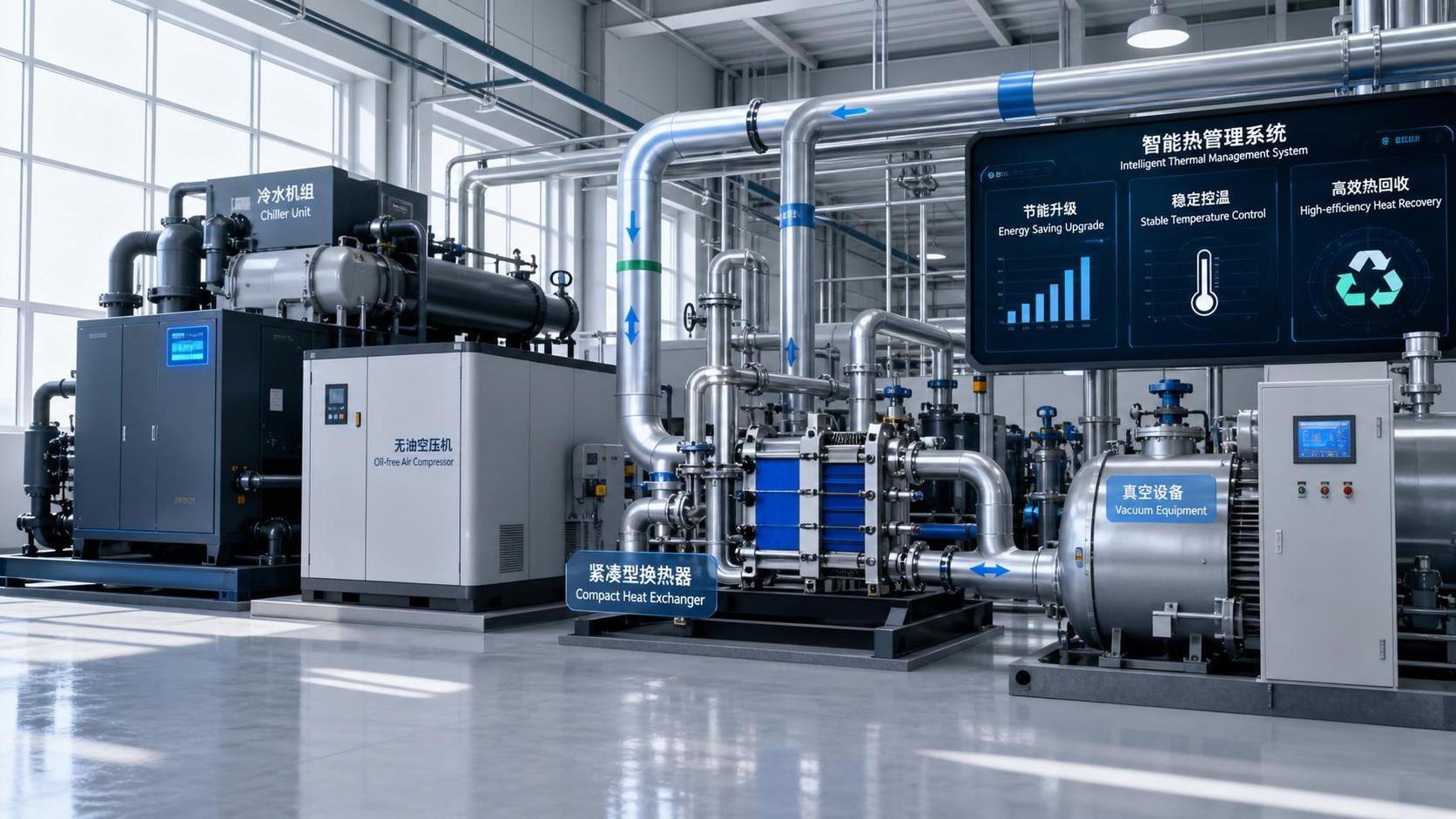
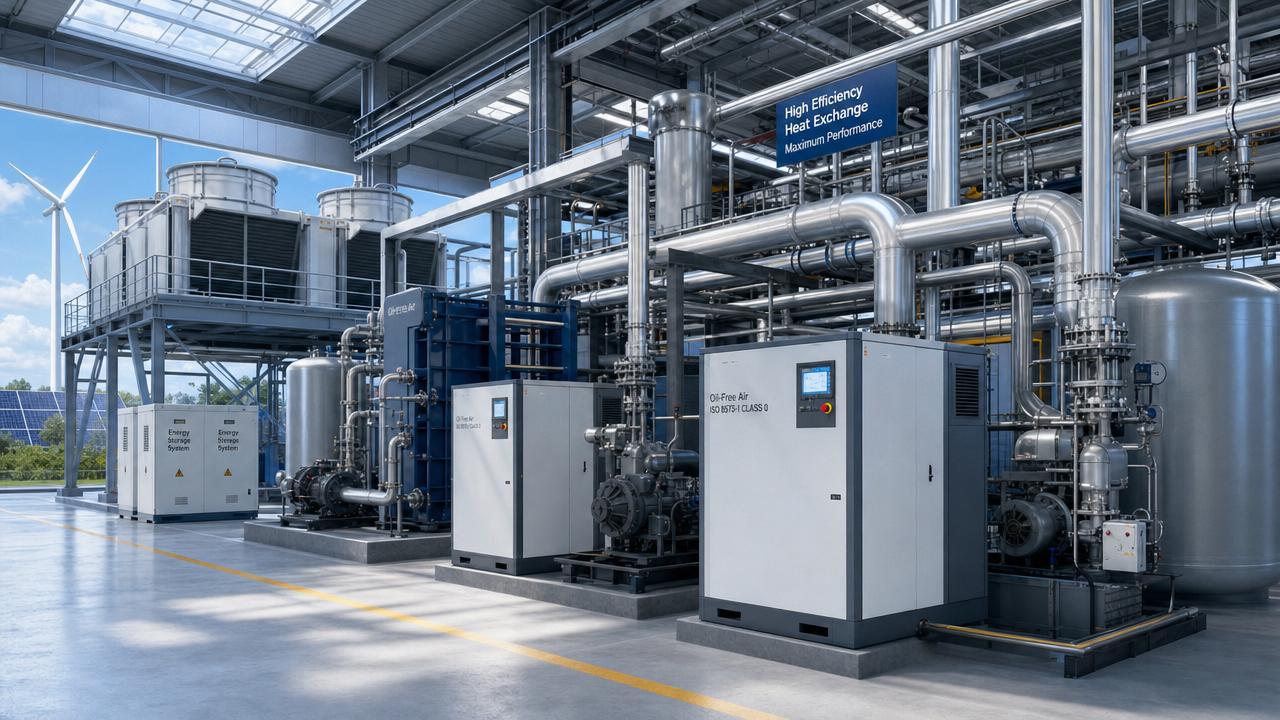
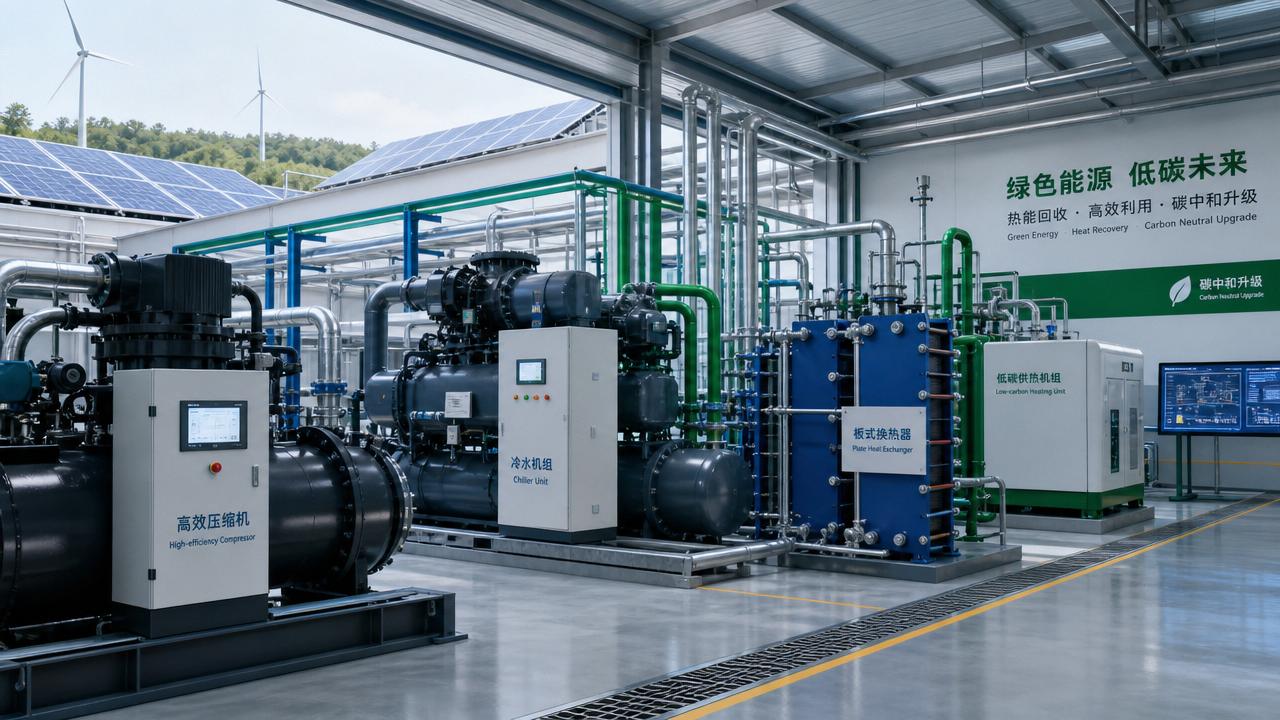
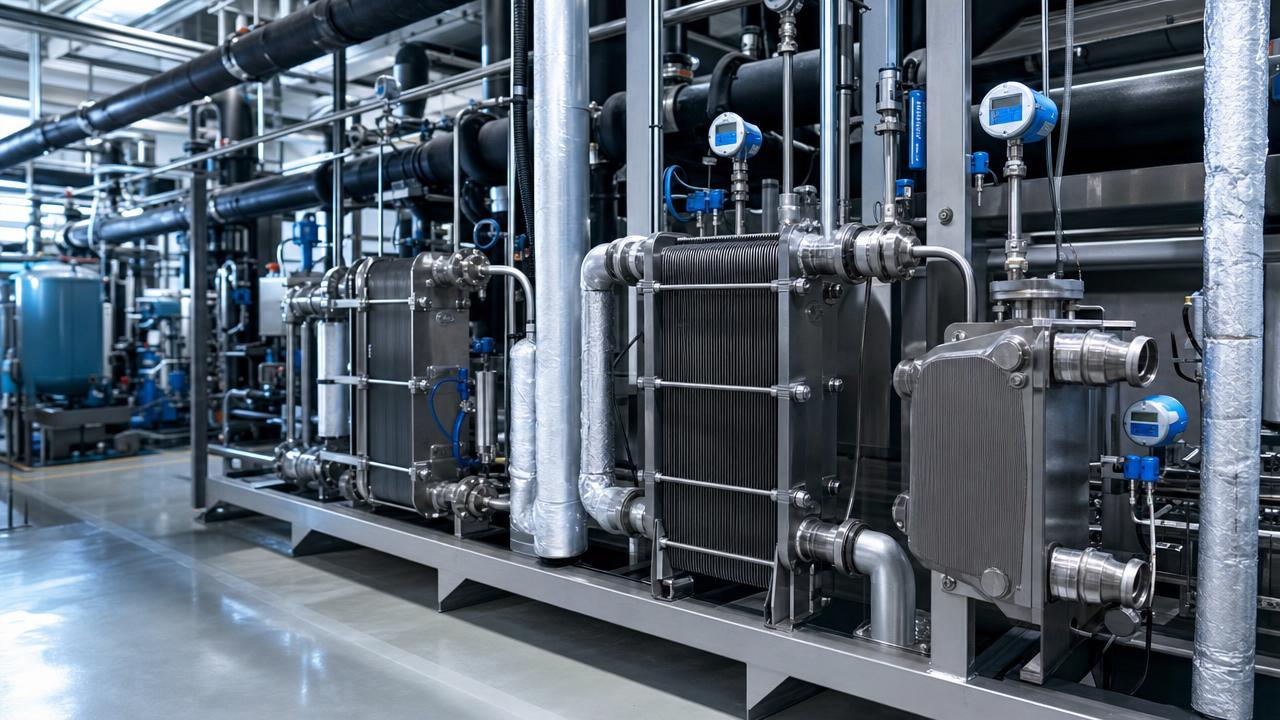
Advanced heat exchangers are improving performance where fouling, corrosion, footprint, or temperature constraints once limited feasibility. Plate heat exchangers, microchannel designs, welded units, and specialized materials help sites recover more heat from compact or difficult streams without excessive operational compromise.
Industrial heat pumps are becoming especially important. They allow lower-grade heat to be lifted to usable temperature levels, which expands the range of viable projects. This is particularly relevant for sectors facing electrification pressure or seeking to reduce direct fossil fuel use without fully redesigning the plant.
Thermal energy storage is also gaining attention. When waste heat supply and heat demand occur at different times, storage can improve utilization and project economics. In batch manufacturing environments, this can turn intermittent recovery opportunities into a more stable site utility asset.
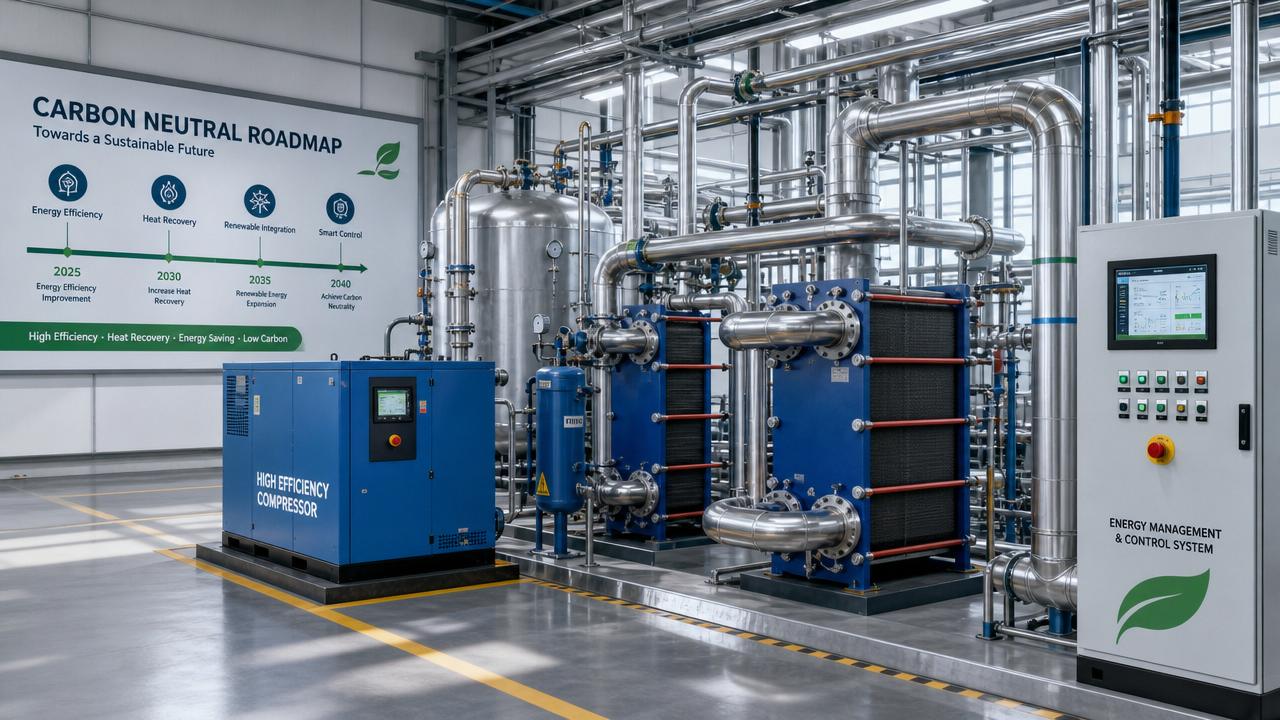
Control systems and digital twins add another layer of value. Heat recovery equipment performs best when integrated with dynamic process data, utility priorities, and production schedules. Better controls reduce the risk of underuse, overheating, instability, or maintenance issues that have historically discouraged some operators.
How to judge whether an industrial heat recovery project is truly valuable
Researchers and decision influencers should look beyond the headline claim of “energy savings.” A strong project begins with four questions: how much heat is available, at what temperature, for how many hours, and where demand exists at the same or upgradeable quality level.
Heat quality matters as much as heat quantity. One megawatt of low-temperature waste heat is not equivalent to one megawatt of high-temperature process demand. The commercial value depends on whether the recovered heat can displace expensive energy, reduce peak loads, or avoid future infrastructure investment.
Load profile compatibility is equally important. A project may look attractive on annual energy balance alone, yet fail in practice if supply and demand rarely overlap. Hourly or operational-mode analysis is often more useful than annual averages when screening industrial heat recovery potential.
Researchers should also examine system boundaries. Some projects create value by reducing both heating and cooling demand simultaneously. Others improve compressor efficiency, boiler performance, or refrigeration stability as an indirect result of better thermal integration. These co-benefits often change the financial picture significantly.
Maintenance and operability should never be treated as secondary issues. Fouling risk, pressure drop, contamination control, cleaning access, and process reliability can determine whether theoretical savings are actually realized. In highly regulated sectors such as food and pharma, hygienic and validation requirements are especially important.
What benefits matter most to industry stakeholders now
Cost reduction remains a leading driver, especially in regions facing volatile electricity and fuel prices. Industrial heat recovery can lower utility consumption directly, but increasingly it also protects facilities from future energy market instability by reducing exposure to purchased thermal energy.
Decarbonization is the second major driver. As carbon accounting becomes more material to procurement, compliance, and financing, recovering waste heat supports lower emissions without always requiring a full process overhaul. For many sites, it is one of the more practical near-term actions available.
Operational resilience is becoming more valuable as well. Facilities that recover and reuse internal energy are often less dependent on external supply fluctuations. This can support continuity planning, especially in energy-intensive sectors where utility disruptions or price shocks directly affect production economics.
There is also a strategic competitiveness benefit. Customers, investors, and regulators increasingly expect credible energy efficiency action, not just sustainability messaging. Well-implemented industrial heat recovery projects can strengthen a company’s technical positioning in high-efficiency manufacturing and resource circularity.
What information researchers should watch in future project evaluations
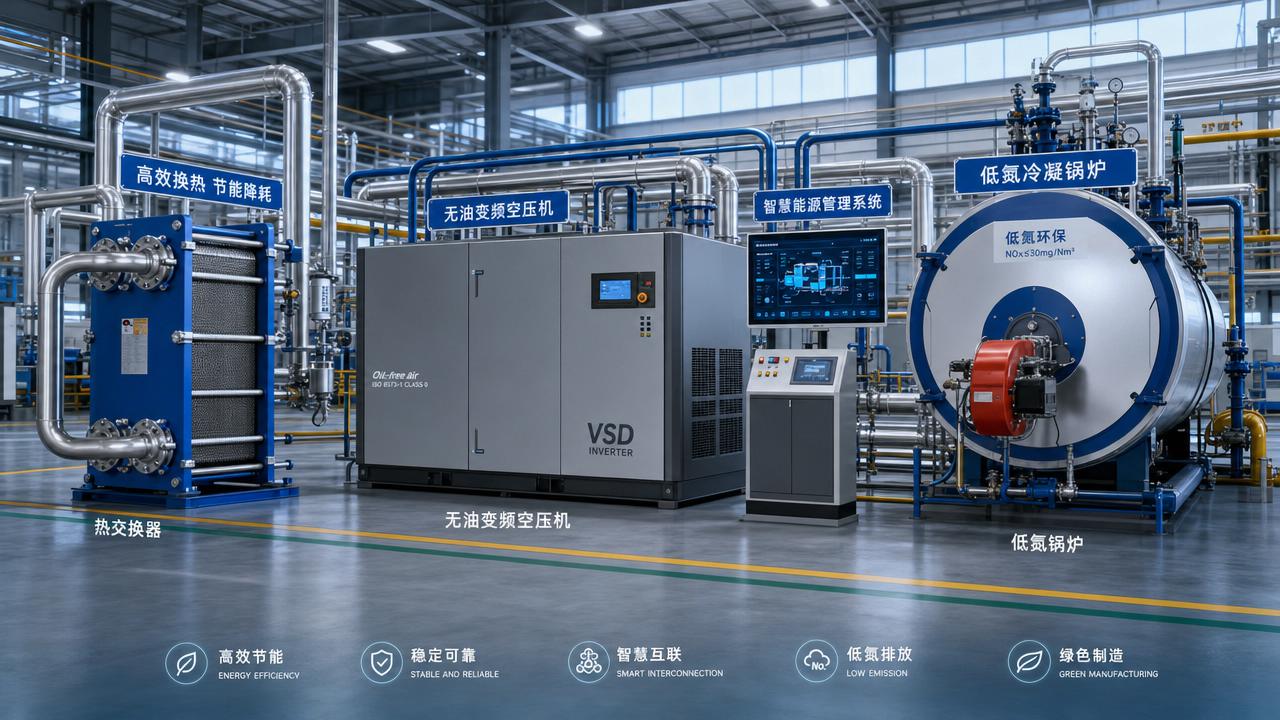
The next wave of industrial heat recovery will likely be shaped by better data, higher electrification pressure, and tighter integration between thermal and compression systems. Researchers should watch for projects that combine waste heat reuse with compressed air optimization, refrigeration redesign, or broader utility modernization.
Policy signals also matter. Carbon pricing, waste heat incentives, electrification grants, and refrigerant transitions can all influence project viability. What appears marginal under today’s assumptions may become highly attractive once regulatory or energy market conditions shift.
Sector context should remain central. A metals plant, dairy processor, chip fabrication site, and pharmaceutical facility all generate and use heat differently. The most credible analysis does not ask whether industrial heat recovery works in general. It asks where, under which thermal conditions, and with what operational constraints it works best.
For platforms such as GTC-Matrix, this is where intelligence becomes essential. The most useful perspective links thermodynamic logic, equipment evolution, energy economics, and application-specific demand patterns. That broader view helps researchers distinguish between generic efficiency claims and truly actionable recovery opportunities.
Conclusion: the hidden energy is still there, but better matching is the real challenge
Industrial heat recovery is no longer just about finding hot exhaust and adding a heat exchanger. In many facilities, the obvious projects have already been addressed. The remaining value lies in less visible losses, lower-grade heat, variable streams, and cross-system integration opportunities that require better analysis.
For information researchers, the clearest conclusion is this: energy loss still hides in plain sight, but not always in the places traditional audits emphasize. The strongest opportunities now emerge when heat sources, process demand, compression systems, cooling assets, and decarbonization goals are evaluated together.
That makes industrial heat recovery both a technology topic and a decision-quality topic. Organizations that can map thermal losses accurately, judge temperature usefulness realistically, and align recovery options with operational needs will be in a far better position to reduce cost, cut emissions, and improve industrial energy performance.
Related News
- Why high-density thermal energy storage is gaining industry attentionAuthor :

- Smart Device Thermal Management Trends Shaping 2026 Product DesignAuthor :

- Industrial Cooling Technologies in Europe: 2026 Trends in Compliance and Energy UseAuthor :

- Industrial Electrification Trends in 2026: Where Projects Are Moving FirstAuthor :

- Industrial Solution Comparison Global: 2026 Trends Reshaping Equipment DecisionsAuthor :

- When Heat Recovery Systems Skid Mounted Designs Improve Project PaybackAuthor :

- How to Compare Industrial Decarbonization Solutions Providers in 2026Author :

- Industry Category Guides for Smart Devices: What to Track as 2026 Markets ShiftAuthor :

- Green Manufacturing Trends Reshaping Industrial InvestmentAuthor :

- 2026 Global Energy Costs: What Will Reshape Industrial PlanningAuthor :

- Industrial Decarbonization Solutions That Cut Fuel Costs in 2026Author :

- Smart Thermal Systems Trends Shaping Industrial Upgrades in 2026Author :

- Resource Circularity in Manufacturing: 5 Practical Gains Beyond ComplianceAuthor :

- Carbon Neutrality Roadmap: What Industrial Firms Need to Prioritize FirstAuthor :

- Energy Conversion Efficiency Trends Shaping Industrial UpgradesAuthor :

- Compression Technology Trends Shaping Efficient Plant UpgradesAuthor :

- Industrial Intelligence in Manufacturing: Where It Delivers Value FirstAuthor :

- How Intellectualization Improves Industrial Thermal ManagementAuthor :

- What Intellectualization Means for Smarter Plant Operations in 2026Author :

- Carbon Neutrality Goals: What Industrial Firms Should Prioritize in 2026Author :

- How Intellectualization Reduces Downtime in Modern Production LinesAuthor :

- Decarbonization Roadmap for Energy-Intensive Plants in 2026Author :

- Thermal Systems Trends in 2026: Efficiency, Control, and RiskAuthor :

- Industrial Decarbonization Priorities for Energy-Intensive FacilitiesAuthor :

- Thermal Systems in 2026: Efficiency Upgrades Shaping Industrial OperationsAuthor :

- Pure Power Sources: 5 Practical Paths to Carbon NeutralityAuthor :

- What Intellectualization Means for Industrial Equipment UpgradesAuthor :

- Thermal Optimization in 2026: Where Energy Savings Deliver the Fastest PaybackAuthor :

- Energy Efficiency Trends Reshaping Compressor Upgrades in 2026Author :

- 2026 Industrial Decarbonization Trends Reshaping Plant UpgradesAuthor :
![]()
- Heat Exchanger Technology Trends for 2026 Efficiency TargetsAuthor :

- Resource Circularity Risks in 2026 Supply ChainsAuthor :

- Smart Thermal Systems: When Upgrades Deliver Measurable SavingsAuthor :

- Carbon Neutrality: Practical Steps for Factory RoadmapsAuthor :

- 2026 Industrial Energy Efficiency Priorities for Plant UpgradesAuthor :

- Industrial Intellectualization Trends Reshaping Equipment UpgradesAuthor :