Intellectualization in Manufacturing: 2026 Signals to Watch




As manufacturing enters a new phase of industrial transformation, intellectualization is becoming the defining signal enterprise decision-makers can no longer ignore. In 2026, the convergence of data, automation, energy efficiency, and thermal-power system optimization will reshape competitiveness across global industry. For leaders seeking strategic clarity, the real question is not whether intellectualization will accelerate, but which signals will determine who leads and who falls behind.
Why intellectualization is moving from pilot projects to operating reality
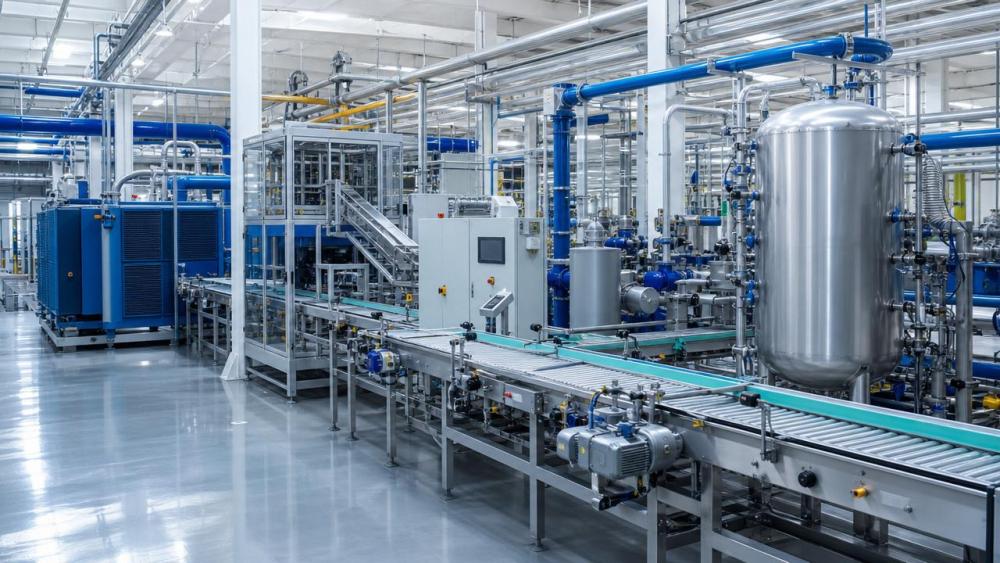
In 2026, intellectualization will no longer mean isolated dashboards or automated lines working alone. It will mean connected decision systems across production, utilities, maintenance, and energy.
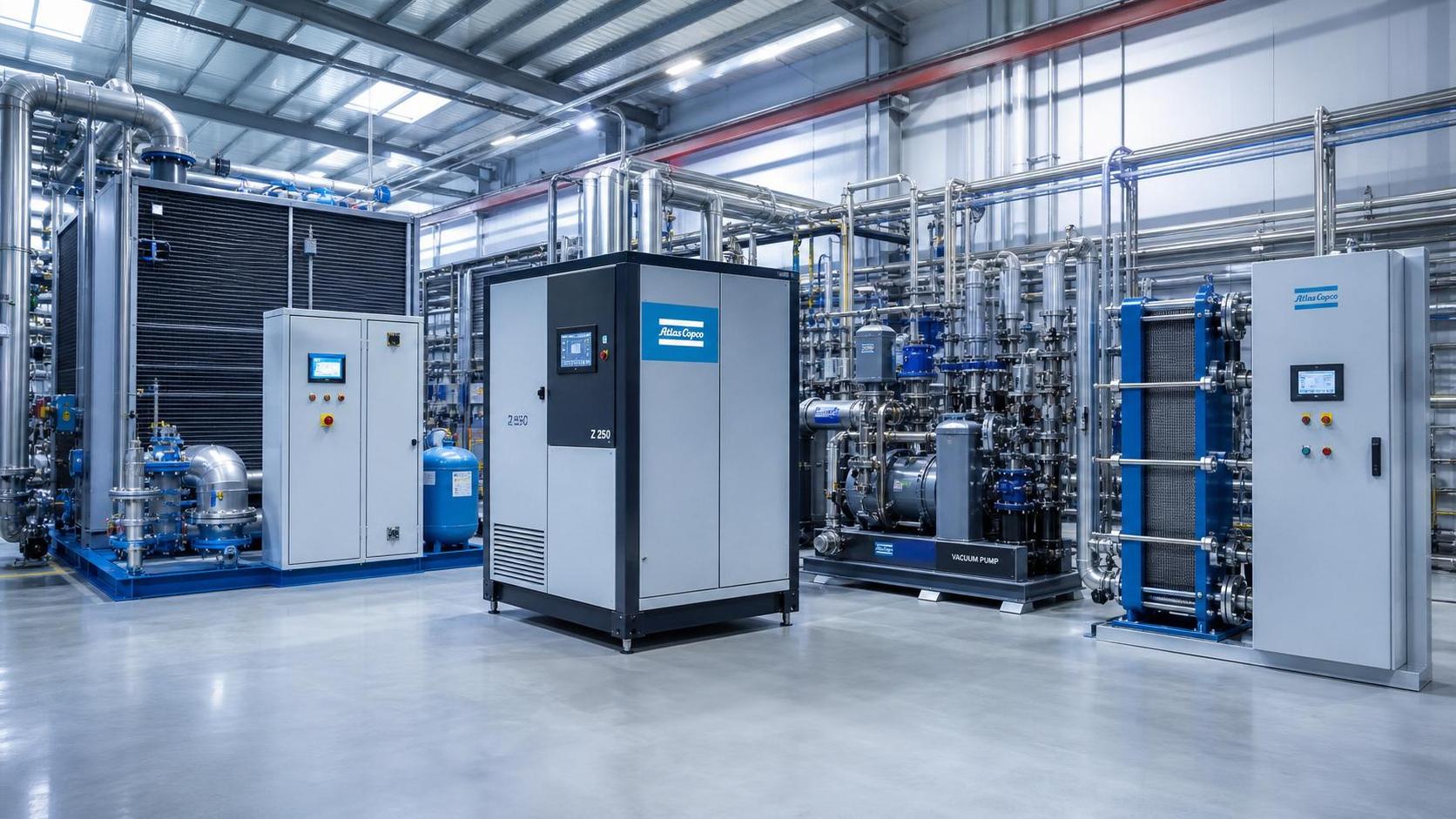
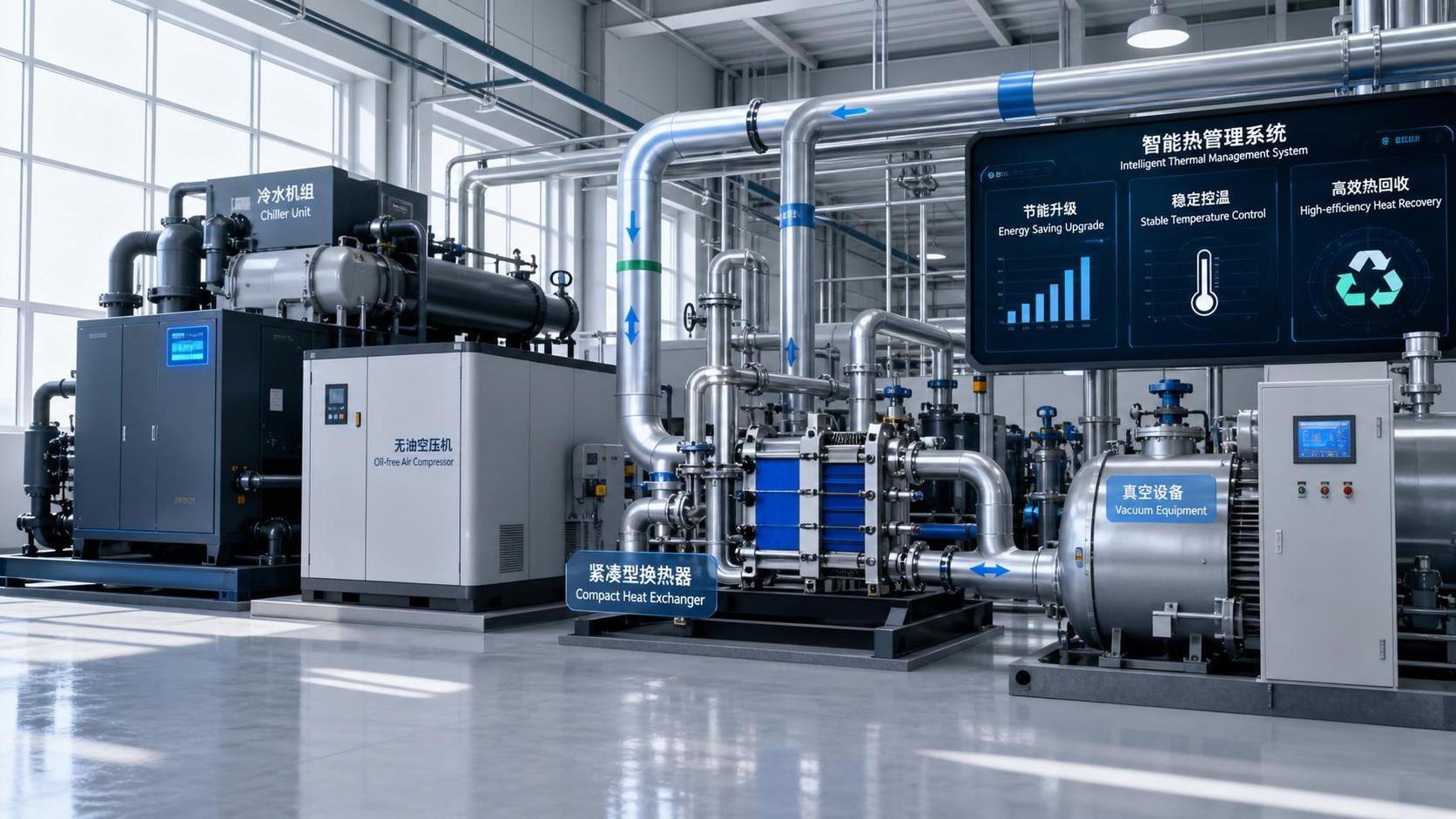
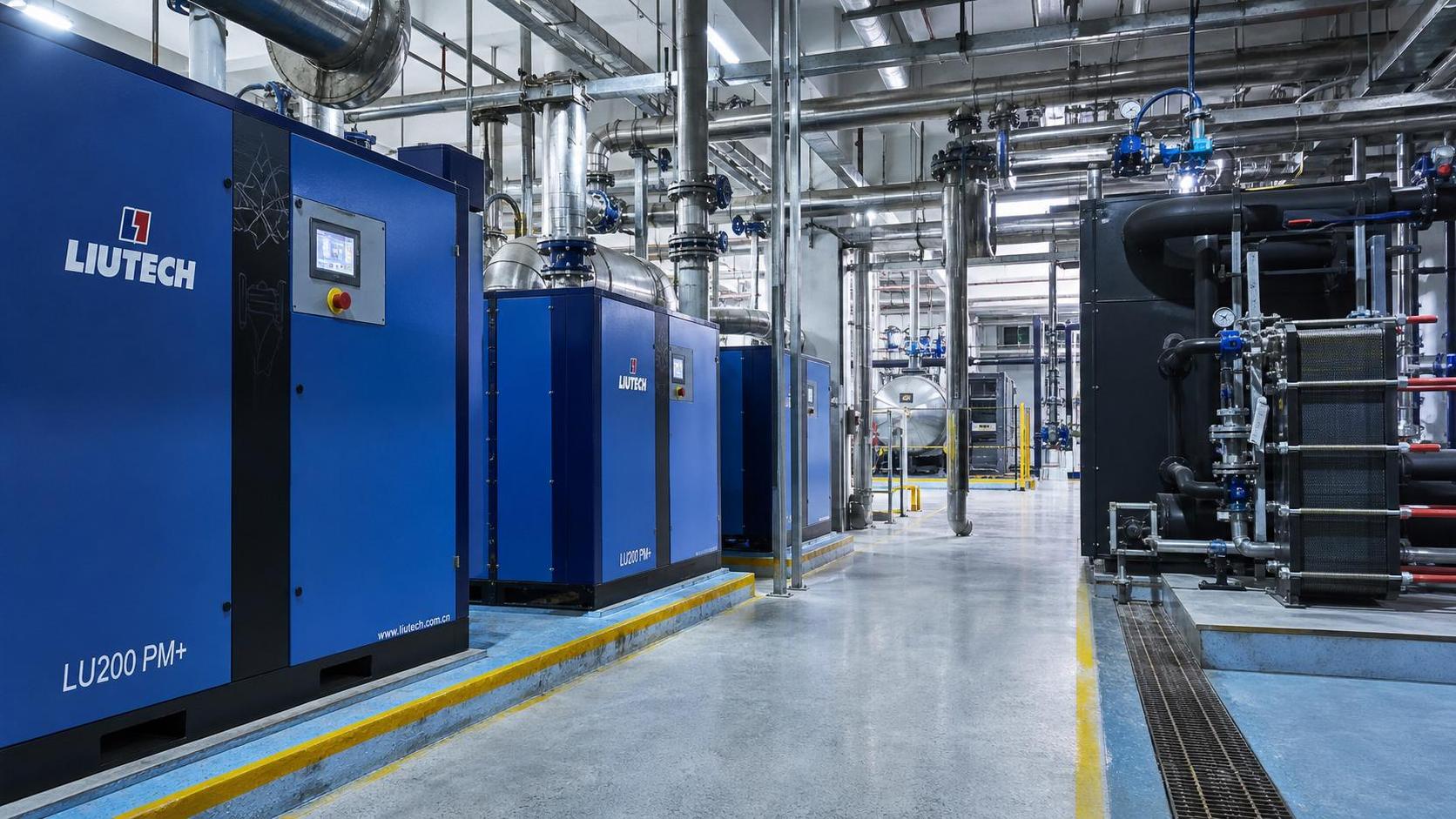
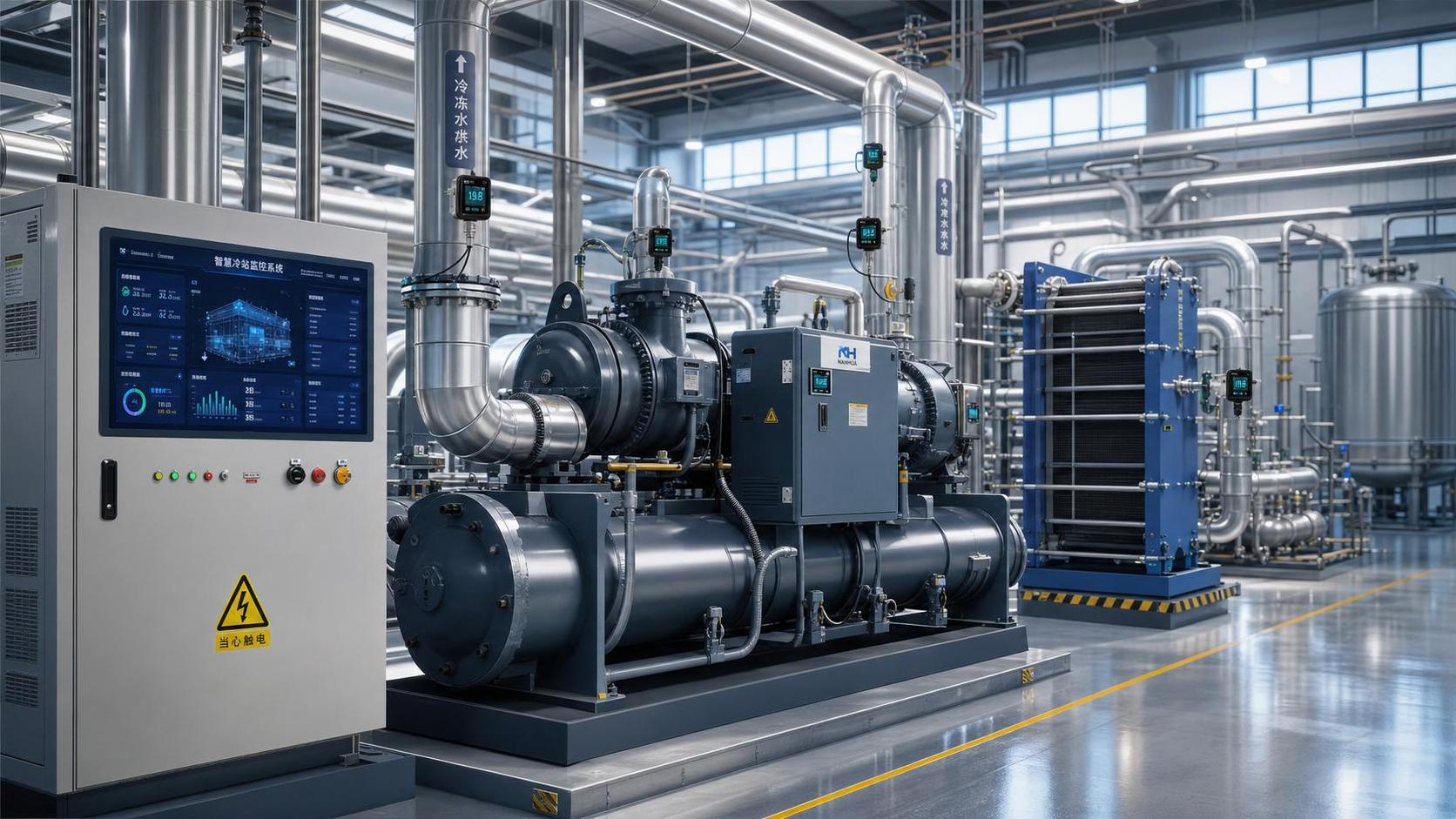
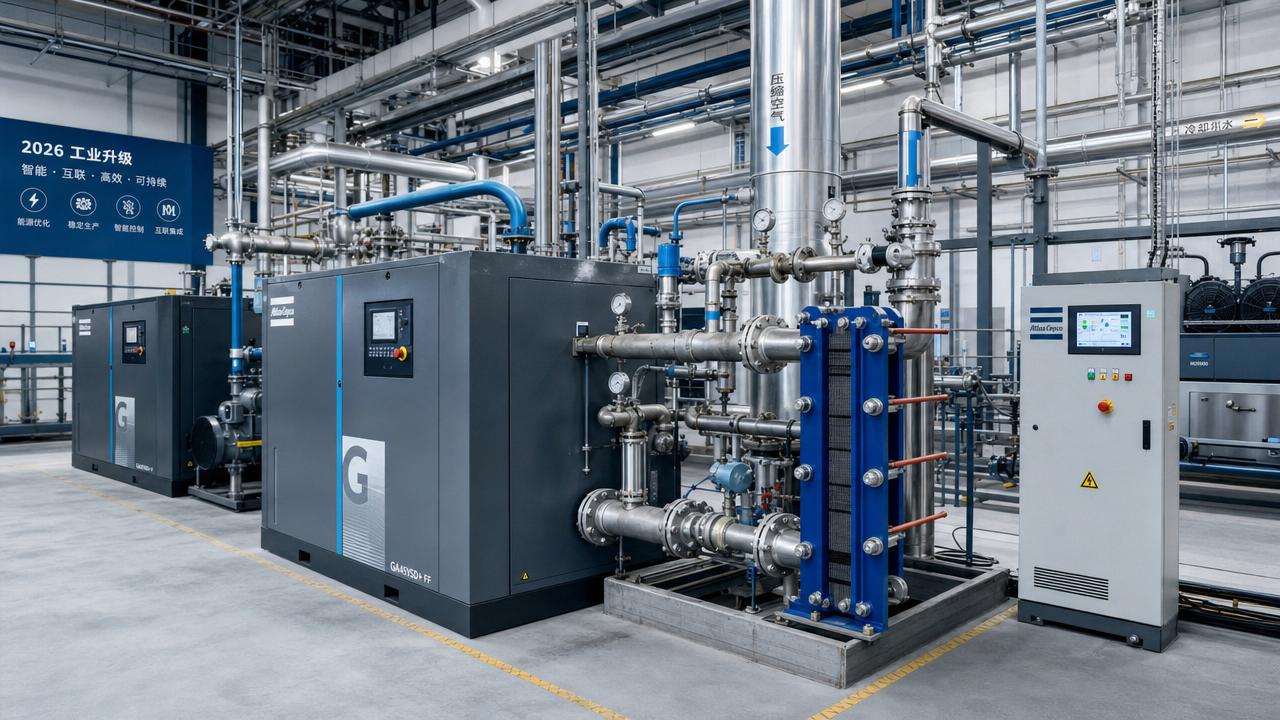
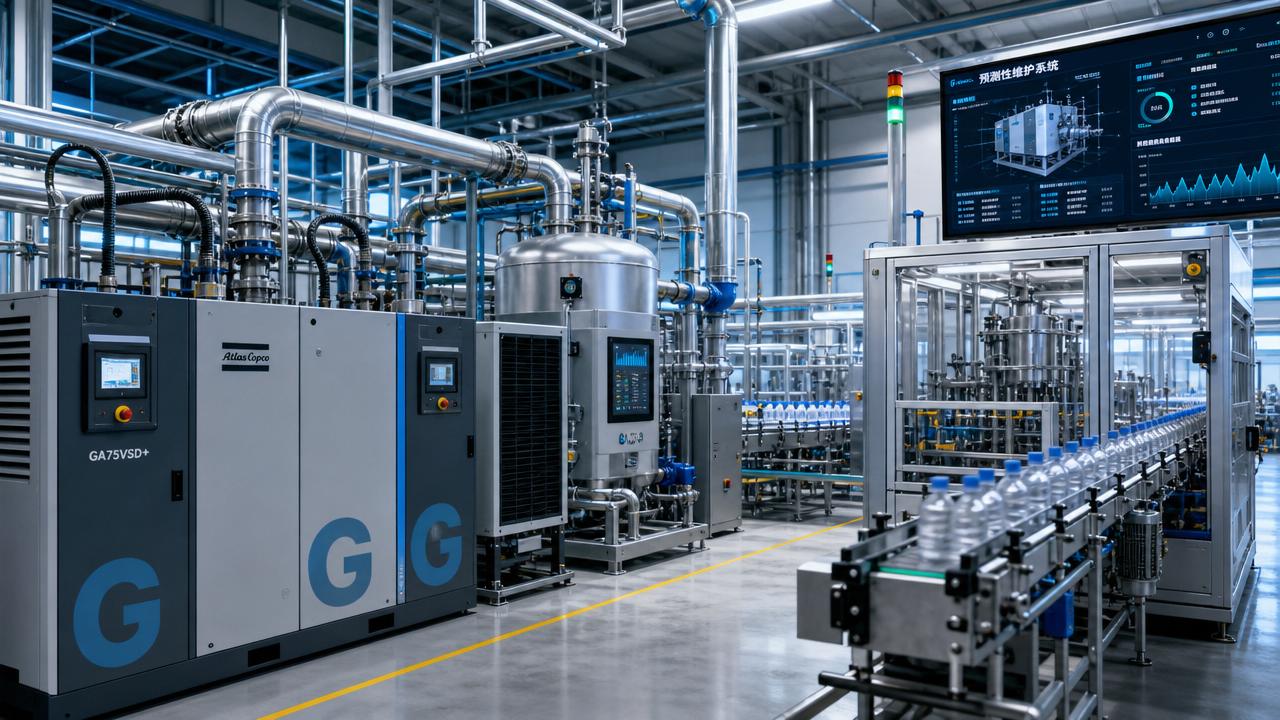
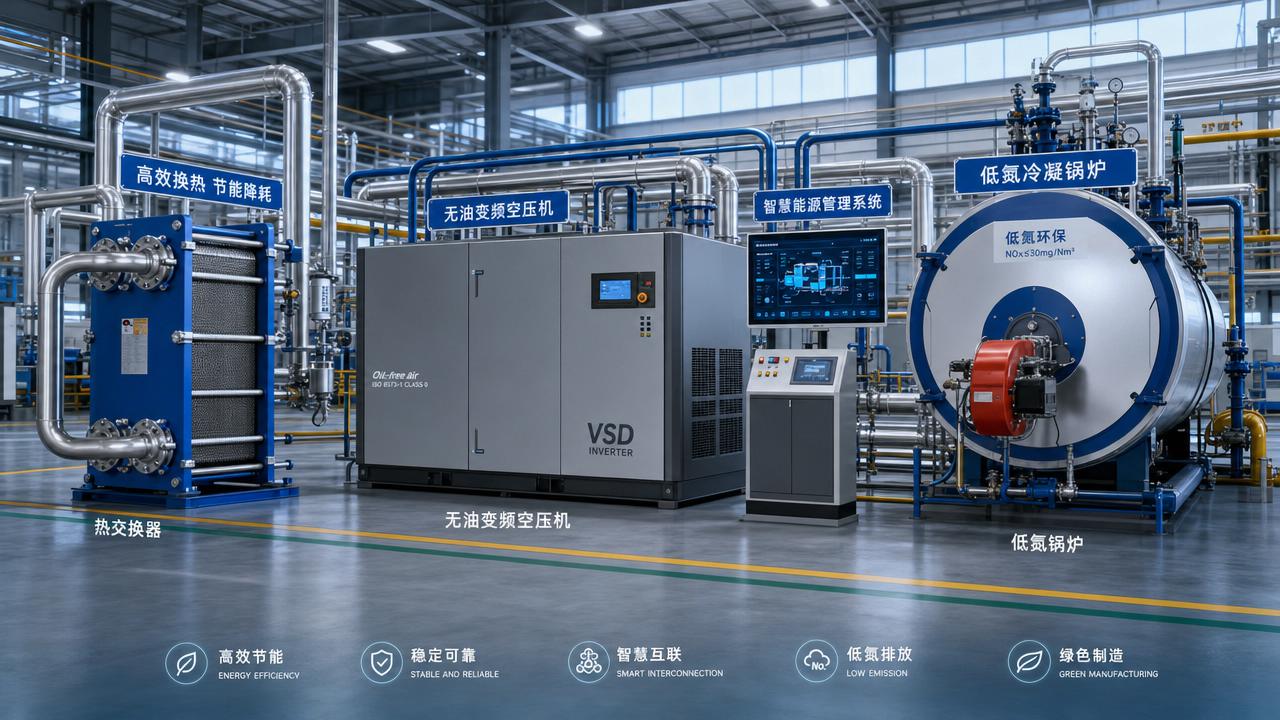
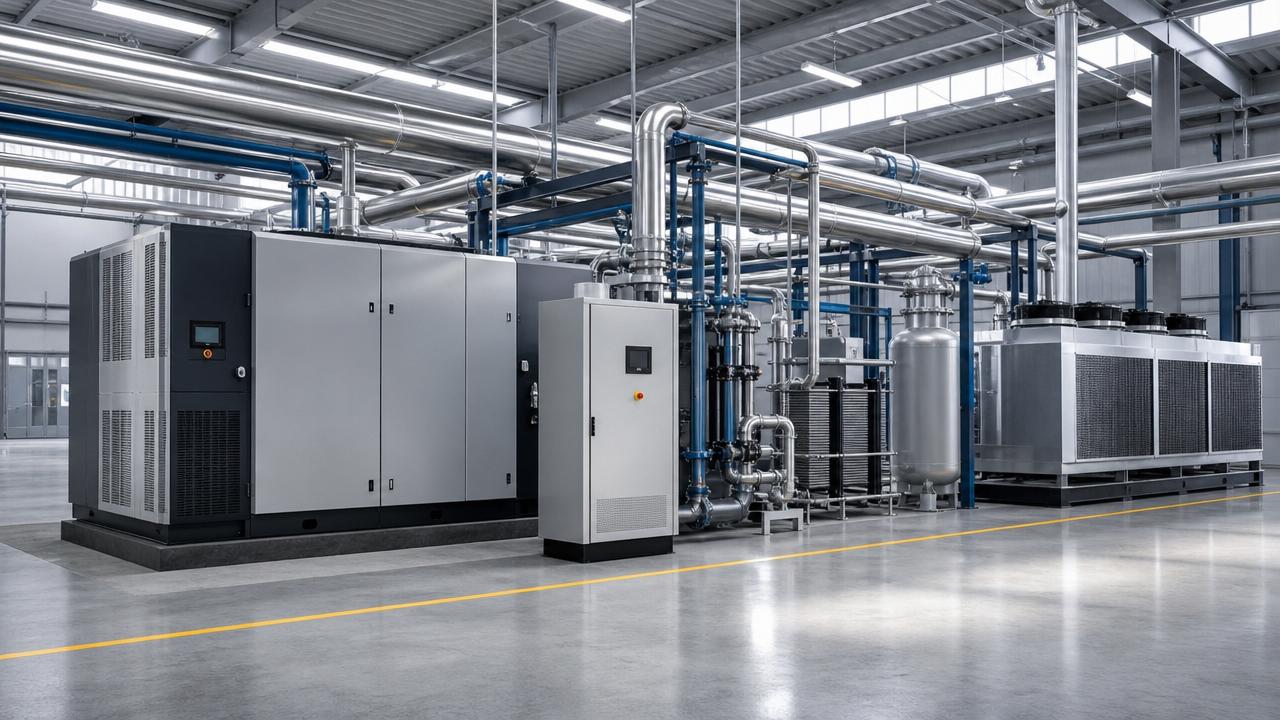
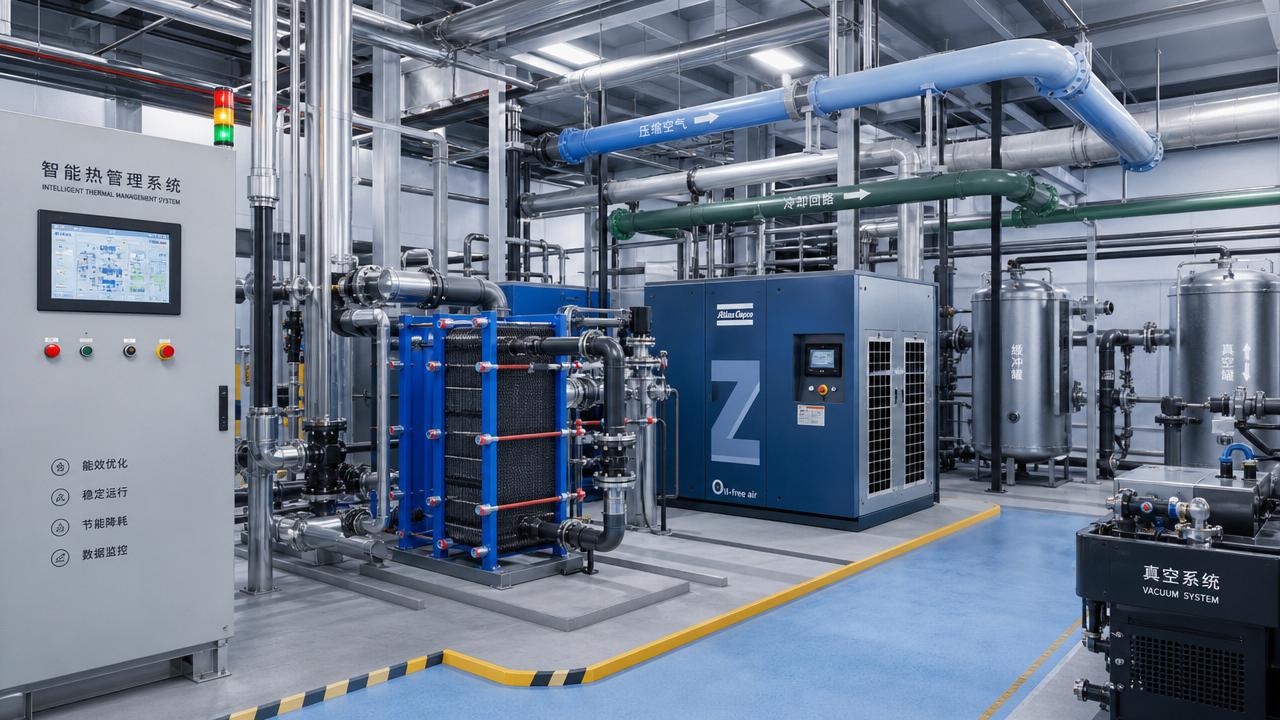
The strongest signal is integration. Factories are linking process data with compressed air, cooling, vacuum, and heat exchange performance to reduce waste and improve throughput.
This matters across the comprehensive industrial landscape. Electronics, food, chemicals, logistics, metals, and pharmaceuticals now face similar pressure around resilience, cost, and carbon intensity.
Intellectualization is therefore becoming a system capability, not a software feature. The companies gaining ground are combining digital visibility with thermodynamic and power efficiency discipline.
The clearest 2026 signals to watch across industrial systems
Several signals show where intellectualization is heading. Each one reveals how industrial competitiveness will be measured more precisely in 2026.
1. Utility systems are becoming strategic data assets
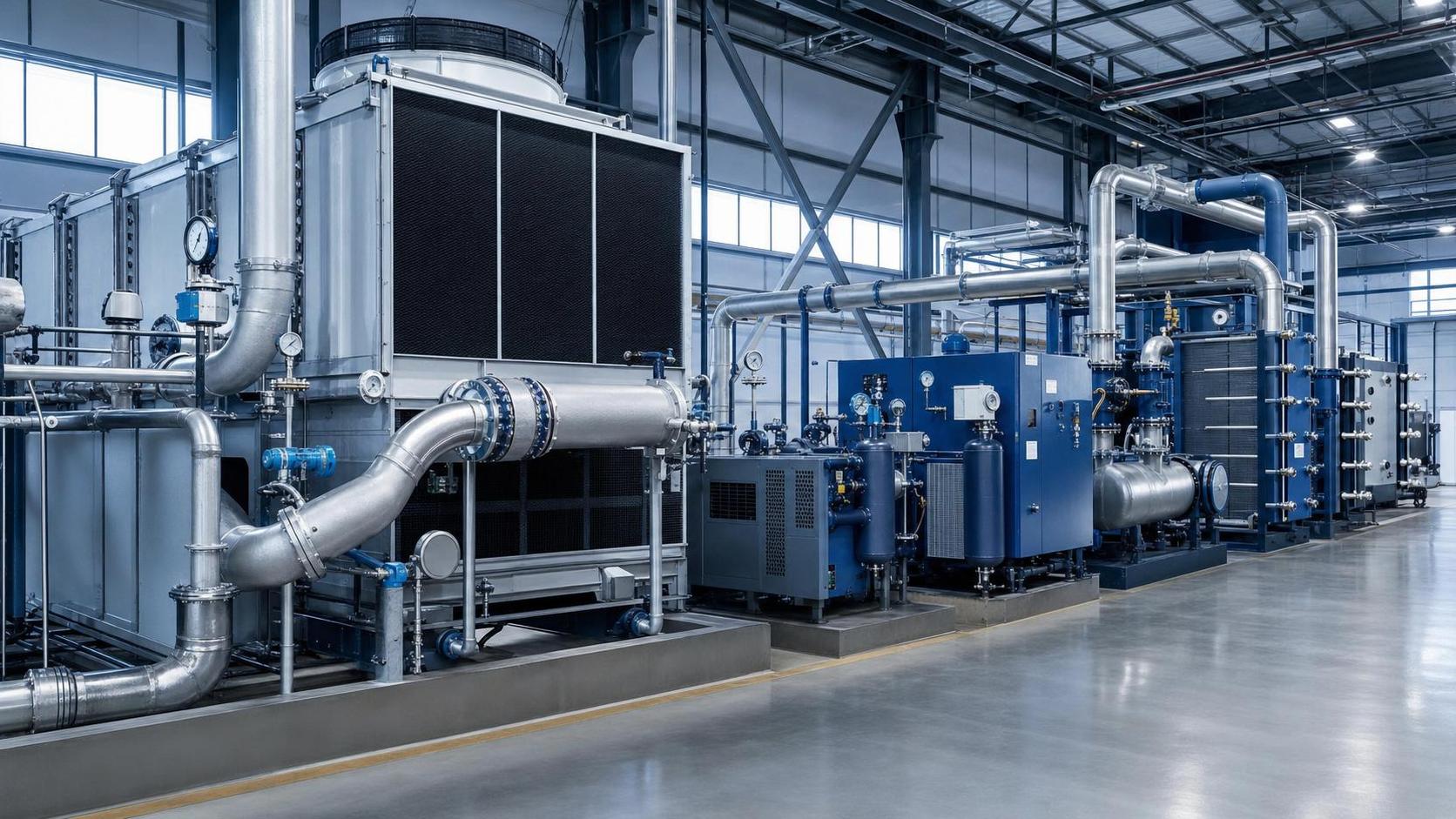
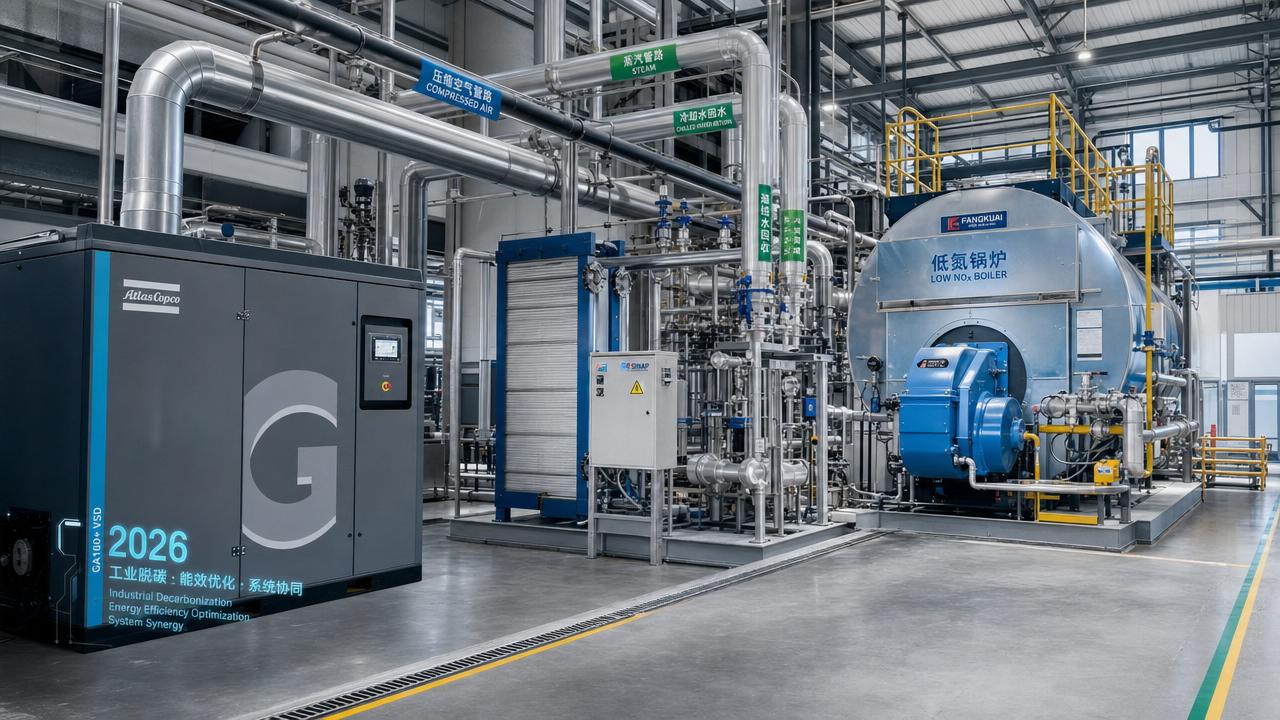
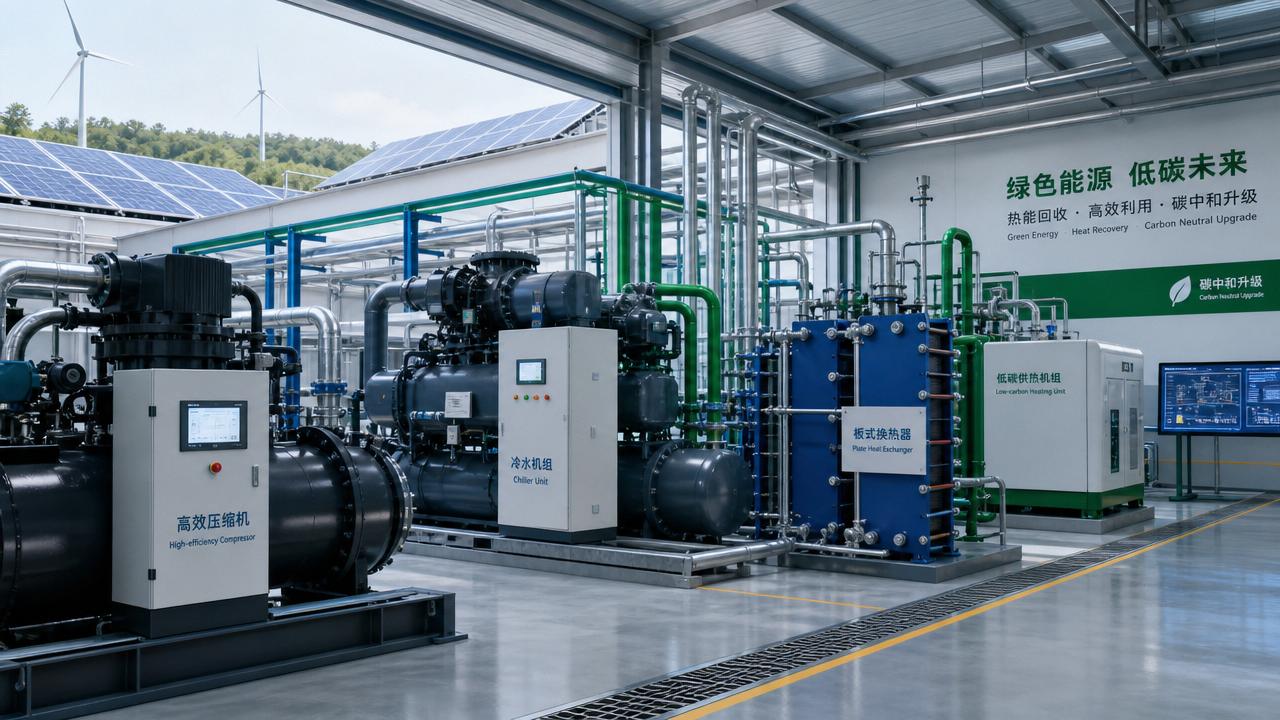
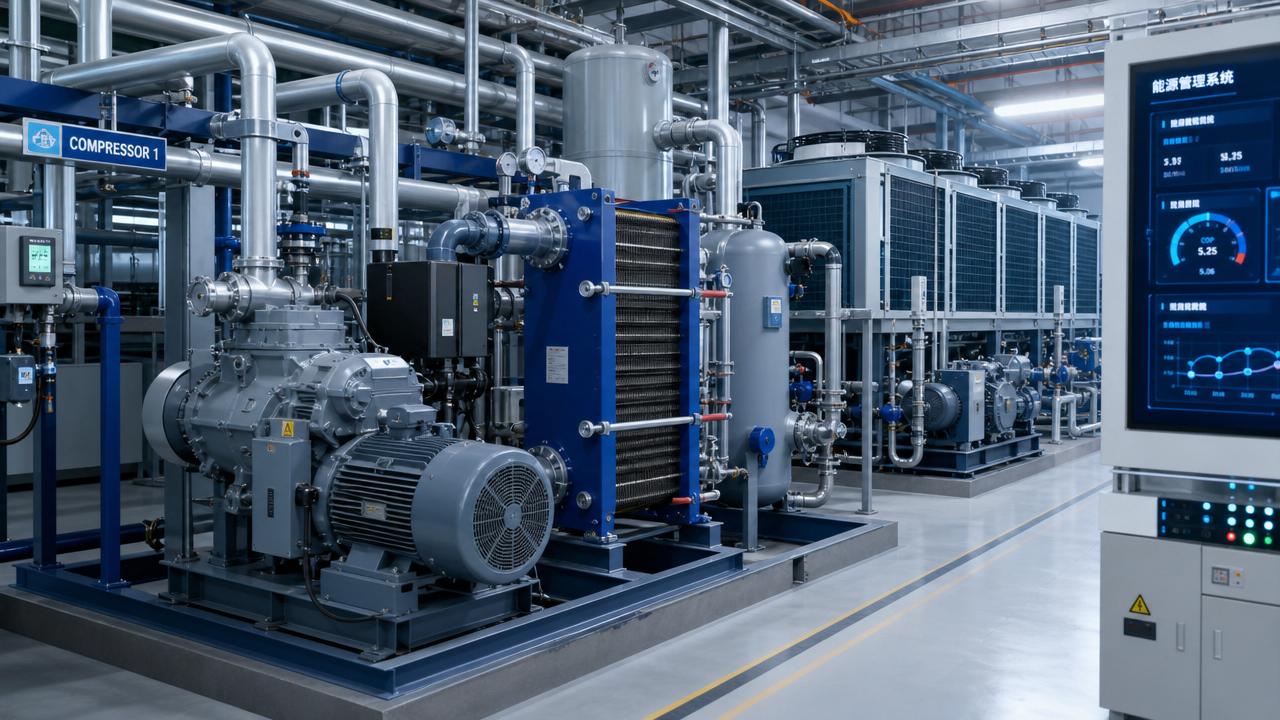
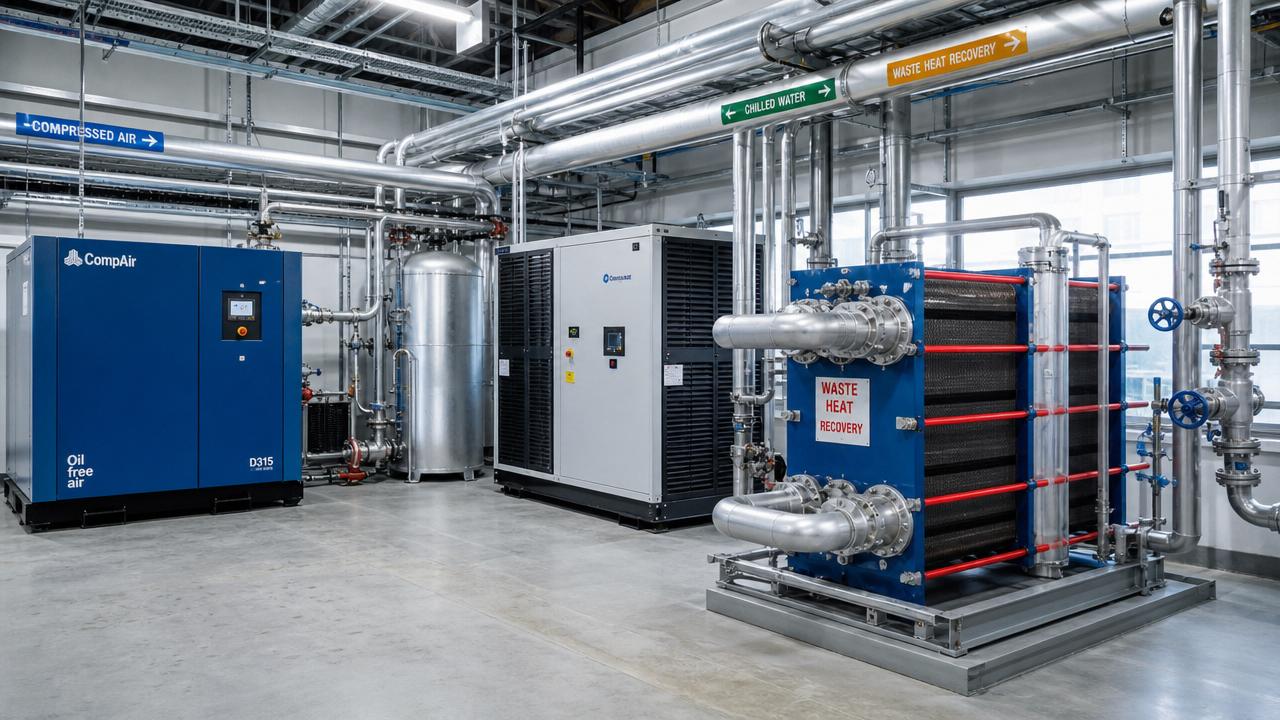
Compressed air rooms, chilled water loops, vacuum networks, and heat recovery units are moving into core operational analytics. They are no longer treated as background infrastructure.
This shift is important because utility instability often causes hidden defects, energy loss, and downtime. Intellectualization exposes these losses in real time.
2. Energy efficiency is merging with production intelligence
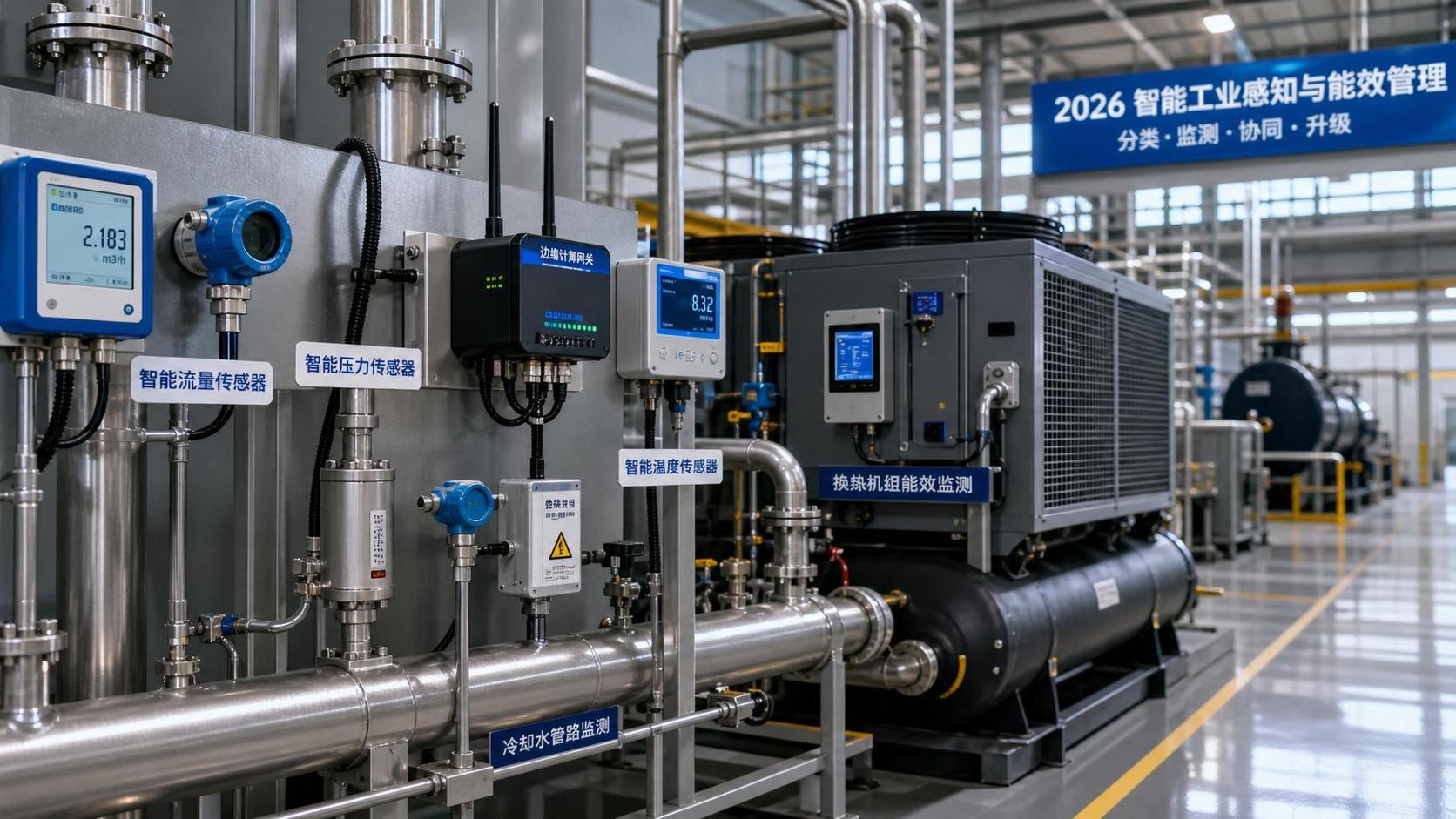
In the past, energy programs and production systems were managed separately. In 2026, intellectualization connects output, quality, and energy consumption at the same decision layer.
That means a line can be evaluated by units produced, defect rates, compressed air intensity, cooling load, and thermal balance at once.
3. Predictive maintenance is shifting toward predictive optimization
Maintenance alerts are no longer enough. Intellectualization increasingly recommends load balancing, compressor sequencing, heat exchanger cleaning windows, and control setpoint changes.
This creates value before failure occurs. It also improves lifecycle economics, especially in energy-intensive operations.
4. Carbon accountability is entering equipment-level decisions
Carbon reporting is becoming more granular. Intellectualization helps trace emissions back to process temperature control, air leakage, vacuum stability, and inefficient heat transfer.
As policy pressure grows, granular visibility becomes a strategic requirement rather than a sustainability extra.
What is driving intellectualization in manufacturing now
The rise of intellectualization is not caused by one technology. It is driven by converging business and engineering forces.
GTC-Matrix tracks these drivers closely because they sit at the intersection of thermodynamics, pneumatic power, and industrial economics. That intersection is where intellectualization becomes commercially meaningful.
How intellectualization will affect operations, equipment, and strategy
The effects of intellectualization will not be limited to IT architecture. The change will reshape operational priorities and capital planning.
- Production planning will increasingly consider thermal load, compressed air demand, and cooling capacity together.
- Equipment selection will shift toward systems with native connectivity, efficiency transparency, and adaptive control capability.
- Maintenance programs will rely more on condition patterns than fixed intervals.
- Capital investments will be judged by energy productivity, uptime contribution, and carbon impact, not only nameplate output.
For high-precision sectors, intellectualization improves environmental stability. For energy-intensive sectors, it exposes hidden losses across the thermal center and power heart of operations.
For multi-site businesses, intellectualization enables comparable performance benchmarks. That creates a clearer path for scaling best practices internationally.
The areas that deserve the closest attention in 2026
Not every trend deserves equal weight. The following areas are likely to produce the most practical value.
Unified data across process and utility layers
If production data and utility data remain separated, intellectualization stays shallow. True insight requires shared context, time alignment, and common performance indicators.
Oil-free, clean, and stable power media
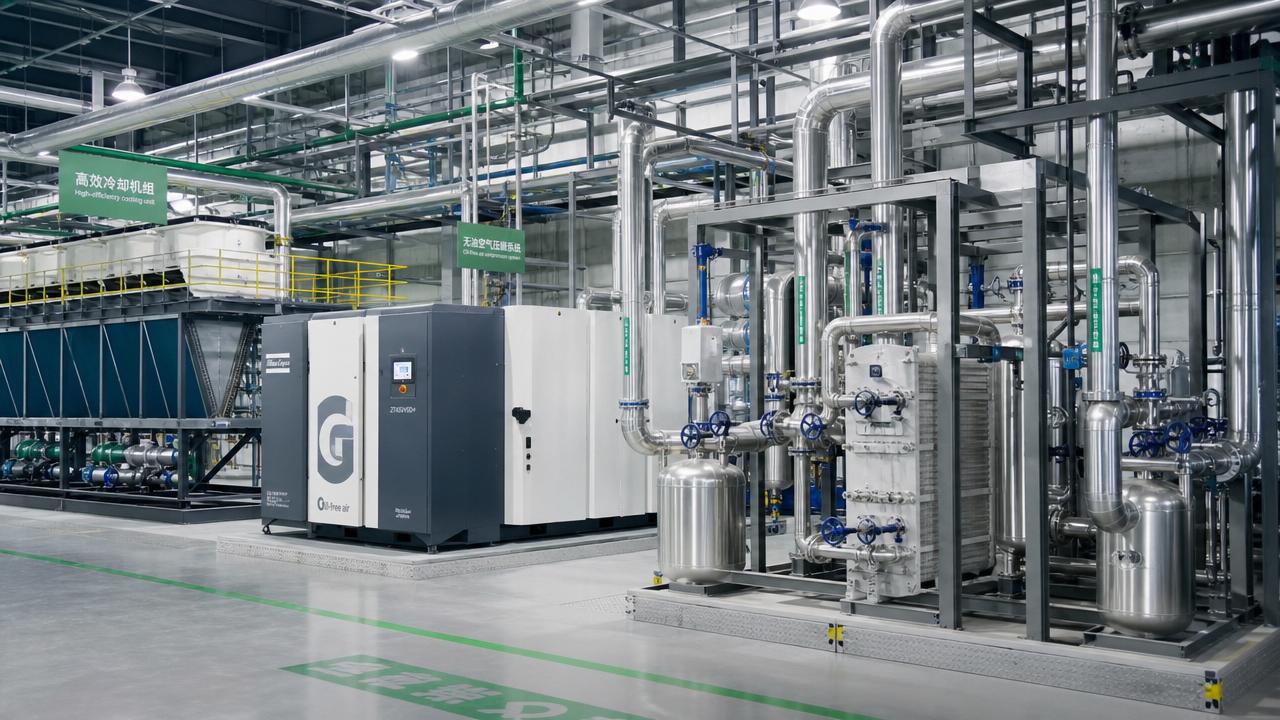
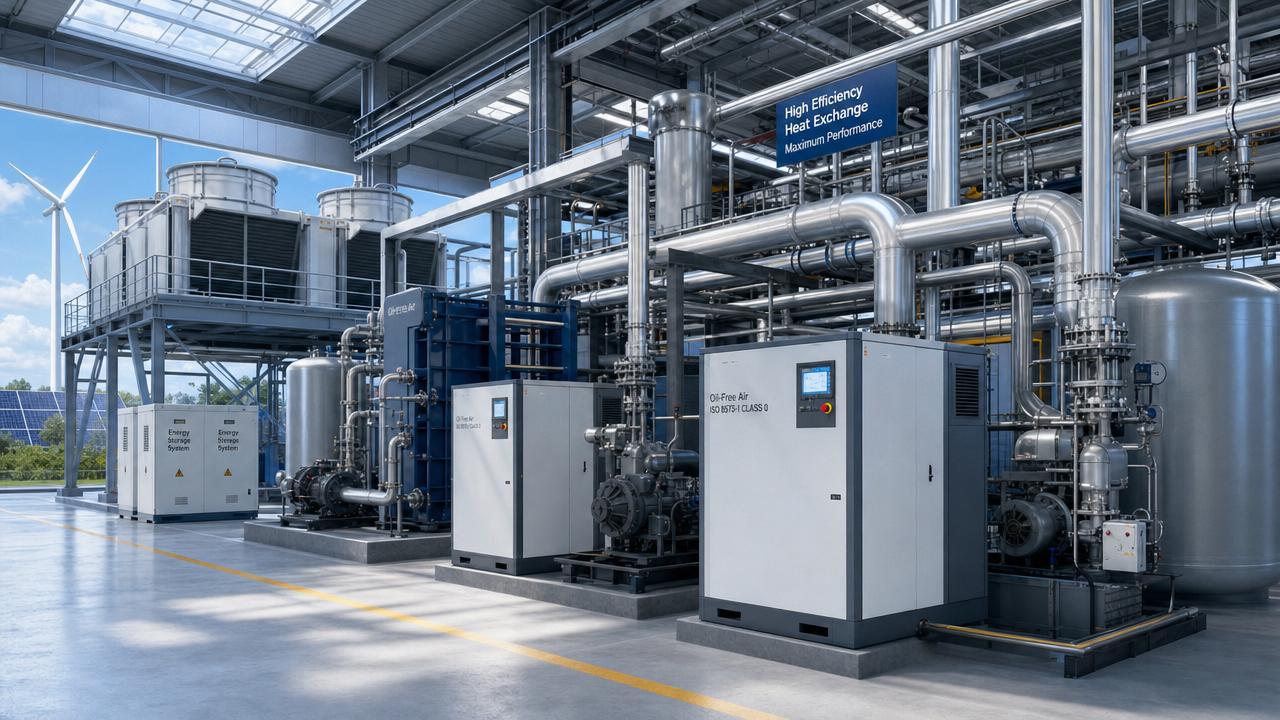
Industries requiring purity and consistency will prioritize oil-free compression, stable vacuum conditions, and tighter thermal control. Intellectualization strengthens the business case for these upgrades.
Heat recovery and exchanger performance visibility
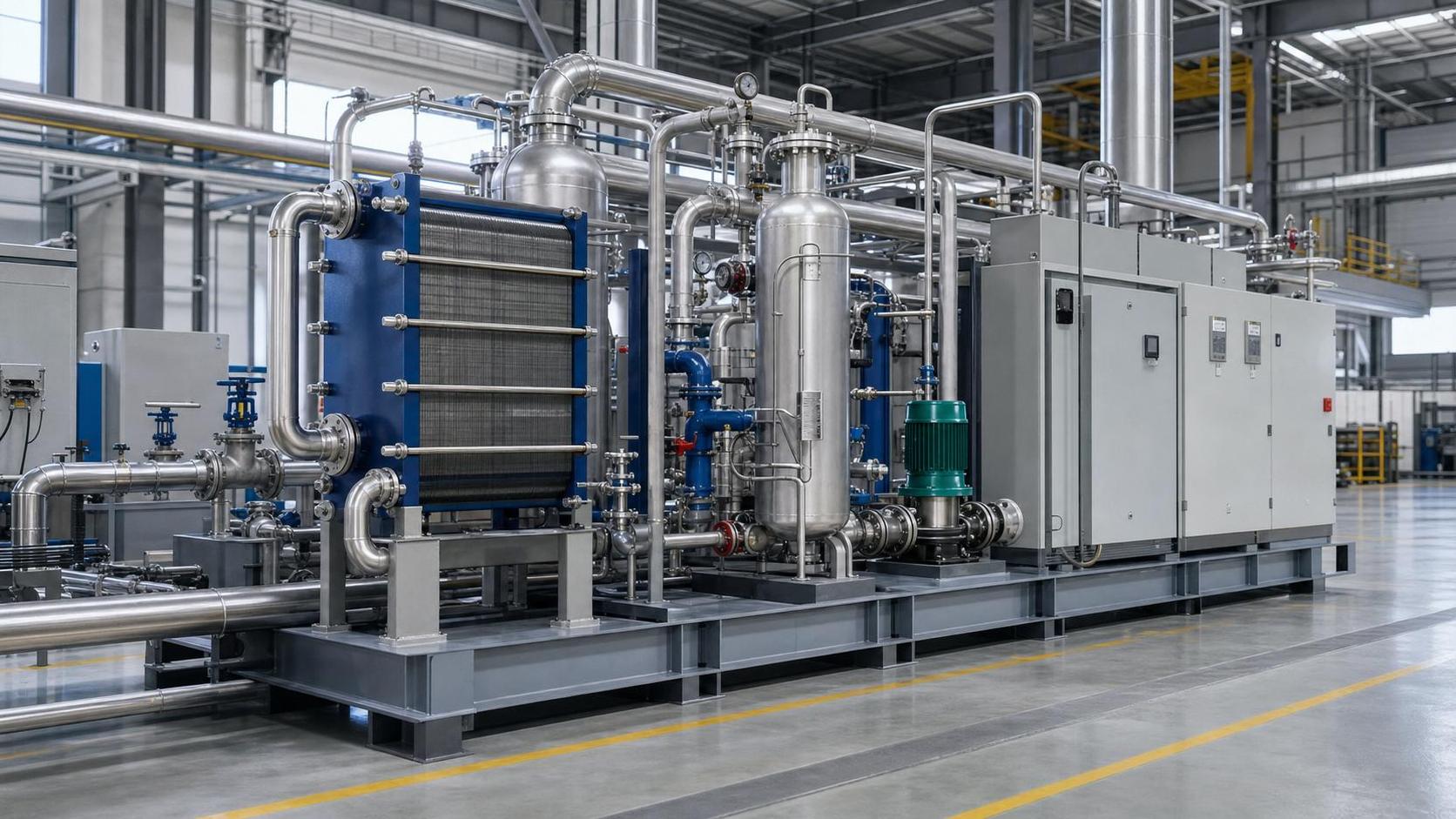
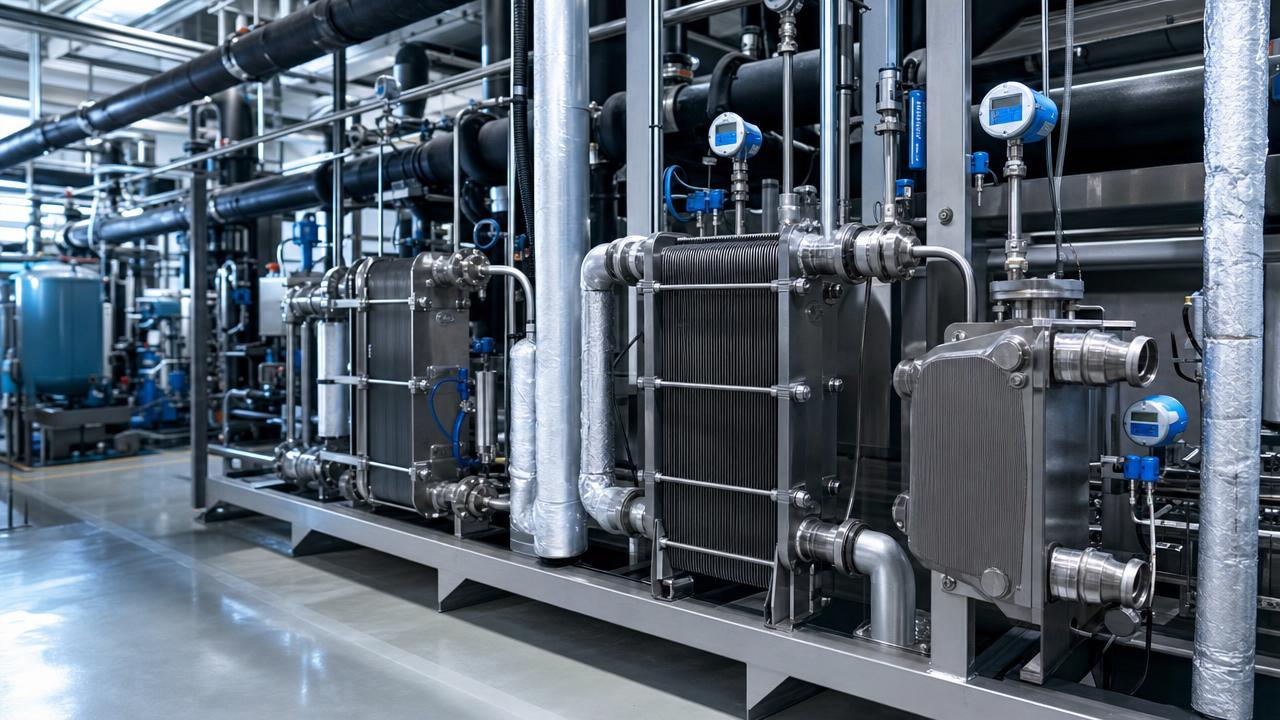
Many facilities still underuse recoverable heat. In 2026, intellectualization will highlight where exchanger fouling, poor flow balance, or weak recovery logic reduce efficiency.
Control logic that adapts to changing operating conditions
Static setpoints create avoidable losses. Adaptive sequencing and model-based control will increasingly determine how quickly facilities respond to demand fluctuations.
A practical framework for judging intellectualization readiness
A useful response begins with honest assessment. The goal is not maximum complexity. The goal is measurable control over industrial variability.
How to respond before intellectualization gaps become cost gaps
A practical response to intellectualization should move in phases. The strongest programs usually begin with utility transparency and expand toward integrated optimization.
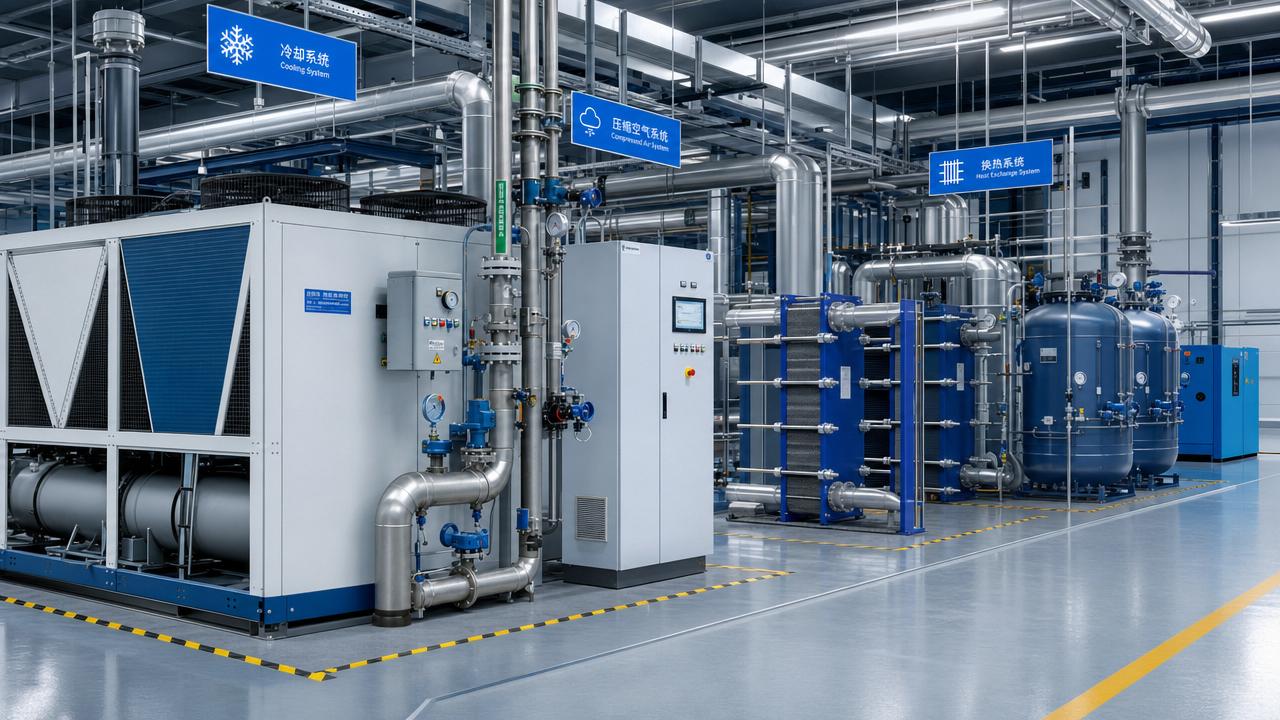
- Map the biggest hidden losses in cooling, compressed air, vacuum, and heat exchange systems.
- Prioritize data points linked directly to cost, uptime, and product stability.
- Create a shared operating view across process teams and utility systems.
- Use pilots to prove value through measurable energy, reliability, or quality gains.
- Scale only what improves decisions, not what only increases data volume.
This is where an intelligence platform like GTC-Matrix adds value. It helps connect market signals, engineering evolution, and energy conversion efficiency into a clearer operating roadmap.
In 2026, intellectualization will reward those who understand both data architecture and thermodynamic reality. That dual perspective will separate visible modernization from lasting advantage.
The next move: turn industrial signals into measurable decisions
The most useful next step is to examine where intellectualization can improve energy conversion, process stability, and utility coordination first. Start where losses are frequent and visibility is weakest.
Watch the 2026 signals closely: connected utilities, adaptive controls, predictive optimization, and carbon-traceable operations. These are not passing trends. They are the new foundations of industrial intellectualization.
Organizations that align strategy with these signals early will be better positioned to optimize thermal systems, strengthen compression efficiency, and build more resilient manufacturing performance.
Ready when you are. Send us a message to get started.
Related News
- Why high-density thermal energy storage is gaining industry attentionAuthor :

- Smart Device Thermal Management Trends Shaping 2026 Product DesignAuthor :

- Industrial Cooling Technologies in Europe: 2026 Trends in Compliance and Energy UseAuthor :

- Industrial Electrification Trends in 2026: Where Projects Are Moving FirstAuthor :

- Industrial Solution Comparison Global: 2026 Trends Reshaping Equipment DecisionsAuthor :

- When Heat Recovery Systems Skid Mounted Designs Improve Project PaybackAuthor :

- How to Compare Industrial Decarbonization Solutions Providers in 2026Author :

- Industry Category Guides for Smart Devices: What to Track as 2026 Markets ShiftAuthor :

- Green Manufacturing Trends Reshaping Industrial InvestmentAuthor :

- 2026 Global Energy Costs: What Will Reshape Industrial PlanningAuthor :

- Industrial Decarbonization Solutions That Cut Fuel Costs in 2026Author :

- Smart Thermal Systems Trends Shaping Industrial Upgrades in 2026Author :

- Resource Circularity in Manufacturing: 5 Practical Gains Beyond ComplianceAuthor :

- Carbon Neutrality Roadmap: What Industrial Firms Need to Prioritize FirstAuthor :

- Energy Conversion Efficiency Trends Shaping Industrial UpgradesAuthor :

- Compression Technology Trends Shaping Efficient Plant UpgradesAuthor :

- Industrial Intelligence in Manufacturing: Where It Delivers Value FirstAuthor :

- How Intellectualization Improves Industrial Thermal ManagementAuthor :

- What Intellectualization Means for Smarter Plant Operations in 2026Author :

- Carbon Neutrality Goals: What Industrial Firms Should Prioritize in 2026Author :

- How Intellectualization Reduces Downtime in Modern Production LinesAuthor :

- Decarbonization Roadmap for Energy-Intensive Plants in 2026Author :

- Thermal Systems Trends in 2026: Efficiency, Control, and RiskAuthor :

- Industrial Decarbonization Priorities for Energy-Intensive FacilitiesAuthor :

- Thermal Systems in 2026: Efficiency Upgrades Shaping Industrial OperationsAuthor :

- Pure Power Sources: 5 Practical Paths to Carbon NeutralityAuthor :

- What Intellectualization Means for Industrial Equipment UpgradesAuthor :

- Thermal Optimization in 2026: Where Energy Savings Deliver the Fastest PaybackAuthor :

- Energy Efficiency Trends Reshaping Compressor Upgrades in 2026Author :

- 2026 Industrial Decarbonization Trends Reshaping Plant UpgradesAuthor :
![]()
- Heat Exchanger Technology Trends for 2026 Efficiency TargetsAuthor :

- Resource Circularity Risks in 2026 Supply ChainsAuthor :

- Smart Thermal Systems: When Upgrades Deliver Measurable SavingsAuthor :

- Carbon Neutrality: Practical Steps for Factory RoadmapsAuthor :

- 2026 Industrial Energy Efficiency Priorities for Plant UpgradesAuthor :

- Industrial Intellectualization Trends Reshaping Equipment UpgradesAuthor :