



How Smart Thermal Systems Reduce Heat Loss in Modern Plants




In modern plants, rising energy costs and stricter sustainability targets make heat retention a strategic priority. Smart thermal systems help industrial leaders reduce heat loss, improve process stability, and unlock measurable efficiency gains across compressed air, cooling, vacuum, and heat exchange operations. For decision-makers, understanding how these systems support lower operating costs and stronger carbon performance is now essential to long-term competitiveness.
What are smart thermal systems, and why do they matter in modern plants?
Smart thermal systems are integrated solutions that monitor, control, and optimize the movement, retention, and recovery of heat across industrial processes. Unlike conventional insulation-only approaches, smart thermal systems combine sensors, control logic, heat exchange design, data analytics, and automation to reduce unwanted thermal losses in real time. In modern plants, this matters because heat loss is rarely a single failure point. It often comes from a chain of small inefficiencies across piping, boilers, compressors, process vessels, ducting, cooling loops, and recovery units.
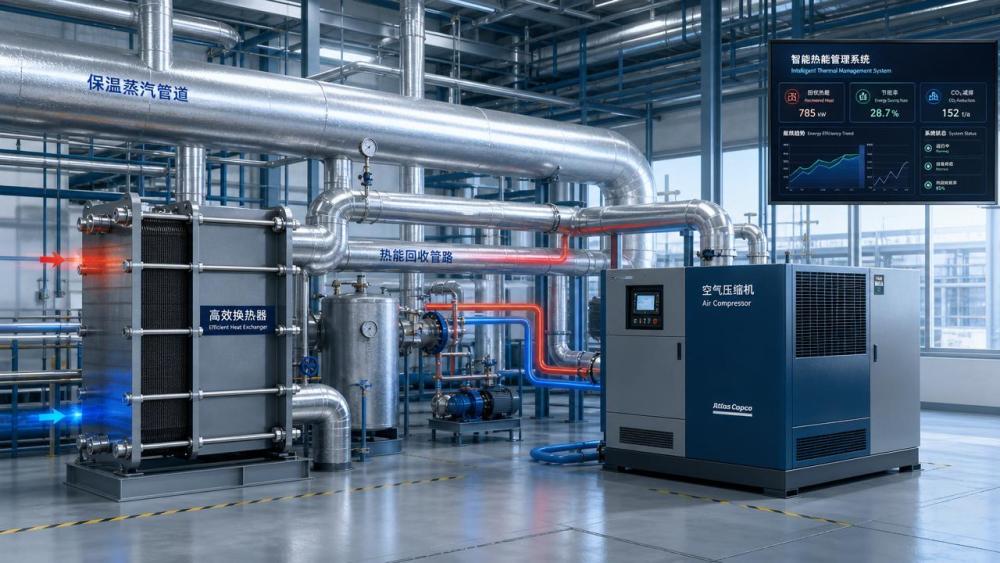
When these losses accumulate, plants consume more fuel and electricity, experience wider temperature swings, and place extra stress on compressors, chillers, pumps, and vacuum equipment. Smart thermal systems address this by making heat visible and actionable. Through continuous temperature mapping, flow analysis, leak detection, and adaptive controls, they help operations teams identify where thermal energy is escaping and where it can be reused.
For a cross-sector industrial environment, the value extends beyond utility savings. Better thermal control improves product consistency, supports compliance with environmental targets, reduces unplanned downtime, and strengthens resilience against volatile energy markets. This is especially relevant in sectors with precise thermal demands such as food processing, pharmaceuticals, chemicals, metals, electronics, and advanced manufacturing. As emphasized by platforms such as GTC-Matrix, thermal intelligence is no longer separate from power efficiency; it is central to how modern industry converts energy into output with lower waste.
Where does heat loss typically occur, and how do smart thermal systems detect it?
Heat loss in industrial plants often hides in familiar assets that are treated as stable background infrastructure. Steam and hot water lines may suffer from aging insulation, poorly sealed valves, or exposed flanges. Compressed air systems can generate excess heat that is vented instead of recovered. Heat exchangers may foul over time, reducing transfer efficiency and forcing higher energy input. Ovens, dryers, reactors, and storage tanks may cycle unevenly, causing overcompensation elsewhere in the process.
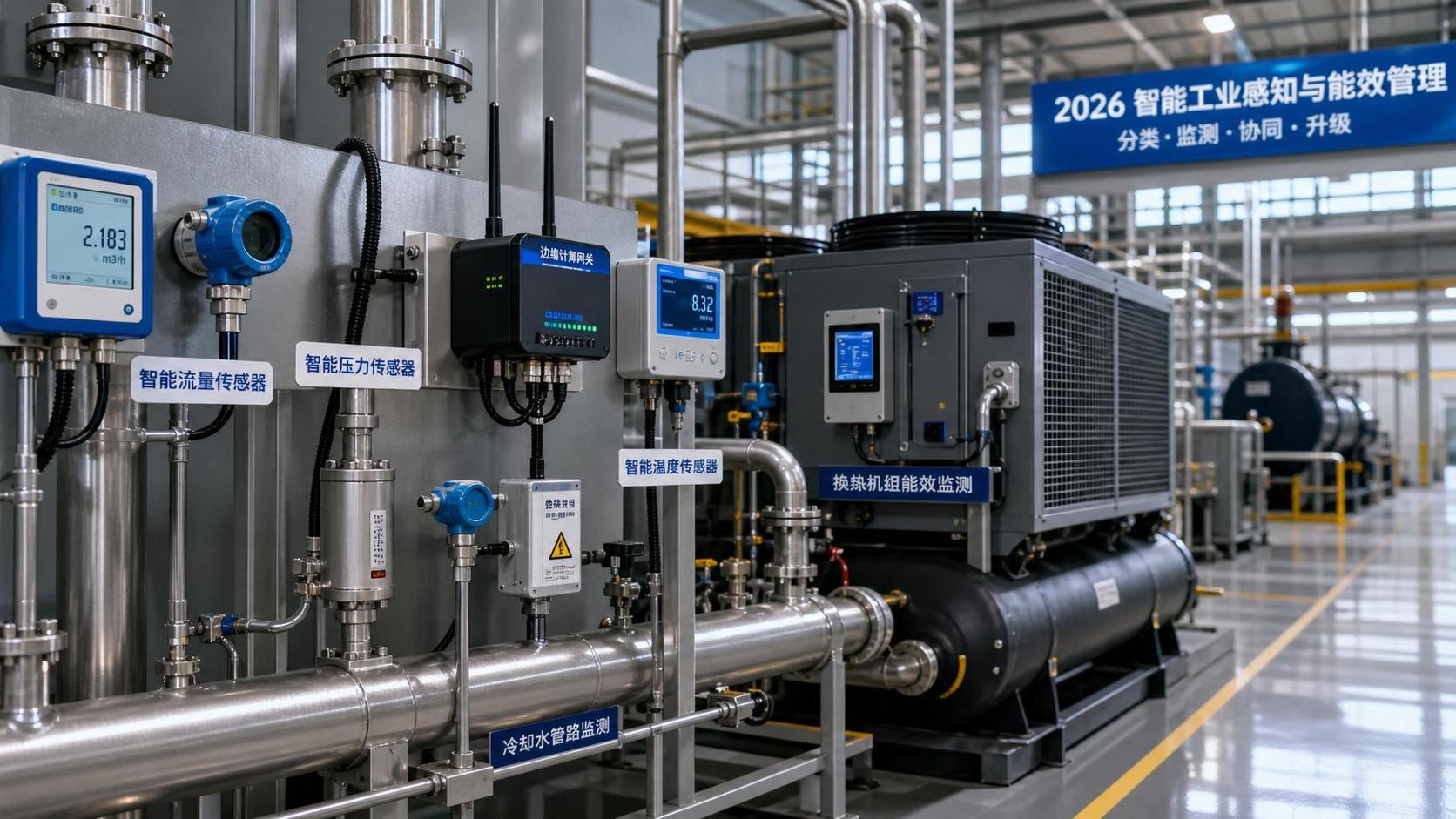
Smart thermal systems detect these issues through a layered approach. First, they collect data from temperature sensors, pressure transmitters, flow meters, infrared inspection points, and control system histories. Second, they compare expected thermal behavior with real operating conditions. Third, they generate alerts, performance baselines, and optimization recommendations that can be tied directly to maintenance planning or process control adjustments.
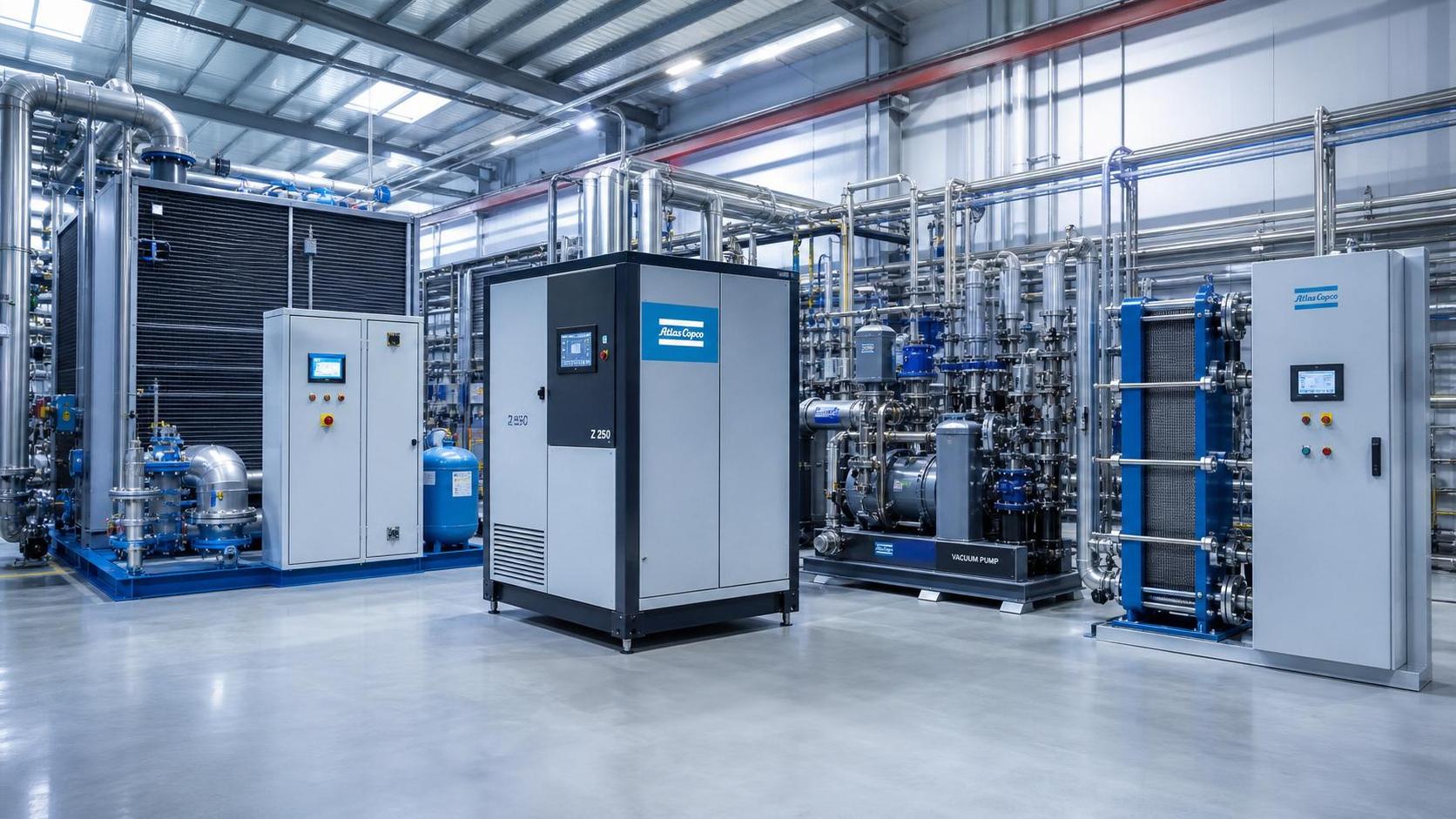
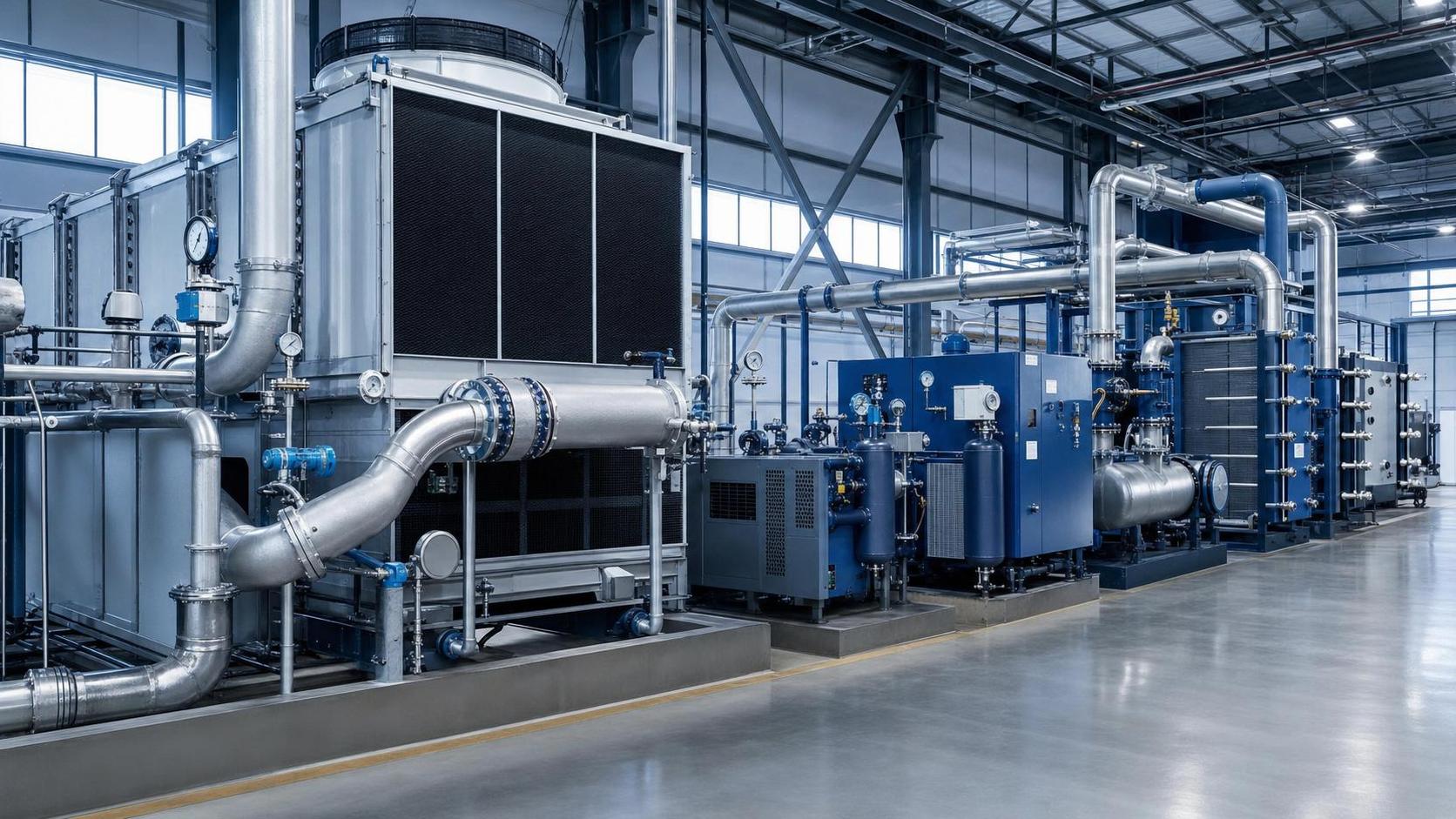
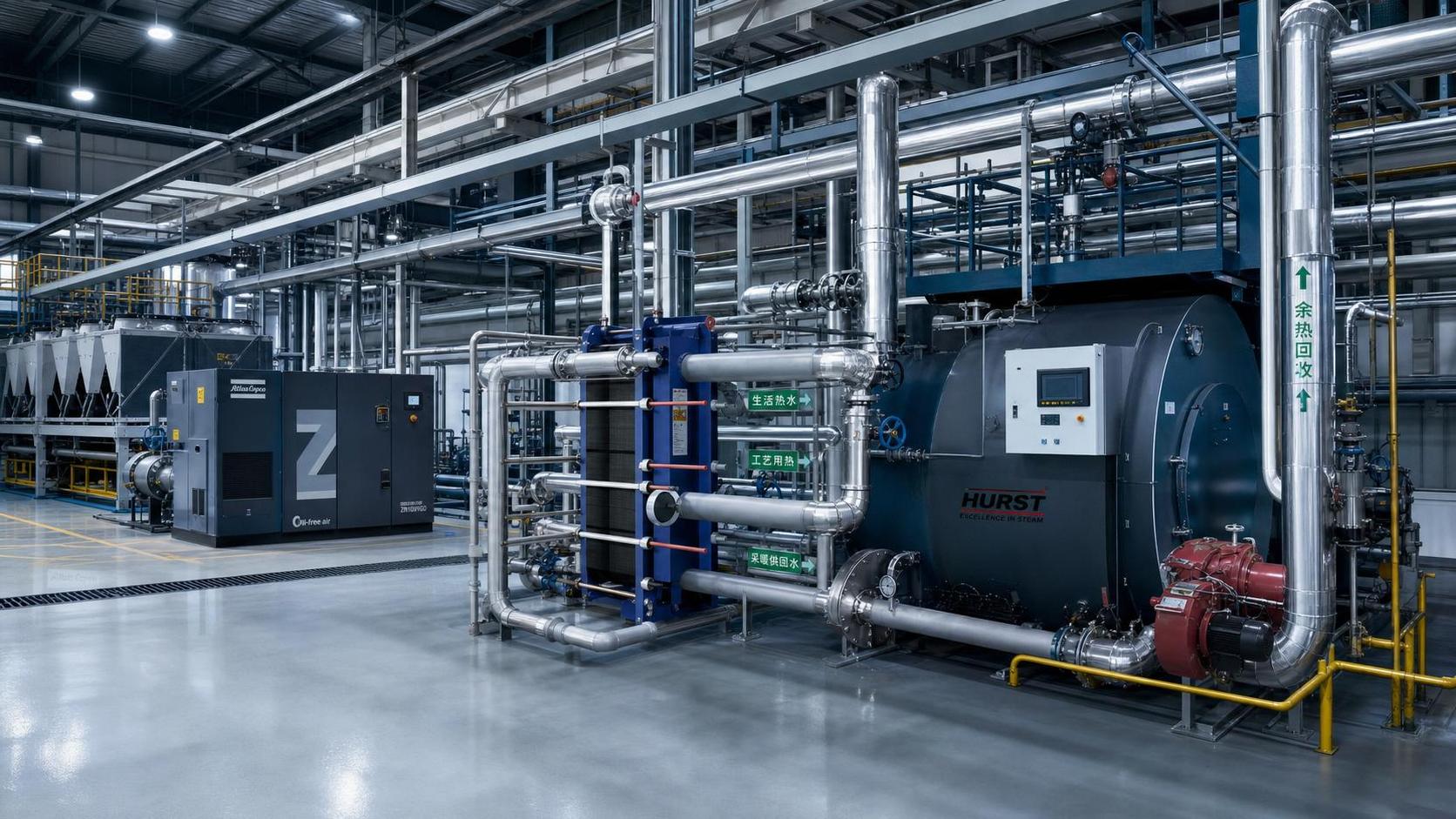
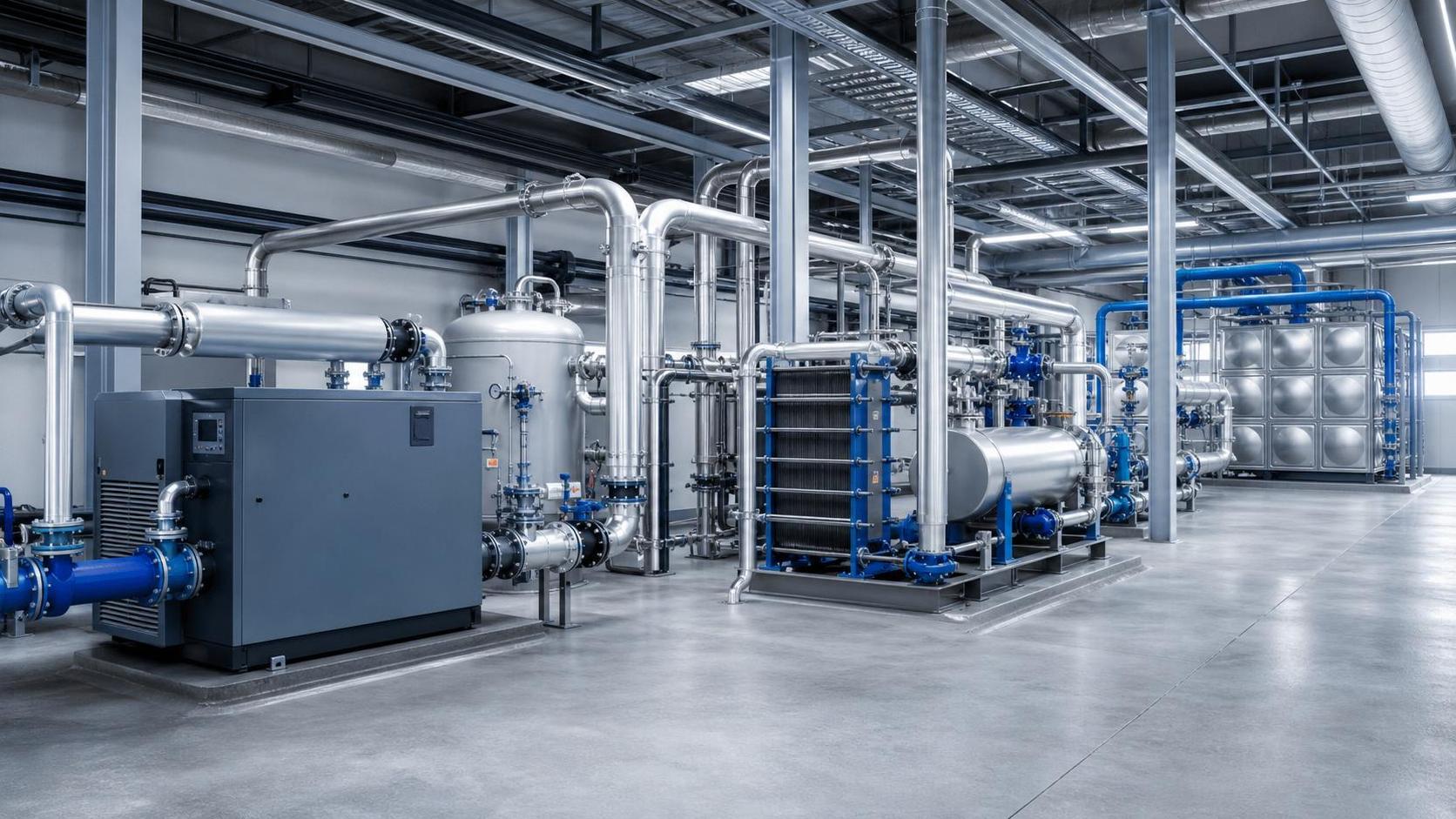
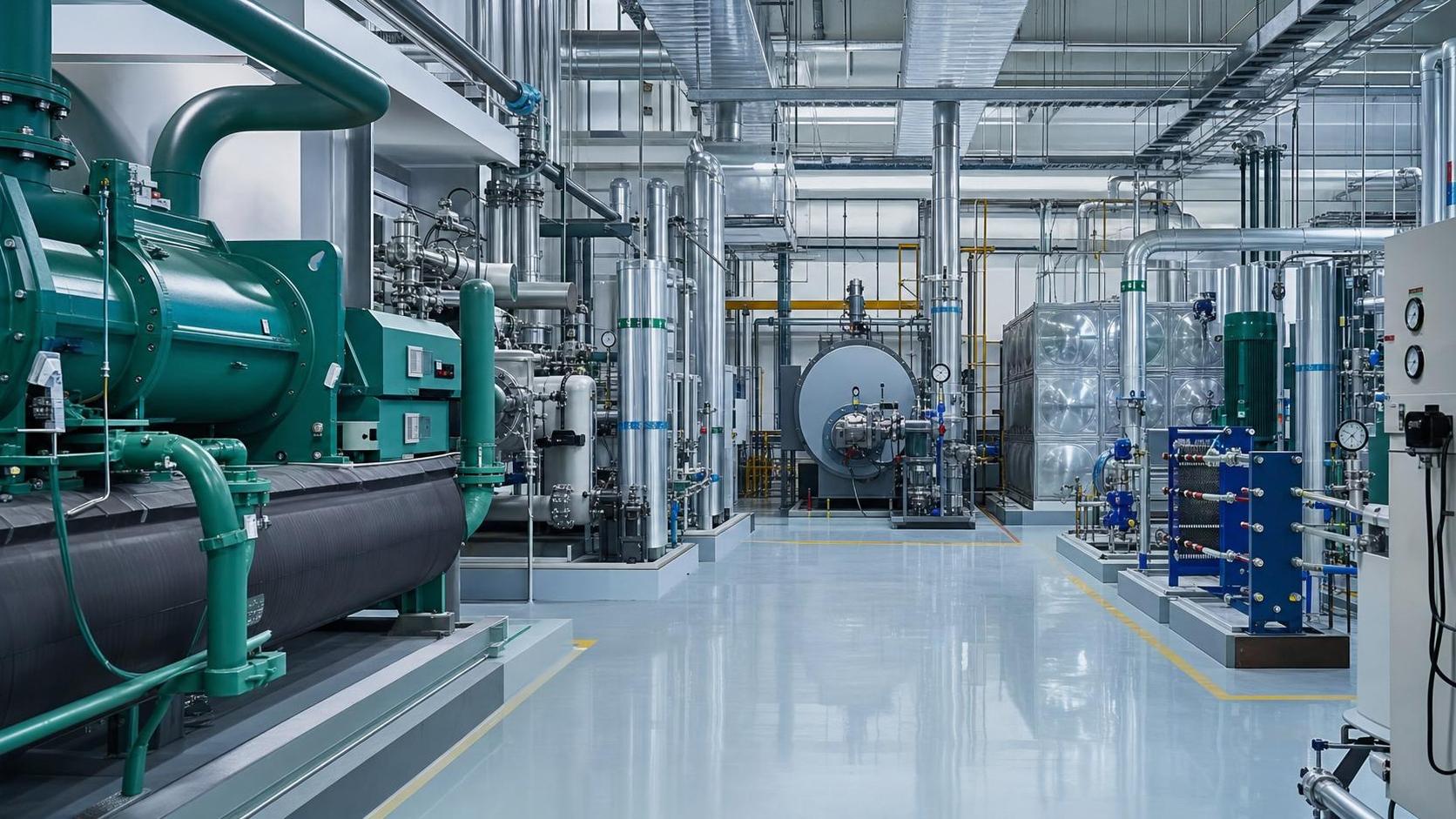
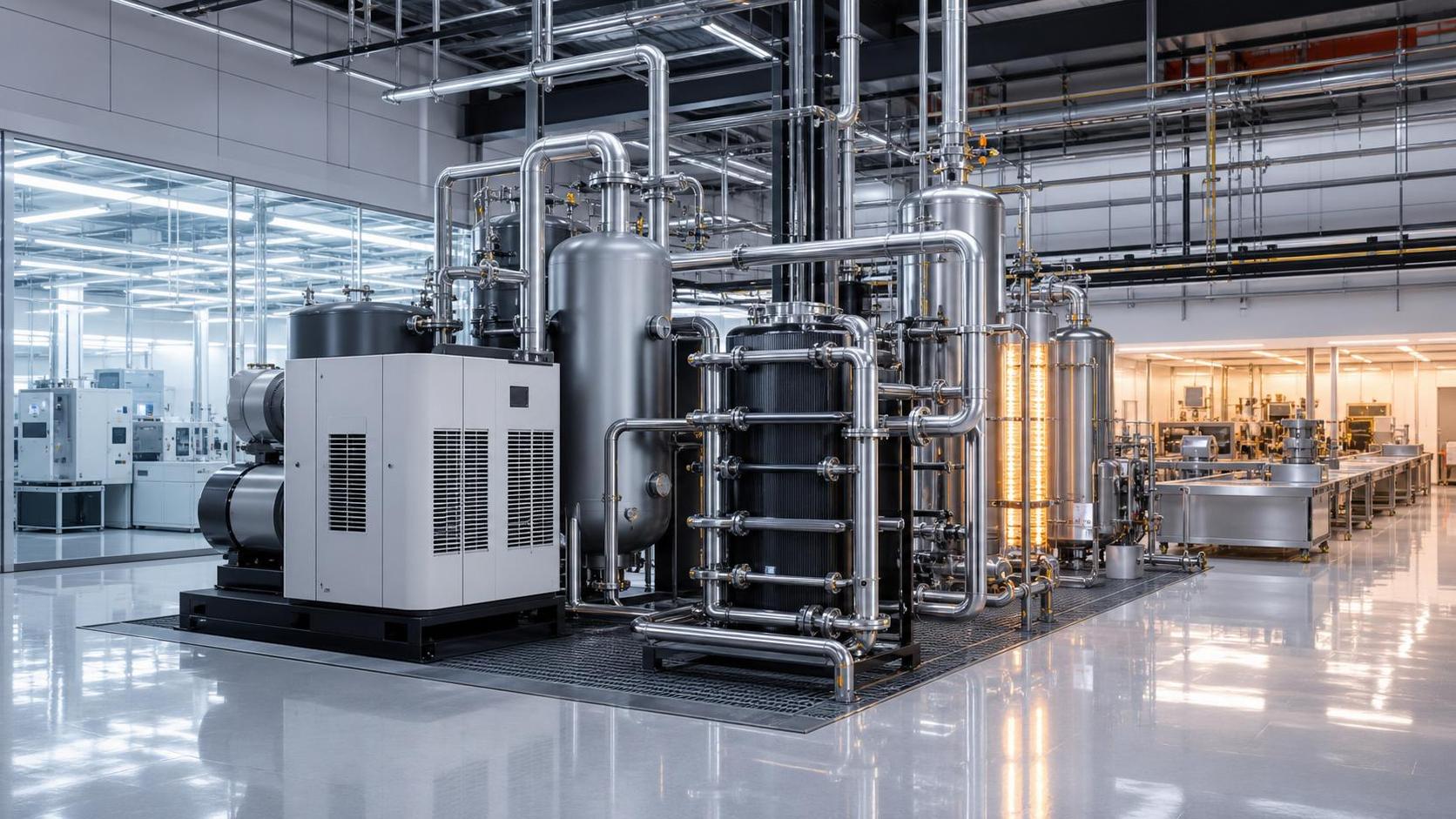
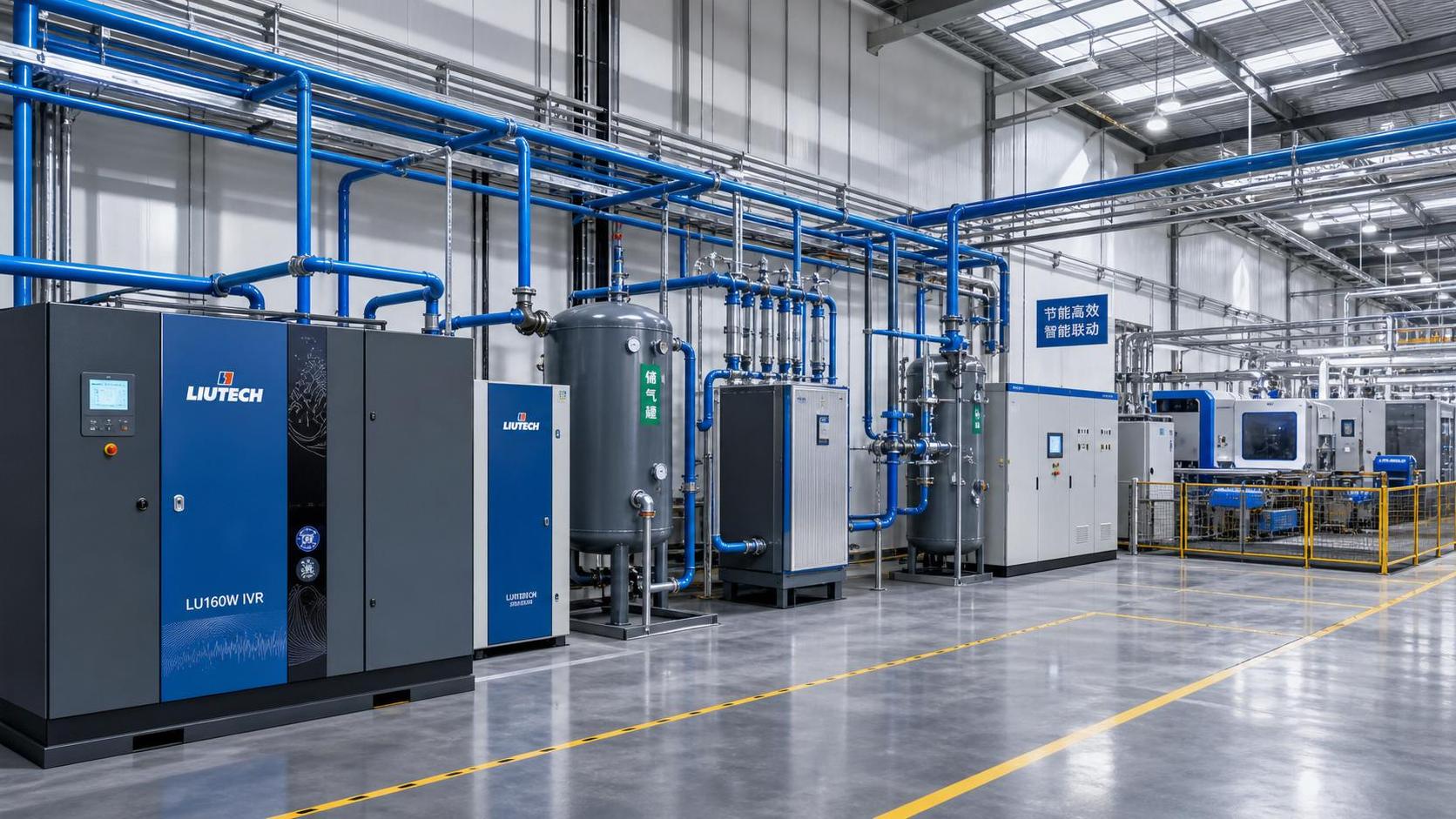
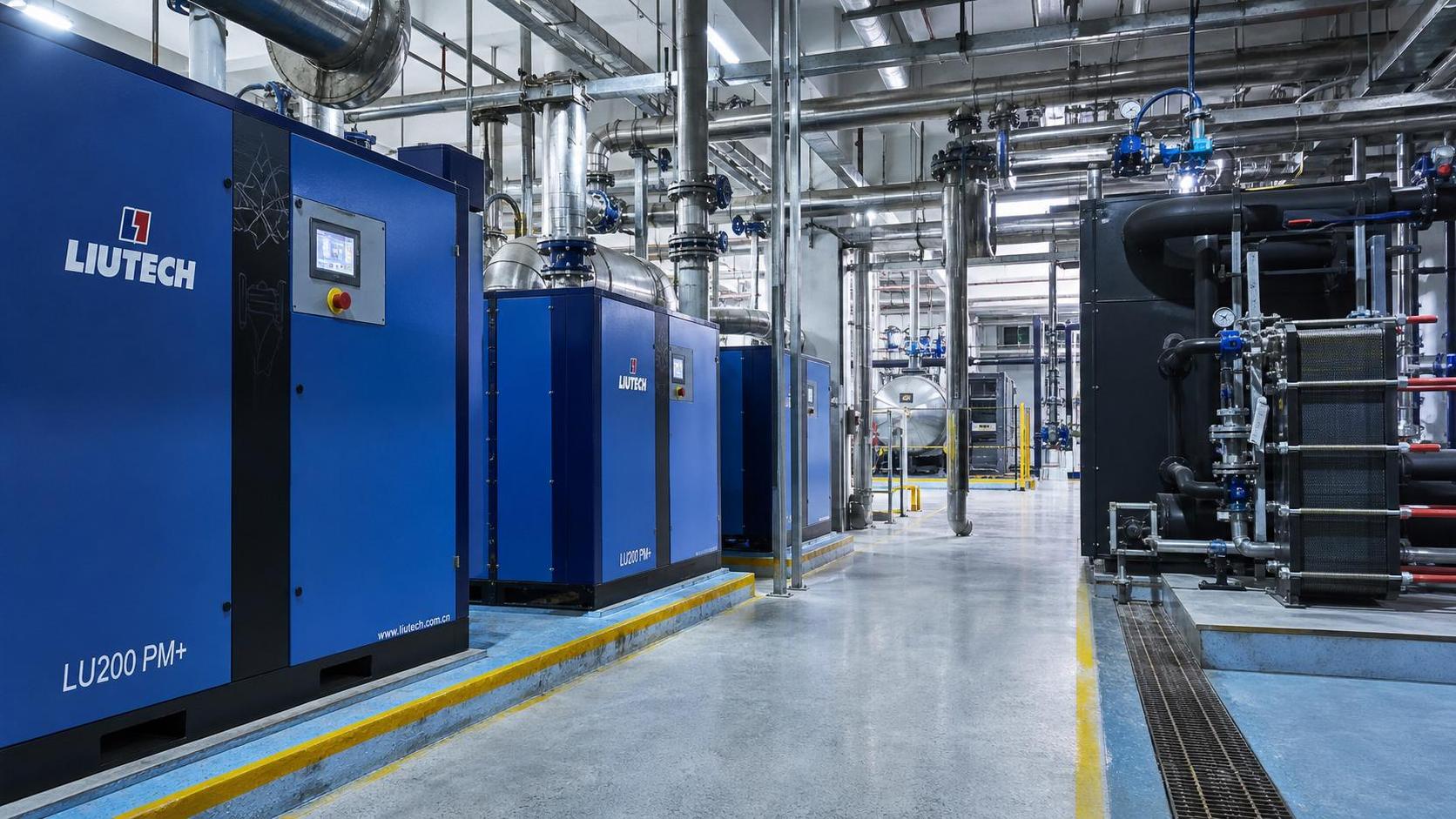
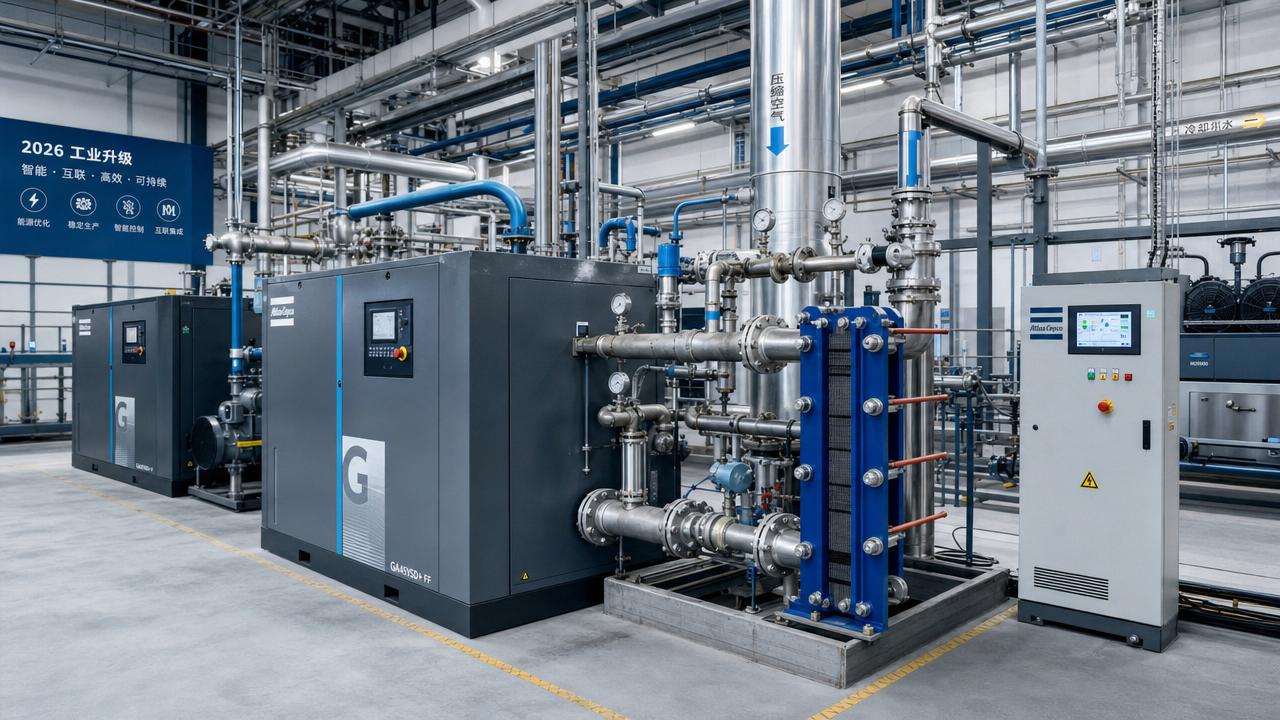
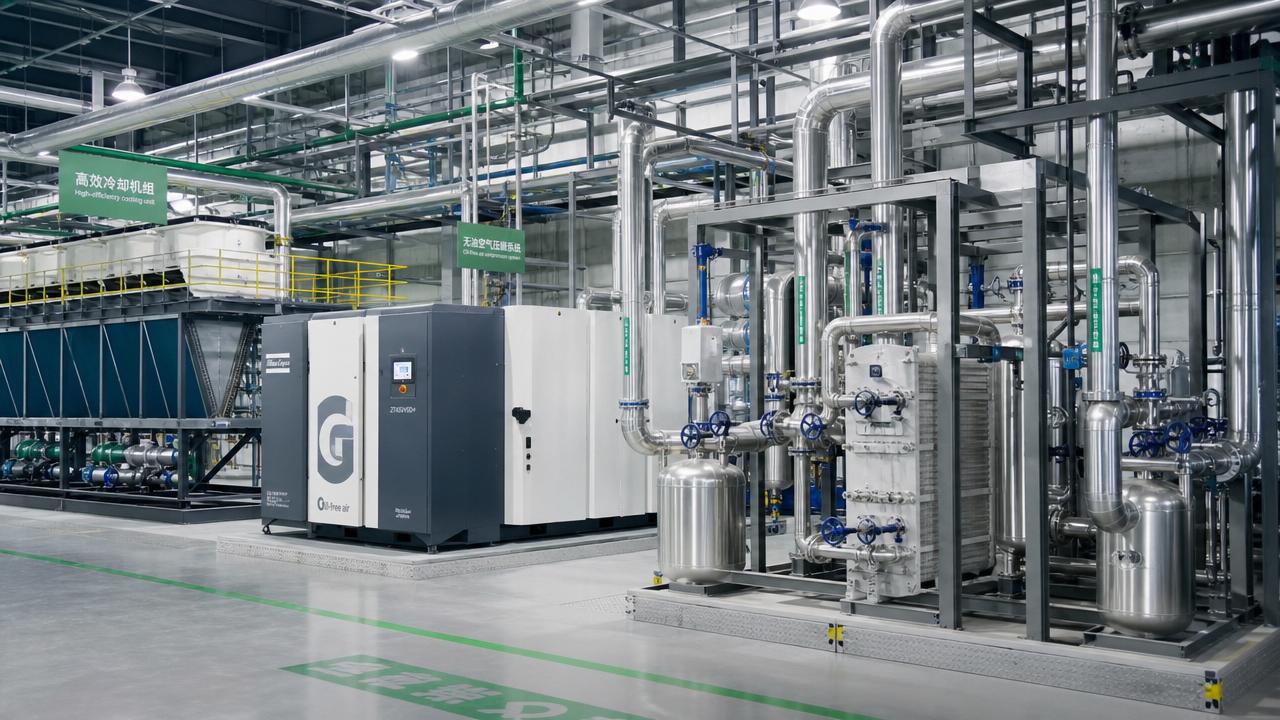
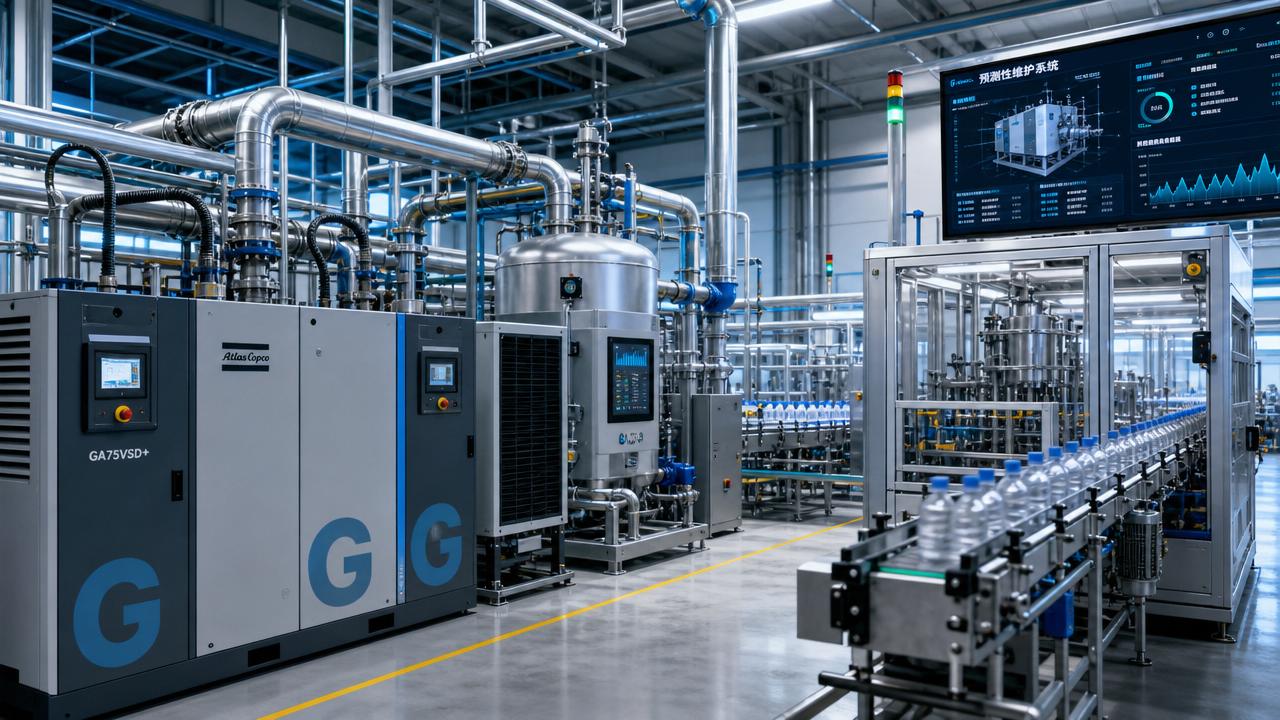
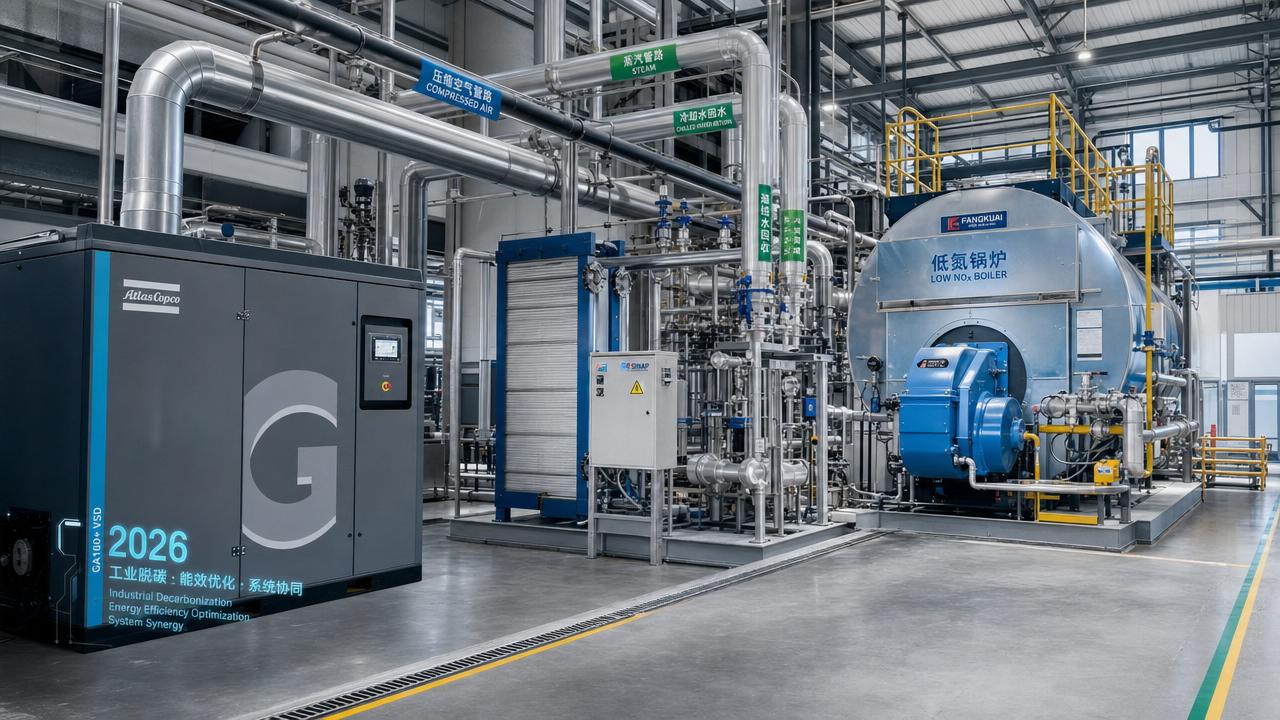
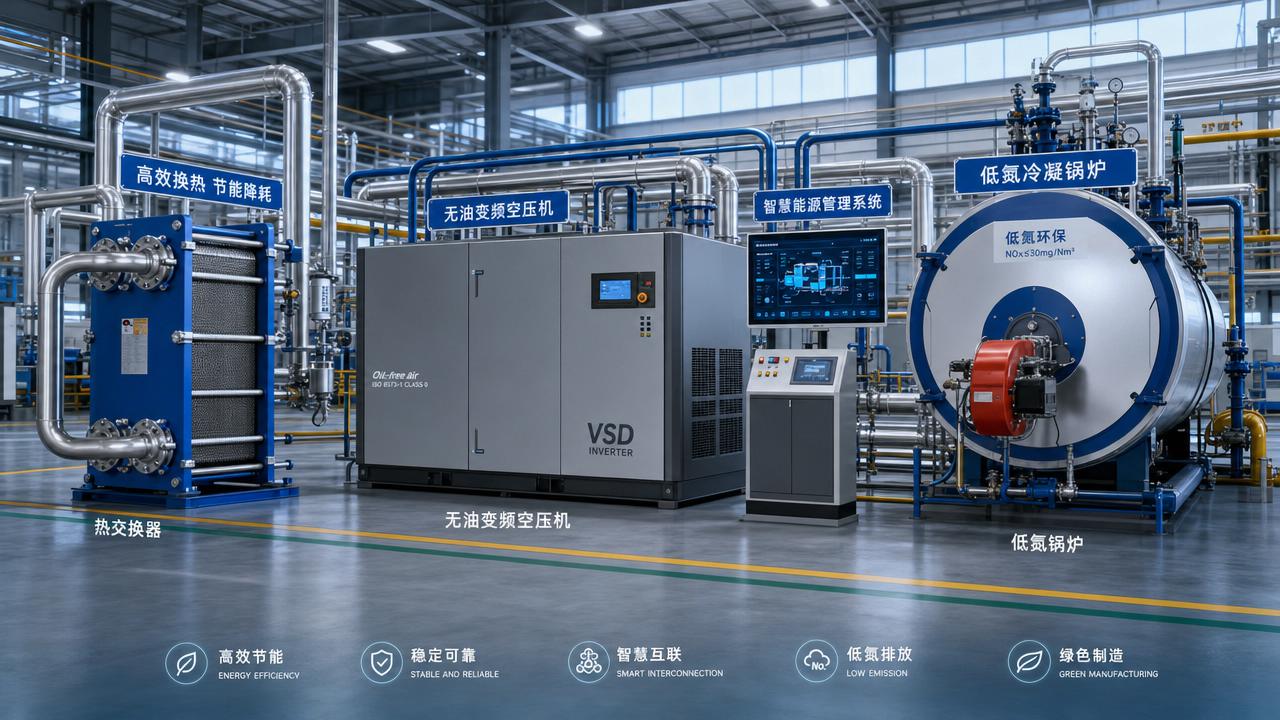
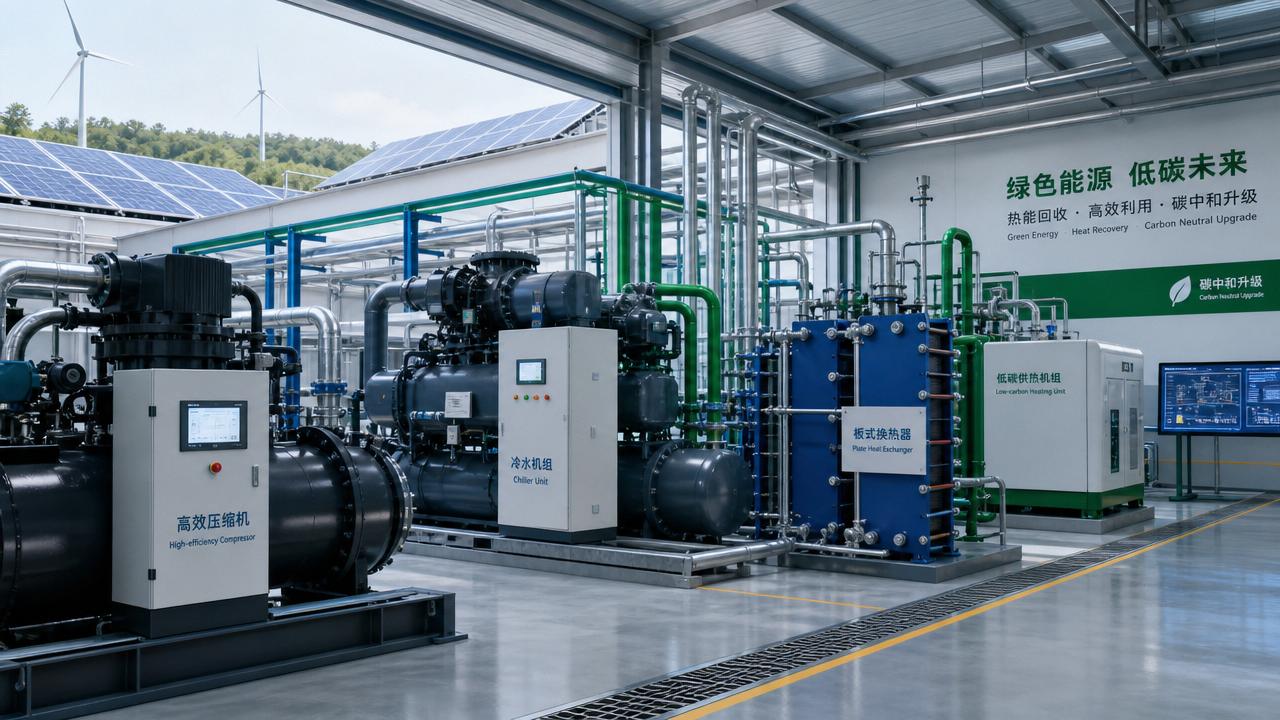
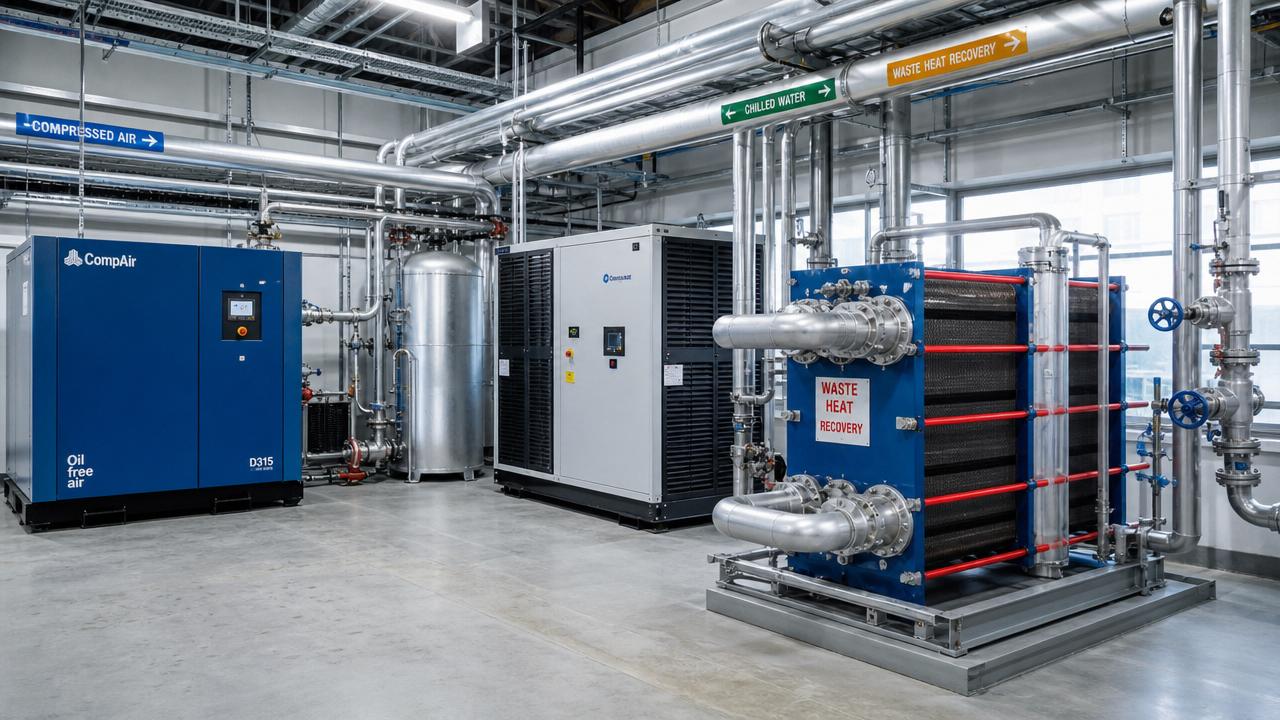
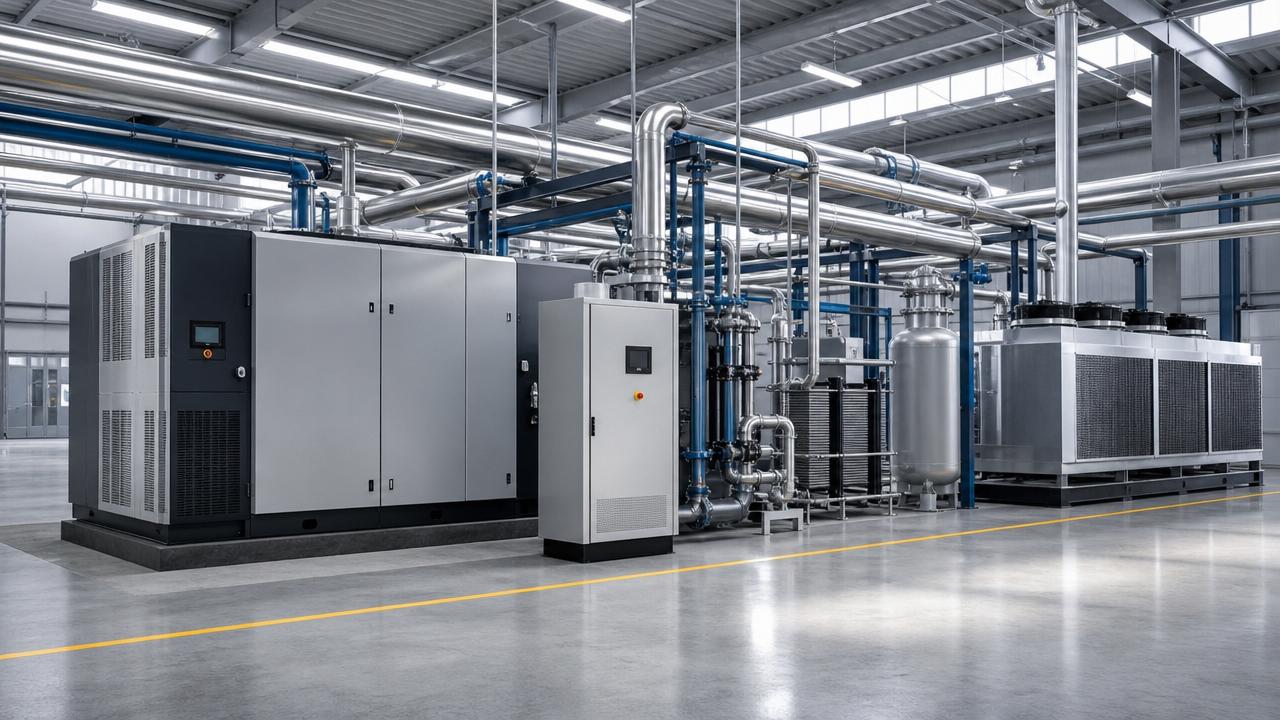
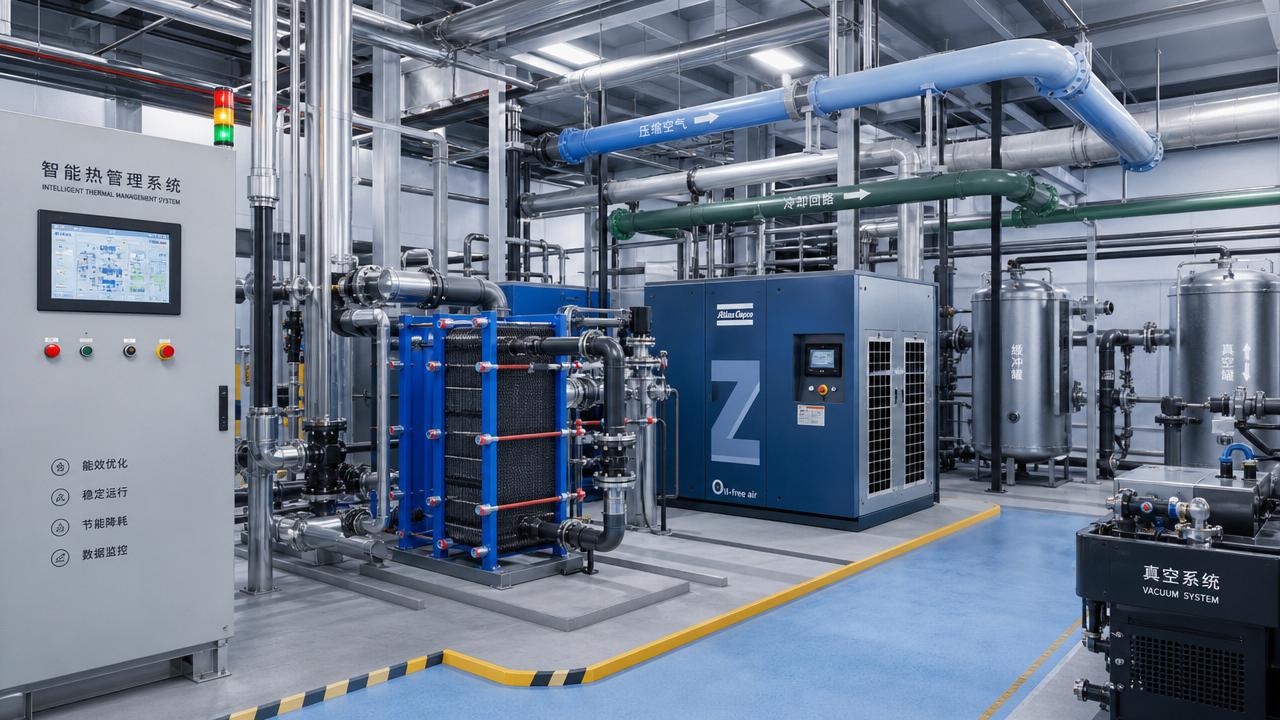
A practical example is a compressed air room where discharge heat from compressors is usually treated as waste. With smart thermal systems, that heat can be monitored and redirected to preheat water, support space heating, or stabilize adjacent thermal processes. In a cooling loop, the same intelligence can identify where excess heat is raising return temperatures and reducing chiller efficiency. In vacuum processes, stable thermal management protects both process quality and equipment lifespan.
This ability to detect hidden loss points is what separates smart thermal systems from isolated efficiency projects. They move plants from reactive troubleshooting toward continuous thermal performance management.
How do smart thermal systems reduce heat loss across different industrial applications?
Smart thermal systems reduce heat loss through several coordinated methods rather than one single device. The first is thermal containment: improving insulation strategy, sealing leak points, and maintaining stable operating temperatures in distribution networks and process equipment. The second is thermal balancing: adjusting flows, control valves, and load sharing so that no area is overheated or underheated. The third is heat recovery: capturing rejected heat and redirecting it to useful tasks elsewhere in the plant. The fourth is predictive optimization: using data to prevent efficiency decline before it becomes costly.
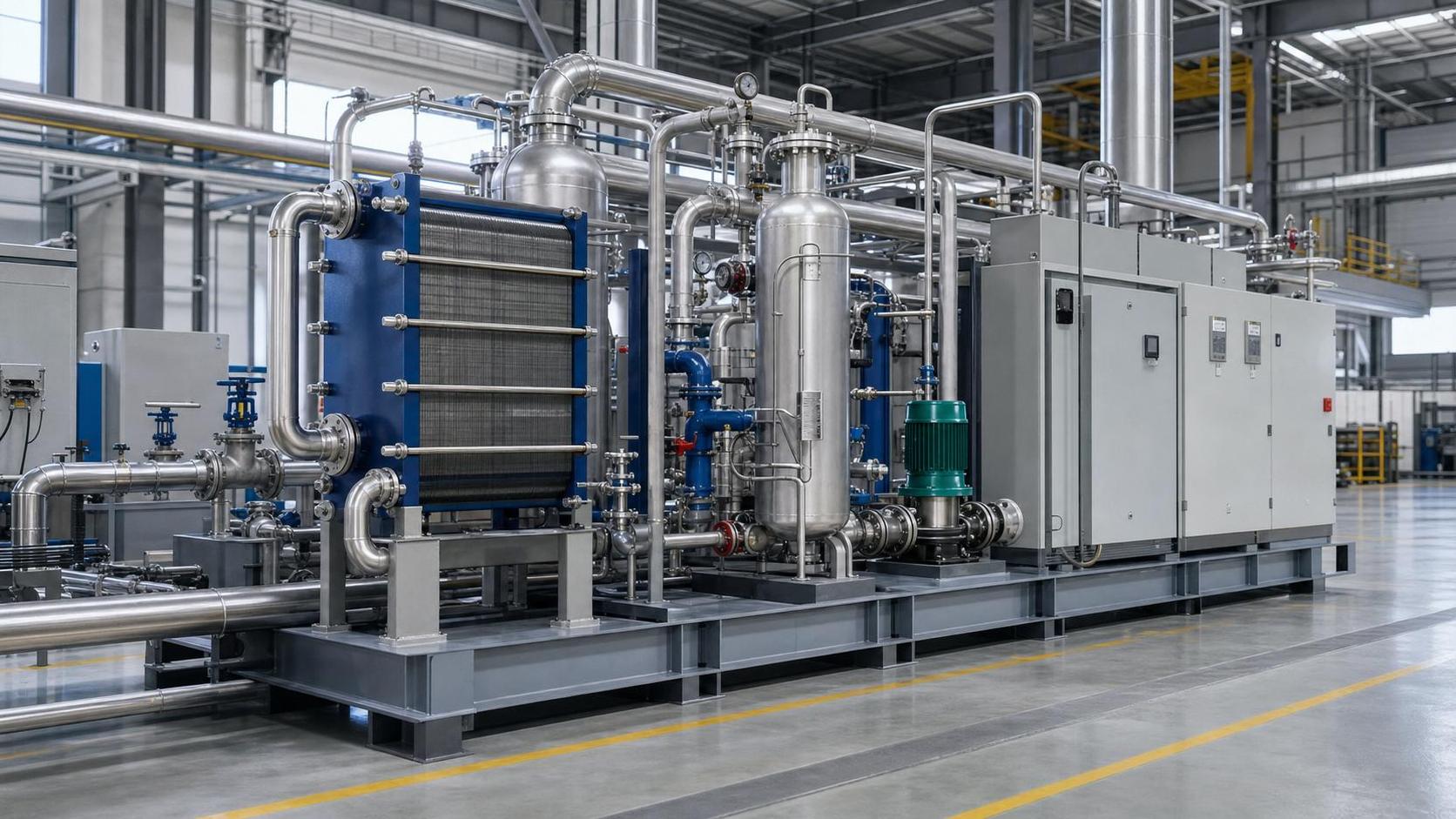
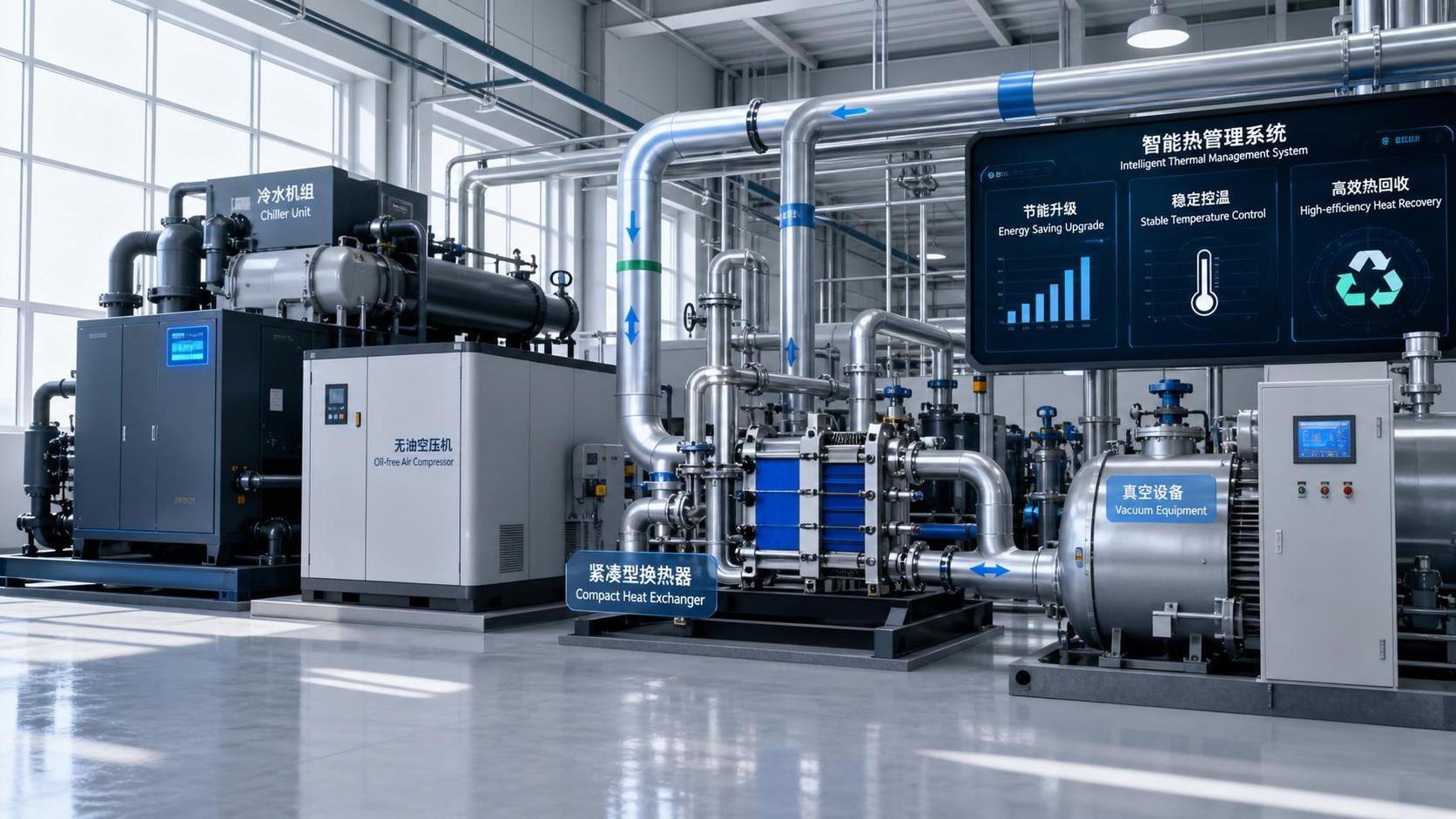
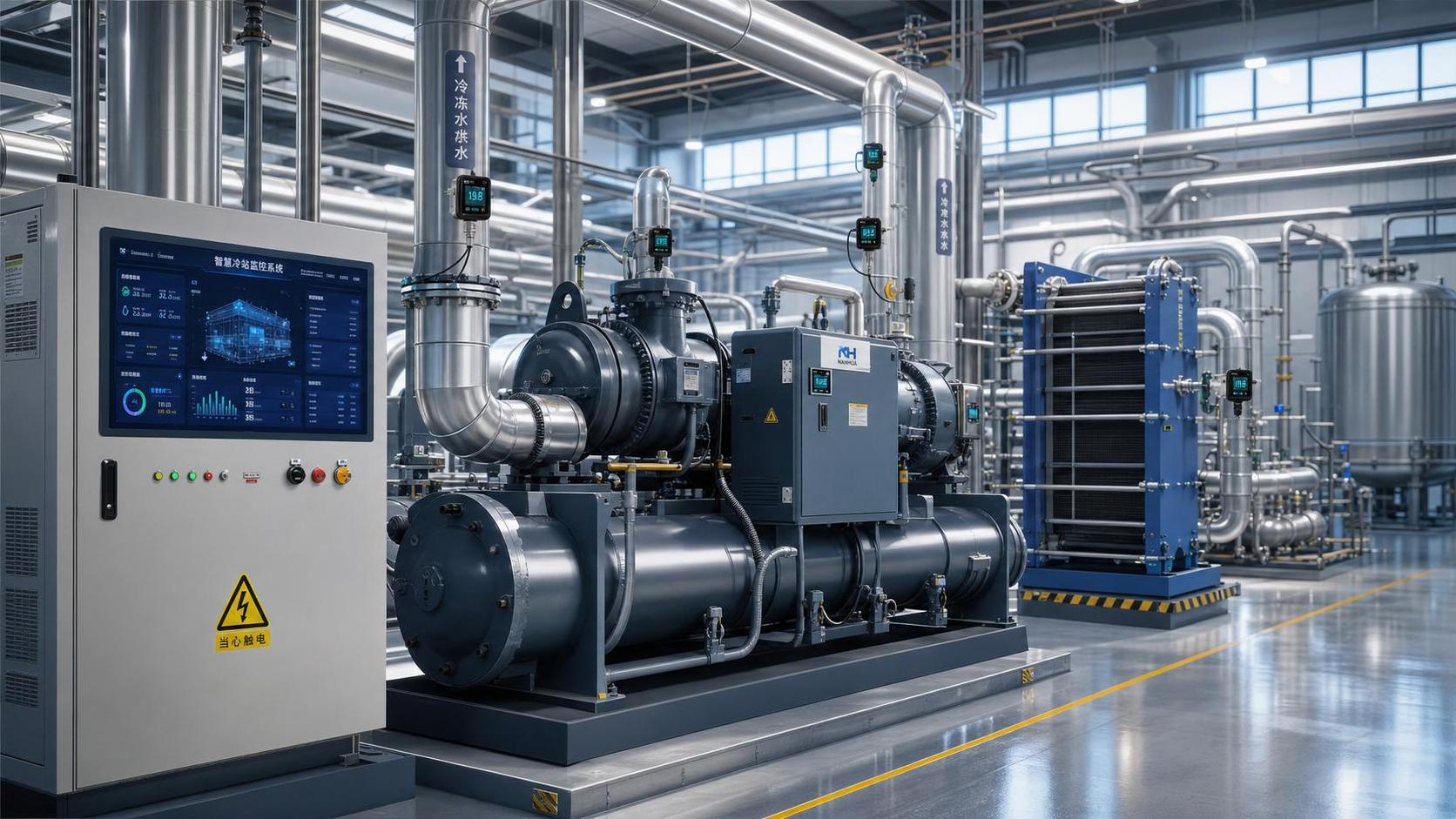
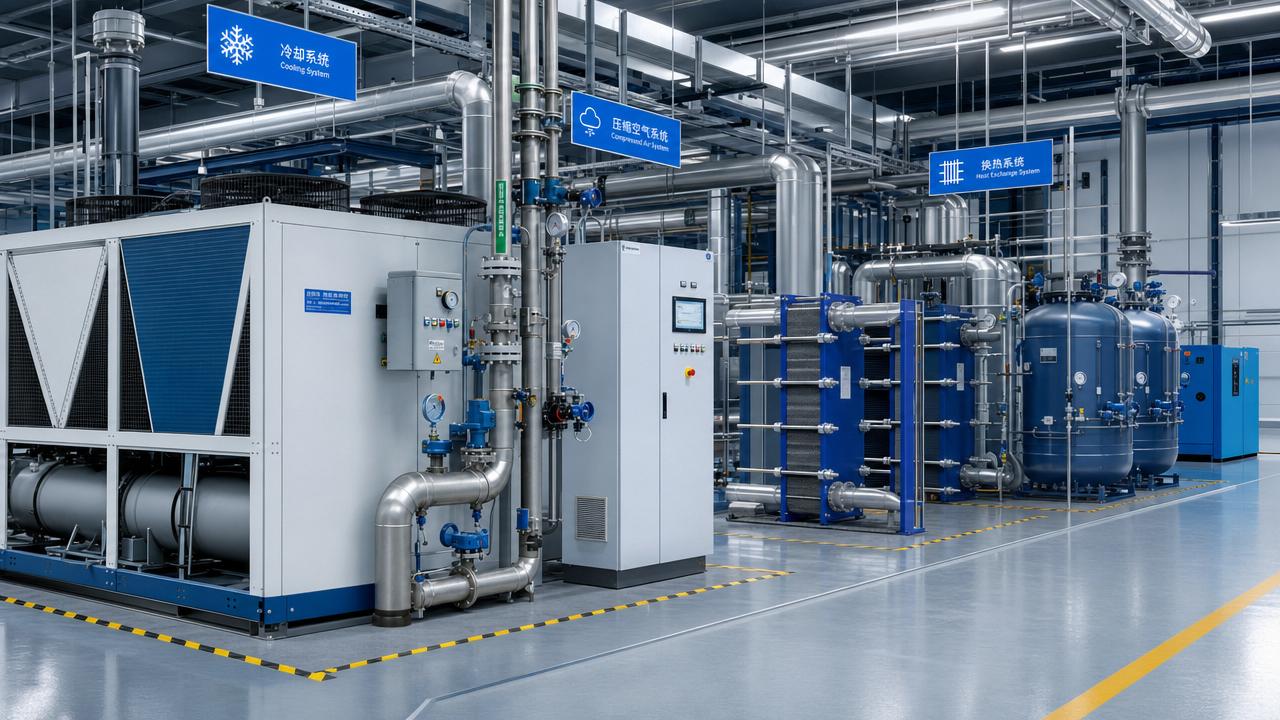
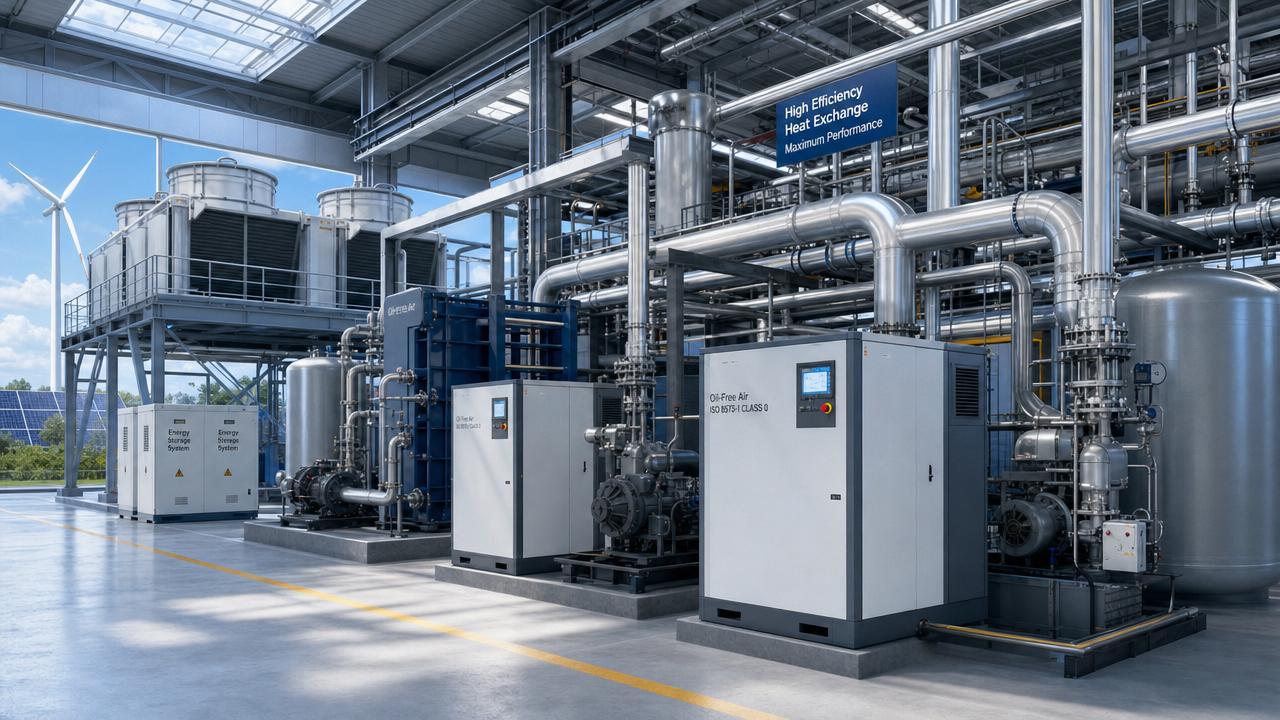
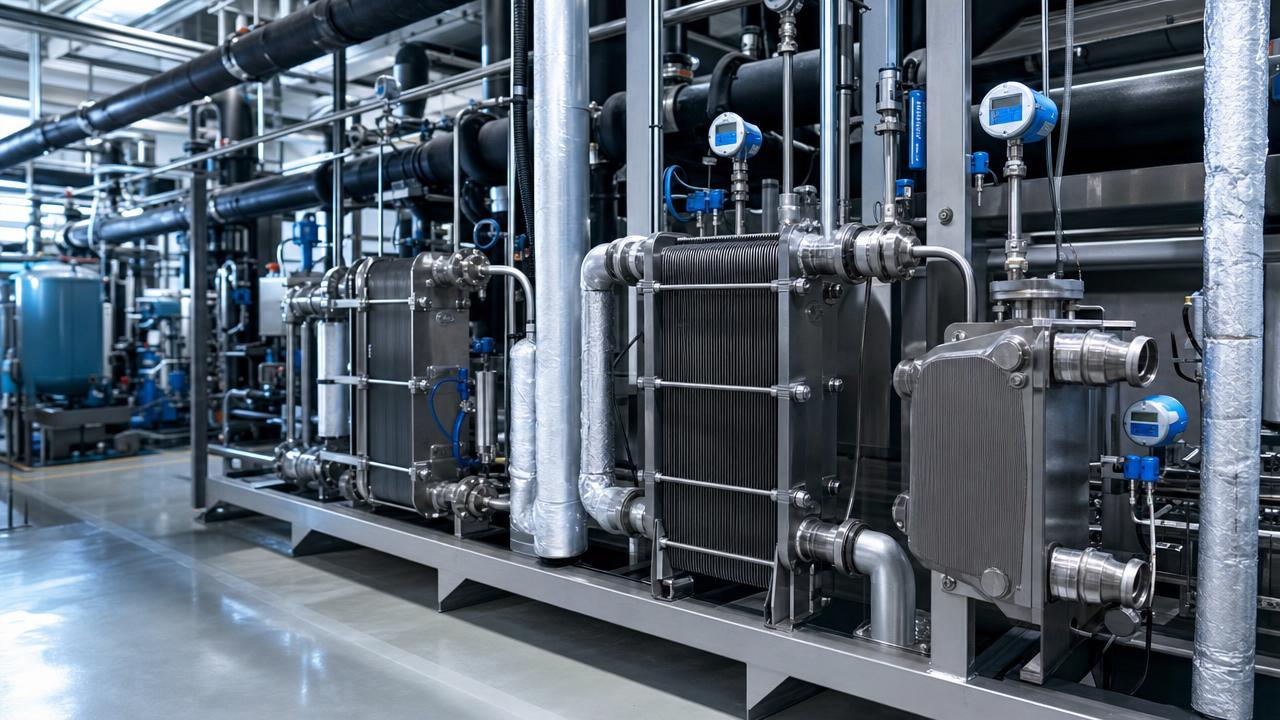
Across heat exchange operations, smart thermal systems help maintain cleaner surfaces, better approach temperatures, and more accurate control of inlet and outlet conditions. In cooling applications, they reduce thermal drift that can force chillers and pumps to work harder. In compressed air environments, they support heat recovery and improve room temperature management around equipment. In high-temperature processes, they reduce standby losses and improve thermal cycling consistency. In facilities with multiple utilities, they help connect heating, cooling, and compression loads into a more coordinated energy ecosystem.
The broader benefit is that smart thermal systems do not just save energy; they improve process discipline. Lower heat loss means less variability. Less variability means tighter control, fewer quality deviations, and more predictable operating costs. That is why many modern plants see thermal optimization as both an engineering issue and a strategic business improvement path.
Common heat-loss reduction functions in smart thermal systems
- Real-time temperature and flow monitoring
- Automated setpoint adjustment based on load conditions
- Heat recovery from compressors, condensers, and exhaust streams
- Performance alerts for insulation damage or exchanger fouling
- Data-driven maintenance scheduling
- Integration with plant energy management platforms
How can a plant judge whether smart thermal systems are worth the investment?
The business case for smart thermal systems should be evaluated through both direct and indirect returns. Direct returns include lower fuel consumption, reduced electrical demand, less wasted process heat, and lower maintenance frequency caused by thermal stress. Indirect returns can be just as important: improved uptime, stronger compliance performance, more stable product quality, and better preparation for carbon reporting or internal sustainability targets.
A strong evaluation starts with a thermal baseline. Plants should identify major heat sources, loss points, utility interactions, and process temperature tolerances. Instead of asking only how much insulation costs, the better question is how smart thermal systems change total energy behavior across the site. In many cases, the best results come from combining low-capex fixes, such as insulation upgrades and leak sealing, with higher-value controls, recovery loops, and analytics tools.
Return on investment varies by process complexity, operating hours, fuel price exposure, and existing automation maturity. Facilities with year-round thermal loads, multiple utility systems, or strict process tolerances usually see stronger value from smart thermal systems because they have more opportunities to recover heat and prevent waste. Plants should also account for scalability. A system that begins with one compressor hall or one heat exchange line can often expand into broader thermal optimization across the site.
What implementation mistakes should be avoided when deploying smart thermal systems?
One common mistake is treating smart thermal systems as a software overlay without addressing physical inefficiencies first. If insulation is damaged, valves leak, exchangers are fouled, or airflow is poorly managed, even the best analytics will be limited. Another mistake is focusing only on one utility island. Heat loss often crosses system boundaries, so optimization should consider boilers, compressors, chillers, recovery circuits, and process equipment together.
A third risk is using too few measurement points. Without reliable temperature, pressure, and flow data, plants may draw wrong conclusions or miss intermittent loss events. There is also a governance issue: thermal data must be tied to maintenance routines and operating decisions. When alerts are generated but not acted upon, the value of smart thermal systems declines quickly.
It is also important to avoid unrealistic payback expectations. Some savings appear immediately through reduced energy waste, while other benefits emerge over time through process stability, longer equipment life, and improved carbon performance. Implementation should therefore be phased, with measurable milestones, baseline comparisons, and clear ownership for thermal performance management.
Quick FAQ on smart thermal systems
What should the next step look like for plants exploring smart thermal systems?
The most effective next step is not a full-site overhaul, but a structured thermal review built around measurable opportunities. Start by identifying the plant areas with the highest thermal intensity, the highest energy cost exposure, or the most temperature-sensitive processes. Then map heat sources, loss points, recovery opportunities, and control gaps. This creates a practical roadmap for phased deployment of smart thermal systems.
A well-informed strategy should connect engineering realities with market and policy trends. That is where high-authority industrial intelligence becomes valuable. GTC-Matrix highlights how thermal systems, compression technologies, and energy economics increasingly influence each other across modern manufacturing. When plants combine that strategic visibility with on-site thermal data, they are better positioned to make efficient, scalable decisions.
Smart thermal systems are no longer optional enhancements for a few advanced facilities. They are becoming a practical foundation for reducing heat loss, improving asset performance, and supporting long-term industrial competitiveness. The strongest results come from treating thermal efficiency as a connected system challenge, not a single equipment upgrade. Begin with visibility, validate the biggest loss points, and build a roadmap that turns wasted heat into operational value.
Related News
- Why high-density thermal energy storage is gaining industry attentionAuthor :

- Smart Device Thermal Management Trends Shaping 2026 Product DesignAuthor :

- Industrial Cooling Technologies in Europe: 2026 Trends in Compliance and Energy UseAuthor :

- Industrial Electrification Trends in 2026: Where Projects Are Moving FirstAuthor :

- Industrial Solution Comparison Global: 2026 Trends Reshaping Equipment DecisionsAuthor :

- When Heat Recovery Systems Skid Mounted Designs Improve Project PaybackAuthor :

- How to Compare Industrial Decarbonization Solutions Providers in 2026Author :

- Industry Category Guides for Smart Devices: What to Track as 2026 Markets ShiftAuthor :

- Green Manufacturing Trends Reshaping Industrial InvestmentAuthor :

- 2026 Global Energy Costs: What Will Reshape Industrial PlanningAuthor :

- Industrial Decarbonization Solutions That Cut Fuel Costs in 2026Author :

- Smart Thermal Systems Trends Shaping Industrial Upgrades in 2026Author :

- Resource Circularity in Manufacturing: 5 Practical Gains Beyond ComplianceAuthor :

- Carbon Neutrality Roadmap: What Industrial Firms Need to Prioritize FirstAuthor :

- Energy Conversion Efficiency Trends Shaping Industrial UpgradesAuthor :

- Compression Technology Trends Shaping Efficient Plant UpgradesAuthor :

- Industrial Intelligence in Manufacturing: Where It Delivers Value FirstAuthor :

- How Intellectualization Improves Industrial Thermal ManagementAuthor :

- What Intellectualization Means for Smarter Plant Operations in 2026Author :

- Carbon Neutrality Goals: What Industrial Firms Should Prioritize in 2026Author :

- How Intellectualization Reduces Downtime in Modern Production LinesAuthor :

- Decarbonization Roadmap for Energy-Intensive Plants in 2026Author :

- Thermal Systems Trends in 2026: Efficiency, Control, and RiskAuthor :

- Industrial Decarbonization Priorities for Energy-Intensive FacilitiesAuthor :

- Thermal Systems in 2026: Efficiency Upgrades Shaping Industrial OperationsAuthor :

- Pure Power Sources: 5 Practical Paths to Carbon NeutralityAuthor :

- What Intellectualization Means for Industrial Equipment UpgradesAuthor :

- Thermal Optimization in 2026: Where Energy Savings Deliver the Fastest PaybackAuthor :

- Energy Efficiency Trends Reshaping Compressor Upgrades in 2026Author :

- 2026 Industrial Decarbonization Trends Reshaping Plant UpgradesAuthor :
![]()
- Heat Exchanger Technology Trends for 2026 Efficiency TargetsAuthor :

- Resource Circularity Risks in 2026 Supply ChainsAuthor :

- Smart Thermal Systems: When Upgrades Deliver Measurable SavingsAuthor :

- Carbon Neutrality: Practical Steps for Factory RoadmapsAuthor :

- 2026 Industrial Energy Efficiency Priorities for Plant UpgradesAuthor :

- Industrial Intellectualization Trends Reshaping Equipment UpgradesAuthor :