What Sustainable Manufacturing Looks Like on the Factory Floor




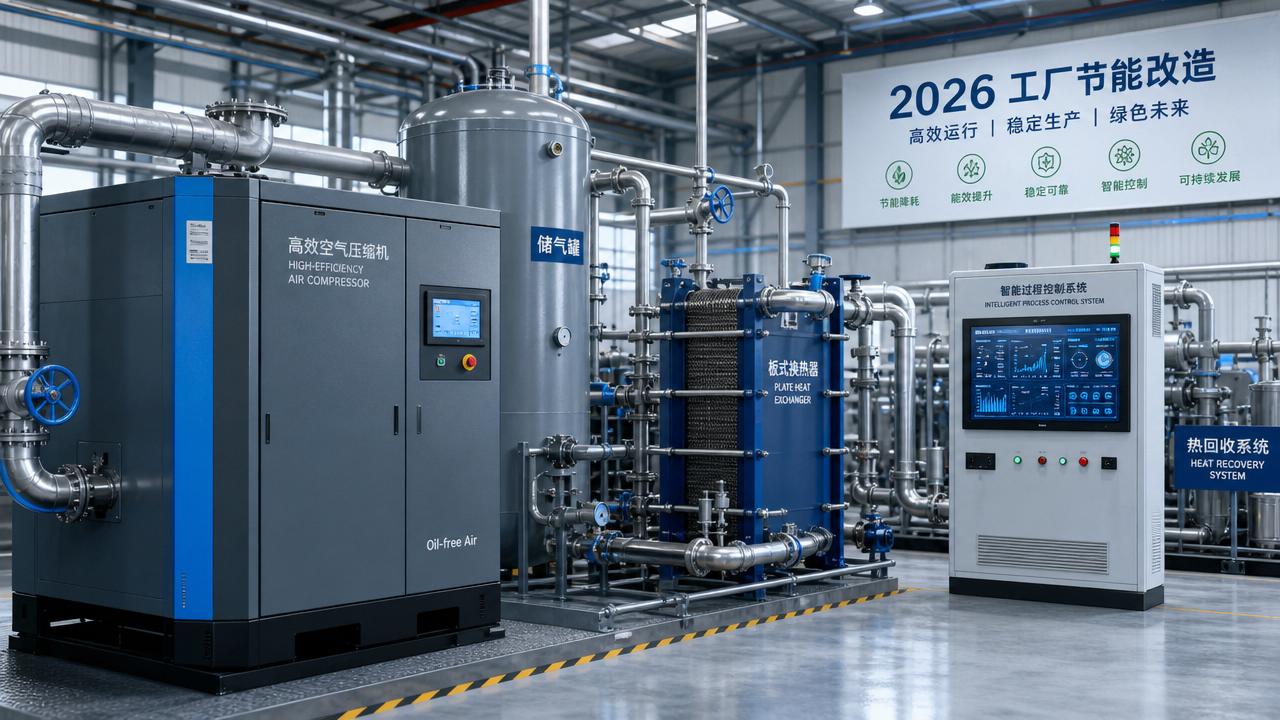
What does sustainable manufacturing really look like on the factory floor? It goes beyond slogans to smarter energy use, cleaner compression systems, efficient heat exchange, and data-driven process control. For information researchers tracking industrial transformation, this article explores how manufacturers are turning decarbonization, resource efficiency, and operational intelligence into practical, measurable performance.
What sustainable manufacturing means in real factory operations
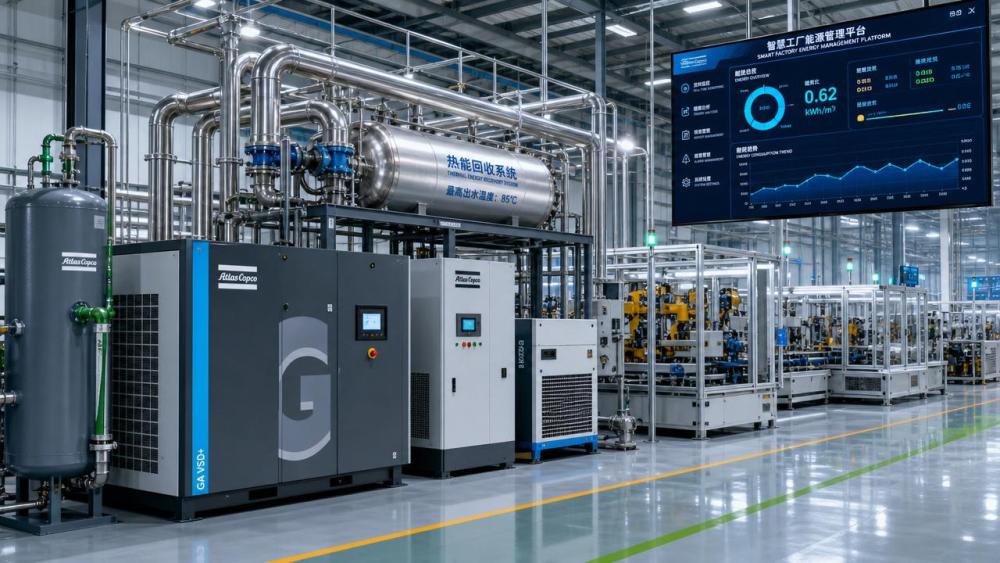
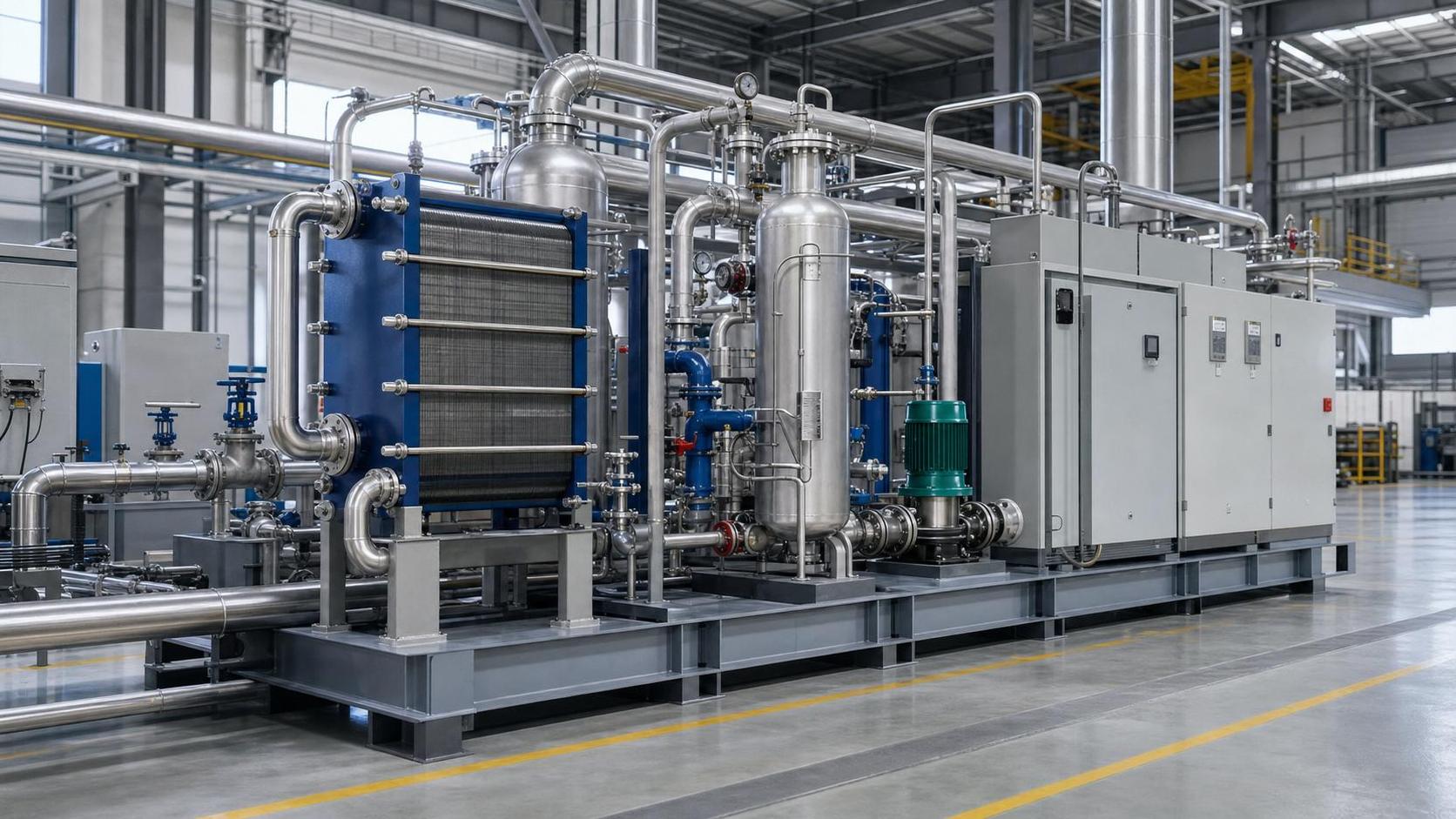
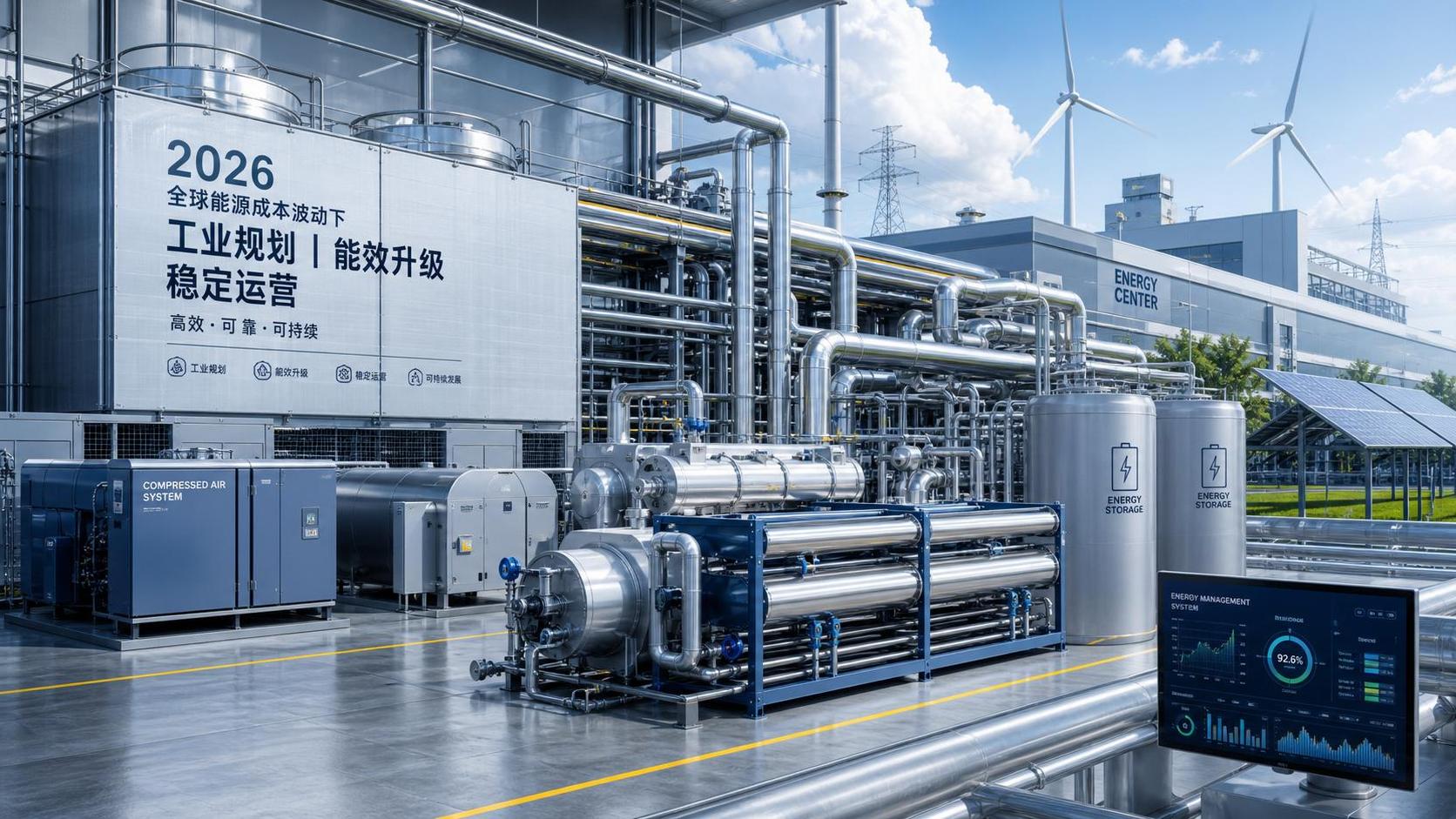
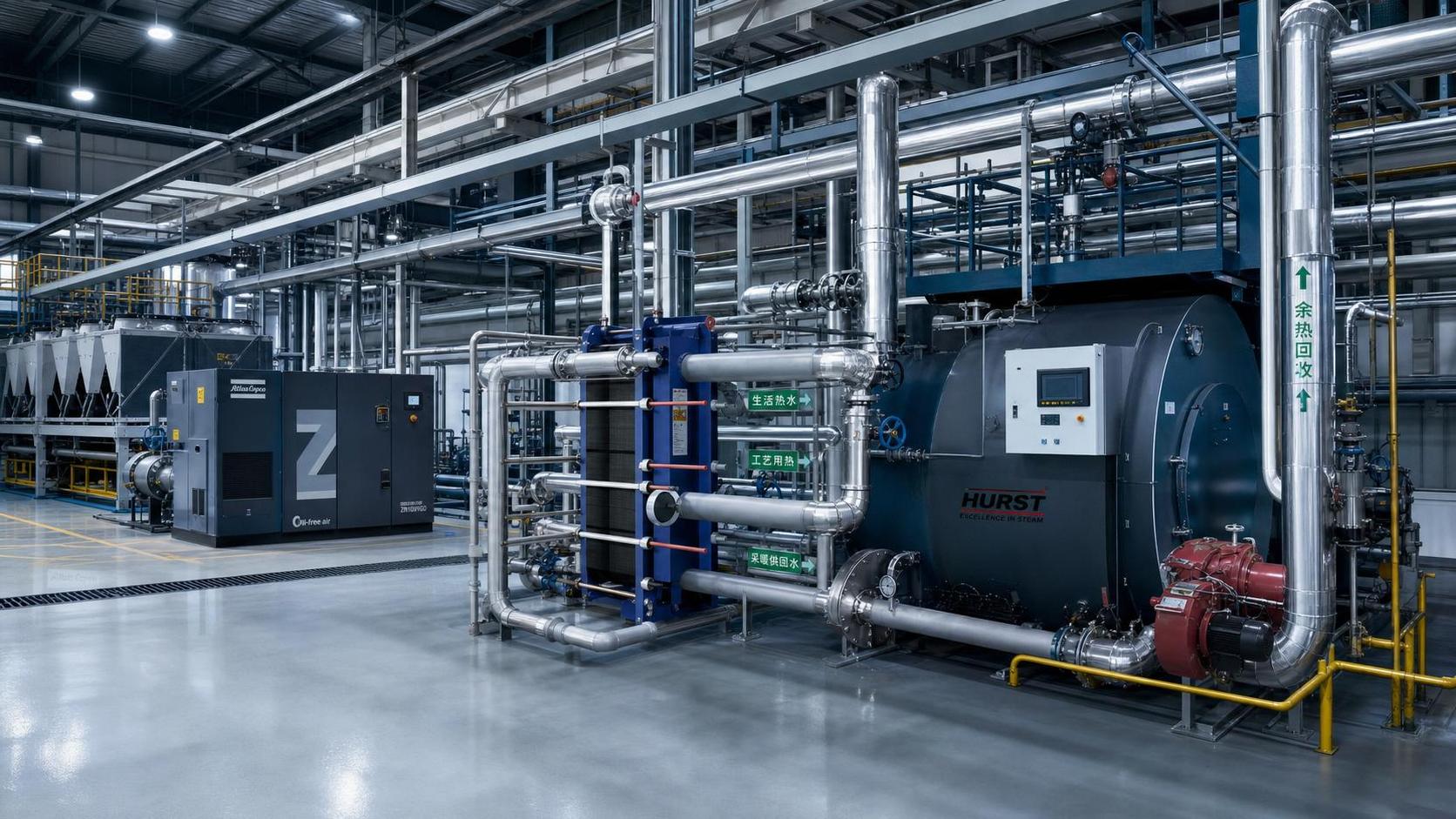
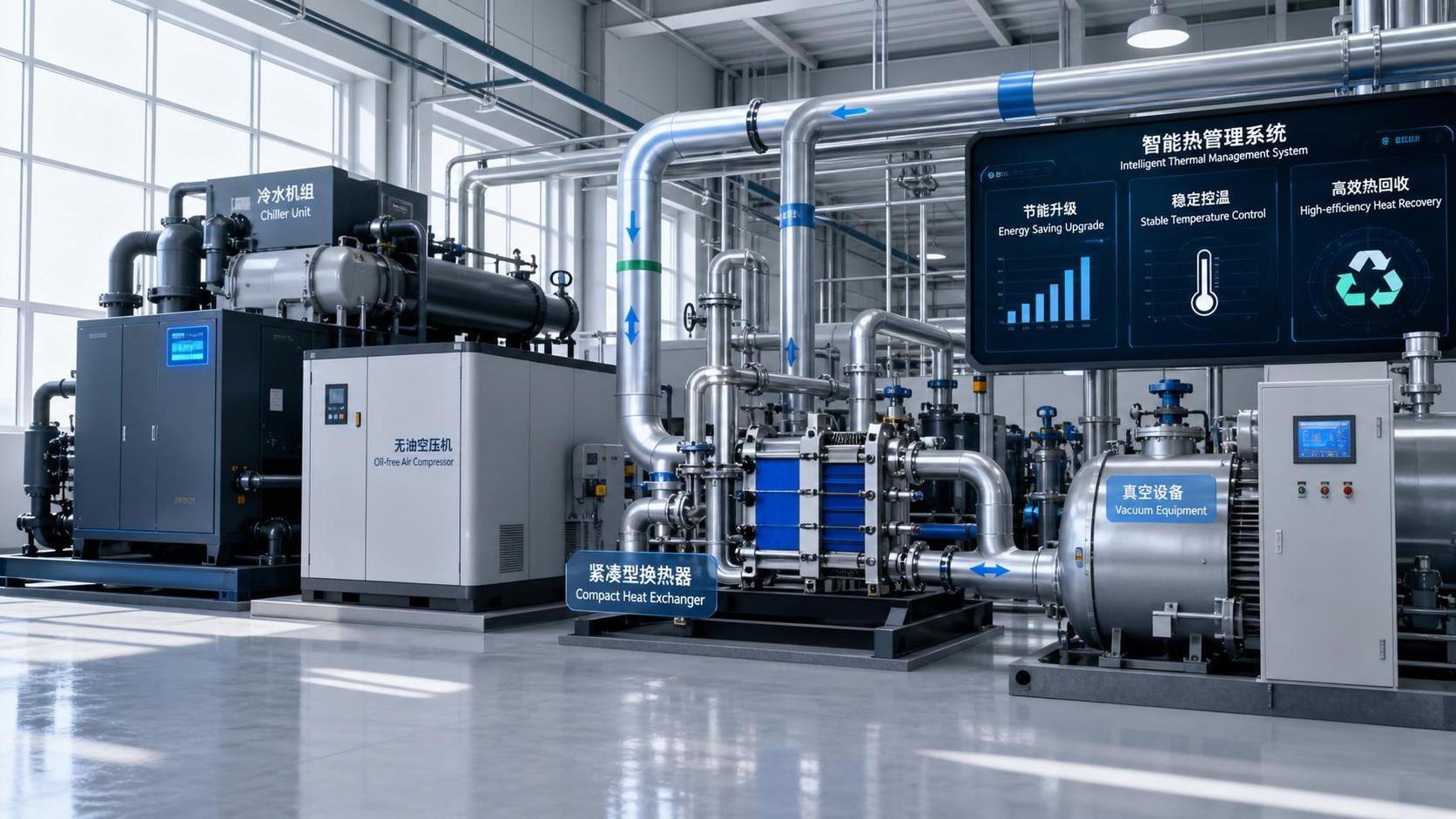
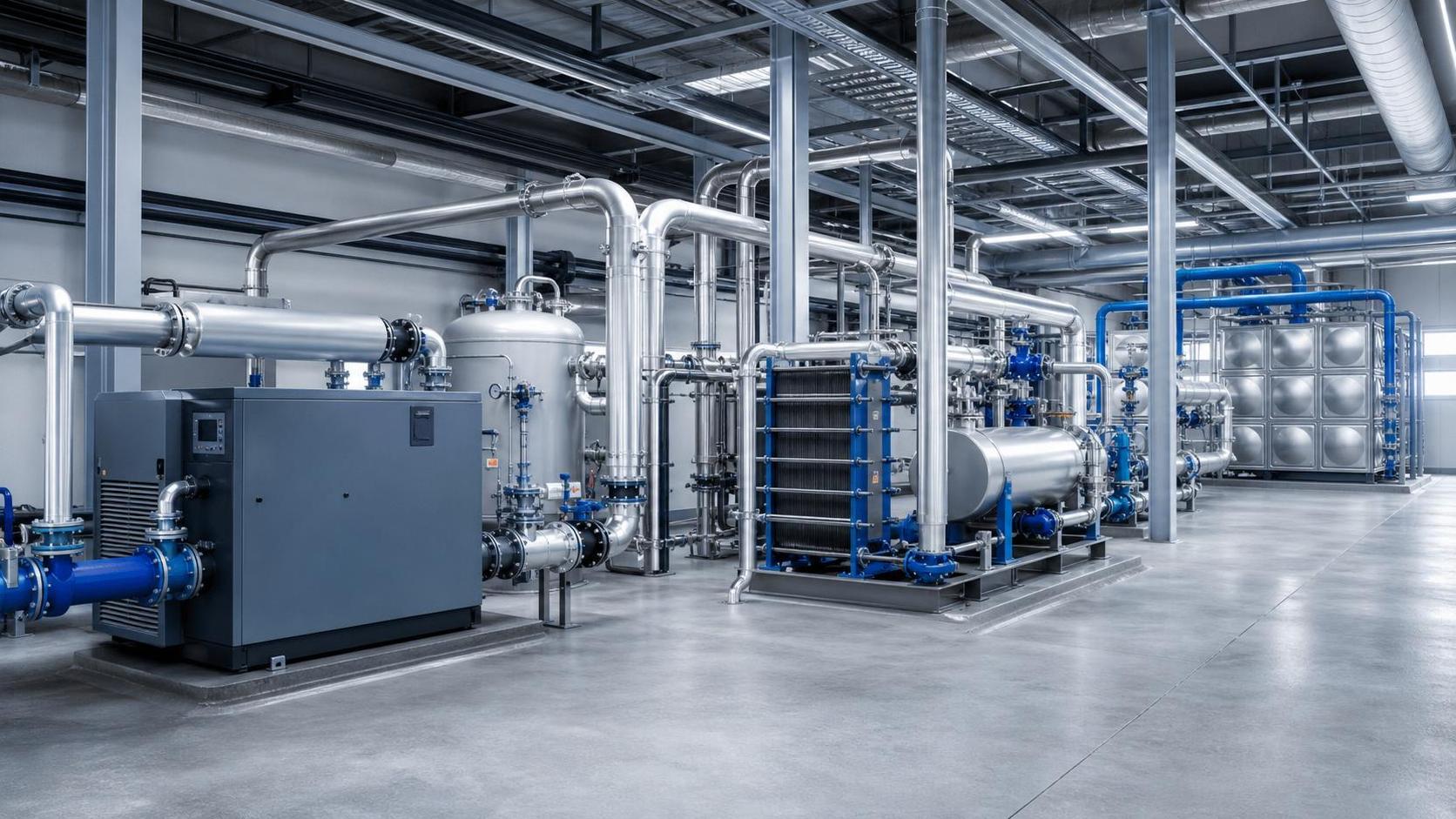
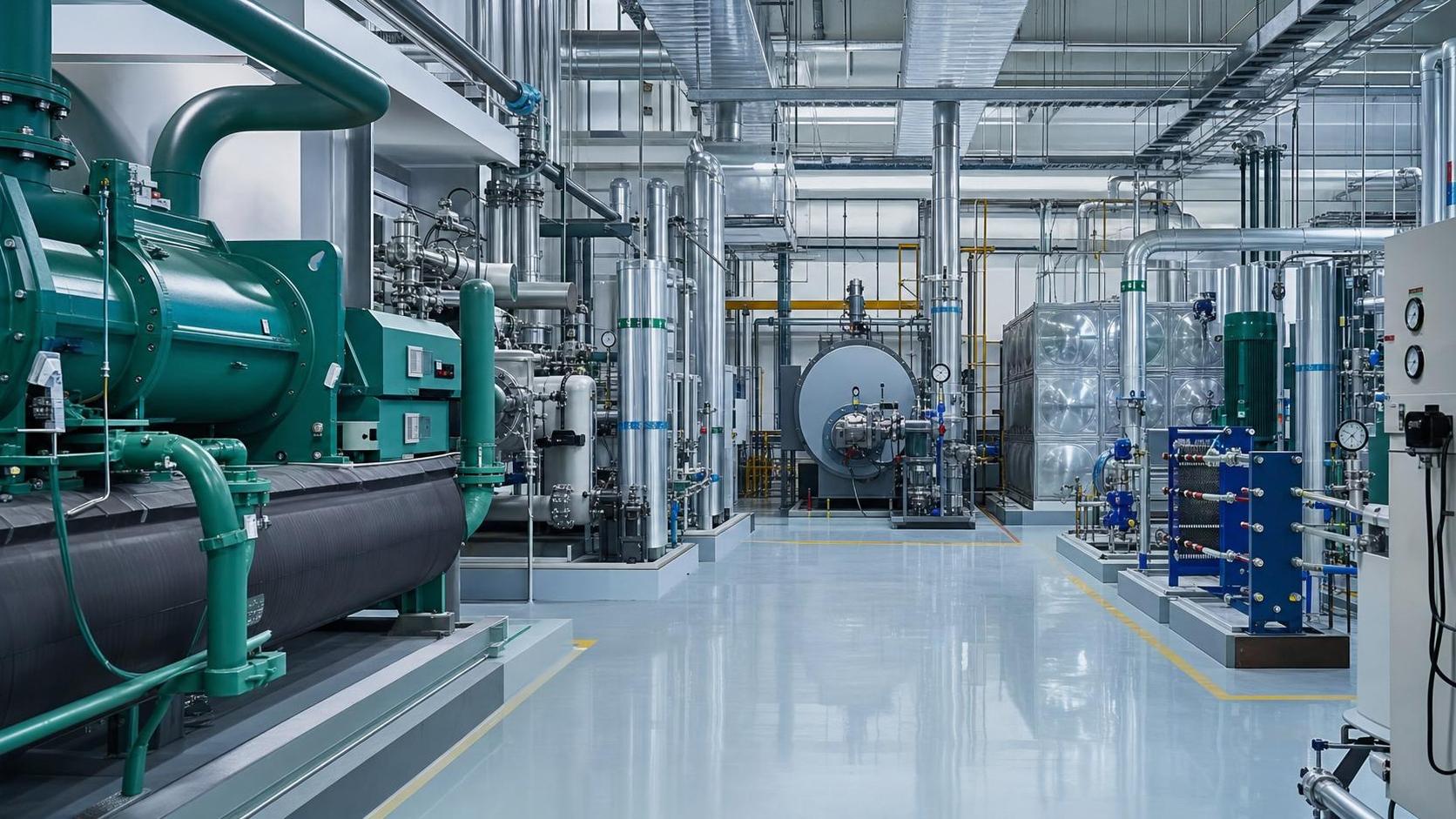
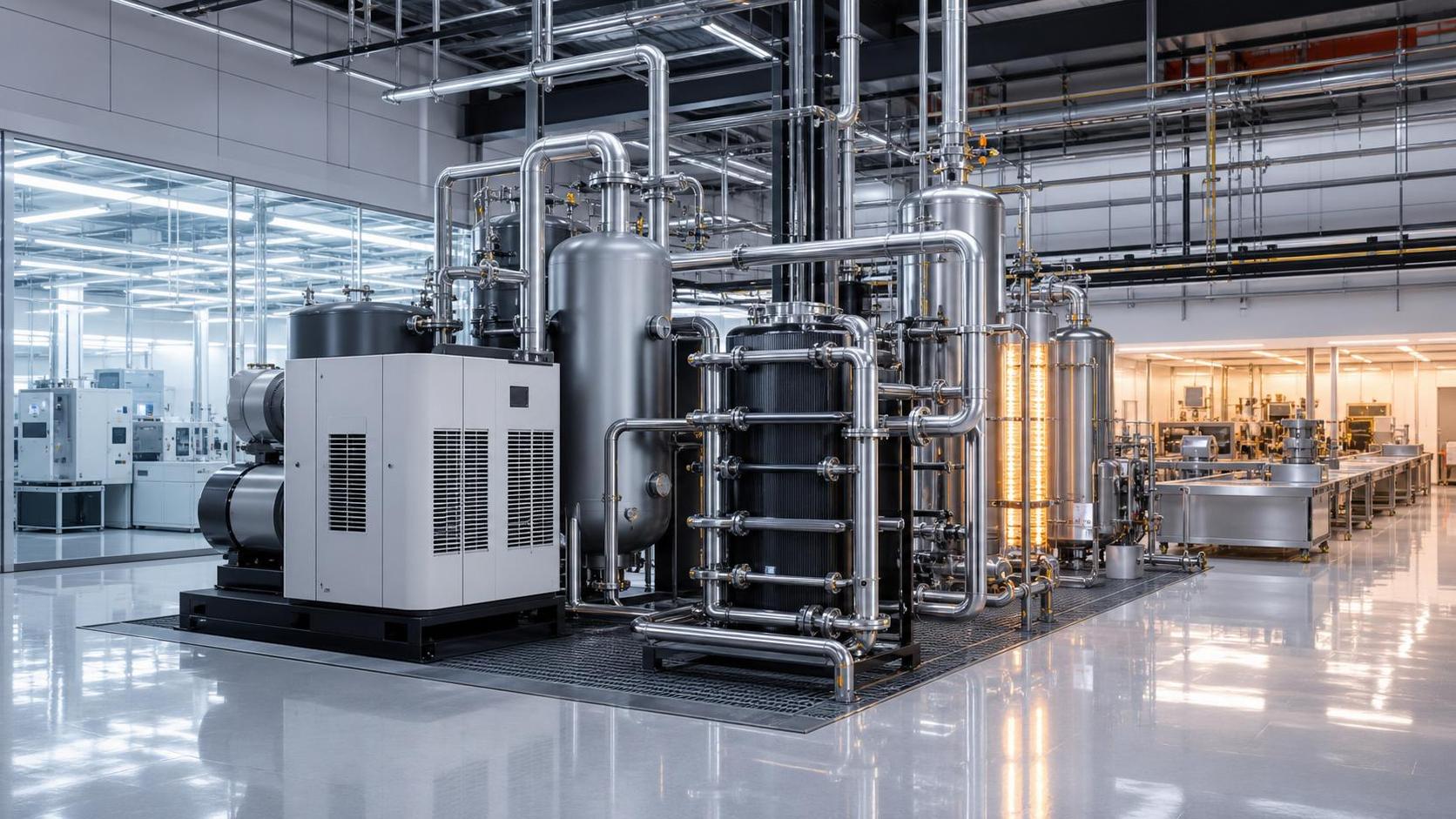
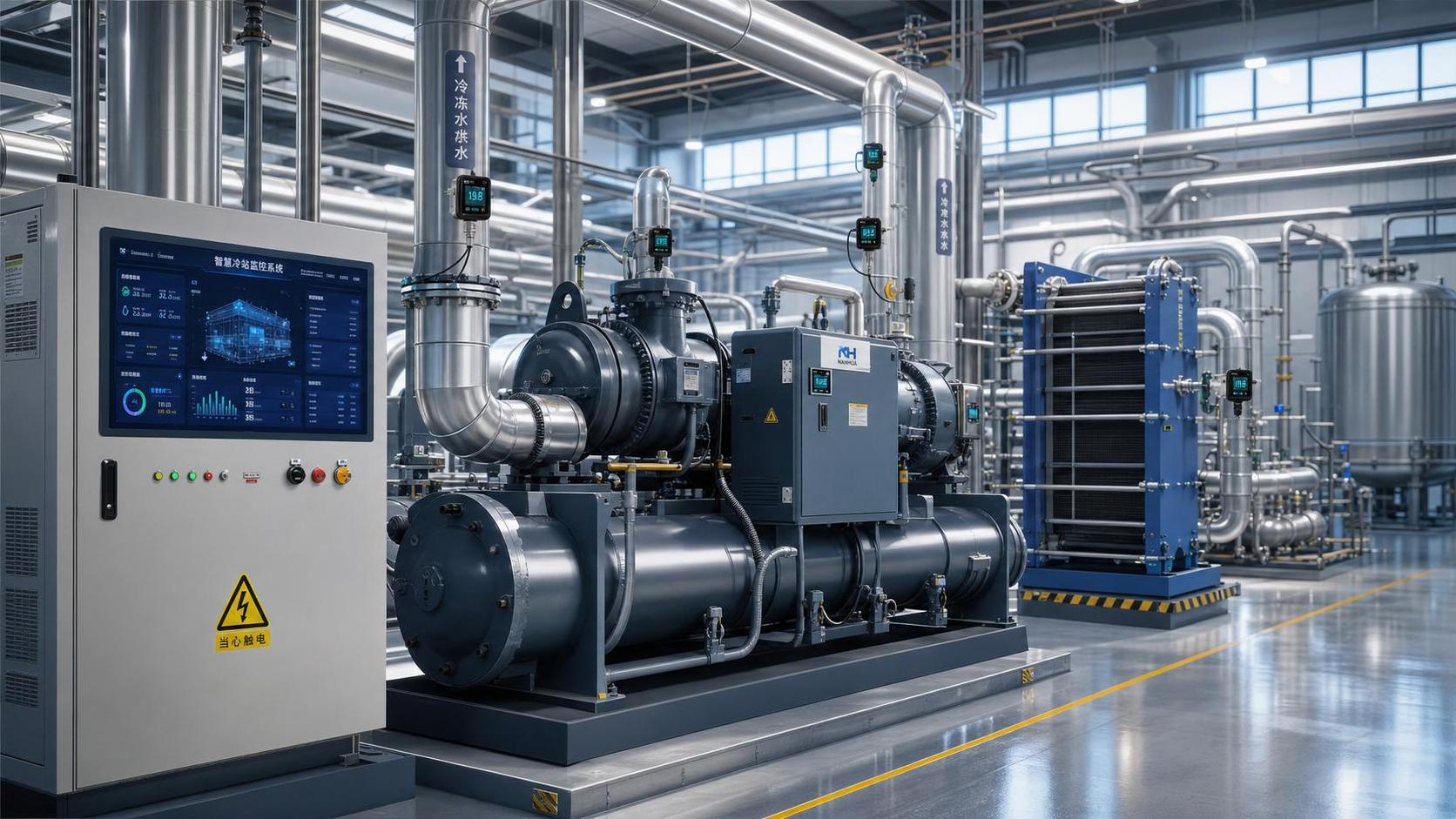
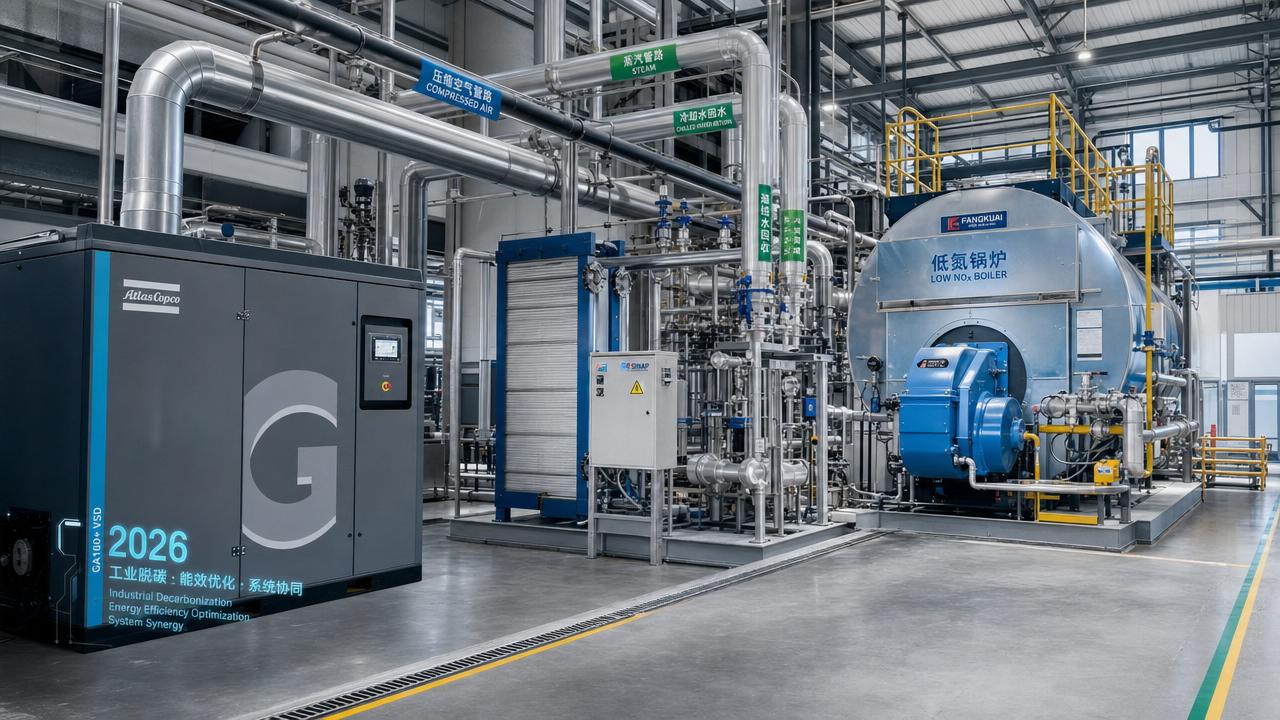
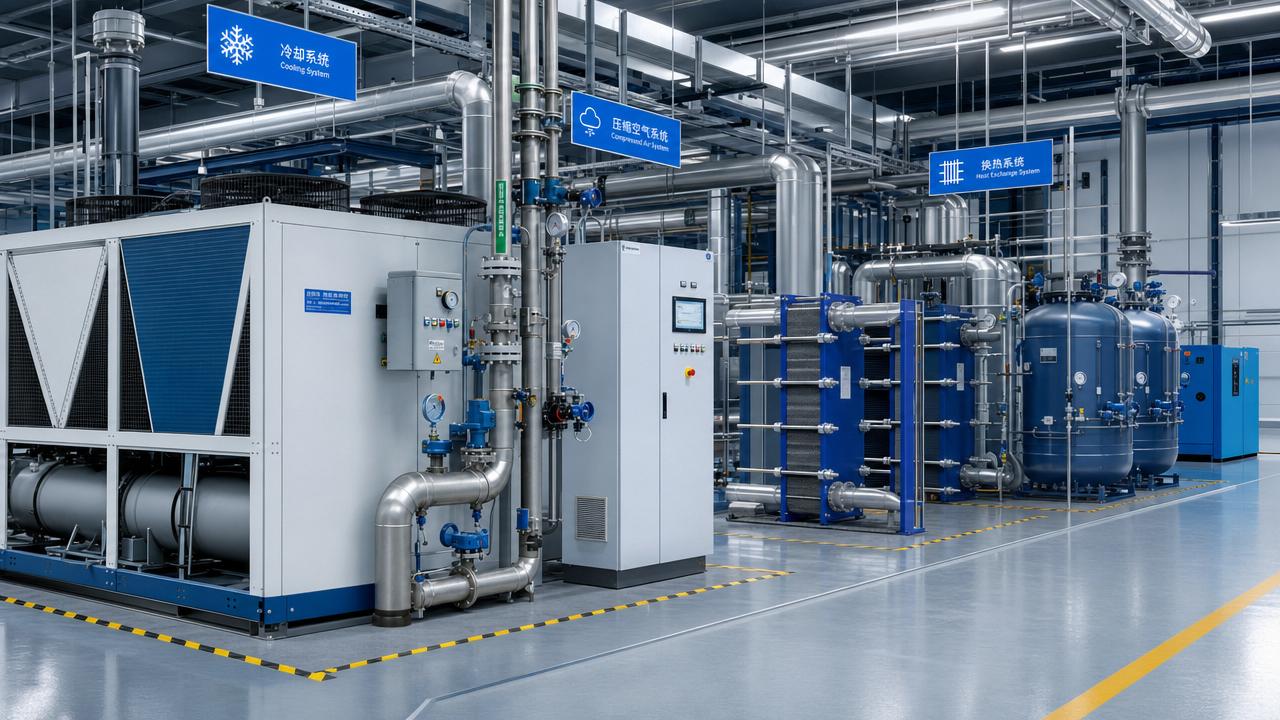
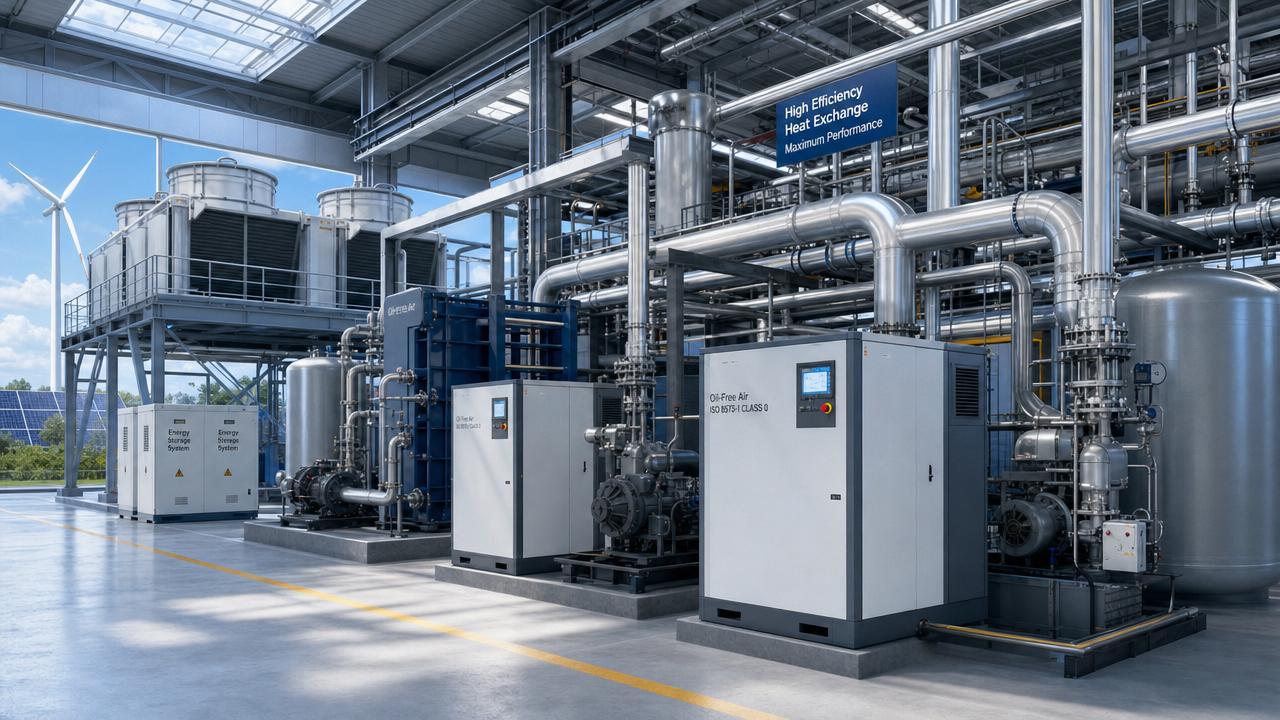
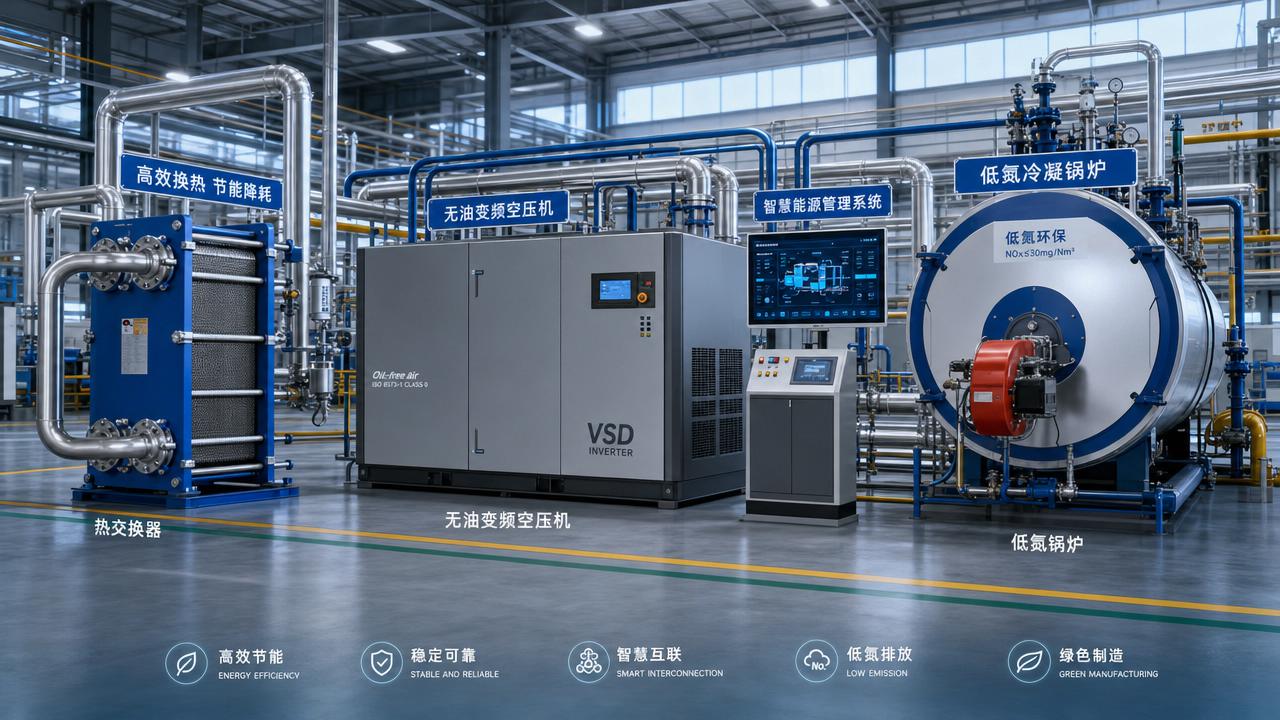
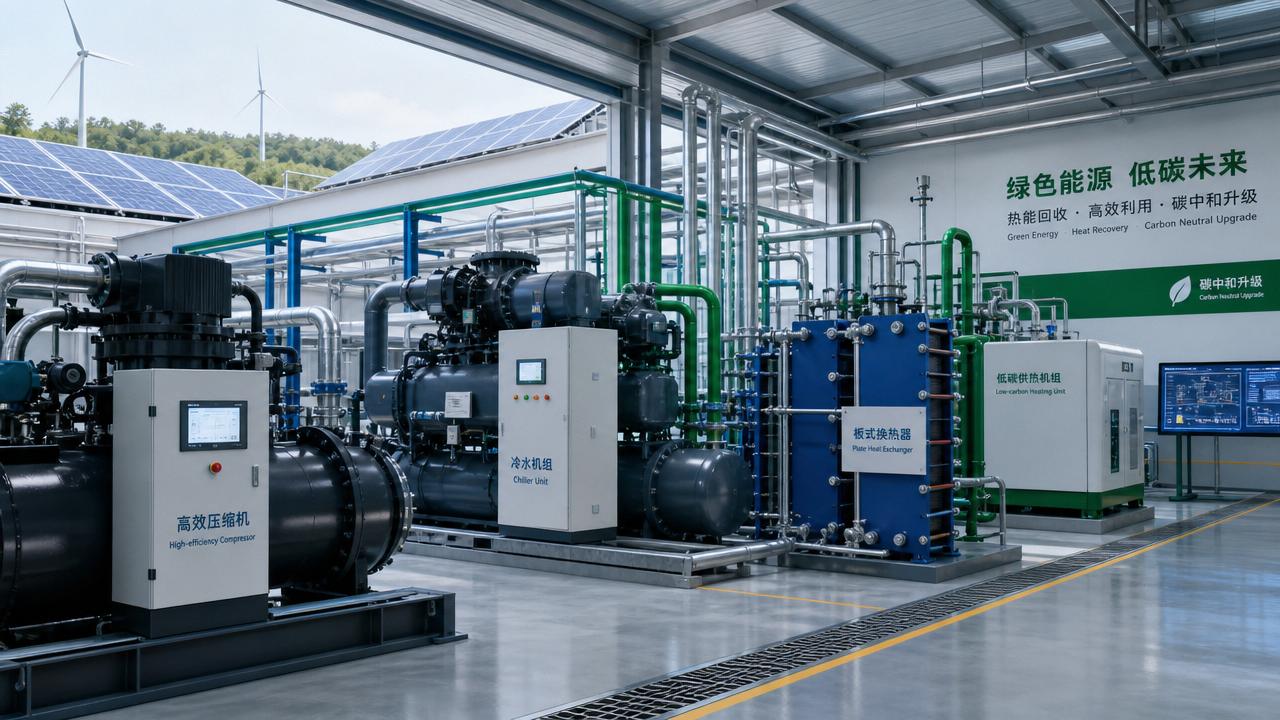
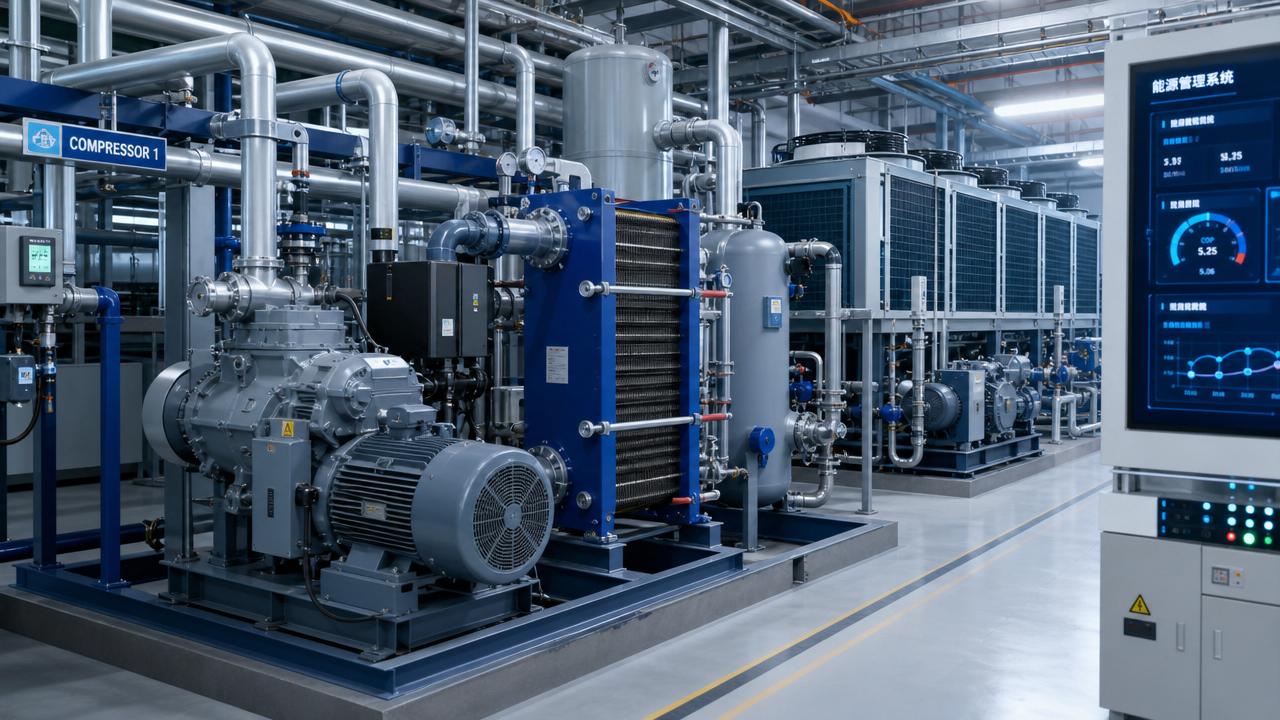
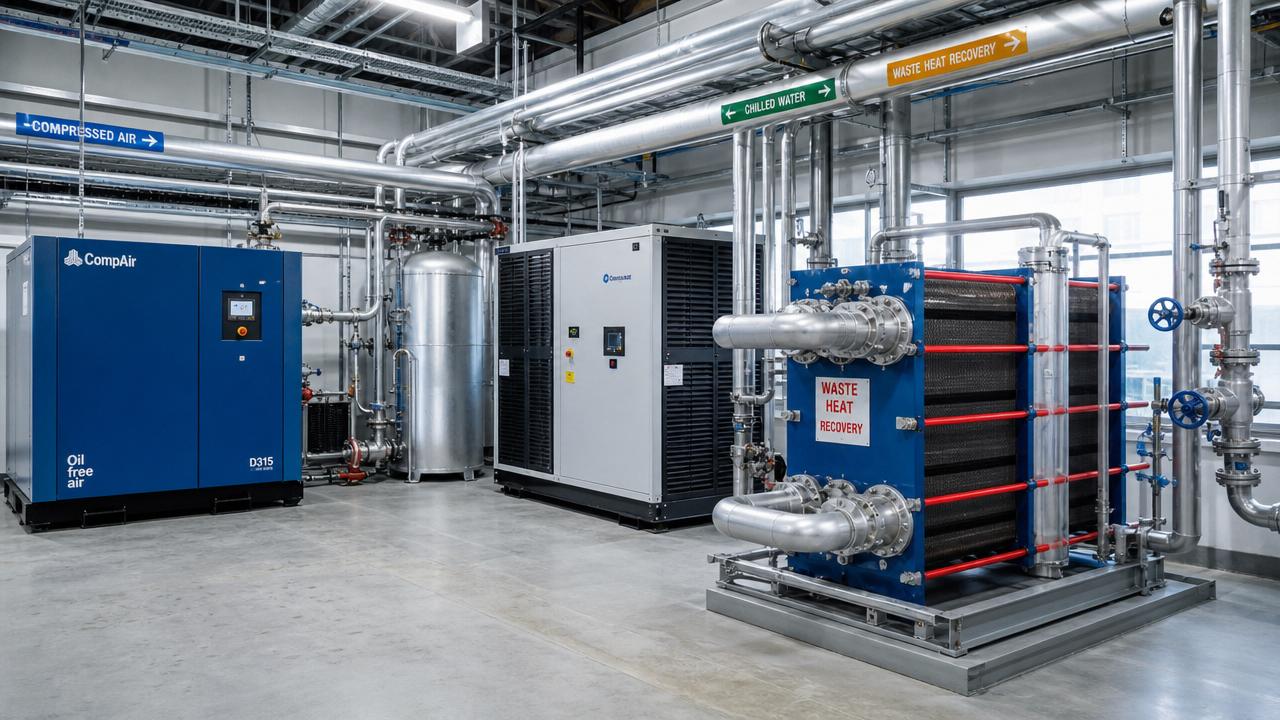
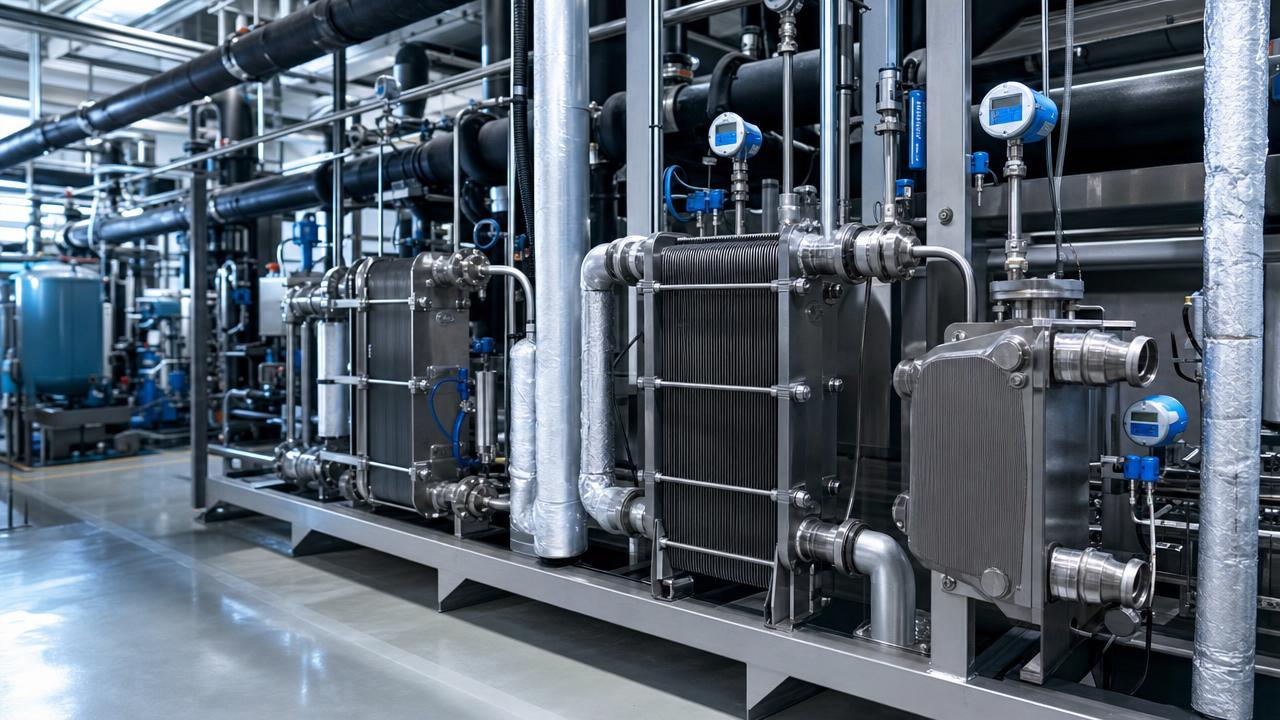
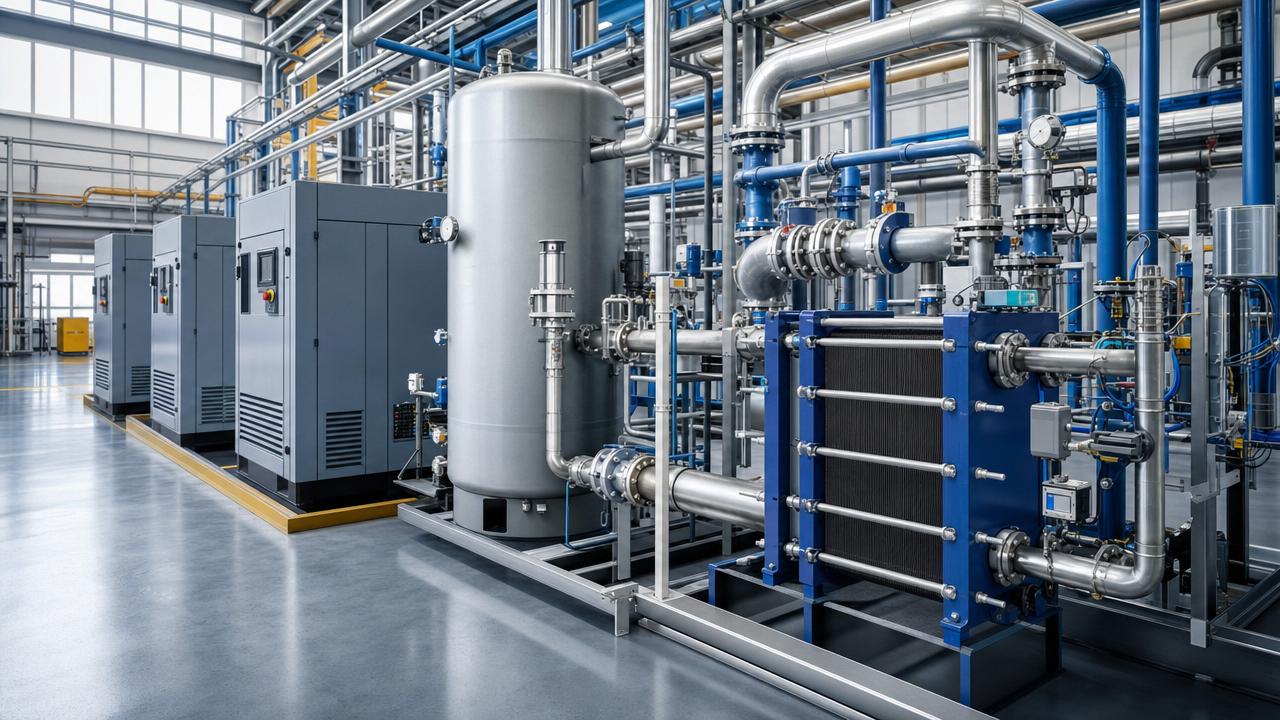
On the shop floor, sustainable manufacturing is not a single technology or a branding exercise. It is a coordinated operating model that reduces energy waste, cuts material loss, stabilizes process quality, and improves the carbon performance of production assets. In practical terms, that means looking closely at compressed air systems, industrial cooling loops, vacuum applications, boilers, heat exchangers, controls, and maintenance routines.
For information researchers, the difficulty is that many sustainability claims focus on outputs rather than mechanisms. A plant may report lower emissions, but the more useful question is how those gains were created. Was it through oil-free compression, heat recovery, leak reduction, variable-speed drives, lower-GWP refrigerants, microchannel heat exchangers, process integration, or better load management? Sustainable manufacturing becomes credible when the factory floor can show cause-and-effect relationships.
This is where GTC-Matrix becomes especially relevant. Its coverage of industrial cooling, compressed air, vacuum processes, and heat exchange technologies helps researchers connect macro drivers such as energy prices, refrigerant policy, and decarbonization targets with equipment-level and process-level decisions. That bridge is essential because sustainable manufacturing is usually won or lost inside thermal and power conversion systems rather than in presentation slides.
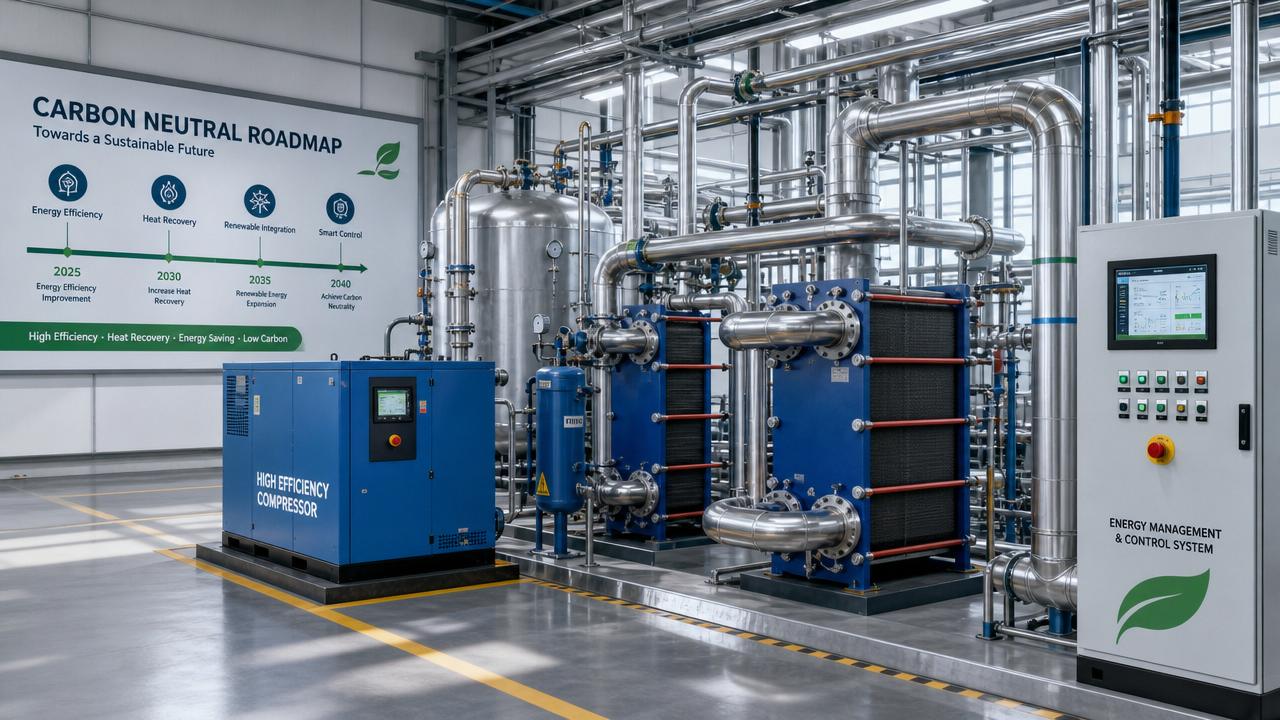
- Energy efficiency: reducing kilowatt-hours per unit produced through better compression, thermal transfer, load balancing, and controls.
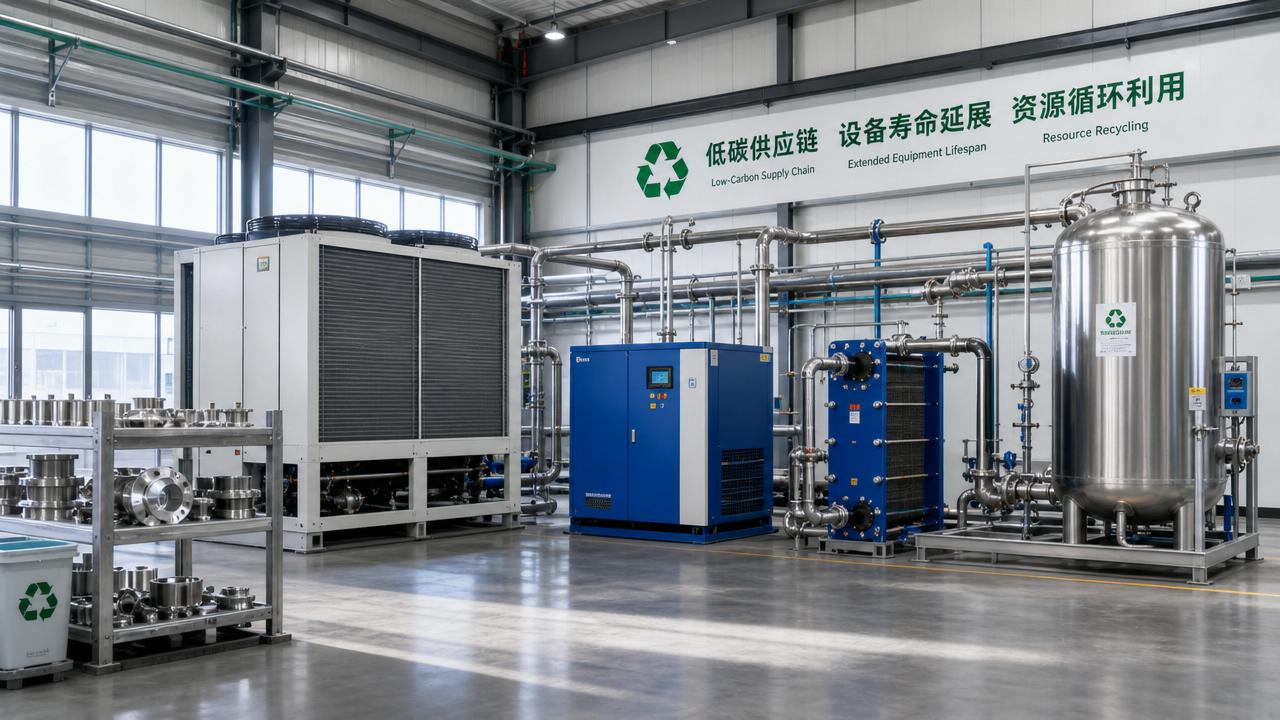
- Resource circularity: recovering heat, reusing water where appropriate, and minimizing loss in process utilities.
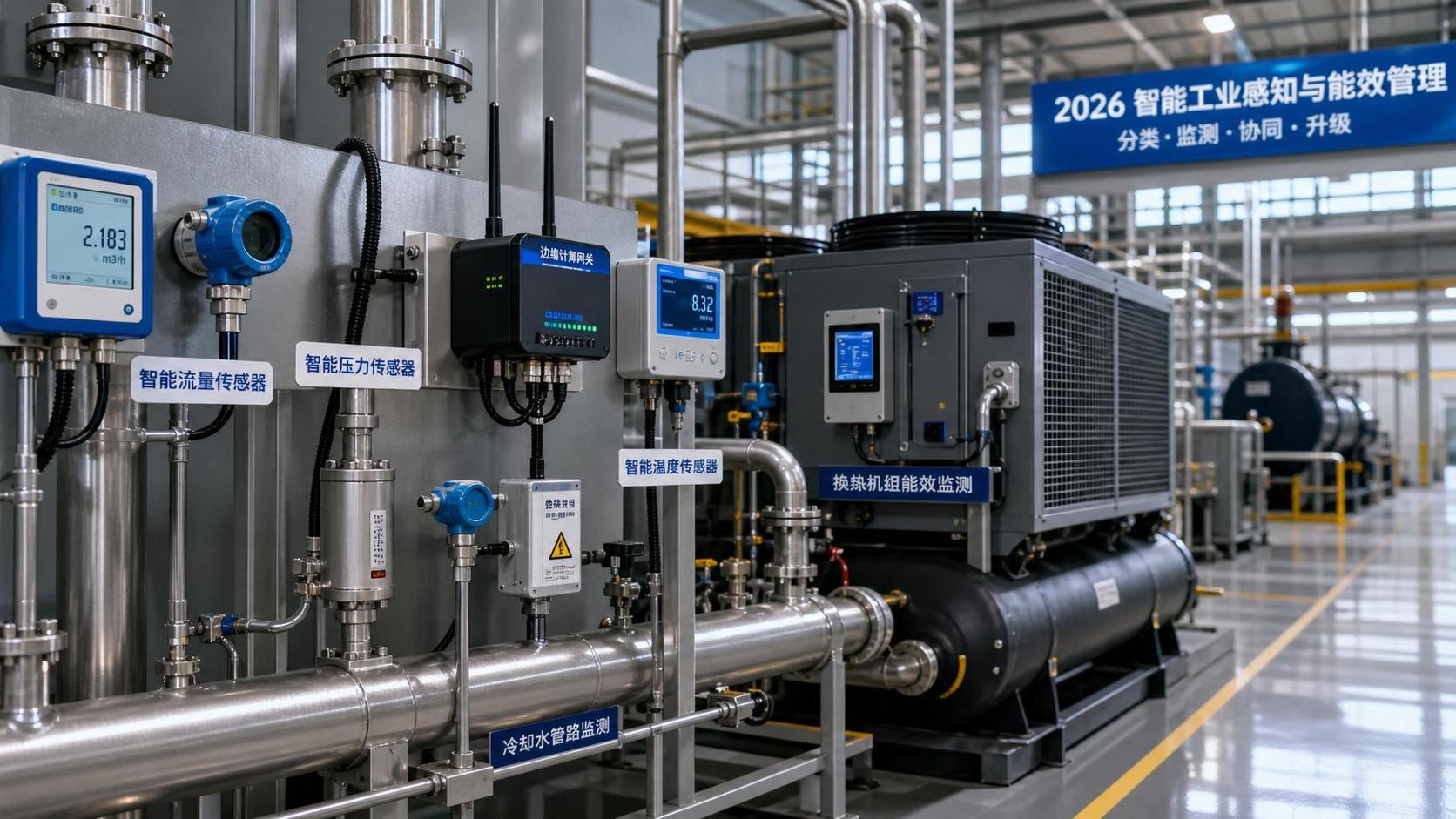
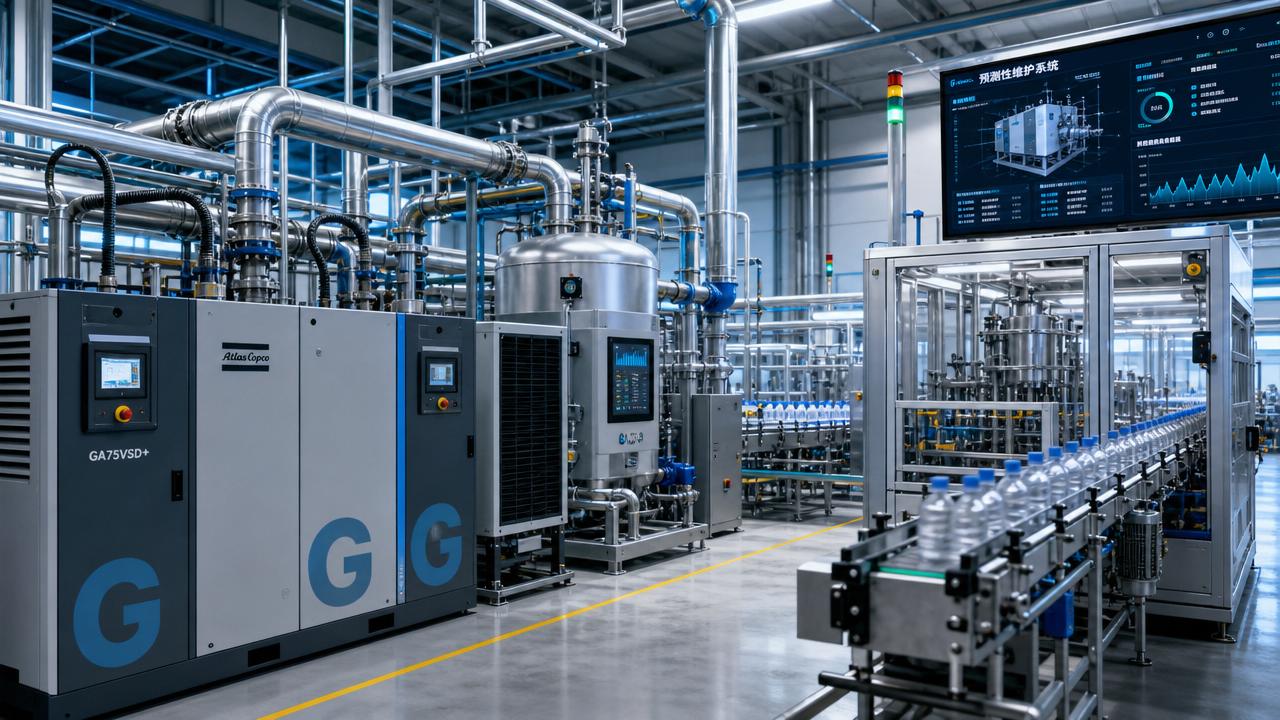
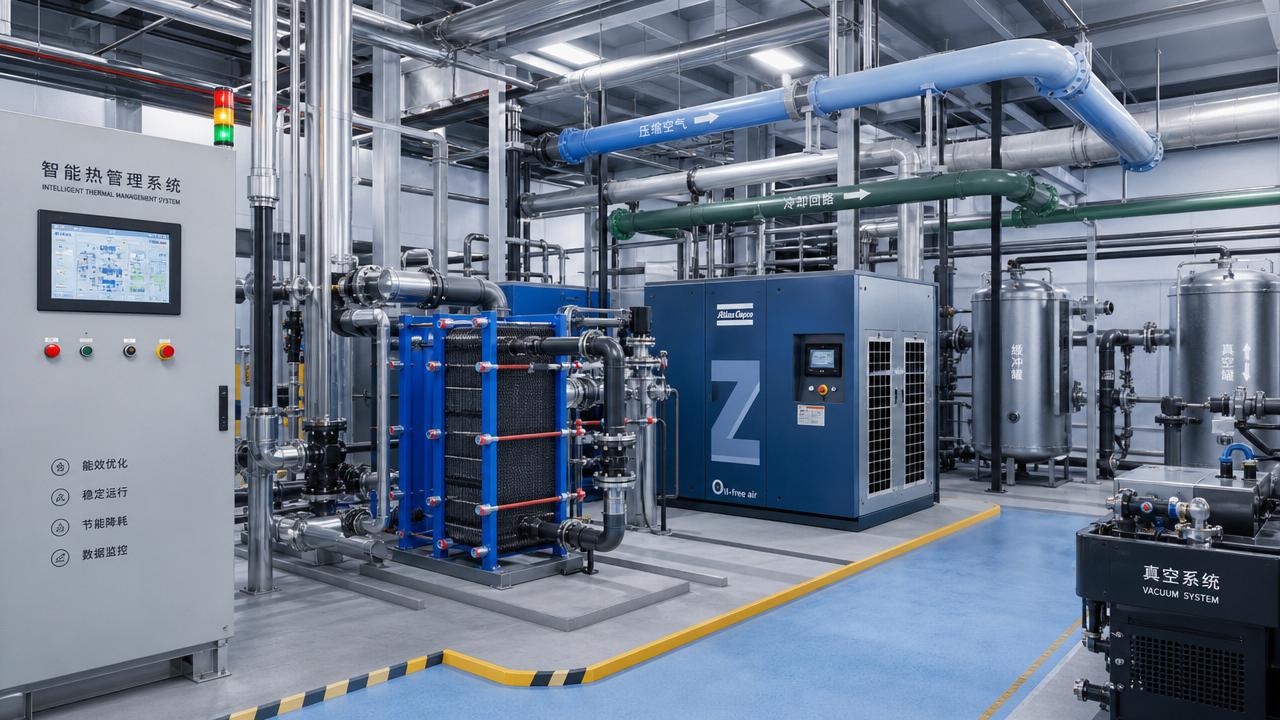
- Operational intelligence: using data to monitor drift, detect waste, compare lines, and improve maintenance timing.
- Compliance readiness: aligning with environmental regulations, refrigerant rules, and sector-specific hygiene or purity demands.
Where sustainable manufacturing delivers the biggest gains first
In most factories, the fastest sustainability improvements come from utilities and thermal systems rather than from core production machinery replacement. Compressed air, cooling, vacuum, steam, and heat exchange often represent hidden energy intensity. These systems support production continuously, which means even a moderate efficiency gain can produce meaningful annual savings.
Compressed air: the invisible cost center
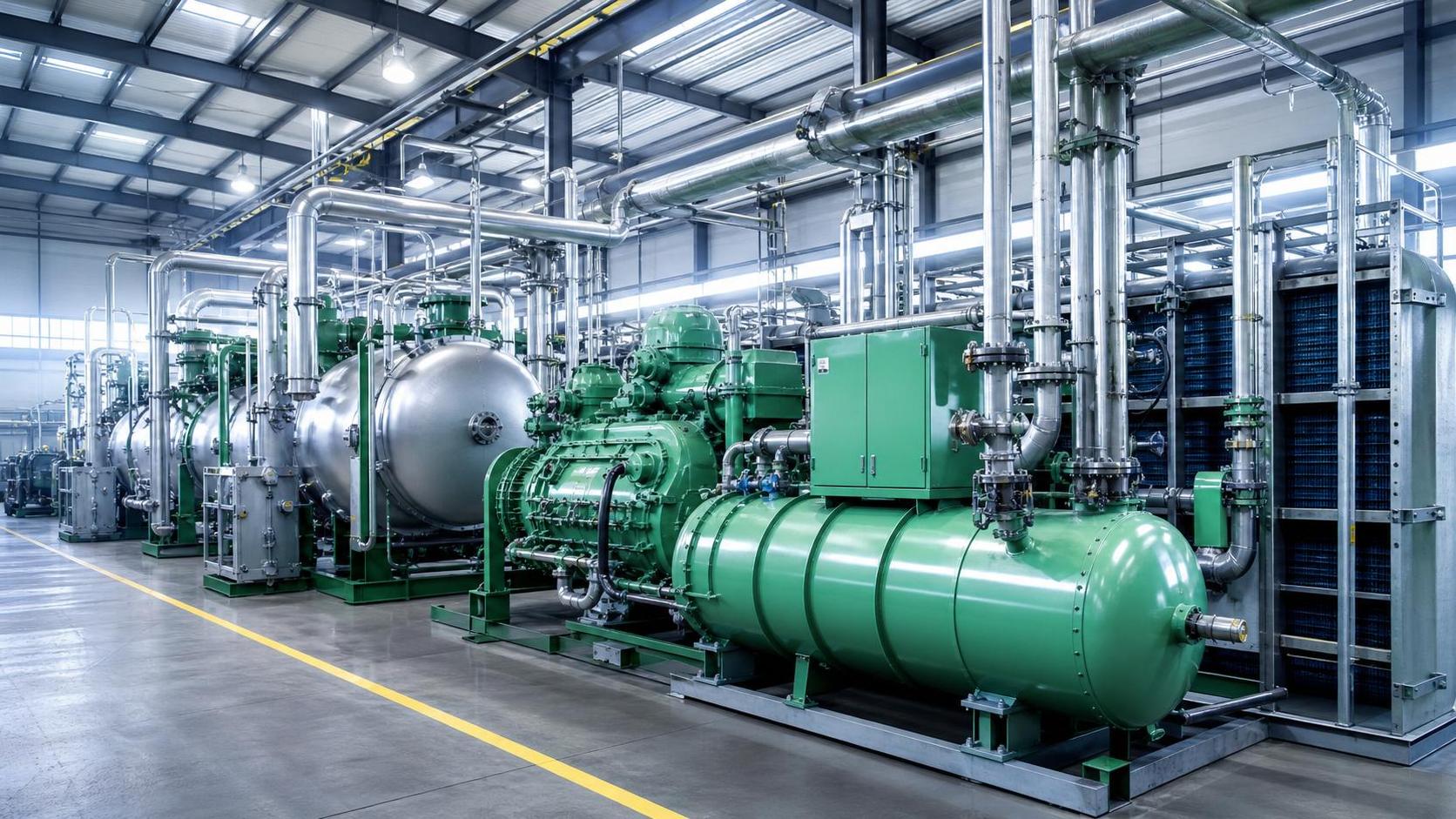
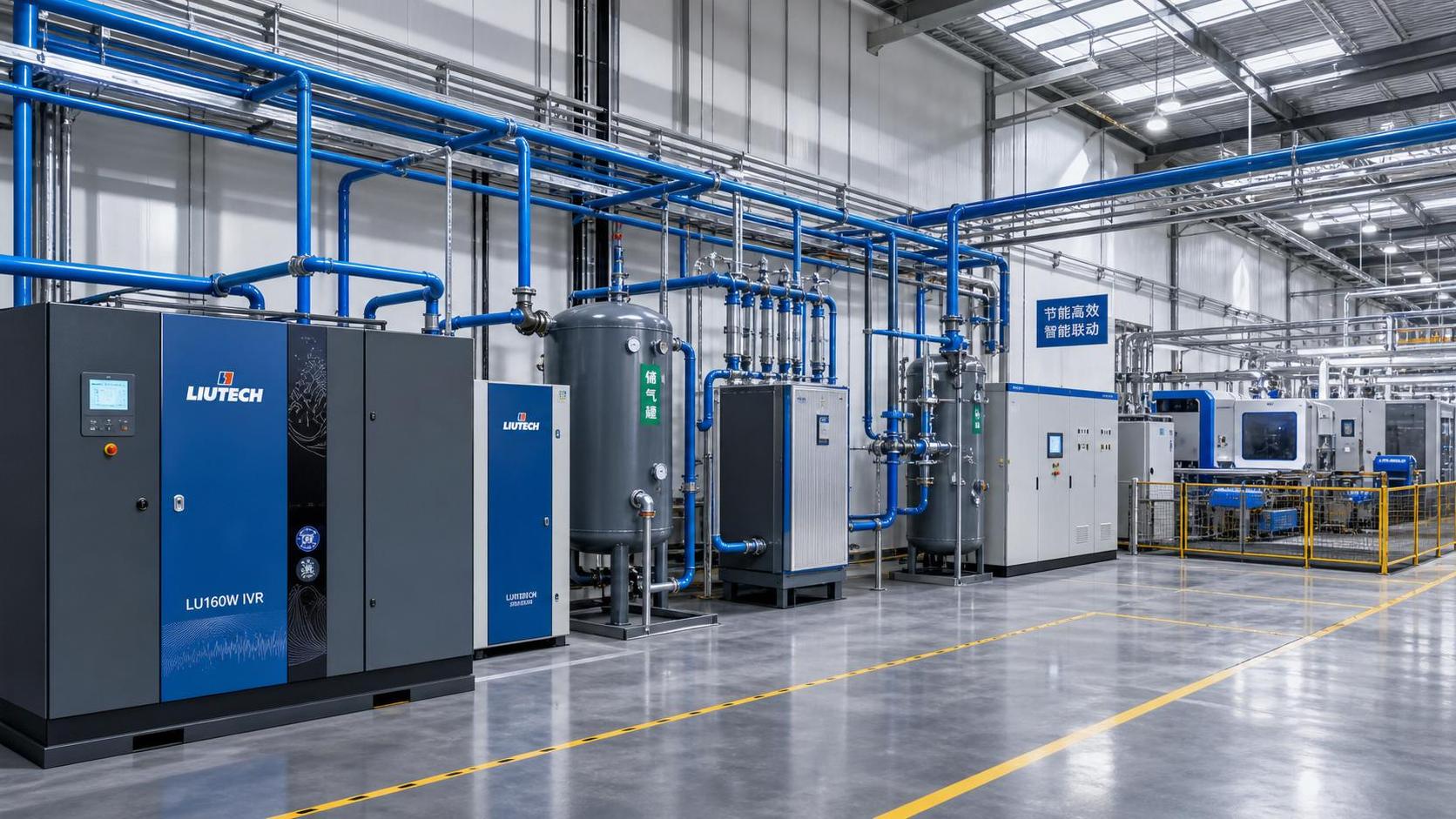
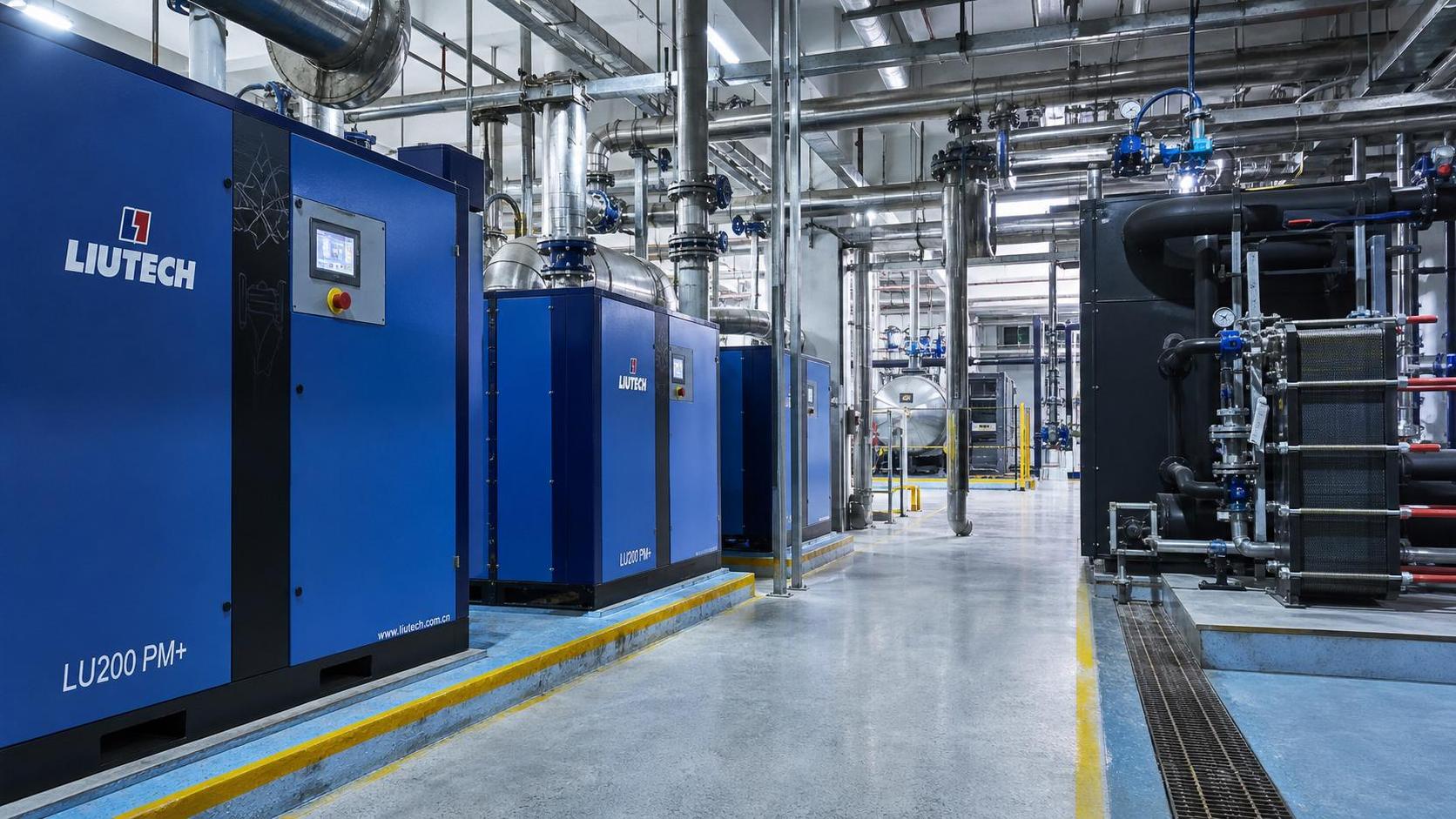
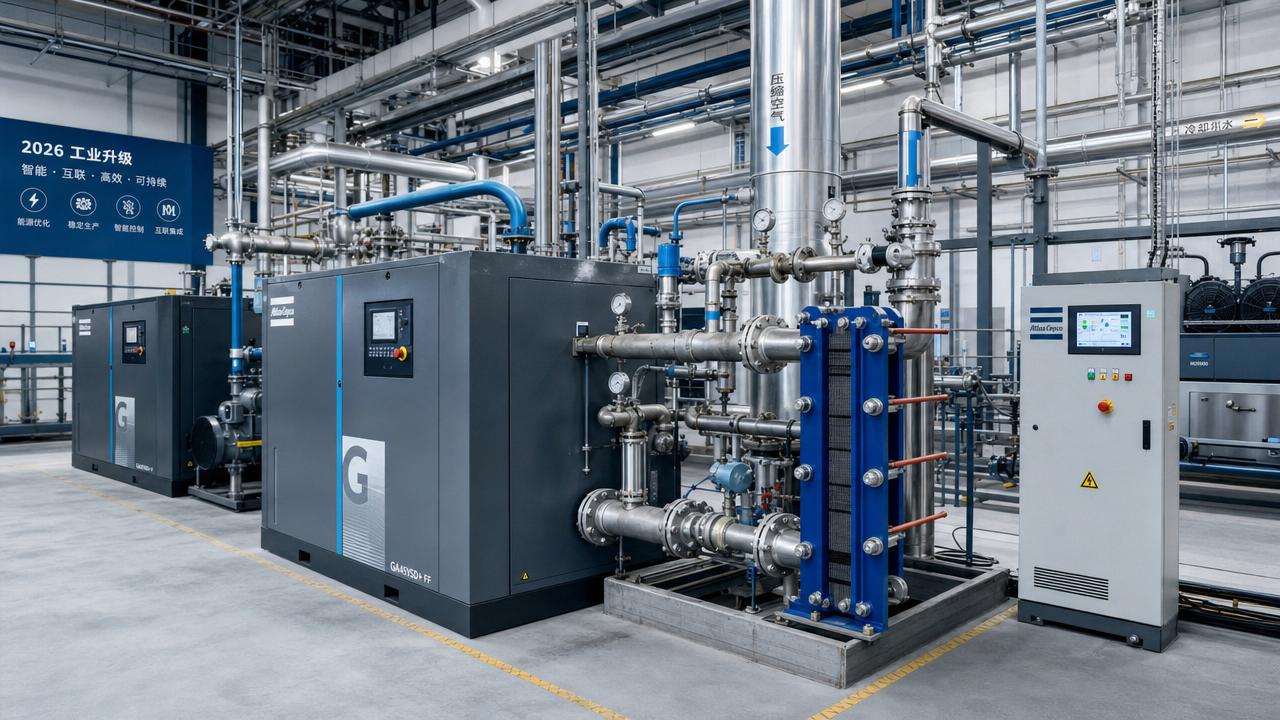
Compressed air is essential in packaging, assembly, food handling, electronics, and many automated lines, but it is also one of the least efficient utilities when leaks, poor pressure settings, or oversized compressors are ignored. Sustainable manufacturing on the factory floor often starts with a simple question: how much of the generated compressed air is actually used productively?
Cooling and heat exchange: thermal stability with lower waste
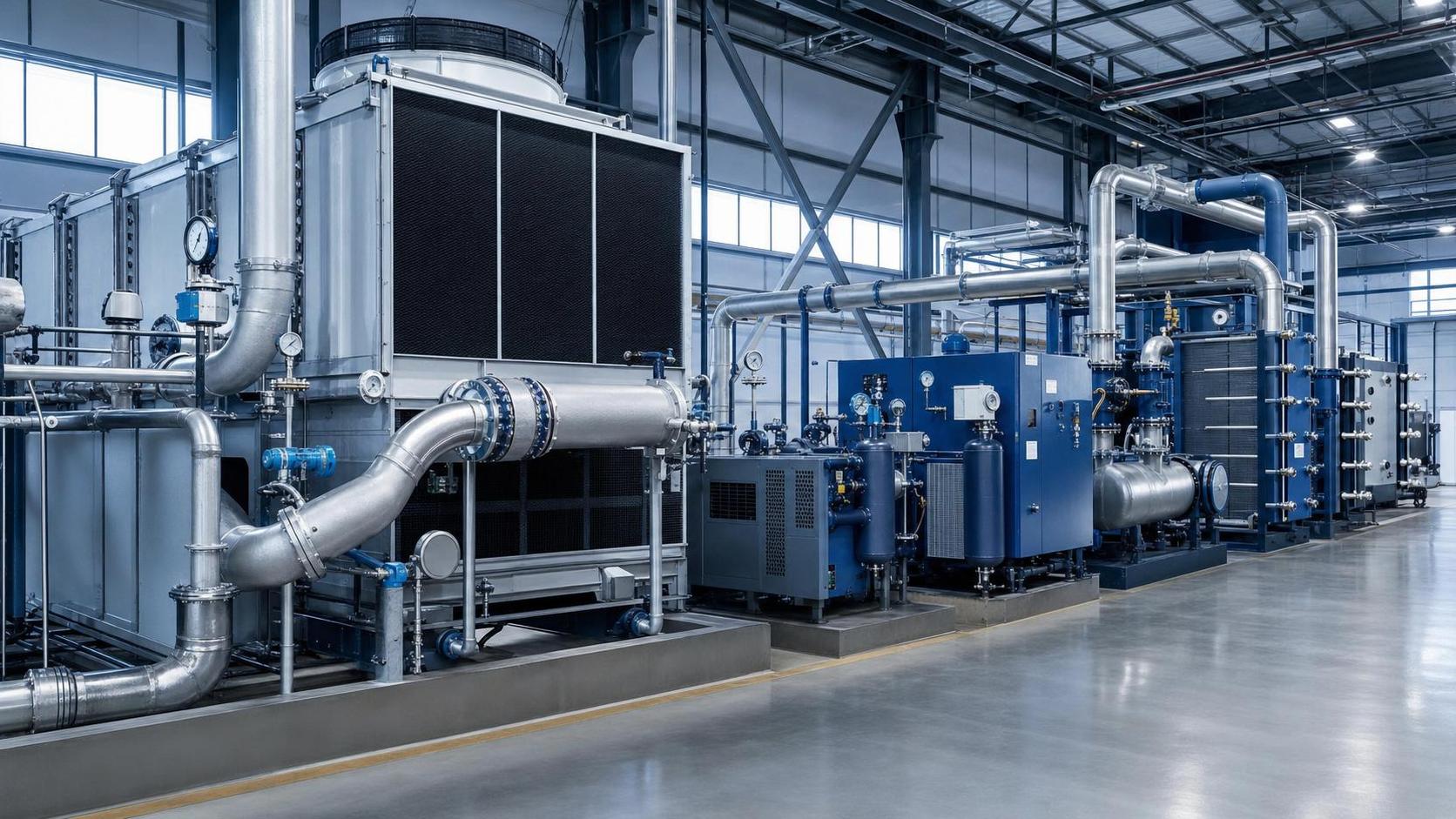
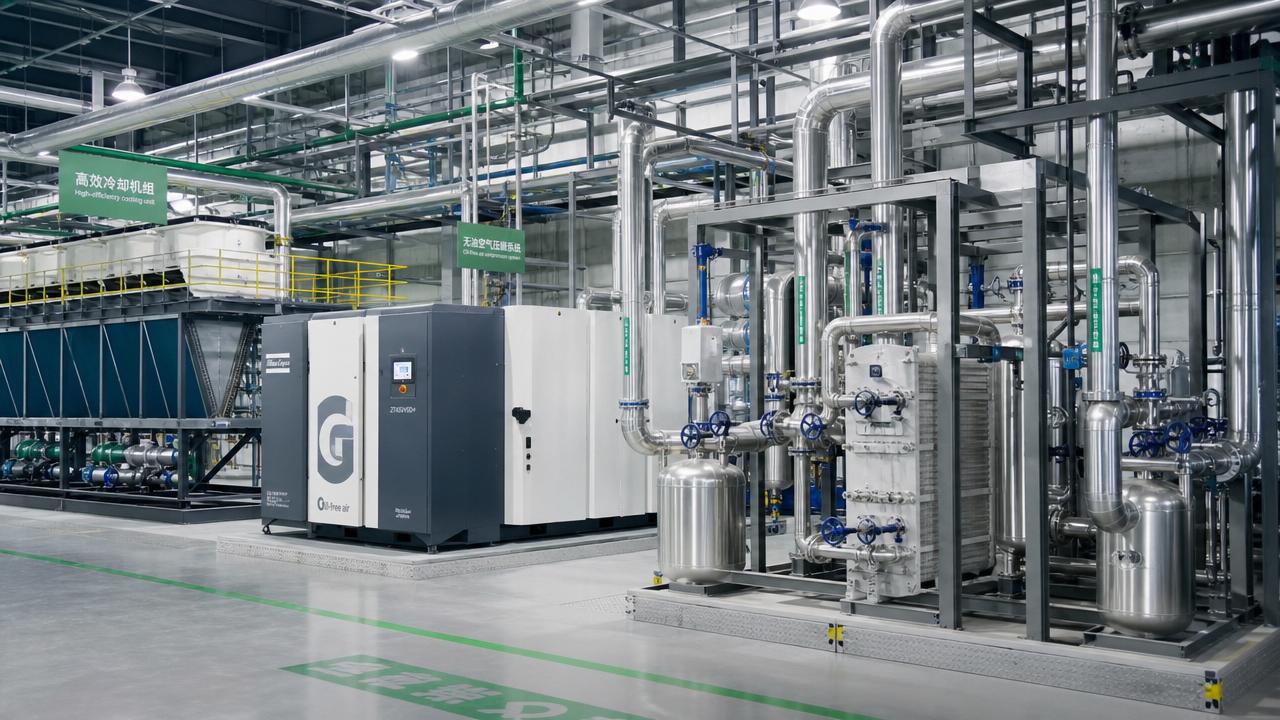
Cooling systems affect product quality, uptime, and energy use at the same time. In sectors like pharmaceuticals, semiconductors, and food processing, tighter temperature control is not optional. More sustainable manufacturing depends on right-sized chillers, cleaner heat transfer surfaces, optimized approach temperatures, and better heat exchanger selection for the process profile.
Vacuum and clean process systems: purity with lower energy intensity
Vacuum processes are critical in drying, degassing, packaging, coating, and semiconductor applications. Energy-efficient vacuum generation, contamination control, and load matching can improve both sustainability and product integrity. For researchers, this is a reminder that sustainable manufacturing is not only about emissions; it is also about stable process yield and reduced scrap.
The table below helps identify which factory systems often produce the strongest early returns in a sustainable manufacturing program.
The pattern is clear: sustainable manufacturing improves fastest when plants target utility systems that run long hours, influence quality, and suffer from unnoticed inefficiencies. Researchers evaluating plant transformation should therefore prioritize data from these systems rather than focusing only on end-of-year sustainability summaries.
How to evaluate sustainable manufacturing beyond broad claims
One common problem in industrial research is the gap between a supplier’s sustainability narrative and the actual decision criteria needed by buyers, plant managers, or engineering teams. To assess sustainable manufacturing accurately, it helps to examine equipment and systems through a structured operational lens.
Five questions that reveal real performance
- What is the baseline? Without a starting point for energy use, yield loss, downtime, and thermal deviation, sustainability improvements cannot be verified.
- What is being optimized? Some projects reduce electricity use but increase maintenance burden, water consumption, or process instability.
- What are the control variables? Ambient conditions, product mix, duty cycles, and production scheduling can all distort performance comparisons.
- How does the solution handle future compliance? Refrigerant policy, carbon reporting, and air purity expectations may change equipment value over time.
- Can the plant maintain the improvement? A theoretically efficient solution loses value if it depends on overly complex maintenance or inflexible operating conditions.
GTC-Matrix adds value here by tracking both technology evolution and commercial signals. That combination matters because sustainable manufacturing decisions are rarely technical only. A plant may favor oil-free compression not simply for efficiency, but for contamination control in sensitive industries. A heat exchanger choice may depend not just on thermal performance, but on cleaning frequency, footprint, water quality, and energy cost volatility.
Sustainable manufacturing technology choices: what to compare before selecting
Information researchers often need comparison frameworks rather than isolated product descriptions. The table below summarizes how common factory-floor sustainability options differ in decision logic.
This comparison shows why sustainable manufacturing should not be reduced to a checklist of popular technologies. The right option depends on process sensitivity, energy tariff exposure, contamination risk, thermal loads, and plant operating variability. A researcher who understands these relationships can screen suppliers and solutions more effectively.
What procurement teams and researchers should verify before approval
Sustainable manufacturing projects often slow down not because the idea is weak, but because internal approval teams need clearer evaluation criteria. Procurement, engineering, EHS, operations, and finance may all use different definitions of value. A useful review process should connect technical performance to business risk.
A practical evaluation checklist
- Define the operating window, including temperature ranges, pressure bands, load variation, duty hours, and cleanliness expectations.
- Check total cost of ownership instead of purchase price only, especially for high-runtime systems such as compressors, chillers, and vacuum units.
- Review compliance implications, including refrigerant transition risk, emissions reporting, wastewater handling, or air purity requirements.
- Ask how the system will be monitored after installation. Sustainable manufacturing depends on persistence, not one-time commissioning.
- Confirm service strategy, spare part lead times, and maintenance capabilities, especially if a new technology platform is being introduced.
For information researchers supporting capital planning or supplier screening, these points help separate technically plausible proposals from operationally durable ones. GTC-Matrix supports this work by following sector news, policy movement, and technology evolution together, allowing researchers to judge whether a proposal is aligned with future industrial conditions or only current marketing language.
How standards, compliance, and reporting shape sustainable manufacturing
Compliance is increasingly part of the sustainable manufacturing decision process. Even when a project begins with energy savings, it may later be judged by refrigerant choice, combustion emissions, product purity, traceability, or environmental reporting needs. Researchers should therefore track not only equipment performance but also compliance adaptability.
Common areas to watch include ISO-based energy management practices, compressed air quality references where process purity matters, evolving rules on refrigerants with lower global warming potential, and emissions expectations affecting thermal generation equipment such as low-NOx boilers. The exact requirement varies by geography and industry, but the strategic issue is the same: a sustainable manufacturing investment should remain viable under stricter regulation, not become stranded by it.
Common compliance-related mistakes
- Selecting equipment for current efficiency while ignoring refrigerant phase-down exposure or future reporting burden.
- Treating contamination control as separate from sustainability, even though rejected product and cleaning losses raise total environmental impact.
- Assuming a lower-energy solution is automatically superior without checking water use, maintenance frequency, or byproduct handling.
FAQ: what information researchers ask about sustainable manufacturing
How do I know whether a sustainable manufacturing claim is meaningful?
Look for operating metrics, not just outcome language. Useful evidence includes specific energy consumption, temperature stability, leak reduction, heat recovery rates, maintenance intervals, yield impact, and duty-cycle performance. If a solution cannot explain where the savings or emissions reductions come from physically, the claim is too weak for serious evaluation.
Which factory systems should be assessed first?
Start with high-runtime utility systems: compressed air, cooling, vacuum, boilers, and heat exchangers. These are often the hidden drivers of energy cost and carbon intensity. They also affect quality and uptime, so improvements can support both sustainability and operational resilience.
Is sustainable manufacturing mainly for large enterprises?
No. Large plants may have more resources, but smaller manufacturers can often move faster through focused audits, leak reduction, controls optimization, and better thermal system matching. The strongest results usually come from targeted decisions based on process realities rather than from enterprise size alone.
What is the biggest mistake in technology selection?
The biggest mistake is evaluating technology in isolation. A compressor, chiller, or heat exchanger must be judged within the full process context, including upstream demand variation, contamination sensitivity, maintenance capability, compliance exposure, and future expansion plans. Sustainable manufacturing fails when components are optimized separately but the system performs poorly as a whole.
Why GTC-Matrix is a useful intelligence partner for sustainable manufacturing research
Researchers and industrial decision teams need more than scattered product information. They need a way to connect energy economics, equipment evolution, policy pressure, and sector demand shifts. GTC-Matrix is built around that need. Its focus on industrial cooling, compressed air, vacuum processes, and heat exchange technologies gives users a practical lens on the thermal and compression systems that shape real factory-floor sustainability outcomes.
Its Strategic Intelligence Center is especially relevant when sustainable manufacturing decisions involve competing priorities such as purity versus energy intensity, carbon reduction versus process stability, or capital expenditure versus lifecycle value. By combining sector news, evolutionary technology tracking, and commercial insight, GTC-Matrix helps researchers move from observation to structured judgment.
- Track changes in global energy costs and policy signals that affect utility-system economics.
- Follow technology evolution in oil-free compression, microchannel heat exchangers, and low-NOx thermal systems.
- Understand demand patterns in pharmaceutical, semiconductor, and food manufacturing where thermal precision and clean power matter most.
- Support supplier screening, benchmarking, and roadmap planning with a more connected view of industrial transformation.
Why choose us for deeper sustainable manufacturing insight
If your team is researching sustainable manufacturing and needs clearer decision support, GTC-Matrix can help you move from broad industry narratives to actionable technical and commercial understanding. We focus on the systems that most directly influence energy conversion efficiency, thermal performance, compressed air quality, vacuum reliability, and industrial decarbonization pathways.
You can contact us for focused support on parameter confirmation, technology comparison, product selection logic, delivery-cycle considerations, customized solution research, compliance questions related to refrigerants or air purity, sample evaluation pathways, and quotation-stage intelligence preparation. For teams comparing cooling, compression, heat exchange, or vacuum options across sectors, we provide a more structured view of what sustainable manufacturing looks like in practice and what factors should shape the final decision.
- industrial cooling
- compressed air
- vacuum processes
- heat exchange
- energy conversion efficiency
- oil-free compression
- microchannel heat exchangers
- decarbonization
- resource circularity
- global energy costs
- heat transfer
- energy efficiency
- thermal systems
- compressed air systems
- vacuum system
- sustainable manufacturing
- industrial decarbonization
Related News
- Why high-density thermal energy storage is gaining industry attentionAuthor :

- Smart Device Thermal Management Trends Shaping 2026 Product DesignAuthor :

- Industrial Cooling Technologies in Europe: 2026 Trends in Compliance and Energy UseAuthor :

- Industrial Electrification Trends in 2026: Where Projects Are Moving FirstAuthor :

- Industrial Solution Comparison Global: 2026 Trends Reshaping Equipment DecisionsAuthor :

- When Heat Recovery Systems Skid Mounted Designs Improve Project PaybackAuthor :

- How to Compare Industrial Decarbonization Solutions Providers in 2026Author :

- Industry Category Guides for Smart Devices: What to Track as 2026 Markets ShiftAuthor :

- Green Manufacturing Trends Reshaping Industrial InvestmentAuthor :

- 2026 Global Energy Costs: What Will Reshape Industrial PlanningAuthor :

- Industrial Decarbonization Solutions That Cut Fuel Costs in 2026Author :

- Smart Thermal Systems Trends Shaping Industrial Upgrades in 2026Author :

- Resource Circularity in Manufacturing: 5 Practical Gains Beyond ComplianceAuthor :

- Carbon Neutrality Roadmap: What Industrial Firms Need to Prioritize FirstAuthor :

- Energy Conversion Efficiency Trends Shaping Industrial UpgradesAuthor :

- Compression Technology Trends Shaping Efficient Plant UpgradesAuthor :

- Industrial Intelligence in Manufacturing: Where It Delivers Value FirstAuthor :

- How Intellectualization Improves Industrial Thermal ManagementAuthor :

- What Intellectualization Means for Smarter Plant Operations in 2026Author :

- Carbon Neutrality Goals: What Industrial Firms Should Prioritize in 2026Author :

- How Intellectualization Reduces Downtime in Modern Production LinesAuthor :

- Decarbonization Roadmap for Energy-Intensive Plants in 2026Author :

- Thermal Systems Trends in 2026: Efficiency, Control, and RiskAuthor :

- Industrial Decarbonization Priorities for Energy-Intensive FacilitiesAuthor :

- Thermal Systems in 2026: Efficiency Upgrades Shaping Industrial OperationsAuthor :

- Pure Power Sources: 5 Practical Paths to Carbon NeutralityAuthor :

- What Intellectualization Means for Industrial Equipment UpgradesAuthor :

- Thermal Optimization in 2026: Where Energy Savings Deliver the Fastest PaybackAuthor :

- Energy Efficiency Trends Reshaping Compressor Upgrades in 2026Author :

- 2026 Industrial Decarbonization Trends Reshaping Plant UpgradesAuthor :
![]()
- Heat Exchanger Technology Trends for 2026 Efficiency TargetsAuthor :

- Resource Circularity Risks in 2026 Supply ChainsAuthor :

- Smart Thermal Systems: When Upgrades Deliver Measurable SavingsAuthor :

- Carbon Neutrality: Practical Steps for Factory RoadmapsAuthor :

- 2026 Industrial Energy Efficiency Priorities for Plant UpgradesAuthor :

- Industrial Intellectualization Trends Reshaping Equipment UpgradesAuthor :