2026 Industrial Energy Efficiency Trends Reshaping Plant Upgrades




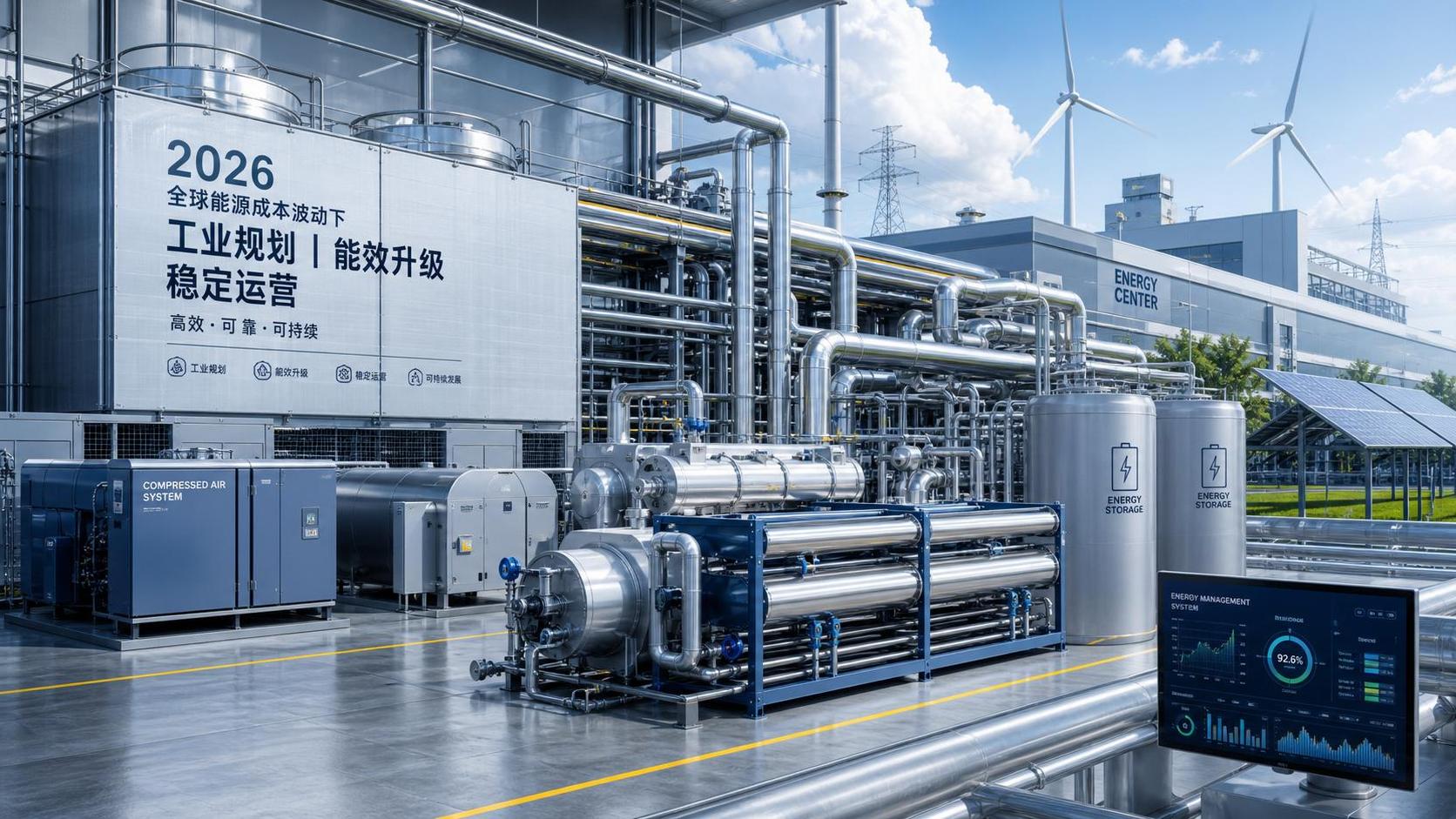
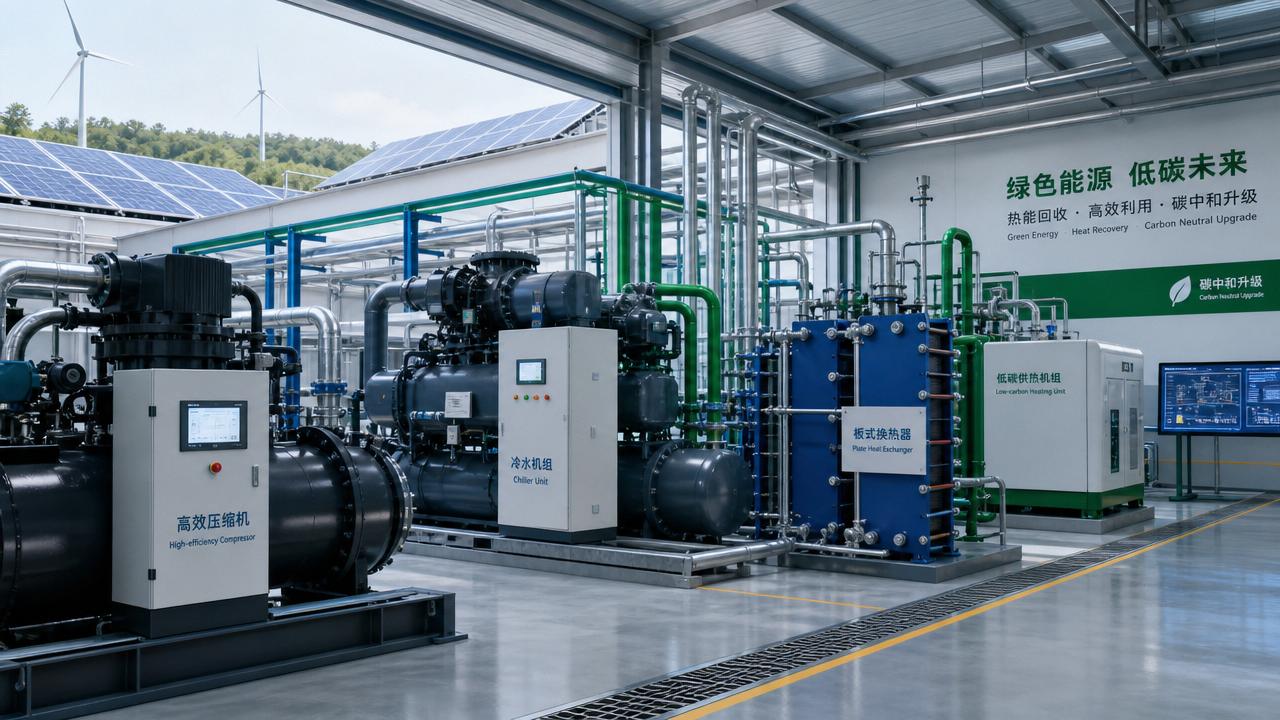
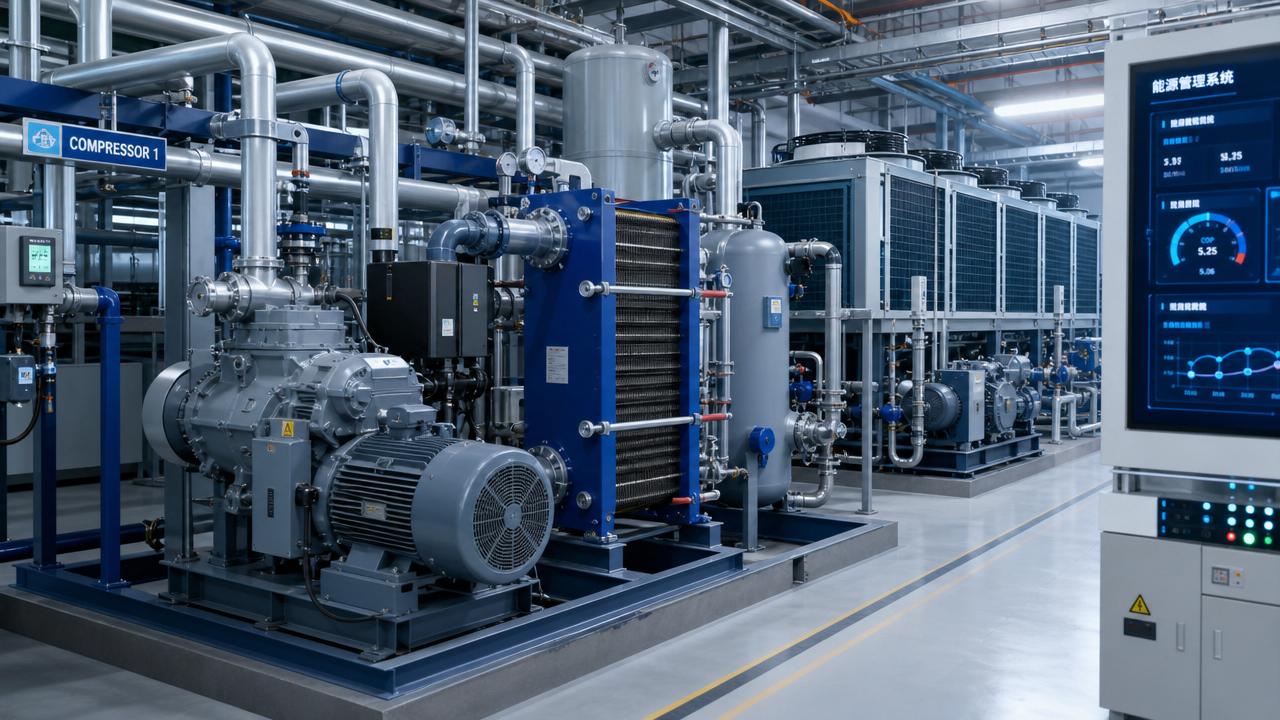
As energy costs, carbon targets, and digital retrofit demands intensify, industrial energy efficiency is becoming a decisive factor in plant upgrade strategies for 2026. For industrial operations, the question is no longer whether to improve efficiency, but where to start, what to prioritize, and how to protect returns. Across thermal systems, compressed air networks, vacuum applications, and heat exchange equipment, the next wave of upgrades is reshaping investment logic. This article explores the most urgent questions behind industrial energy efficiency and explains what these 2026 trends mean for practical plant decisions.
What is changing most in industrial energy efficiency for 2026?
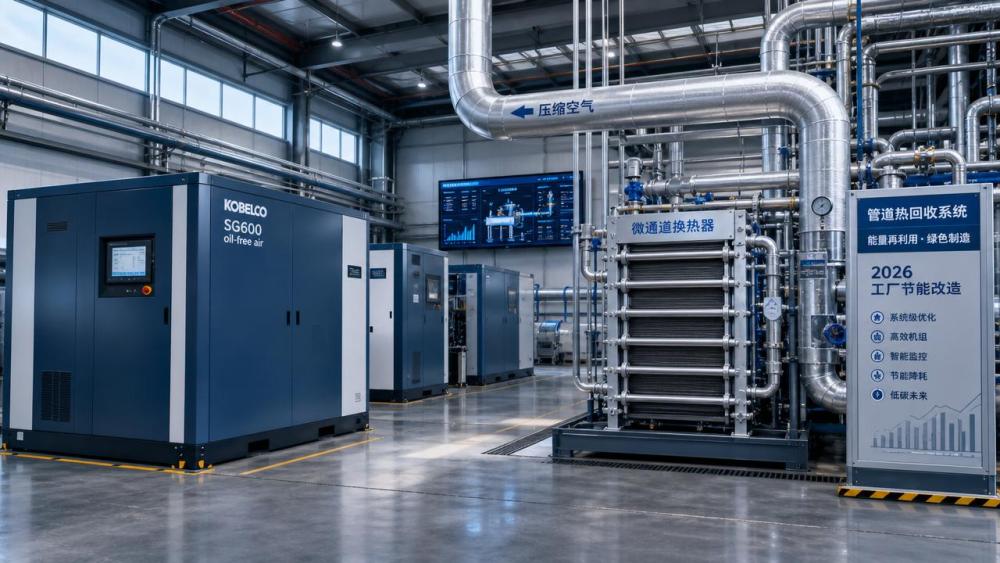
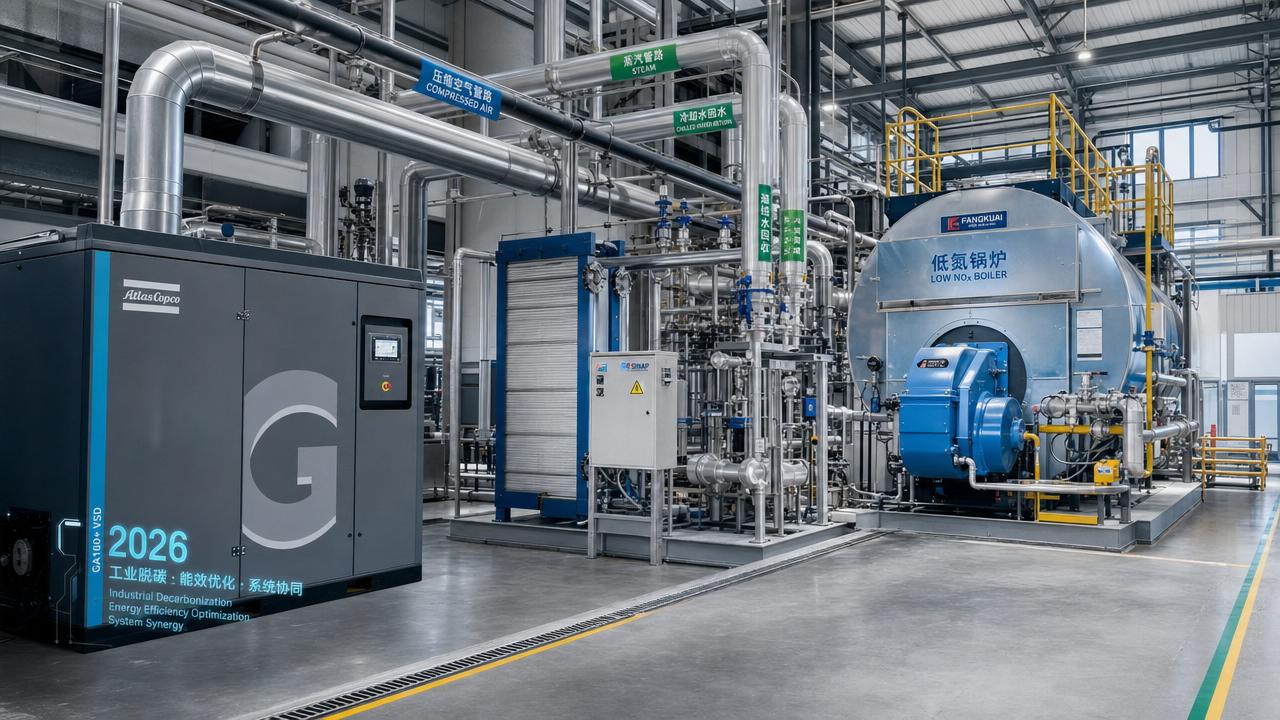
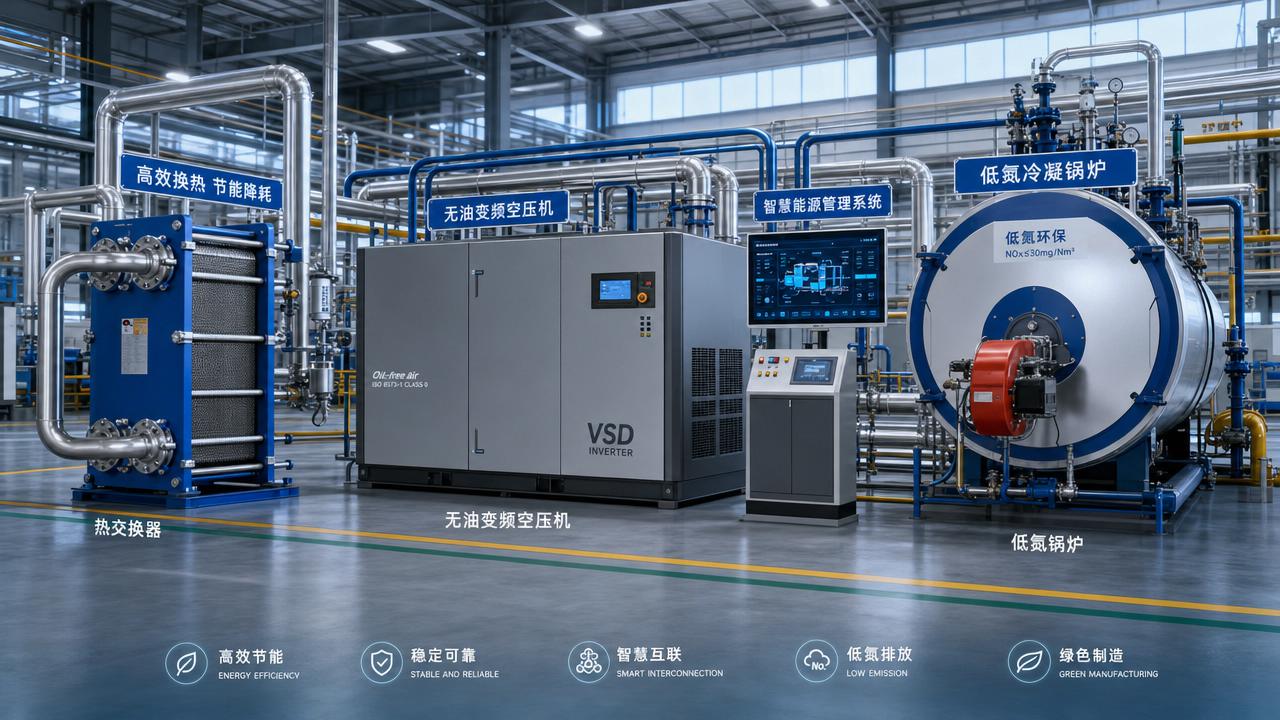
The biggest shift is that industrial energy efficiency is moving from isolated equipment upgrades to system-level optimization. Plants are no longer judging compressors, boilers, chillers, or heat exchangers as separate assets.
Instead, 2026 planning increasingly connects power consumption, thermal balance, process stability, emissions reporting, and maintenance performance into one decision framework.
Three forces are driving this change.
- Volatile electricity and fuel prices are exposing hidden inefficiencies.
- Carbon compliance is turning energy waste into a financial risk.
- Digital retrofit tools now make loss points easier to measure.
This means industrial energy efficiency is becoming a board-level issue, not only an engineering target. In 2026, upgrade projects will be expected to deliver measurable energy savings, emissions benefits, and resilience.
Which technologies are gaining the most attention?
Several technologies are standing out across the broader industrial landscape.
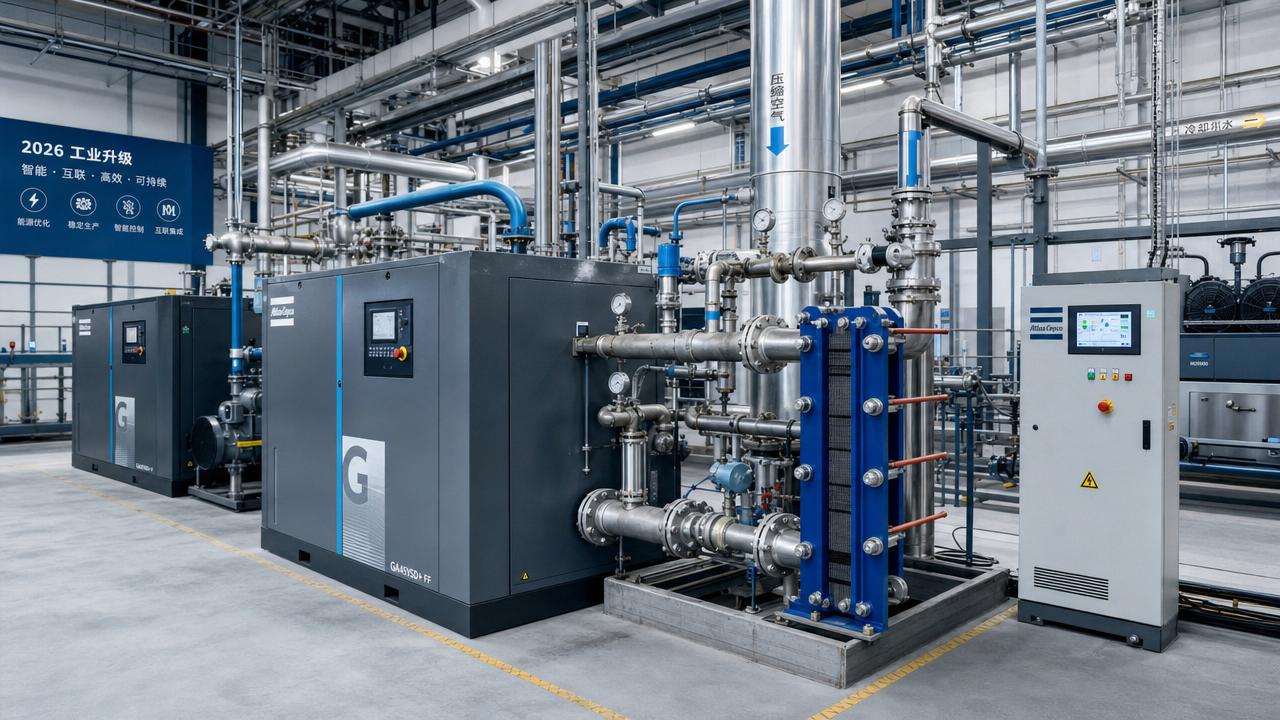
- Variable-speed compressed air systems with leakage analytics.
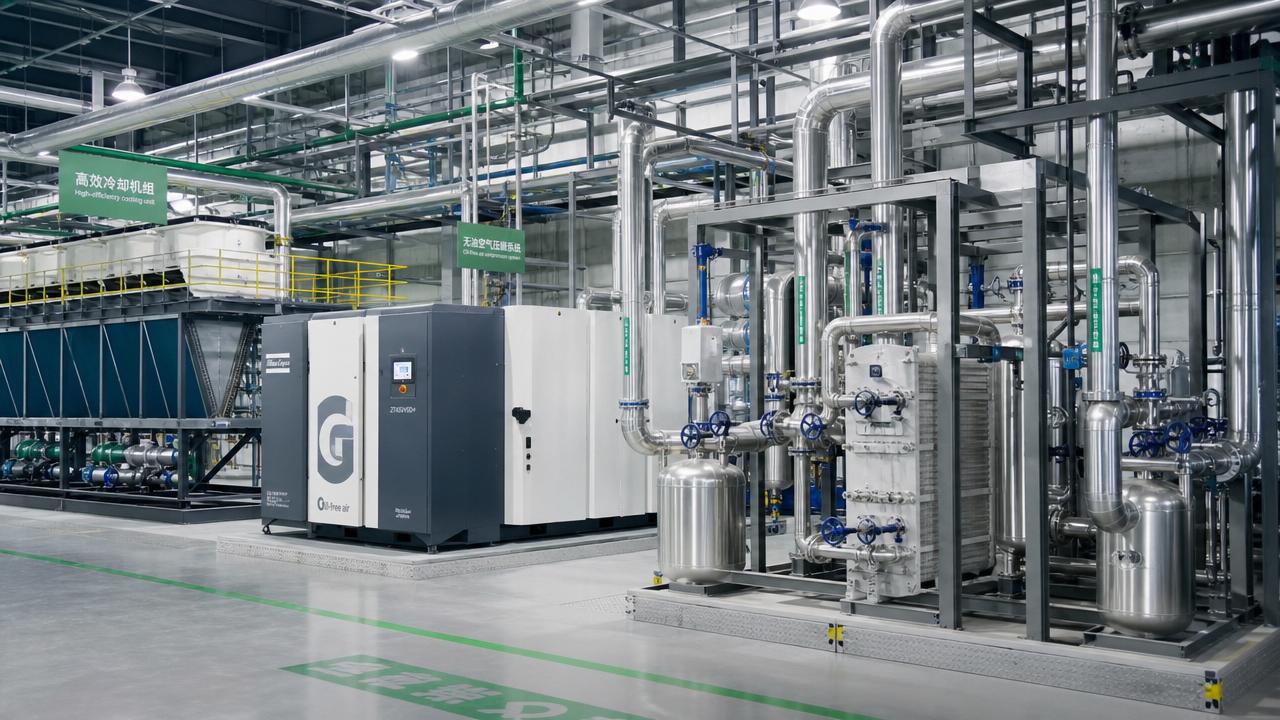
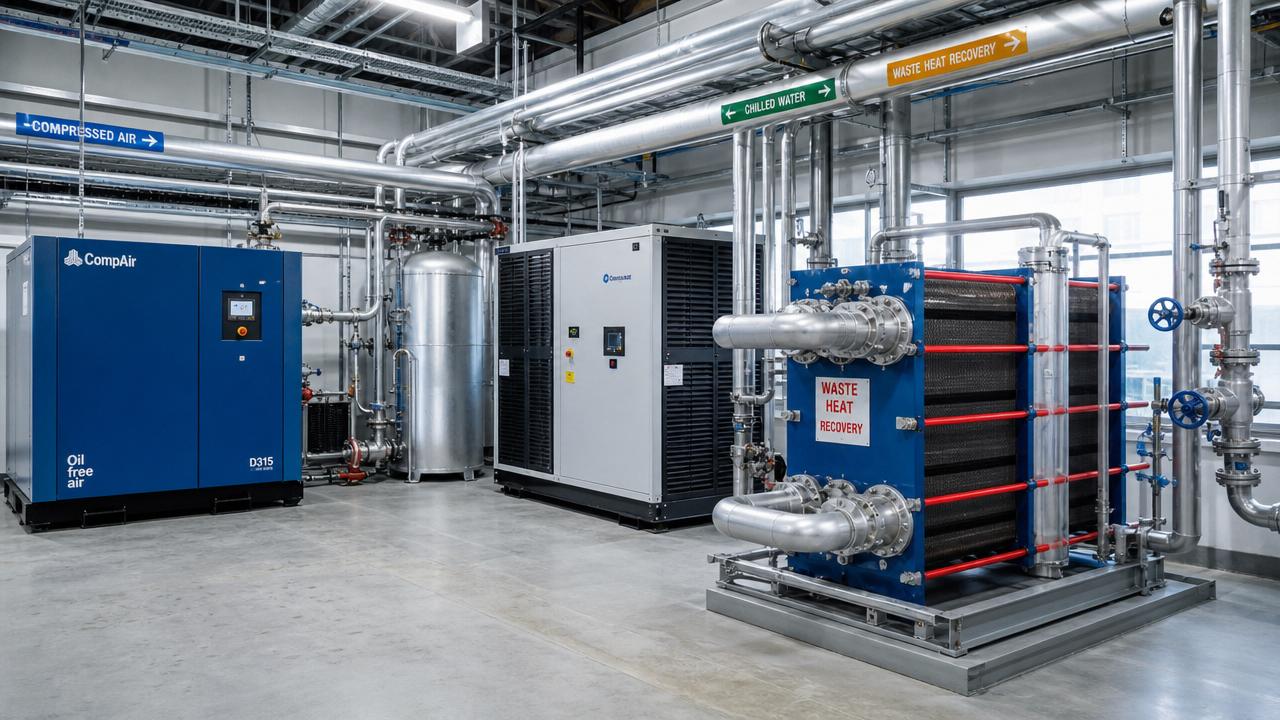
- Oil-free compression for clean and precision-sensitive processes.
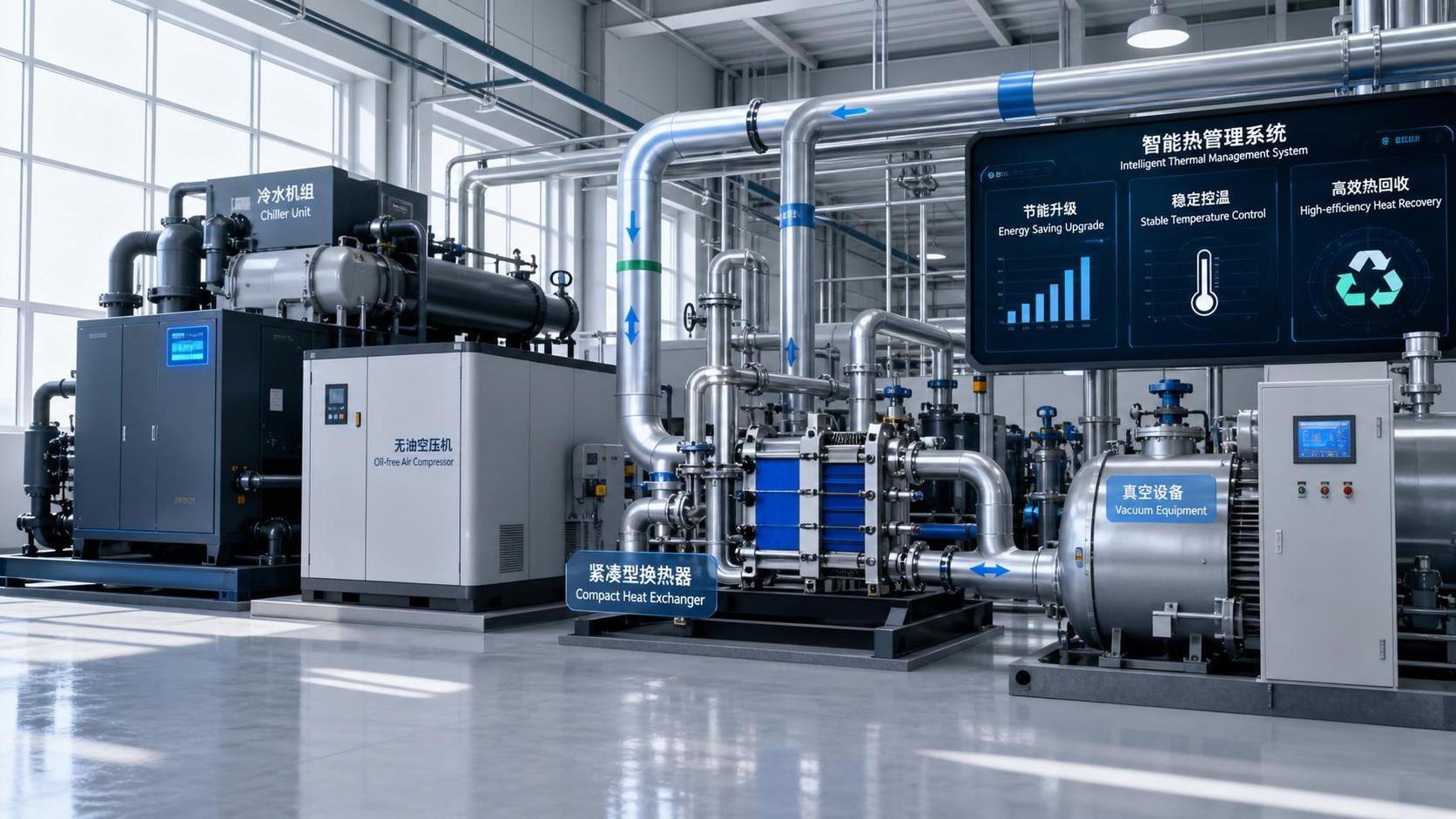
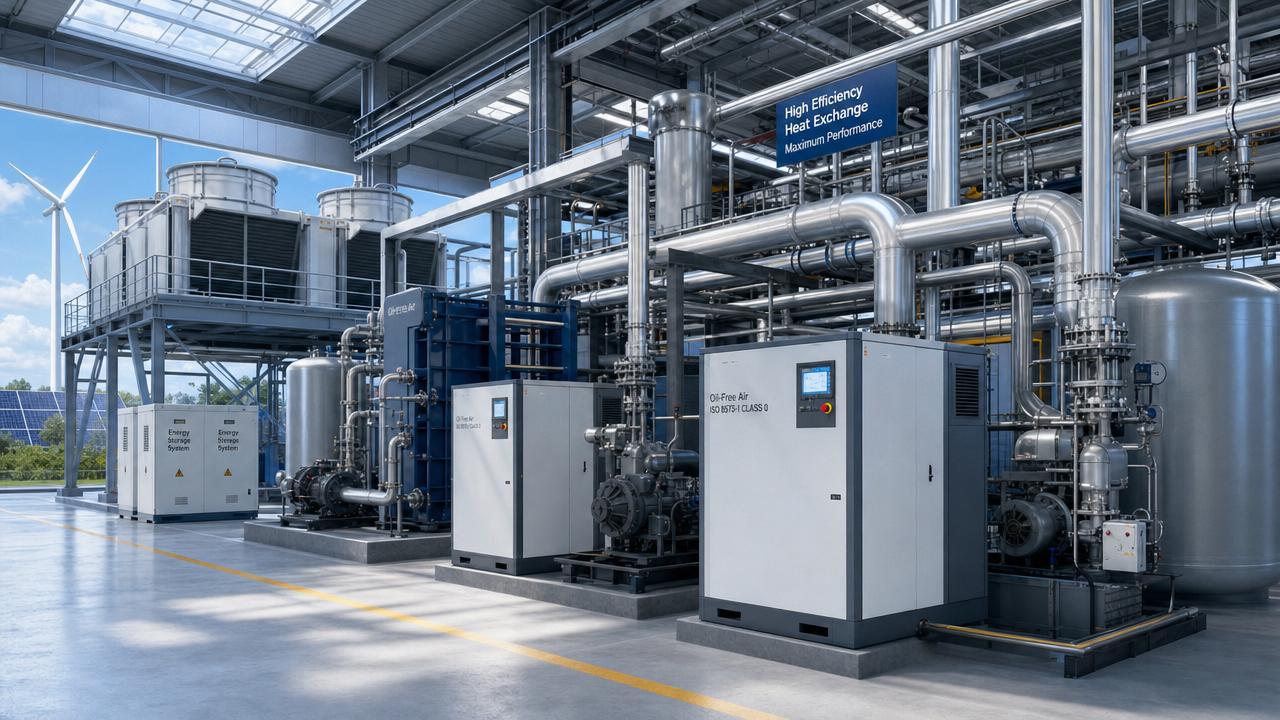
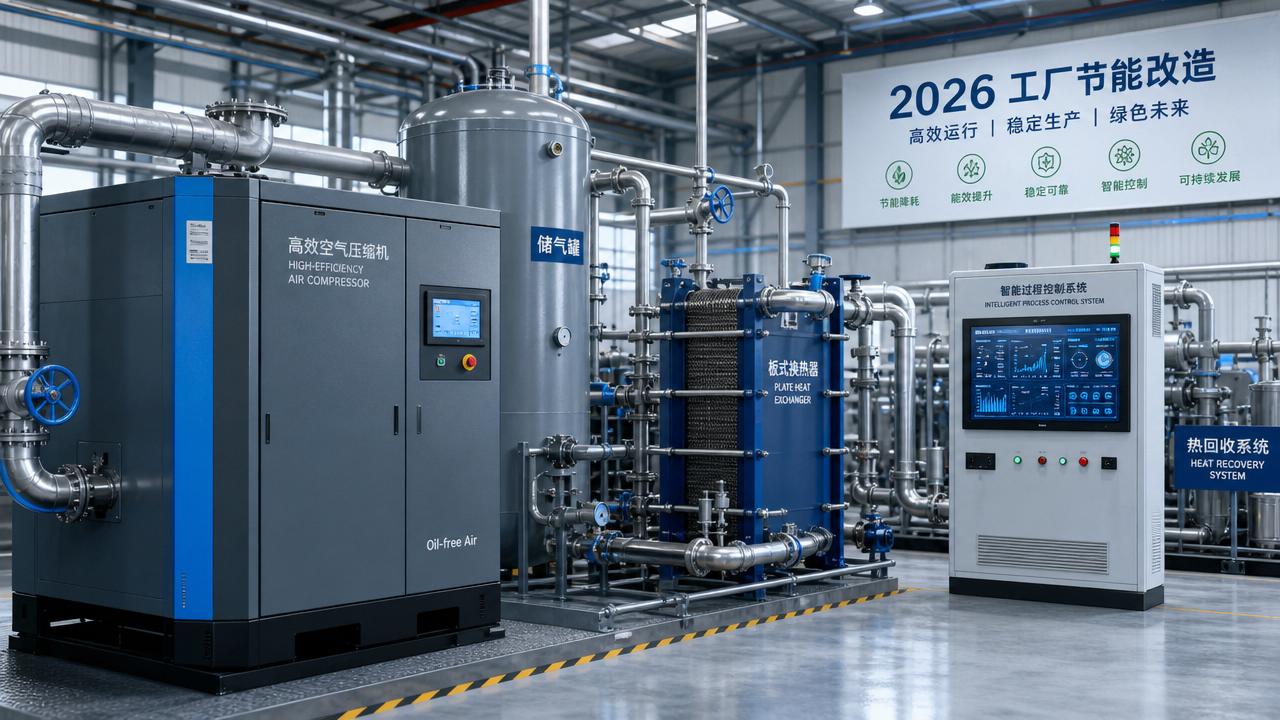
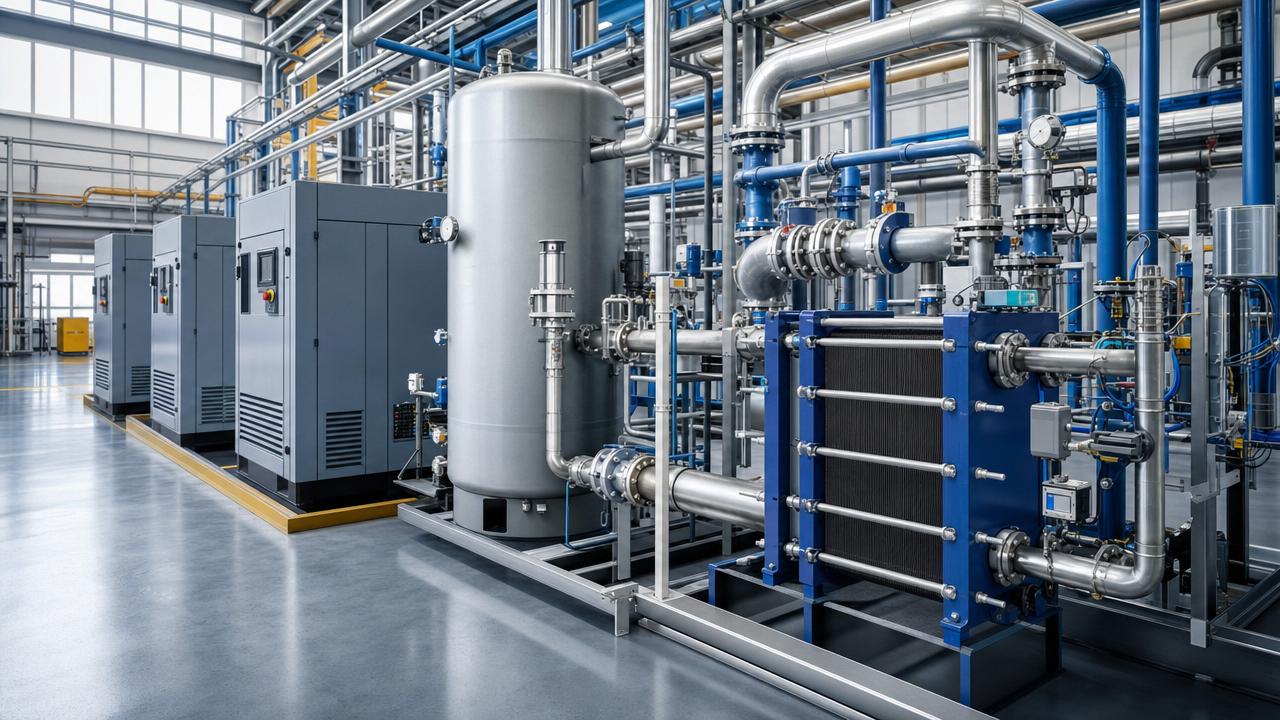
- High-performance microchannel heat exchangers.
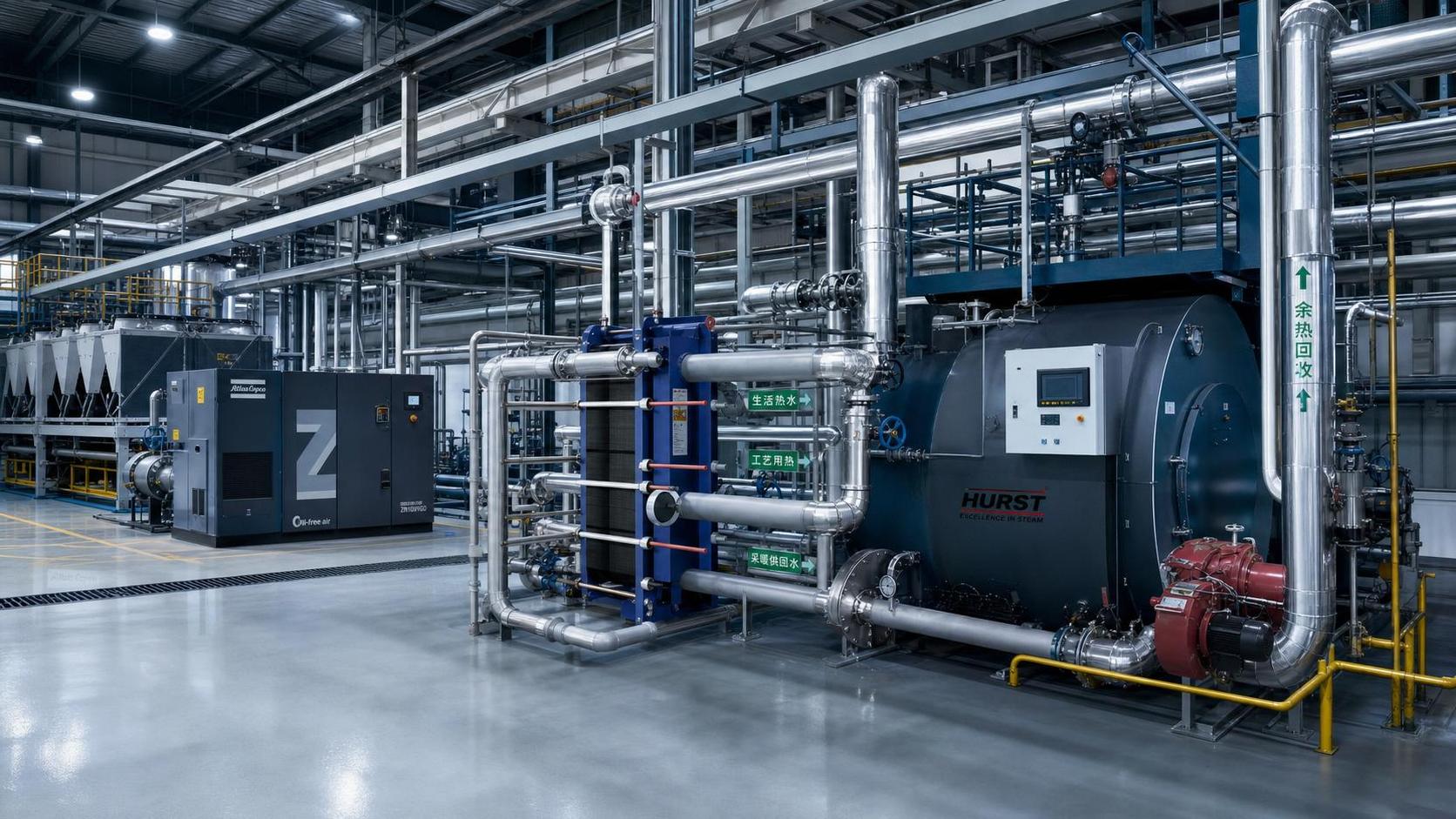
- Waste heat recovery in cooling and thermal loops.
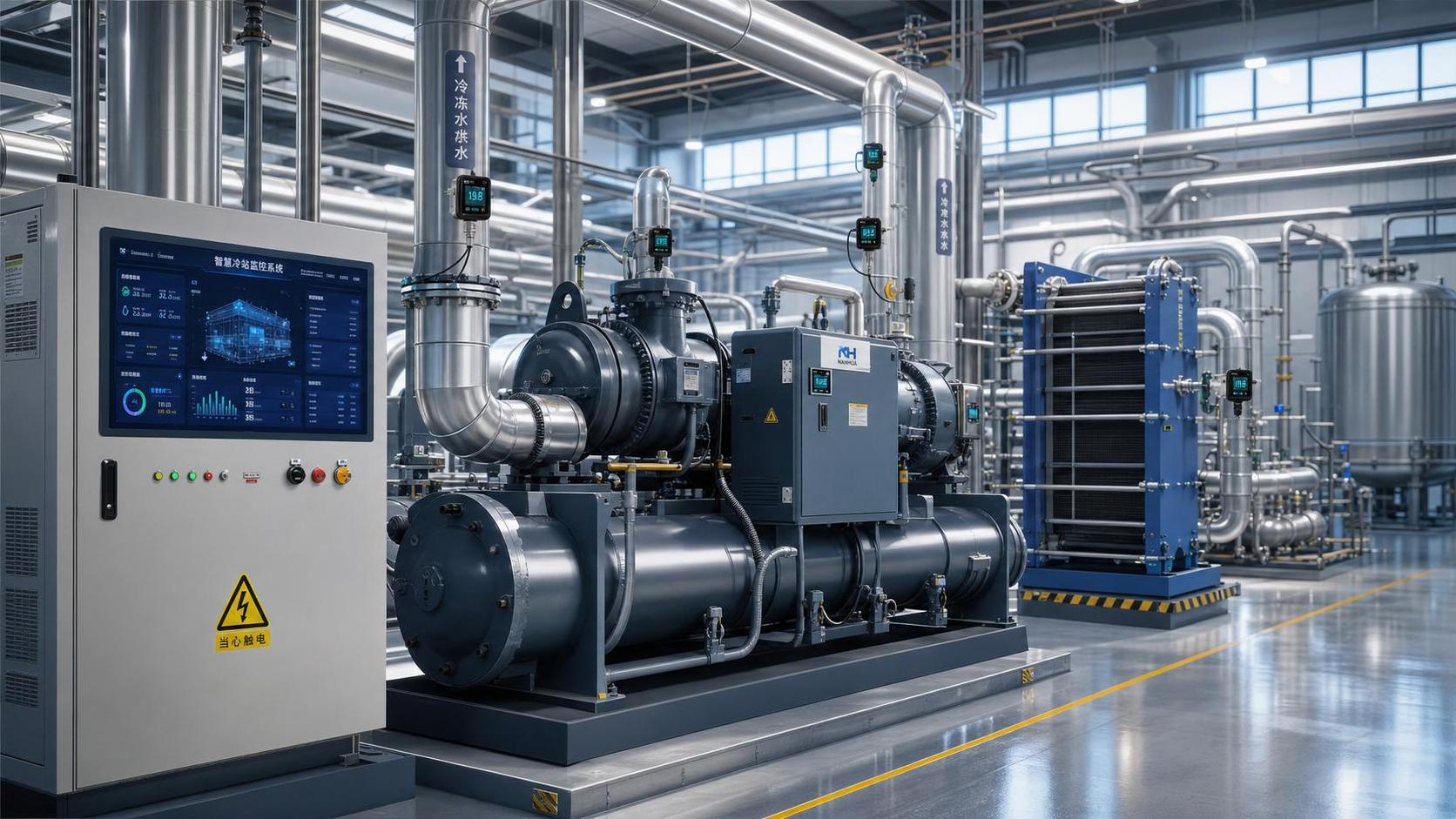
- Smart controls linking HVAC, process cooling, and utility demand.
These trends reflect a broader idea. Industrial energy efficiency now depends on how equipment interacts under real load conditions, not only on nameplate ratings.
Why are thermal systems and compressed air receiving priority in plant upgrades?
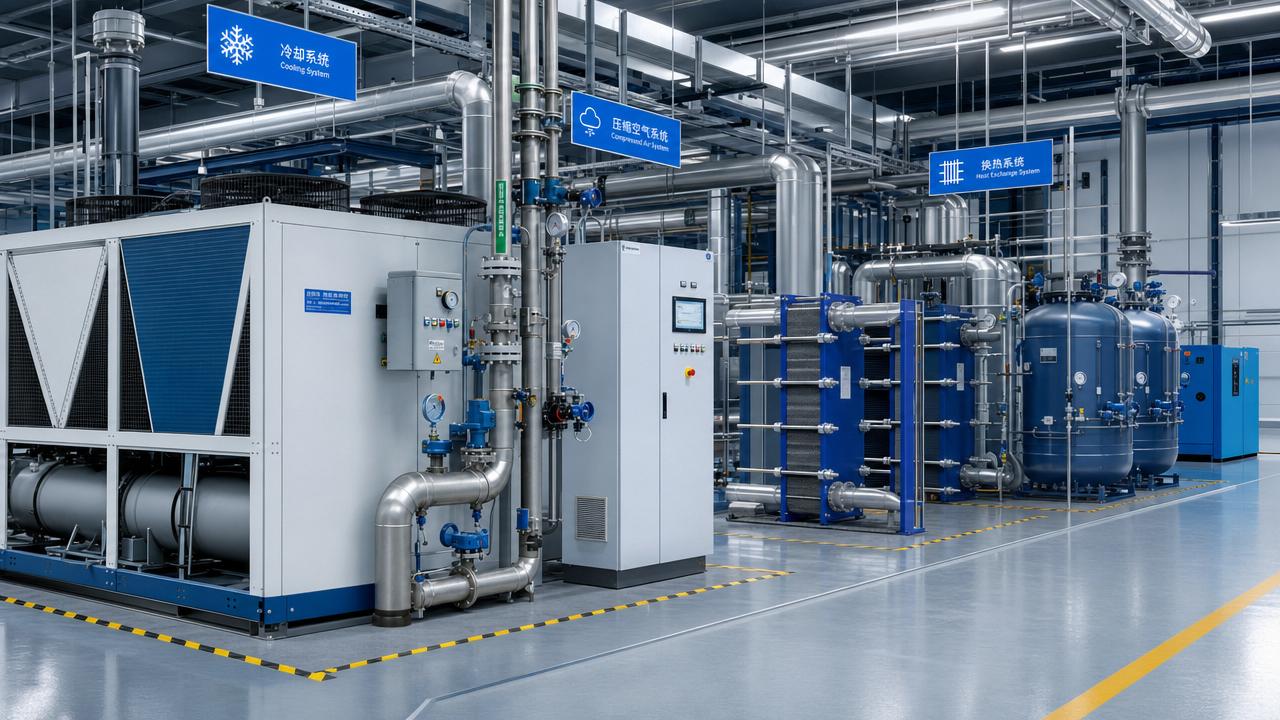
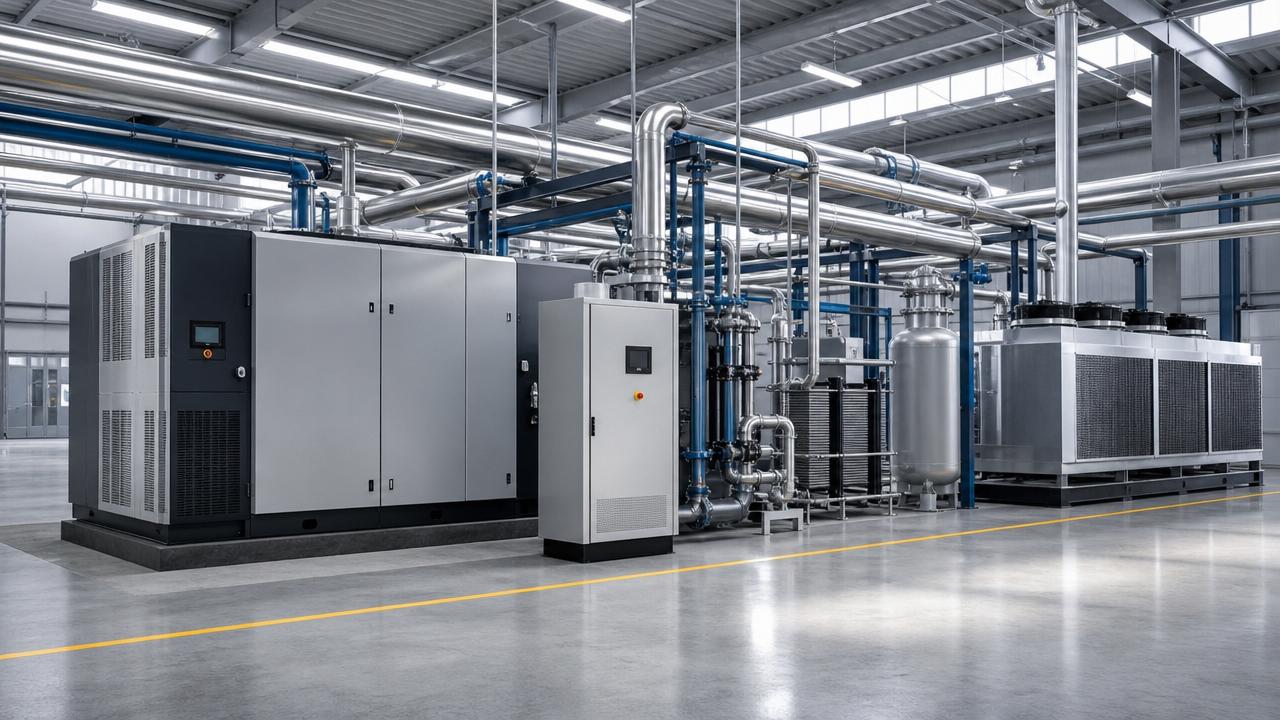
Thermal systems and compressed air often represent the largest share of avoidable utility waste. That makes them central to any serious industrial energy efficiency roadmap.
Compressed air is especially important because it is frequently overproduced, poorly controlled, and heavily affected by leaks, pressure drops, and part-load inefficiency.
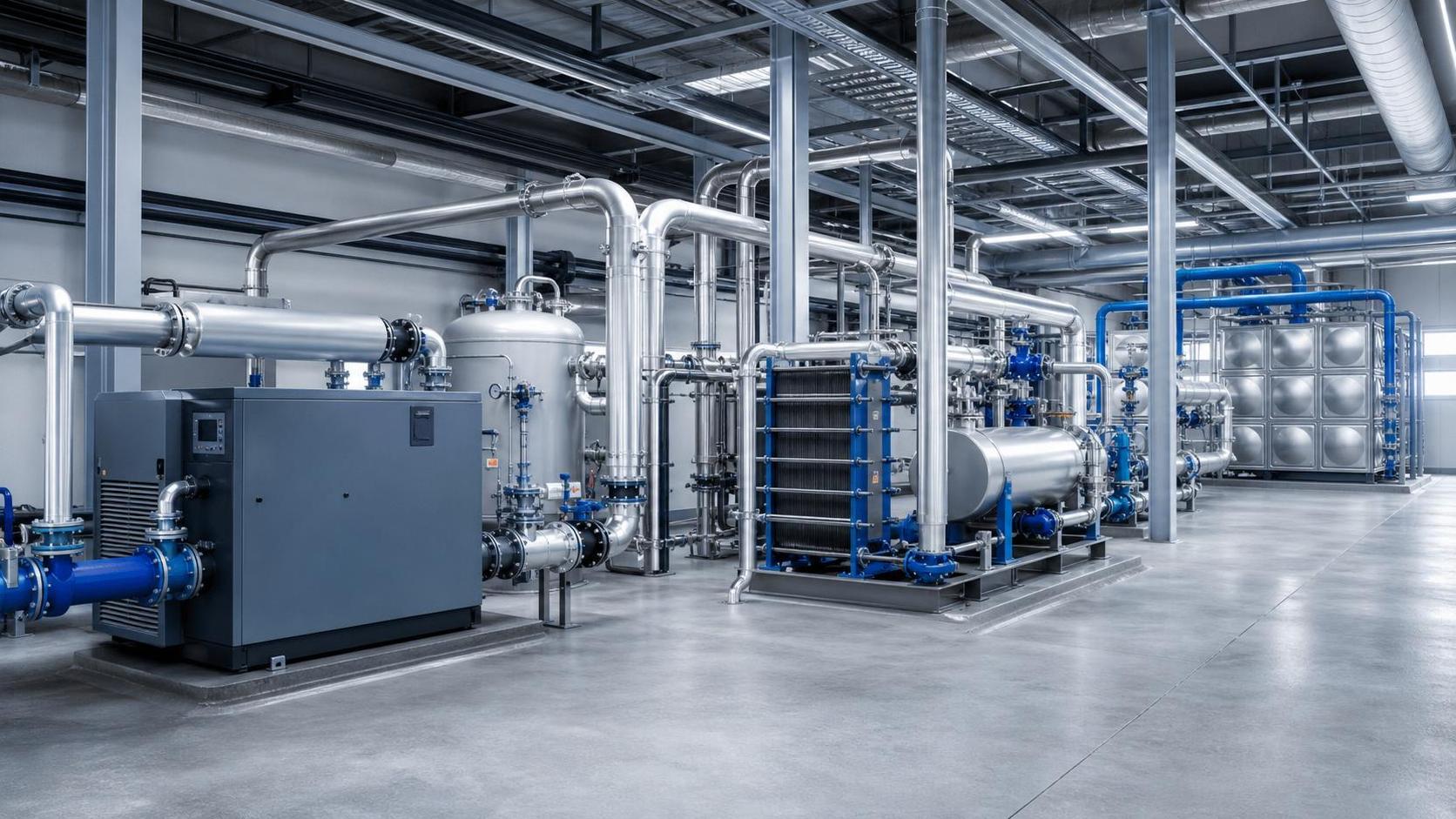
Thermal systems face similar losses. Oversized cooling assets, weak heat exchanger performance, poor insulation, and unstable temperature control all increase operating cost.
What does this mean in practice?
It means many plants can unlock fast gains without full process replacement. Utility-side improvements often deliver better payback than expected because they affect multiple production lines at once.
- Map compressed air demand by time, pressure, and application criticality.
- Review cooling and heat exchange performance under seasonal load changes.
- Identify recoverable heat streams before adding new energy supply.
- Compare actual control behavior with intended design strategy.
For many sites, industrial energy efficiency improvements begin by understanding utility interactions. A better compressor control strategy can reduce cooling demand. Better heat transfer can reduce pumping and fan loads.
How can facilities judge which industrial energy efficiency upgrades deserve investment first?
A common mistake is ranking projects only by equipment age. In 2026, stronger decisions will rely on energy intensity, production sensitivity, carbon impact, and implementation risk.
The best first projects usually combine four characteristics. They are measurable, repeatable, low-disruption, and linked to utility waste that occurs every day.
What evaluation criteria are most useful?
This method supports better industrial energy efficiency planning than simple replacement cycles. It also helps separate attractive projects from upgrades that look efficient but deliver weak real-world gains.
What are the most common mistakes in industrial energy efficiency retrofits?
Many retrofit failures come from narrow thinking. A plant may install efficient equipment but keep old operating logic, poor maintenance discipline, or inaccurate demand assumptions.
Which risks should be checked early?
- Oversizing replacement assets based on peak rather than actual load.
- Ignoring leakage, fouling, or distribution losses.
- Treating digital monitoring as a substitute for process understanding.
- Focusing on one utility while increasing another.
- Using payback alone without lifecycle or downtime analysis.
For example, compressed air pressure may be reduced to save power. Yet if end-use requirements are not verified, production quality can suffer or local boosters may be added inefficiently.
The same applies to cooling optimization. Aggressive temperature resets may reduce energy use while increasing process variation. Strong industrial energy efficiency depends on balanced engineering, not single-metric decisions.
How do digital tools change industrial energy efficiency decisions in 2026?
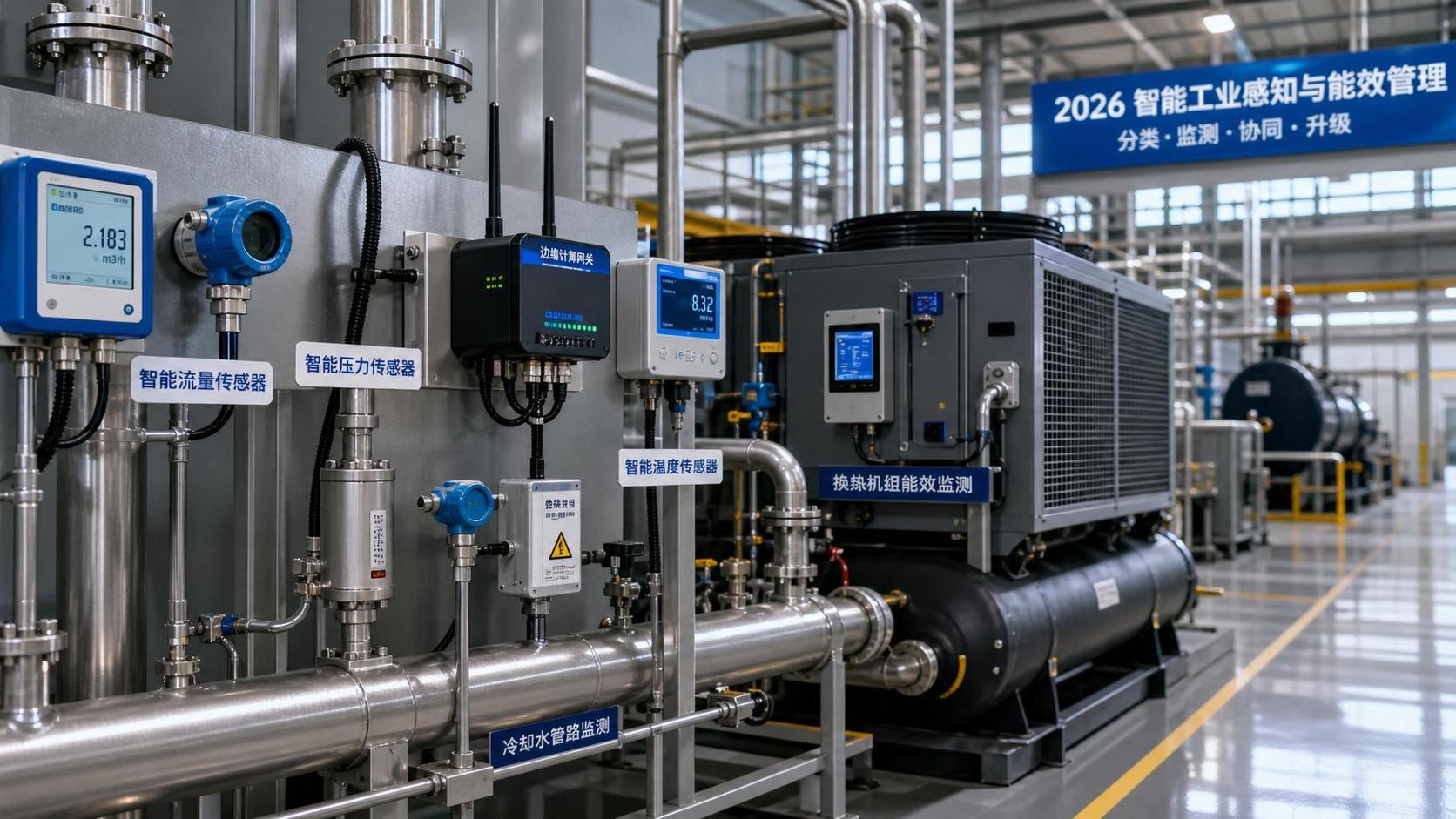
Digitalization is becoming more practical and less experimental. Plants are using sensors, analytics, and supervisory controls to reveal losses that manual reviews often miss.
In industrial energy efficiency programs, digital tools are most valuable when they connect equipment behavior with process demand and utility cost timing.
Where do digital tools create the strongest value?
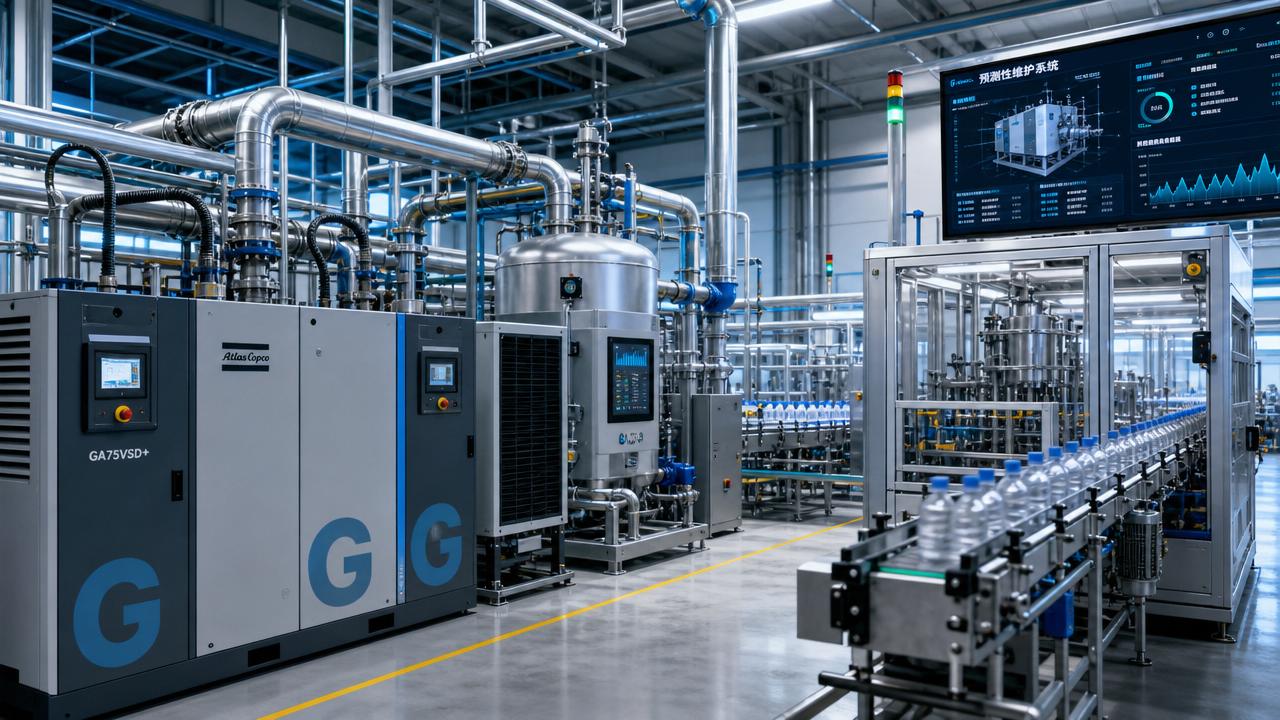
- Detecting compressed air leaks and pressure instability.
- Monitoring approach temperature in heat exchangers.
- Tracking chiller, pump, and fan efficiency by load band.
- Predicting fouling, filter blockage, or control drift.
- Verifying savings after retrofit execution.
This verification role matters. In 2026, more upgrade projects will require proof of performance, especially where financing, carbon accounting, or internal capital competition is involved.
That is also where trusted intelligence platforms become useful. GTC-Matrix follows thermal, compression, vacuum, and heat exchange developments to connect technical change with commercial and policy context.
What timeline and cost expectations are realistic for industrial energy efficiency upgrades?
There is no single answer because scope varies widely. However, industrial energy efficiency projects usually fall into three planning layers.
Fast projects can deliver visible savings quickly, but deeper gains often come from phased programs. The strongest industrial energy efficiency results usually appear when quick wins fund larger redesign steps.
Lifecycle thinking is essential. A low-cost replacement may lose value if maintenance, downtime, refrigerant changes, or future compliance costs are ignored.
How should plants prepare now for 2026 industrial energy efficiency targets?
Preparation should begin with visibility. Without a clear baseline, industrial energy efficiency targets become hard to defend, compare, or finance.
A practical preparation checklist
- Build an energy map for thermal, air, vacuum, and cooling utilities.
- Separate base load, variable load, and waste patterns.
- Benchmark critical assets under actual operating conditions.
- Prioritize upgrades with both savings and process value.
- Create a verification plan before project approval.
- Track policy, refrigerant, and carbon reporting changes continuously.
This approach reduces uncertainty and improves project timing. It also aligns plant upgrades with the broader direction of decarbonization, digital intelligence, and resilient production infrastructure.
In summary, 2026 industrial energy efficiency trends are reshaping plant upgrades by shifting attention toward system thinking, measurable utility performance, and smarter capital selection. Thermal systems, compressed air networks, heat exchange assets, and digital monitoring will remain central to this transition. The next step is to identify where energy losses, control gaps, and process risks intersect, then convert that insight into a phased upgrade roadmap supported by reliable technical intelligence.
Ready when you are. Send us a message to get started.
Related News
- Why high-density thermal energy storage is gaining industry attentionAuthor :

- Smart Device Thermal Management Trends Shaping 2026 Product DesignAuthor :

- Industrial Cooling Technologies in Europe: 2026 Trends in Compliance and Energy UseAuthor :

- Industrial Electrification Trends in 2026: Where Projects Are Moving FirstAuthor :

- Industrial Solution Comparison Global: 2026 Trends Reshaping Equipment DecisionsAuthor :

- When Heat Recovery Systems Skid Mounted Designs Improve Project PaybackAuthor :

- How to Compare Industrial Decarbonization Solutions Providers in 2026Author :

- Industry Category Guides for Smart Devices: What to Track as 2026 Markets ShiftAuthor :

- Green Manufacturing Trends Reshaping Industrial InvestmentAuthor :

- 2026 Global Energy Costs: What Will Reshape Industrial PlanningAuthor :

- Industrial Decarbonization Solutions That Cut Fuel Costs in 2026Author :

- Smart Thermal Systems Trends Shaping Industrial Upgrades in 2026Author :

- Resource Circularity in Manufacturing: 5 Practical Gains Beyond ComplianceAuthor :

- Carbon Neutrality Roadmap: What Industrial Firms Need to Prioritize FirstAuthor :

- Energy Conversion Efficiency Trends Shaping Industrial UpgradesAuthor :

- Compression Technology Trends Shaping Efficient Plant UpgradesAuthor :

- Industrial Intelligence in Manufacturing: Where It Delivers Value FirstAuthor :

- How Intellectualization Improves Industrial Thermal ManagementAuthor :

- What Intellectualization Means for Smarter Plant Operations in 2026Author :

- Carbon Neutrality Goals: What Industrial Firms Should Prioritize in 2026Author :

- How Intellectualization Reduces Downtime in Modern Production LinesAuthor :

- Decarbonization Roadmap for Energy-Intensive Plants in 2026Author :

- Thermal Systems Trends in 2026: Efficiency, Control, and RiskAuthor :

- Industrial Decarbonization Priorities for Energy-Intensive FacilitiesAuthor :

- Thermal Systems in 2026: Efficiency Upgrades Shaping Industrial OperationsAuthor :

- Pure Power Sources: 5 Practical Paths to Carbon NeutralityAuthor :

- What Intellectualization Means for Industrial Equipment UpgradesAuthor :

- Thermal Optimization in 2026: Where Energy Savings Deliver the Fastest PaybackAuthor :

- Energy Efficiency Trends Reshaping Compressor Upgrades in 2026Author :

- 2026 Industrial Decarbonization Trends Reshaping Plant UpgradesAuthor :
![]()
- Heat Exchanger Technology Trends for 2026 Efficiency TargetsAuthor :

- Resource Circularity Risks in 2026 Supply ChainsAuthor :

- Smart Thermal Systems: When Upgrades Deliver Measurable SavingsAuthor :

- Carbon Neutrality: Practical Steps for Factory RoadmapsAuthor :

- 2026 Industrial Energy Efficiency Priorities for Plant UpgradesAuthor :

- Industrial Intellectualization Trends Reshaping Equipment UpgradesAuthor :