How Intellectualization Is Changing Cooling Tower Operations




Intellectualization is reshaping cooling tower operations from routine utility management into a strategic lever for efficiency, reliability, and compliance. For project managers and engineering leaders, smarter monitoring, predictive control, and data-driven optimization are no longer optional—they are becoming essential to reduce energy waste, lower operational risk, and support decarbonization goals across modern industrial systems.
Why intellectualization matters in cooling tower projects
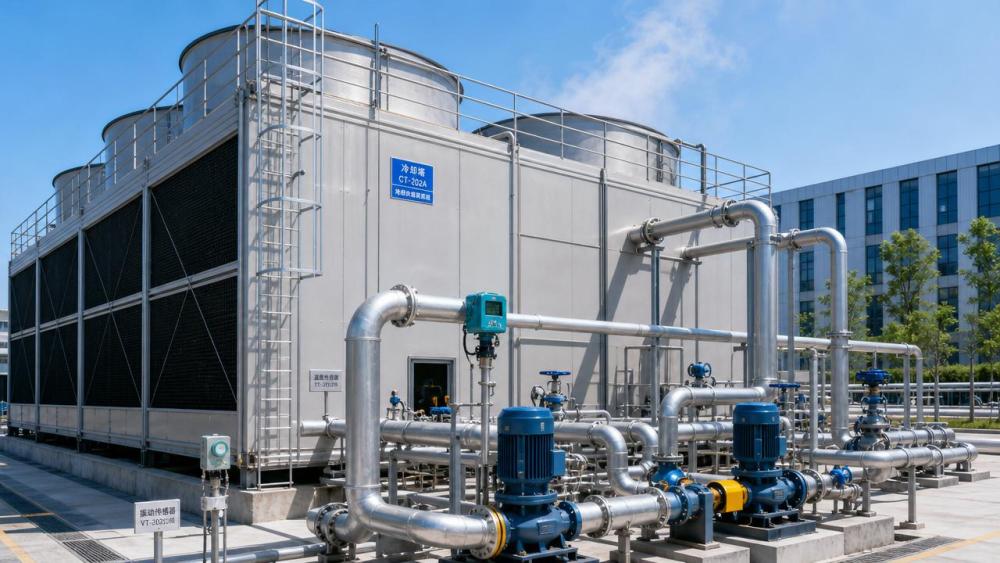
In many plants, cooling towers were historically treated as background equipment. They supported chillers, condensers, and process loops, but rarely received the same digital attention as production assets. That assumption is changing fast.
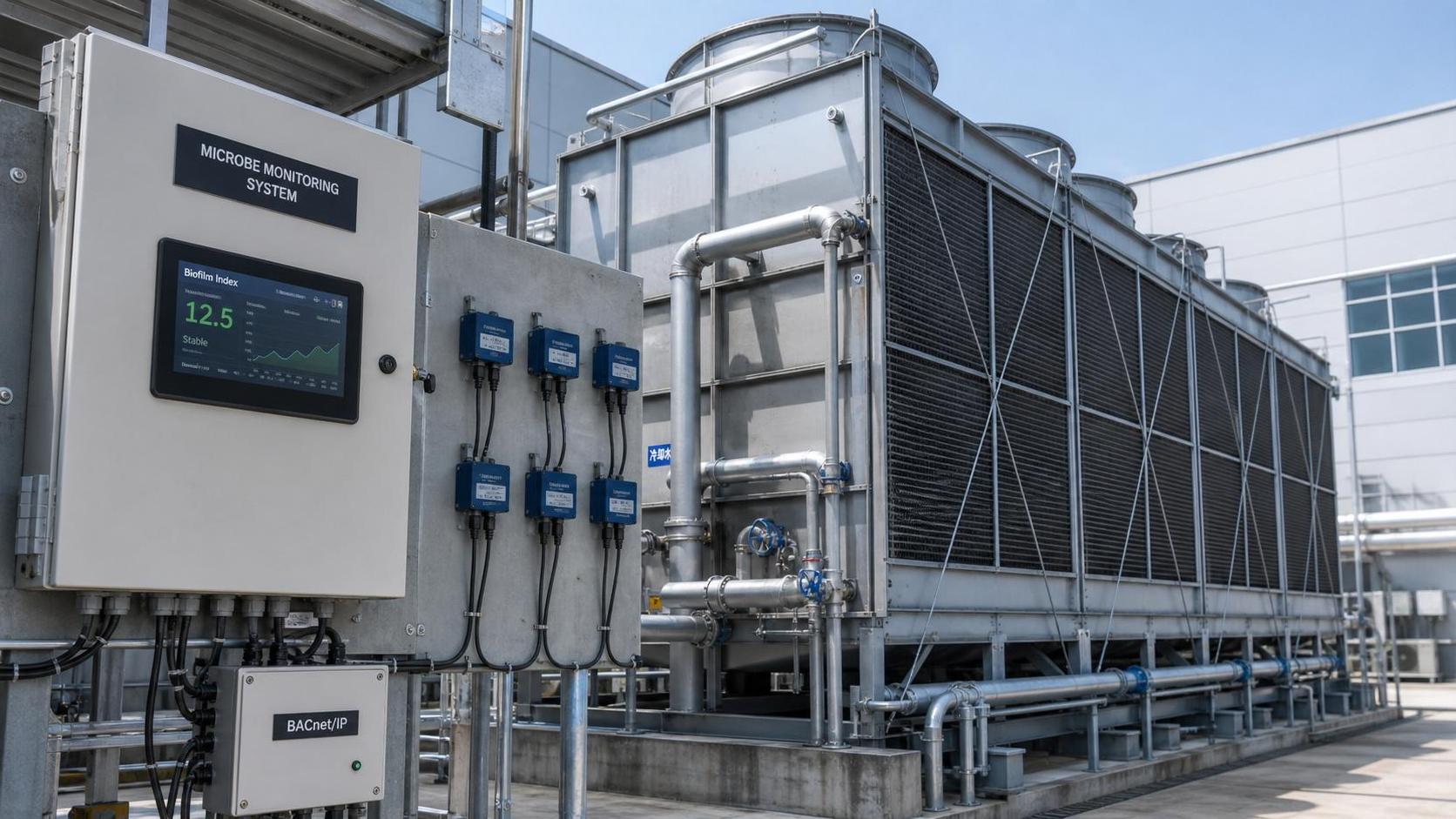
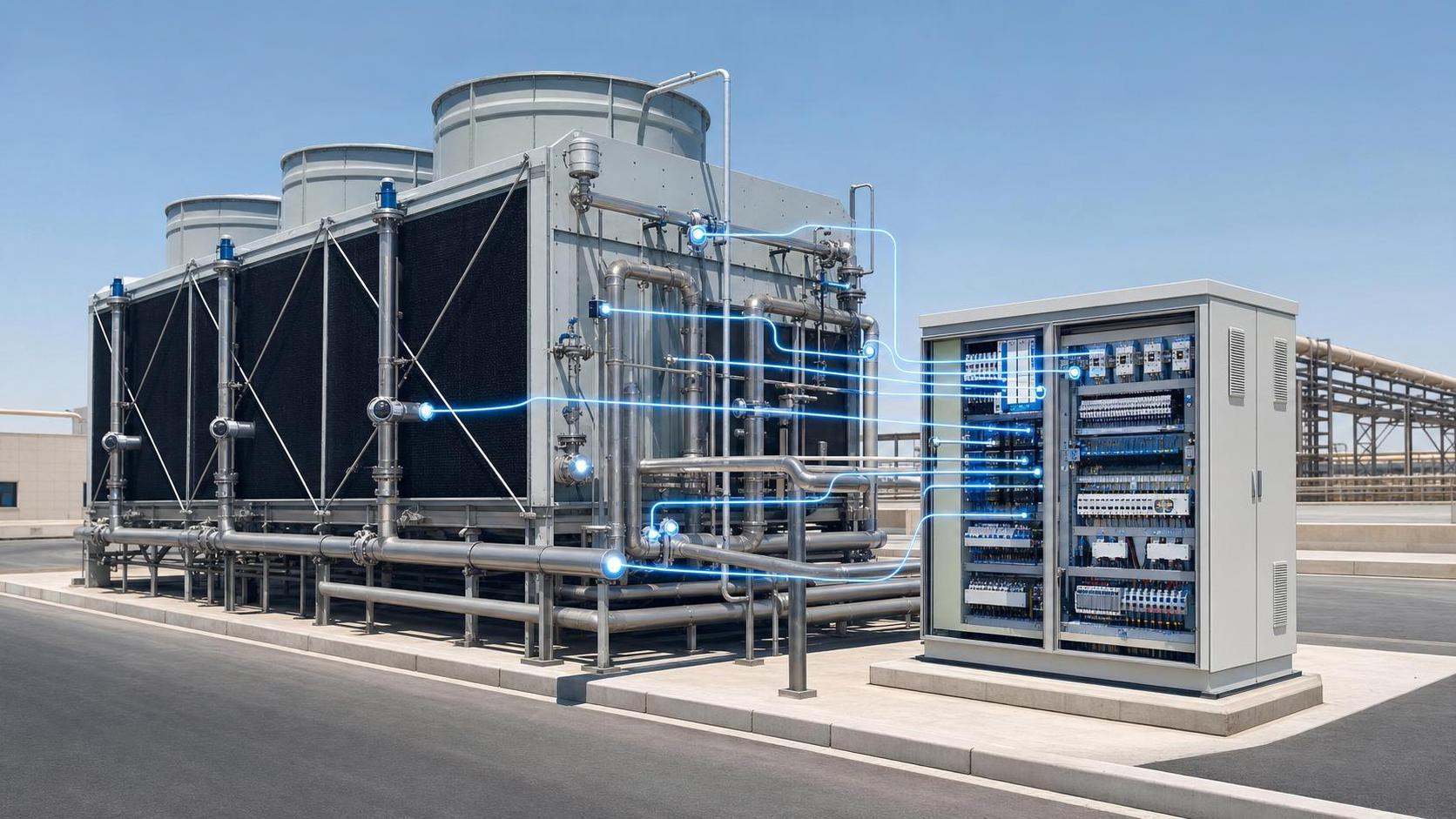
Intellectualization in cooling tower operations means integrating sensors, controls, analytics, and operational logic to make tower performance visible, adaptive, and measurable. It connects water temperature, fan speed, pump behavior, weather conditions, load variation, drift risk, and maintenance status into one decision framework.
For project managers, this shift directly affects capital planning, retrofit sequencing, utility cost control, uptime targets, and ESG reporting. A cooling tower that is monitored but not interpreted still leaves value on the table. Intellectualization turns raw data into action.
- It helps teams detect approach temperature deviations before process instability appears.
- It reduces manual inspection frequency by prioritizing condition-based maintenance.
- It supports better coordination between cooling demand, compressor loads, and heat exchange efficiency.
- It improves documentation for compliance, water treatment control, and energy audits.
This matters across sectors such as food processing, pharmaceuticals, electronics, chemicals, district cooling, and general manufacturing, where thermal stability is tightly linked to production continuity and product quality.
What changes when cooling towers become intelligent
The practical value of intellectualization becomes clearer when teams compare conventional tower operation with data-driven operation. The difference is not only automation. It is the ability to continuously align cooling output with real operating conditions.
The table below highlights how intellectualization changes core operating decisions in industrial cooling systems.
For engineering leaders, the biggest benefit is not one isolated feature. It is the operational coherence created when tower performance, heat rejection demand, and maintenance behavior are interpreted together.
Key signals that should no longer be managed manually
Most cooling tower inefficiencies begin with small deviations that operators cannot continuously track. Intellectualization helps convert these hidden signals into actionable warnings.
- Rising approach temperature despite normal ambient conditions may indicate fouling, airflow imbalance, or fill degradation.
- Frequent fan cycling can point to poor control logic, unnecessary motor stress, or unstable process demand.
- Conductivity drift outside the target range may increase blowdown losses or scaling risk.
- Pump and motor vibration trends can reveal bearing wear before a mechanical event interrupts cooling capacity.
Which applications gain the most from intellectualization
Not every site begins at the same level of urgency. However, some operating environments benefit from intellectualization much faster because thermal disruptions have direct financial or compliance consequences.
The following application view helps project teams prioritize where intelligent cooling tower operation creates the strongest return.
These scenarios show why intellectualization is not limited to high-tech facilities. Any plant with fluctuating thermal demand, water treatment risk, or strict uptime expectations can justify a smarter operating model.
Where project managers usually underestimate the opportunity
The common mistake is focusing only on tower hardware efficiency. In reality, the operating strategy around the tower often creates equal or greater savings than a component replacement alone.
- Ignoring partial-load behavior, even though towers rarely operate at design peak for long periods.
- Treating fan motors, pumps, and water treatment as separate scopes instead of one thermal system.
- Approving instrumentation without defining how operations teams will use the data.
- Overlooking the link between cooling tower instability and compressor or heat exchanger inefficiency downstream.
How to evaluate an intelligent cooling tower solution before procurement
Procurement decisions often fail because teams compare equipment lists instead of comparing operational outcomes. Intellectualization should be evaluated as a performance framework, not just as a control upgrade.
Before issuing specifications or requesting quotations, project teams should define the data points, control objectives, and integration boundaries that matter most.
Selection checklist for project and engineering teams
- Confirm whether the system measures inlet and outlet water temperature, ambient wet-bulb temperature, conductivity, make-up flow, blowdown status, fan power, and vibration trends.
- Check whether the control logic supports variable-speed fan optimization instead of simple on-off sequencing.
- Verify alarm prioritization so operators can distinguish critical thermal events from routine maintenance reminders.
- Assess compatibility with existing BMS, PLC, SCADA, or site historian systems.
- Clarify whether the supplier or advisor can help define KPI baselines, not only install instruments.
The table below can be used as a practical procurement screen when comparing intelligent cooling tower approaches across suppliers or retrofit options.
This comparison is especially useful when budget is limited. It helps teams avoid paying for connected devices that generate data but do not materially improve tower performance or maintenance outcomes.
Implementation risks, compliance concerns, and common misconceptions
Intellectualization is valuable, but it does not succeed by software alone. Cooling towers operate at the intersection of mechanical reliability, water quality management, environmental conditions, and control discipline. Weakness in any one area can undermine the full program.
Common misconceptions that delay results
- “If we install more sensors, the system is already intelligent.” Data quantity without meaningful logic often creates alarm fatigue rather than insight.
- “Cooling towers are simple utility assets.” In reality, they influence heat exchanger efficiency, refrigeration performance, process stability, and water consumption.
- “Manual water treatment checks are enough.” Intermittent checks may miss fast changes in conductivity, concentration cycles, or biofouling conditions.
- “A retrofit must be fully disruptive.” Many intelligent upgrades can be phased around instrumentation, controls, and analytics before larger mechanical changes are approved.
Compliance and governance points to keep in view
Depending on site location and industry, project teams may need to account for environmental discharge rules, workplace safety procedures, water hygiene management, energy reporting requirements, and plant cybersecurity protocols for connected controls.
A strong intellectualization roadmap should therefore include documentation discipline, calibration planning, alarm response ownership, and integration review with existing plant operating procedures. This is where market intelligence becomes as important as automation hardware.
GTC-Matrix adds value by linking cooling tower decision-making with broader developments in industrial cooling, compression, vacuum, and heat exchange technologies. For project leaders, that means decisions are informed not only by local equipment conditions, but also by evolving energy costs, refrigerant policy changes, decarbonization pressure, and cross-industry best practices.
FAQ: what project managers ask about intellectualization
How do I know whether my cooling tower is a good candidate for intellectualization?
If your site experiences seasonal inefficiency, unexplained utility spikes, unstable outlet temperatures, recurring water treatment issues, or frequent manual intervention, the tower is already signaling a need for smarter control. Even older systems can be candidates if instrumentation and control access are feasible.
Which metrics should be prioritized first?
Start with the variables that affect both thermal output and operating risk: inlet and outlet water temperature, wet-bulb temperature, fan power or speed, conductivity, make-up water use, blowdown behavior, and basic vibration or motor condition. These create a practical baseline for performance interpretation.
Is intellectualization only justified for large plants?
No. Large plants often gain more total savings, but medium-sized facilities can also benefit if cooling reliability affects product quality, uptime, or water cost. The right scope depends on process criticality, not only system size.
What is the biggest implementation mistake?
The biggest mistake is launching a digital upgrade without defining operational decisions in advance. Teams should decide who responds to alarms, how KPI thresholds are set, which actions trigger maintenance, and how cooling tower data connects to wider thermal system management.
Why choose us for cooling tower intelligence and project decision support
Cooling tower intellectualization is not a standalone topic. It sits inside a larger industrial thermodynamic ecosystem that includes compressed air, vacuum processes, heat exchange performance, refrigeration policy, and energy conversion economics. That is exactly where GTC-Matrix is positioned.
Our Strategic Intelligence Center combines thermodynamics analysis, pneumatic power engineering insight, and industrial economic perspective. This helps project managers move beyond fragmented supplier claims and build decisions around measurable efficiency, compliance readiness, and long-term operational resilience.
- If you need parameter confirmation, we can help identify which cooling tower signals matter most for your process and utility goals.
- If you are comparing retrofit paths, we can support solution screening across monitoring depth, control logic, and integration complexity.
- If delivery timing is critical, we can help define phased implementation priorities so instrumentation, controls, and system optimization are sequenced realistically.
- If compliance or reporting pressure is rising, we can help map cooling tower decisions to broader decarbonization and operational governance needs.
- If you need quotation alignment, supplier evaluation, or a tailored thermal system intelligence roadmap, we can support those discussions with sector-based insight.
For project managers and engineering leaders, the next step is not simply buying smart hardware. It is defining a cooling tower strategy that turns intellectualization into lower risk, better efficiency, and stronger control over industrial thermal performance. GTC-Matrix is ready to support that evaluation with decision-focused intelligence.
Ready when you are. Send us a message to get started.
Related News
- Kentucky Regulators Approve $191 Million Cooling Tower at Mitchell Coal PlantAuthor :Thermodynamics Analyst

- Cooling Tower Market Trends Reshaping Replacement Plans and Capital BudgetsAuthor :Thermodynamics Analyst

- Field-Erected Cooling Tower Market: Why Utility Projects Favor Custom DesignsAuthor :Thermodynamics Analyst

- Evaporative Cooling Tower Market Outlook: Demand Drivers, Risks, and Growth AreasAuthor :Thermodynamics Analyst

- When does an industrial cooling radiator outperform a cooling tower?Author :Thermodynamics Analyst

- EU Cooling Tower Standard EN 13771:2026 Takes EffectAuthor :Thermodynamics Analyst

- EU REACH SVHC Update Triggers Cooling Tower DisclosureAuthor :Thermodynamics Analyst

- SASO Adds Bio-Durability Test for Cooling Tower FillAuthor :Thermodynamics Analyst

- EU REACH Update Bars Phthalates in Cooling Tower PVC FillAuthor :Thermodynamics Analyst

- EU Tightens CE Rules for Cooling Tower Steel PartsAuthor :Thermodynamics Analyst

- Shanghai-Rotterdam Cooling Tower Space TightensAuthor :Thermodynamics Analyst

- Hamburg Port Strike Delays Cooling Tower Parts ClearanceAuthor :Thermodynamics Analyst

- ASHRAE 188-2026 Makes Cooling Tower Microbial Control MandatoryAuthor :Thermodynamics Analyst

- India Enforces BIS IS 17842:2026 for Cooling TowersAuthor :Thermodynamics Analyst

- EU REACH Restricts Zinc Inhibitors in Cooling TowersAuthor :Thermodynamics Analyst

- TUV Rheinland Switches Cooling Tower Labels to IEC 61800-9-2Author :Thermodynamics Analyst

- EU REACH Rule Takes Effect for Cooling Tower CoatingsAuthor :Thermodynamics Analyst

- Vietnam to Require IoT Modules in Imported Cooling TowersAuthor :Thermodynamics Analyst

- How to Compare Industrial Cooling Equipment Dry Coolers for Year-Round EfficiencyAuthor :Thermodynamics Analyst

- SASO Tightens Cooling Tower Import Rules for 2027Author :Thermodynamics Analyst

- REACH SVHC Update Limits Copper Corrosion InhibitorsAuthor :Thermodynamics Analyst

- SASO Starts Cooling Tower Data Rule for CoCAuthor :Thermodynamics Analyst

- Saudi SASO Portal Adds Corrosion Data RuleAuthor :Thermodynamics Analyst

- SASO Adds Corrosion Report Rule for Cooling TowersAuthor :Thermodynamics Analyst

- RDHx Prices Rise as AI Demand Lifts Premium ModelsAuthor :Thermodynamics Analyst

- EU EN 13859-2:2026 Mandates Extreme Humidity Heat-Loss TestsAuthor :Thermodynamics Analyst

- VDE Tightens Cooling Tower Test ScopeAuthor :Thermodynamics Analyst

- SASO Tightens Cooling Tower Test Proof for SaberAuthor :Thermodynamics Analyst

- Saudi SABER Cooling Tower Rule Takes Effect EarlyAuthor :Thermodynamics Analyst

- EU Carbon Labels to Cover Cooling Tower ExportsAuthor :Thermodynamics Analyst

- Saudi SABER Cooling Tower Rule Takes Effect EarlyAuthor :Thermodynamics Analyst

- EU Carbon Label Rule Hits Cooling Tower ExportsAuthor :Thermodynamics Analyst

- Saudi SABER Cooling Tower Rule Adds EN 13859-2 TestAuthor :Thermodynamics Analyst

- Saudi SABER Tightens Cooling Tower Energy Report RulesAuthor :Thermodynamics Analyst

- Saudi SASO Tightens Cooling Tower Efficiency FilingAuthor :Thermodynamics Analyst

- Saudi SABER Tightens Cooling Tower Energy Report ChecksAuthor :Thermodynamics Analyst