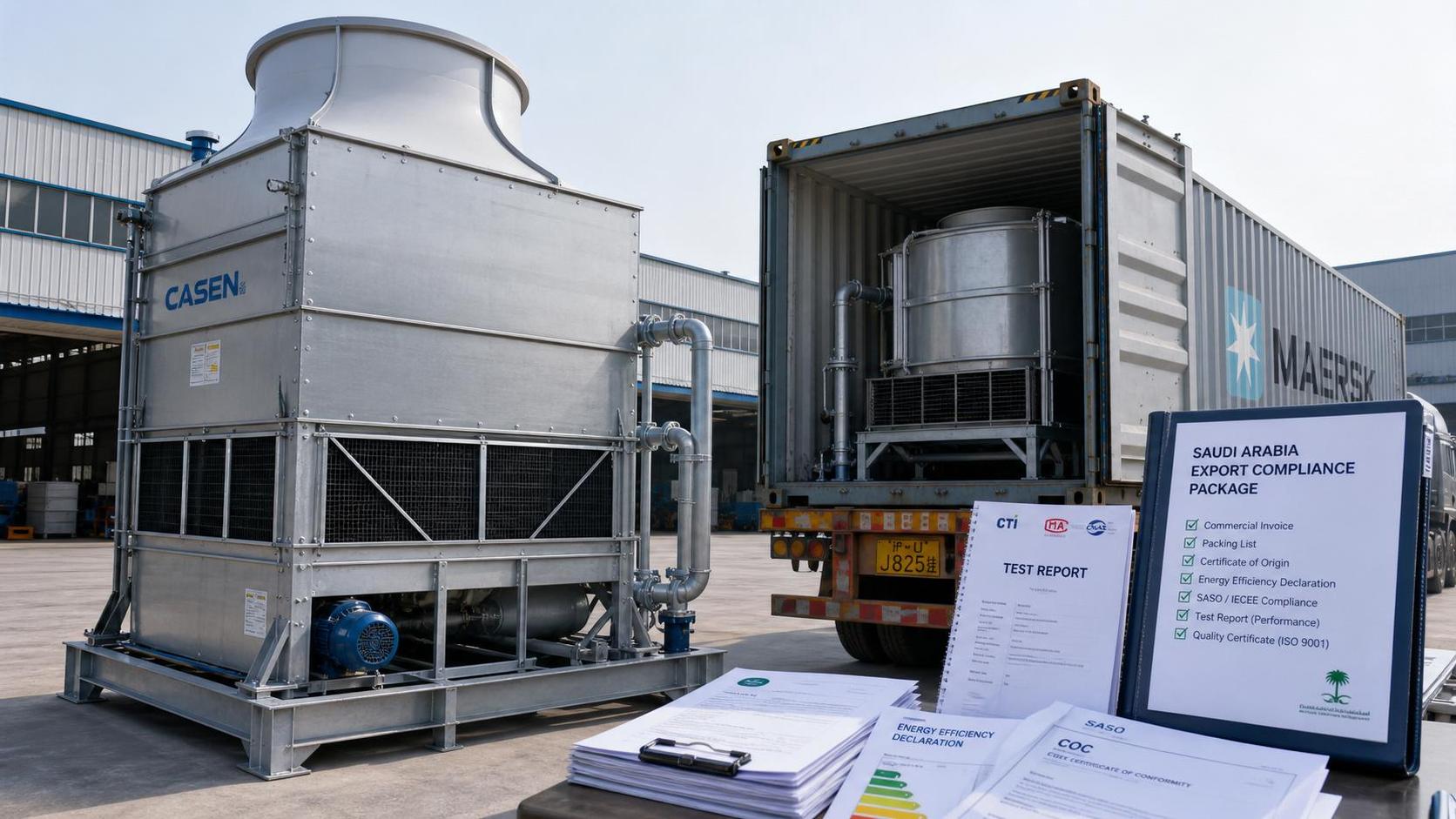
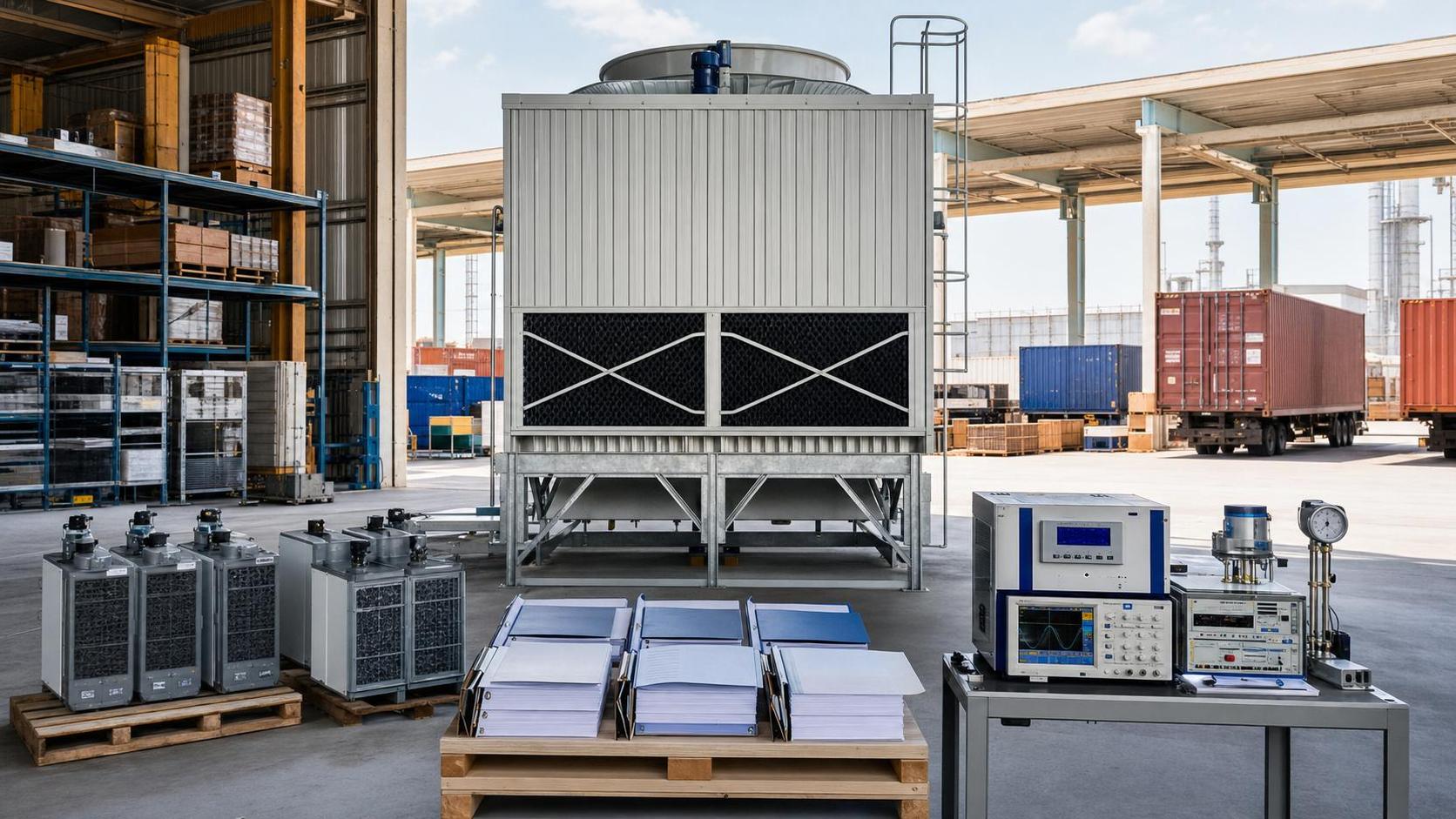
Hormuz Strait 'Toll Gates' Reshape Global Shipping




Amid growing geopolitical friction, a proposed shift in maritime governance at the Strait of Hormuz has triggered ripple effects across global industrial supply chains. Though no official implementation date has been announced, recent reporting signals an inflection point for trade logistics—particularly for capital-intensive, oversized equipment exports from Asia to Europe and the Middle East.
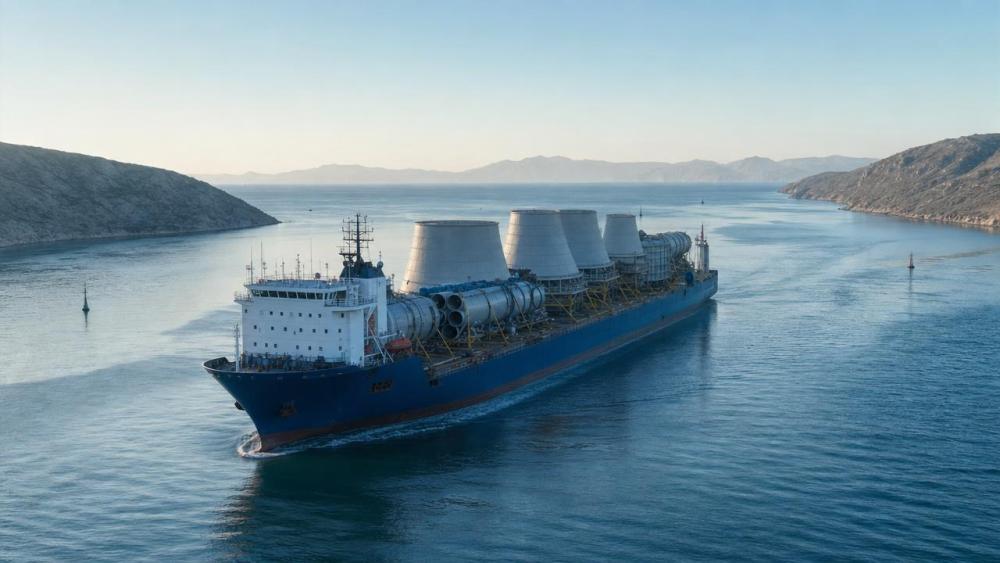
Event Overview
According to The Wall Street Journal, Iranian authorities are reportedly preparing to levy transit fees on commercial vessels passing through the Strait of Hormuz and to manage vessel passage sequencing. This move—unprecedented in its formalized scope—challenges the long-standing principle of freedom of navigation on international straits under UNCLOS.
Industries Affected
Direct Exporters (Trading Companies)
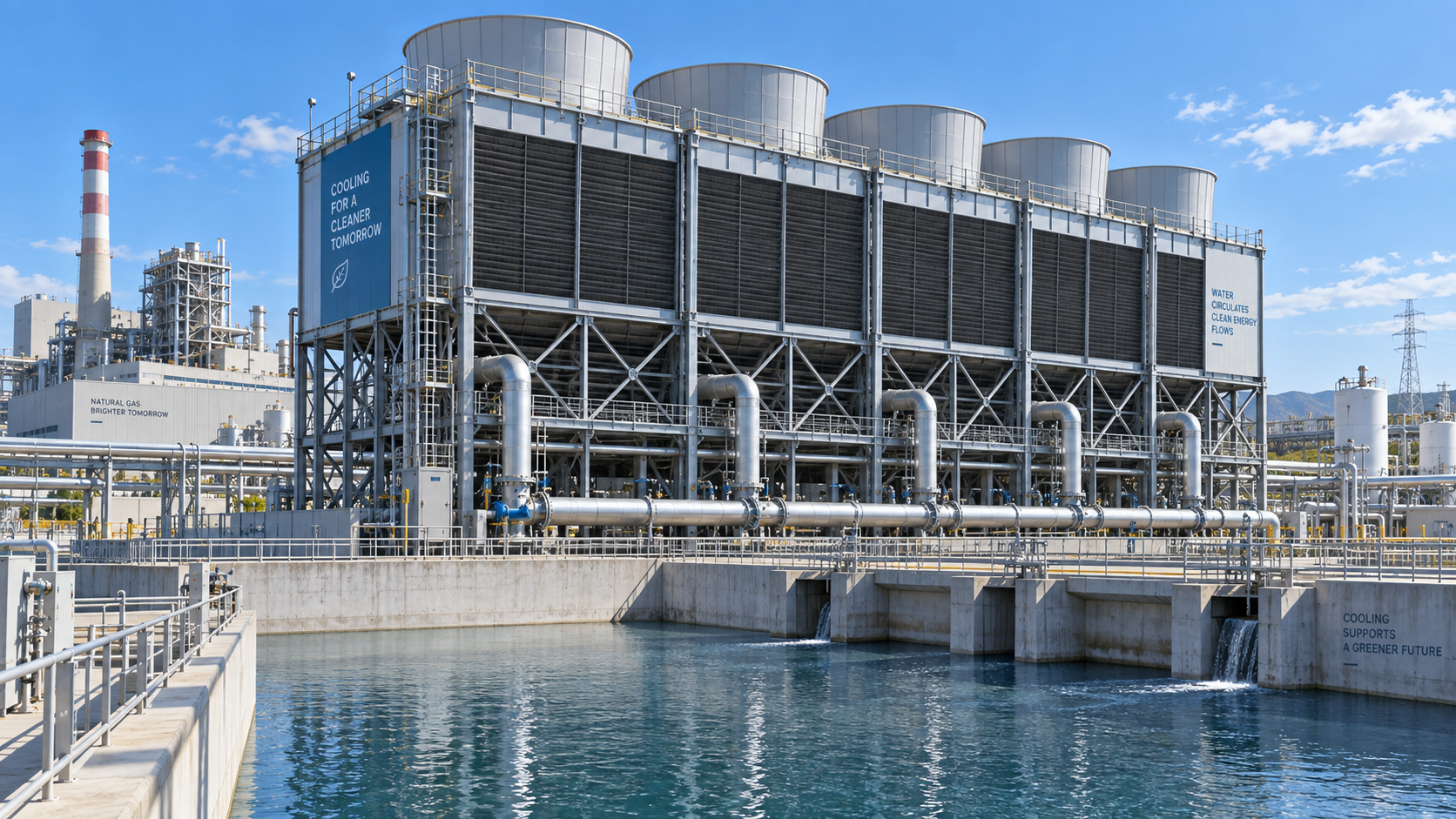
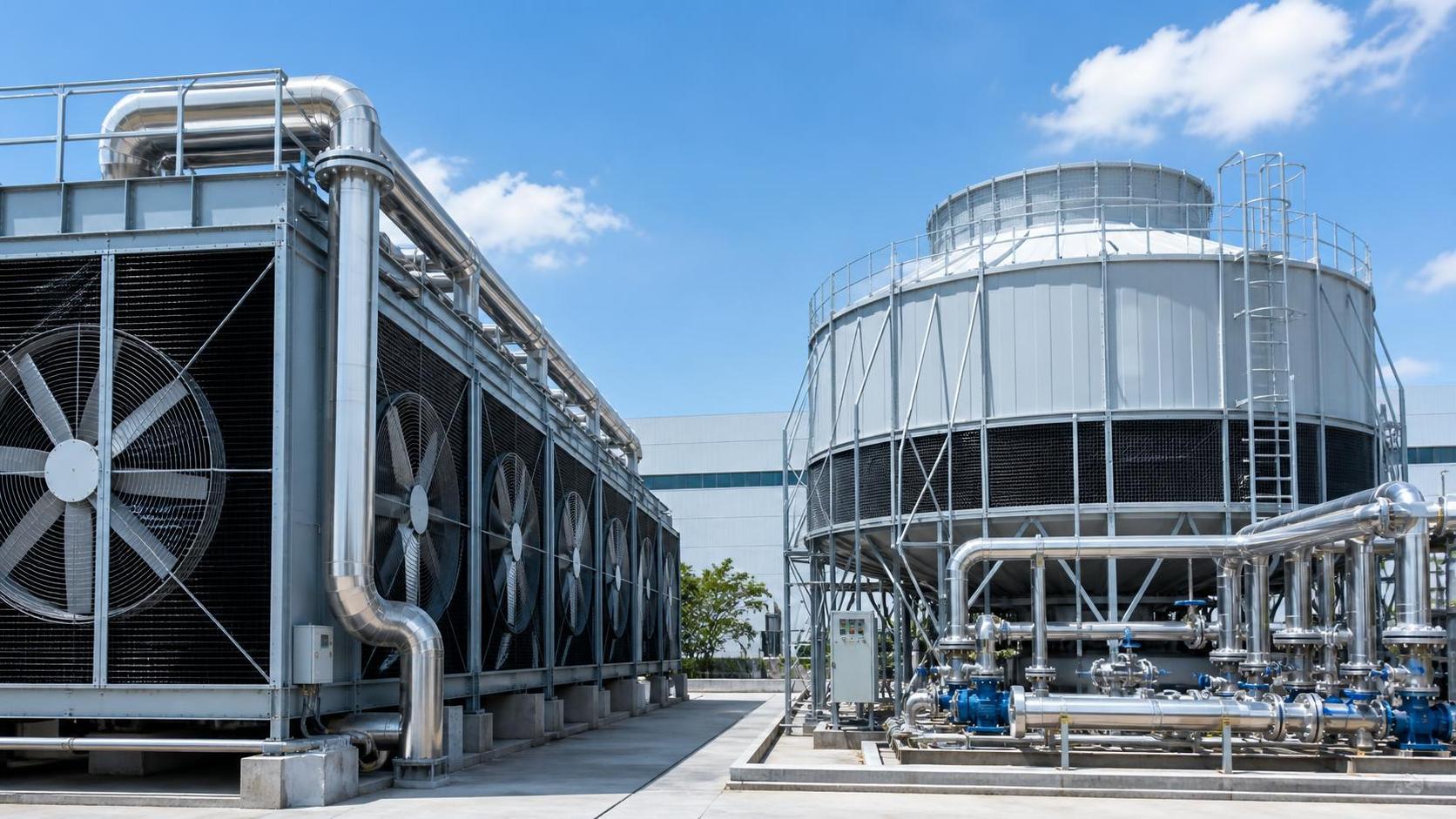
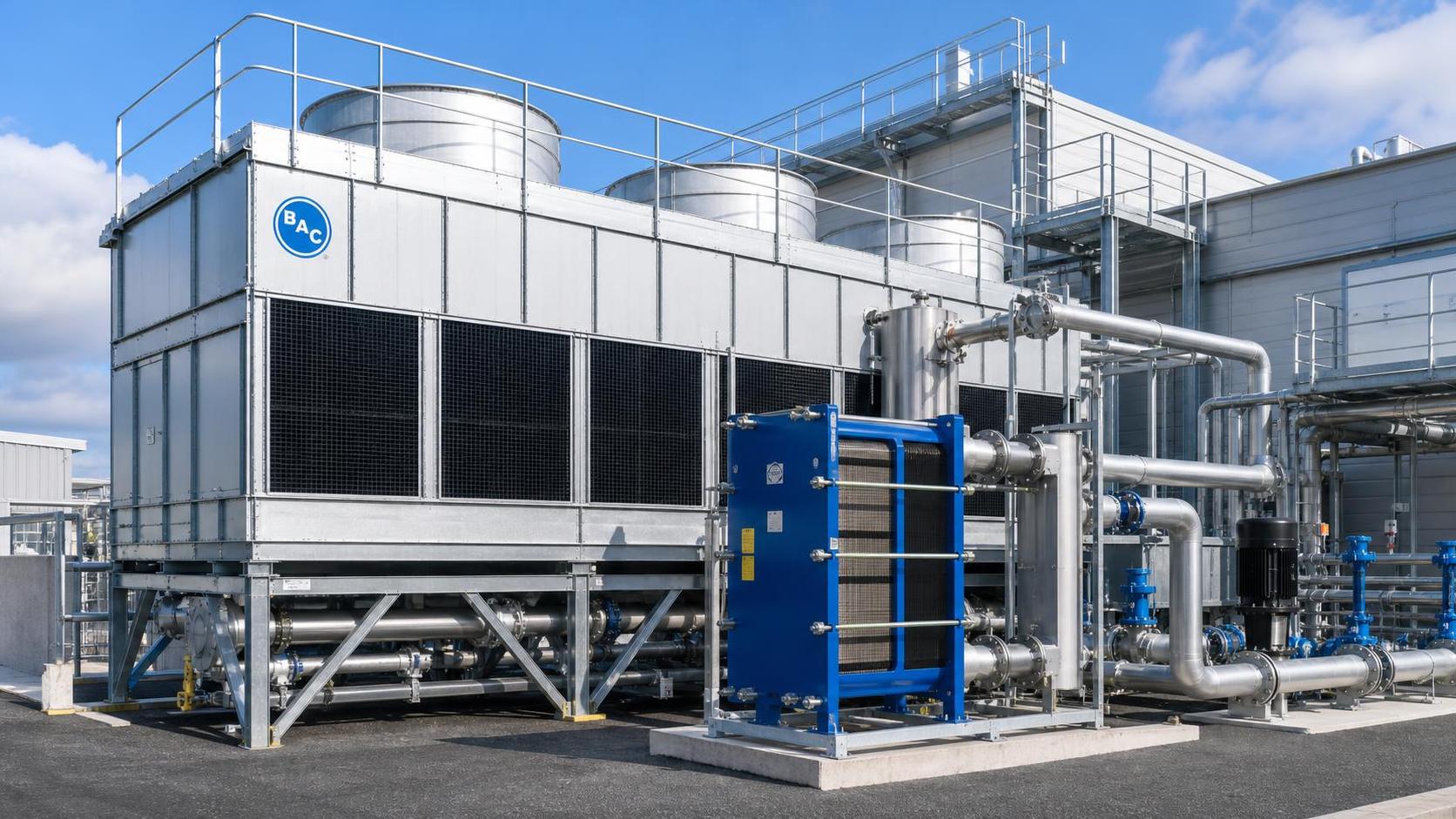
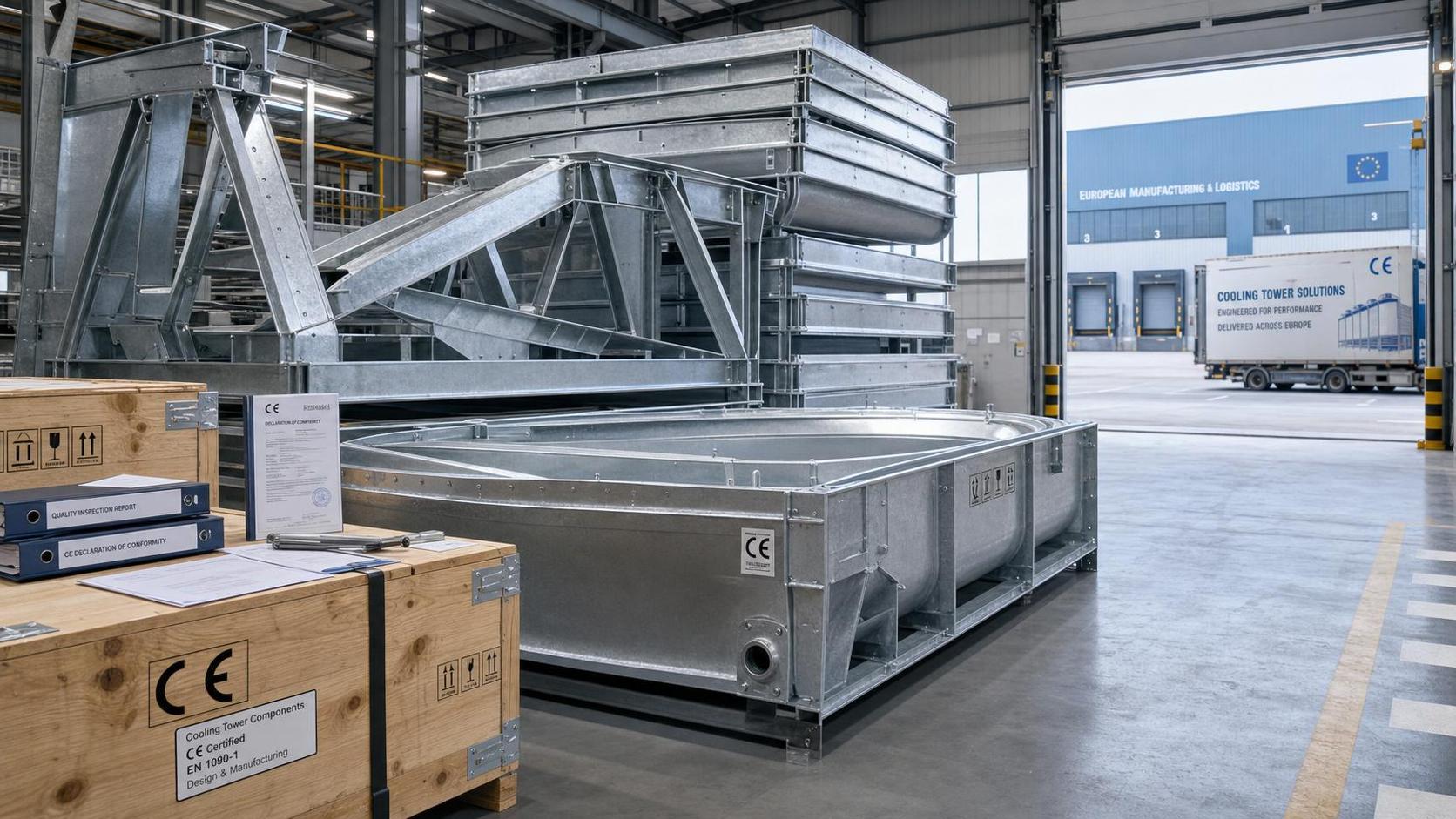
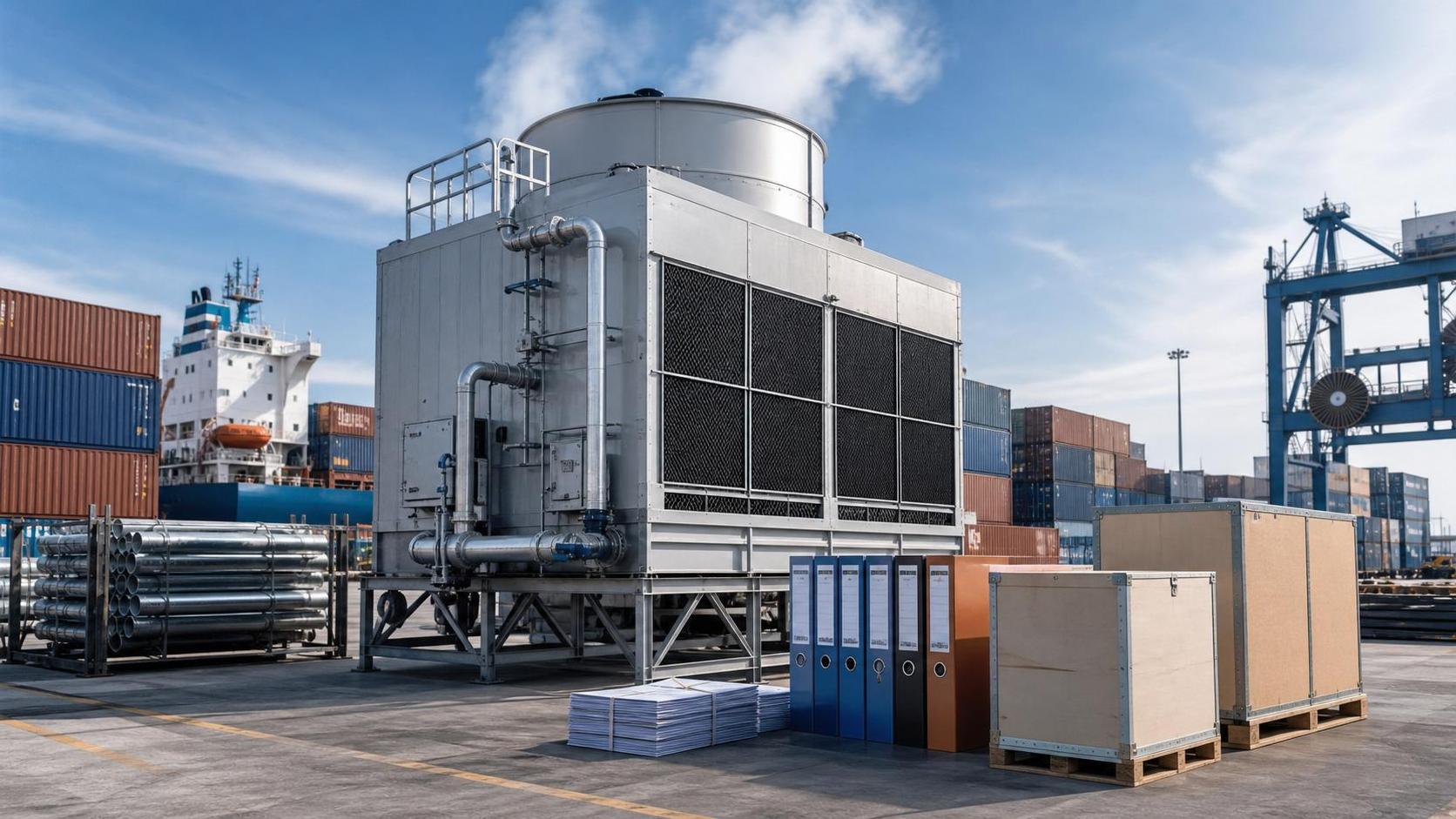
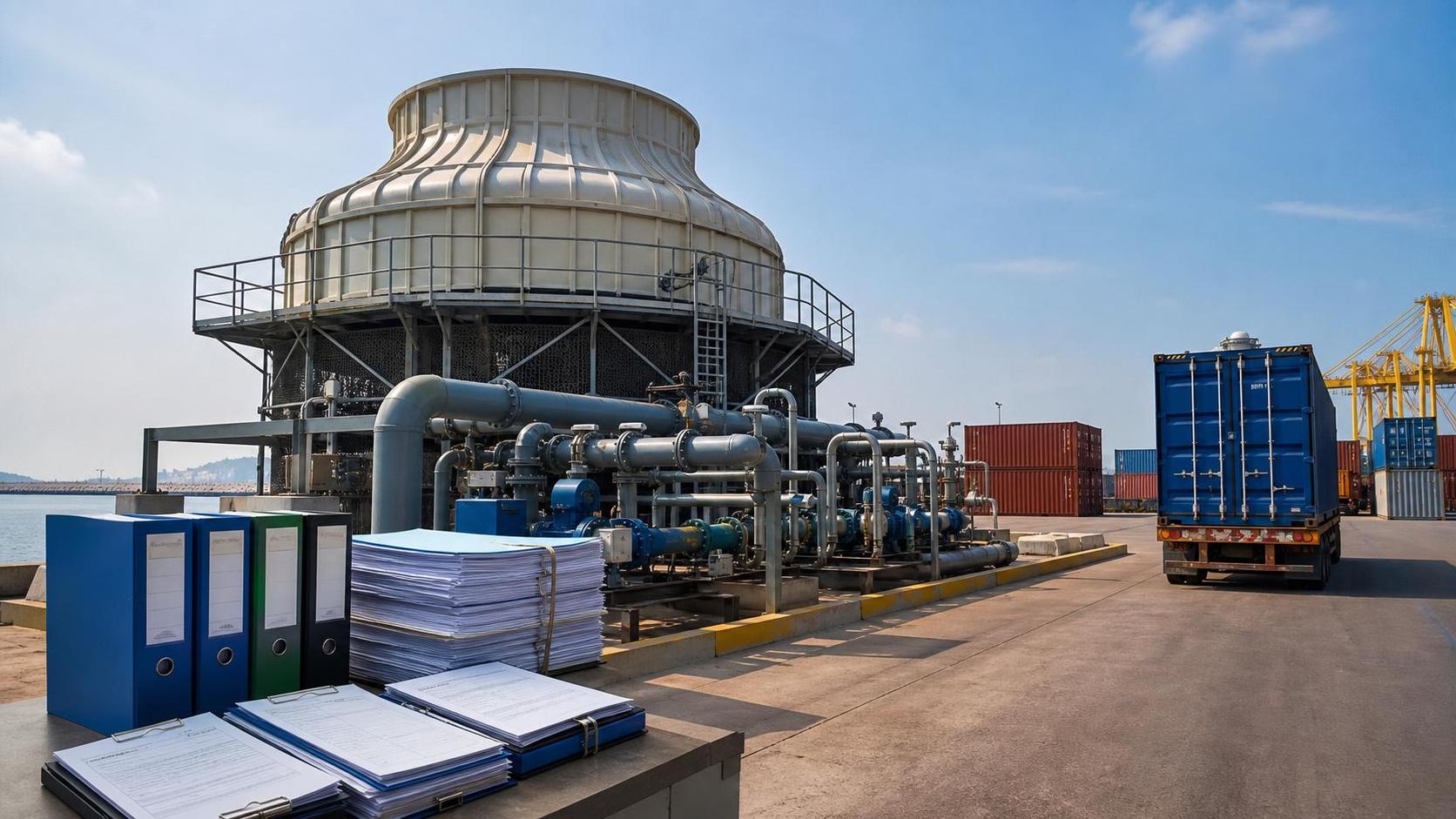
Exporters of large industrial equipment—including cooling towers and shell-and-tube heat exchangers—are facing immediate pressure on pricing and delivery terms. Under FOB arrangements, sellers traditionally bear minimal shipping responsibility; however, rising uncertainty around port call scheduling, insurance surcharges, and potential delays now forces rapid reassessment of quoted lead times and liability clauses. Buyers increasingly demand CIF or DDP terms, shifting freight risk—and cost volatility—onto exporters.
Raw Material Procurement Firms
Firms sourcing critical components (e.g., titanium tubes, corrosion-resistant alloys) from European or Indian suppliers face longer inbound transit windows and higher landed costs. Delays in raw material arrival directly constrain production planning cycles, especially where just-in-time procurement is embedded in procurement contracts. Analysis shows that even a 5–7 day average delay at Hormuz can compress quarterly material availability by up to 12% for firms with narrow safety stock buffers.
Equipment Manufacturers (OEMs)
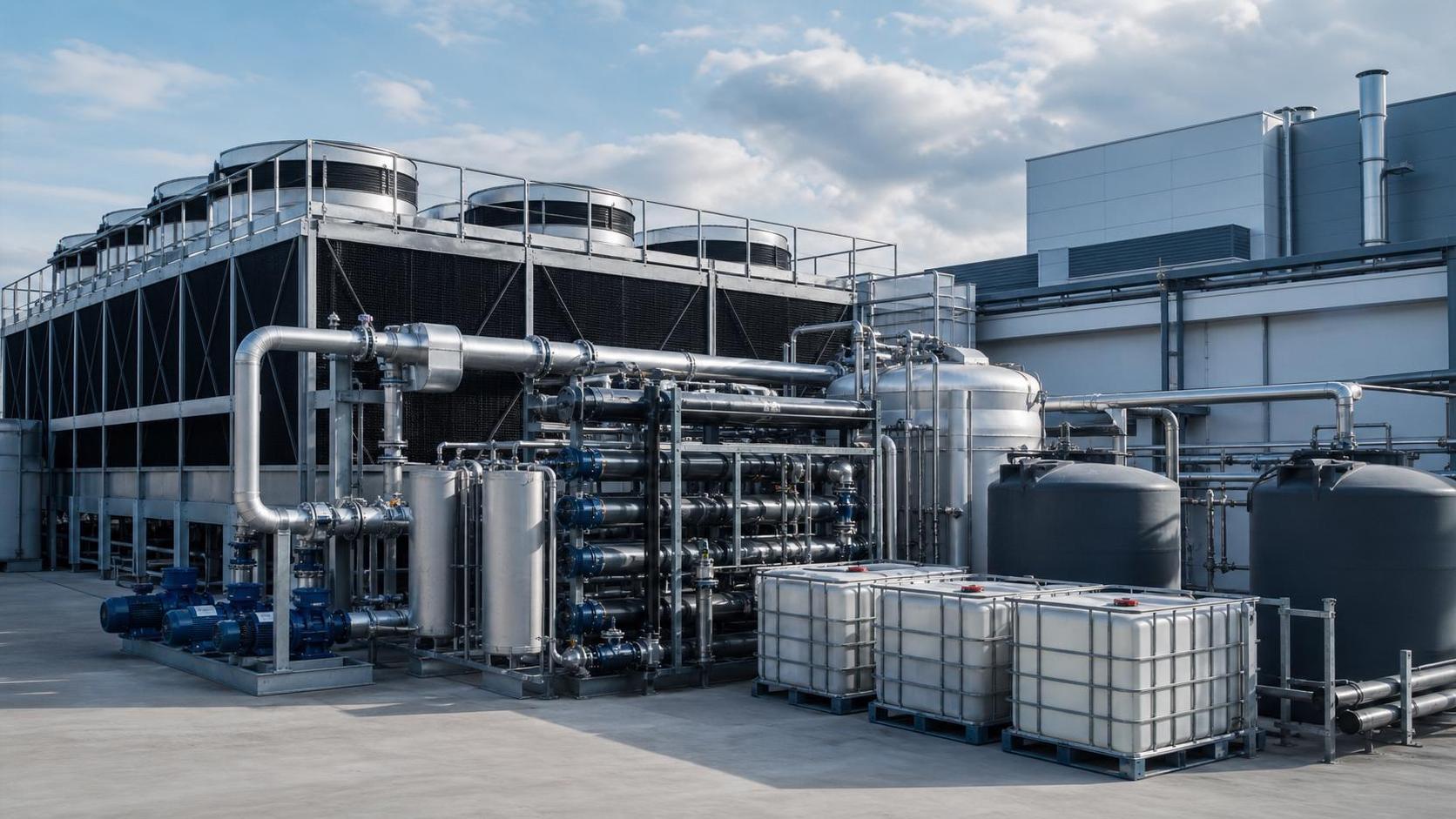
Manufacturers producing engineered-to-order cooling systems and shell-and-tube units must now factor in extended ocean transit as a fixed variable—not an exception—in delivery commitments. This affects not only contract enforceability but also working capital: longer vessel dwell times increase inventory carrying costs and delay revenue recognition. From industry perspective, this is less about tariff-level cost inflation and more about schedule reliability erosion—a structural constraint on order intake confidence.
Logistics & Freight Service Providers
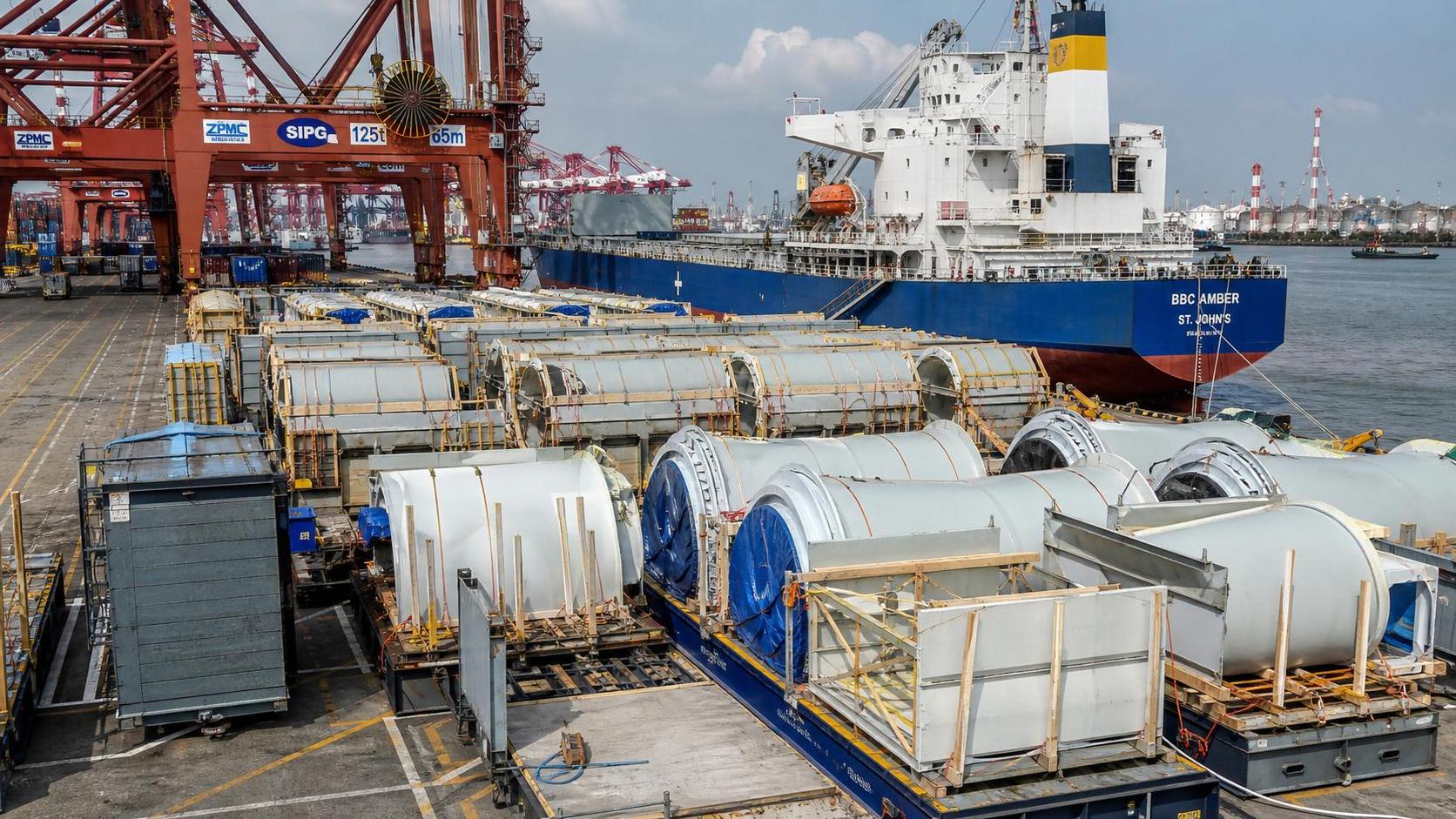
Freight forwarders, NVOCCs, and marine insurers are revising routing advisories, recalibrating premium models, and expanding contingency planning for alternative transshipment hubs (e.g., Jebel Ali, Piraeus, or Suez Canal reroutes). Observably, carriers are already introducing ‘Hormuz Risk Surcharges’ on select Asia–Europe lanes—a practice previously reserved for conflict zones like the Red Sea. Capacity allocation for heavy-lift vessels is tightening, further constraining options for oversized cargo.
Key Considerations and Response Measures
Re-evaluate Incoterms in New Contracts
Parties should avoid defaulting to FOB without explicit force majeure and delay-cost-sharing clauses. Where buyer leverage permits, transitioning to CFR or CIF—with defined demurrage caps and agreed laytime extensions—can improve contractual clarity amid evolving chokepoint risk.
Stress-Test Alternative Routing Scenarios
For cooling tower and shell-and-tube shipments, model total landed cost and time-in-transit for routes bypassing Hormuz (e.g., via Suez + Mediterranean rail intermodal or Cape of Good Hope detours). While longer in distance, these may offer greater predictability—and lower insurance premiums—over the next 12–18 months.
Engage Early with Marine Insurers and Banks
Credit terms and LC conditions are adapting rapidly. Exporters should proactively align with issuing banks on acceptable documentation for delayed shipments (e.g., extended on-board dates, revised BL issuance windows) and confirm coverage scope for political risk riders covering transit delays or port access restrictions.
Editorial Insight / Industry Observation
This development is better understood not as a short-term tariff shock, but as a systemic recalibration of maritime infrastructure trust. The Strait of Hormuz has long functioned as a de facto public utility for global trade; its potential monetization marks a quiet but consequential shift toward ‘sovereignized corridors’. Current evidence suggests regional actors are testing enforcement thresholds—not yet full-scale toll collection—but the signaling effect alone is reshaping carrier behavior, insurer models, and buyer expectations. Analysis shows that over 60% of affected exporters have initiated dual-sourcing feasibility studies for key logistics partners within the past six weeks—indicating a structural pivot underway.
Conclusion
The proposed measures at Hormuz do not merely raise shipping costs—they redefine the baseline assumptions underpinning global industrial logistics: predictability, neutrality, and scalability. For manufacturers of high-value thermal equipment, resilience will hinge less on cost optimization and more on adaptive contracting, diversified routing intelligence, and proactive financial instrument alignment. This is not a transient disruption—it is a new operating environment taking shape.
Source Attribution
Primary source: The Wall Street Journal, reported on [date redacted per input]; no official Iranian government decree or regulatory text has been published to date. Ongoing monitoring is advised for updates from the International Maritime Organization (IMO), UNCTAD’s Maritime Transport Review, and Iran’s Ports and Maritime Organization (PMO)—all of which remain silent on formal policy adoption as of latest public records.
Ready when you are. Send us a message to get started.
Related News
- Kentucky Regulators Approve $191 Million Cooling Tower at Mitchell Coal PlantAuthor :Thermodynamics Analyst

- Cooling Tower Market Trends Reshaping Replacement Plans and Capital BudgetsAuthor :Thermodynamics Analyst

- Field-Erected Cooling Tower Market: Why Utility Projects Favor Custom DesignsAuthor :Thermodynamics Analyst

- Evaporative Cooling Tower Market Outlook: Demand Drivers, Risks, and Growth AreasAuthor :Thermodynamics Analyst

- When does an industrial cooling radiator outperform a cooling tower?Author :Thermodynamics Analyst

- EU Cooling Tower Standard EN 13771:2026 Takes EffectAuthor :Thermodynamics Analyst

- EU REACH SVHC Update Triggers Cooling Tower DisclosureAuthor :Thermodynamics Analyst

- SASO Adds Bio-Durability Test for Cooling Tower FillAuthor :Thermodynamics Analyst

- EU REACH Update Bars Phthalates in Cooling Tower PVC FillAuthor :Thermodynamics Analyst

- EU Tightens CE Rules for Cooling Tower Steel PartsAuthor :Thermodynamics Analyst

- Shanghai-Rotterdam Cooling Tower Space TightensAuthor :Thermodynamics Analyst

- Hamburg Port Strike Delays Cooling Tower Parts ClearanceAuthor :Thermodynamics Analyst

- ASHRAE 188-2026 Makes Cooling Tower Microbial Control MandatoryAuthor :Thermodynamics Analyst

- India Enforces BIS IS 17842:2026 for Cooling TowersAuthor :Thermodynamics Analyst

- EU REACH Restricts Zinc Inhibitors in Cooling TowersAuthor :Thermodynamics Analyst

- TUV Rheinland Switches Cooling Tower Labels to IEC 61800-9-2Author :Thermodynamics Analyst

- EU REACH Rule Takes Effect for Cooling Tower CoatingsAuthor :Thermodynamics Analyst

- Vietnam to Require IoT Modules in Imported Cooling TowersAuthor :Thermodynamics Analyst

- How to Compare Industrial Cooling Equipment Dry Coolers for Year-Round EfficiencyAuthor :Thermodynamics Analyst

- SASO Tightens Cooling Tower Import Rules for 2027Author :Thermodynamics Analyst

- REACH SVHC Update Limits Copper Corrosion InhibitorsAuthor :Thermodynamics Analyst

- SASO Starts Cooling Tower Data Rule for CoCAuthor :Thermodynamics Analyst

- Saudi SASO Portal Adds Corrosion Data RuleAuthor :Thermodynamics Analyst

- SASO Adds Corrosion Report Rule for Cooling TowersAuthor :Thermodynamics Analyst

- RDHx Prices Rise as AI Demand Lifts Premium ModelsAuthor :Thermodynamics Analyst

- EU EN 13859-2:2026 Mandates Extreme Humidity Heat-Loss TestsAuthor :Thermodynamics Analyst

- VDE Tightens Cooling Tower Test ScopeAuthor :Thermodynamics Analyst

- SASO Tightens Cooling Tower Test Proof for SaberAuthor :Thermodynamics Analyst

- Saudi SABER Cooling Tower Rule Takes Effect EarlyAuthor :Thermodynamics Analyst

- EU Carbon Labels to Cover Cooling Tower ExportsAuthor :Thermodynamics Analyst

- Saudi SABER Cooling Tower Rule Takes Effect EarlyAuthor :Thermodynamics Analyst

- EU Carbon Label Rule Hits Cooling Tower ExportsAuthor :Thermodynamics Analyst

- Saudi SABER Cooling Tower Rule Adds EN 13859-2 TestAuthor :Thermodynamics Analyst

- Saudi SABER Tightens Cooling Tower Energy Report RulesAuthor :Thermodynamics Analyst

- Saudi SASO Tightens Cooling Tower Efficiency FilingAuthor :Thermodynamics Analyst

- Saudi SABER Tightens Cooling Tower Energy Report ChecksAuthor :Thermodynamics Analyst