India to Mandate Legionella Control for Cooling Towers from Q3 2026




India’s Bureau of Indian Standards (BIS) has proposed a major regulatory shift for cooling tower imports and domestic supply, with implications for global HVAC, water treatment, and industrial infrastructure sectors. The move — centered on public health risk mitigation — signals tightening hygiene accountability in India’s rapidly expanding thermal management infrastructure.
Event Overview
The Bureau of Indian Standards (BIS) published the draft standard IS 17722:2026 — Cooling Towers – Hygienic Design and Legionella Control Requirements on 16 May 2026. It proposes mandatory enforcement starting 1 October 2026 (Q3 2026). Under the draft, all imported cooling towers must submit third-party legionella control test reports compliant with ISO 16000-18, and be equipped with a verifiable water quality monitoring interface. Certification lead time is estimated at 10–12 weeks.
Industries Affected
Direct Trading Enterprises
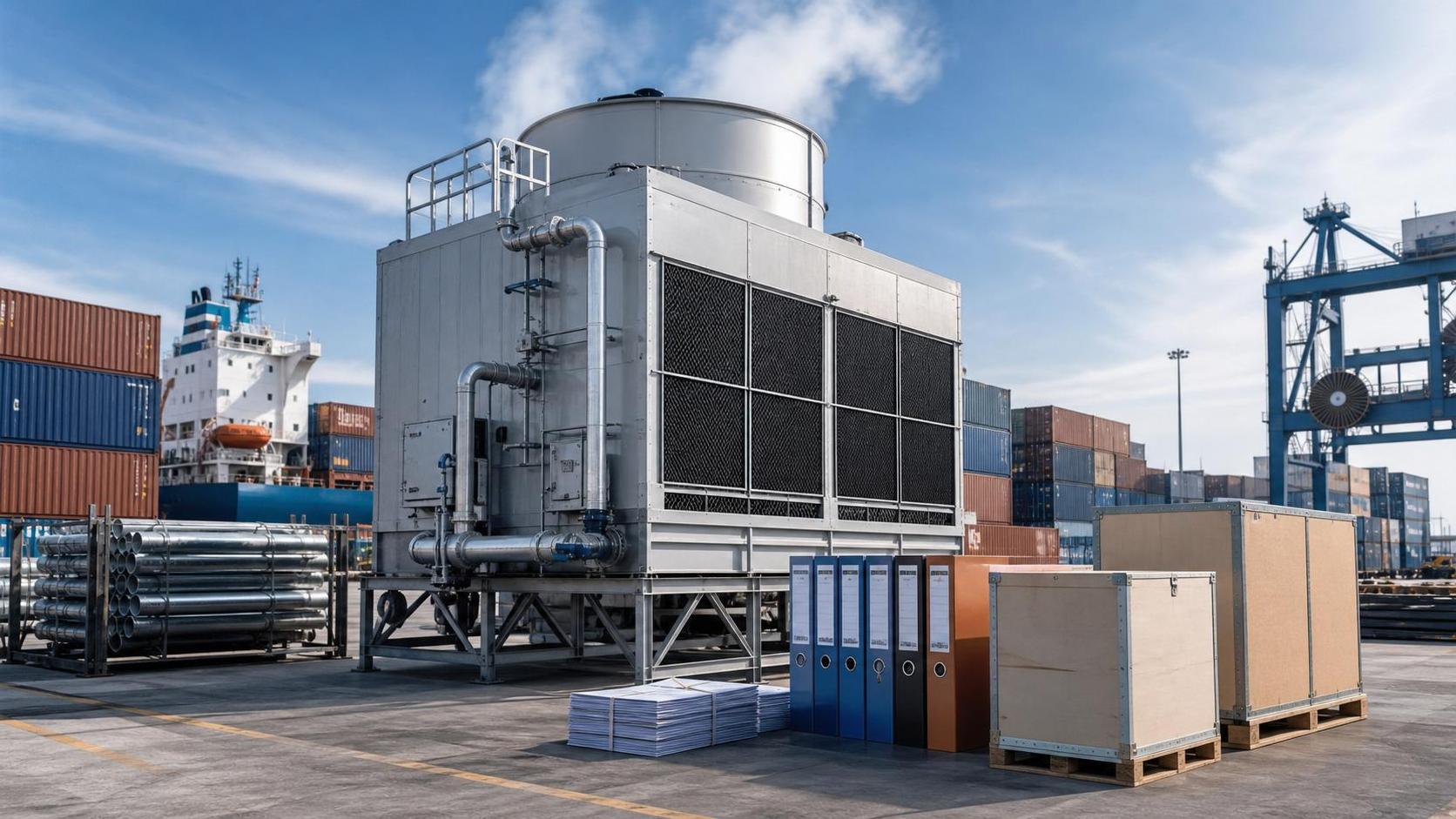
Export-oriented trading firms handling cooling tower shipments to India face immediate compliance gateways. Non-compliant units risk customs rejection or mandatory reconditioning post-arrival. Since BIS does not recognize foreign certification bodies by default, traders must now coordinate with BIS-accredited labs — adding cost, documentation burden, and timeline uncertainty to order fulfillment.
Raw Material Procurement Enterprises
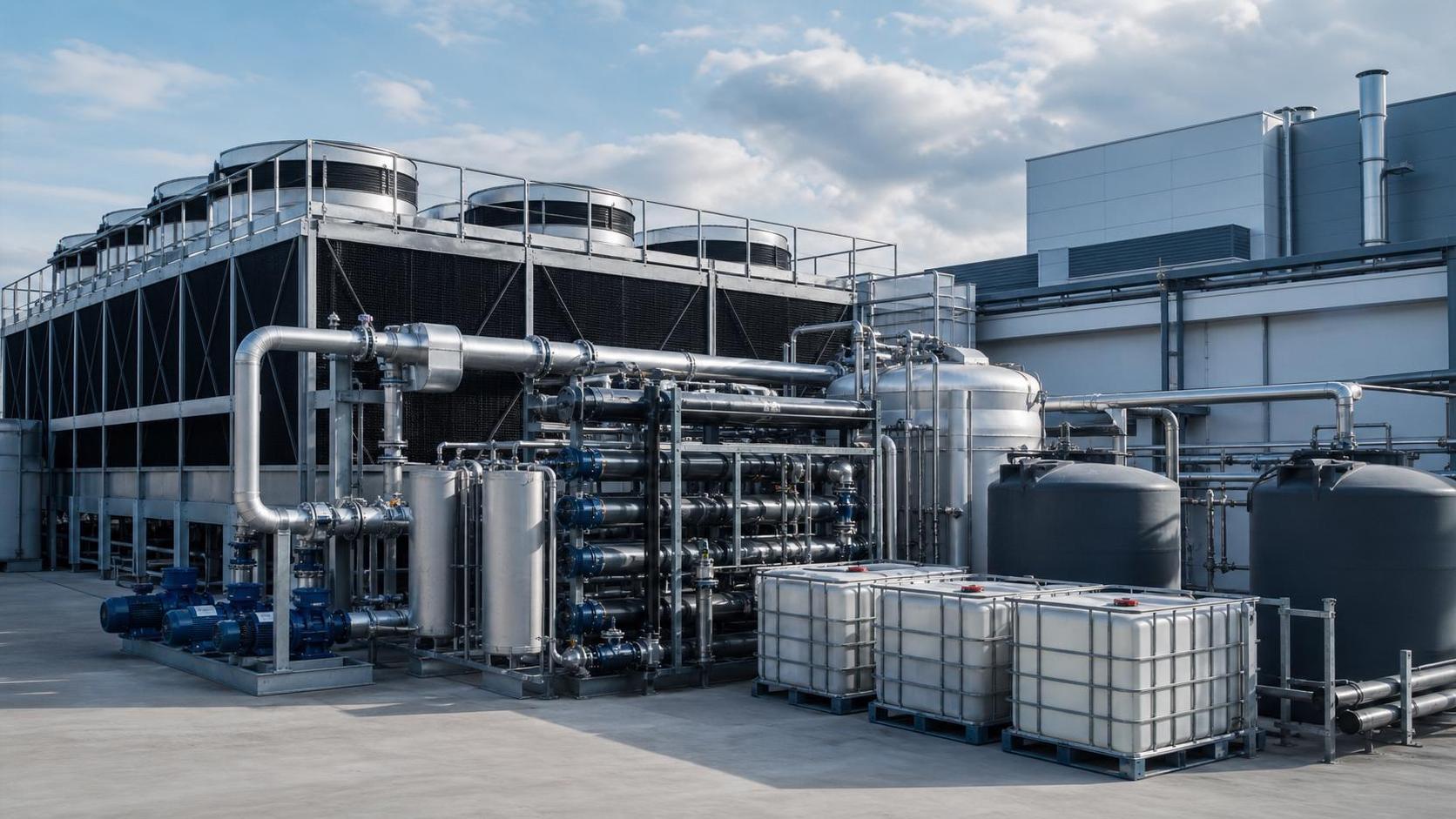
Suppliers of critical components — such as copper-alloy heat exchanger tubes, biocide-dosing modules, and sensor-integrated control panels — will see revised specification demands. Buyers are increasingly requesting pre-validated compatibility with ISO 16000-18 test protocols and BIS-mandated interface schematics. This shifts procurement criteria from price and lead time toward technical traceability and hygienic design validation.
Manufacturing Enterprises
Original Equipment Manufacturers (OEMs), especially those based in China, report limited readiness: fewer than 15% of surveyed facilities have initiated internal design reviews aligned with IS 17722:2026. Key gaps include absence of standardized biofilm resistance testing workflows and lack of integrated water quality telemetry architecture. Retrofitting legacy production lines for certified monitoring interfaces may require hardware redesign and firmware validation — extending time-to-market by up to 4 months per model series.
Supply Chain Service Providers
Logistics and conformity assessment service providers are adapting offerings: some are bundling BIS pre-audit support, ISO 16000-18 test coordination, and interface verification audits into single-service packages. However, capacity constraints exist — only seven BIS-recognized labs globally currently offer full-cycle legionella performance testing under the new protocol, three of which are located outside India and subject to extended scheduling windows.
Key Focus Areas and Recommended Actions
Verify Lab Accreditation Status Early
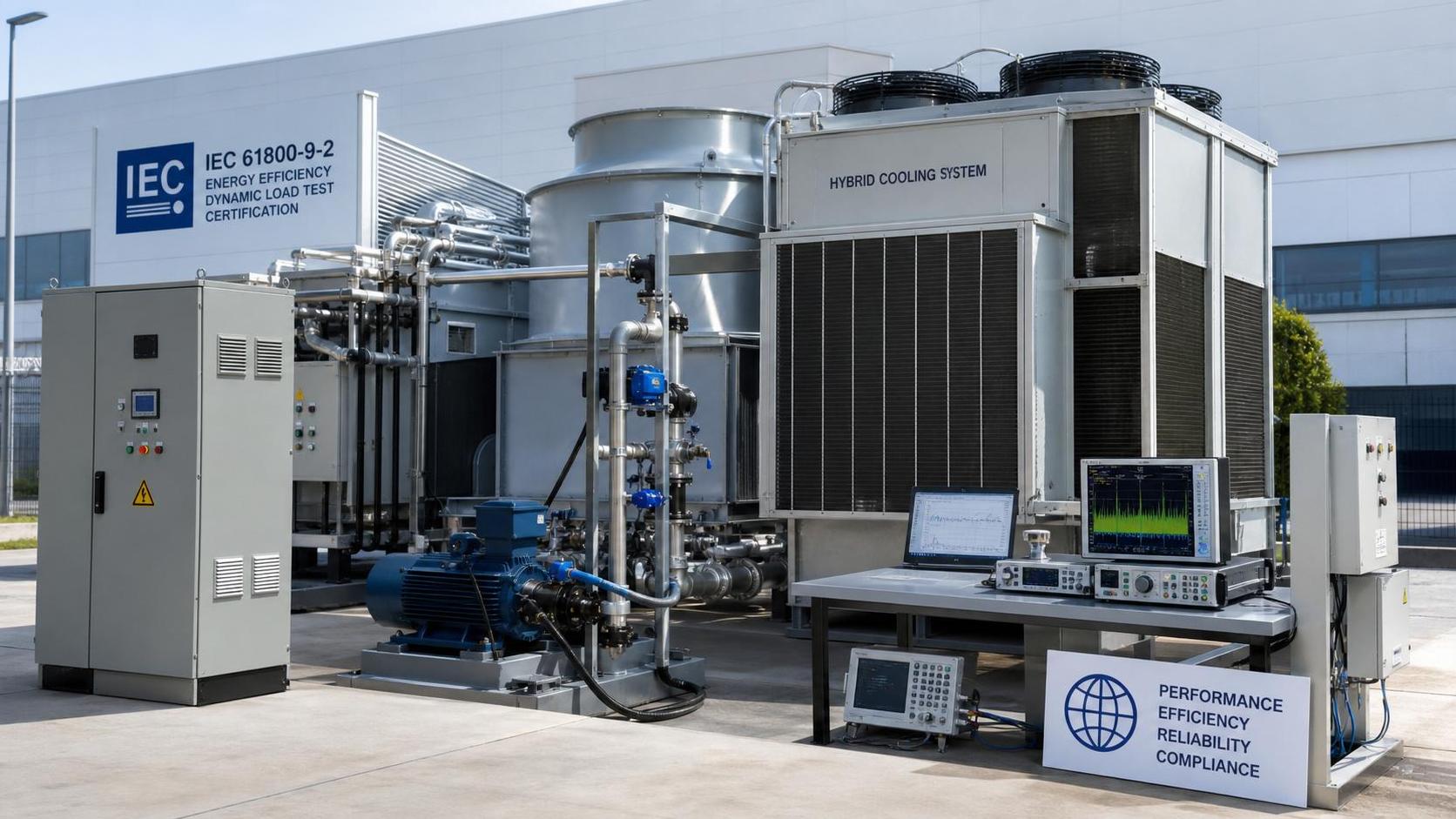
Confirm whether your chosen testing laboratory holds active BIS recognition for ISO 16000-18-based legionella cycle testing. Unaccredited reports will not satisfy conformity requirements — even if issued by ISO/IEC 17025-certified labs.
Design for Interface Interoperability
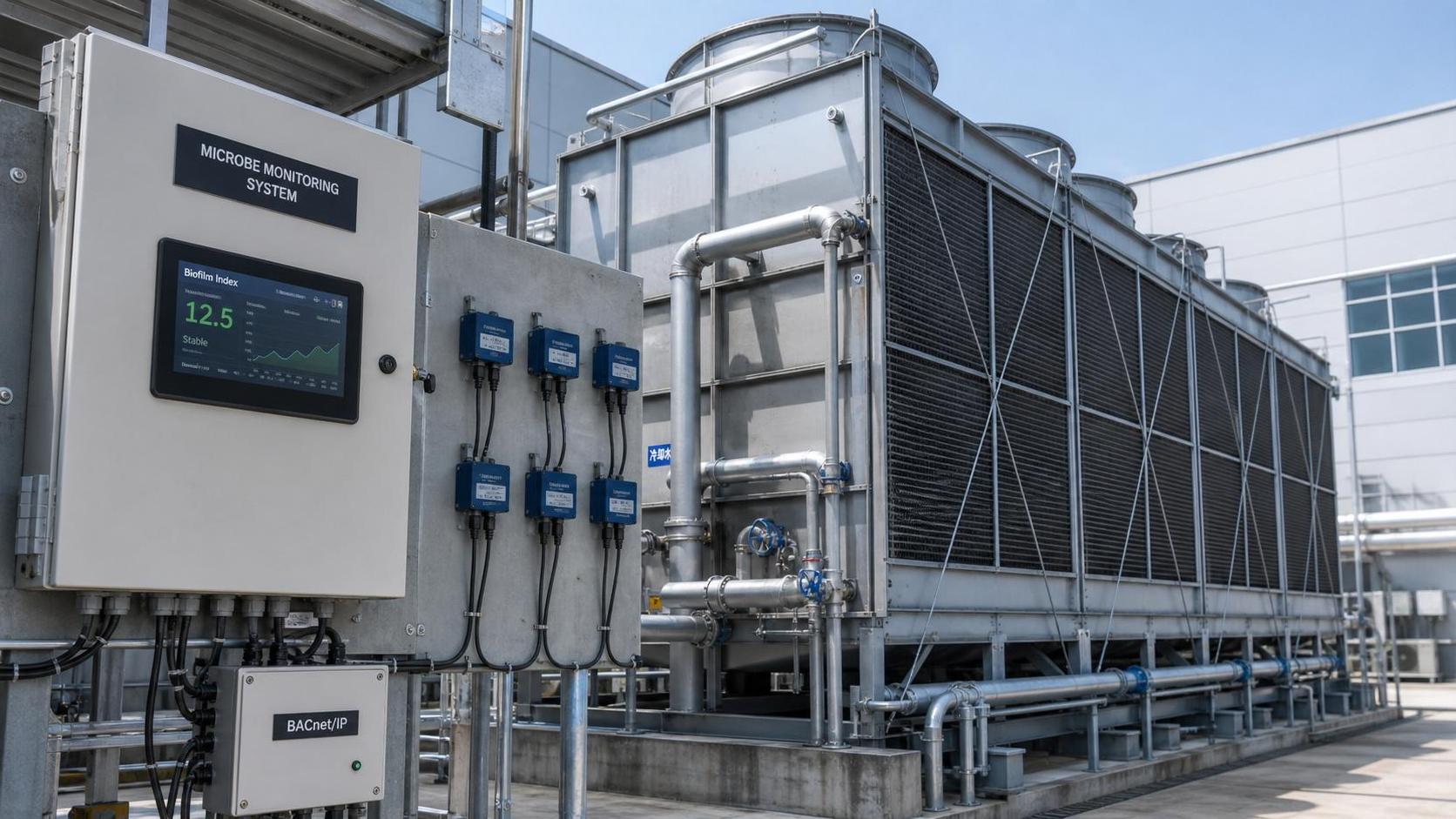
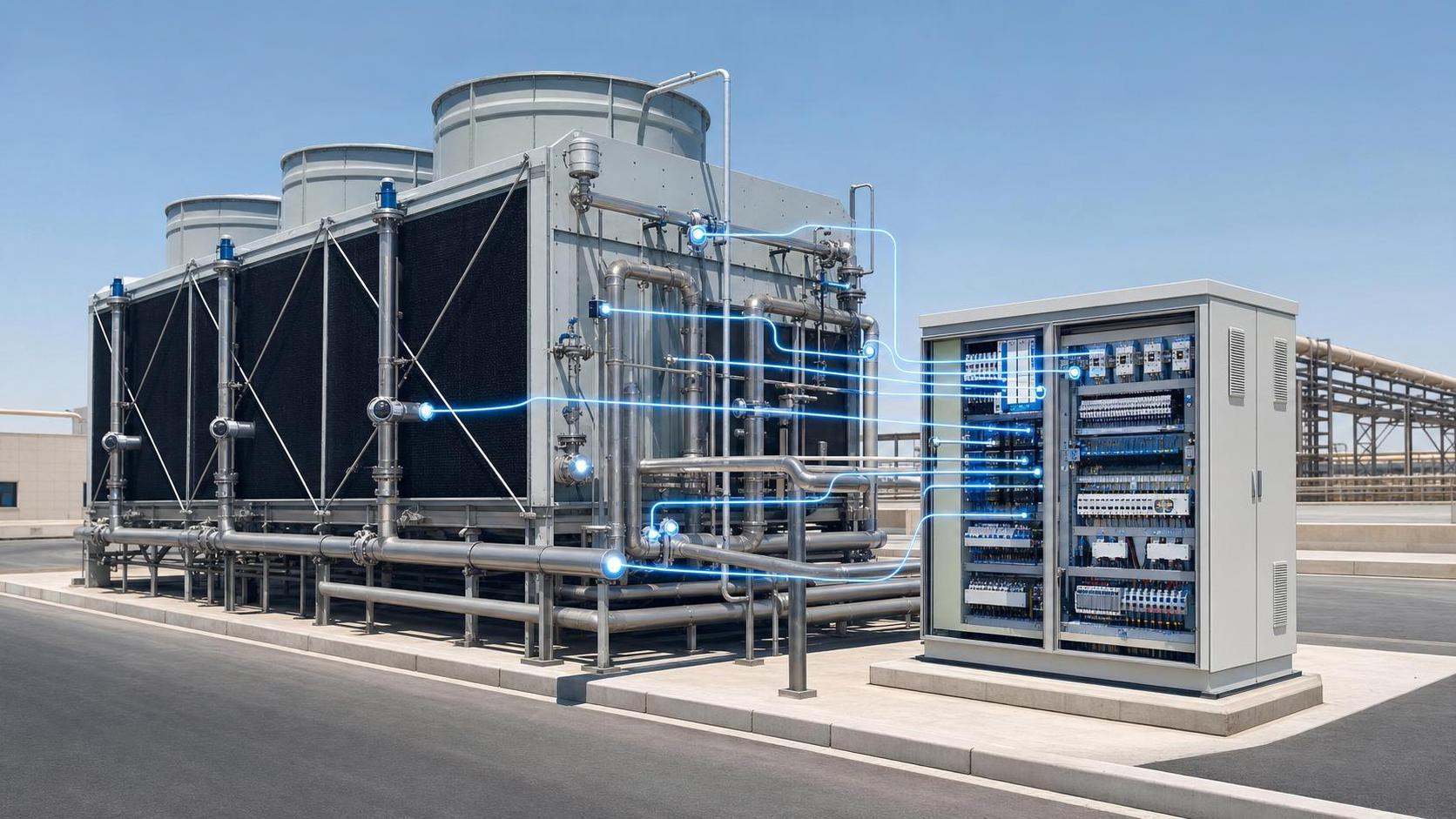
Integrate standardized Modbus RTU or BACnet MS/TP communication protocols into cooling tower controllers. IS 17722:2026 requires real-time access to pH, temperature, conductivity, and biocide residual readings — not just data logging. Hardware-level interface validation is mandatory.
Initiate Pilot Certification Before Q2 2026
Given the 10–12 week average certification duration, manufacturers targeting uninterrupted market access should submit first-unit test applications no later than July 2026. Delay risks exposure during peak monsoon season — when legionella proliferation risk peaks and import scrutiny intensifies.
Editorial Perspective / Industry Observation
Observably, IS 17722:2026 represents less a standalone product regulation and more the first visible element of India’s broader shift toward outcome-based infrastructure standards — where system-level public health performance supersedes component-level conformance. Analysis shows that similar hygienic design clauses are already under review for air handling units (AHUs) and chilled water pumps, suggesting a cascading effect across HVAC subsectors. From an industry perspective, this is better understood as India aligning its thermal equipment framework with EU Directive 2009/125/EC and ASHRAE Standard 188 — not merely adopting a ‘local’ requirement.
Conclusion
This regulation marks a structural inflection point: compliance is transitioning from a commercial formality to a non-negotiable operational prerequisite for market participation. For international suppliers, early engagement with BIS-aligned testing infrastructure and modular design adaptation will define competitive resilience — not just regulatory pass rates.
Source Attribution
Official draft notice: Bureau of Indian Standards (BIS), Public Consultation Document No. BIS/TC/2026/042, dated 16 May 2026. Available at https://www.bis.gov.in. Note: Final version, official enforcement date confirmation, and list of accredited labs remain pending final notification — all subject to ongoing monitoring.
Ready when you are. Send us a message to get started.
Related News
- Kentucky Regulators Approve $191 Million Cooling Tower at Mitchell Coal PlantAuthor :Thermodynamics Analyst

- Cooling Tower Market Trends Reshaping Replacement Plans and Capital BudgetsAuthor :Thermodynamics Analyst

- Field-Erected Cooling Tower Market: Why Utility Projects Favor Custom DesignsAuthor :Thermodynamics Analyst

- Evaporative Cooling Tower Market Outlook: Demand Drivers, Risks, and Growth AreasAuthor :Thermodynamics Analyst

- When does an industrial cooling radiator outperform a cooling tower?Author :Thermodynamics Analyst

- EU Cooling Tower Standard EN 13771:2026 Takes EffectAuthor :Thermodynamics Analyst

- EU REACH SVHC Update Triggers Cooling Tower DisclosureAuthor :Thermodynamics Analyst

- SASO Adds Bio-Durability Test for Cooling Tower FillAuthor :Thermodynamics Analyst

- EU REACH Update Bars Phthalates in Cooling Tower PVC FillAuthor :Thermodynamics Analyst

- EU Tightens CE Rules for Cooling Tower Steel PartsAuthor :Thermodynamics Analyst

- Shanghai-Rotterdam Cooling Tower Space TightensAuthor :Thermodynamics Analyst

- Hamburg Port Strike Delays Cooling Tower Parts ClearanceAuthor :Thermodynamics Analyst

- ASHRAE 188-2026 Makes Cooling Tower Microbial Control MandatoryAuthor :Thermodynamics Analyst

- India Enforces BIS IS 17842:2026 for Cooling TowersAuthor :Thermodynamics Analyst

- EU REACH Restricts Zinc Inhibitors in Cooling TowersAuthor :Thermodynamics Analyst

- TUV Rheinland Switches Cooling Tower Labels to IEC 61800-9-2Author :Thermodynamics Analyst

- EU REACH Rule Takes Effect for Cooling Tower CoatingsAuthor :Thermodynamics Analyst

- Vietnam to Require IoT Modules in Imported Cooling TowersAuthor :Thermodynamics Analyst

- How to Compare Industrial Cooling Equipment Dry Coolers for Year-Round EfficiencyAuthor :Thermodynamics Analyst

- SASO Tightens Cooling Tower Import Rules for 2027Author :Thermodynamics Analyst

- REACH SVHC Update Limits Copper Corrosion InhibitorsAuthor :Thermodynamics Analyst

- SASO Starts Cooling Tower Data Rule for CoCAuthor :Thermodynamics Analyst

- Saudi SASO Portal Adds Corrosion Data RuleAuthor :Thermodynamics Analyst

- SASO Adds Corrosion Report Rule for Cooling TowersAuthor :Thermodynamics Analyst

- RDHx Prices Rise as AI Demand Lifts Premium ModelsAuthor :Thermodynamics Analyst

- EU EN 13859-2:2026 Mandates Extreme Humidity Heat-Loss TestsAuthor :Thermodynamics Analyst

- VDE Tightens Cooling Tower Test ScopeAuthor :Thermodynamics Analyst

- SASO Tightens Cooling Tower Test Proof for SaberAuthor :Thermodynamics Analyst

- Saudi SABER Cooling Tower Rule Takes Effect EarlyAuthor :Thermodynamics Analyst

- EU Carbon Labels to Cover Cooling Tower ExportsAuthor :Thermodynamics Analyst

- Saudi SABER Cooling Tower Rule Takes Effect EarlyAuthor :Thermodynamics Analyst

- EU Carbon Label Rule Hits Cooling Tower ExportsAuthor :Thermodynamics Analyst

- Saudi SABER Cooling Tower Rule Adds EN 13859-2 TestAuthor :Thermodynamics Analyst

- Saudi SABER Tightens Cooling Tower Energy Report RulesAuthor :Thermodynamics Analyst

- Saudi SASO Tightens Cooling Tower Efficiency FilingAuthor :Thermodynamics Analyst

- Saudi SABER Tightens Cooling Tower Energy Report ChecksAuthor :Thermodynamics Analyst