



ASHRAE 90.1-2025 Enforces 18% Higher Efficiency for Commercial Cooling Towers




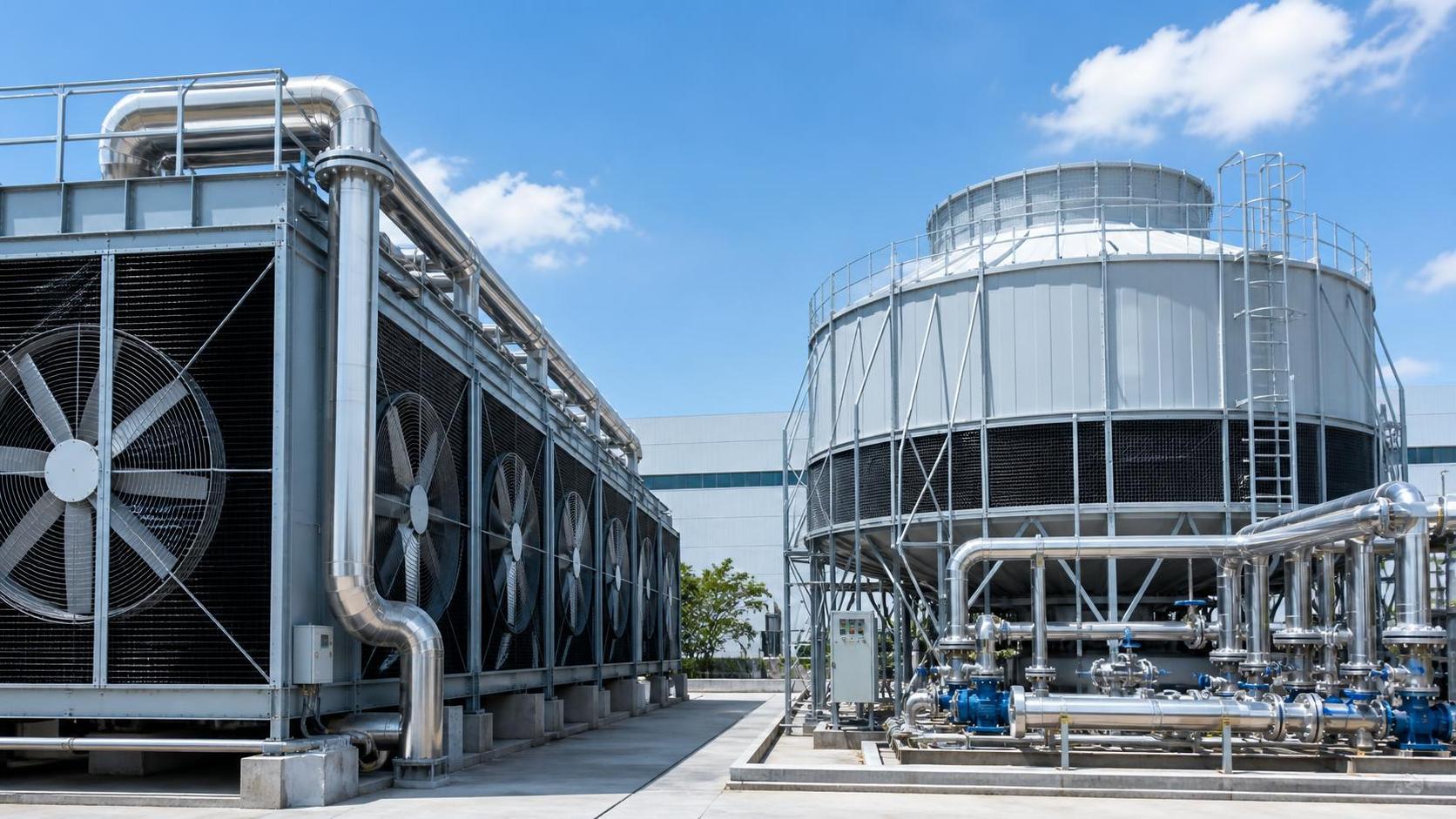
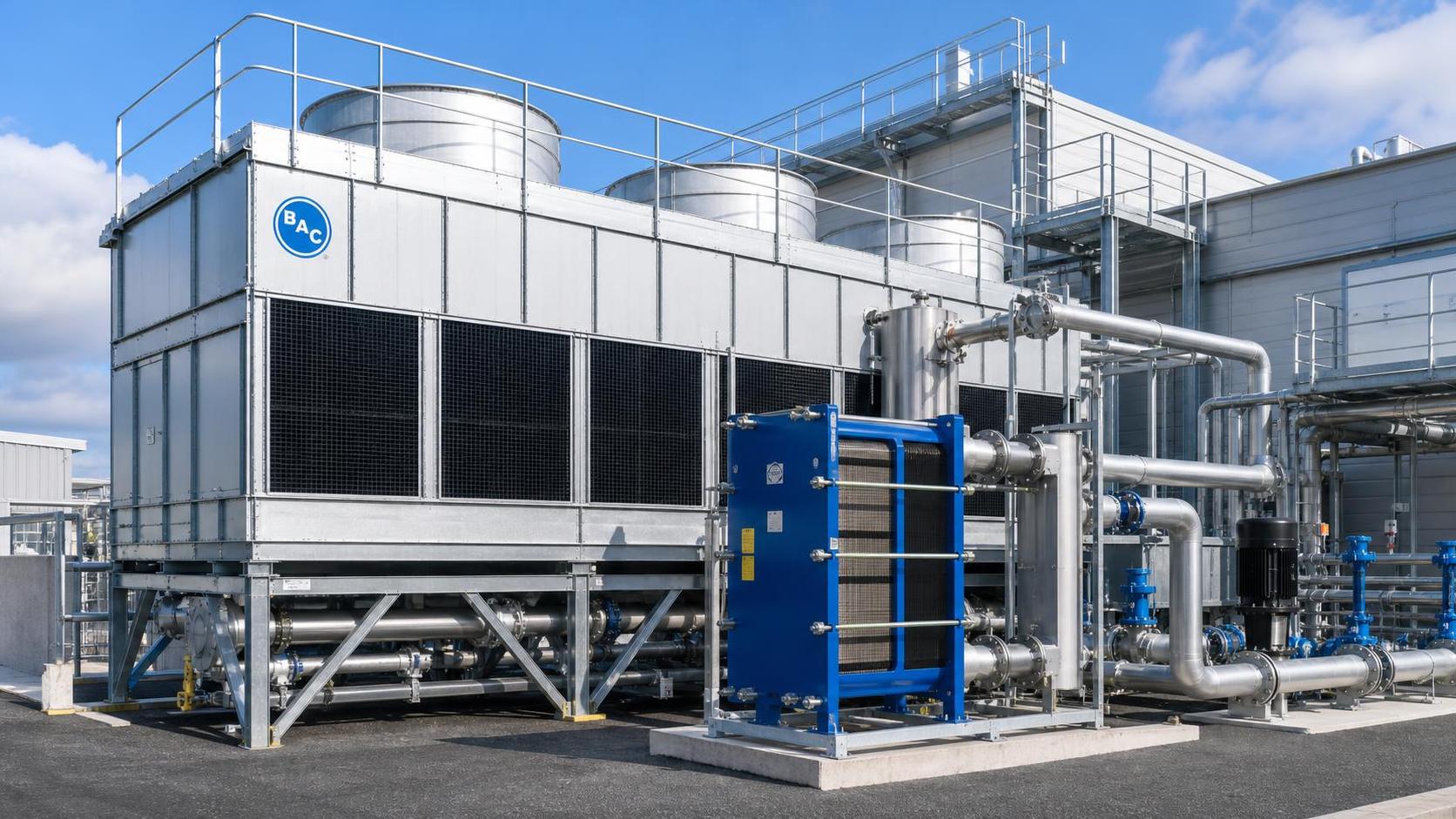
Starting May 1, 2026, the U.S. Department of Energy will enforce ASHRAE Standard 90.1-2025 nationwide, raising the minimum energy efficiency ratio (MER) requirement for commercial cooling towers by 18% compared to the 2019 edition—and introducing a new winter freeze-protection operational efficiency verification. Exporters of cooling towers from China, and other non-U.S. manufacturers targeting federal procurement or LEED-certified projects in the U.S., must submit full-load-range MER test reports issued by AHRI-accredited laboratories. This update directly affects HVAC equipment exporters, certification service providers, and U.S. project specifiers.
Event Overview
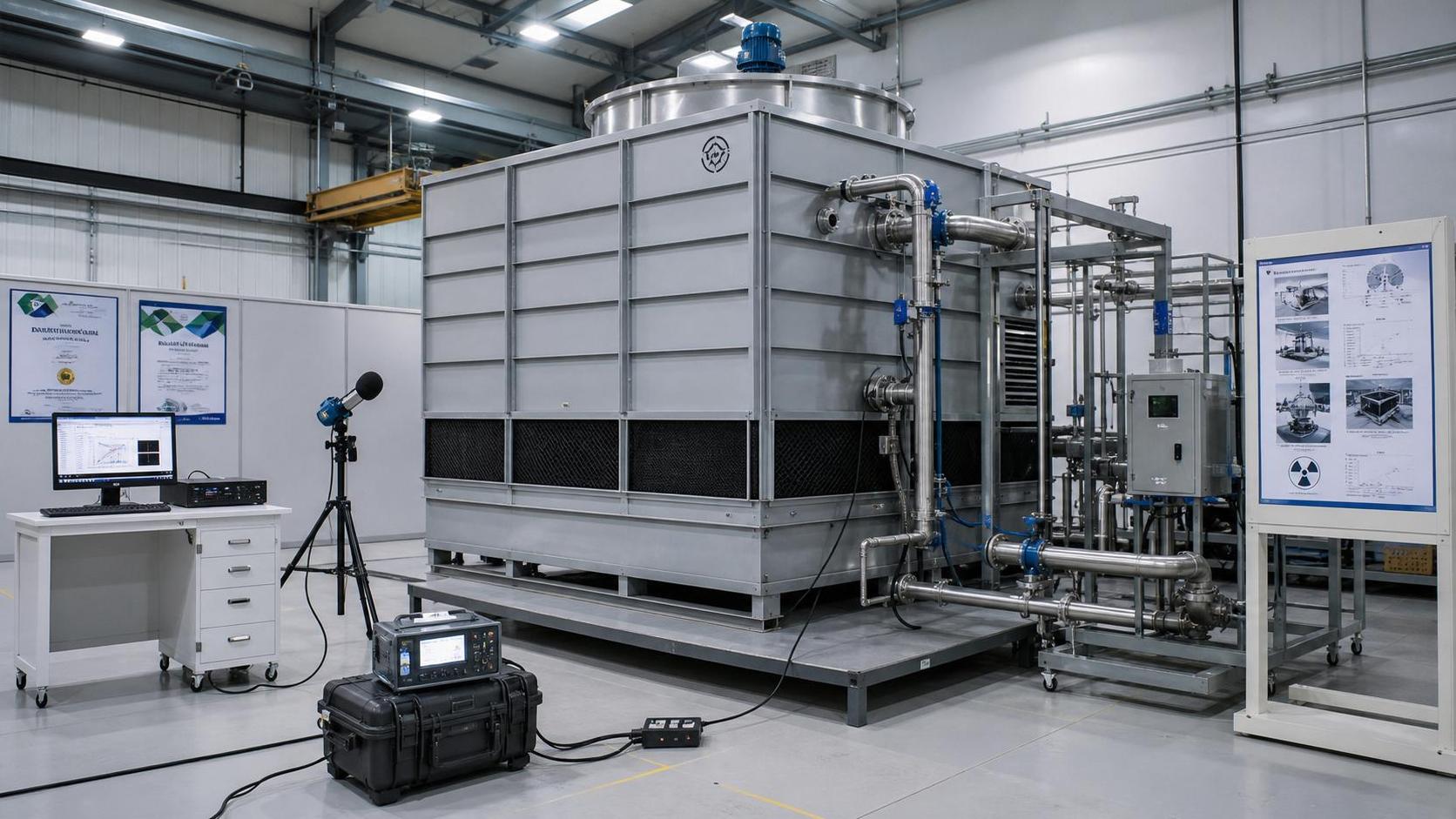
The U.S. Department of Energy has confirmed that ASHRAE Standard 90.1-2025 will take effect on May 1, 2026. Under this revision, the minimum MER for commercial cooling towers is increased by 18% relative to the 2019 version. The standard also adds a new requirement: verification of energy performance during winter anti-freeze operation. Compliance documentation—specifically full-operating-condition MER test reports—must be issued by laboratories accredited by the Air-Conditioning, Heating, and Refrigeration Institute (AHRI). Absence of such reports disqualifies units from U.S. federal government procurement and LEED certification pathways.
Industries Affected
Export Manufacturing Enterprises (China-based)
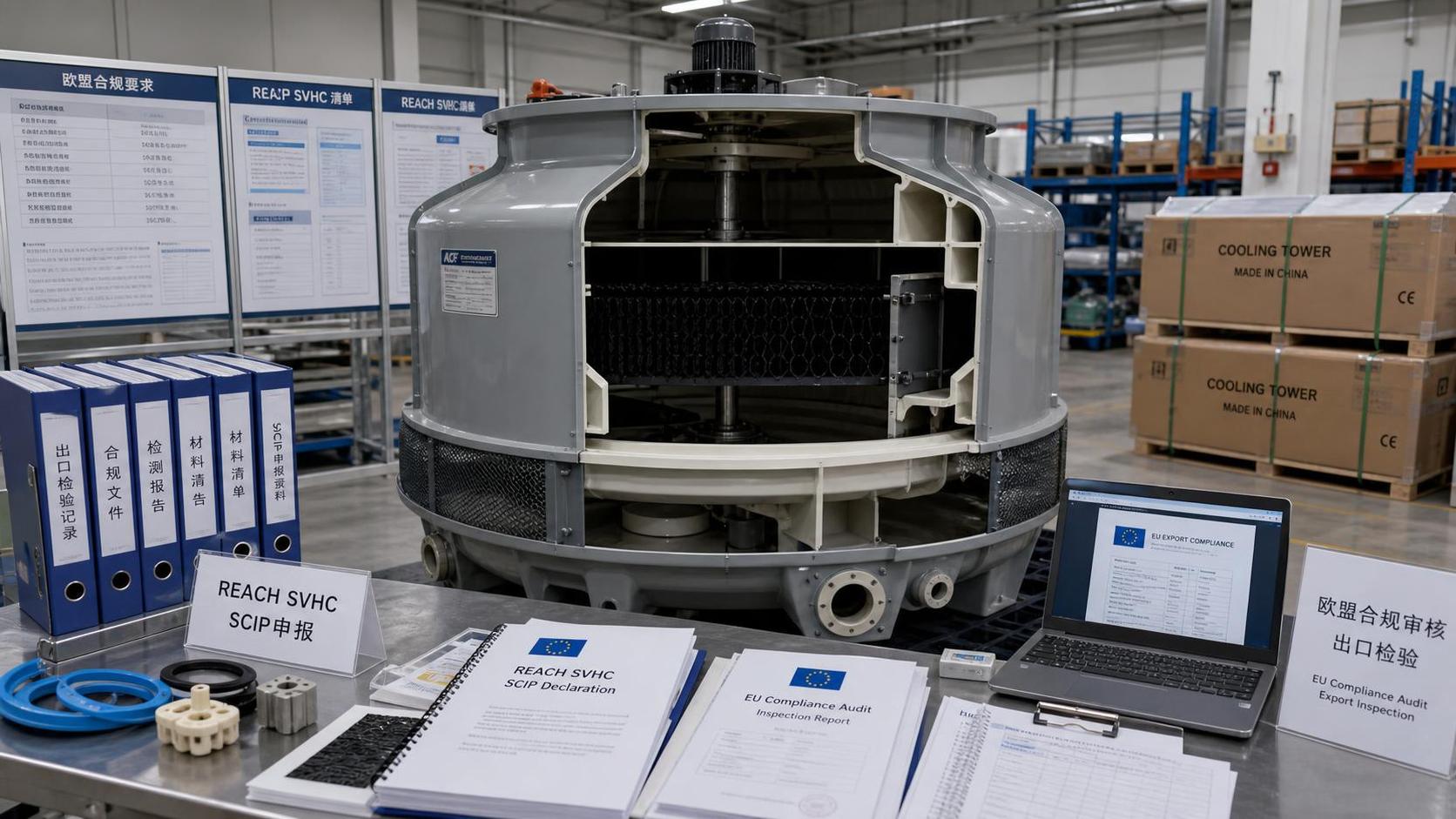
Chinese cooling tower manufacturers exporting to the U.S. are directly affected because the new MER threshold applies at point of entry for federal and LEED-aligned projects. Non-compliant units cannot be specified or accepted—even if physically functional—unless accompanied by AHRI-accredited MER test reports covering all operating conditions, including low-temperature freeze-protection modes.
Testing & Certification Service Providers
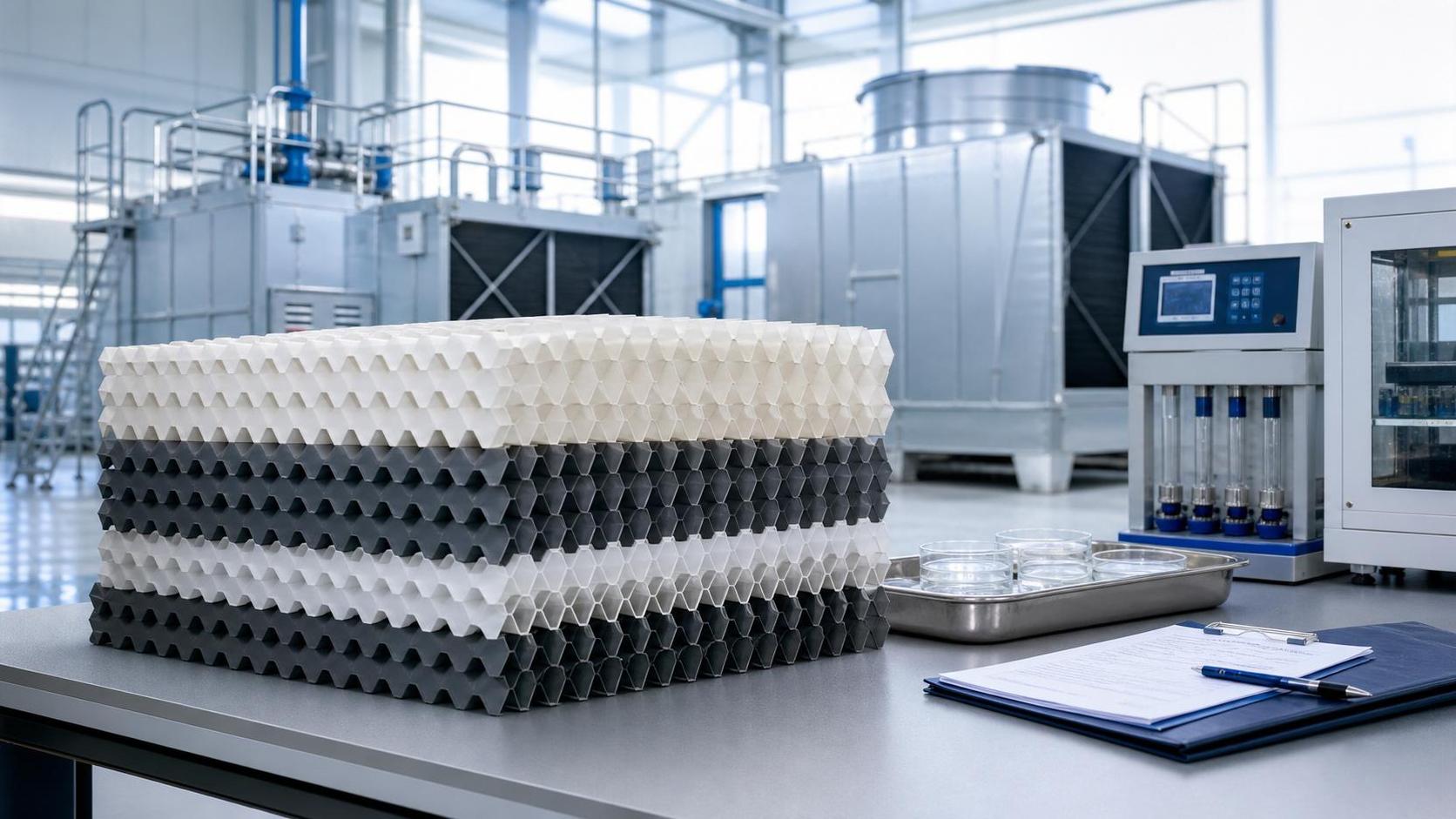
Laboratories offering MER testing must now meet AHRI accreditation requirements for full-range (including sub-zero ambient) cooling tower performance evaluation. Non-accredited labs—regardless of ISO/IEC 17025 status—cannot issue valid compliance documentation under the new rule.
U.S. HVAC Specifiers and Engineering Firms
Design professionals specifying cooling towers for federal buildings or LEED projects must verify both MER compliance and the presence of AHRI-accredited winter-mode test data. Omission of either may result in rejected submittals or post-installation non-compliance findings during commissioning or audit.
Supply Chain and Distribution Intermediaries
U.S.-based distributors and import agents handling foreign-sourced cooling towers must confirm upstream compliance documentation before warehousing or resale. Units lacking valid AHRI MER reports risk being held at customs or excluded from bidding packages—creating inventory and contractual exposure.
Key Considerations and Recommended Actions
Monitor official AHRI accreditation updates and reporting templates
AHRI is expected to publish updated test protocols and report format requirements ahead of May 2026. Exporters and labs should track AHRI’s official notices—not just ASHRAE or DOE releases—as the accreditation criteria define enforceable compliance evidence.
Prioritize MER validation for low-ambient and freeze-protection operating points
The new winter-mode verification is distinct from prior MER testing scopes. Manufacturers should allocate time and budget for repeat testing across reduced ambient temperatures (e.g., 0°C to −10°C), not only standard rating conditions (e.g., 35°C wet-bulb).
Distinguish between regulatory enforcement scope and market adoption pace
While mandatory for federal procurement and LEED projects as of May 2026, private-sector commercial projects may continue accepting pre-2025-compliant units for months—or years—depending on local code adoption timelines. Businesses should map client segments by procurement authority (federal vs. private) rather than assume blanket applicability.
Initiate lab engagement and sample scheduling no later than Q4 2025
AHRI-accredited labs report lead times of 12–16 weeks for full-range MER testing—including instrument calibration, seasonal condition simulation, and report review. Chinese exporters should secure lab slots by end-2025 to avoid delays in Q1 2026 shipments.
Editorial Perspective / Industry Observation
Observably, this update signals a tightening of technical gatekeeping—not merely an incremental efficiency adjustment. The addition of winter-mode verification reflects growing emphasis on real-world operational integrity beyond nominal ratings. Analysis shows that the 18% MER increase aligns with broader decarbonization goals embedded in recent U.S. federal building policies, but its immediate impact is procedural: shifting compliance burden from design-stage assumptions to verifiable, lab-documented performance. From an industry perspective, it functions less as a standalone regulation and more as a coordination point—linking equipment standards (ASHRAE), testing infrastructure (AHRI), and sustainability frameworks (LEED). Continued attention is warranted as state-level energy codes begin incorporating 90.1-2025 language beyond federal mandates.
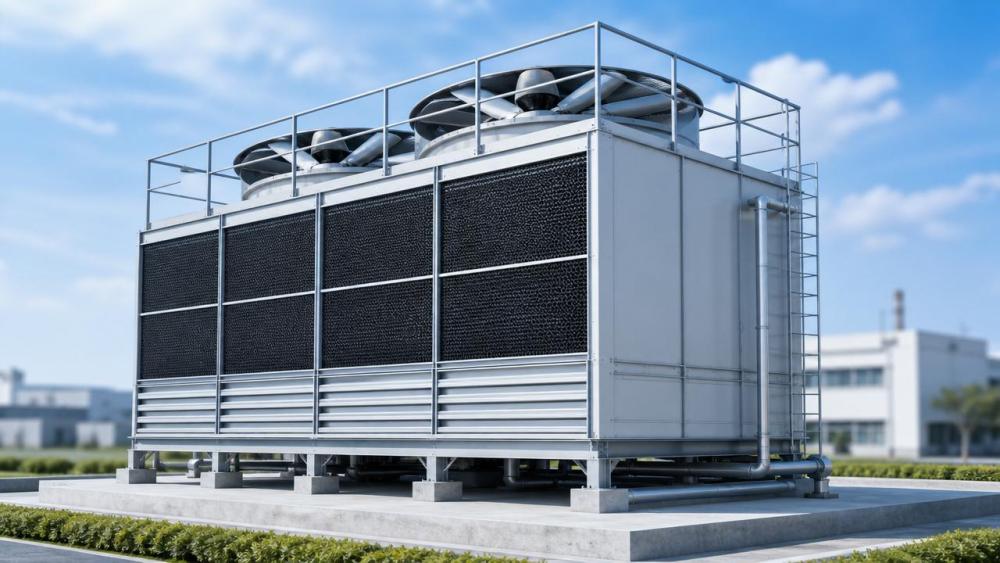
Conclusion: This enforcement milestone does not represent a sudden market shift, but rather a formalized escalation in verification rigor for high-efficiency cooling infrastructure. It underscores that energy performance claims—especially for climate-resilient operation—are now subject to standardized, third-party validation across the full duty cycle. For affected stakeholders, the current priority is not speculation about future revisions, but disciplined alignment with the documented 2026 implementation timeline and its specific evidentiary requirements.
Source: U.S. Department of Energy official announcement (confirmed date: May 1, 2026); ASHRAE Standard 90.1-2025 final text; AHRI Guideline N (2024 edition, pending revision).
Areas requiring ongoing observation: AHRI’s publication schedule for updated MER test protocol revisions and state-level adoption timelines for ASHRAE 90.1-2025 in commercial building codes.
Related News
- When does an industrial cooling radiator outperform a cooling tower?Author :Thermodynamics Analyst

- EU Cooling Tower Standard EN 13771:2026 Takes EffectAuthor :Thermodynamics Analyst

- EU REACH SVHC Update Triggers Cooling Tower DisclosureAuthor :Thermodynamics Analyst

- SASO Adds Bio-Durability Test for Cooling Tower FillAuthor :Thermodynamics Analyst

- EU REACH Update Bars Phthalates in Cooling Tower PVC FillAuthor :Thermodynamics Analyst

- EU Tightens CE Rules for Cooling Tower Steel PartsAuthor :Thermodynamics Analyst

- Shanghai-Rotterdam Cooling Tower Space TightensAuthor :Thermodynamics Analyst

- Hamburg Port Strike Delays Cooling Tower Parts ClearanceAuthor :Thermodynamics Analyst

- ASHRAE 188-2026 Makes Cooling Tower Microbial Control MandatoryAuthor :Thermodynamics Analyst

- India Enforces BIS IS 17842:2026 for Cooling TowersAuthor :Thermodynamics Analyst

- EU REACH Restricts Zinc Inhibitors in Cooling TowersAuthor :Thermodynamics Analyst

- TUV Rheinland Switches Cooling Tower Labels to IEC 61800-9-2Author :Thermodynamics Analyst

- EU REACH Rule Takes Effect for Cooling Tower CoatingsAuthor :Thermodynamics Analyst

- Vietnam to Require IoT Modules in Imported Cooling TowersAuthor :Thermodynamics Analyst

- How to Compare Industrial Cooling Equipment Dry Coolers for Year-Round EfficiencyAuthor :Thermodynamics Analyst

- SASO Tightens Cooling Tower Import Rules for 2027Author :Thermodynamics Analyst

- REACH SVHC Update Limits Copper Corrosion InhibitorsAuthor :Thermodynamics Analyst

- SASO Starts Cooling Tower Data Rule for CoCAuthor :Thermodynamics Analyst

- Saudi SASO Portal Adds Corrosion Data RuleAuthor :Thermodynamics Analyst

- SASO Adds Corrosion Report Rule for Cooling TowersAuthor :Thermodynamics Analyst

- RDHx Prices Rise as AI Demand Lifts Premium ModelsAuthor :Thermodynamics Analyst

- EU EN 13859-2:2026 Mandates Extreme Humidity Heat-Loss TestsAuthor :Thermodynamics Analyst

- VDE Tightens Cooling Tower Test ScopeAuthor :Thermodynamics Analyst

- SASO Tightens Cooling Tower Test Proof for SaberAuthor :Thermodynamics Analyst

- Saudi SABER Cooling Tower Rule Takes Effect EarlyAuthor :Thermodynamics Analyst

- EU Carbon Labels to Cover Cooling Tower ExportsAuthor :Thermodynamics Analyst

- Saudi SABER Cooling Tower Rule Takes Effect EarlyAuthor :Thermodynamics Analyst

- EU Carbon Label Rule Hits Cooling Tower ExportsAuthor :Thermodynamics Analyst

- Saudi SABER Cooling Tower Rule Adds EN 13859-2 TestAuthor :Thermodynamics Analyst

- Saudi SABER Tightens Cooling Tower Energy Report RulesAuthor :Thermodynamics Analyst

- Saudi SASO Tightens Cooling Tower Efficiency FilingAuthor :Thermodynamics Analyst

- Saudi SABER Tightens Cooling Tower Energy Report ChecksAuthor :Thermodynamics Analyst

- Thermal Management Problems That Cause Equipment DowntimeAuthor :Thermodynamics Analyst

- Saudi Rule Requires Local Certification for Imported Cooling TowersAuthor :Thermodynamics Analyst

- EU Law Tightens Cooling Imports for Data CentersAuthor :Thermodynamics Analyst

- India Extends FRP Duty Relief for Cooling TowersAuthor :Thermodynamics Analyst