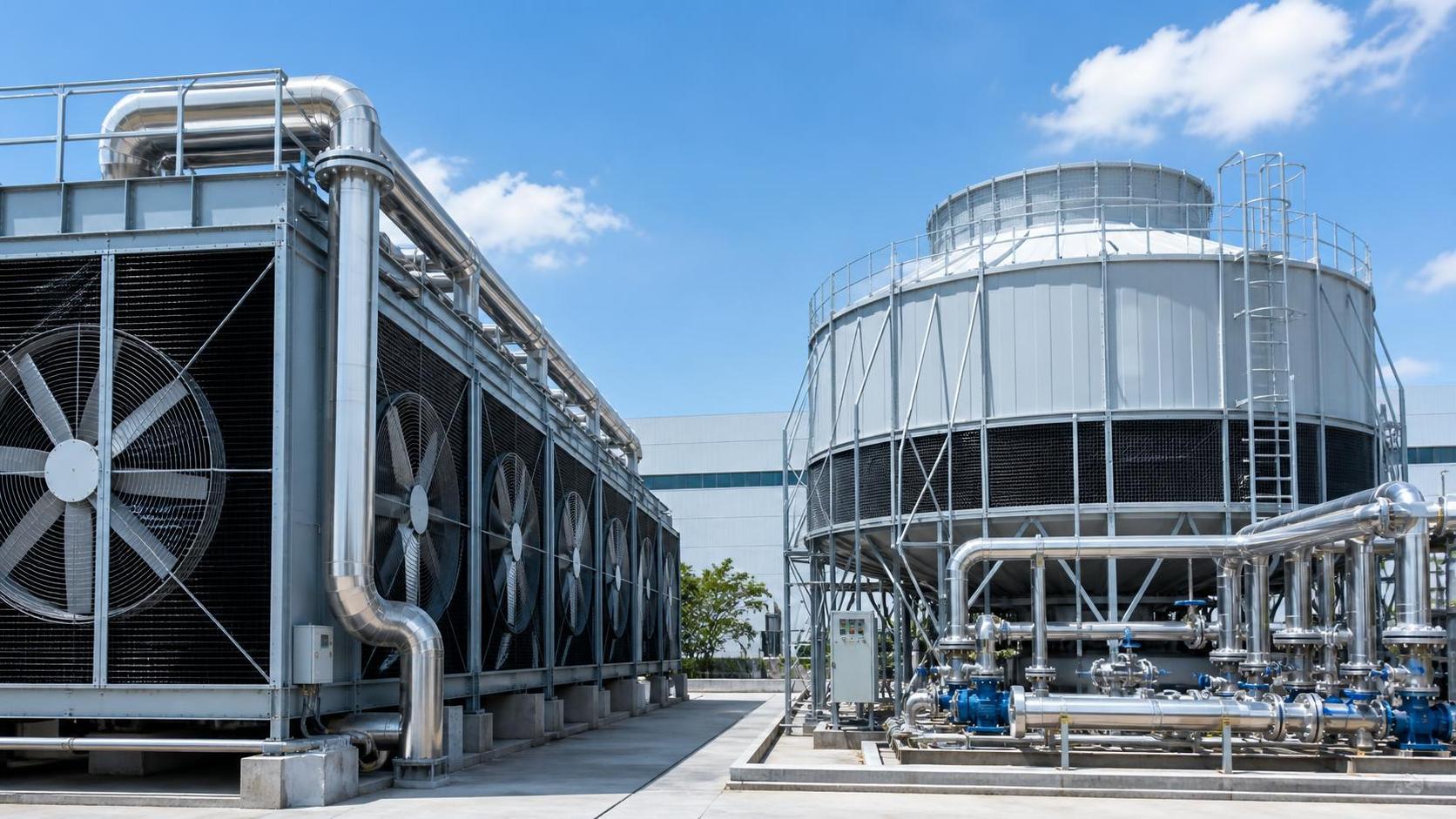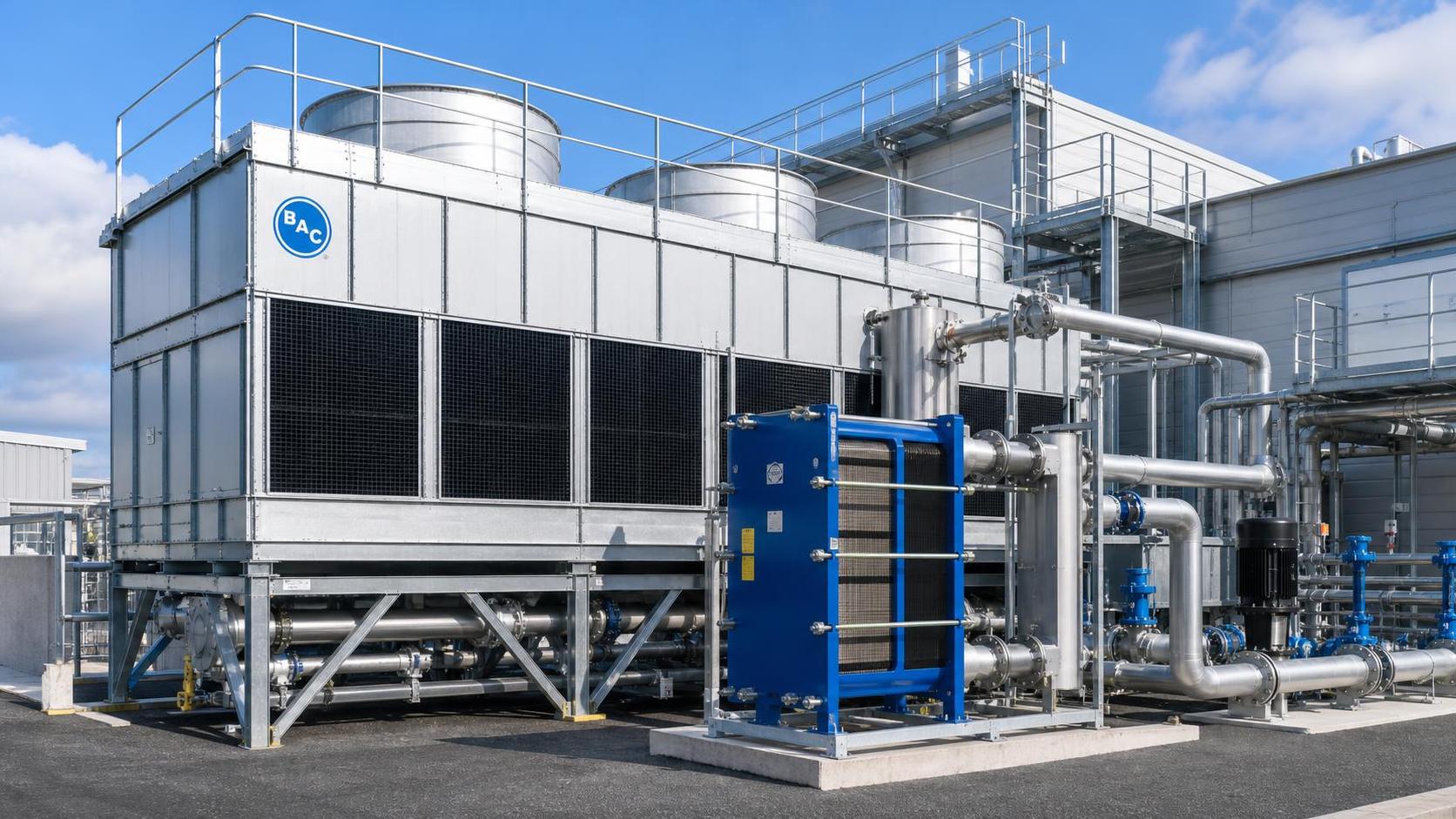




Industrial Cooling Solutions for Lower Downtime and Stable Output




Industrial Cooling Solutions for Lower Downtime and Stable Output
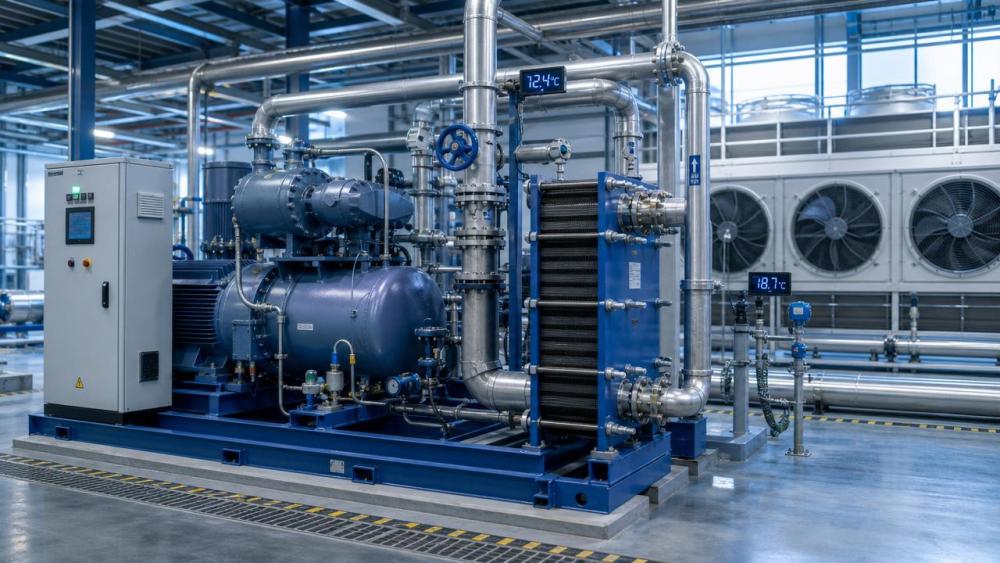
Unplanned stoppages, overheating, and unstable process conditions often begin with poor thermal control.
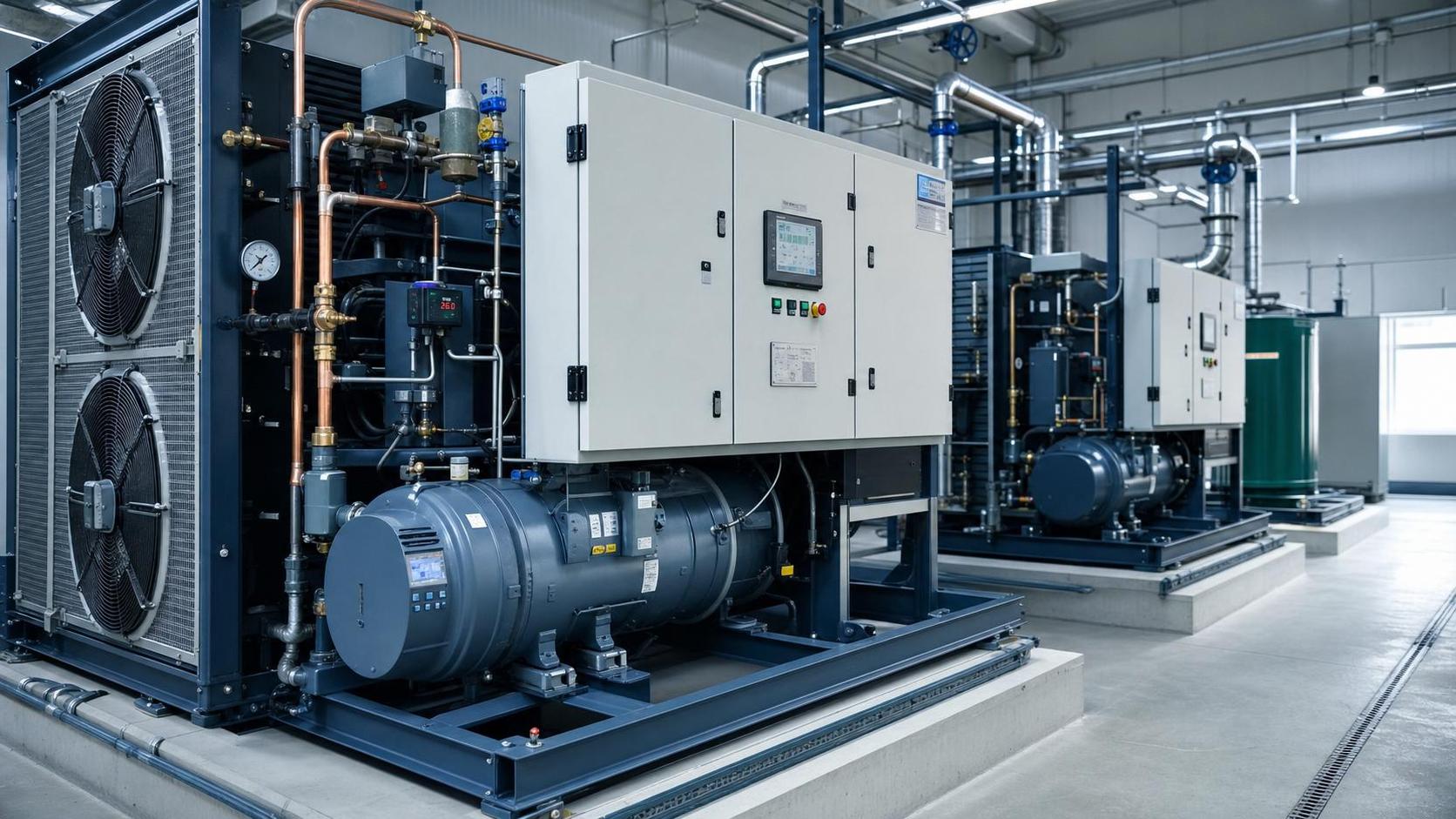
Industrial cooling solutions help keep compressors, heat exchangers, drives, and production lines within safe operating ranges.
When temperatures stay controlled, output becomes steadier, equipment lasts longer, and maintenance costs become more predictable.
Across general industry, the right industrial cooling solutions also improve energy efficiency and support cleaner, more resilient operations.
Why a Structured Review Matters
Cooling problems rarely come from one source alone.
They often involve heat load miscalculation, airflow restrictions, water quality issues, control gaps, and aging components working together.
A structured review makes industrial cooling solutions easier to compare, verify, and improve before downtime disrupts production.
This approach is especially useful in systems linked to compressed air, vacuum processes, heat exchange, and sensitive thermal applications.
It also aligns with the intelligence-led perspective of GTC-Matrix, where thermal efficiency and compression performance are deeply connected.
Key Points to Check Before Choosing Industrial Cooling Solutions
- Confirm the real heat load under peak production, not only nameplate conditions, so the cooling system can handle seasonal changes and process surges.
- Review inlet temperature, ambient conditions, dust levels, and humidity because these factors directly affect thermal transfer efficiency and system reliability.
- Match the cooling method to the process, such as air cooling, water cooling, evaporative cooling, or closed-loop heat exchange.
- Check whether compressors, pumps, valves, fans, and exchangers are correctly sized for present demand and future expansion.
- Inspect water quality, fouling risk, scaling tendency, and corrosion exposure to avoid hidden performance losses over time.
- Assess control logic for variable speed operation, temperature alarms, pressure stability, and load balancing across multiple cooling assets.
- Verify maintenance access for coils, filters, piping, drain points, and sensors because poor access increases downtime during service.
- Measure energy use per unit of output to compare industrial cooling solutions on lifecycle value rather than purchase price alone.
- Confirm refrigerant, water, and emissions compliance requirements to reduce regulatory risk and support long-term sustainability targets.
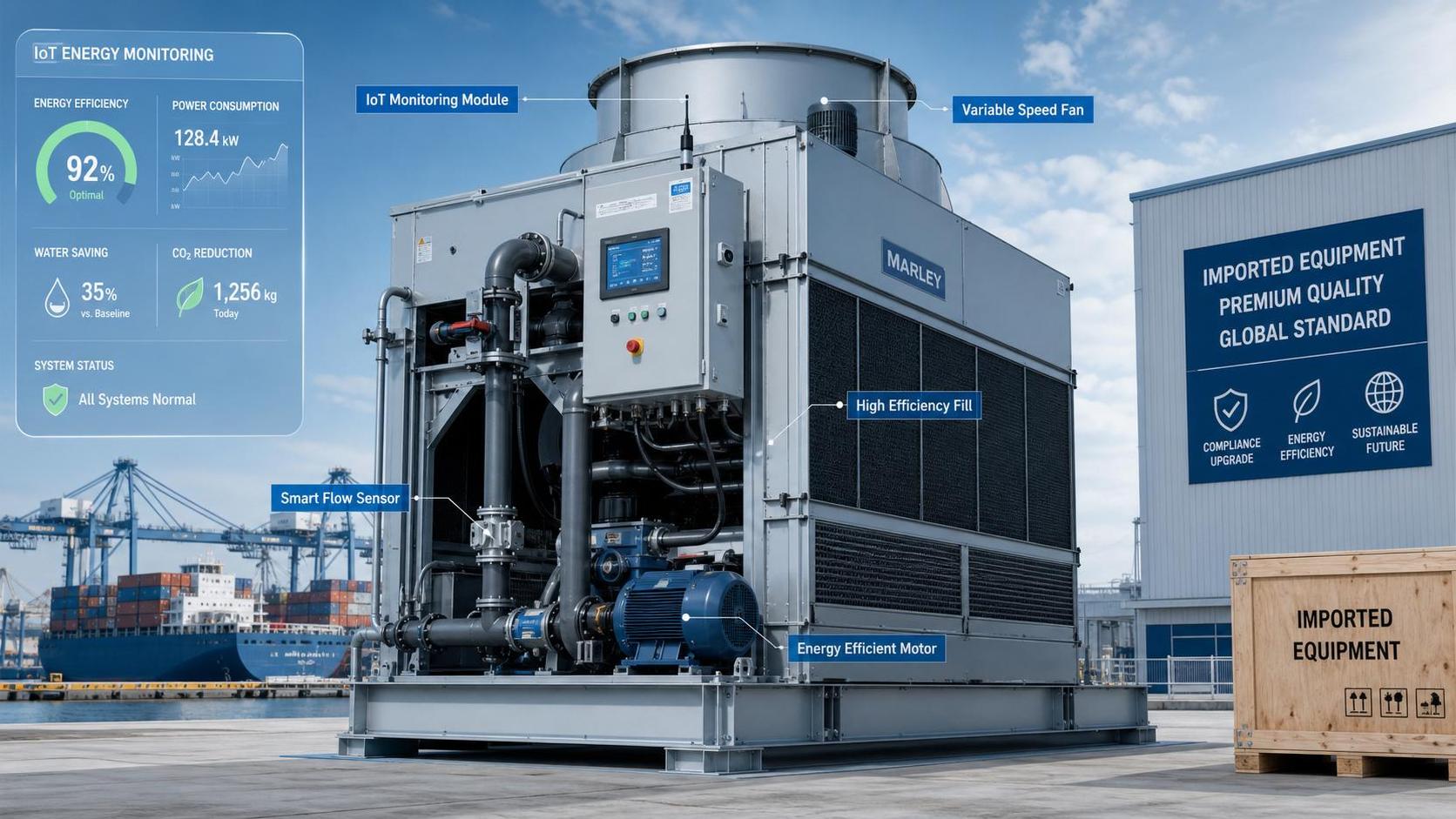
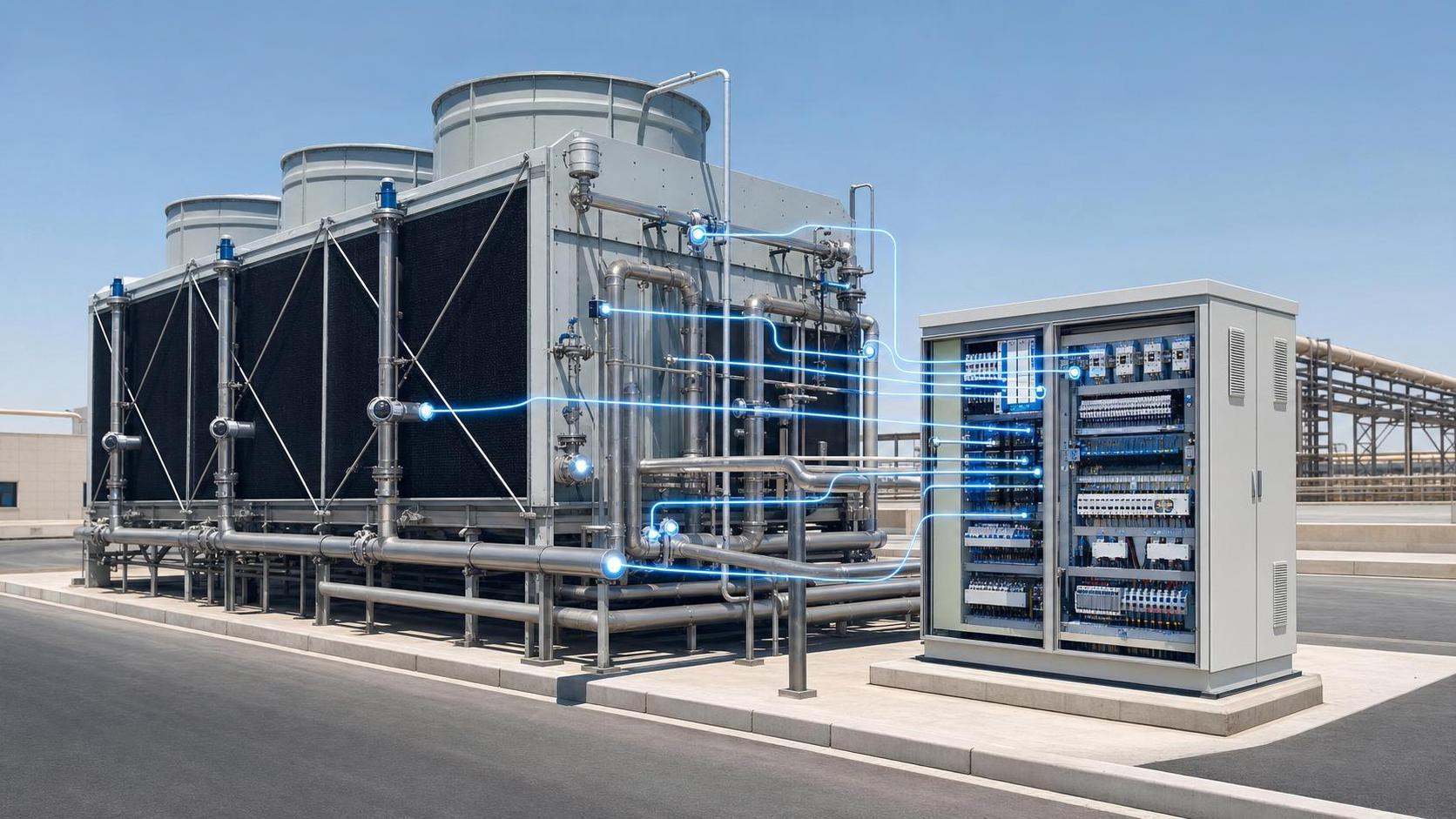
- Plan for monitoring with temperature trends, vibration data, and flow measurements so problems can be detected before failure occurs.
How Industrial Cooling Solutions Support Different Applications
Compressed Air Systems
Compressed air performance depends heavily on temperature control.
Aftercoolers, dryers, and oil coolers reduce heat, protect downstream equipment, and improve air quality consistency.
For these applications, industrial cooling solutions should be checked for pressure drop, condensate handling, and stable cooling under fluctuating loads.
Heat Exchange Processes
Production lines using thermal transfer need predictable approach temperatures and clean surfaces for efficient operation.
Plate, shell-and-tube, and microchannel options each offer different benefits depending on footprint, fluid type, and fouling risk.
In these cases, industrial cooling solutions should focus on heat recovery potential, maintenance intervals, and flow stability.
Vacuum and Precision Equipment
Vacuum pumps, electronics, and high-precision machinery often require narrow thermal tolerances.
Even modest temperature drift can affect cycle consistency, material behavior, or final product quality.
For stable output, industrial cooling solutions here should include closed-loop control, accurate sensing, and redundancy for critical operations.
Food, Pharmaceutical, and Clean Production Areas
Sensitive production environments need more than raw cooling power.
They also require hygienic design, controlled humidity, reliable uptime, and compatibility with strict process standards.
Here, industrial cooling solutions should emphasize cleanliness, thermal accuracy, and minimal contamination risk during routine maintenance.
Commonly Missed Risks
Undersized Systems During Peak Loads
A system may appear adequate during testing but fail during hot weather or maximum throughput.
This creates unstable output, emergency shutdowns, and accelerated wear on thermal components.
Ignoring Water Treatment
Scaling, corrosion, and biological growth can quietly reduce heat transfer and raise energy consumption.
Without water treatment discipline, even strong industrial cooling solutions lose performance faster than expected.
Poor Sensor Placement
Temperature or flow sensors placed in the wrong location can give misleading readings.
That makes troubleshooting slower and may hide the true cause of overheating or unstable process temperatures.
Ventilation Overlooked in Equipment Rooms
Cooling units cannot perform well if the surrounding room traps rejected heat.
A simple airflow problem can reduce the value of otherwise well-designed industrial cooling solutions.
Focusing Only on Purchase Price
Lower upfront cost may lead to higher energy bills, shorter service intervals, and more downtime later.
Lifecycle analysis usually gives a clearer picture of real operating value.
Practical Steps for Better Results
- Map the full thermal chain, including heat sources, cooling demand points, and seasonal operating changes.
- Record current temperature, pressure, flow, and downtime data before changing equipment or control settings.
- Prioritize bottlenecks that cause repeat alarms, product variation, or excessive maintenance effort.
- Compare industrial cooling solutions using efficiency, resilience, serviceability, and compliance metrics.
- Introduce predictive monitoring where thermal drift or fouling tends to build gradually.
- Review the system regularly as production volumes, energy prices, and environmental standards evolve.
Quick Answers About Industrial Cooling Solutions
What are the main benefits of industrial cooling solutions?
They reduce downtime, stabilize output, protect equipment, and improve energy performance across thermal and compression systems.
When should a cooling system be upgraded?
Consider upgrades when overheating events increase, maintenance becomes frequent, or output quality changes with thermal conditions.
Are air-cooled or water-cooled systems better?
The better option depends on heat load, water availability, ambient conditions, space limits, and maintenance capability.
How can monitoring improve cooling reliability?
Trend data helps identify fouling, airflow loss, unstable controls, and temperature drift before shutdowns occur.
Conclusion and Next Action
Effective industrial cooling solutions are not just support utilities.
They are core enablers of uptime, product consistency, and efficient energy conversion across modern industry.
A disciplined review of heat load, system design, controls, maintenance, and compliance can uncover fast improvement opportunities.
For deeper market context, technology direction, and thermodynamic insight, GTC-Matrix provides a valuable lens on cooling, compression, vacuum, and heat exchange performance.
Start with one measured thermal audit, then align industrial cooling solutions to stable output, lower downtime, and long-term operational resilience.
Related News
- When does an industrial cooling radiator outperform a cooling tower?Author :Thermodynamics Analyst

- EU Cooling Tower Standard EN 13771:2026 Takes EffectAuthor :Thermodynamics Analyst

- EU REACH SVHC Update Triggers Cooling Tower DisclosureAuthor :Thermodynamics Analyst

- SASO Adds Bio-Durability Test for Cooling Tower FillAuthor :Thermodynamics Analyst

- EU REACH Update Bars Phthalates in Cooling Tower PVC FillAuthor :Thermodynamics Analyst

- EU Tightens CE Rules for Cooling Tower Steel PartsAuthor :Thermodynamics Analyst

- Shanghai-Rotterdam Cooling Tower Space TightensAuthor :Thermodynamics Analyst

- Hamburg Port Strike Delays Cooling Tower Parts ClearanceAuthor :Thermodynamics Analyst

- ASHRAE 188-2026 Makes Cooling Tower Microbial Control MandatoryAuthor :Thermodynamics Analyst

- India Enforces BIS IS 17842:2026 for Cooling TowersAuthor :Thermodynamics Analyst

- EU REACH Restricts Zinc Inhibitors in Cooling TowersAuthor :Thermodynamics Analyst

- TUV Rheinland Switches Cooling Tower Labels to IEC 61800-9-2Author :Thermodynamics Analyst

- EU REACH Rule Takes Effect for Cooling Tower CoatingsAuthor :Thermodynamics Analyst

- Vietnam to Require IoT Modules in Imported Cooling TowersAuthor :Thermodynamics Analyst

- How to Compare Industrial Cooling Equipment Dry Coolers for Year-Round EfficiencyAuthor :Thermodynamics Analyst

- SASO Tightens Cooling Tower Import Rules for 2027Author :Thermodynamics Analyst

- REACH SVHC Update Limits Copper Corrosion InhibitorsAuthor :Thermodynamics Analyst

- SASO Starts Cooling Tower Data Rule for CoCAuthor :Thermodynamics Analyst

- Saudi SASO Portal Adds Corrosion Data RuleAuthor :Thermodynamics Analyst

- SASO Adds Corrosion Report Rule for Cooling TowersAuthor :Thermodynamics Analyst

- RDHx Prices Rise as AI Demand Lifts Premium ModelsAuthor :Thermodynamics Analyst

- EU EN 13859-2:2026 Mandates Extreme Humidity Heat-Loss TestsAuthor :Thermodynamics Analyst

- VDE Tightens Cooling Tower Test ScopeAuthor :Thermodynamics Analyst

- SASO Tightens Cooling Tower Test Proof for SaberAuthor :Thermodynamics Analyst

- Saudi SABER Cooling Tower Rule Takes Effect EarlyAuthor :Thermodynamics Analyst

- EU Carbon Labels to Cover Cooling Tower ExportsAuthor :Thermodynamics Analyst

- Saudi SABER Cooling Tower Rule Takes Effect EarlyAuthor :Thermodynamics Analyst

- EU Carbon Label Rule Hits Cooling Tower ExportsAuthor :Thermodynamics Analyst

- Saudi SABER Cooling Tower Rule Adds EN 13859-2 TestAuthor :Thermodynamics Analyst

- Saudi SABER Tightens Cooling Tower Energy Report RulesAuthor :Thermodynamics Analyst

- Saudi SASO Tightens Cooling Tower Efficiency FilingAuthor :Thermodynamics Analyst

- Saudi SABER Tightens Cooling Tower Energy Report ChecksAuthor :Thermodynamics Analyst

- Thermal Management Problems That Cause Equipment DowntimeAuthor :Thermodynamics Analyst

- Saudi Rule Requires Local Certification for Imported Cooling TowersAuthor :Thermodynamics Analyst

- EU Law Tightens Cooling Imports for Data CentersAuthor :Thermodynamics Analyst

- India Extends FRP Duty Relief for Cooling TowersAuthor :Thermodynamics Analyst