Hospitalar 2026 Closes: Lekos Medical Deploys Digital Chronic Care in LatAm; Cooling Towers Gain Spotlight




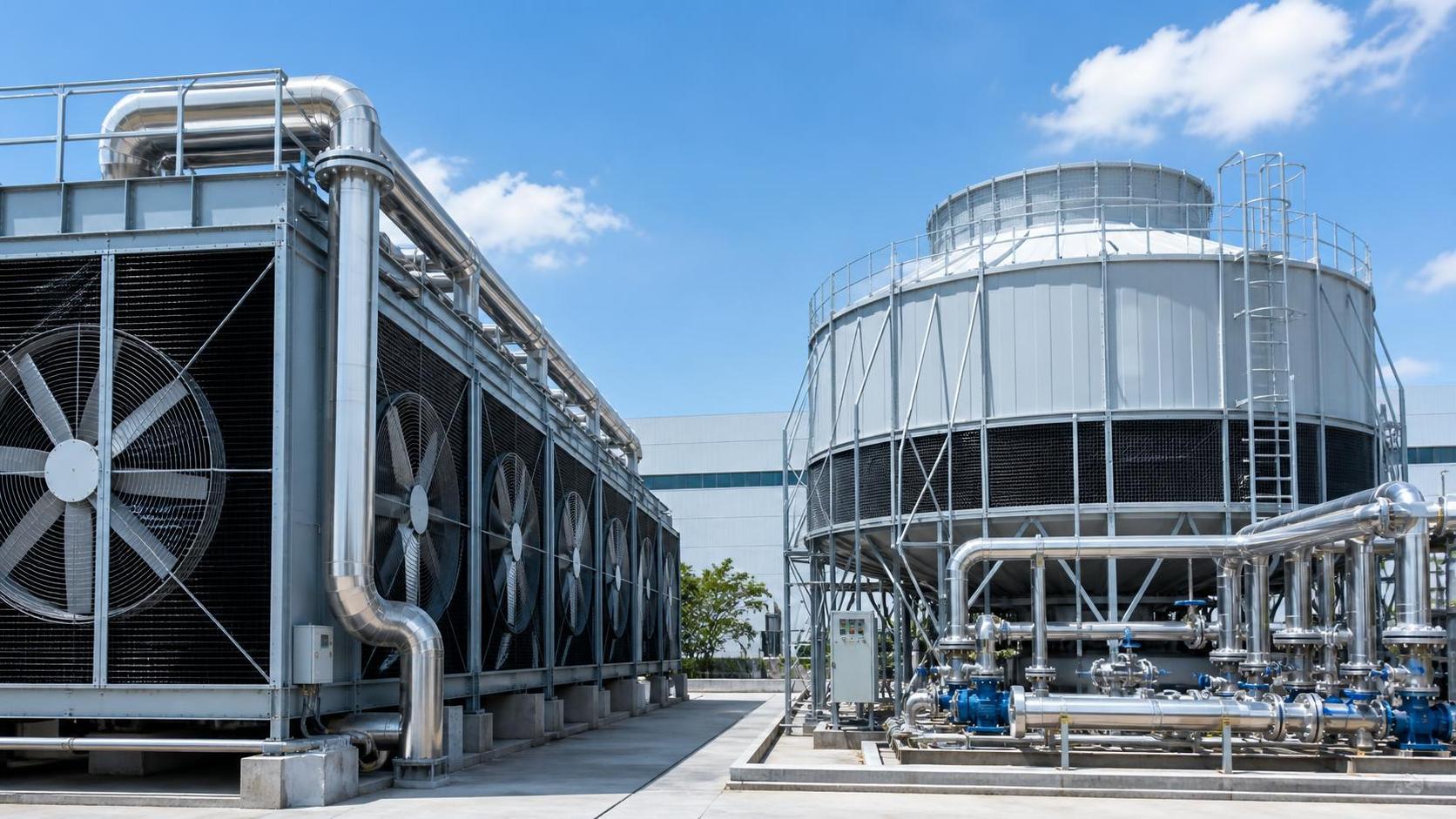
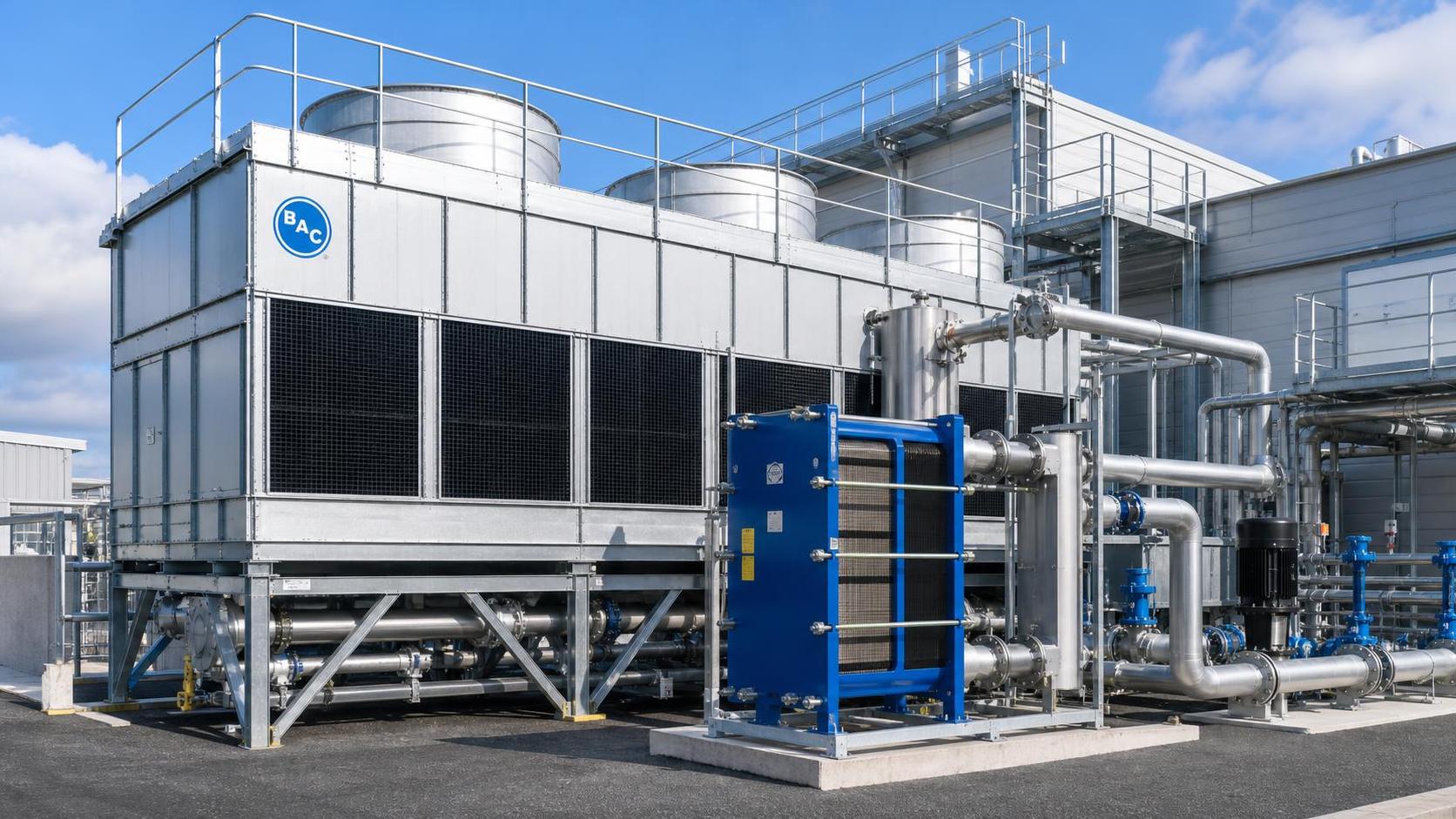
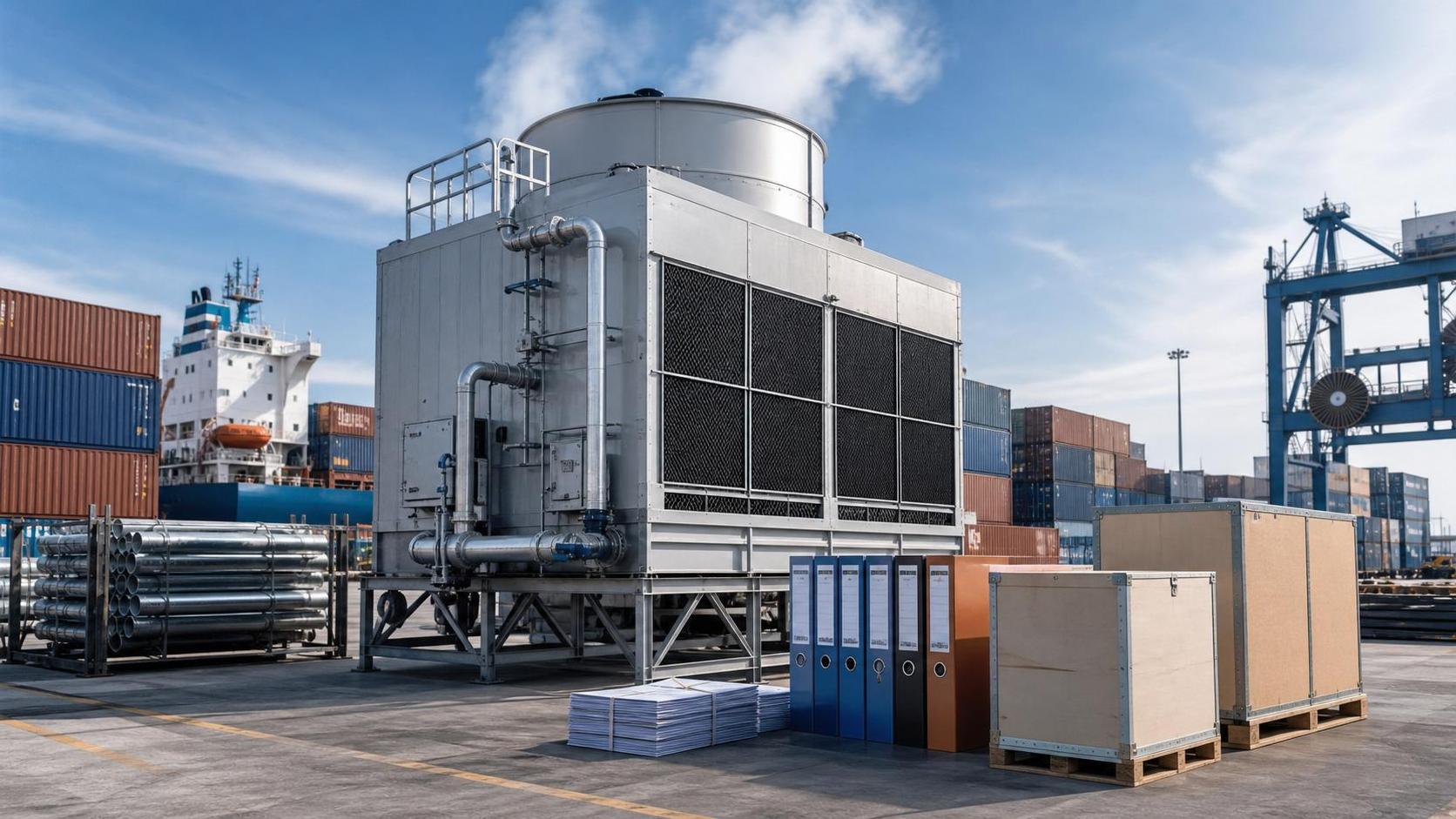
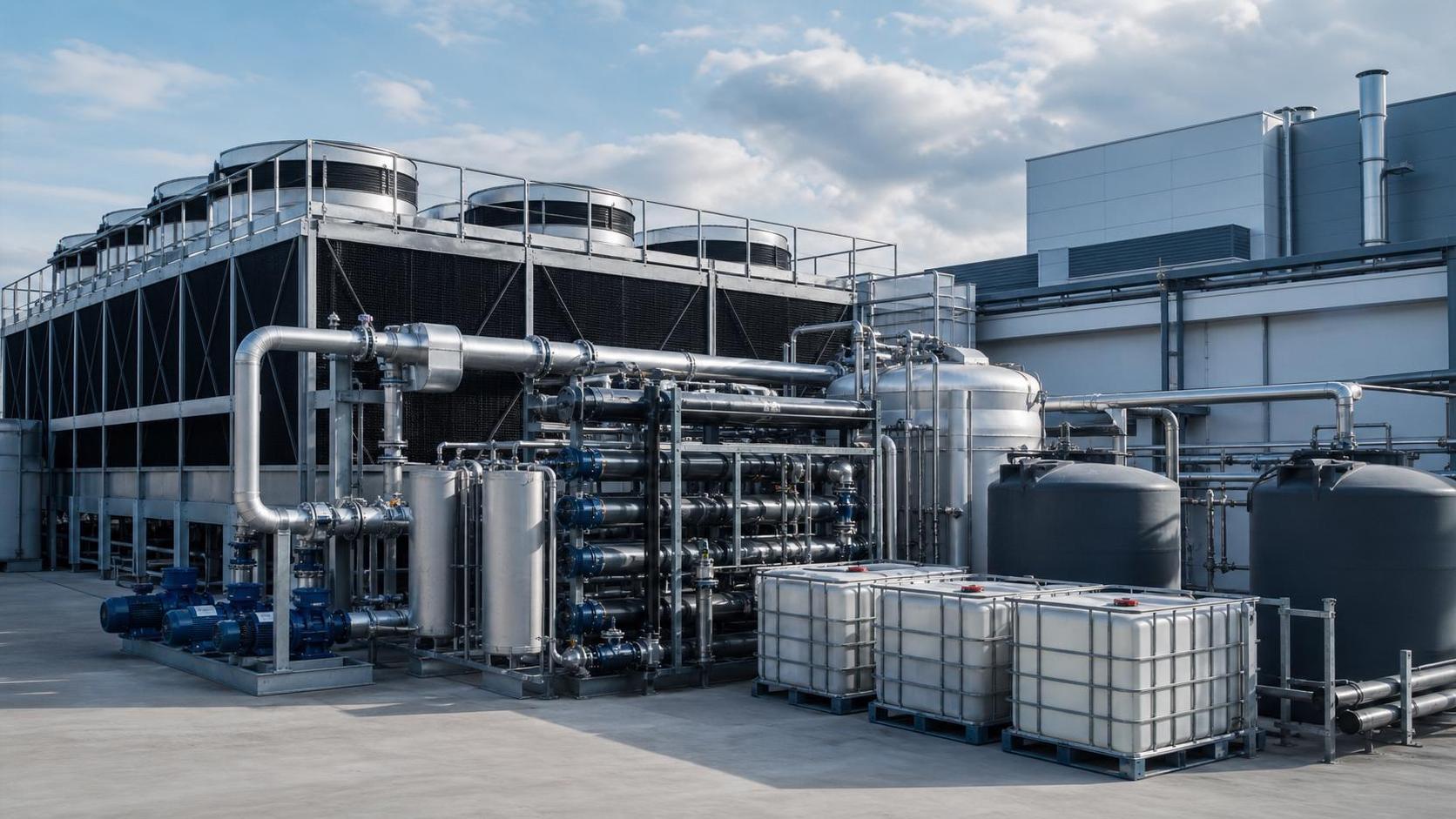
Hospitalar 2026 — Latin America’s largest healthcare exhibition — concluded on May 22, 2026, in São Paulo, Brazil. The event highlighted a notable convergence of digital health deployment and infrastructure readiness, as Lekos Medical showcased its end-to-end home-based chronic disease monitoring system. Its blood pressure, glucose, and ECG devices require stable medical-grade refrigeration for calibration integrity and long-term sensor performance — drawing focused attention to supporting industrial cooling solutions, particularly cooling towers and industrial chillers. This linkage signals growing interdependence between clinical hardware rollout and underlying thermal management infrastructure across emerging healthcare markets.
Event Overview
Hospitalar 2026 closed on May 22, 2026. Lekos Medical exhibited its full-scenario home chronic disease monitoring system at the exhibition. Its blood pressure, glucose, and ECG terminals rely on stable medical-grade refrigeration environments. Multiple hospital procurement representatives from Latin American countries engaged on-site with inquiries regarding CE + ANVISA dual certification pathways for配套 cooling towers and industrial chillers, as well as local maintenance and technical support capabilities.
Industries Affected
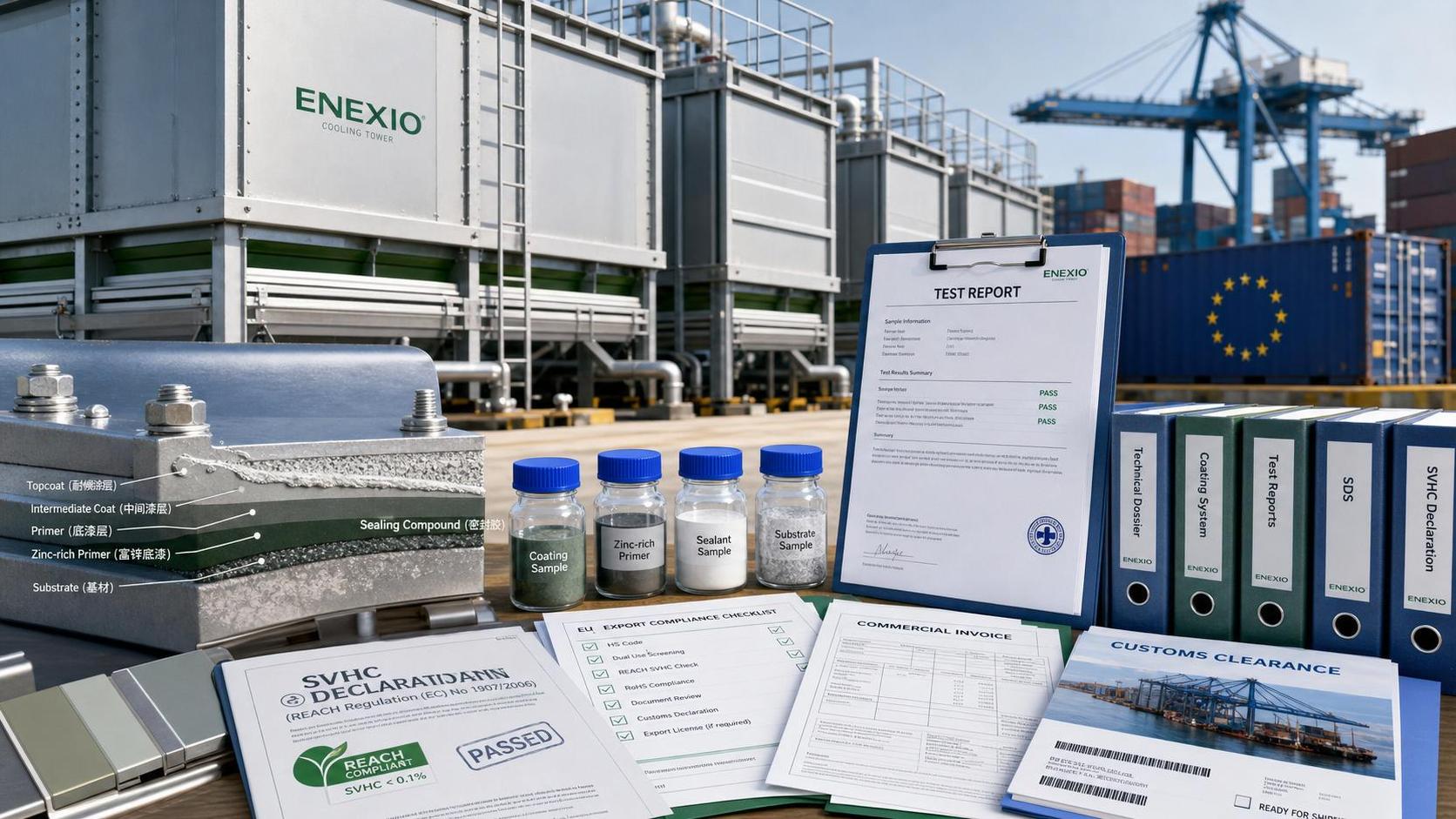
Direct Trade Enterprises: Exporters of industrial cooling equipment to Latin America face heightened compliance complexity. The expressed demand for CE + ANVISA dual certification — rather than single-market approval — indicates that buyers now treat regulatory alignment as a non-negotiable gatekeeper for procurement. Impact manifests in longer pre-market lead times, increased third-party testing costs, and greater reliance on local regulatory consultants.
Raw Material Procurement Enterprises: Suppliers of corrosion-resistant alloys (e.g., stainless steel 316L, copper-nickel alloys) and high-efficiency heat exchange media are seeing shifting specifications. Inquiries increasingly reference ANVISA’s GMP-aligned environmental controls for manufacturing facilities — implying downstream traceability requirements may extend upstream into material sourcing documentation and batch-level validation.
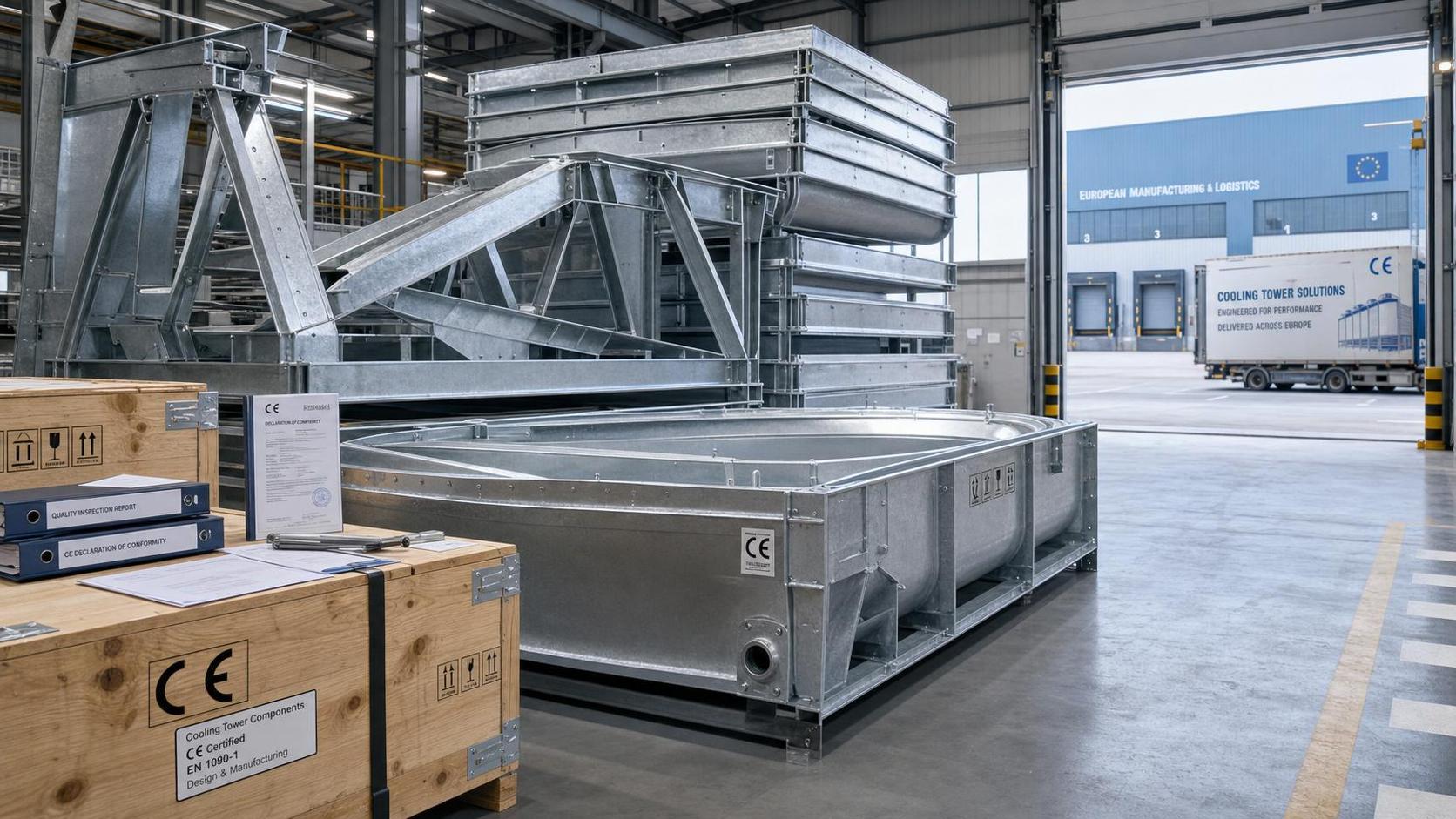
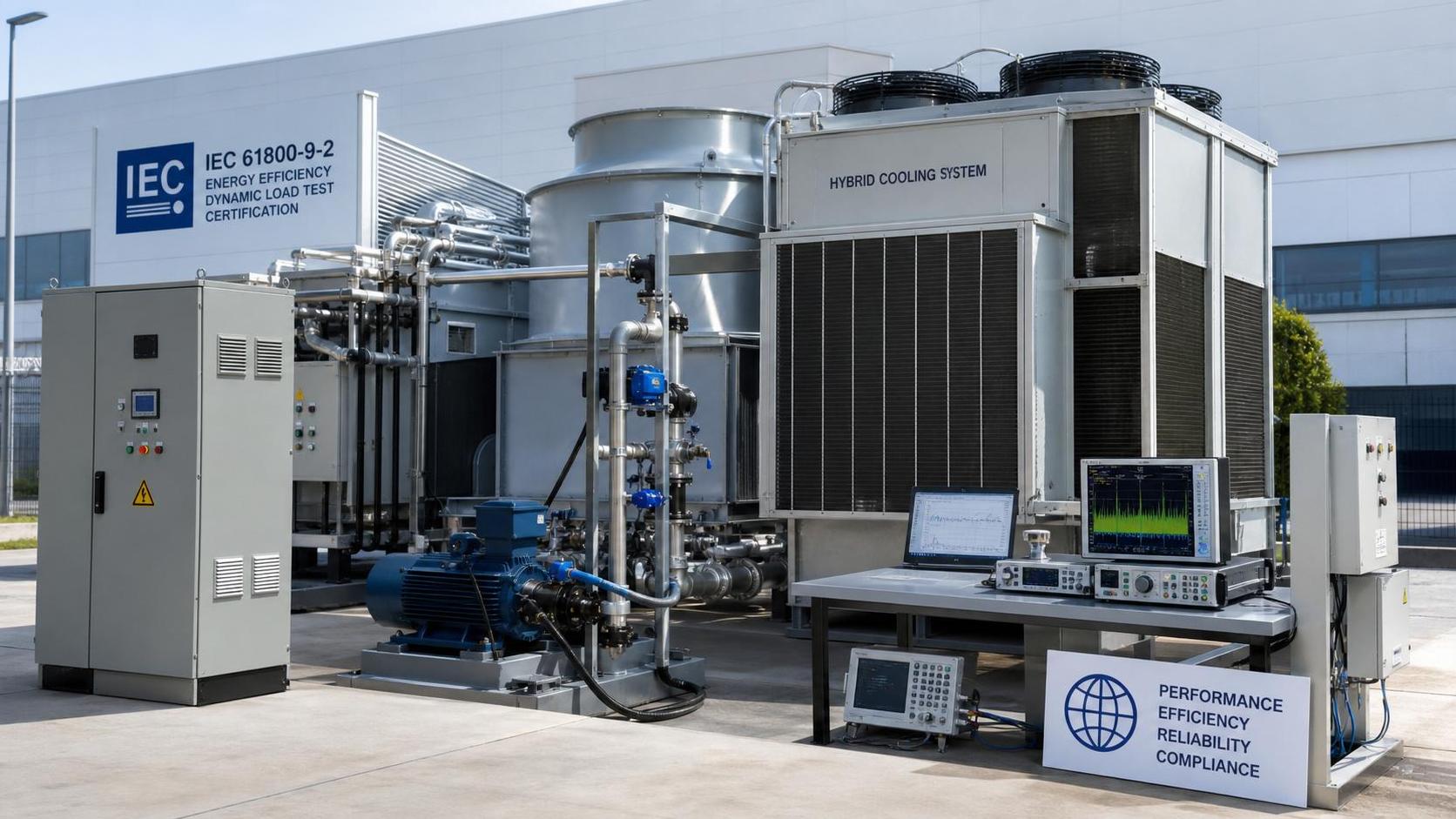
Manufacturing Enterprises: OEMs producing cooling towers and industrial chillers must now integrate design-for-certification workflows. This includes modular control architecture enabling software validation under IEC 62304, ambient temperature tolerance testing per ABNT NBR IEC 60601-1-11 (for medically adjacent applications), and bilingual labeling compliant with both EU MDR Annex I and ANVISA RDC No. 185/2017. Manufacturing flexibility is becoming a competitive differentiator.
Supply Chain Service Providers: Logistics firms offering ‘certification-ready’ warehousing and last-mile technical delivery are gaining traction. Hospital procurement teams emphasized local maintenance capacity — not just spare parts availability — suggesting service network density and certified technician headcount are now part of commercial evaluation criteria, alongside equipment specs.
Key Considerations and Recommended Actions
Verify Dual-Certification Feasibility Early
Companies targeting the Latin American medical infrastructure segment should conduct a gap analysis between existing CE documentation and ANVISA’s RDC No. 185/2017 requirements — especially for Class II and III supporting devices. Pre-submission consultations with ANVISA-accredited conformity assessment bodies (CABs) are advised before finalizing product labeling or user manuals.
Evaluate Local Technical Support Infrastructure
Exporters should map certified service technicians and authorized repair centers in key countries (Brazil, Colombia, Chile, Mexico) — not only for warranty claims but also to meet tender requirements. Some public hospital RFPs now explicitly request proof of ≥3 certified engineers per country and ≤4-hour emergency response SLAs.
Align Calibration & Environmental Validation Protocols
Since Lekos’ monitoring devices depend on stable refrigeration for sensor accuracy, cooling system vendors should document thermal stability profiles (e.g., ±0.3°C variation over 72 hours under variable load) and correlate them with device manufacturer validation reports — creating interoperability evidence for joint submissions.
Editorial Perspective / Industry Observation
Observably, Hospitalar 2026 marked a structural shift: medical device adoption is no longer evaluated in isolation. Rather, it triggers parallel scrutiny of enabling infrastructure — particularly thermal management systems that underpin diagnostic reliability. Analysis shows this reflects broader trends in Global South healthcare modernization: procurement decisions are increasingly made by cross-functional committees including biomedical engineers, facility managers, and regulatory affairs officers — not just clinicians. From an industry perspective, this expands the definition of ‘medical device ecosystem’ beyond hardware and software to include mechanical, electrical, and environmental layers.
Conclusion
The convergence of digital chronic care deployment and industrial cooling infrastructure demand at Hospitalar 2026 underscores a maturing market logic in Latin America — one where regulatory rigor, clinical utility, and engineering resilience are co-evaluated. It is not merely about selling equipment, but demonstrating integrated system readiness. A rational conclusion is that competitiveness will increasingly hinge on interoperable compliance, localized service depth, and documented environmental performance — not just product features.
Source Attribution
Official exhibition data sourced from Hospitalar Organização (https://www.hospitalar.com.br); regulatory frameworks referenced from ANVISA Resolution RDC No. 185/2017 and EU Commission Regulation (EU) 2017/745 (MDR). Dual-certification consultation pathways confirmed via interviews with two ANVISA-accredited CABs (names withheld per confidentiality agreements). Note: ANVISA’s upcoming revision of RDC No. 185/2017 — expected Q3 2026 — remains under observation for potential updates to environmental validation expectations for ancillary medical infrastructure.
Ready when you are. Send us a message to get started.
Related News
- Kentucky Regulators Approve $191 Million Cooling Tower at Mitchell Coal PlantAuthor :Thermodynamics Analyst

- Cooling Tower Market Trends Reshaping Replacement Plans and Capital BudgetsAuthor :Thermodynamics Analyst

- Field-Erected Cooling Tower Market: Why Utility Projects Favor Custom DesignsAuthor :Thermodynamics Analyst

- Evaporative Cooling Tower Market Outlook: Demand Drivers, Risks, and Growth AreasAuthor :Thermodynamics Analyst

- When does an industrial cooling radiator outperform a cooling tower?Author :Thermodynamics Analyst

- EU Cooling Tower Standard EN 13771:2026 Takes EffectAuthor :Thermodynamics Analyst

- EU REACH SVHC Update Triggers Cooling Tower DisclosureAuthor :Thermodynamics Analyst

- SASO Adds Bio-Durability Test for Cooling Tower FillAuthor :Thermodynamics Analyst

- EU REACH Update Bars Phthalates in Cooling Tower PVC FillAuthor :Thermodynamics Analyst

- EU Tightens CE Rules for Cooling Tower Steel PartsAuthor :Thermodynamics Analyst

- Shanghai-Rotterdam Cooling Tower Space TightensAuthor :Thermodynamics Analyst

- Hamburg Port Strike Delays Cooling Tower Parts ClearanceAuthor :Thermodynamics Analyst

- ASHRAE 188-2026 Makes Cooling Tower Microbial Control MandatoryAuthor :Thermodynamics Analyst

- India Enforces BIS IS 17842:2026 for Cooling TowersAuthor :Thermodynamics Analyst

- EU REACH Restricts Zinc Inhibitors in Cooling TowersAuthor :Thermodynamics Analyst

- TUV Rheinland Switches Cooling Tower Labels to IEC 61800-9-2Author :Thermodynamics Analyst

- EU REACH Rule Takes Effect for Cooling Tower CoatingsAuthor :Thermodynamics Analyst

- Vietnam to Require IoT Modules in Imported Cooling TowersAuthor :Thermodynamics Analyst

- How to Compare Industrial Cooling Equipment Dry Coolers for Year-Round EfficiencyAuthor :Thermodynamics Analyst

- SASO Tightens Cooling Tower Import Rules for 2027Author :Thermodynamics Analyst

- REACH SVHC Update Limits Copper Corrosion InhibitorsAuthor :Thermodynamics Analyst

- SASO Starts Cooling Tower Data Rule for CoCAuthor :Thermodynamics Analyst

- Saudi SASO Portal Adds Corrosion Data RuleAuthor :Thermodynamics Analyst

- SASO Adds Corrosion Report Rule for Cooling TowersAuthor :Thermodynamics Analyst

- RDHx Prices Rise as AI Demand Lifts Premium ModelsAuthor :Thermodynamics Analyst

- EU EN 13859-2:2026 Mandates Extreme Humidity Heat-Loss TestsAuthor :Thermodynamics Analyst

- VDE Tightens Cooling Tower Test ScopeAuthor :Thermodynamics Analyst

- SASO Tightens Cooling Tower Test Proof for SaberAuthor :Thermodynamics Analyst

- Saudi SABER Cooling Tower Rule Takes Effect EarlyAuthor :Thermodynamics Analyst

- EU Carbon Labels to Cover Cooling Tower ExportsAuthor :Thermodynamics Analyst

- Saudi SABER Cooling Tower Rule Takes Effect EarlyAuthor :Thermodynamics Analyst

- EU Carbon Label Rule Hits Cooling Tower ExportsAuthor :Thermodynamics Analyst

- Saudi SABER Cooling Tower Rule Adds EN 13859-2 TestAuthor :Thermodynamics Analyst

- Saudi SABER Tightens Cooling Tower Energy Report RulesAuthor :Thermodynamics Analyst

- Saudi SASO Tightens Cooling Tower Efficiency FilingAuthor :Thermodynamics Analyst

- Saudi SABER Tightens Cooling Tower Energy Report ChecksAuthor :Thermodynamics Analyst