GSTC Summit Focuses on Tourist Carrying Capacity; Cooling Towers Gain Traction in文旅 Projects




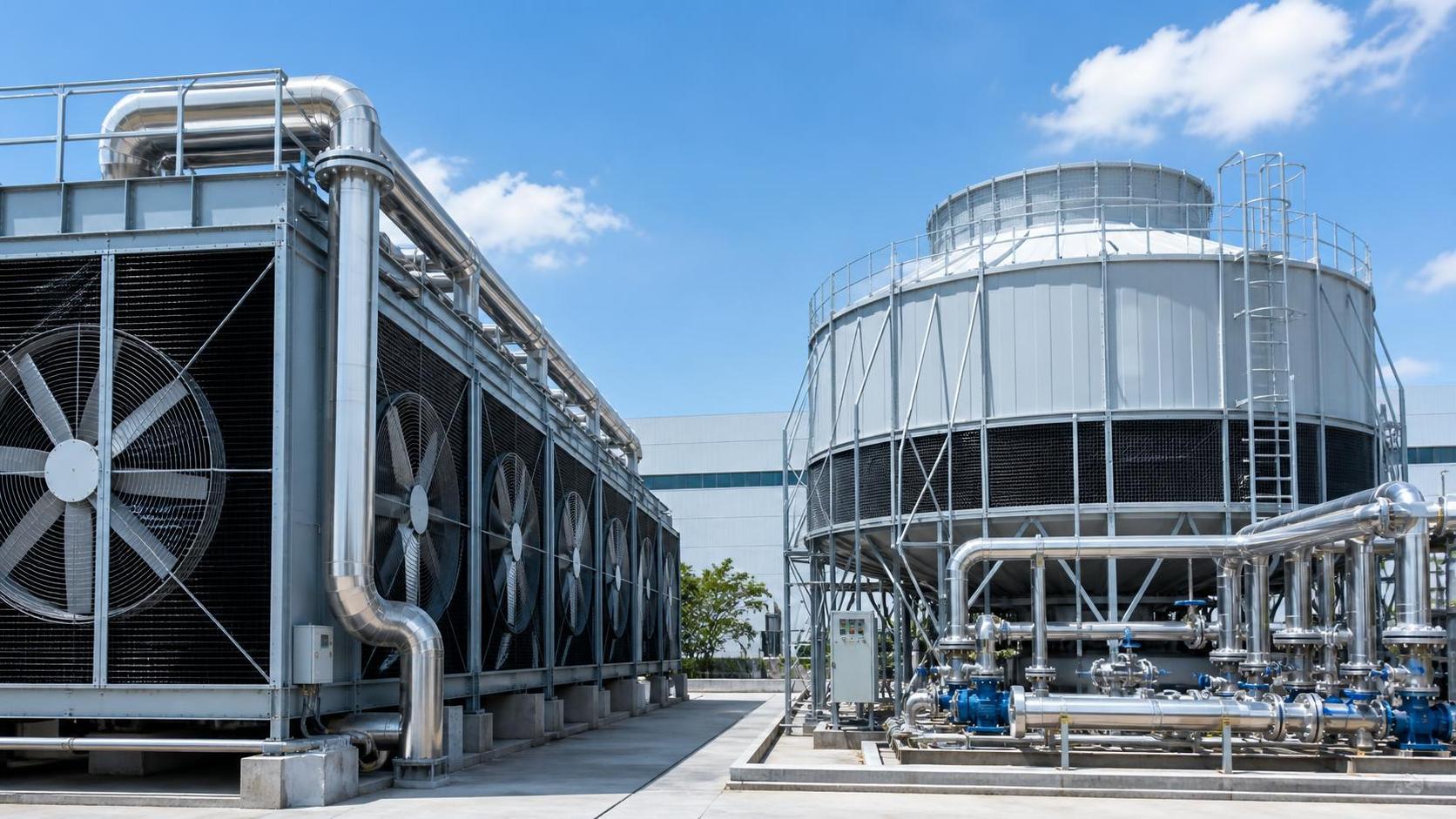
From April 21–24, 2026, the Global Sustainable Tourism Council (GSTC) Annual Summit took place in Phuket, with ‘carrying capacity and visitor distribution management’ as its central theme. The event signals growing regulatory and operational pressure on cooling infrastructure within tourism developments — particularly in high-demand destinations such as Thailand, Indonesia, and Greece. Stakeholders across sustainable hospitality, HVAC equipment supply, and resort project delivery should closely monitor evolving noise and efficiency requirements for cooling towers.
Event Overview
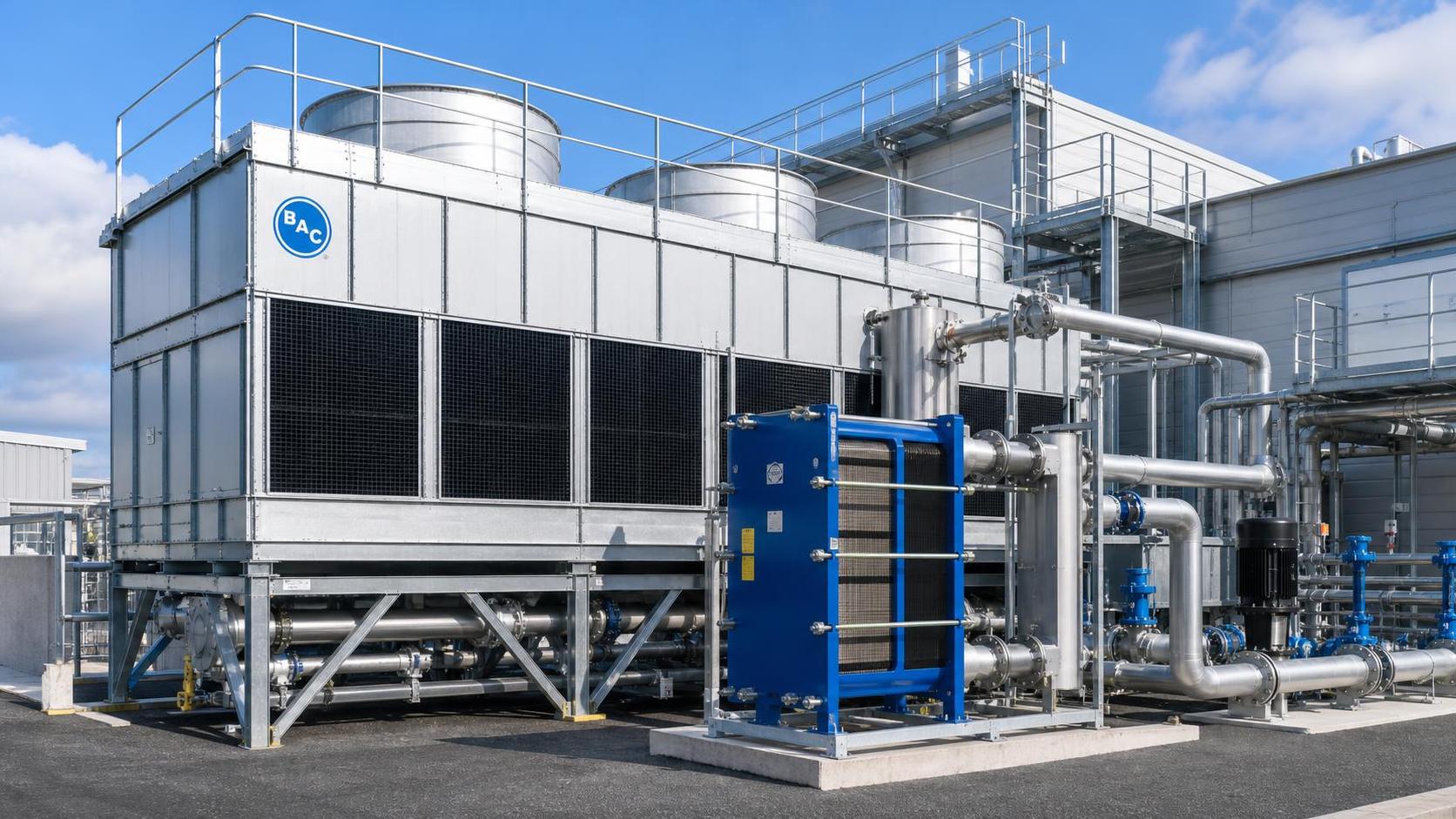
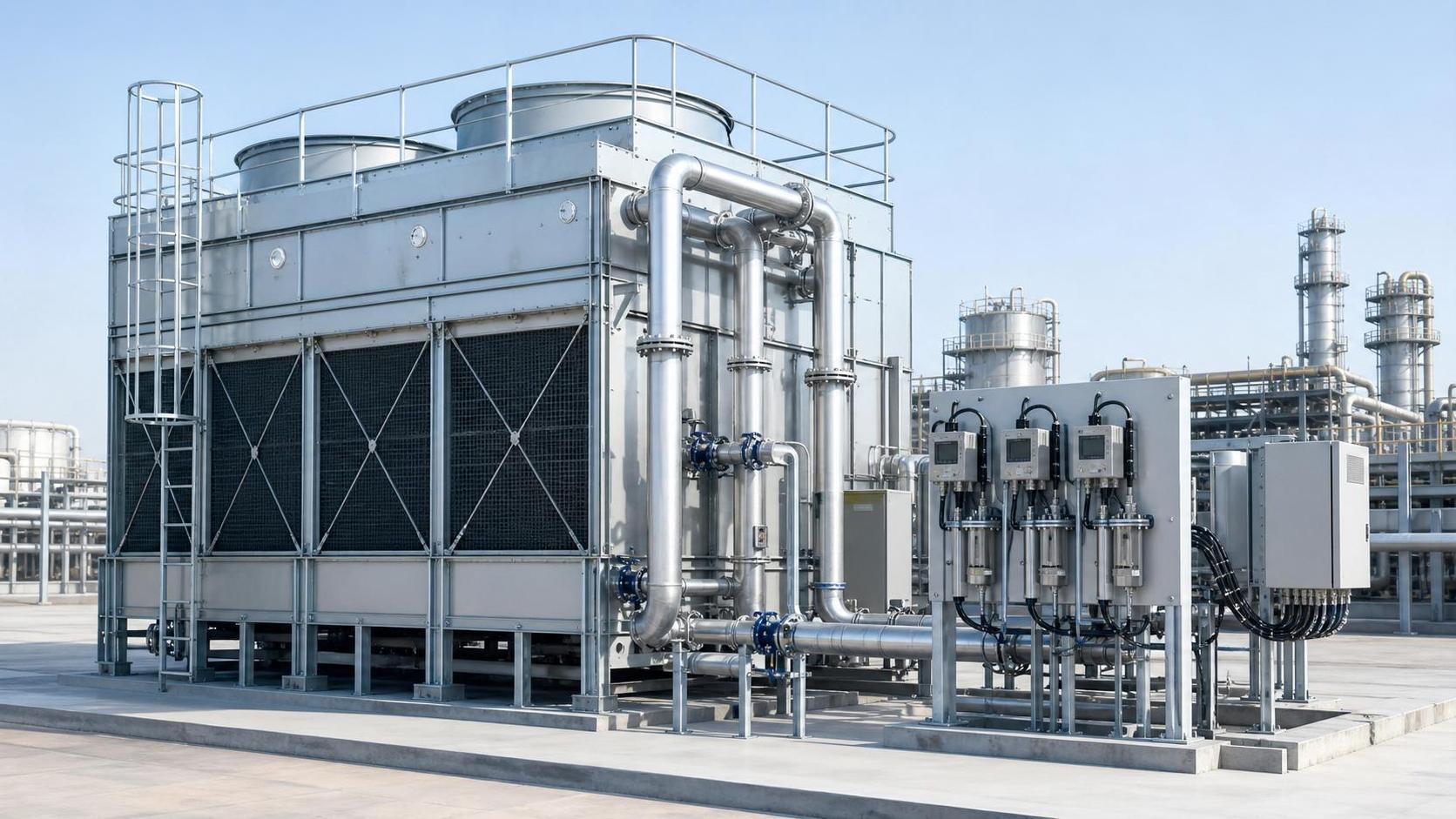
The GSTC Summit was held in Phuket from April 21 to 24, 2026. During the summit, it was disclosed that Thailand, Indonesia, and Greece are mandating new resort cooling systems to comply with ISO 5136:2025 (maximum sound pressure level ≤55 dB at 1 meter) and an annual integrated energy efficiency ratio (IEER) of ≥4.2. Chinese cooling tower manufacturers have secured contracts for three five-star resort expansion projects in Bali, deploying modular low-noise towers with AI-driven variable-frequency control. Delivery timelines for these projects have been compressed to 10 weeks.
Which Sub-Sectors Are Affected
HVAC Equipment Manufacturers
Manufacturers producing cooling towers — especially those supplying international resort developers — face tightening technical specifications. Compliance with ISO 5136:2025 and IEER ≥4.2 is no longer optional for new builds in key leisure markets. This affects product design cycles, certification timelines, and testing protocols.
Resort Development & EPC Contractors
Contractors managing integrated resort construction must now incorporate certified low-noise, high-efficiency cooling solutions early in design and procurement phases. Delays or non-compliance may trigger rework, permitting setbacks, or penalties under sustainability-linked financing terms.
Supply Chain & Logistics Providers
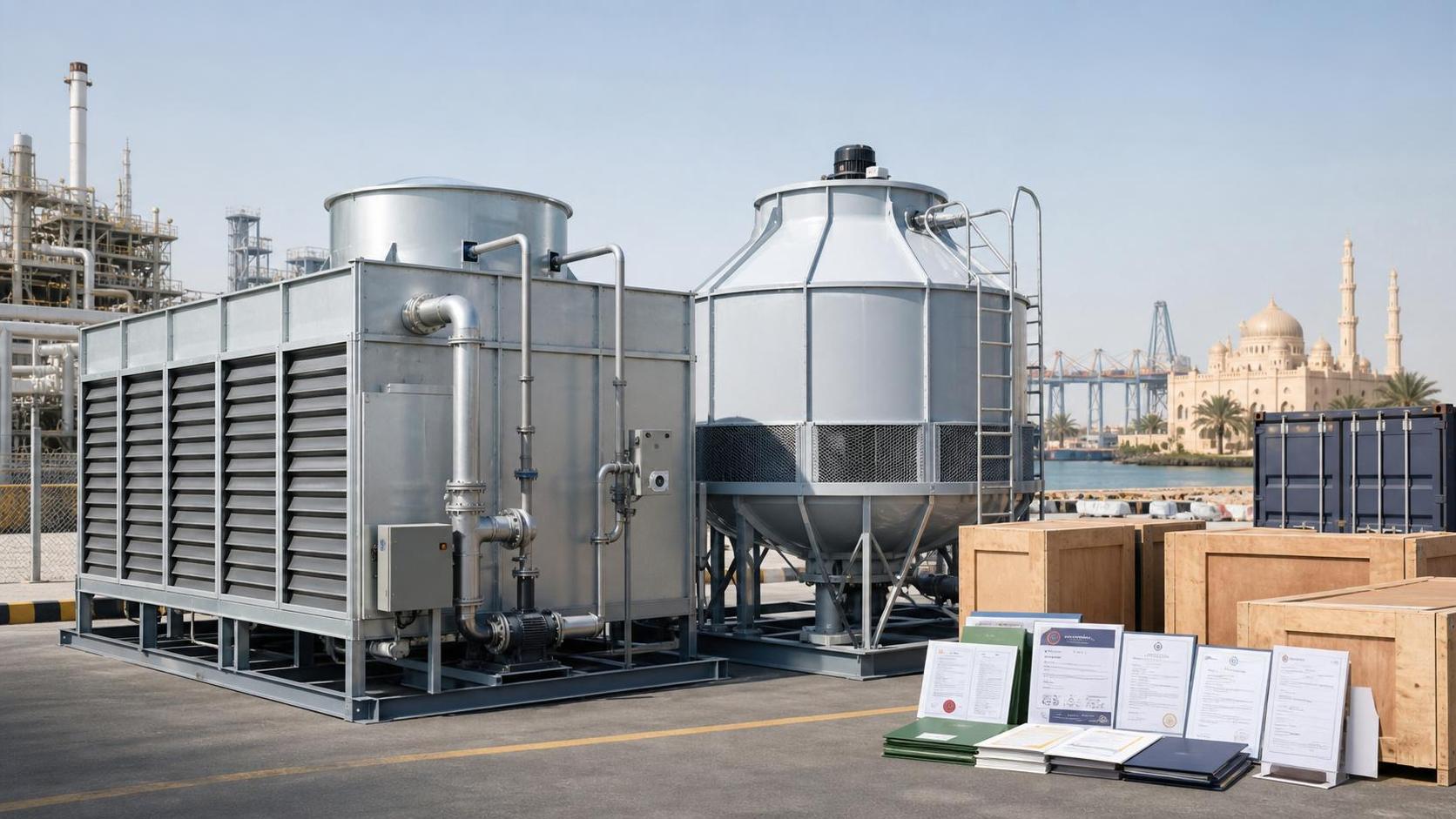
Providers supporting cross-border delivery of HVAC modules — especially those handling time-sensitive, pre-certified components — are impacted by compressed 10-week delivery windows. This places greater emphasis on documentation traceability, customs pre-clearance readiness, and just-in-time staging coordination.
What Relevant Companies or Practitioners Should Monitor and Do Now
Track national implementation guidance for ISO 5136:2025 and IEER metrics
While the GSTC Summit highlighted enforcement intentions, formal regulatory adoption varies by country. Companies should monitor official publications from Thai DOPA, Indonesian Ministry of Tourism and Creative Economy, and Greek Ministry of Tourism for binding timelines and compliance verification procedures — not just summit statements.
Prioritize certification readiness for noise and IEER performance in target markets
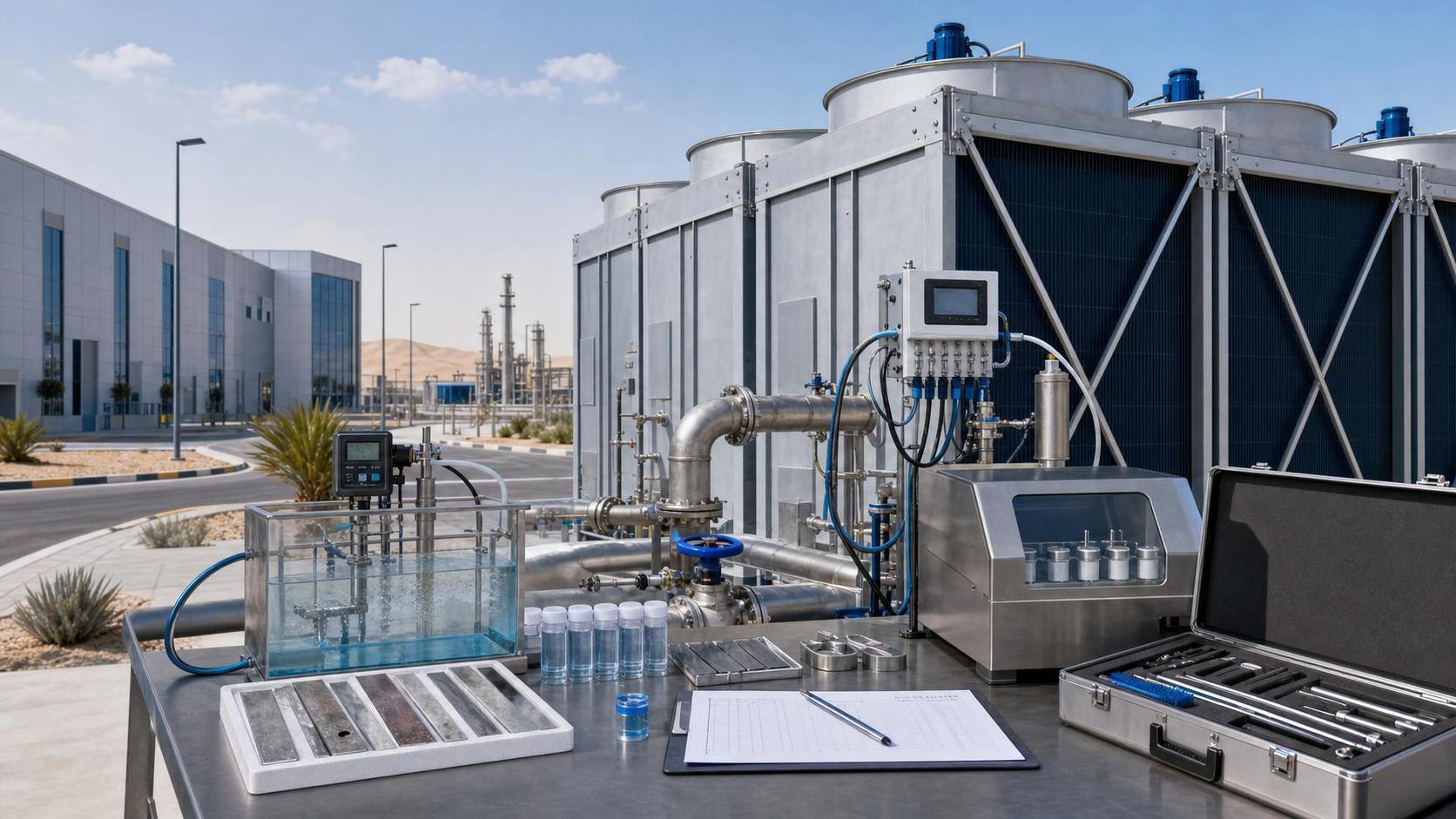
Testing and third-party certification against ISO 5136:2025 and IEER ≥4.2 must be completed before tender submission in Bali, Phuket, or Santorini-based projects. Pre-emptive lab validation — especially for modular configurations — reduces bid risk and accelerates approval cycles.
Distinguish between policy signaling and contractual enforceability
The GSTC Summit reflects industry consensus, not legislative authority. Its influence flows through green financing covenants, resort operator sustainability standards (e.g., Green Key, EarthCheck), and local planning codes — not direct statutory mandates. Businesses should map which enforcement levers apply to their specific project type and jurisdiction.
Prepare for accelerated procurement and logistics sequencing
The reported 10-week delivery window for Bali projects implies tighter integration between engineering, manufacturing, and site commissioning. Suppliers should review lead-time buffers, pre-assembled module inventory levels, and regional staging hubs to avoid bottlenecks when responding to similar RFPs.
Editorial Perspective / Industry Observation
Observably, this GSTC Summit outcome functions primarily as a policy signal — consolidating emerging expectations rather than announcing new law. Analysis shows that noise and efficiency thresholds are being embedded into procurement criteria by major resort operators and sustainability-certified developers, especially in post-pandemic regeneration zones. From an industry perspective, it is less about immediate regulatory change and more about the acceleration of technical due diligence in tourism infrastructure tenders. Current relevance lies in how quickly standards migrate from voluntary frameworks (e.g., GSTC Criteria) into binding contract clauses and green loan conditions — a process already visible in Southeast Asian and Mediterranean resort pipelines.
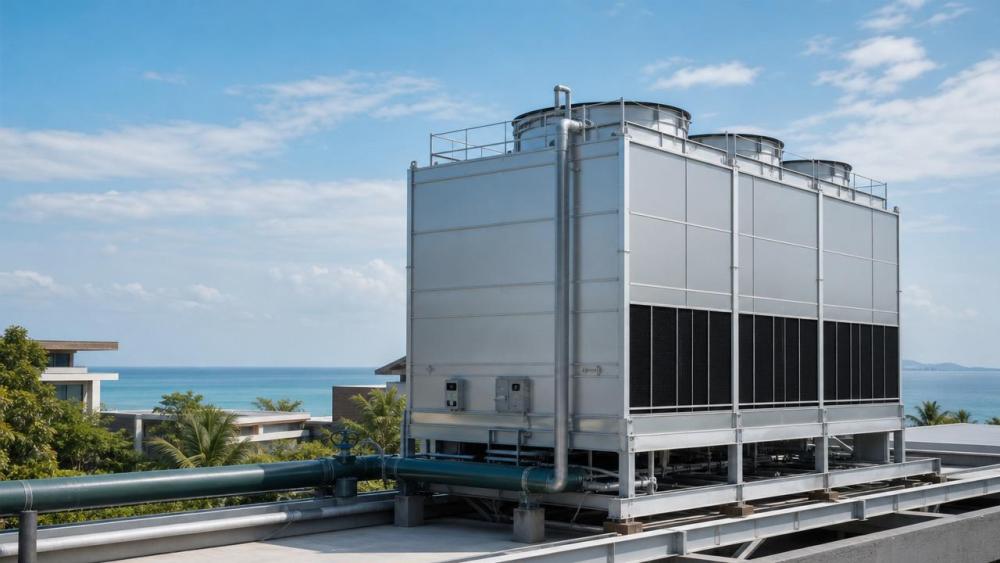
Conclusion: This development underscores a structural shift — environmental performance of mechanical systems is now a core dimension of destination-level carrying capacity management. It does not yet represent universal regulation, but rather a converging set of technical benchmarks gaining traction across high-value tourism markets. Practitioners are better served treating it as an operational readiness benchmark than a distant compliance horizon.
Source: Global Sustainable Tourism Council (GSTC) Annual Summit 2026 official disclosures, April 21–24, Phuket. Note: Implementation timelines and enforcement mechanisms for ISO 5136:2025 and IEER ≥4.2 remain subject to national regulatory updates and are under ongoing observation.
Ready when you are. Send us a message to get started.
Related News
- Kentucky Regulators Approve $191 Million Cooling Tower at Mitchell Coal PlantAuthor :Thermodynamics Analyst

- Cooling Tower Market Trends Reshaping Replacement Plans and Capital BudgetsAuthor :Thermodynamics Analyst

- Field-Erected Cooling Tower Market: Why Utility Projects Favor Custom DesignsAuthor :Thermodynamics Analyst

- Evaporative Cooling Tower Market Outlook: Demand Drivers, Risks, and Growth AreasAuthor :Thermodynamics Analyst

- When does an industrial cooling radiator outperform a cooling tower?Author :Thermodynamics Analyst

- EU Cooling Tower Standard EN 13771:2026 Takes EffectAuthor :Thermodynamics Analyst

- EU REACH SVHC Update Triggers Cooling Tower DisclosureAuthor :Thermodynamics Analyst

- SASO Adds Bio-Durability Test for Cooling Tower FillAuthor :Thermodynamics Analyst

- EU REACH Update Bars Phthalates in Cooling Tower PVC FillAuthor :Thermodynamics Analyst

- EU Tightens CE Rules for Cooling Tower Steel PartsAuthor :Thermodynamics Analyst

- Shanghai-Rotterdam Cooling Tower Space TightensAuthor :Thermodynamics Analyst

- Hamburg Port Strike Delays Cooling Tower Parts ClearanceAuthor :Thermodynamics Analyst

- ASHRAE 188-2026 Makes Cooling Tower Microbial Control MandatoryAuthor :Thermodynamics Analyst

- India Enforces BIS IS 17842:2026 for Cooling TowersAuthor :Thermodynamics Analyst

- EU REACH Restricts Zinc Inhibitors in Cooling TowersAuthor :Thermodynamics Analyst

- TUV Rheinland Switches Cooling Tower Labels to IEC 61800-9-2Author :Thermodynamics Analyst

- EU REACH Rule Takes Effect for Cooling Tower CoatingsAuthor :Thermodynamics Analyst

- Vietnam to Require IoT Modules in Imported Cooling TowersAuthor :Thermodynamics Analyst

- How to Compare Industrial Cooling Equipment Dry Coolers for Year-Round EfficiencyAuthor :Thermodynamics Analyst

- SASO Tightens Cooling Tower Import Rules for 2027Author :Thermodynamics Analyst

- REACH SVHC Update Limits Copper Corrosion InhibitorsAuthor :Thermodynamics Analyst

- SASO Starts Cooling Tower Data Rule for CoCAuthor :Thermodynamics Analyst

- Saudi SASO Portal Adds Corrosion Data RuleAuthor :Thermodynamics Analyst

- SASO Adds Corrosion Report Rule for Cooling TowersAuthor :Thermodynamics Analyst

- RDHx Prices Rise as AI Demand Lifts Premium ModelsAuthor :Thermodynamics Analyst

- EU EN 13859-2:2026 Mandates Extreme Humidity Heat-Loss TestsAuthor :Thermodynamics Analyst

- VDE Tightens Cooling Tower Test ScopeAuthor :Thermodynamics Analyst

- SASO Tightens Cooling Tower Test Proof for SaberAuthor :Thermodynamics Analyst

- Saudi SABER Cooling Tower Rule Takes Effect EarlyAuthor :Thermodynamics Analyst

- EU Carbon Labels to Cover Cooling Tower ExportsAuthor :Thermodynamics Analyst

- Saudi SABER Cooling Tower Rule Takes Effect EarlyAuthor :Thermodynamics Analyst

- EU Carbon Label Rule Hits Cooling Tower ExportsAuthor :Thermodynamics Analyst

- Saudi SABER Cooling Tower Rule Adds EN 13859-2 TestAuthor :Thermodynamics Analyst

- Saudi SABER Tightens Cooling Tower Energy Report RulesAuthor :Thermodynamics Analyst

- Saudi SASO Tightens Cooling Tower Efficiency FilingAuthor :Thermodynamics Analyst

- Saudi SABER Tightens Cooling Tower Energy Report ChecksAuthor :Thermodynamics Analyst