



Industrial Cooling Systems: Common Failure Risks Before Peak Season




Before peak production season, industrial cooling systems often face hidden failure risks that can compromise product quality, plant safety, and operating continuity. For quality control and safety managers, identifying weak points early—from heat exchanger fouling to refrigerant instability and control malfunctions—is essential to preventing unplanned downtime, compliance issues, and costly process disruptions.
In many plants, these risks build gradually over 30 to 90 days, then surface when ambient temperature rises, process loads increase by 15% to 40%, or operating hours extend across multiple shifts. For teams responsible for quality assurance, environmental health and safety, and audit readiness, pre-season inspection of industrial cooling systems is not only a maintenance task but a control measure that protects process stability.
This article focuses on the most common failure points before peak season, how they affect production quality and plant safety, and what quality control and safety managers should check first. It also highlights practical decision factors relevant to sectors such as pharmaceuticals, semiconductors, food processing, chemicals, and other temperature-sensitive manufacturing environments observed by GTC-Matrix.
Why Peak Season Exposes Weaknesses in Industrial Cooling Systems
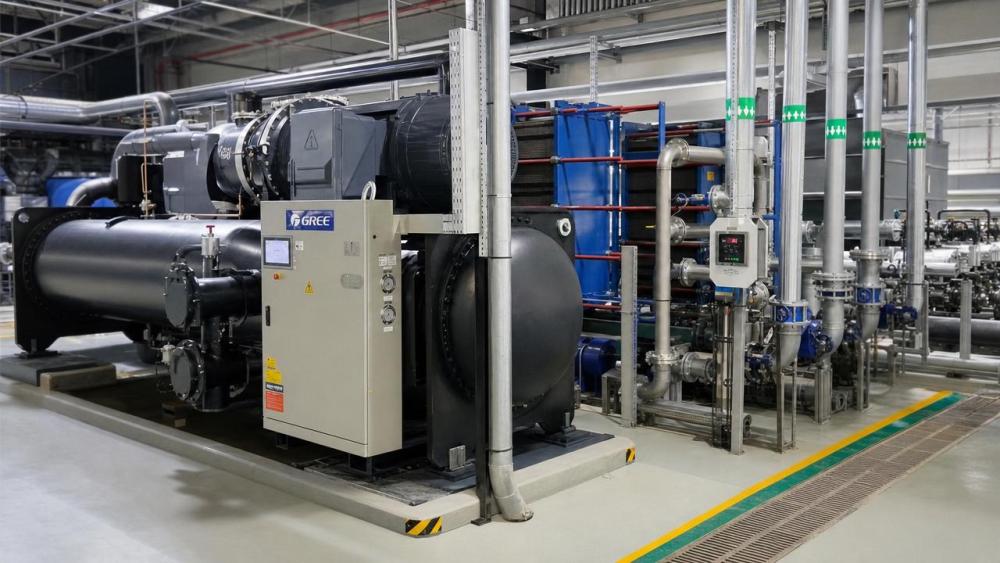
Peak season places industrial cooling systems under simultaneous thermal, mechanical, and control stress. A system that appears stable at 60% load may become unstable at 85% or 95% load, especially when condenser approach temperature rises, water quality deteriorates, or compressor cycling becomes more frequent.
For quality control teams, the most immediate impact is process drift. A chilled water loop that moves from a normal ±0.5°C control band to ±2°C can affect coating consistency, fermentation rates, injection molding dimensions, or cleanroom humidity performance. For safety managers, the concern extends to pressure excursions, refrigerant leaks, electrical overheating, and emergency shutdown events.
Common Stress Multipliers Before High-Demand Months
- Ambient temperature increase of 8°C to 15°C compared with cooler months
- Production throughput growth of 10% to 35%
- Longer run times, often 16 to 24 hours per day
- Deferred maintenance from the previous quarter
- Higher fouling rates in heat exchange surfaces and water loops
These multipliers explain why industrial cooling systems can fail even without a single catastrophic defect. In most facilities, performance loss is cumulative. A partially fouled heat exchanger, a drifting sensor, and unstable refrigerant charge may each appear minor, but together they reduce heat rejection margin and increase shutdown probability.
Early Warning Indicators That Should Not Be Ignored
Quality and safety managers should ask operations teams to track at least 6 indicators weekly during the 4 to 6 weeks before peak season. Typical warning signs include higher discharge pressure, increasing pump vibration, reduced flow rate, temperature overshoot, control alarm frequency, and abnormal compressor start-stop cycles.
A practical threshold is to investigate any cooling loop that shows more than 10% deviation from baseline energy draw, pressure differential, or outlet temperature under similar load. This type of trend review often reveals hidden efficiency loss before product quality failures appear on the line.
The Most Common Failure Risks Before Peak Season
The highest-risk issues in industrial cooling systems usually sit in four areas: heat transfer, refrigerant stability, control integrity, and mechanical reliability. Each one can create both process quality problems and safety exposure, particularly in regulated or high-purity production settings.
Heat Exchanger Fouling and Thermal Bottlenecks
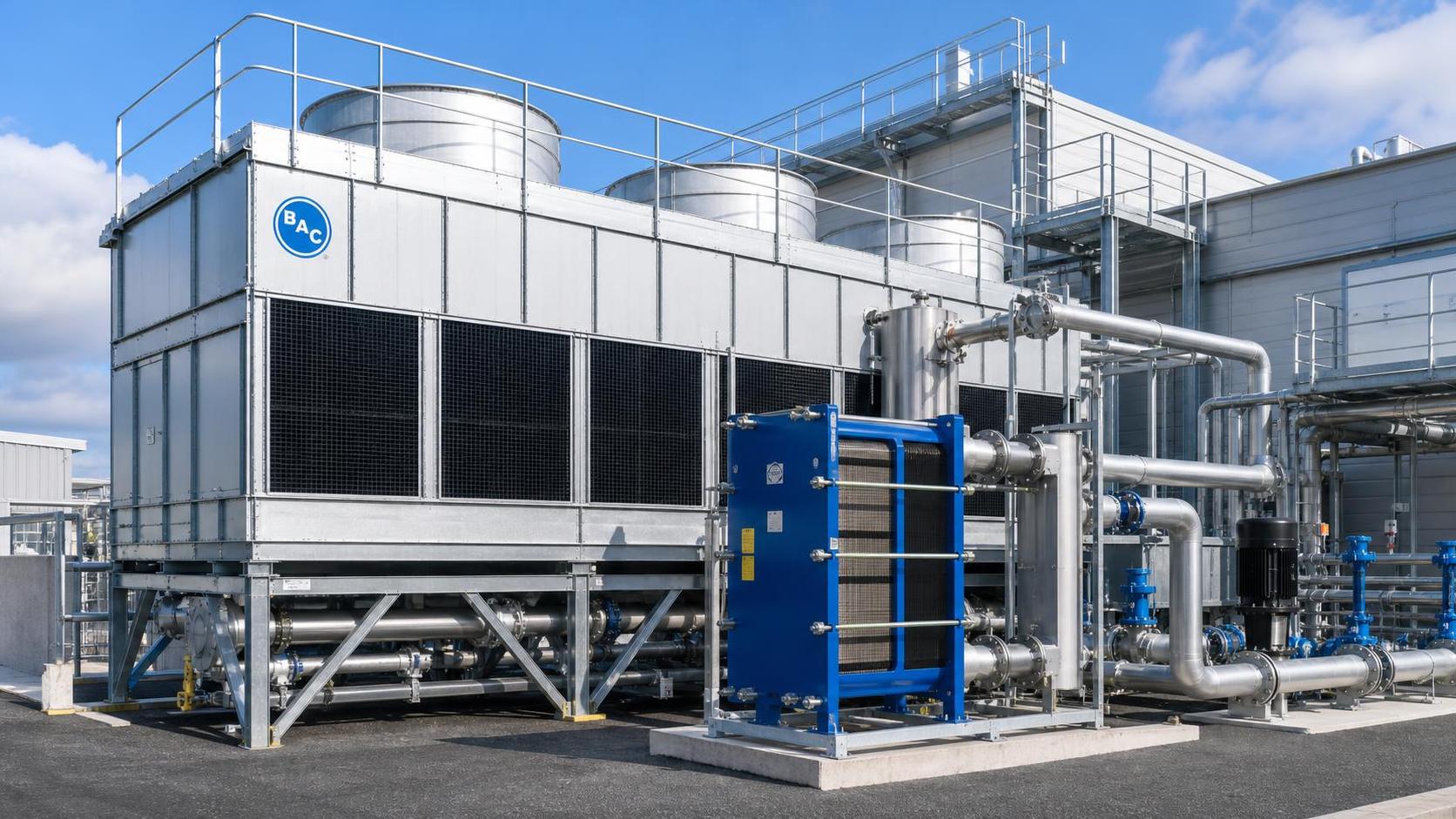
Fouling in plate heat exchangers, shell-and-tube units, microchannel coils, and cooling towers can reduce thermal efficiency by 5% to 20%, depending on water treatment discipline and particle load. Even a thin layer of scale or biofilm increases thermal resistance, forcing compressors and pumps to work harder to maintain setpoint.
For quality control, the result is often slower pull-down time, unstable process temperature, or uneven cooling across multiple zones. For safety teams, fouling can elevate condensing pressure and increase the risk of high-pressure trips or equipment overheating.
What to Check
- Approach temperature trend over the last 8 to 12 weeks
- Pressure drop across heat exchangers and filters
- Visible scale, corrosion, sludge, or biological growth
- Water conductivity, pH, and suspended solids condition
Refrigerant Charge Imbalance and Leak Exposure
Low charge, overcharge, non-condensables, and moisture contamination are common pre-season problems in industrial cooling systems. These conditions reduce cooling capacity and distort pressure-temperature relationships, making systems harder to diagnose under rising load.
A small refrigerant leak may not trigger immediate failure during mild weather, but under peak conditions it can drive suction instability, superheat abnormalities, and compressor stress. In enclosed or regulated environments, leak management also affects worker safety, environmental compliance, and reporting obligations.
Control System Drift and Sensor Errors
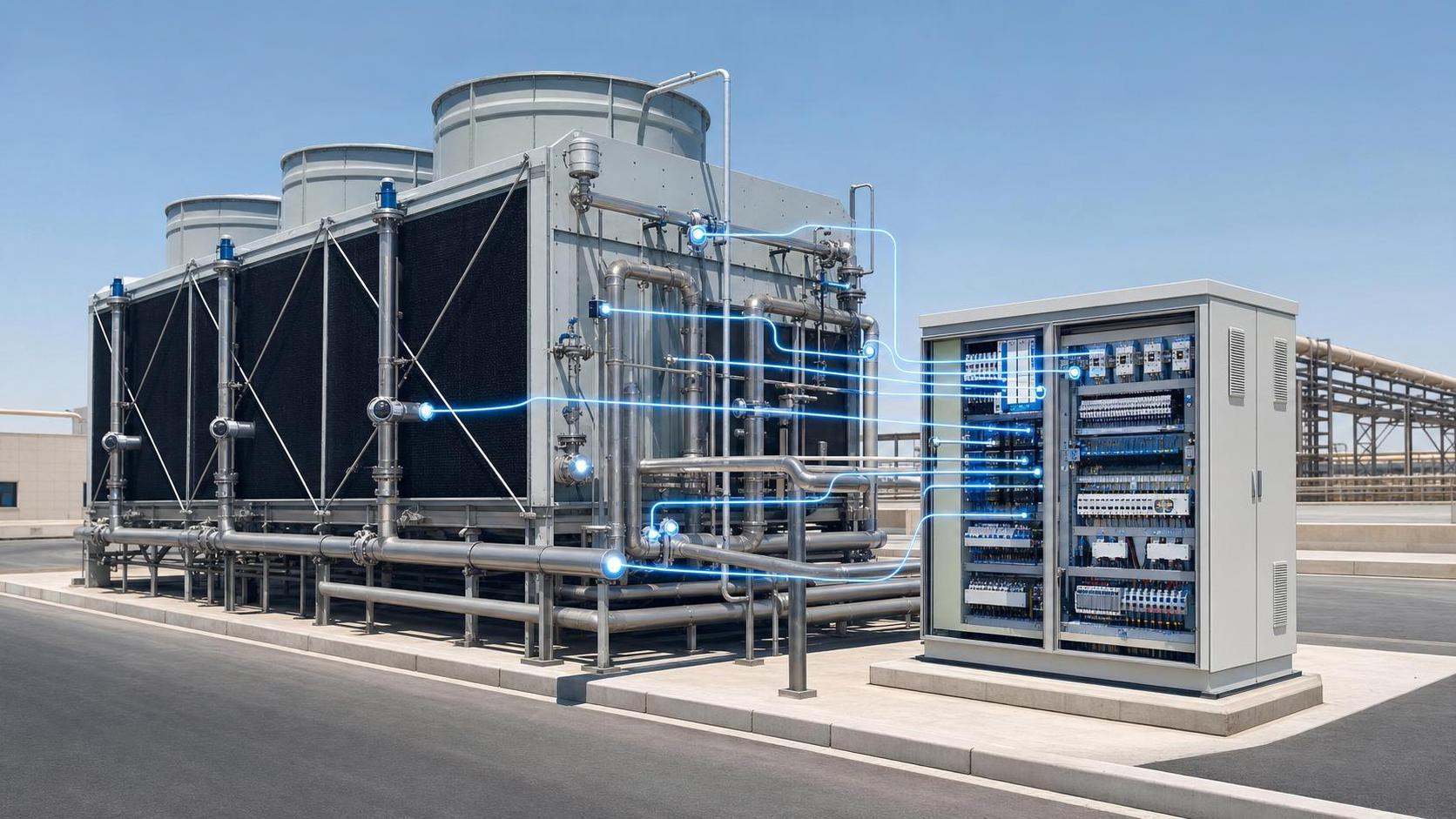
Cooling failures are not always mechanical. In many facilities, temperature probes drift by 0.8°C to 1.5°C over time, pressure transmitters lose calibration, or PLC control logic no longer matches current operating conditions. The result is false stability: operators believe the system is within range while the actual process is already outside specification.
This matters most where industrial cooling systems support validated production, clean utilities, or temperature-sensitive storage. If alarms are set too wide, delayed response can allow off-spec production for several batches before the deviation is detected.
Pump, Fan, and Compressor Reliability Issues
Mechanical wear often accelerates before summer because bearings, seals, belts, and couplings have already accumulated a full operating season. Vibration increases of 15% to 25%, motor current anomalies, or repeated soft-start faults should be treated as warning signals, not routine nuisance events.
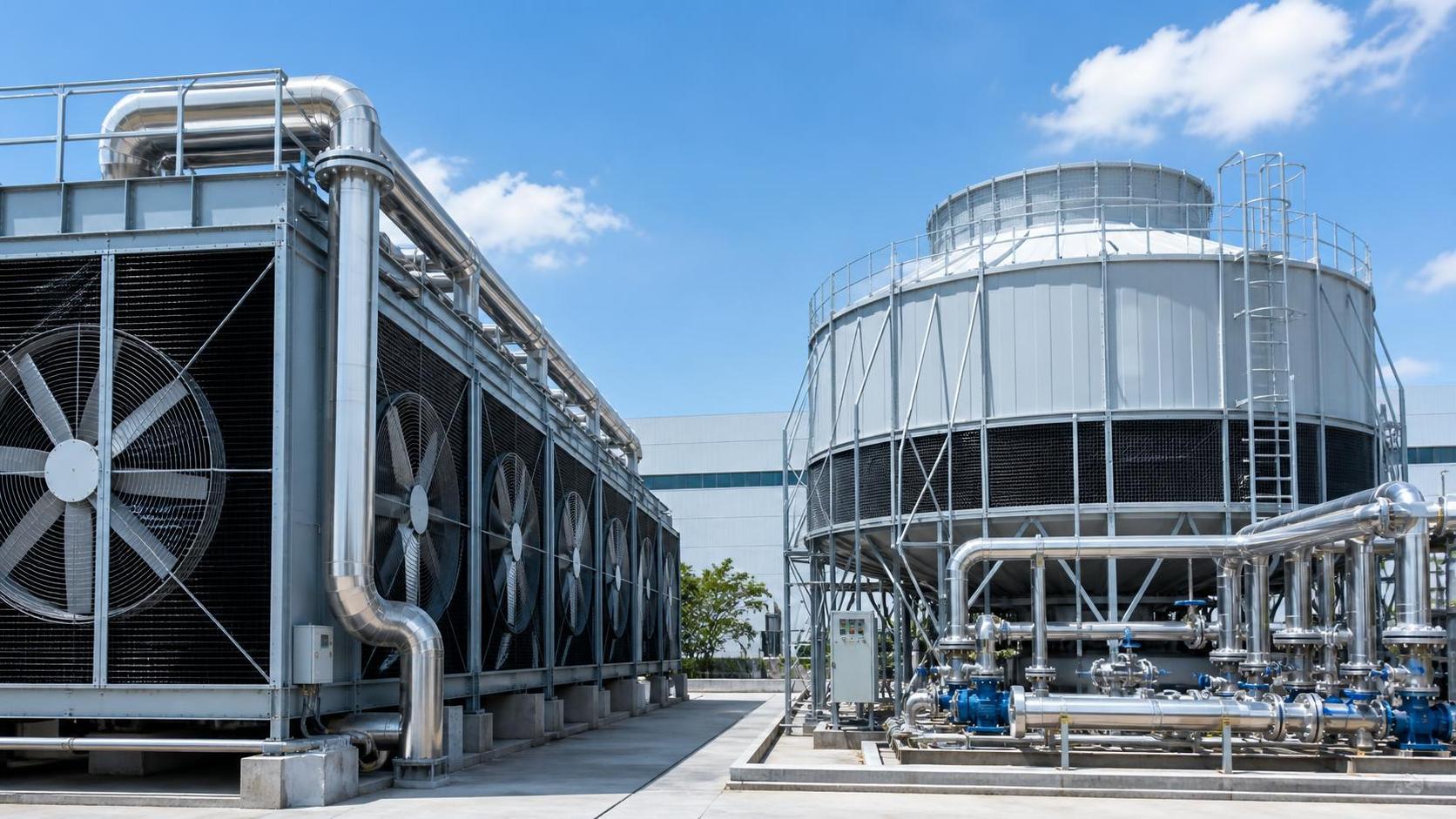
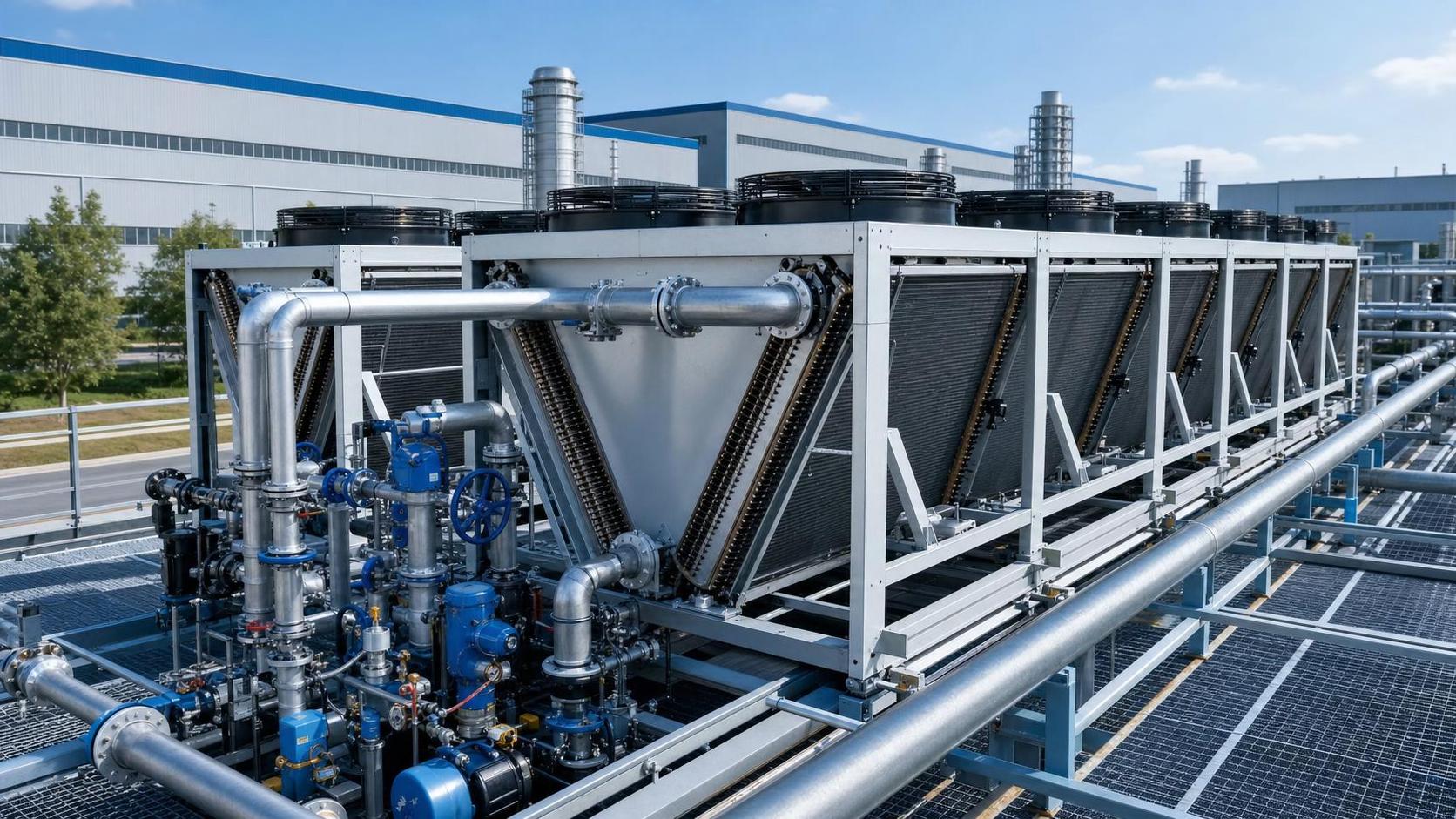
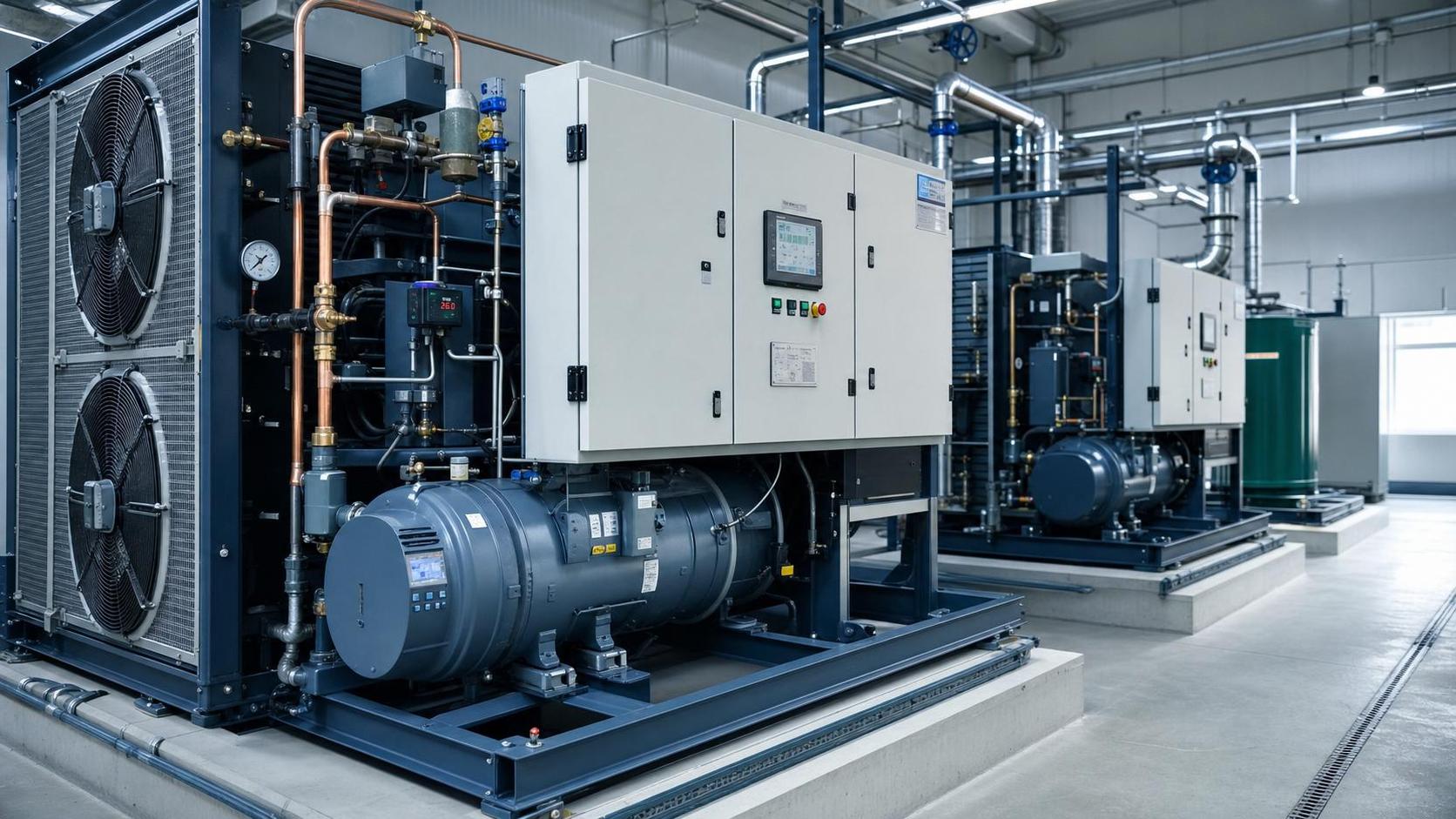
In cooling towers and air-cooled condensers, fan imbalance and blocked airflow can sharply reduce heat rejection. In chillers and compressor packages, poor lubrication, short cycling, and dirty oil circuits increase trip risk during high-load periods.
The table below helps quality and safety managers connect common failure modes with their likely operational effects and immediate inspection priorities.
The key takeaway is that industrial cooling systems rarely fail from one cause alone. A combined review of thermal performance, refrigerant condition, and controls gives a much better risk picture than a simple visual inspection.
A Practical Pre-Season Inspection Framework for Quality and Safety Managers
A useful pre-season framework divides industrial cooling systems inspection into 3 layers: process stability, equipment integrity, and compliance readiness. This helps quality teams focus on product risk while safety teams confirm protective controls and emergency preparedness.
Layer 1: Process Stability Checks
- Verify setpoint accuracy against independent measurement devices.
- Review the last 30 days of temperature, pressure, and alarm trend data.
- Test response time from load change to stabilized cooling condition.
- Confirm that critical process zones remain within required tolerance bands.
In high-precision applications, even a 1°C deviation can create batch inconsistency or downstream scrap. Quality teams should therefore compare utility data with product quality data, not treat them as separate records.
Layer 2: Equipment Integrity Checks
This layer focuses on the physical condition of chillers, condensers, evaporators, pumps, cooling towers, valves, insulation, and piping supports. Any sign of oil residue, corrosion, insulation breakdown, abnormal noise, or recurring manual reset should be escalated before peak loading begins.
A good practice is to define 6 inspection items for each major asset: heat transfer condition, vibration, electrical load, leakage, control response, and housekeeping. This creates a repeatable record that supports both maintenance planning and internal audits.
Layer 3: Safety and Compliance Readiness
For safety managers, industrial cooling systems should be checked against emergency shutdown logic, pressure relief condition, refrigerant detection where applicable, lockout-tagout procedures, and contractor access control. Facilities using ammonia or larger refrigerant charges should verify gas detection, ventilation, and incident response drills before seasonal demand increases.
Documentation matters as much as hardware. Calibration records, maintenance logs, water treatment reports, and corrective action closure should be current within the last 3 to 12 months depending on internal rules and process criticality.
The following checklist format can help cross-functional teams prioritize findings and schedule corrective action within a realistic shutdown window.
This checklist supports a balanced approach. It helps prevent both over-maintenance and under-response, which are common issues when industrial cooling systems are reviewed only after alarms appear.
Selection and Upgrade Decisions That Reduce Seasonal Risk
In some cases, recurring peak-season failures point to a design limitation rather than a maintenance gap. If industrial cooling systems repeatedly operate above 90% capacity, show chronic control drift, or require frequent emergency intervention, quality and safety managers should support a broader upgrade review.
When Maintenance Is Not Enough
Warning signs include repeated summer trips over 2 or more consecutive years, inability to maintain process temperature during high ambient conditions, and rising energy intensity despite normal service intervals. These patterns often indicate insufficient heat rejection area, obsolete controls, poor system redundancy, or mismatch between utility design and actual production demand.
Four Decision Factors for Procurement and Upgrade Planning
- Thermal capacity margin under peak ambient and full production load
- Control precision required by the process, such as ±0.5°C or tighter
- Maintenance accessibility and cleaning frequency across major components
- Safety and compliance fit, including refrigerant strategy and alarm integration
For industries with strict hygiene, purity, or documentation requirements, procurement decisions should also consider serviceability, traceable calibration support, spare parts lead times of 2 to 8 weeks, and the availability of remote monitoring or trend diagnostics.
The Value of Intelligence-Led Cooling Strategy
This is where market and technology intelligence becomes useful. GTC-Matrix tracks developments in industrial cooling, compressed air, vacuum processes, and heat exchange technologies, helping stakeholders understand how factors such as energy cost volatility, refrigerant policy changes, oil-free system evolution, and microchannel heat exchanger adoption may affect future cooling decisions.
For quality control and safety managers, the benefit is practical: better context for equipment replacement timing, more informed supplier discussions, and a clearer view of which cooling system features reduce both quality loss and operating risk over the next 3 to 5 years.
Common Mistakes to Avoid
Treating Cooling as a Utility Only
Industrial cooling systems directly affect product conformance in many plants. If cooling performance is not linked to deviation review, CAPA, or risk assessment, important quality signals may be missed.
Relying Only on Nameplate Capacity
A unit rated for a certain capacity may deliver less under fouled, high-ambient, or part-load unstable conditions. Real operating margin matters more than design labels when planning peak season resilience.
Ignoring Small Alarm Patterns
Three or four minor alarms per week can signal a developing failure chain. Reviewing alarm frequency over a 30-day period often reveals instability earlier than waiting for a major trip event.
Peak-season reliability depends on disciplined preparation, not reactive repair. For quality control and safety managers, the highest-value actions are early trend review, cross-functional inspection, and clear escalation criteria for industrial cooling systems that show thermal, control, or mechanical weakness.
By focusing on heat exchanger condition, refrigerant integrity, sensor accuracy, vibration trends, and compliance readiness, plants can reduce the risk of downtime, protect product quality, and maintain safer operating conditions during the most demanding production months.
If your team is evaluating cooling risk, planning seasonal maintenance, or comparing upgrade paths for critical industrial cooling systems, GTC-Matrix can support better decisions with targeted market intelligence and technology insight. Contact us to discuss your operating challenges, request a tailored solution perspective, or learn more about practical strategies for resilient thermal system performance.
Related News
- When does an industrial cooling radiator outperform a cooling tower?Author :Thermodynamics Analyst

- EU Cooling Tower Standard EN 13771:2026 Takes EffectAuthor :Thermodynamics Analyst

- EU REACH SVHC Update Triggers Cooling Tower DisclosureAuthor :Thermodynamics Analyst

- SASO Adds Bio-Durability Test for Cooling Tower FillAuthor :Thermodynamics Analyst

- EU REACH Update Bars Phthalates in Cooling Tower PVC FillAuthor :Thermodynamics Analyst

- EU Tightens CE Rules for Cooling Tower Steel PartsAuthor :Thermodynamics Analyst

- Shanghai-Rotterdam Cooling Tower Space TightensAuthor :Thermodynamics Analyst

- Hamburg Port Strike Delays Cooling Tower Parts ClearanceAuthor :Thermodynamics Analyst

- ASHRAE 188-2026 Makes Cooling Tower Microbial Control MandatoryAuthor :Thermodynamics Analyst

- India Enforces BIS IS 17842:2026 for Cooling TowersAuthor :Thermodynamics Analyst

- EU REACH Restricts Zinc Inhibitors in Cooling TowersAuthor :Thermodynamics Analyst

- TUV Rheinland Switches Cooling Tower Labels to IEC 61800-9-2Author :Thermodynamics Analyst

- EU REACH Rule Takes Effect for Cooling Tower CoatingsAuthor :Thermodynamics Analyst

- Vietnam to Require IoT Modules in Imported Cooling TowersAuthor :Thermodynamics Analyst

- How to Compare Industrial Cooling Equipment Dry Coolers for Year-Round EfficiencyAuthor :Thermodynamics Analyst

- SASO Tightens Cooling Tower Import Rules for 2027Author :Thermodynamics Analyst

- REACH SVHC Update Limits Copper Corrosion InhibitorsAuthor :Thermodynamics Analyst

- SASO Starts Cooling Tower Data Rule for CoCAuthor :Thermodynamics Analyst

- Saudi SASO Portal Adds Corrosion Data RuleAuthor :Thermodynamics Analyst

- SASO Adds Corrosion Report Rule for Cooling TowersAuthor :Thermodynamics Analyst

- RDHx Prices Rise as AI Demand Lifts Premium ModelsAuthor :Thermodynamics Analyst

- EU EN 13859-2:2026 Mandates Extreme Humidity Heat-Loss TestsAuthor :Thermodynamics Analyst

- VDE Tightens Cooling Tower Test ScopeAuthor :Thermodynamics Analyst

- SASO Tightens Cooling Tower Test Proof for SaberAuthor :Thermodynamics Analyst

- Saudi SABER Cooling Tower Rule Takes Effect EarlyAuthor :Thermodynamics Analyst

- EU Carbon Labels to Cover Cooling Tower ExportsAuthor :Thermodynamics Analyst

- Saudi SABER Cooling Tower Rule Takes Effect EarlyAuthor :Thermodynamics Analyst

- EU Carbon Label Rule Hits Cooling Tower ExportsAuthor :Thermodynamics Analyst

- Saudi SABER Cooling Tower Rule Adds EN 13859-2 TestAuthor :Thermodynamics Analyst

- Saudi SABER Tightens Cooling Tower Energy Report RulesAuthor :Thermodynamics Analyst

- Saudi SASO Tightens Cooling Tower Efficiency FilingAuthor :Thermodynamics Analyst

- Saudi SABER Tightens Cooling Tower Energy Report ChecksAuthor :Thermodynamics Analyst

- Thermal Management Problems That Cause Equipment DowntimeAuthor :Thermodynamics Analyst

- Saudi Rule Requires Local Certification for Imported Cooling TowersAuthor :Thermodynamics Analyst

- EU Law Tightens Cooling Imports for Data CentersAuthor :Thermodynamics Analyst

- India Extends FRP Duty Relief for Cooling TowersAuthor :Thermodynamics Analyst