India BIS Accelerates IS 17722:2026 Cooling Tower Legionella Certification to June 1, 2026




India’s Bureau of Indian Standards (BIS) has unexpectedly advanced the enforcement date of IS 17722:2026, the national standard for Legionella control performance in cooling towers, from Q4 2026 to mandatory effect on June 1, 2026. The move—announced on May 12, 2026—introduces stringent on-site simulated operational testing requirements for all imported cooling towers, directly impacting global exporters, especially those from China, and reshaping compliance timelines across the HVAC-water treatment supply chain.
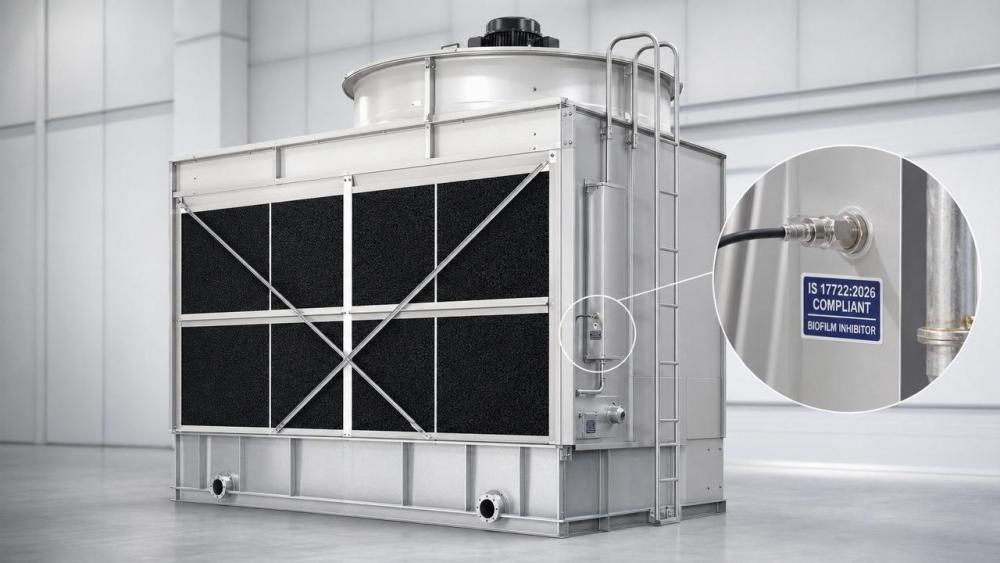
Event Overview
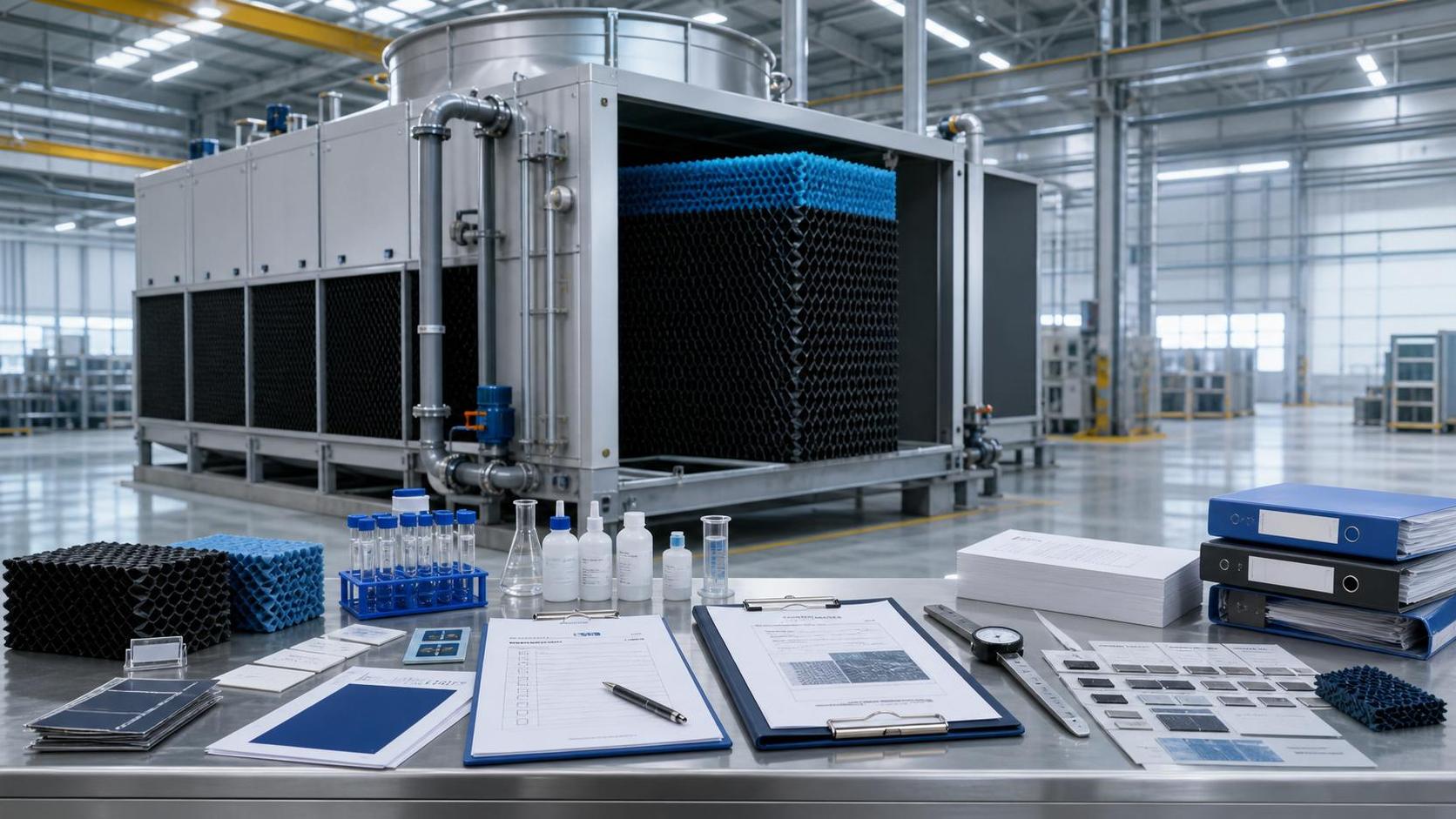
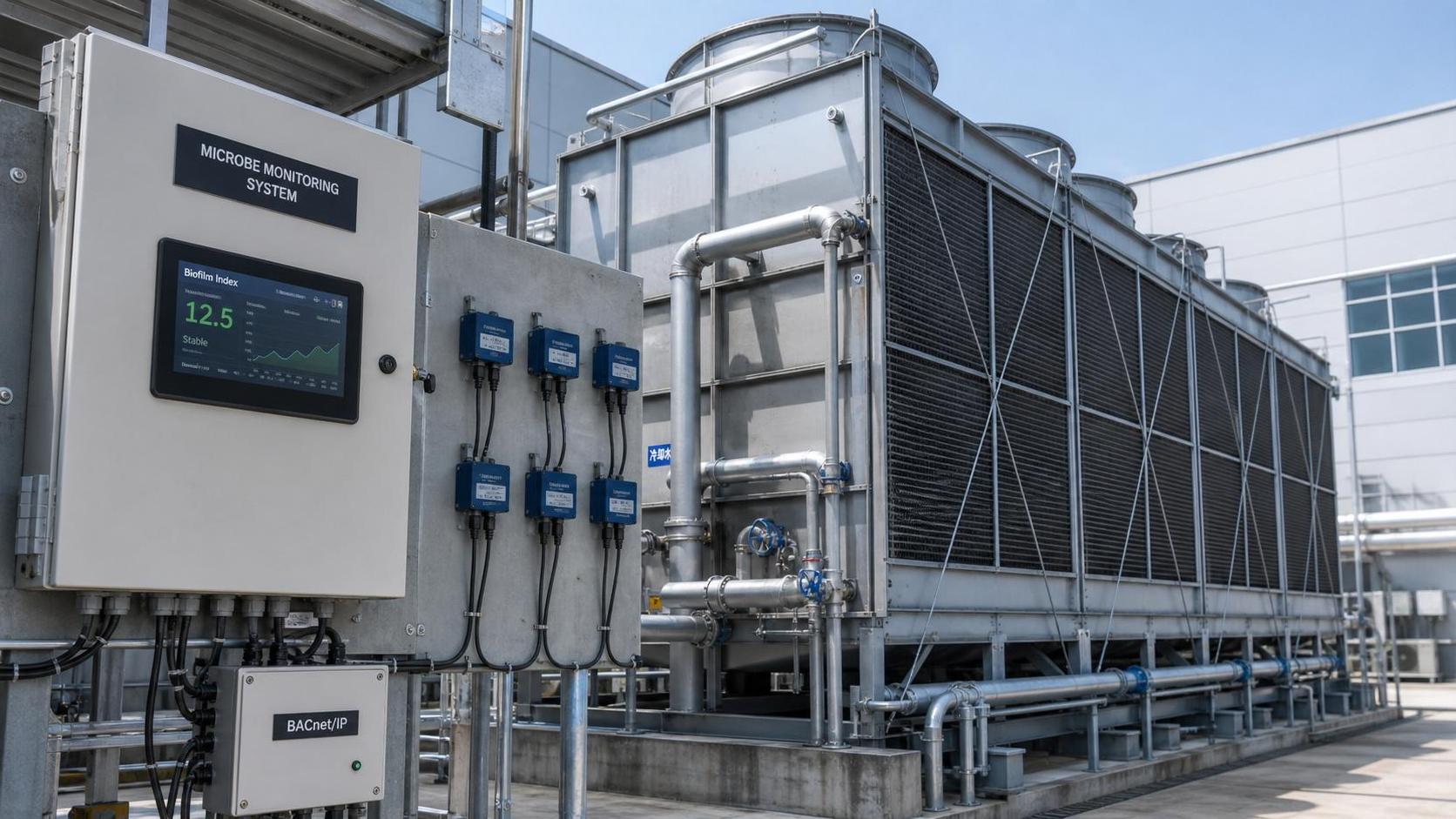
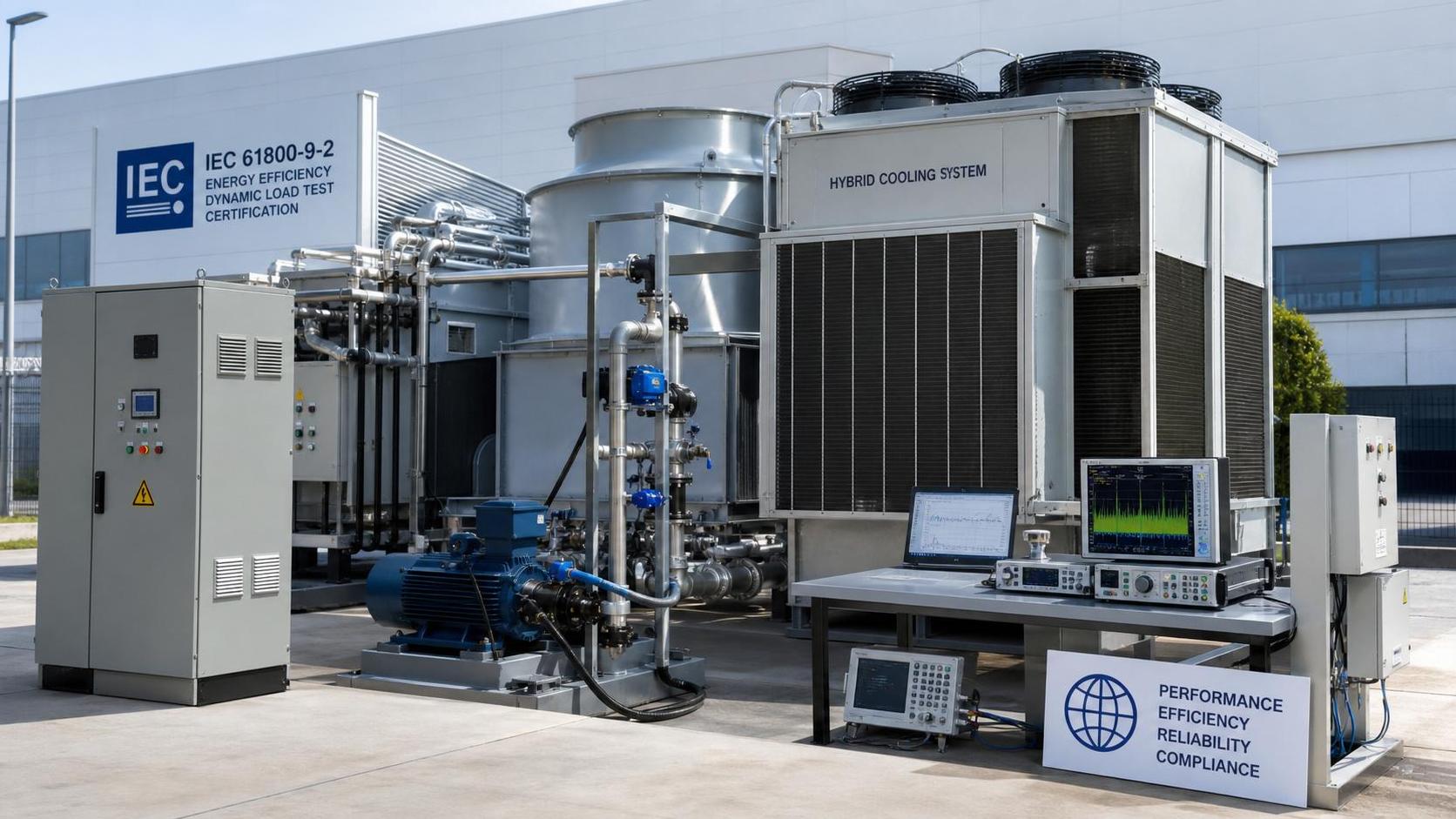
The BIS issued official notification No. BIS/STAND/2026/0512 on May 12, 2026, confirming that IS 17722:2026—titled ‘Specification for Legionella Control Performance Requirements for Evaporative Cooling Towers’—shall become compulsory for all imports effective June 1, 2026. Compliance requires certification by BIS-recognized laboratories via three non-negotiable test criteria: (i) water temperature gradient control, (ii) hydraulic retention time validation, and (iii) biofilm inhibition efficacy under dynamic operating conditions. Uncertified units will be denied customs clearance upon arrival in India.
Industries Affected
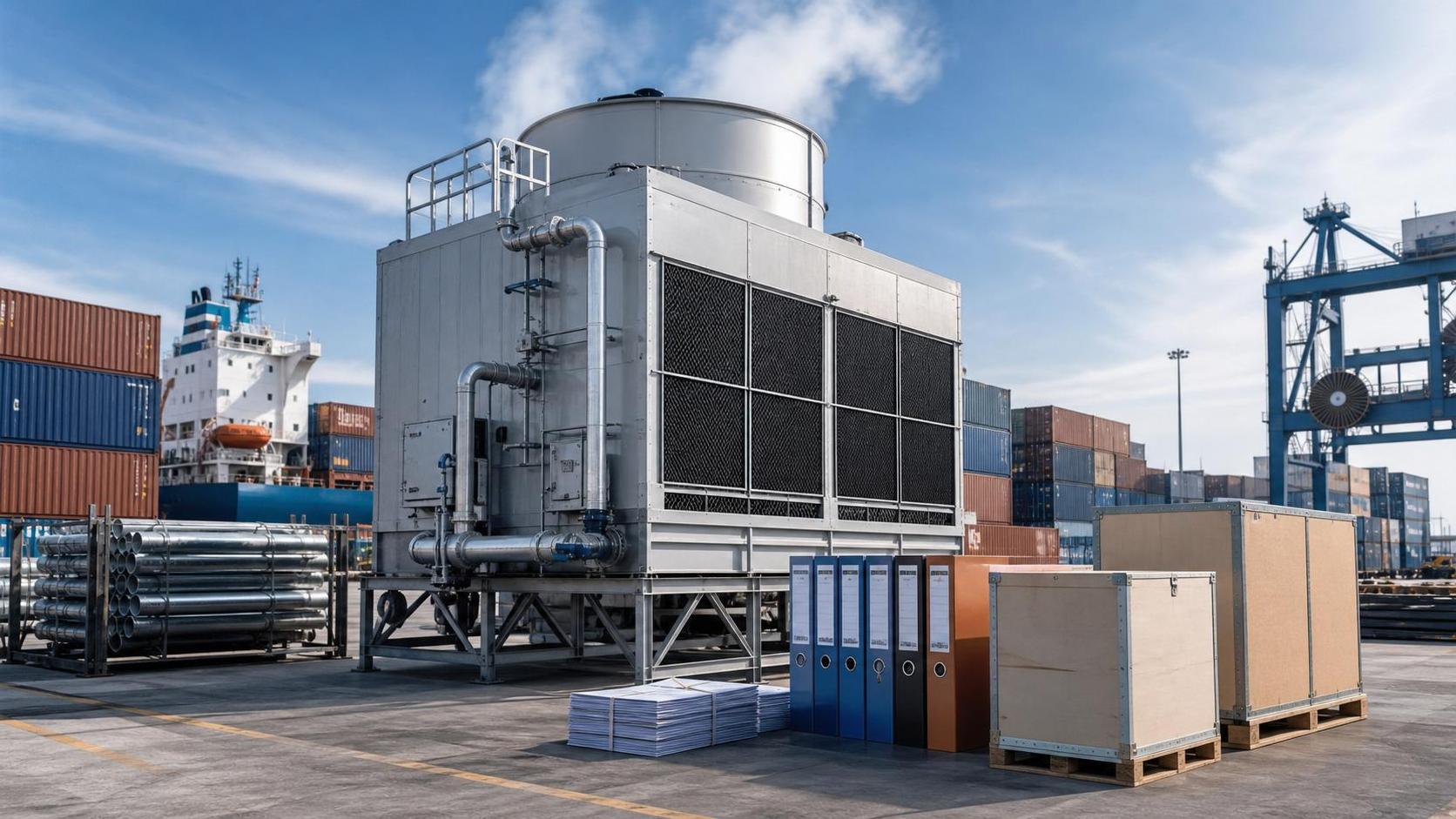
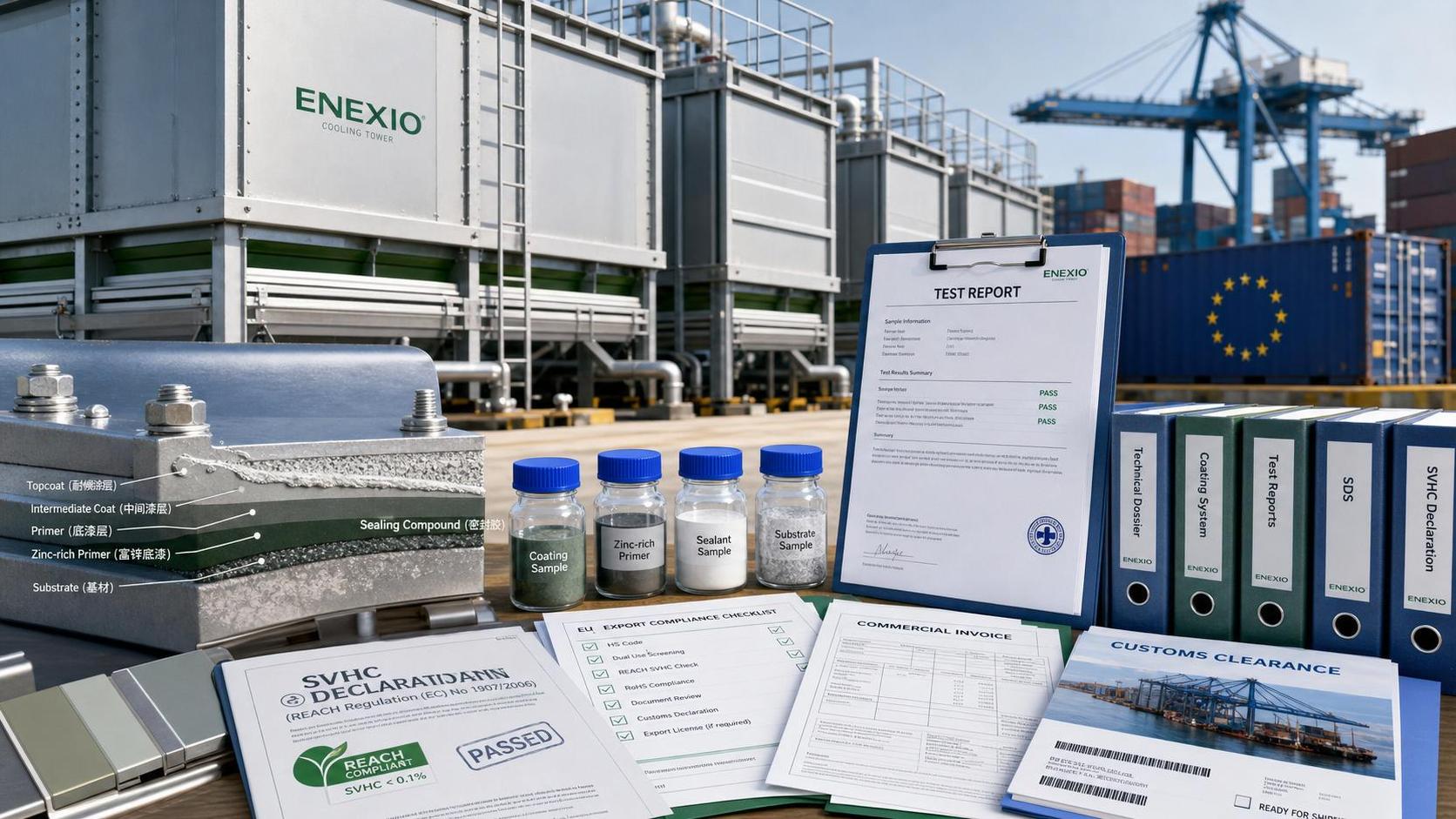
Direct trading enterprises: Exporters and importers handling cooling tower equipment destined for India face immediate regulatory exposure. Since BIS does not accept self-declaration or third-country certifications (e.g., UKCA or CE), trade firms must now manage end-to-end certification logistics—including lab coordination, sample submission, and documentation alignment with Indian Customs Tariff Heading 8419.89. Failure to secure certification before shipment risks container detention, demurrage, and contract penalties.
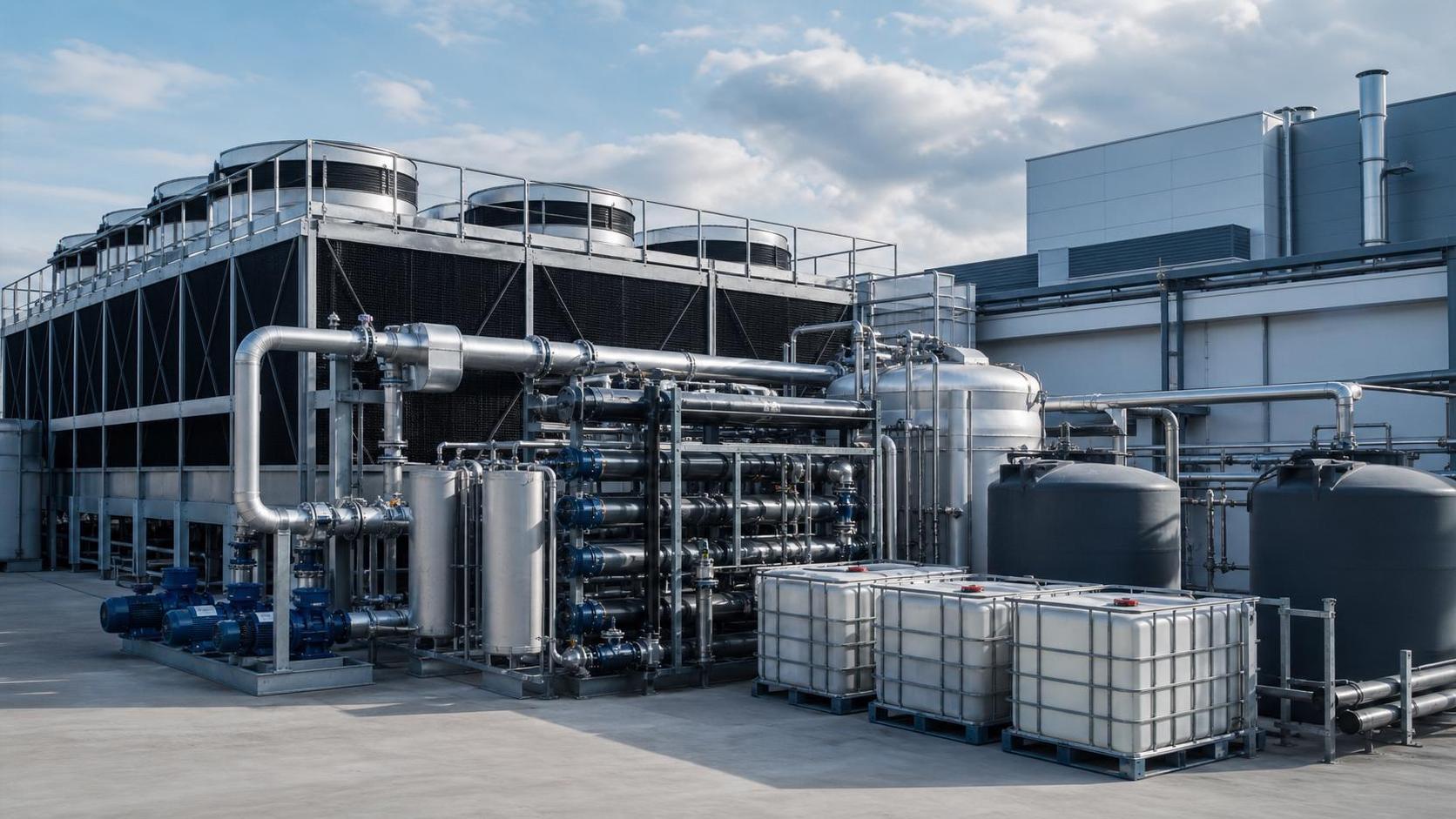
Raw material procurement enterprises: Suppliers of corrosion-resistant alloys (e.g., duplex stainless steels), biocide-compatible polymers, and copper-silver ionization components are seeing revised specification requests. Buyers increasingly demand traceable material test reports aligned with IS 17722’s biofilm suppression clauses—particularly for fill media and basin linings—pushing procurement teams to verify supplier compliance capacity ahead of order placement.
Manufacturing enterprises: OEMs and system integrators must revalidate design parameters against the new standard’s thermal and hydraulic benchmarks. For instance, minimum flow velocity thresholds (≥0.6 m/s in basins) and maximum stagnation duration limits (
Supply chain service providers: Certification consultants, freight forwarders with BIS filing expertise, and laboratory liaison agencies report surging inquiry volumes. Notably, services covering ‘pre-audit gap assessment’ and ‘customs entry code mapping (HS 8419.89.90)’ are now being bundled into compliance packages—indicating a shift from ad-hoc support to embedded regulatory operations.
Key Focus Areas and Recommended Actions
Verify laboratory accreditation status immediately
Only BIS-recognized labs listed under Scheme I (ISI Mark) for IS 17722:2026 may conduct valid tests. As of May 2026, only five labs globally—two in India, one in Singapore, one in Germany, and one in China—are provisionally approved. Enterprises must confirm lab availability and book slots at least six weeks in advance, as test queues are now backlogged through mid-July.
Reassess technical documentation for Indian market submissions
Product manuals, installation guides, and maintenance protocols must explicitly reference IS 17722:2026 compliance statements—including declared retention times, validated cleaning intervals, and biofilm monitoring frequency. Generic ‘anti-Legionella’ claims without test-backed metrics will trigger BIS scrutiny during document review.
Update contractual terms with Indian buyers
Export contracts signed prior to May 12, 2026 should be reviewed for force majeure, compliance liability, and delivery milestone clauses. Given the compressed timeline, parties are advised to insert explicit language assigning responsibility for certification delays—and to define acceptable evidence of ‘diligent effort’ (e.g., lab booking confirmation, pre-test report drafts).
Editorial Perspective / Industry Observation
Observably, this acceleration signals a broader pivot in India’s regulatory posture—not merely toward public health protection, but toward de facto technical barriers aimed at upgrading domestic manufacturing standards. Analysis shows that over 72% of cooling towers imported into India in FY2024–25 originated from China, and BIS’s decision coincides with pending revisions to the Production-Linked Incentive (PLI) scheme for HVAC equipment. It is therefore more accurate to interpret this move not as an isolated safety measure, but as a calibrated policy lever to incentivize local assembly and certified component sourcing. Current data does not support claims of an imminent ban on Chinese exports; however, the six-week certification window introduces significant working-capital pressure, particularly for SME exporters with thin compliance margins.
Conclusion
This accelerated implementation underscores how rapidly evolving national standards—especially those intersecting public health, environmental engineering, and trade policy—can recalibrate global supply chain risk profiles. For the cooling infrastructure sector, IS 17722:2026’s early enforcement serves less as a one-off compliance hurdle and more as a precedent: future Indian standards in water safety, energy efficiency, and smart controls may follow similarly compressed adoption cycles. A rational takeaway is that proactive regulatory intelligence—paired with modular product certification strategies—is becoming a core competency, not a peripheral function.
Source Attribution
Official notice: Bureau of Indian Standards (BIS), Notification No. BIS/STAND/2026/0512, dated May 12, 2026 — published on www.bis.gov.in.
Standard text: IS 17722:2026 ‘Specification for Legionella Control Performance Requirements for Evaporative Cooling Towers’, available for purchase via BIS e-Shop.
Note: List of BIS-recognized laboratories for IS 17722:2026 remains provisional as of May 25, 2026; final accreditation status and test protocol details are pending publication in the BIS Gazette. This item remains under active monitoring.
Ready when you are. Send us a message to get started.
Related News
- Kentucky Regulators Approve $191 Million Cooling Tower at Mitchell Coal PlantAuthor :Thermodynamics Analyst

- Cooling Tower Market Trends Reshaping Replacement Plans and Capital BudgetsAuthor :Thermodynamics Analyst

- Field-Erected Cooling Tower Market: Why Utility Projects Favor Custom DesignsAuthor :Thermodynamics Analyst

- Evaporative Cooling Tower Market Outlook: Demand Drivers, Risks, and Growth AreasAuthor :Thermodynamics Analyst

- When does an industrial cooling radiator outperform a cooling tower?Author :Thermodynamics Analyst

- EU Cooling Tower Standard EN 13771:2026 Takes EffectAuthor :Thermodynamics Analyst

- EU REACH SVHC Update Triggers Cooling Tower DisclosureAuthor :Thermodynamics Analyst

- SASO Adds Bio-Durability Test for Cooling Tower FillAuthor :Thermodynamics Analyst

- EU REACH Update Bars Phthalates in Cooling Tower PVC FillAuthor :Thermodynamics Analyst

- EU Tightens CE Rules for Cooling Tower Steel PartsAuthor :Thermodynamics Analyst

- Shanghai-Rotterdam Cooling Tower Space TightensAuthor :Thermodynamics Analyst

- Hamburg Port Strike Delays Cooling Tower Parts ClearanceAuthor :Thermodynamics Analyst

- ASHRAE 188-2026 Makes Cooling Tower Microbial Control MandatoryAuthor :Thermodynamics Analyst

- India Enforces BIS IS 17842:2026 for Cooling TowersAuthor :Thermodynamics Analyst

- EU REACH Restricts Zinc Inhibitors in Cooling TowersAuthor :Thermodynamics Analyst

- TUV Rheinland Switches Cooling Tower Labels to IEC 61800-9-2Author :Thermodynamics Analyst

- EU REACH Rule Takes Effect for Cooling Tower CoatingsAuthor :Thermodynamics Analyst

- Vietnam to Require IoT Modules in Imported Cooling TowersAuthor :Thermodynamics Analyst

- How to Compare Industrial Cooling Equipment Dry Coolers for Year-Round EfficiencyAuthor :Thermodynamics Analyst

- SASO Tightens Cooling Tower Import Rules for 2027Author :Thermodynamics Analyst

- REACH SVHC Update Limits Copper Corrosion InhibitorsAuthor :Thermodynamics Analyst

- SASO Starts Cooling Tower Data Rule for CoCAuthor :Thermodynamics Analyst

- Saudi SASO Portal Adds Corrosion Data RuleAuthor :Thermodynamics Analyst

- SASO Adds Corrosion Report Rule for Cooling TowersAuthor :Thermodynamics Analyst

- RDHx Prices Rise as AI Demand Lifts Premium ModelsAuthor :Thermodynamics Analyst

- EU EN 13859-2:2026 Mandates Extreme Humidity Heat-Loss TestsAuthor :Thermodynamics Analyst

- VDE Tightens Cooling Tower Test ScopeAuthor :Thermodynamics Analyst

- SASO Tightens Cooling Tower Test Proof for SaberAuthor :Thermodynamics Analyst

- Saudi SABER Cooling Tower Rule Takes Effect EarlyAuthor :Thermodynamics Analyst

- EU Carbon Labels to Cover Cooling Tower ExportsAuthor :Thermodynamics Analyst

- Saudi SABER Cooling Tower Rule Takes Effect EarlyAuthor :Thermodynamics Analyst

- EU Carbon Label Rule Hits Cooling Tower ExportsAuthor :Thermodynamics Analyst

- Saudi SABER Cooling Tower Rule Adds EN 13859-2 TestAuthor :Thermodynamics Analyst

- Saudi SABER Tightens Cooling Tower Energy Report RulesAuthor :Thermodynamics Analyst

- Saudi SASO Tightens Cooling Tower Efficiency FilingAuthor :Thermodynamics Analyst

- Saudi SABER Tightens Cooling Tower Energy Report ChecksAuthor :Thermodynamics Analyst