GBA's 18.4% Trade Growth Boosts Cooling Tower & Chiller Exports




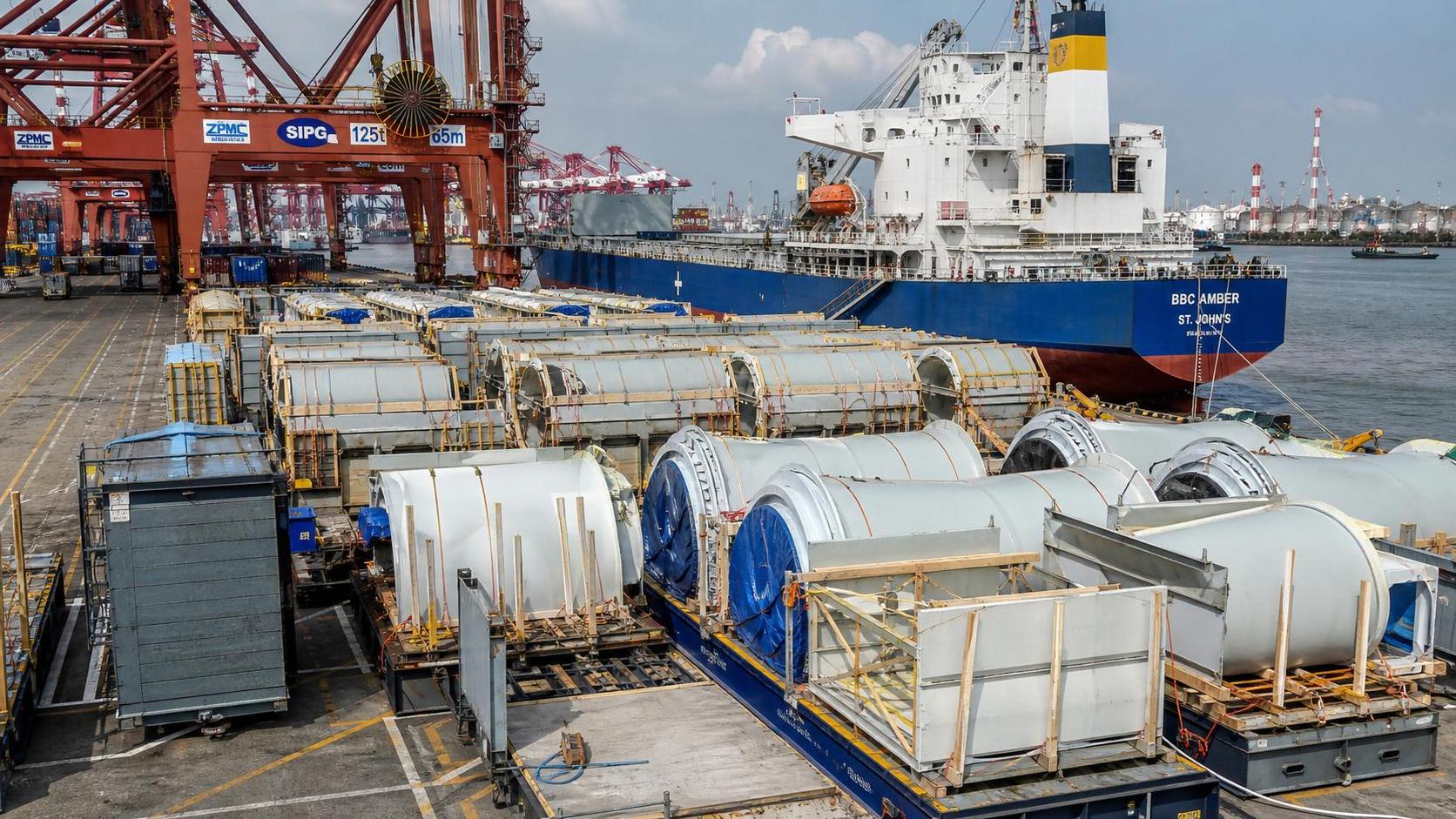
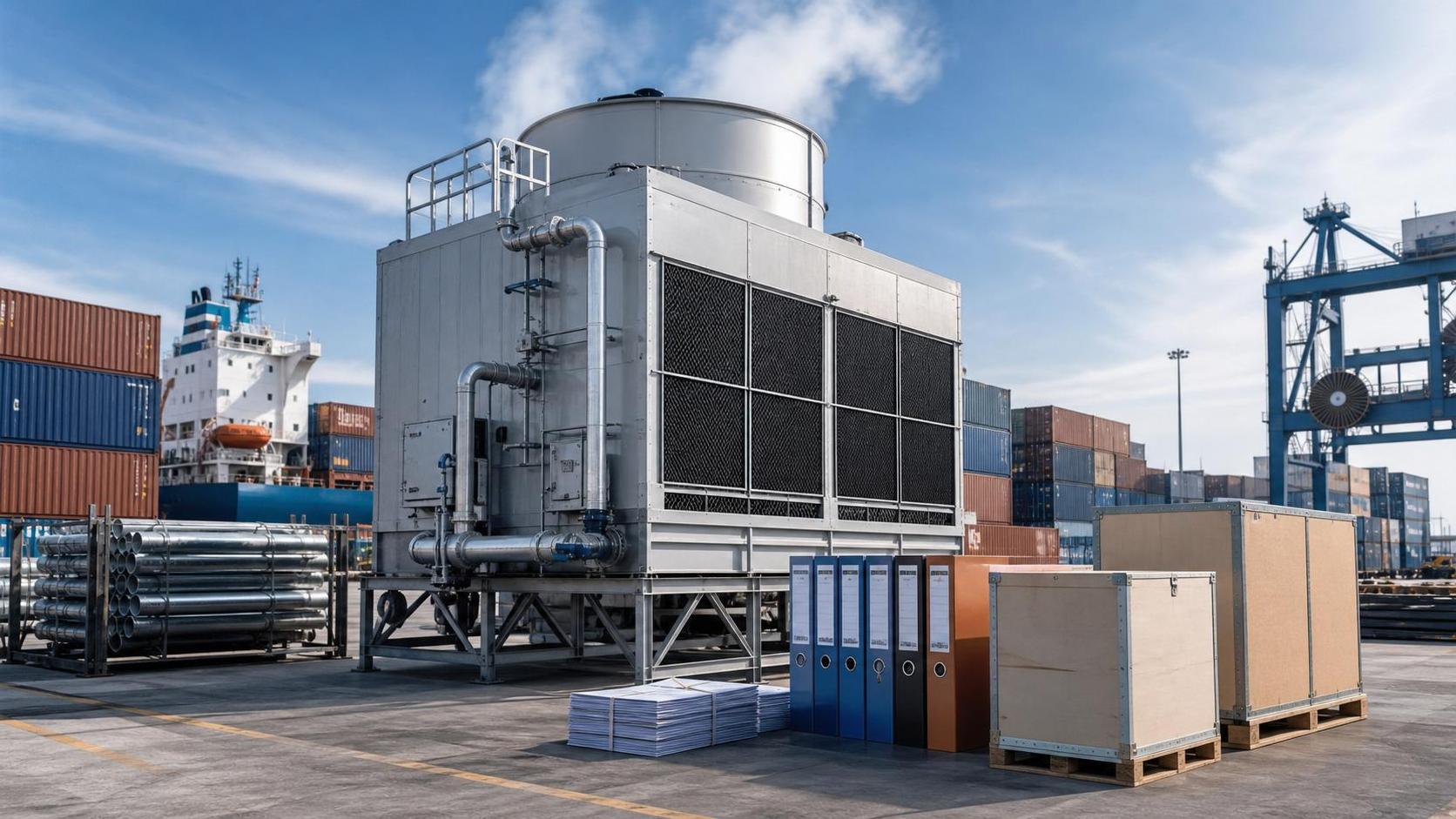
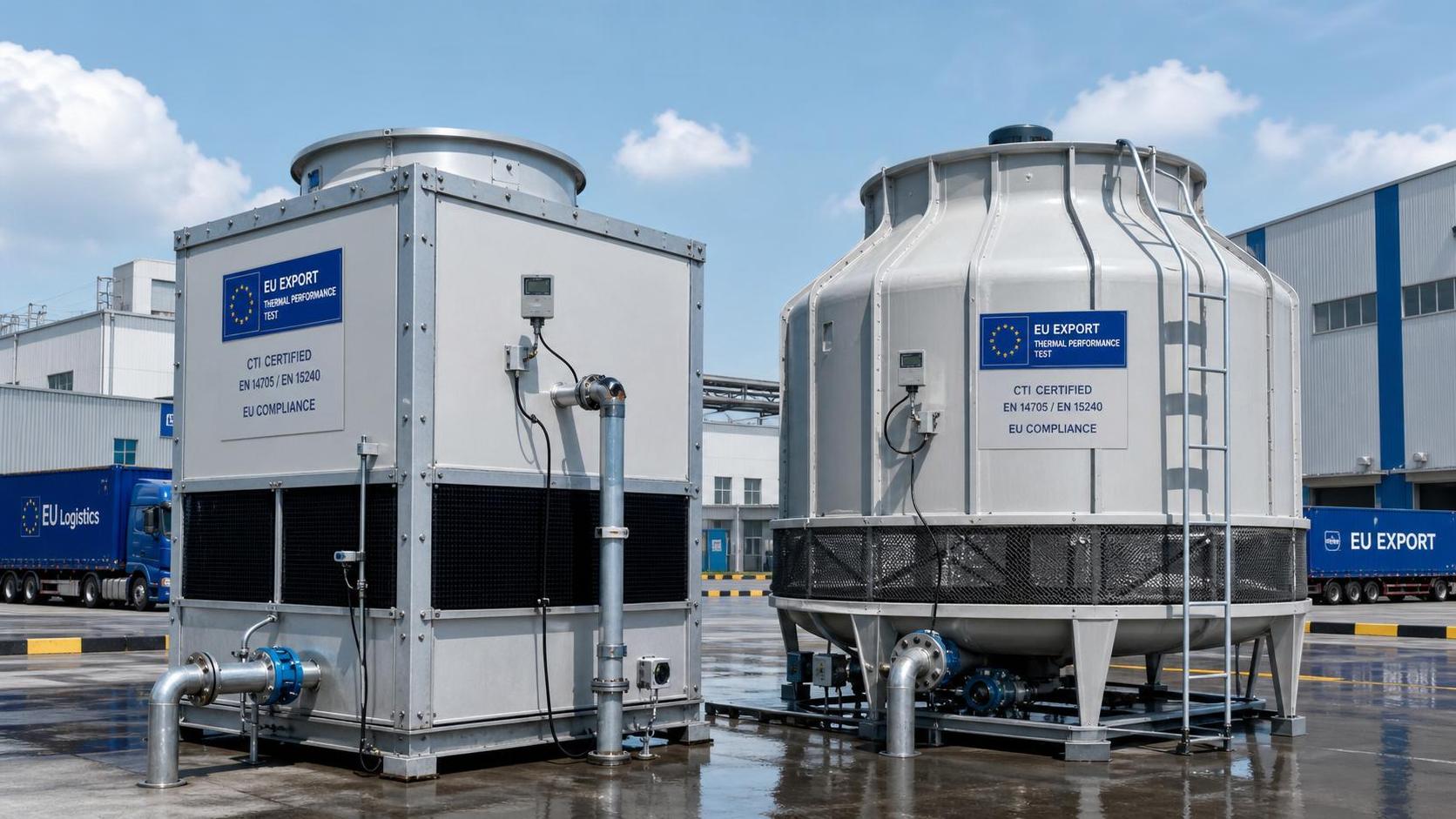
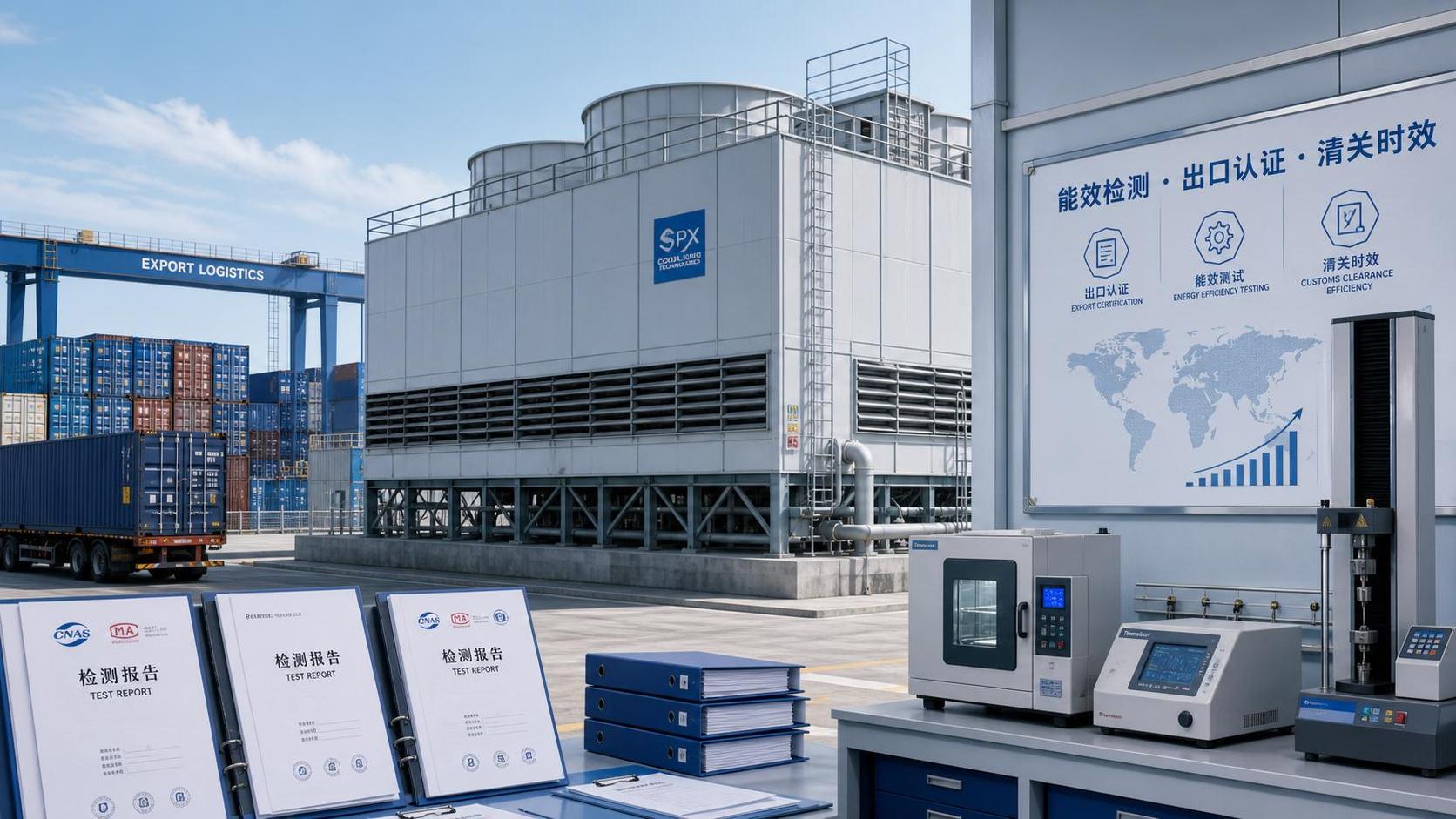
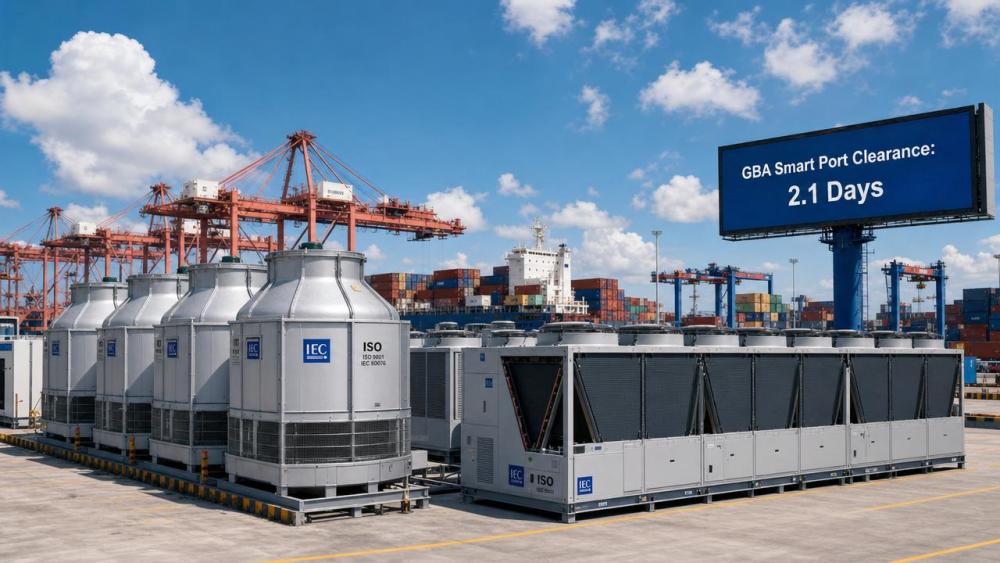
On April 30, 2026, China’s General Administration of Customs announced that the Guangdong-Hong Kong-Macao Greater Bay Area (GBA) achieved a 18.4% year-on-year increase in foreign trade volume during the first four months of 2026 — with total imports and exports from the nine mainland GBA cities reaching RMB 3.4 trillion. This growth accounted for one-quarter of China’s national export increment. A key driver was the operational rollout of the GBA’s ‘Smart Port’ system, which introduced cross-jurisdictional mutual recognition for export inspection of industrial cooling equipment — specifically cooling towers and industrial chillers — significantly accelerating customs clearance.
Event Overview
In the first four months of 2026, the GBA’s nine mainland cities recorded RMB 3.4 trillion in combined import and export value, up 18.4% year-on-year. According to the General Administration of Customs, the GBA’s ‘Smart Port’ initiative has enabled ‘one-time declaration, region-wide recognition’ for export inspections of cooling towers and industrial chillers. As a result, average customs clearance time for these products has been reduced to 2.1 working days.
Industries Affected
Direct Trading Enterprises
Export-oriented trading firms specializing in HVACR (Heating, Ventilation, Air Conditioning, and Refrigeration) equipment are directly impacted: faster clearance lowers demurrage costs, improves shipment predictability, and strengthens competitiveness in time-sensitive international tenders — especially in Southeast Asia and the Middle East where delivery timelines heavily influence contract awards.
Raw Material Procurement Enterprises
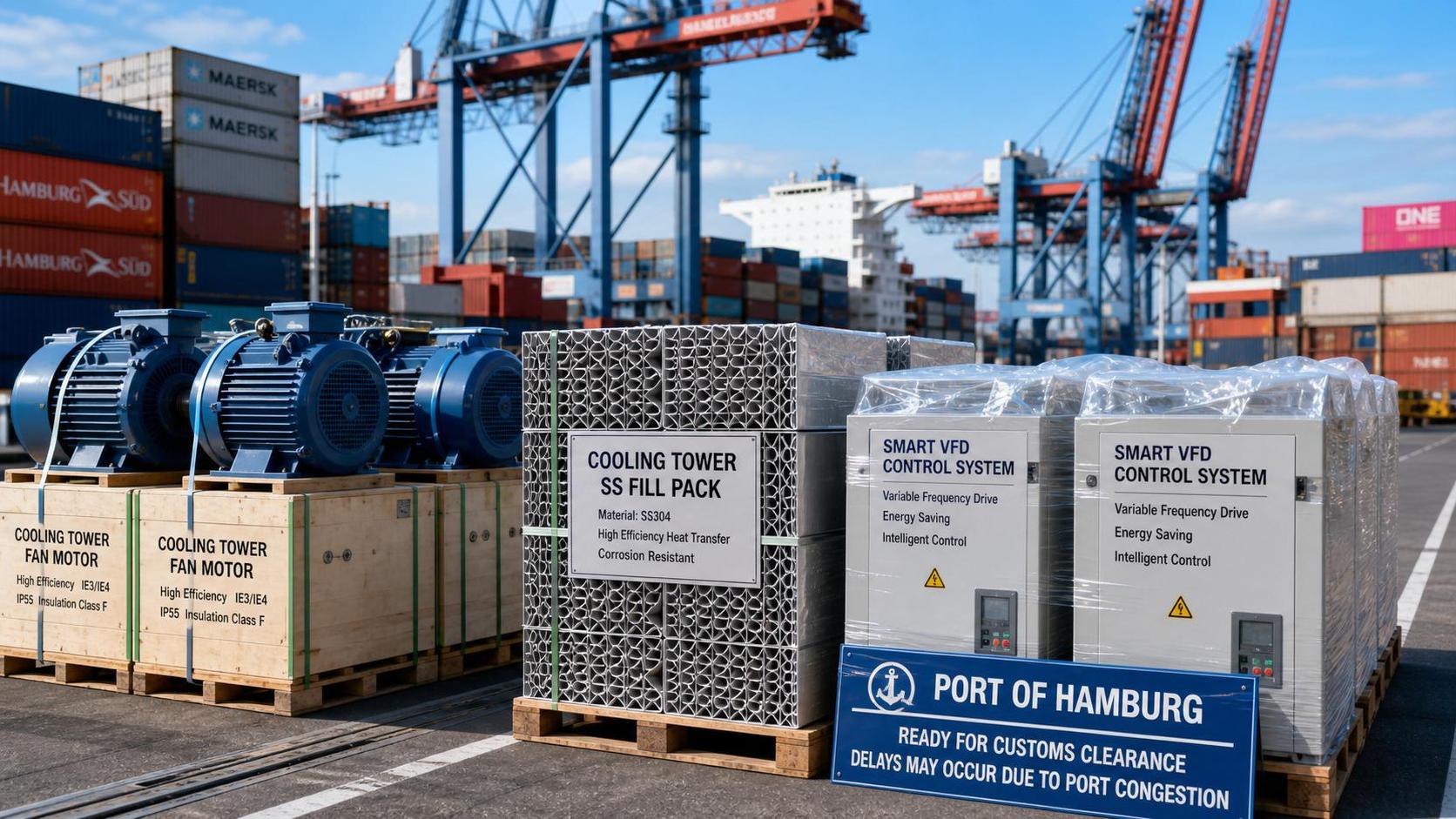
Suppliers of structural steel, galvanized sheet, copper tubing, and specialized fan motors face revised demand timing. With shorter lead-to-shipment windows, procurement cycles must align more tightly with production schedules; just-in-time ordering gains strategic relevance, while inventory buffers may need recalibration to avoid stockouts or overstocking.
Manufacturing Enterprises
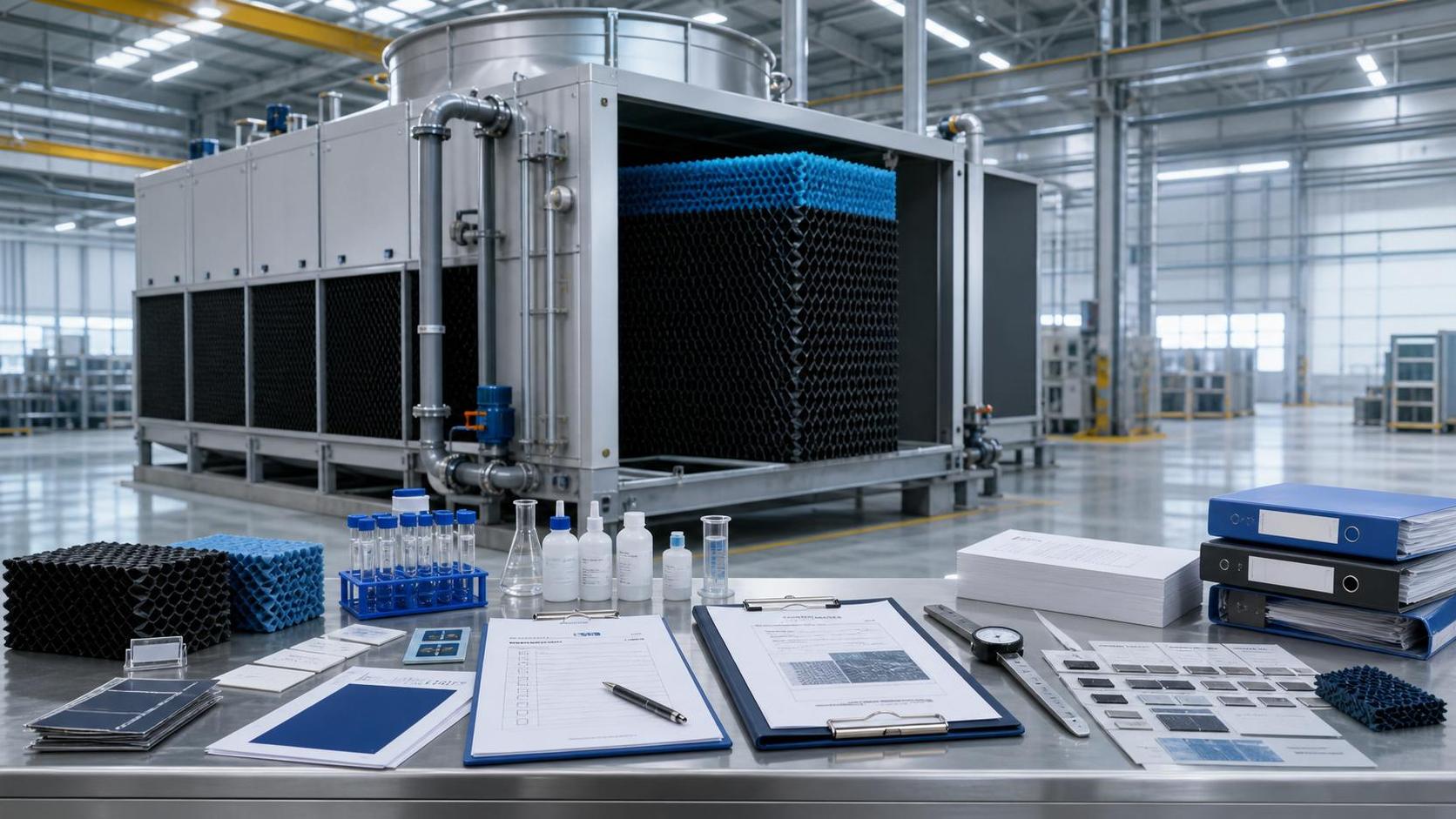
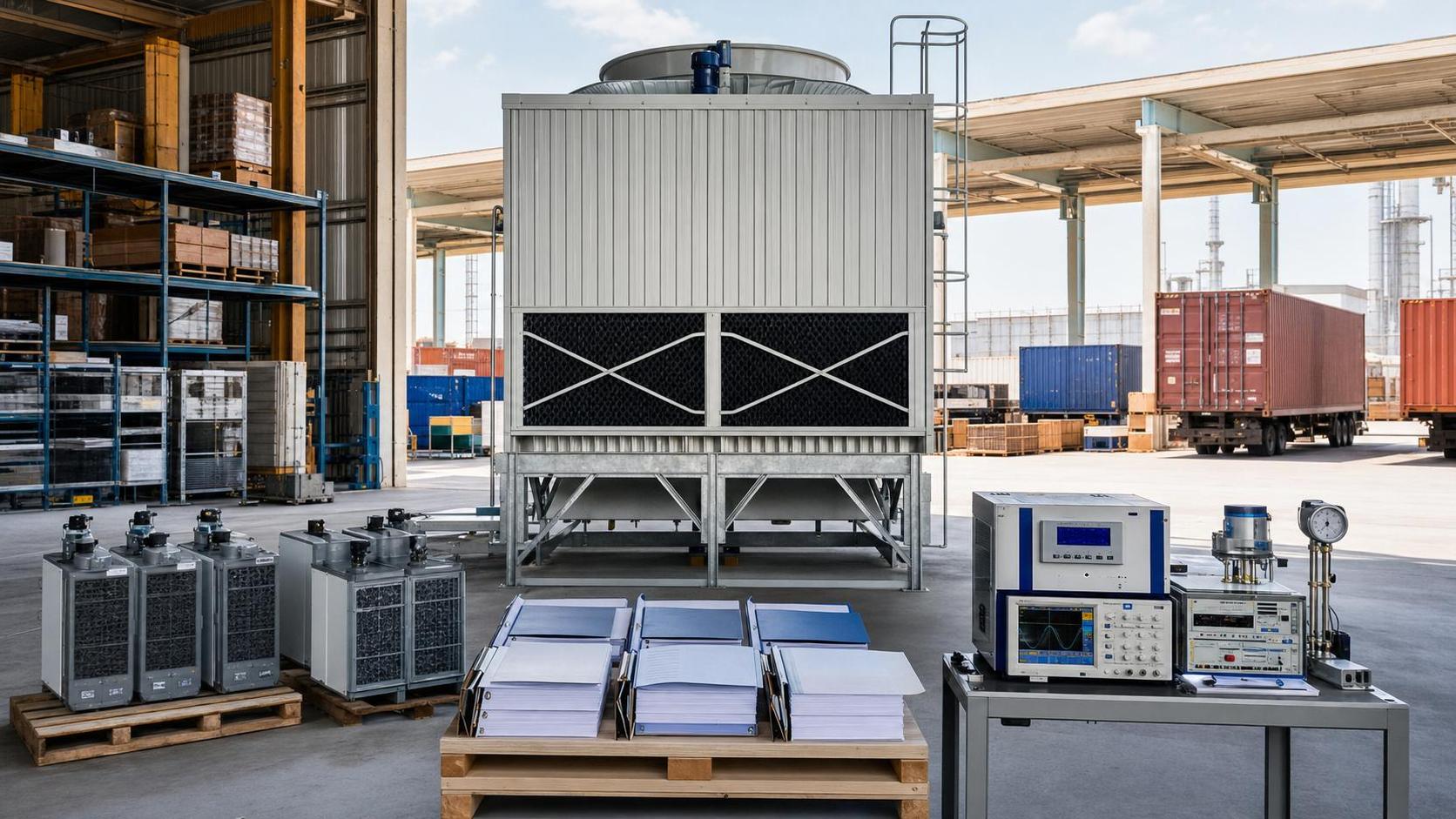
Original Equipment Manufacturers (OEMs) and contract manufacturers producing cooling towers and industrial chillers benefit from compressed order-to-delivery timelines. However, this also intensifies pressure on internal quality control workflows: non-compliant batches now risk causing cascading delays across the entire port clearance chain, making pre-shipment compliance verification more critical than before.
Supply Chain Service Providers
Freight forwarders, customs brokers, and third-party inspection agencies operating within the GBA must adapt service packages to reflect the new ‘one-declaration, mutual recognition’ framework. Those offering integrated documentation support, pre-clearance audits, and real-time port status tracking are gaining competitive advantage — while legacy providers relying on siloed, port-specific procedures face margin compression.
Key Considerations and Recommended Actions
Prioritize GBA Port Utilization for Export Shipments
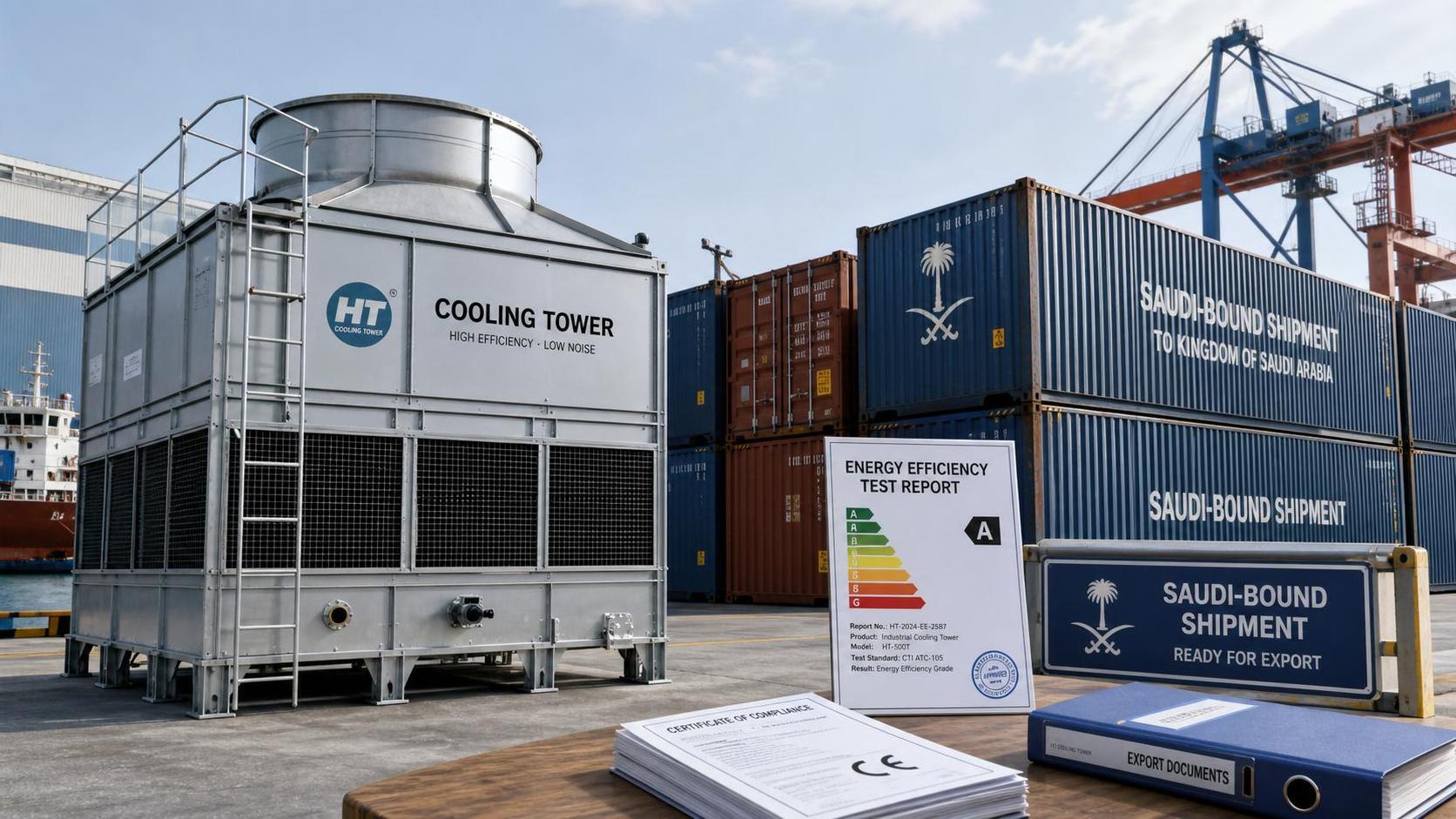
Given the verified 2.1-working-day average clearance for cooling towers and industrial chillers, exporters should actively reroute eligible shipments through designated GBA ports — particularly Shekou, Nansha, and Qianhai — rather than defaulting to traditional hubs like Shanghai or Ningbo without comparative efficiency data.
Standardize Documentation Across Production Facilities
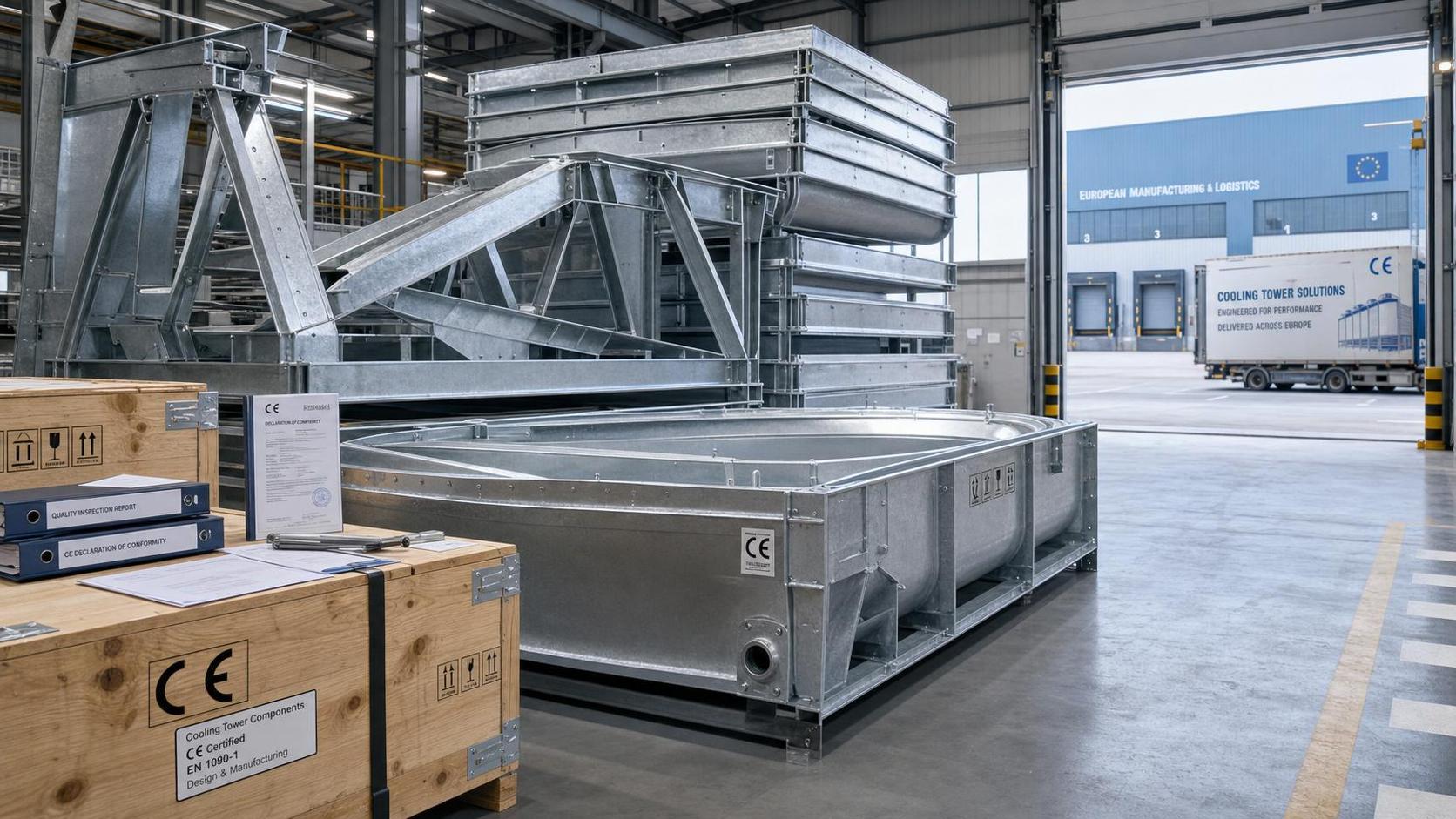
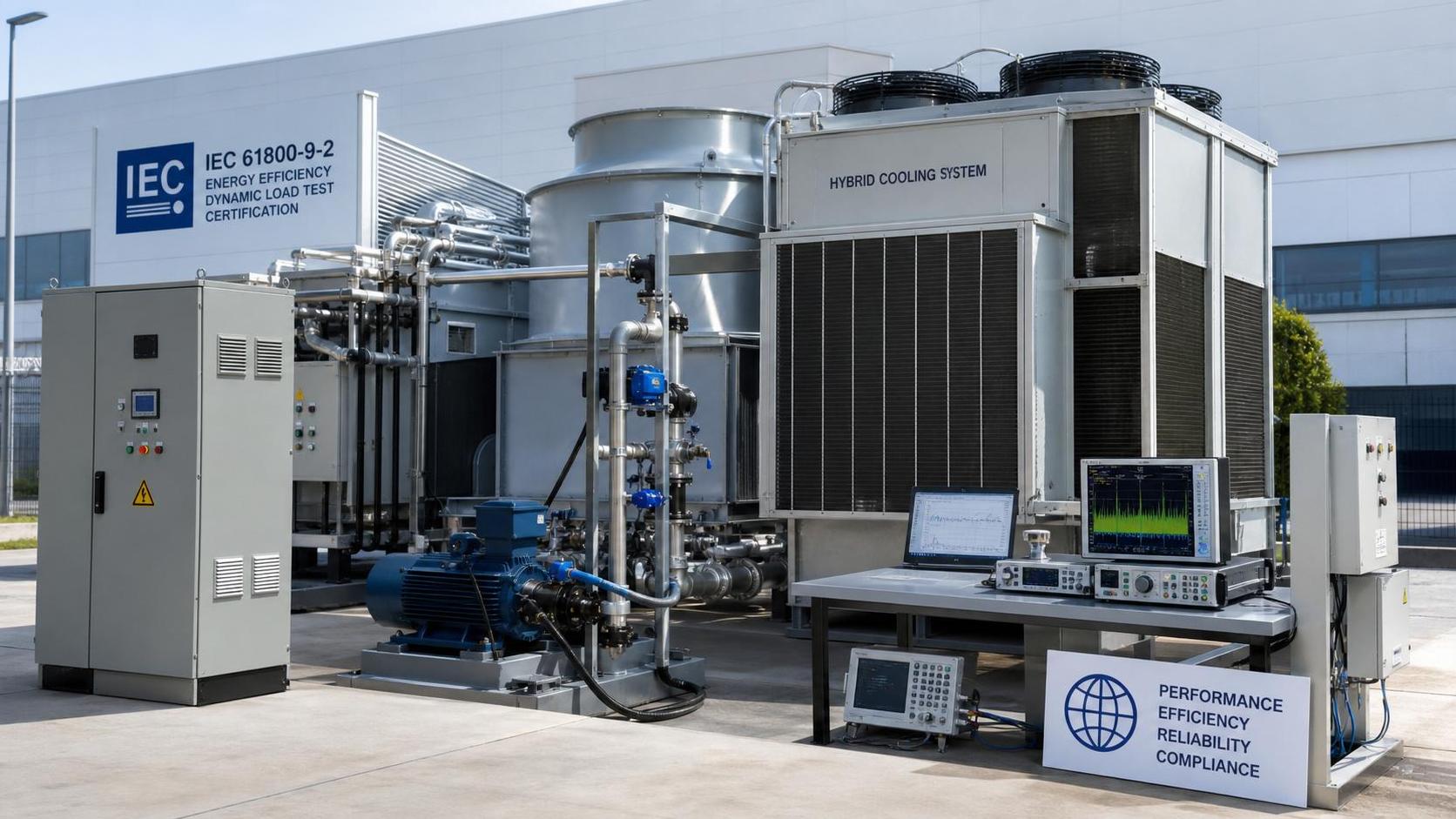
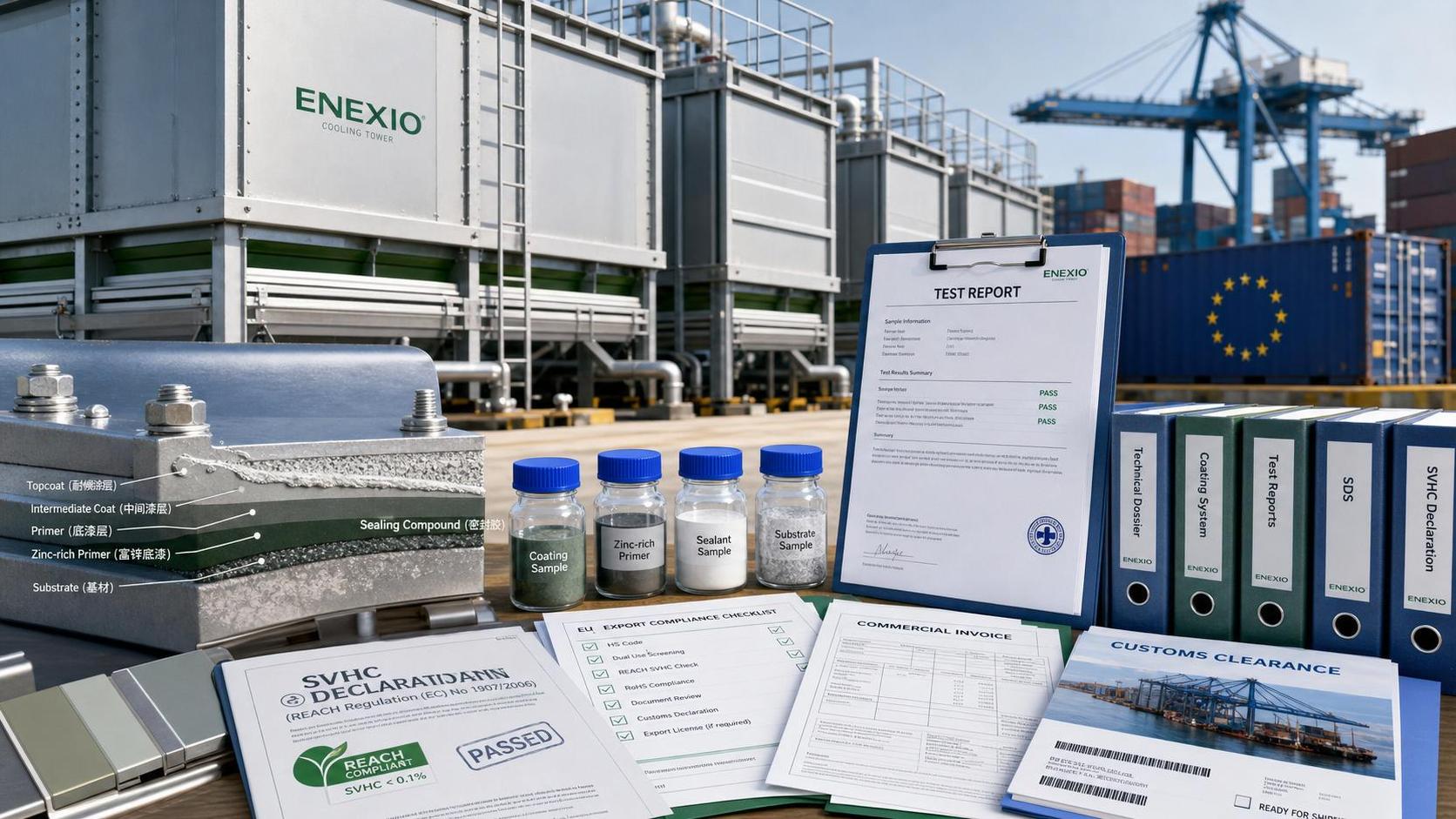
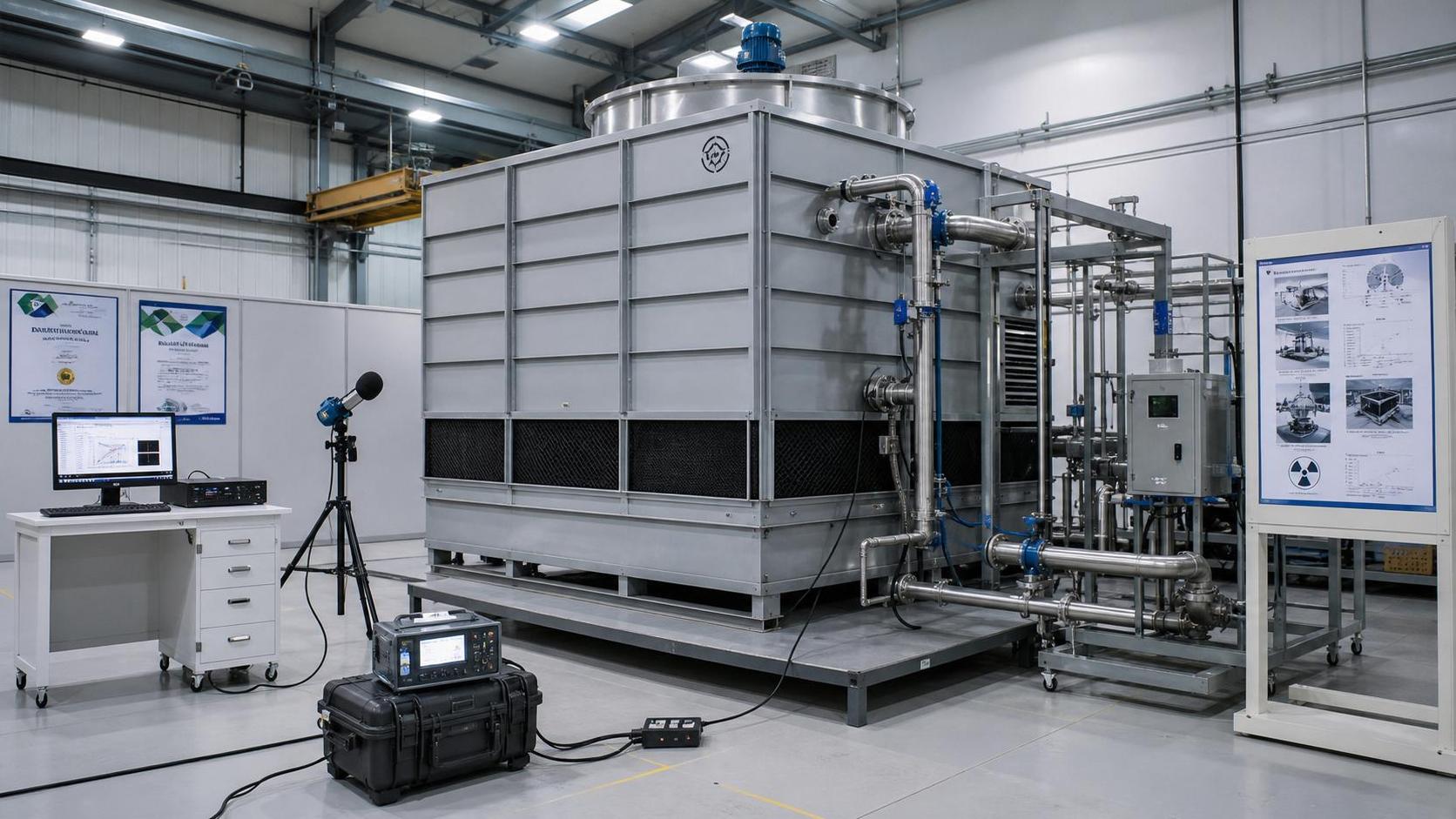
Since inspection results are now recognized across all GBA customs jurisdictions, manufacturers with multiple assembly sites must ensure uniformity in technical specifications, test reports, and labeling — especially regarding IEC 61800-5-1 (for variable-speed drives) and ISO 5136 (acoustic performance), as discrepancies can invalidate mutual recognition.
Engage Early with Authorized Third-Party Inspectors
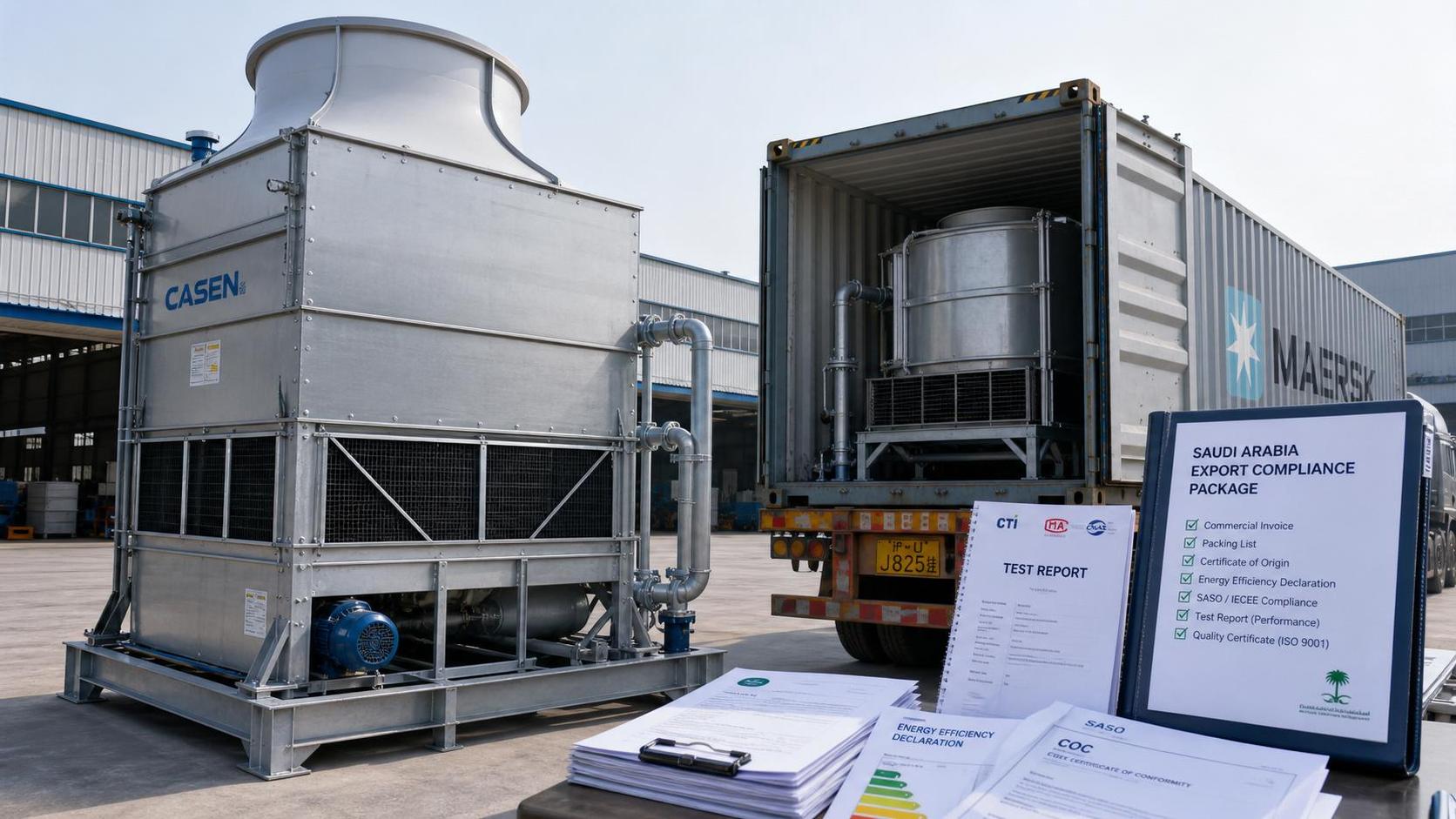
While ‘one-time declaration’ reduces redundancy, initial certification remains mandatory. Firms should pre-qualify inspectors accredited under the GBA Smart Port framework — such as SGS, BV, or CQC’s GBA-designated branches — to avoid rework or rejection at the declaration stage.
Editorial Perspective / Industry Observation
Observably, the GBA’s regulatory harmonization reflects a broader shift from port-level optimization to ecosystem-level integration. It is not merely about speed — it signals an emerging model where compliance infrastructure, rather than physical infrastructure, becomes the primary bottleneck. Analysis shows that the 2.1-day clearance benchmark is currently only sustained for Class-A certified exporters; SMEs without digital documentation systems still average 3.7 days. This divergence suggests that policy benefits are increasingly conditional on upstream digital readiness — a factor more decisive than geographic location alone.
Conclusion
The GBA’s trade acceleration offers tangible, near-term advantages for industrial cooling equipment exporters — but its long-term significance lies in signaling how regulatory interoperability can reshape global supply chain geography. For the HVACR industry, this is less a temporary efficiency gain and more an inflection point toward compliance-as-a-service models and digitally anchored export operations.
Source Attribution
Primary source: General Administration of Customs of the People’s Republic of China, official release dated April 30, 2026. Data on RMB 3.4 trillion trade value and 18.4% growth rate confirmed via GBA Statistical Yearbook 2026 (provisional edition). Note: Mutual recognition scope, current list of accredited inspectors, and eligibility criteria for ‘Class-A exporter’ status remain subject to revision — ongoing monitoring advised.
Ready when you are. Send us a message to get started.
Related News
- Kentucky Regulators Approve $191 Million Cooling Tower at Mitchell Coal PlantAuthor :Thermodynamics Analyst

- Cooling Tower Market Trends Reshaping Replacement Plans and Capital BudgetsAuthor :Thermodynamics Analyst

- Field-Erected Cooling Tower Market: Why Utility Projects Favor Custom DesignsAuthor :Thermodynamics Analyst

- Evaporative Cooling Tower Market Outlook: Demand Drivers, Risks, and Growth AreasAuthor :Thermodynamics Analyst

- When does an industrial cooling radiator outperform a cooling tower?Author :Thermodynamics Analyst

- EU Cooling Tower Standard EN 13771:2026 Takes EffectAuthor :Thermodynamics Analyst

- EU REACH SVHC Update Triggers Cooling Tower DisclosureAuthor :Thermodynamics Analyst

- SASO Adds Bio-Durability Test for Cooling Tower FillAuthor :Thermodynamics Analyst

- EU REACH Update Bars Phthalates in Cooling Tower PVC FillAuthor :Thermodynamics Analyst

- EU Tightens CE Rules for Cooling Tower Steel PartsAuthor :Thermodynamics Analyst

- Shanghai-Rotterdam Cooling Tower Space TightensAuthor :Thermodynamics Analyst

- Hamburg Port Strike Delays Cooling Tower Parts ClearanceAuthor :Thermodynamics Analyst

- ASHRAE 188-2026 Makes Cooling Tower Microbial Control MandatoryAuthor :Thermodynamics Analyst

- India Enforces BIS IS 17842:2026 for Cooling TowersAuthor :Thermodynamics Analyst

- EU REACH Restricts Zinc Inhibitors in Cooling TowersAuthor :Thermodynamics Analyst

- TUV Rheinland Switches Cooling Tower Labels to IEC 61800-9-2Author :Thermodynamics Analyst

- EU REACH Rule Takes Effect for Cooling Tower CoatingsAuthor :Thermodynamics Analyst

- Vietnam to Require IoT Modules in Imported Cooling TowersAuthor :Thermodynamics Analyst

- How to Compare Industrial Cooling Equipment Dry Coolers for Year-Round EfficiencyAuthor :Thermodynamics Analyst

- SASO Tightens Cooling Tower Import Rules for 2027Author :Thermodynamics Analyst

- REACH SVHC Update Limits Copper Corrosion InhibitorsAuthor :Thermodynamics Analyst

- SASO Starts Cooling Tower Data Rule for CoCAuthor :Thermodynamics Analyst

- Saudi SASO Portal Adds Corrosion Data RuleAuthor :Thermodynamics Analyst

- SASO Adds Corrosion Report Rule for Cooling TowersAuthor :Thermodynamics Analyst

- RDHx Prices Rise as AI Demand Lifts Premium ModelsAuthor :Thermodynamics Analyst

- EU EN 13859-2:2026 Mandates Extreme Humidity Heat-Loss TestsAuthor :Thermodynamics Analyst

- VDE Tightens Cooling Tower Test ScopeAuthor :Thermodynamics Analyst

- SASO Tightens Cooling Tower Test Proof for SaberAuthor :Thermodynamics Analyst

- Saudi SABER Cooling Tower Rule Takes Effect EarlyAuthor :Thermodynamics Analyst

- EU Carbon Labels to Cover Cooling Tower ExportsAuthor :Thermodynamics Analyst

- Saudi SABER Cooling Tower Rule Takes Effect EarlyAuthor :Thermodynamics Analyst

- EU Carbon Label Rule Hits Cooling Tower ExportsAuthor :Thermodynamics Analyst

- Saudi SABER Cooling Tower Rule Adds EN 13859-2 TestAuthor :Thermodynamics Analyst

- Saudi SABER Tightens Cooling Tower Energy Report RulesAuthor :Thermodynamics Analyst

- Saudi SASO Tightens Cooling Tower Efficiency FilingAuthor :Thermodynamics Analyst

- Saudi SABER Tightens Cooling Tower Energy Report ChecksAuthor :Thermodynamics Analyst