Palau to Ban Imports of R-410A and R-134a Equipment From 2027




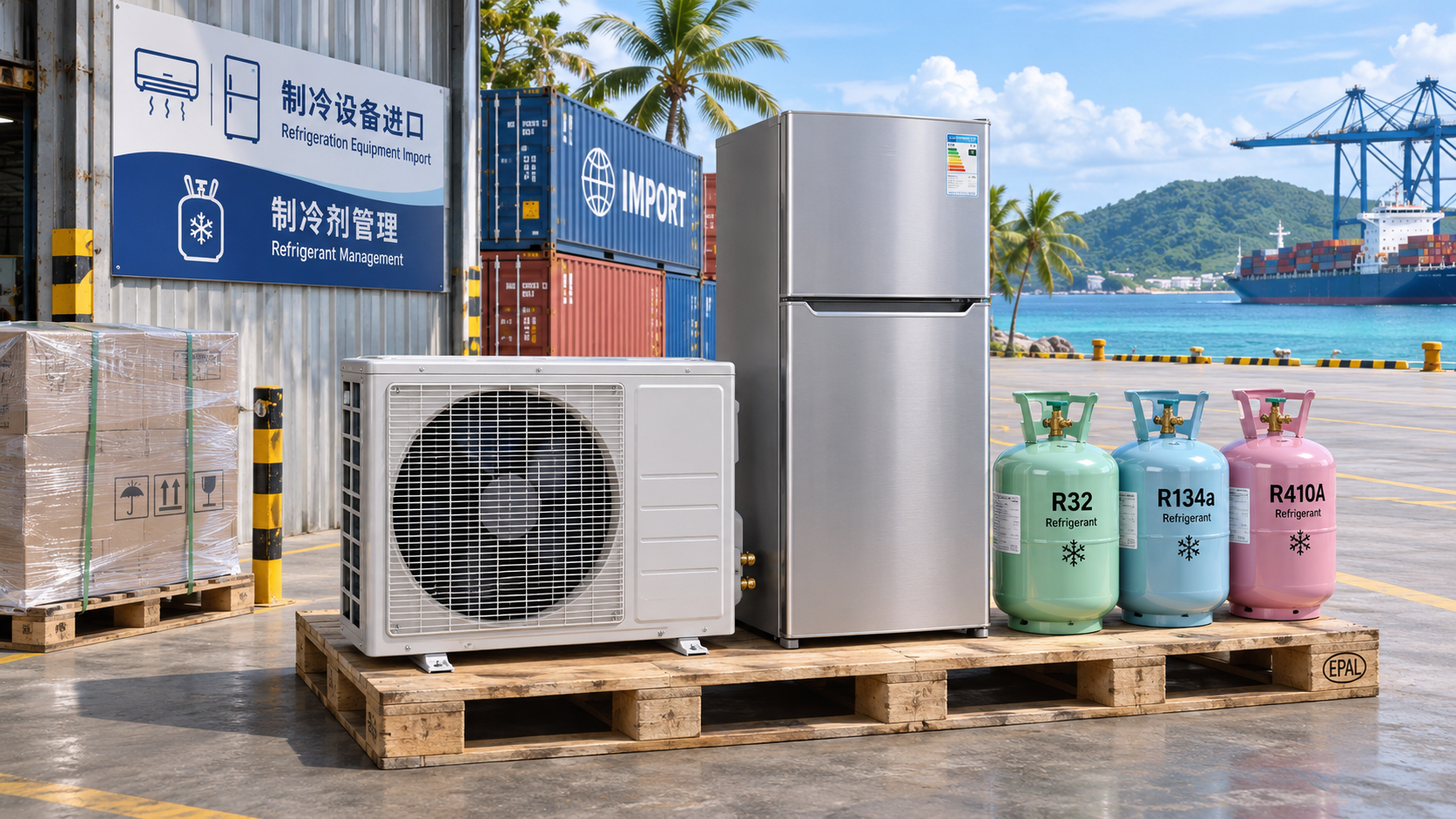
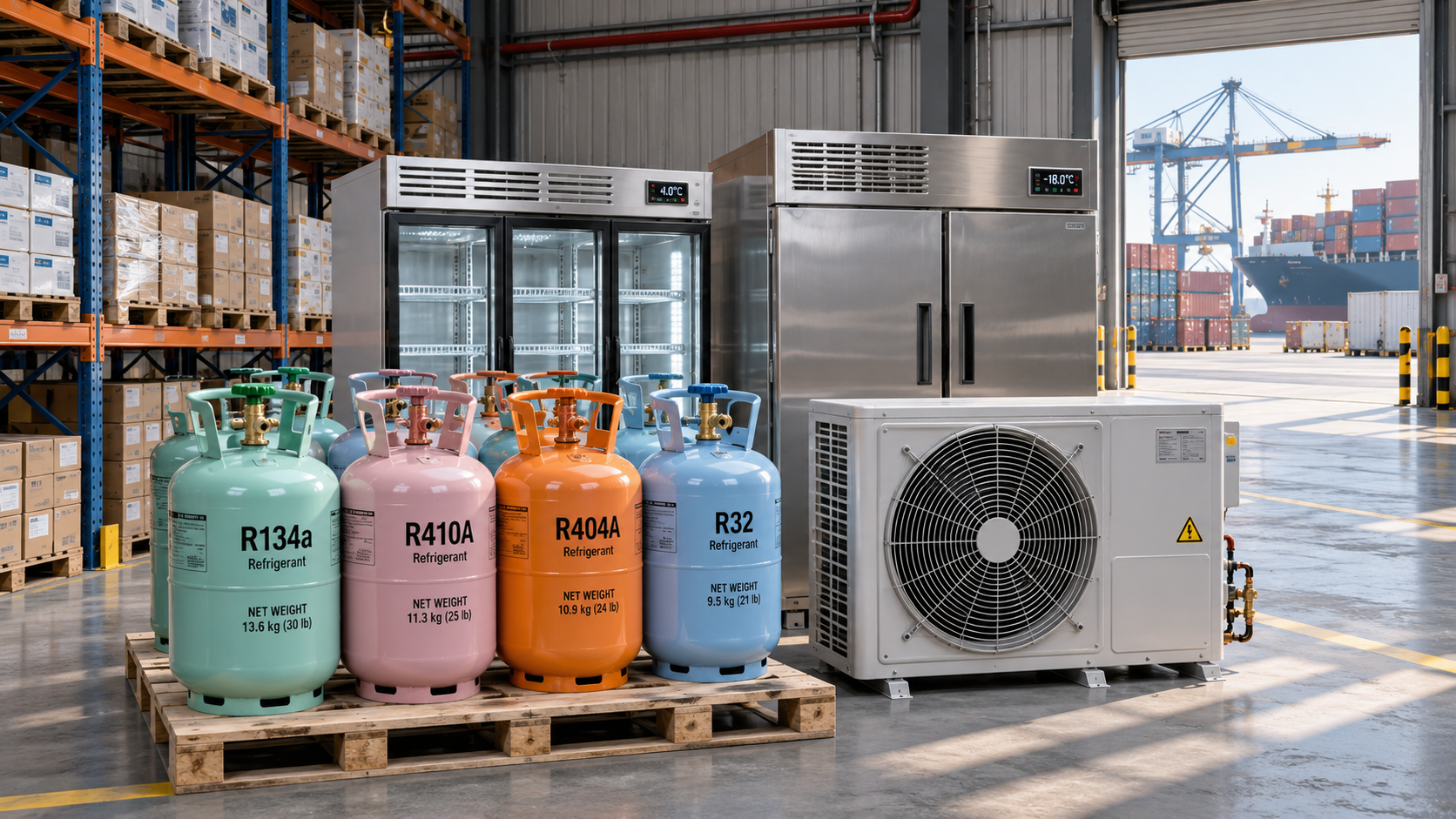
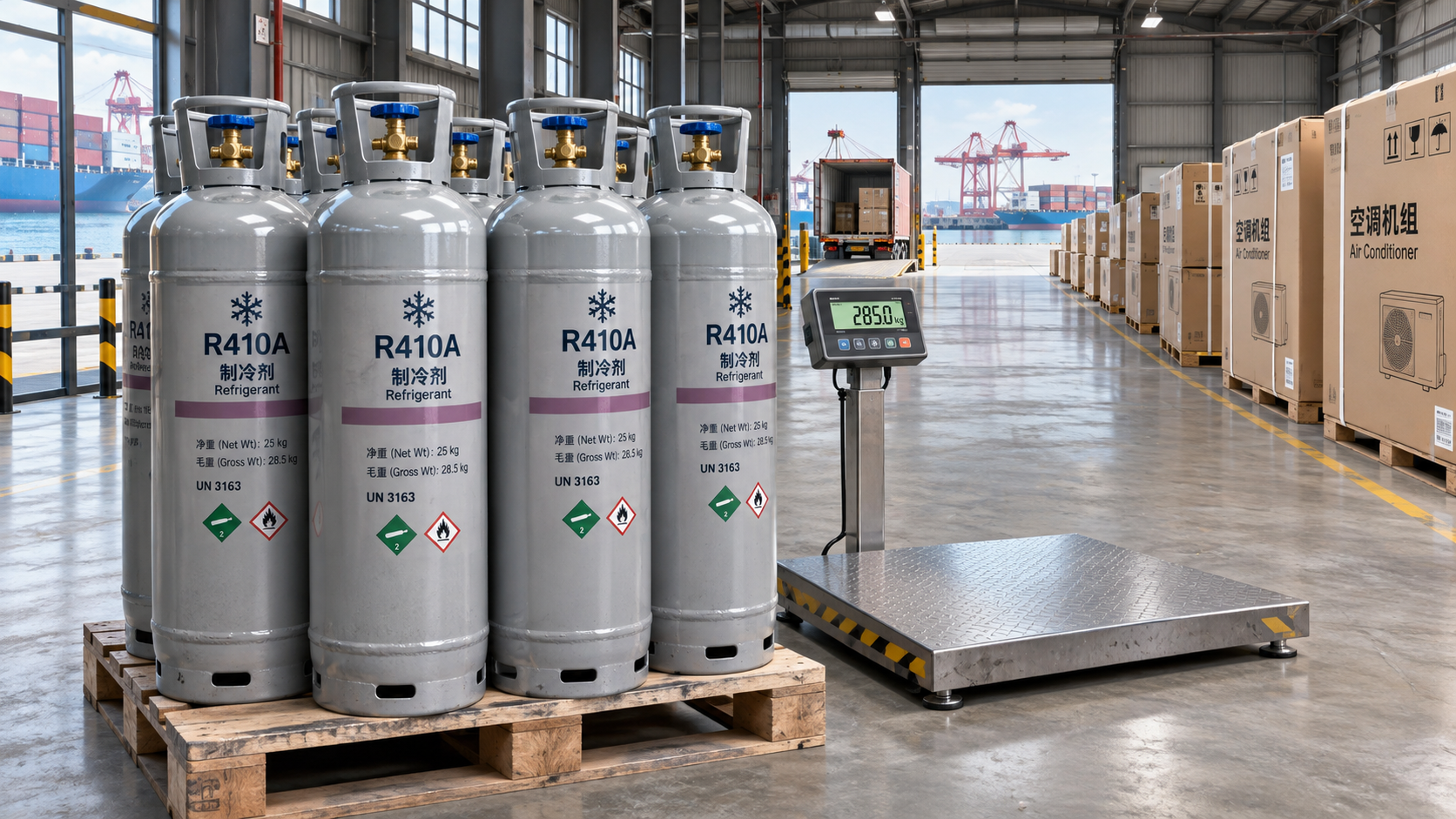
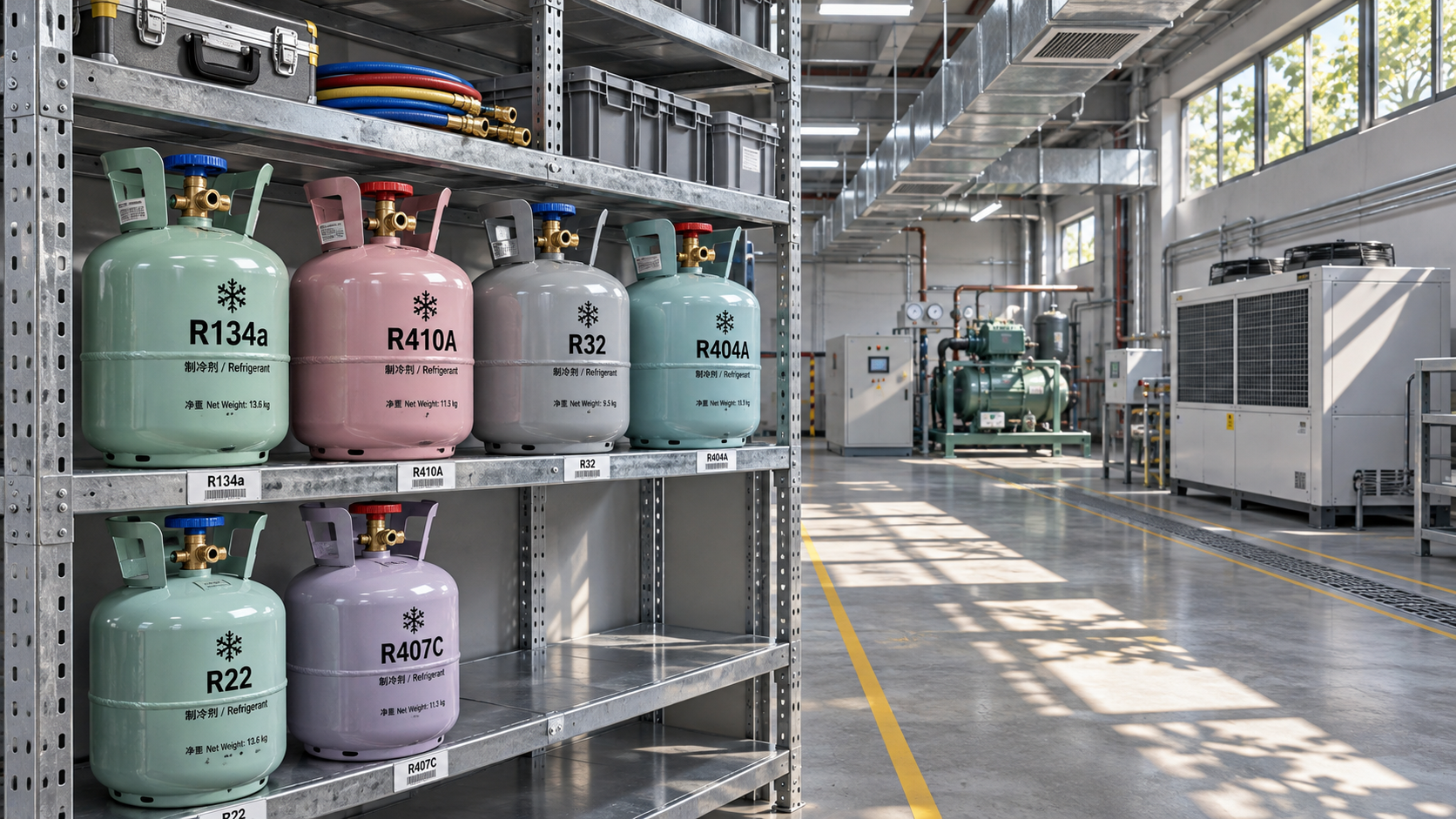
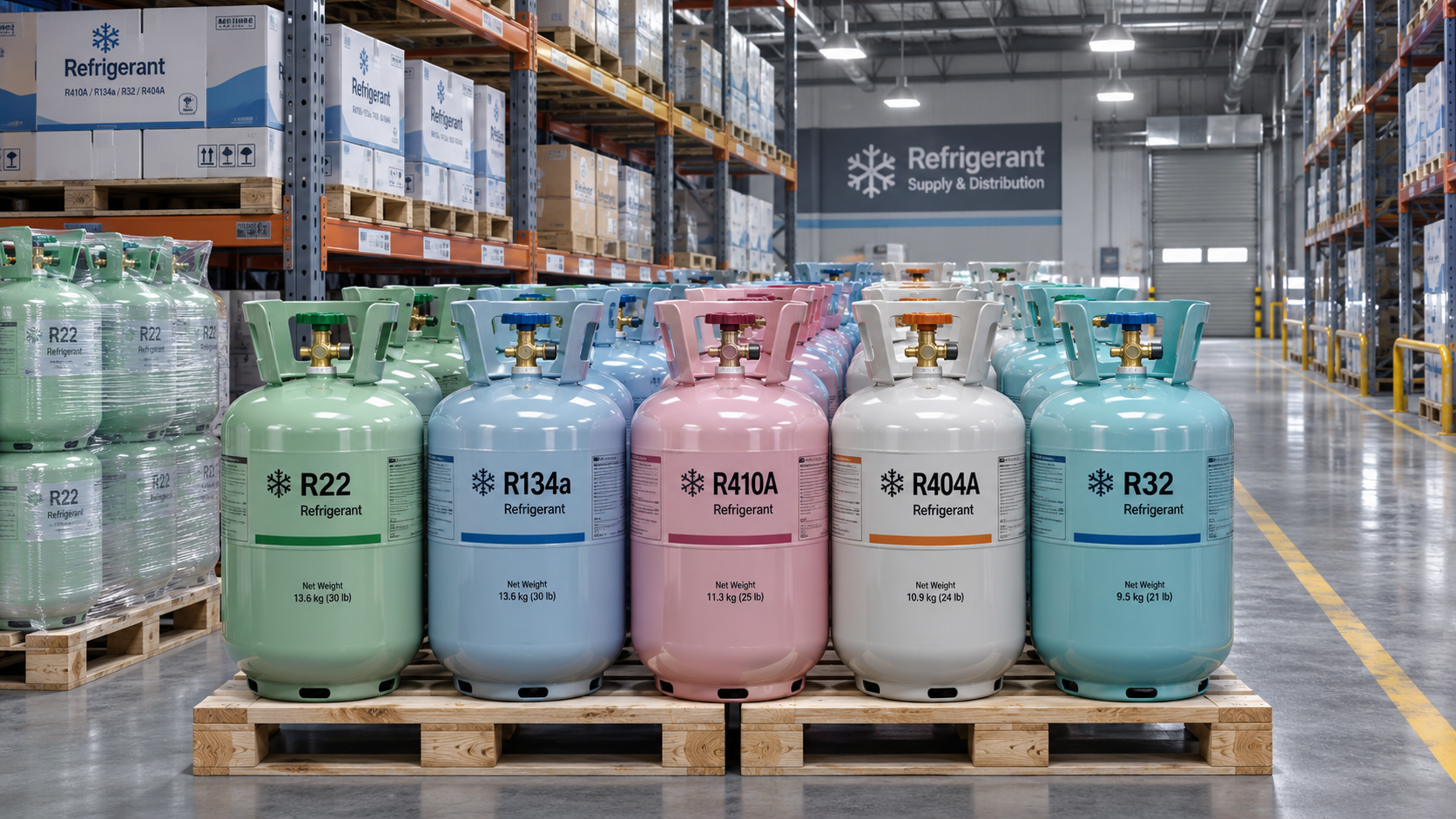
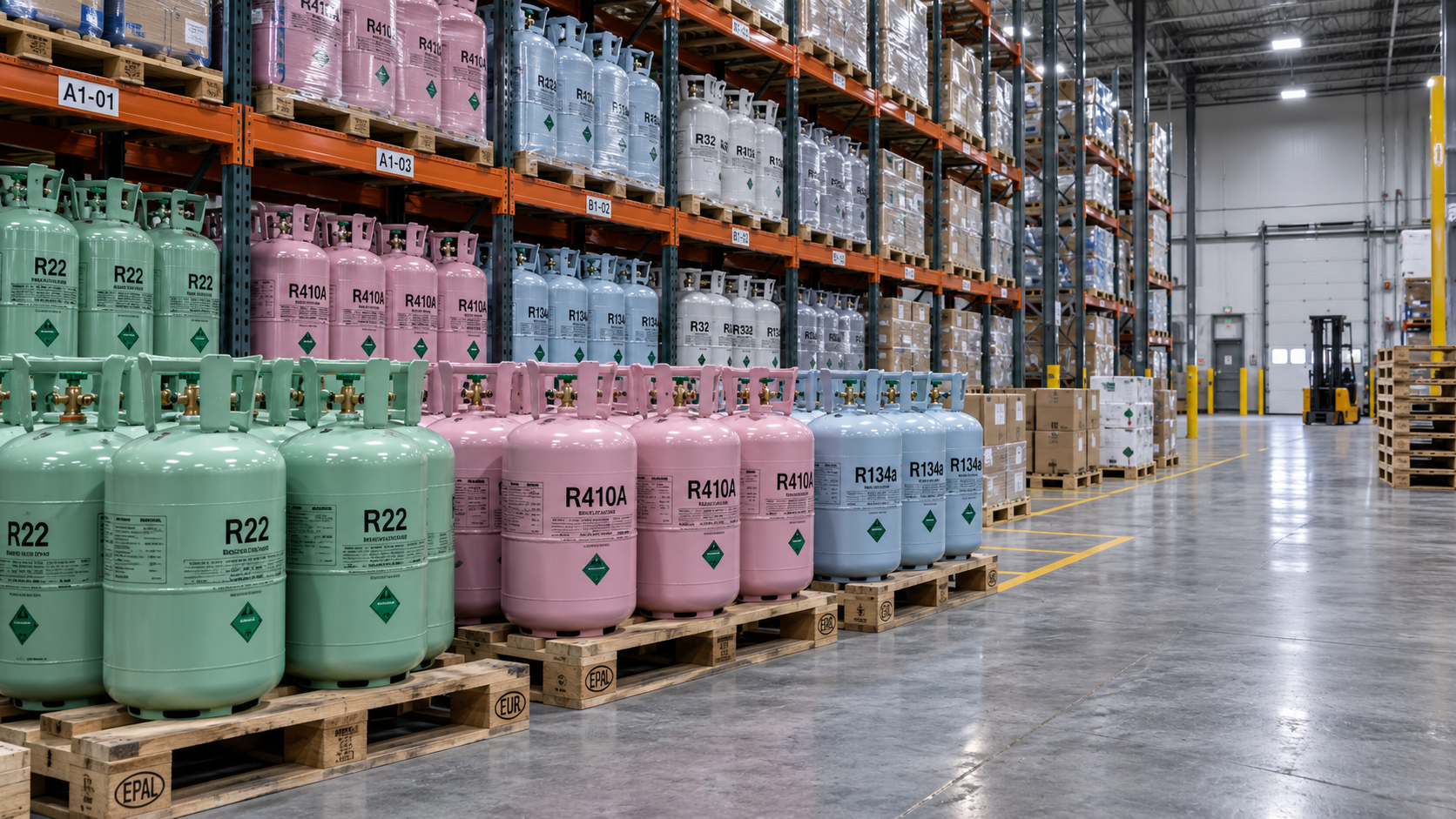
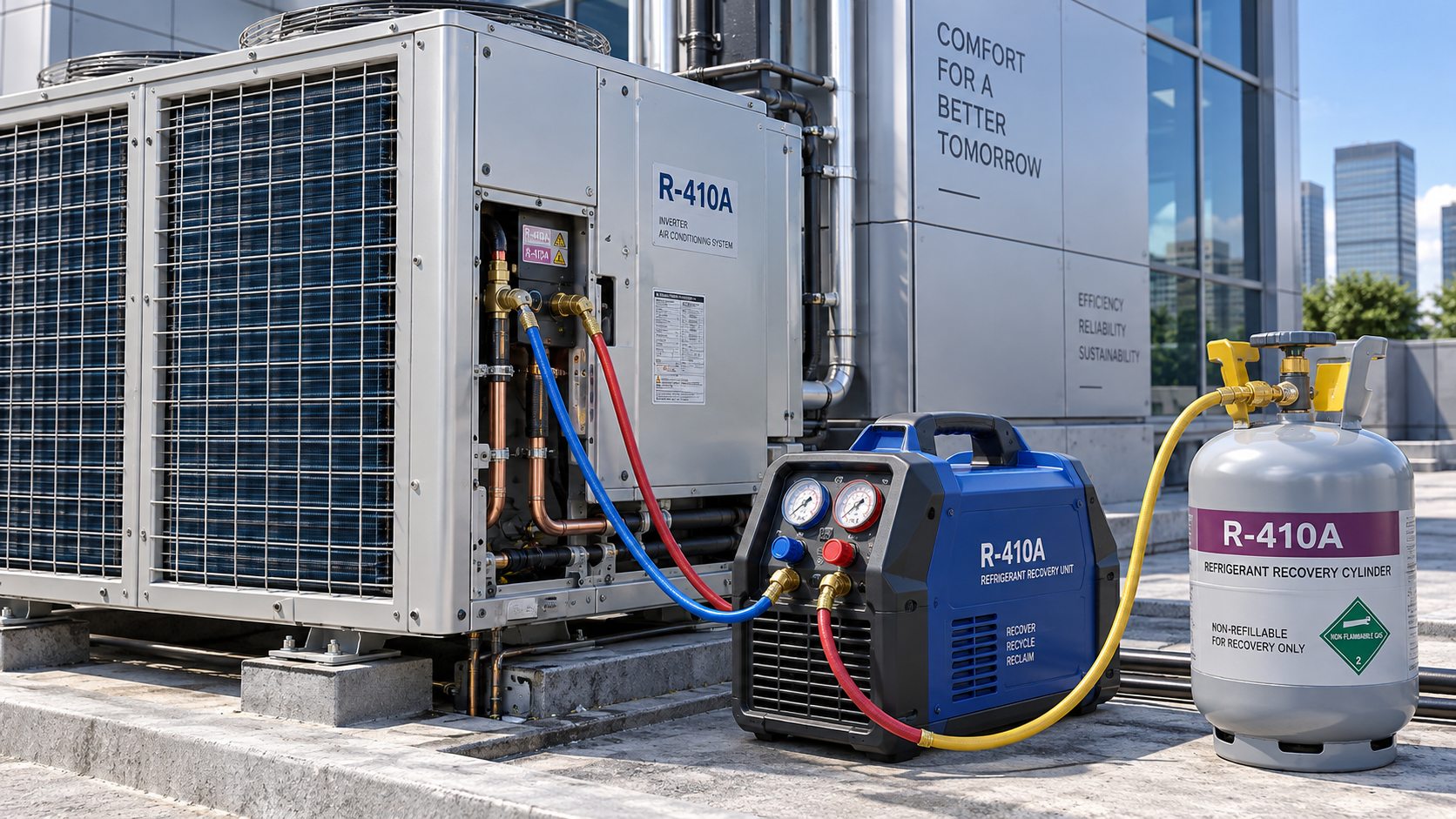
Palau’s Environmental Quality Protection Board (EQPB) has announced new refrigerant licensing requirements and a ban on imports of air conditioners, refrigerators and other equipment using R-410A or R-134a from 2027. Businesses that import, export, store or use refrigerants must apply for a license costing $100.
The measures address two related activities: bringing certain finished equipment into Palau and handling refrigerants in the course of business. For equipment suppliers, the refrigerant specified in a product will become a central consideration for imports from 2027. Businesses involved in refrigerant handling will also need to consider whether their activities fall within the licensing requirement.
The changes are intended to support Palau’s obligations under the Kigali Amendment to the Montreal Protocol and accelerate the phase-down of high-global-warming-potential refrigerants. Their immediate significance for the cooling sector lies in the distinction between the equipment import ban and the broader licensing requirement.
What the 2027 import ban means for equipment
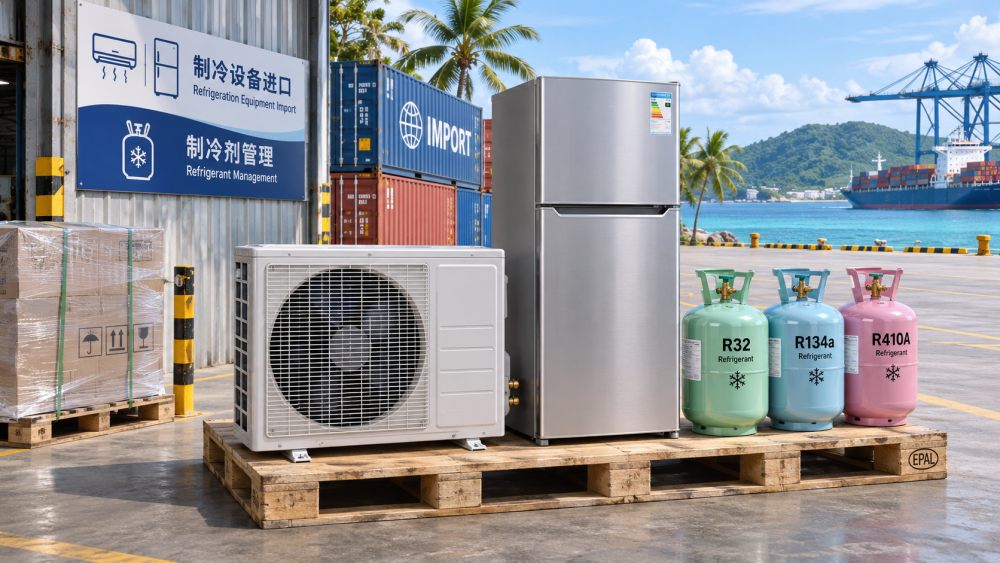
From 2027, the announced restriction applies to imports of equipment using R-410A or R-134a. Air conditioners and refrigerators are among the products affected. The relevant feature is the refrigerant used by the equipment, so a product’s cooling application alone will not establish whether it falls within the announced restriction.
For importers and suppliers, that places product specifications at the center of purchasing and supply decisions. A business considering equipment for the Palau market will need to identify which refrigerant each model uses and account for the 2027 restriction when planning imports. This concern can arise before a shipment is arranged, particularly when equipment selection and procurement take time.
The ban concerns imports of specified equipment. The announcement does not establish that all equipment already in use must be removed or replaced in 2027. Owners and service providers should therefore distinguish the stated import restriction from any separate requirements that may be set out in regulatory information.
Licensing covers refrigerant activities
The new licensing requirement applies to businesses that import, export, store or use refrigerants, with a stated fee of $100. Its relevance is broader than a single transaction involving a finished air conditioner or refrigerator: a business may need to consider the requirement because it handles refrigerant through one of the activities named by EQPB.
Different businesses may encounter the rule at different points in their operations. An importer or exporter would need to consider the licensing requirement in connection with refrigerant trade. A business that stores refrigerant or uses it in its work would need to consider the same requirement in relation to those activities. A company involved in more than one of them may need to examine how the licensing process applies across its operations.
The announced fee provides one clear cost associated with the application. Other practical details, including the application process, the timing of the licensing requirement and how it applies to particular activities, will matter to businesses planning compliance. Further regulatory information can help clarify those points.
Questions for purchasing and supply planning
The import ban may affect product selection for businesses supplying cooling equipment to Palau. Suppliers with models using either named refrigerant will need to take the 2027 restriction into account when considering which equipment can be offered for import. Buyers, in turn, may place greater emphasis on the refrigerant information supplied with a proposed model.
The announcement does not identify which alternative refrigerants or equipment models will be available or permitted. Nor does it establish how the change will affect prices, delivery times or the range of products offered. Those outcomes will depend on the equipment available and on any further requirements that apply.
Timing is another practical consideration. A purchasing decision made before 2027 could still be affected if the equipment is intended to be imported once the ban applies. The precise treatment of particular shipments or arrangements will depend on the rules governing implementation, so the import date and any further official guidance will be relevant to planning.
For businesses that both supply equipment and handle refrigerants, the two measures call for separate checks: whether the equipment is affected by the import ban, and whether the business must obtain a refrigerant license for its activities. Meeting one requirement should not be assumed to settle the other.
Further EQPB information on the scope and administration of the measures will be especially relevant to equipment importers, refrigerant handlers and their customers. The most immediate task is to connect each product or business activity with the requirement that applies, while keeping longer-term supply decisions open to the details of implementation.
Ready when you are. Send us a message to get started.
Related News
- Palau to Ban Imports of R-410A and R-134a Equipment From 2027Author :Cryogenic Systems Expert

- A2L Refrigerant Market Forecast to Reach $5.92 Billion by 2031Author :Cryogenic Systems Expert

- Can environmentally friendly refrigerants be used in existing HVAC systems?Author :Cryogenic Systems Expert

- EU Extends Refrigerant Exemption for Certain Heat Pumps Through 2027Author :Cryogenic Systems Expert

- ECHA Socio-Economic Analysis Committee Backs EU-Wide PFAS BanAuthor :Cryogenic Systems Expert

- EPA Extends Commercial Refrigeration Low-GWP Transition to 2032Author :Cryogenic Systems Expert

- EPA Sets End-2026 Installation Deadline for Most New R-410A VRF SystemsAuthor :Cryogenic Systems Expert

- Oman Revises Refrigerant and Equipment Import RulesAuthor :Cryogenic Systems Expert

- Oman Revises Import Rules for Refrigerants and EquipmentAuthor :Cryogenic Systems Expert

- Refrigerants Australia Warns of Sharp Drop in Key Refrigerant Supplies This SummerAuthor :Cryogenic Systems Expert

- Trinidad and Tobago and Uganda Advance HFC Controls Under Kigali AmendmentAuthor :Cryogenic Systems Expert

- US Refrigerant Sales Diverge in Q3: Solstice Up 8%, Chemours Down 9%Author :Cryogenic Systems Expert

- GB/T 18837-2026 Takes Effect, Adding A2L Refrigerants and Revising Efficiency EvaluationAuthor :Cryogenic Systems Expert

- Ningbo Seminar Addresses R290 Refrigerants and Air Conditioner EfficiencyAuthor :Cryogenic Systems Expert

- Q4 Refrigerant Contract Prices Rise CNY 500/Tonne; October AC Production Plans ReleasedAuthor :Cryogenic Systems Expert

- R22 Prices Retreat as China's Refrigerant Market Faces Tight Quotas and Soft DemandAuthor :Cryogenic Systems Expert

- Chemours Faces Investor Lawsuit Over Opteon Refrigerant Sales ForecastsAuthor :Cryogenic Systems Expert

- LG Expands R290 Monobloc Heat Pump Range with New 12–16 kW ModelsAuthor :Cryogenic Systems Expert

- EU Issues Updated Guidance on Industrial Refrigeration Efficiency and F-gas AlternativesAuthor :Cryogenic Systems Expert

- Do U.S. refrigerant regulations require replacing R-410A systems?Author :Cryogenic Systems Expert

- Where R-134a Restrictions Apply and How They Affect Refrigeration EquipmentAuthor :Cryogenic Systems Expert

- R-22 Phase-Out: Repair, Retrofit, or Replace Aging Commercial Cooling Systems?Author :Cryogenic Systems Expert

- R-410A Phase-Down Rules: Planning HVAC Replacements Before Supply TightensAuthor :Cryogenic Systems Expert

- Freon Policy Updates: What Facility Managers Must Review Before Equipment ServiceAuthor :Cryogenic Systems Expert

- How to verify refrigerant regulations and safety standards for a facilityAuthor :Cryogenic Systems Expert

- When refrigerant management software makes sense for multi-site complianceAuthor :Cryogenic Systems Expert

- EU Ends Duty-Free Small Parcels From July 1Author :Cryogenic Systems Expert

- China R410A Export Quotes Rise to RMB 60,000/TonAuthor :Cryogenic Systems Expert

- EU PFAS Curbs Raise Compliance Review for Cooling ExportsAuthor :Cryogenic Systems Expert

- EU PFAS Proposal Puts Refrigerant and Vacuum Exports Under ReviewAuthor :Cryogenic Systems Expert

- EU REACH PFAS Draft Raises New Export ChecksAuthor :Cryogenic Systems Expert

- EU Cuts High-GWP Refrigerant Import Quotas by 35%Author :Cryogenic Systems Expert

- EU Cuts Q4 2026 Quotas for High-GWP RefrigerantsAuthor :Cryogenic Systems Expert

- EU F-Gas Revision Cuts R410A Quotas 40%Author :Cryogenic Systems Expert

- EPA Freezes R-410A Quotas, Fast-Tracks R-32Author :Cryogenic Systems Expert

- Low GWP Refrigerants HFO Blends: Key Stability and Safety FactorsAuthor :Cryogenic Systems Expert