



EU Issues Updated Guidance on Industrial Refrigeration Efficiency and F-gas Alternatives




According to the supplied event summary, the European Commission released its 2026 revised guidance on industrial refrigeration system energy efficiency and F-gas substitution on October 16, 2026. The guidance addresses safe installation of A2L mildly flammable refrigerants and sets out a timetable for a further 15% reduction in HFC quotas in 2027. From an industry perspective, these developments could affect equipment selection, refrigerant procurement and installation planning for large industrial chillers and commercial cold storage facilities.
A2L Installation Guidance Accompanies the HFC Quota Timetable
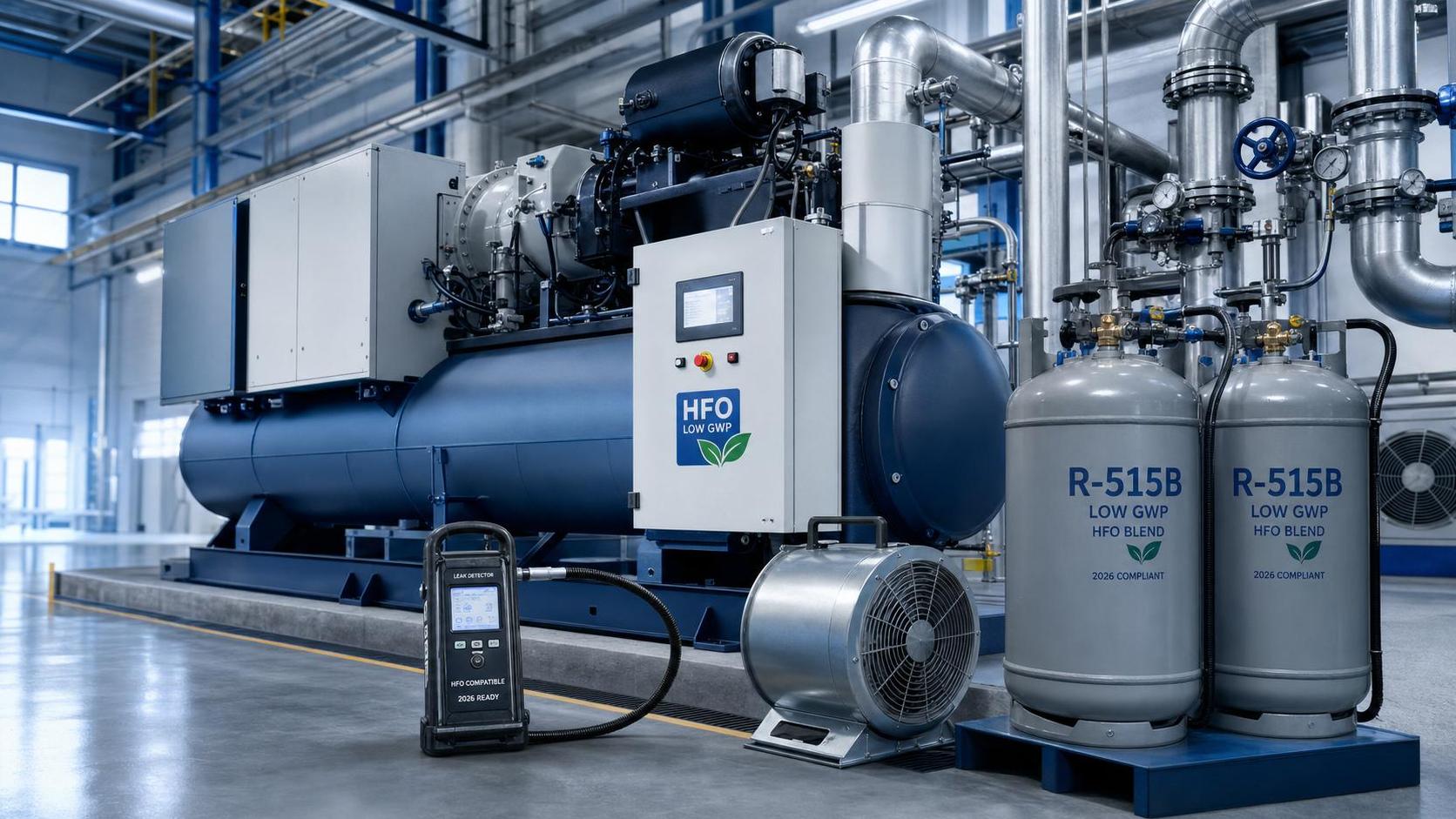
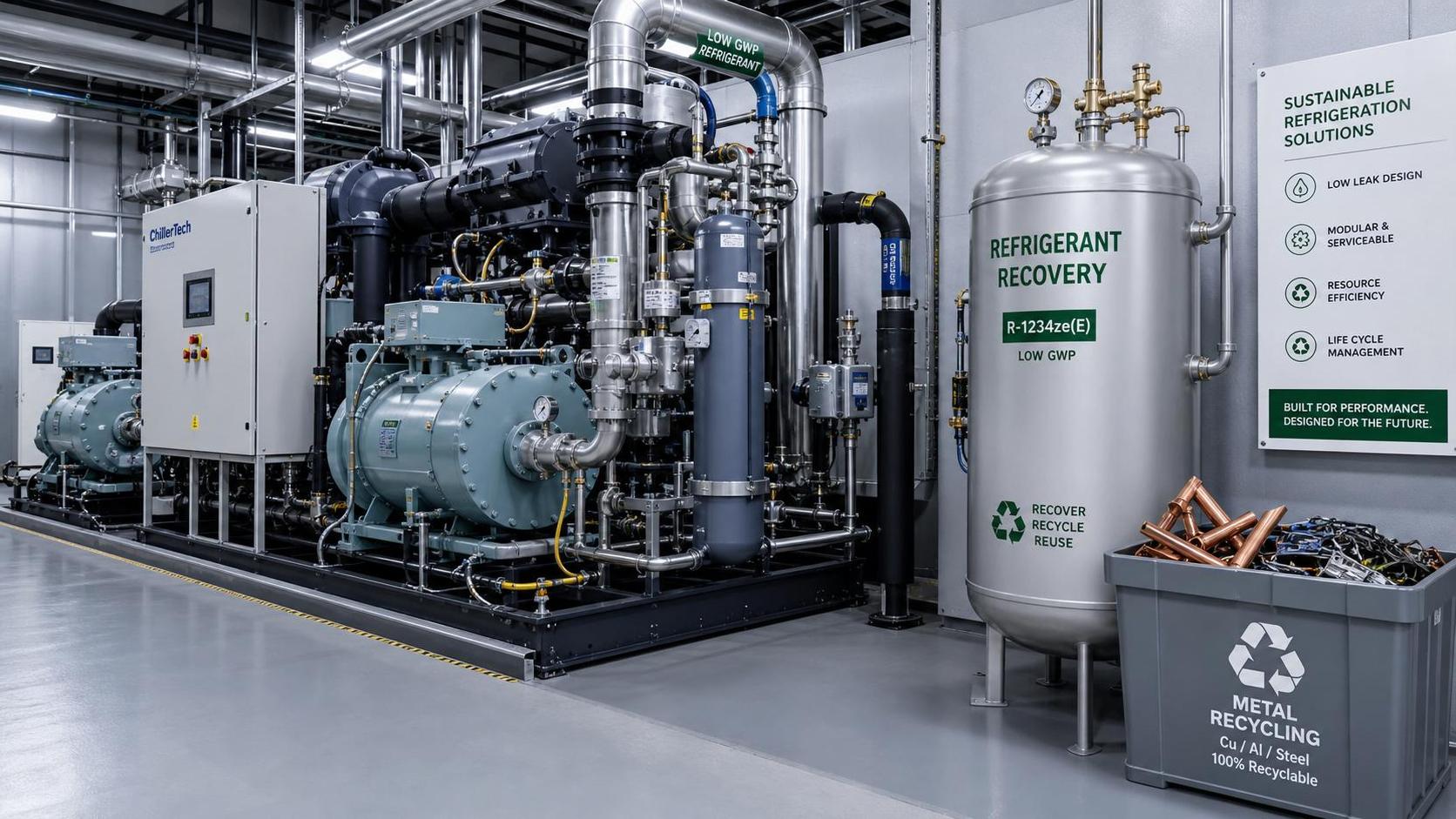
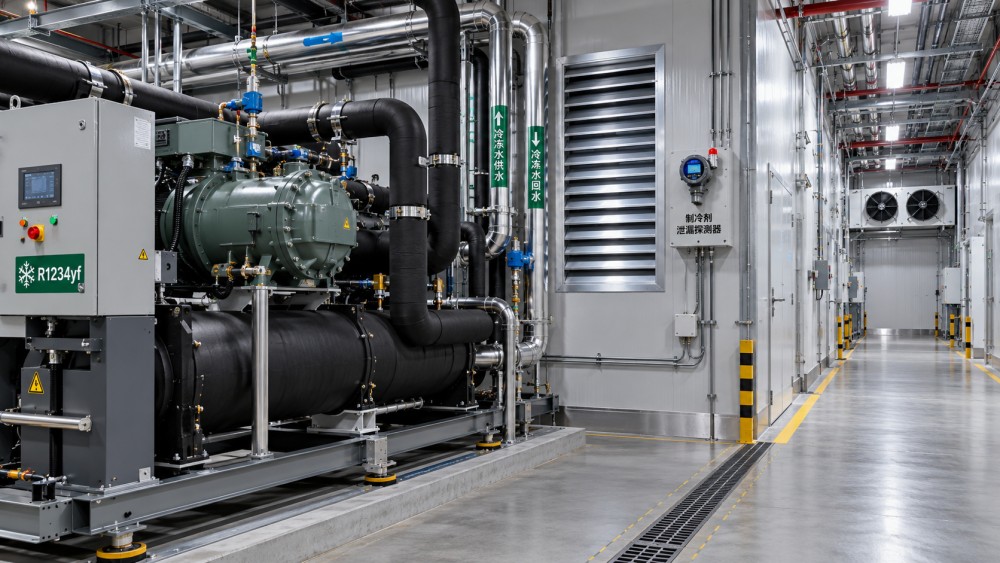
The supplied summary identifies the publication as the Guidance on Industrial Refrigeration System Energy Efficiency and F-gas Substitution, 2026 Revised Edition. It states that the document clarifies safe installation specifications for A2L mildly flammable refrigerants, including R-1234ze and R-454B, in large industrial chillers and commercial cold storage facilities.
The summary also states that the Commission published a specific timetable for a further 15% reduction in HFC quotas in 2027. The stated objective is to accelerate the refrigeration industry's transition toward technologies with low global warming potential, or GWP.
Although energy efficiency forms part of the publication's scope, the supplied information does not identify numerical efficiency thresholds, testing procedures or specific performance requirements. It also does not reproduce the individual dates within the quota reduction timetable.
Equipment Selection and Refrigerant Supply May Require Joint Review
Manufacturers and integrators may face closer specification checks
Analysis suggests that manufacturers and system integrators may need to assess refrigerant selection alongside installation conditions earlier in project development. For equipment using the A2L refrigerants identified in the summary, a practical review could compare the proposed system configuration, installation documentation and customer specifications with the published guidance. The supplied information does not establish that either refrigerant is suitable for every application.
Procurement teams may need clearer supply assumptions
From a procurement perspective, the announced HFC quota reduction could affect assumptions used in refrigerant purchasing and equipment sourcing. Buyers, distributors and businesses supplying equipment into the EU may benefit from checking supplier availability statements, quotation validity and proposed delivery schedules against the actual quota timetable. The summary does not establish that shortages, price increases or delivery delays have occurred.
Installation and service providers may need better project handovers
Analysis suggests that clarified A2L installation specifications could make coordination between equipment suppliers, contractors and service providers more important. Potential review points include whether installation instructions match the proposed refrigerant and whether project responsibilities are clearly documented. Any need for additional assessments, training or certification should be verified against the full guidance and applicable requirements; the supplied summary does not confirm new obligations in these areas.
Practical Reviews Should Start with the Published Requirements
Establish which provisions apply to each project
As a practical recommendation, businesses should obtain the complete publication and assess its scope before changing compliance procedures or tender requirements. The review should establish which provisions concern large industrial chillers, which concern commercial cold storage, and what legal or procedural status the installation specifications carry. Publication of guidance alone does not establish, from the supplied information, a new certification requirement or an immediate obligation to replace existing equipment.
Validate alternatives against operating conditions and efficiency needs
Analysis suggests that substitution decisions should consider the proposed equipment, operating conditions, installation arrangements and energy performance together. R-1234ze and R-454B are examples named in the summary; their inclusion should not be treated as confirmation that they are interchangeable or suitable for every system. Businesses could request supporting technical information from suppliers before approving a proposed alternative.
Connect purchasing plans with the verified quota schedule
As a planning measure, procurement teams could compare expected refrigerant demand and project delivery dates with the detailed 2027 timetable once verified. Clarifying which refrigerant a quotation covers, what availability assumptions support it and how substitutions would be approved may help reduce uncertainty during delivery. These are suggested commercial checks, rather than additional obligations established by the supplied summary.
The Publication Signals Direction, but Execution Details Still Matter
Editorial analysis: this development is best understood as a reported publication of guidance accompanied by a forward implementation signal for HFC supply planning. The A2L provisions concern installation practice, while the announced quota reduction gives businesses a reason to examine future sourcing assumptions. Their practical interaction will depend on the complete text, the detailed timetable and how relevant requirements are applied.
What deserves closer attention is how the guidance is reflected in technical specifications, tender documents, supplier documentation and project acceptance criteria. The supplied information does not confirm changes to those documents or practices. Subsequent official clarification and industry feedback would help establish whether businesses face additional documentation work, different equipment choices or changes to delivery planning.
A Basis for Targeted Project and Supply Reviews
From an industry perspective, the reported update links refrigerant substitution with installation safety and future HFC availability. A proportionate response would be to verify the publication, review affected projects and test procurement assumptions against the confirmed timetable. The information supports preparation and technical assessment, while conclusions about mandatory retrofits, new approvals or market outcomes would require further evidence.
Publication Details and Implementation Remain to Be Verified
This article was prepared solely from the user-provided news title, event date and event summary. No specific official source link was provided in the input, so the publication and its detailed provisions require continued verification. The document title is presented here in English based on the supplied description.
Relevant verification sources would include the European Commission's official publication and associated official notices. Further monitoring should focus on the detailed quota schedule, the status and scope of the installation provisions, any applicable conformity assessment or certification interpretation, changes in tender documentation, and feedback on procurement and project implementation.
Ready when you are. Send us a message to get started.
Related News
- Chemours Faces Investor Lawsuit Over Opteon Refrigerant Sales ForecastsAuthor :Cryogenic Systems Expert

- LG Expands R290 Monobloc Heat Pump Range with New 12–16 kW ModelsAuthor :Cryogenic Systems Expert

- EU Issues Updated Guidance on Industrial Refrigeration Efficiency and F-gas AlternativesAuthor :Cryogenic Systems Expert

- Do U.S. refrigerant regulations require replacing R-410A systems?Author :Cryogenic Systems Expert

- Where R-134a Restrictions Apply and How They Affect Refrigeration EquipmentAuthor :Cryogenic Systems Expert

- R-22 Phase-Out: Repair, Retrofit, or Replace Aging Commercial Cooling Systems?Author :Cryogenic Systems Expert

- R-410A Phase-Down Rules: Planning HVAC Replacements Before Supply TightensAuthor :Cryogenic Systems Expert

- Freon Policy Updates: What Facility Managers Must Review Before Equipment ServiceAuthor :Cryogenic Systems Expert

- How to verify refrigerant regulations and safety standards for a facilityAuthor :Cryogenic Systems Expert

- When refrigerant management software makes sense for multi-site complianceAuthor :Cryogenic Systems Expert

- EU Ends Duty-Free Small Parcels From July 1Author :Cryogenic Systems Expert

- China R410A Export Quotes Rise to RMB 60,000/TonAuthor :Cryogenic Systems Expert

- EU PFAS Curbs Raise Compliance Review for Cooling ExportsAuthor :Cryogenic Systems Expert

- EU PFAS Proposal Puts Refrigerant and Vacuum Exports Under ReviewAuthor :Cryogenic Systems Expert

- EU REACH PFAS Draft Raises New Export ChecksAuthor :Cryogenic Systems Expert

- EU Cuts High-GWP Refrigerant Import Quotas by 35%Author :Cryogenic Systems Expert

- EU Cuts Q4 2026 Quotas for High-GWP RefrigerantsAuthor :Cryogenic Systems Expert

- EU F-Gas Revision Cuts R410A Quotas 40%Author :Cryogenic Systems Expert

- EPA Freezes R-410A Quotas, Fast-Tracks R-32Author :Cryogenic Systems Expert

- Low GWP Refrigerants HFO Blends: Key Stability and Safety FactorsAuthor :Cryogenic Systems Expert

- R-32 Price Spike Reshapes Chiller ProcurementAuthor :Cryogenic Systems Expert

- How to Compare Environmentally Friendly Refrigerants by GWP, Safety, and CostAuthor :Cryogenic Systems Expert

- R-454B Export Quota Cut 18% as Lead Times DoubleAuthor :Cryogenic Systems Expert

- Japan Cuts R32 and R290 Import Quotas From July 10Author :Cryogenic Systems Expert

- EPA Cuts R-134a Import Quotas 42% From July 2026Author :Cryogenic Systems Expert
![]()
- Low GWP Refrigerants HFO Blends: Performance and Compliance in 2026Author :Cryogenic Systems Expert

- R-513A Jumps 23% as China Tightens Export QuotasAuthor :Cryogenic Systems Expert

- Environmentally Friendly Refrigerants in 2026: Compliance Risks and Upgrade PrioritiesAuthor :Cryogenic Systems Expert

- Pharmaceutical Temperature Control Systems: Common Compliance RisksAuthor :Cryogenic Systems Expert

- China Tightens Q3 R32 Export QuotasAuthor :Cryogenic Systems Expert

- California EPR Deadline Nears for Refrigeration MakersAuthor :Cryogenic Systems Expert

- Resource Circularity Trends Reshaping Refrigerants and Cooling SystemsAuthor :Cryogenic Systems Expert

- HFCs Filing Rules Enter Full EnforcementAuthor :Cryogenic Systems Expert

- How Environmentally Friendly Refrigerants Affect Chiller ComplianceAuthor :Cryogenic Systems Expert

- EU REACH Tightens Refrigerant Impurity Limits for R134a ExportsAuthor :Cryogenic Systems Expert

- China Seeks Feedback on 2027 Refrigerant QuotasAuthor :Cryogenic Systems Expert