EPA Extends Commercial Refrigeration Low-GWP Transition to 2032




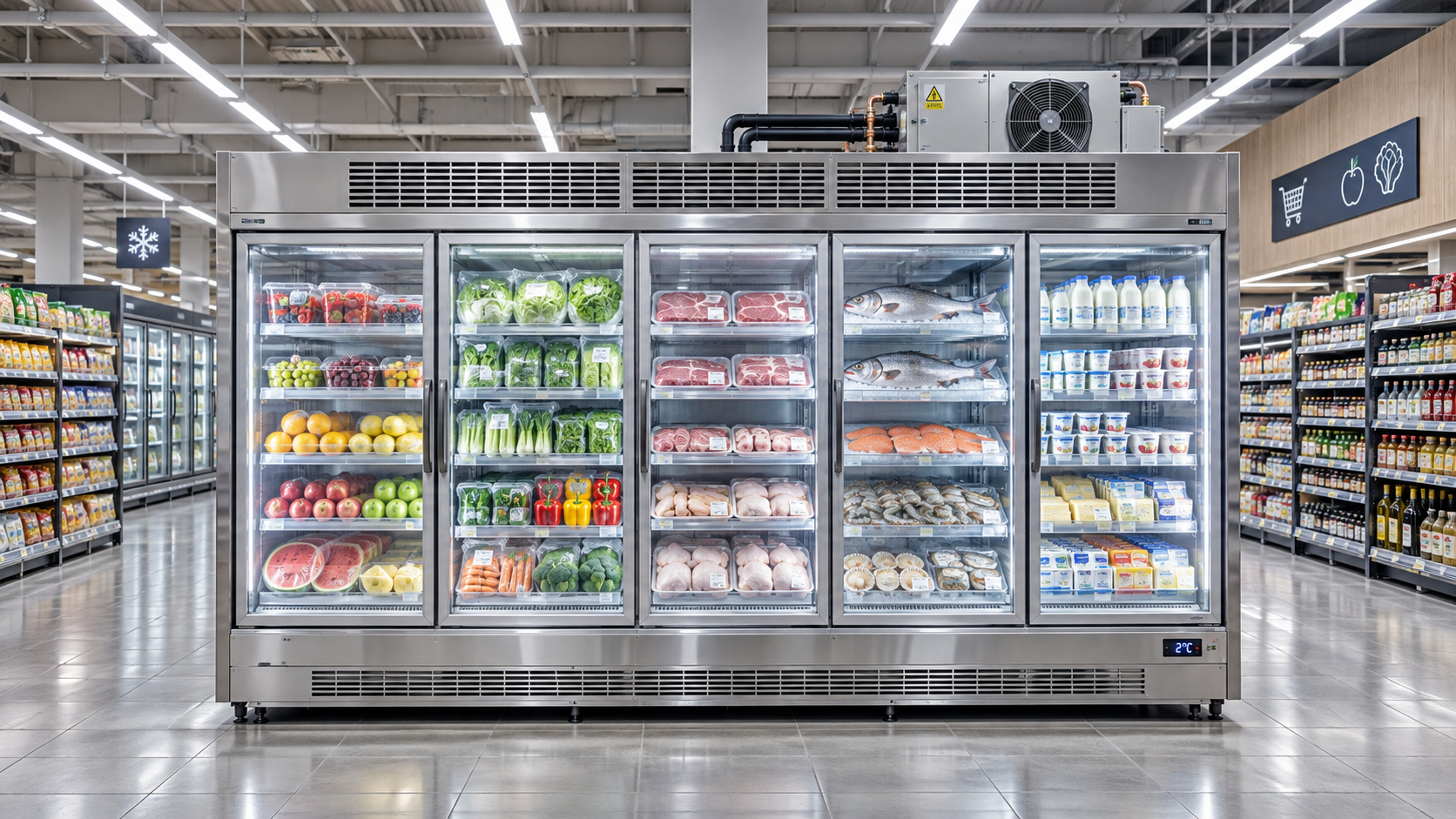
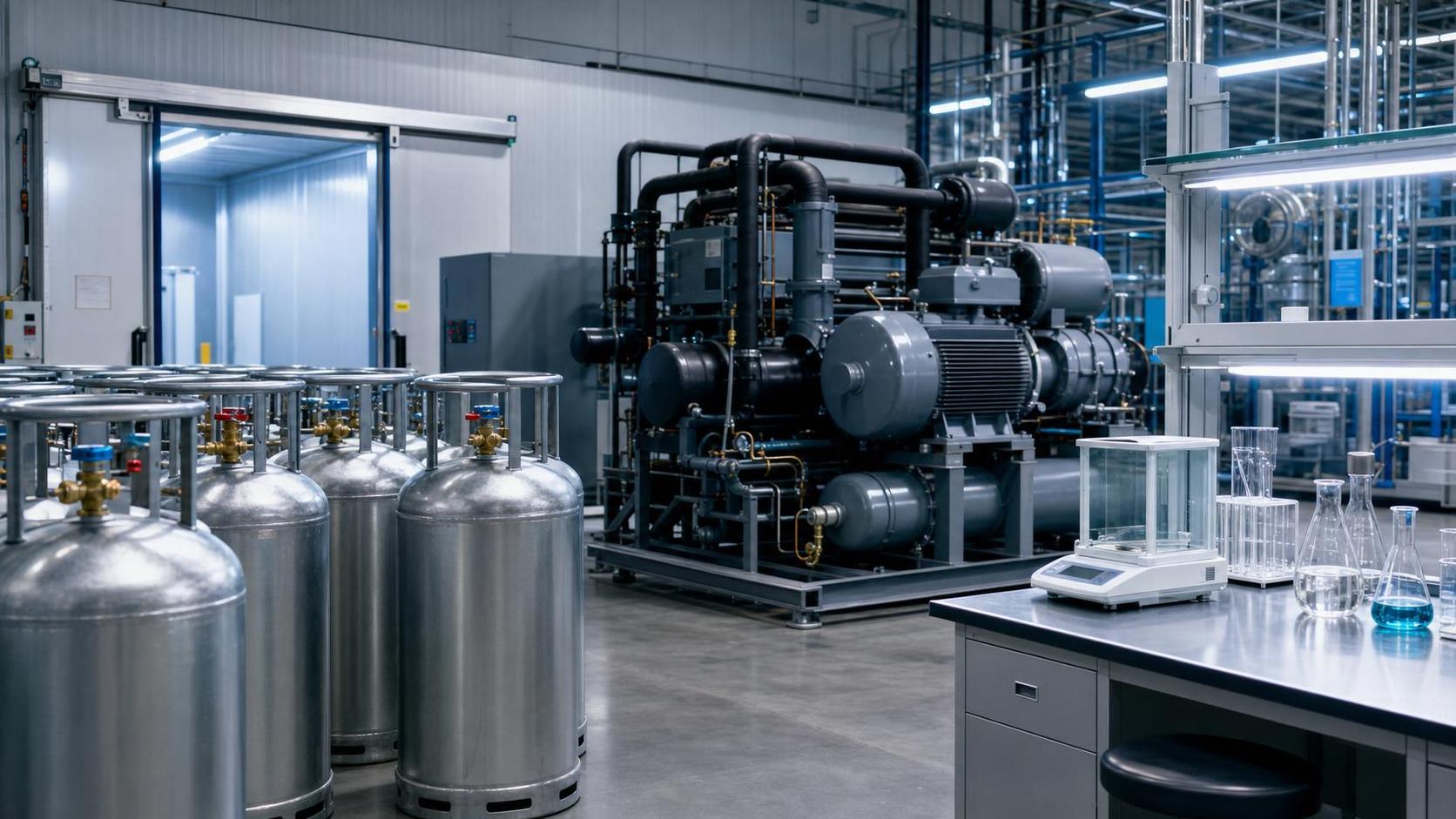
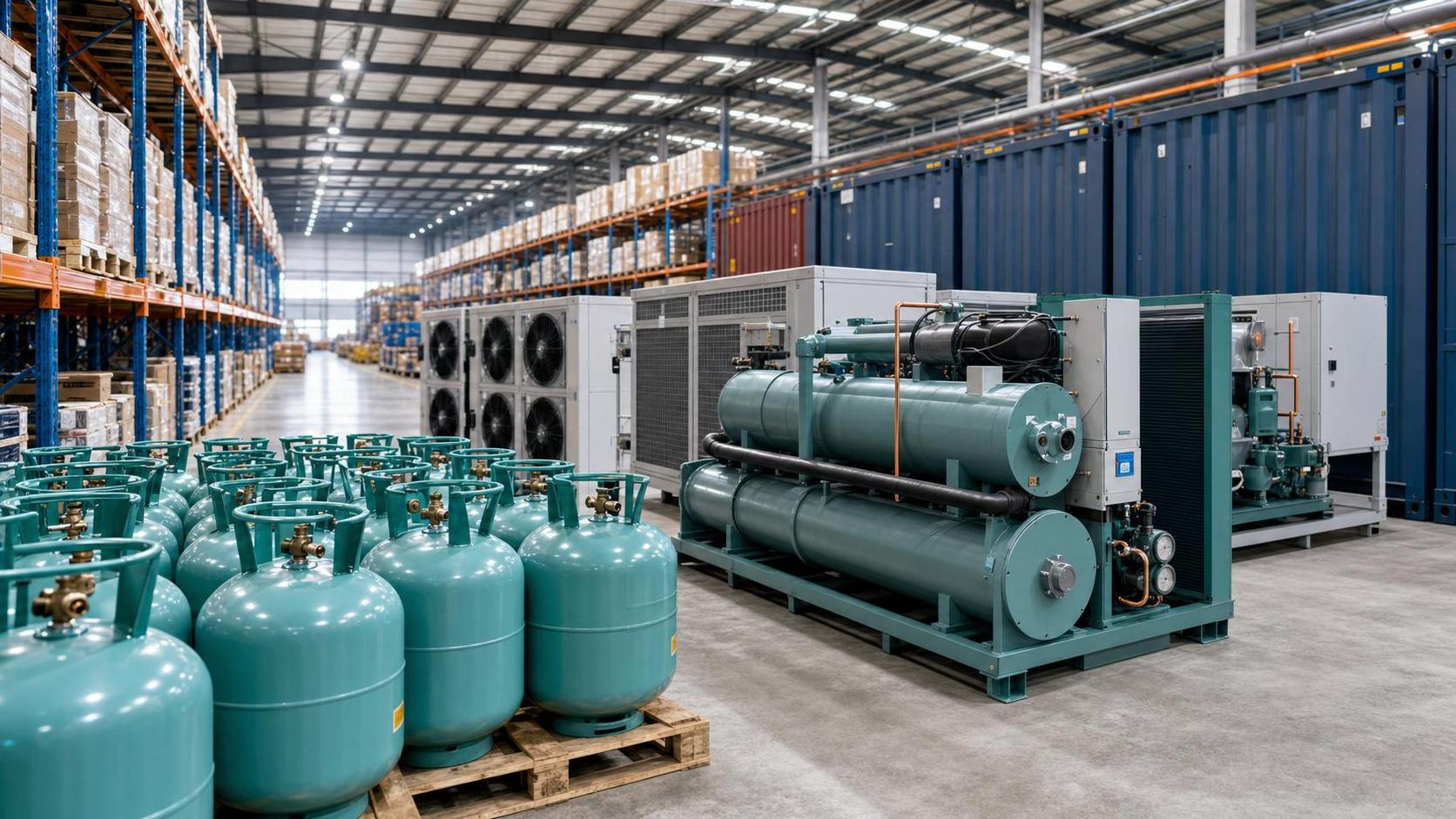
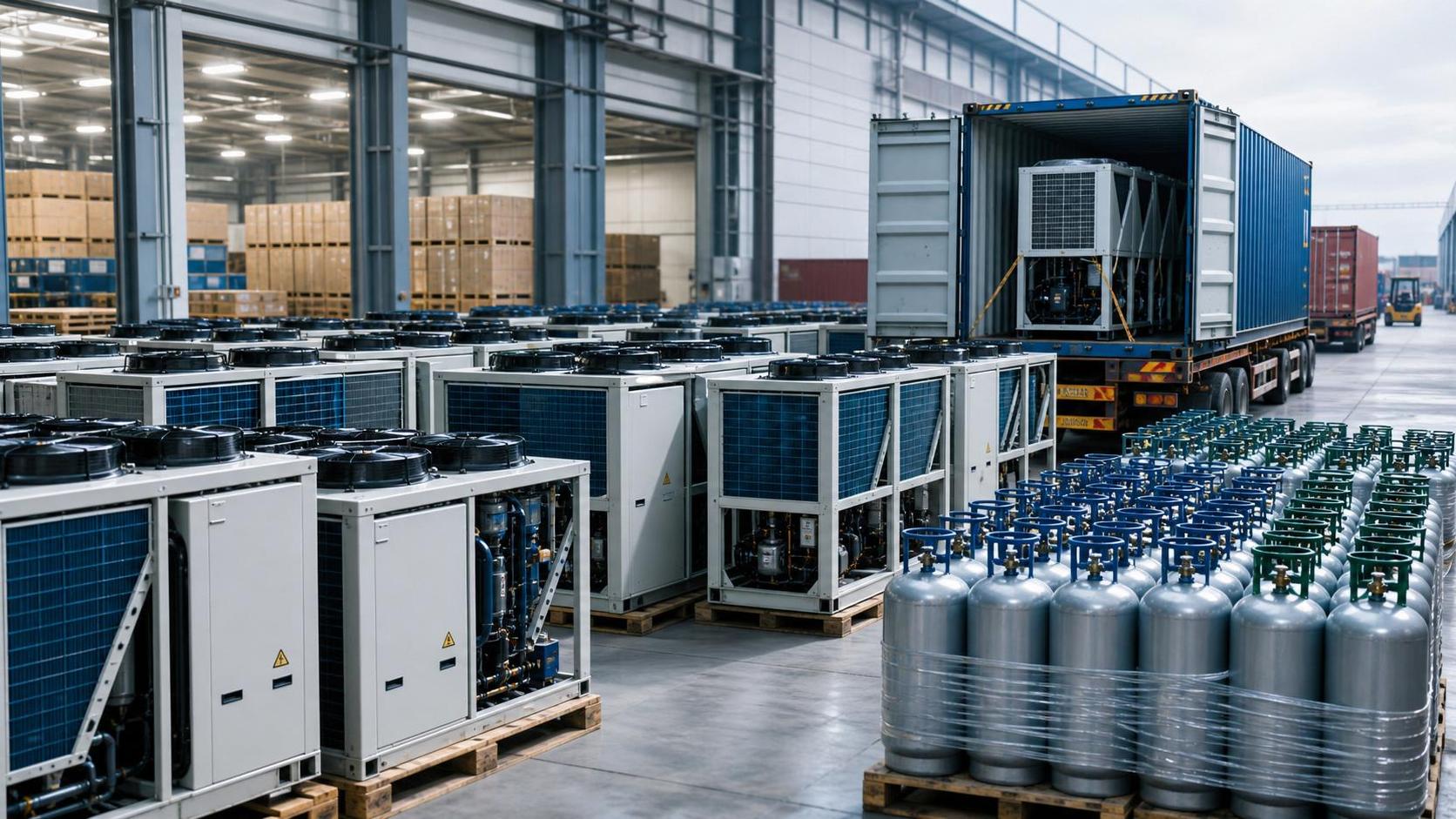
The U.S. Environmental Protection Agency (EPA) has finalized a rule extending the transition period for lower-global-warming-potential (GWP) refrigerants in commercial refrigeration equipment, including new supermarket systems and refrigerated warehouses. Stricter GWP limits originally scheduled to take effect in 2026 or 2027 are now set to begin on January 1, 2032.
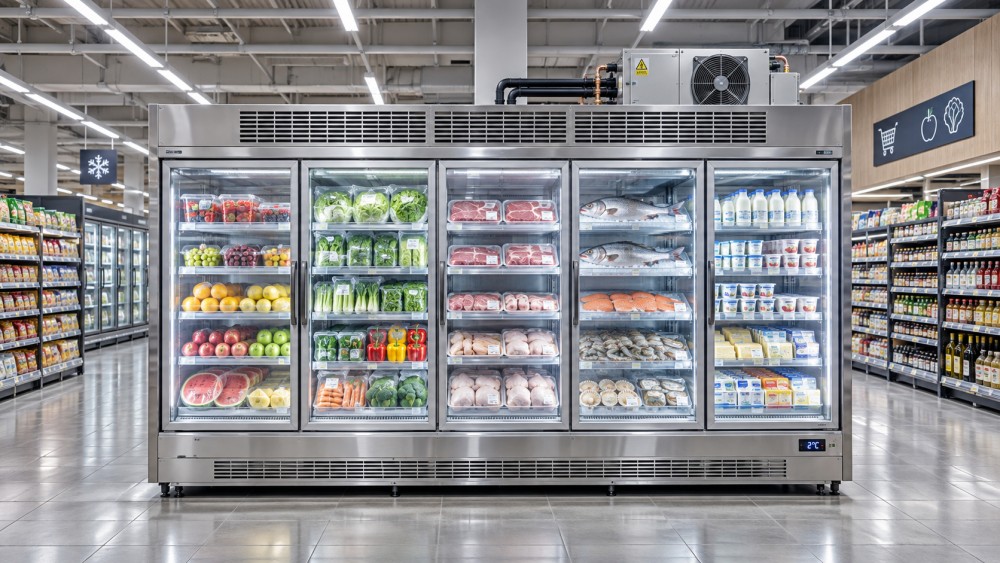
For new supermarket systems, the rule establishes an interim GWP limit of 1,400 beginning January 1, 2027. For refrigerated warehouses, the GWP limit is raised to 700, with stricter limits also deferred until 2032. The changes are intended to reduce compliance costs and ease supply chain pressure while giving affected businesses more time to make the transition.
For companies planning new refrigeration projects, the distinction between an interim limit and a later, stricter requirement matters. The extension changes the timetable for meeting the lower thresholds; it does not make the GWP limit irrelevant during the intervening period.
What changes for supermarkets and refrigerated warehouses
The rule provides a longer transition to the stricter GWP limits of 150 or 300 that had been scheduled for 2026 or 2027. Those limits are now due to take effect on January 1, 2032. The applicable threshold depends on the equipment or application covered by the rule, so the figures should not be treated as interchangeable.
For new supermarket systems, the interim limit of 1,400 applies from January 1, 2027. This creates a period in which a system can be assessed against the interim threshold before the stricter requirement begins. The change gives project planners more time, but the appropriate choice for a particular installation still depends on the requirements that apply to it.
Refrigerated warehouses face a related change: the GWP limit is raised to 700, and the stricter limit is postponed to 2032. The supermarket and warehouse figures are different, so businesses involved in both types of project will need to distinguish between the requirements when assessing equipment and refrigerant options.
Where the extended timetable could matter first
The most immediate planning implications are likely to arise in decisions about new systems. Owners and project teams can account for the additional time when comparing equipment and refrigerants against the applicable limits. Suppliers, in turn, may have a longer period to align their offerings and delivery plans with the stricter thresholds.
The potential cost effect depends on the choices available for each project. A later deadline may give some buyers more flexibility in when they adopt equipment designed for the stricter limits. It does not, by itself, establish how much any project will save, or whether a particular system will cost less to purchase, install or operate.
The same distinction applies to supply chains. Extending the deadline is intended to relieve pressure, and a longer transition could spread purchasing and delivery decisions over more time. The actual effect will depend on how availability and demand develop for the equipment and refrigerants that meet each applicable limit.
Businesses should also distinguish a decision to meet an interim requirement from a decision to plan for the later threshold. A system that satisfies an interim GWP limit is not automatically shown to satisfy a stricter limit. Whether the 2032 requirements affect a particular project, and how, depends on the rule's applicable provisions and the characteristics of the system.
What to watch as 2032 approaches
The extension makes the timing of compliance a central issue for commercial refrigeration projects. The interim supermarket limit begins in 2027, while the stricter transition is scheduled for 2032. For refrigerated warehouses, the raised limit and the later deadline likewise create a distinction between the requirements during the transition and those scheduled afterward.
Further regulatory information and the availability of compliant equipment and refrigerants will help businesses assess their options. Until those project-specific questions are resolved, the clearest conclusion is that the EPA has provided more time to reach the stricter GWP limits while retaining limits for the affected applications during the transition.
Ready when you are. Send us a message to get started.
Related News
- EPA Extends Commercial Refrigeration Low-GWP Transition to 2032Author :Cryogenic Systems Expert

- EPA Sets End-2026 Installation Deadline for Most New R-410A VRF SystemsAuthor :Cryogenic Systems Expert

- Oman Revises Refrigerant and Equipment Import RulesAuthor :Cryogenic Systems Expert

- Oman Revises Import Rules for Refrigerants and EquipmentAuthor :Cryogenic Systems Expert

- Refrigerants Australia Warns of Sharp Drop in Key Refrigerant Supplies This SummerAuthor :Cryogenic Systems Expert

- Trinidad and Tobago and Uganda Advance HFC Controls Under Kigali AmendmentAuthor :Cryogenic Systems Expert

- US Refrigerant Sales Diverge in Q3: Solstice Up 8%, Chemours Down 9%Author :Cryogenic Systems Expert

- GB/T 18837-2026 Takes Effect, Adding A2L Refrigerants and Revising Efficiency EvaluationAuthor :Cryogenic Systems Expert

- Ningbo Seminar Addresses R290 Refrigerants and Air Conditioner EfficiencyAuthor :Cryogenic Systems Expert

- Q4 Refrigerant Contract Prices Rise CNY 500/Tonne; October AC Production Plans ReleasedAuthor :Cryogenic Systems Expert

- R22 Prices Retreat as China's Refrigerant Market Faces Tight Quotas and Soft DemandAuthor :Cryogenic Systems Expert

- Chemours Faces Investor Lawsuit Over Opteon Refrigerant Sales ForecastsAuthor :Cryogenic Systems Expert

- LG Expands R290 Monobloc Heat Pump Range with New 12–16 kW ModelsAuthor :Cryogenic Systems Expert

- EU Issues Updated Guidance on Industrial Refrigeration Efficiency and F-gas AlternativesAuthor :Cryogenic Systems Expert

- Do U.S. refrigerant regulations require replacing R-410A systems?Author :Cryogenic Systems Expert

- Where R-134a Restrictions Apply and How They Affect Refrigeration EquipmentAuthor :Cryogenic Systems Expert

- R-22 Phase-Out: Repair, Retrofit, or Replace Aging Commercial Cooling Systems?Author :Cryogenic Systems Expert

- R-410A Phase-Down Rules: Planning HVAC Replacements Before Supply TightensAuthor :Cryogenic Systems Expert

- Freon Policy Updates: What Facility Managers Must Review Before Equipment ServiceAuthor :Cryogenic Systems Expert

- How to verify refrigerant regulations and safety standards for a facilityAuthor :Cryogenic Systems Expert

- When refrigerant management software makes sense for multi-site complianceAuthor :Cryogenic Systems Expert

- EU Ends Duty-Free Small Parcels From July 1Author :Cryogenic Systems Expert

- China R410A Export Quotes Rise to RMB 60,000/TonAuthor :Cryogenic Systems Expert

- EU PFAS Curbs Raise Compliance Review for Cooling ExportsAuthor :Cryogenic Systems Expert

- EU PFAS Proposal Puts Refrigerant and Vacuum Exports Under ReviewAuthor :Cryogenic Systems Expert

- EU REACH PFAS Draft Raises New Export ChecksAuthor :Cryogenic Systems Expert

- EU Cuts High-GWP Refrigerant Import Quotas by 35%Author :Cryogenic Systems Expert

- EU Cuts Q4 2026 Quotas for High-GWP RefrigerantsAuthor :Cryogenic Systems Expert

- EU F-Gas Revision Cuts R410A Quotas 40%Author :Cryogenic Systems Expert

- EPA Freezes R-410A Quotas, Fast-Tracks R-32Author :Cryogenic Systems Expert

- Low GWP Refrigerants HFO Blends: Key Stability and Safety FactorsAuthor :Cryogenic Systems Expert

- R-32 Price Spike Reshapes Chiller ProcurementAuthor :Cryogenic Systems Expert

- How to Compare Environmentally Friendly Refrigerants by GWP, Safety, and CostAuthor :Cryogenic Systems Expert

- R-454B Export Quota Cut 18% as Lead Times DoubleAuthor :Cryogenic Systems Expert

- Japan Cuts R32 and R290 Import Quotas From July 10Author :Cryogenic Systems Expert

- EPA Cuts R-134a Import Quotas 42% From July 2026Author :Cryogenic Systems Expert
![]()