EU Extends Refrigerant Exemption for Certain Heat Pumps Through 2027




On 11 November 2026, the European Union published Implementing Regulation (EU) 2026/2486, granting an exemption for the placing on the market of certain indoor heat pumps containing fluorinated greenhouse gases. The measure allows specified products to continue using refrigerants with a global warming potential (GWP) of 150 or more during 2027.
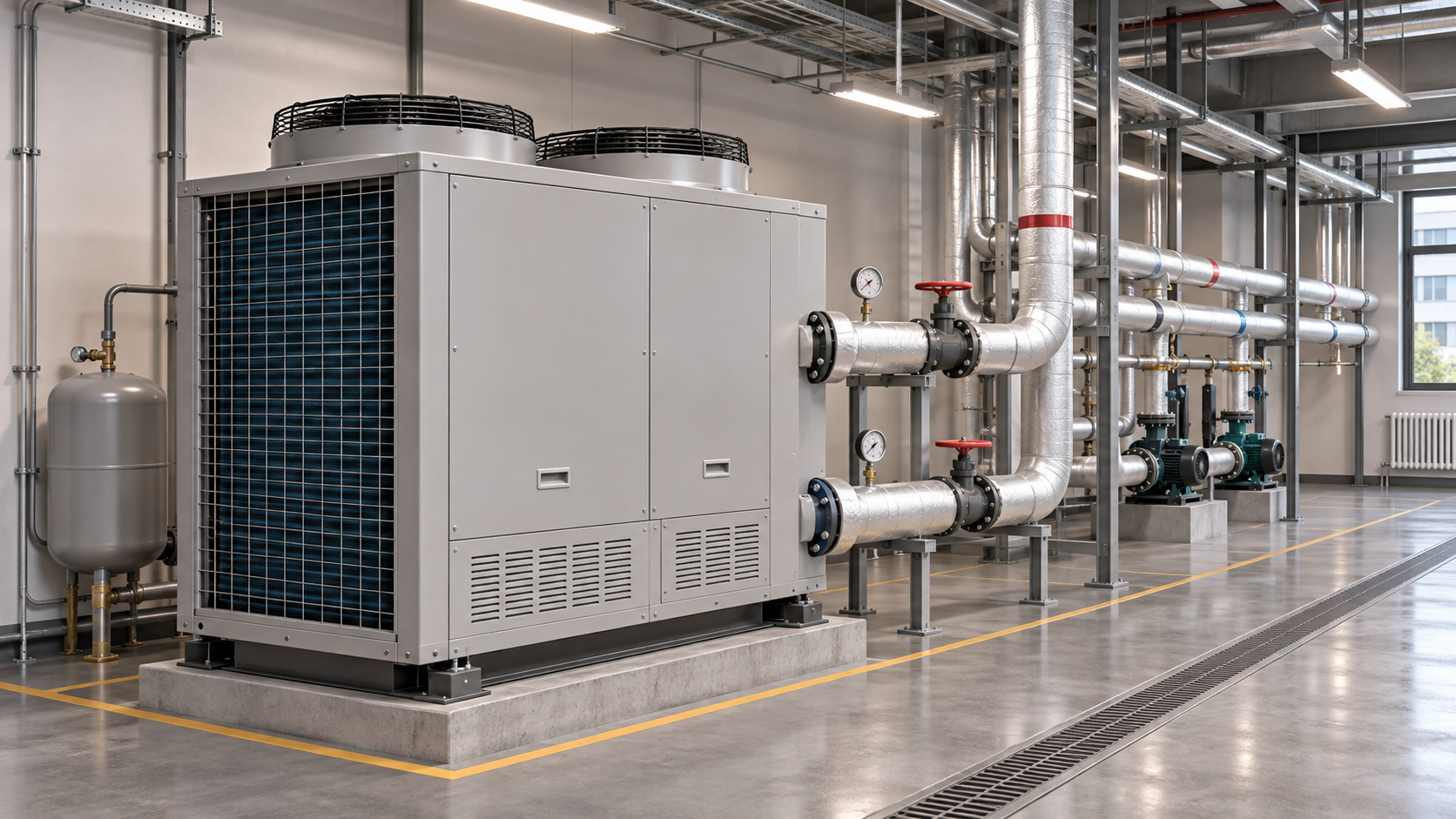
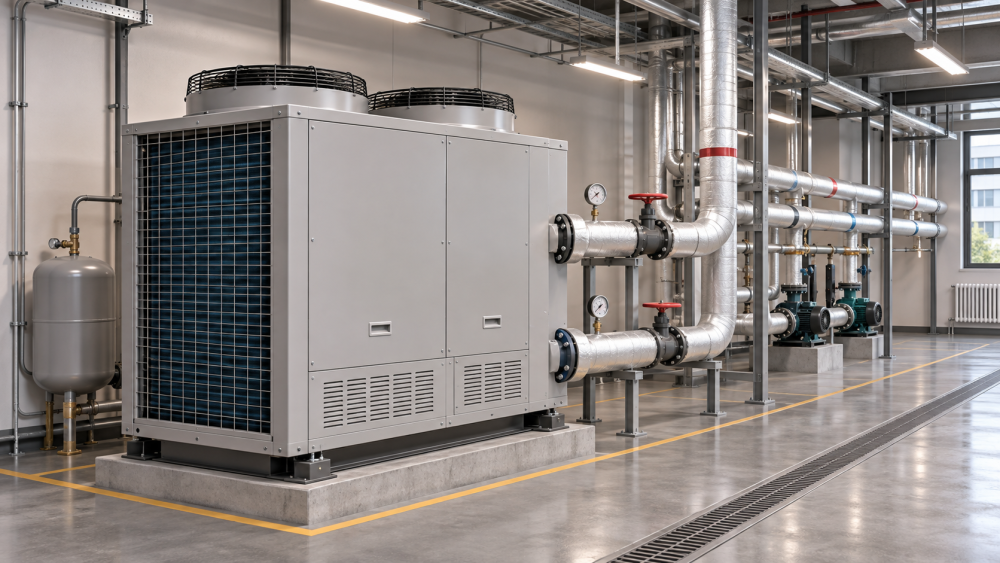
The exemption covers indoor brine-to-water and water-to-water heat pumps rated from 20 to 50 kW, as well as dual-duct air-to-water heat pumps rated below 12 kW. It follows an exemption request from Germany and provides a one-year transition period for the products concerned.
Which heat pumps are covered?
The distinction between product categories matters. For indoor brine-to-water and water-to-water heat pumps, the stated capacity range is 20 to 50 kW. For dual-duct air-to-water heat pumps, the stated limit is below 12 kW. The exemption concerns the use of fluorinated refrigerants with a GWP at or above 150 in these specified products during 2027.
The regulation therefore offers a defined extension for certain products rather than a general exemption for all heat pumps using refrigerants above that GWP threshold. A manufacturer or buyer assessing its relevance would first need to match the product type and capacity against the categories covered.
What the additional year changes
For a heat pump within the covered categories, the immediate effect is additional time to place a qualifying product on the market in 2027. That may influence how manufacturers sequence product changes and how suppliers plan around the affected models. It can also give buyers more time to assess the available product options during the transition.
The benefit will depend on the product concerned. A company whose models fall within one of the specified categories may have more flexibility in its near-term planning. A company working with other heat pump types or capacities cannot assume that this particular exemption applies to those products.
The extra year may also affect decisions along the supply chain. If a manufacturer continues to offer a covered model in 2027, component and refrigerant purchasing plans may need to reflect that decision. The regulation alone does not establish whether any particular manufacturer will continue, change or discontinue a model, or what effect the exemption will have on prices or availability.
The boundary of the exemption
The transition period gives affected businesses more time, but the stated exemption is tied to 2027 and to specific product categories. It does not establish a further extension or describe what individual companies will do after that period.
The most useful questions for the sector are consequently practical ones: which products meet the stated category and capacity conditions, how manufacturers plan to use the additional year, and what further public regulatory information may clarify about the period after 2027. The answers will shape the commercial effect of the measure; the existence of the exemption alone does not determine it.
Ready when you are. Send us a message to get started.
Related News
- EU Extends Refrigerant Exemption for Certain Heat Pumps Through 2027Author :Cryogenic Systems Expert

- ECHA Socio-Economic Analysis Committee Backs EU-Wide PFAS BanAuthor :Cryogenic Systems Expert

- EPA Extends Commercial Refrigeration Low-GWP Transition to 2032Author :Cryogenic Systems Expert

- EPA Sets End-2026 Installation Deadline for Most New R-410A VRF SystemsAuthor :Cryogenic Systems Expert

- Oman Revises Refrigerant and Equipment Import RulesAuthor :Cryogenic Systems Expert

- Oman Revises Import Rules for Refrigerants and EquipmentAuthor :Cryogenic Systems Expert

- Refrigerants Australia Warns of Sharp Drop in Key Refrigerant Supplies This SummerAuthor :Cryogenic Systems Expert

- Trinidad and Tobago and Uganda Advance HFC Controls Under Kigali AmendmentAuthor :Cryogenic Systems Expert

- US Refrigerant Sales Diverge in Q3: Solstice Up 8%, Chemours Down 9%Author :Cryogenic Systems Expert

- GB/T 18837-2026 Takes Effect, Adding A2L Refrigerants and Revising Efficiency EvaluationAuthor :Cryogenic Systems Expert

- Ningbo Seminar Addresses R290 Refrigerants and Air Conditioner EfficiencyAuthor :Cryogenic Systems Expert

- Q4 Refrigerant Contract Prices Rise CNY 500/Tonne; October AC Production Plans ReleasedAuthor :Cryogenic Systems Expert

- R22 Prices Retreat as China's Refrigerant Market Faces Tight Quotas and Soft DemandAuthor :Cryogenic Systems Expert

- Chemours Faces Investor Lawsuit Over Opteon Refrigerant Sales ForecastsAuthor :Cryogenic Systems Expert

- LG Expands R290 Monobloc Heat Pump Range with New 12–16 kW ModelsAuthor :Cryogenic Systems Expert

- EU Issues Updated Guidance on Industrial Refrigeration Efficiency and F-gas AlternativesAuthor :Cryogenic Systems Expert

- Do U.S. refrigerant regulations require replacing R-410A systems?Author :Cryogenic Systems Expert

- Where R-134a Restrictions Apply and How They Affect Refrigeration EquipmentAuthor :Cryogenic Systems Expert

- R-22 Phase-Out: Repair, Retrofit, or Replace Aging Commercial Cooling Systems?Author :Cryogenic Systems Expert

- R-410A Phase-Down Rules: Planning HVAC Replacements Before Supply TightensAuthor :Cryogenic Systems Expert

- Freon Policy Updates: What Facility Managers Must Review Before Equipment ServiceAuthor :Cryogenic Systems Expert

- How to verify refrigerant regulations and safety standards for a facilityAuthor :Cryogenic Systems Expert

- When refrigerant management software makes sense for multi-site complianceAuthor :Cryogenic Systems Expert

- EU Ends Duty-Free Small Parcels From July 1Author :Cryogenic Systems Expert

- China R410A Export Quotes Rise to RMB 60,000/TonAuthor :Cryogenic Systems Expert

- EU PFAS Curbs Raise Compliance Review for Cooling ExportsAuthor :Cryogenic Systems Expert

- EU PFAS Proposal Puts Refrigerant and Vacuum Exports Under ReviewAuthor :Cryogenic Systems Expert

- EU REACH PFAS Draft Raises New Export ChecksAuthor :Cryogenic Systems Expert

- EU Cuts High-GWP Refrigerant Import Quotas by 35%Author :Cryogenic Systems Expert

- EU Cuts Q4 2026 Quotas for High-GWP RefrigerantsAuthor :Cryogenic Systems Expert

- EU F-Gas Revision Cuts R410A Quotas 40%Author :Cryogenic Systems Expert

- EPA Freezes R-410A Quotas, Fast-Tracks R-32Author :Cryogenic Systems Expert

- Low GWP Refrigerants HFO Blends: Key Stability and Safety FactorsAuthor :Cryogenic Systems Expert

- R-32 Price Spike Reshapes Chiller ProcurementAuthor :Cryogenic Systems Expert

- How to Compare Environmentally Friendly Refrigerants by GWP, Safety, and CostAuthor :Cryogenic Systems Expert

- R-454B Export Quota Cut 18% as Lead Times DoubleAuthor :Cryogenic Systems Expert