EPA Sets End-2026 Installation Deadline for Most New R-410A VRF Systems




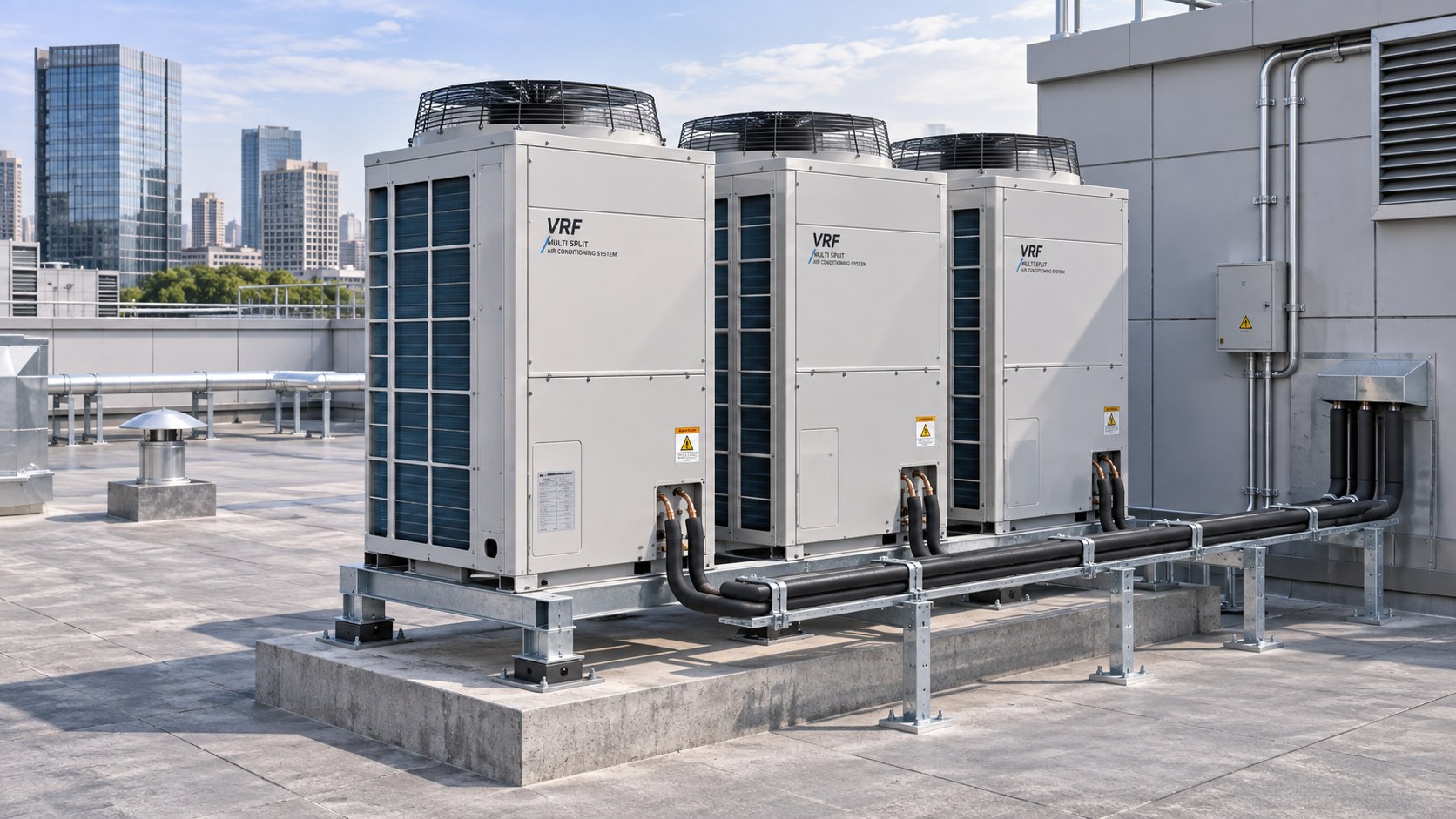
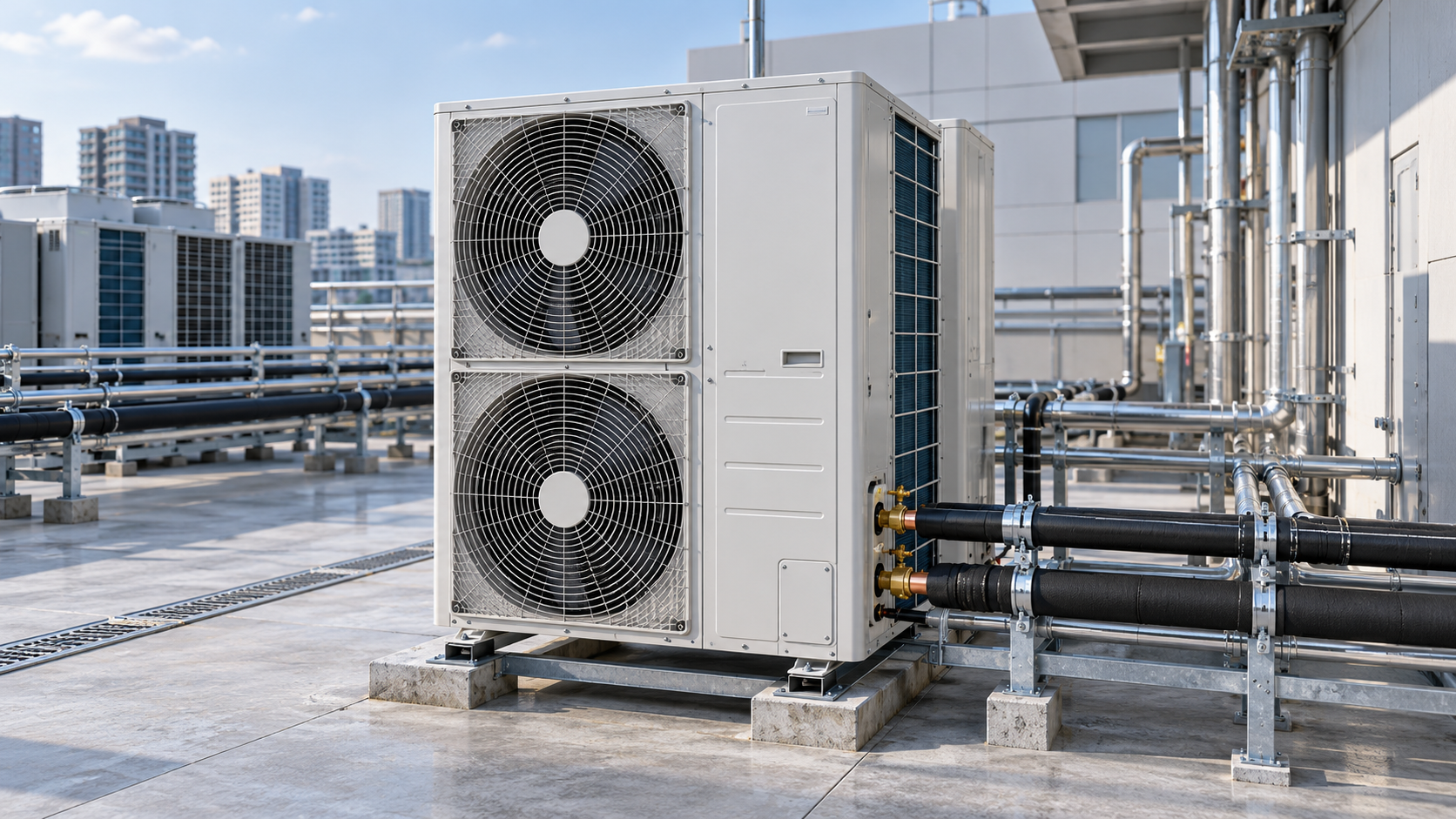
The US Environmental Protection Agency (EPA) has clarified that most new R-410A variable refrigerant flow (VRF) systems must be installed by December 31, 2026. In the same policy update, the agency removed the fixed 2026 installation deadline for qualifying non-VRF air-conditioning systems.
The distinction gives equipment suppliers and contractors a specific year-end deadline to consider for most new R-410A VRF projects, while changing the timing requirements for a separate group of non-VRF systems. The update is intended to balance the compliance transition for building HVAC systems with the move toward alternative refrigerants.
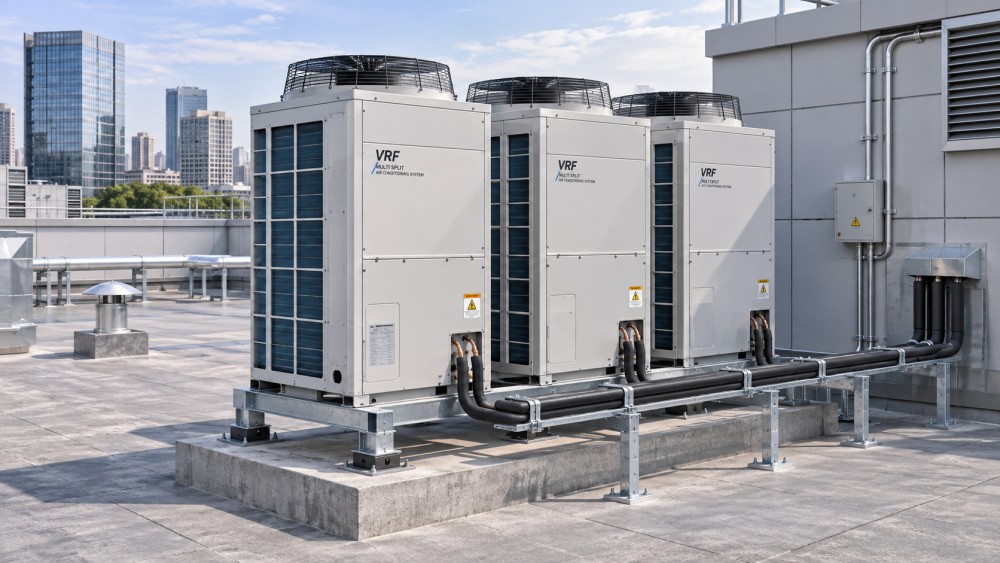
Different installation rules for VRF and non-VRF systems
The removal of a fixed installation deadline for qualifying non-VRF systems should not be read as a general removal of the deadline for R-410A equipment. The update retains a specific installation cutoff for most new R-410A VRF systems: installation must be completed by the end of 2026.
That difference makes the type of system central to assessing a project's schedule. The relevant distinction is not simply whether equipment uses R-410A; it is also whether the system is a VRF system and whether the applicable conditions place it within the affected group.
The policy summary refers to most new R-410A VRF systems and qualifying non-VRF systems. Those qualifications matter. The update should not be interpreted as establishing that every VRF installation is subject to the same deadline or that every non-VRF installation is covered by the removal of the fixed cutoff.
Where the deadline may affect projects first
For a project covered by the VRF deadline, the stated requirement concerns completion of installation. Ordering or receiving equipment before December 31, 2026, would therefore be a different scheduling milestone from completing its installation. Suppliers and contractors may need to consider how equipment availability, delivery and installation sequencing fit together when planning affected projects.
The practical implications may differ by role. A supplier may need to align delivery commitments with project schedules, while a contractor may focus on whether installation work can be completed within the applicable period. Building project teams may also need to consider how the system decision and installation schedule interact. These are planning considerations arising from the deadline, rather than evidence that any particular project is delayed or unable to comply.
For qualifying non-VRF projects, removal of the fixed 2026 installation date changes that immediate scheduling constraint. It does not, by itself, establish the full set of conditions applicable to those systems. Project teams will still need to consider whether their equipment falls within the qualifying category and what other requirements apply.
What remains to be watched
The year-end VRF deadline provides a clear point around which to organize affected installation schedules. Its broader effect on equipment choices and the pace of refrigerant replacement will depend on how the requirements apply to individual systems and how projects respond.
Further regulatory information may also help clarify the scope of the qualifying non-VRF category and the treatment of VRF systems outside the group described as most new installations. Those distinctions will be important when determining which timing requirements apply to a particular project.
Ready when you are. Send us a message to get started.
Related News
- EPA Extends Commercial Refrigeration Low-GWP Transition to 2032Author :Cryogenic Systems Expert

- EPA Sets End-2026 Installation Deadline for Most New R-410A VRF SystemsAuthor :Cryogenic Systems Expert

- Oman Revises Refrigerant and Equipment Import RulesAuthor :Cryogenic Systems Expert

- Oman Revises Import Rules for Refrigerants and EquipmentAuthor :Cryogenic Systems Expert

- Refrigerants Australia Warns of Sharp Drop in Key Refrigerant Supplies This SummerAuthor :Cryogenic Systems Expert

- Trinidad and Tobago and Uganda Advance HFC Controls Under Kigali AmendmentAuthor :Cryogenic Systems Expert

- US Refrigerant Sales Diverge in Q3: Solstice Up 8%, Chemours Down 9%Author :Cryogenic Systems Expert

- GB/T 18837-2026 Takes Effect, Adding A2L Refrigerants and Revising Efficiency EvaluationAuthor :Cryogenic Systems Expert

- Ningbo Seminar Addresses R290 Refrigerants and Air Conditioner EfficiencyAuthor :Cryogenic Systems Expert

- Q4 Refrigerant Contract Prices Rise CNY 500/Tonne; October AC Production Plans ReleasedAuthor :Cryogenic Systems Expert

- R22 Prices Retreat as China's Refrigerant Market Faces Tight Quotas and Soft DemandAuthor :Cryogenic Systems Expert

- Chemours Faces Investor Lawsuit Over Opteon Refrigerant Sales ForecastsAuthor :Cryogenic Systems Expert

- LG Expands R290 Monobloc Heat Pump Range with New 12–16 kW ModelsAuthor :Cryogenic Systems Expert

- EU Issues Updated Guidance on Industrial Refrigeration Efficiency and F-gas AlternativesAuthor :Cryogenic Systems Expert

- Do U.S. refrigerant regulations require replacing R-410A systems?Author :Cryogenic Systems Expert

- Where R-134a Restrictions Apply and How They Affect Refrigeration EquipmentAuthor :Cryogenic Systems Expert

- R-22 Phase-Out: Repair, Retrofit, or Replace Aging Commercial Cooling Systems?Author :Cryogenic Systems Expert

- R-410A Phase-Down Rules: Planning HVAC Replacements Before Supply TightensAuthor :Cryogenic Systems Expert

- Freon Policy Updates: What Facility Managers Must Review Before Equipment ServiceAuthor :Cryogenic Systems Expert

- How to verify refrigerant regulations and safety standards for a facilityAuthor :Cryogenic Systems Expert

- When refrigerant management software makes sense for multi-site complianceAuthor :Cryogenic Systems Expert

- EU Ends Duty-Free Small Parcels From July 1Author :Cryogenic Systems Expert

- China R410A Export Quotes Rise to RMB 60,000/TonAuthor :Cryogenic Systems Expert

- EU PFAS Curbs Raise Compliance Review for Cooling ExportsAuthor :Cryogenic Systems Expert

- EU PFAS Proposal Puts Refrigerant and Vacuum Exports Under ReviewAuthor :Cryogenic Systems Expert

- EU REACH PFAS Draft Raises New Export ChecksAuthor :Cryogenic Systems Expert

- EU Cuts High-GWP Refrigerant Import Quotas by 35%Author :Cryogenic Systems Expert

- EU Cuts Q4 2026 Quotas for High-GWP RefrigerantsAuthor :Cryogenic Systems Expert

- EU F-Gas Revision Cuts R410A Quotas 40%Author :Cryogenic Systems Expert

- EPA Freezes R-410A Quotas, Fast-Tracks R-32Author :Cryogenic Systems Expert

- Low GWP Refrigerants HFO Blends: Key Stability and Safety FactorsAuthor :Cryogenic Systems Expert

- R-32 Price Spike Reshapes Chiller ProcurementAuthor :Cryogenic Systems Expert

- How to Compare Environmentally Friendly Refrigerants by GWP, Safety, and CostAuthor :Cryogenic Systems Expert

- R-454B Export Quota Cut 18% as Lead Times DoubleAuthor :Cryogenic Systems Expert

- Japan Cuts R32 and R290 Import Quotas From July 10Author :Cryogenic Systems Expert

- EPA Cuts R-134a Import Quotas 42% From July 2026Author :Cryogenic Systems Expert
![]()