ECHA Socio-Economic Analysis Committee Backs EU-Wide PFAS Ban




The European Chemicals Agency’s Committee for Socio-Economic Analysis (SEAC) has adopted its final opinion on a PFAS restriction proposal, supporting an EU-wide ban. The timing of the decision was not specified in the information provided. For refrigeration, air-conditioning and heat pump businesses, the opinion draws attention to fluoropolymers used in seals, hoses and compressor components, and to the potential consequences for material selection, procurement and supply continuity. The distinction between a committee opinion and any subsequent enforceable requirements will be central to business planning.
What the committee’s opinion says about the proposal
SEAC has adopted its final opinion on the PFAS restriction proposal and supports a ban across the European Union. The information provided does not specify the date of the decision or a particular meeting.
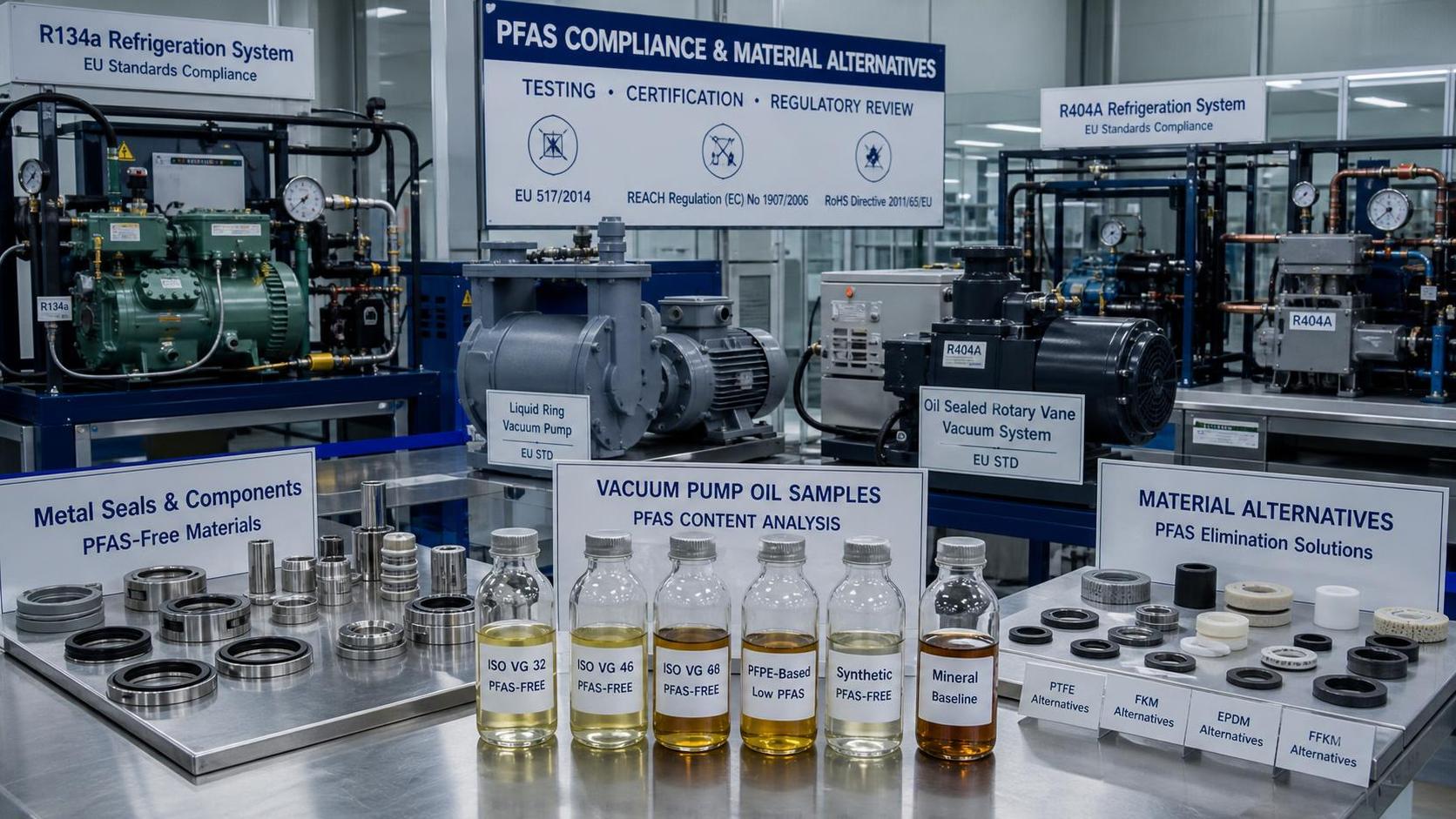
Refrigeration, air-conditioning and heat pump applications use fluoropolymers extensively in components including seals, hoses and compressor parts. The event summary identifies these uses as the reason the proposed restriction could have far-reaching consequences for the industries concerned, including pressure to find substitute materials and adjust supply chains.
Where a restriction could reach the supply chain
Materials and component sourcing
Analysis suggests that component suppliers and their material providers could face the first practical questions from customers. A seal, hose or compressor part may pass through several commercial relationships before reaching an equipment manufacturer. If the applicable rules are eventually defined, each link may need to establish whether the material in a particular component falls within their scope.
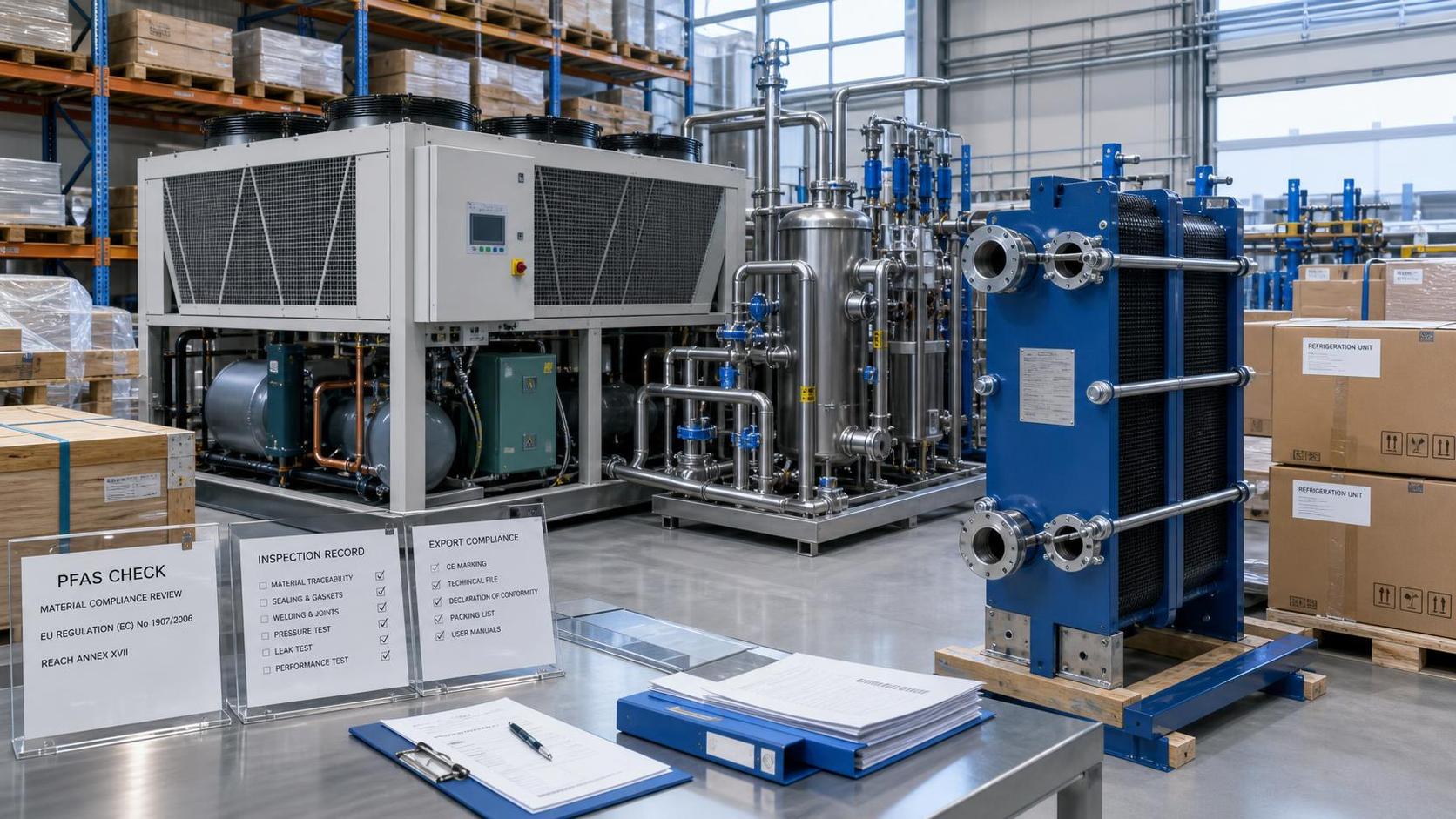
Procurement teams could therefore encounter requests for more detailed material declarations and clearer identification of products containing fluoropolymers. The information supplied does not establish what documentation a future rule would require. Nevertheless, it may be useful for buyers and suppliers to examine whether existing records can connect a material declaration to a specific part and supplier.
Supplier substitution could also affect purchasing decisions. A component that appears interchangeable by description may need further evaluation for its intended operating conditions. Buyers may wish to distinguish between a supplier’s indication that an alternative is available and evidence that the alternative is suitable for the relevant application.
Equipment design and manufacturing
From a manufacturing perspective, the potential effect extends beyond buying a different component. If a fluoropolymer part needs to be replaced, the equipment maker may have to assess how the proposed material performs within the assembly and whether related design, production or quality documents need revision. The scale of that work would depend on the final requirements and the component’s function.
Manufacturers may also need to consider different product configurations separately. The same type of seal or hose can serve different purposes across refrigeration, air-conditioning and heat pump equipment, so an alternative suitable for one application should not automatically be assumed suitable for another. This is an engineering consideration for evaluation, not a conclusion that any particular alternative will fail or succeed.
Changes to components could also affect communication between design, purchasing and production teams. An approved design change is useful to operations only if the correct part information reaches the people placing orders and assembling equipment. Companies may therefore benefit from considering material review alongside the processes used to identify and control component versions.
Sales, trade and delivery commitments
For companies selling equipment or components into the EU, a future restriction could influence customer inquiries, contract discussions and delivery planning. Analysis suggests that buyers may seek assurances about material content or ask when alternative products might be available. The committee’s opinion alone does not establish the wording of any future sales condition, documentation requirement or delivery restriction.
Trade and commercial teams may find it useful to identify orders and product lines for which material information is incomplete. Where a customer asks for a commitment, the response can distinguish between information already supported by supplier records and questions that depend on further verification or official clarification. This distinction matters when delivery dates and product specifications are being discussed together.
Distributors and service providers could also be affected if customers need information about parts used in existing equipment. Their exposure would depend on the products they handle and on any eventual rules. In preparation, they may consider whether they can trace a supplied part back to its manufacturer and obtain an updated material statement when needed.

Preparing decisions on parts, evidence and alternatives
Identify where fluoropolymers are used
A practical starting point is to review seals, hoses and compressor components across relevant products and ask suppliers what material information is available. Companies may also wish to examine assemblies where the material composition is not apparent from the purchasing description. The goal is to understand potential exposure before making assumptions about whether a particular product would be covered.
Records can be assessed for completeness as well as availability. For example, a general statement about a supplier’s product range may not answer a question about the specific component used in a particular equipment configuration. Where information is missing, a targeted request to the supplier may be more useful than treating all components as having the same status.
Assess substitutes against the application
Analysis suggests that alternative materials should be assessed in the context of the component’s intended use. A proposed replacement for a seal, for example, may need to be considered alongside its contact conditions, expected service and fit within the assembly. A replacement for a hose or compressor component may raise different questions.
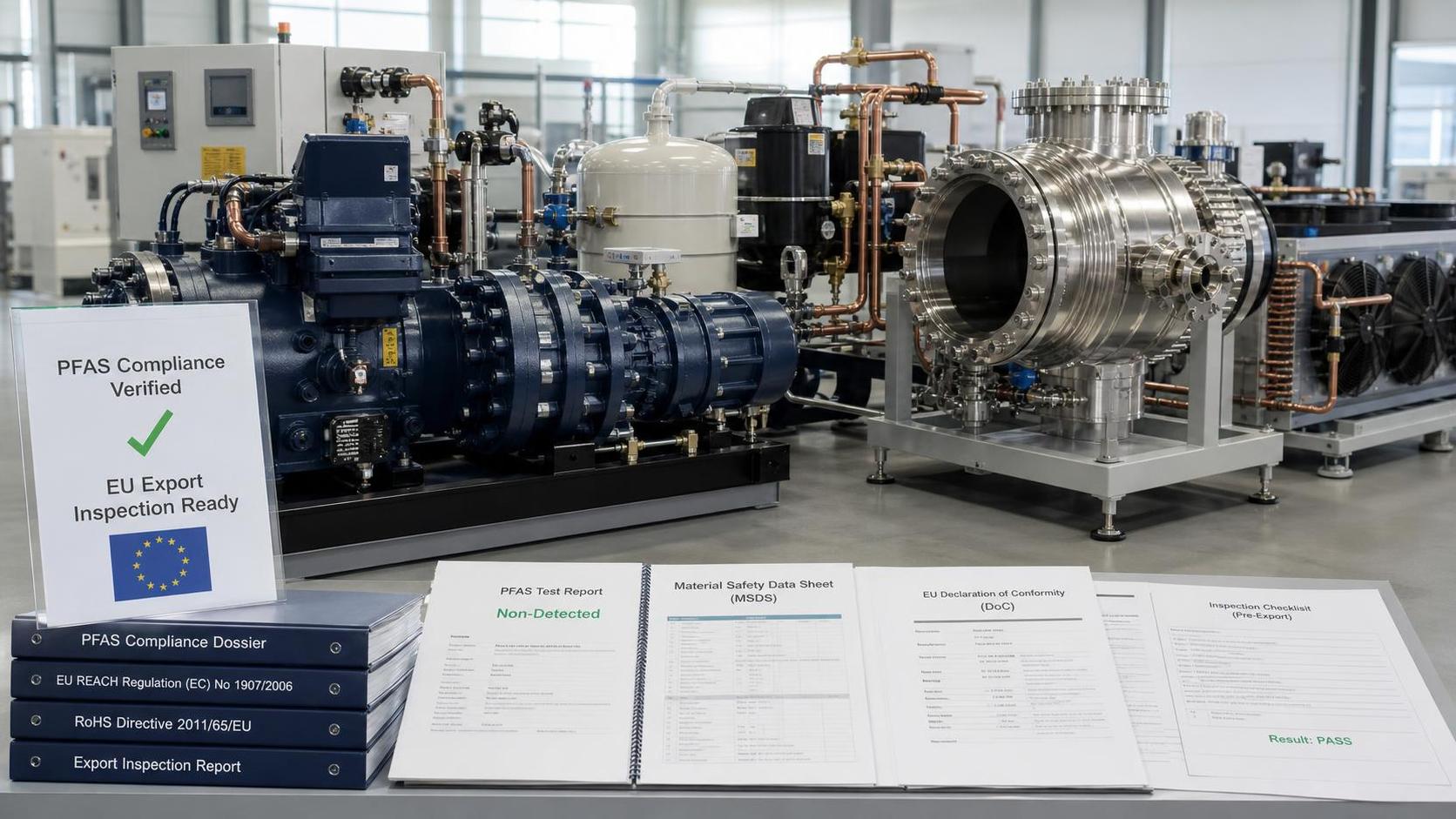
Where appropriate, manufacturers and their suppliers could agree on what evidence would support a substitution decision and who will review it. Technical documentation, evaluation results and records of the approved component can help make that decision traceable. The input does not identify a mandated test method, certification route or approved substitute, so those matters remain for verification against any relevant future requirements and the application itself.
Review purchasing and service arrangements
Businesses may wish to examine how a material change could affect supplier availability, ordering lead times and stock planning. These are scenarios to assess rather than outcomes established by the committee opinion. A company with several sources for a component could check whether those sources rely on the same underlying material and whether each can provide the information needed for an assessment.
Service planning deserves similar attention. If an alternative part is developed for new equipment, its suitability for equipment already supplied should be evaluated separately. Manufacturers, distributors and service providers may find it useful to clarify how part changes would be communicated and how records would support identification of the correct replacement.
Track the wording of subsequent requirements
The most consequential details for individual businesses may be the eventual scope of any restriction and how it applies to particular materials, components and transactions. Companies should monitor authoritative updates before treating any assumed compliance date, exemption, documentation format or certification requirement as settled. None of those details is specified in the information provided.
Procurement specifications, customer requests and technical files can be reviewed as new information becomes available. If a customer introduces its own material declaration or purchasing condition, a supplier may need to assess that request on its terms while distinguishing it from a requirement established by a public authority.
A strong policy signal with execution details still to verify
The committee’s final opinion is best understood at this stage as a significant signal concerning the proposed EU-wide PFAS restriction. It indicates support for a ban, while the supplied information does not establish that a ban is already in force or describe the steps and terms under which it would take effect.
Further assessment will depend on the wording of subsequent official decisions and any applicable implementation details. In particular, businesses need clarity on which materials and uses are covered, how obligations are expressed and what evidence may be expected. The information provided does not confirm answers to those questions.
Market feedback will also matter when evaluating the practical consequences. The availability and suitability of alternatives, the time needed to assess them, and customers’ purchasing decisions could influence how individual supply chains respond. These are areas for observation; the committee’s opinion does not establish a common outcome for every product or business.
Keeping material choices and compliance planning connected
For refrigeration, air-conditioning and heat pump businesses, the immediate value of the news lies in identifying where fluoropolymer components are used and where reliable information is missing. The potential implications extend from materials and component purchasing to equipment design, sales commitments and replacement parts.
A measured response is to investigate exposure and evaluate alternatives while continuing to verify the status and content of the proposed restriction. The final effect on any company will depend on the rules ultimately applicable to its products and on the technical and commercial choices available to it.
Basis for this report and what remains to be checked
This article is based on the user-provided news title, event-time information and event summary. No specific official source link was provided in the input, and the underlying information requires continued verification. Relevant material to check may include official announcements and regulatory releases, as well as industry association information and authoritative reporting where available.
Follow-up review should focus on the wording and status of the restriction, any implementation or certification guidance, changes to purchasing or tender documents, trade practice, and feedback from affected businesses. These matters are not established by the information supplied for this article.
Ready when you are. Send us a message to get started.
Related News
- EU Extends Refrigerant Exemption for Certain Heat Pumps Through 2027Author :Cryogenic Systems Expert

- ECHA Socio-Economic Analysis Committee Backs EU-Wide PFAS BanAuthor :Cryogenic Systems Expert

- EPA Extends Commercial Refrigeration Low-GWP Transition to 2032Author :Cryogenic Systems Expert

- EPA Sets End-2026 Installation Deadline for Most New R-410A VRF SystemsAuthor :Cryogenic Systems Expert

- Oman Revises Refrigerant and Equipment Import RulesAuthor :Cryogenic Systems Expert

- Oman Revises Import Rules for Refrigerants and EquipmentAuthor :Cryogenic Systems Expert

- Refrigerants Australia Warns of Sharp Drop in Key Refrigerant Supplies This SummerAuthor :Cryogenic Systems Expert

- Trinidad and Tobago and Uganda Advance HFC Controls Under Kigali AmendmentAuthor :Cryogenic Systems Expert

- US Refrigerant Sales Diverge in Q3: Solstice Up 8%, Chemours Down 9%Author :Cryogenic Systems Expert

- GB/T 18837-2026 Takes Effect, Adding A2L Refrigerants and Revising Efficiency EvaluationAuthor :Cryogenic Systems Expert

- Ningbo Seminar Addresses R290 Refrigerants and Air Conditioner EfficiencyAuthor :Cryogenic Systems Expert

- Q4 Refrigerant Contract Prices Rise CNY 500/Tonne; October AC Production Plans ReleasedAuthor :Cryogenic Systems Expert

- R22 Prices Retreat as China's Refrigerant Market Faces Tight Quotas and Soft DemandAuthor :Cryogenic Systems Expert

- Chemours Faces Investor Lawsuit Over Opteon Refrigerant Sales ForecastsAuthor :Cryogenic Systems Expert

- LG Expands R290 Monobloc Heat Pump Range with New 12–16 kW ModelsAuthor :Cryogenic Systems Expert

- EU Issues Updated Guidance on Industrial Refrigeration Efficiency and F-gas AlternativesAuthor :Cryogenic Systems Expert

- Do U.S. refrigerant regulations require replacing R-410A systems?Author :Cryogenic Systems Expert

- Where R-134a Restrictions Apply and How They Affect Refrigeration EquipmentAuthor :Cryogenic Systems Expert

- R-22 Phase-Out: Repair, Retrofit, or Replace Aging Commercial Cooling Systems?Author :Cryogenic Systems Expert

- R-410A Phase-Down Rules: Planning HVAC Replacements Before Supply TightensAuthor :Cryogenic Systems Expert

- Freon Policy Updates: What Facility Managers Must Review Before Equipment ServiceAuthor :Cryogenic Systems Expert

- How to verify refrigerant regulations and safety standards for a facilityAuthor :Cryogenic Systems Expert

- When refrigerant management software makes sense for multi-site complianceAuthor :Cryogenic Systems Expert

- EU Ends Duty-Free Small Parcels From July 1Author :Cryogenic Systems Expert

- China R410A Export Quotes Rise to RMB 60,000/TonAuthor :Cryogenic Systems Expert

- EU PFAS Curbs Raise Compliance Review for Cooling ExportsAuthor :Cryogenic Systems Expert

- EU PFAS Proposal Puts Refrigerant and Vacuum Exports Under ReviewAuthor :Cryogenic Systems Expert

- EU REACH PFAS Draft Raises New Export ChecksAuthor :Cryogenic Systems Expert

- EU Cuts High-GWP Refrigerant Import Quotas by 35%Author :Cryogenic Systems Expert

- EU Cuts Q4 2026 Quotas for High-GWP RefrigerantsAuthor :Cryogenic Systems Expert

- EU F-Gas Revision Cuts R410A Quotas 40%Author :Cryogenic Systems Expert

- EPA Freezes R-410A Quotas, Fast-Tracks R-32Author :Cryogenic Systems Expert

- Low GWP Refrigerants HFO Blends: Key Stability and Safety FactorsAuthor :Cryogenic Systems Expert

- R-32 Price Spike Reshapes Chiller ProcurementAuthor :Cryogenic Systems Expert

- How to Compare Environmentally Friendly Refrigerants by GWP, Safety, and CostAuthor :Cryogenic Systems Expert

- R-454B Export Quota Cut 18% as Lead Times DoubleAuthor :Cryogenic Systems Expert