



China Customs Launches 22-Digit HS Code for Air Compressors




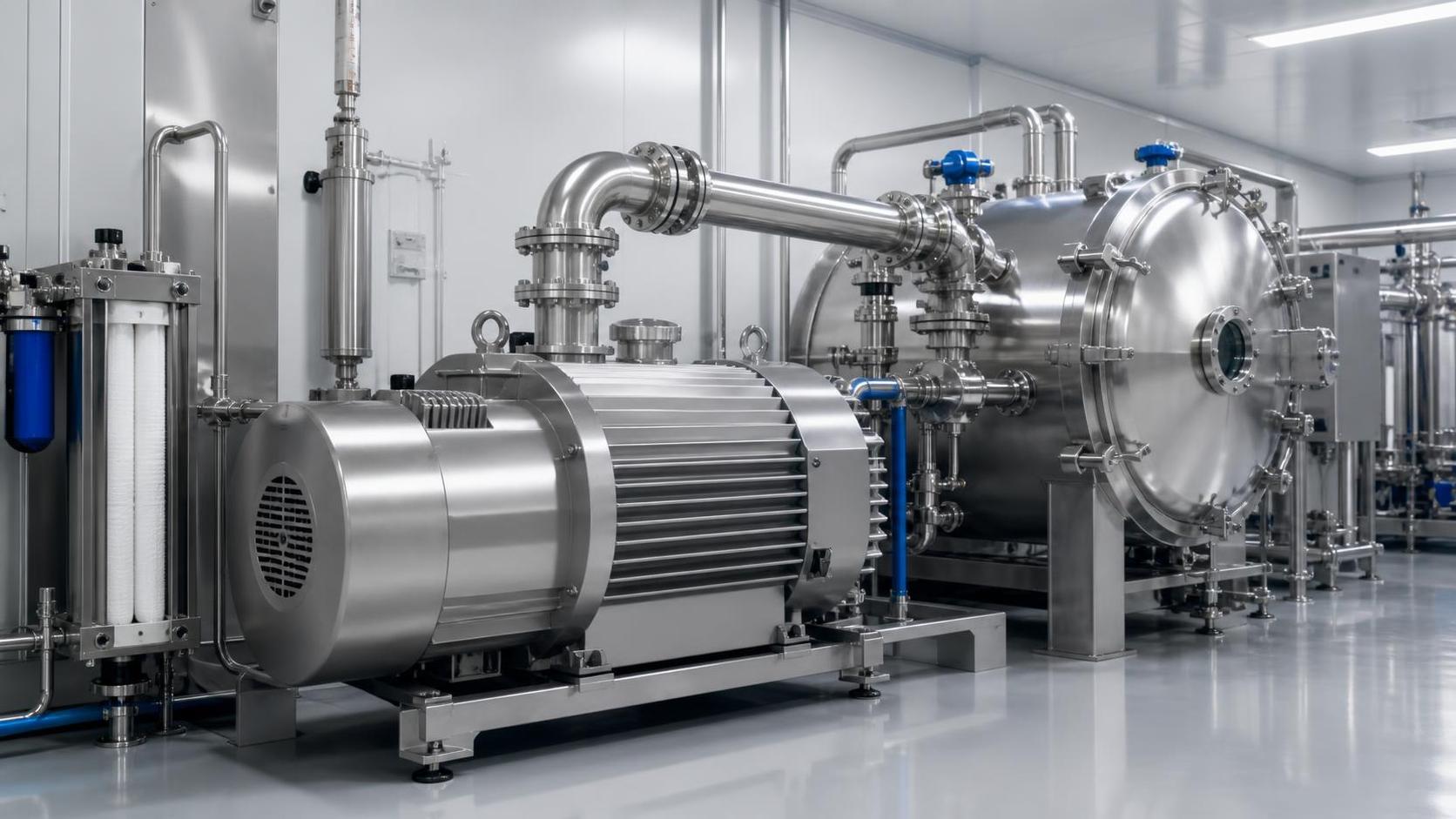
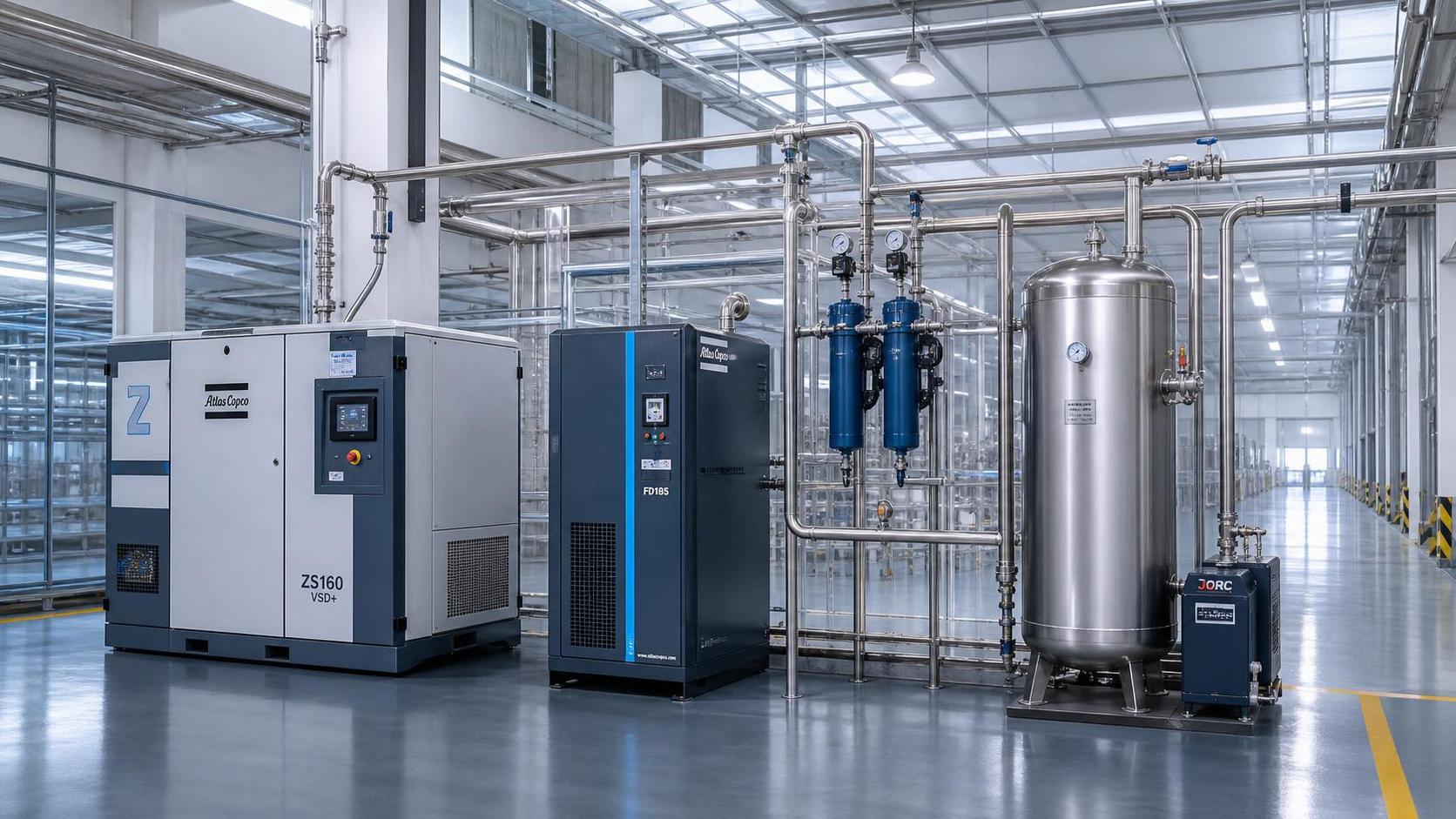
Starting 6 May 2026, China Customs has implemented a revised 22-digit Harmonized System (HS) code under heading 8414 — covering air pumps, vacuum pumps, and compressors — introducing two new sub-classifications specifically for oil-free screw compressors and high-vacuum liquid ring systems. Exporters of compression equipment, especially those serving industrial automation, semiconductor manufacturing, pharmaceuticals, and clean-energy sectors, must review and update their export declarations, as the change directly affects origin certification, VAT refund processing, and anti-dumping investigations abroad.
Event Overview
On 6 May 2026, the General Administration of Customs of the People’s Republic of China activated a refined 22-digit HS coding structure under HS heading 8414. Two new sub-codes were added: ‘Oil-free Screw Compressors’ (841430900022) and ‘High Vacuum Liquid Ring Systems’ (841430900023). This revision applies to export declarations submitted on or after that date. No further implementation details, transitional arrangements, or guidance documents beyond this announcement have been publicly released as of the effective date.
Industries Affected by Subcategory
Direct Exporters & Trading Enterprises
These enterprises declare goods under HS 8414 and are directly responsible for accurate classification. The introduction of distinct 22-digit codes means prior lump-sum reporting under broader 10-digit or 13-digit headings is no longer sufficient. Impact manifests in customs clearance delays, origin certificate re-issuance requirements, and potential VAT refund suspensions pending updated product categorization.
Manufacturers of Compression Equipment
Manufacturers supplying compressors for export — particularly those producing oil-free screw or high-vacuum liquid ring systems — must now align technical specifications, product documentation, and internal ERP/SAP material master data with the new 22-digit codes. Misalignment may lead to inconsistent declarations across sales, logistics, and finance functions, increasing audit exposure during tax or customs verification.
Importers & Overseas Buyers
Foreign importers receiving Chinese-origin compressors must update procurement contracts, commercial invoices, and packing lists to reflect the new 22-digit codes where applicable. Failure to do so may cause discrepancies between Chinese export records and overseas import filings — triggering scrutiny in anti-dumping investigations or preferential tariff claims (e.g., under RCEP or bilateral trade agreements).
Supply Chain & Compliance Service Providers
Freight forwarders, customs brokers, and third-party compliance consultants handling 8414-related exports must revise internal classification databases, training materials, and client advisories. Their ability to support clients hinges on timely integration of the new codes into declaration software and pre-shipment classification workflows.
What Relevant Enterprises Should Monitor and Do Now
Confirm applicability against actual product specifications
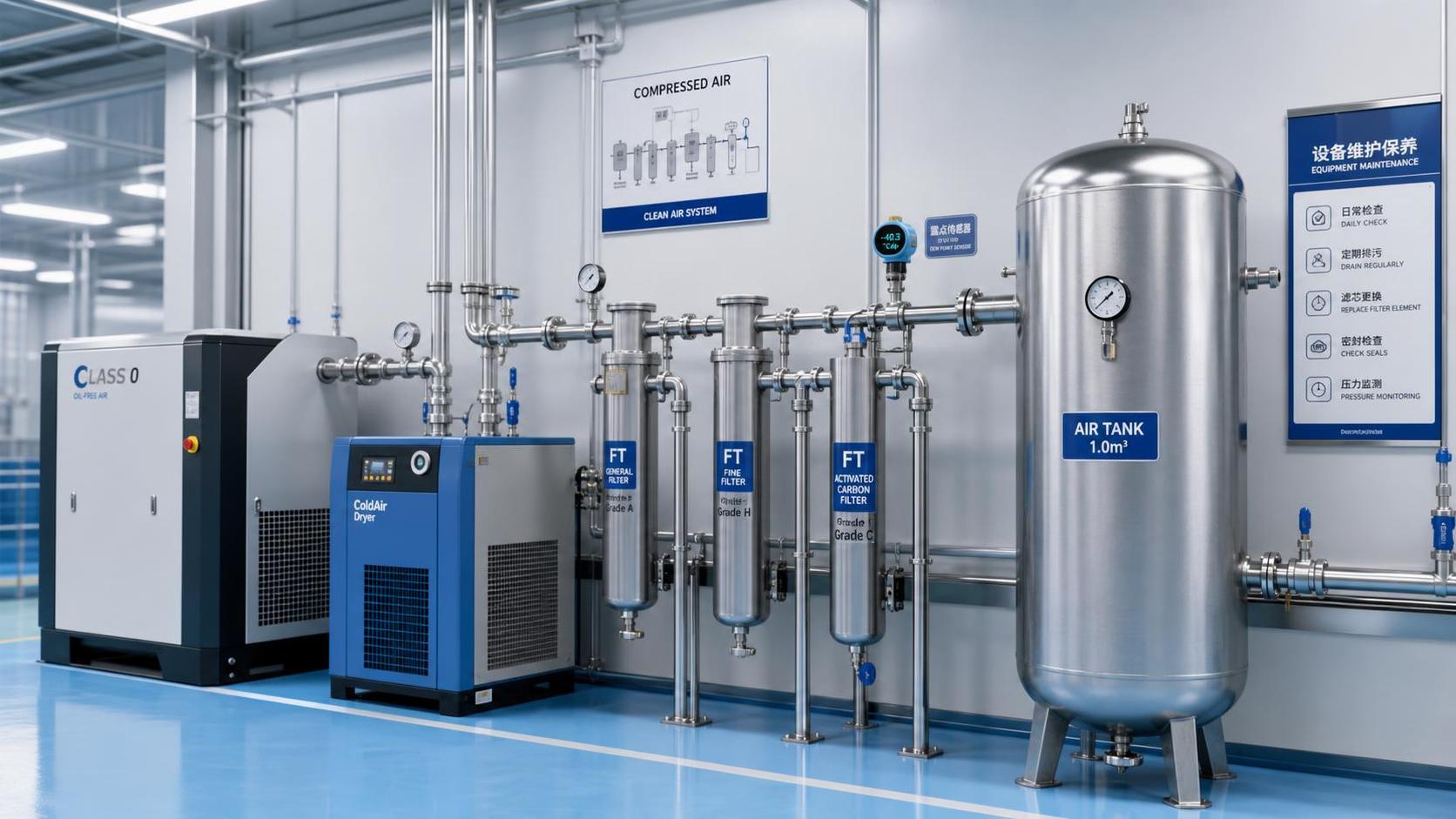
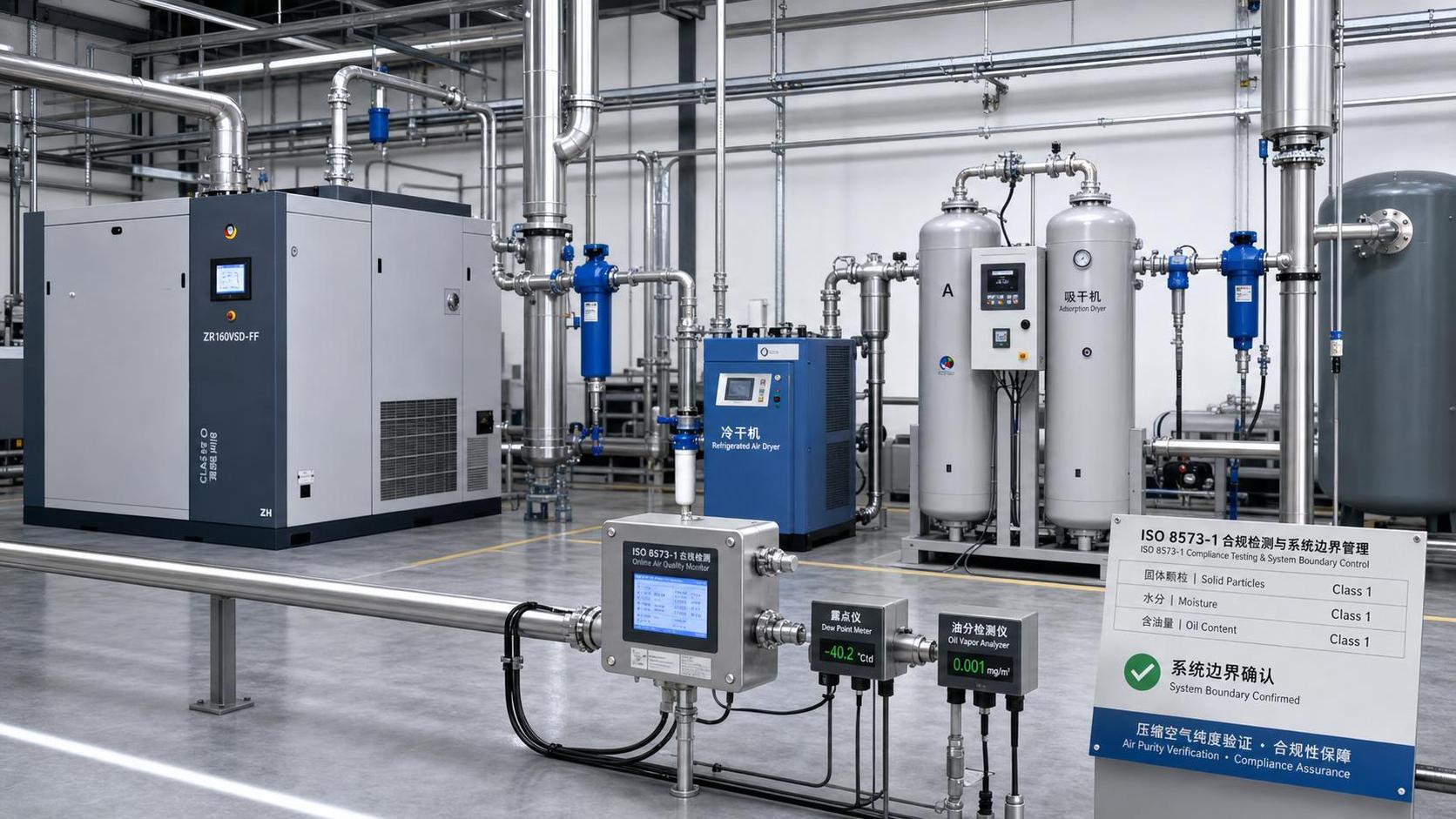
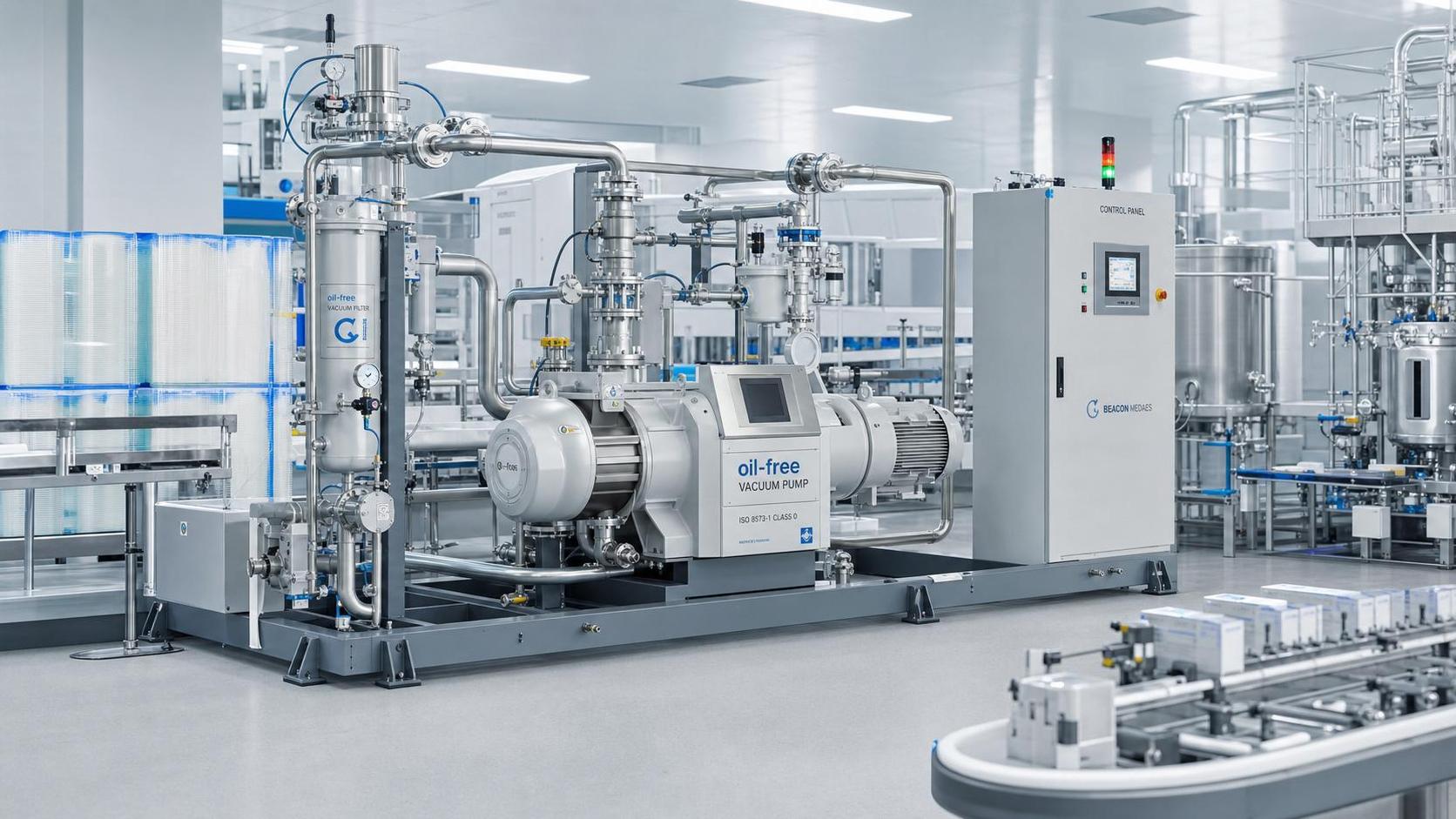
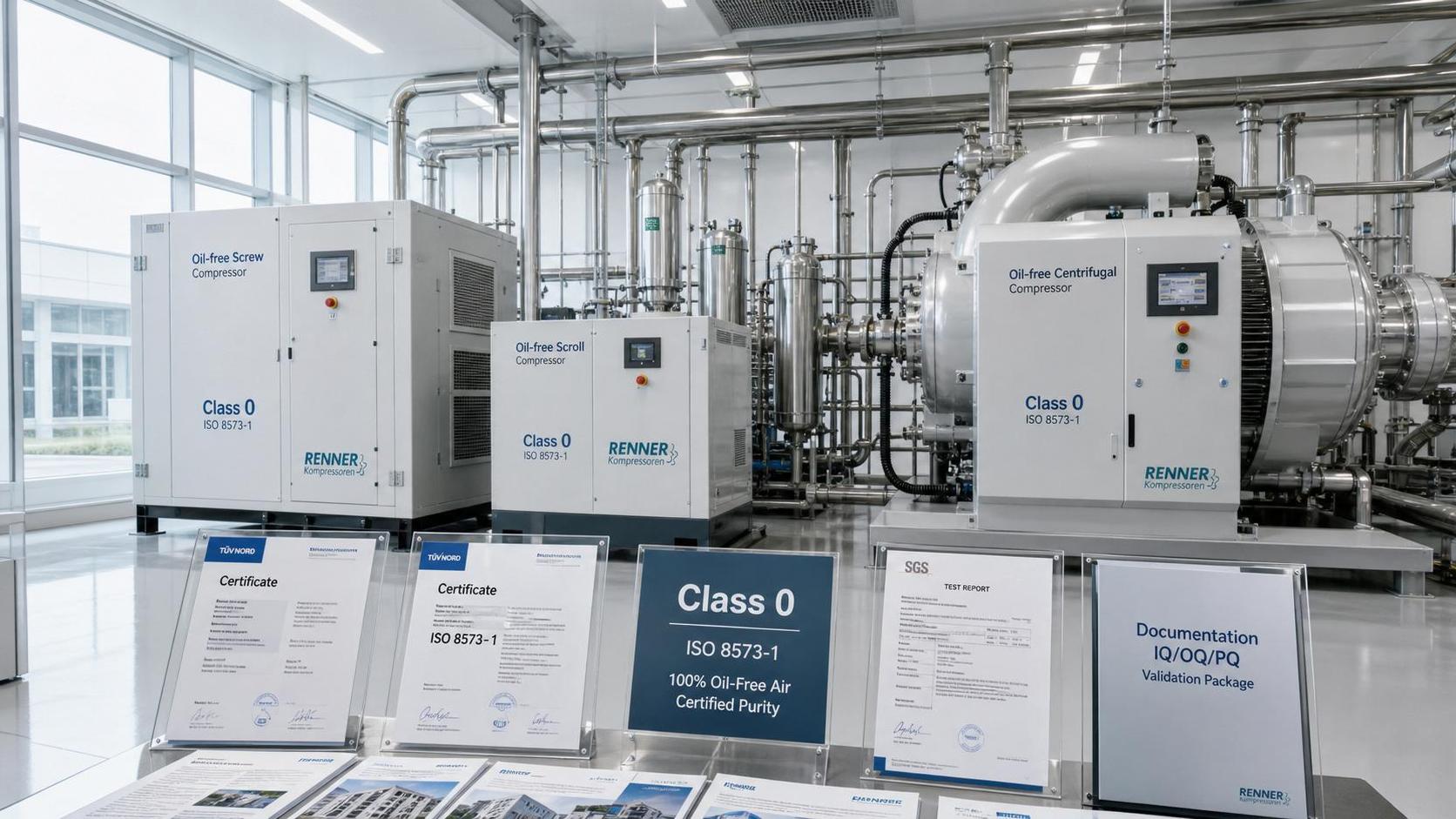
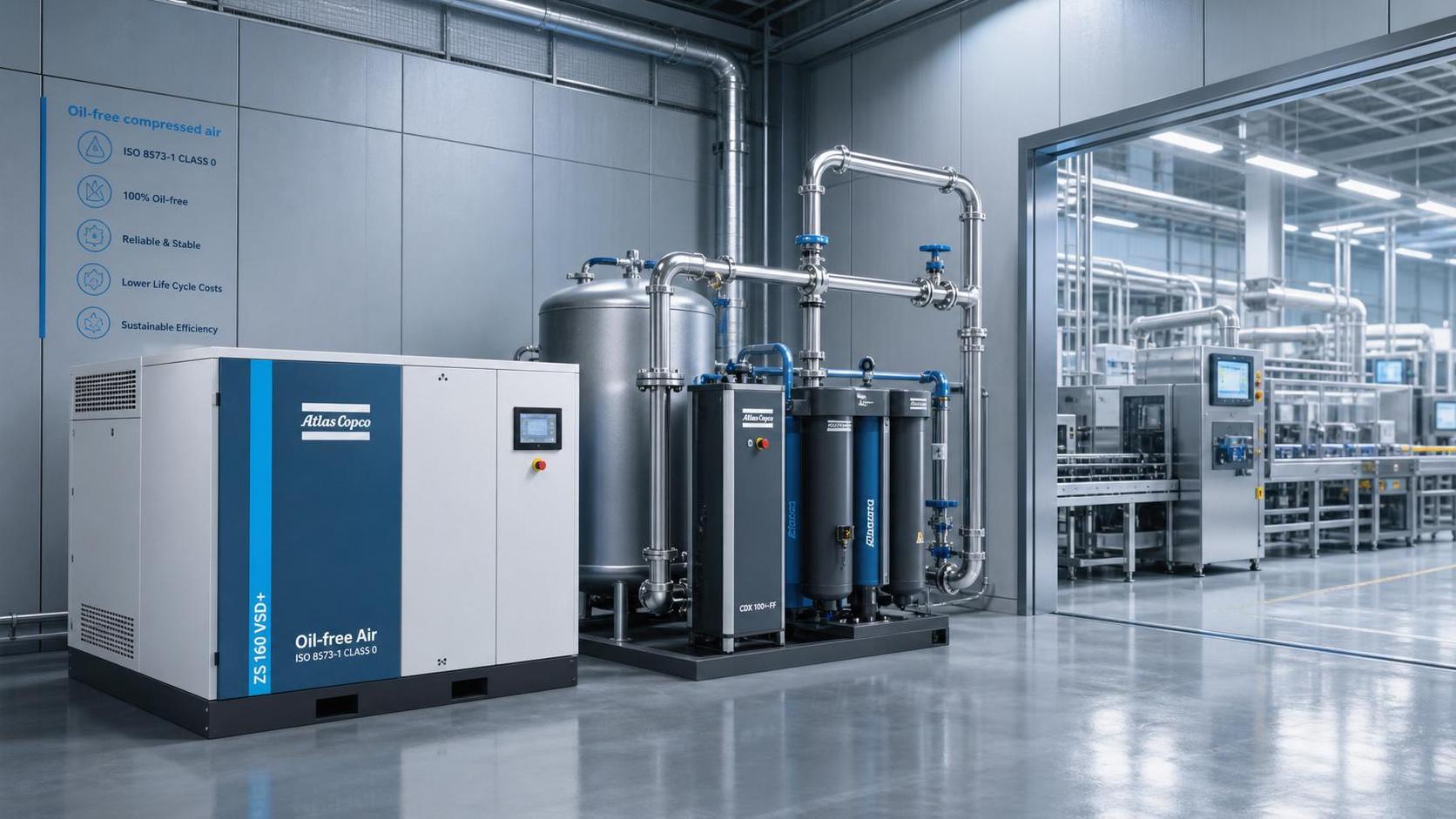
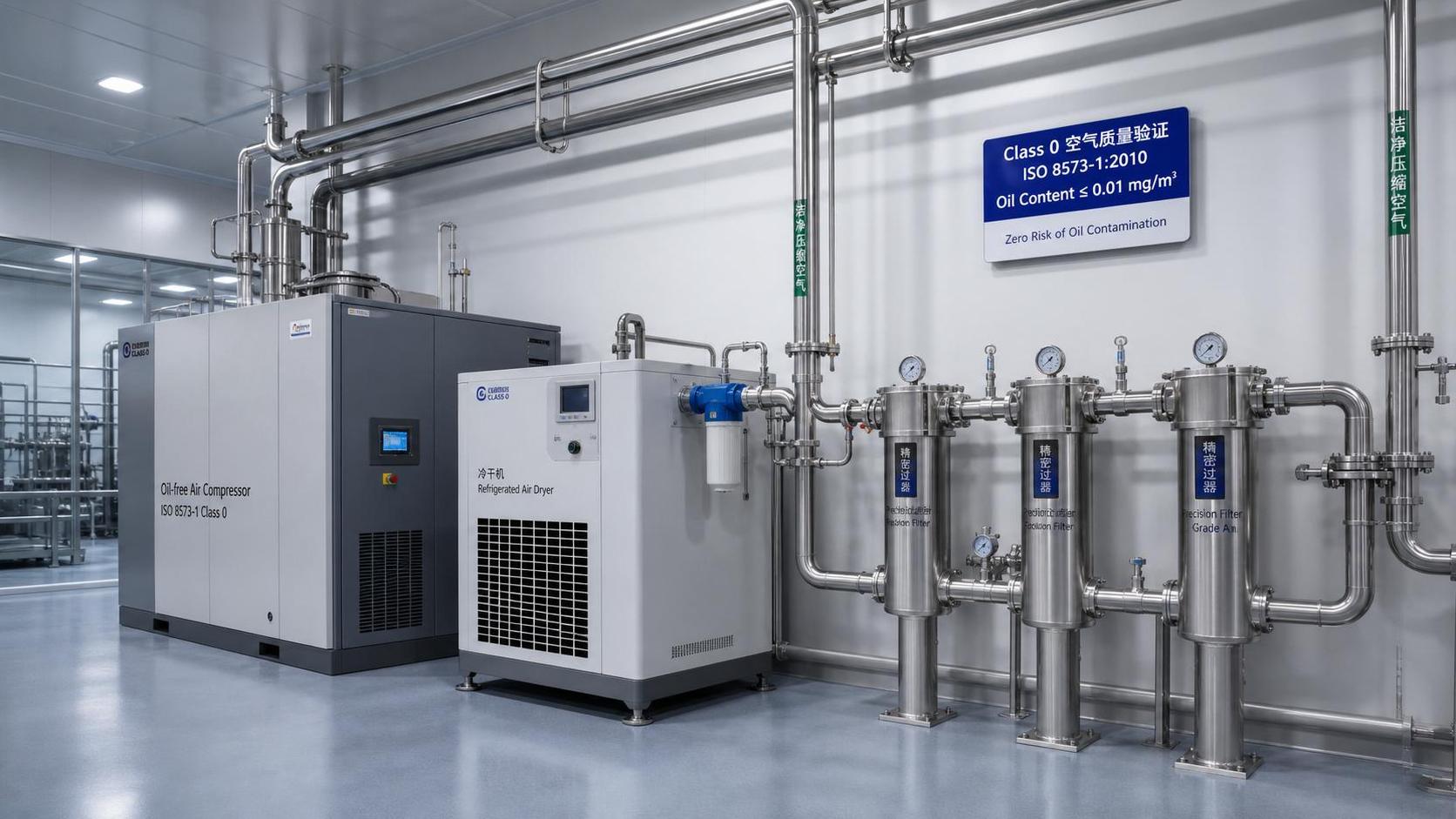
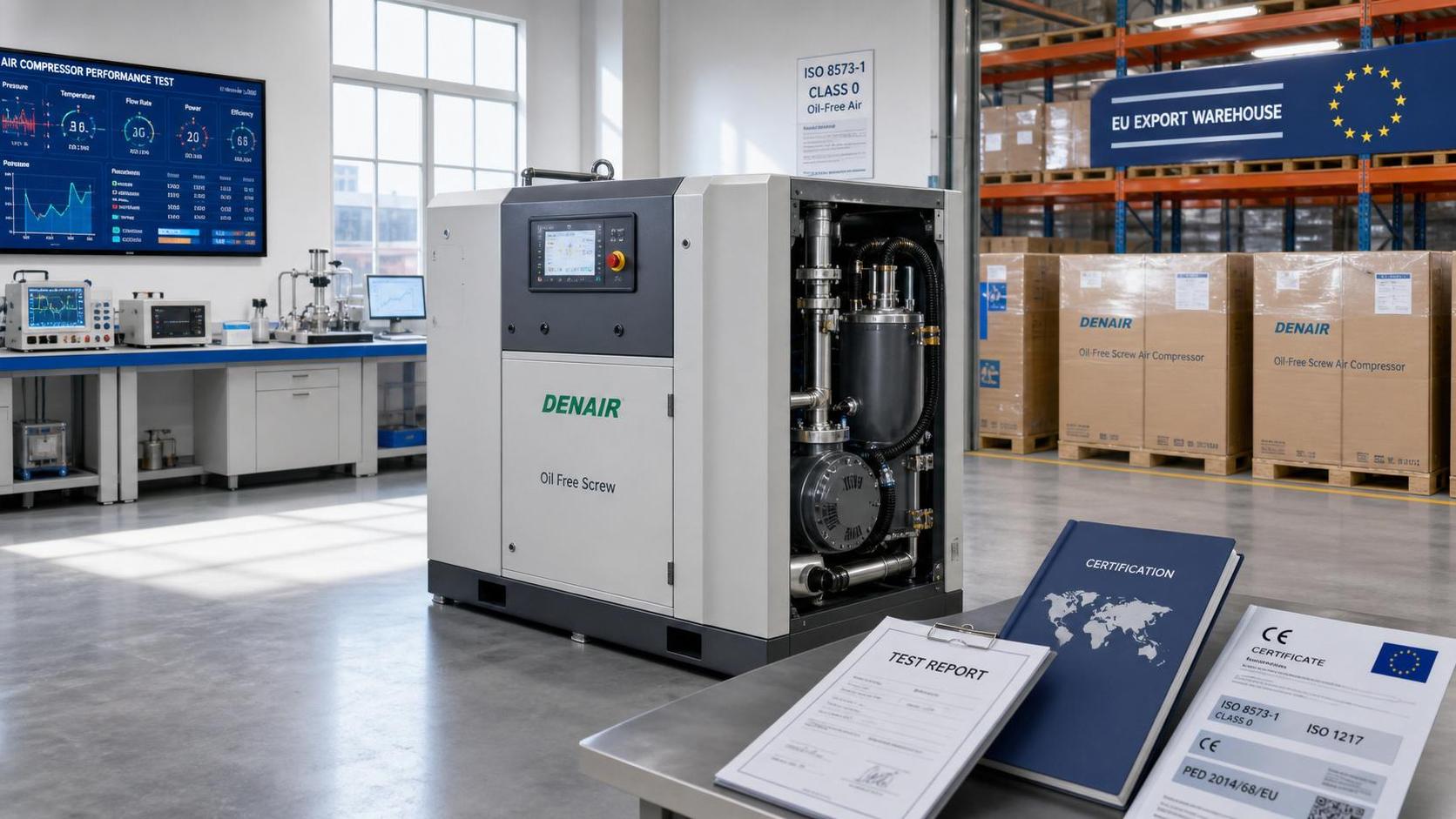
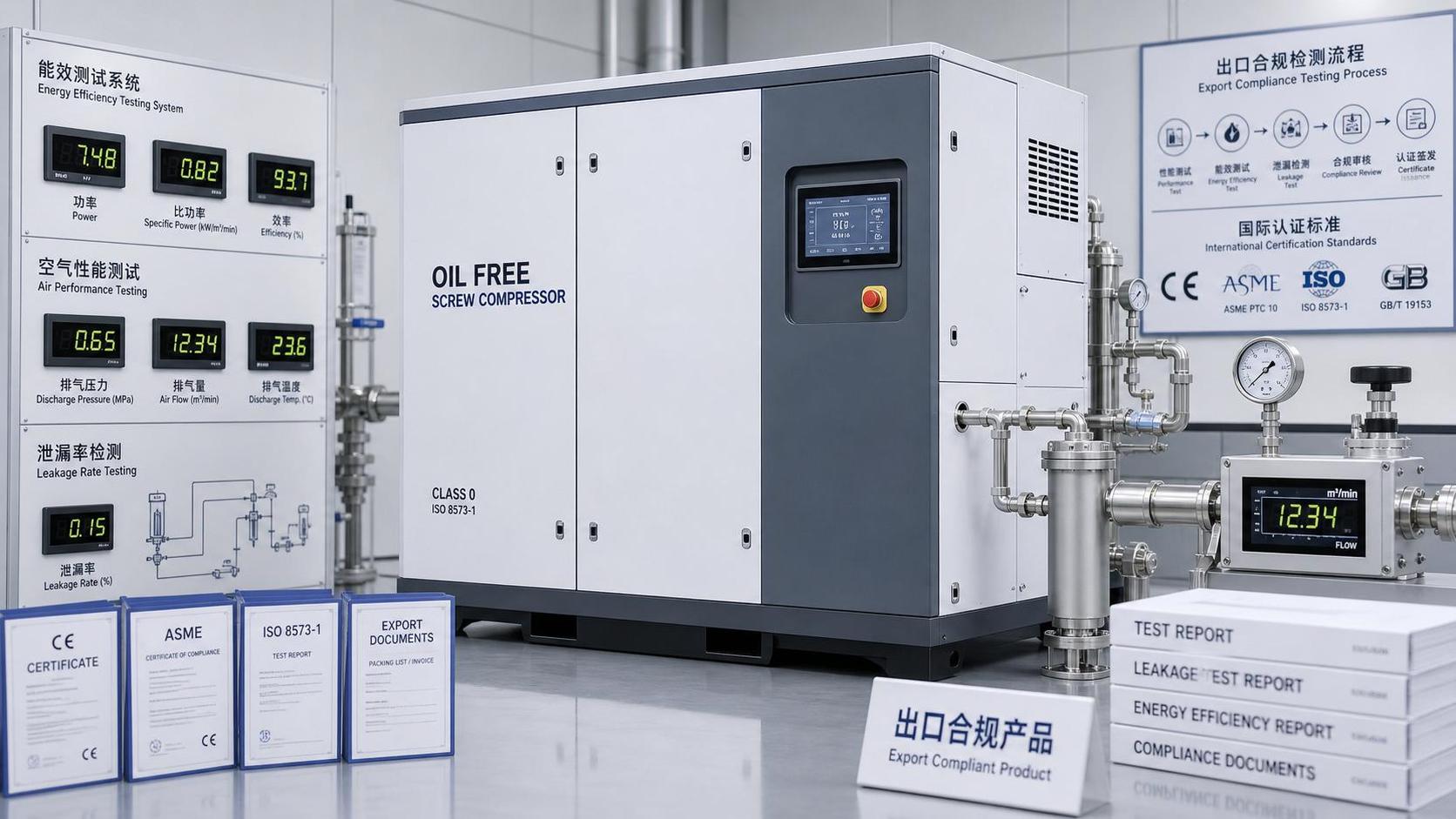
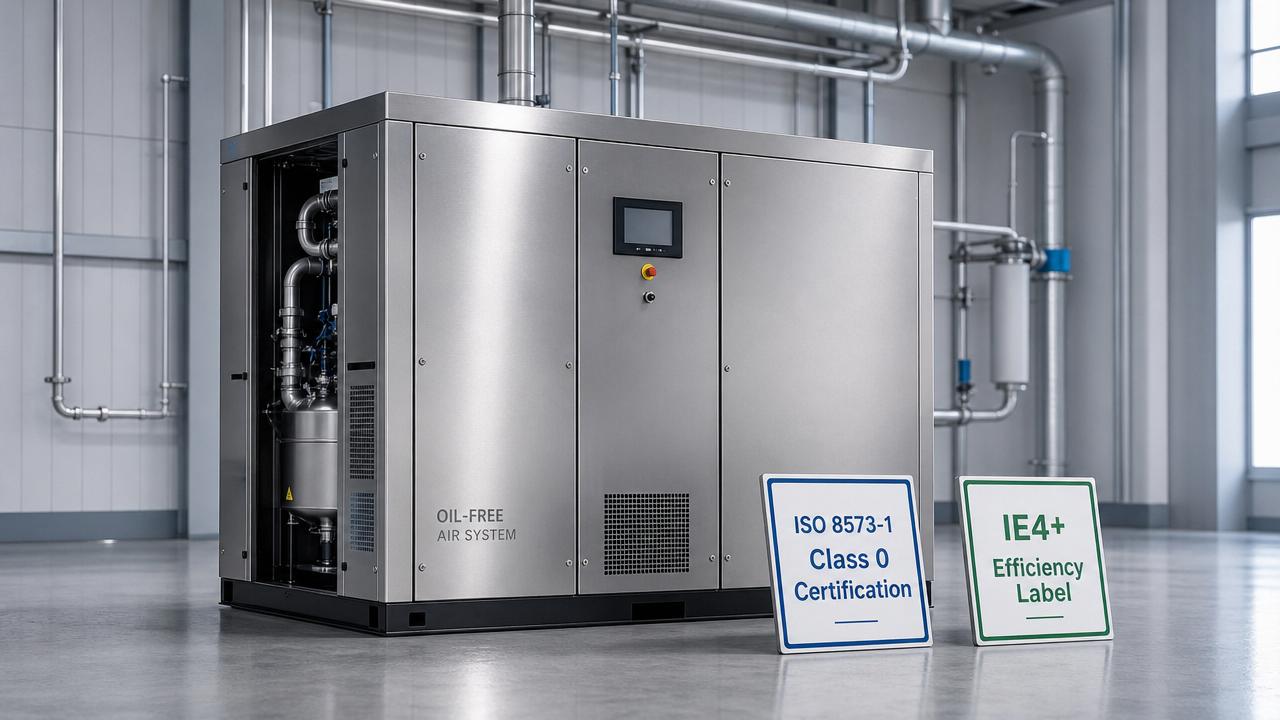
Not all screw compressors qualify as ‘oil-free’, nor do all liquid ring systems meet the ‘high vacuum’ threshold defined in the new sub-codes. Enterprises should cross-check technical parameters (e.g., ISO 8573-1 Class 0 certification for oil-free models; ultimate vacuum level ≥ 10⁻³ mbar for liquid ring systems) before assigning the new 22-digit codes — rather than applying them broadly to entire product families.
Update internal documentation and ERP configurations ahead of next export cycle
Companies should prioritize updating product master data, export invoice templates, and origin certificate application forms by early May 2026. Internal coordination among sales, engineering, and logistics teams is essential to avoid misclassification due to outdated spec sheets or legacy SKU definitions.
Verify alignment with overseas regulatory expectations
Some importing countries (e.g., EU members, U.S., South Korea) may require consistency between Chinese export codes and local import classifications. Enterprises should proactively consult foreign customs brokers or verify whether the new 22-digit codes map to corresponding TARIC, HTSUS, or KTC subheadings — especially when claiming preferential tariffs or responding to trade remedy inquiries.
Editorial Observation / Industry Perspective
Observably, this move reflects China’s broader effort to enhance granularity in trade statistics and strengthen traceability for sensitive industrial equipment. Analysis shows it is less a standalone policy shift and more an operational refinement aligned with WTO Trade Facilitation Agreement commitments — focused on improving data reliability rather than imposing new restrictions. From an industry perspective, the 22-digit rollout signals growing scrutiny on precision-engineered subcomponents within broader machinery categories; however, its immediate effect remains procedural, not punitive. Current impact centers on administrative accuracy — not market access or duty rates. Continued observation is warranted for any follow-up notices regarding retrospective application, penalty thresholds for misclassification, or integration with China’s single-window system upgrades.
Conclusion
This HS code refinement does not alter tariff treatment or regulatory licensing requirements for compression equipment. Its primary significance lies in tightening classification discipline for statistical and compliance purposes. For stakeholders, it is best understood not as a market barrier, but as a calibration step toward higher-resolution trade reporting — requiring targeted updates to documentation and internal controls, rather than strategic pivots.
Source Attribution
Main source: General Administration of Customs of the People’s Republic of China (GACC), official notice effective 6 May 2026.
Points under ongoing observation: Potential supplementary guidance on classification criteria, enforcement timelines for non-compliant declarations, and mapping to international statistical standards (e.g., UN CPC or WCO HS 2027 amendments).
Related News
- How to verify compressed air cleanroom standards before installationAuthor :Pneumatic Power Engineer

- When oil free vacuum pumps make sense for European cleanroom projectsAuthor :Pneumatic Power Engineer

- When do pure air compression systems need ISO 8573-1 Class 0?Author :Pneumatic Power Engineer

- How do compressed air systems for electronics prevent contamination?Author :Pneumatic Power Engineer

- When does an oil-free process vacuum pump justify its higher cost?Author :Pneumatic Power Engineer

- Does ISO 9001 certification apply to compressed air quality?Author :Pneumatic Power Engineer

- How to Specify Clean Compressed Air Systems in Southeast Asia for Food and Pharma PlantsAuthor :Pneumatic Power Engineer

- How to Compare Oil Free Vacuum Pumps for Clean Process RequirementsAuthor :Pneumatic Power Engineer

- How to Evaluate a Clean Compressed Air Systems Supplier for ISO 8573-1 ComplianceAuthor :Pneumatic Power Engineer

- How to Choose the Right Oil-Free Vacuum PumpAuthor :Pneumatic Power Engineer

- VDI 2083 Update Makes Class 0 Proof MandatoryAuthor :Pneumatic Power Engineer

- When to Use Oil Free Vacuum Pumps for High Purity LinesAuthor :Pneumatic Power Engineer

- Compressed Air Solutions: When Oil-Free Systems Lower Total Operating CostAuthor :Pneumatic Power Engineer

- ATMOsphere Europe 2026 Adds Oil-free Systems ZoneAuthor :Pneumatic Power Engineer

- Oil-Free Compressors: Key Selection Criteria for Clean Air SystemsAuthor :Pneumatic Power Engineer

- How to Compare Oil Free Centrifugal Compressors for Stable Plant Air SupplyAuthor :Pneumatic Power Engineer

- Compressed Air Class 0 vs Oil-Free: What Really MattersAuthor :Pneumatic Power Engineer

- Oil-Free Compression Class 0: What the Standard Really Means in ProductionAuthor :Pneumatic Power Engineer

- Air Compression Cost Comparison: Oil-Free vs Screw Systems in Daily OperationAuthor :Pneumatic Power Engineer

- Saudi SASO Tightens IEC 63349-2 for Oil-Free CompressorsAuthor :Pneumatic Power Engineer

- Saudi SASO Tightens Oil-Free Compressor Efficiency RulesAuthor :Pneumatic Power Engineer

- Pure Air Compression Systems for Clean Production LinesAuthor :Pneumatic Power Engineer

- IEC 63349-2:2026 makes energy certification mandatoryAuthor :Pneumatic Power Engineer

- IEC 63349-2:2026 Sets New Entry Rules for Oil-Free Screw CompressorsAuthor :Pneumatic Power Engineer

- IEC 63349-2:2026 Takes Effect for Oil-Free Screw CompressorsAuthor :Pneumatic Power Engineer

- IEC 63349-2:2026 Sets New Efficiency Gate for Oil-Free Screw CompressorsAuthor :Pneumatic Power Engineer

- IEC 63349-2:2026 Takes Effect for Oil-Free Screw CompressorsAuthor :Pneumatic Power Engineer

- SABIC Methanol Force Majeure Extended, Tightening R134a/R407C FeedstocksAuthor :Pneumatic Power Engineer

- How to Evaluate Pneumatic Power Systems for Stable OutputAuthor :Pneumatic Power Engineer

- Oil-Free Compression vs Lubricated Systems: Key Trade-OffsAuthor :Pneumatic Power Engineer
![]()
- Oil-Free Compression: 2026 Cost and Compliance Trade-OffsAuthor :Pneumatic Power Engineer

- Oil-Free Compression: Cost and Contamination RisksAuthor :Pneumatic Power Engineer
![]()
- Euro PMI Drop Delays Oil-Free Systems OrdersAuthor :Pneumatic Power Engineer

- Germany/France May PMI Decline; Oil-free Systems EU Projects DelayedAuthor :Pneumatic Power Engineer
![]()
- Compression Technology Options for Cleaner Oil-Free Air SupplyAuthor :Pneumatic Power Engineer

- TUV Rheinland Enforces Full-Chain Class 0 Certification for Oil-Free SystemsAuthor :Pneumatic Power Engineer