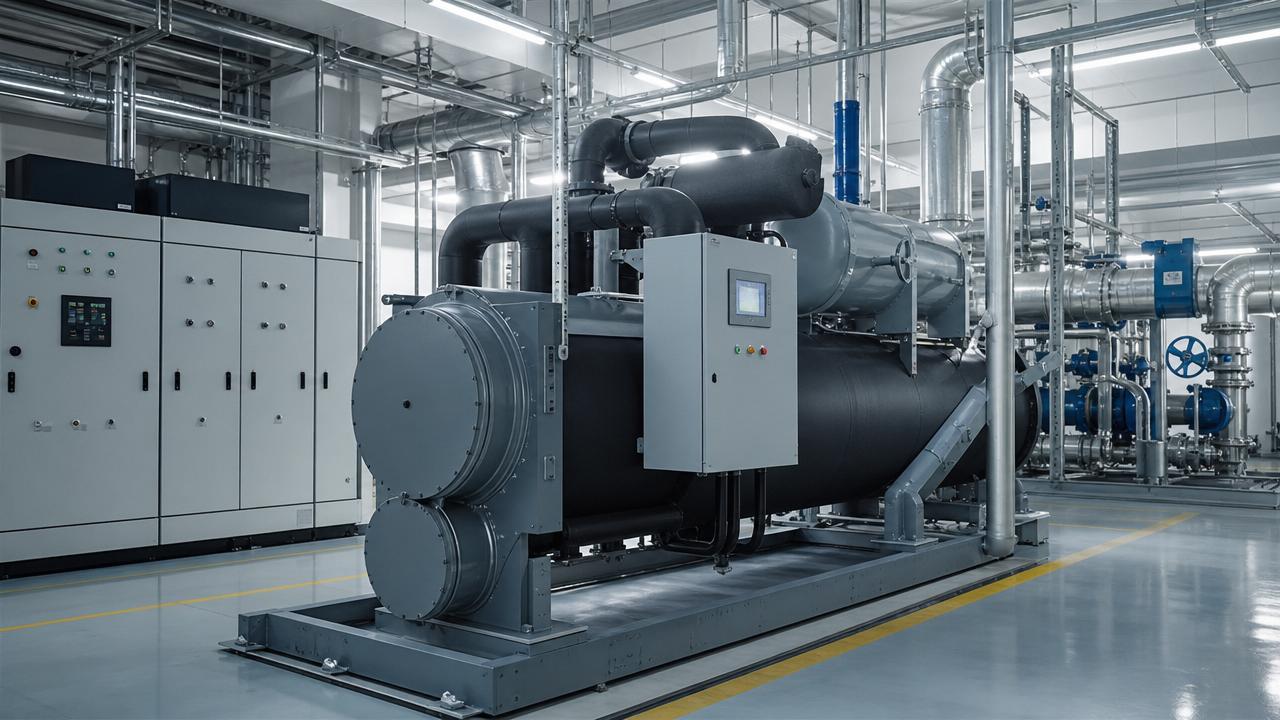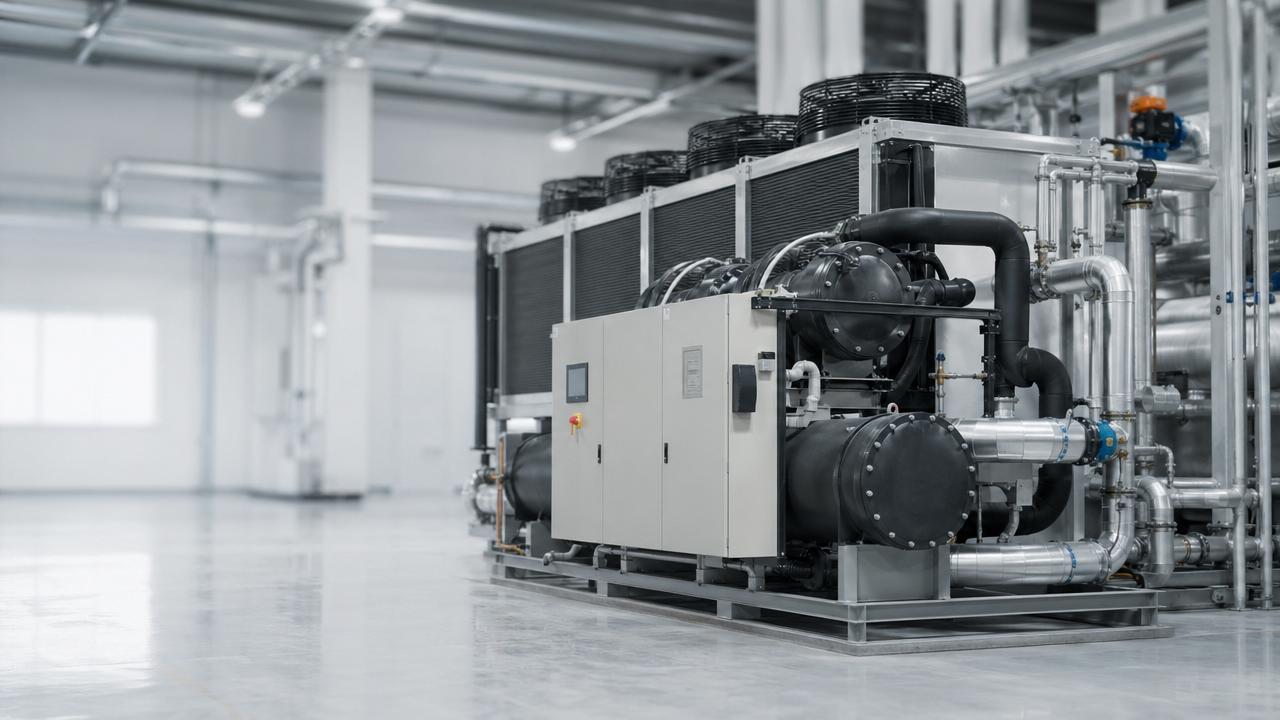




China Launches HCFCs Phase-Out Verification for 127 Chiller Manufacturers




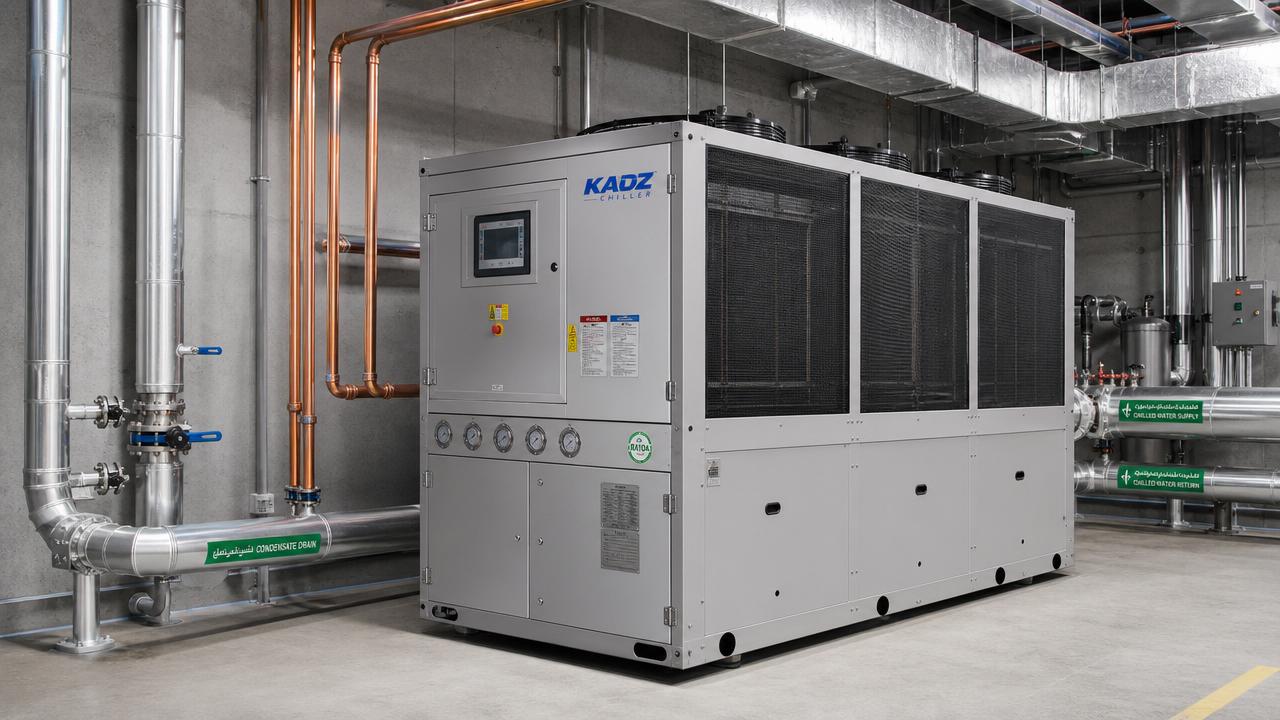
Starting in May 2026, China’s Ministry of Ecology and Environment (MEE), jointly with the General Administration of Customs, has initiated an on-site verification campaign targeting 127 industrial chiller manufacturers nationwide to assess progress in phasing out hydrochlorofluorocarbons (HCFCs), particularly HCFC-22 and R123. This initiative directly affects enterprises engaged in chiller production, refrigerant supply, international trade, and cold-chain infrastructure — especially those exporting to South America, Africa, and other regions still reliant on HCFC-based equipment.
Event Overview
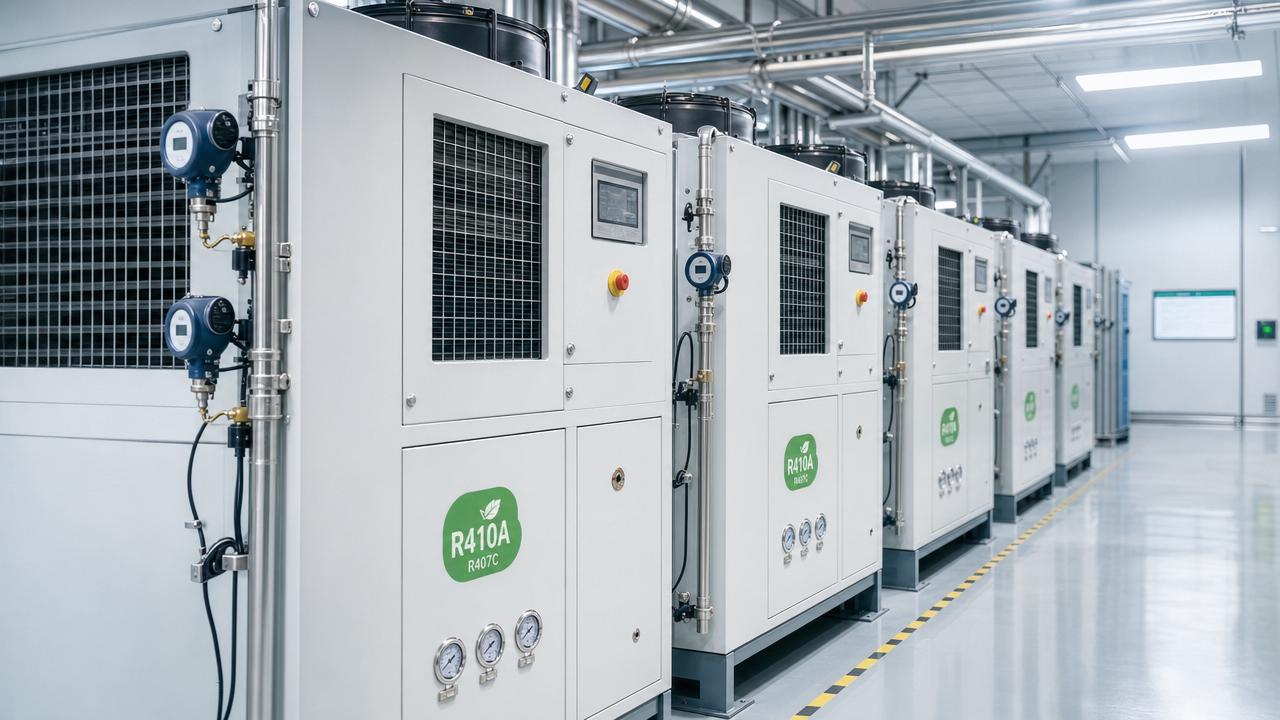
From May 1, 2026, the Ministry of Ecology and Environment and the General Administration of Customs began conducting field inspections at 127 industrial chiller manufacturing facilities across China. The verification focuses on three documented elements: operation records of refrigerant recovery equipment; production line transition logs for alternative refrigerants (R134a and R513A); and consistency between export customs declarations and actual HCFC-related shipments. Outcomes of the verification will determine eligibility for renewal of Ozone-Depleting Substances (ODS) import/export licenses.
Industries Affected by This Initiative
Chiller Manufacturing Enterprises
These 127 facilities are directly subject to inspection. Non-compliance — such as incomplete recovery logs, unverified retrofit timelines, or discrepancies in export documentation — may delay or prevent ODS license renewal. Since many industrial chillers still use HCFC-22 or R123 in legacy models or service parts, manufacturers face immediate pressure to substantiate phase-out claims with auditable records.
Refrigerant Producers and Distributors
Firms supplying R134a, R513A, or other approved alternatives must verify alignment between their delivery records and the chiller manufacturers’ reported production switchovers. Inconsistencies could trigger cross-audits, especially where bulk refrigerant sales lack end-use verification mechanisms.
Export-Oriented Trading Companies
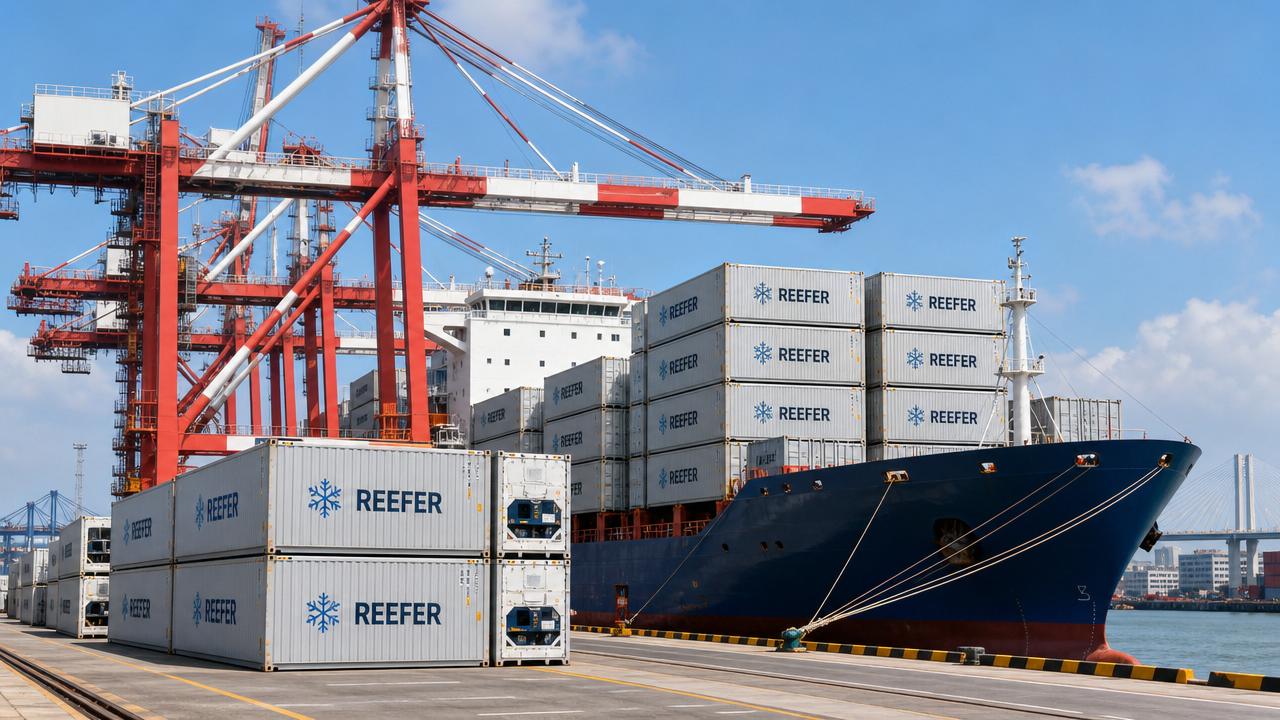
Trading entities handling chiller exports — particularly to South America and Africa — rely on valid ODS licenses for customs clearance. A revoked or non-renewed license disrupts shipment authorization, potentially leading to port holds, reclassification penalties, or loss of market access in jurisdictions requiring HCFC compliance documentation.
Aftermarket Service Providers
Companies offering maintenance, retrofitting, or spare-part supply for installed HCFC-based chillers may face tightening regulatory scrutiny on refrigerant sourcing and handling logs. While not directly inspected, their documentation practices increasingly inform manufacturer-level audit outcomes.
What Enterprises and Practitioners Should Monitor and Do Now
Track official guidance on verification criteria and timeline extensions
While the campaign launched on May 1, 2026, MEE has not yet published detailed scoring rubrics or appeal procedures. Enterprises should monitor MEE’s official website and provincial ecological environment bureaus for updates on acceptable evidence formats, grace periods for minor discrepancies, and clarification on mixed-product lines (e.g., simultaneous HCFC and HFC production).
Verify alignment between refrigerant procurement, production logs, and export declarations
Enterprises should reconcile internal records across departments: procurement invoices for R134a/R513A; engineering change notices confirming line conversion; and customs declarations listing refrigerant types per shipment. Discrepancies — such as declaring R134a-equipped units while shipping units containing residual HCFC-22 charge — represent high-risk audit findings.
Distinguish policy signals from operational readiness
The verification is a compliance checkpoint, not a blanket ban. Analysis shows it reflects procedural enforcement rather than accelerated phase-out timing. Enterprises should avoid assuming imminent HCFC import bans or mandatory retrofit deadlines beyond existing Multilateral Fund commitments — but must treat license renewal as contingent on verifiable, contemporaneous records.
Prepare documentation packages for potential follow-up requests
Given the narrow scope (127 facilities), targeted audits may expand if systemic gaps emerge. Firms outside the initial list — including Tier-2 suppliers and regional distributors — should pre-assemble traceable records covering refrigerant receipt, usage, recovery, and disposal for the past 18 months, particularly where servicing HCFC-based equipment remains part of their business model.
Editorial Perspective / Industry Observation
Observably, this verification is less a new policy and more a structured enforcement step under China’s existing HCFC Phase-Out Management Plan (2021–2030). It signals heightened accountability for documented progress — especially where export markets retain HCFC dependencies. From an industry perspective, the initiative underscores that regulatory risk now resides not only in technical substitution but in administrative traceability: license continuity hinges on record integrity, not just technology adoption. Current verification outcomes do not automatically extend to domestic sales restrictions or new product bans, but they establish a precedent for linking ODS licensing to real-time operational transparency. Industry stakeholders should view this as an early indicator of how future climate-related trade instruments — such as carbon border adjustments or green export certifications — may similarly prioritize auditable process data over stated commitments.
In summary, this verification does not alter China’s HCFC phase-out schedule, but it materially raises the evidentiary threshold for maintaining export eligibility. It reflects a shift toward process-oriented compliance — where consistent documentation carries equal weight to technological transition. For affected enterprises, the priority is not reinvention but verification-readiness: ensuring that what is declared matches what is done, recorded, and reported.
Source: Official announcements from the Ministry of Ecology and Environment of the People’s Republic of China and the General Administration of Customs of the People’s Republic of China (May 2026).
Noted for ongoing observation: Potential expansion of the verification scope beyond the initial 127 facilities, and any formalized public feedback mechanism following the first round of inspections.
Related News
- China Launches HCFCs Phase-Out Verification for 127 Chiller ManufacturersAuthor :Cryogenic Systems Expert
![]()
- GCC Green Cooling Certification Expands to Industrial ChillersAuthor :Cryogenic Systems Expert

- Shanghai Port Reefer FEU Rates Surpass $12,800 Amid Red Sea DiversionAuthor :Cryogenic Systems Expert

- Industrial Cooling Systems: When Efficiency Gains Stop Paying BackAuthor :Cryogenic Systems Expert

- China Launches HCFCs Phase-Out Verification for 127 Chiller ManufacturersAuthor :Cryogenic Systems Expert

- Middle East Expands Green Refrigeration Certification to Industrial ChillersAuthor :Cryogenic Systems Expert

- Industrial Refrigeration Upgrades That Reduce Downtime and Product LossAuthor :Cryogenic Systems Expert

- China Launches 2026 HCFC-22 Elimination Verification for ChillersAuthor :Cryogenic Systems Expert
![]()
- GCC Green Refrigeration Certification Launches with Chinese Industrial ChillersAuthor :Cryogenic Systems Expert
![]()
- How Global Energy Costs Are Reshaping Industrial Chiller BudgetsAuthor :Cryogenic Systems Expert

- How Global Energy Costs Are Reshaping Industrial Chiller BudgetsAuthor :Cryogenic Systems Expert

- How Global Energy Costs Are Reshaping Industrial Chiller BudgetsAuthor :Cryogenic Systems Expert

- Industrial Cooling Solutions That Work Better in High-Load SeasonsAuthor :Cryogenic Systems Expert