Vacuum Technology Selection Mistakes to Avoid




Selecting the right vacuum technology can make or break an industrial project’s efficiency, reliability, and lifecycle cost. For project managers overseeing compressed air, cooling, heat exchange, or process infrastructure, early specification errors often lead to oversized systems, energy waste, maintenance bottlenecks, and delayed commissioning. This article highlights the most common selection mistakes and explains how to align vacuum performance, process requirements, and long-term operational strategy before procurement decisions become costly to reverse.
In integrated industrial facilities, vacuum systems rarely operate in isolation. They interact with chillers, compressed air networks, condensers, heat exchangers, filtration units, and control architectures. A weak specification can affect energy conversion efficiency across 3 to 5 connected subsystems.
For project managers, the goal is not simply to buy a pump. The goal is to select vacuum technology that protects process stability, supports commissioning schedules, and remains economical after 5,000 to 8,000 operating hours per year.
Mistake 1: Defining Vacuum Demand Too Late in the Project
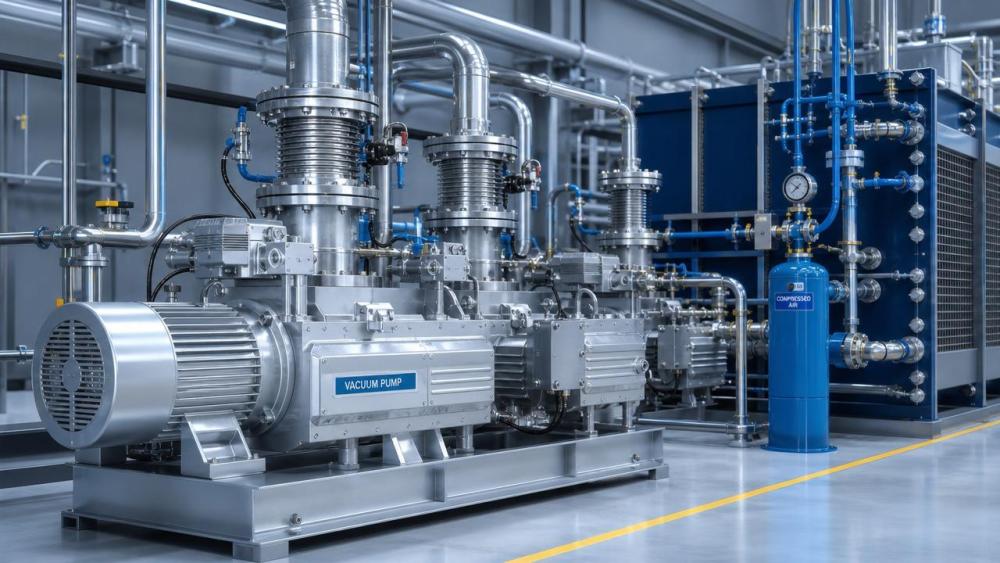
One of the most expensive errors is treating vacuum demand as a late-stage utility item. By the time procurement starts, pipe routes, process vessels, skid layouts, and electrical rooms may already be fixed.
Vacuum technology should be considered during concept design, usually before the 30% engineering review. At this stage, the team can still adjust flow capacity, pipe diameter, redundancy philosophy, and heat rejection strategy.
Why early definition matters
A vacuum system may require 1 to 3 process connections, dedicated exhaust handling, cooling water, oil separation, or variable-speed control. These requirements influence civil, electrical, mechanical, and automation packages.
If the vacuum load is underestimated, the system may fail to reach target pressure within the required evacuation time. If it is overestimated, the project may carry unnecessary capital cost and higher kWh consumption.
Practical checks before specification freeze
- Confirm the required ultimate pressure, operating pressure, and acceptable pressure fluctuation band.
- Map duty cycles, including continuous operation, batch evacuation, standby mode, and cleaning cycles.
- Estimate gas load, vapor load, leakage load, and non-condensable gas sources separately.
- Review heat rejection limits, especially where cooling water is shared with chillers or heat exchangers.
A disciplined early review helps project managers avoid rework after purchase orders are issued. It also ensures vacuum technology is aligned with the wider power and thermal infrastructure.
Mistake 2: Selecting by Ultimate Pressure Alone
Ultimate pressure is important, but it is not the only selection parameter. Many industrial processes operate at a stable working pressure rather than the lowest pressure a pump can theoretically achieve.
A pump rated for very low ultimate pressure may still be inefficient at the actual process point. Project teams should evaluate pumping speed, gas composition, vapor tolerance, temperature, and control response together.
Key selection parameters for industrial vacuum technology
The following comparison shows how common parameters influence procurement decisions. Values should be validated against process data, but these factors are useful for early project screening.
The key lesson is simple: vacuum technology must be selected around the working envelope, not a single catalog number. Procurement should request performance curves, not only headline specifications.
Where project managers should challenge vendors
Ask suppliers to identify the expected operating point on the performance curve. A credible proposal should show the basis for flow, pressure, temperature, motor size, and accessory selection.
For energy-sensitive sites, request part-load data at 25%, 50%, 75%, and 100% load. This is especially important for facilities pursuing carbon reduction and high-efficiency manufacturing goals.
Mistake 3: Ignoring System Integration with Thermal and Compression Assets
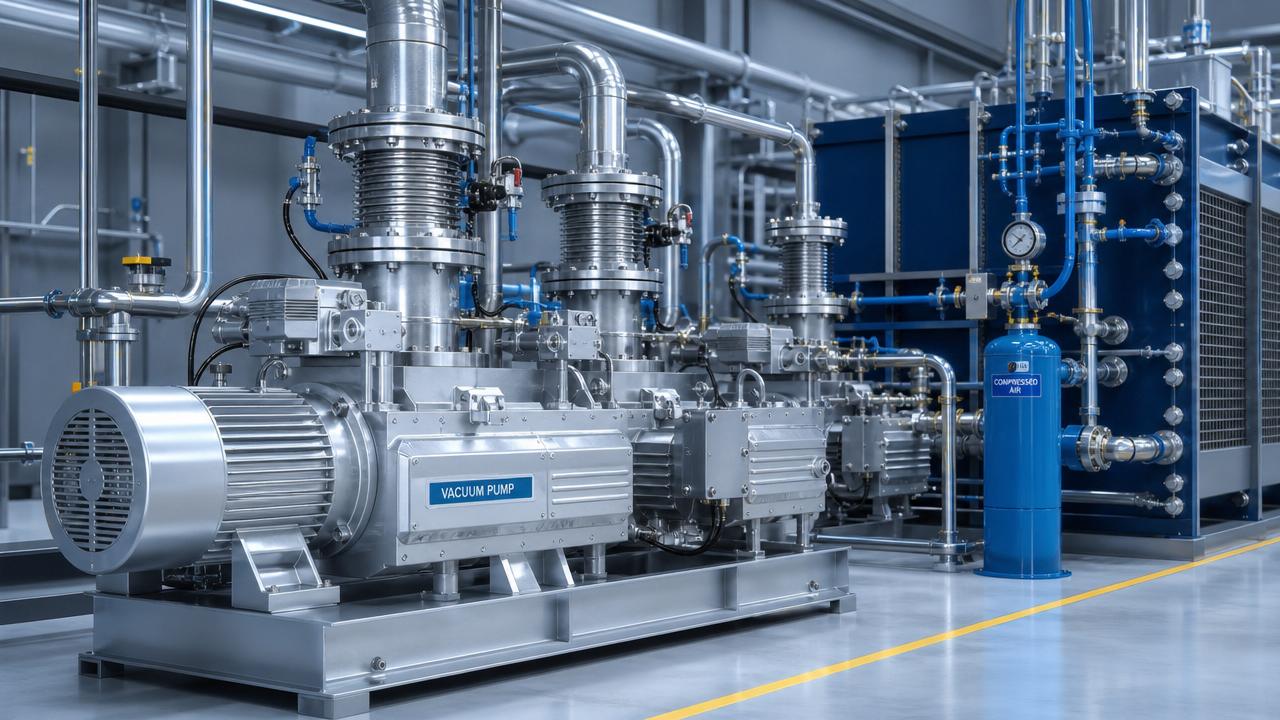
Vacuum technology interacts with the broader industrial energy matrix. A pump package can add heat to the room, consume cooling water, discharge vapor, or affect compressed air requirements for valves and controls.
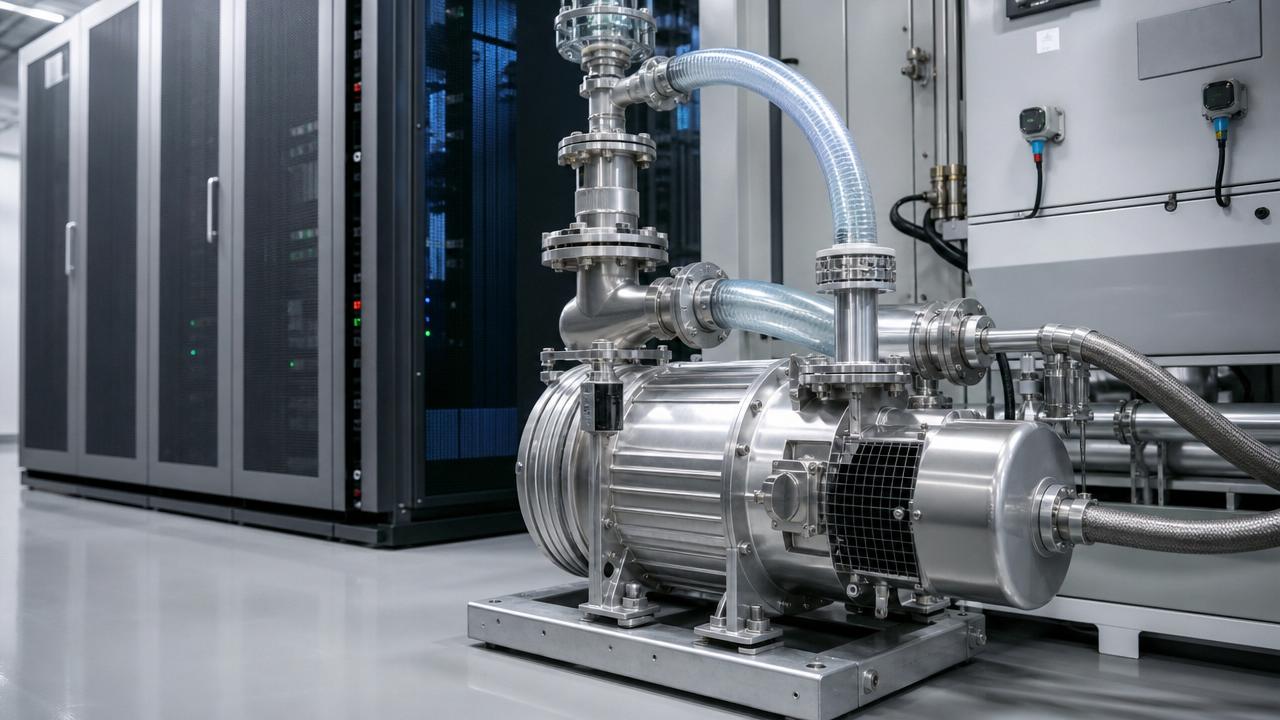
In pharmaceutical, semiconductor, food processing, chemical, packaging, and metallurgy projects, vacuum performance often depends on stable temperature control. Heat exchangers and chillers may become hidden constraints.
Common integration gaps
- Cooling water temperature is assumed at 25°C, but site water reaches 32°C during summer operation.
- Exhaust vapor treatment is omitted, creating odor, safety, or environmental control issues.
- Electrical feeders are sized for running power but not for starting current or redundancy.
- Compressed air demand for actuated valves is not included in utility balance calculations.
These gaps may appear small during design review, yet they can delay commissioning by 1 to 3 weeks. Integration should be verified through process, utility, and controls reviews.
Thermal coordination is a project risk control tool
A vacuum package that rejects heat into a technical room can raise ambient temperature by several degrees. This affects motors, drives, sensors, and neighboring compressed air equipment.
Project managers should require a heat balance that includes motor losses, seal water temperature, condenser load, and ventilation demand. Even a 10 kW heat load can matter in confined areas.
Mistake 4: Underestimating Contamination, Condensation, and Materials Compatibility
Many vacuum failures are not caused by the pump mechanism itself. They result from liquid carryover, dust, corrosive vapor, polymerizing gases, or poor filtration upstream of the equipment.
The correct vacuum technology depends on what the system is moving, not just how much. A clean dry gas application is very different from solvent recovery or wet process evacuation.
Application risks and practical safeguards
Before finalizing equipment, classify the process media and maintenance exposure. The table below helps translate operating conditions into technical precautions for procurement documents.
This table shows why process chemistry must be included in the selection basis. A small inlet filter or condenser may protect a much larger capital investment.
Do not let maintenance access become an afterthought
Filters, oil separators, seals, and condensate drains require space. A package installed with only 300 mm of access clearance may look compact but become difficult to service.
During layout approval, reserve access for lifting, cleaning, inspection, and replacement. For critical equipment, maintenance strategy should be reviewed before the 60% design milestone.
Mistake 5: Buying the Lowest Initial Cost Instead of the Best Lifecycle Value
Vacuum technology selection should include total lifecycle cost, not only purchase price. Energy, cooling water, oil, filters, downtime, and labor can exceed the initial cost over several years.
For systems running 6,000 hours annually, a difference of 5 kW in absorbed power becomes 30,000 kWh per year. That energy impact should be visible in procurement scoring.
A practical 5-part lifecycle evaluation
- Capital cost, including base equipment, accessories, installation, and commissioning support.
- Energy consumption across normal load, part load, standby, and cleaning cycles.
- Maintenance frequency, spare parts availability, and expected service intervals.
- Utility consumption, including cooling water, compressed air, seal fluid, or purge gas.
- Operational risk, including downtime cost, contamination risk, and commissioning complexity.
A proposal with a higher purchase price may be more economical if it reduces unplanned maintenance or saves energy. Project managers should compare at least 3 qualified options.
When redundancy is worth the investment
For non-critical evacuation, one duty pump may be acceptable. For continuous production, a 2 x 100% or 3 x 50% configuration can protect uptime.
Redundancy is especially relevant where product loss, batch failure, or contamination events cost more than standby equipment. The decision should be tied to production risk, not habit.
Mistake 6: Weak Commissioning Criteria and Poor Handover Documentation
Even correctly selected vacuum technology can underperform when commissioning criteria are vague. “System running” is not the same as verified performance at real process conditions.
A strong commissioning plan defines measurable acceptance points. These may include pressure stability over 30 minutes, evacuation time, motor load, vibration, temperature, and alarm function.
Recommended 6-step implementation process
- Validate process data, including gas load, leakage rate, operating pressure, and duty cycle.
- Review integration interfaces for power, cooling, exhaust, controls, drainage, and access.
- Approve technical submittals, performance curves, materials, and spare parts lists.
- Inspect installation against piping slope, valve orientation, filtration, and instrumentation layout.
- Run functional tests under no-load, simulated load, and production load conditions.
- Complete handover with maintenance plan, alarm list, training, and baseline readings.
This sequence reduces disputes between engineering, procurement, operations, and suppliers. It also creates a baseline for future troubleshooting after 3, 6, or 12 months of operation.
Documentation project managers should request
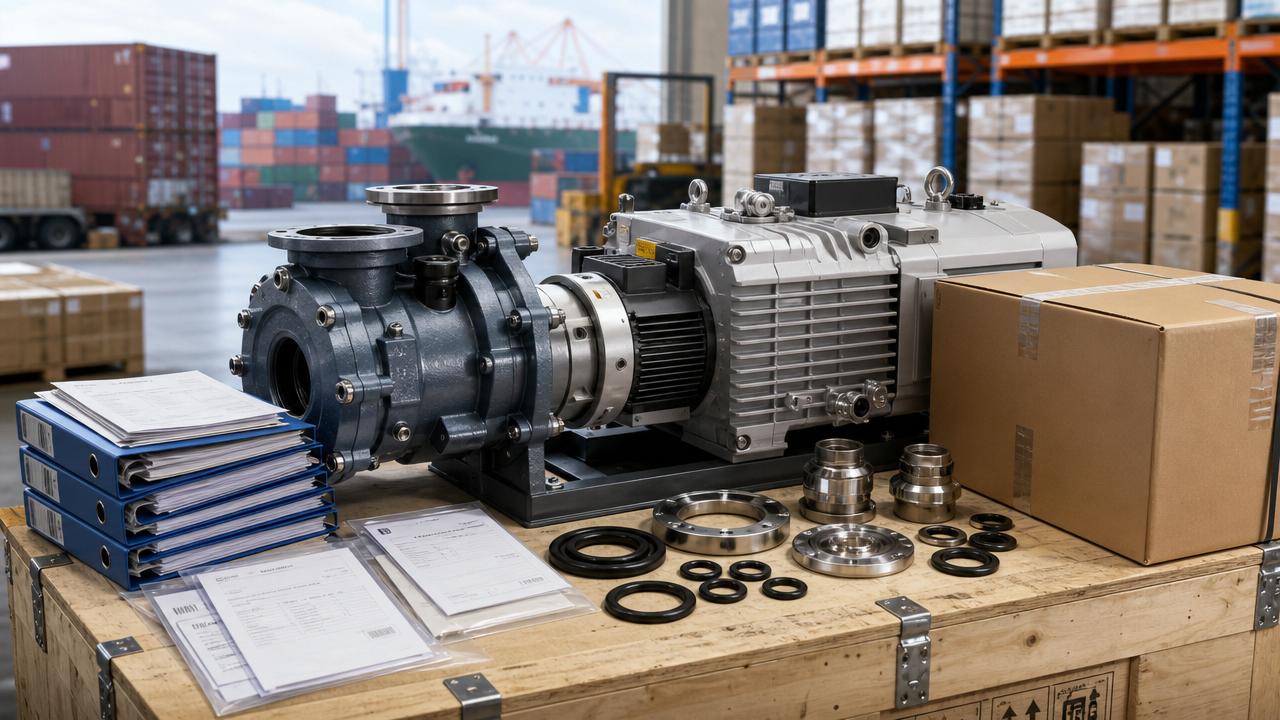
At handover, the operations team should receive performance curves, maintenance schedules, recommended spare parts, wiring diagrams, piping diagrams, control logic, and start-up procedures.
For regulated or high-purity processes, documentation should also include material declarations, cleaning requirements, calibration records, and clear limits for operating temperature and pressure.
How GTC-Matrix Supports Better Vacuum Technology Decisions
Project managers need intelligence that connects thermal logic, compression power, and vacuum process requirements. GTC-Matrix focuses on that connection across industrial cooling, compressed air, heat exchange, and vacuum systems.
Through sector news, technology trend analysis, and commercial insight, GTC-Matrix helps teams understand where equipment choices affect energy conversion efficiency, decarbonization targets, and operational resilience.
Decision support for procurement and engineering teams
- Compare vacuum technology options against process pressure, vapor load, maintenance access, and energy profile.
- Identify specification risks before tender release, especially in multi-utility industrial projects.
- Track trends in oil-free compression, low-emission thermal systems, and high-efficiency manufacturing infrastructure.
- Support internal discussions between project owners, engineering contractors, suppliers, and operation teams.
The value lies in asking better questions earlier. A well-informed project team can reduce oversizing, avoid missing interfaces, and build a more reliable procurement basis.
Final guidance for avoiding selection mistakes
The right vacuum technology is the one that fits the real process, the real environment, and the real lifecycle plan. It must be evaluated as part of the industrial energy system.
Before approving a purchase, confirm 4 fundamentals: operating pressure, gas composition, thermal interface, and maintenance strategy. These checkpoints prevent most avoidable selection errors.
If your upcoming project involves vacuum processes, compressed air, cooling, or heat exchange infrastructure, GTC-Matrix can help you sharpen technical evaluation and procurement strategy. Contact us to explore tailored insights, compare solution pathways, or learn more about industrial vacuum technology decisions.
Ready when you are. Send us a message to get started.
Related News
- Saudi Vacuum Pump Imports Face SASO 2870:2026 RuleAuthor :Vacuum Process Fellow

- PSA Opens Dedicated Vacuum Equipment Lane at Jurong IslandAuthor :Vacuum Process Fellow

- IMO Rule Adds GWP Labeling for Liquid Ring Vacuum Pump ShipmentsAuthor :Vacuum Process Fellow

- EPA Extends SNAP 89 Filing Rule to Liquid Ring PumpsAuthor :Vacuum Process Fellow

- China Tightens Export Controls on Some FKM Pump SealsAuthor :Vacuum Process Fellow

- Vacuum Technology Selection Mistakes to AvoidAuthor :Vacuum Process Fellow

- India to Mandate BIS Certification for Liquid Ring Vacuum Pumps from Aug 2026Author :Vacuum Process Fellow
![]()
- ZTE’s 2025 Sustainability Report Sets New Liquid Ring Pump Efficiency BenchmarkAuthor :Vacuum Process Fellow

- APEC Pushes E-BL Framework, Boosting Vacuum Pump Export LogisticsAuthor :Vacuum Process Fellow
![]()
- MIIT Launches 2026 Industrial Energy Conservation InspectionAuthor :Vacuum Process Fellow

- China's Joint Crackdown on Used EV Battery Recycling Impacts Vacuum Pump Lubricant Supply ChainAuthor :Vacuum Process Fellow

- IVA Releases Liquid Ring Pump Carbon Footprint ProtocolAuthor :Vacuum Process Fellow

- IVA Releases Liquid Ring Pump Carbon Footprint GuidelinesAuthor :Vacuum Process Fellow