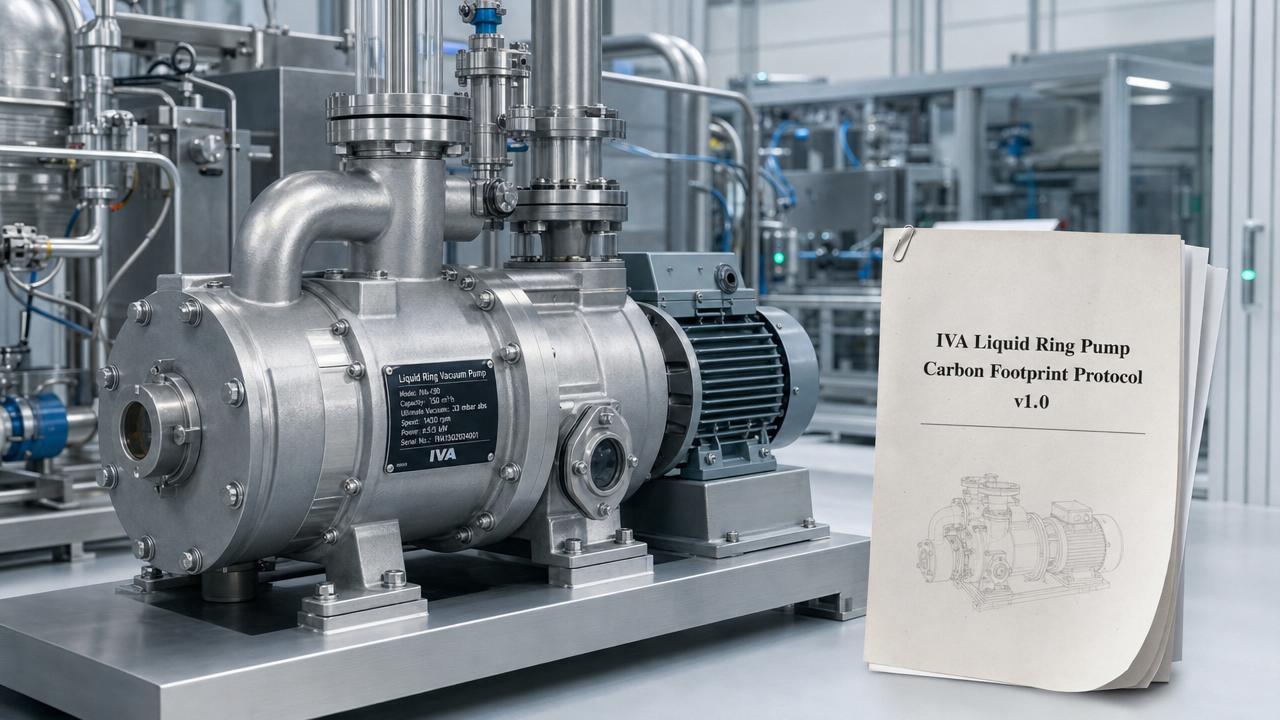
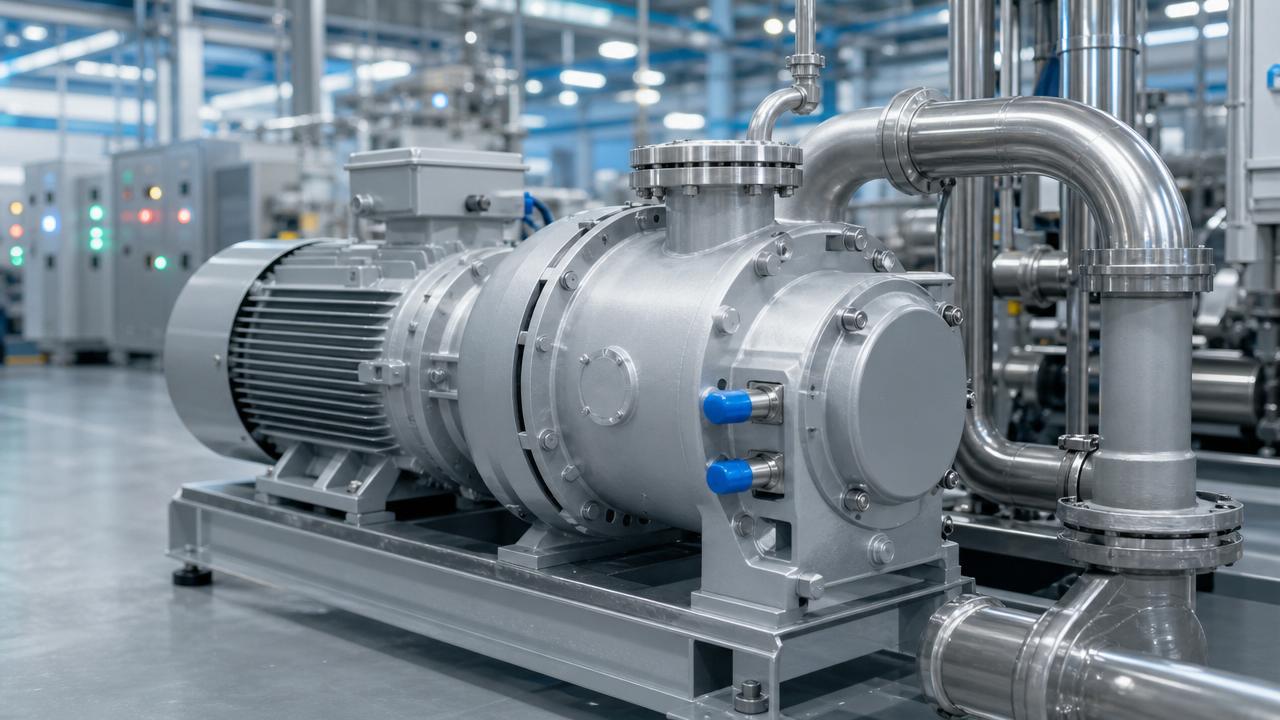
India to Mandate BIS Certification for Liquid Ring Vacuum Pumps from Aug 2026




India’s Bureau of Indian Standards (BIS) has announced a new regulatory requirement affecting manufacturers and exporters of liquid ring vacuum pumps: effective 1 August 2026, compliance with IS 17715:2025 will become mandatory for market access. The draft standard was officially notified on 23 May 2026. Industrial equipment suppliers, vacuum system integrators, and exporters serving India’s chemical, pharmaceutical, food processing, and power sectors should treat this as a high-priority compliance milestone — not only due to its binding timeline but also because it introduces first-time technical requirements specific to vibration, noise, and explosion-proof enclosure protection.
Event Overview
On 23 May 2026, the Bureau of Indian Standards (BIS) published Draft IS 17715:2025, titled Liquid Ring Vacuum Pumps – Safety and Performance Requirements. The document specifies that the standard shall transition from voluntary to mandatory status on 1 August 2026. Key technical provisions include vibration classification per ISO 10816-3, maximum sound pressure level of ≤75 dB(A), and mandatory IP66-rated explosion-proof terminal boxes. Products without valid BIS certification will be prohibited from sale or import into India. The estimated certification cycle is 10–12 weeks; BIS has indicated that initial applications may require physical sample submission.
Industries Affected
Direct Exporters and OEMs
Manufacturers exporting liquid ring vacuum pumps directly to India will face immediate market access restrictions if unregistered. Since BIS certification is product-model-specific and requires factory audits, OEMs must align production documentation, test reports, and labeling with IS 17715:2025 before shipment — not after arrival. Non-compliant stock already in transit or warehoused in India may be subject to customs rejection upon enforcement.
System Integrators and End-User Equipment Suppliers
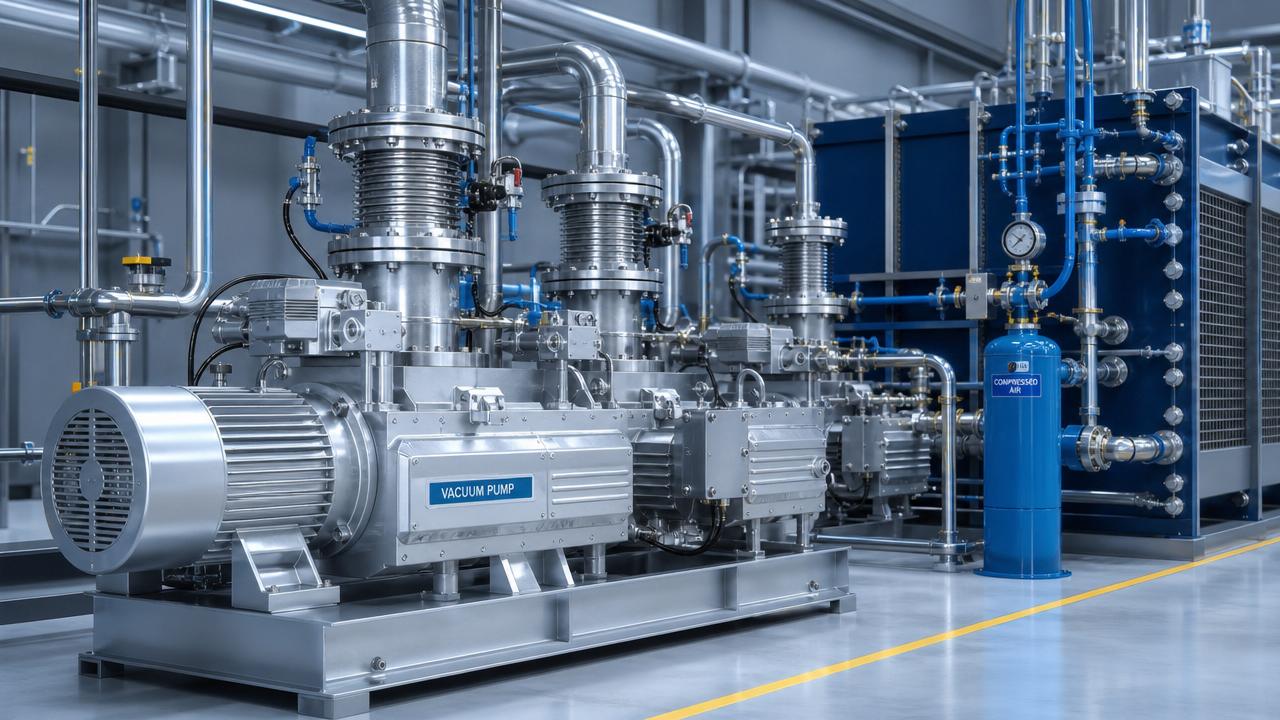
Companies embedding liquid ring vacuum pumps into larger systems (e.g., distillation units, freeze dryers, or HVAC chillers) are indirectly affected. Under India’s current regulatory interpretation, if the pump is a separately identifiable safety-critical component, its BIS certification remains mandatory — even when supplied as part of an assembled machine. Integrators must therefore verify certification status at the component level, not rely solely on system-level approvals.
Aftermarket Parts and Service Providers
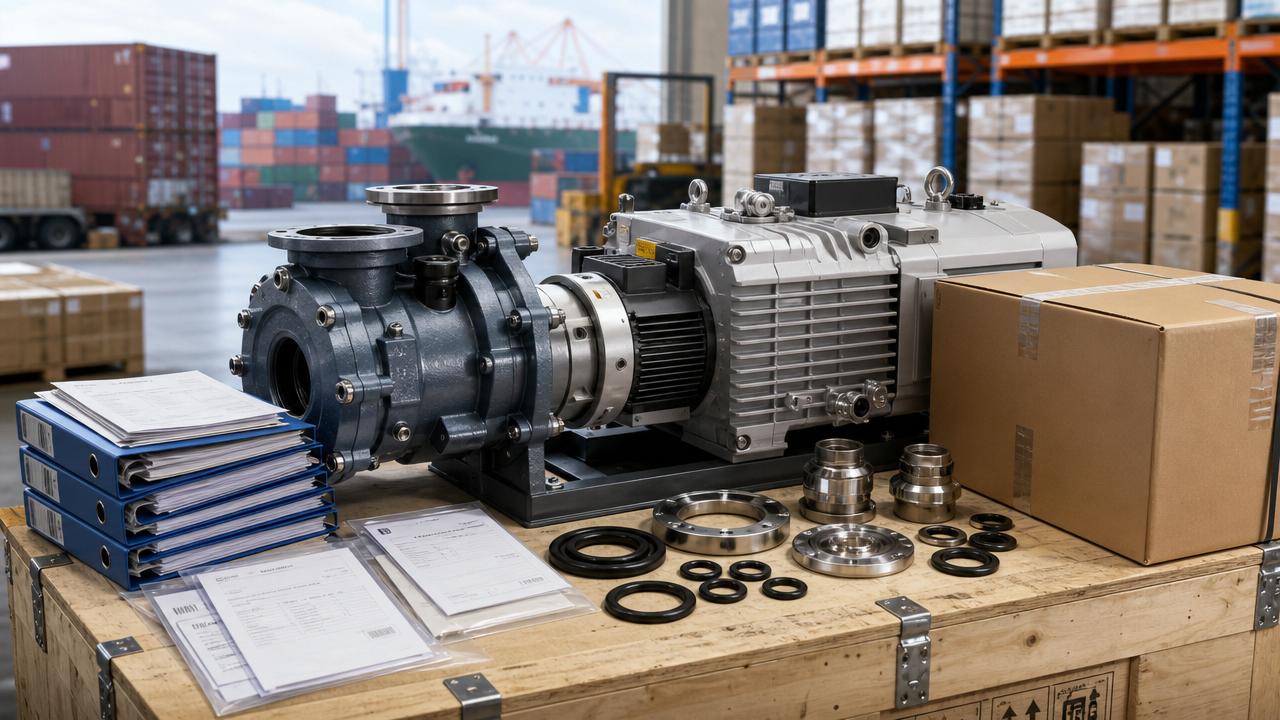
Replacement pumps sold independently for maintenance or retrofitting fall under the same scope as new units. Spare-part distributors and service centers supplying pumps into India must ensure each model carries active BIS certification. There is no grandfathering clause stated in the draft for pre-2026 units; post-enforcement sales of uncertified replacements will be non-compliant.
What Enterprises and Practitioners Should Monitor and Do Now
Track official gazette updates and BIS clarification notices
The current version is a draft standard. While the 1 August 2026 enforcement date is proposed, final confirmation — including any transitional arrangements or phased implementation — will appear only in the official Gazette of India notification. Stakeholders should subscribe to BIS’s public notifications and monitor for amendments to Annexes or testing protocol references.
Verify model-level applicability and initiate sample submission immediately
Not all liquid ring pumps are automatically in scope: IS 17715:2025 applies specifically to units intended for industrial use with suction capacities ≥10 m³/h and operating vacuum levels ≤100 mbar(a). Exporters should cross-check their product specifications against these thresholds and prioritize models meeting both criteria. Given the 10–12 week certification lead time, sample dispatch to an accredited BIS lab should begin no later than early June 2026 to meet the deadline.
Distinguish between regulatory signal and operational readiness
The May 2026 draft notification serves primarily as a formal regulatory signal — not yet a legal mandate. However, its technical content (vibration class, noise limit, IP66) reflects finalized engineering expectations. Companies should avoid delaying internal alignment until the final gazette, as test setup, documentation revision, and supplier coordination cannot be compressed into a final-month sprint.
Update procurement and labeling protocols for Indian-bound shipments
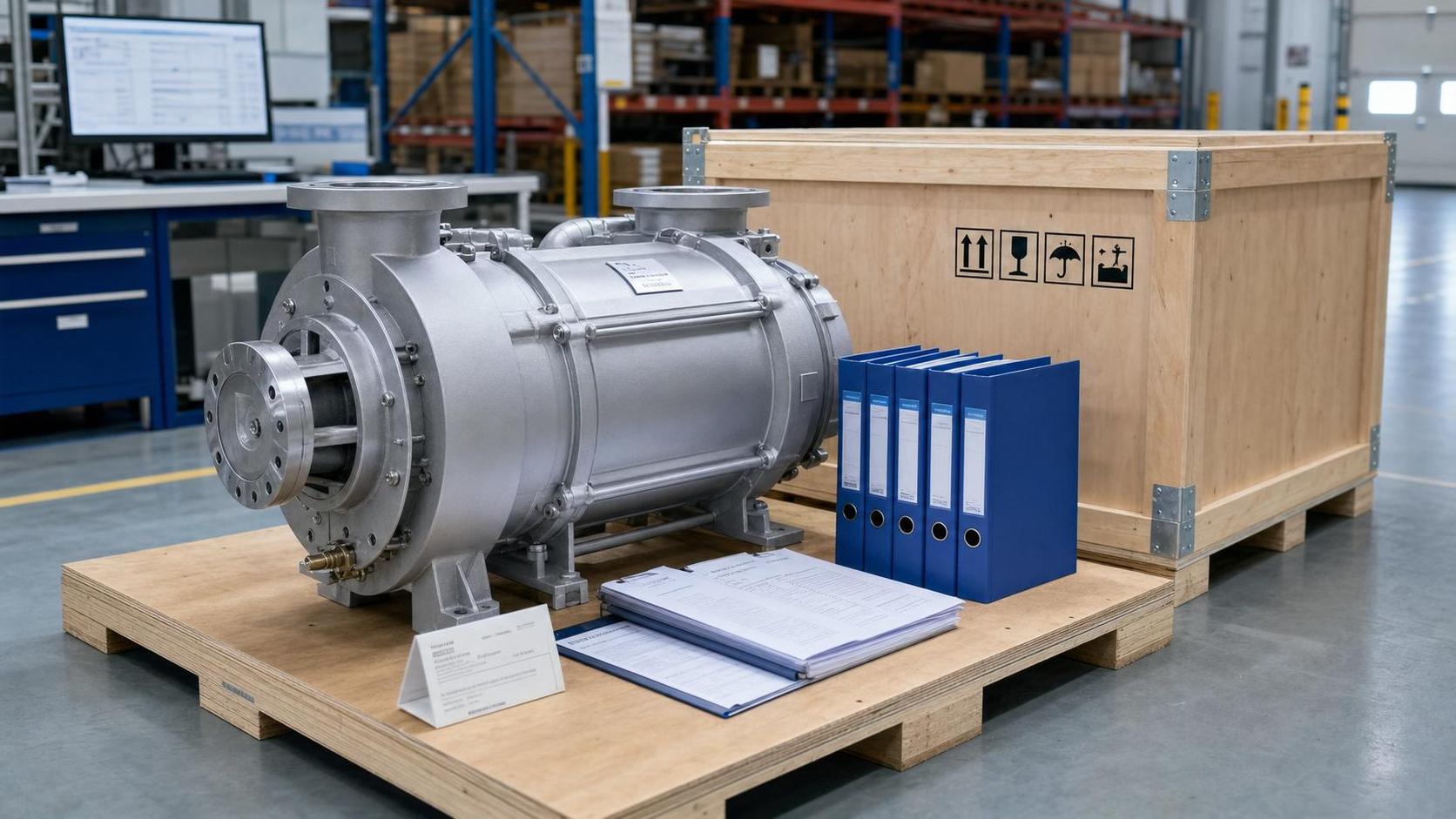
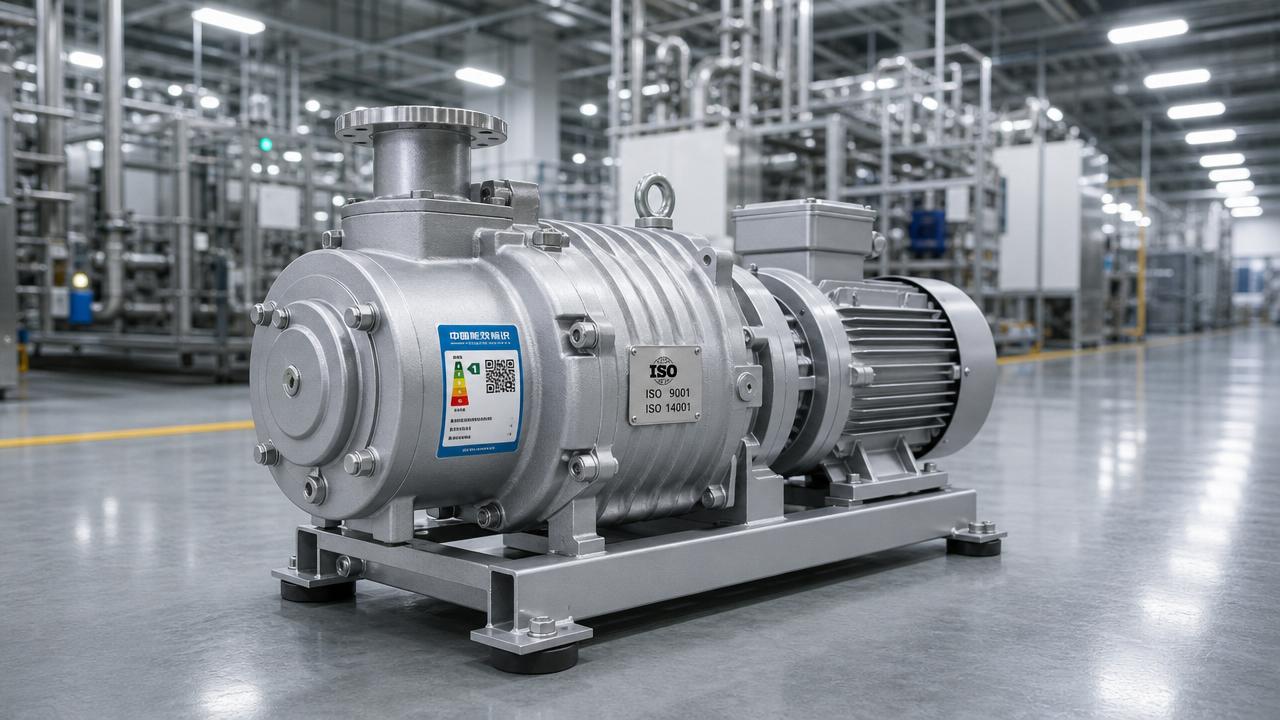
Certification includes requirements for permanent marking: BIS Standard number, certified model ID, manufacturer name, and BIS license number must appear legibly on the pump body. Procurement teams should revise purchase orders and quality checklists to enforce this labeling prior to dispatch. Any consignment lacking compliant markings may be held at Indian ports regardless of certification status.
Editorial Perspective / Industry Observation
Observably, this development signals a broader tightening of India’s conformity assessment regime for industrial machinery — moving beyond generic safety standards toward application-specific performance benchmarks. The inclusion of ISO 10816-3 vibration grading and IP66-rated enclosures suggests BIS is aligning with international operational safety expectations, particularly for hazardous-area installations. Analysis shows that while the timeline appears tight, the technical thresholds are neither unprecedented nor unattainable for globally active manufacturers — yet they do raise the bar for cost-sensitive or legacy-product-focused suppliers. This is best understood not as an isolated product regulation, but as part of an evolving pattern: India is increasingly treating industrial equipment certification as a gatekeeping function rather than a post-market verification step.
Conclusion:
This regulation marks a structural shift in market access conditions — not merely a procedural update. Its significance lies less in novelty and more in enforceability: once effective, non-certified pumps will have no legal pathway into India. Current preparedness is therefore not optional contingency planning; it is a prerequisite for continued commercial engagement. It is more accurate to interpret this notice as a confirmed regulatory trajectory — one where delay carries tangible commercial risk, and proactive alignment delivers measurable supply-chain continuity.
Information Source:
- Bureau of Indian Standards (BIS), Draft IS 17715:2025 Notification, dated 23 May 2026
- Clarifications regarding enforcement scope, transitional provisions, and laboratory accreditation remain pending official gazette publication — ongoing observation is advised.
Ready when you are. Send us a message to get started.
Related News
- Saudi Vacuum Pump Imports Face SASO 2870:2026 RuleAuthor :Vacuum Process Fellow

- PSA Opens Dedicated Vacuum Equipment Lane at Jurong IslandAuthor :Vacuum Process Fellow

- IMO Rule Adds GWP Labeling for Liquid Ring Vacuum Pump ShipmentsAuthor :Vacuum Process Fellow

- EPA Extends SNAP 89 Filing Rule to Liquid Ring PumpsAuthor :Vacuum Process Fellow

- China Tightens Export Controls on Some FKM Pump SealsAuthor :Vacuum Process Fellow

- Vacuum Technology Selection Mistakes to AvoidAuthor :Vacuum Process Fellow

- India to Mandate BIS Certification for Liquid Ring Vacuum Pumps from Aug 2026Author :Vacuum Process Fellow
![]()
- ZTE’s 2025 Sustainability Report Sets New Liquid Ring Pump Efficiency BenchmarkAuthor :Vacuum Process Fellow

- APEC Pushes E-BL Framework, Boosting Vacuum Pump Export LogisticsAuthor :Vacuum Process Fellow
![]()
- MIIT Launches 2026 Industrial Energy Conservation InspectionAuthor :Vacuum Process Fellow

- China's Joint Crackdown on Used EV Battery Recycling Impacts Vacuum Pump Lubricant Supply ChainAuthor :Vacuum Process Fellow

- IVA Releases Liquid Ring Pump Carbon Footprint ProtocolAuthor :Vacuum Process Fellow

- IVA Releases Liquid Ring Pump Carbon Footprint GuidelinesAuthor :Vacuum Process Fellow