China's Joint Crackdown on Used EV Battery Recycling Impacts Vacuum Pump Lubricant Supply Chain




On April 27, 2026, China’s State Administration for Market Regulation (SAMR), together with four other ministries, launched a nationwide joint law enforcement campaign targeting the recycling and reuse of spent lithium-ion batteries from electric vehicles. The initiative directly affects supply chains for regenerated industrial lubricants — particularly ring liquids used in Liquid Ring vacuum pumps — due to new traceability and heavy-metal residue testing requirements.
Event Overview
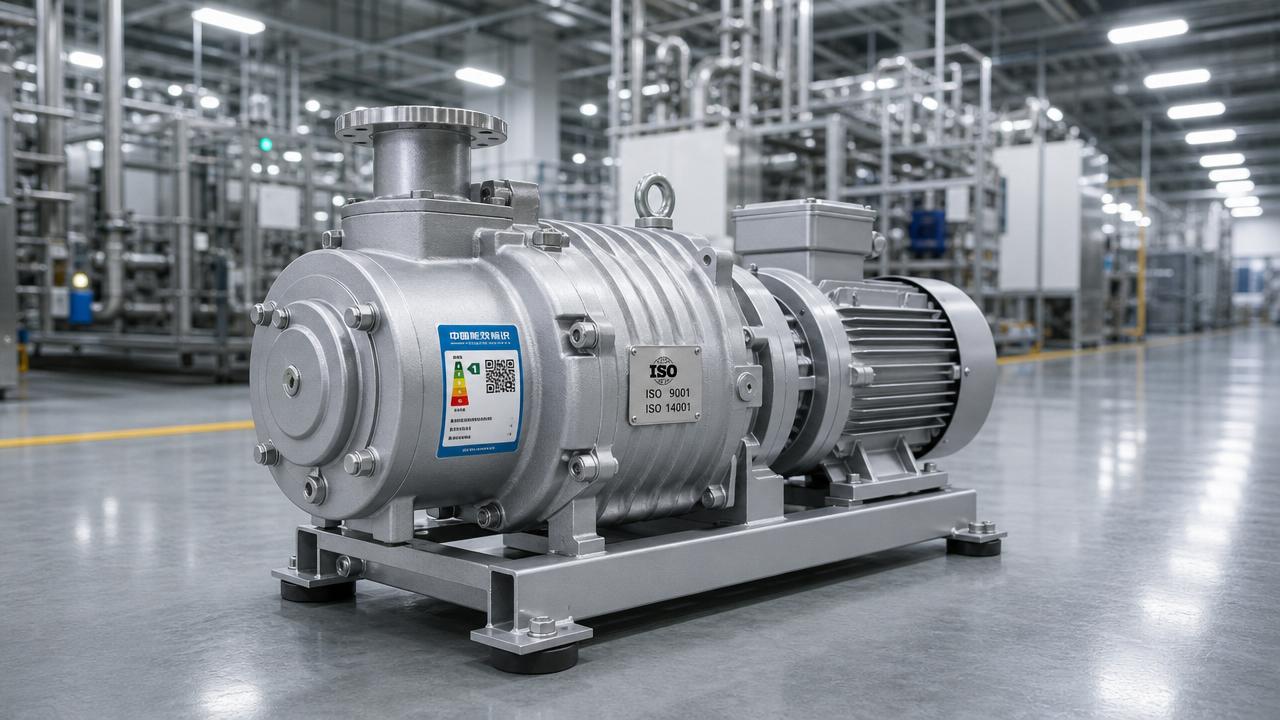
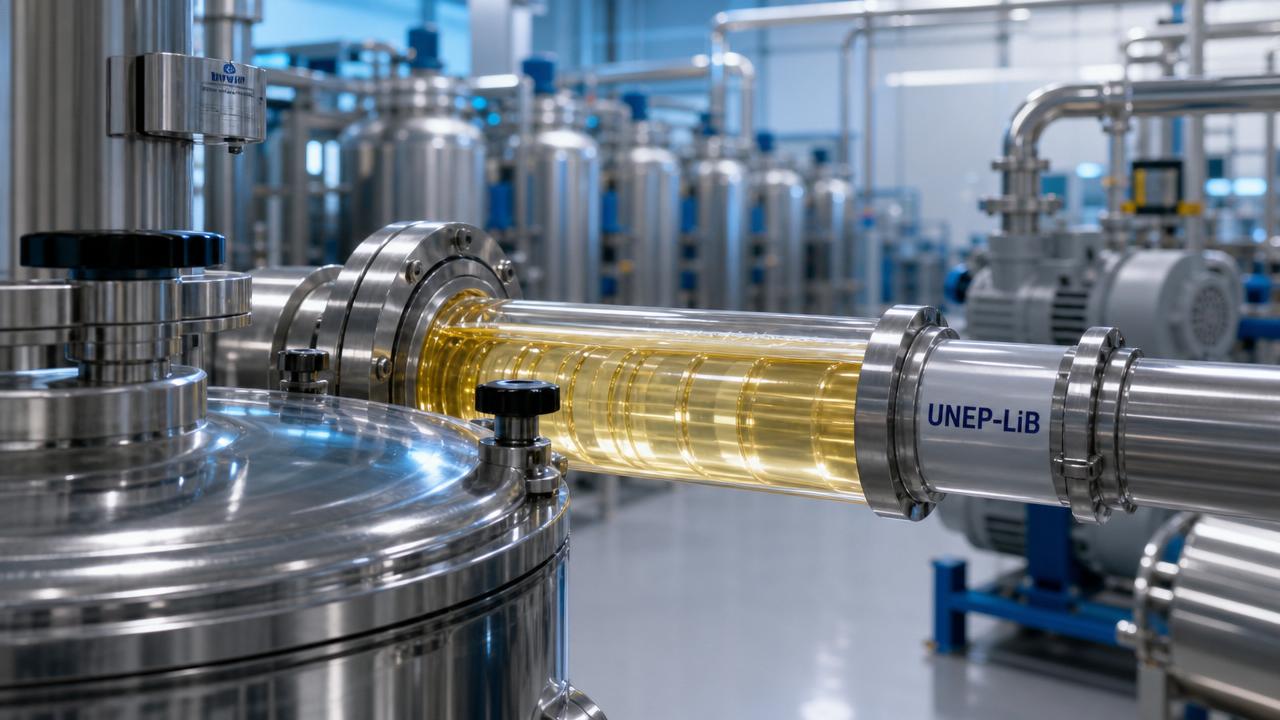
On April 27, 2026, five Chinese government departments jointly issued a notice mandating immediate implementation of a special law enforcement action to standardize the recycling and utilization of spent power batteries. The operation focuses specifically on verifying closed-loop traceability systems and conducting mandatory heavy-metal residue testing for regenerated lubricating oils — including those formulated as specialized ring liquids for Liquid Ring vacuum pump applications. As of the notice’s issuance, several domestic regenerated oil producers have obtained UNEP-LiB certification and are capable of supplying ring liquids compliant with EU REACH and US EPA standards for overseas Liquid Ring equipment users.
Industries Affected
Direct Trading Enterprises
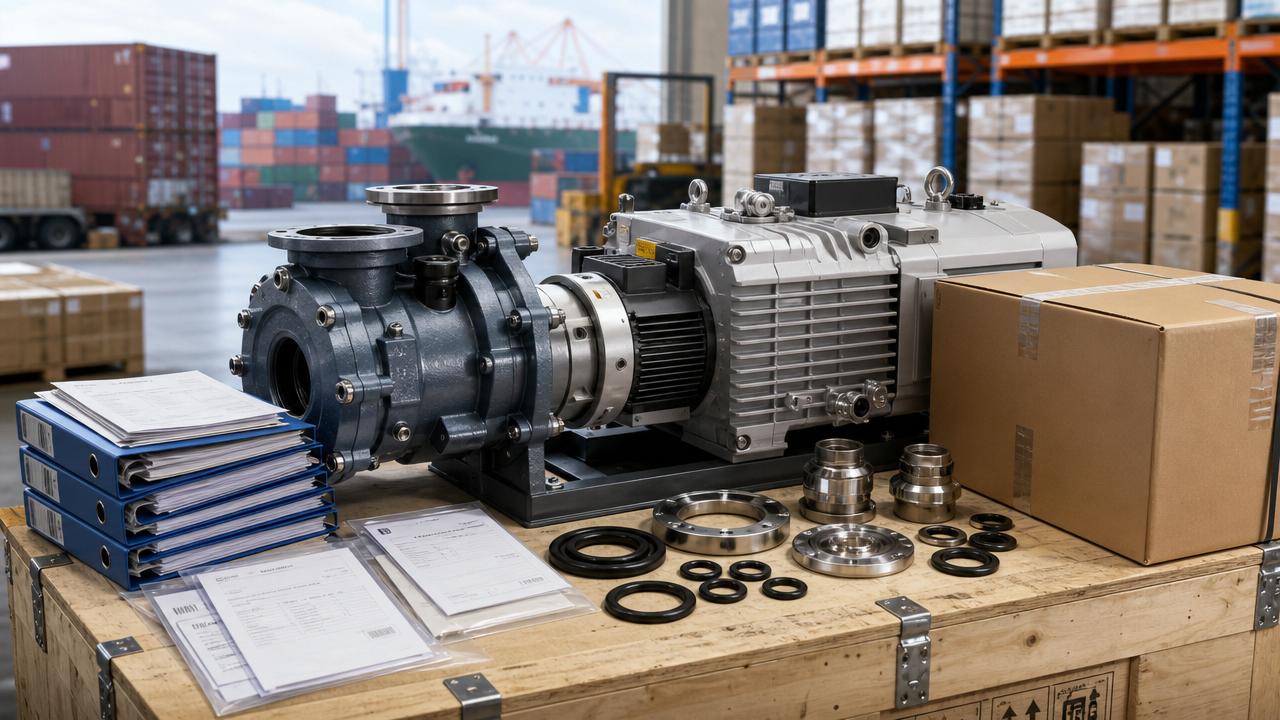
Trading firms exporting regenerated ring liquids to EU or North American markets face heightened documentation burdens. Under the new enforcement, customs clearance now requires verified batch-level traceability records linking recycled feedstock (e.g., battery-derived base oil) to final product specifications and heavy-metal test reports. Non-compliant shipments risk detention or rejection at destination ports — increasing lead times and administrative overhead.
Raw Material Procurement Enterprises
Companies sourcing recycled base oils or used battery-derived hydrocarbon streams must now ensure upstream suppliers maintain auditable chain-of-custody logs and conduct third-party heavy-metal screening prior to sale. Failure to obtain such documentation may disrupt procurement continuity, especially where alternative certified sources remain limited in scale or geographic coverage.
Processing & Manufacturing Enterprises
Manufacturers blending or refining regenerated ring liquids must upgrade quality control protocols to include routine ICP-MS testing for Pb, Cd, Hg, and Cr(VI) — aligned with both EU REACH Annex XVII thresholds and emerging Chinese GB/T standards under review. Process validation now requires documented correlation between input battery waste origin, refining parameters, and final residue levels — adding complexity to formulation R&D and batch release procedures.
Supply Chain Service Providers
Logistics, certification, and testing service providers are seeing increased demand for integrated offerings: e.g., synchronized traceability platform access, accredited heavy-metal analysis with turnaround under 5 working days, and UNEP-LiB audit support. However, current capacity constraints — particularly in regional labs certified for both battery residue testing and lubricant matrix compatibility — are creating bottlenecks in verification timelines.
Key Focus Areas and Recommended Actions for Stakeholders
Verify and Document Feedstock Provenance
Enterprises must map and validate the origin of all recycled base oils back to authorized battery dismantling or pyrometallurgical facilities. Retrospective documentation gaps for batches produced before April 2026 should be addressed via gap analysis and voluntary re-testing where feasible.
Align Testing Protocols with Dual Jurisdictional Standards
Heavy-metal testing must meet both EU REACH limits (e.g., ≤ 100 ppm Cd in non-plasticized materials) and the newly emphasized thresholds referenced in the SAMR notice — which, while not yet codified in regulation, reflect de facto enforcement benchmarks applied during on-site inspections.
Engage Early with UNEP-LiB-Accredited Labs and Certification Bodies
Given limited global capacity for battery-lubricant hybrid certification, stakeholders are advised to secure slots with UNEP-LiB-recognized laboratories well in advance of scheduled audits or export cycles. Priority access is currently granted to firms submitting pre-audit readiness assessments by Q3 2026.
Editorial Perspective / Industry Observation
Analysis shows this enforcement action is less about penalizing non-compliance and more about accelerating structural alignment between China’s rapidly scaling battery recycling infrastructure and downstream industrial fluid markets. Observably, the explicit inclusion of Liquid Ring vacuum pump ring liquids — a niche but mission-critical application in semiconductor, pharmaceutical, and chemical processing — signals regulators’ intent to extend circular economy accountability beyond end-of-life batteries into high-precision functional fluids. From an industry perspective, the move reflects growing recognition that battery recycling value is not confined to cobalt/nickel recovery, but extends to engineered secondary feedstocks meeting stringent performance and safety criteria. Current more critical concern lies not in technical feasibility — given existing UNEP-LiB-certified capacity — but in scalability of verifiable, small-batch traceability systems across fragmented regional recyclers.
Conclusion
This joint enforcement initiative marks a pivotal step toward integrating battery circularity with industrial fluid sustainability. It does not signal a restriction on regenerated ring liquid trade, but rather a recalibration of trust mechanisms — shifting from supplier self-declaration to system-wide, auditable material provenance. For global users of Liquid Ring vacuum technology, the longer-term implication is greater assurance of supply resilience and regulatory continuity — provided upstream partners proactively adapt to the new verification architecture.
Source Attribution
Official notice issued jointly by the State Administration for Market Regulation (SAMR), Ministry of Industry and Information Technology (MIIT), Ministry of Ecology and Environment (MEE), Ministry of Commerce (MOFCOM), and National Development and Reform Commission (NDRC) on April 27, 2026. Text available via SAMR.gov.cn (Notice No. 2026–18). UNEP-LiB certification status confirmed via UNEP Sustainable Battery Initiative public registry (updated May 2026). Areas under ongoing observation: formal publication of GB/T standards for heavy-metal limits in regenerated industrial lubricants; expansion of designated inspection laboratories under the SAMR enforcement framework.
Ready when you are. Send us a message to get started.
Related News
- Saudi Vacuum Pump Imports Face SASO 2870:2026 RuleAuthor :Vacuum Process Fellow

- PSA Opens Dedicated Vacuum Equipment Lane at Jurong IslandAuthor :Vacuum Process Fellow

- IMO Rule Adds GWP Labeling for Liquid Ring Vacuum Pump ShipmentsAuthor :Vacuum Process Fellow

- EPA Extends SNAP 89 Filing Rule to Liquid Ring PumpsAuthor :Vacuum Process Fellow

- China Tightens Export Controls on Some FKM Pump SealsAuthor :Vacuum Process Fellow

- Vacuum Technology Selection Mistakes to AvoidAuthor :Vacuum Process Fellow

- India to Mandate BIS Certification for Liquid Ring Vacuum Pumps from Aug 2026Author :Vacuum Process Fellow
![]()
- ZTE’s 2025 Sustainability Report Sets New Liquid Ring Pump Efficiency BenchmarkAuthor :Vacuum Process Fellow

- APEC Pushes E-BL Framework, Boosting Vacuum Pump Export LogisticsAuthor :Vacuum Process Fellow
![]()
- MIIT Launches 2026 Industrial Energy Conservation InspectionAuthor :Vacuum Process Fellow

- China's Joint Crackdown on Used EV Battery Recycling Impacts Vacuum Pump Lubricant Supply ChainAuthor :Vacuum Process Fellow

- IVA Releases Liquid Ring Pump Carbon Footprint ProtocolAuthor :Vacuum Process Fellow

- IVA Releases Liquid Ring Pump Carbon Footprint GuidelinesAuthor :Vacuum Process Fellow