EPA Extends SNAP 89 Filing Rule to Liquid Ring Pumps




On June 26, 2026, the U.S. Environmental Protection Agency issued a midday amendment to SNAP Notice 89 that immediately brought liquid ring vacuum pumps into the scope of mandatory refrigerant compatibility filing. For companies importing equipment into the U.S. market, this is not just a documentation update: it directly affects customs preparation, technical file readiness, and the way North American distributors define delivery timing and after-sales responsibility.
What the amendment now requires
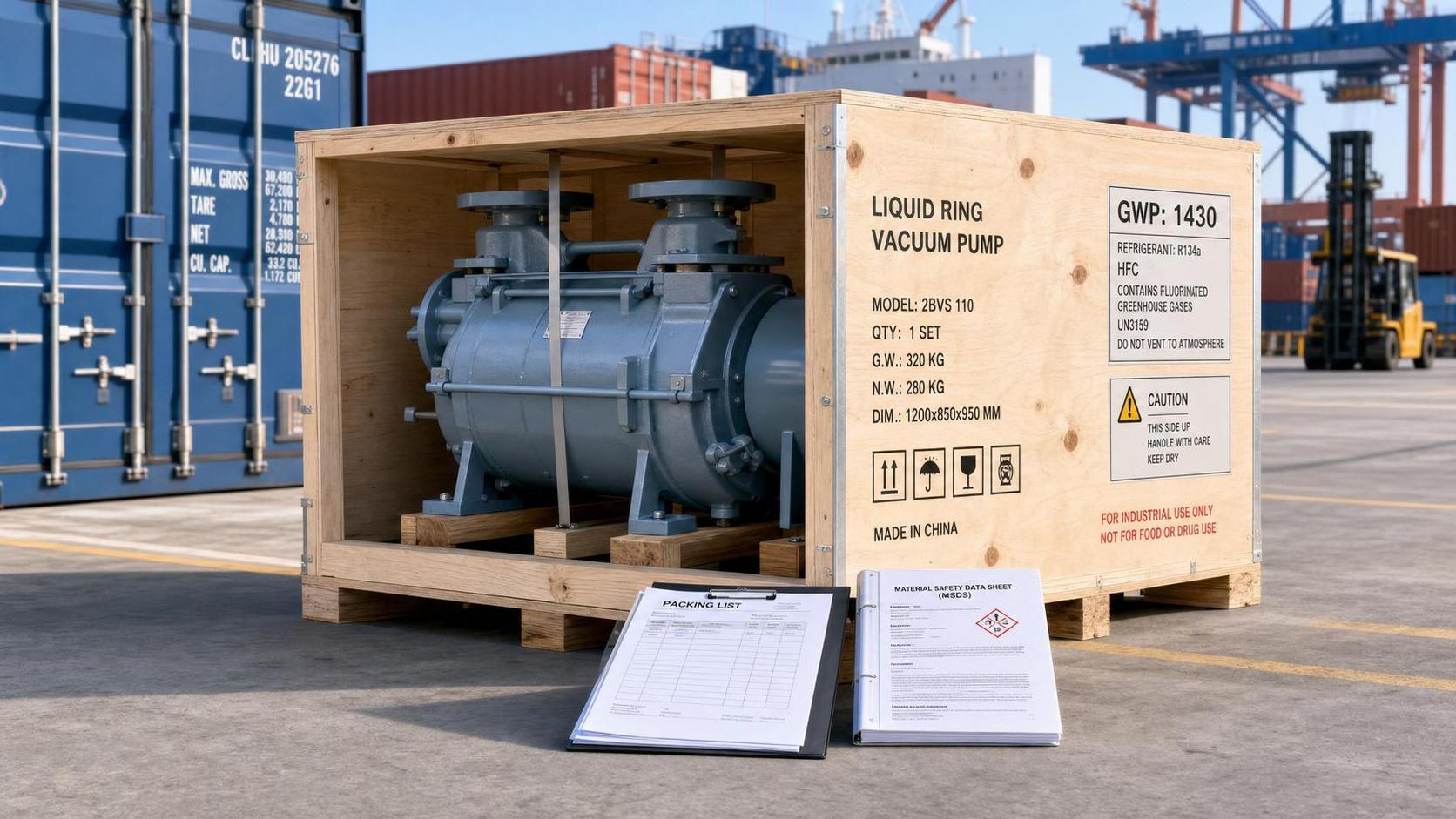
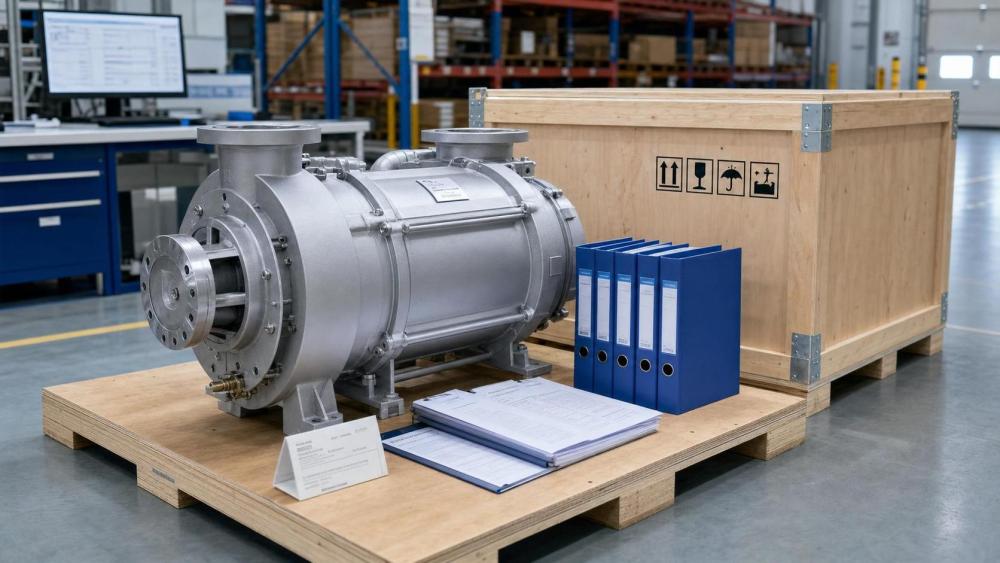
According to the information provided, the EPA amendment issued on June 26, 2026 adds liquid ring vacuum pumps to the mandatory refrigerant compatibility declaration scope under SNAP Notice 89. All imported equipment covered by this change must provide an ASHRAE 34-2025 classification report and material compatibility test data. Products that are not declared face the risk of FDA port detention.
Where the immediate business impact is likely to appear
Import and cross-border trade workflows
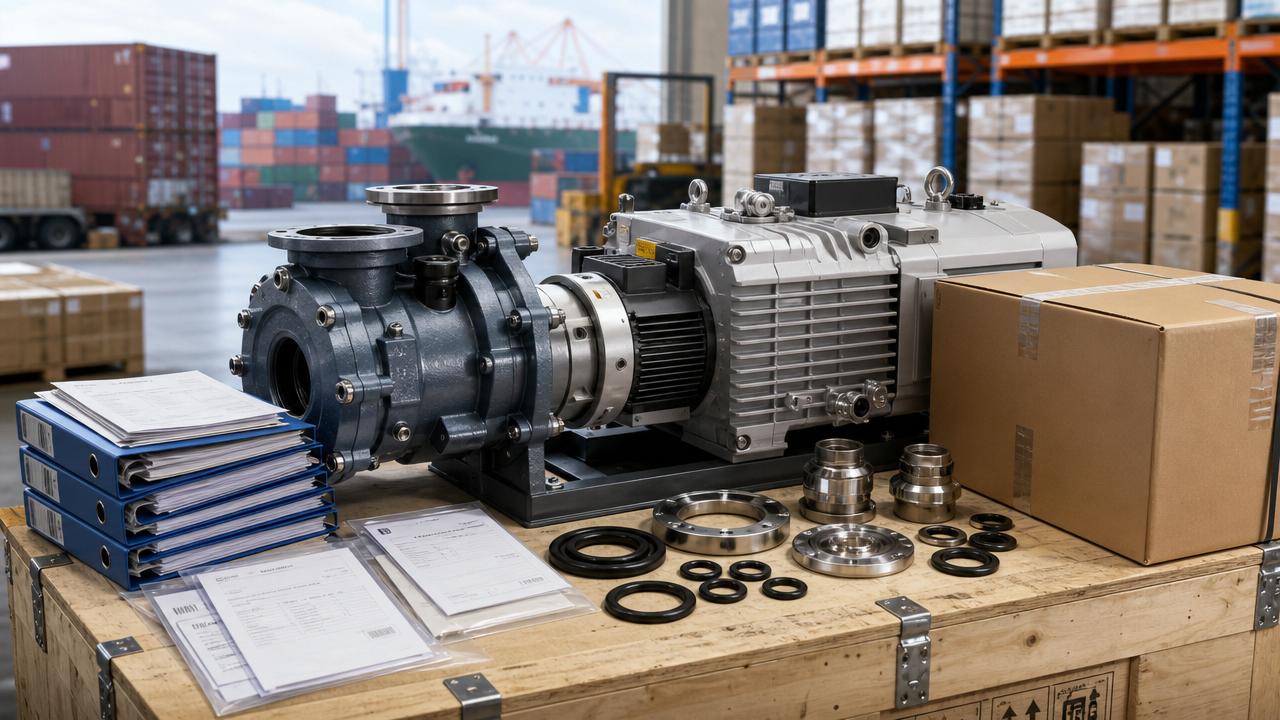
From an industry perspective, importers and direct trading companies are the first group likely to feel the effect because the requirement applies at the point where equipment enters the U.S. market. The main pressure point is document completeness before shipment or at customs clearance, since missing compatibility materials may interrupt release timing.
Manufacturing and technical documentation teams
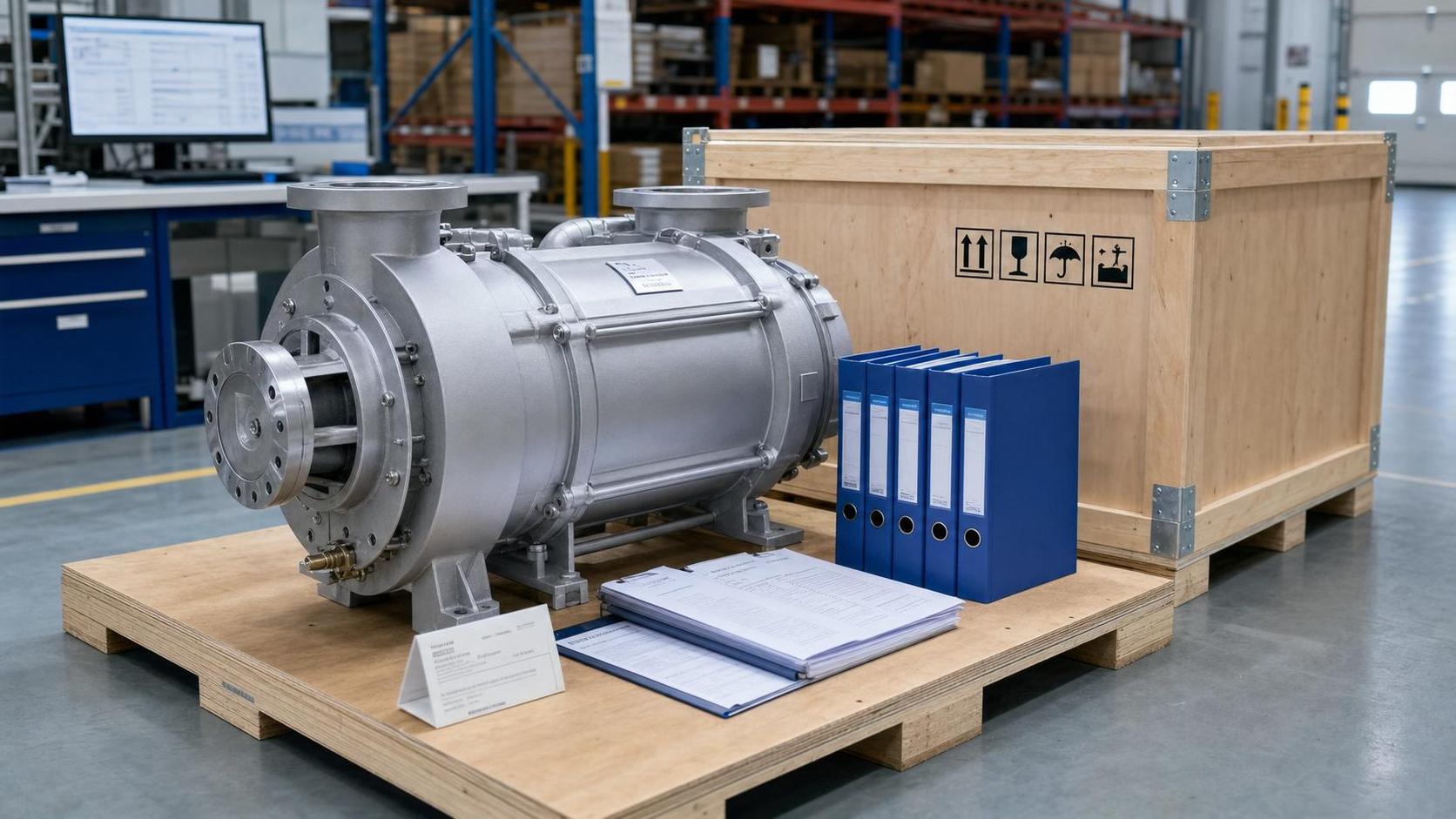
For equipment manufacturers, the issue is less about headline policy wording and more about whether product files already contain the required ASHRAE 34-2025 classification report and material compatibility test data. Analysis shows that technical, compliance, and export teams may need to align more closely, especially where product configurations, refrigerant selections, or material declarations are handled by different functions.
North American distribution and after-sales channels
Distributors in North America may face practical exposure in two areas mentioned in the source information: customs timing and after-sales responsibility boundaries. If a product is held at port due to missing declarations, delivery schedules can be affected, and commercial discussions may shift toward who bears responsibility for incomplete compliance files.
Supply-chain service providers and customer-facing coordinators
Logistics coordinators, customs support teams, and account managers may also be affected because this kind of rule change tends to surface through shipment documentation, pre-clearance checks, and customer communication. What deserves closer attention is whether internal handoff procedures are clear enough to identify declaration gaps before cargo reaches the port.
What companies should watch right now
Check whether covered products have matching compliance files
Companies dealing with liquid ring vacuum pumps should first confirm whether the products they import into the U.S. fall within the newly enforced declaration scope and whether each shipment file includes the required ASHRAE 34-2025 classification report and material compatibility test data.
Separate regulatory wording from operational readiness
Observably, the amendment is already effective, but operational execution depends on whether teams can translate the rule into shipment-level documentation control. Businesses should pay attention to the difference between knowing the requirement exists and being ready to submit the required materials consistently.
Review contract and responsibility language with channel partners
Because the source information points to possible effects on customs timing and after-sales responsibility, distributors, importers, and suppliers should review how documentation obligations, delay risk, and post-sale accountability are described in commercial arrangements and customer communications.
Monitor follow-up wording and implementation signals
Analysis shows that companies should continue watching for any further official clarification, interpretive wording, or implementation detail related to the amendment. The current priority is not to assume broader consequences beyond the provided facts, but to track whether enforcement practice introduces additional documentation expectations or process adjustments.
How this update is best understood at this stage
This development is more appropriate to understand as an immediate compliance signal with near-term operational consequences, rather than as a complete picture of longer-term market change. The confirmed facts already indicate a direct effect on filing obligations and port risk, but broader industry outcomes still require observation. For that reason, the update matters now primarily as a documentation and execution issue across import, distribution, and service coordination.
Why the industry will keep watching this amendment
The practical significance of this notice lies in its immediacy. A same-day effective compliance requirement tied to import documentation can influence shipment timing and responsibility allocation even before any wider market interpretation emerges. A neutral reading is that the amendment should currently be treated as a live operational requirement with compliance, logistics, and customer-interface implications, while longer-range effects remain something to monitor rather than assume.
Basis of this article and what still needs verification
This article is based on the user-provided news title, event date, and event summary. Source types typically relevant to updates of this kind include official regulatory notices, company compliance notices, industry association updates, authoritative media reporting, and standards organization documents such as referenced classification or testing materials. A specific official source link was not provided in the input, so the exact publication record and any later interpretive update still need continued verification. Follow-up attention should focus on any additional official wording, enforcement-related clarification, and practical implementation signals affecting import documentation and channel responsibilities.
Related News
- Saudi Vacuum Pump Imports Face SASO 2870:2026 RuleAuthor :Vacuum Process Fellow

- PSA Opens Dedicated Vacuum Equipment Lane at Jurong IslandAuthor :Vacuum Process Fellow

- IMO Rule Adds GWP Labeling for Liquid Ring Vacuum Pump ShipmentsAuthor :Vacuum Process Fellow

- EPA Extends SNAP 89 Filing Rule to Liquid Ring PumpsAuthor :Vacuum Process Fellow

- China Tightens Export Controls on Some FKM Pump SealsAuthor :Vacuum Process Fellow

- Vacuum Technology Selection Mistakes to AvoidAuthor :Vacuum Process Fellow

- India to Mandate BIS Certification for Liquid Ring Vacuum Pumps from Aug 2026Author :Vacuum Process Fellow
![]()
- ZTE’s 2025 Sustainability Report Sets New Liquid Ring Pump Efficiency BenchmarkAuthor :Vacuum Process Fellow

- APEC Pushes E-BL Framework, Boosting Vacuum Pump Export LogisticsAuthor :Vacuum Process Fellow
![]()
- MIIT Launches 2026 Industrial Energy Conservation InspectionAuthor :Vacuum Process Fellow

- China's Joint Crackdown on Used EV Battery Recycling Impacts Vacuum Pump Lubricant Supply ChainAuthor :Vacuum Process Fellow

- IVA Releases Liquid Ring Pump Carbon Footprint ProtocolAuthor :Vacuum Process Fellow

- IVA Releases Liquid Ring Pump Carbon Footprint GuidelinesAuthor :Vacuum Process Fellow