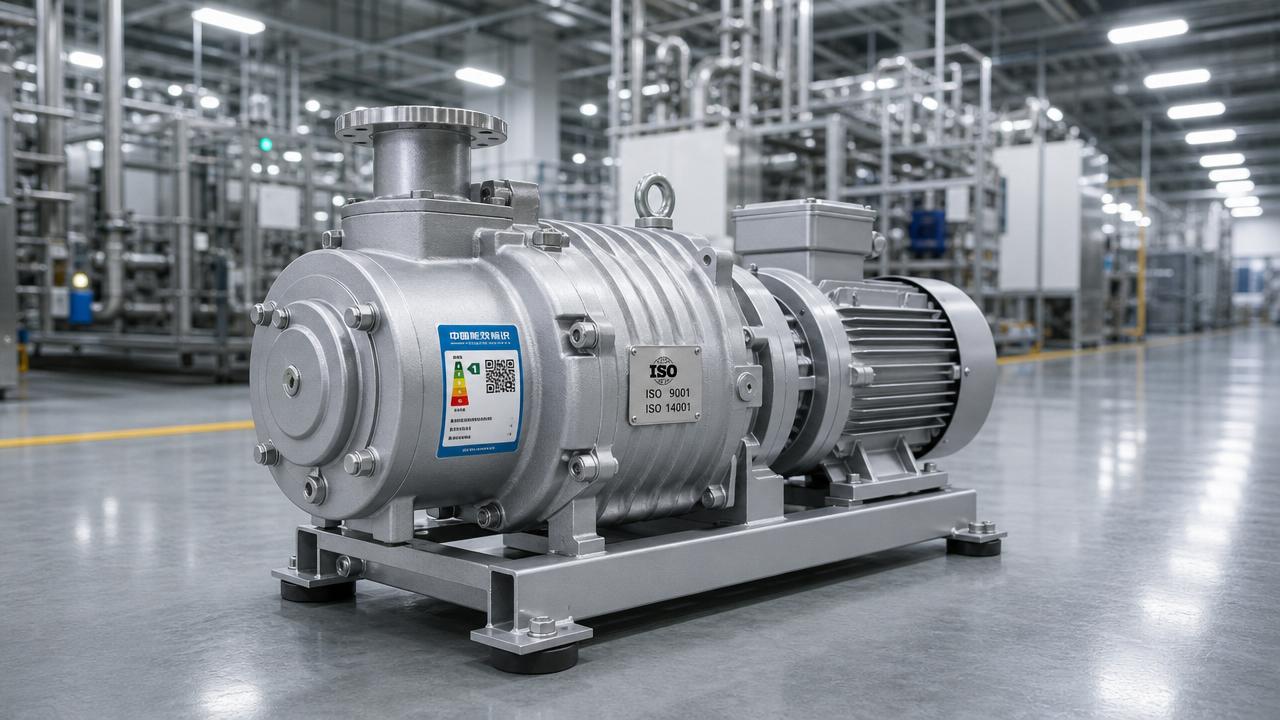
Saudi Vacuum Pump Imports Face SASO 2870:2026 Rule




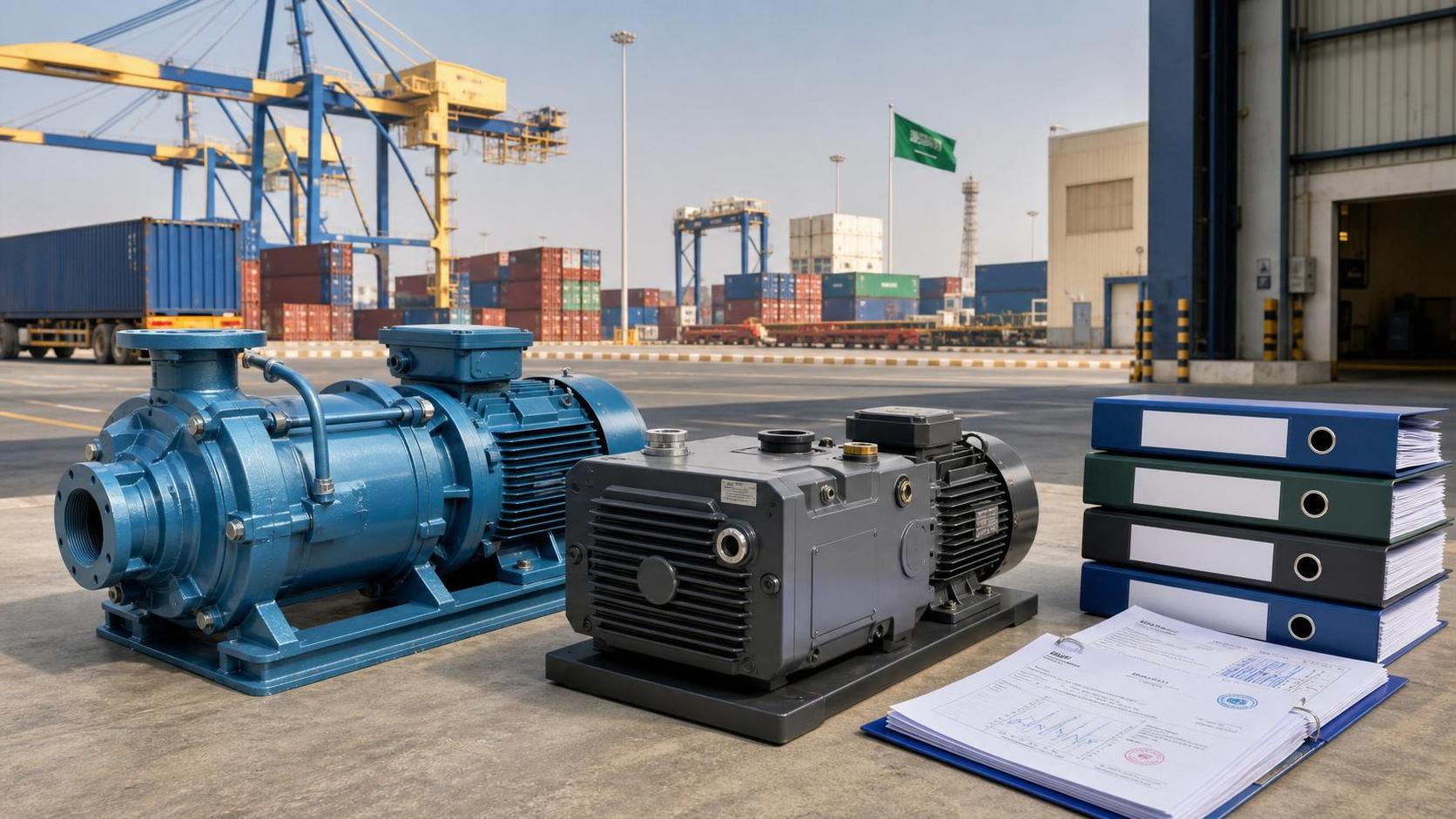
As of August 12, 2026, the Saudi market is moving from notice to enforcement on a new compliance requirement for imported vacuum pumps. The change centers on SASO 2870:2026 and applies to Liquid Ring and Rotary Vane equipment, linking market access to both energy efficiency testing and SASO CoC certification. For exporters, importers, procurement teams, certification participants, and delivery planners, the issue is not only the technical threshold itself, but the fact that customs acceptance is now tied directly to documentary and testing readiness within a very short transition window.
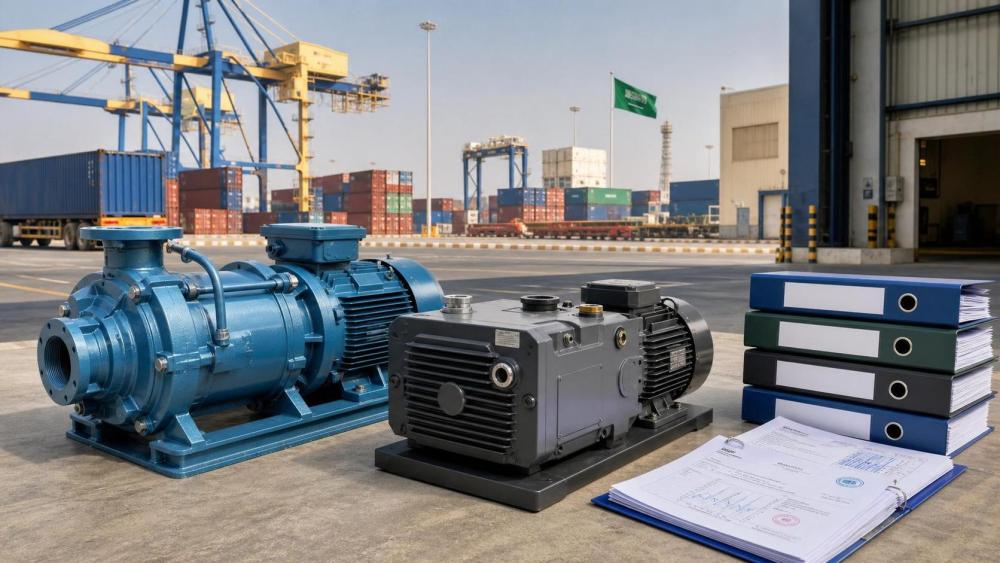
What the new requirement formally changes
According to the information provided, the Saudi Standards organization, SASO, notified on July 12, 2026 that SASO 2870:2026 would be mandatorily enforced for imported Liquid Ring and Rotary Vane vacuum pumps. Under this requirement, the covered products must pass energy efficiency testing and meet a minimum volumetric efficiency threshold of η_v ≥ 52%.
The same notice also requires the affected imported products to obtain SASO CoC certification. The transition period was stated as only 30 days. Starting from August 12, 2026, products without the required certification will be refused at Jeddah Port.
Where the pressure will likely appear first in the supply chain
Export shipments now depend on pre-shipment compliance readiness
From an industry perspective, exporters and direct trading companies are likely to feel the immediate impact because the rule connects import acceptance to both test compliance and certification status. In practice, this means shipment planning, model selection, and export documentation for Liquid Ring and Rotary Vane vacuum pumps may all need to be checked against SASO 2870:2026 before dispatch. What deserves closer attention is whether products already scheduled for shipment can still align with the required test evidence and CoC process within the stated timeline.
Procurement teams may need to tighten model and supplier screening
For procurement-side participants, the rule change may affect supplier qualification, technical specification review, and order confirmation. Analysis shows that once a minimum η_v threshold and CoC requirement become access conditions, buyers can no longer treat energy performance claims as a secondary commercial matter. Purchase orders, technical data packages, and vendor submissions may need closer review to reduce the risk of ordering units that cannot clear the compliance path for the Saudi market.
Certification and testing participants move closer to the delivery schedule
Observably, the rule raises the importance of testing documentation and certification coordination in the trade flow. For certification-related service providers and testing participants, the main operational effect is likely to be timing: documentation, test results, and certification progress may now have a more direct bearing on whether a shipment can proceed without port rejection risk. This does not confirm how every application will be handled in practice, but it does indicate that compliance timing may become a delivery-critical factor rather than a post-order formality.
Logistics and delivery planning face a clearer port-entry risk
For supply chain service providers and delivery coordinators, the most visible issue is the stated refusal of uncertified goods at Jeddah Port from August 12, 2026. Analysis shows that this changes the risk profile of shipment release and arrival planning. Booking, dispatch timing, and document handover may need to reflect whether the required CoC and supporting compliance materials are already secured, especially for goods close to the enforcement date.
What companies should check now
Review product scope against the named pump categories
Companies dealing in vacuum pumps should first determine whether their products fall within the Liquid Ring or Rotary Vane categories referenced in the notice. This is a practical screening step because the compliance burden described in the provided information is tied to those product types, not to vacuum equipment in general.
Check whether test evidence supports the stated threshold
Analysis shows that the minimum η_v ≥ 52% requirement makes technical records more important in market access review. Businesses should pay close attention to whether existing test documents, product technical files, and submitted specifications are sufficient for the required energy efficiency assessment. Since the input does not provide procedural detail, this should be understood as a compliance checkpoint to monitor rather than a confirmed list of accepted document forms.
Align certification status with shipment and customs timelines
What deserves closer attention is the relationship between SASO CoC status and shipment execution. A short transition period means companies may need to compare outstanding orders, goods in preparation, and near-term deliveries against certification progress. For trade and operations teams, the practical question is whether any shipment could reach the port without the required certificate in place.
Watch for changes in contract and bid documentation
Observably, a rule that ties import access to testing and certification may also influence how Saudi-facing technical specifications, tender documents, and supplier submission packages are prepared. The provided information does not confirm any revised bidding language or procurement templates, so this remains an area to monitor rather than an established outcome.
Why this looks more like an execution signal than a policy discussion
Analysis shows that the short 30-day transition period and the explicit mention of refusal at Jeddah Port make this development more than a general standards update. It is more appropriate to understand this as an execution-stage signal: compliance is being linked to actual import acceptance, and the operational consequence for non-compliant goods has been stated clearly in the summary provided.
At the same time, Observably, the available information is still limited to the notified requirement, the covered pump types, the minimum efficiency threshold, the CoC condition, the transition period, and the port enforcement consequence. That means the market still needs to watch how certification handling, document expectations, and implementation consistency are expressed in follow-up materials or market practice.
How this development is best understood at this stage
For the vacuum pump trade connected to Saudi imports, this update should be read as a concrete market-access requirement with immediate relevance to compliance preparation, shipment timing, and supplier qualification. The most rational reading at present is not that every downstream effect is already settled, but that the enforcement signal is clear enough to require action from companies handling affected products. In that sense, the change is best understood as a rule already entering practical execution, while some details around implementation and market response still deserve continued observation.
Basis of this article and points that still need verification
This article is based on the user-provided title, event date, and event summary regarding SASO 2870:2026, the affected vacuum pump categories, the minimum η_v threshold, the SASO CoC requirement, the 30-day transition period, and the stated refusal of uncertified products at Jeddah Port from August 12, 2026.
For developments of this kind, relevant source types typically include official notices, regulator publications, customs or trade administration information, standards organization documents, industry association updates, and reporting by authoritative trade media. A specific official source link was not provided in the input, so the exact original publication path still needs to be verified. It remains necessary to continue tracking any later clarification on implementation details, certification interpretation, bidding document changes, industry feedback, and how affected companies execute compliance in practice.
Ready when you are. Send us a message to get started.
Related News
- Saudi Vacuum Pump Imports Face SASO 2870:2026 RuleAuthor :Vacuum Process Fellow

- PSA Opens Dedicated Vacuum Equipment Lane at Jurong IslandAuthor :Vacuum Process Fellow

- IMO Rule Adds GWP Labeling for Liquid Ring Vacuum Pump ShipmentsAuthor :Vacuum Process Fellow

- EPA Extends SNAP 89 Filing Rule to Liquid Ring PumpsAuthor :Vacuum Process Fellow

- China Tightens Export Controls on Some FKM Pump SealsAuthor :Vacuum Process Fellow

- Vacuum Technology Selection Mistakes to AvoidAuthor :Vacuum Process Fellow

- India to Mandate BIS Certification for Liquid Ring Vacuum Pumps from Aug 2026Author :Vacuum Process Fellow
![]()
- ZTE’s 2025 Sustainability Report Sets New Liquid Ring Pump Efficiency BenchmarkAuthor :Vacuum Process Fellow

- APEC Pushes E-BL Framework, Boosting Vacuum Pump Export LogisticsAuthor :Vacuum Process Fellow
![]()
- MIIT Launches 2026 Industrial Energy Conservation InspectionAuthor :Vacuum Process Fellow

- China's Joint Crackdown on Used EV Battery Recycling Impacts Vacuum Pump Lubricant Supply ChainAuthor :Vacuum Process Fellow

- IVA Releases Liquid Ring Pump Carbon Footprint ProtocolAuthor :Vacuum Process Fellow

- IVA Releases Liquid Ring Pump Carbon Footprint GuidelinesAuthor :Vacuum Process Fellow