IVA Releases Liquid Ring Pump Carbon Footprint Protocol




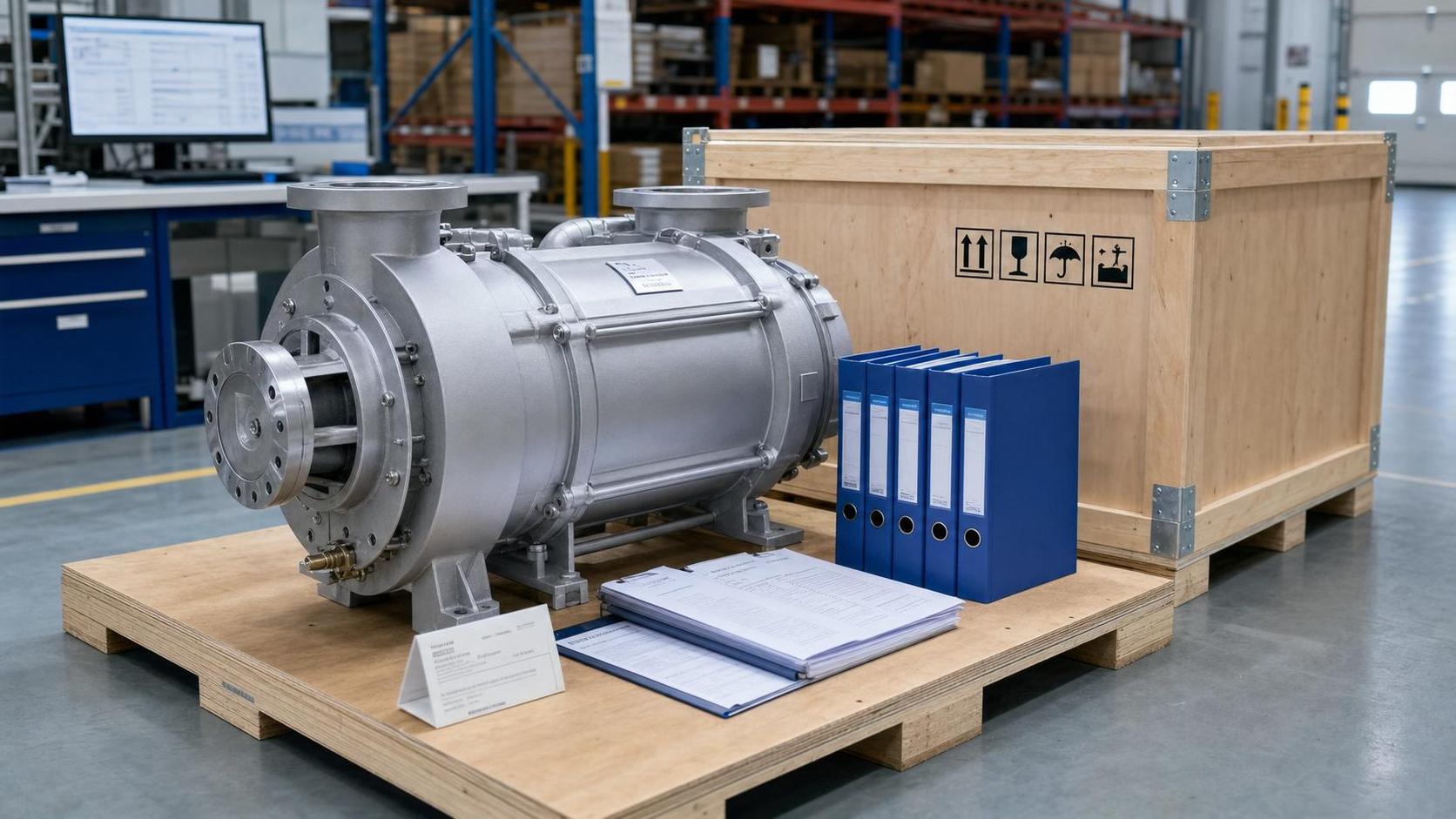
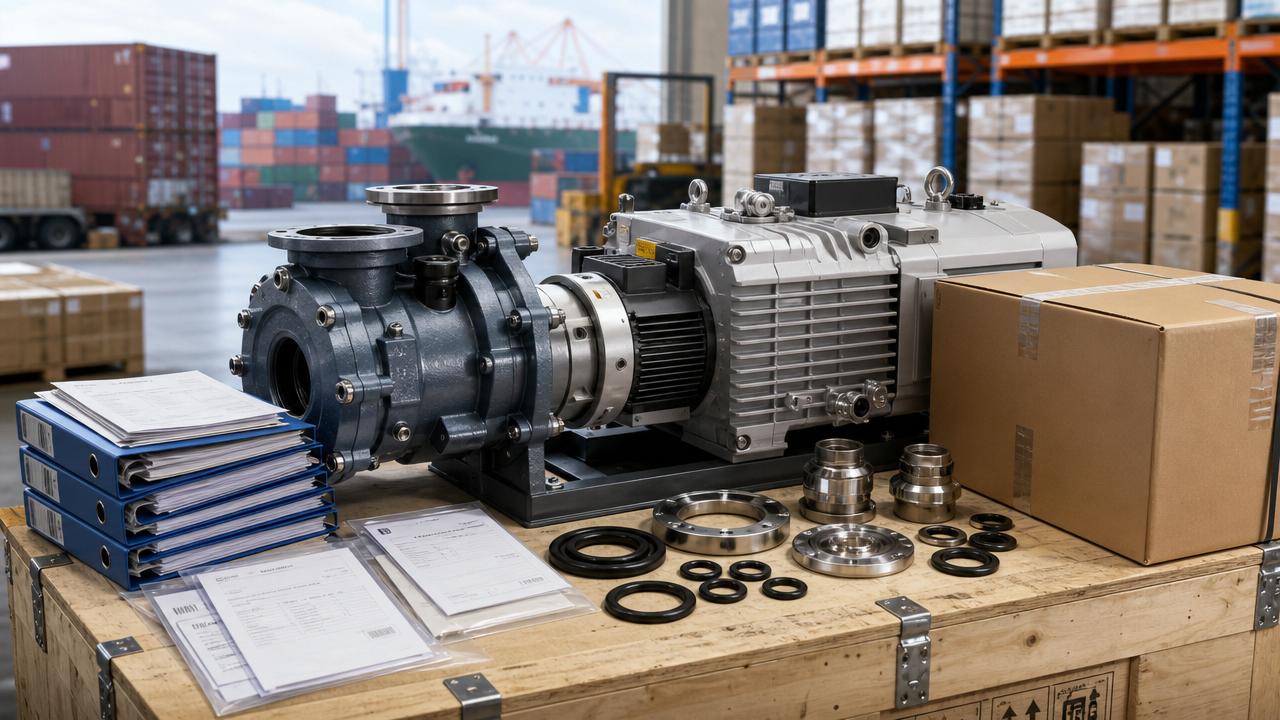
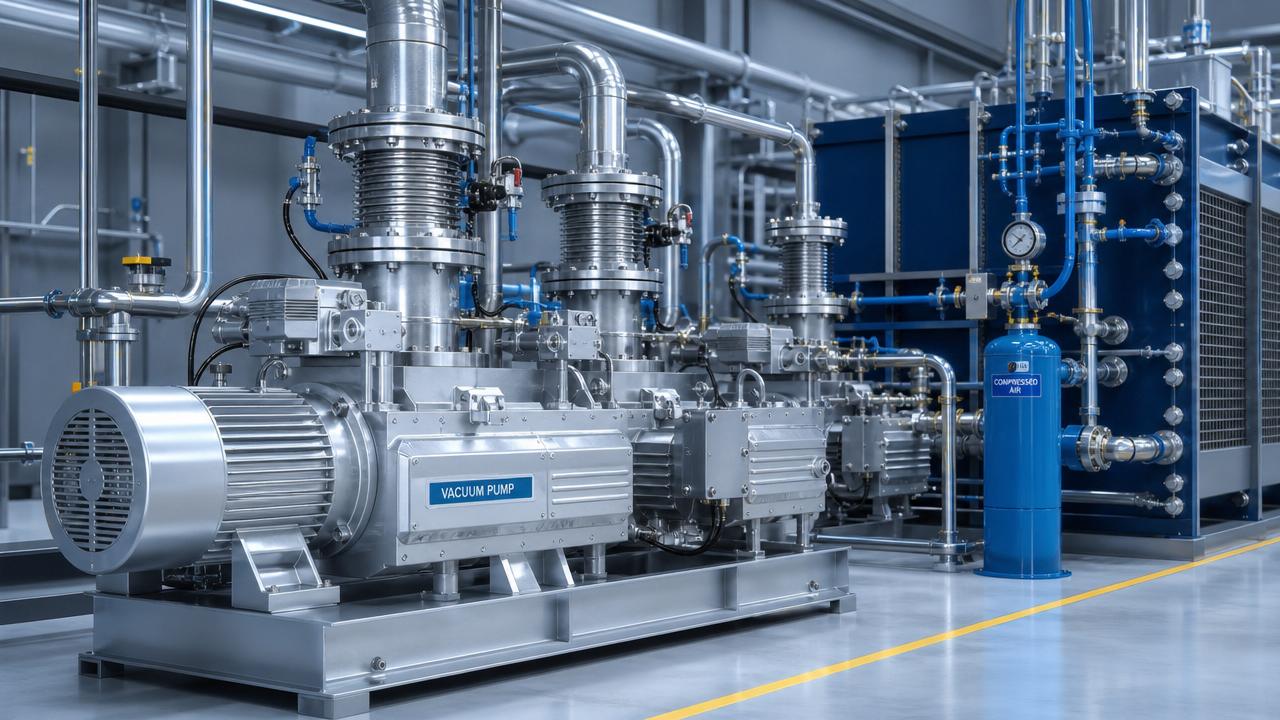
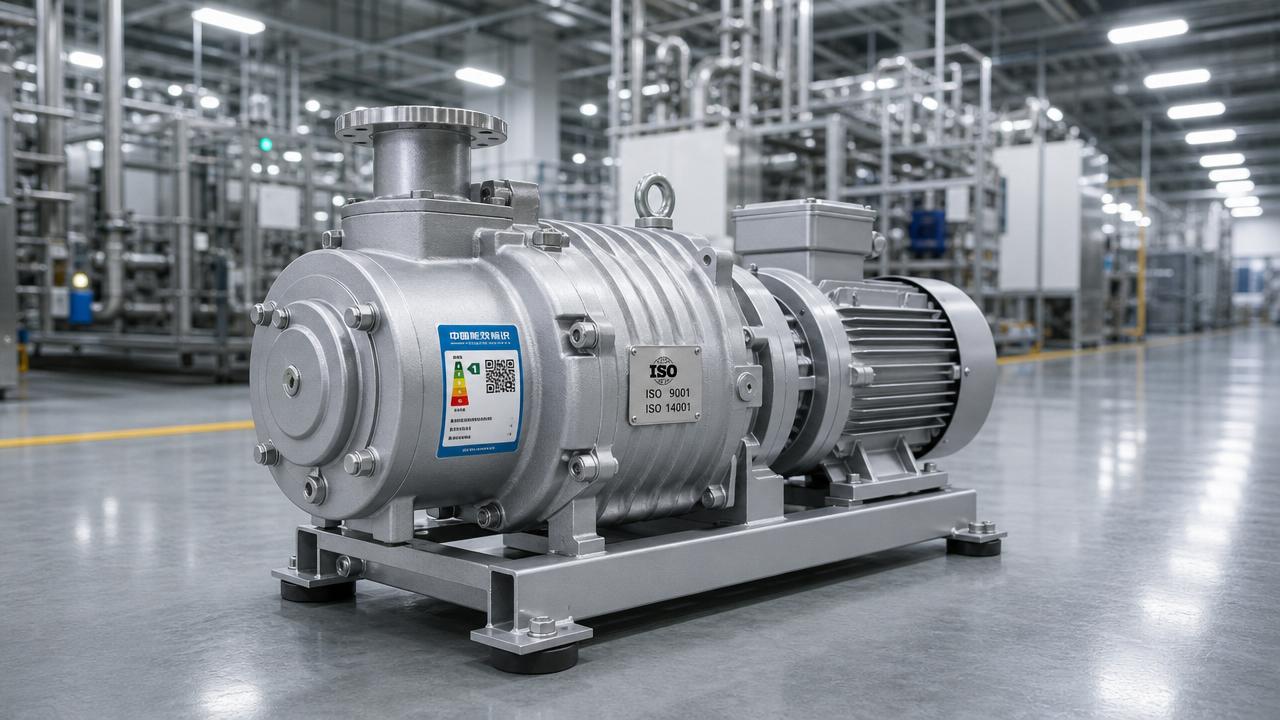
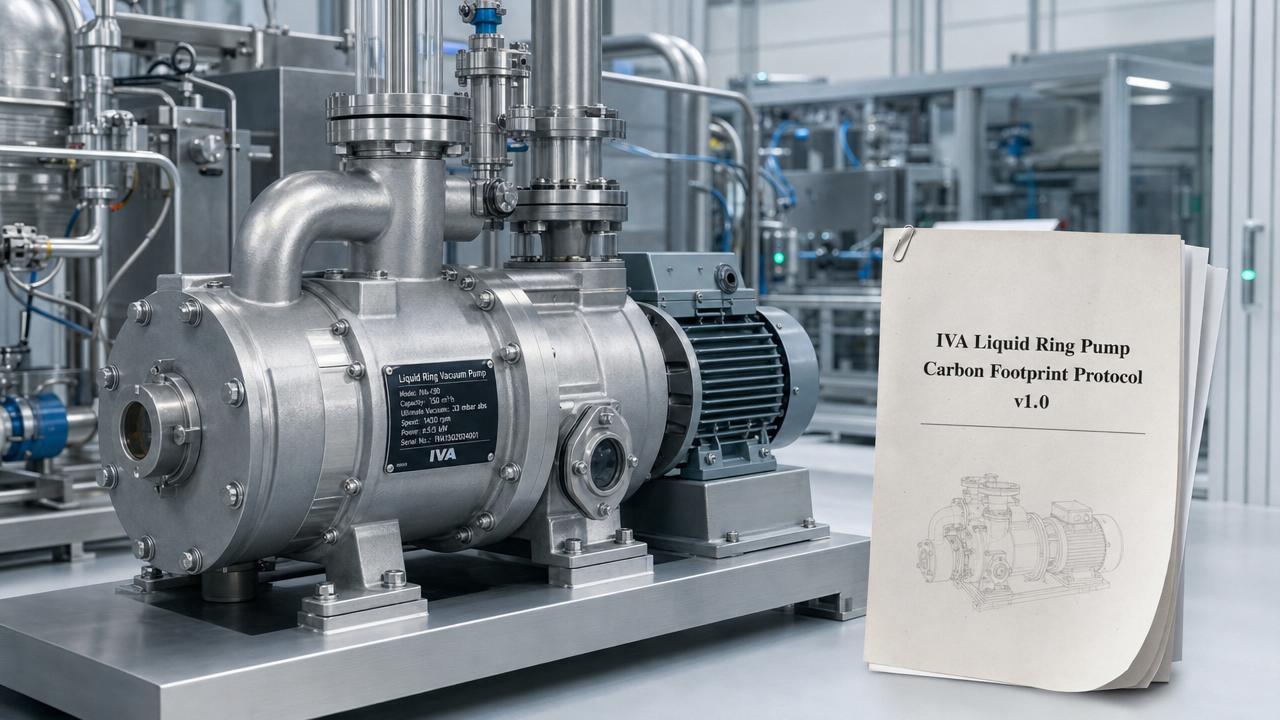
On May 14, 2026, the International Vacuum Association (IVA) published its first Liquid Ring Pump Lifecycle Carbon Footprint Calculation Protocol, establishing a mandatory, full-lifecycle CO₂e accounting framework—from raw material extraction and casting, through motor assembly and transport, to end-of-life recycling. The protocol explicitly recommends adoption of China’s GB/T 32151.10-2026 as the localized calculation benchmark. Global top-ten industrial pump procurement organizations have jointly announced that, starting Q3 2026, compliance with this protocol will constitute a 15% weight in ESG scoring for tender evaluations—making it a hard requirement for suppliers serving these buyers. This development directly impacts manufacturers and suppliers in vacuum systems, chemical processing, pharmaceutical production, and power generation sectors, where liquid ring pumps are mission-critical.
Event Overview
The International Vacuum Association (IVA) released the Liquid Ring Pump Lifecycle Carbon Footprint Calculation Protocol on May 14, 2026. The document defines standardized methodology for calculating greenhouse gas emissions across the entire life cycle of liquid ring pumps. It specifies inclusion of upstream (e.g., cast iron sourcing, motor component manufacturing), operational (e.g., transport logistics), and downstream (e.g., disassembly, material recovery) stages. The protocol identifies GB/T 32151.10-2026—a Chinese national standard for carbon footprint calculation of mechanical equipment—as the recommended local implementation reference. Separately, ten globally ranked industrial pump procurement entities confirmed they will integrate protocol compliance into their tender ESG evaluation criteria beginning Q3 2026, assigning it a 15% weighting.
Industries and Value Chain Roles Affected
Manufacturers of liquid ring pumps and core components: These firms face direct accountability for product-level carbon accounting. Impact manifests in revised internal data collection systems, supplier engagement protocols, and third-party verification readiness—especially for casting, motor integration, and final assembly processes.
Raw material suppliers (e.g., cast iron foundries, motor winding material providers): Downstream purchasers may now require verified emission data per batch or lot. Suppliers lacking traceable energy source records or process-specific emission factors risk reduced procurement priority or exclusion from qualified vendor lists.
Industrial end-users in regulated sectors (e.g., pharmaceuticals, fine chemicals, wastewater treatment): Though not obligated to calculate footprints themselves, these users must verify supplier compliance when procuring new pumps—or during lifecycle replacement cycles—to meet their own corporate ESG reporting obligations and audit readiness.
Distribution and aftermarket service providers: Resellers and service partners handling pump installation, maintenance, or decommissioning may be asked to provide transport-related emission data or documentation supporting circularity claims (e.g., certified recycling receipts), especially when supporting tenders for large infrastructure projects.
What Relevant Enterprises or Practitioners Should Monitor and Do Now
Track official IVA guidance updates and jurisdictional alignment signals
Analysis shows the IVA protocol is currently a voluntary industry standard—not a regulatory mandate—but its adoption by top procurement entities creates de facto market requirements. Stakeholders should monitor whether regional regulators (e.g., EU Commission, China’s MIIT) reference or endorse the protocol in upcoming sustainability reporting frameworks.
Identify and prioritize high-volume or high-ESG-sensitivity pump models for initial footprint assessment
Observably, early compliance efforts yield highest ROI when focused on SKUs most frequently specified in tenders covered by the top-ten procurement group. Firms should cross-reference historical sales data against known customer tender categories (e.g., ISO-certified pharma facilities, state-owned utility upgrades) to triage modeling efforts.
Distinguish between protocol signaling and actual tender enforcement timelines
From an industry perspective, the Q3 2026 start date applies only to new tenders issued from that point onward—not retroactively to existing contracts or pending bids. Suppliers should confirm with each buyer whether legacy projects or framework agreements fall under the new ESG weighting.
Begin internal data mapping and supplier engagement ahead of formal audits
Current more suitable preparation includes documenting current energy sources per production line, collecting bills of materials with material grades and origins, and initiating dialogue with Tier-2 suppliers (e.g., bearing or seal manufacturers) about availability of emission-intensity data—before formal verification or certification becomes contractually required.
Editorial Perspective / Industry Observation
This protocol release is best understood not as a standalone technical update, but as a signal of tightening ESG integration within industrial capital goods procurement. Analysis shows it reflects a broader shift: from qualitative ESG disclosures toward quantifiable, product-level environmental performance metrics embedded directly in commercial terms. Observably, the 15% ESG weighting exceeds typical thresholds for non-price criteria in industrial tenders—suggesting procurement organizations are treating carbon accountability as a structural risk factor, not just a reputational one. From an industry perspective, this marks the transition of carbon footprinting from a voluntary CSR activity to a baseline supply chain capability—particularly for vendors targeting global industrial buyers. Continued attention is warranted not only to IVA revisions but also to how regional standards (e.g., ISO 14067, EN 15804) interact with the protocol’s methodology.
Conclusion: The IVA’s protocol does not yet constitute binding regulation, nor does it apply universally across all pump types or markets. However, it establishes a concrete, actionable benchmark for carbon accountability in a high-utility industrial component—and triggers immediate implications for supply chain transparency, data governance, and tender competitiveness among affected firms. Current more appropriate interpretation is that this is a market-driven compliance threshold emerging at the intersection of procurement policy and climate reporting expectations—not a regulatory deadline, but a commercial inflection point.
Source: International Vacuum Association (IVA), official protocol release dated May 14, 2026; joint statement by ten global industrial pump procurement organizations (publicly announced, no further institutional names disclosed in source material).
Note: Ongoing observation is recommended regarding potential alignment with upcoming revisions to ISO/IEC standards on product carbon footprinting, and any jurisdictional referencing of GB/T 32151.10-2026 in national green procurement guidelines.
Ready when you are. Send us a message to get started.
Related News
- Saudi Vacuum Pump Imports Face SASO 2870:2026 RuleAuthor :Vacuum Process Fellow

- PSA Opens Dedicated Vacuum Equipment Lane at Jurong IslandAuthor :Vacuum Process Fellow

- IMO Rule Adds GWP Labeling for Liquid Ring Vacuum Pump ShipmentsAuthor :Vacuum Process Fellow

- EPA Extends SNAP 89 Filing Rule to Liquid Ring PumpsAuthor :Vacuum Process Fellow

- China Tightens Export Controls on Some FKM Pump SealsAuthor :Vacuum Process Fellow

- Vacuum Technology Selection Mistakes to AvoidAuthor :Vacuum Process Fellow

- India to Mandate BIS Certification for Liquid Ring Vacuum Pumps from Aug 2026Author :Vacuum Process Fellow
![]()
- ZTE’s 2025 Sustainability Report Sets New Liquid Ring Pump Efficiency BenchmarkAuthor :Vacuum Process Fellow

- APEC Pushes E-BL Framework, Boosting Vacuum Pump Export LogisticsAuthor :Vacuum Process Fellow
![]()
- MIIT Launches 2026 Industrial Energy Conservation InspectionAuthor :Vacuum Process Fellow

- China's Joint Crackdown on Used EV Battery Recycling Impacts Vacuum Pump Lubricant Supply ChainAuthor :Vacuum Process Fellow

- IVA Releases Liquid Ring Pump Carbon Footprint ProtocolAuthor :Vacuum Process Fellow

- IVA Releases Liquid Ring Pump Carbon Footprint GuidelinesAuthor :Vacuum Process Fellow