MIIT Launches 2026 Industrial Energy Conservation Inspection




China’s Ministry of Industry and Information Technology (MIIT) launched the 2026 national industrial energy conservation inspection on May 20, 2026 — marking the first time liquid ring vacuum pumps are included as a key supervised product category. The move reflects an intensified policy alignment between domestic energy efficiency governance and global decarbonization expectations, particularly for export-oriented manufacturing sectors.
Event Overview
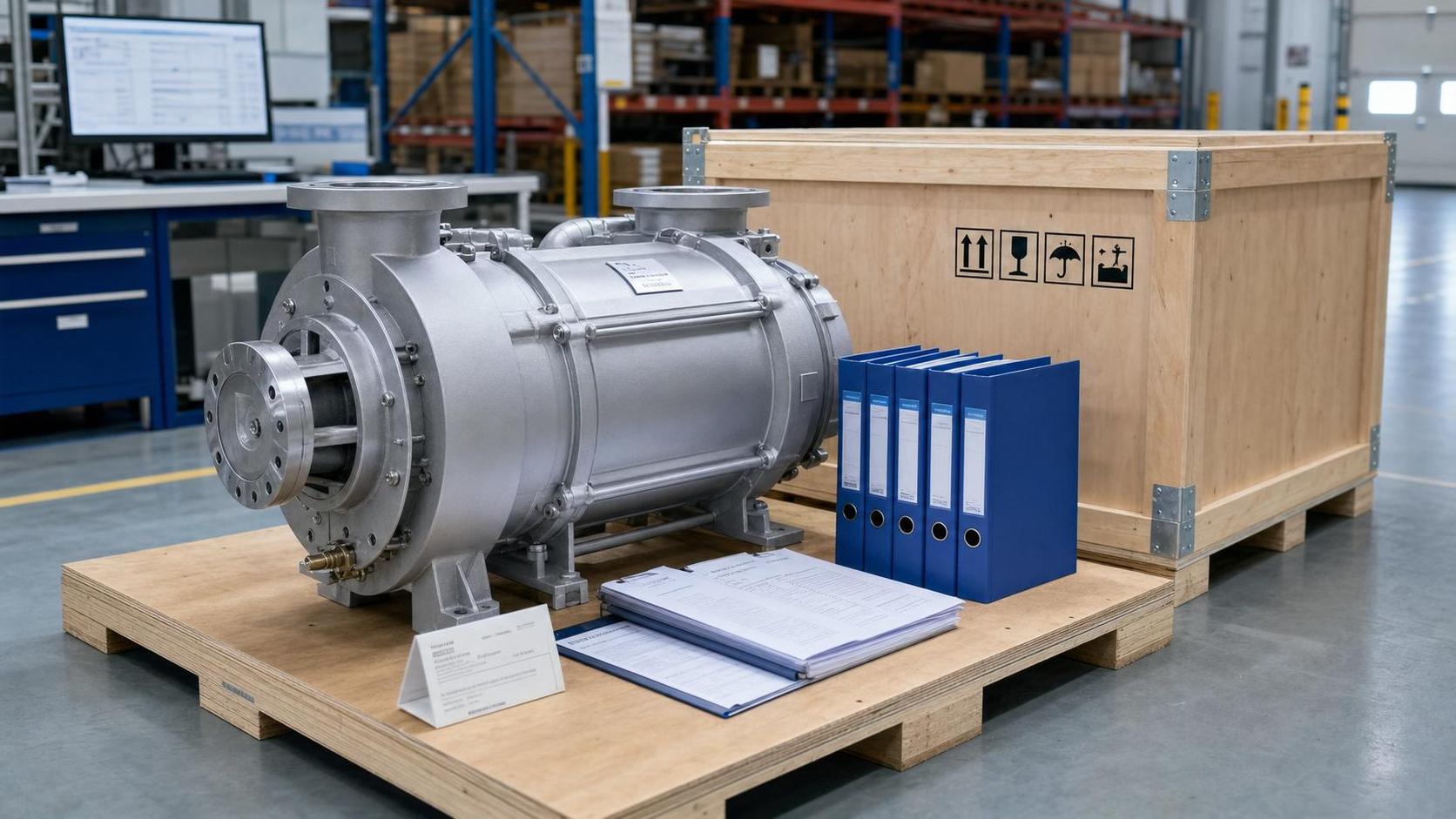
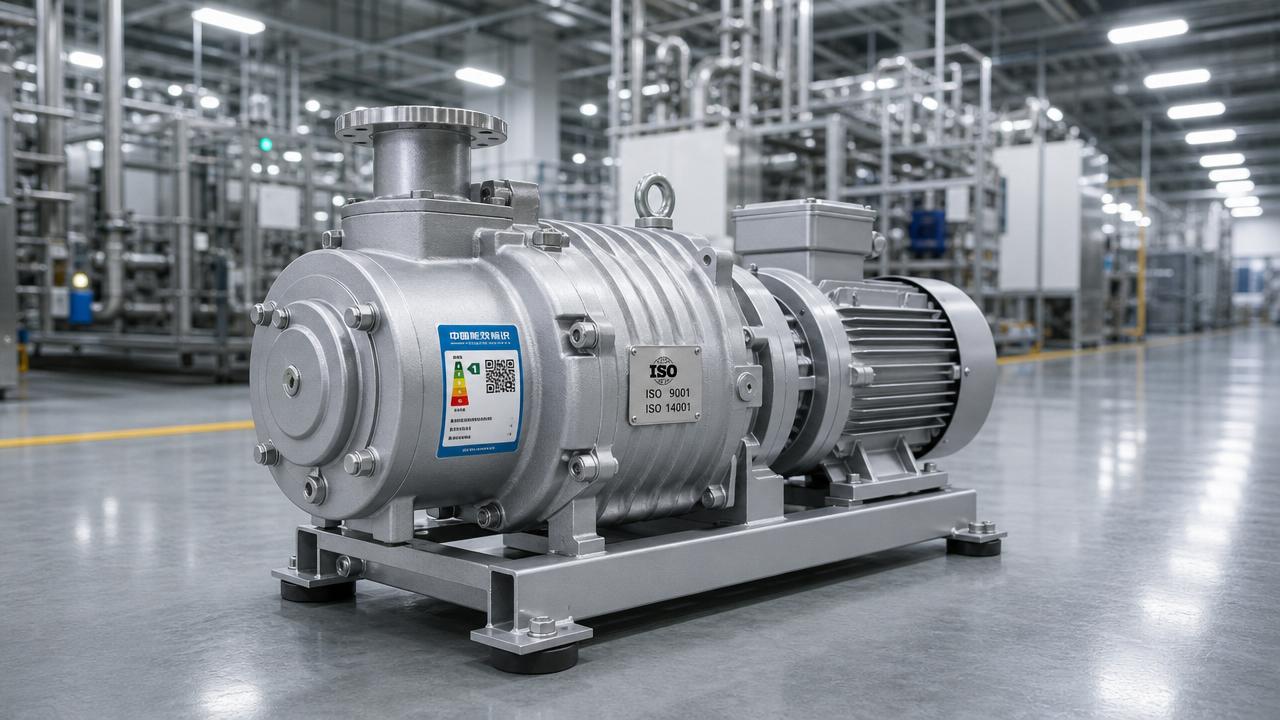
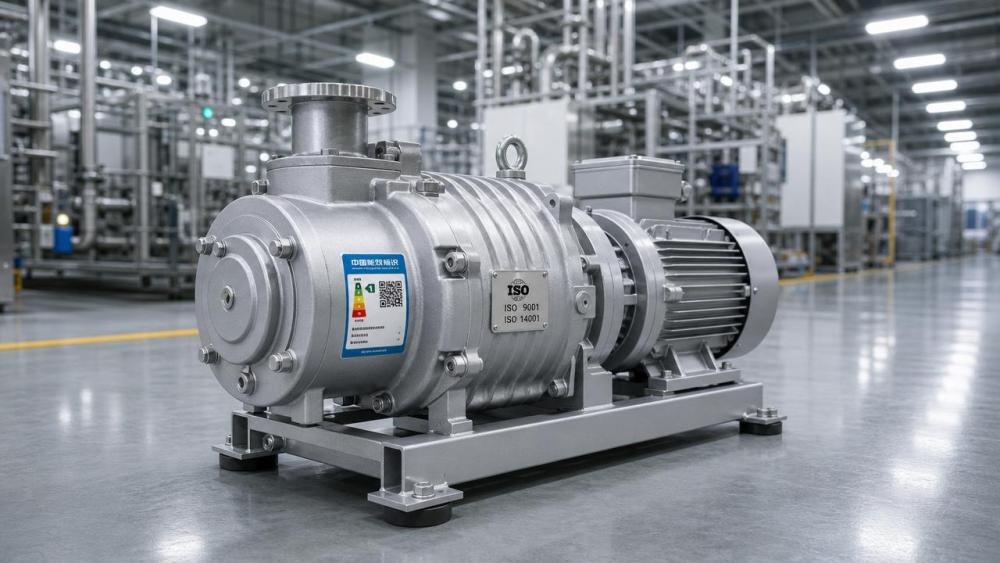
On May 20, 2026, MIIT issued an official notice confirming the full rollout of the 2026 Industrial Energy Conservation Inspection program. Starting July 1, 2026, all liquid ring vacuum pumps manufactured and released from Chinese facilities must bear the China Energy Label per GB 30251-2023, and manufacturers must submit third-party verified carbon footprint reports (aligned with ISO 14067 or PAS 2050) to provincial energy supervision authorities prior to market release.
Industries Affected
Direct trading enterprises: Exporters and OEM/ODM firms selling liquid ring vacuum pumps overseas will face heightened compliance verification by international buyers. The dual requirement — China Energy Label Grade 1 + EPD (Environmental Product Declaration) — is now becoming a de facto prequalification filter in procurement tenders, especially in EU, South Korea, and California-based industrial equipment sourcing. Non-compliant suppliers risk exclusion from e-procurement platforms and green public procurement lists.
Raw material procurement enterprises: Suppliers of cast iron housings, stainless steel rotors, elastomeric seals, and specialized lubricants may see revised technical specifications from pump manufacturers — including tighter carbon intensity thresholds for upstream materials. Procurement contracts are expected to increasingly reference embedded carbon data, shifting negotiation dynamics from price-only to lifecycle transparency.
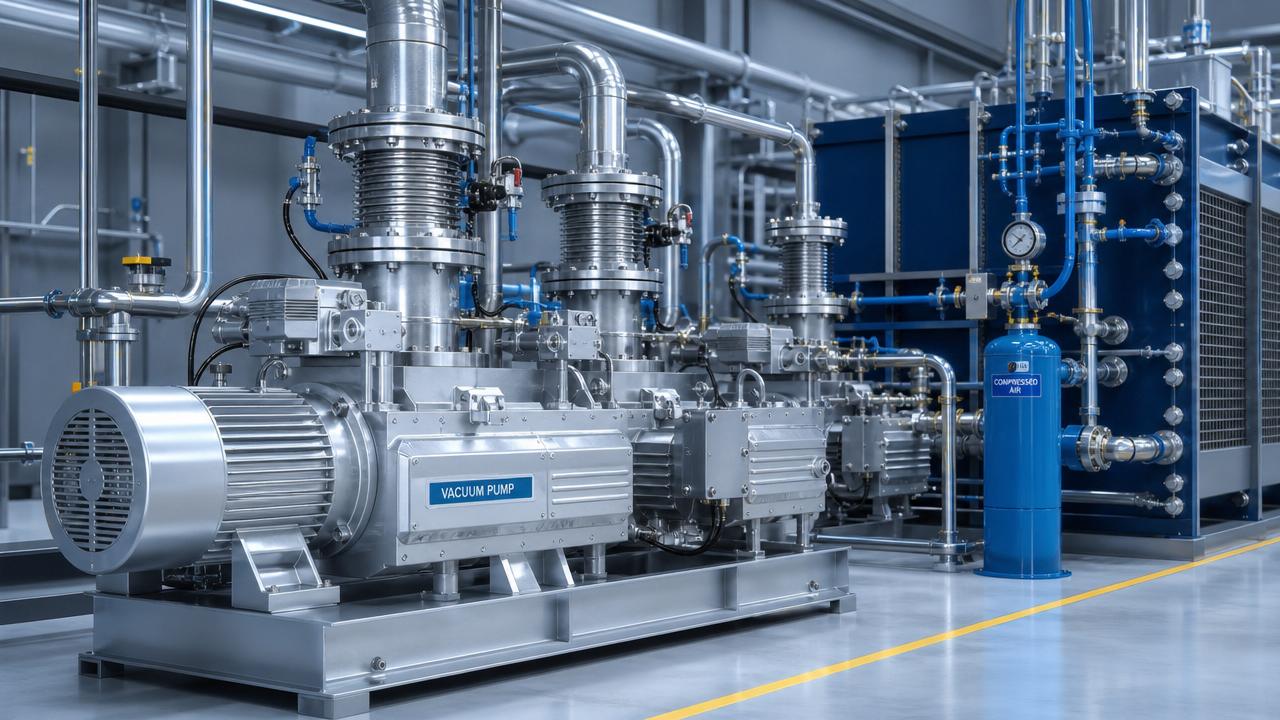
Manufacturing enterprises: Domestic pump OEMs must reconfigure production lines to accommodate label printing, packaging redesign, and documentation workflows for carbon reporting. Retrofitting legacy models to meet Grade 1 efficiency (≥78% motor-system efficiency under ISO 5801/IEC 61858 test conditions) may require new impeller geometries, optimized sealing systems, or variable-frequency drive integration — raising capex and validation timelines.
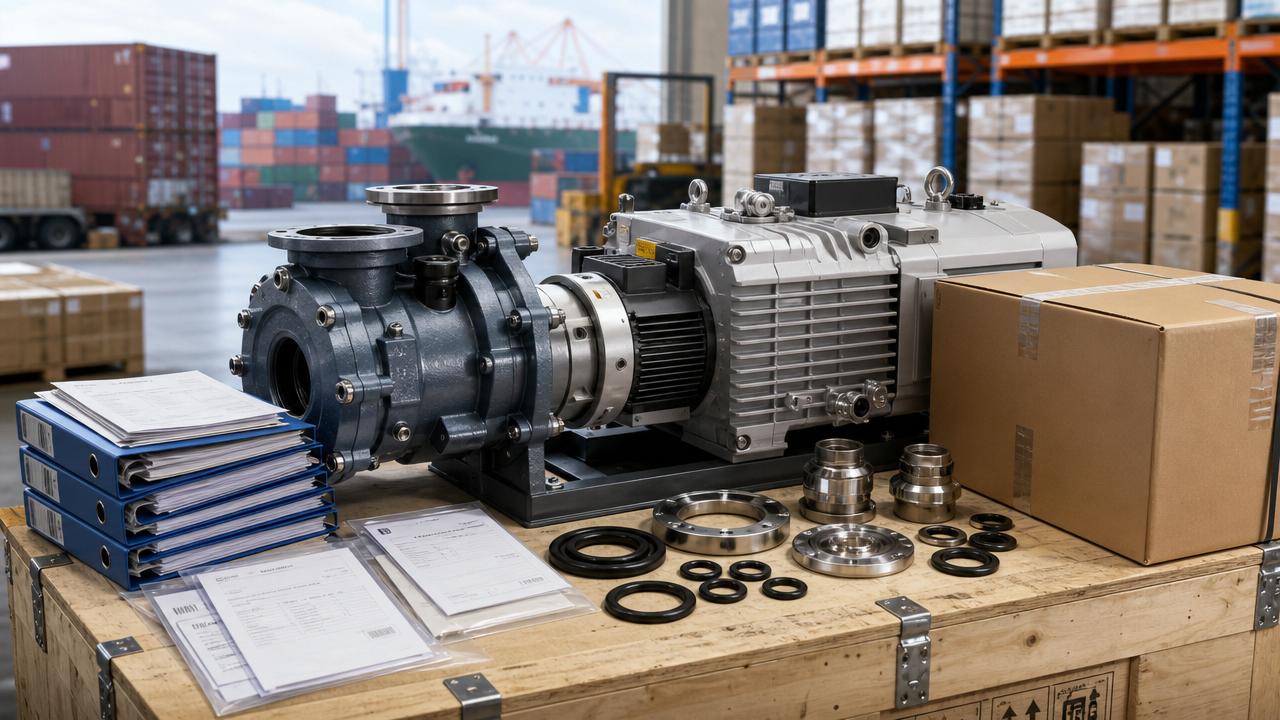
Supply chain service enterprises: Third-party certification bodies, LCA (life cycle assessment) consultants, and logistics providers offering ‘green documentation support’ are seeing increased demand for bundled services — e.g., coordinated label registration, EPD verification, and customs-ready carbon summary dossiers. However, capacity bottlenecks exist: only 12 institutions nationwide are currently accredited by CNAS for carbon footprint verification of rotating equipment.
Key Focus Areas & Recommended Actions
Verify labeling and certification readiness by June 15, 2026
Manufacturers must confirm alignment of product testing protocols with GB 30251-2023 Annex B (test method for liquid ring vacuum pumps), and complete label registration via the China Energy Efficiency Labeling Management Center portal before June 15 — allowing buffer time for corrections ahead of the July 1 enforcement date.
Initiate EPD development using ISO 14040/14044-compliant LCA
Carbon footprint reporting must cover cradle-to-gate scope (including raw material extraction, component manufacturing, and final assembly). Firms should prioritize primary data collection over generic databases — especially for electricity grid mix (regional), casting energy intensity, and seal polymer synthesis emissions — to avoid EPD rejection or downgraded credibility ratings.
Evaluate supply chain traceability systems
Suppliers of critical subcomponents (e.g., shafts, bearings, mechanical seals) must be able to provide verified environmental data. Enterprises lacking digital traceability infrastructure should pilot lightweight QR-code–linked material declarations — a pragmatic interim step toward full DPP (Digital Product Passport) readiness anticipated in the 2027 revision of the Green Manufacturing Standard.
Editorial Perspective / Industry Observation
Observably, this policy shift is less about immediate energy savings — liquid ring pumps account for
Conclusion
This regulatory step signals a structural evolution in China’s industrial policy: from volume-driven efficiency targets to verifiable, export-relevant environmental performance signaling. It does not mandate technology replacement, but reshapes competitive differentiation — where transparency, not just efficiency, becomes a core product attribute. A rational observation is that compliance velocity — not absolute technical capability — will define near-term market leadership among mid-tier manufacturers.
Source Attribution
Official source: MIIT Notice No. 2026-47, issued May 20, 2026 (available at www.miit.gov.cn/ywgz/zcfg/fgwj/202605/t20260520_398721.htm). Supporting standards: GB 30251-2023, ISO 14067:2018, EN 15804:2012+A2:2019. To be monitored: CNAS accreditation updates for vacuum equipment LCA verification (expected June 2026); draft Green Equipment Certification Framework (public consultation window opens August 2026).
Ready when you are. Send us a message to get started.
Related News
- Saudi Vacuum Pump Imports Face SASO 2870:2026 RuleAuthor :Vacuum Process Fellow

- PSA Opens Dedicated Vacuum Equipment Lane at Jurong IslandAuthor :Vacuum Process Fellow

- IMO Rule Adds GWP Labeling for Liquid Ring Vacuum Pump ShipmentsAuthor :Vacuum Process Fellow

- EPA Extends SNAP 89 Filing Rule to Liquid Ring PumpsAuthor :Vacuum Process Fellow

- China Tightens Export Controls on Some FKM Pump SealsAuthor :Vacuum Process Fellow

- Vacuum Technology Selection Mistakes to AvoidAuthor :Vacuum Process Fellow

- India to Mandate BIS Certification for Liquid Ring Vacuum Pumps from Aug 2026Author :Vacuum Process Fellow
![]()
- ZTE’s 2025 Sustainability Report Sets New Liquid Ring Pump Efficiency BenchmarkAuthor :Vacuum Process Fellow

- APEC Pushes E-BL Framework, Boosting Vacuum Pump Export LogisticsAuthor :Vacuum Process Fellow
![]()
- MIIT Launches 2026 Industrial Energy Conservation InspectionAuthor :Vacuum Process Fellow

- China's Joint Crackdown on Used EV Battery Recycling Impacts Vacuum Pump Lubricant Supply ChainAuthor :Vacuum Process Fellow

- IVA Releases Liquid Ring Pump Carbon Footprint ProtocolAuthor :Vacuum Process Fellow

- IVA Releases Liquid Ring Pump Carbon Footprint GuidelinesAuthor :Vacuum Process Fellow