IMO Rule Adds GWP Labeling for Liquid Ring Vacuum Pump Shipments




On July 1, 2026, the IMO updated the IMDG Code Supplement 2026 to require exported liquid ring vacuum pumps shipped by sea to state the working fluid’s GWP value and whether it contains HFC components on transport labels. The change applies to global maritime shipping, and it already matters to exporters, shipping teams, documentation staff, freight service providers, and overseas buyers because carriers have begun rejecting containers that do not carry the required labeling.
What the updated IMO requirement confirms
According to the provided information, the updated rule took effect from July 2026 and applies to all liquid ring vacuum pumps exported by sea. The scope includes models that use an ethylene glycol and water mixture as the working fluid.
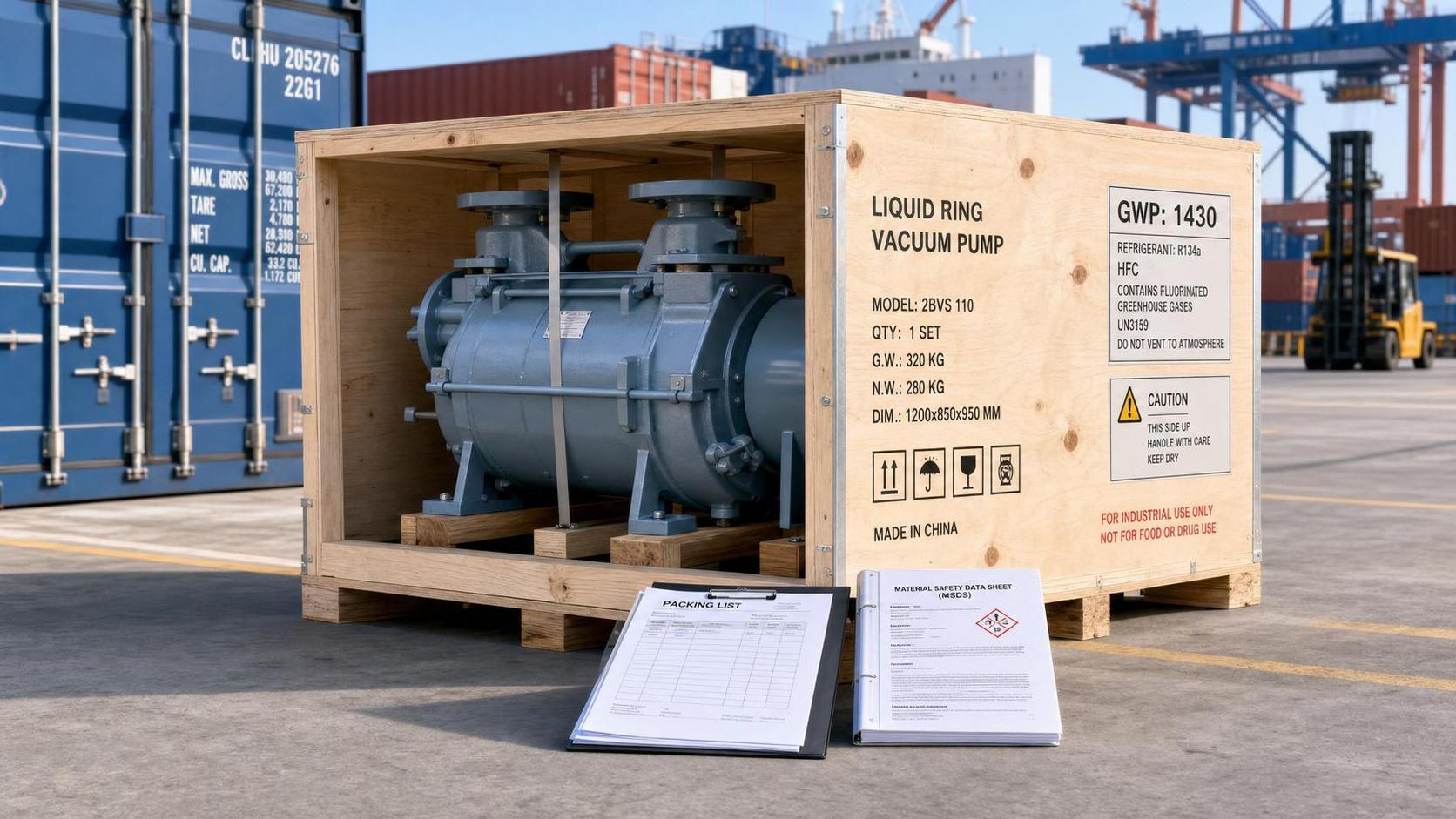
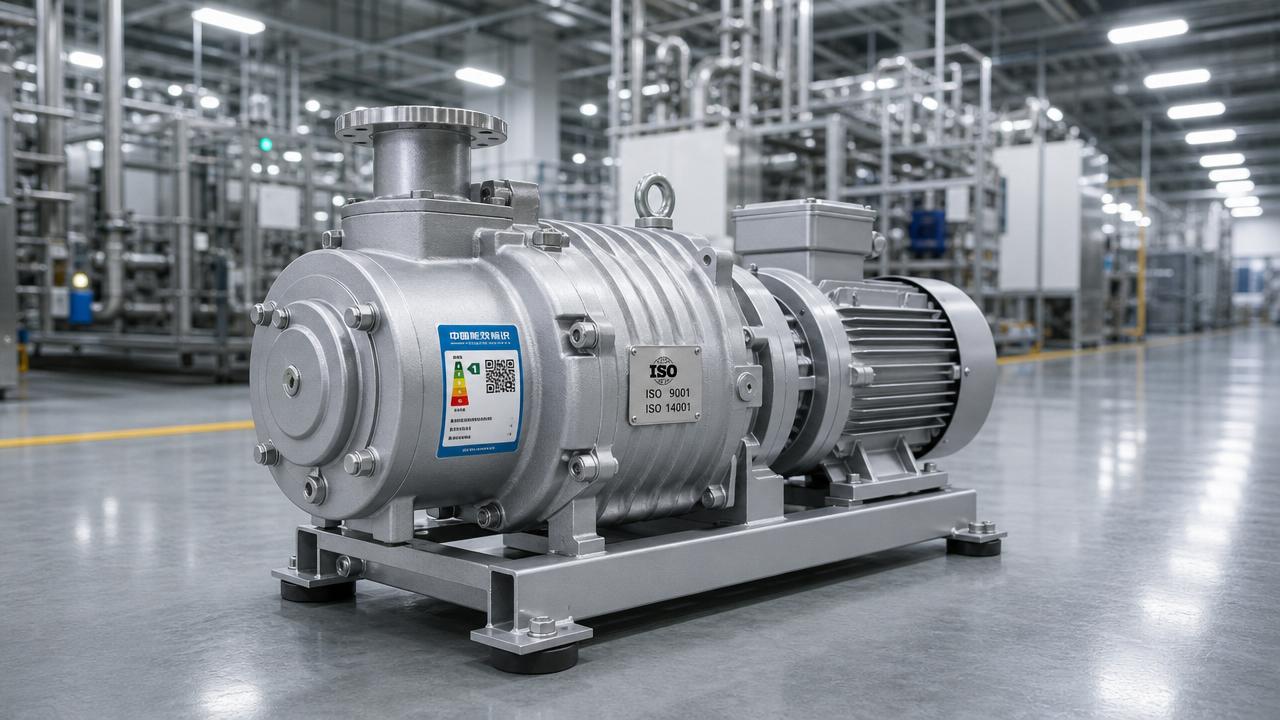
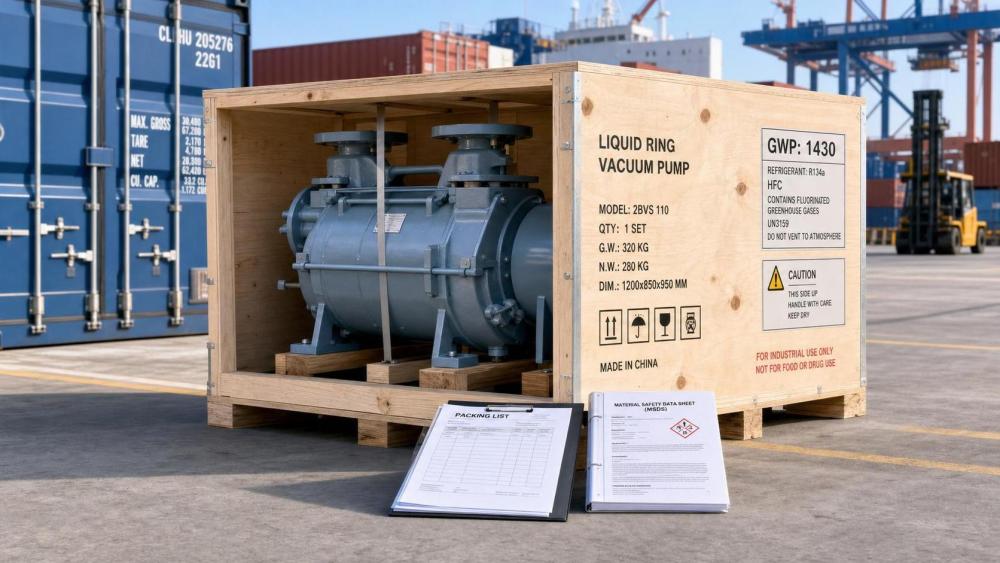
The transport label must clearly identify two points: the GWP value of the working fluid and whether HFC-class components are present. The rule applies to global ocean transport. The provided information also states that shipping lines have already started refusing containers without this labeling.
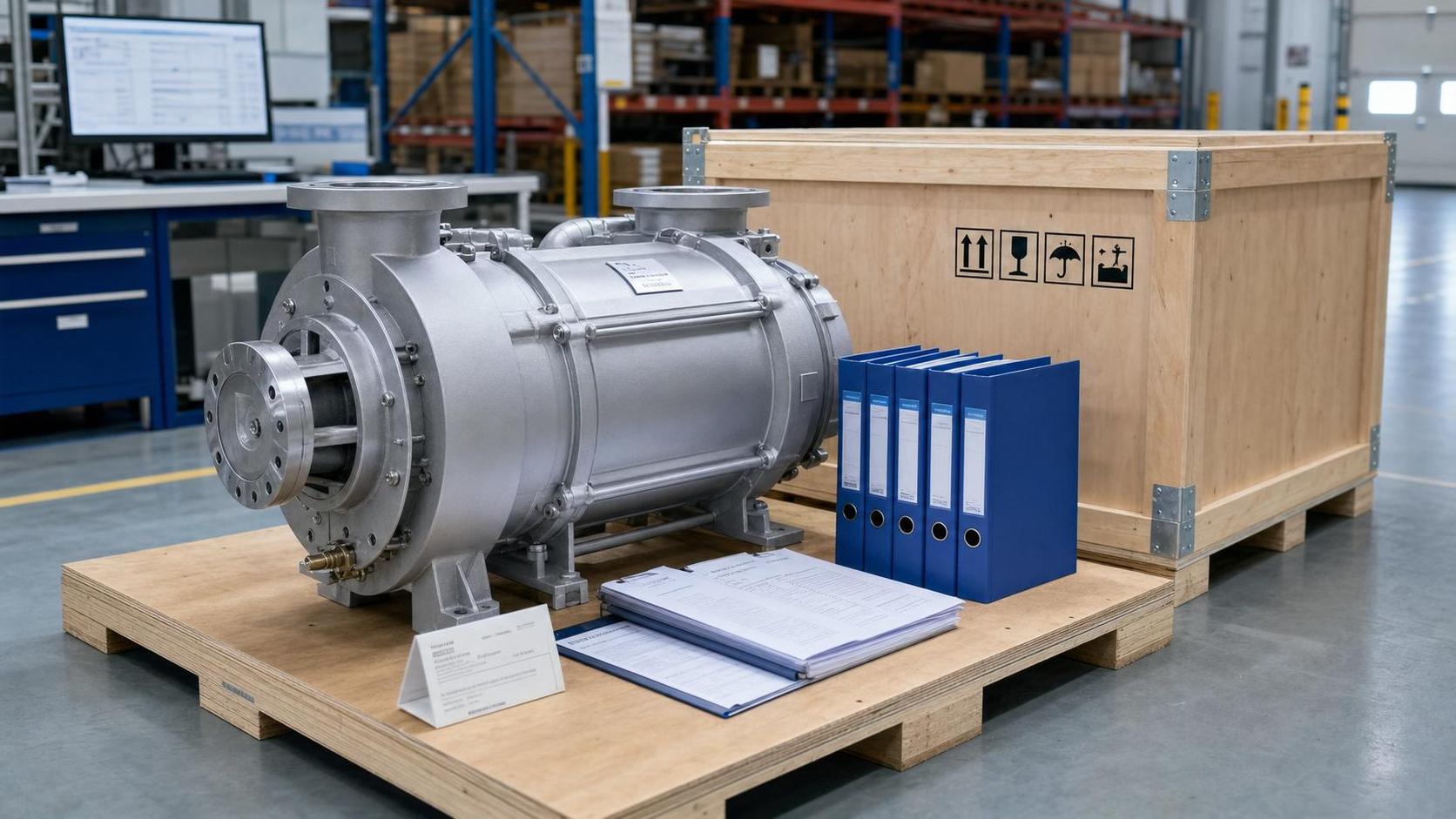
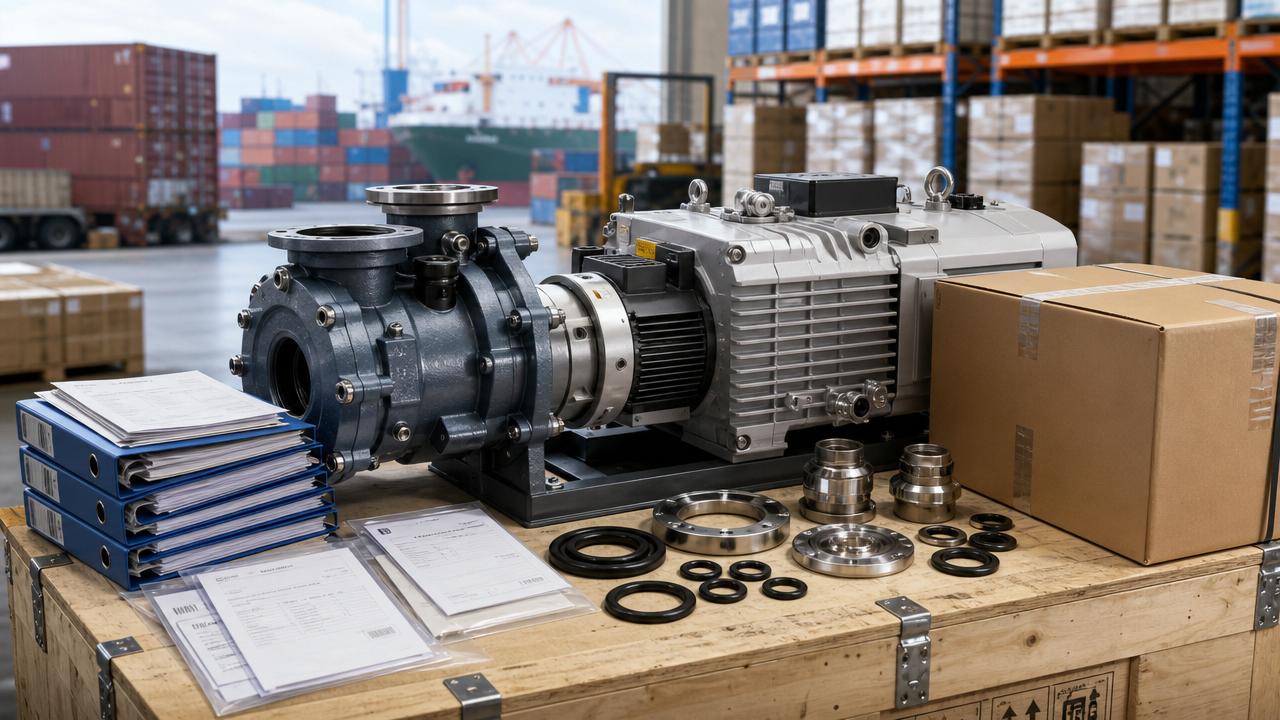
For Chinese liquid ring pump exporters, the required updates are not limited to outer transport markings. The packing list and MSDS must also be revised to reflect the environmental parameters of the working fluid.
Where the immediate pressure will appear in the supply chain
Export manufacturers face a documentation and shipment release issue
From an industry perspective, liquid ring vacuum pump manufacturers involved in export trade are likely to feel the impact first because the rule directly affects whether cargo can be accepted for maritime shipment. The main pressure point is no longer only product preparation, but also the consistency between labels, packing lists, and MSDS documents.
What deserves closer attention is that affected products include not only pumps commonly discussed in transport compliance reviews, but also models using ethylene glycol and water mixtures as working fluids. That makes fluid description and environmental parameter disclosure a practical export control point.
Freight and shipping service providers will need tighter pre-check workflows
Analysis shows that freight forwarders, booking agents, and other supply chain service providers may be affected through cargo acceptance and document review stages. If carriers are already rejecting non-labeled containers, pre-shipment verification becomes more important in booking, container loading, and handover processes.
The operational issue here is not policy interpretation alone. It is whether cargo files and package markings are aligned before the container reaches the port or carrier review stage.
Overseas buyers and procurement teams may revisit compliance requests
Observably, overseas customers and procurement teams may need to pay closer attention to supplier documentation because transport compliance can affect delivery timing. The likely impact is on order execution, shipment coordination, and confirmation of technical and environmental information related to the working fluid.
For buyers, the practical concern is whether the supplier can provide complete shipping labels and supporting documents in time, especially when shipment windows are tight.
What companies should review now
Check whether product labels and fluid data are fully synchronized
Companies involved in sea export should review whether transport labels clearly state the working fluid’s GWP value and whether HFC content is present. The same parameters should be checked against the packing list and MSDS so that the shipment file does not present inconsistent information.
Reconfirm which exported models fall within the affected scope
The provided information explicitly includes liquid ring vacuum pump models using an ethylene glycol and water mixture. Companies should therefore focus on product classification at the shipment preparation stage and confirm whether existing export routines for these models need immediate revision.
Separate rule text from actual carrier acceptance practice
Analysis shows that one practical issue is the gap between regulatory wording and carrier enforcement. In this case, the provided information already indicates that shipping lines have begun refusing containers without the required labeling. That means companies should treat carrier acceptance standards as an immediate execution issue, not only as a later compliance review topic.
Prepare customer and supplier communication around lead time risk
What deserves closer attention is communication across the transaction chain. Exporters may need to align internally between sales, documentation, packaging, and logistics teams, while also explaining any document updates to customers and service providers. Where shipments are already planned, lead time risk should be reviewed against the new labeling requirement.
Why this matters beyond a labeling update
Analysis shows that this development is more than a narrow packaging adjustment. It points to stricter scrutiny of environmental parameter disclosure in maritime export handling for this product category. Even within the limited facts provided, the combination of label requirements, document updates, and carrier refusal indicates that environmental information is becoming an operational shipping condition rather than a background technical detail.
It is more appropriate to understand this as both an immediate compliance change and a broader signal that document precision around working fluids now carries direct commercial consequences for exporters using ocean freight. At the same time, this remains a fact pattern that should continue to be monitored, especially in how carriers and trading parties apply it in daily shipment reviews.
How the market is likely to read this for now
At this stage, the most reasonable interpretation is that the rule creates a short-term execution issue with potential longer-term implications for export compliance workflows. The confirmed facts already show direct effects on cargo acceptance, while the broader industry meaning lies in how environmental data disclosure is moving closer to shipment release decisions.
A neutral conclusion is that this is not merely a formal update with no operational effect. For companies shipping liquid ring vacuum pumps by sea, it is currently better understood as an active compliance requirement that can influence delivery schedules, documentation discipline, and coordination across the export chain.
Basis of this article and points for continued verification
This article is based on the user-provided news title, event date, and event summary. The summary states that the IMO updated the IMDG Code Supplement 2026 on July 1, 2026, introduced GWP and HFC-related transport labeling requirements for sea-exported liquid ring vacuum pumps, and that carriers have begun rejecting non-labeled containers.
For this type of industry update, commonly relevant source categories usually include official notices, standard organization documents, company compliance notices, industry association updates, and reporting by authoritative trade media. A specific official source link was not provided in the input, so the exact source document path still requires ongoing verification. Further attention should remain on subsequent official wording, carrier enforcement practice, and any additional document handling guidance affecting packing lists and MSDS updates.
Ready when you are. Send us a message to get started.
Related News
- Saudi Vacuum Pump Imports Face SASO 2870:2026 RuleAuthor :Vacuum Process Fellow

- PSA Opens Dedicated Vacuum Equipment Lane at Jurong IslandAuthor :Vacuum Process Fellow

- IMO Rule Adds GWP Labeling for Liquid Ring Vacuum Pump ShipmentsAuthor :Vacuum Process Fellow

- EPA Extends SNAP 89 Filing Rule to Liquid Ring PumpsAuthor :Vacuum Process Fellow

- China Tightens Export Controls on Some FKM Pump SealsAuthor :Vacuum Process Fellow

- Vacuum Technology Selection Mistakes to AvoidAuthor :Vacuum Process Fellow

- India to Mandate BIS Certification for Liquid Ring Vacuum Pumps from Aug 2026Author :Vacuum Process Fellow
![]()
- ZTE’s 2025 Sustainability Report Sets New Liquid Ring Pump Efficiency BenchmarkAuthor :Vacuum Process Fellow

- APEC Pushes E-BL Framework, Boosting Vacuum Pump Export LogisticsAuthor :Vacuum Process Fellow
![]()
- MIIT Launches 2026 Industrial Energy Conservation InspectionAuthor :Vacuum Process Fellow

- China's Joint Crackdown on Used EV Battery Recycling Impacts Vacuum Pump Lubricant Supply ChainAuthor :Vacuum Process Fellow

- IVA Releases Liquid Ring Pump Carbon Footprint ProtocolAuthor :Vacuum Process Fellow

- IVA Releases Liquid Ring Pump Carbon Footprint GuidelinesAuthor :Vacuum Process Fellow