IVA Releases Liquid Ring Pump Carbon Footprint Guidelines




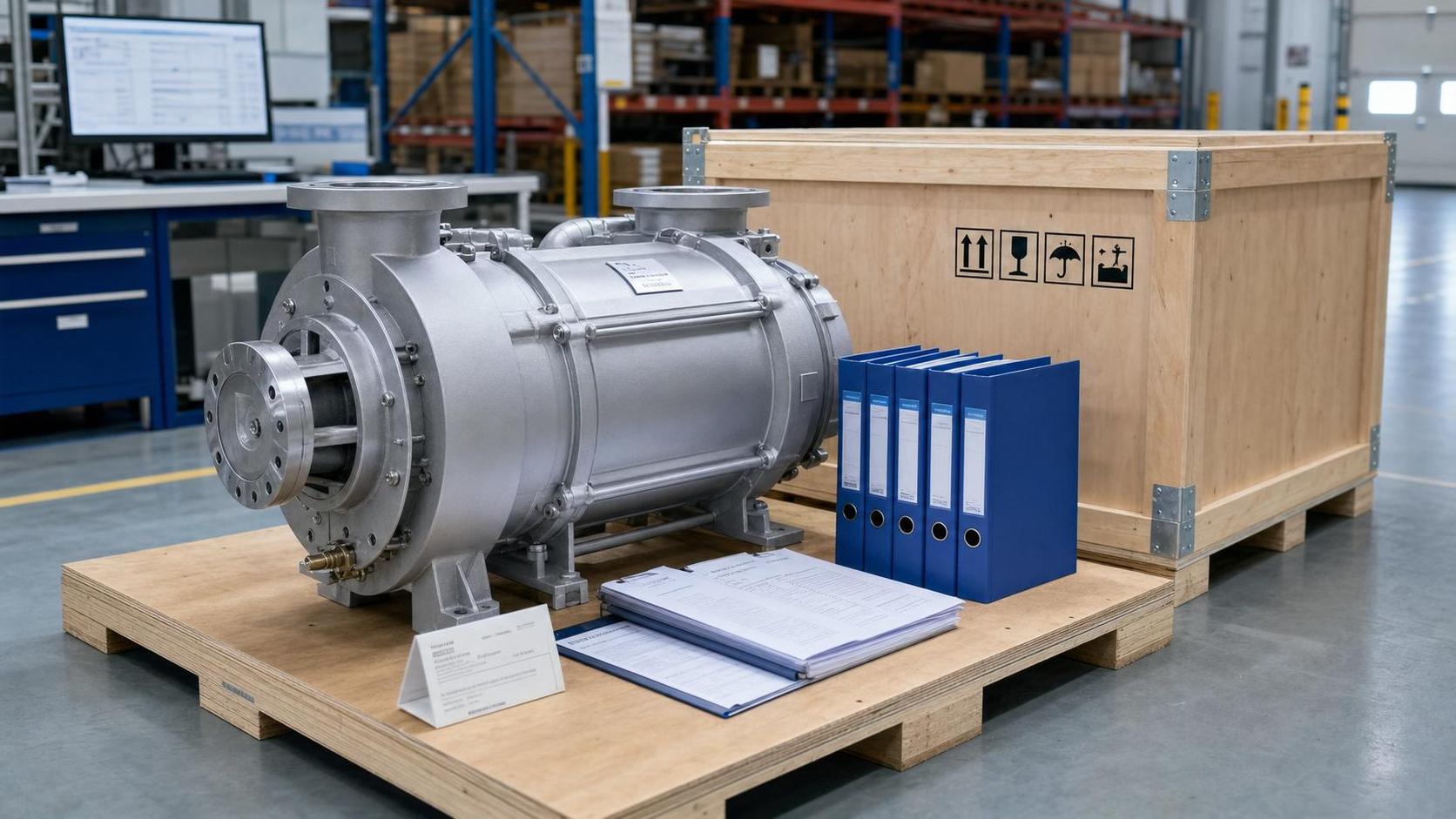
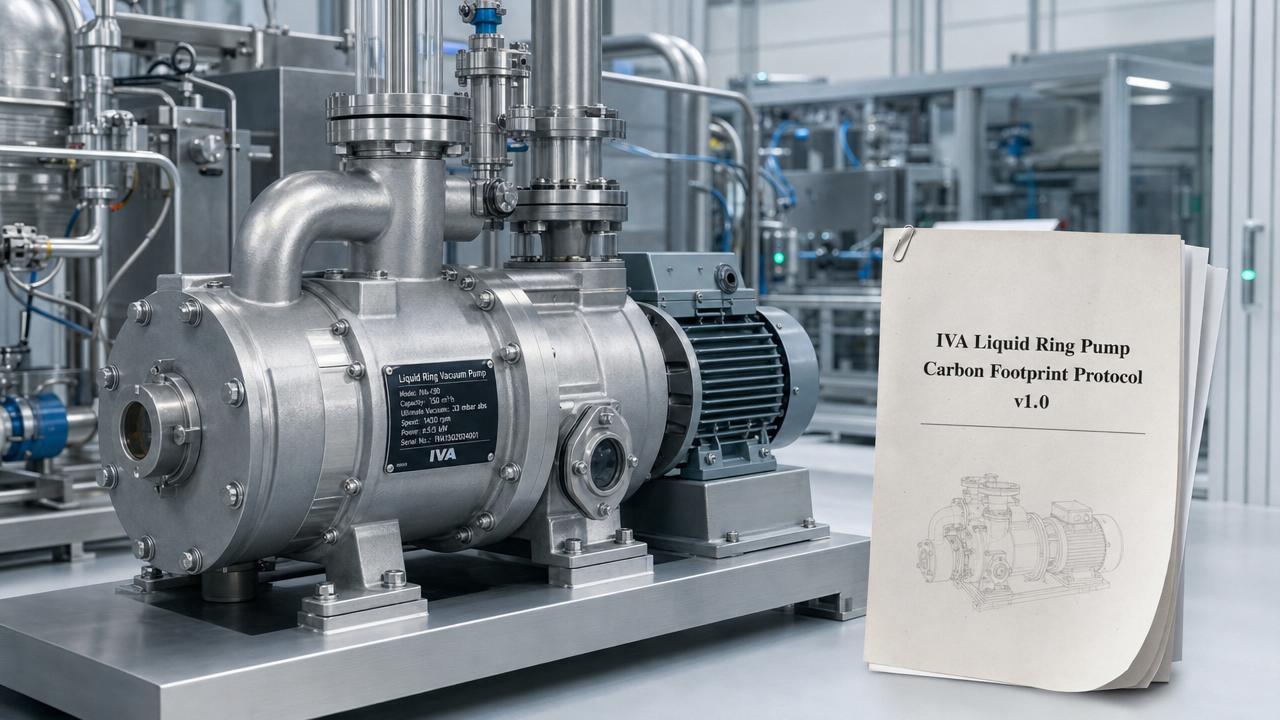
On May 16, 2026, the International Vacuum Association (IVA) published its first Liquid Ring Pump Life Cycle Carbon Footprint Calculation Guidelines, introducing a standardized approach to whole-unit carbon accounting and signaling a shift toward ESG-linked procurement—particularly relevant for chemical processing, pharmaceutical manufacturing, and industrial vacuum system integration sectors.
Event Overview
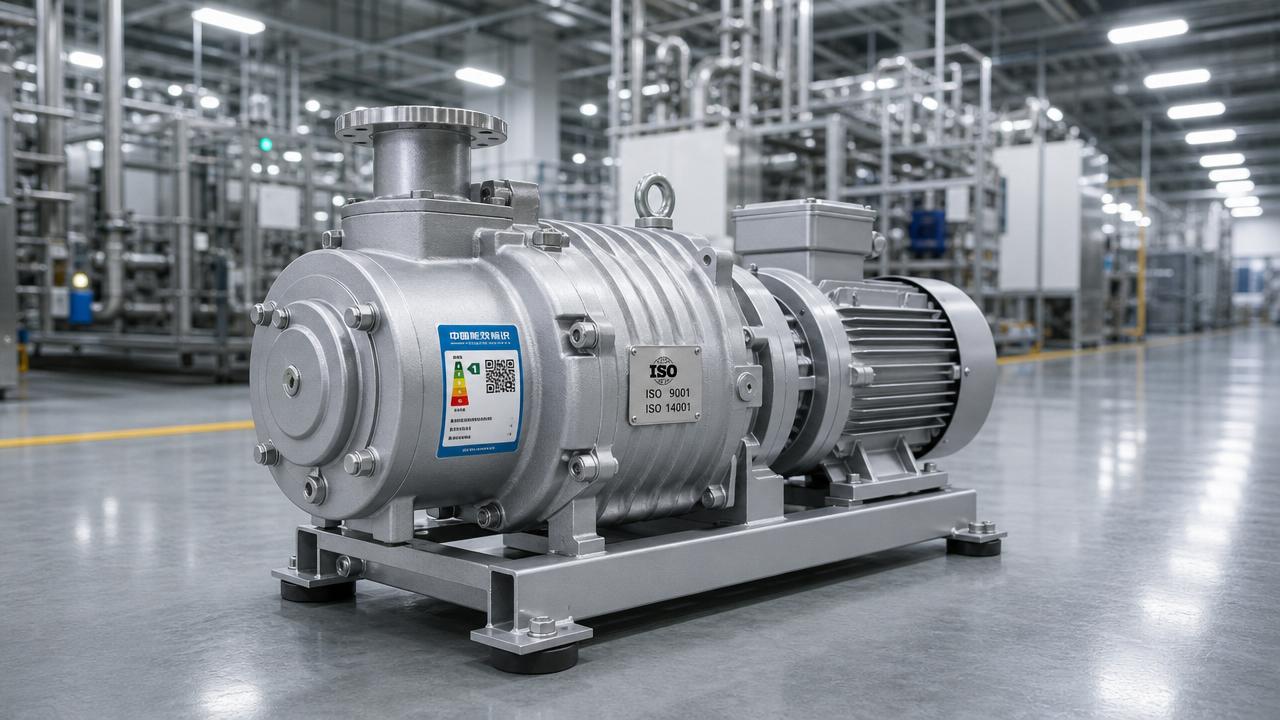
The International Vacuum Association (IVA) released the Liquid Ring Pump Life Cycle Carbon Footprint Calculation Guidelines on May 16, 2026. The document recommends applying ISO 14040 and ISO 14044 life cycle assessment (LCA) methodology to calculate the cradle-to-gate (or cradle-to-grave, if specified) carbon footprint of liquid ring pumps as complete units. It further encourages procuring organizations to incorporate verified carbon footprint data into tender evaluation criteria. As confirmed in publicly available statements, three major European chemical companies have announced that, starting in 2027, supplier tender submissions must include a declared carbon footprint for liquid ring pump offerings.
Which Subsectors Are Affected
Manufacturers of Liquid Ring Pumps
These companies are directly affected because the Guidelines establish an industry-recognized framework for quantifying product-level emissions. Impact manifests in increased demand for LCA-capable internal capabilities—or third-party verification—and potential competitive differentiation based on transparency and lower reported footprints.
End-User Industrial Buyers (e.g., Chemical, Pharma, Food & Beverage)
Procurement teams at large industrial facilities face new documentation and evaluation requirements in upcoming tenders. Impact includes revised RFP templates, expanded due diligence on supplier environmental reporting, and possible delays or re-scoping of equipment procurement cycles if suppliers lack compliant data.
Component Suppliers and Subsystem Integrators
Suppliers providing key subassemblies (e.g., castings, seals, motors, control systems) may see upstream requests for material-specific environmental data (e.g., EPDs), as pump OEMs seek to fulfill LCA boundary requirements. Impact is indirect but operationally significant—especially where traceability or primary data collection is limited.
Supply Chain Verification and Certification Providers
Third-party LCA consultants, verification bodies, and LCA software vendors face growing demand for support in applying ISO 14040/44 specifically to rotating vacuum equipment. Impact centers on service scope expansion and need for sector-specific guidance beyond generic LCA training.
What Relevant Companies or Practitioners Should Focus On — And How to Respond Now
Monitor official updates from IVA and regional standardization bodies
The Guidelines are a recommendation—not a mandatory standard—yet their adoption by major buyers signals de facto influence. Stakeholders should track whether IVA plans supporting implementation tools (e.g., default datasets, boundary definitions, or alignment with EU Product Environmental Footprint Category Rules).
Identify high-priority tender opportunities with European chemical end-users
Given the 2027 deadline set by three major European chemical groups, manufacturers and suppliers should audit upcoming bid timelines for those accounts—and prioritize building baseline LCA models for best-selling liquid ring pump configurations before Q4 2026.
Distinguish between policy signal and operational requirement
While the Guidelines themselves do not impose obligations, the procurement mandates from lead customers represent binding contractual conditions. Companies should treat these buyer-specific requirements as enforceable business terms—not voluntary ESG gestures—and align internal compliance workflows accordingly.
Prepare supplier communication and data collection protocols now
OEMs needing upstream input for LCA modeling should draft standardized data request templates for critical components (e.g., energy use in casting, aluminum smelting electricity mix, motor efficiency curves). Early engagement helps avoid bottlenecks when formal tenders launch.
Editorial Perspective / Industry Observation
Observably, this development functions primarily as a coordination mechanism—not yet a regulatory mandate. Its significance lies less in technical novelty (ISO 14040/44 is well established) and more in the IVA’s role in bridging vacuum equipment engineering practice with procurement-driven decarbonization. Analysis shows it reflects growing pressure to translate broad ESG commitments into product-level accountability, especially where energy-intensive equipment forms part of long-life infrastructure. From an industry perspective, this is better understood as an early-stage market signal gaining traction through anchor customer action—rather than a finalized compliance regime. Continued attention is warranted because procurement-led standards often precede formal regulation, particularly in capital goods sectors with long design and procurement cycles.
Conclusion: The IVA’s Guidelines mark a procedural milestone—not an immediate compliance threshold—but one that crystallizes how carbon accountability is migrating from corporate sustainability reports into technical equipment specifications. For stakeholders, it is most accurately interpreted as an anticipatory alignment step: a prompt to begin integrating life cycle thinking into product development, procurement, and supplier management—not as optional ESG activity, but as foundational to market access in key industrial segments.
Source: International Vacuum Association (IVA), official release dated May 16, 2026; public statements from three unnamed European chemical corporations (as cited in IVA announcement). Note: Specific implementation timelines beyond the stated 2027 tender requirement, and any future IVA technical supplements, remain under observation.
Ready when you are. Send us a message to get started.
Related News
- Saudi Vacuum Pump Imports Face SASO 2870:2026 RuleAuthor :Vacuum Process Fellow

- PSA Opens Dedicated Vacuum Equipment Lane at Jurong IslandAuthor :Vacuum Process Fellow

- IMO Rule Adds GWP Labeling for Liquid Ring Vacuum Pump ShipmentsAuthor :Vacuum Process Fellow

- EPA Extends SNAP 89 Filing Rule to Liquid Ring PumpsAuthor :Vacuum Process Fellow

- China Tightens Export Controls on Some FKM Pump SealsAuthor :Vacuum Process Fellow

- Vacuum Technology Selection Mistakes to AvoidAuthor :Vacuum Process Fellow

- India to Mandate BIS Certification for Liquid Ring Vacuum Pumps from Aug 2026Author :Vacuum Process Fellow
![]()
- ZTE’s 2025 Sustainability Report Sets New Liquid Ring Pump Efficiency BenchmarkAuthor :Vacuum Process Fellow

- APEC Pushes E-BL Framework, Boosting Vacuum Pump Export LogisticsAuthor :Vacuum Process Fellow
![]()
- MIIT Launches 2026 Industrial Energy Conservation InspectionAuthor :Vacuum Process Fellow

- China's Joint Crackdown on Used EV Battery Recycling Impacts Vacuum Pump Lubricant Supply ChainAuthor :Vacuum Process Fellow

- IVA Releases Liquid Ring Pump Carbon Footprint ProtocolAuthor :Vacuum Process Fellow

- IVA Releases Liquid Ring Pump Carbon Footprint GuidelinesAuthor :Vacuum Process Fellow